

Cuba in brief
- Havana, Viñales and Trinidad are the classic trio; add a beach on the cays or the east around Santiago and Baracoa.
- Best from November to April, the dry season; June to November is hurricane season.
- No direct flights from the UK: fly with one connection, and travel between towns by private transfer.
- Bring cash in euros or US dollars: UK cards don’t work in Cuba.

Cuba is the Caribbean’s largest island and its most distinctive: a place of crumbling colonial cities, 1950s American cars, live music on every corner, tobacco farms among limestone hills and long white beaches on the cays. It’s not a polished, everything-works destination, and that is a large part of its appeal. This guide covers where to go, from Havana, Viñales and Trinidad to Santiago de Cuba, Baracoa and the beaches, plus the best time to visit, getting there from the UK, getting around, staying in casas particulares, sample routes, our tours and the practical things you need to know about money and supplies.
Where is Cuba?
Cuba lies at the meeting point of the Caribbean Sea, the Gulf of Mexico and the Atlantic, about 145 km south of Key West and a short hop north of Jamaica. It’s a long, thin island, about 1,250 km from end to end, so distances are bigger than they look. Most first trips focus on the west and centre, Havana, Viñales, Cienfuegos and Trinidad, with a few days on a beach to finish. The east, around Santiago and Baracoa, is wilder, more musical and more Afro-Caribbean, and suits a second trip or a longer one.
Havana

Old Havana (La Habana Vieja) has been a UNESCO World Heritage Site since 1982. Its four great squares, Plaza de Armas, Plaza de la Catedral, Plaza Vieja and Plaza de San Francisco, are linked by narrow streets of colonial mansions, some beautifully restored, many still peeling. Walk Calle Obispo and Calle Mercaderes, and look into the courtyards.
West of the old town, the Paseo del Prado leads to the sea, past the domed Capitolio. Beyond is Centro Habana, crowded and lived-in, and leafy Vedado, with its 1950s towers, mansions and the university.
At dusk, everyone heads for the Malecón, the 8 km sea wall where Habaneros fish, flirt and play music. Across the harbour, the fortress of La Cabaña fires a cannon every night at 9pm in a ceremony that dates from colonial times.

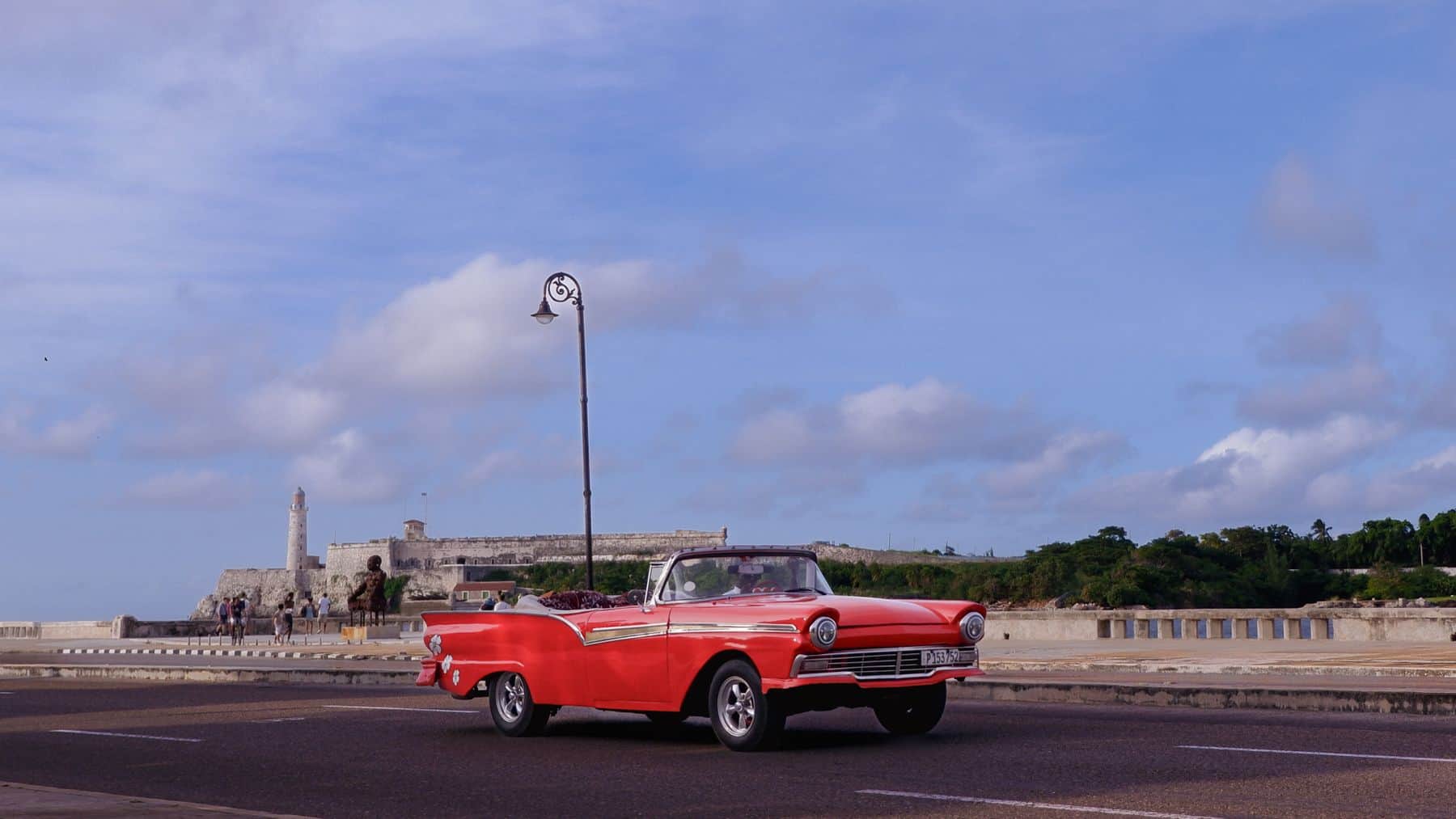
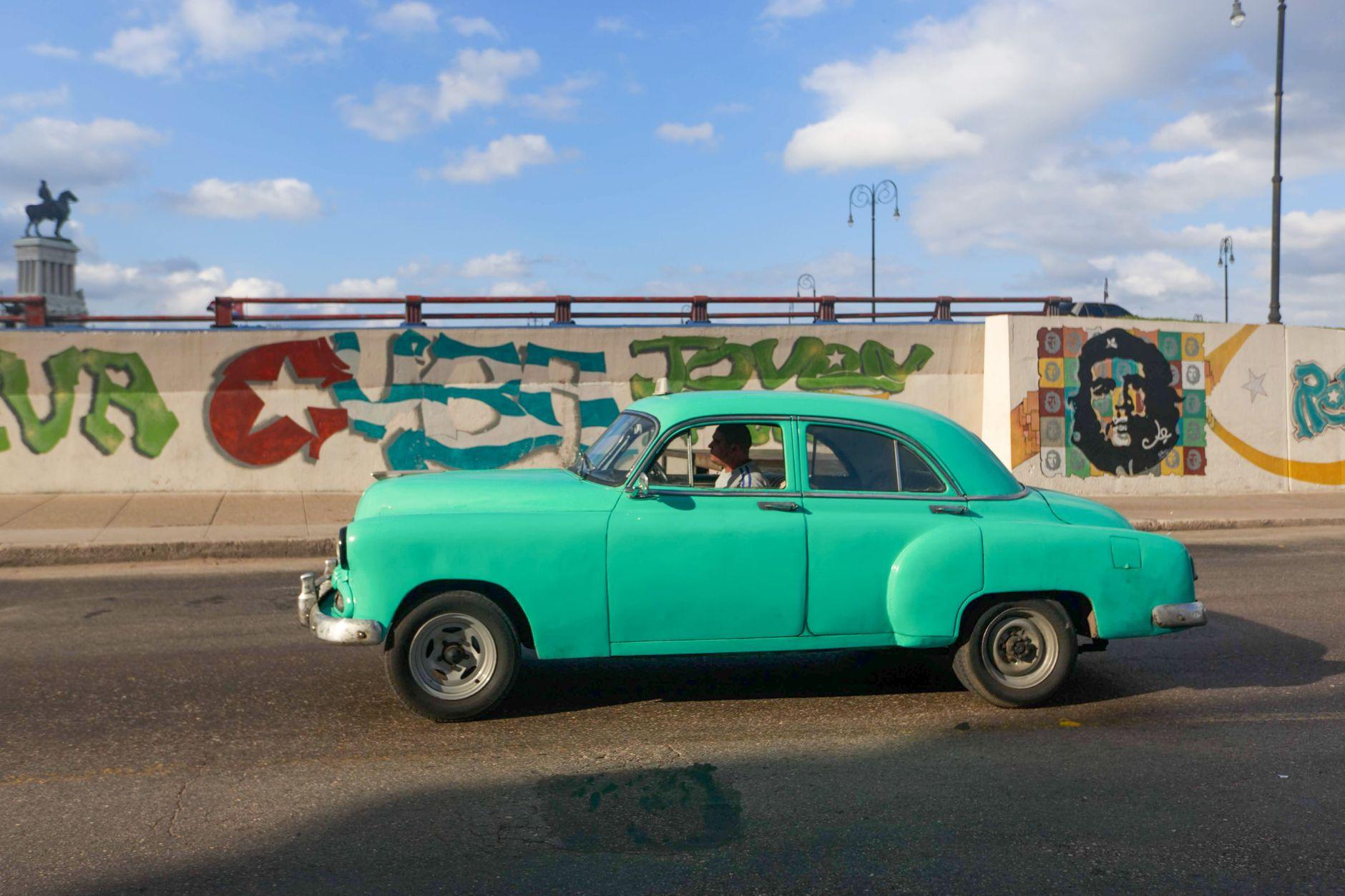
Things to do in Havana: take a tour in an open-top classic car along the Malecón and through Vedado and Miramar; visit the Museo Nacional de Bellas Artes, whose Cuban art collection is the best on the island; see Fusterlandia, a neighbourhood covered in mosaics by the artist José Fuster; and drive out to Finca Vigía, Ernest Hemingway’s house in the hills. Allow at least three nights. Our Havana guide and classic car tour have more.
Where to go in Cuba
These are the Cuban cities and regions to visit, from west to east. For a deeper look, see which part of Cuba is best for a holiday.
Viñales
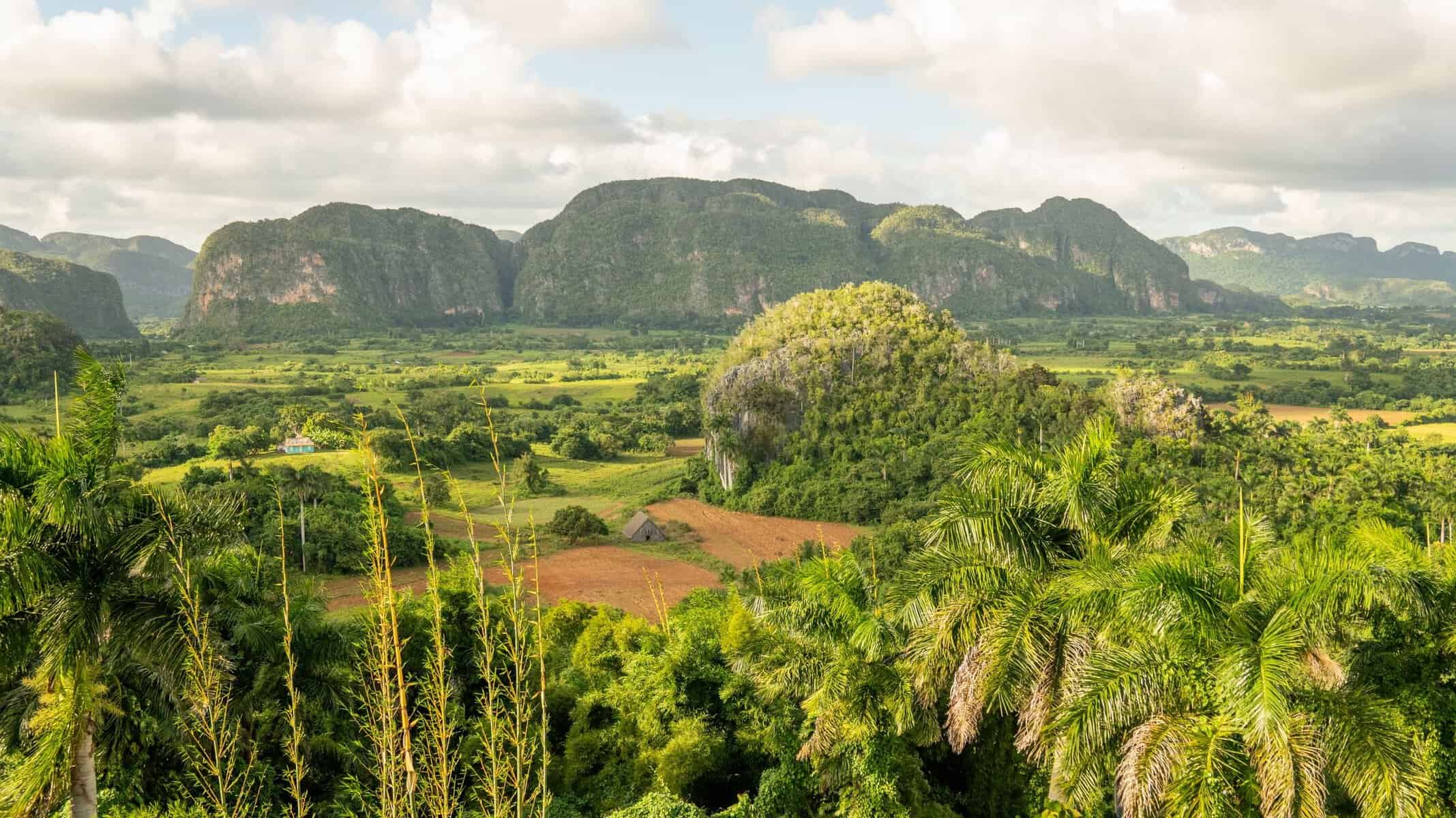
A valley of red earth, tobacco fields and wooden drying barns, ringed by steep limestone hills called mogotes. Walk or ride a horse through the farms, visit a grower to see how cigars are rolled, and explore caves. The village is a single street of casas particulares. Two nights is ideal.
Viñales guide →
Trinidad
Cuba’s best-preserved colonial town, built on sugar money, with cobbled streets, pastel houses and the bell tower of the San Francisco convent above the Plaza Mayor. Nearby are the Valle de los Ingenios, the old sugar valley (UNESCO-listed with the town), Playa Ancón for the beach and the waterfalls of Topes de Collantes in the Escambray mountains. Stay three nights.
Trinidad guide →
Cienfuegos
Founded in 1819 by French settlers, Cienfuegos is a neat, neoclassical city on a large bay, with a grand central square, a theatre and a waterfront promenade out to the mansions of Punta Gorda. Close by are the El Nicho waterfalls and the Bay of Pigs. One night, or a long stop on the way to Trinidad.
Cienfuegos guide →
Santa Clara
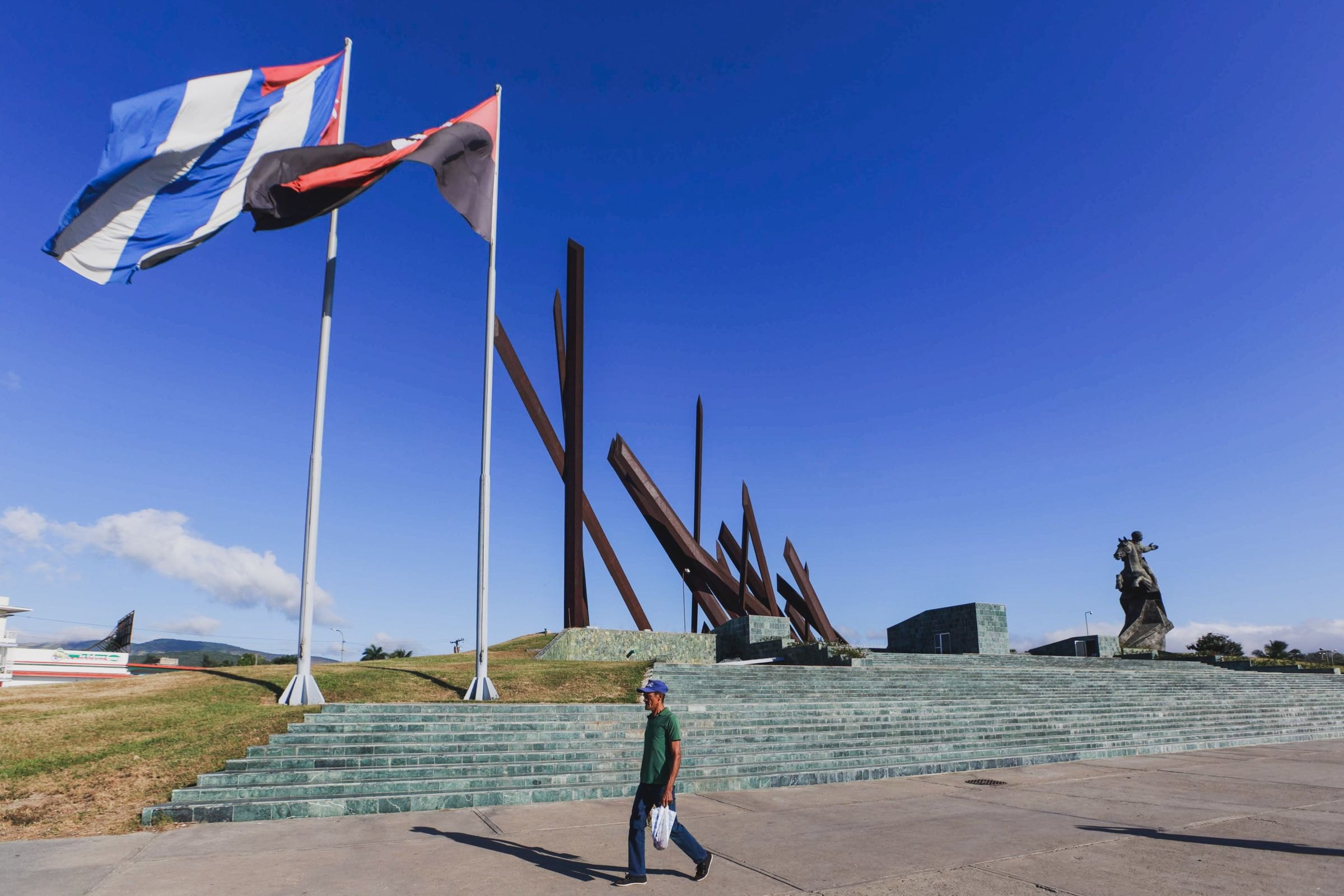
A university city famous for the Battle of Santa Clara in December 1958. The Che Guevara memorial and mausoleum holds his remains, and the armoured train monument marks where rebels derailed a government train. A short stop on the way to the cays or Trinidad.
Santiago de Cuba and Baracoa
Santiago, the second city, is the home of son music and of the July carnival, with the clifftop fortress of San Pedro de la Roca (UNESCO), the Moncada barracks and the basilica at El Cobre. Baracoa, Cuba’s first Spanish town (1511), sits in rainforest at the far eastern tip, reached by the spectacular La Farola road, with the flat-topped El Yunque mountain, cocoa farms and the Humboldt National Park. The east is still recovering from Hurricane Melissa (October 2025), so we check every stay.
Santiago de Cuba guide →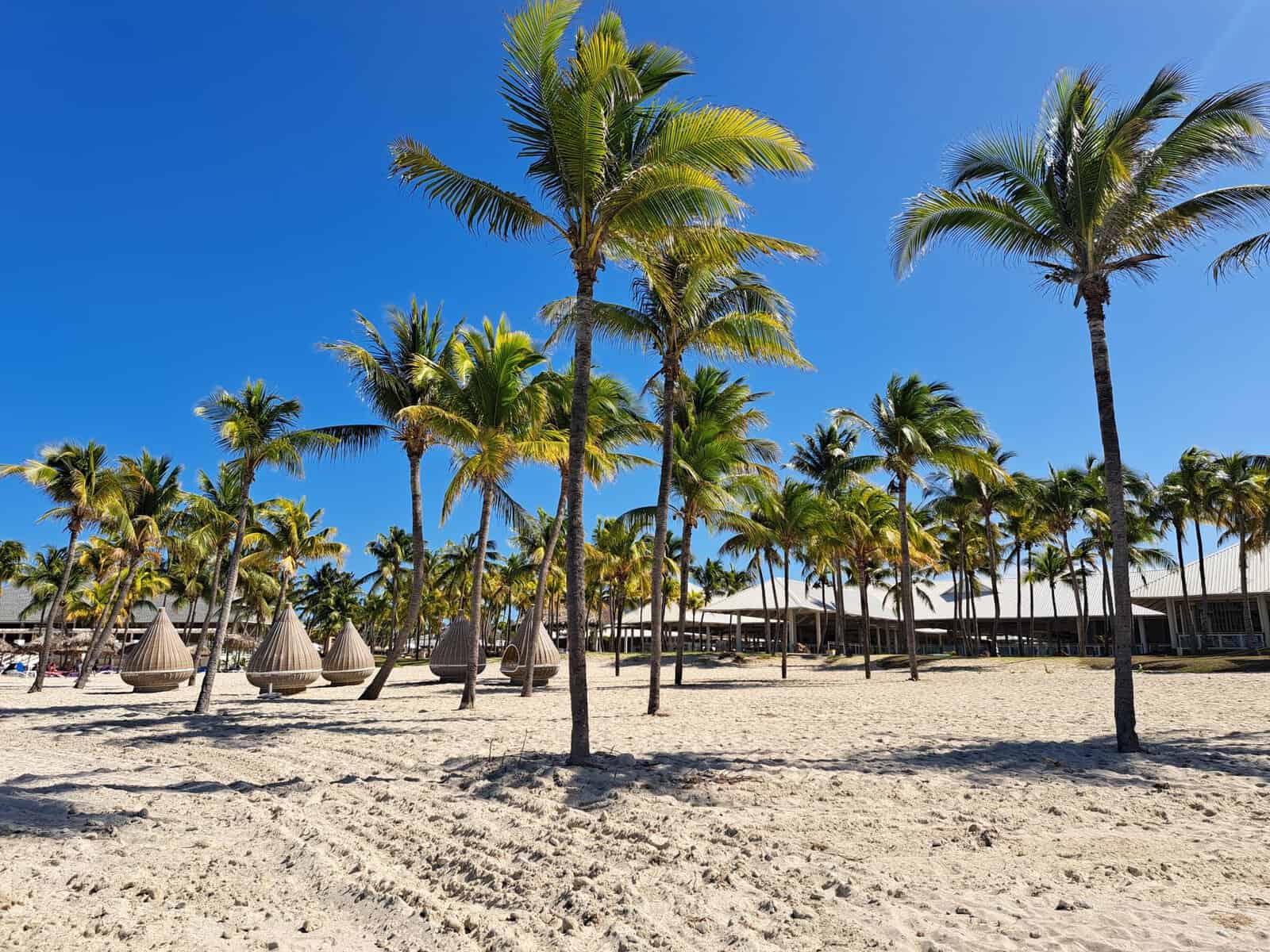
Varadero
A 20 km strip of white sand on the Hicacos peninsula, lined with large resorts, and the easiest beach to add after Havana. Calm, shallow water and plenty of watersports.
Varadero guide →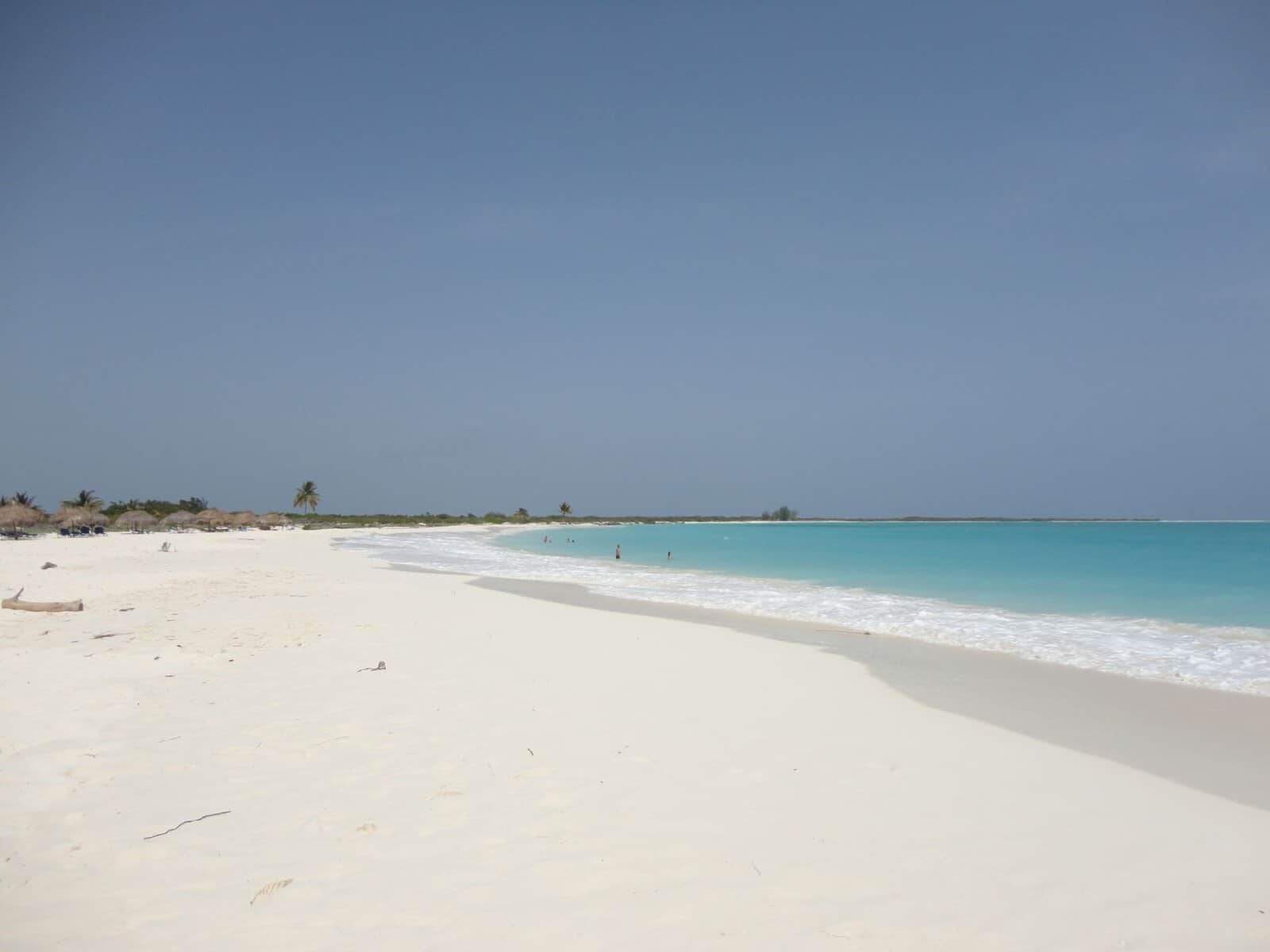
The cays
Strings of low islands off the north coast, joined to the mainland by long causeways: Cayo Santa María (from Santa Clara), and Cayo Coco and Cayo Guillermo (with their own airport). Cayo Largo, off the south coast, is reached by plane. Expect empty beaches and very little else.
Cayo Santa María guide →Also worth a stop: the Bay of Pigs, with snorkelling off Playa Girón and Playa Larga and birdwatching in the Zapata Swamp, and Camagüey, a maze of colonial streets and squares (UNESCO) halfway to the east. See our guides to Cayo Coco, Cayo Guillermo and Baracoa, and the UNESCO heritage sites of Cuba.
Things to do in Cuba
- Ride in a classic car. Cuba still runs on pre-1959 American Chevrolets, Buicks and Fords, kept going with improvised parts. An hour in an open-top convertible around Havana is a rite of passage, and older shared taxis (almendrones) still ply fixed routes.
- Hear live music. Every town has a Casa de la Trova or Casa de la Música with live son, bolero and salsa, and bands play in bars and on the street from lunchtime.
- Visit a tobacco farm in Viñales and see the leaves drying in the barns.
- Snorkel the Bay of Pigs, where the reef starts a few metres from the shore.
- Hike to waterfalls at Topes de Collantes or El Nicho, or climb El Yunque from Baracoa.
For more ideas, see our top 10 things to do in Cuba.
Music and culture

Music is everywhere in Cuba. Son, born in the east, mixes Spanish guitar with African rhythm and is the root of salsa. Rumba, with its drums and call-and-response singing, is on UNESCO’s list of intangible heritage. In Trinidad, the steps beside the Plaza Mayor fill with music and dancing every night; in Santiago, the old music houses play from the afternoon on.
Culture here is also politics and history: revolutionary murals, the Che Guevara memorial in Santa Clara, the Moncada barracks in Santiago. A few words of Spanish go a long way, and tip musicians who play at your table.
Food and drink
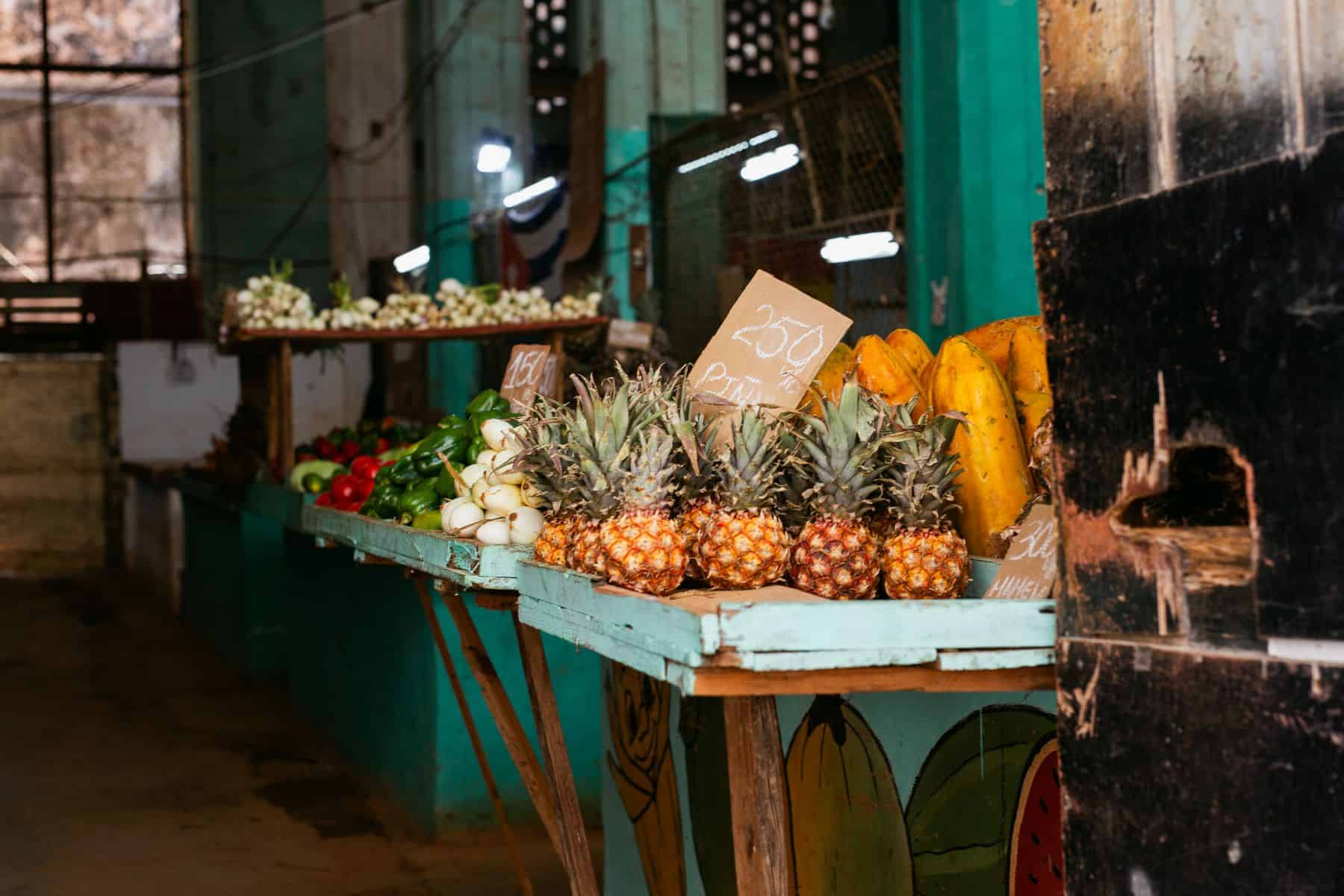
The best meals are in paladares, privately run restaurants, often in old houses or on rooftops, and in casas particulares, where your hosts cook breakfast and often dinner. Look for ropa vieja (shredded beef in tomato sauce), roast pork (lechón), moros y cristianos or congrí (rice and black or red beans), fried plantain (tostones) and cassava with garlic sauce (yuca con mojo).
To drink: the mojito and daiquiri both come from Cuba, along with excellent aged rum and strong, sweet coffee. Shortages mean menus can be short and change day to day, so be flexible. Drink bottled water.
Best time to visit Cuba
The best time to visit Cuba is the dry season, from November to April, with warm, sunny days around 26 to 30°C and low humidity. Christmas, New Year and Easter are the busiest weeks. May to October is the wet season: hotter and more humid, with short, heavy downpours, especially in May, June and September. The hurricane season runs from June to November, with the highest risk from August to October. The east, around Santiago, is a little warmer all year. Santiago’s carnival is in July. For month-by-month detail see our best time to visit Cuba guide.
| Month | Havana | Trinidad | Santiago de Cuba |
|---|---|---|---|
| Jan | 26°C / 20°C · 45 mm | 28°C / 19°C · 25 mm | 29°C / 21°C · 20 mm |
| Feb | 28°C / 20°C · 25 mm | 29°C / 20°C · 25 mm | 29°C / 21°C · 30 mm |
| Mar | 29°C / 21°C · 20 mm | 30°C / 20°C · 25 mm | 29°C / 21°C · 25 mm |
| Apr | 31°C / 22°C · 40 mm | 31°C / 21°C · 45 mm | 30°C / 22°C · 75 mm |
| May | 31°C / 23°C · 100 mm | 31°C / 22°C · 170 mm | 30°C / 23°C · 170 mm |
| Jun | 31°C / 24°C · 135 mm | 31°C / 24°C · 130 mm | 31°C / 24°C · 90 mm |
| Jul | 33°C / 25°C · 85 mm | 33°C / 24°C · 80 mm | 32°C / 24°C · 80 mm |
| Aug | 33°C / 25°C · 115 mm | 33°C / 24°C · 125 mm | 32°C / 24°C · 115 mm |
| Sep | 31°C / 25°C · 125 mm | 32°C / 24°C · 160 mm | 31°C / 24°C · 125 mm |
| Oct | 30°C / 24°C · 95 mm | 30°C / 23°C · 160 mm | 30°C / 24°C · 120 mm |
| Nov | 28°C / 22°C · 40 mm | 29°C / 22°C · 45 mm | 30°C / 23°C · 90 mm |
| Dec | 27°C / 21°C · 35 mm | 29°C / 20°C · 30 mm | 29°C / 22°C · 25 mm |
Average daily high / low and monthly rainfall, 10-year ERA5 data (2014 to 2023).
Getting there from the UK
There are no direct flights from the UK to Cuba at present, so you fly with one connection, usually via a European hub or another city in the Americas; allow a full day for the journey. Most international flights land at Havana’s José Martí International Airport, where Terminal 3 handles international flights. Varadero, Santa Clara, Cayo Coco and Holguín also have international airports, but services to them are limited. Airlines have changed their Cuba routes often, so we confirm the current routings, airline and connection times when you book and keep an eye on them before you travel. Havana is five hours behind the UK for most of the year.
Getting around Cuba
- Private transfers: the easiest and most reliable way to travel between towns, with a driver who knows the roads, and the way we plan most journeys. Havana to Viñales takes about 3 hours, Havana to Trinidad about 4.5 hours via Cienfuegos, and Havana to Varadero about 2 hours.
- Viazul buses: the long-distance tourist buses link the main towns, but timetables have been reduced by fuel shortages and seats are limited, so they are less dependable than they were.
- Internal flights: useful for the long distances to the east (Santiago, Holguín, Baracoa), but schedules are thin and can change at short notice. We plan routes that don’t depend on them.
- Car hire: possible, but fuel can be hard to find, signposting is poor and driving at night is best avoided.
- In town: walk, take an official taxi, a classic-car taxi or a bicycle taxi. Old Havana and Trinidad are best on foot.
Where to stay: casas particulares
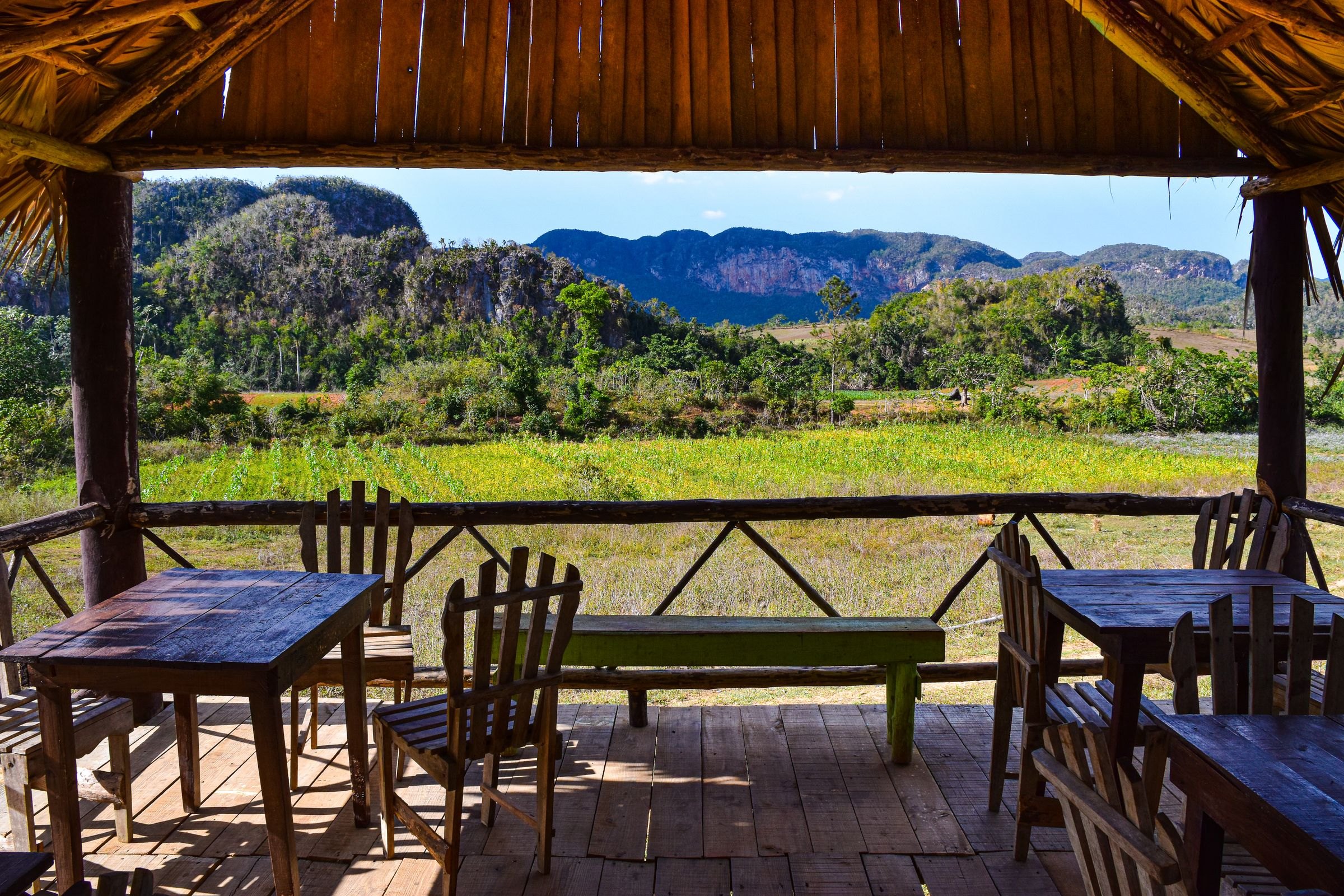
The best way to stay in Cuba is in a casa particular: a private home licensed to rent rooms to visitors, marked by a small blue sign by the door. The best are restored colonial houses with en-suite rooms, air conditioning, a roof terrace and hosts who cook superb breakfasts. You see far more of Cuban life than in a hotel.
By area: in Havana, stay in or near Old Havana for atmosphere, or in Vedado for quieter streets and bigger houses. In Trinidad and Viñales, casas are by far the best option, within a few minutes’ walk of the centre. On the beaches at Varadero and the cays, the choice is mainly large all-inclusive resorts, so we use the ones with the best beaches and service.
Power cuts mean some casas have generators or solar back-up and some don’t; we check this for every booking.
Sample routes
For a detailed day-by-day plan, see our two-week Cuba itinerary.
Classic Cuba
- Havana (3 nights)
- Viñales (2)
- Trinidad (3), via Cienfuegos
The essential three, by private transfer, ending back in Havana for your flight.
Cities and a beach
- Havana (3 nights)
- Viñales (2)
- Cienfuegos (1)
- Trinidad (3)
- Cayo Santa María (3), via Santa Clara
Colonial towns first, then the cays to unwind.
End to end
- Havana (3 nights)
- Viñales (2)
- Trinidad (3)
- Camagüey (1)
- Santiago de Cuba (3)
- Baracoa (3)
- Back to Havana
The whole island, from tobacco country to the rainforest of the far east.
Our Cuba tours
Prefer to travel with a guide and a small group? These escorted tours handle the transport, rooms and guiding; several are by bike. Compare them in Cuba tours compared.
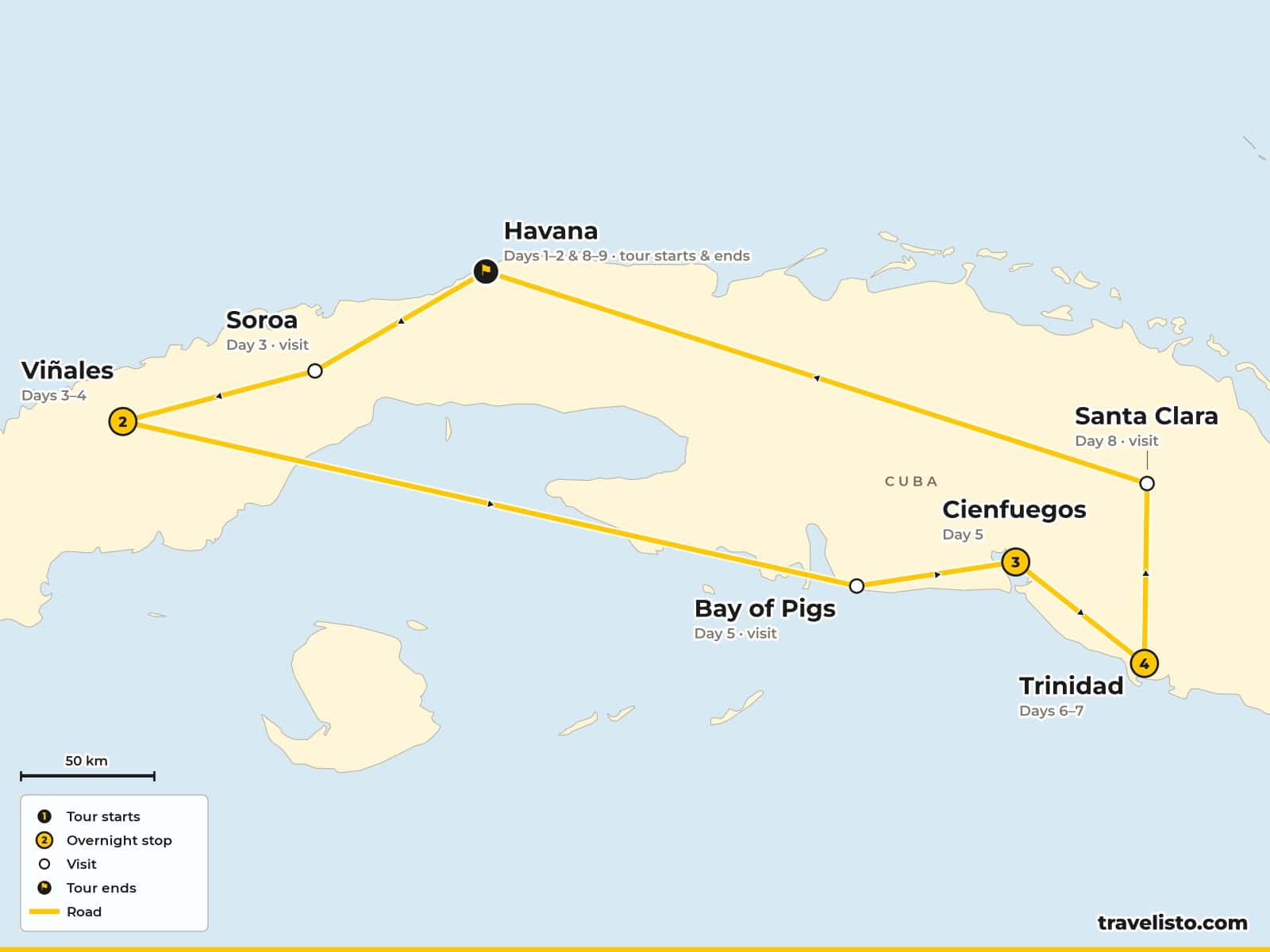
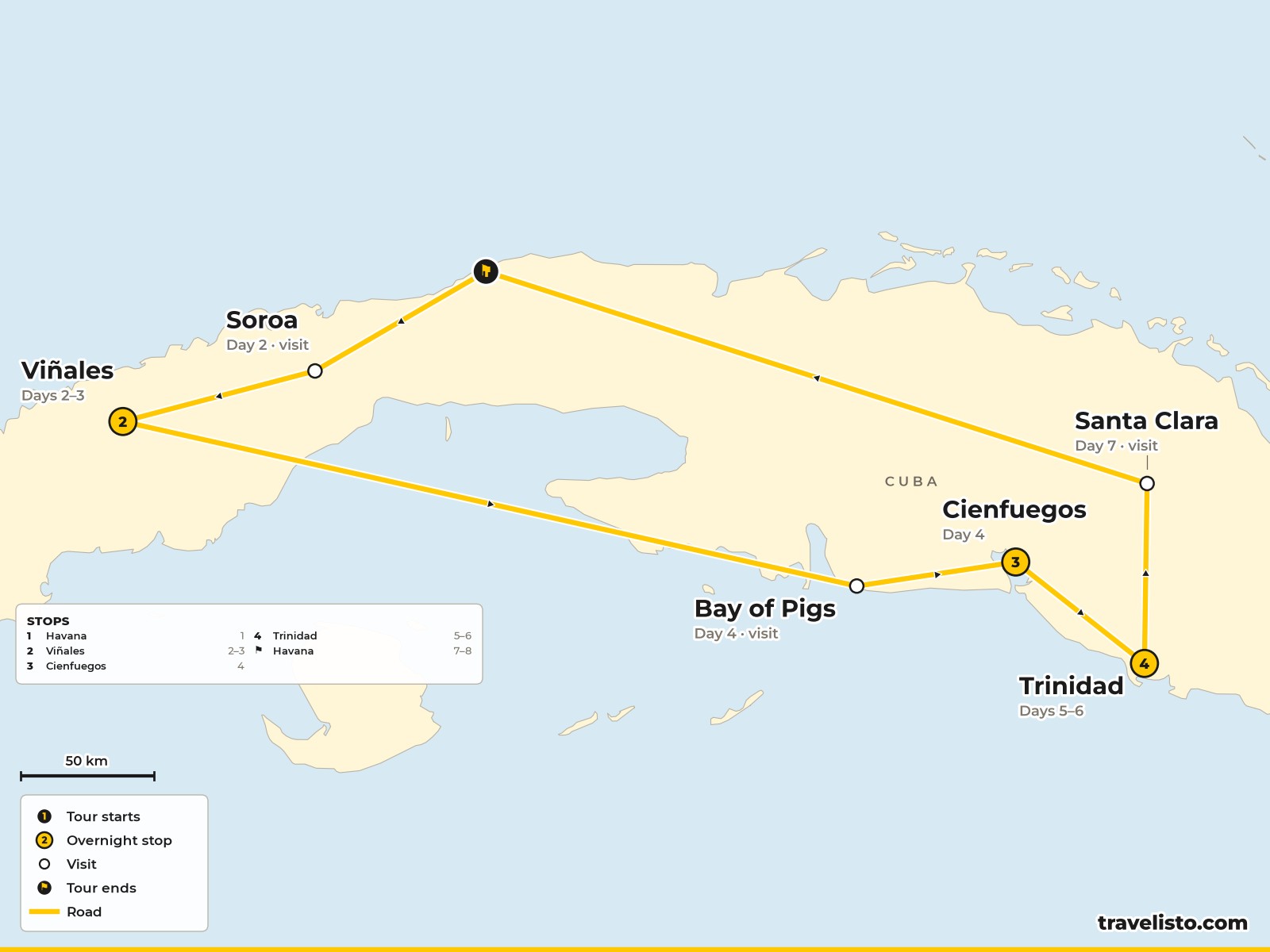
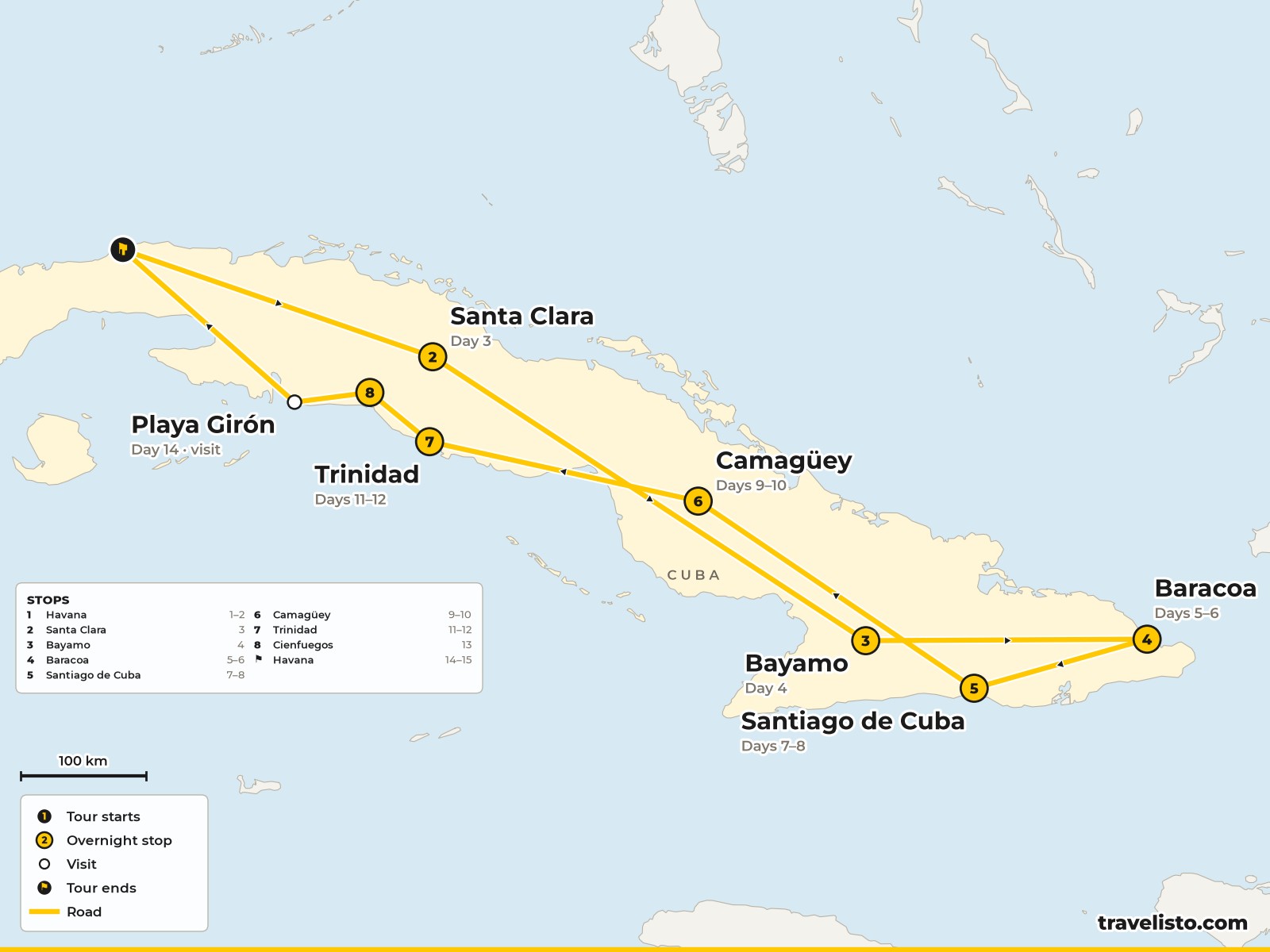
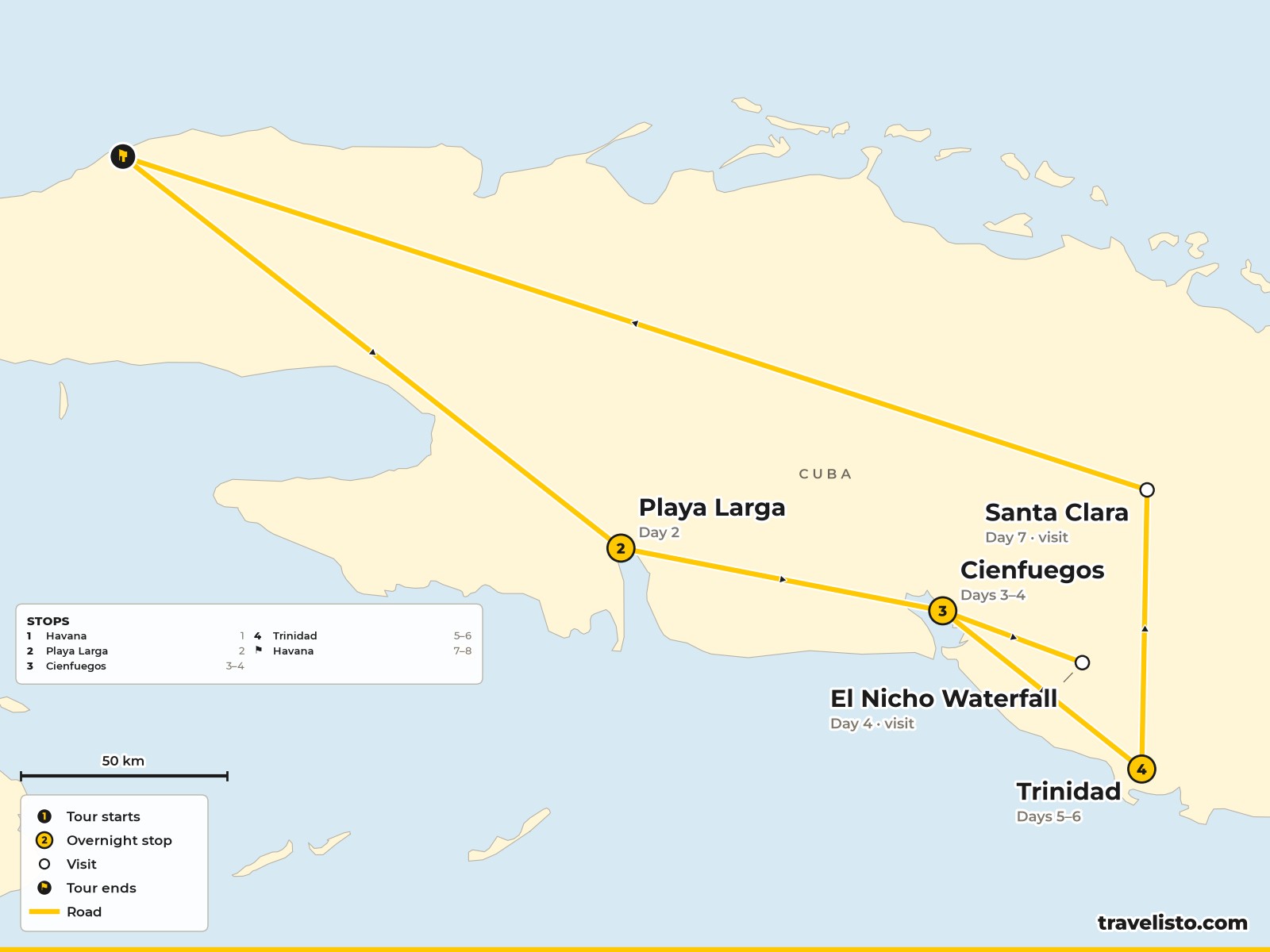
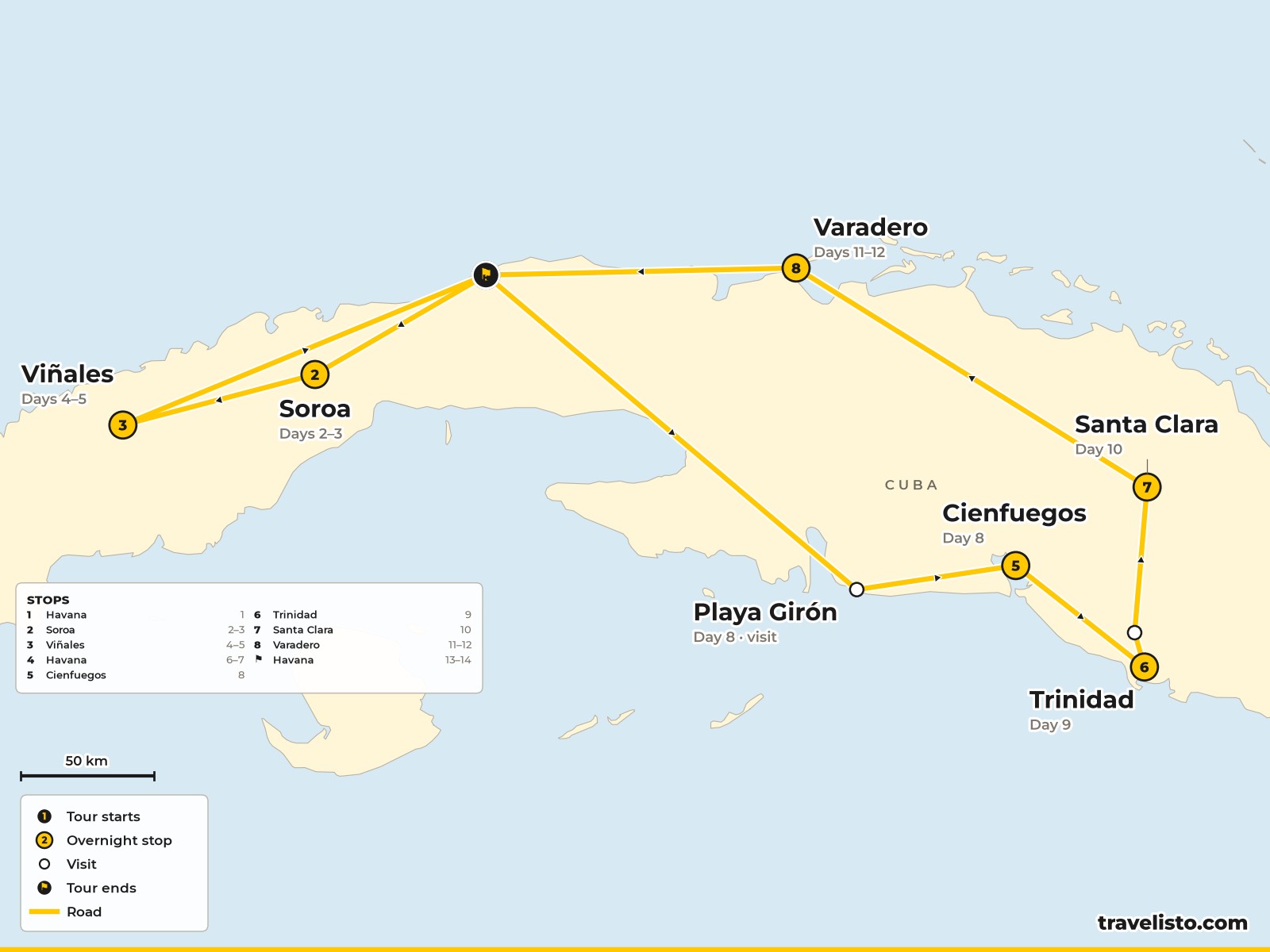
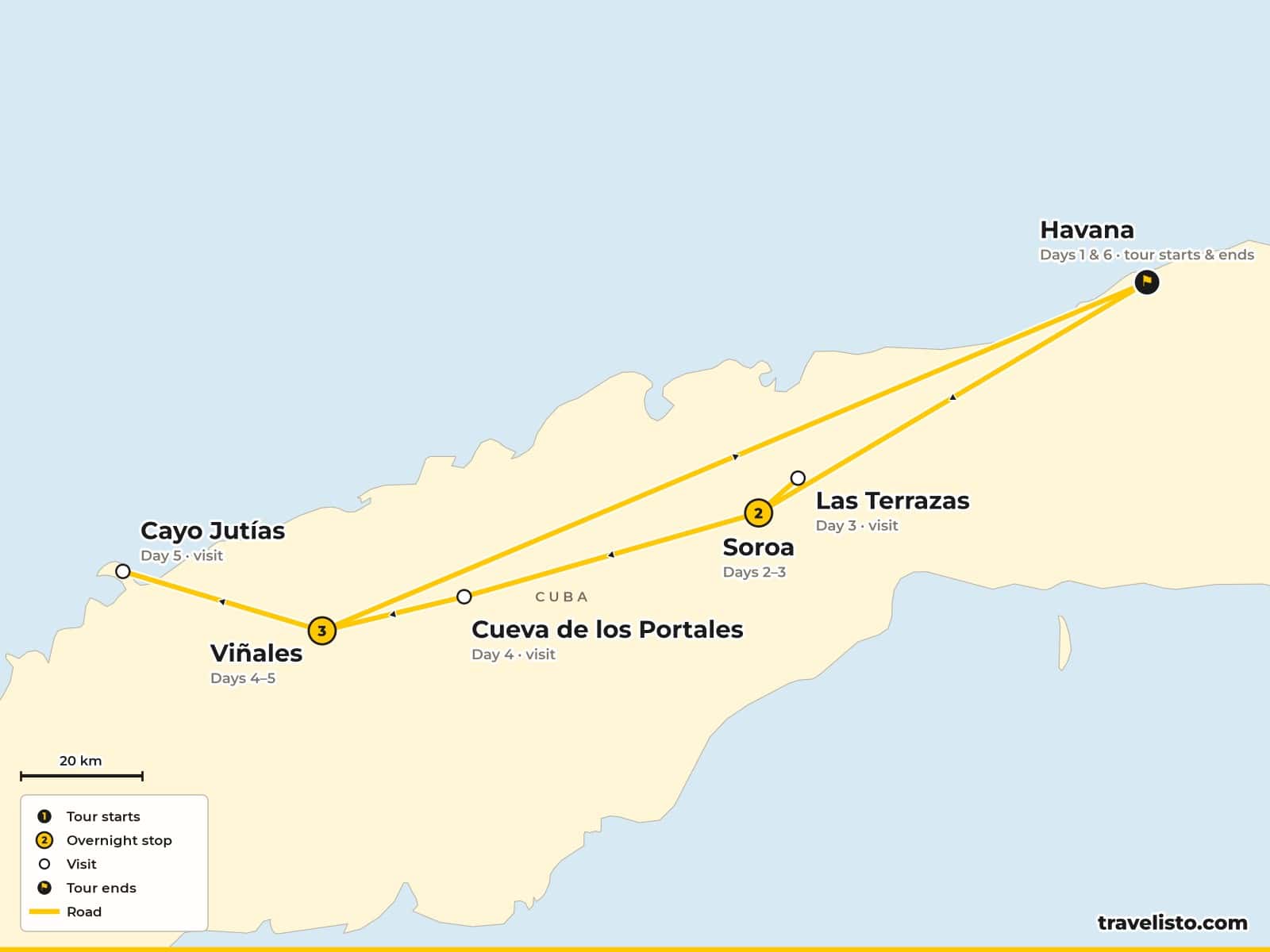
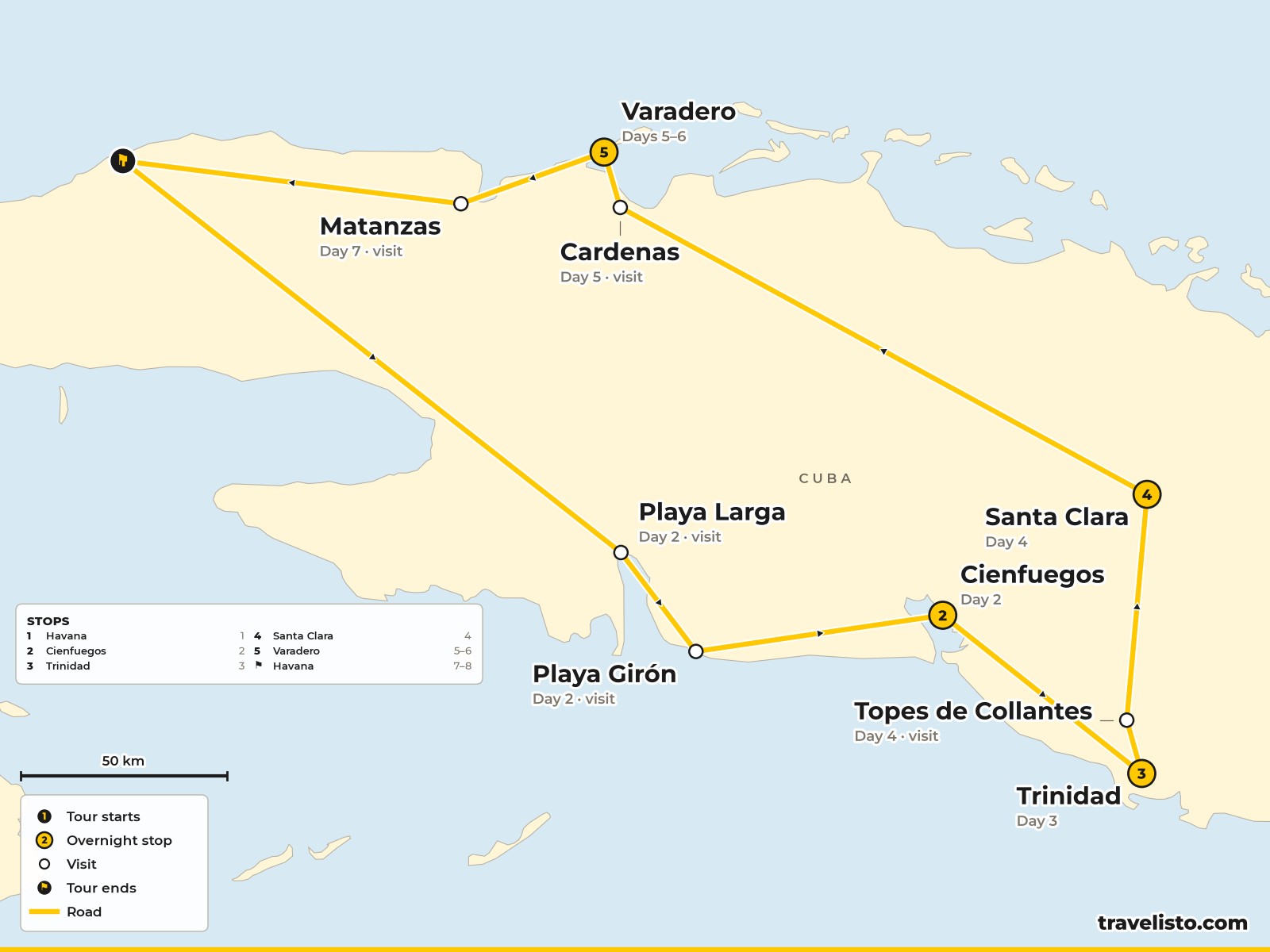
Want your own pace? A tailor-made Cuba holiday can combine casas particulares, private transfers and a beach in any order. Browse all Cuba escorted tours, or our guided cycling holidays for more trips by bike.
Money: cash and cards
Cuba is a cash economy for visitors. International Visa and Mastercard cards are not accepted, and you can’t withdraw cash from ATMs with a UK card, so bring enough cash for the whole trip, plus a reserve. Euros and US dollars are widely accepted and are the easiest to exchange; bring clean, undamaged notes in a mix of denominations. The local currency is the Cuban peso (CUP), which you can’t get outside Cuba; change money only at official Cadeca exchange offices, banks or your hotel. If you book with us, your accommodation, transfers and included activities are paid in advance, so you only need cash for meals, drinks, tips and extras.
Practical tips
- Before you go: check the current FCDO Cuba travel advice before you book and again before you travel.
- Entry: British visitors need a tourist card (tourist visa), from the Cuban Embassy, through a tour operator, or as an e-visa on the official eVisa-Cuba site. Within 72 hours before you arrive, fill in the online D’Viajeros form; it gives you a QR code that airlines check at check-in, so save or print it. Your passport must be valid for at least six months after you arrive and three months after you leave, and you need proof of a return or onward flight.
- Insurance: Cuba requires visitors to have travel insurance that includes medical cover, and you can be asked to show it on arrival. Make sure your policy covers Cuba.
- Power cuts and shortages: blackouts are common and can last hours; fuel, water and some foods can be short. Bring a torch, a power bank and a little patience. Better casas and hotels have back-up power.
- Medicines: bring everything you need, plus a basic first-aid kit, as many everyday medicines are hard to find. Pack insect repellent: dengue and chikungunya circulate.
- Internet: slow and patchy, so download offline maps and keep copies of your bookings.
- Plugs: sockets vary between US flat-pin and European round-pin, so bring an adaptor for both.
- Customs: drones aren’t allowed into Cuba, and you can’t bring in meat, dairy or fresh produce.
Frequently asked questions
Can you visit Cuba from the UK?
Yes. British visitors need a tourist card or e-visa, the online D'Viajeros form completed within 72 hours before arrival, a passport valid for six months after arrival, and travel insurance with medical cover. Check the current FCDO Cuba travel advice before you book and again before you travel.
Do you need a visa to go to Cuba?
You need a tourist card, also called a tourist visa. You can get it through the Cuban Embassy, through your tour operator, or as an e-visa from the official eVisa-Cuba site.
Are there direct flights from the UK to Cuba?
Not at present. Flights connect via a European hub or another city in the Americas, usually into Havana. Routes have changed often recently, so we confirm the current options when you book.
What are the best places to visit in Cuba?
Havana, the Viñales valley, Trinidad and Cienfuegos for a first trip, with Santa Clara on the way to the beaches of Cayo Santa María. With more time, add Santiago de Cuba and Baracoa in the east.
How many days do you need in Cuba?
Ten days covers Havana, Viñales and Trinidad. Two weeks lets you add a beach or Cienfuegos and Santa Clara, and around 16 nights takes in the east as well.
When is the best time to visit Cuba?
November to April is the dry season, with warm, sunny days. May to October is hotter and wetter, and June to November is hurricane season, with the highest risk from August to October.
Can you use a UK credit card in Cuba?
No. International Visa and Mastercard cards are not accepted and ATMs won't pay out on them, so bring enough cash for the trip in euros or US dollars.
What is a casa particular?
A private home licensed to rent rooms to visitors, marked with a blue sign. The best are restored colonial houses with en-suite rooms, roof terraces and excellent home cooking.
Keep planning
- Cuba holidays
- Cuba escorted tours
- Best time to visit Cuba
- Top 10 things to do in Cuba
- Cuba tours compared
- 11 UNESCO heritage sites in Cuba
- Two weeks in Cuba
- Havana guide
- Caribbean islands guide
- Jamaica holiday guide
- Mexico holiday guide
- Tailor-made holidays
Plan your Cuba holiday with a Travel Designer
Tell us when you’d like to go and we’ll plan Havana, Viñales, Trinidad and the beaches, with hand-picked casas particulares and private transfers, in one ATOL-protected booking.
Make an enquiry Cuba holidays

