Jamaica in brief
- Direct flights from London to Montego Bay in about 10 to 11 hours, and no visa needed.
- Choose your coast: Montego Bay, Negril, Ocho Rios, Port Antonio, the Blue Mountains or Treasure Beach.
- Top things to do: Dunn’s River Falls, river rafting, Bob Marley’s Nine Mile, Blue Mountain coffee and Negril sunsets.
- Best from mid-December to April; most hotels have reopened after Hurricane Melissa.
Jamaica is the Caribbean island with the biggest personality: reggae and Rastafari, jerk smoke on the roadside, waterfalls you can climb, rivers you can raft and the misty Blue Mountains rising behind the beaches. It’s easy to reach from the UK, with direct flights, and big enough to give you a real change of scene between resort towns, sleepy villages and mountains. This guide covers where Jamaica is, the main areas, from Montego Bay, Negril and Ocho Rios to Port Antonio, the Blue Mountains and the south coast, the best things to do in Jamaica, food, when to go, how to get there and get around, where to stay, safety and sample routes.
Where is Jamaica?
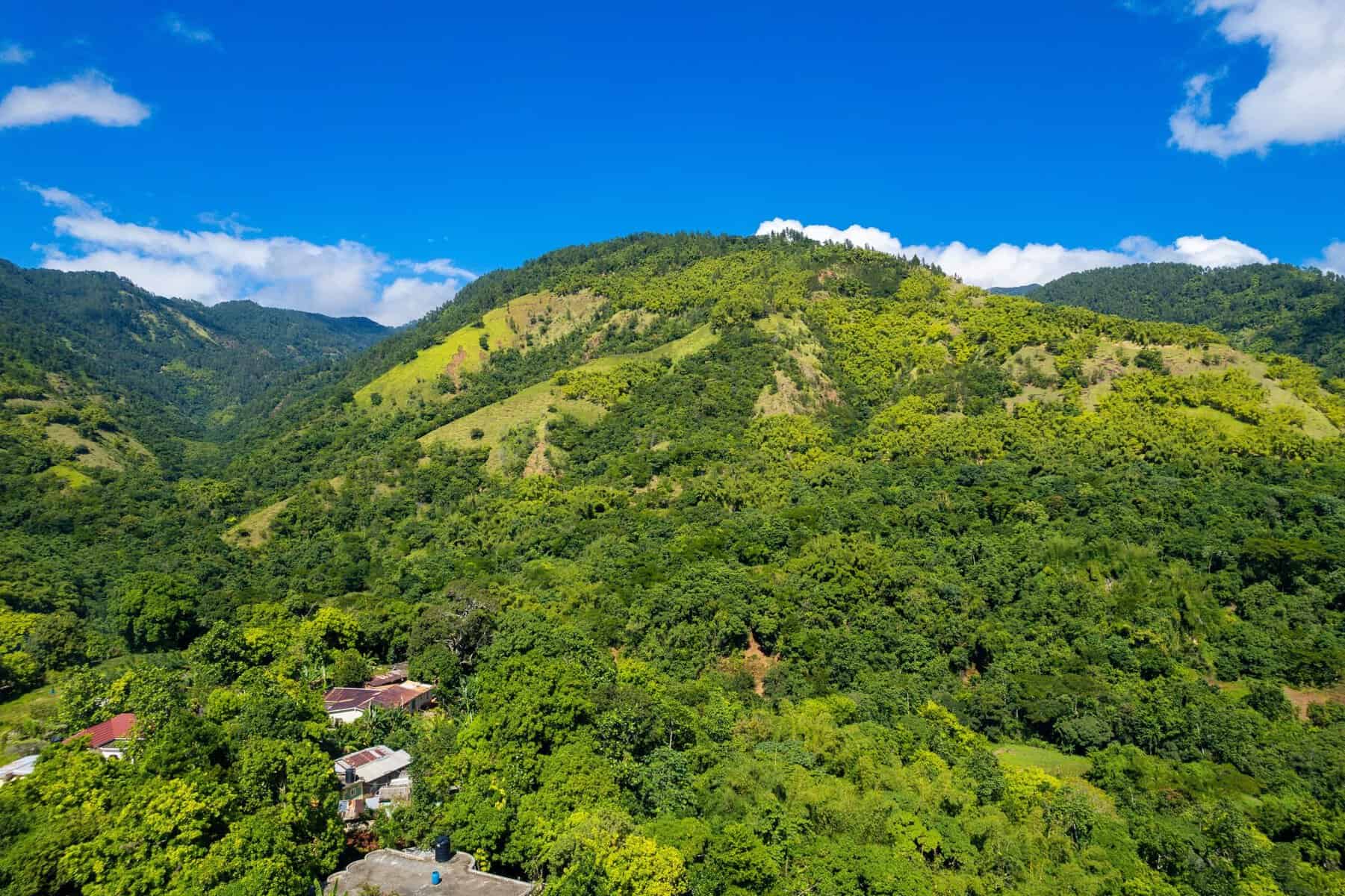
Jamaica lies in the western Caribbean Sea, about 150 km south of Cuba and west of Haiti. It’s the third-largest island in the Caribbean, about 235 km long, with a mountainous, forested interior and around 2.8 million people. The capital, Kingston, is on the south-east coast; most visitors fly into Montego Bay on the north-west coast.
A British colony for 300 years, Jamaica became independent in 1962. English is the official language, though you’ll hear Jamaican Patois everywhere, and cricket, tea and driving on the left all feel familiar.
The resort coast runs along the north, from Negril in the west through Montego Bay and Ocho Rios to Port Antonio in the east. The south coast is drier and much quieter.
Jamaica after Hurricane Melissa
Hurricane Melissa, the strongest storm on record to hit Jamaica, made landfall in the south-west on 28 October 2025 and caused serious damage across all the western parishes, including the areas around Negril, Montego Bay, Black River and Treasure Beach. Most hotels have reopened during 2026 and the main resort areas are welcoming visitors again, but recovery is uneven: some smaller places are still rebuilding, and the FCDO notes that some communities in the worst-hit areas still have limited power, water and healthcare. We check the current state of every hotel, excursion and road before we book, and visitors are an important part of the island’s recovery.
Where to go in Jamaica

Montego Bay
Jamaica’s tourist capital and the easiest place to arrive. The big resorts are spread along the coast east of town at Rose Hall and Ironshore, with golf courses and calm beaches. In town, the Hip Strip (Gloucester Avenue) has bars, shops and the famous public beaches. Nearby: the plantation house at Rose Hall, rafting on the Martha Brae and the Georgian town of Falmouth.
Negril
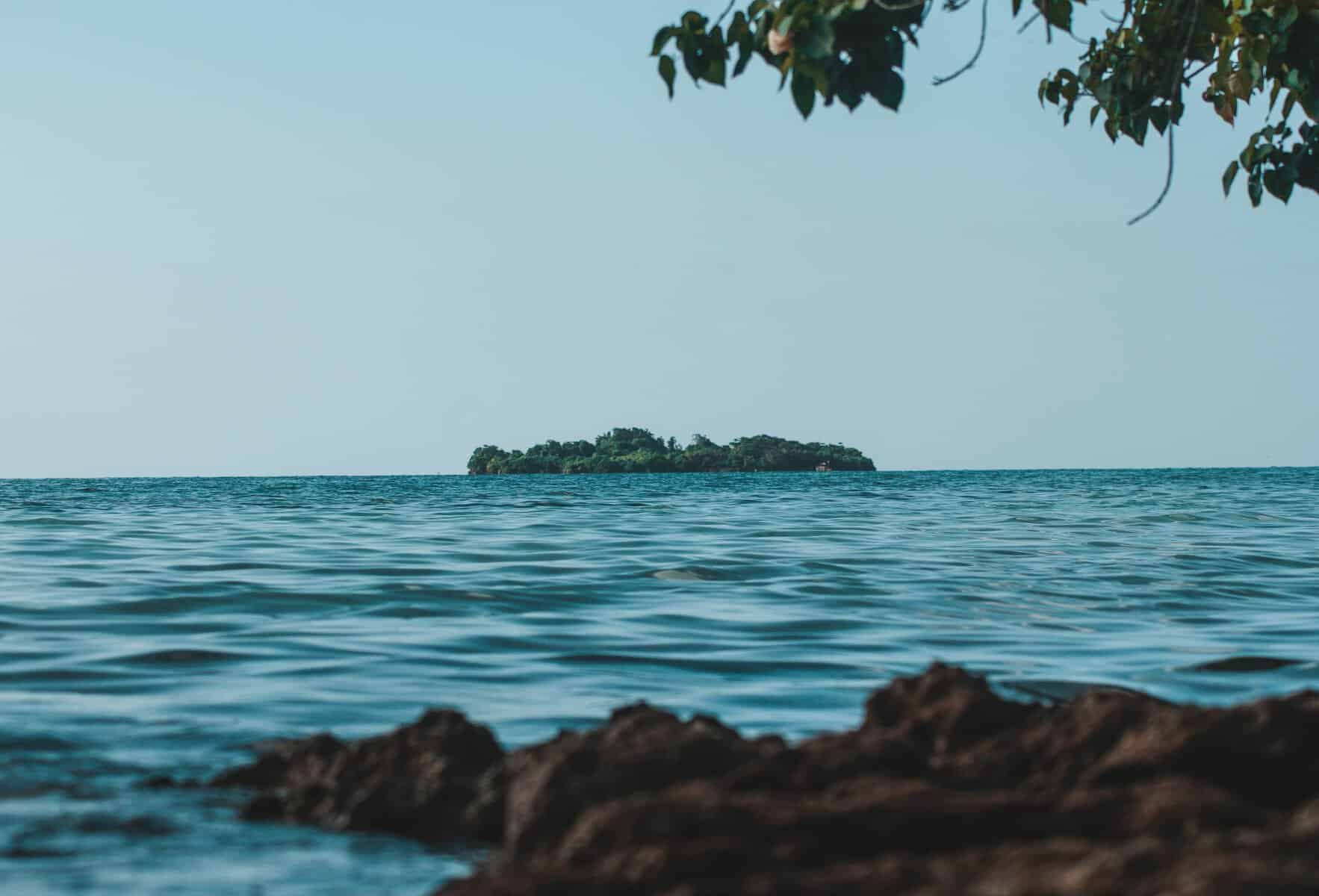
At the island’s western tip, Negril has Jamaica’s most famous beach, Seven Mile Beach, a long sweep of sand and calm water. South of town, the West End is a stretch of low limestone cliffs with ladders down to the sea, cliff jumping and the best sunsets on the island. Relaxed and barefoot.
Ocho Rios
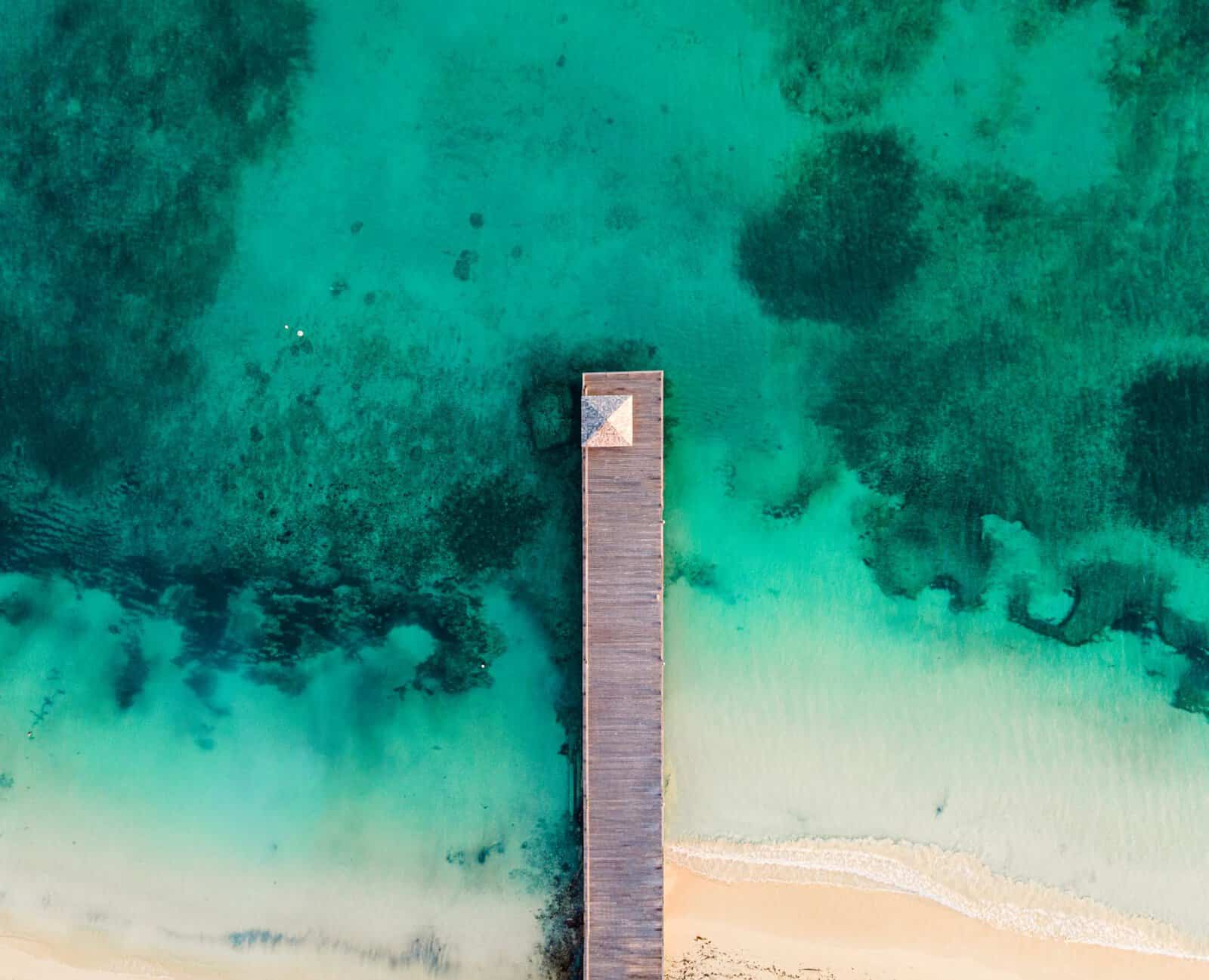
The north coast’s adventure hub, surrounded by rivers and waterfalls: climb Dunn’s River Falls, swim at the Blue Hole in the hills, and visit Nine Mile, Bob Marley’s birthplace. Resorts and villas line the coast either side, from Runaway Bay in the west to Oracabessa in the east.
Port Antonio
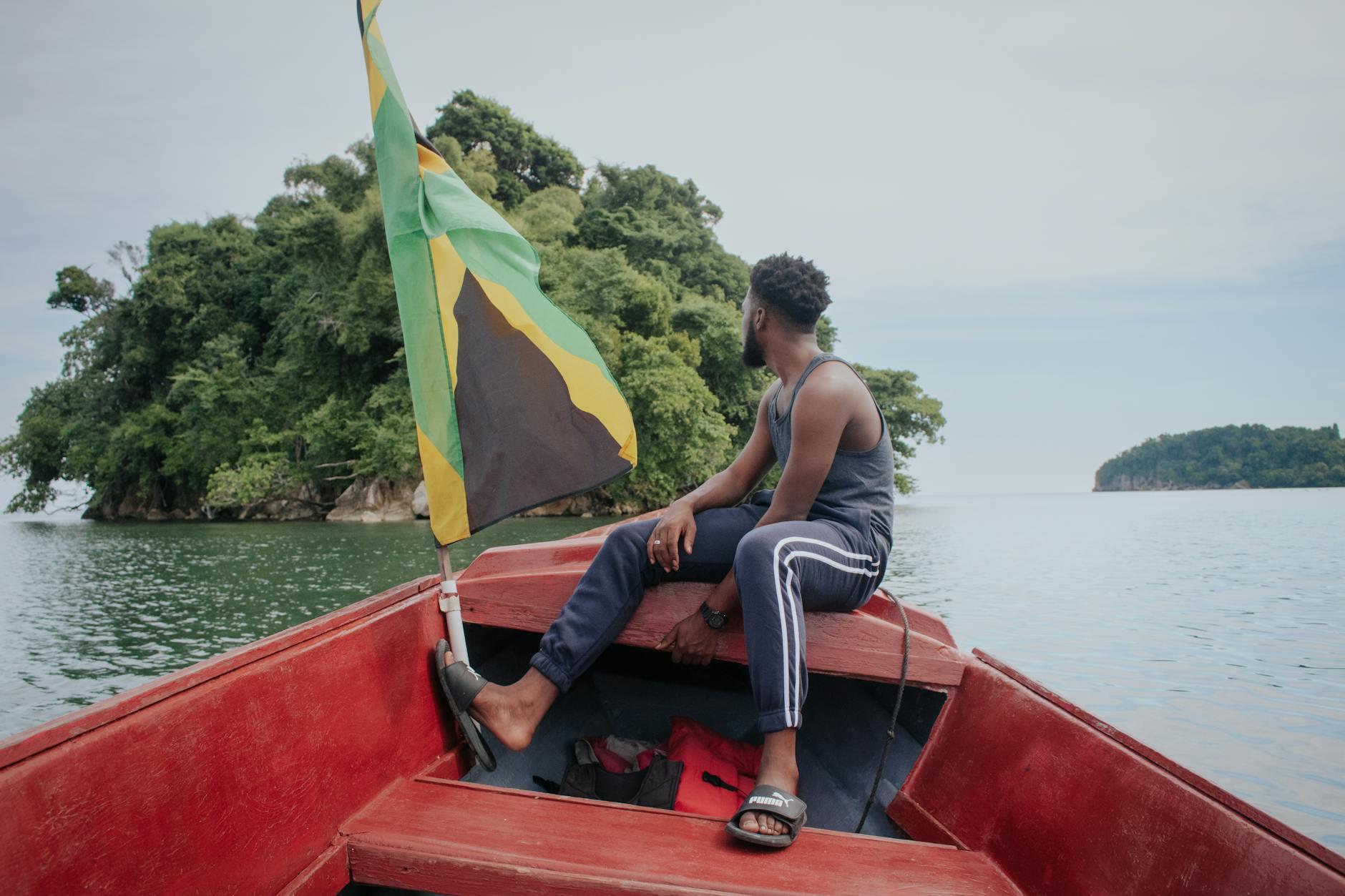
Jamaica at its greenest and least developed, beloved of film stars in the 1950s. The Blue Lagoon, Frenchman’s Cove and Winnifred Beach, bamboo rafting on the Rio Grande, Reach Falls and Boston Bay, the birthplace of jerk. Stays here are mostly villas and small hotels; it’s also the rainiest part of the coast.

The Blue Mountains
Jamaica’s Blue Mountains rise to 2,256 m at Blue Mountain Peak, cool and misty, with coffee farms on the slopes and cloud forest above. Hike to the peak for sunrise, tour a coffee estate and stay in a mountain lodge. The Blue and John Crow Mountains are a UNESCO World Heritage Site.
Treasure Beach and the south coast
A string of fishing villages and quiet beaches, with boat safaris for crocodiles on the Black River, swims at YS Falls and the clifftop views at Lover’s Leap. This was the area worst hit by Hurricane Melissa, so check with us before planning a stay.
Best things to do in Jamaica

Climb Dunn’s River Falls. Near Ocho Rios, the river tumbles about 55 m over terraced limestone straight onto the beach. You climb it in a chain with a guide, holding hands, in about an hour. Wear water shoes and go early, before the cruise-ship crowds.
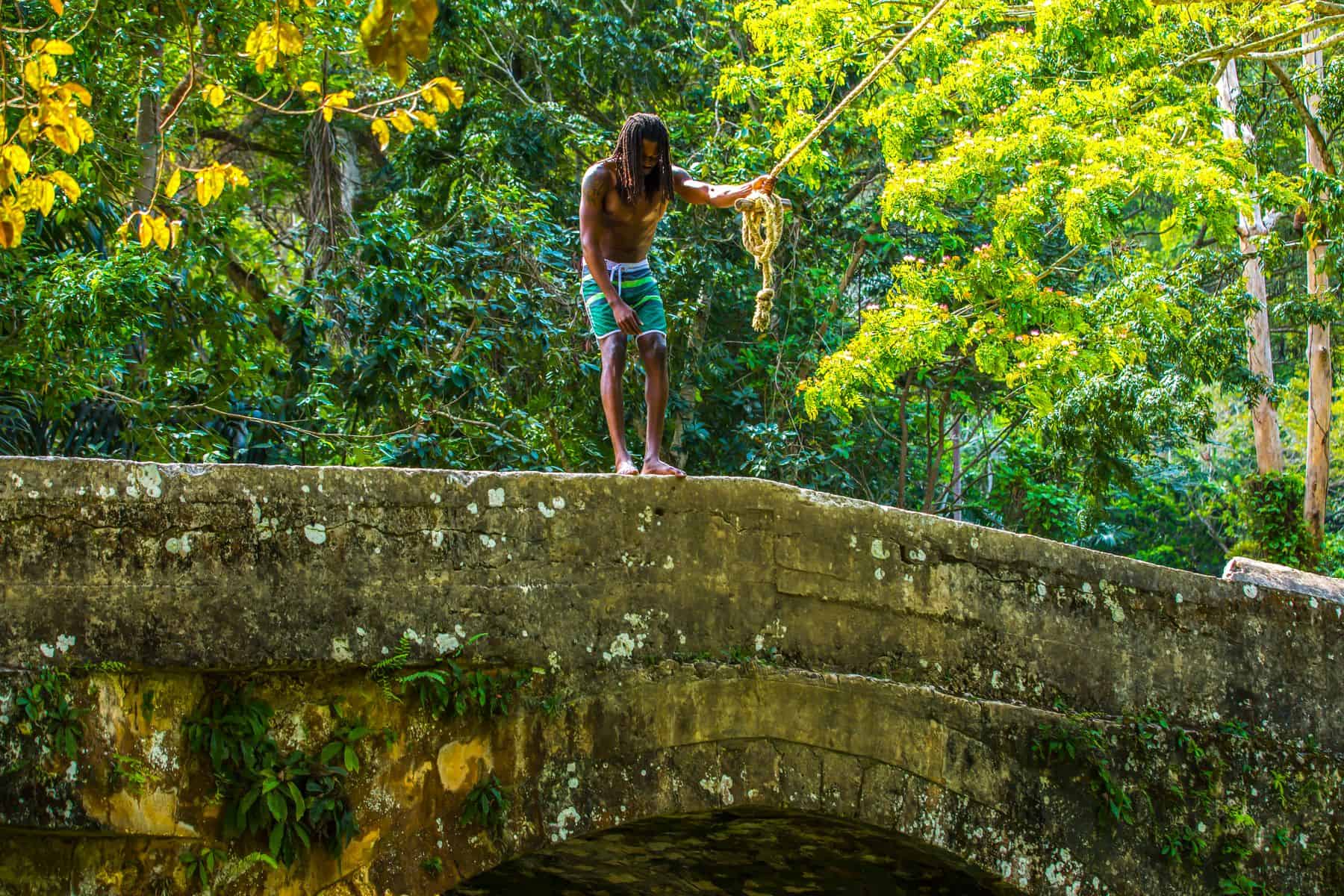
Swim in the Blue Hole and other falls. The Blue Hole (Island Gully Falls) above Ocho Rios has rope swings and pools; in the east, Reach Falls is quieter and set in the forest; on the south coast, YS Falls has tiered pools and gardens.
Raft a river. Drift down the Martha Brae near Falmouth or the Rio Grande near Port Antonio on long bamboo rafts poled by a raftsman. The Rio Grande trip is longer and wilder.
See the Luminous Lagoon. At night near Falmouth, microscopic organisms make the water glow when you move through it. Go on a dark, moonless night.
Follow Bob Marley. Visit his birthplace and resting place at Nine Mile in the hills of St Ann, and his home and studio at 56 Hope Road in Kingston, now the Bob Marley Museum. Trench Town Culture Yard tells the story of the music’s roots.
Kingston. The capital is where Jamaica’s music, art and food are at their liveliest: the National Gallery, the colonial mansion of Devon House with its famous patties and ice cream, and the ruins of Port Royal, the pirate town largely swallowed by an earthquake in 1692. Visit with a driver-guide rather than on your own.
Hike the Blue Mountains. Start in the small hours to reach Blue Mountain Peak for sunrise, when on a clear day you can see Cuba. Or keep it gentle: a coffee farm tour, walks around Holywell and lunch with views over Kingston.
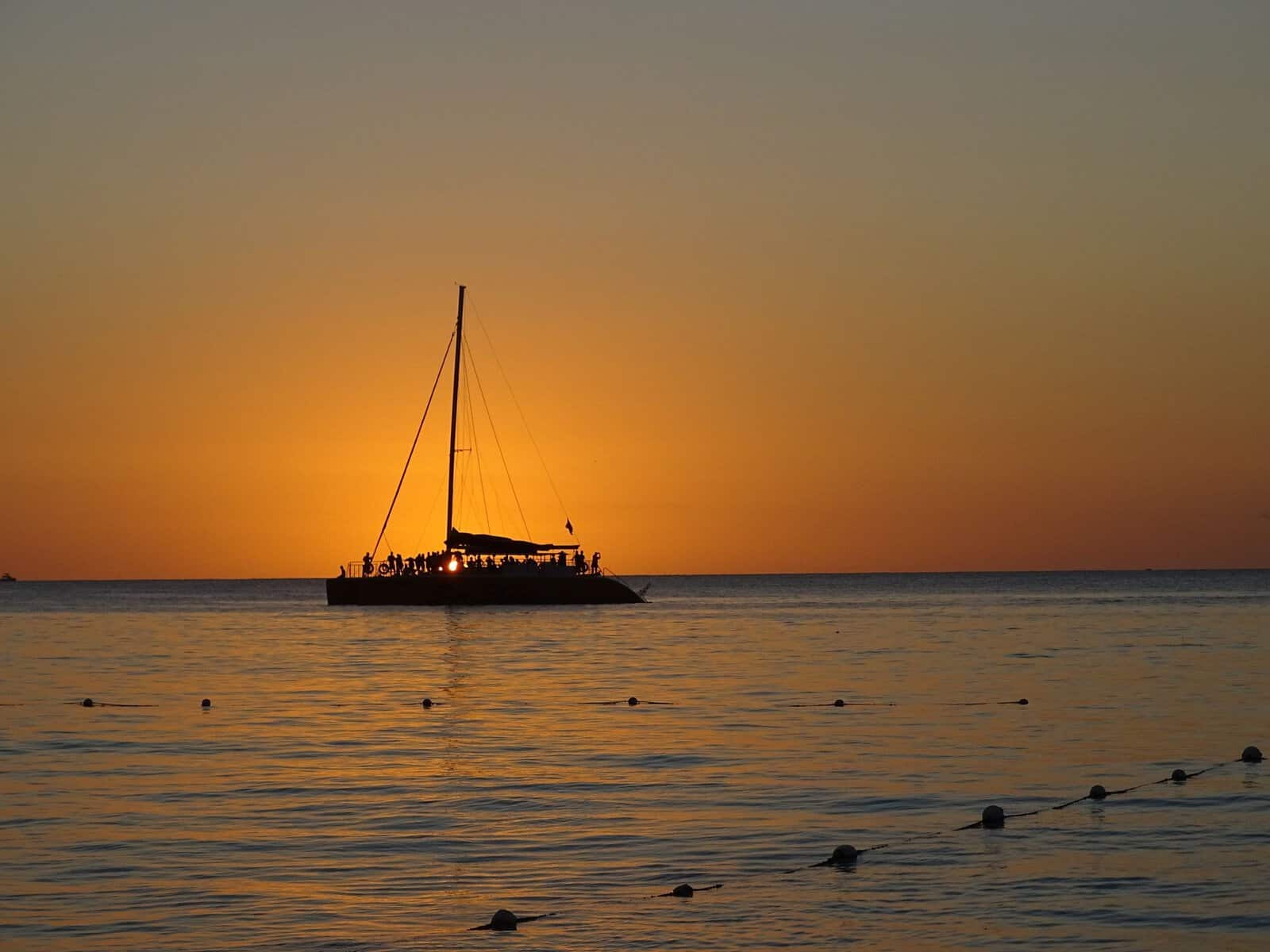
Sunset in Negril. Watch from the cliffs of the West End, where the brave jump into the sea, or from a catamaran off Seven Mile Beach.
More ideas: snorkelling and diving off Negril and Montego Bay’s marine park; the plantation houses of Rose Hall and Greenwood; Firefly, Noel Coward’s hilltop home above Port Maria; the crocodiles of the Black River; a rum distillery tour; horseback rides into the sea; golf around Montego Bay; and the cool Green Grotto Caves near Discovery Bay. Jamaica is also one of the most popular places in the Caribbean for weddings and honeymoons, and we can arrange both.
What to eat in Jamaica

Jerk is the taste of Jamaica: pork or chicken rubbed with scotch bonnet, allspice (pimento) and thyme and slow-smoked over pimento wood, best from roadside drums. Boston Bay near Port Antonio claims to be its birthplace.
The national dish is ackee and saltfish, the buttery yellow ackee fruit with salt cod, often for breakfast with fried dumplings or callaloo. Also try curry goat, escovitch fish with pickled peppers, bammy (cassava bread), festival (sweet fried dough) and a beef patty for lunch on the go.
Drink Blue Mountain coffee where it grows, fresh coconut water from the roadside, and Jamaican rum, the island’s pride, in punches and on tasting tours.
When to go to Jamaica
Jamaica is hot all year, around 28°C to 31°C on the coast. The best time to visit Jamaica is from mid-December to April, the driest and least humid months, and the peak season for prices and availability. Jamaica in January is ideal: sunny, breezy and mostly dry on the north and west coasts. May and September to November are the wettest months, usually with short, heavy afternoon showers rather than days of rain, and June to November is hurricane season, at its most active from August to October. Port Antonio and the north-east are wetter all year, including in winter, which is why they are so green; Negril and the south coast are the driest. For month-by-month detail, see our best time to visit Jamaica guide.
| Month | Montego Bay | Negril | Port Antonio |
|---|---|---|---|
| Jan | 28°C / 22°C · 65 mm | 29°C / 23°C · 25 mm | 27°C / 23°C · 175 mm |
| Feb | 28°C / 22°C · 55 mm | 29°C / 23°C · 35 mm | 27°C / 22°C · 135 mm |
| Mar | 29°C / 22°C · 70 mm | 29°C / 23°C · 40 mm | 27°C / 23°C · 200 mm |
| Apr | 30°C / 23°C · 105 mm | 30°C / 24°C · 60 mm | 28°C / 23°C · 120 mm |
| May | 30°C / 24°C · 210 mm | 30°C / 25°C · 115 mm | 29°C / 25°C · 145 mm |
| Jun | 31°C / 24°C · 125 mm | 31°C / 25°C · 70 mm | 30°C / 25°C · 95 mm |
| Jul | 31°C / 25°C · 95 mm | 31°C / 25°C · 55 mm | 30°C / 25°C · 100 mm |
| Aug | 31°C / 25°C · 145 mm | 31°C / 26°C · 85 mm | 30°C / 26°C · 135 mm |
| Sep | 31°C / 25°C · 175 mm | 31°C / 26°C · 75 mm | 30°C / 25°C · 110 mm |
| Oct | 30°C / 24°C · 195 mm | 30°C / 25°C · 115 mm | 30°C / 25°C · 180 mm |
| Nov | 29°C / 24°C · 100 mm | 30°C / 24°C · 70 mm | 29°C / 24°C · 200 mm |
| Dec | 28°C / 23°C · 70 mm | 29°C / 24°C · 30 mm | 28°C / 23°C · 220 mm |
Average daily high / low and monthly rainfall, 10-year ERA5 data. The Blue Mountains are much cooler, often below 15°C at the top at night.
How to get to Jamaica from the UK
There are direct flights from London to Montego Bay (Sangster International) all year, taking about 10 to 11 hours, plus seasonal direct flights from some UK regional airports. Kingston (Norman Manley International) also has direct flights from London, useful for the Blue Mountains, Kingston and Port Antonio. Montego Bay is the natural arrival point for Negril, Ocho Rios and the north coast. Jamaica also combines well with a Caribbean cruise, or with a second island such as the Bahamas or the Cayman Islands.
Getting around Jamaica
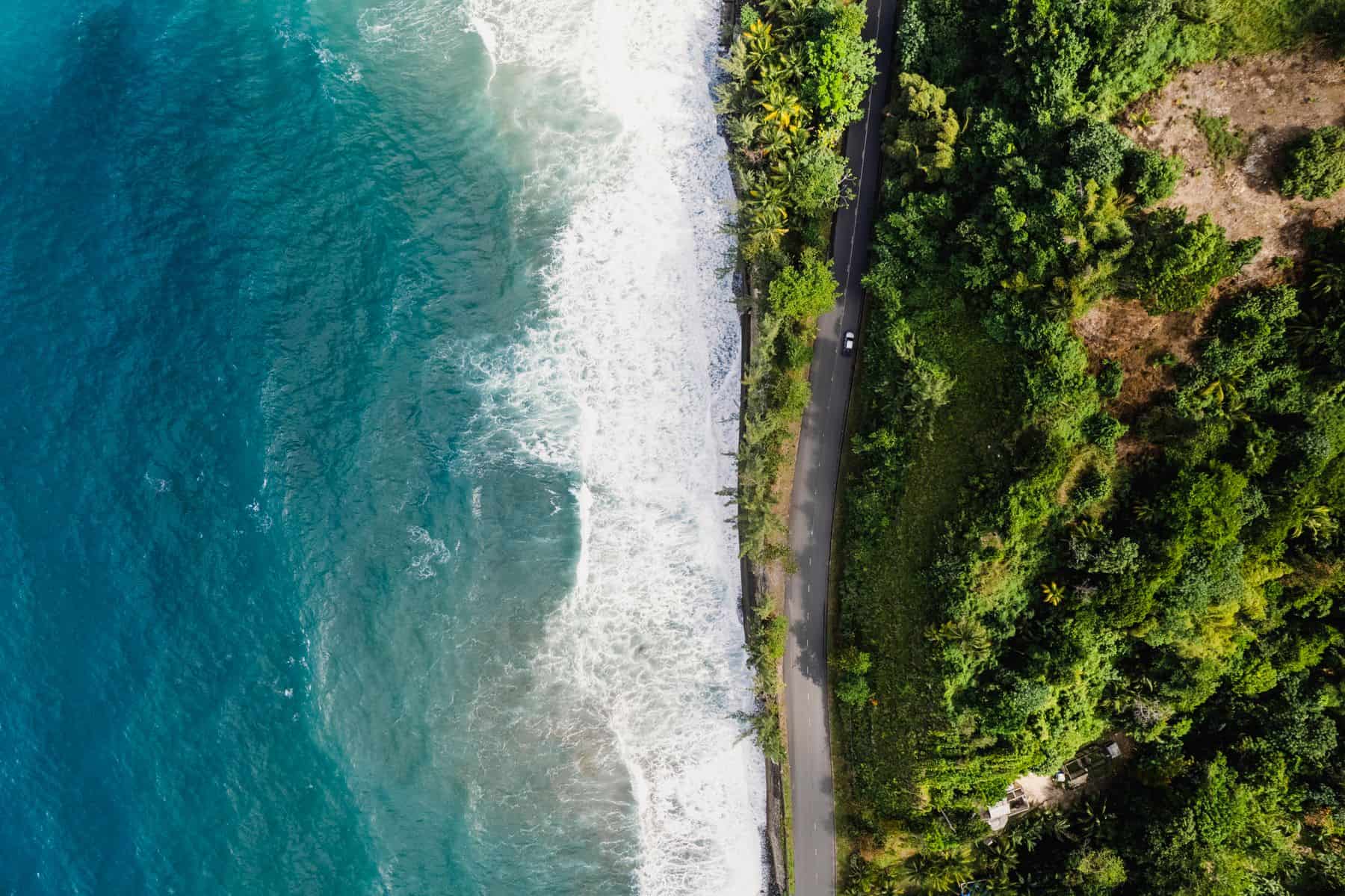
- Private transfers and driver-guides are the easiest and safest way to travel: Montego Bay to Negril takes about 1.5 hours, to Ocho Rios about 1.5 to 2 hours, and to Port Antonio about four hours.
- Taxis: use only licensed taxis approved by the Jamaica Tourist Board, with a blue JTB sticker on the windscreen; your hotel can call one.
- Self-drive is possible (on the left), but roads are narrow, winding, often potholed and unlit at night, and driving standards are poor. If you don’t know Kingston, we suggest using a driver there rather than driving yourself.
- The north coast highway links Negril, Montego Bay, Ocho Rios and Port Antonio; the toll highway links Ocho Rios and Kingston in about 1.5 hours.
Where to stay in Jamaica
- Montego Bay (Rose Hall and Ironshore): big all-inclusive and luxury resorts close to the airport, with golf and calm beaches.
- Negril: beach hotels and all-inclusives on Seven Mile Beach, or boutique clifftop stays on the West End for sunsets and snorkelling off the rocks.
- Ocho Rios, Runaway Bay and Oracabessa: resorts and villas central to the waterfalls and Nine Mile, with some of the island’s most stylish small hotels in the coves east of town.
- Port Antonio: villas, historic boutique hotels and eco-lodges in the jungle, for a quieter, greener Jamaica.
- The Blue Mountains: coffee-farm cottages and mountain lodges, ideal for two nights on a twin-centre trip.
- Treasure Beach: small guesthouses and villas in fishing villages, once rebuilt after the hurricane.
All-inclusive is the most popular way to stay in Jamaica, especially around Montego Bay, Negril and Ocho Rios, but don’t miss the island’s small hotels and villas. Tell us what you like and we’ll suggest the right coast.
Sample routes
Beach and waterfalls
- Ocho Rios (5 nights)
- Negril (5)
Dunn’s River Falls, the Blue Hole and Nine Mile, then sunsets on Seven Mile Beach.
Mountains and coast
- Blue Mountains (2 nights)
- Port Antonio (4)
- Ocho Rios or Montego Bay (6)
Fly into Kingston for coffee farms and the Rio Grande, then fly home from Montego Bay.
Round the island
- Montego Bay (3 nights)
- Negril (4)
- Treasure Beach (2)
- Blue Mountains (2)
- Port Antonio (3)
Every side of Jamaica, by private driver. Check the south coast’s recovery first.
Jamaica tours with us
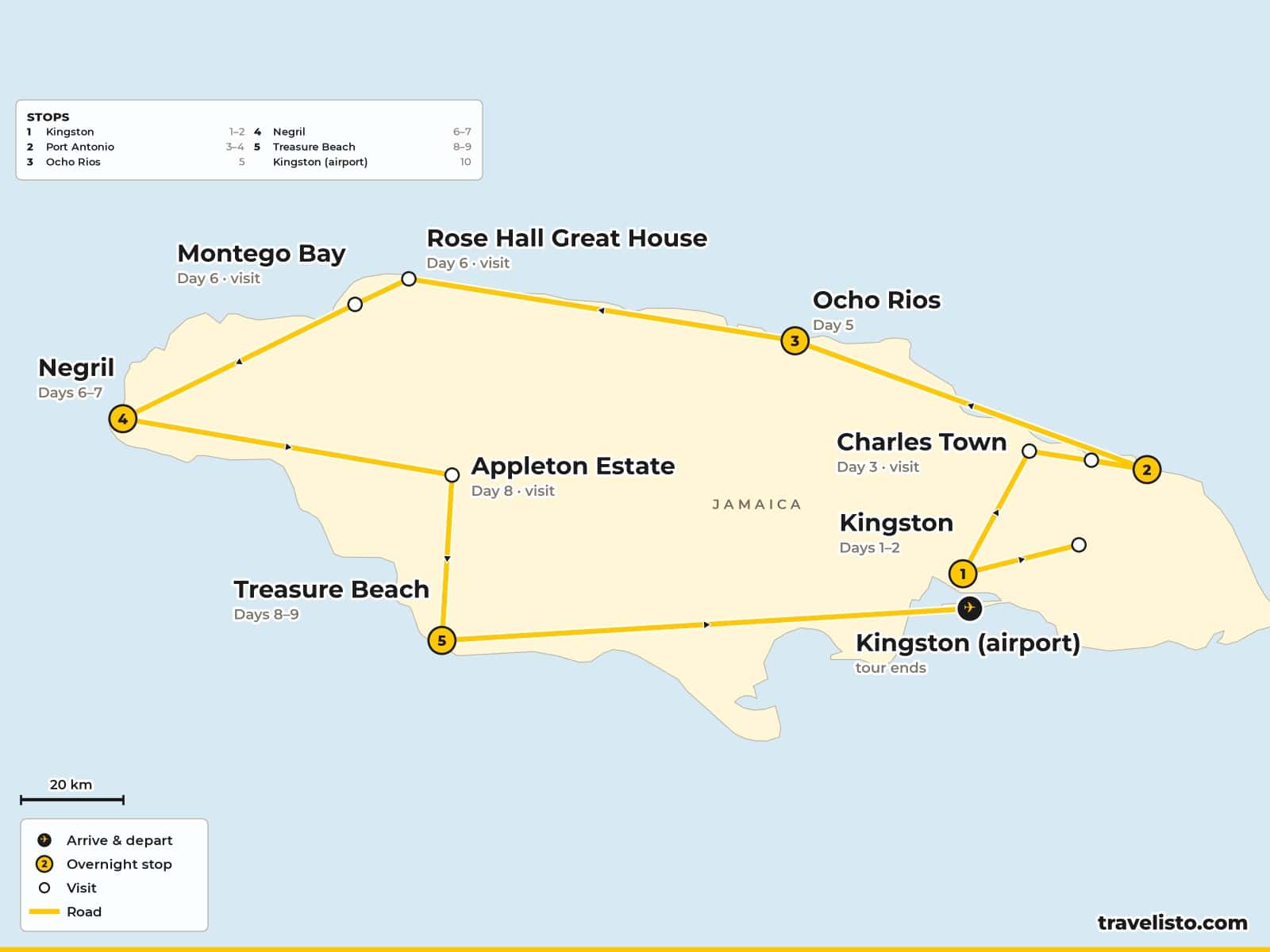
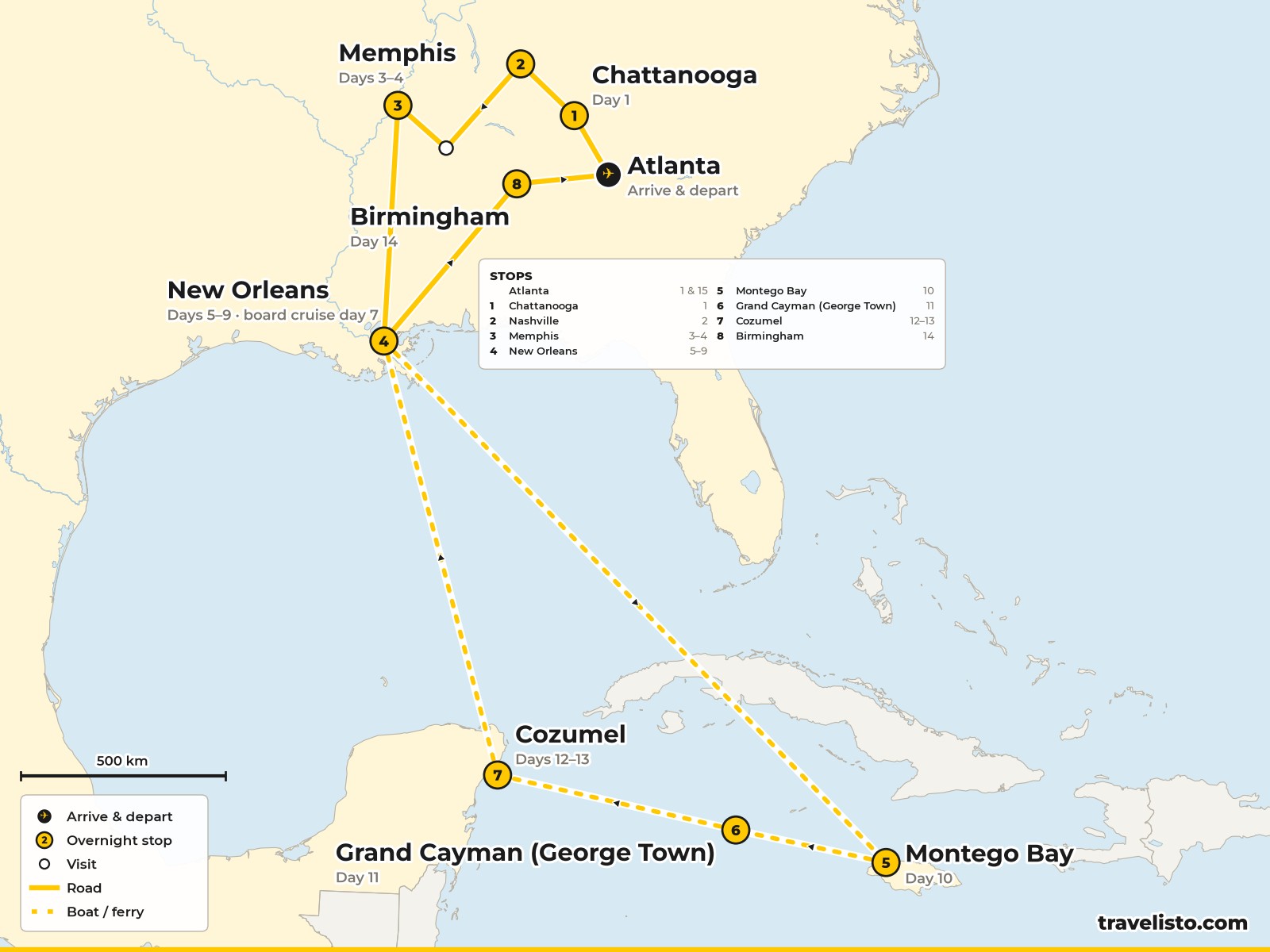
See all our Jamaica tours, or ask about a tailor-made Jamaica holiday with your choice of hotels, transfers and excursions.
Practical tips and safety
- Entry: British visitors don’t need a visa and are usually given up to 90 days. Fill in the C5 immigration and customs form online before you fly. You can’t bring meat or dairy products into Jamaica. Check the FCDO Jamaica advice before you travel.
- Safety: tourist areas are not usually affected by gang crime. Crime is high in parts of Kingston, Spanish Town and Savanna-la-Mar, and in some districts of Montego Bay away from the resorts (Flankers, Barrett Town, Glendevon, Rose Heights and Mount Salem): there’s no reason to go into them. Don’t walk on isolated beaches, even by day, and take tours with reputable licensed companies.
- Kingston: go with a driver-guide. From Norman Manley airport, drivers use the South Camp Road route rather than through Mountain View.
- Personal safety: the FCDO reports sexual assaults in tourist areas, including resorts, often by someone met socially. Don’t share your room number with new acquaintances and avoid isolated places at night.
- LGBT+ travellers: male same-sex activity is illegal and attitudes can be hostile; many resorts are welcoming, but be discreet in public.
- Money: the Jamaican dollar is the currency, but US dollars are widely accepted in tourist areas; cards work in hotels and larger shops.
- States of emergency: the government sometimes declares them in certain areas after violence, with curfews at short notice. Visitors are rarely affected; follow local advice.
Frequently asked questions
Where is Jamaica?
Jamaica is in the western Caribbean Sea, about 150 km south of Cuba. It's the third-largest Caribbean island, with direct flights from London to Montego Bay and Kingston.
Which is better, Montego Bay, Negril or Ocho Rios?
Montego Bay is closest to the airport, with big resorts and golf. Negril has the best beach and sunsets and a relaxed feel. Ocho Rios is best for waterfalls and excursions. Many people split their stay between two.
What are the best things to do in Jamaica?
Climb Dunn's River Falls, swim at the Blue Hole, raft the Martha Brae or Rio Grande, visit Nine Mile and the Bob Marley Museum, hike or tour a coffee farm in the Blue Mountains, see the Luminous Lagoon and watch the sunset in Negril.
When is the best time to visit Jamaica?
Mid-December to April, the driest season. May and September to November are wetter, and June to November is hurricane season.
How long is the flight from the UK to Jamaica?
About 10 to 11 hours direct from London to Montego Bay or Kingston.
Is Jamaica safe for tourists?
Tourist areas aren't usually affected by gang crime. Avoid the high-crime districts named in the FCDO Jamaica travel advice, don't walk isolated beaches, use licensed taxis and tour companies, and visit Kingston with a driver-guide.
Has Jamaica recovered from Hurricane Melissa?
Largely in the main resort areas: most hotels reopened during 2026. Recovery is slower in the worst-hit south-west, including around Black River and Treasure Beach, so we check every booking.
Do UK citizens need a visa for Jamaica?
No. British visitors are usually allowed up to 90 days. You need to complete the C5 customs form, ideally online before you travel.
Keep planning
- Cuba holiday guide
- Jamaica holidays
- Best time to visit Jamaica
- Jamaica tours
- Bahamas holiday guide
- Barbados holiday guide
- Antigua and Barbuda holiday guide
- Best Caribbean cruises from the UK
- Tailor-made holidays
- Caribbean islands guide
- Aruba holiday guide
- Curaçao holiday guide
Plan your Jamaica holiday with a Travel Designer
Tell us when you’d like to go and we’ll find the right coast and hotels, add the Blue Mountains or a second island, and check everything is open after the hurricane, in one ATOL-protected booking.
Make an enquiry Jamaica holidays