
Travelisto destinations
Faroe Islands holidays
Eighteen dramatic islands in the North Atlantic — sea cliffs, puffins, grass-roofed villages and waterfalls falling into the ocean.
Overview
Welcome to Faroe Islands
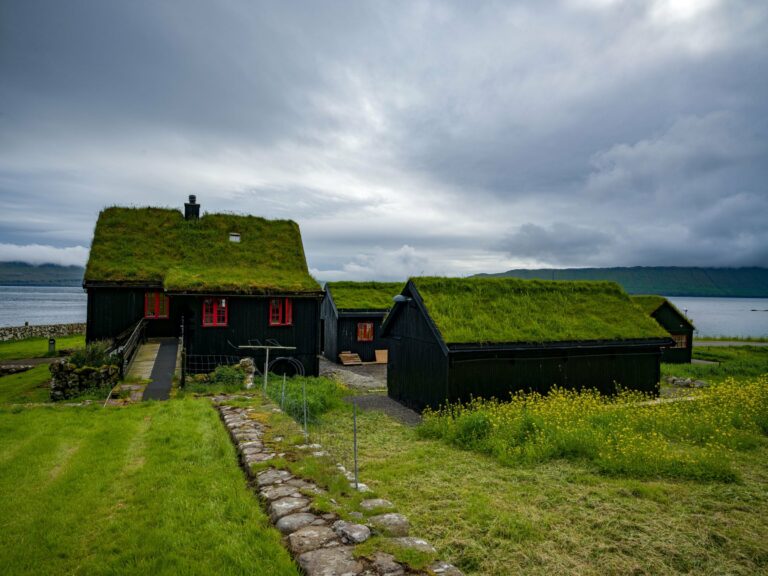
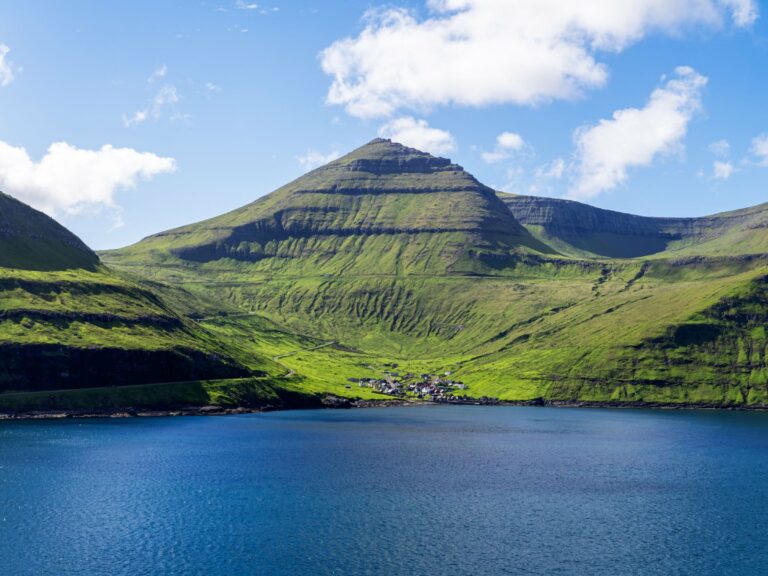
The Faroe Islands are 18 volcanic islands halfway between Scotland and Iceland, a self-governing part of the Kingdom of Denmark with their own language, flag and culture. The landscapes are extraordinary: sheer sea cliffs, steep green mountains, waterfalls that drop straight into the sea, and tiny villages of black-painted, grass-roofed houses. The islands are linked by tunnels — including undersea tunnels with art installations — bridges and ferries, so it is easy to explore by car.
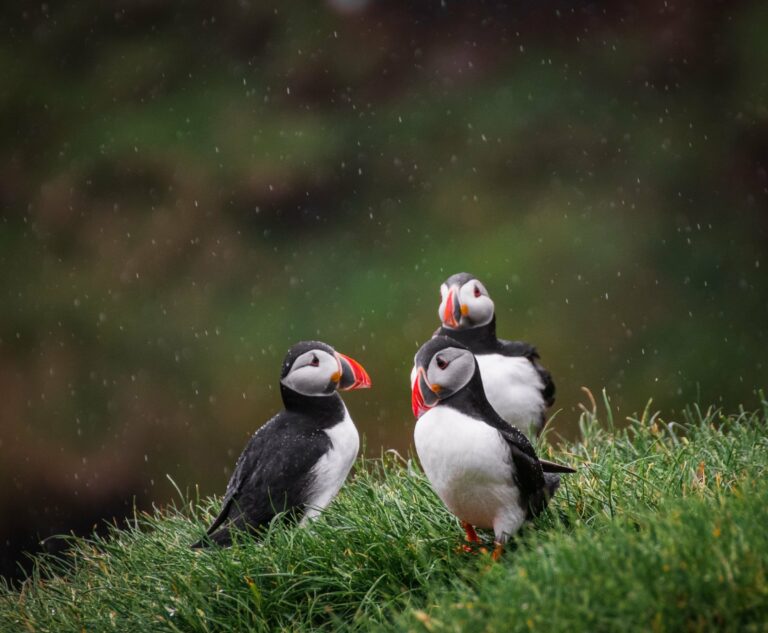
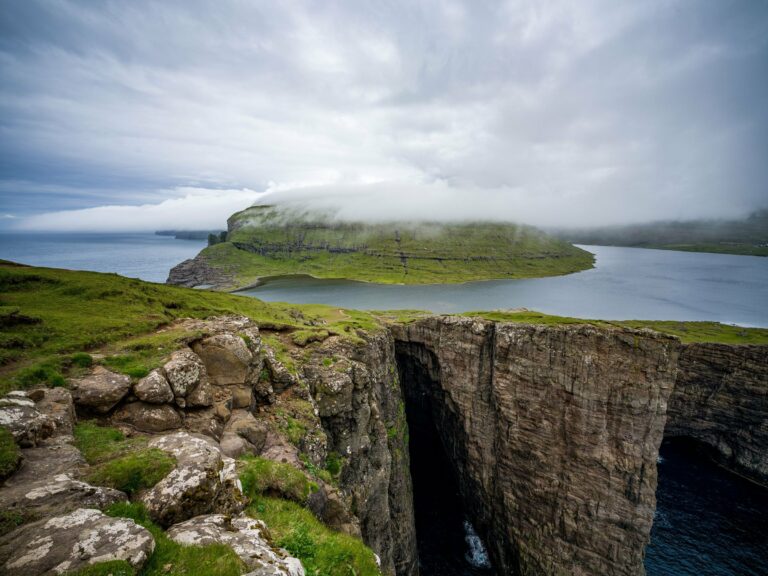
Highlights include Lake Sørvágsvatn, which appears to float above the ocean; the Múlafossur waterfall at Gásadalur; the island of Mykines, home to thousands of puffins in summer; the village of Gjógv with its natural sea gorge harbour; Saksun’s lagoon and turf church; and Kirkjubøur’s medieval ruins. Tórshavn, one of the smallest capitals in the world, has a turf-roofed old quarter, Tinganes, and excellent restaurants serving local lamb, fish and some of the Nordic region’s most creative cooking.
Read more
Best for: walkers and photographers, bird lovers (puffin season is May to August), travellers who love Iceland and Norway and want somewhere quieter, and short, adventurous trips from the UK. Our escorted walking tours cover the main islands and Mykines.
From the team
Why we love Faroe Islands

Come in June or July for the long light and the puffins, and leave room in the plan — the weather decides the day here, which is part of the magic.
Rossella Rossella, Luxury & Destination Specialist Meet our Travel DesignersMain areas
Where to go in Faroe Islands
4 distinct regions — they pair beautifully two or three at a time.
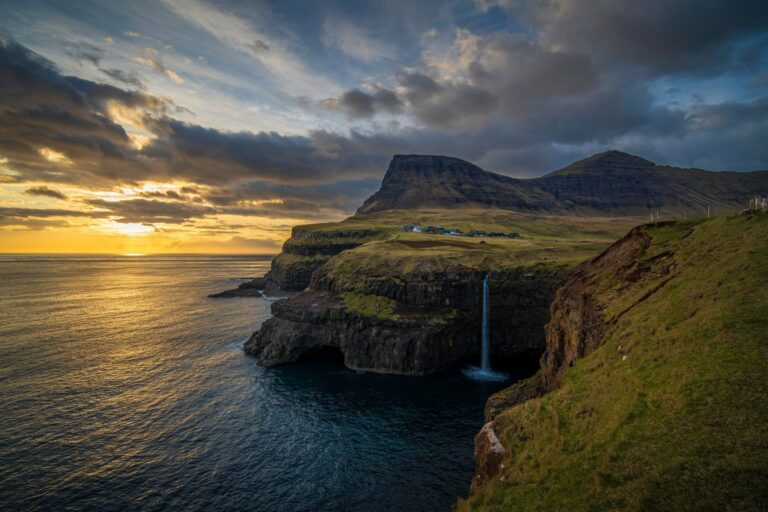
Vágar & Mykines
Sørvágsvatn
Gásadalur
Múlafossur
Mykines
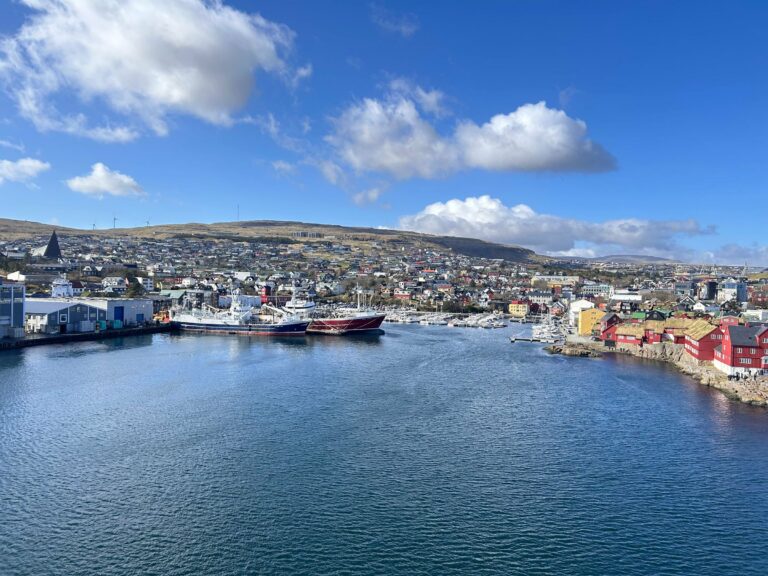
Streymoy & Tórshavn
Tórshavn
Saksun
Kirkjubøur
Vestmanna
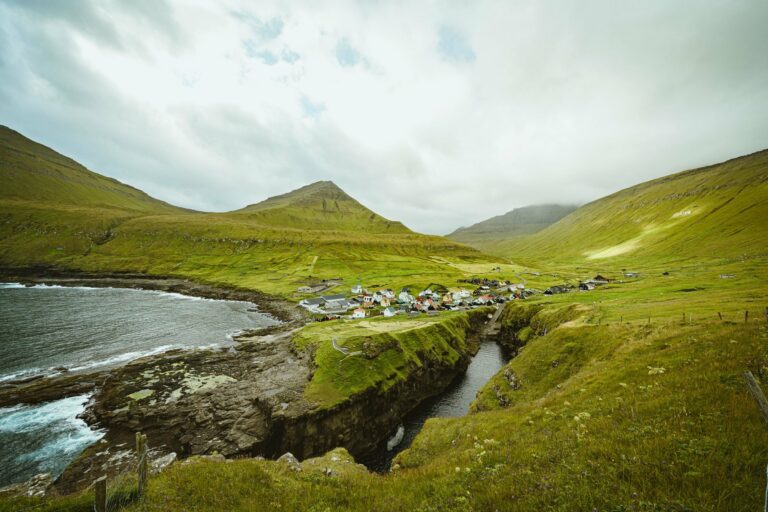
Eysturoy
Gjógv
Funningur
Slættaratindur
The northern isles
Klaksvík
Kalsoy
Viðoy
Find your trip
Holiday types in Faroe Islands
Pick a holiday style — or combine two. Each section links straight to the next step.
City breaks
Faroe Islands's cities reward 2-4 nights each — pair two for a tailor-made multi-centre trip.
Cruises
Tórshavn is a regular call on British Isles, Iceland and Norway cruises, and on expedition voyages across the North Atlantic.
Escorted tours
3 escorted tours through Faroe Islands — guided, customisable, fully ATOL-protected.
Tailor-made
Everything you see above is a starting point — we'll shape any of these around how you actually want to travel.
Self-drive Faroes
A car, island-by-island hotels and a day-by-day route.
Enquire
Puffins and walking
Mykines, sea cliffs and guided walks in puffin season.
Enquire
Faroes and Iceland
Combine two North Atlantic islands in one trip.
Enquire
Food and culture weekend
Tórshavn’s restaurants, a home dinner and the islands’ music.
EnquirePractical info
Knowing before you go
When to go
Jan
6°
Feb
6°
Mar
6°
Apr
7°
May
9°
Jun
11°
Jul
13°
Aug
13°
Sep
11°
Oct
9°
Nov
7°
Dec
6°
June to August is the best time, with long days, the mildest weather and puffins on Mykines (May to August). May and September are quieter. Weather changes quickly in every season, so pack waterproofs and layers.
Flights & how to get there
Seasonal direct flights from Edinburgh take about 1 hour 15 minutes, and there are year-round connections via Copenhagen. The airport is on Vágar, about 45 minutes from Tórshavn.
Visa & passport
The Faroe Islands are part of the Kingdom of Denmark but are not in the EU or the Schengen area. UK passport holders do not need a visa for a holiday. The islands are covered by the UK FCDO travel advice for Denmark — check it before you travel.
Currency & money
The Faroese króna, equal in value to the Danish krone, which is also accepted. Cards are used almost everywhere.
Language & tipping
Faroese and Danish. English is widely spoken.
Health & safety
No special vaccinations are needed. Many walking routes cross private land, and some charge a small hiking fee, paid locally. Buy comprehensive travel insurance that covers walking.
FAQs
Faroe Islands — your questions
When is the best time to visit the Faroe Islands?
June to August, for long days, the mildest weather and puffins on Mykines. May and September are quieter. The weather changes quickly all year, so plans need some flexibility.
How do I get to the Faroe Islands from the UK?
Seasonal direct flights from Edinburgh take about 1 hour 15 minutes, and there are connections via Copenhagen all year. Some North Atlantic cruises also call at Tórshavn.
Do I need to pay to go hiking in the Faroe Islands?
Some popular walks cross private farmland and charge a small hiking fee, paid locally, which helps maintain the paths. Mykines also has a visitor fee.
Can I see puffins in the Faroe Islands?
Yes. The island of Mykines has a large puffin colony from about May to August, reached by ferry or helicopter from Vágar, weather permitting.
Make this trip yours
Plan your Faroe Islands holiday with a Travel Designer
Pick from any of the options on this page or tell us what you have in mind — we'll build it around how you actually like to travel. ATOL protected, flights included, real humans available 9am–7pm.
ATOL protected
100% financially protected in a Trust bank account
PTS 6035
4.7 on Trustpilot