Mexico in brief
- The classic trip runs from Mexico City to Oaxaca, Chiapas and the Yucatán, ending on the Caribbean coast.
- With ten days, choose one region: the Yucatán and the beach, or Mexico City and Oaxaca.
- The dry season, November to April, is best. Hurricane season runs from about June to November, peaking from August to October. See when to go.
- UK visitors don’t need a visa for a holiday. Don’t drink the tap water.
Mexico is huge, about eight times the size of the UK, and far more varied than its beach resorts suggest. There’s Mexico City, one of the world’s great food and art capitals, built on the ruins of the Aztec capital; the colonial cities and mountain villages of Oaxaca and Chiapas; the Maya pyramids and freshwater cenotes of the Yucatán; and the Caribbean beaches of the Riviera Maya. This guide explains each region, how to put them together, when to go (including hurricane season) and what you need to know before you travel.
Where to go in Mexico
The classic first trip runs from Mexico City south to Oaxaca and Chiapas, then east to the Yucatán and the Caribbean coast. If you only have ten days, focus on one or two regions. Flights between them are short, which saves long drives.

Mexico City
The capital sits at about 2,240 m, on the site of the Aztec city of Tenochtitlan. Around the Zócalo are the cathedral, the ruins of the Templo Mayor and Diego Rivera’s murals in the National Palace.
Spend time in the leafy Roma and Condesa districts, the world-class National Museum of Anthropology and Coyoacán, where you can visit Frida Kahlo’s Blue House.
Mexico holidays →
Teotihuacan and Puebla
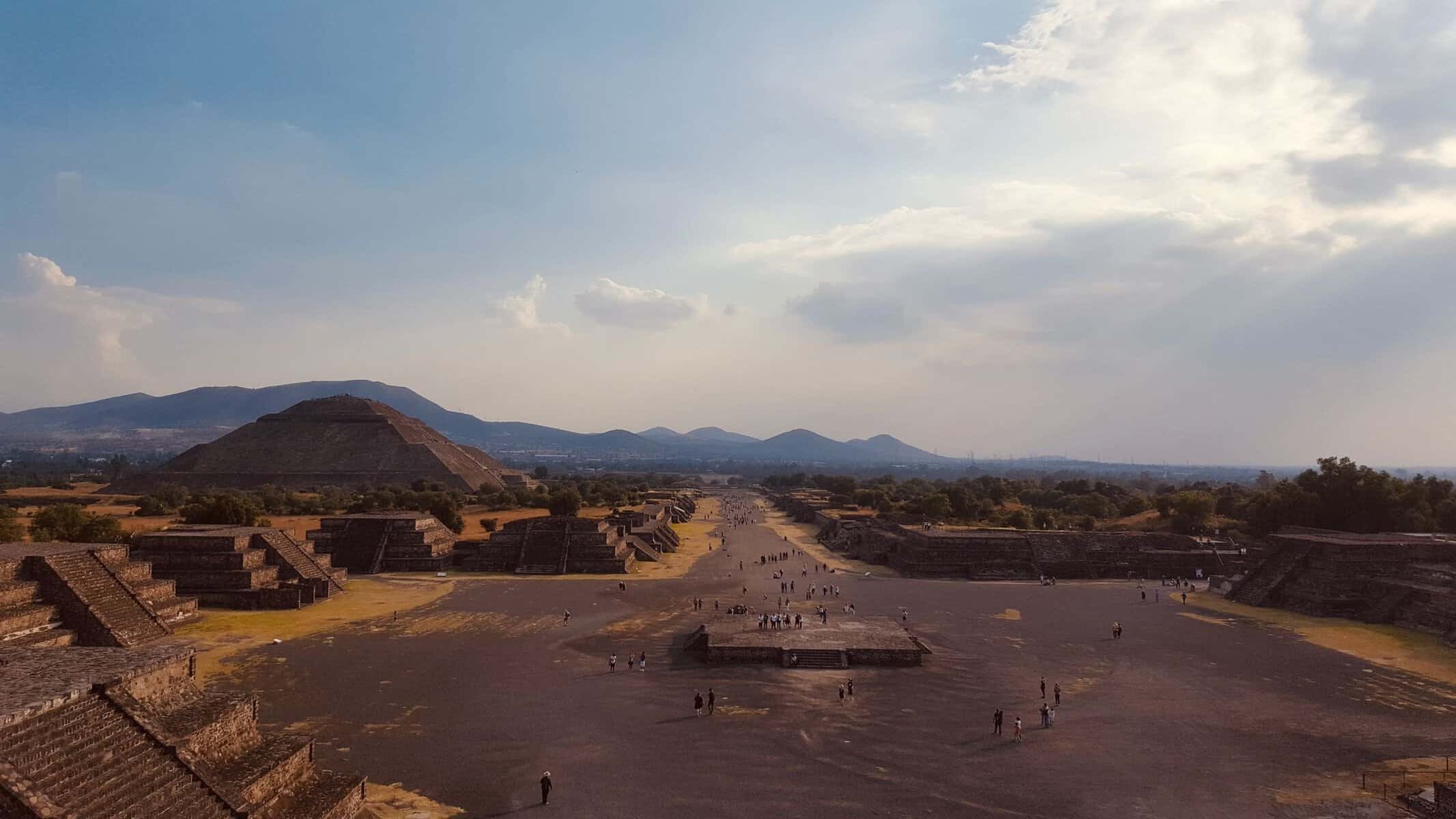
An hour north of the capital, Teotihuacan was one of the largest cities in the ancient world. Walk the Avenue of the Dead and climb the Pyramid of the Moon, or float above it all in a hot-air balloon at dawn.
Puebla, to the east, is a UNESCO-listed colonial city of painted tiles, churches and the home of mole poblano.
Oaxaca
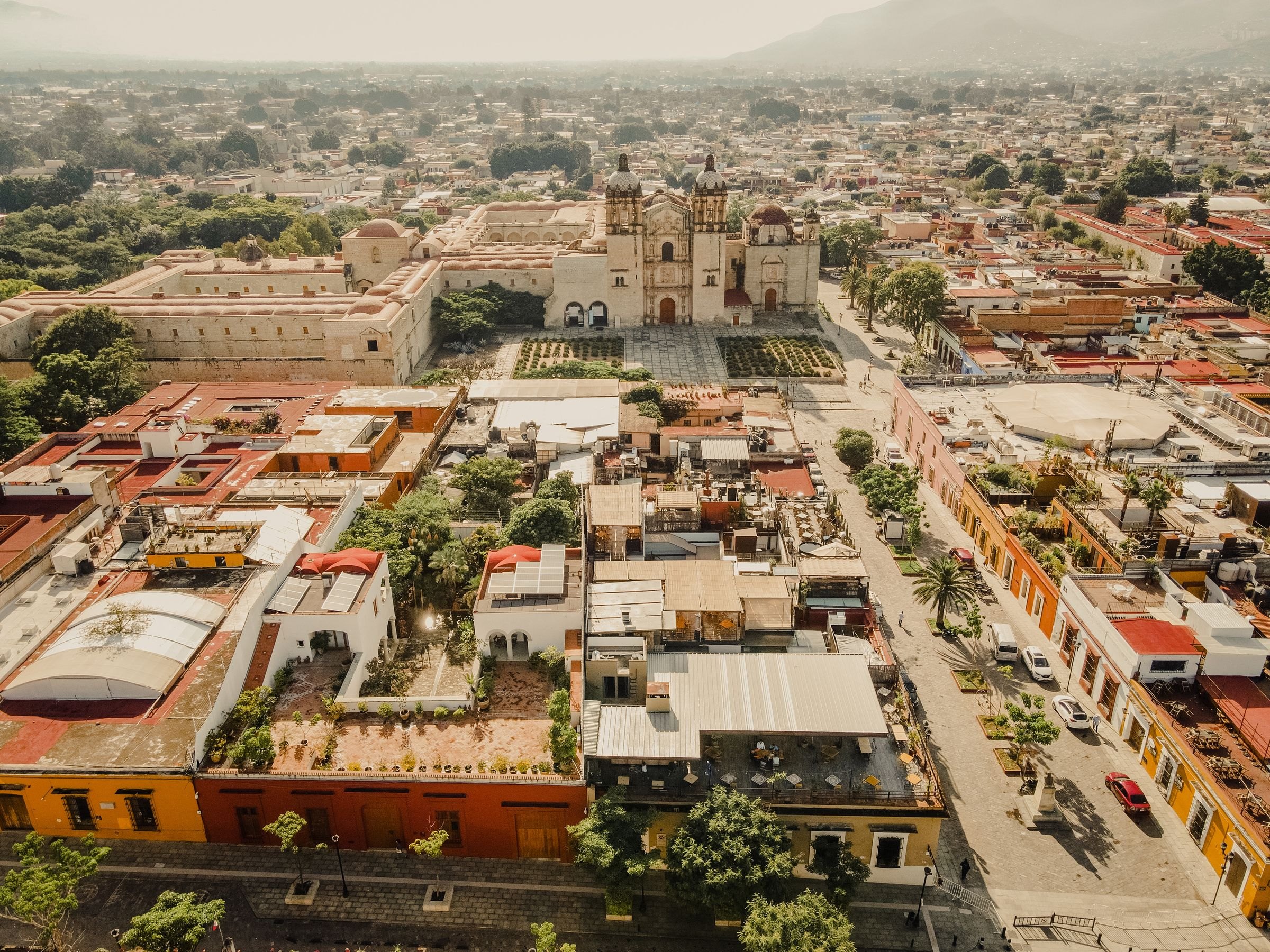
Many visitors’ favourite city: colourful colonial streets, the gilded Santo Domingo church, and markets selling mole, chocolate, mezcal and tlayudas. It’s Mexico’s food capital for many chefs.
Nearby are the Zapotec ruins of Monte Albán and Mitla, craft villages, and hiking in the forested Sierra Norte.
Chiapas: San Cristóbal and Palenque
San Cristóbal de las Casas is a cool highland town with cobbled streets and Maya villages nearby, where traditions and dress are still very much alive.
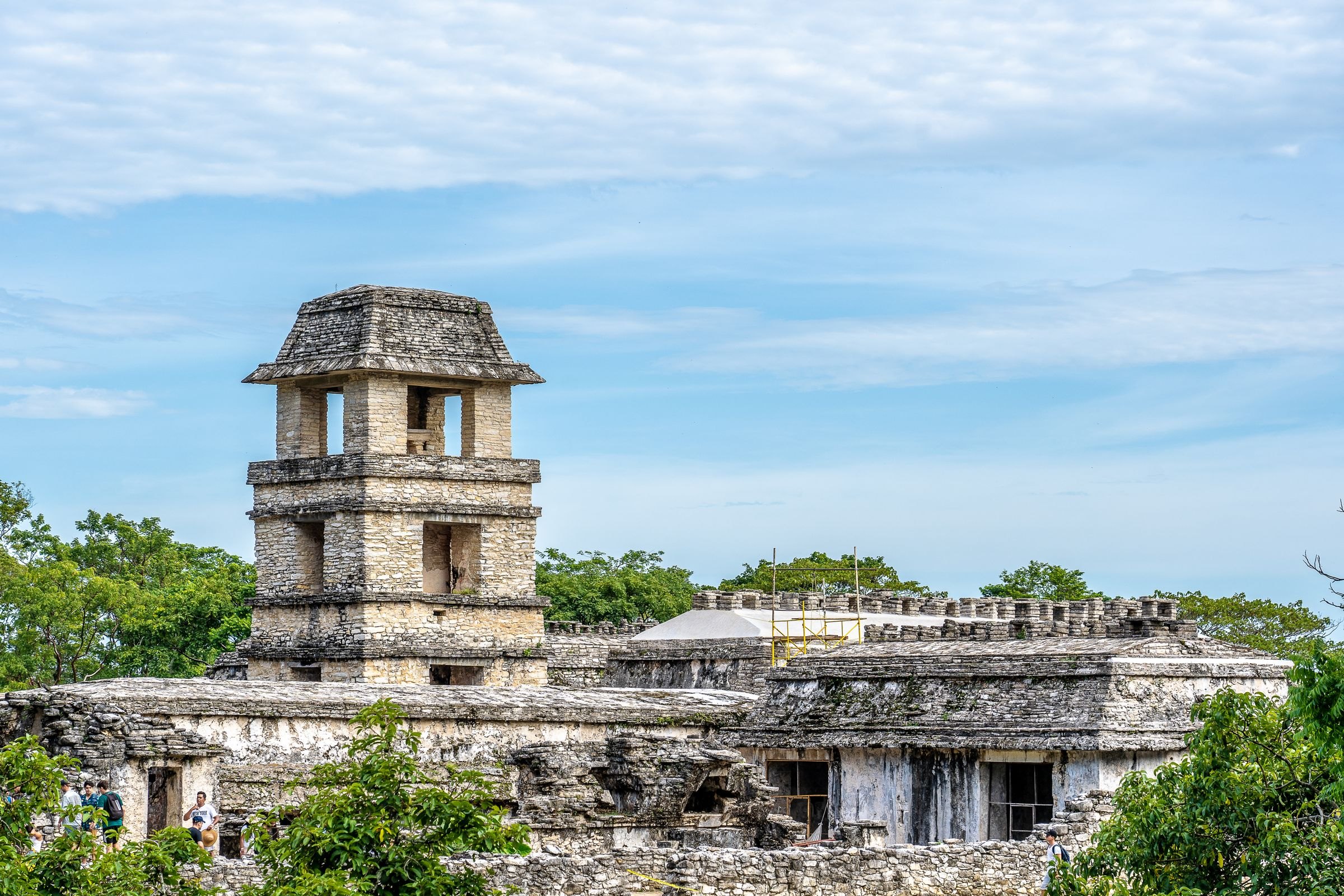
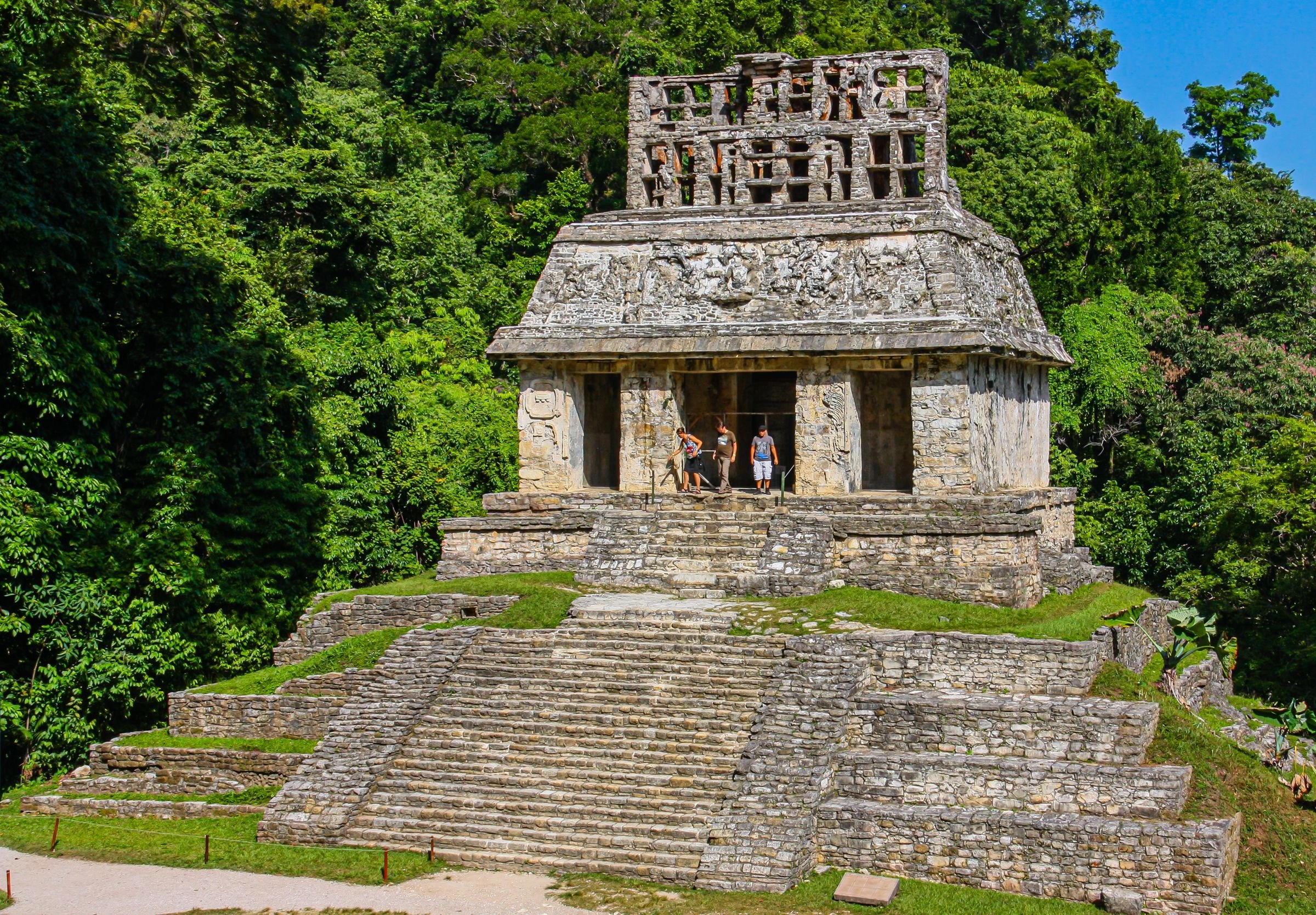
Palenque, in the rainforest, is one of the most beautiful Maya sites, with temples rising out of the jungle and howler monkeys calling at dawn.
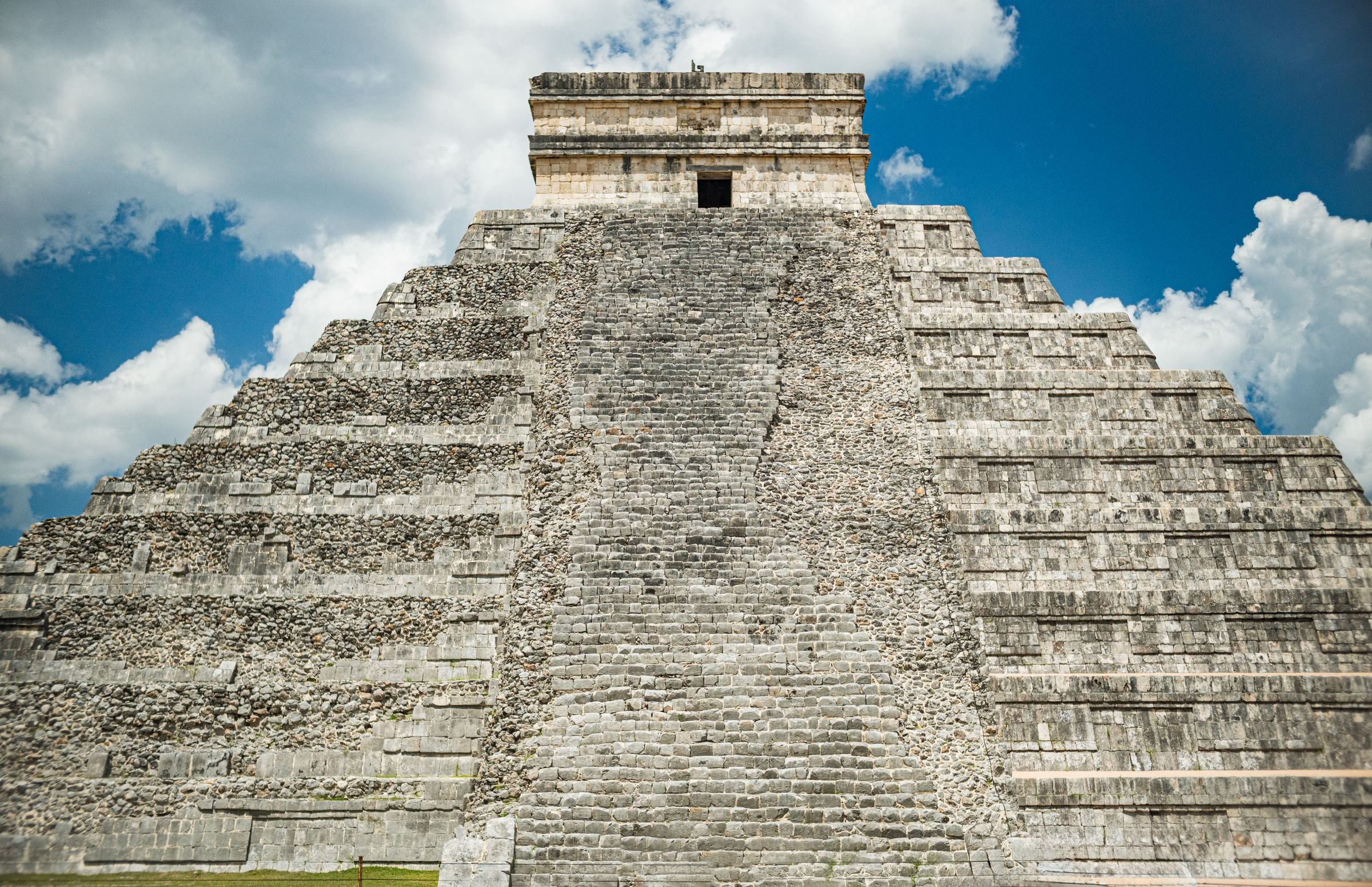
The Yucatán: Mérida and Chichén Itzá
Chichén Itzá, one of the New Seven Wonders of the World, is best seen at opening time. The Puuc sites of Uxmal are quieter and just as impressive.
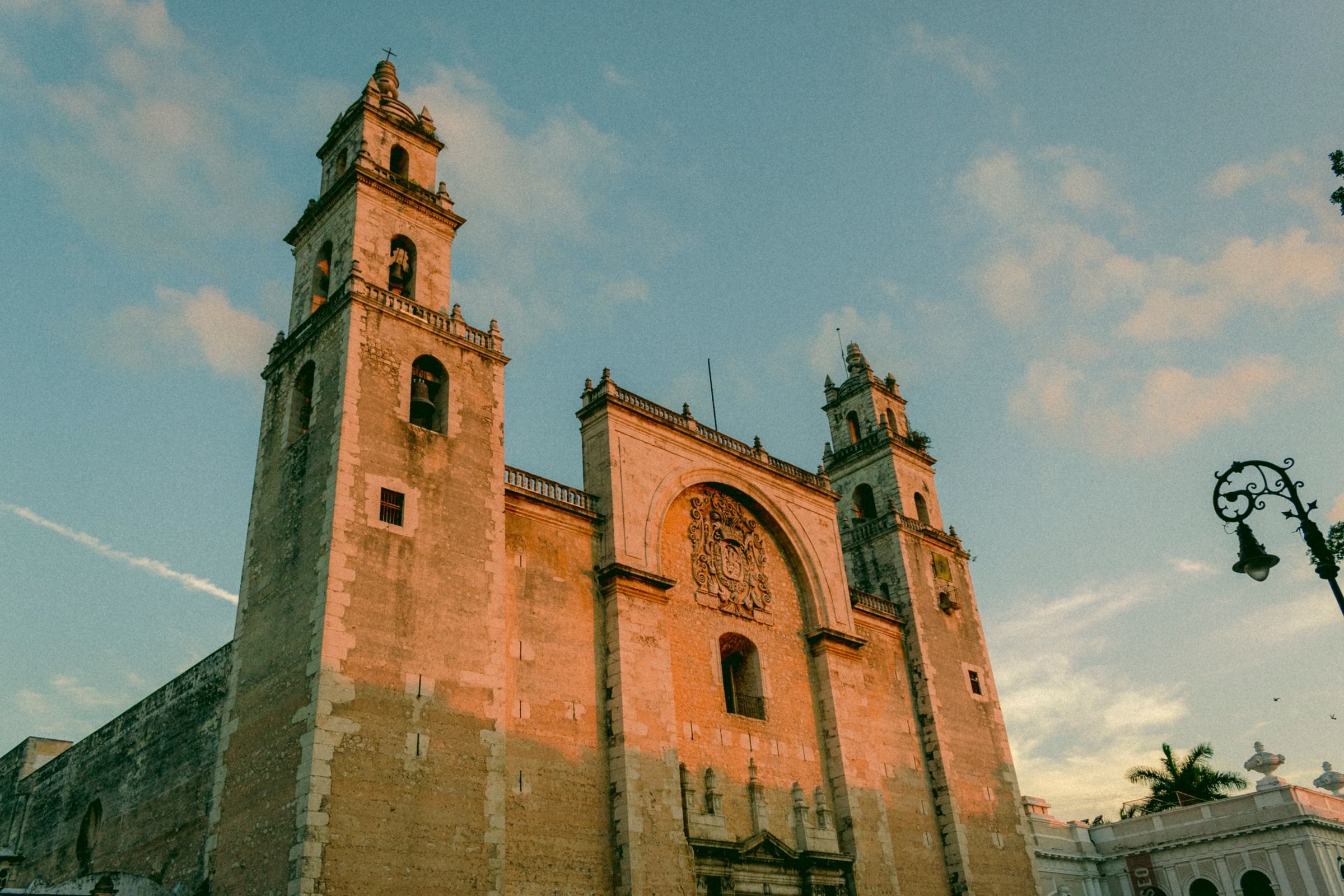
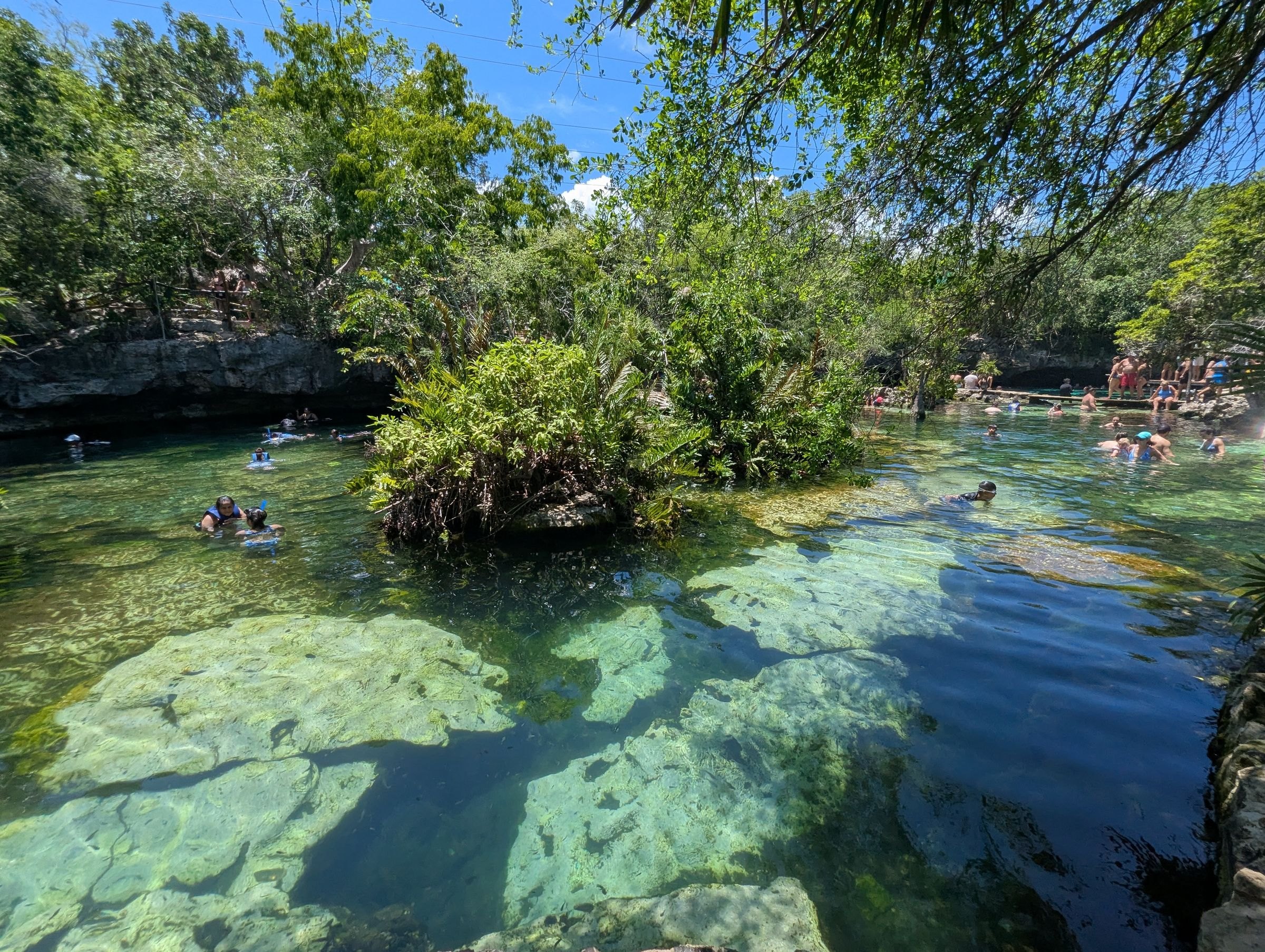
Stay in elegant Mérida or pretty Valladolid, and swim in cenotes, the freshwater sinkholes that dot the peninsula.

Cancún, Tulum and the Riviera Maya
The Caribbean coast runs south from Cancún through Playa del Carmen to Tulum, with white beaches, the second-largest barrier reef in the world offshore, and cenotes inland.
For a quieter stay, try Isla Mujeres, the island of Holbox (whale sharks from about June to September), or the reef around Cozumel.

Bacalar and the south
Bacalar, the “lagoon of seven colours”, is a long freshwater lake in shades of blue. It’s calm, slow and perfect for kayaking and paddleboarding.
It’s also the gateway to the jungle Maya sites of Calakmul and to Belize and Guatemala, which combine well with Mexico.
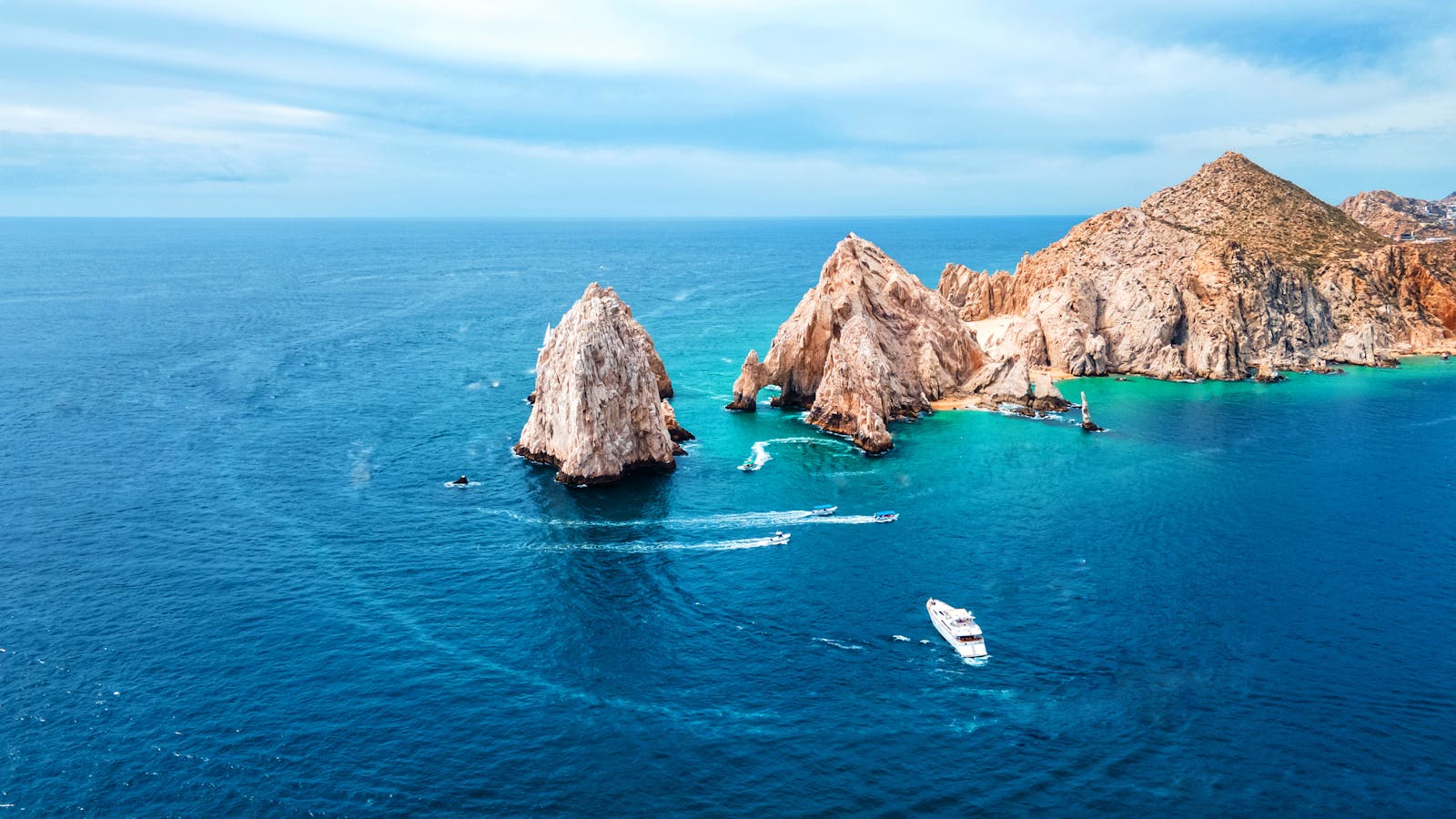
Baja California and the Pacific
Los Cabos, at the tip of the Baja peninsula, mixes desert, golf and Pacific beaches. From about December to April, grey and humpback whales gather in the lagoons and bays.
Along the Pacific mainland, Puerto Vallarta and the Oaxaca coast are known for surfing and laid-back beach towns.
A day in Mexico City
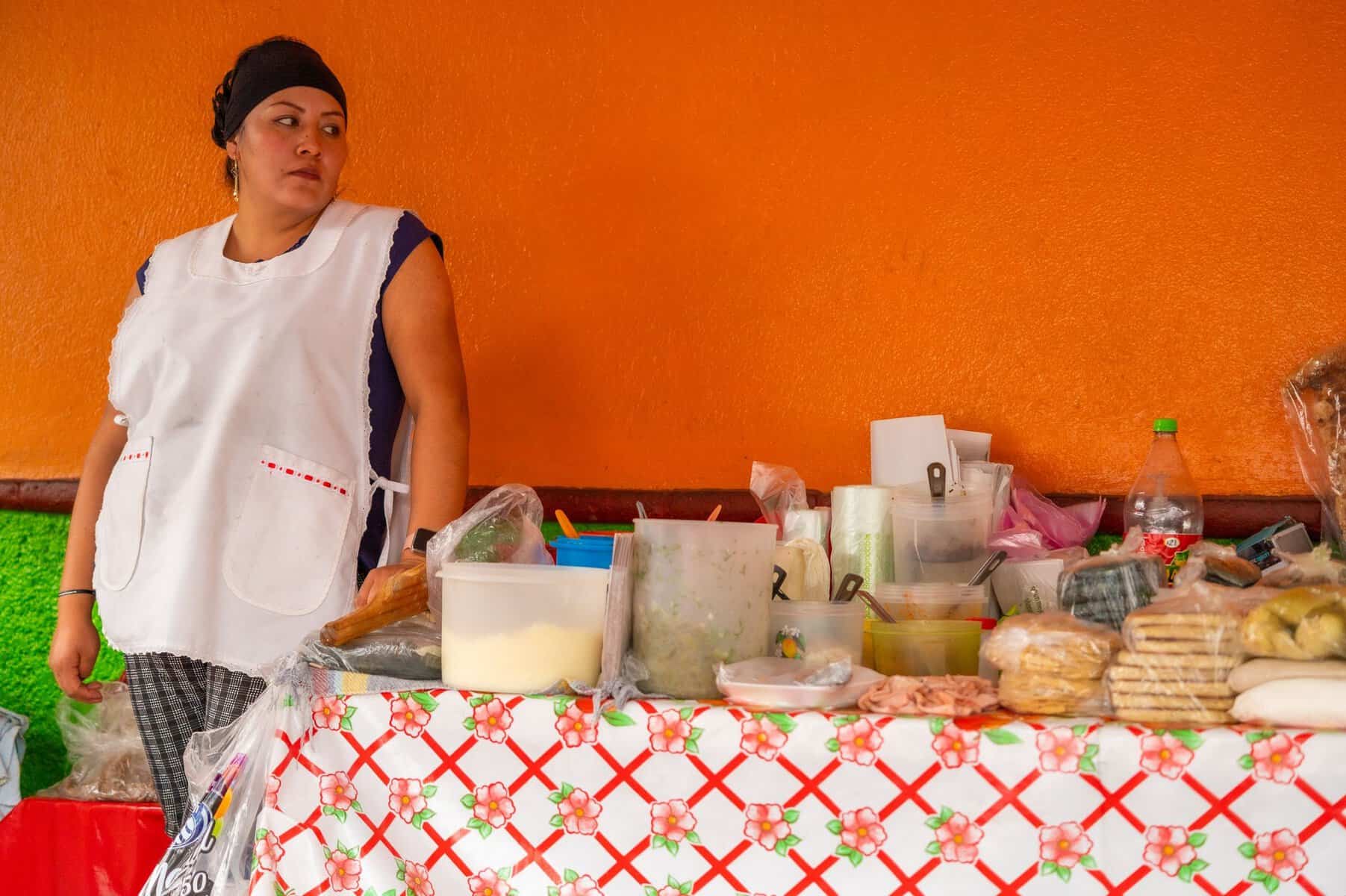
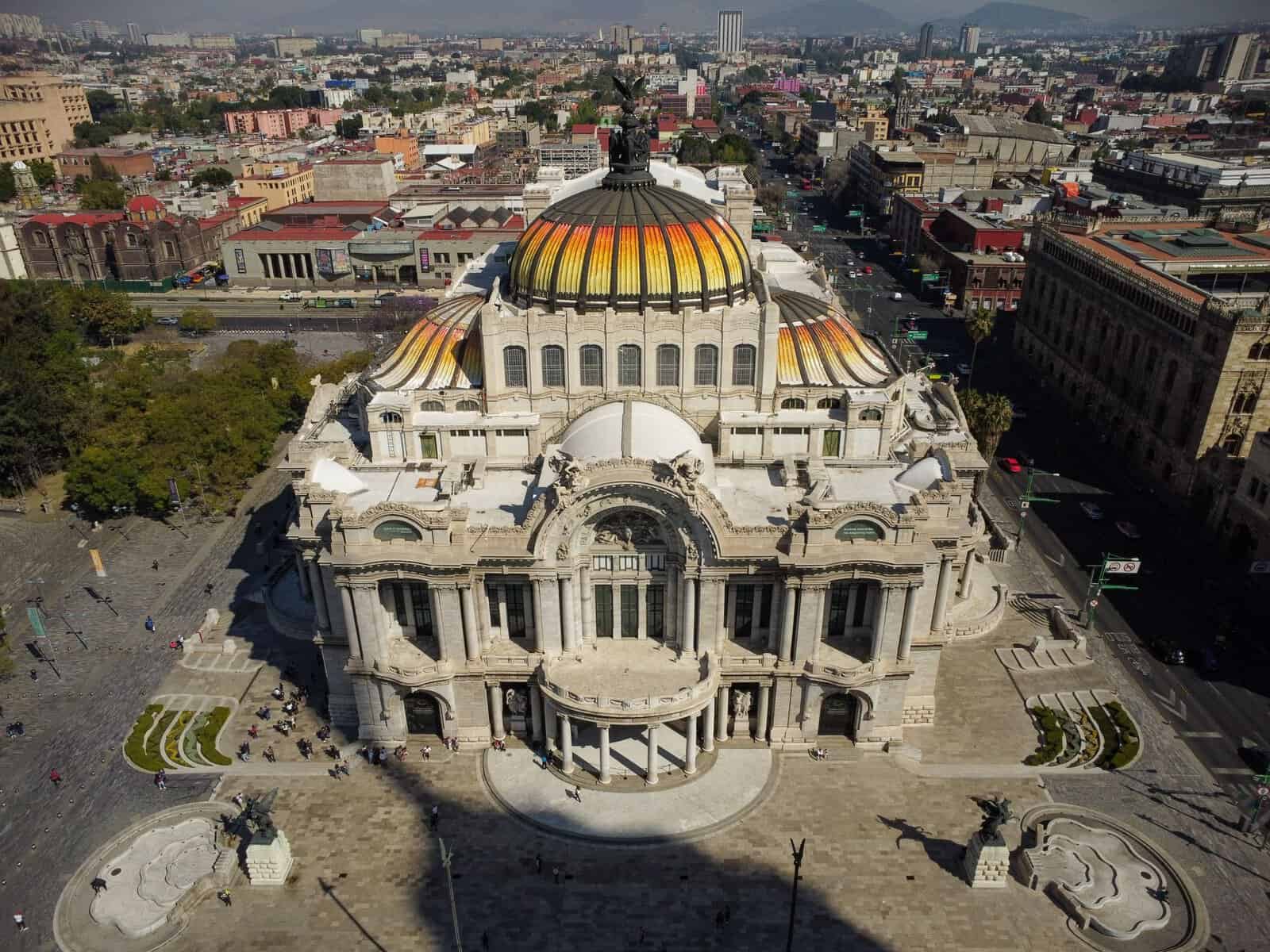
Morning: start in the Zócalo and see Diego Rivera’s murals in the National Palace, then walk to the Palacio de Bellas Artes.
Lunch: tacos al pastor from a street stall or a fonda, then head to Chapultepec Park for the National Museum of Anthropology. Allow at least three hours.
Evening: dinner in Roma or Condesa, or join a food tour for tacos, tamales and mezcal. On Sundays, ride a colourful boat along the canals of Xochimilco.
Classic routes
Mexico City to the Caribbean
- Mexico City (3 nights)
- Oaxaca (3)
- San Cristóbal (2)
- Palenque (1)
- Mérida (2)
- Riviera Maya (4)
The great Mexico journey, ending on the beach.
The Yucatán loop and the beach
- Cancún arrival
- Valladolid (2 nights)
- Mérida (2)
- Bacalar (2)
- Tulum or the Riviera Maya (4)
Pyramids, cenotes and colonial towns, with no long flights.
Mexico City, Oaxaca and the coast
- Mexico City (3 nights)
- Oaxaca (4)
- Fly to the Riviera Maya or the Oaxaca coast (4)
For food lovers: markets, mezcal and mole, then the sea.
Cenotes, reefs and beaches
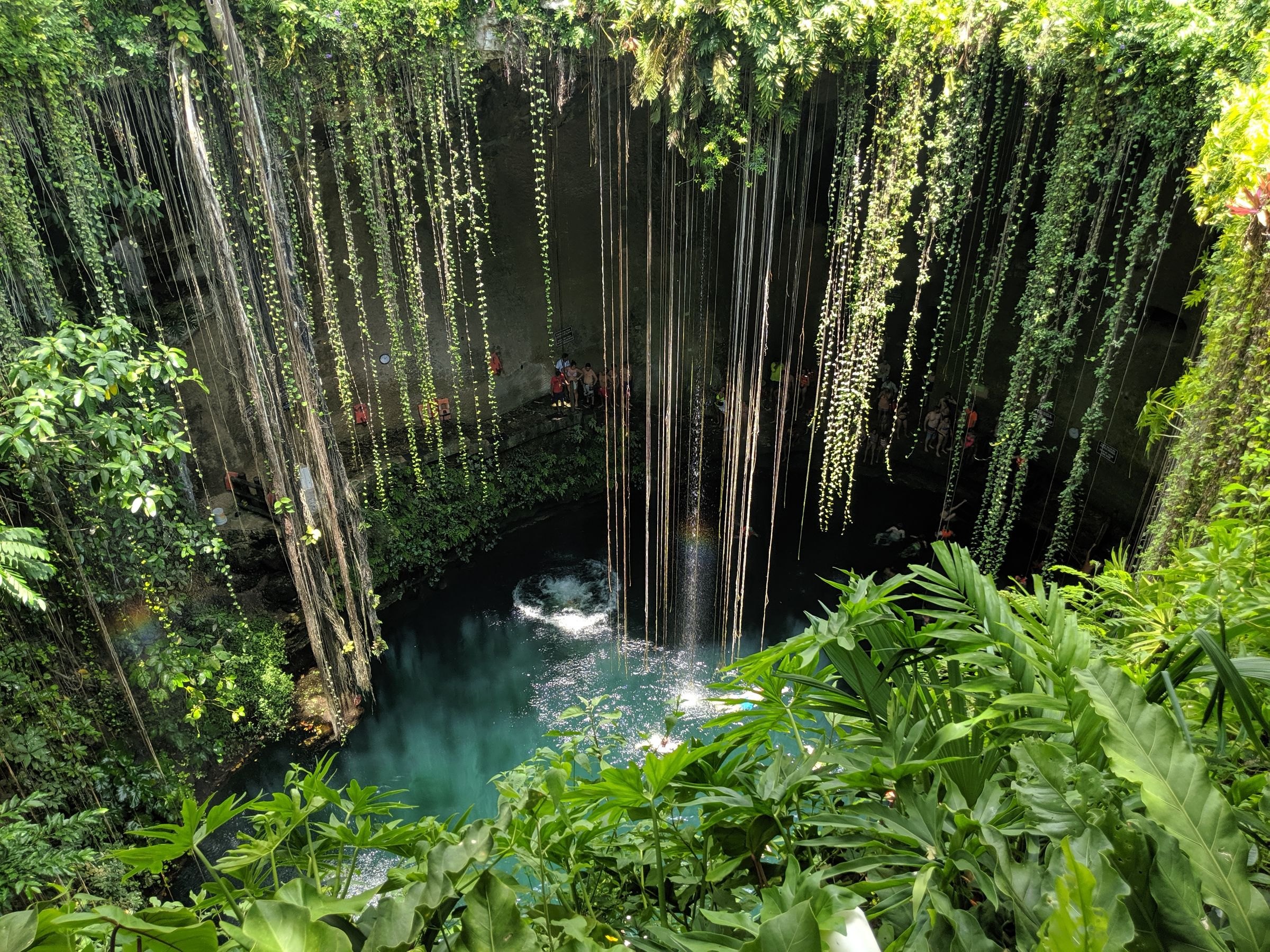
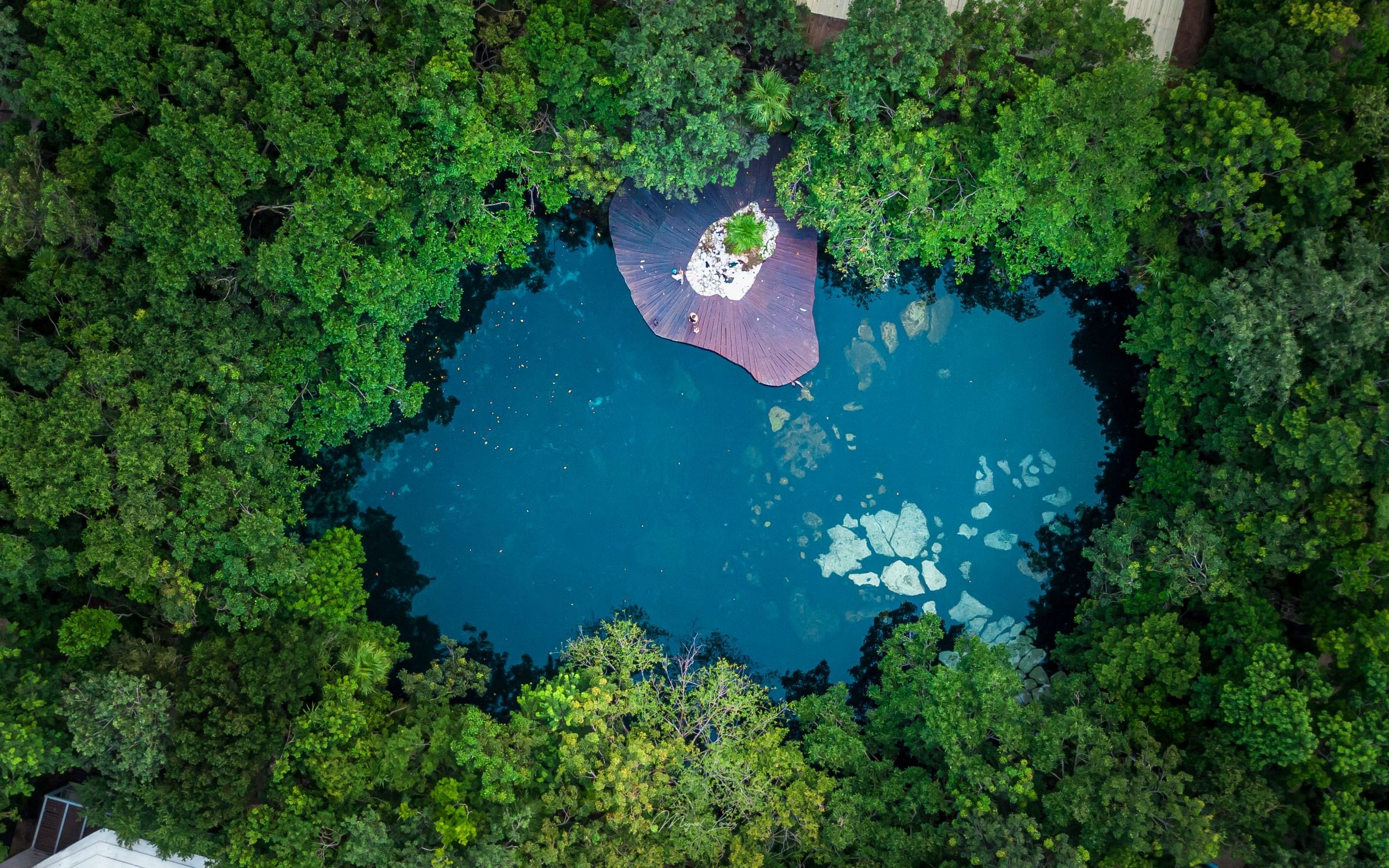
- Cenotes: swim, snorkel or dive in crystal-clear sinkholes and caves across the Yucatán. Use biodegradable sun cream, or none, before you get in.
- Snorkelling and diving: the Mesoamerican Reef runs along the coast; Cozumel is one of the world’s great drift-diving spots.
- Whale sharks: trips from Holbox and Isla Mujeres from about June to September. Choose an operator that follows the rules on distance and numbers.
- Turtles: snorkel with green turtles over the seagrass at Akumal, with a licensed guide.
- Sargassum seaweed: from about April to September, seaweed can wash up on the Caribbean beaches. It varies a lot by year and by beach; Isla Mujeres and the west side of Cozumel are usually least affected.
Food, festivals and culture

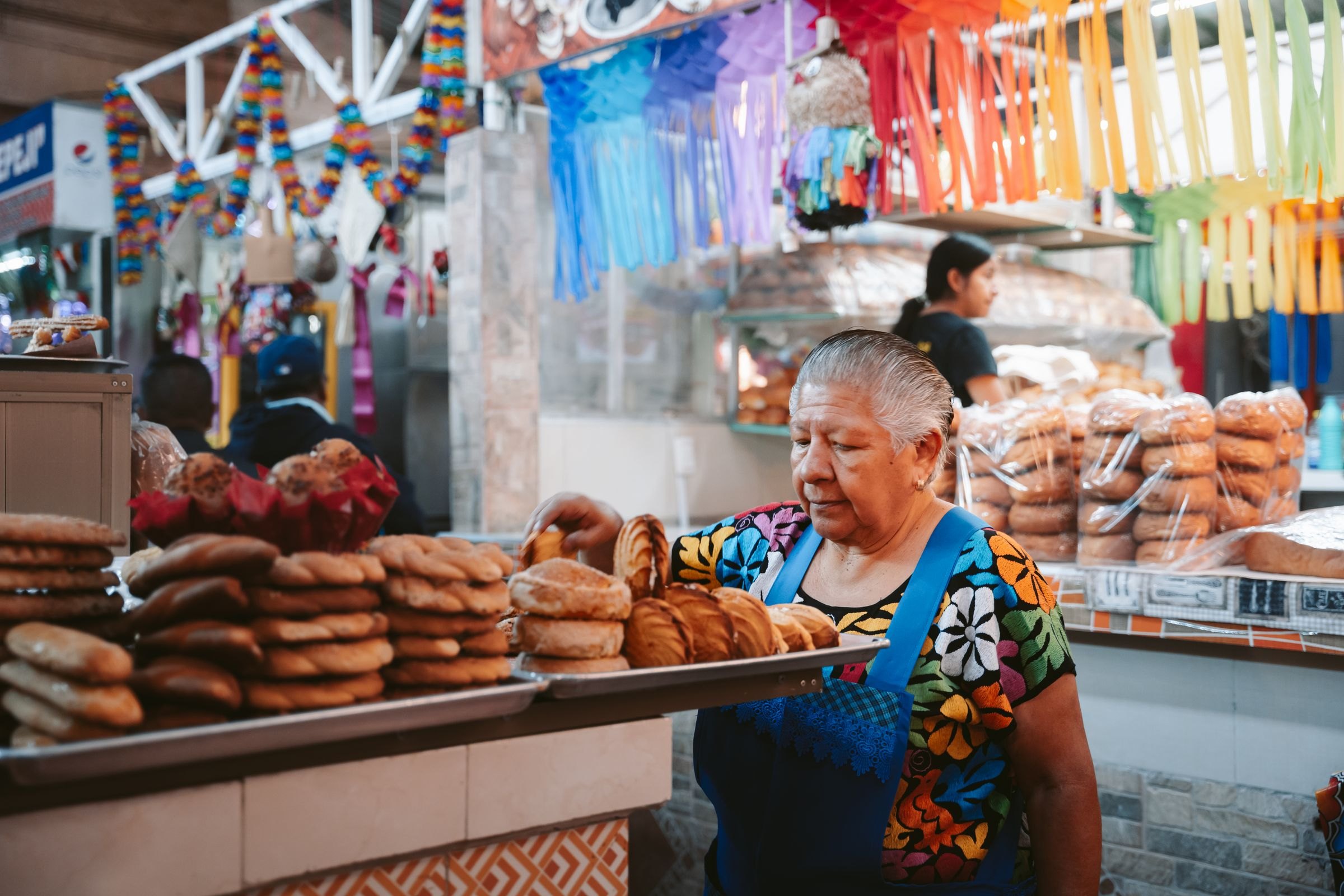

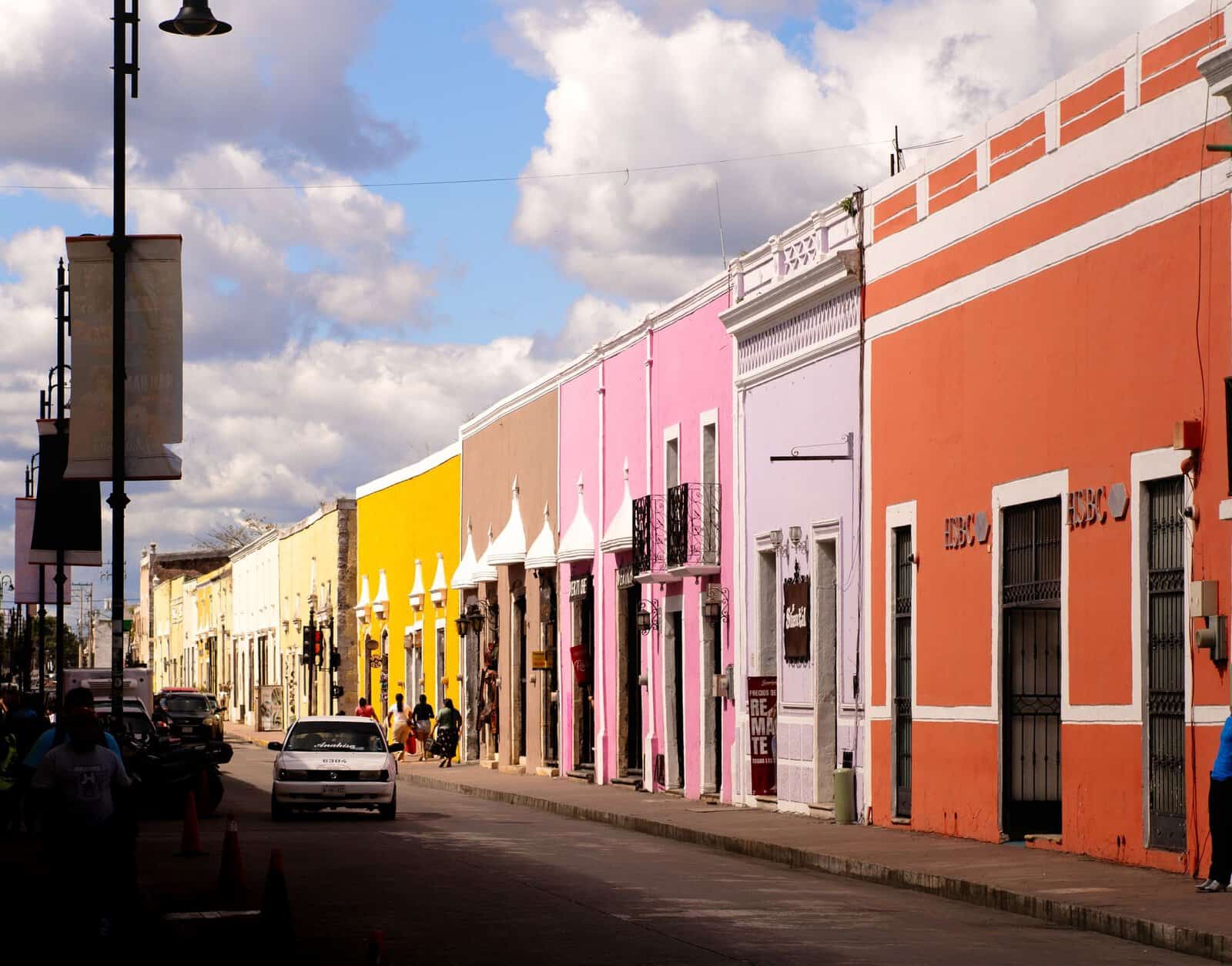

- Food: Mexican cuisine is UNESCO-listed. Try tacos al pastor in Mexico City, mole and tlayudas in Oaxaca, and cochinita pibil and lime soup in the Yucatán.
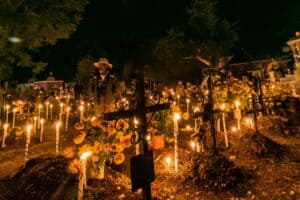
- Day of the Dead: on 1 and 2 November, families honour their dead with marigold altars, candlelit cemeteries and parades. Oaxaca and Pátzcuaro are the most moving places to see it. Read about our Day of the Dead tour.
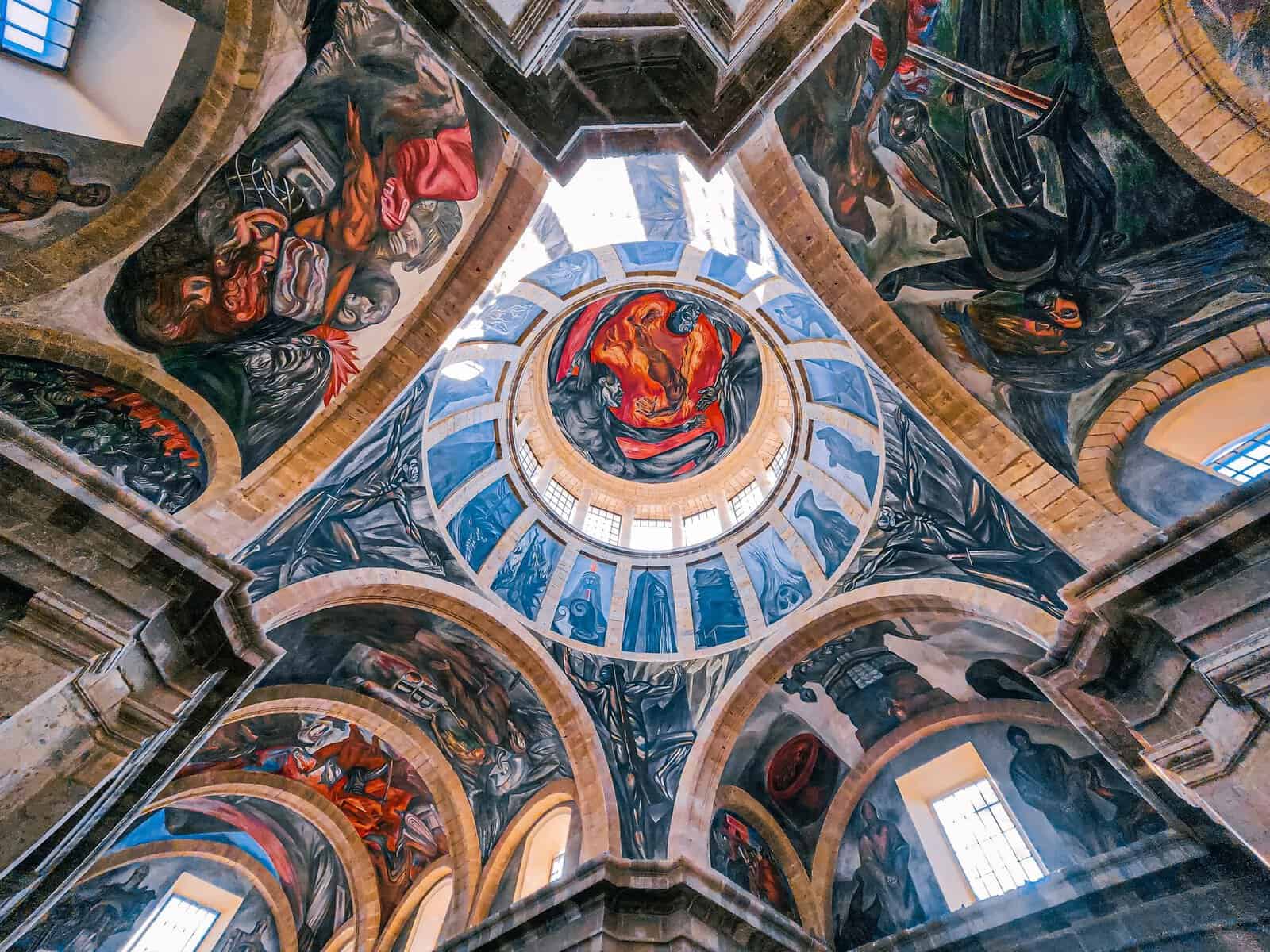
- Art: the murals of Rivera, Orozco and Siqueiros, Frida Kahlo’s house and the folk art of Oaxaca’s craft villages.
- Drinks: tequila from Jalisco, smoky mezcal from Oaxaca, and fresh fruit aguas frescas everywhere.
When to go
For most of Mexico, the dry season from November to April is the best time to visit: sunny and warm on the coast, and warm by day but cool at night in the highlands. May to October is the rainy season, usually with afternoon storms rather than all-day rain. On the Caribbean and Pacific coasts, hurricane season runs from about June to November, peaking from August to October. A direct hit is unusual, but storms can bring days of rain, so flexible plans and good travel insurance matter.
- November to April: the peak season and our pick. Christmas, New Year and Easter book up early.
- Late October to early November: Day of the Dead, one of the most special times to visit.
- May to October: green and quieter, with afternoon rain in the highlands. It’s hot and humid on the coast.
- December to April: whale season in Baja California.
Ways to see Mexico with us


Practical tips

- Entry: British visitors don’t need a visa for a holiday. Immigration officers decide how long you can stay, so carry proof of your return flight, accommodation and enough funds. Check the FCDO Mexico advice before you book and again before you travel.
- Safety: the main tourist areas covered here are visited by millions of people each year. Some states have FCDO warnings, so we plan routes around the current advice and use trusted drivers and guides.
- Altitude: Mexico City is at about 2,240 m. Take it easy on your first day and drink plenty of water.
- Health: don’t drink tap water; use bottled or filtered water. Use insect repellent, as dengue occurs. Ask a travel nurse about vaccines before you go.
- Money: cards are widely accepted, but carry pesos for markets, street food and tips. Service is often not included, so tipping is expected.
- Language: Spanish is spoken everywhere; English is common in the Riviera Maya but less so elsewhere. A few phrases go a long way.
Frequently asked questions
Do you need a visa for Mexico from the UK?
No. British passport holders don't need a visa for a holiday. Immigration officers decide how long you can stay on arrival, so carry proof of your return flight and accommodation. Check the FCDO travel advice before you travel, as the rules can change.
When is hurricane season in Mexico?
On the Caribbean coast (Cancún and the Riviera Maya), hurricane season runs from June to November, with the highest risk from August to October. On the Pacific coast it starts in mid-May. Direct hits are unusual, but storms can bring several days of rain.
What is Mexico like in October?
October is the end of the rainy season. The highlands start to dry out, and the end of the month brings the build-up to the Day of the Dead on 1 and 2 November. On the Caribbean coast, it's still hurricane season and one of the wettest months.
What is the best time to visit Mexico?
November to April is the best time for most of the country: dry and sunny, with comfortable temperatures. December to April is also whale season in Baja California. May to October is hotter and wetter, but greener and quieter.
How many days do you need in Mexico?
Two to three weeks lets you travel from Mexico City through Oaxaca and Chiapas to the Yucatán and the beach. With ten days, focus on one or two regions, such as the Yucatán and the Riviera Maya, or Mexico City and Oaxaca.
Is Chiapas worth visiting?
Yes. Chiapas has San Cristóbal de las Casas, a beautiful highland town surrounded by Maya villages, and the jungle ruins of Palenque, one of the finest Maya sites. Check the FCDO advice for the state before you go; we plan routes around it.
What are cenotes?
Cenotes are natural freshwater sinkholes and caves in the limestone of the Yucatán Peninsula. Many are open for swimming, snorkelling and diving, and the Maya considered them sacred.
Can you combine Mexico with Belize and Guatemala?
Yes. From the southern Yucatán you can cross into Belize for the reef and the cayes, and on to Guatemala for Tikal and Lake Atitlán. Several of our Maya tours cover all three countries.
Keep planning
- Mexico holidays
- Mexico escorted tours
- Day of the Dead tour
- Mexico City short break
- Maya adventure: three countries
- Beach holidays
- Tailor-made holidays
- Honeymoons
Plan your Mexico holiday with a Travel Designer
Tell us your dates and what you love: food, ruins, beaches or all three. We’ll build a route that fits the season, with trusted guides and drivers, all ATOL-protected.
Make an enquiry Mexico holidays