South America in brief
- Seven countries make the best trips: Peru, Bolivia, Chile, Argentina, Brazil, Ecuador and the Galápagos, and Colombia.
- The Andes and Amazon are best from May to October; Patagonia from November to March.
- Classic routes combine two or three neighbours, such as Peru and Bolivia or Argentina and Chile.
- Altitude matters in Cusco, La Paz and Uyuni: go up gradually.

South America is a continent of extremes: the longest mountain range on Earth, the largest rainforest, the driest desert, the world’s widest waterfalls and the glaciers of Patagonia, with Inca ruins, colonial cities and some of the best wildlife watching anywhere in between. It is also huge, and its seasons flip from north to south, so planning is everything. This guide gives a quick overview of each country, the best time to visit South America region by region, the classic multi-country routes, how to cope with altitude and how to get there from the UK, with links to our detailed country guides.
South America country by country
South America has 12 independent countries: Argentina, Bolivia, Brazil, Chile, Colombia, Ecuador, Guyana, Paraguay, Peru, Suriname, Uruguay and Venezuela, plus French Guiana, which is part of France, and the Falkland Islands, a UK Overseas Territory. Most travellers focus on the seven below; each card links to our full guide.

Peru
Cusco, the Sacred Valley and Machu Picchu, Lake Titicaca, the Colca Canyon and the southern Amazon, plus Lima, one of the best places to eat in the world. The obvious first choice.
Peru holiday guide →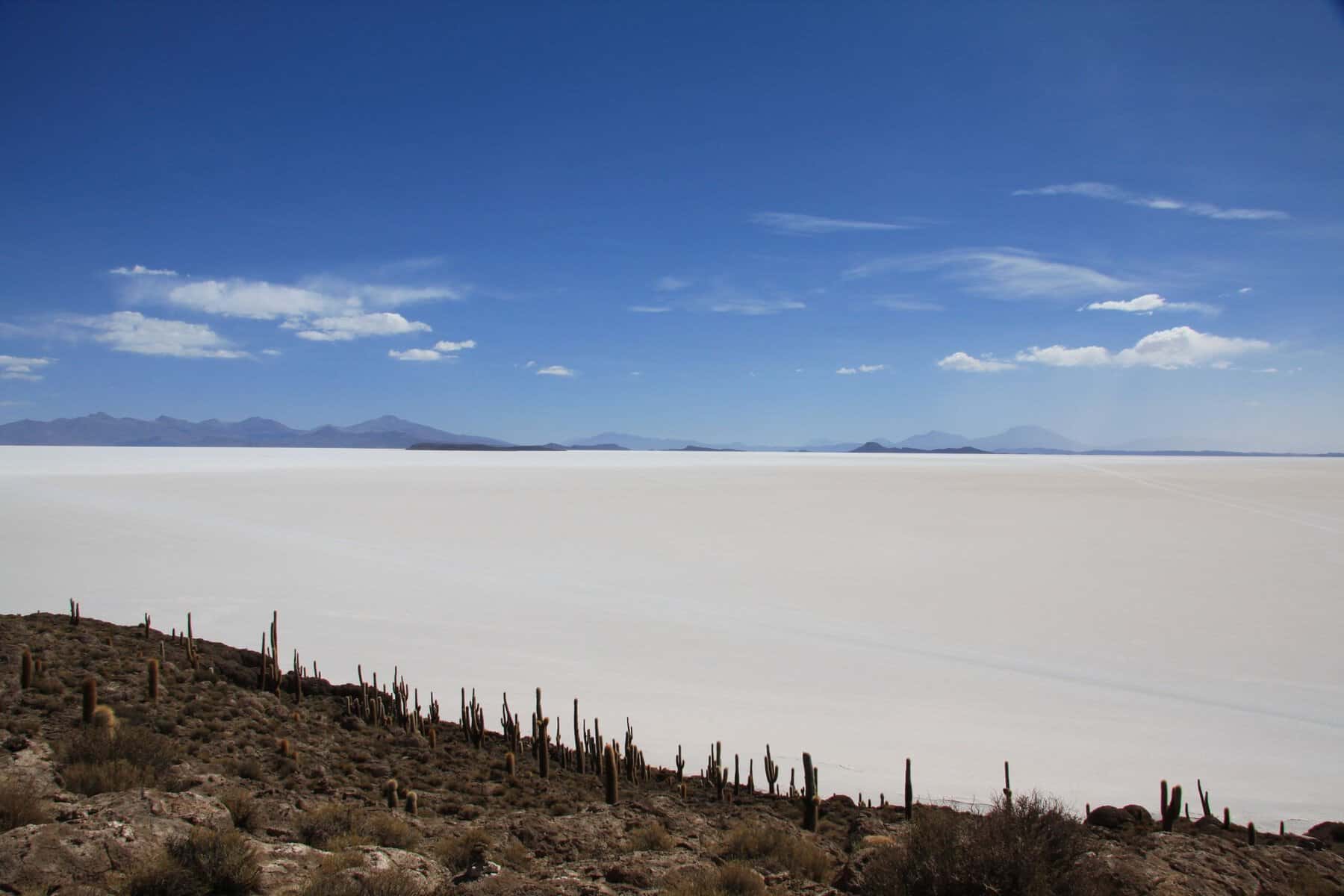
Bolivia
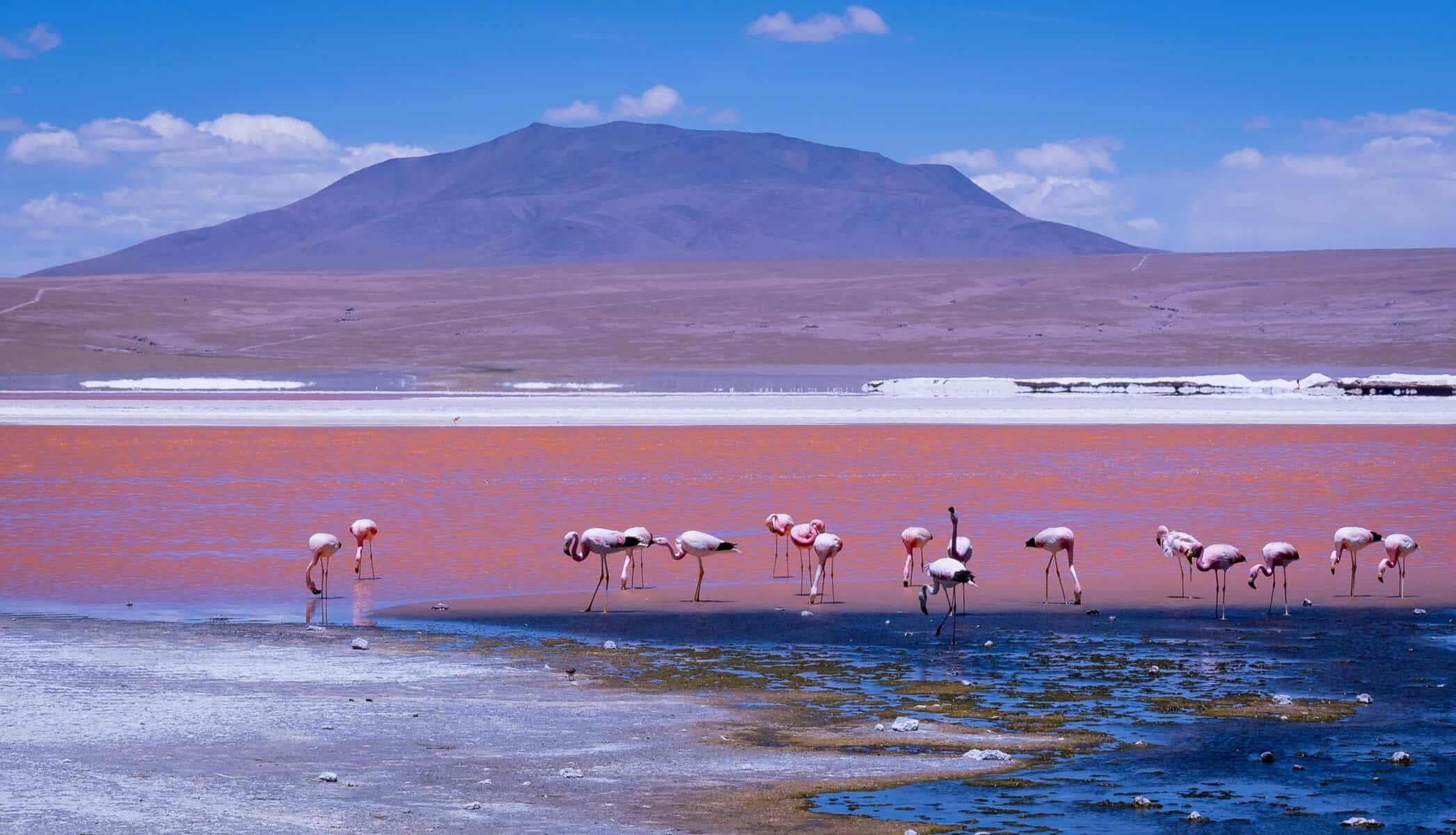
The Salar de Uyuni, coloured lagoons full of flamingos, La Paz and the Bolivian side of Lake Titicaca. High, wild and good value; easy to add to Peru.
Bolivia holiday guide →
Chile
A ribbon of a country 4,300 km long: the Atacama Desert and its stargazing in the north, Santiago and the wine valleys, the volcanoes of the Lake District and Torres del Paine in Patagonia, plus Easter Island far out in the Pacific.
Chile holiday guide →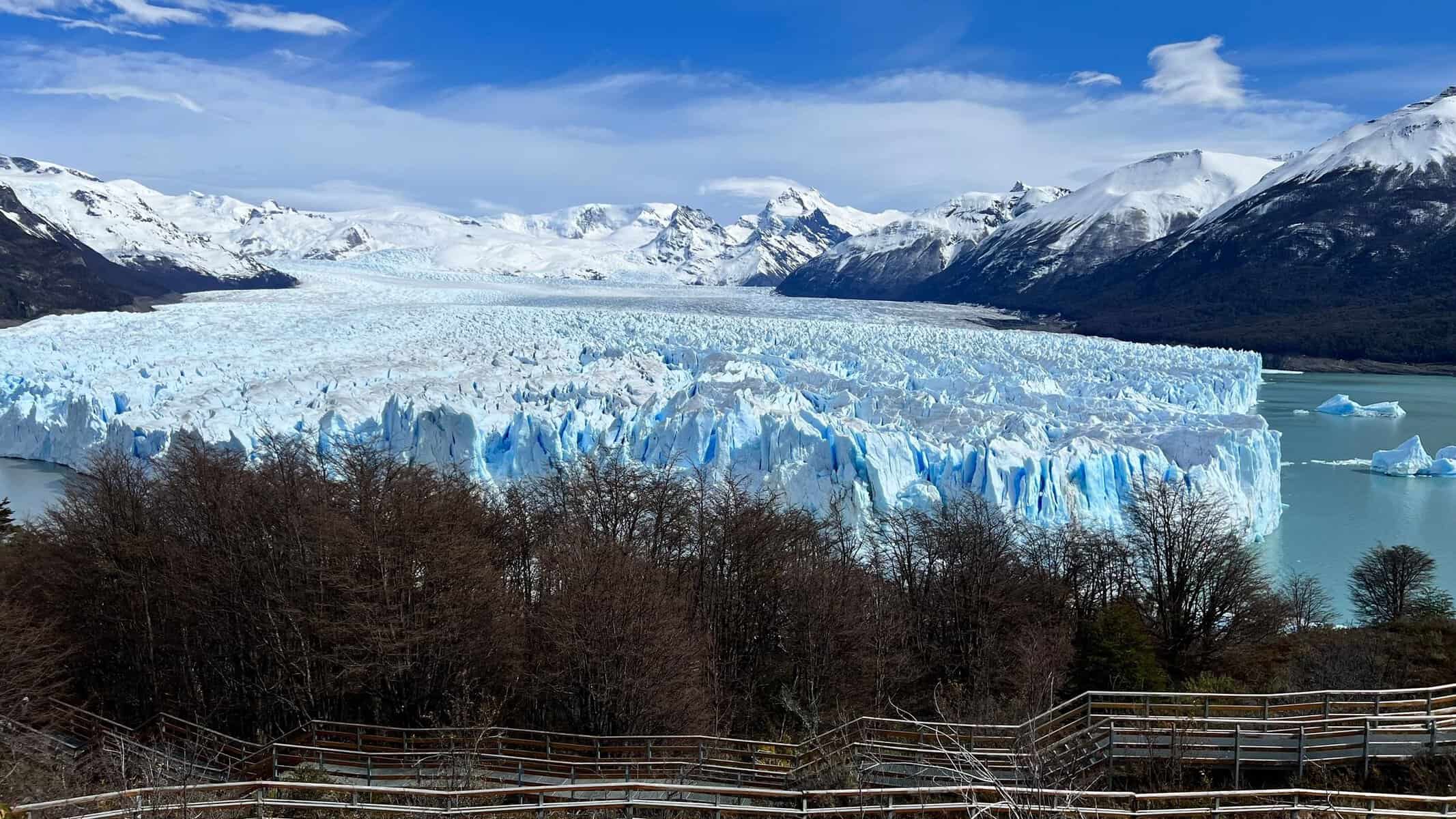
Argentina
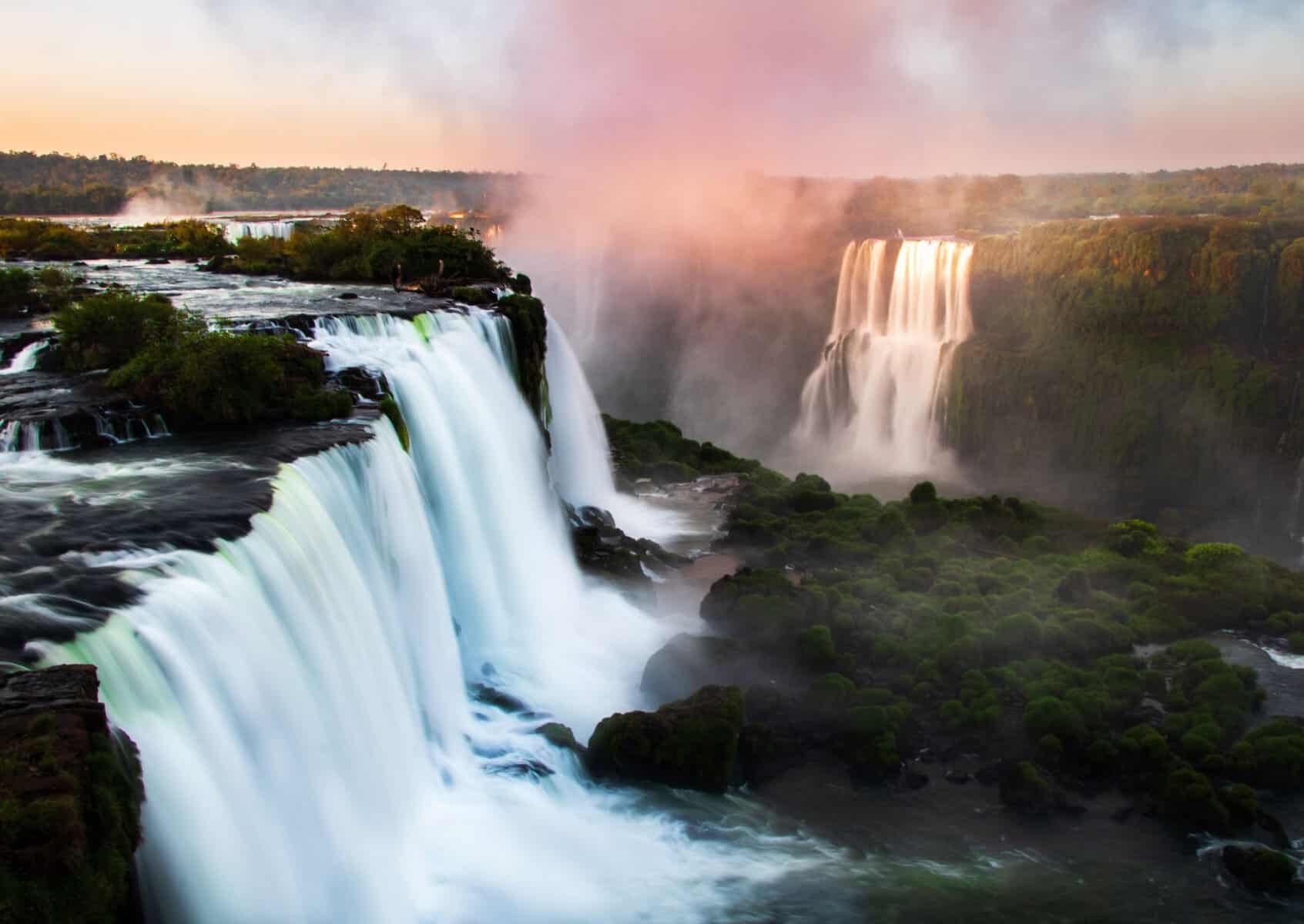
Buenos Aires, the Perito Moreno Glacier and El Chaltén in Patagonia, the wine of Mendoza, the red canyons of Salta and the Argentine side of Iguazú Falls.
Argentina holiday guide →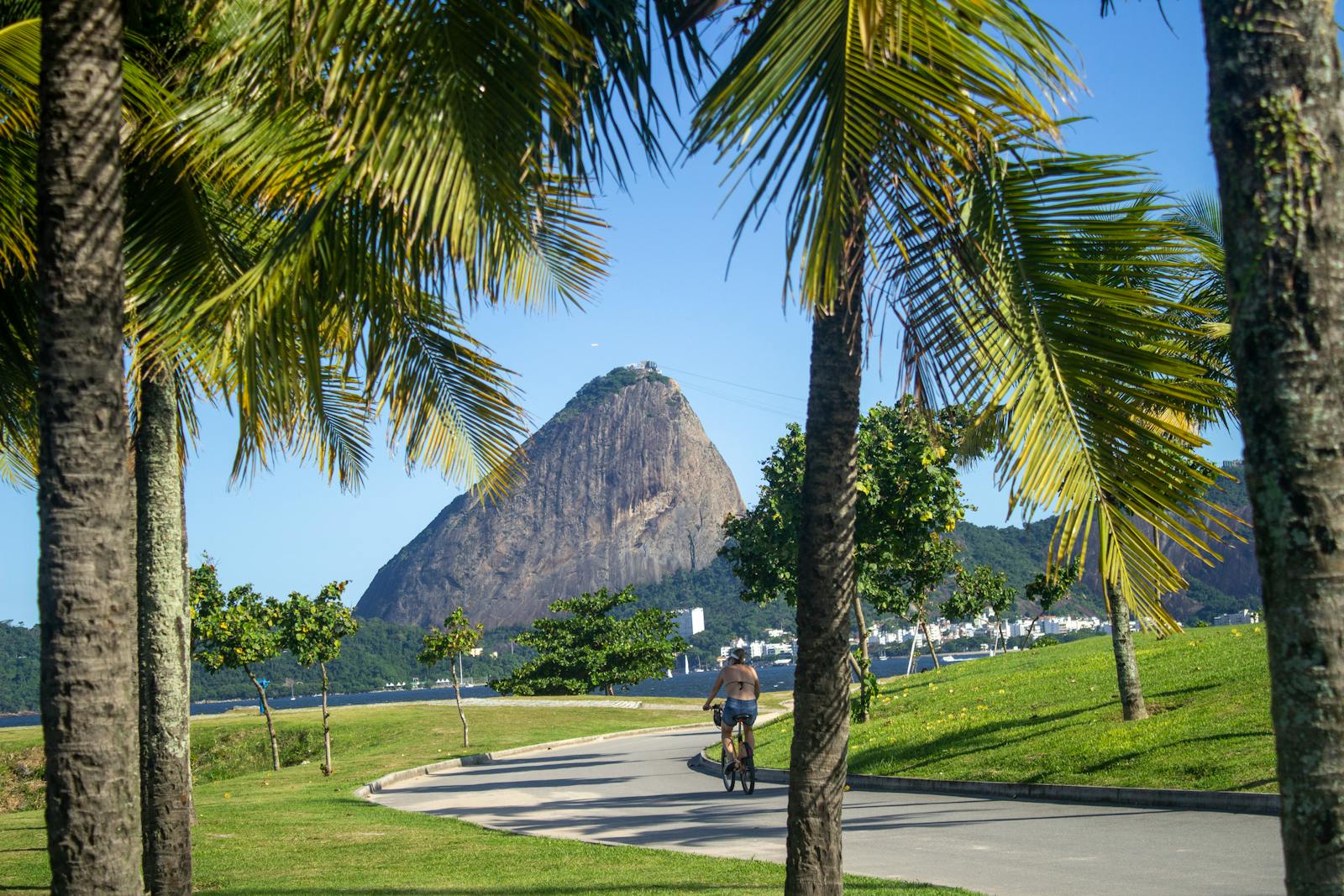
Brazil
Half the continent: Rio de Janeiro, Carnival, colonial Salvador and Paraty, the beaches of Bahia, the Pantanal wetlands for jaguars, the Amazon around Manaus and the Brazilian side of Iguaçu.
Brazil holiday guide →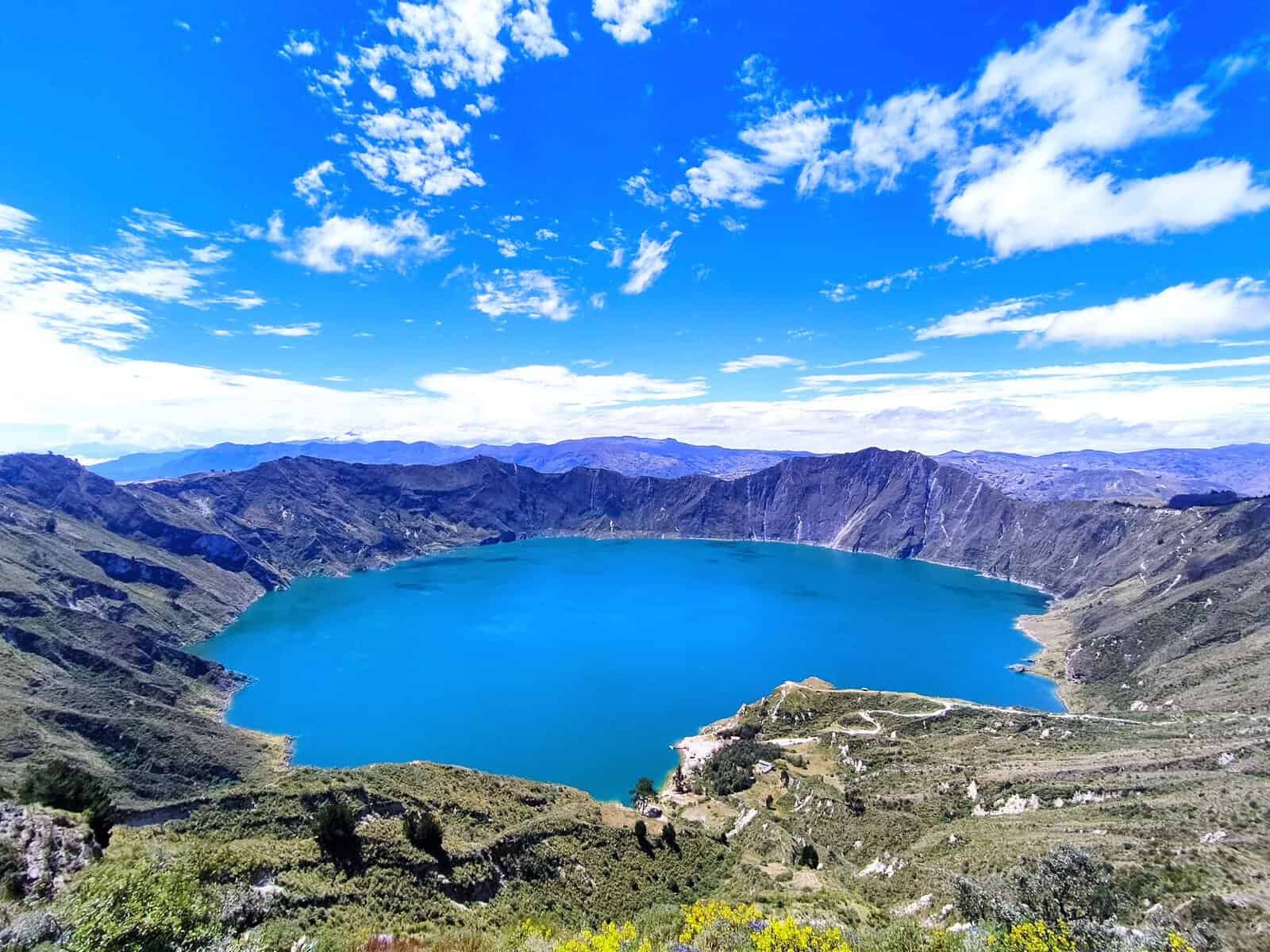
Ecuador and the Galápagos
Small and varied: colonial Quito, volcanoes and crater lakes, cloud forest full of hummingbirds, the Amazon, and the Galápagos Islands, 1,000 km offshore, with wildlife that has no fear of people.
Ecuador and Galápagos guide →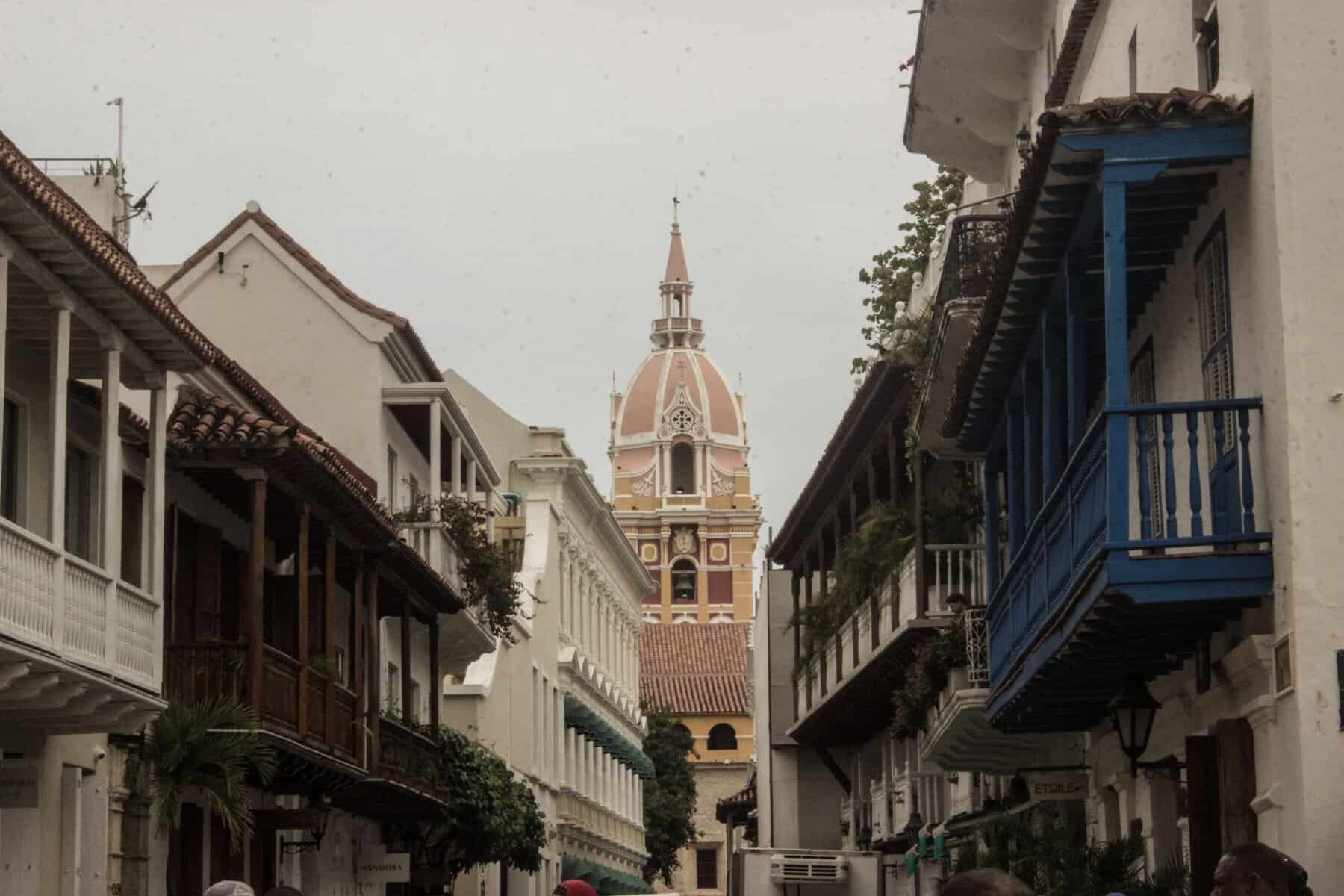
Colombia
Walled Cartagena on the Caribbean, Bogotá and Medellín, the green coffee region and Tayrona’s jungle beaches. Warm, musical and the easiest country to fly to direct from London.
Colombia holiday guide →The others: Uruguay is a relaxed add-on to Buenos Aires, with the old town of Colonia a ferry ride across the River Plate. Paraguay, Guyana and Suriname see few visitors. We don’t currently arrange trips to Venezuela.
Best time to visit South America
There is no single best time of year to visit South America, because it stretches from north of the equator almost to Antarctica. As a rule, the Andes and the Amazon are best from May to October, the dry season, and Patagonia from November to March, its summer. The Atacama, the Galápagos and Iguazú are good all year. Southern-hemisphere seasons are the reverse of ours: Christmas is midsummer in Buenos Aires and Rio.
| Region | Best months | Good to know |
|---|---|---|
| Andes (Peru, Bolivia, Ecuador) | May to September | Dry, sunny days and cold nights. The Inca Trail closes every February; December to March is the rainy season |
| Amazon | June to November (lower water) | Wet all year. High water from about December to May means more boat trips and fewer trails |
| Patagonia | November to March | Long days and strong winds. Many services close from about May to September |
| Atacama | All year | Dry and sunny; summer rain in the high Andes can close some roads in January and February |
| Galápagos | All year | December to May is warmer with calmer seas; June to November is cooler with richer sea life |
| Brazil coast | September to March | Rio is hot and humid from December to March; Salvador is wettest from April to July |
| Iguazú Falls | All year | Biggest volume in the rainy summer; spring and autumn are the most comfortable |
| Caribbean Colombia | December to March | The driest months on the coast |

The Amazon rainforest of South America covers more of the continent than any other landscape, spreading across nine countries, about 60% of it in Brazil. The easiest places to see it are the southern Peruvian Amazon around Puerto Maldonado (a short flight from Cusco, so it fits neatly into a Peru trip), the Ecuadorian Amazon reached via Coca or Tena, and the lodges and river trips around Manaus in Brazil.
Lodges are reached by boat; days start before dawn with wildlife walks, canopy towers and canoe trips to look for monkeys, macaws, caimans and giant otters. Three or four nights is ideal. Our suggestions stick to these well-established lodge areas.
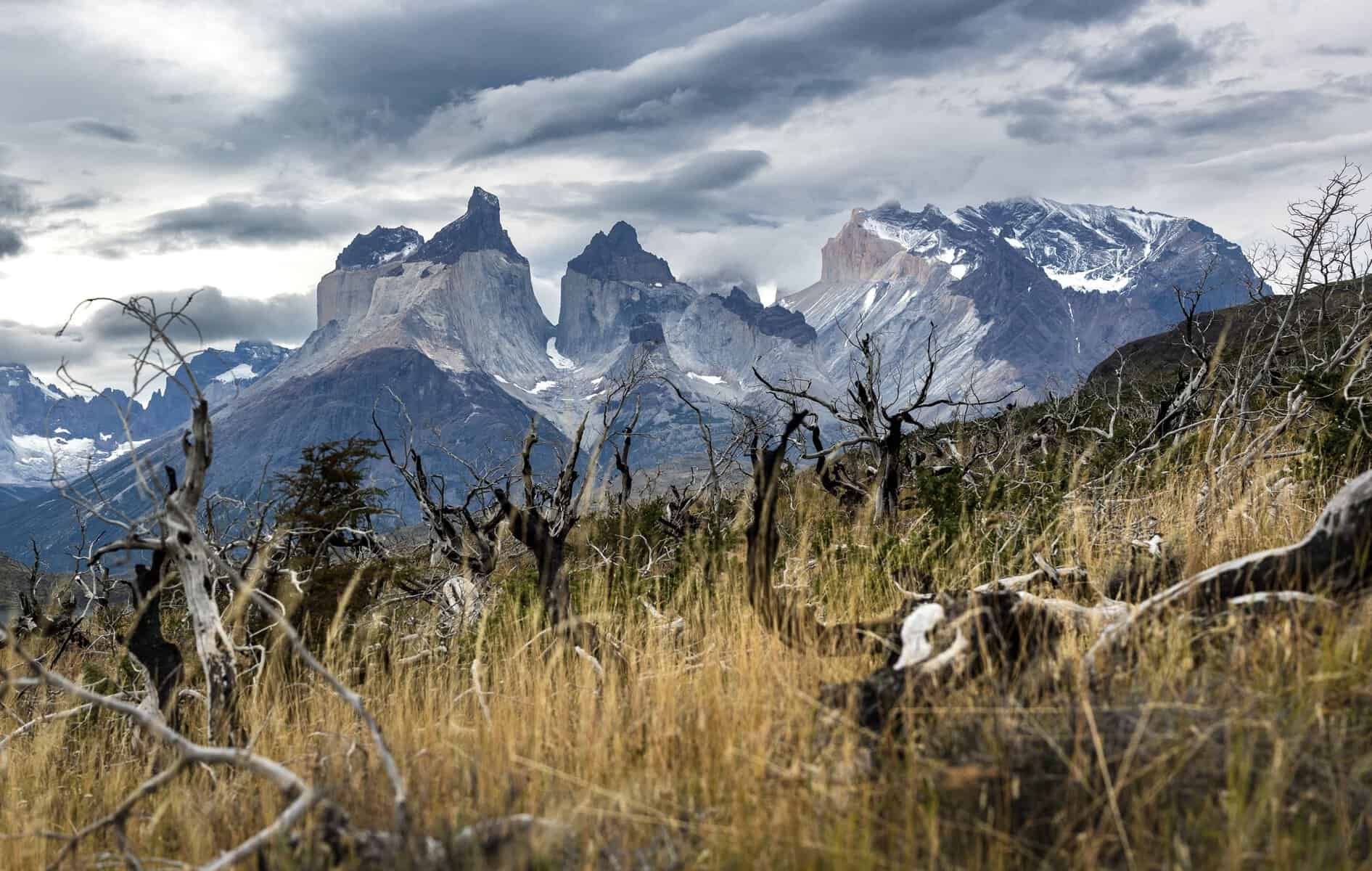
Patagonia is not a country but a region at the tip of South America, shared by Argentina and Chile. The Chilean side has the granite towers of Torres del Paine and the fjords; the Argentine side has the Perito Moreno Glacier near El Calafate, the hiking capital of El Chaltén below Mount Fitz Roy, and Ushuaia, gateway to Antarctica.
The two sides are linked by road in about five to six hours between El Calafate and Puerto Natales, so most trips combine both. Go between November and March, pack for four seasons in a day and expect wind. On the Atlantic coast, southern right whales gather off Península Valdés from about June to December. Compare options in our Patagonia tours guide.

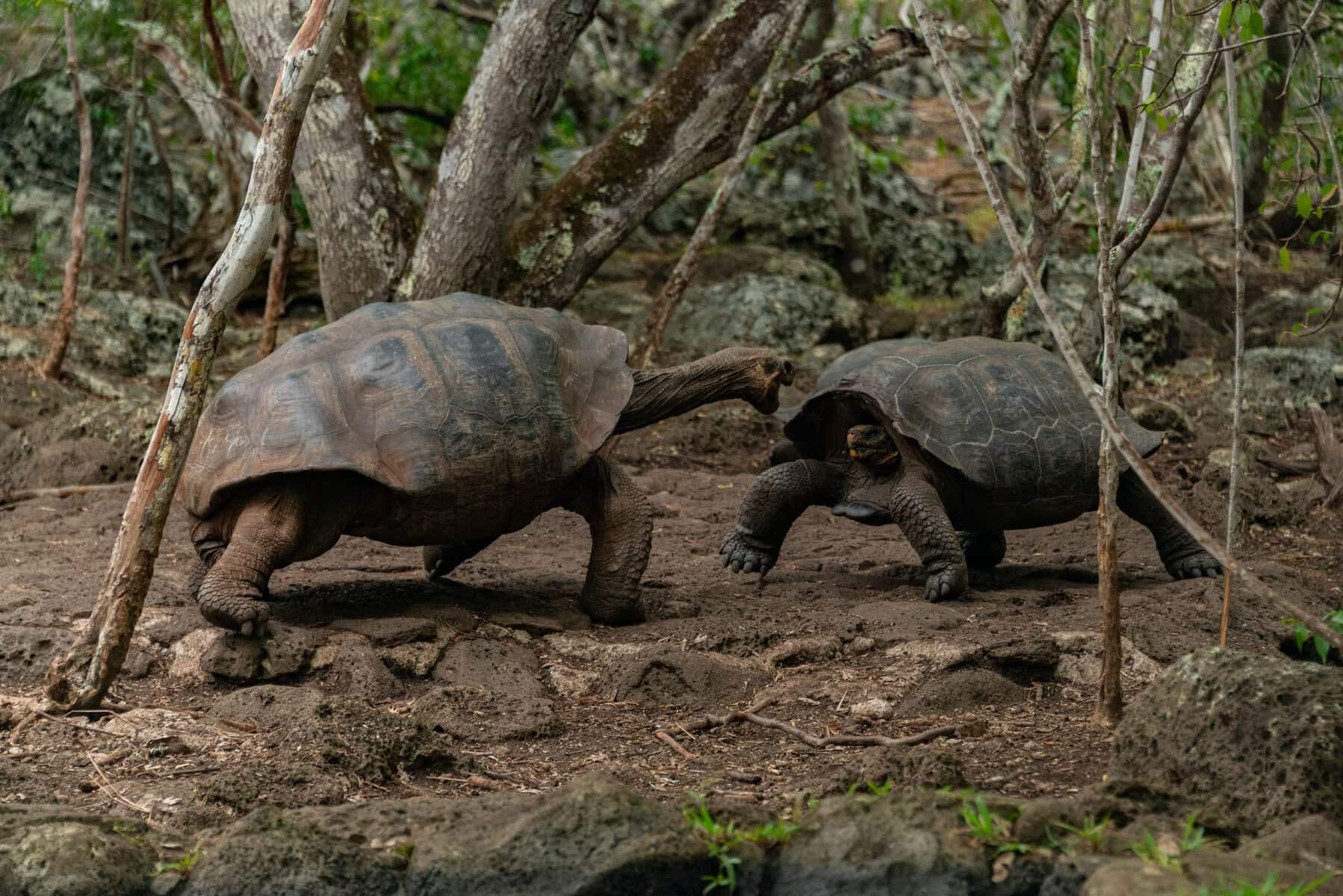
The Galápagos are good in every month, with different highlights. From December to May the sea is warmer and calmer, the islands are green and turtles nest. From June to November the cool Humboldt Current brings misty mornings, choppier crossings and the richest marine life, with blue-footed boobies courting.
Most visitors fly from Quito. Choose between a small-ship cruise, which reaches the more remote islands, or a land-based trip staying on two or three islands.
South America weather by region
| Month | Cusco (Andes) | Amazon (Peru) | Patagonia (El Calafate) | Atacama | Galápagos | Rio de Janeiro |
|---|---|---|---|---|---|---|
| Jan | 16°C · 230 mm | 30°C · 365 mm | 16°C · 45 mm | 27°C · 20 mm | 27°C · 65 mm | 31°C · 150 mm |
| Feb | 16°C · 200 mm | 29°C · 375 mm | 17°C · 50 mm | 26°C · 35 mm | 29°C · 65 mm | 30°C · 145 mm |
| Mar | 16°C · 155 mm | 30°C · 295 mm | 14°C · 60 mm | 26°C · 10 mm | 29°C · 90 mm | 29°C · 145 mm |
| Apr | 16°C · 75 mm | 29°C · 175 mm | 10°C · 65 mm | 24°C · 0 mm | 28°C · 110 mm | 27°C · 100 mm |
| May | 16°C · 35 mm | 28°C · 105 mm | 7°C · 50 mm | 21°C · 5 mm | 27°C · 85 mm | 25°C · 65 mm |
| Jun | 17°C · 10 mm | 28°C · 60 mm | 4°C · 45 mm | 18°C · 5 mm | 26°C · 70 mm | 25°C · 45 mm |
| Jul | 17°C · 10 mm | 29°C · 35 mm | 3°C · 45 mm | 19°C · 0 mm | 25°C · 65 mm | 25°C · 45 mm |
| Aug | 18°C · 20 mm | 31°C · 50 mm | 4°C · 60 mm | 21°C · 0 mm | 24°C · 50 mm | 25°C · 60 mm |
| Sep | 18°C · 35 mm | 32°C · 95 mm | 7°C · 45 mm | 24°C · 0 mm | 24°C · 45 mm | 27°C · 75 mm |
| Oct | 18°C · 85 mm | 32°C · 190 mm | 10°C · 45 mm | 26°C · 0 mm | 24°C · 50 mm | 27°C · 80 mm |
| Nov | 18°C · 125 mm | 31°C · 265 mm | 13°C · 45 mm | 27°C · 0 mm | 25°C · 55 mm | 27°C · 150 mm |
| Dec | 17°C · 195 mm | 30°C · 380 mm | 15°C · 50 mm | 28°C · 5 mm | 26°C · 65 mm | 29°C · 135 mm |
Average daily high and monthly rainfall, 10-year ERA5 data (2014 to 2023). Nights at altitude are much colder: Cusco often drops close to freezing from June to August.
Classic South America routes
Distances are vast (Lima to Rio is further than London to Moscow), so the best trips focus on two or three neighbouring countries and use internal flights. Two to three weeks is ideal; these are the combinations we plan most often.
Peru and Bolivia
- Lima (1 night)
- Sacred Valley (2)
- Machu Picchu (1)
- Cusco (3)
- Lake Titicaca (2)
- La Paz (2)
- Uyuni salt flats (3)
- Fly home from La Paz or Santa Cruz
Inca sites, the highest navigable lake and the salt flats. Best from May to October.
Argentina and Chile: Patagonia
- Buenos Aires (3 nights)
- El Calafate (2)
- El Chaltén (3)
- Puerto Natales and Torres del Paine (4)
- Santiago (2)
Glaciers, granite peaks and two great cities. November to March.
Brazil, Iguazú and Argentina
- Rio de Janeiro (4 nights)
- Iguazú Falls, both sides (2)
- Buenos Aires (3)
- Add Uruguay or Mendoza (3)
Beaches, waterfalls and tango. Good all year; spring and autumn are best.
Ecuador and the Galápagos
- Quito (2 nights)
- Cloud forest or Amazon (3)
- Galápagos cruise or island-hopping (5 to 7)
- Quito (1)
Volcanoes, hummingbirds and the islands. Add Peru for a classic Machu Picchu and Galápagos trip.
Atacama and Uyuni
- San Pedro de Atacama (3 nights)
- Cross the altiplano by 4×4 (3)
- Uyuni and on to La Paz (2)
Desert, geysers, flamingo lagoons and the salt flats. Best from April to December.
Combining the two great wildlife highlights? See Machu Picchu and Galápagos tours. Comparing group trips across the continent? See South America tours compared.
Altitude in the Andes

Many Andean highlights are high: Quito sits at about 2,850 m, Cusco at about 3,400 m, Lake Titicaca at 3,810 m, La Paz at around 3,600 m and the Salar de Uyuni at about 3,650 m. Machu Picchu, at about 2,430 m, is lower than Cusco. Most people feel breathless and sleep badly for the first day or two; some get headaches or nausea.
How to cope: go up gradually, for example by starting in the Sacred Valley (about 2,800 m) before Cusco. Take it easy on the first day, drink plenty of water, go light on alcohol and try the coca tea offered everywhere. Ask your GP about altitude medication before you go, especially if you have a heart or lung condition. If symptoms get worse, go down.
Getting to South America from the UK
Direct flights from London currently go to Brazil (Rio de Janeiro and São Paulo, about 11 to 12 hours), Colombia (Bogotá, about 11 hours) and Chile (Santiago, about 14 hours), and a non-stop service to Buenos Aires is due to return in spring 2027. For Peru, Ecuador and Bolivia, most people connect via Madrid, another European hub, or a South American hub such as São Paulo, Bogotá or Lima. Avoid US connections unless you have an ESTA.
Getting around: fly between countries and regions, and use an open-jaw ticket (into one city, home from another) to avoid doubling back. Some journeys are better overland: the train to Machu Picchu, the road across the Andes from Mendoza to Santiago, and the 4×4 crossing between San Pedro de Atacama and Uyuni. For the Galápagos, fly from Quito; some flights stop at Guayaquil, where the FCDO’s advice against travel does not apply to airside transit.
Multi-country escorted tours
Prefer to travel with a group and a guide? These tours cover two or more countries, with internal flights arranged.



Would rather go at your own pace? A tailor-made South America holiday can follow any of the routes above, with private guides and the right season for each region.
Practical tips and travel advice
- Travel advice: check the FCDO travel advice for each country you plan to visit before you book and again before you travel. In Bolivia, protests and roadblocks can disrupt road journeys at short notice.
- Entry: UK tourists don’t need a visa for Peru, Bolivia, Chile, Argentina, Brazil, Ecuador or Colombia, but passports usually need at least six months’ validity, and the Galápagos have their own entry card.
- Health: see a travel clinic six to eight weeks before you go; yellow fever vaccination is advised for parts of the Amazon, and some countries ask for a certificate.
- Safety: petty crime is the main risk in big cities. Use registered taxis, keep phones out of sight in crowds and leave valuables in the hotel safe.
- Pack for every climate: a two-week trip can run from 30°C in the jungle to below freezing in the Andes.
- Book early for Machu Picchu entry and Inca Trail permits, Galápagos cruises and Patagonia in December to February.
Frequently asked questions
What is the best time to visit South America?
It depends on the region. The Andes and the Amazon are best in the dry season from May to October, Patagonia in its summer from November to March, and the Atacama, Galápagos and Iguazú Falls are good all year.
How many countries are in South America?
Twelve: Argentina, Bolivia, Brazil, Chile, Colombia, Ecuador, Guyana, Paraguay, Peru, Suriname, Uruguay and Venezuela. French Guiana is part of France, and the Falkland Islands are a UK Overseas Territory.
Which countries is Patagonia in?
Patagonia is a region shared by Argentina and Chile, at the southern tip of South America. Most trips combine Torres del Paine in Chile with the Perito Moreno Glacier and El Chaltén in Argentina.
Which countries does the Amazon rainforest cover?
Nine: Brazil, which has about 60% of it, Peru, Colombia, Bolivia, Ecuador, Venezuela, Guyana, Suriname and French Guiana. Peru, Ecuador and Brazil have the easiest lodges to reach.
How long do you need for South America?
Two to three weeks for two or three neighbouring countries. With 10 days, focus on one, such as Peru or Chile, or a pairing like Ecuador and the Galápagos.
Can you fly direct to South America from the UK?
Yes, from London to Rio de Janeiro and São Paulo, Bogotá and Santiago, with a non-stop to Buenos Aires due back in spring 2027. Peru, Ecuador and Bolivia usually need one connection.
Is altitude sickness a problem in South America?
It can be in Cusco, La Paz, Lake Titicaca and Uyuni, all above 3,400 m. Go up gradually, take it easy for the first day, drink water and ask your GP about medication before you go.
What is the best South America route for a first trip?
Peru is the classic first trip: Lima, the Sacred Valley, Machu Picchu, Cusco and Lake Titicaca, often with Bolivia's salt flats or the Amazon added.
Keep planning
- Peru holiday guide
- Bolivia holiday guide
- Chile holiday guide
- Argentina holiday guide
- Brazil holiday guide
- Ecuador and Galápagos guide
- Colombia holiday guide
- South America tours compared
- Patagonia tours
- Machu Picchu and Galápagos tours
- Machu Picchu tours
- Rio Carnival 2027
- Antarctica cruises compared
- Tailor-made holidays
- Uruguay holiday guide
Plan your South America trip with a Travel Designer
Tell us which countries interest you and when you can travel, and we’ll build a route that gets the seasons right, with flights, guides and transfers in one ATOL-protected booking.
Make an enquiry South America tours