Ecuador and the Galápagos in brief
- Fly to Quito via Madrid, Amsterdam or Bogotá; no visa for up to 90 days.
- See Quito, Otavalo, the Mindo cloud forest and the Amazon.
- Fly on to the Galápagos: island-hop or cruise.
- Good all year; the seasons change what you see in the islands.

Ecuador packs an astonishing range into a small country on the equator: the colonial capital Quito high in the Andes, a chain of snow-capped volcanoes, the indigenous market at Otavalo, the hummingbird-filled cloud forest at Mindo, and the Amazon rainforest, all within a day’s travel. Then, a thousand kilometres out in the Pacific, come the Galápagos Islands, where giant tortoises, sea lions and blue-footed boobies let you walk right past them. This guide covers travel from the UK, where to go on the mainland, how to visit the Galápagos from Ecuador, where to stay on the islands, their history, the seasons, and combining Peru, Ecuador and the Galápagos.
Travel to Ecuador from the UK
- Flights: there are no direct flights from the UK. Most people fly to Quito via Madrid, Amsterdam or Bogotá, or through the United States.
- Visa: British citizens can visit without a visa for up to 90 days in any 12 months.
- Altitude: Quito is at about 2,850 m. Take it easy on your first day, drink plenty of water and avoid alcohol until you’re used to it.
- Getting around: distances are short; most trips use a private driver in the Andes and a short flight to the Amazon or the Galápagos.
Where to go on the mainland
Most trips spend a week on the mainland before or after the Galápagos: Quito, the Andes and either the cloud forest or the Amazon. The road south through the volcanoes is known as the Avenue of the Volcanoes.

Quito
Quito’s old town was one of the first two places in the world named a UNESCO World Heritage Site, in 1978. Its plazas, gilded churches such as La Compañía and San Francisco, and the neo-Gothic Basílica del Voto Nacional fill a valley below the Pichincha volcano.
Stand on the equator at the Middle of the World, north of the city, and ride the TelefériQo cable car up the slopes of Pichincha for the view.

Otavalo
About two hours north of Quito, Otavalo is home to one of the most famous markets in South America, run by the Kichwa Otavaleño people. Stalls of weaving, ponchos, hammocks and jewellery fill the Plaza de los Ponchos every day, and on Saturdays the market takes over the town.
Stay in a hacienda nearby to walk around the crater lakes of Cuicocha and San Pablo.
Mindo and the cloud forest
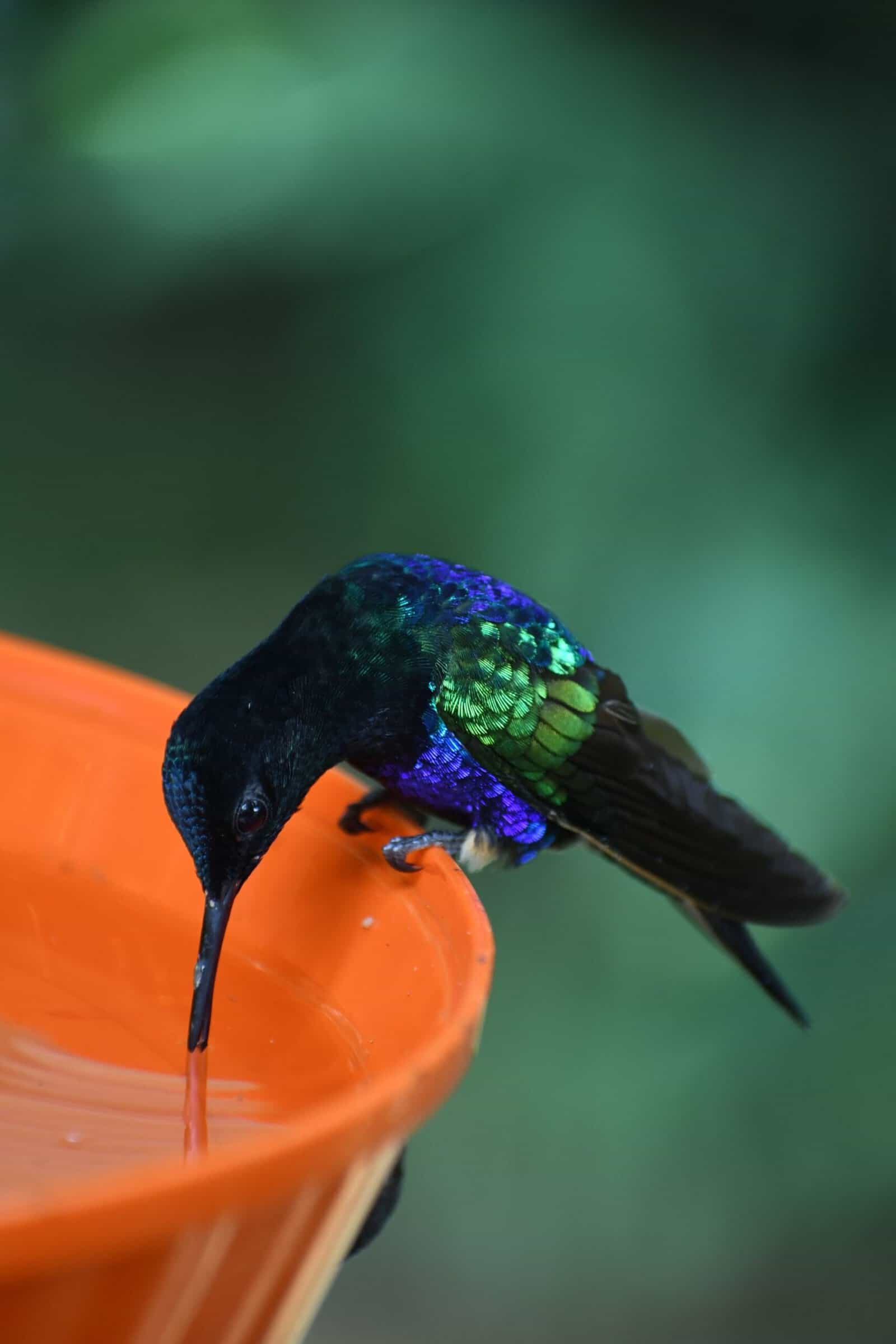
About two hours north-west of Quito, the road drops into the Mindo cloud forest, a misty world of moss, orchids and waterfalls. More than 500 bird species live in the area, including dozens of kinds of hummingbird, toucans and the cock-of-the-rock.
Go birdwatching at dawn, walk to waterfalls, visit a butterfly farm and a chocolate maker, or ride a zip line over the canopy. Lodges in the forest are a great way to stay close to the wildlife.

Cotopaxi and Quilotoa
An hour and a half south of Quito, Cotopaxi (5,897 m) is one of the highest active volcanoes in the world. Walk or ride horses across the páramo grasslands of its national park, and stay in a historic hacienda.
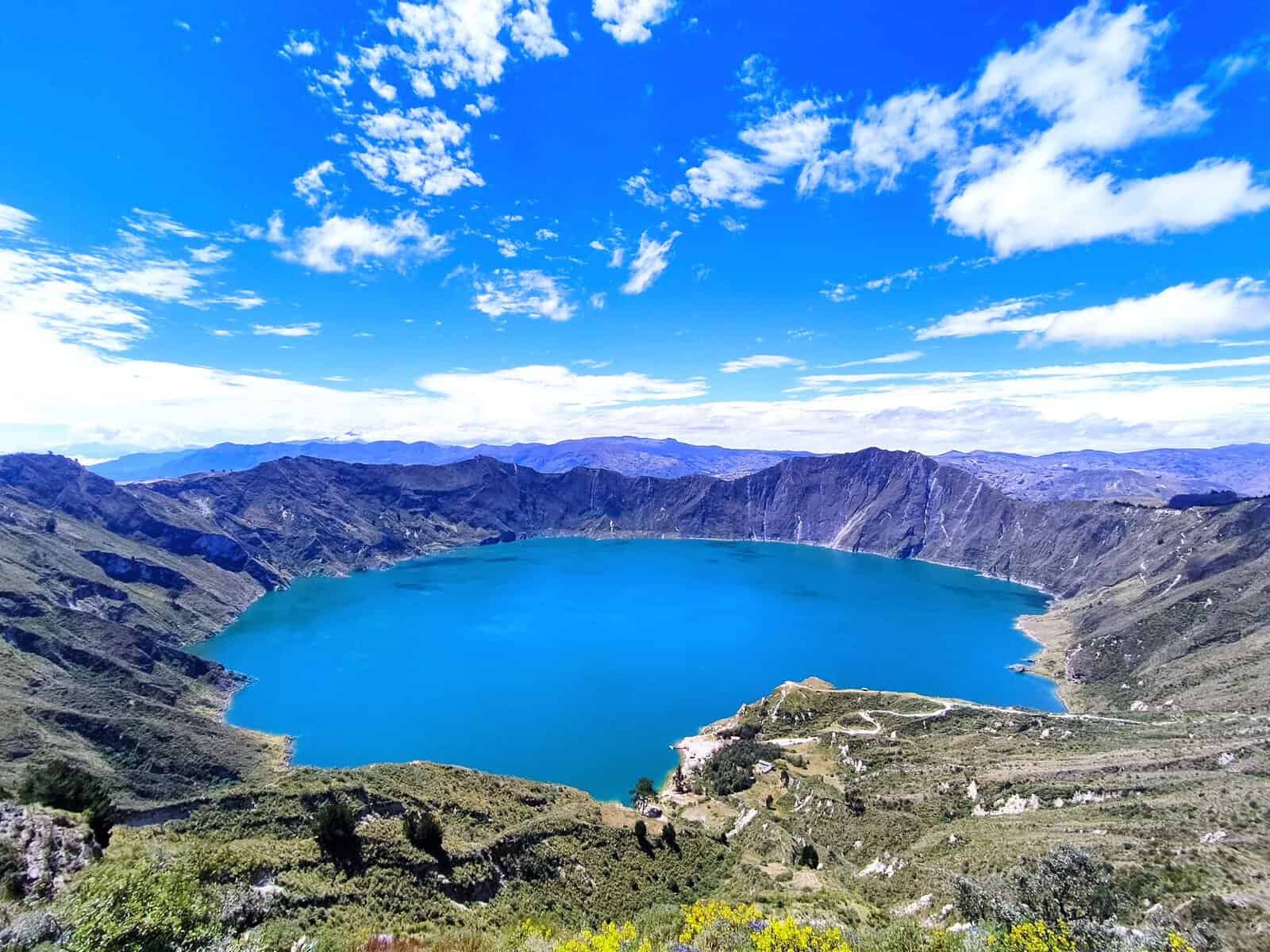
Further south, the turquoise crater lake of Quilotoa is one of the most spectacular sights in the Andes.

Baños
Below the Tungurahua volcano, Baños is a lively town of hot springs and waterfalls, including the thundering Pailón del Diablo. Cycle down the Route of the Waterfalls and swing out over the valley at the Casa del Árbol.
The road continues down into the Amazon.
Cuenca
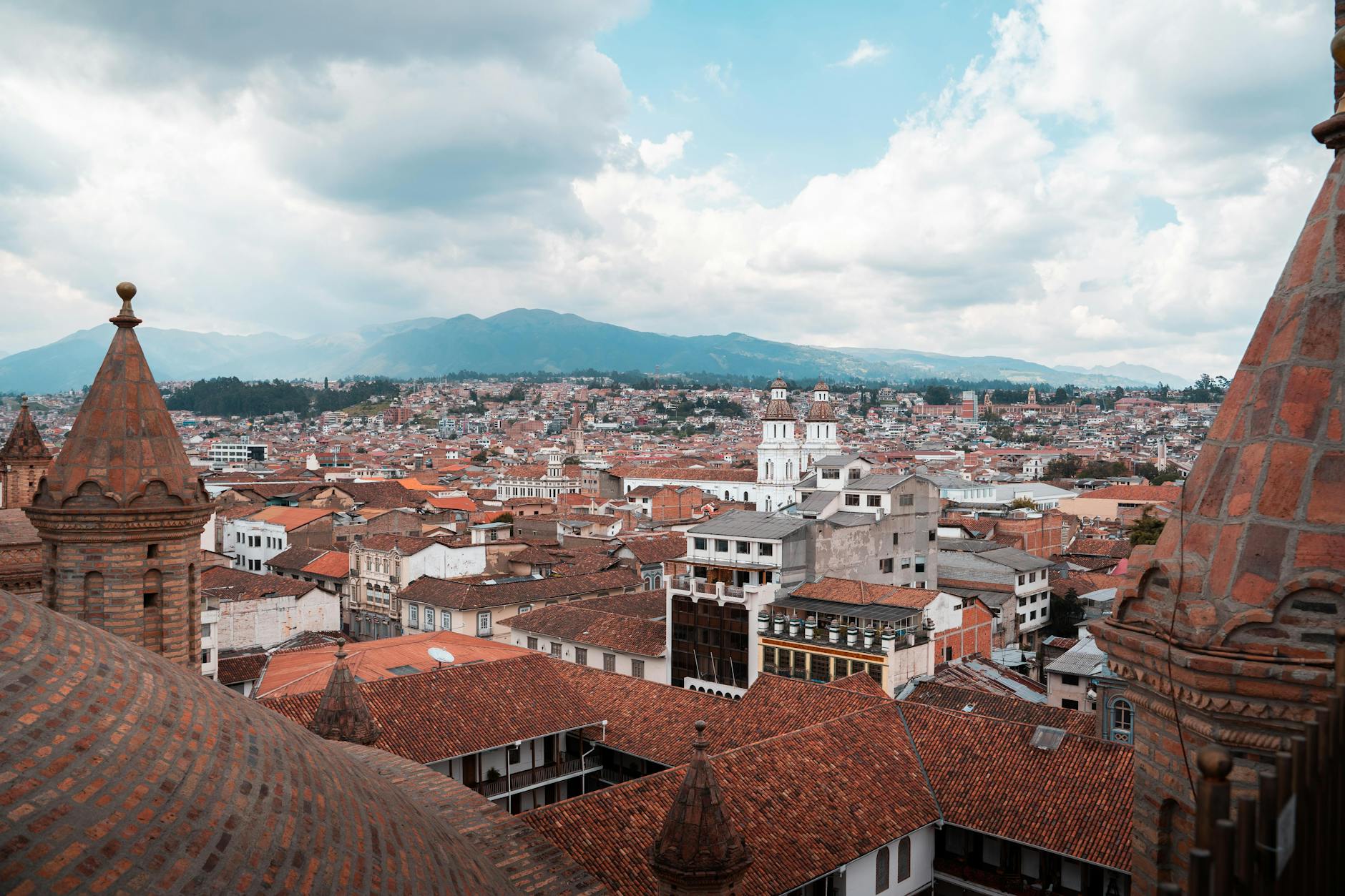
In the southern Andes, Cuenca is Ecuador’s most beautiful colonial city, with blue-domed cathedrals and riverside walks; it’s a UNESCO World Heritage Site. The so-called Panama hat is really from Ecuador, and you can watch them being made.
Nearby are the lakes of Cajas National Park and the Inca ruins of Ingapirca.
The Amazon region of Ecuador

Nearly half of Ecuador is Amazon rainforest, and it’s the easiest place in South America to reach it: just a short flight or a scenic drive from Quito.
Napo River and Yasuní: most rainforest lodges are reached by a short flight from Quito to Coca, then by motorised canoe down the Napo River. Yasuní National Park is one of the most biodiverse places on Earth. Look for monkeys, macaws, caimans and giant otters, climb canopy towers and visit parrot clay licks.
Tena and the upper Napo: about five hours’ drive from Quito, past the hot springs of Papallacta. It’s good for shorter stays, rafting and visits to Kichwa communities.
Stay three or four nights in a lodge to make the journey worthwhile. Guides lead early-morning and night walks.
Safety: the far north, including Cuyabeno and areas near the Colombian border, has extra FCDO security advice. Check it before you choose a lodge.
The Galápagos Islands
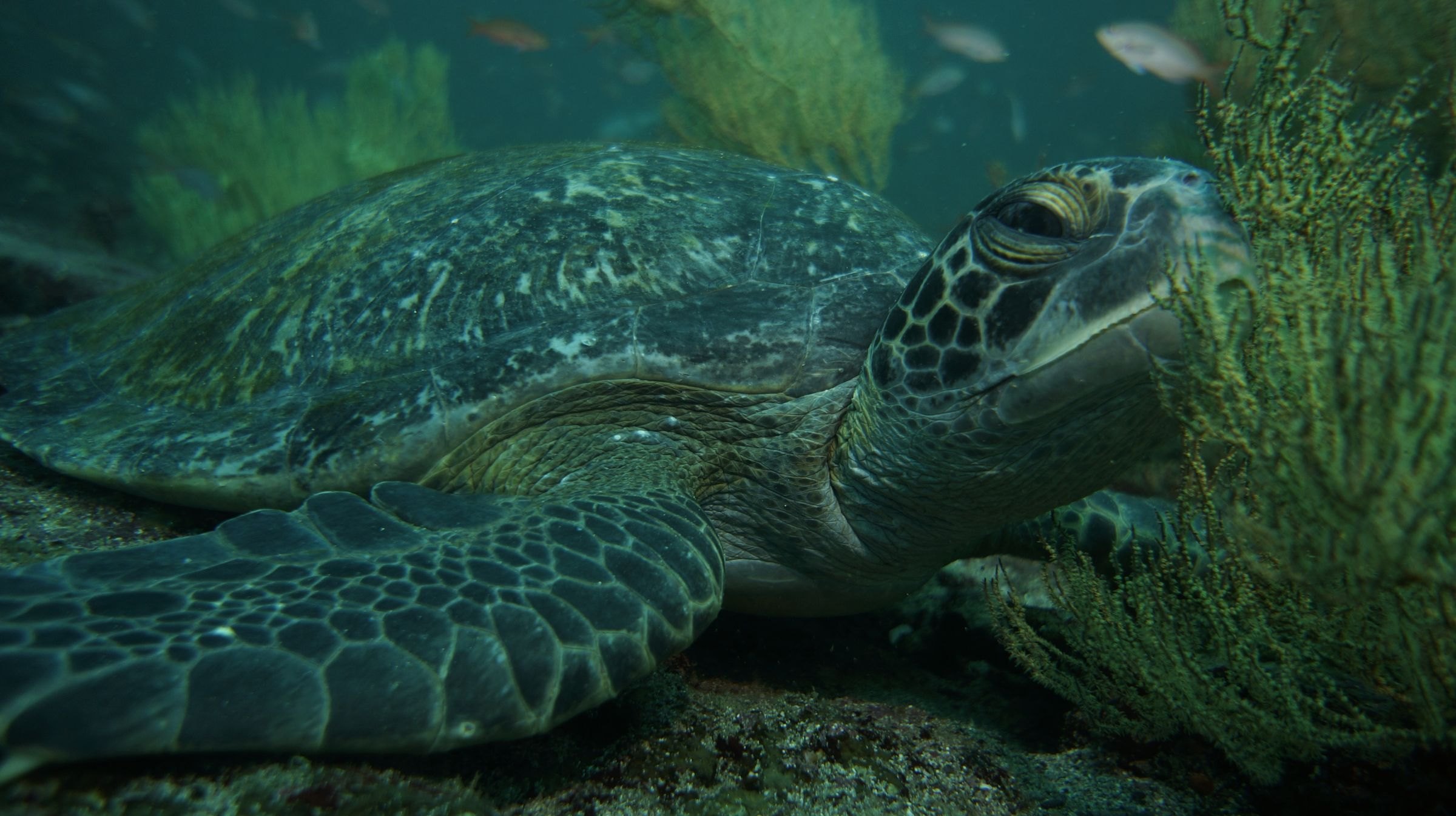
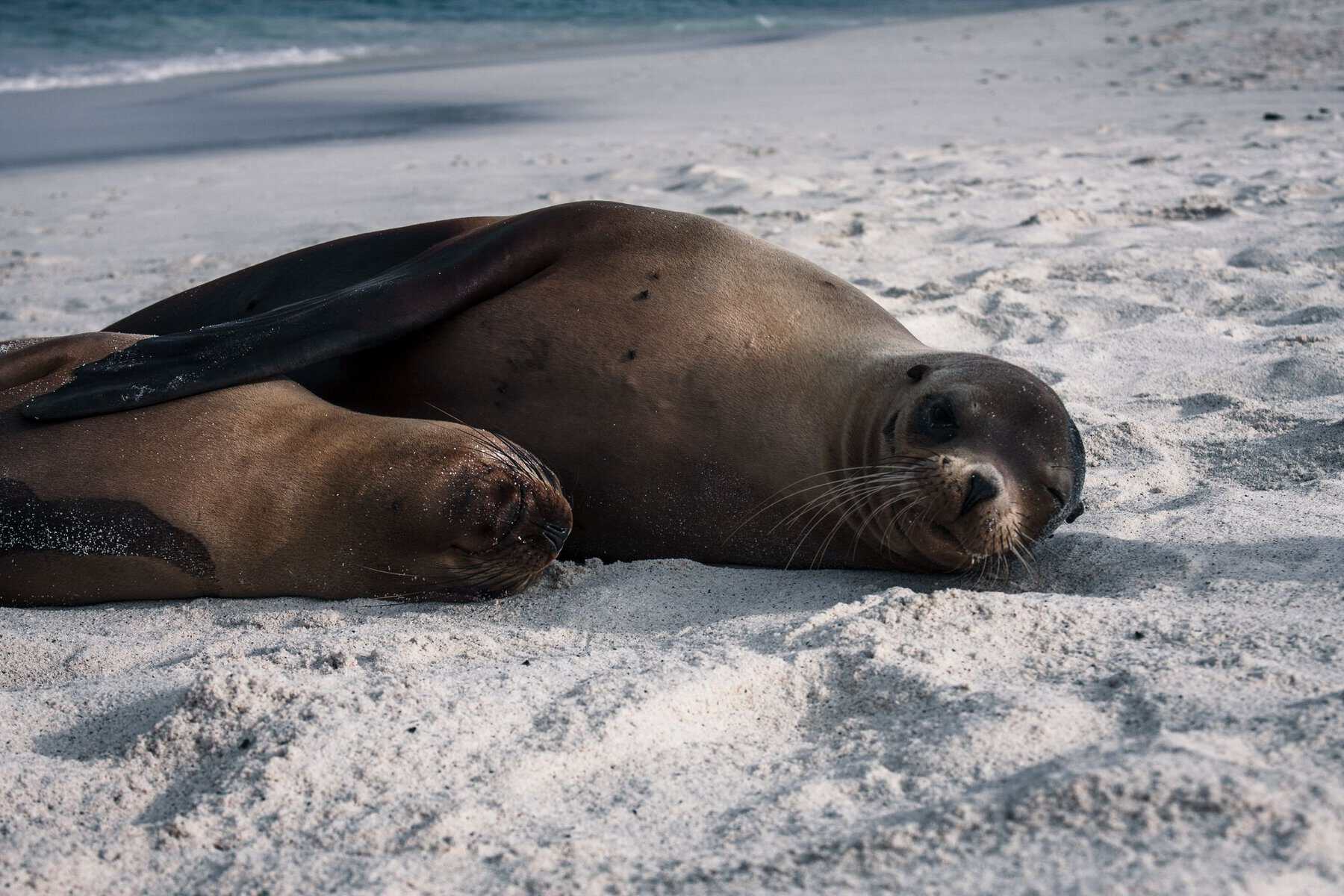
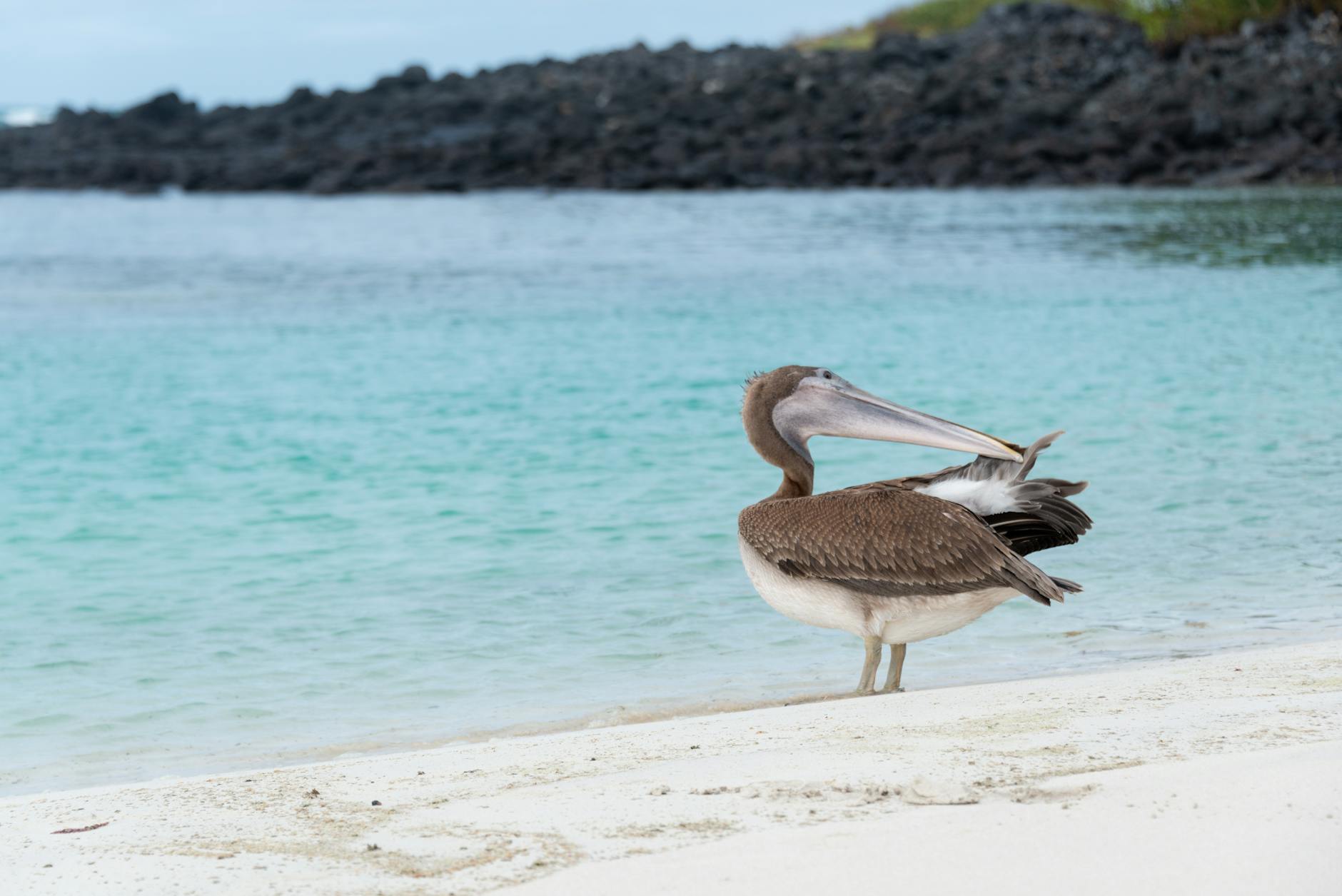
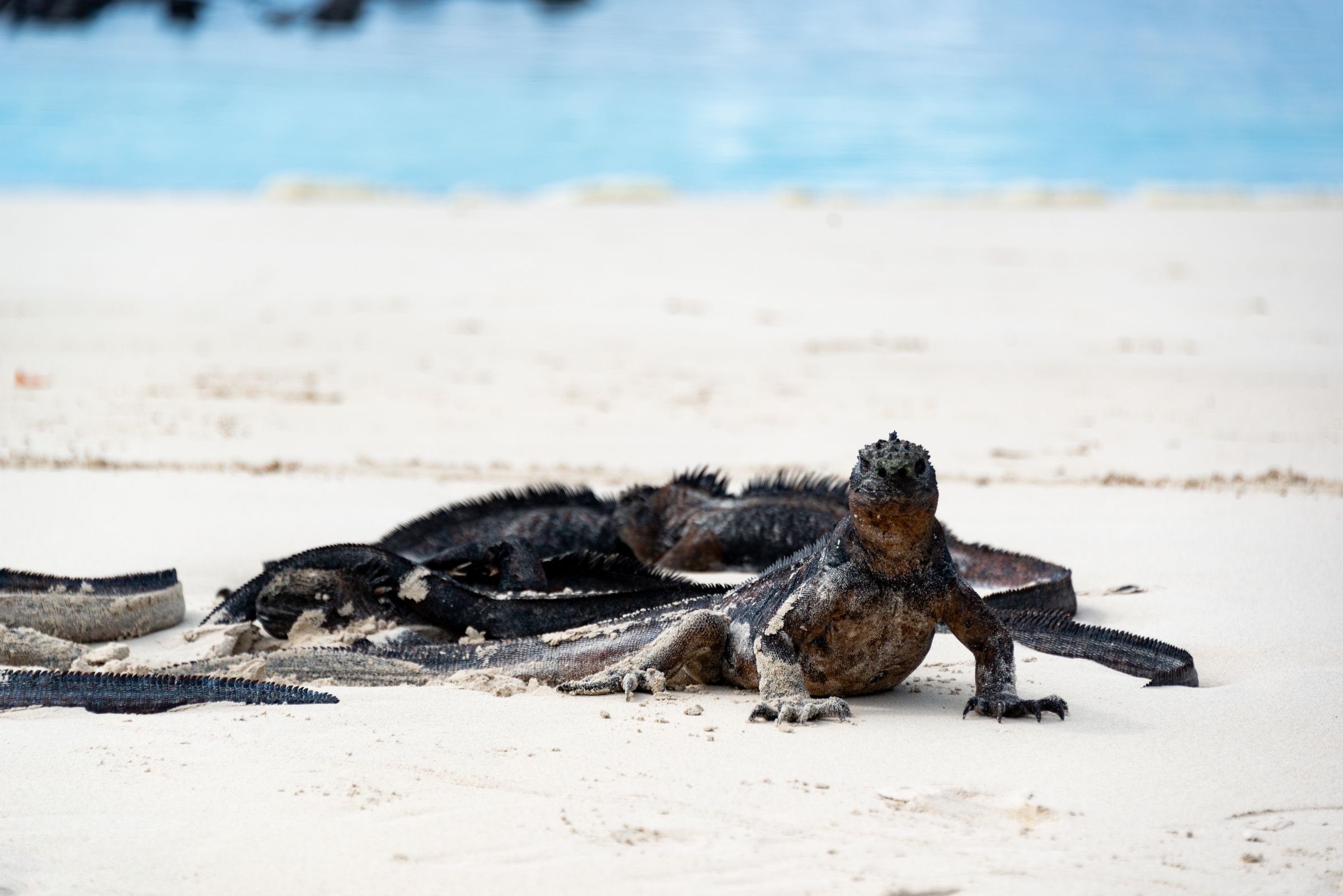
The Galápagos are a group of volcanic islands on the equator, about 1,000 km off the coast of Ecuador. Most of the land and the sea around it is national park, and the animals have no fear of people: you’ll snorkel with sea lions, turtles and penguins, and step around iguanas on the paths.
How to get to the Galápagos from Ecuador
- Flights: fly from Quito to Baltra (for Santa Cruz) or San Cristóbal. Most flights stop on the way at Guayaquil, where you stay on the plane or airside; the FCDO advises against travel to Guayaquil itself.
- Entry: you need a transit control card bought at the airport before you fly, a return flight and a booked place to stay, and you pay a national park fee when you land. We arrange all of this.
- Rules: stay on marked paths with a licensed naturalist guide, keep two metres from the animals and take nothing away.
Santa Cruz
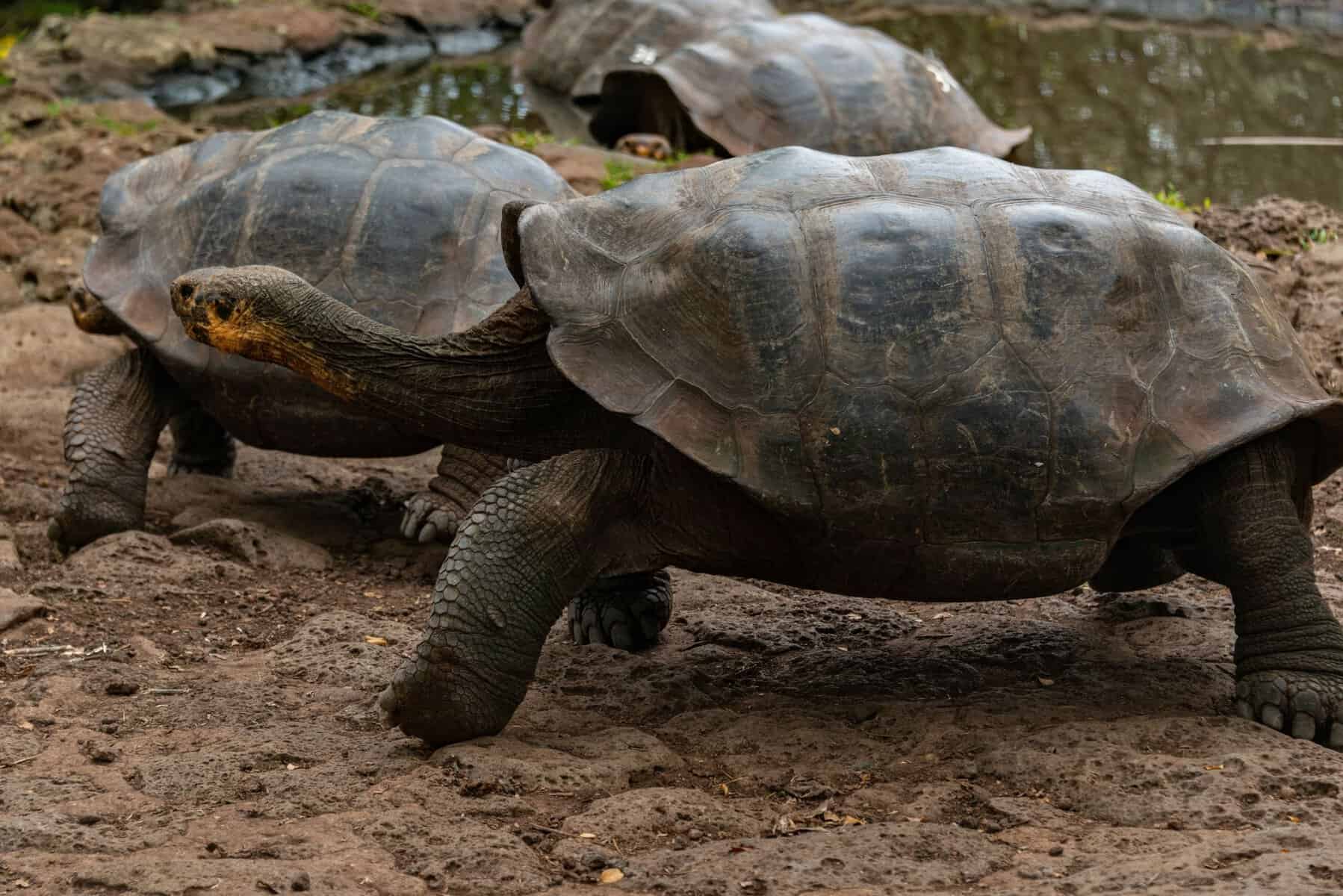
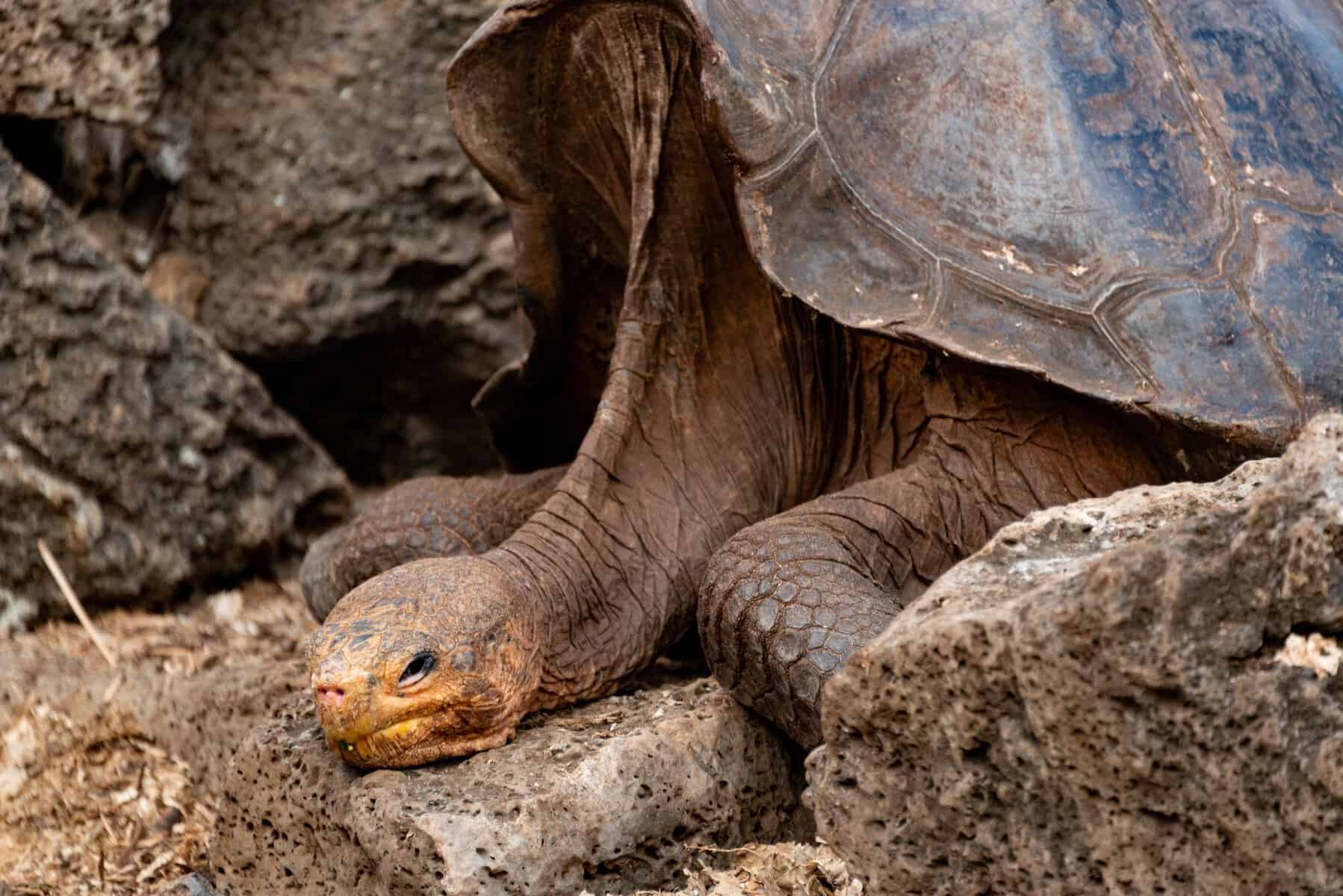
The most visited island is home to Puerto Ayora, the largest town. See young tortoises at the Charles Darwin Research Station, wild giant tortoises grazing in the highland reserves, and lava tunnels.
Walk to the white sand of Tortuga Bay, swim in the clear water of Las Grietas, and take day boats to nearby islands such as North Seymour and Bartolomé.

San Cristóbal
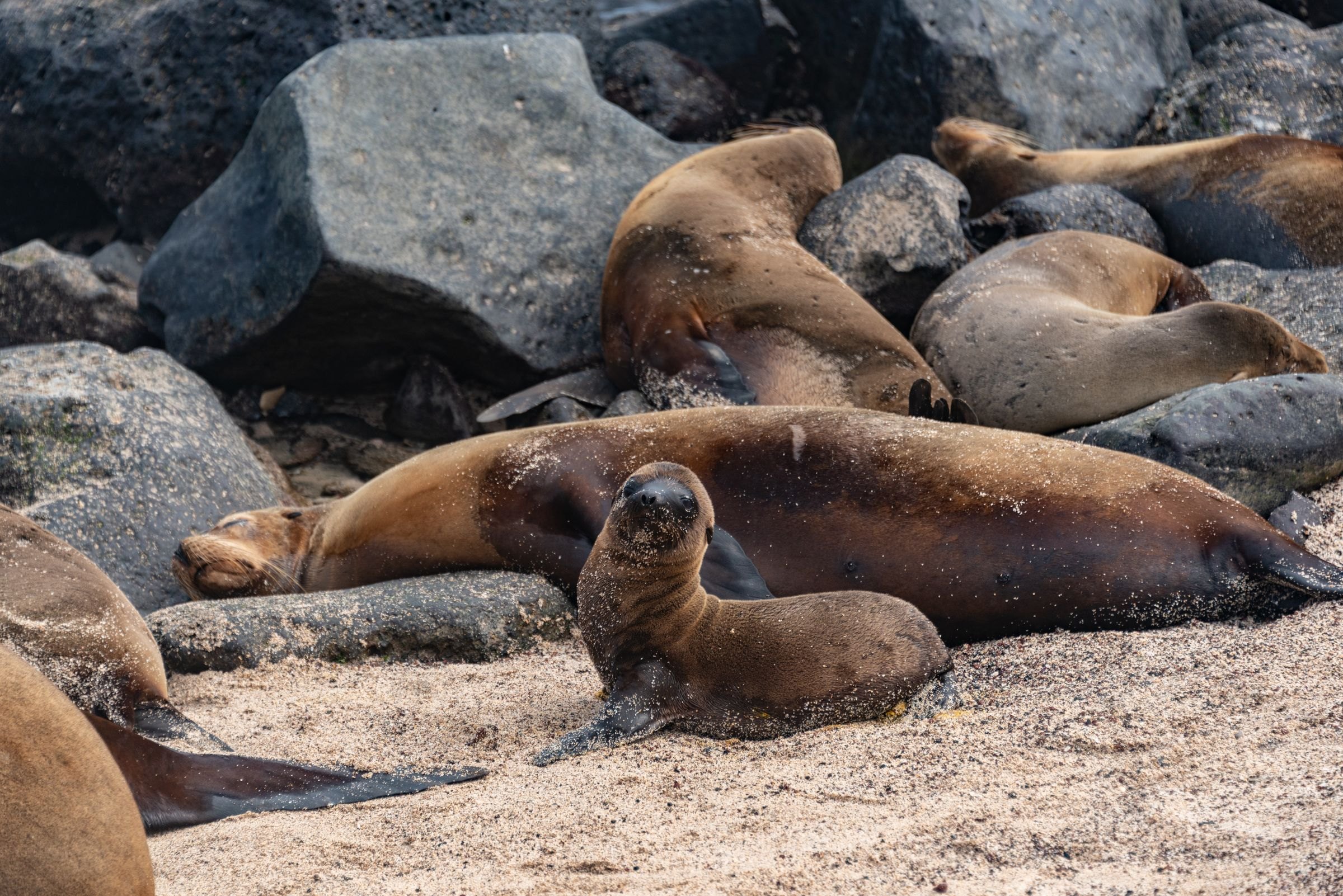
The island’s little capital, Puerto Baquerizo Moreno, has sea lions sleeping on the benches by the harbour. Snorkel at Kicker Rock, where you may see hammerhead sharks, and walk to beaches full of sea lions.
Isabela
The biggest island is the quietest of the inhabited ones. Snorkel with Galápagos penguins at Las Tintoreras, see flamingos in the lagoons, and hike to the rim of the vast Sierra Negra volcano.
Places to stay in the Galápagos: island-hopping or a cruise?
There are two ways to see the islands. Both are wonderful; the choice depends on your budget, how well you sleep at sea and which animals you most want to see.
| Land-based (island-hopping) | Cruise | |
|---|---|---|
| Where you sleep | Hotels and lodges on Santa Cruz, San Cristóbal and Isabela | On a small ship or yacht |
| Getting around | Day boats and speedboats between islands | You sail at night and wake up somewhere new |
| Islands you see | The inhabited islands and those close to them | Remote islands such as Genovesa, Española and Fernandina |
| Best for | Families, poor sailors, a mix of beach and wildlife | Seeing the most wildlife, and the outer islands |
For hotels on the islands, see our Galápagos holidays. To compare our tours that include an island-hop or a cruise, see Machu Picchu and Galápagos tours compared.



A short history of the Galápagos
The islands were found by chance in 1535, when a Spanish bishop’s ship drifted off course. For centuries they were a base for pirates and whalers, who took tens of thousands of giant tortoises for food. In 1835 Charles Darwin spent five weeks here on HMS Beagle; the differences between the finches, mockingbirds and tortoises on each island helped him develop his theory of evolution. Ecuador made the islands its first national park in 1959, and in 1978 they became one of the world’s first UNESCO World Heritage Sites. Today, tortoise breeding programmes have brought several species back from the edge.
When to go: the seasons
Ecuador is on the equator, so temperatures barely change through the year; altitude matters far more than the month. It’s good to visit all year round.
- The Andes: warm days and cool nights all year. June to September is the driest; the rest of the year brings afternoon showers.
- The Amazon and the cloud forest: wet all year, with heavy showers on most days. Rain is part of the experience.
- Galápagos, December to May: the warm season. Calm seas, warm water, green islands and short tropical showers. Turtles nest and land birds breed.
- Galápagos, June to November: the cool, dry “garúa” season. Cooler water and choppier seas, but richer marine life, and the waved albatross nests on Española.
| Month | Quito | Cuenca | Mindo | Amazon (Tena) | Galápagos |
|---|---|---|---|---|---|
| Jan | 16°C | 19°C | 19°C | 27°C | 27°C |
| Mar | 16°C | 19°C | 19°C | 27°C | 29°C |
| May | 17°C | 18°C | 20°C | 27°C | 27°C |
| Jul | 17°C | 17°C | 19°C | 26°C | 25°C |
| Sep | 19°C | 19°C | 19°C | 28°C | 24°C |
| Nov | 17°C | 19°C | 19°C | 28°C | 25°C |
Average daily high, 10-year ERA5 data. The Galápagos figures are for Puerto Ayora on Santa Cruz.
Peru, Ecuador and the Galápagos
Many people combine the Galápagos with Machu Picchu. Flights between Lima and Quito take about two and a half hours, so you can spend a week in Peru, a few days in Quito and then four to eight days in the islands. See our Peru holiday guide and South America tours compared.
Where not to go
The FCDO advises against all but essential travel to Ecuador’s coastal provinces, including Guayaquil (apart from changing planes at its airport), Esmeraldas, Manabí, Santa Elena, El Oro, Los Ríos and Santo Domingo, because of gang-related violence, and to areas within 20 km of the Colombian border. So we don’t plan trips to the mainland beaches; the Galápagos, the Andes and the Amazon lodges further south are where our trips go. Check the FCDO Ecuador advice before you book.
Classic routes
Quito and the Galápagos
- Quito (2 nights)
- Otavalo (1)
- Mindo (2)
- Galápagos: Santa Cruz (4)
- Isabela (2)
- Quito (1)
The classic first trip, island-hopping.
Andes, Amazon and islands
- Quito (2 nights)
- Cotopaxi (1)
- Amazon lodge (3)
- Galápagos cruise (7)
- Quito (1)
Volcanoes, rainforest and the remote islands.
Peru, Ecuador and the Galápagos
- Lima (1 night)
- Cusco and the Sacred Valley (4)
- Machu Picchu (1)
- Quito (2)
- Galápagos (6)
- Quito (1)
Machu Picchu and the islands in one trip.
Ways to see Ecuador with us


Practical tips
- Entry: no visa for up to 90 days. For the Galápagos you also need a transit control card and a park fee, which we arrange.
- Latest advice: in late October 2026 heavy rain caused flooding on Santa Cruz, and the islands declared an emergency. Check the FCDO advice and your flights before you travel.
- Boats: in the Galápagos, use licensed operators; the FCDO warns that some small boats skip safety measures. Make sure your insurance covers air ambulance evacuation, as medical care on the islands is limited.
- Health: see your GP or a travel clinic about vaccinations, including yellow fever if you’re visiting the Amazon, and about malaria.
- Altitude: Quito and the Andes are high. Plan an easy first day.
- Money: Ecuador uses the US dollar. Bring small notes, as large ones are hard to change.
- Pack: layers for the Andes, a waterproof for the forest, and reef-safe sun cream and a hat for the islands.
Frequently asked questions
How do you get to the Galápagos Islands from Ecuador?
Fly from Quito to Baltra (for Santa Cruz) or San Cristóbal. Most flights stop at Guayaquil on the way, where you stay airside. You need a transit control card and pay a national park fee on arrival.
Is it better to cruise or stay on land in the Galápagos?
A cruise reaches the remote outer islands and shows you the most wildlife. Staying on land on Santa Cruz, San Cristóbal and Isabela suits families and anyone who gets seasick, with day boats to nearby islands.
What is there to do on Santa Cruz in the Galápagos?
See tortoises at the Charles Darwin Research Station and in the highlands, walk to Tortuga Bay, swim at Las Grietas, explore lava tunnels, and take day boats to North Seymour and Bartolomé.
Is Quito worth visiting?
Yes. Its old town was one of the first UNESCO World Heritage Sites, with grand churches and plazas, and it's the base for Otavalo, Cotopaxi and the Mindo cloud forest. Allow two or three days.
Where is the Mindo cloud forest?
About two hours north-west of Quito. It's one of the best places in the world for birdwatching, with more than 500 species, including dozens of hummingbirds.
How do you visit the Amazon in Ecuador?
Fly from Quito to Coca and continue by motorised canoe to a lodge on the Napo River, or drive about five hours to the Tena area. Stay three or four nights.
Why is the Galápagos famous?
Its wildlife is found nowhere else and has no fear of people, and Charles Darwin's visit in 1835 helped shape his theory of evolution. It was one of the first UNESCO World Heritage Sites.
Can you combine Peru, Ecuador and the Galápagos?
Yes. Lima to Quito is about two and a half hours by air. A week in Peru for Machu Picchu, a few days in Quito and five to eight days in the islands is a classic trip.
Keep planning
- Ecuador holidays
- Galápagos holidays
- Escorted tours of Ecuador
- Machu Picchu and Galápagos tours compared
- Peru holiday guide
- South America tours compared
- Costa Rica holiday guide
- Tailor-made holidays
Plan your Ecuador and Galápagos holiday with a Travel Designer
Tell us your dates and we’ll match the right island-hop or cruise with Quito, the cloud forest or the Amazon, plus flights, in one ATOL-protected booking.
Make an enquiry Galápagos holidays