Argentina in brief
- For a first trip, combine Buenos Aires, Iguazú Falls and the glaciers of Patagonia.
- With more time, add Mendoza for wine, Salta for canyons or Península Valdés for whales.
- Patagonia is best from November to March; the north-west from April to November. See when to go.
- UK visitors don’t need a visa for up to 90 days. See what Argentina is known for and how it compares with Chile.
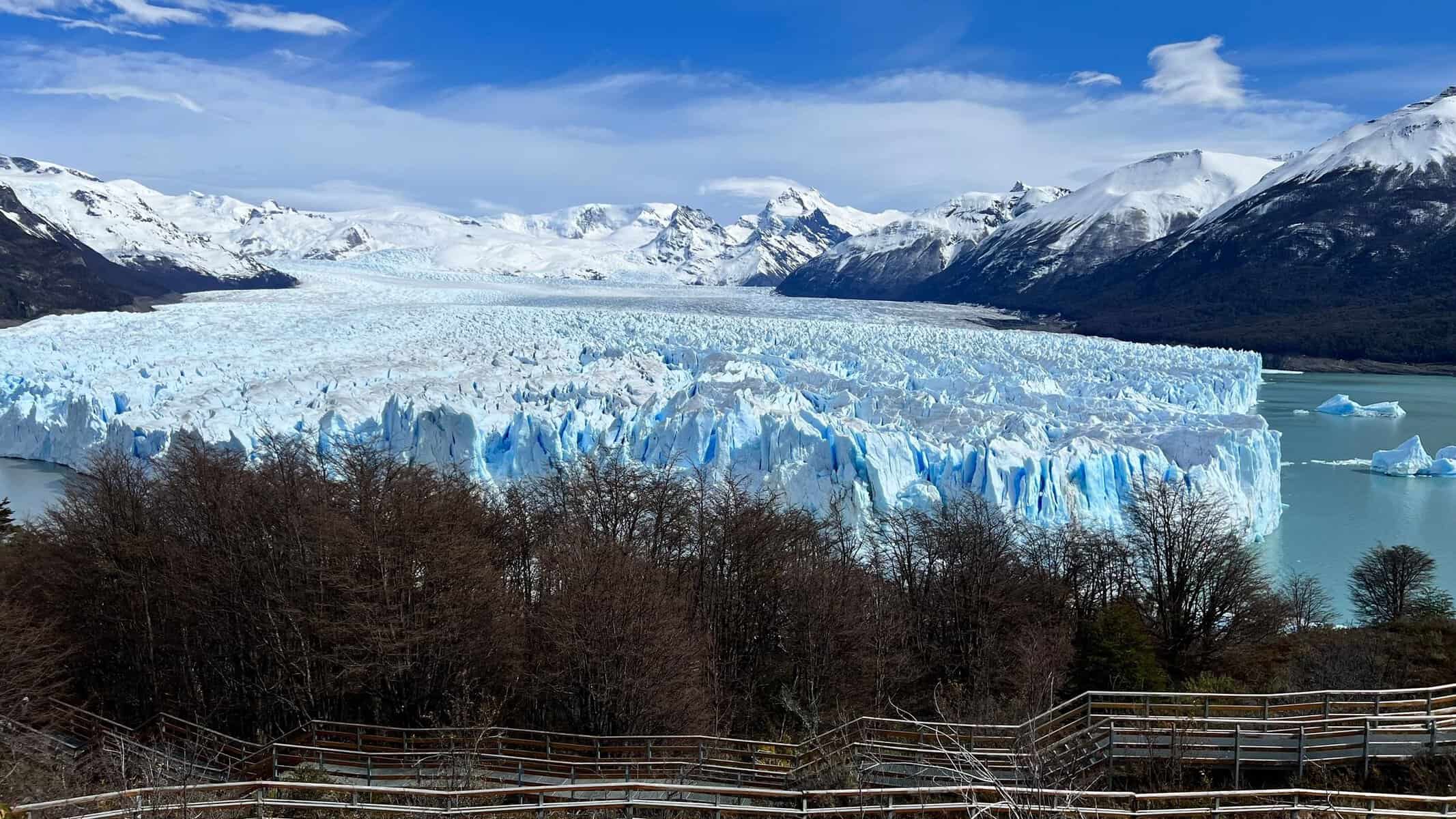
Argentina stretches about 3,700 km from the subtropical north to Tierra del Fuego, near Antarctica. In one trip you can dance tango in Buenos Aires, stand in the spray of Iguazú Falls, taste Malbec under the Andes in Mendoza, drive through the red canyons of Salta and watch the Perito Moreno Glacier crack into a lake in Patagonia. This guide covers where to go, what Argentina is known for, how it compares with Chile, the seasons and the routes that work best.
Where to go in Argentina
Distances are huge, so most trips link a few regions by domestic flight from Buenos Aires. A classic first trip combines the capital, Iguazú and Patagonia; add Mendoza or the north-west if you have three weeks.
Buenos Aires
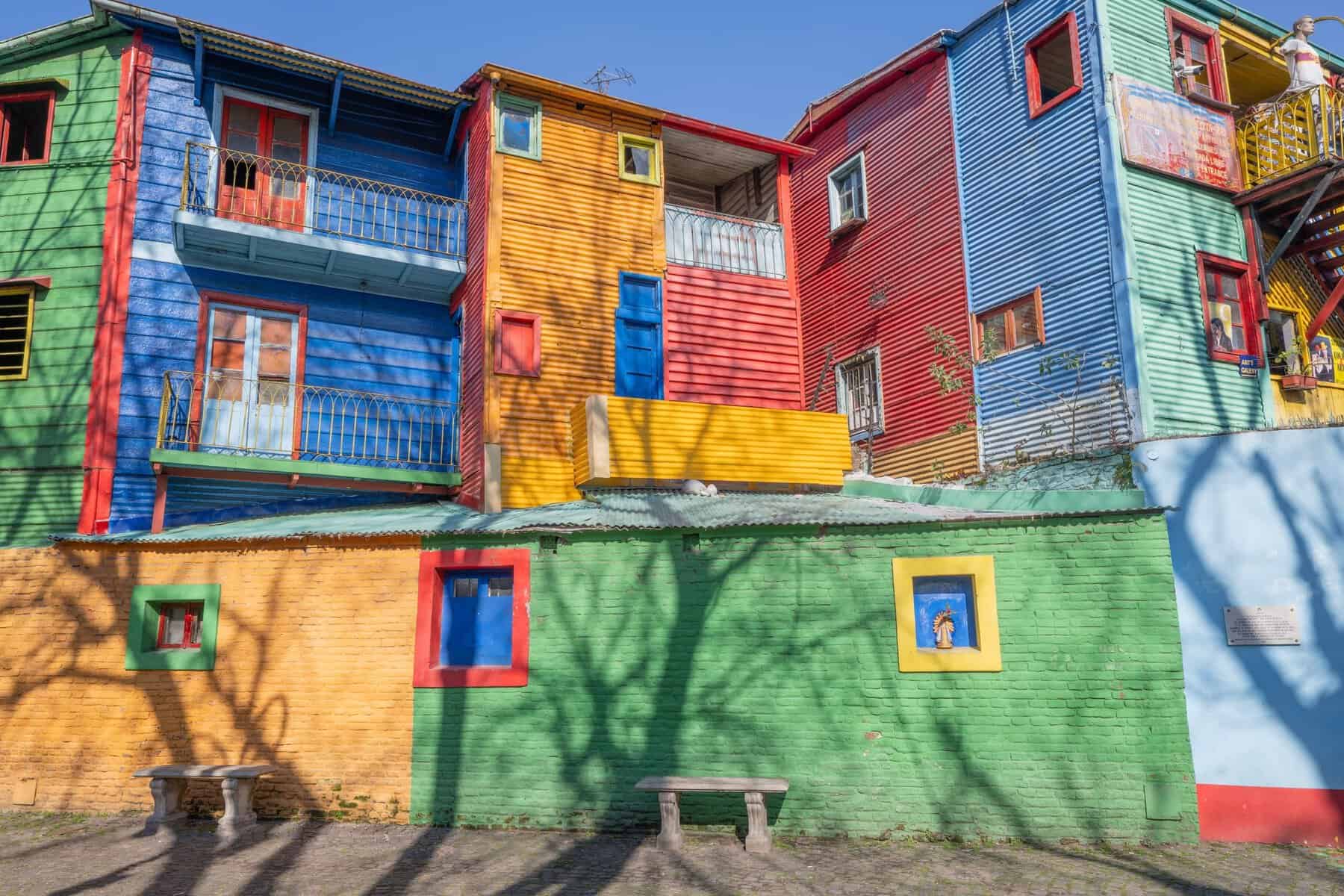
Argentina’s capital is grand, lively and stays up late. See the painted houses of La Boca, the Sunday antiques market in San Telmo, Eva Perón’s tomb in Recoleta and the leafy streets of Palermo.
Book a tango show or a class at a milonga, and eat steak at a traditional parrilla.
Argentina holidays →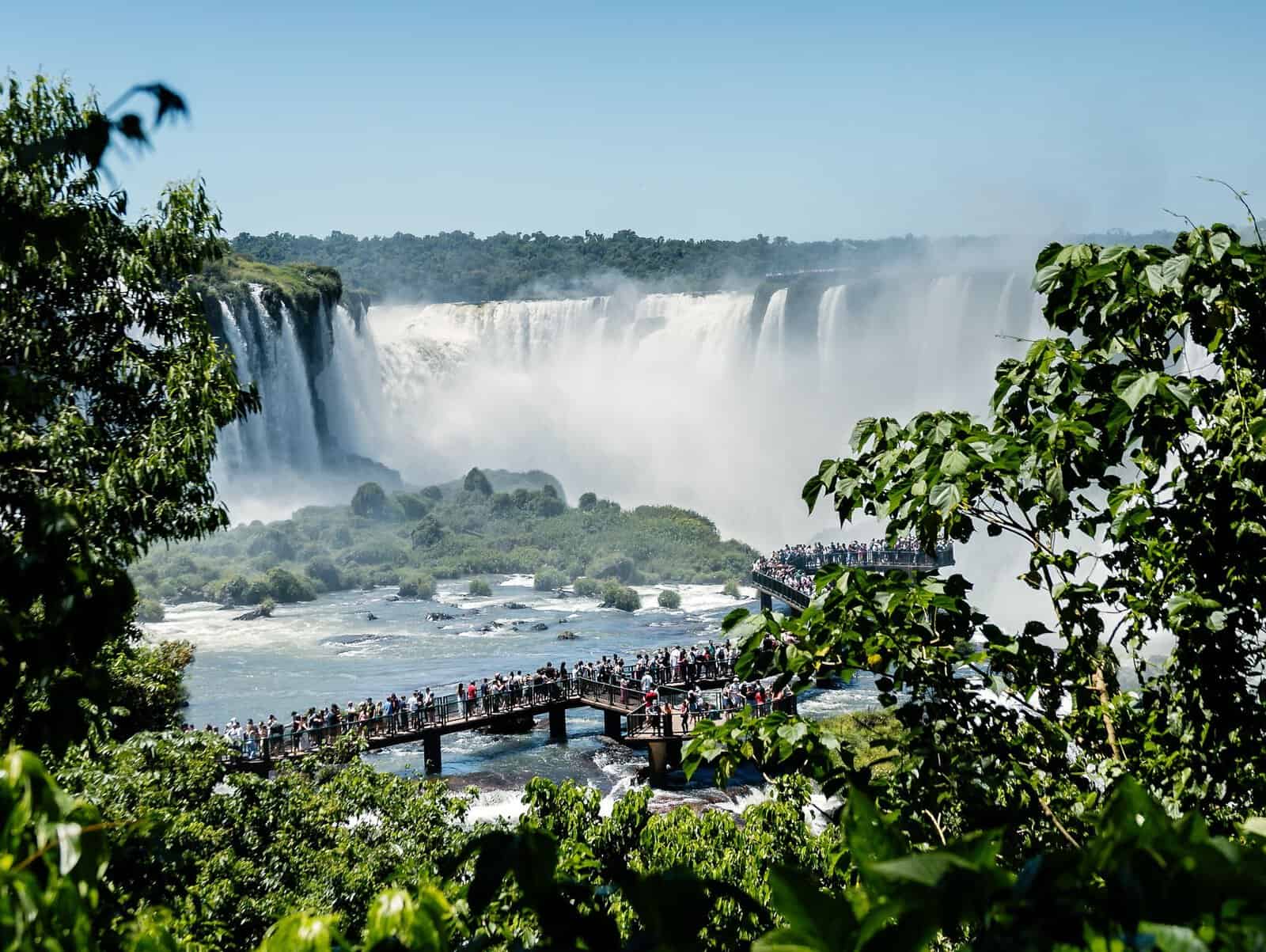
Iguazú Falls
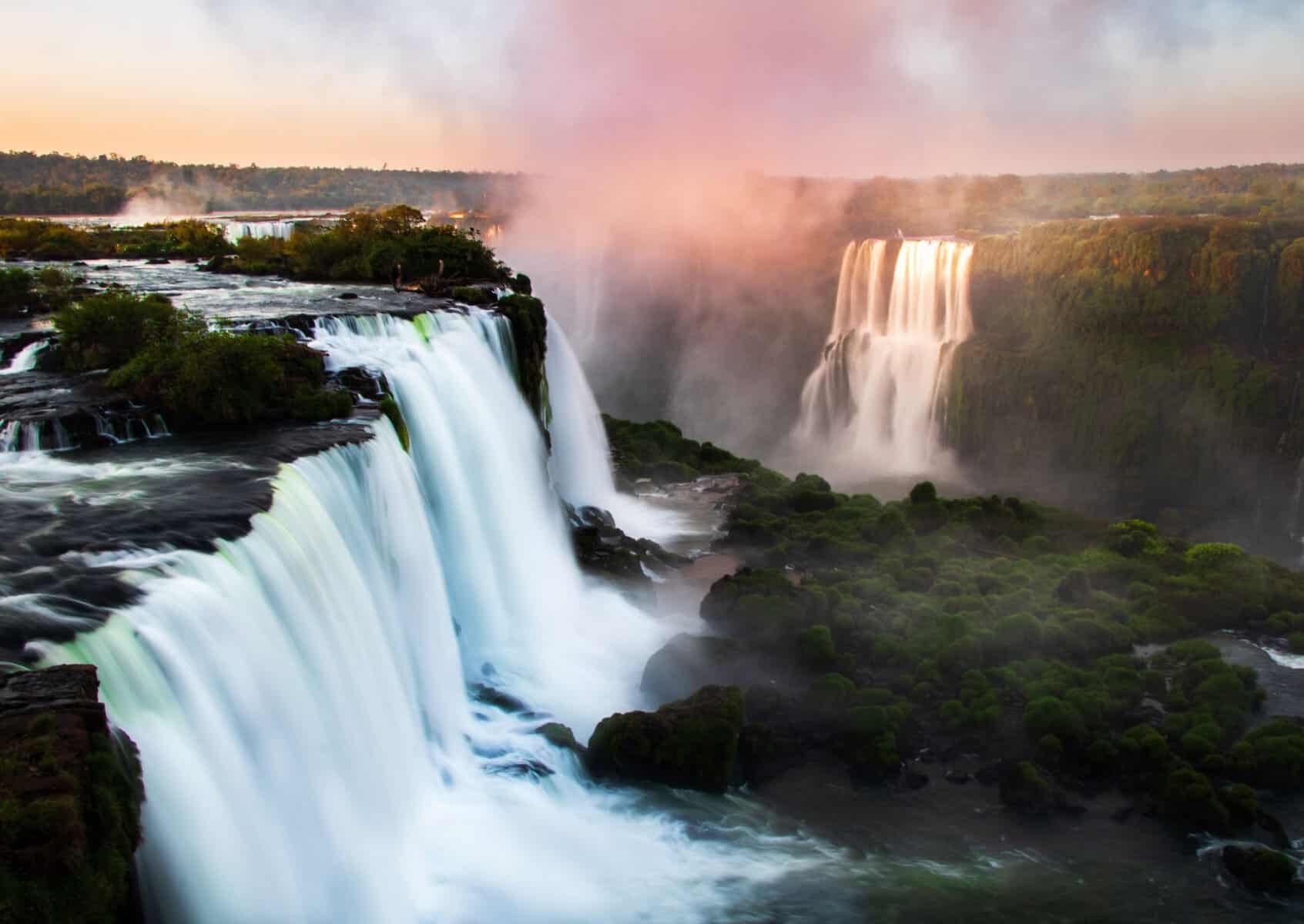
On the border with Brazil, Iguazú is a horseshoe of around 275 waterfalls in the rainforest. On the Argentine side, walkways take you right above and beside the falls, and a train runs to the roaring Devil’s Throat.
Spend a day on each side if you can: Argentina for close-ups, Brazil for the panorama. See our Brazil guide for the other side.

Mendoza
Mendoza, below the Andes, is the heart of Argentina’s wine country and the home of Malbec. Visit bodegas in the Uco Valley and Luján de Cuyo, cycle between vineyards and enjoy long lunches with views of the mountains.
Drive into the Andes to see Aconcagua, at 6,961 metres the highest mountain outside Asia.
Salta and the north-west
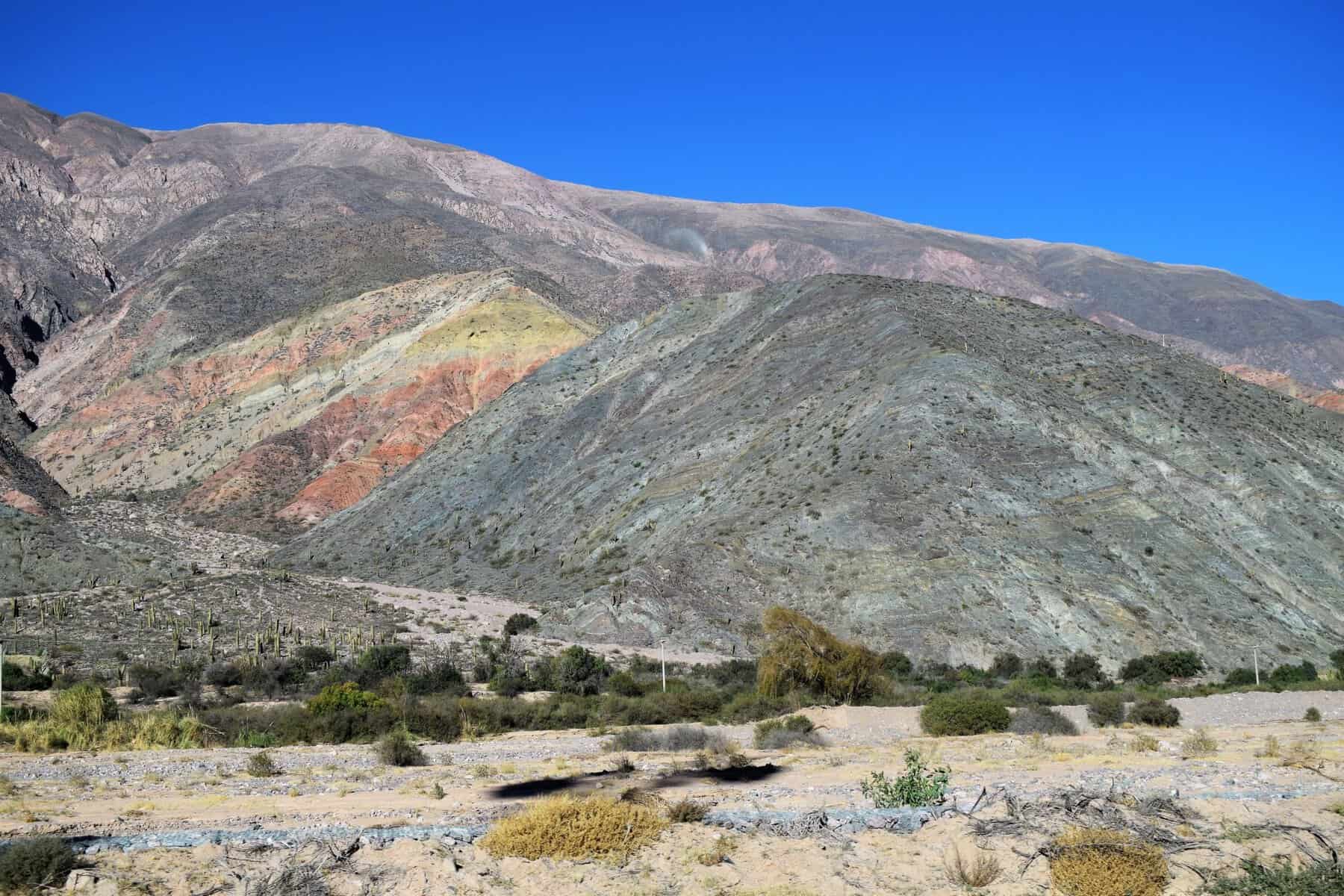
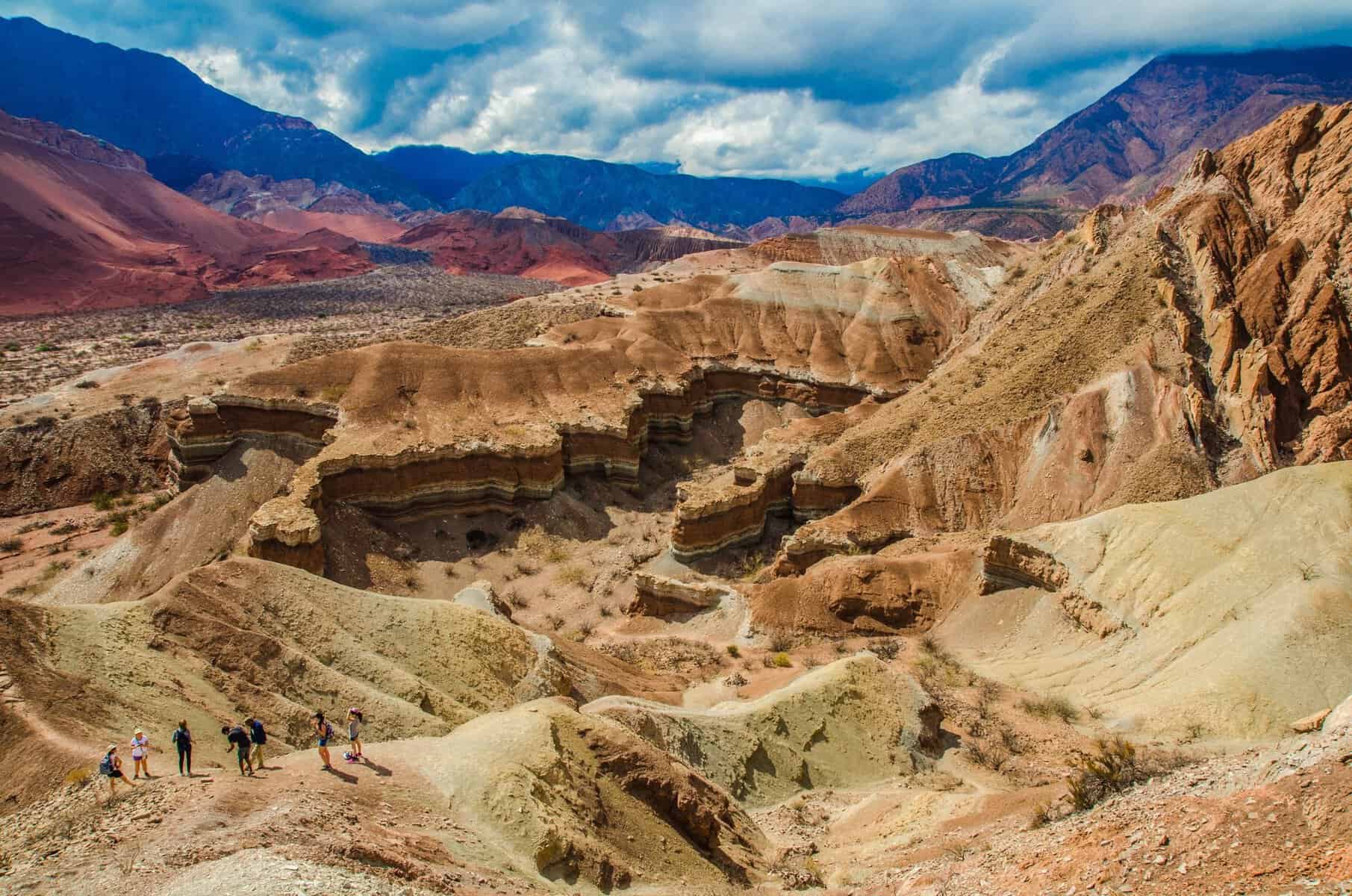
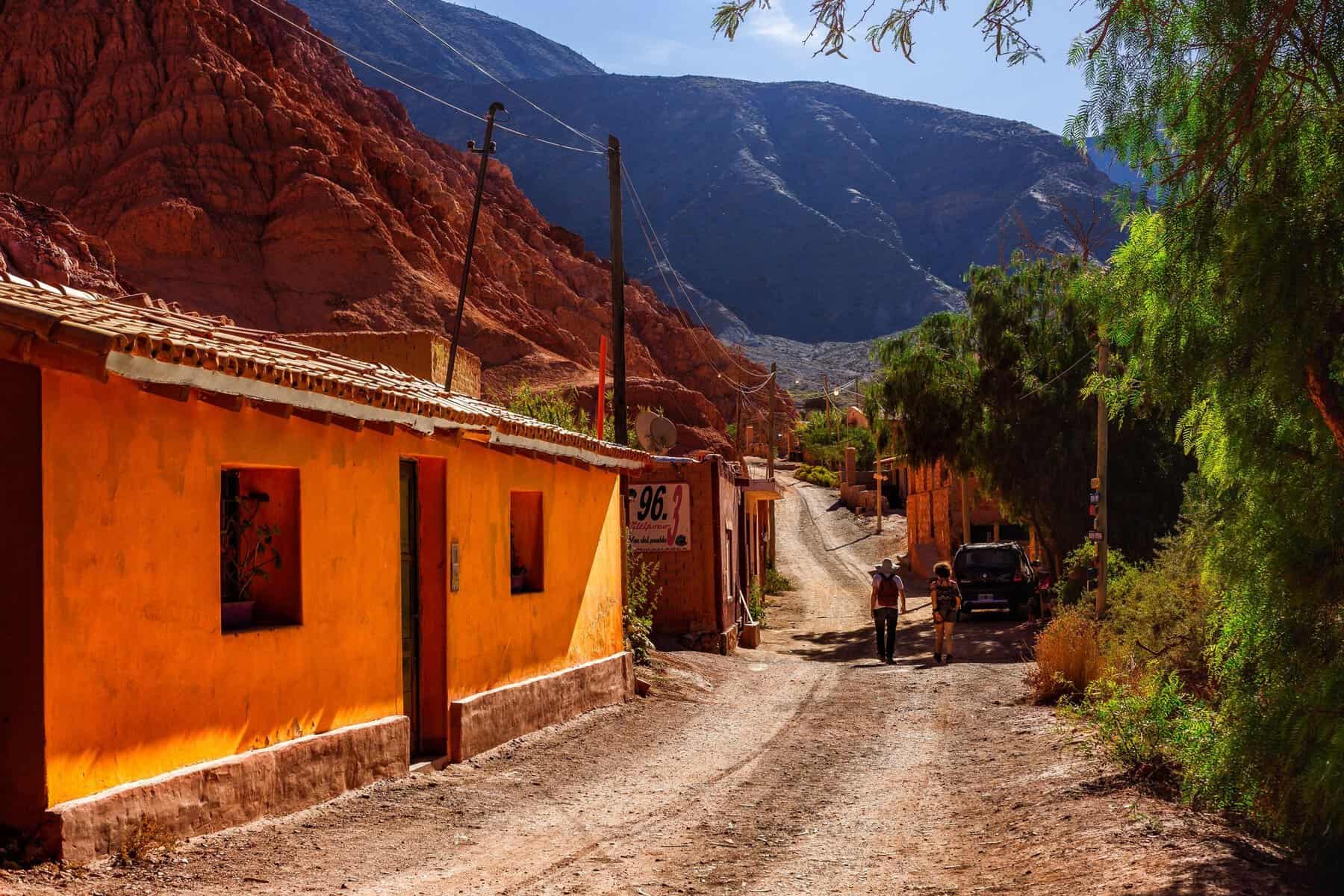
The north-west is Argentina’s Andean heartland. From colonial Salta, drive through the red rock canyons to the vineyards of Cafayate, and north to the striped hills of Purmamarca and the Humahuaca Gorge, a UNESCO site.
Higher still, the white Salinas Grandes salt flats sit at around 3,400 metres.
El Calafate and the glaciers
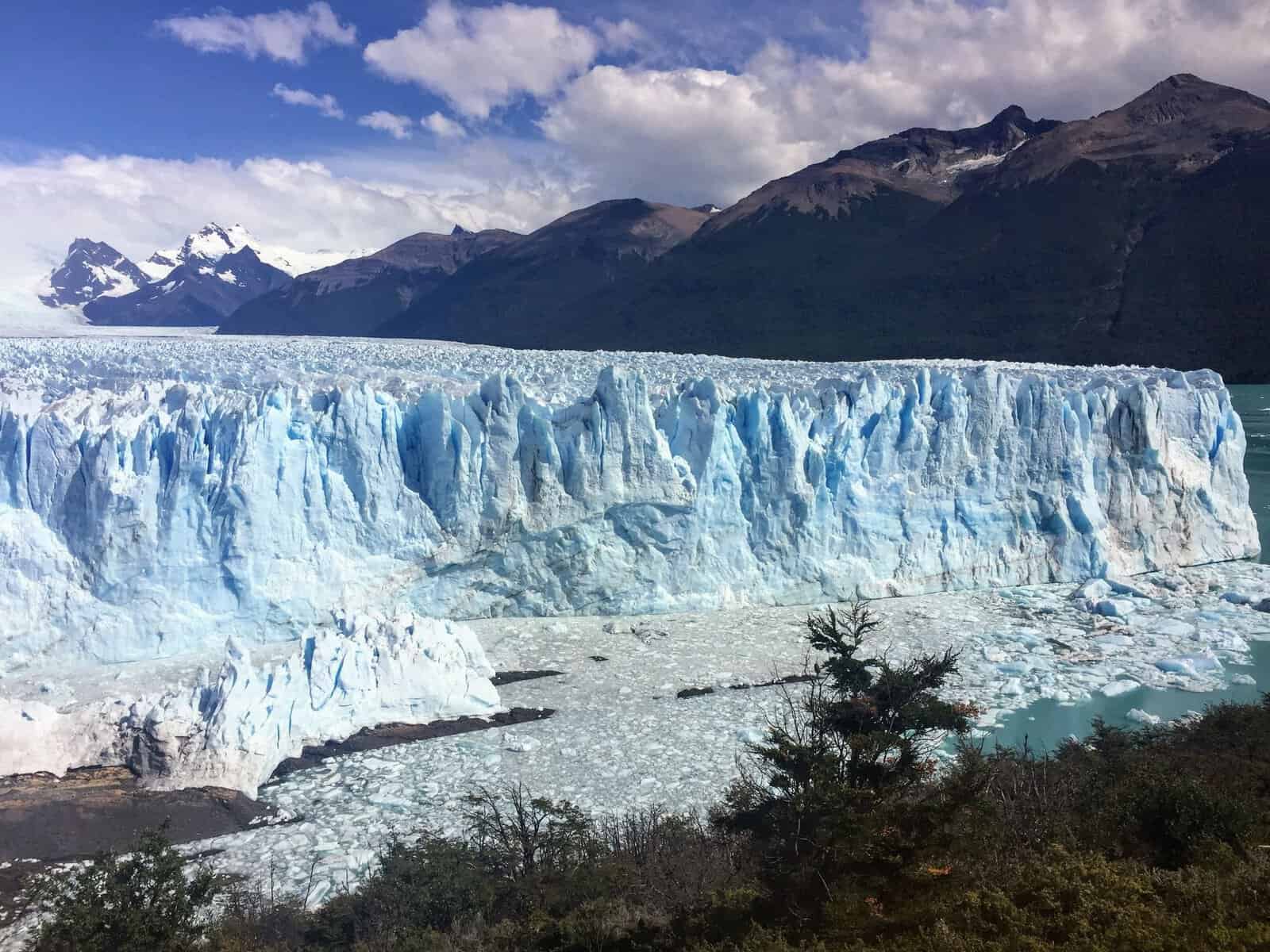
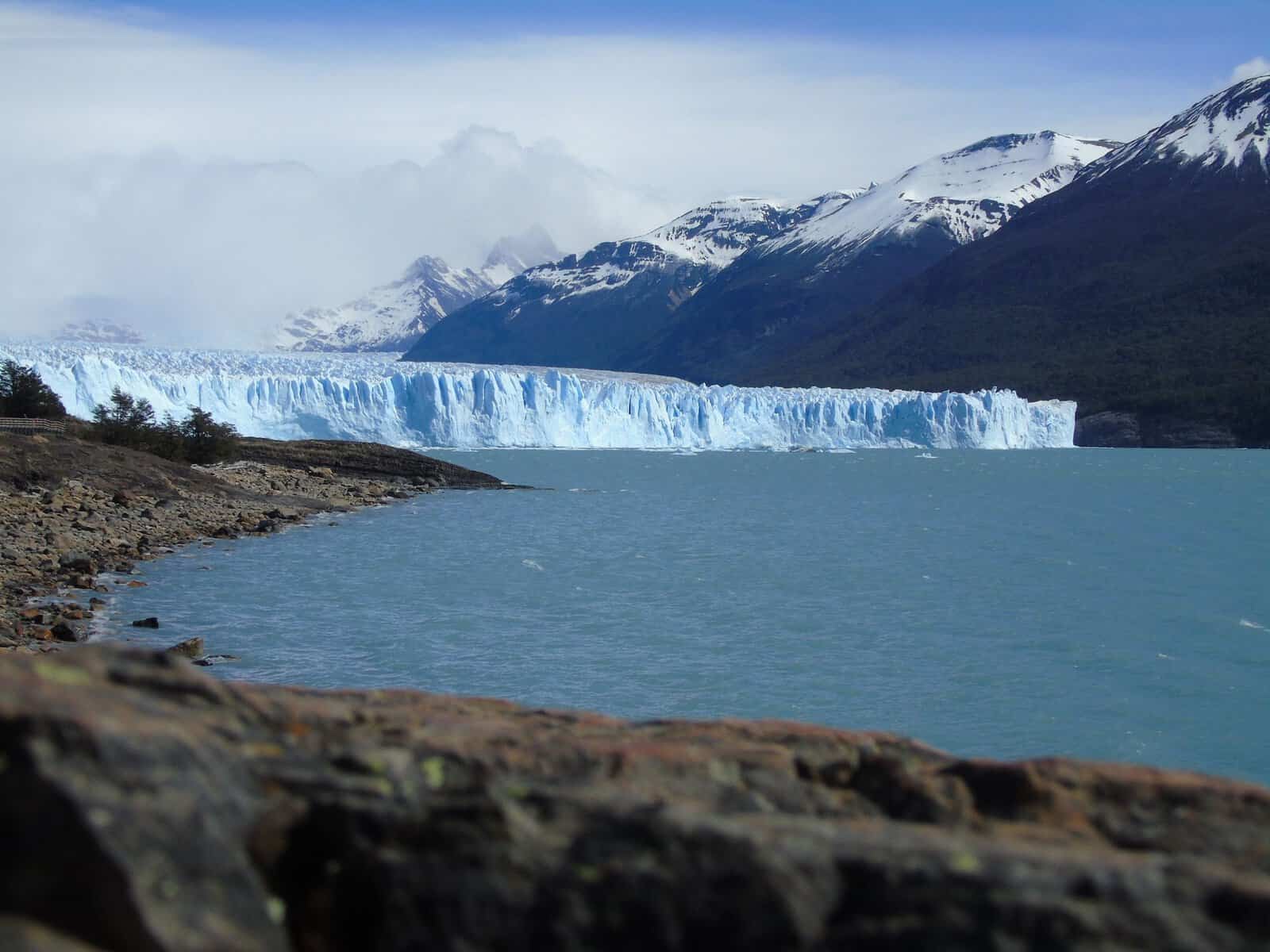
El Calafate is the base for Los Glaciares National Park. Walk the balconies facing the Perito Moreno Glacier and watch towers of ice crash into the lake, or trek on the glacier itself with crampons.
Boat trips on Lake Argentino reach more glaciers, including Upsala and Spegazzini.
Patagonia tours compared →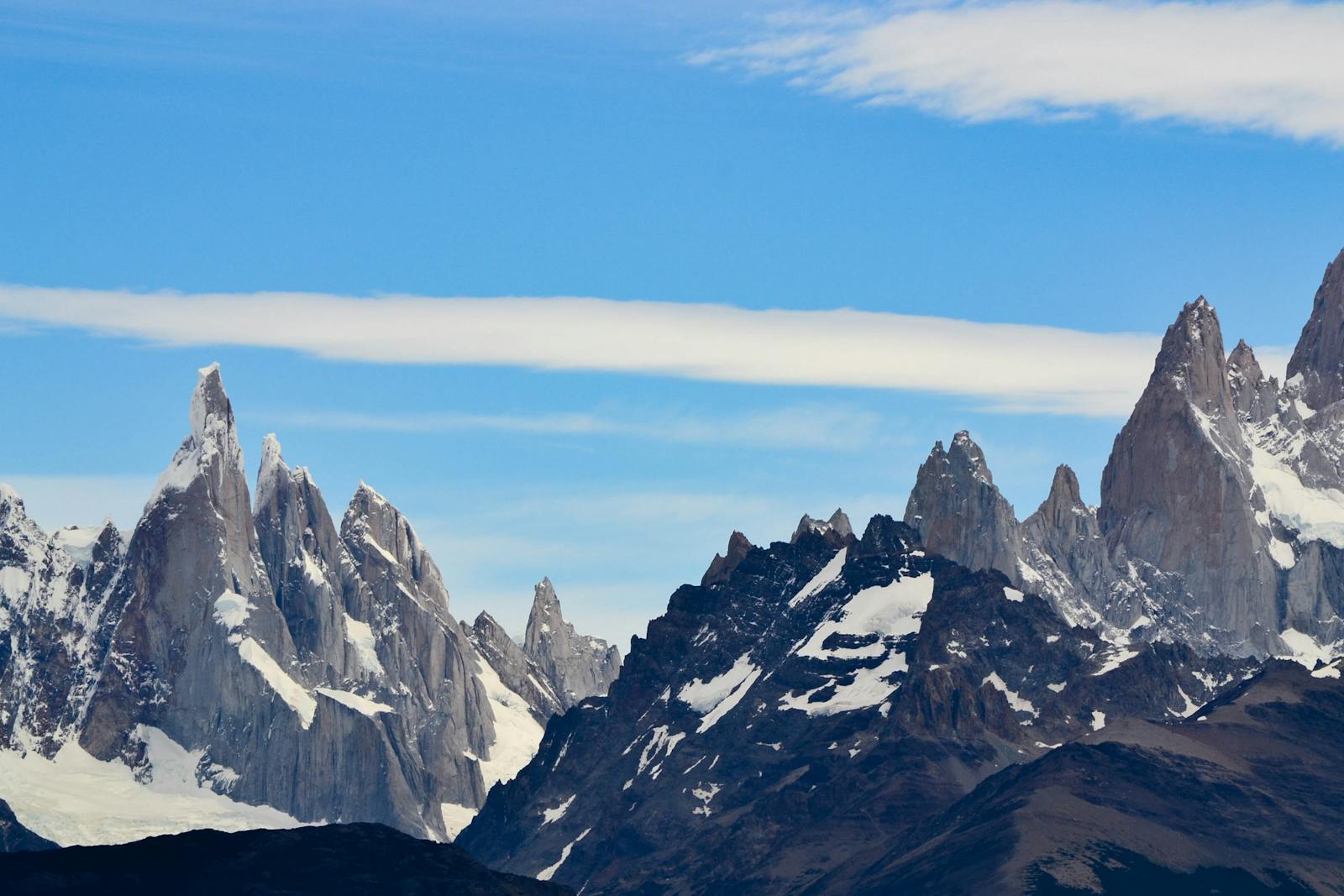
El Chaltén and Fitz Roy
Three hours north of El Calafate, El Chaltén is Argentina’s trekking capital. Day hikes lead to the granite spires of Mount Fitz Roy and Cerro Torre, with glaciers and turquoise lakes along the way.
You can also cross into Chile to see Torres del Paine, about five hours by road from El Calafate.

Ushuaia and Tierra del Fuego
Ushuaia calls itself the southernmost city in the world. Sail the Beagle Channel past sea lions and the Les Éclaireurs lighthouse, see penguins in summer and walk in Tierra del Fuego National Park.
Most Antarctic expedition cruises start here; compare them in Antarctica cruises compared.

Península Valdés
On the Atlantic coast, Península Valdés is a UNESCO site and one of the best places in the world to see southern right whales, from about June to December.
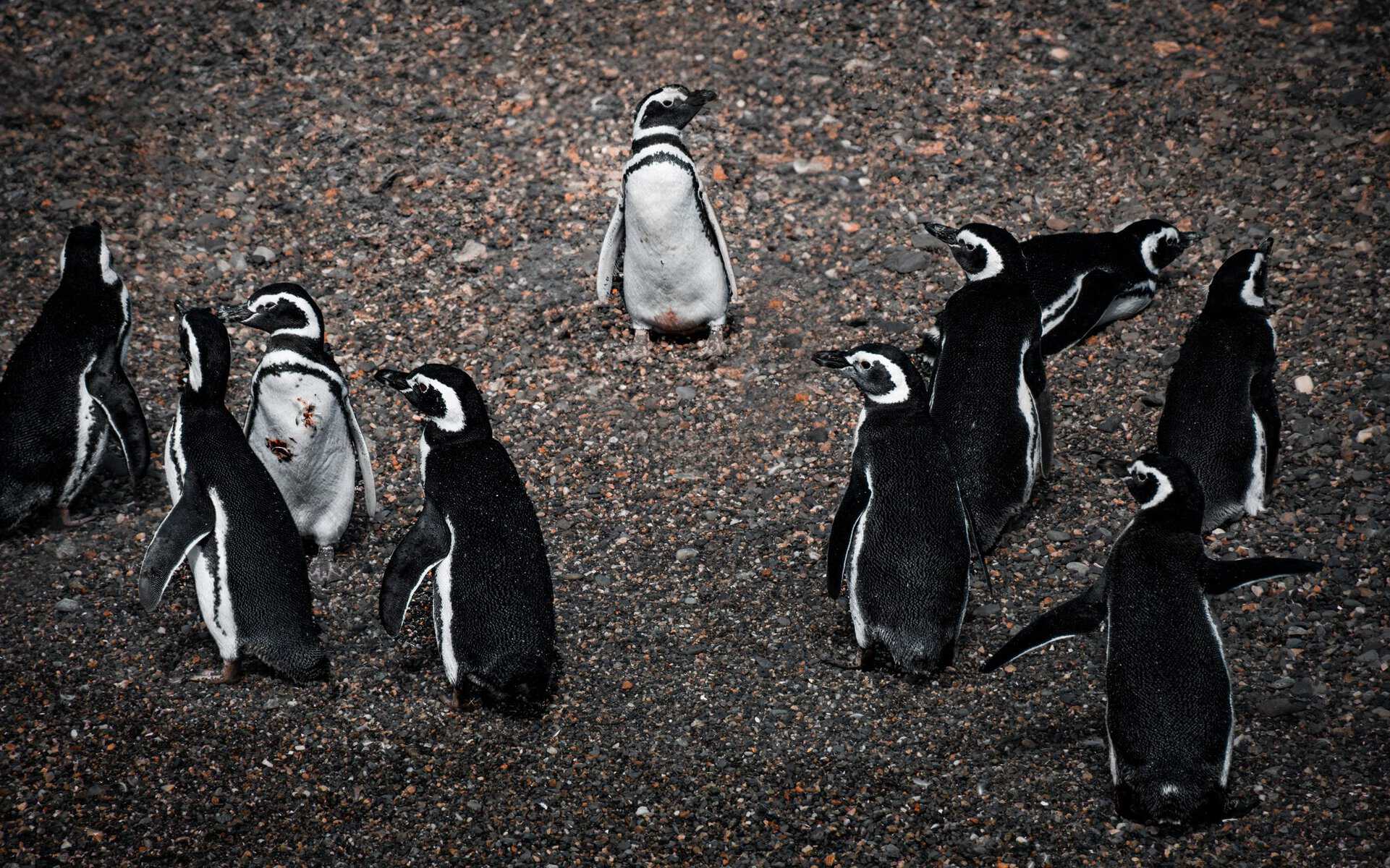
Elephant seals and sea lions breed on the beaches, and from September to April Magellanic penguins nest at nearby Punta Tombo.
Bariloche and the Lake District
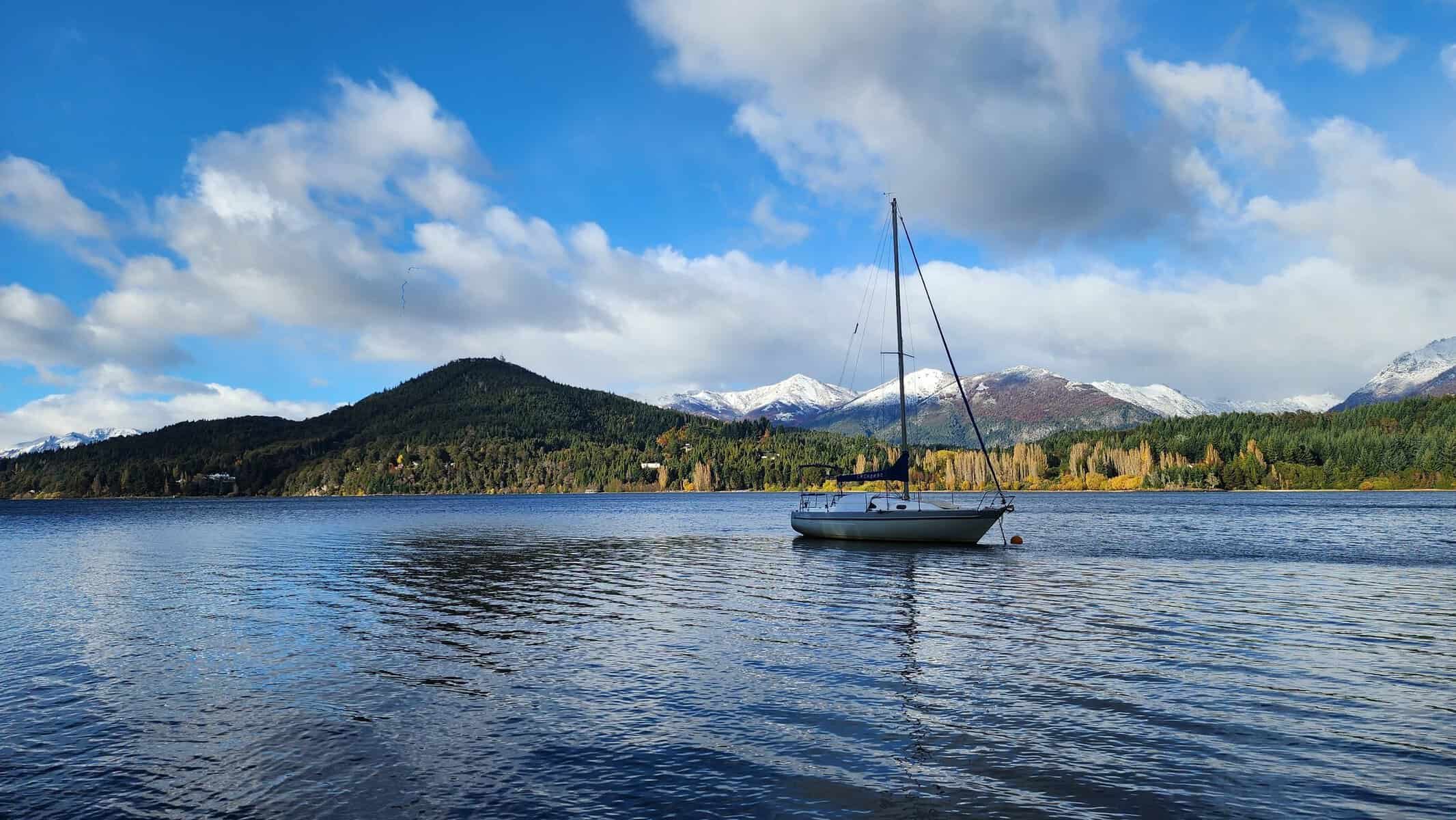
Bariloche, on the shore of Nahuel Huapi Lake, feels like the Alps, with forests, lakes, chalet-style chocolate shops and skiing in winter.
Drive the Seven Lakes Road to San Martín de los Andes, or cross the Andes by lake and bus to Chile.
What is Argentina known for? Facts and highlights
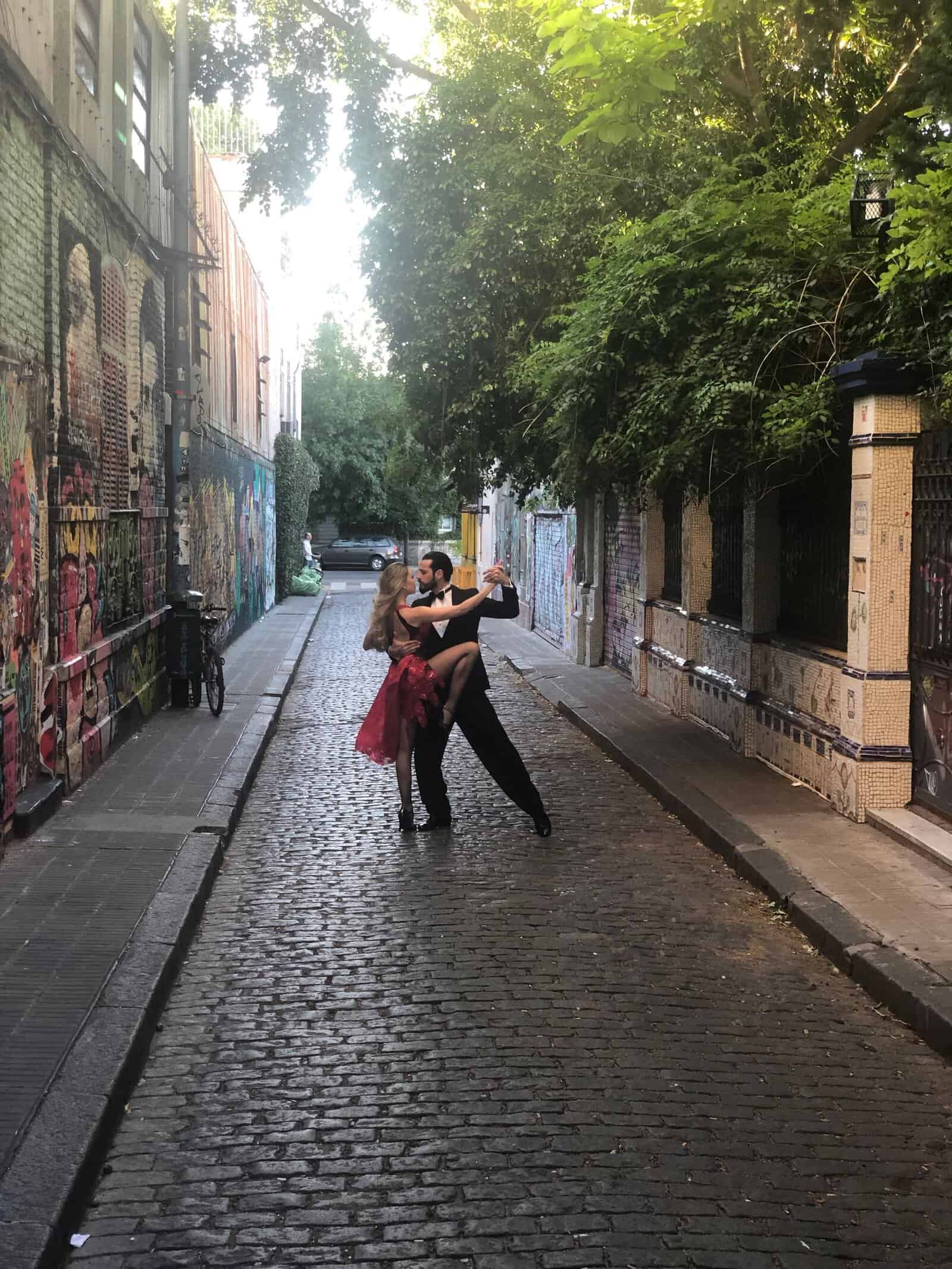
Tango: born in the port districts of Buenos Aires and Montevideo in the late 1800s, tango is on UNESCO’s list of intangible cultural heritage.
Beef and wine: the asado (barbecue) is a national ritual, and Argentina is one of the world’s largest wine producers, famous for Malbec.
Football: Argentina has won the World Cup three times, in 1978, 1986 and 2022.
Size and records: it’s the eighth-largest country in the world and has the highest peak in the Americas, Aconcagua, and one of the world’s southernmost cities, Ushuaia.
Gauchos and mate: the gaucho, the cowboy of the pampas, is a national symbol, and almost everyone shares mate, a bitter herbal tea, from a gourd.
Chile or Argentina?
The two countries share the Andes and Patagonia, and many trips include both. Argentina has the bigger cities and culture (Buenos Aires and tango), Iguazú Falls, the Perito Moreno Glacier, Fitz Roy, the wine of Mendoza and the whales of Península Valdés. Chile has the Atacama Desert, Torres del Paine, the fjords and the island of Rapa Nui. In Patagonia, it’s easy to cross the border between El Calafate and Torres del Paine, so you don’t have to choose. Compare the combined trips in Patagonia tours compared.
Things to do in Argentina
Thinking of Chile too? Our Chile holiday guide covers the Atacama Desert and its stargazing, Torres del Paine, the Lake District and Easter Island.

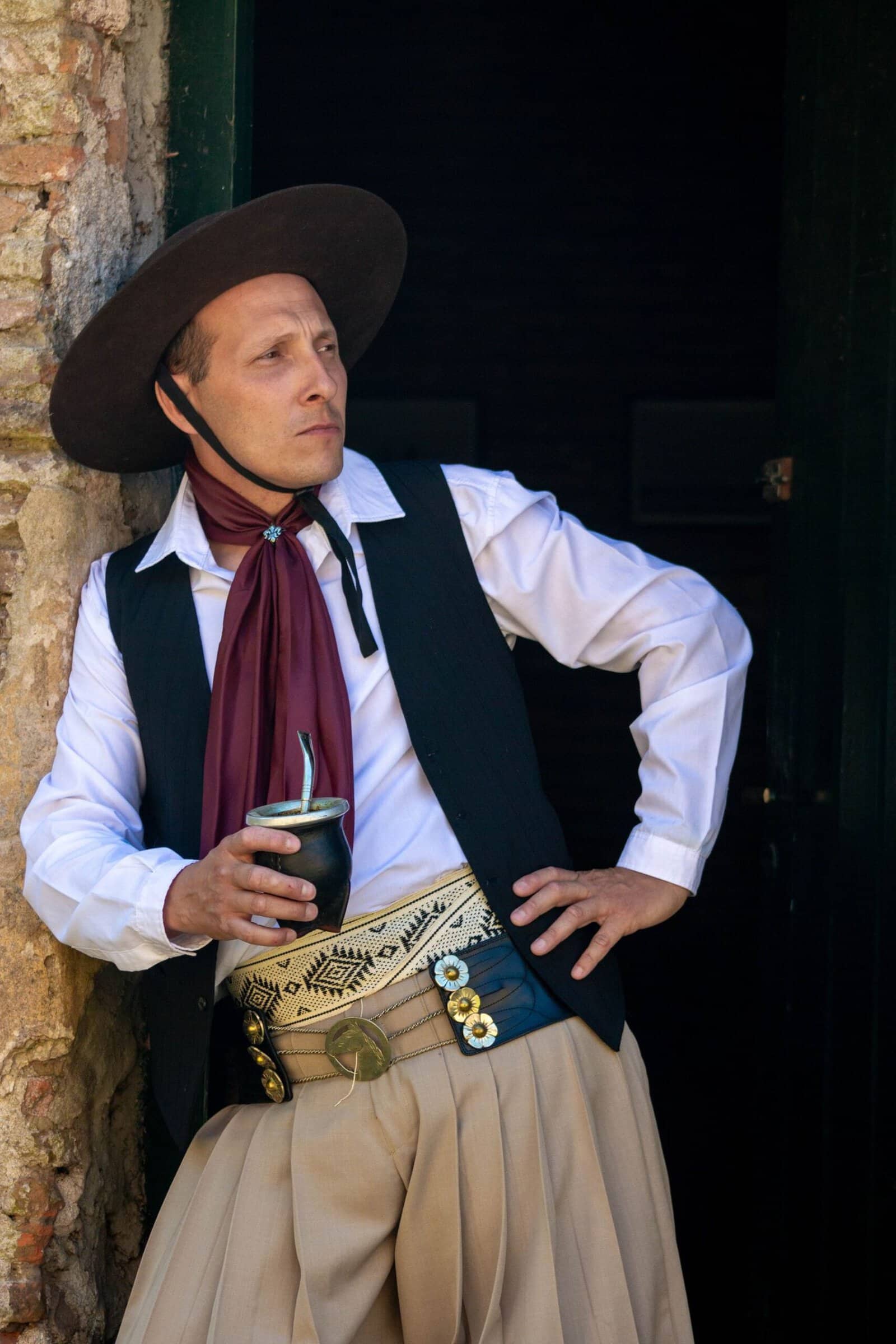


- Stay on an estancia: ride with gauchos, eat an asado and sleep on a working ranch in the pampas near Buenos Aires or in Patagonia.
- Wine tasting: Mendoza for Malbec, and Cafayate in the north for white Torrontés from some of the highest vineyards in the world.
- See wildlife: whales and penguins on the Atlantic coast, guanacos and condors in Patagonia, and the wetlands of the Esteros del Iberá for capybaras and caimans.
- Hike: El Chaltén, the Lake District and Tierra del Fuego have some of the best day hikes in South America.
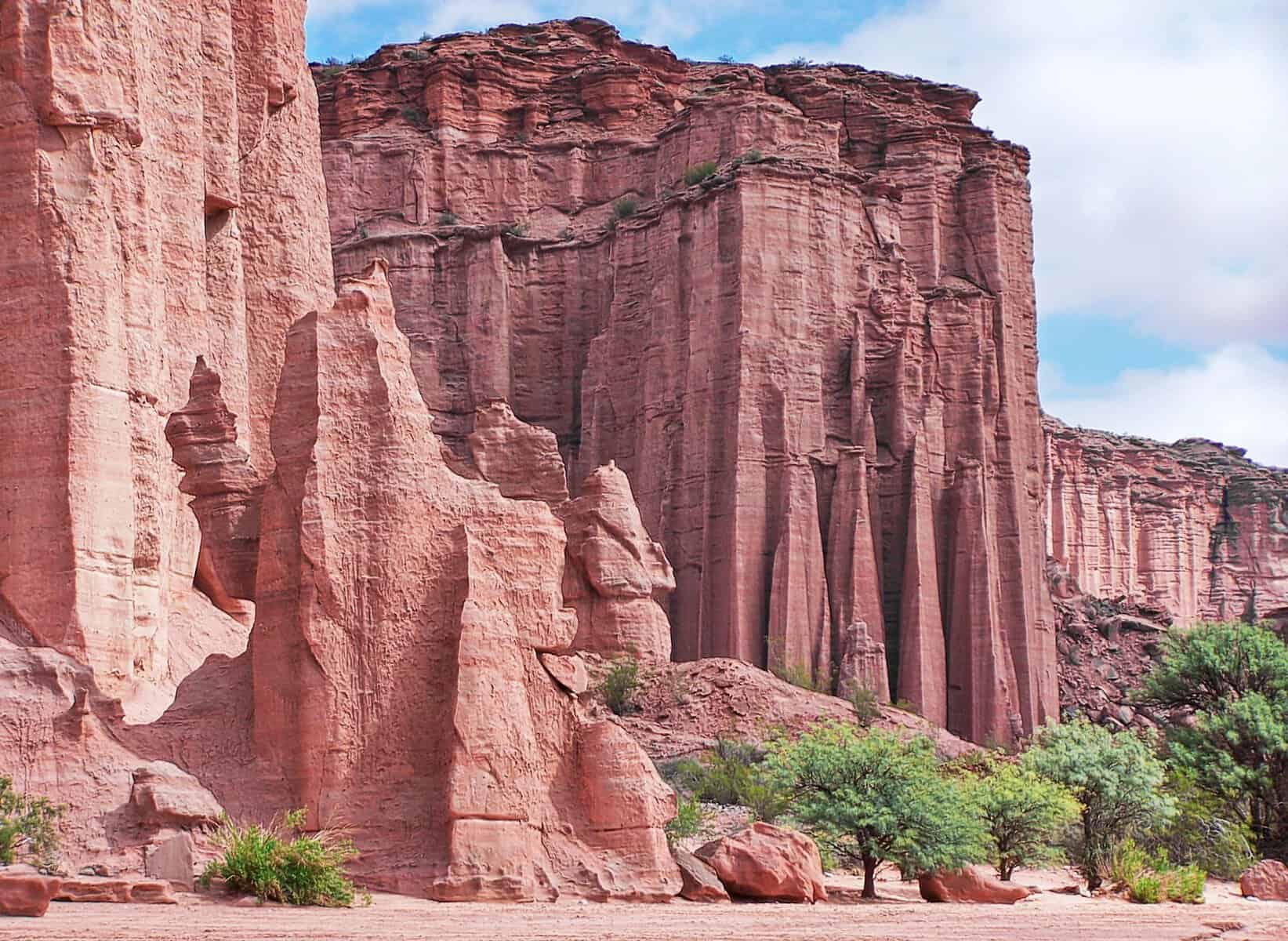
- Go further: visit Ischigualasto and Talampaya, two UNESCO-listed desert parks, or sail to Antarctica from Ushuaia.
When to go
Argentina is in the southern hemisphere, so the seasons are the opposite of the UK’s. November to March is the best time for Patagonia, with long days and the warmest weather, although it can be windy. The north-west is best from April to November, as summer brings rain to Salta and Jujuy. Buenos Aires is nicest in spring (September to November) and autumn (March to May). Iguazú is good all year, and whales visit Península Valdés from about June to December.
| Month | Buenos Aires | Iguazú | Salta | Mendoza | Bariloche | El Calafate | Ushuaia |
|---|---|---|---|---|---|---|---|
| Jan | 28°C | 31°C | 26°C | 31°C | 22°C | 16°C | 12°C |
| Apr | 22°C | 27°C | 21°C | 21°C | 14°C | 10°C | 8°C |
| Jul | 14°C | 23°C | 17°C | 13°C | 5°C | 3°C | 2°C |
| Oct | 21°C | 29°C | 25°C | 23°C | 12°C | 10°C | 7°C |
Average daily high, 10-year ERA5 data. Patagonia is cool even in summer, and the wind can make it feel colder.
Classic routes
Highlights of Argentina
- Buenos Aires (3 nights)
- Iguazú (2)
- El Calafate (3)
- El Chaltén (3)
- Buenos Aires (1)
Best from October to April.
Wine, the north-west and the falls
- Buenos Aires (3 nights)
- Mendoza (3)
- Salta (2)
- Cafayate (2)
- Purmamarca (2)
- Iguazú (2)
Best from April to November.
Argentina and Chilean Patagonia
- Buenos Aires (3 nights)
- Península Valdés (2)
- El Calafate (3)
- Torres del Paine (3)
- Ushuaia (2)
- Iguazú (2)
Whales, glaciers and the end of the world.

Ways to see Argentina with us


Practical tips
- Entry: British passport holders can visit Argentina for up to 90 days without a visa. Your passport must be valid for the length of your stay. Passports are no longer stamped on arrival. Check the FCDO Argentina advice before you go.
- Flights: most routes from the UK connect through a European, Brazilian or other hub to Buenos Aires Ezeiza. Domestic flights to Patagonia and Iguazú leave mainly from Aeroparque, the city airport.
- Money: the economy changes fast. Cards are widely accepted and often give a fair exchange rate, but carry some cash for small places. Ask your Travel Designer for the latest advice before you go.
- Eating times: Argentines eat late. Restaurants often open for dinner around 8pm and fill up after 9.30pm.
- Patagonia: pack layers and a windproof jacket even in summer, and book glacier treks and Fitz Roy-area stays early for December to February.
- Distances: it’s about a three-hour flight from Buenos Aires to El Calafate, so use flights rather than long drives between regions.
Frequently asked questions
What is Argentina known for?
Tango, steak and the asado, Malbec wine, football, gauchos and mate, and huge landscapes: Iguazú Falls, the Andes, the glaciers of Patagonia and Ushuaia, one of the world's southernmost cities.
What are some interesting facts about Argentina?
It's the eighth-largest country in the world, has the highest mountain in the Americas (Aconcagua, 6,961 metres), was the birthplace of tango, and has won the World Cup three times.
Is Mendoza worth visiting?
Yes, especially for wine lovers. Mendoza produces most of Argentina's wine, including Malbec, and its vineyards sit right below the Andes. Three nights allows for bodega visits, a day in the mountains and views of Aconcagua.
Should I visit Chile or Argentina?
Argentina for Buenos Aires, Iguazú, Mendoza, the Perito Moreno Glacier and Fitz Roy; Chile for the Atacama, Torres del Paine and Rapa Nui. In Patagonia it's easy to see both on one trip.
How many days do you need in Argentina?
Two weeks covers Buenos Aires, Iguazú and Patagonia. Allow three weeks to add Mendoza, Salta or Península Valdés, because flights between regions take time.
When is the best time to visit Argentina?
November to March for Patagonia, April to November for the north-west, spring and autumn for Buenos Aires, and June to December for whales at Península Valdés. Iguazú is good all year.
Do UK citizens need a visa for Argentina?
No. British passport holders can visit for up to 90 days as tourists without a visa. Check the FCDO advice for the latest rules before you travel.
Can you see Iguazú Falls from Argentina and Brazil?
Yes. The Argentine side has walkways right beside and above the falls, including the Devil's Throat; the Brazilian side has the best panoramic view. Many people spend a day on each side.
Keep planning
- Argentina holidays
- Escorted tours of Argentina
- Patagonia tours compared
- South America tours compared
- Antarctica cruises compared
- Brazil holiday guide
- Mexico holiday guide
- Tailor-made holidays
Plan your Argentina holiday with a Travel Designer
Tell us your dates and we’ll fit the regions to the season, then plan the flights, the glaciers and the wine country, all in one ATOL-protected booking.
Make an enquiry Argentina holidays