The Seychelles in brief
- Most first trips combine Mahé, Praslin and La Digue, three or four nights each. Add a private island for a honeymoon.
- Mahé has the airport and the mountains, Praslin has Anse Lazio and the UNESCO Vallée de Mai, and La Digue is car-free, with Anse Source d’Argent.
- It’s warm all year. The calmest, clearest seas are in April to May and October to November; June to August is driest. See when to go.
- UK visitors need no visa but must apply online for a travel authorisation before flying. There’s no malaria.

The Seychelles is a group of 115 islands in the Indian Ocean, about 1,500 km off the coast of East Africa. Most visitors stay on the granite inner islands, the only mid-ocean islands in the world made of granite: mountains covered in jungle, beaches framed by huge pink-grey boulders, and water so clear you can see the fish from the shore. Almost half the land is protected, with giant tortoises, rare birds and the coco de mer palm. This guide explains which islands to choose, how to combine them, when to go and how the Seychelles compares with Mauritius and the Maldives.
Which islands to choose
Nearly every first trip is built around the three main inner islands: Mahé, Praslin and La Digue. They’re linked by fast ferries and short flights, so it’s easy to see two or three. If you want total seclusion, add a few nights on a private island at the end.

Mahé
The largest island, with the international airport and most of the population. Mountains rise to 905 m in the Morne Seychellois National Park, where trails lead through mist forest to views across the islands.
The south and west coasts are the quietest, with wild beaches such as Anse Intendance and Anse Takamaka. Most people spend their first or last nights here.
Seychelles holidays →
Beau Vallon and the north
Mahé’s best-known beach is a long, gently shelving bay with calm water for much of the year. It’s the liveliest part of the islands, with dive centres, beach bars and a Wednesday evening street food market.
Boats leave from here for snorkelling trips and, in season, whale shark trips.
Victoria
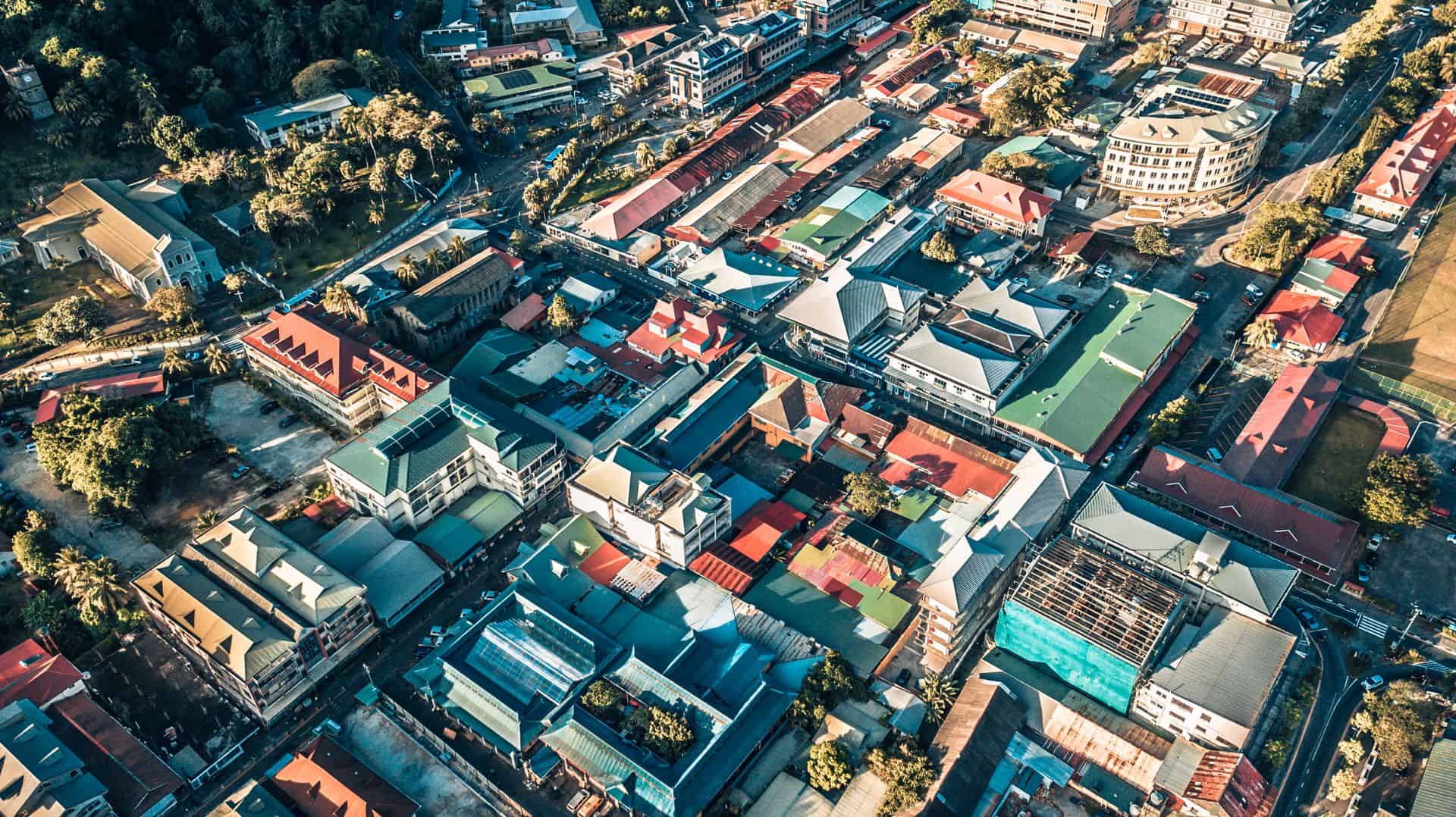
One of the smallest capital cities in the world. Walk from the silver clock tower to the Sir Selwyn Selwyn-Clarke market, busy with fish, spices and tropical fruit, especially on Saturday mornings.
Nearby are a colourful Hindu temple, the cathedrals and the botanical gardens, where giant tortoises live.

Praslin
The second island, about an hour by fast ferry or a 15-minute flight from Mahé. Anse Lazio is often called one of the world’s best beaches, and Anse Georgette is just as lovely.
The Vallée de Mai is a UNESCO-listed palm forest, home of the coco de mer, the world’s heaviest seed, and the rare Seychelles black parrot.
La Digue
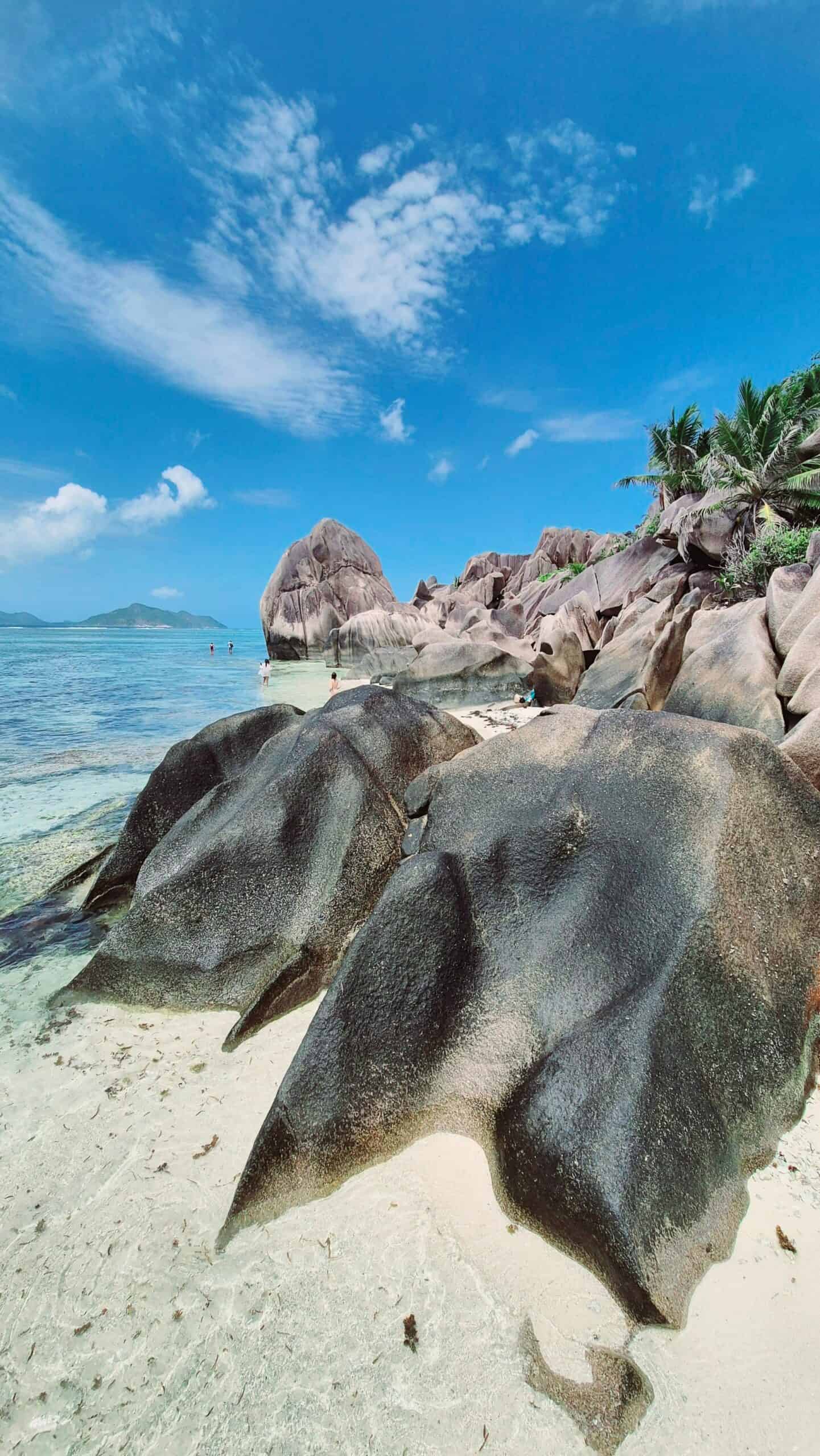
A 15-minute ferry from Praslin, with almost no cars: people get around by bike. Anse Source d’Argent, with its sculpted boulders and shallow lagoon, is the most photographed beach in the Seychelles.
Cycle across to Grand Anse and walk on to Petite Anse and Anse Cocos. They’re beautiful, but the sea can be rough, so check before swimming.
Curieuse and the marine parks
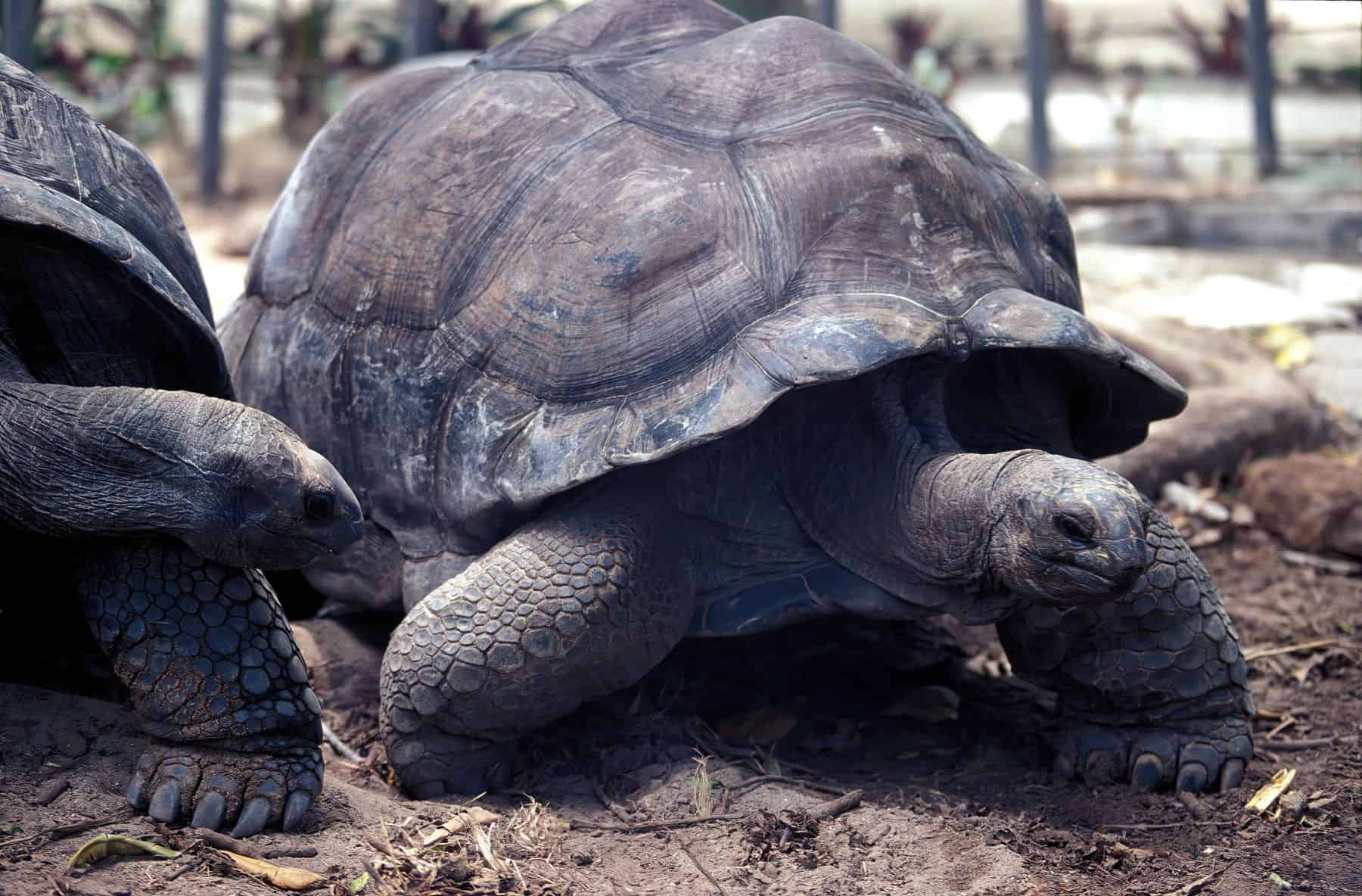
From Praslin, boats go to Curieuse, where giant Aldabra tortoises roam free and a boardwalk crosses the mangroves, often stopping to snorkel at St Pierre islet on the way.
Off Mahé, the Ste Anne Marine National Park is good for snorkelling and glass-bottom boat trips, and Cousin Island is a nature reserve full of nesting seabirds.
Private and remote islands
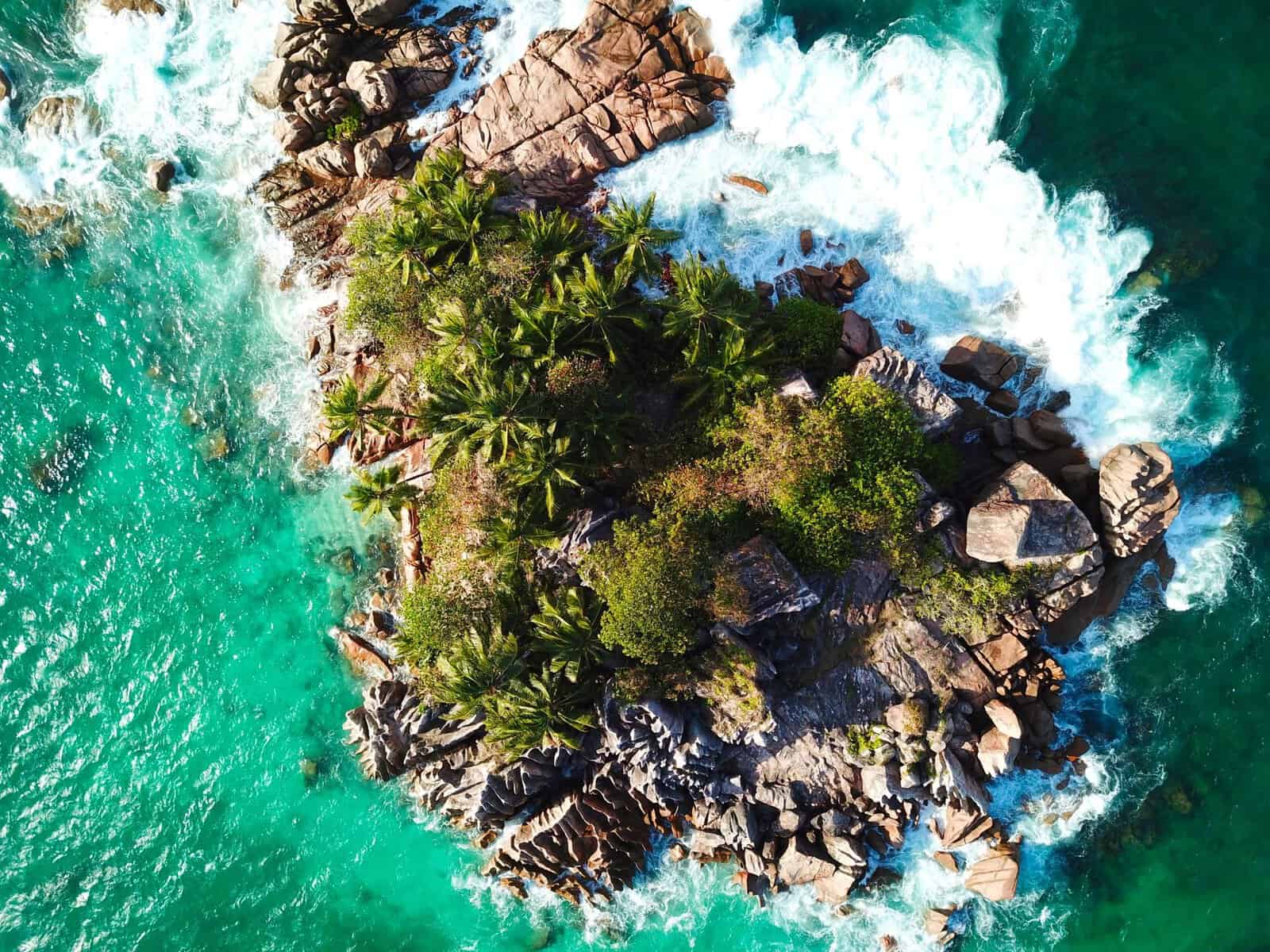
Several islands, such as North Island, Frégate, Denis, Bird Island and Silhouette, have just one place to stay. You reach them by small plane, helicopter or boat.
Most run conservation projects for turtles, tortoises and birds. Bird Island has huge colonies of sooty terns from about April to October.
Desroches and the outer islands
The coral outer islands are low, flat and far away: Desroches in the Amirantes is under an hour’s flight from Mahé, with walls of coral and very few visitors.
Aldabra, one of the largest coral atolls in the world, is a UNESCO site with about 100,000 giant tortoises. It’s protected and very hard to reach, usually only by expedition cruise.
A day on La Digue

Early morning: cycle to L’Union Estate (there’s an entry fee) and walk through to Anse Source d’Argent before the day trippers arrive. Go at low tide, when the rock pools are calm and clear.
Late morning: see the old copra mill, the vanilla plantation and the giant tortoises in the estate, then ride across the island to Grand Anse.
Afternoon: look for the rare paradise flycatcher in the Veuve Reserve, then watch the sunset from the west coast with a fresh fruit juice or a Creole fish curry.
Classic island-hopping routes
Fly into Mahé, then move by ferry or plane. Fast ferries run between Mahé, Praslin and La Digue several times a day; flights between Mahé and Praslin take about 15 minutes and have a lower luggage allowance. We book all the connections, so the timings fit your flights.
Mahé, Praslin and La Digue
- Mahé (3 nights)
- Praslin (4)
- La Digue (3)
- Back to Mahé to fly home
The classic first trip: mountains, the best beaches and the slow life on La Digue.
Three islands and a private island
- Mahé (2 nights)
- Praslin (4)
- La Digue (3)
- Private island (4)
The honeymoon version. End on an island with one place to stay, wildlife and a reef to yourselves.
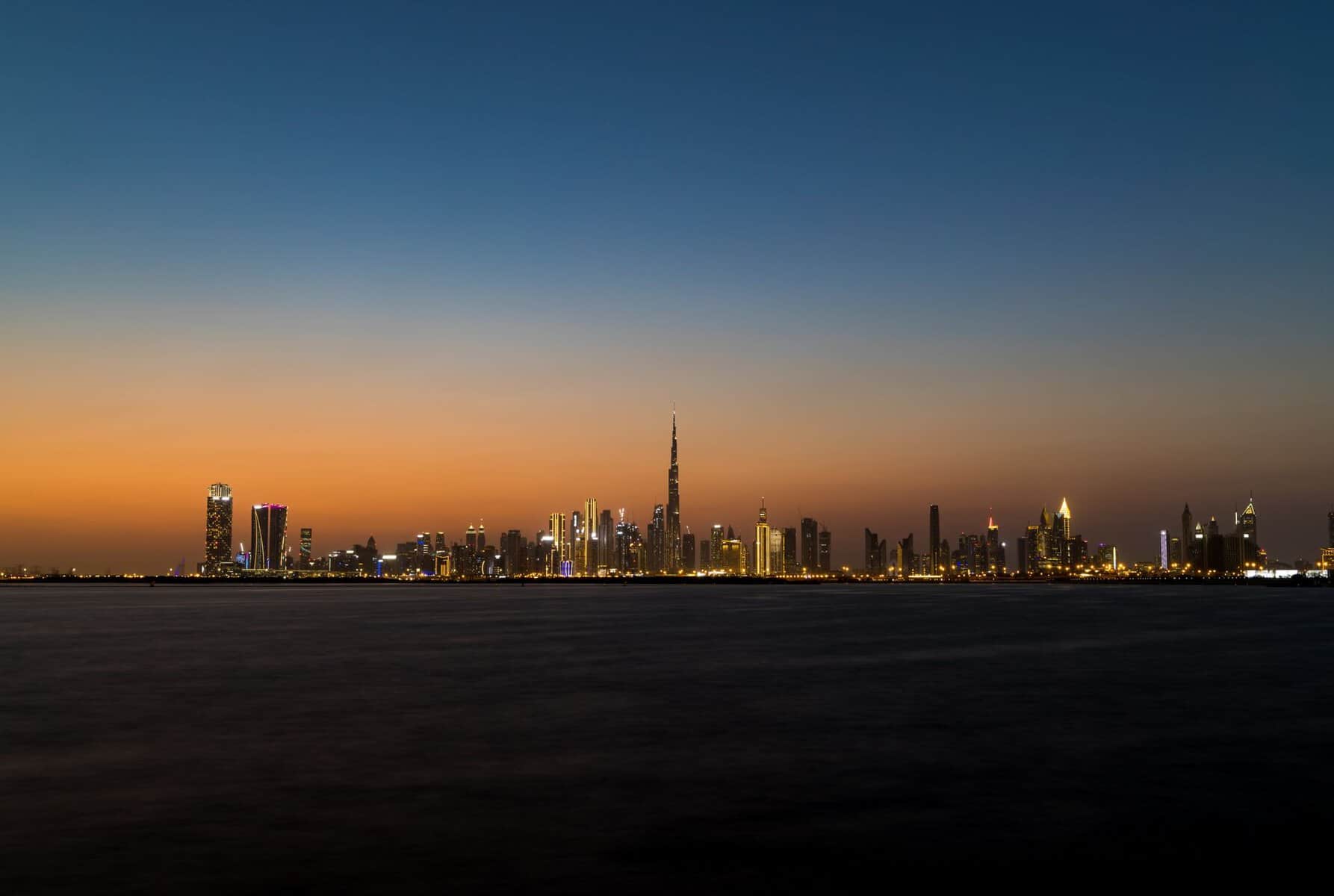
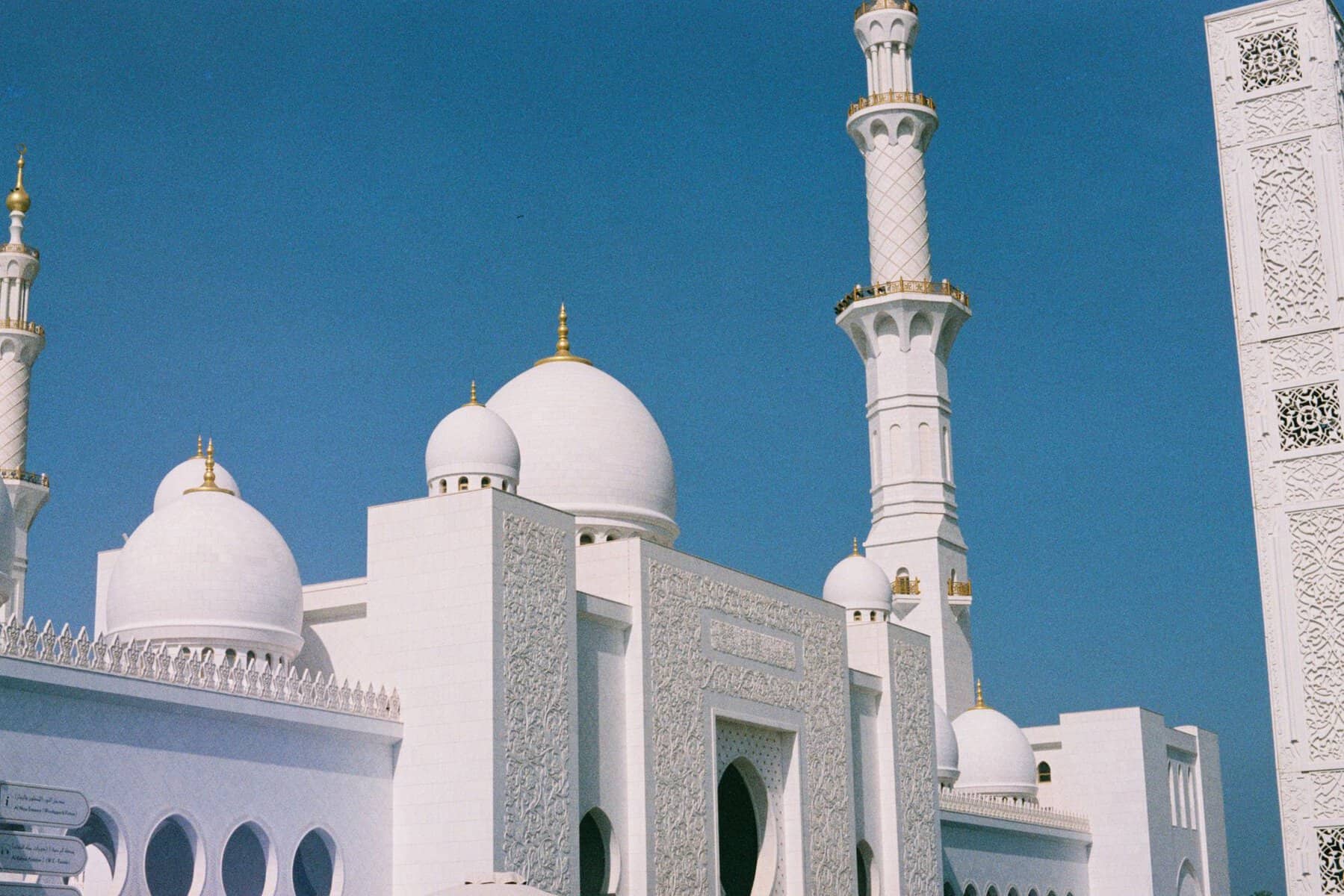
Dubai and the Seychelles
- Dubai (3 nights)
- Mahé (2)
- Praslin or La Digue (4 to 6)
Break the journey in the Gulf. Abu Dhabi and Doha work the same way.

Beaches, snorkelling and diving
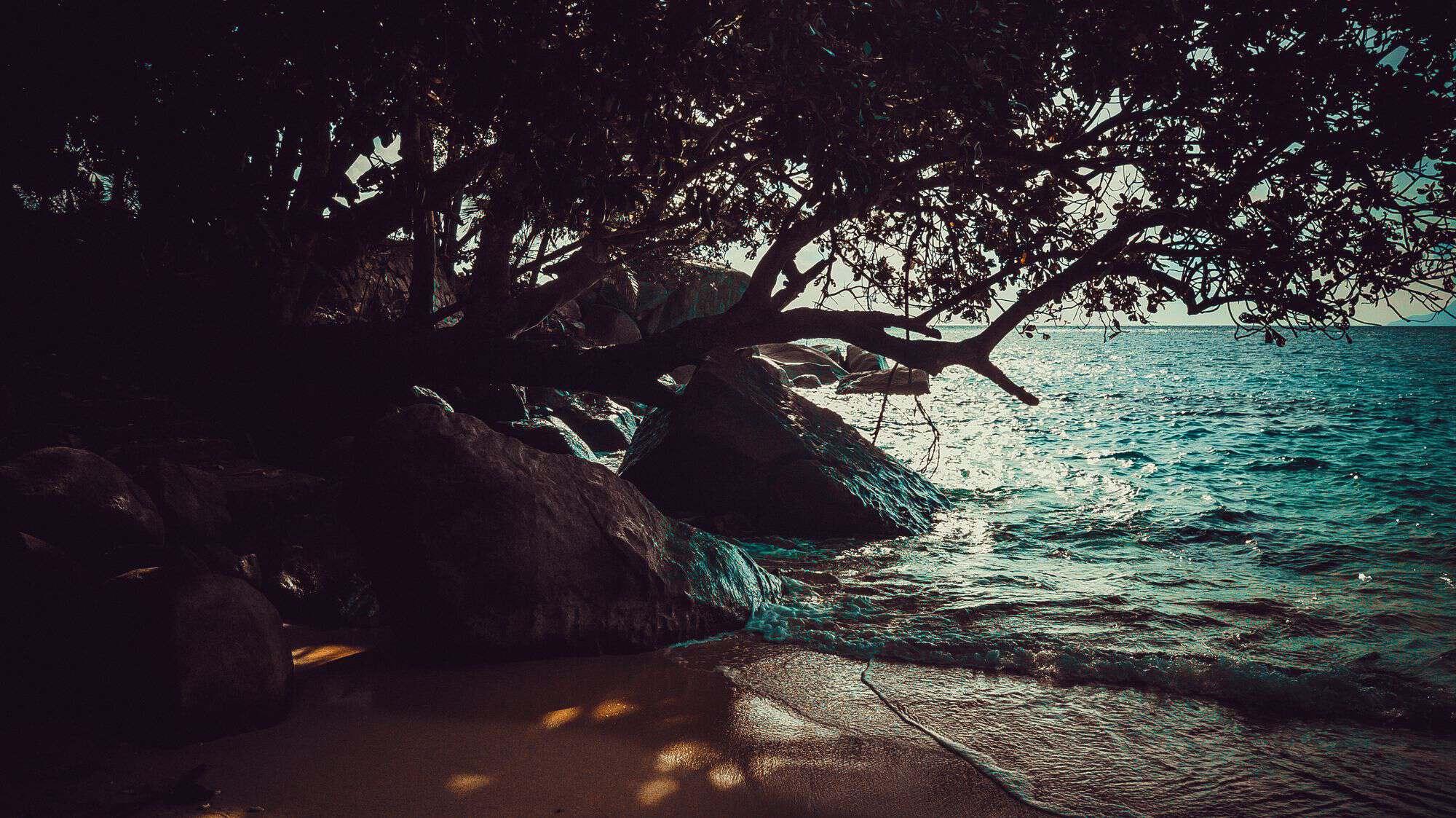
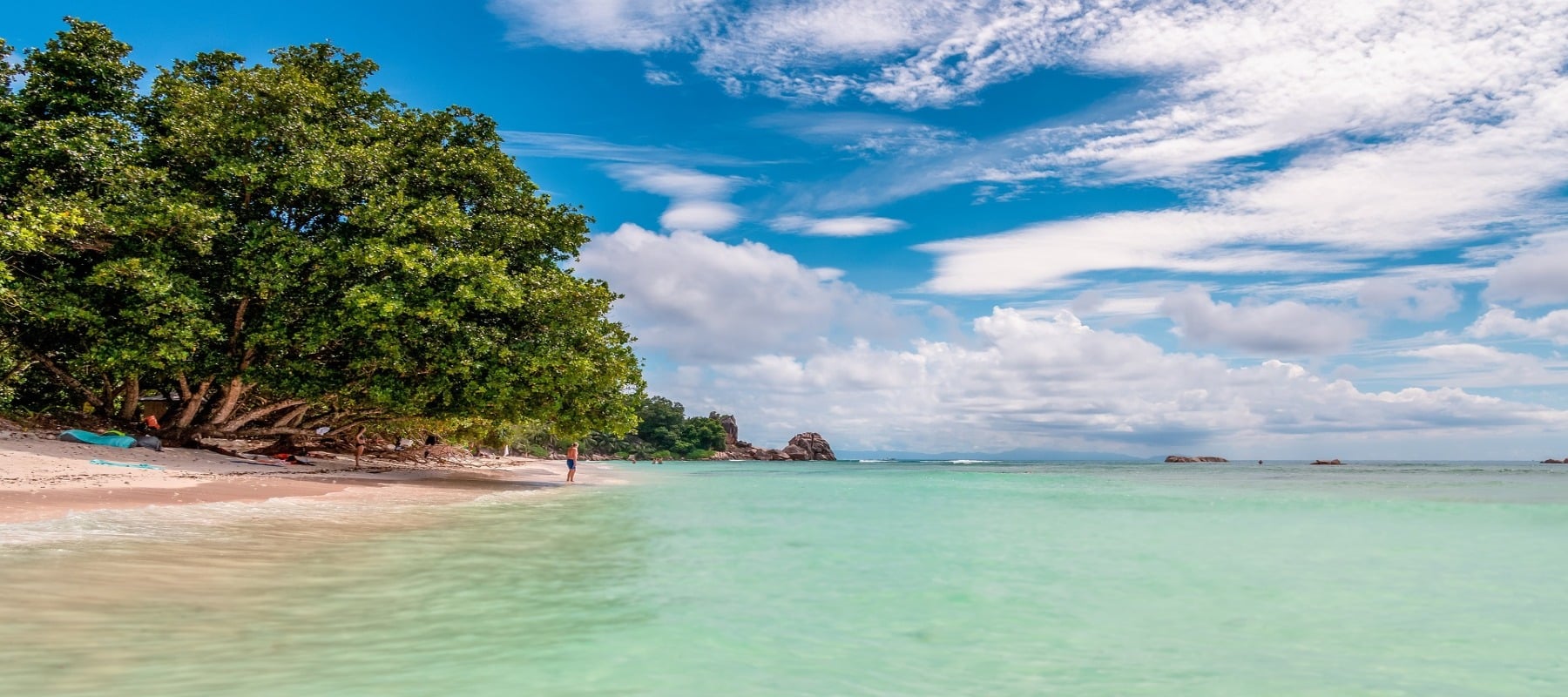

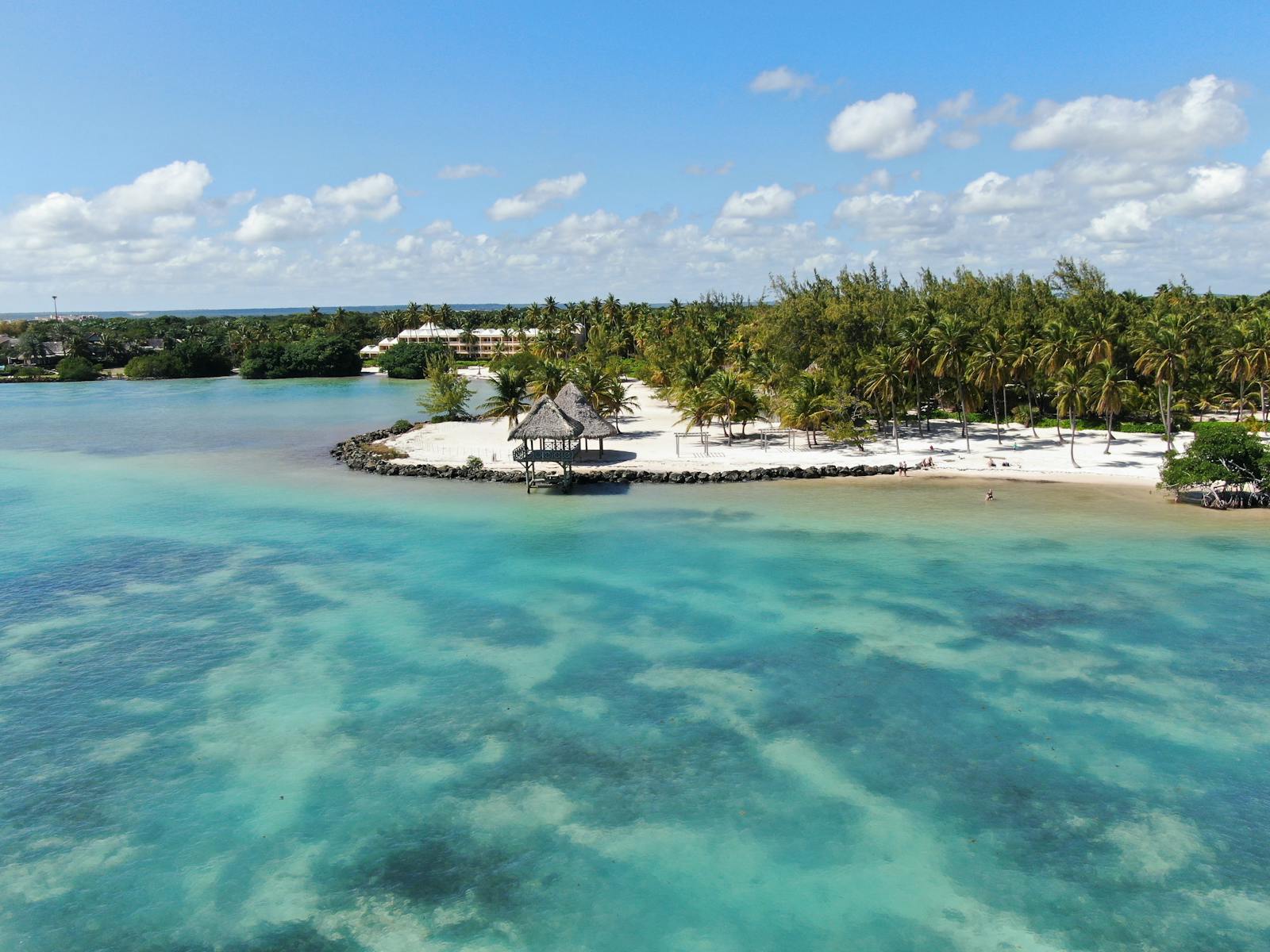
- Best beaches: Anse Lazio and Anse Georgette on Praslin, Anse Source d’Argent on La Digue, and Anse Intendance and Beau Vallon on Mahé.
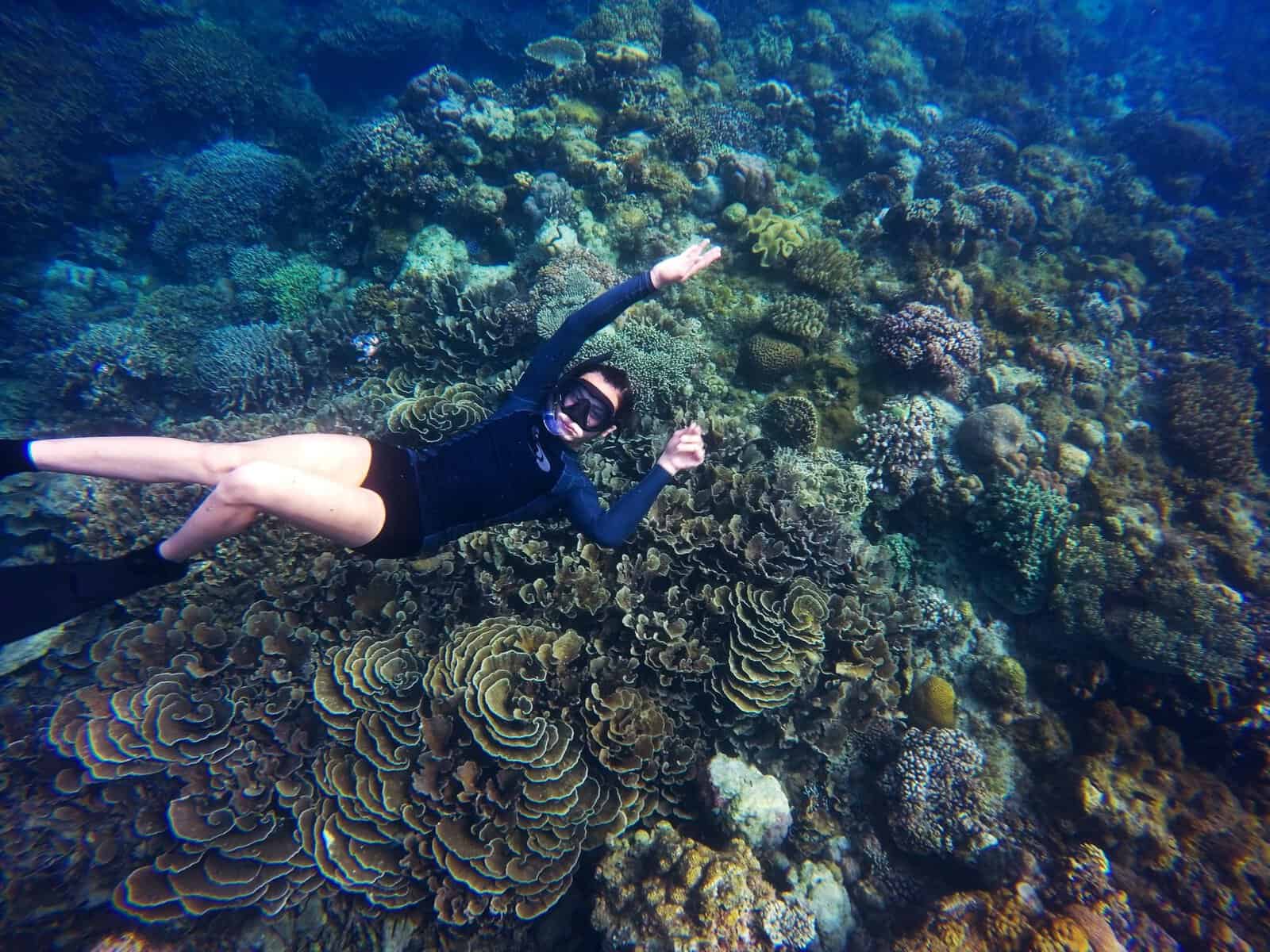
- Snorkelling: St Pierre islet near Praslin, the Ste Anne Marine National Park off Mahé, and the reef at Anse Source d’Argent at high tide.
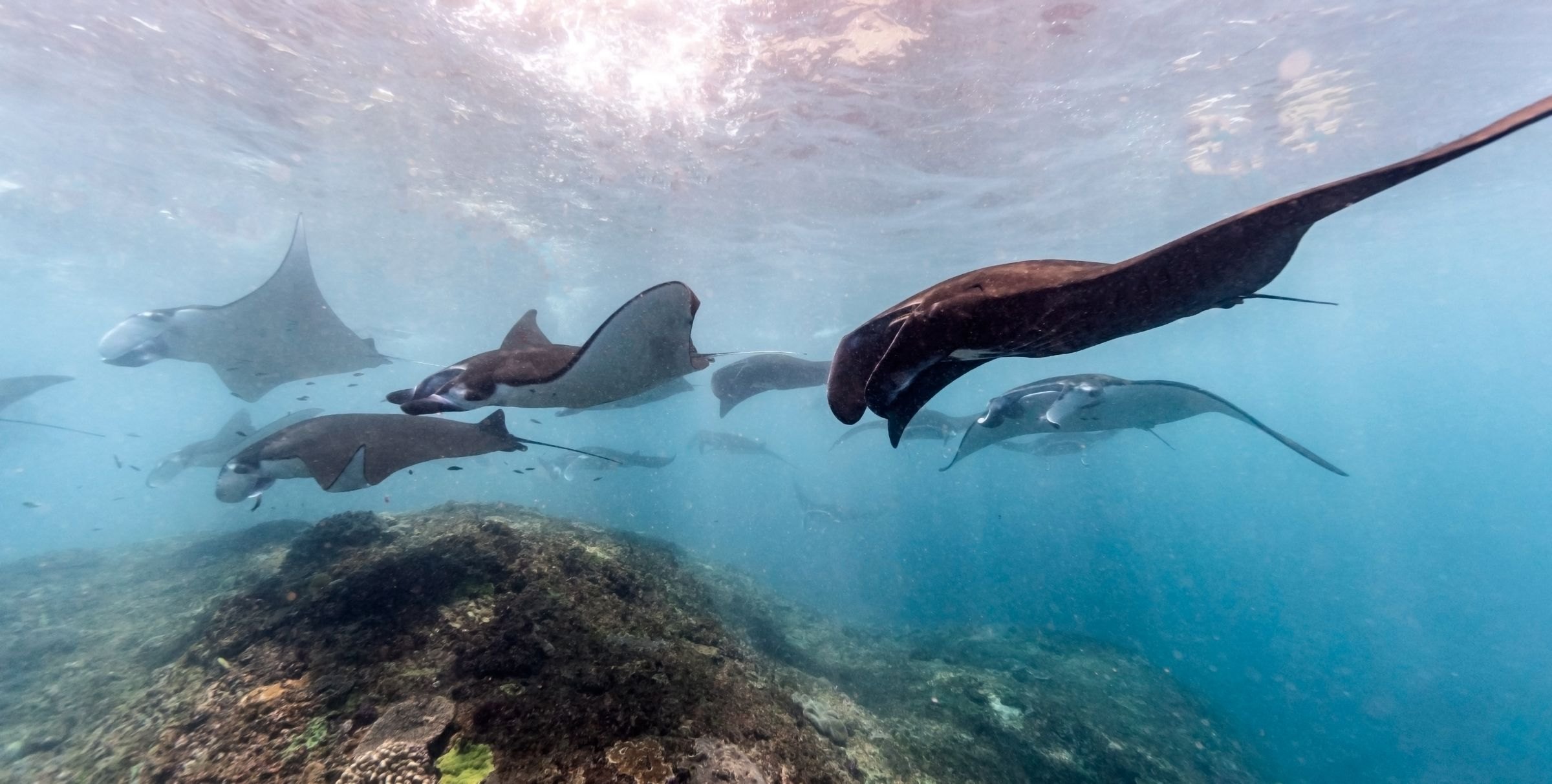
- Diving: visibility is best in the calm months, April to May and October to November. Whale sharks are sometimes seen off Mahé, usually from about August to October.
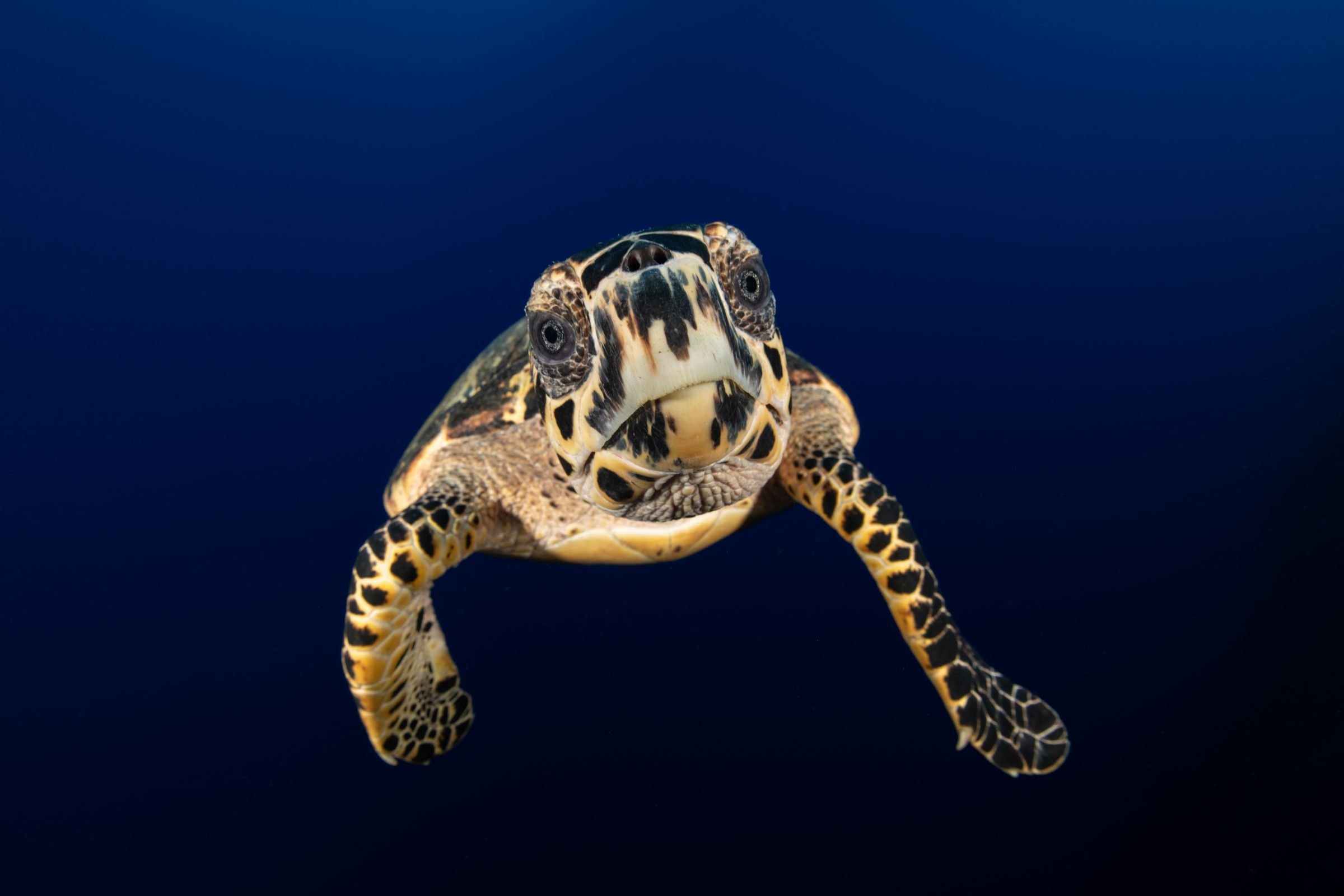
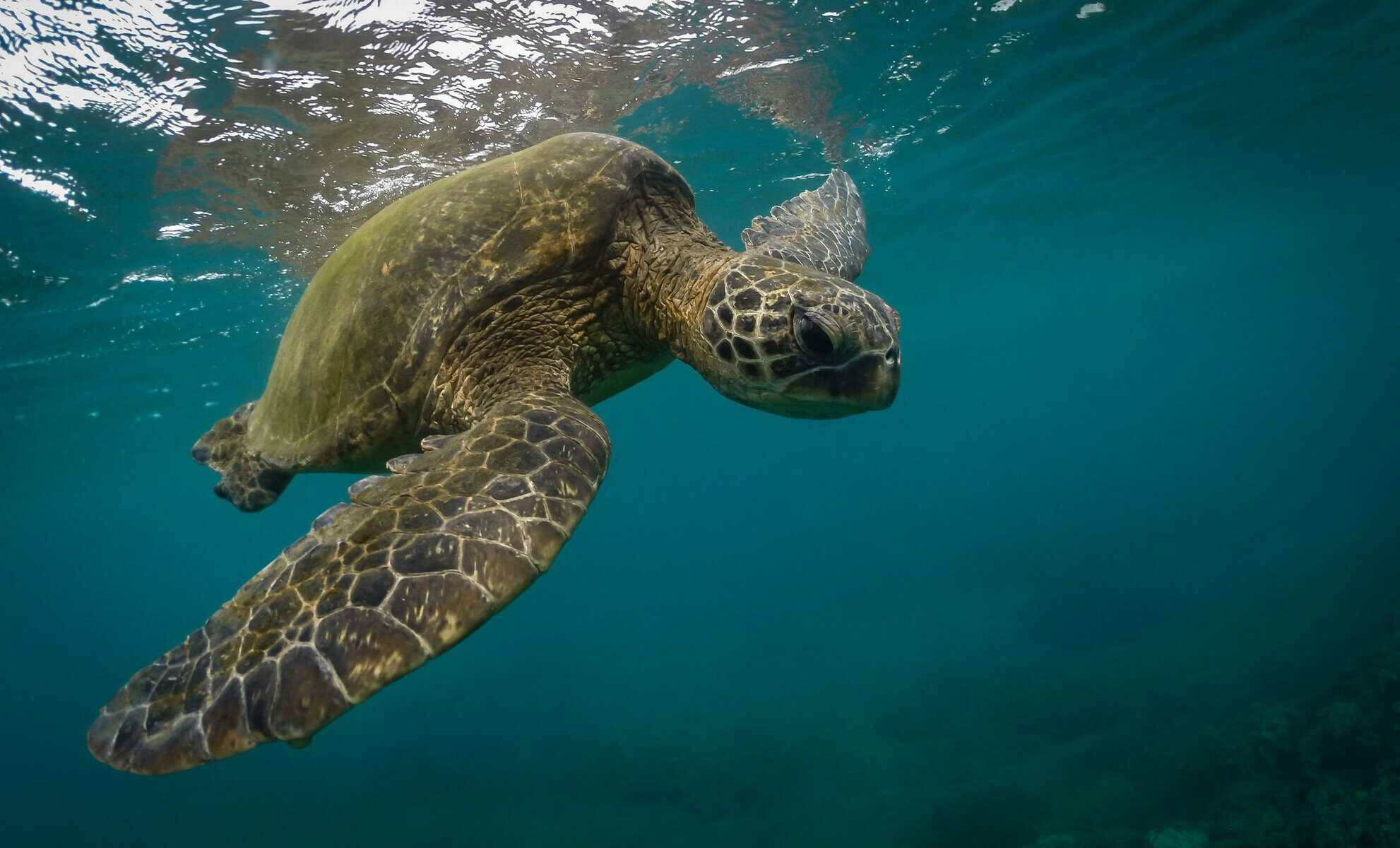
- Turtles: hawksbill turtles nest on the inner islands’ beaches, roughly from October to February.
- Seaweed: during the south-east trades (about May to September), some south- and east-facing beaches collect seaweed and get choppy. We pick the hotel’s coast to suit your dates.
When to go
The Seychelles is warm all year, with daytime highs of about 26 to 28°C, and it lies outside the cyclone belt. The weather is set by two trade winds. From December to March the north-west monsoon brings hotter, more humid weather, with the heaviest rain in December and January, usually as short, heavy showers. From May to September the south-east trades bring drier, breezier weather and rougher seas on exposed coasts. April to May and October to November, between the two, have the calmest, clearest water.
- April to May: calm seas, warm water and great diving. One of the best times for a honeymoon.
- June to September: the driest, slightly cooler months and the UK summer holidays. Choose a sheltered beach, as some coasts are windy.
- October to November: calm and clear again, with turtles starting to nest.
- December to March: hot and green, with more rain. Christmas and New Year book up early.
Seychelles, Mauritius or the Maldives?
All three are long-haul Indian Ocean beach destinations, and people often compare them. In short, the Seychelles is about scenery and island hopping, the Maldives about the water and the overwater villa, and Mauritius about variety and value.
| Seychelles | Mauritius | Maldives | |
|---|---|---|---|
| Landscape | Granite peaks, jungle, boulder beaches | One big volcanic island with lagoons and mountains | Flat coral atolls |
| Best for | Island hopping, nature, photography | Families, golf, food, culture | Snorkelling, overwater villas, doing nothing |
| Getting around | Ferries and short flights between islands | Roads; easy day trips | Seaplane or speedboat; you usually stay on one island |
| Driest months | June to August | May to November | January to March |
| Flight from London | One stop, about 12 to 14 hours | Direct, about 12 hours | Direct or one stop, about 10 to 12 hours |
Read our Mauritius guide and our guide to choosing a Maldives island.
Ways to see the Seychelles with us


Practical tips

- Entry: British visitors don’t need a visa; you get a visitor’s permit on arrival. You must apply online for the Seychelles travel authorisation before you fly, using only the official government site. Check the FCDO Seychelles advice before you book and again before you travel.
- Money: the currency is the Seychelles rupee, and cards are accepted in most hotels and restaurants. Hotels add a small per-night environmental levy, usually paid locally.
- Health: there’s no malaria in the Seychelles. You may need a yellow fever certificate if you arrive from a country with yellow fever, for example after a safari in East Africa. Ask a travel nurse before you go.
- Food: try Creole fish and octopus curries, grilled red snapper, breadfruit chips and fresh fruit juices. Takeaway stalls and markets are good value.
- Swimming safety: some of the most beautiful beaches, such as Grand Anse on La Digue, have strong currents, especially from May to September. Follow local advice.
- Coco de mer: the nuts are protected. Buy only from licensed sellers and keep the export certificate.
Frequently asked questions
Which is the best island in the Seychelles?
It depends on what you want. Praslin has the best beaches, including Anse Lazio, and the Vallée de Mai. La Digue is the most charming, with bikes instead of cars and Anse Source d'Argent. Mahé has the most choice, the mountains and the capital. Most people combine two or three.
How many days do you need in the Seychelles?
Ten to fourteen nights is ideal for two or three islands. A week is enough for one or two islands, but the long flight makes a longer stay worthwhile. Allow at least three nights on each island.
When is the best time to visit the Seychelles?
April to May and October to November have the calmest seas and best visibility for snorkelling and diving. June to August is the driest period but can be windy on some coasts. December and January are the wettest months, but still warm.
Where are the Seychelles islands?
The Seychelles is in the western Indian Ocean, about 1,500 km east of Kenya and north-east of Madagascar. It's about a four-hour flight from Dubai, Abu Dhabi or Doha.
How do you get between Mahé, Praslin and La Digue?
Fast ferries link Mahé and Praslin in about an hour, and Praslin and La Digue in about 15 minutes. There are also 15-minute flights between Mahé and Praslin. We arrange all the transfers.
Do UK citizens need a visa for the Seychelles?
No. British visitors get a visitor's permit on arrival, but you must apply online for the Seychelles travel authorisation before you fly, and show a return ticket and accommodation. Check the FCDO travel advice before you go, as the rules can change.
Is the Seychelles better than the Maldives?
They're different. The Seychelles has mountains, jungle, granite beaches and easy island hopping. The Maldives is flat coral atolls, perfect for snorkelling and overwater villas, and you usually stay on one island. Choose the Seychelles for variety and scenery.
Can you see giant tortoises in the Seychelles?
Yes. Aldabra giant tortoises live free on Curieuse, near Praslin, and you'll see them on La Digue, in the botanical gardens in Victoria and on several private islands. About 100,000 live on Aldabra itself.
Keep planning
- Seychelles holidays
- Seychelles island hopping
- Dubai and the Seychelles
- Honeymoons
- Mauritius holidays
- Maldives holidays
- Beach holidays
- Tailor-made holidays
Plan your Seychelles holiday with a Travel Designer
Tell us your dates and how many islands you’d like. We’ll match the islands, coasts and hotels to the season and book every ferry and flight, all ATOL-protected.
Make an enquiry Seychelles holidays