Mauritius in brief
- Choose your coast: the east for long beaches, the north for restaurants and families, the west for sunsets, or Le Morne for scenery and kitesurfing.
- Seven to ten nights in one hotel is typical, with day trips to Chamarel and the Black River Gorges, Île aux Cerfs and Port Louis.
- The best weather is May to November. December to April is hot and humid, with most rain from January to March. See when to go.
- It’s about 12 hours direct from London. UK visitors need no visa, but must fill in an online arrival form. There’s no malaria.
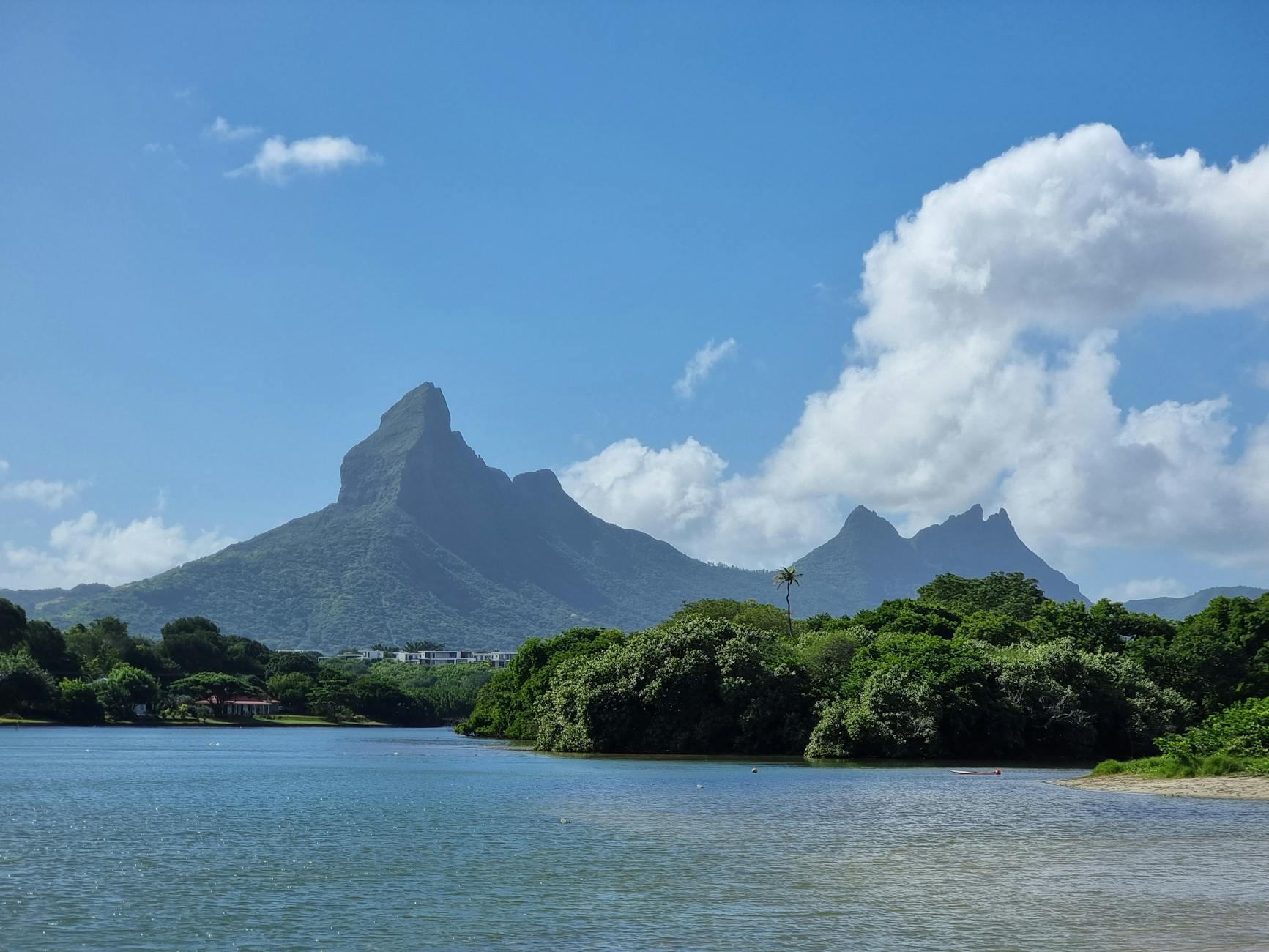
Mauritius is a volcanic island in the south-west Indian Ocean, about 2,000 km off the coast of Africa and around 12 hours’ direct flight from London. It’s ringed by a coral reef, so most of the coast has calm, shallow lagoons, and the inland is full of mountains, sugar cane, waterfalls and forest. It’s also one of the most varied places in the Indian Ocean: Indian, African, French, Chinese and Creole cultures mix in its food, temples and markets. This guide explains each part of the island, how long to stay, when to go and how to combine Mauritius with a safari or a city break.
Where to go in Mauritius
The island is only about 65 km long, so you can reach anywhere on a day trip. But where you stay matters, because each coast gets different weather, wind and water. For a detailed comparison, read where to stay in Mauritius, coast by coast.
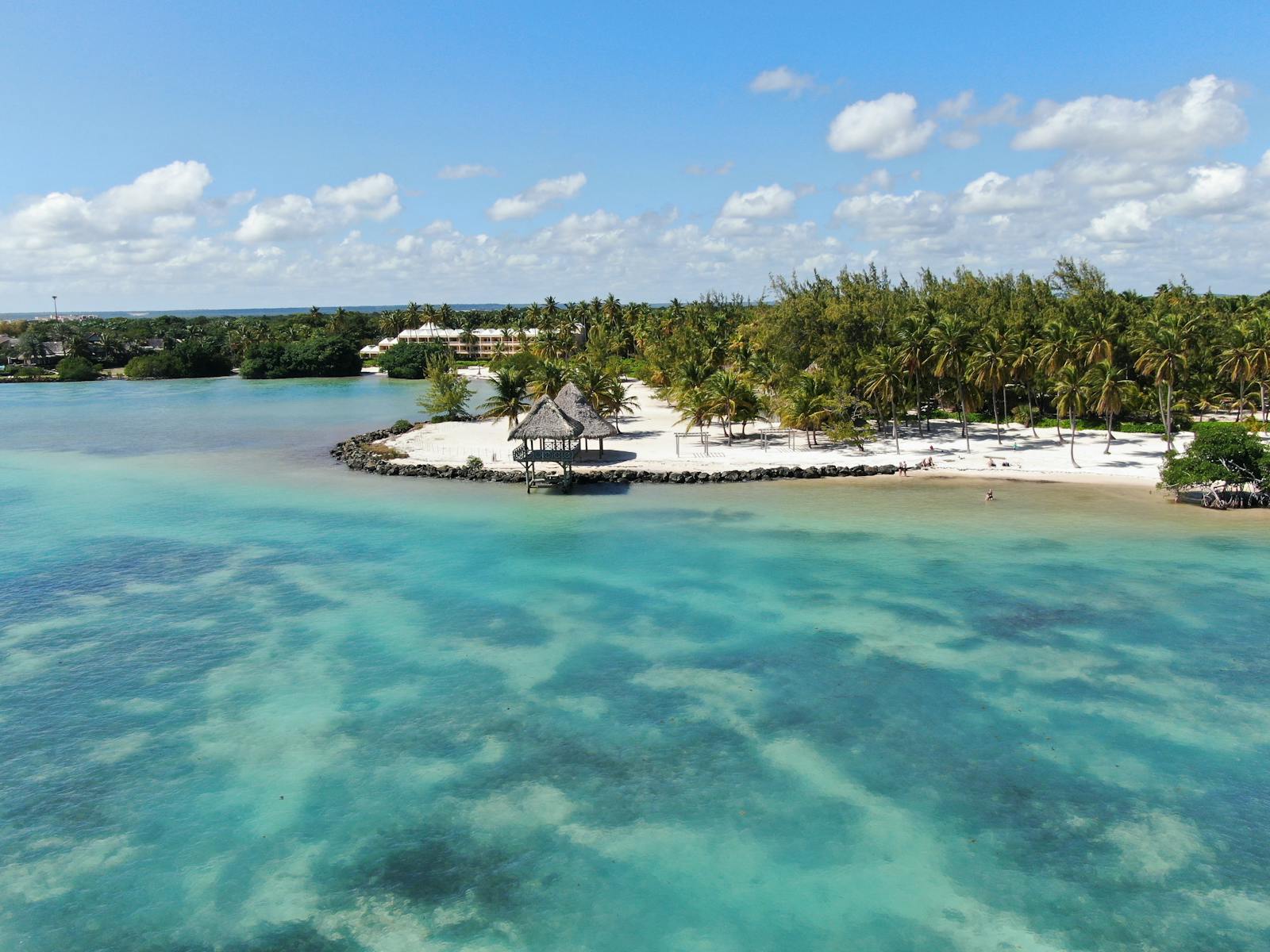
Belle Mare and the east coast
The east has the island’s longest white beaches, at Belle Mare, Palmar and Trou d’Eau Douce, with wide, shallow lagoons. It’s quiet and spacious, and it’s where many of the best beach hotels are.
The trade winds blow on to this coast, which keeps it fresh in summer but breezy from June to September.
Mauritius holidays →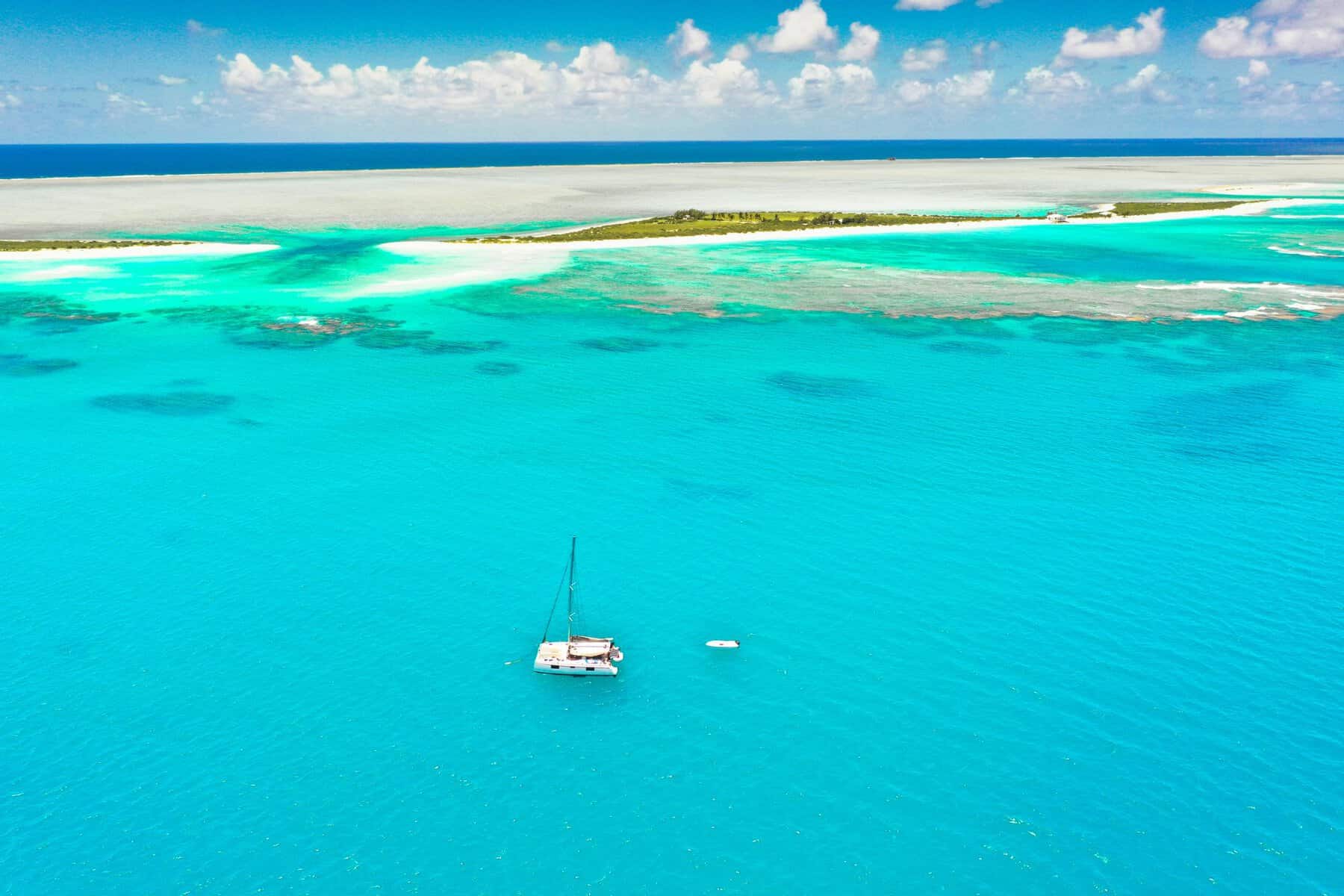
Île aux Cerfs and the lagoon islands
Speedboats and catamarans from Trou d’Eau Douce go out to Île aux Cerfs, an island of beaches and lagoons, often with a stop at the Grande Rivière Sud-Est waterfall on the way.
Go early, or choose a catamaran day that also visits quieter islets.
Grand Baie and the north
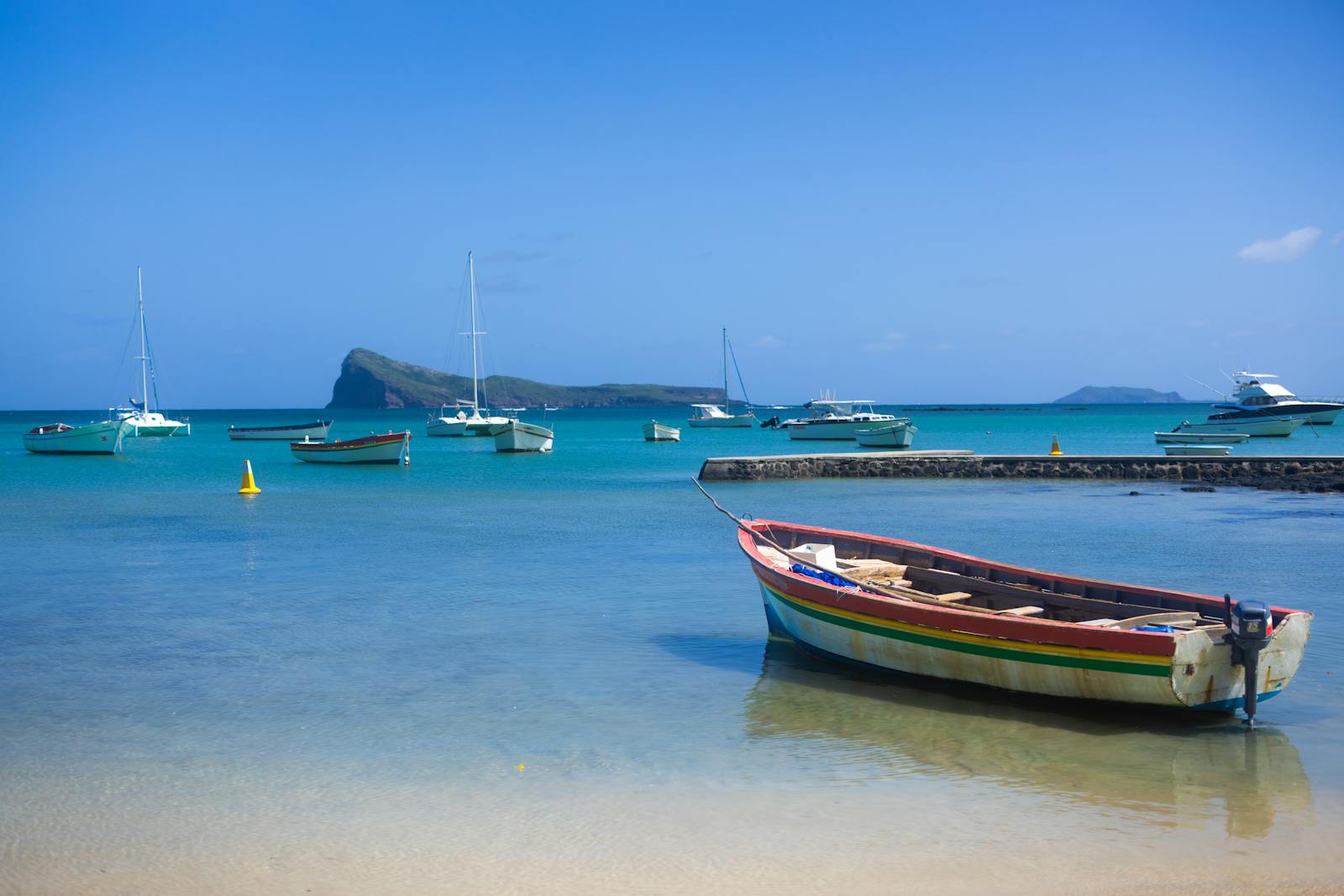
The north is the liveliest part of the island, with restaurants, shops and bars around Grand Baie, and small, sheltered beaches at Pereybère and Trou aux Biches. It’s the driest coast and good for families.
Catamarans sail to the northern islets, and the Pamplemousses botanical garden and the capital, Port Louis, are close by.

Flic-en-Flac and Tamarin (west)
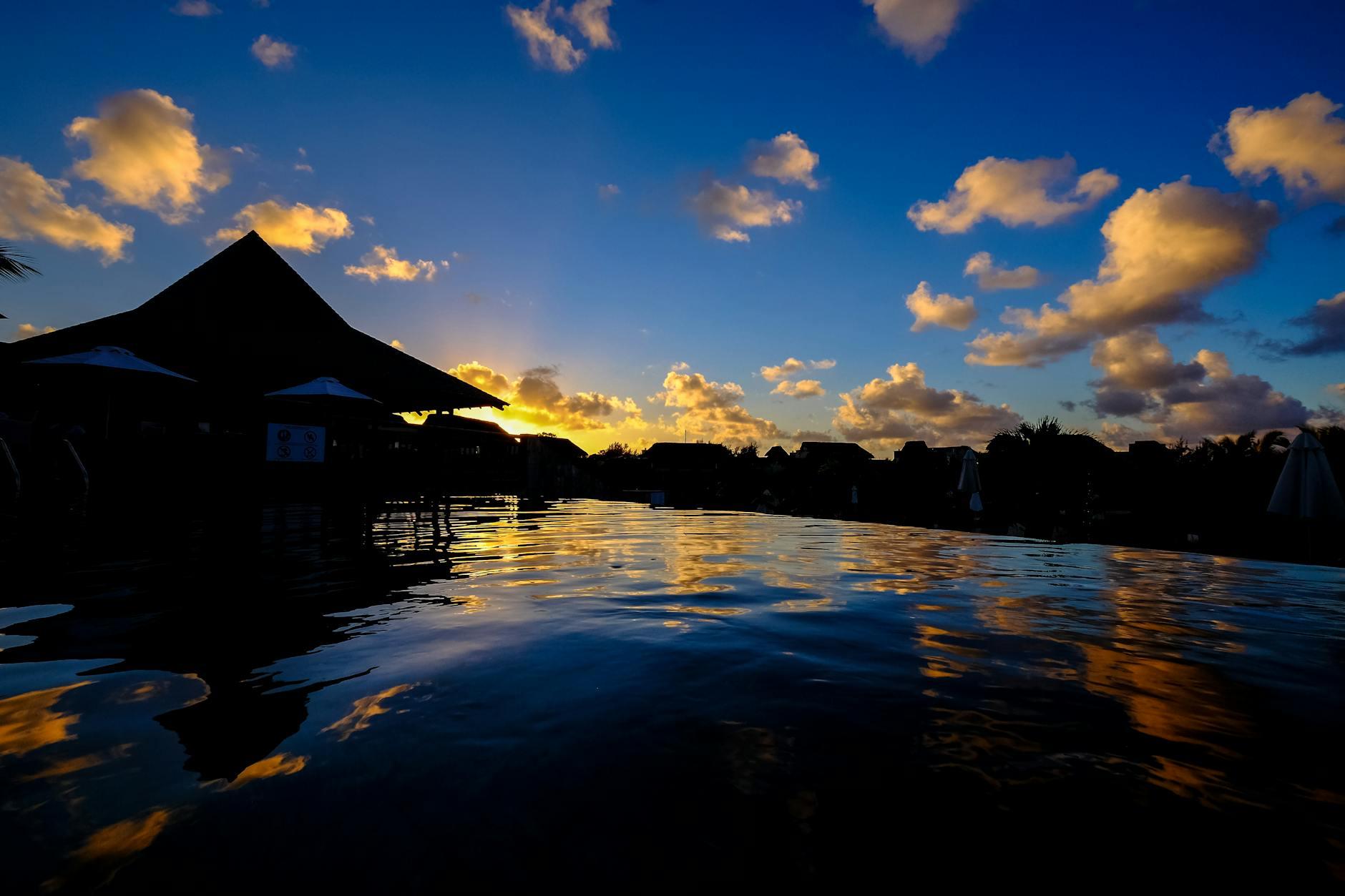
The west coast is sheltered from the trade winds, so it’s calm and sunny in the southern winter, and it has the island’s best sunsets. Flic-en-Flac has a long public beach; Tamarin is quieter, with surf and a village feel.
Early-morning boat trips from here look for spinner and bottlenose dolphins. Choose an operator that doesn’t chase them.

Le Morne (south-west)
Le Morne Brabant, a mountain rising straight out of the lagoon, is a UNESCO World Heritage Site: escaped slaves once hid on its cliffs. You can hike to the top with a guide.
The lagoon here is one of the world’s great kitesurfing spots. From the air you’ll see the famous “underwater waterfall”, an illusion made by sand running off the reef.

Chamarel and the Black River Gorges
In the hills above the west coast, Chamarel has the Seven Coloured Earth, dunes of red, purple and yellow volcanic soil, and a waterfall that drops about 100 m into the forest.
The Black River Gorges National Park protects the island’s last native forest, with trails, viewpoints and rare birds. Nearby is Grand Bassin, a sacred lake for Mauritius’s Hindus, watched over by a giant statue of Shiva.

Blue Bay and the south
Blue Bay Marine Park, near the old port town of Mahébourg, has the island’s best snorkelling from the beach or a glass-bottom boat. Offshore, Île aux Aigrettes is a nature reserve with giant tortoises and the rare pink pigeon.
Further west, the south coast around Bel Ombre is wild and green, with cliffs at Gris Gris where there’s no reef and the waves crash in.
Rodrigues
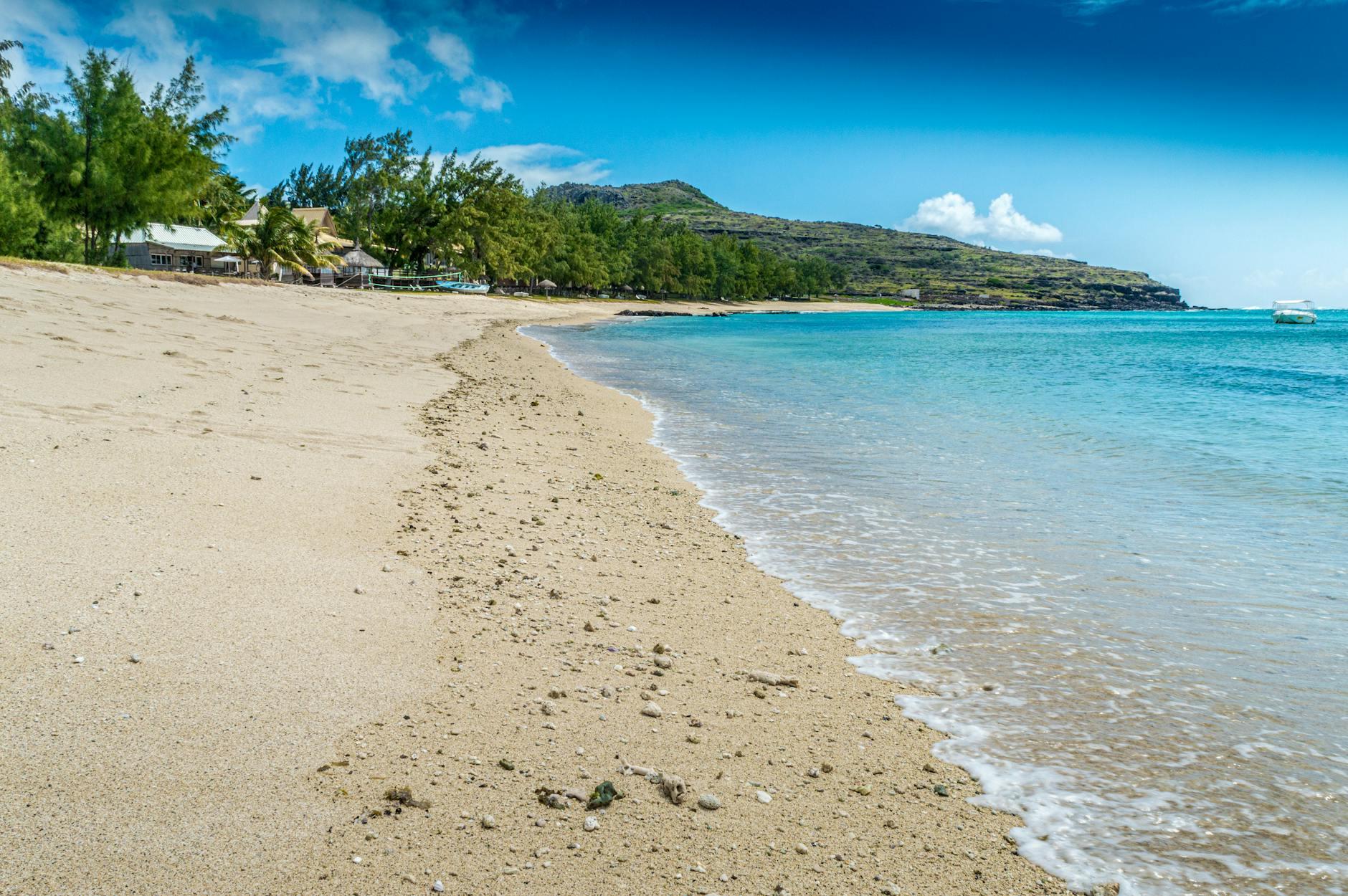
Mauritius’s little sister island is about 90 minutes’ flight to the east. It’s hilly, rural and very quiet, with a huge lagoon, walking trails along the coast and fresh fish and octopus.
Combine it with a week on the main island for a real escape.
A day in the south-west

Morning: drive up to the Black River Gorges viewpoint, then on to Grand Bassin to see the temples by the sacred lake.
Lunch: eat Creole food in Chamarel village, then visit the Seven Coloured Earth and the Chamarel waterfall. There’s a rum distillery nearby with tastings.
Afternoon: drive down to Le Morne for a swim, and stay for the sunset over the mountain from the public beach.
How long to stay, and twin-centre ideas
Most people stay in one hotel, as the island is small enough for day trips. If you have two weeks, splitting your stay between two coasts works well, for example the east for the beaches and the west for sunsets and excursions. Mauritius also pairs naturally with a safari or a city.
One coast, plenty of day trips
- One beach hotel (7 to 10 nights)
- Day trip to the south-west
- Catamaran or Île aux Cerfs day
- Port Louis and Pamplemousses
The classic Mauritius holiday: relax, then explore the island by day.
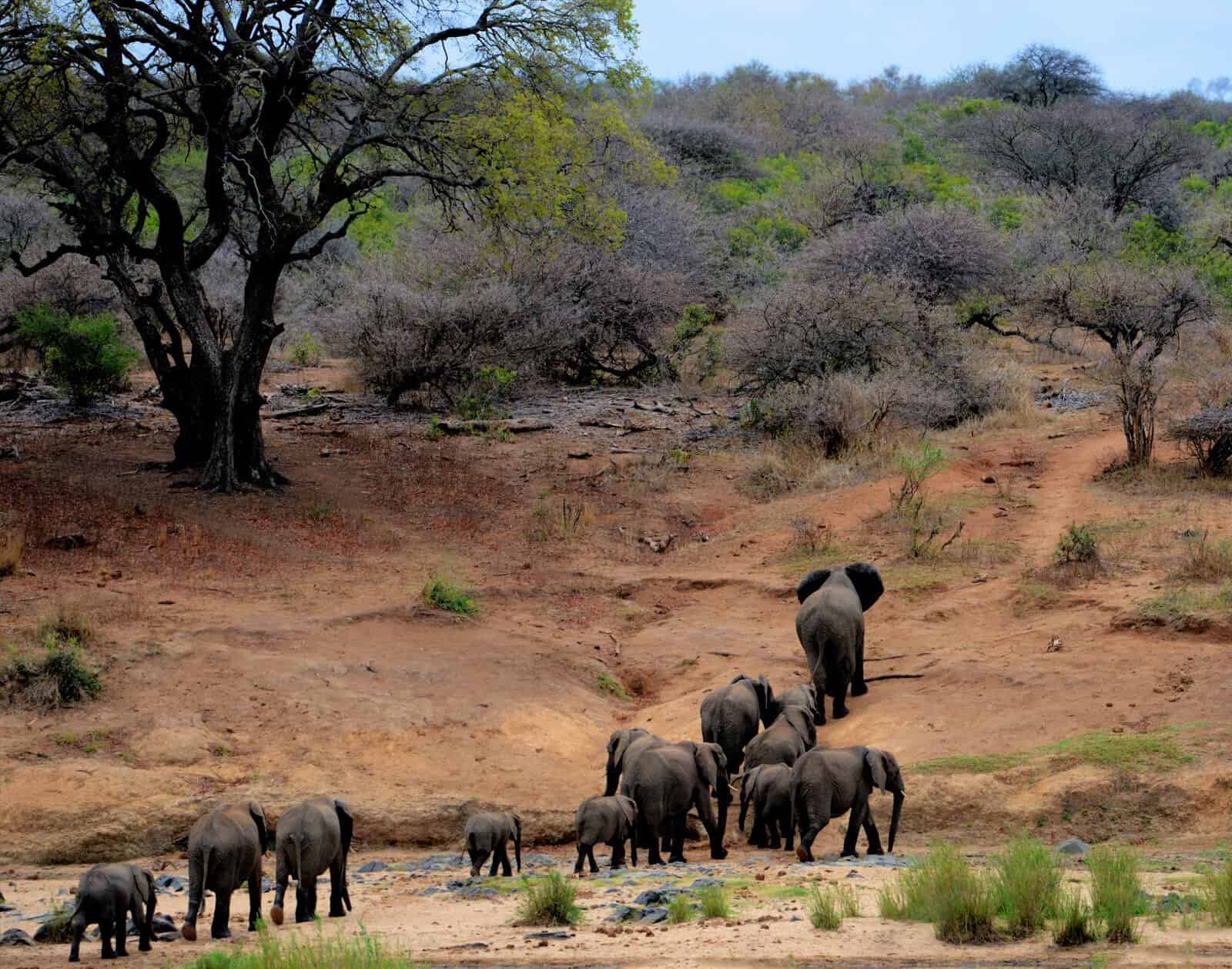
South African safari and Mauritius
- Johannesburg (1 night)
- Kruger or a private reserve (3 to 4)
- Fly to Mauritius (7 to 9)
A short, direct flight joins the two. Safari first, then the beach.
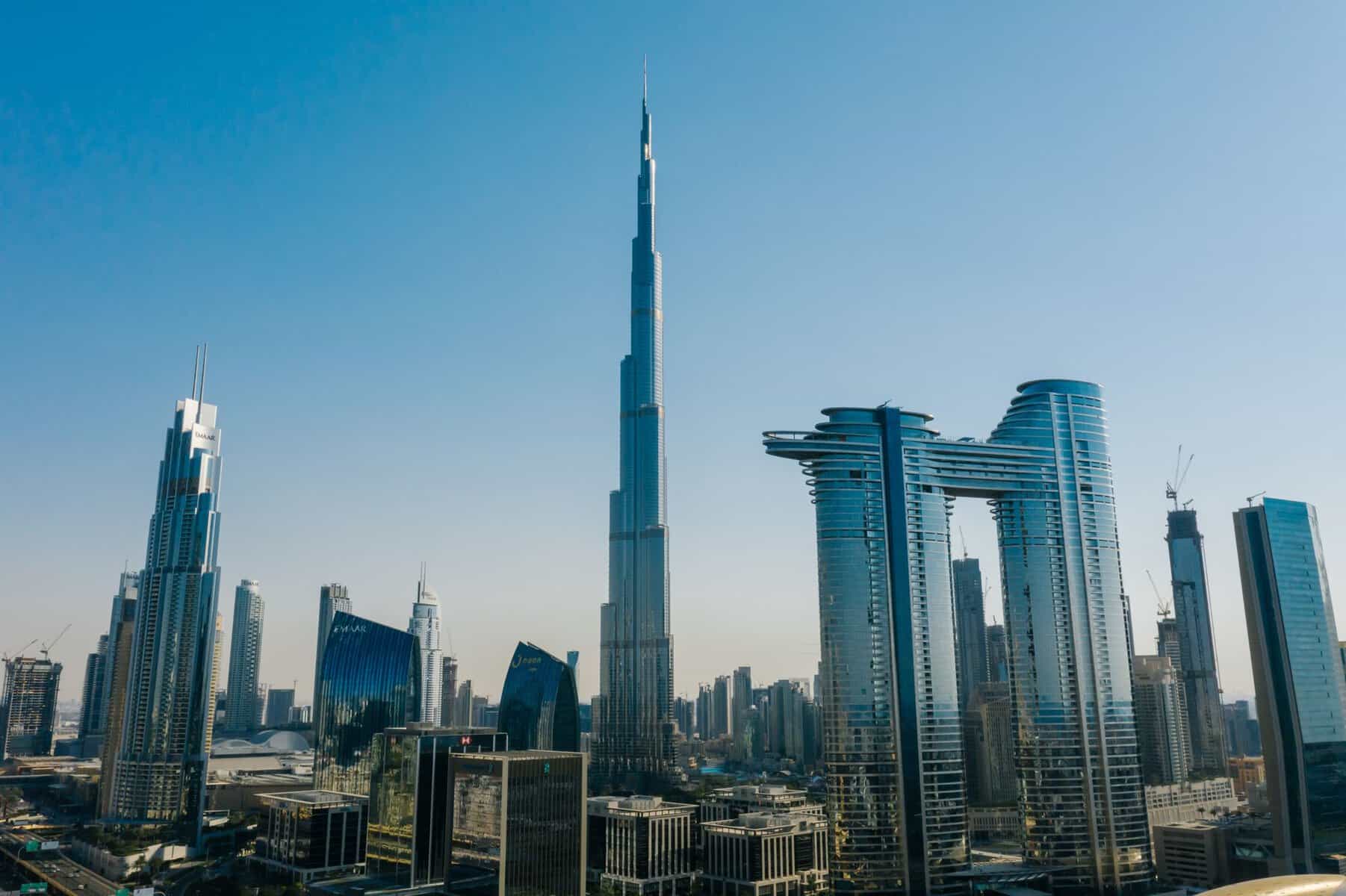
Dubai and Mauritius
- Dubai (3 nights)
- Mauritius (7 to 9)
Break the journey with a city stopover, in either direction.

Beyond the beach
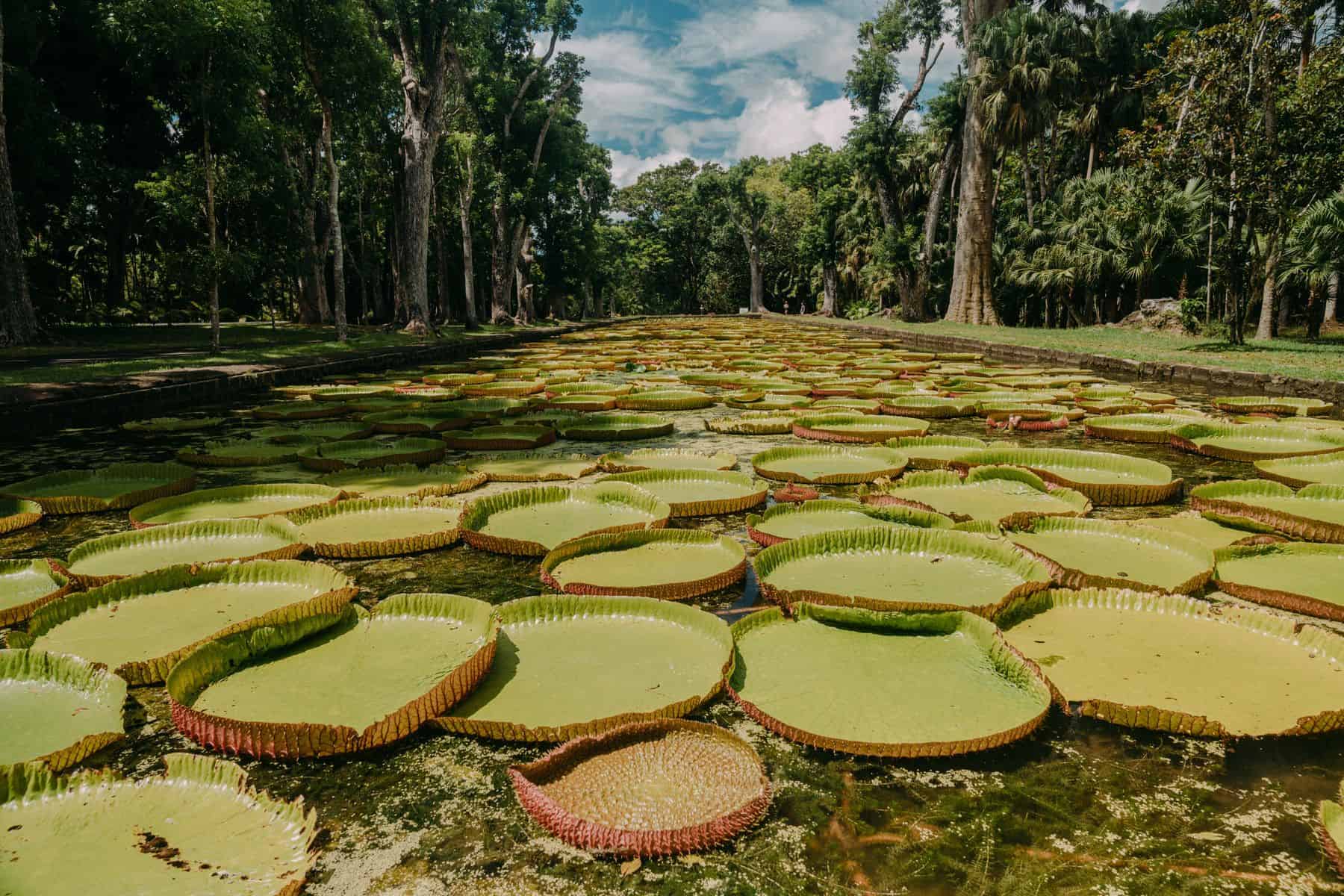
- Pamplemousses: one of the oldest botanical gardens in the southern hemisphere, famous for its giant water lilies and palms.
- Port Louis: the capital’s busy central market, the Caudan waterfront, and the Aapravasi Ghat, a UNESCO site where indentured labourers from India first arrived. The natural history museum has a dodo skeleton.
- Hiking: Le Morne, Le Pouce and the Black River Gorges all have guided hikes with big views.
- Food: try dholl puri flatbreads from a street stall, Creole curries, Chinese-Mauritian noodles and fresh pineapple with chilli.
- Tea and sugar: visit a tea estate in the south, or the sugar museum, to learn how cane shaped the island.
Read our guide to hiking, rum and markets in Mauritius for more ideas.
In and on the water
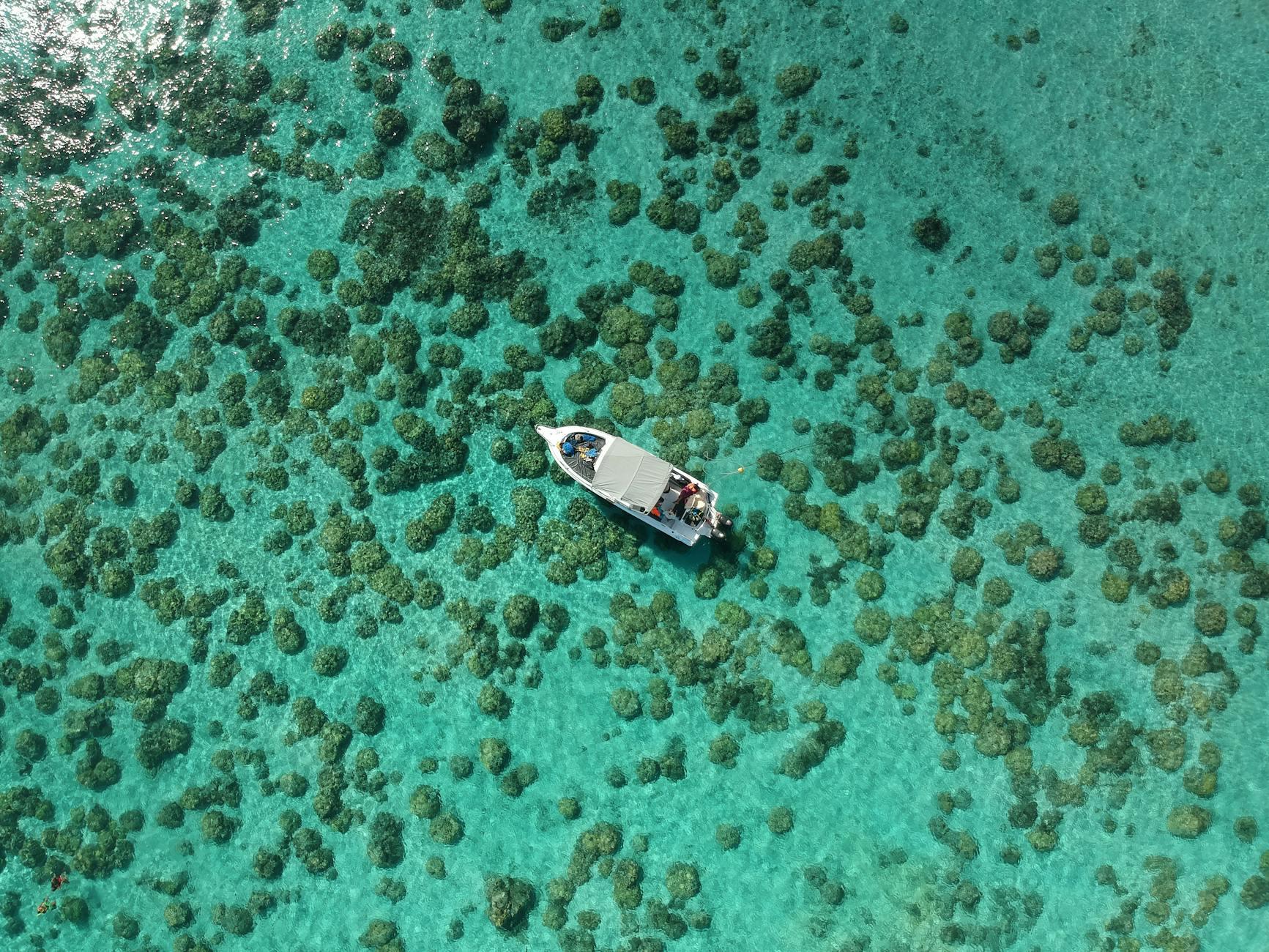


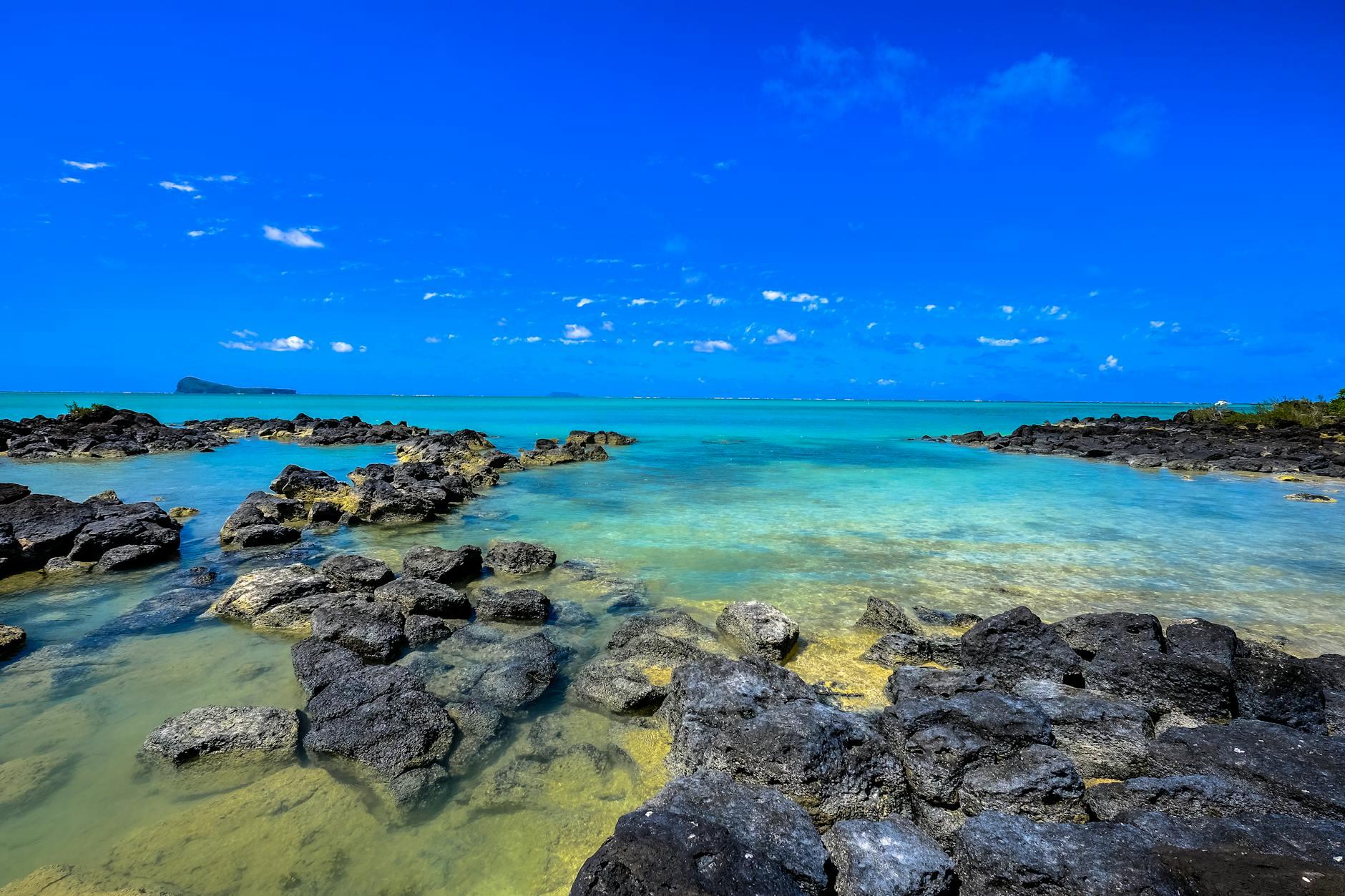

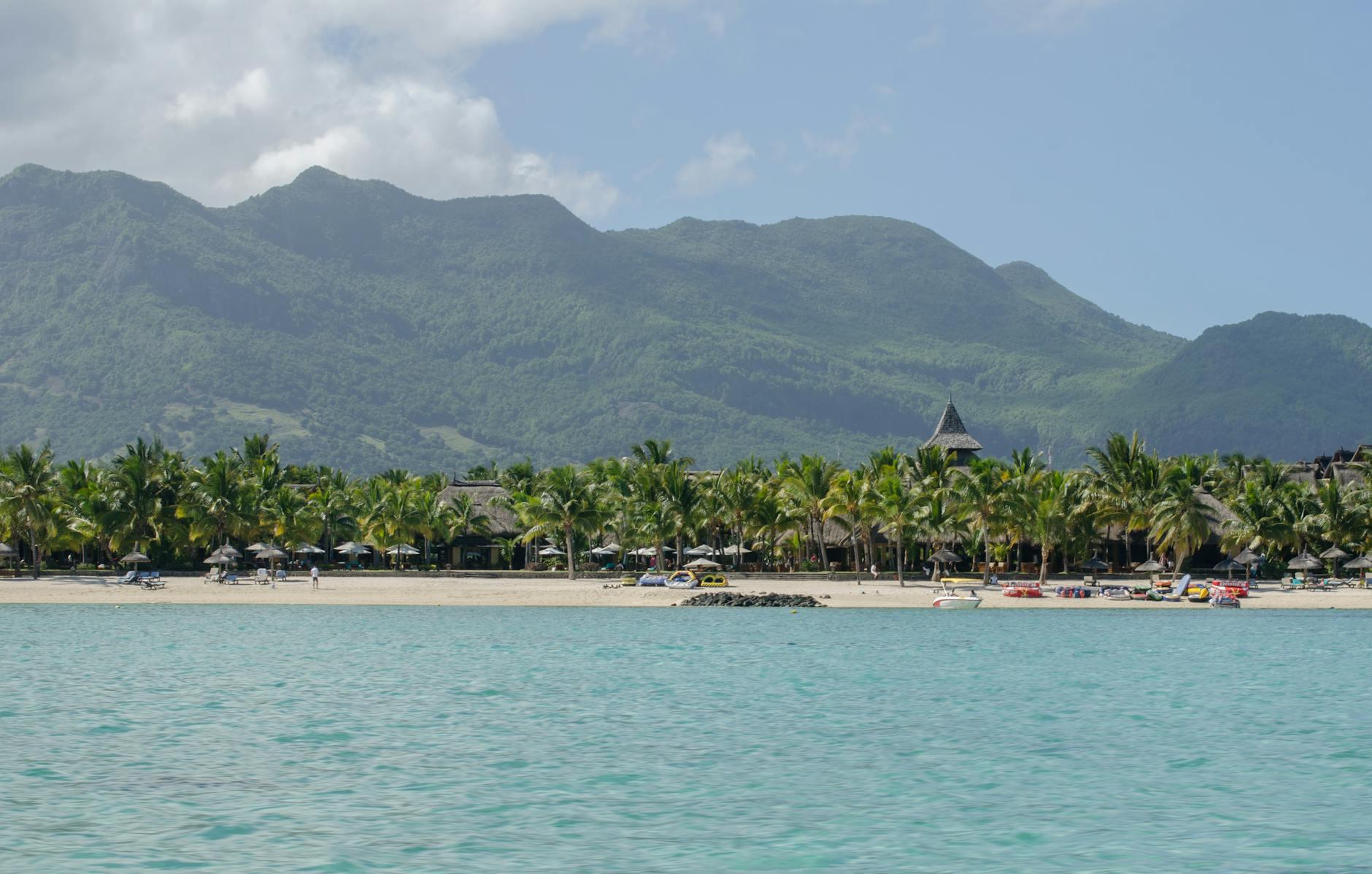
- Snorkelling: Blue Bay is the best from the shore; boat trips go to the reef from every coast.
- Diving: the west and north have the most dive sites, with reef walls, wrecks and turtles. Visibility is best from about October to April.
- Kitesurfing and windsurfing: Le Morne and the east coast are best from about May to October, when the trade winds blow.
- Catamaran days: run to Île aux Cerfs, the northern islets and Crystal Rock, with lunch and snorkelling.
- Dolphins: boats leave Tamarin early in the morning. Watching from the boat is the kindest option.
When to go
Mauritius is in the southern hemisphere, so its seasons are the reverse of ours. May to November is the cooler, drier winter (daytime highs around 23 to 27°C), and the best time for most visitors. December to April is the hot, humid summer (around 28 to 30°C), with the most rain from January to March, and it’s cyclone season, although a direct hit is rare. The wet season brings short, heavy showers rather than days of rain. For month-by-month detail, read our guide to the best time to go to Mauritius.
- May to June and September to November: our pick. Dry, sunny and comfortable, with fewer crowds.
- July and August: the coolest months and the UK summer holidays. The east and south can be windy, so the west and north are the sunniest choice.
- December to April: hot, green and humid. Christmas and Easter are busy; January to March is wettest.
Ways to see Mauritius with us


Practical tips
- Entry: British visitors don’t need a visa for a holiday. You must fill in Mauritius’s online arrival form before you fly, and have a return ticket and accommodation details. Check the FCDO Mauritius advice before you book and again before you travel.
- Getting around: they drive on the left, as in the UK, and many visitors hire a car. Taxis and hotel drivers are easy to arrange for day trips.
- Health: there’s no malaria. Use repellent, as dengue occurs, and drink bottled or filtered water.
- Money: the currency is the Mauritian rupee. Cards are widely accepted; carry cash for markets and street food.
- Customs: Mauritius is welcoming and relaxed. Cover up when visiting temples and mosques, and remove your shoes where asked.
- Sea safety: stay inside the reef. Where there’s no reef, as at Gris Gris in the south, the sea is dangerous for swimming.
Frequently asked questions
Which part of Mauritius is best?
It depends on what you want. The east coast has the longest, most beautiful beaches; the north has the most restaurants and the driest weather; the west has calm water in winter and the best sunsets; and the south-west, around Le Morne, has the most dramatic scenery.
How many days do you need in Mauritius?
Seven to ten nights is ideal. That gives you time to relax and to take three or four day trips. With two weeks, you could split your stay between two coasts or add a safari in South Africa.
When is the wet season in Mauritius?
The wet season is the southern summer, from about December to April, with the most rain from January to March. Showers are usually short and heavy. It's also cyclone season, but a direct hit is rare. May to November is drier and cooler.
Where is Mauritius?
Mauritius is an island in the south-west Indian Ocean, about 2,000 km off the south-east coast of Africa, east of Madagascar. Its neighbours are Réunion and Rodrigues, which is part of Mauritius.
What is there to do in Mauritius apart from the beach?
Visit the Seven Coloured Earth and waterfall at Chamarel, hike in the Black River Gorges or up Le Morne, see the sacred lake at Grand Bassin, explore Port Louis's market and the Pamplemousses botanical garden, and take a catamaran trip to the islands.
Do you need a visa for Mauritius from the UK?
No. British visitors don't need a visa for a holiday, but you must complete Mauritius's online arrival form before you fly and show a return ticket. Check the FCDO travel advice before you travel, as the rules can change.
Is Mauritius good for families?
Yes. Most beaches are protected by the reef, so the water is calm and shallow, and there's plenty to do on land. The north and west coasts are the best choice from June to August, when they're drier and less windy.
Can you combine Mauritius with a safari?
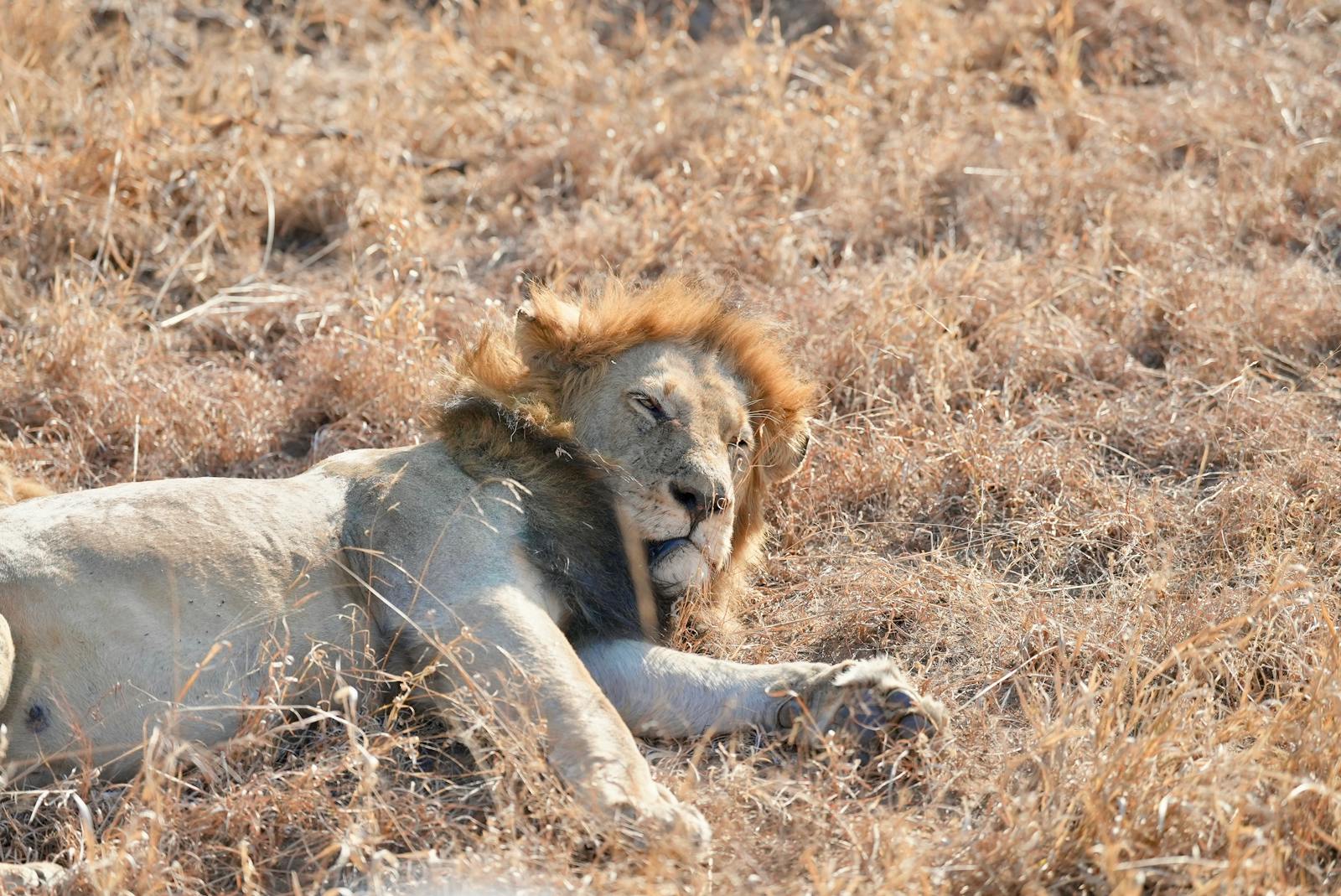
Yes. Flights from Johannesburg take about four hours, so a few nights in the Kruger area followed by a week on the beach is one of our most popular trips. Kenya and Tanzania also work, via Nairobi.
Keep planning
- Mauritius holidays
- Where to stay in Mauritius
- Best time to go to Mauritius
- Hiking, rum and markets
- Kruger and Mauritius
- Dubai and Mauritius
- Honeymoons
- Beach holidays
Plan your Mauritius holiday with a Travel Designer
Tell us your dates and what you love doing. We’ll match the coast and hotel to the season, add day trips or a safari, and book the flights, all ATOL-protected.
Make an enquiry Mauritius holidays