The Cayman Islands in brief
- Three islands in the western Caribbean, south of Cuba: Grand Cayman, Cayman Brac and Little Cayman.
- Seven Mile Beach, Stingray City and some of the world’s best diving.
- About 11 hours from London, via Nassau.
- Best from December to April, in the dry season; hurricane season is June to November.
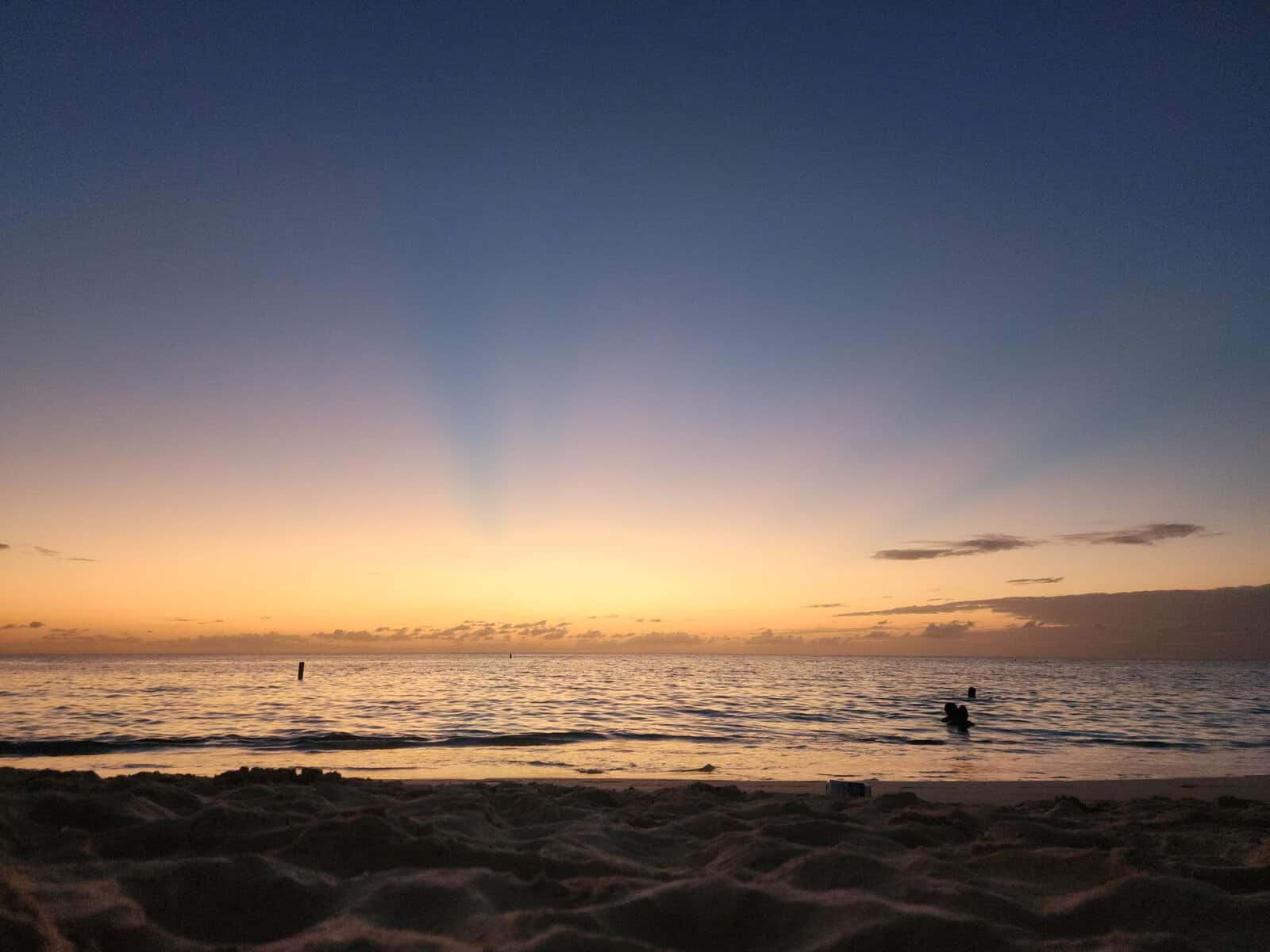
The Cayman Islands are three low, coral islands in the western Caribbean, famous for Seven Mile Beach, some of the clearest water in the region and some of the best diving in the world. Grand Cayman is polished, safe and easy, with excellent restaurants and the chance to stand in the sea among wild stingrays at Stingray City; its sister islands, Cayman Brac and Little Cayman, are tiny, quiet and wonderful for divers and nature lovers. This guide covers where the Caymans are, the best things to do, the beaches, diving, the Sister Islands, food, flights from the UK, where to stay and the best time to go.
Where are the Cayman Islands?

The Cayman Islands lie in the western Caribbean, about 240 km south of Cuba and about 290 km north-west of Jamaica. Miami is a little over an hour away by air. Grand Cayman, by far the largest island, is about 35 km long; Cayman Brac and Little Cayman, known together as the Sister Islands, are about 130 km to the north-east, a few kilometres apart.
The islands are the tops of an undersea mountain ridge. They are flat, apart from the limestone Bluff on Cayman Brac, and ringed by reefs that drop away into very deep water just offshore: that is why the diving is so good.
The Caymans are a British Overseas Territory and a major financial centre. English is the language, driving is on the left, and the capital is George Town on Grand Cayman.
Seven Mile Beach
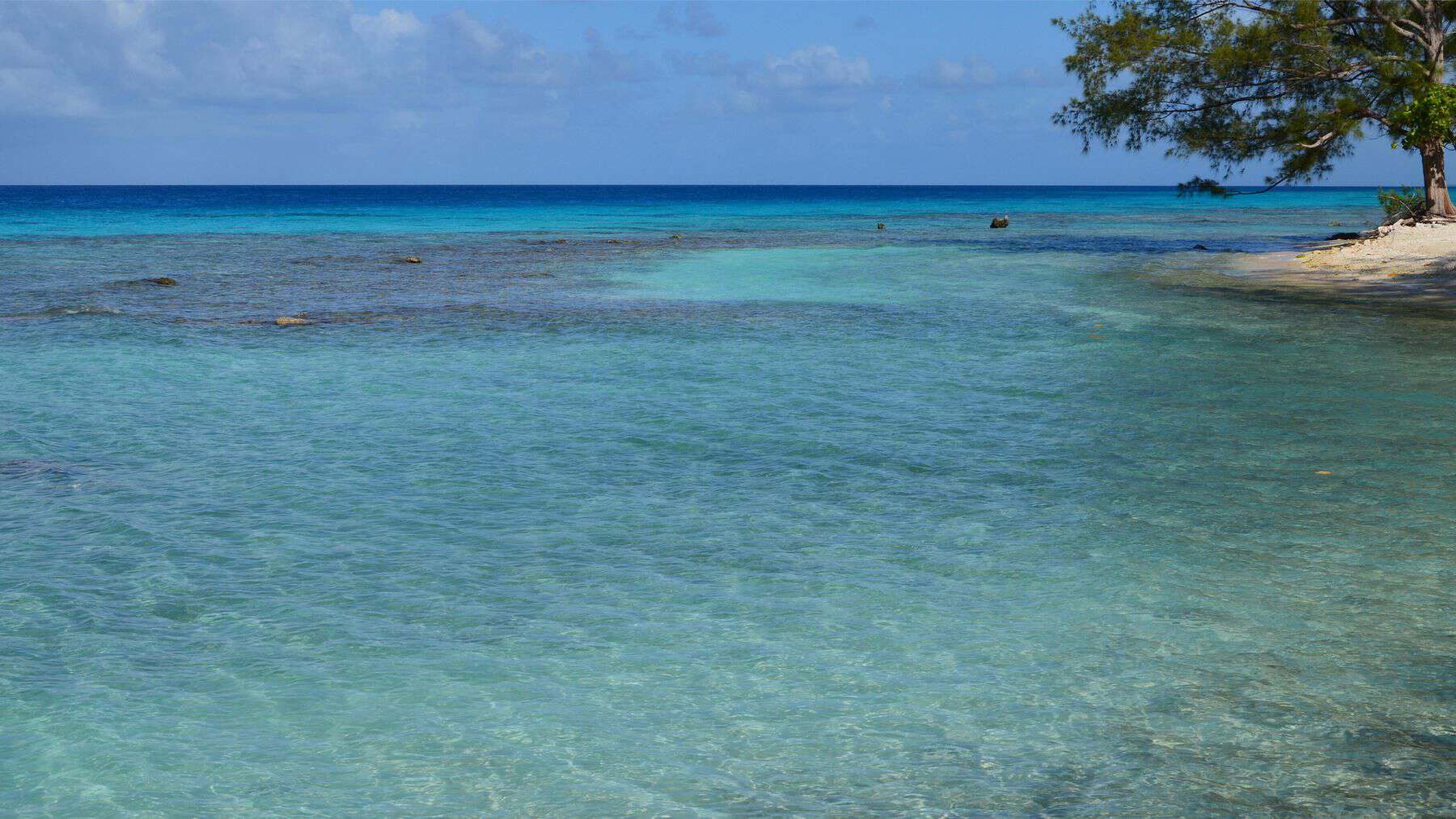
Seven Mile Beach, on the west coast of Grand Cayman between George Town and West Bay, is one of the Caribbean’s great beaches. Despite the name it is about 5.5 miles (9 km) long, a continuous sweep of soft coral sand on calm, clear water, with most of the island’s hotels and condos along it. The whole beach is public, so you can walk its full length.
The sea is usually calm enough for swimming and paddleboarding, and there is snorkelling at the northern end, at Cemetery Beach, and just offshore. Sunsets are superb.
For quieter sand, head to Smith Barcadere, a small cove south of George Town with good snorkelling, the beaches of the East End and North Side, and Rum Point and Starfish Point on the North Sound.
Stingray City and Starfish Point
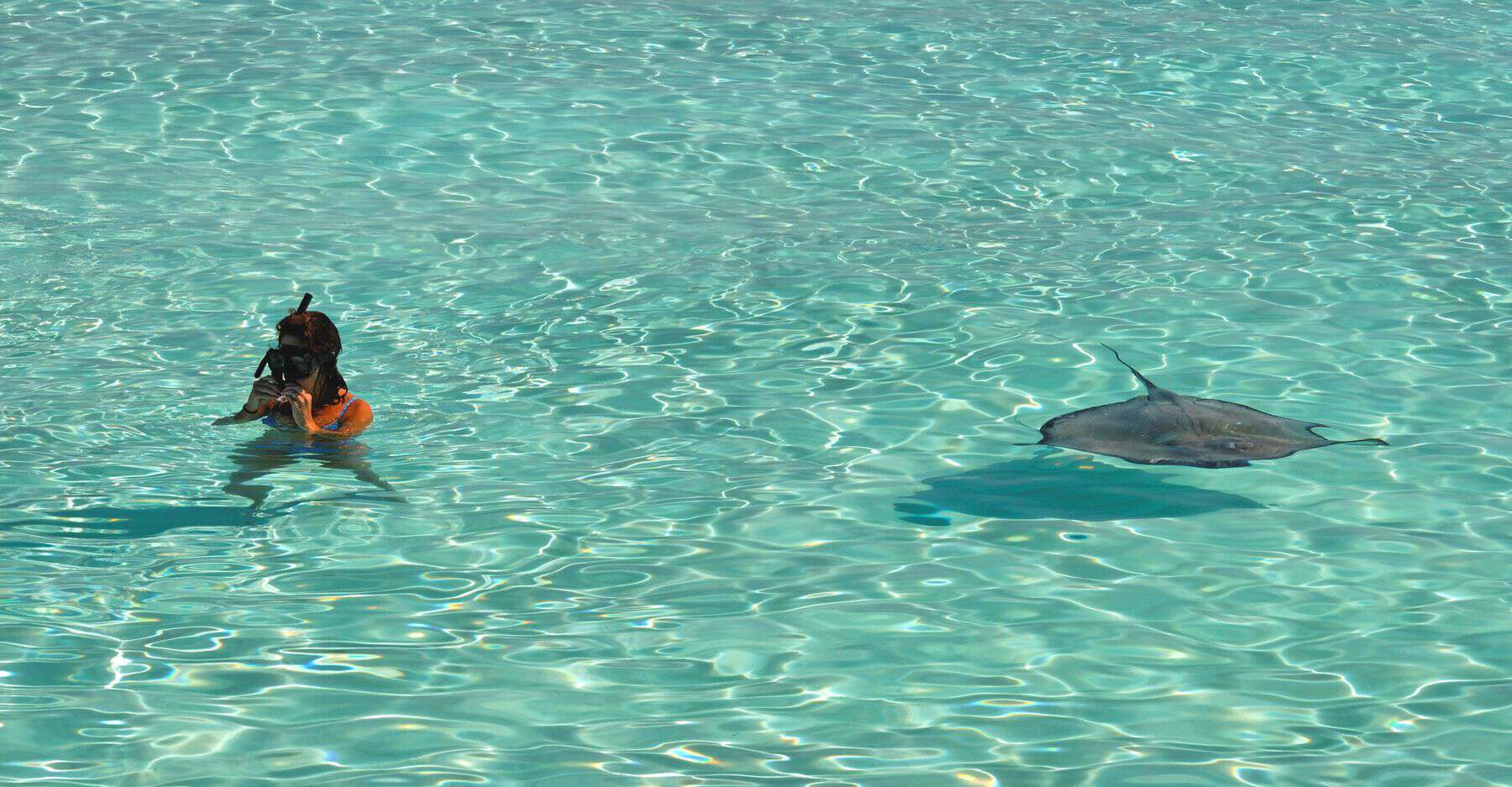
Stingray City is the Caymans’ most famous experience. On a sandbar in the shallow North Sound, fishermen once cleaned their catch, and southern stingrays learned to gather there for the scraps. Today boats take you out to stand in waist-deep water while dozens of wild rays glide around your legs; your guide will show you how to hold and feed them gently. There is also a deeper site nearby for snorkelling and diving.
Most trips combine the sandbar with snorkelling on a coral reef and a stop at Starfish Point, a shallow beach on the north coast where red cushion starfish lie on the sand. Look, but don’t lift them out of the water.
Go early or on a day with fewer cruise ships in port, when the sandbar is far quieter.
Things to do on Grand Cayman

George Town is a small, tidy harbour capital where the cruise ships anchor offshore. Visit the National Museum on the waterfront, the remains of Fort George, the craft market and the duty-free shops, and snorkel among the wrecks and reefs right off the shore.
West Bay, at the north end of Seven Mile Beach, has Hell, a field of jagged black limestone with its own post office, snorkelling off Cemetery Beach and the turtle centre.
Bodden Town and the East End: Pedro St James, a restored 18th-century great house, is known as the birthplace of democracy in the Caymans. Further east, the Queen Elizabeth II Botanic Park is home to the rare blue iguana, found only on Grand Cayman, and the Mastic Trail crosses old-growth dry forest.
Rum Point and the North Side: calm, shallow water, hammocks and casuarina trees at Rum Point, the Crystal Caves for underground walks, and at night, kayak or boat trips into the bay to see the water light up with bioluminescence, best on moonless nights. A drive right round the island, with stops at the East End and lunch at Rum Point, makes a lovely day.
Diving and snorkelling
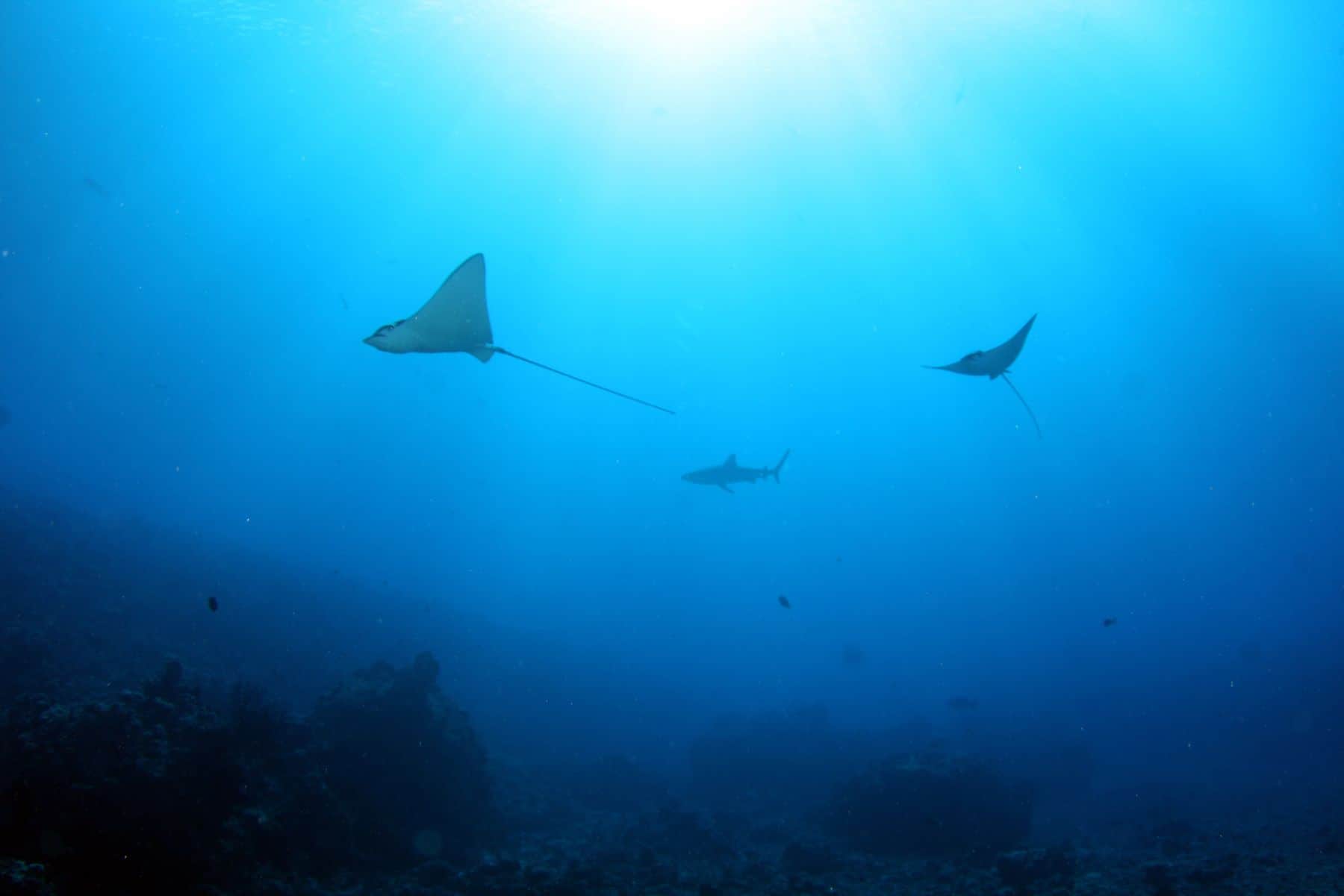
The Cayman Islands are one of the world’s top dive destinations, with water clarity often over 30 m, calm conditions and more than 300 marked dive sites around the three islands. Walls covered in sponges and coral drop thousands of metres just offshore, and there are turtles, eagle rays, reef sharks, tarpon and big shoals of fish.
On Grand Cayman, don’t miss the Kittiwake, a former US Navy ship sunk off the north end of Seven Mile Beach as an artificial reef, whose top is shallow enough to snorkel; the North Wall; and shore dives straight from the beach on the west coast. Beginners can learn to dive in a few days.
Snorkellers are well looked after too: try Cemetery Beach, Smith Barcadere, the reef off George Town and the shallow lagoons of the North Sound.


Cayman Brac and Little Cayman
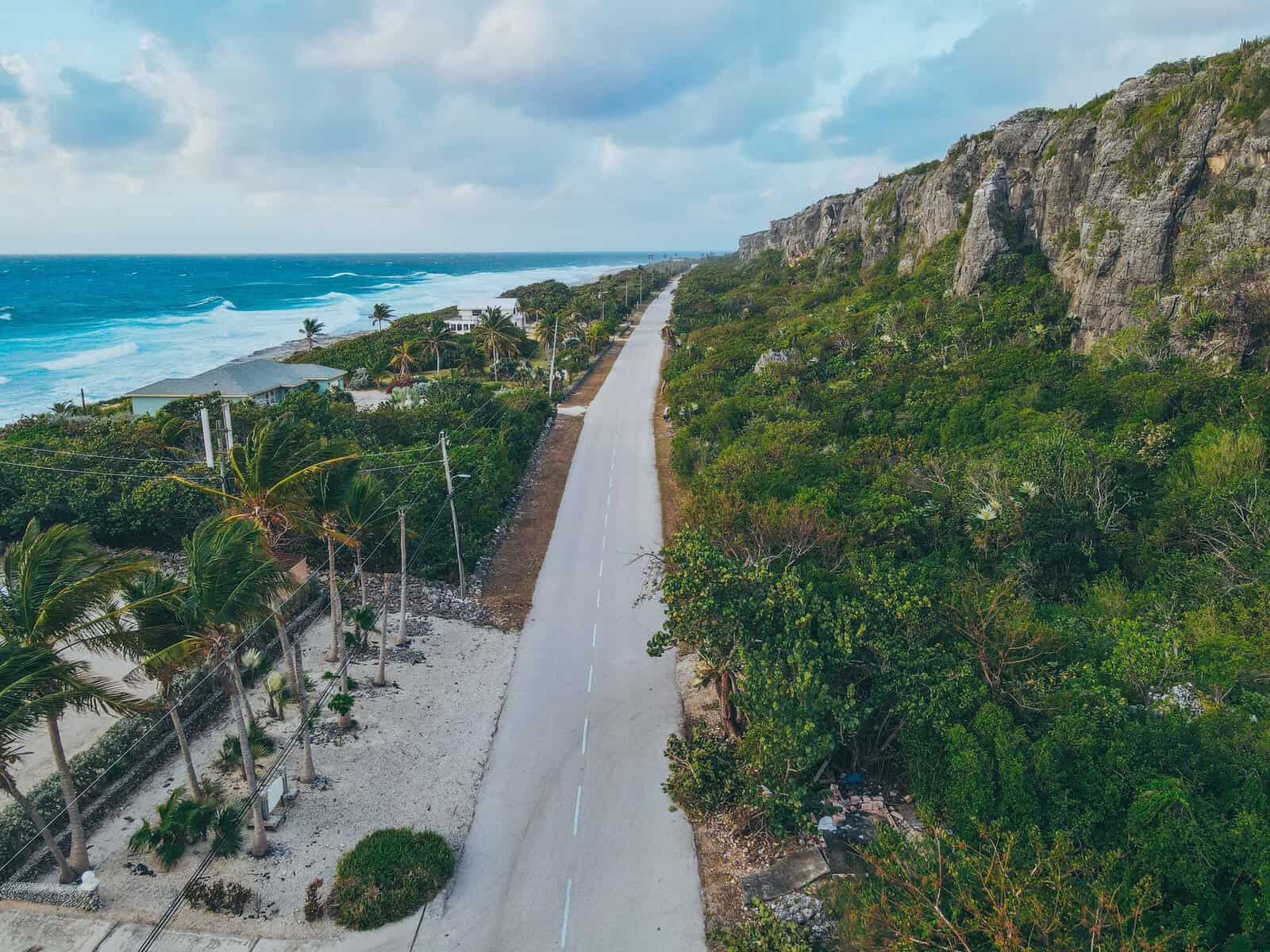
Cayman Brac is a slim island with a limestone ridge, the Bluff, rising to about 45 m at its eastern end, full of caves once used as hurricane shelters. Hike the clifftop trails, watch for brown boobies and the rare Cayman Brac parrot, and dive the MV Captain Keith Tibbetts, a former Russian navy frigate sunk as an artificial reef. Very peaceful, with small hotels and villas. It’s about 35 minutes by air from Grand Cayman.
Little Cayman, a few minutes’ flight from the Brac, is home to a couple of hundred people, a grass airstrip and more iguanas than residents. Bloody Bay Wall, a sheer drop starting in just a few metres of water, is one of the best wall dives anywhere. Inland, the Booby Pond Nature Reserve shelters one of the largest red-footed booby colonies in the Caribbean, with frigatebirds alongside, and Point of Sand, at the eastern tip, is a beautiful, empty beach.
Small planes fly from Grand Cayman to both Sister Islands several times a day. Stay a few nights rather than visiting for the day: they are made for slowing down.
Food in the Cayman Islands
Grand Cayman calls itself the culinary capital of the Caribbean, with a huge choice of restaurants for an island its size, from beach shacks to fine dining, and chefs from all over the world. Local dishes to try include Cayman-style fish, stewed with tomatoes, onions and peppers; fish rundown in coconut milk; conch in fritters, stew or ceviche; heavy cake, made with cassava or coconut; and fresh lobster in season. Look out for lionfish on menus: it’s an invasive species, and eating it helps protect the reefs. Eating out is expensive, as most food is imported.
Best time to visit the Cayman Islands
The Caymans are warm all year, with highs of about 27 to 32°C and the sea between 26 and 29°C. The best time to visit is December to April, the dry season: sunny, less humid and with calm seas, but also the busiest and most expensive time. May and early June are a good-value shoulder season. June to November is the wetter, hotter half of the year and the hurricane season, with the highest risk from August to October, though many days are still sunny and the diving is often excellent with flat, calm seas. In November, the island celebrates its Pirates Week festival.
| Month | Grand Cayman | Cayman Brac |
|---|---|---|
| Jan | 27°C / 24°C · 40 mm | 26°C / 25°C · 40 mm |
| Feb | 27°C / 25°C · 40 mm | 26°C / 25°C · 20 mm |
| Mar | 28°C / 25°C · 50 mm | 27°C / 25°C · 25 mm |
| Apr | 29°C / 25°C · 45 mm | 27°C / 26°C · 35 mm |
| May | 29°C / 26°C · 120 mm | 28°C / 26°C · 115 mm |
| Jun | 30°C / 27°C · 125 mm | 29°C / 27°C · 80 mm |
| Jul | 31°C / 27°C · 55 mm | 29°C / 28°C · 60 mm |
| Aug | 31°C / 27°C · 100 mm | 30°C / 28°C · 100 mm |
| Sep | 31°C / 27°C · 100 mm | 30°C / 28°C · 95 mm |
| Oct | 30°C / 26°C · 155 mm | 29°C / 27°C · 180 mm |
| Nov | 29°C / 26°C · 110 mm | 28°C / 26°C · 110 mm |
| Dec | 28°C / 25°C · 50 mm | 27°C / 26°C · 45 mm |
Average daily high / low and monthly rainfall, 10-year ERA5 data. Grid data smooths out the heat of the day, so beaches feel a degree or two warmer.
Getting to the Cayman Islands from the UK
By air: there are flights from London Heathrow to Grand Cayman’s Owen Roberts International Airport with a stop in Nassau in the Bahamas, taking about 11 hours. Otherwise, connect in the US (Miami is the most convenient, just over an hour away) or in Jamaica. The airport is on the edge of George Town, about 10 to 20 minutes from Seven Mile Beach.
By sea: Grand Cayman is a regular call on Western Caribbean cruises from Florida and New Orleans, usually alongside Jamaica and Cozumel in Mexico. Ships anchor off George Town and tender passengers ashore.
Getting around
On Grand Cayman, a hire car gives the most freedom: drive on the left, and the hire company issues a temporary visitor’s permit. Roads are good, but traffic around George Town and Seven Mile Beach can be busy at rush hour. Taxis charge set fares by zone; agree the fare first. Public minibuses run along the west coast and out to the districts and are cheap and easy. For the Sister Islands, take the short flight; on the Brac and Little Cayman, a car, scooter or bicycle is all you need.
Where to stay in the Cayman Islands
- Seven Mile Beach for the classic beach holiday: the widest choice of resort hotels, condos, restaurants and watersports, close to George Town.
- West Bay and the north end of Seven Mile Beach for a quieter stretch of sand and good snorkelling.
- The East End and North Side for peace, dive-focused hotels and villas, and easy access to Rum Point and the reefs.
- Cayman Brac and Little Cayman for small dive lodges, cottages and villas, and total quiet.
- Combine a week on Seven Mile Beach with a few nights on a Sister Island for the best of both.
Sample trips
Grand Cayman beach week
- Seven Mile Beach (7 nights)
- Stingray City and Starfish Point
- East End drive
The beach, the stingrays and the island’s quieter side.
Grand Cayman and Little Cayman
- Seven Mile Beach (6 nights)
- Fly to Little Cayman
- Little Cayman (4)
Add Bloody Bay Wall, empty beaches and the booby colony.
Grand Cayman and Jamaica
- Jamaica (6 nights)
- Short flight
- Seven Mile Beach (6)
Two contrasting islands: lively, mountainous Jamaica and calm, polished Grand Cayman.
See Grand Cayman with us

This escorted tour combines Nashville, Memphis and New Orleans with a Western Caribbean cruise calling at Montego Bay, Grand Cayman and Cozumel. Prefer to stay longer? Ask about a tailor-made Cayman Islands holiday, or see our Caribbean cruises.
Practical tips
- Entry: British citizens don’t need a visa for holidays of up to 6 months; your passport must be valid for your whole stay, and you may be asked for a return ticket. Check the FCDO Cayman Islands advice before you go. As a British Overseas Territory, there is no British Embassy, and passports can’t be renewed or replaced on the islands, so look after yours.
- Safety: crime is low, but use the hotel safe and take normal care.
- Money: the Cayman Islands dollar is pegged to the US dollar; US dollars are accepted everywhere and cards are widely used. The Caymans are one of the most expensive destinations in the Caribbean.
- Electricity: 120 volts with US-style plugs, so bring an adapter.
- Diving: don’t fly within 18 to 24 hours of your last dive, including the hop to or from the Sister Islands.
- Reefs and wildlife: use reef-safe sun cream, don’t touch the coral, and don’t take starfish out of the water.
Frequently asked questions
Where are the Cayman Islands?
In the western Caribbean, about 240 km south of Cuba and north-west of Jamaica. There are three islands: Grand Cayman, and the Sister Islands of Cayman Brac and Little Cayman about 130 km to the north-east.
How long is the flight to the Cayman Islands from the UK?
About 11 hours from London Heathrow to Grand Cayman, with a stop in Nassau. You can also connect in Miami or Jamaica.
What is the best time to visit the Cayman Islands?
December to April is the dry season, with sunshine, low humidity and calm seas. May is good value. June to November is wetter and the hurricane season.
What is Stingray City?
A shallow sandbar in Grand Cayman's North Sound where wild southern stingrays gather. Boats take you there to stand in waist-deep water among them, usually with snorkelling and a stop at Starfish Point.
Is Seven Mile Beach really seven miles long?
No, it is about 5.5 miles (9 km) long, but it is one continuous public beach of soft sand on calm, clear water, on the west coast of Grand Cayman.
Do I need a visa for the Cayman Islands?
No. British citizens can visit for up to 6 months without a visa. Your passport must be valid for your whole stay.
Are the Cayman Islands expensive?
Yes, they are among the most expensive islands in the Caribbean, especially for eating out, because most food is imported. Condos and self-catering help keep costs down.
Are Cayman Brac and Little Cayman worth visiting?
Yes, especially for divers, birdwatchers and anyone who wants peace and quiet. Little Cayman has the world-famous Bloody Bay Wall; Cayman Brac has caves, cliffs and trails.
Keep planning
- Cuba holiday guide
- Jamaica holidays
- Dominican Republic holiday guide
- Bahamas holiday guide
- Turks and Caicos holiday guide
- Caribbean cruises
- Best Caribbean cruises from the UK
- Caribbean holiday offers
- Tailor-made holidays
- Aruba holiday guide
- Curaçao holiday guide
Plan your Cayman Islands holiday with a Travel Designer
Tell us when you’d like to go and we’ll match the right beach and hotel, add Stingray City, diving and a Sister Island, and arrange flights and transfers, in one ATOL-protected booking.
Make an enquiry Tailor-made holidays