Iceland in brief
- The Golden Circle and south coast: waterfalls, geysers, black beaches and the Jökulsárlón glacier lagoon.
- Northern lights from about September to mid-April; midnight sun and puffins in summer.
- Best time to visit: June to August for the Ring Road and Highlands, September to March for the aurora.
- About 3 hours from the UK; 4 nights for a short break, 8 to 10 for the Ring Road.
Iceland packs more raw landscape into a short flight than anywhere else from the UK: waterfalls, glaciers, black sand beaches, steaming geysers, lava fields and, in winter, the northern lights. It’s about three hours from London, so a long weekend on the Golden Circle works, but a week or more on the Ring Road shows you the real scale of the island. This guide covers the regions, the best things to do in Iceland, the northern lights, the best time to visit Iceland month by month, how to get there and get around, where to stay and sample itineraries.
Where is Iceland?

Iceland sits in the North Atlantic between Scotland and Greenland, right on the Mid-Atlantic Ridge where the North American and Eurasian plates pull apart. That’s why it has so many volcanoes, hot springs and geysers. About a tenth of the island is covered by glaciers, including Vatnajökull, the largest in Europe.
It’s a big island with few people: around 400,000, most of them in and around Reykjavík. Almost everything visitors want to see lies on or near the coast, linked by Route 1, the Ring Road, which circles the island for about 1,300 km. The interior, the Highlands, is an empty plateau of lava, ice and coloured mountains, reached only in summer.
The time is GMT all year, so in winter it’s the same as the UK and in summer an hour behind.
Reykjavík

Iceland’s capital is small, colourful and very walkable. Climb the tower of Hallgrímskirkja, the concrete church inspired by basalt columns, for the view over the painted rooftops. Wander down Skólavörðustígur and Laugavegur for design shops and cafés, see the harbour and the glass Harpa concert hall, and visit the National Museum for the Viking-age story.
Reykjavík is the base for most short breaks: day trips to the Golden Circle and south coast leave from here, as do whale-watching and northern lights boat trips from the old harbour. Locals live in the outdoor geothermal swimming pools, which are open all year and a great way to end a cold day.
The Golden Circle
The Golden Circle is a loop of about 300 km from Reykjavík that takes in three of Iceland’s most famous sights, and it’s the most popular day trip on the island:

- Þingvellir National Park, a UNESCO World Heritage Site: the rift valley between the two tectonic plates, and the site of Iceland’s parliament from 930 AD. Walk the Almannagjá gorge, and if you’re brave, snorkel between the plates in the icy, crystal-clear water of the Silfra fissure.
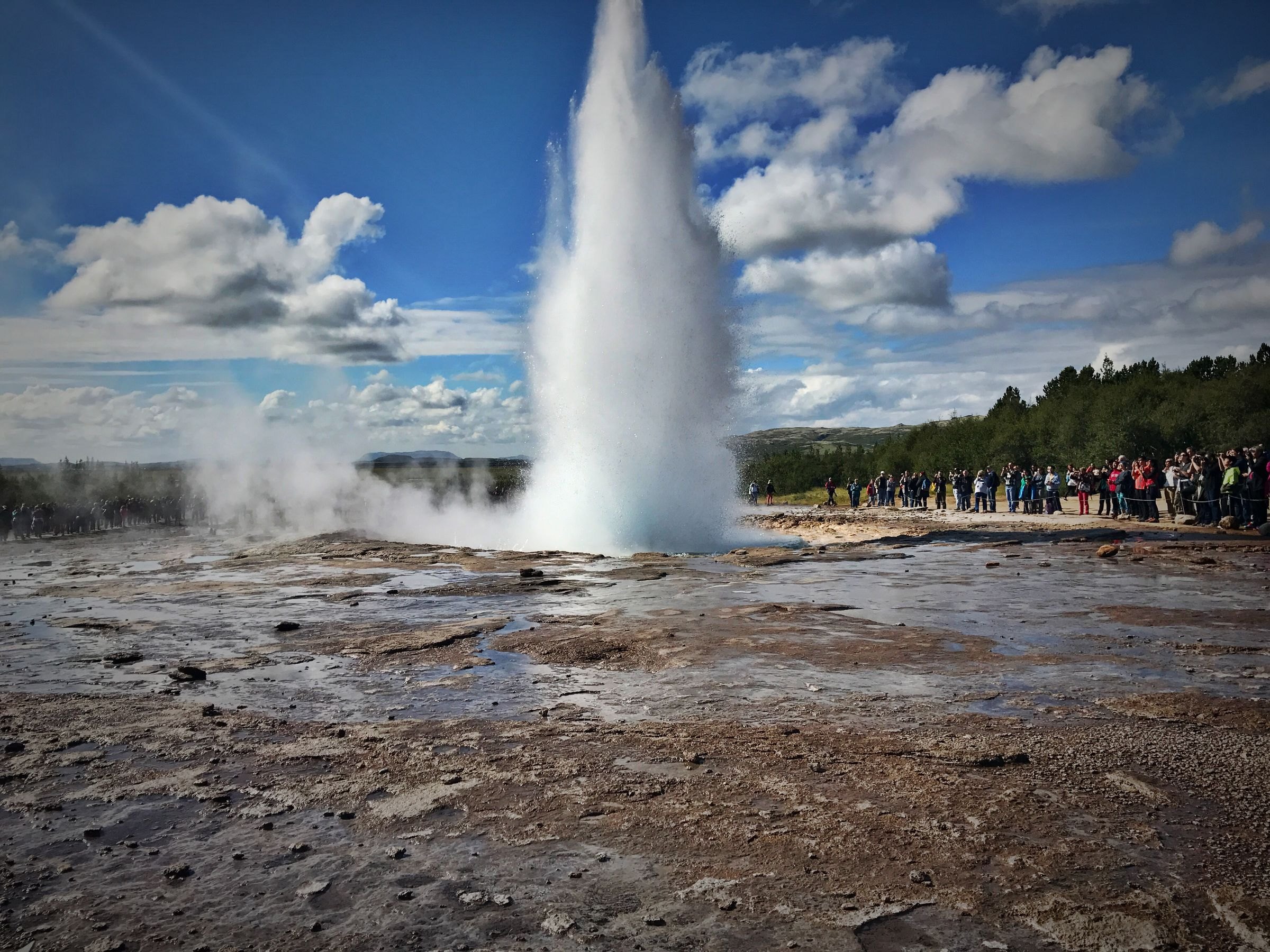
- Geysir, the hot spring that gave its name to all geysers. The great Geysir itself rarely erupts now, but Strokkur next to it shoots up every few minutes.
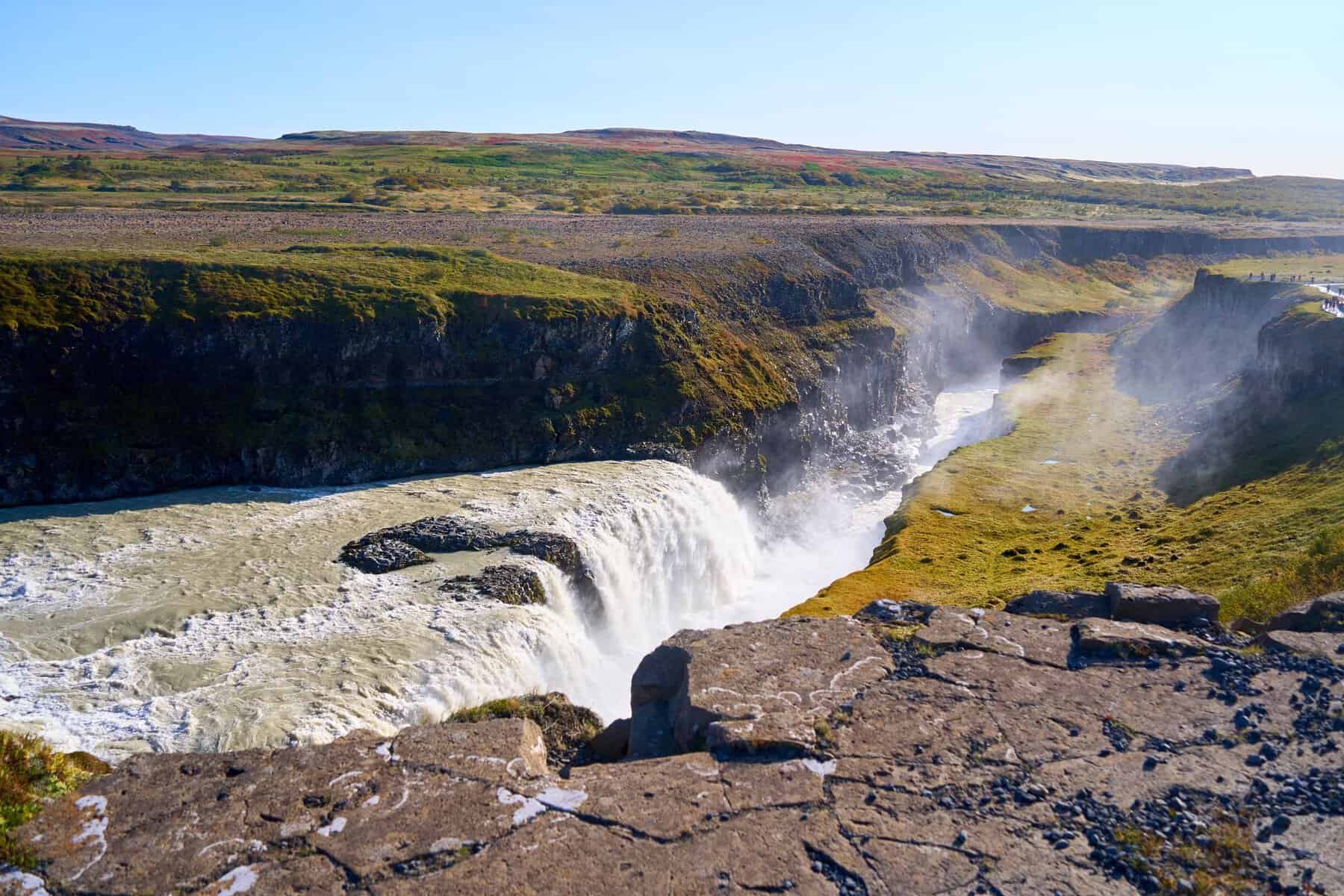
- Gullfoss, the “golden waterfall”, which drops in two steps into a deep canyon of the Hvítá river.
Good add-ons are the Kerið crater lake and the hot springs at Laugarvatn or Flúðir. It’s a full day with stops; staying a night in the countryside lets you see the sights early or late, without the coaches.
The south coast

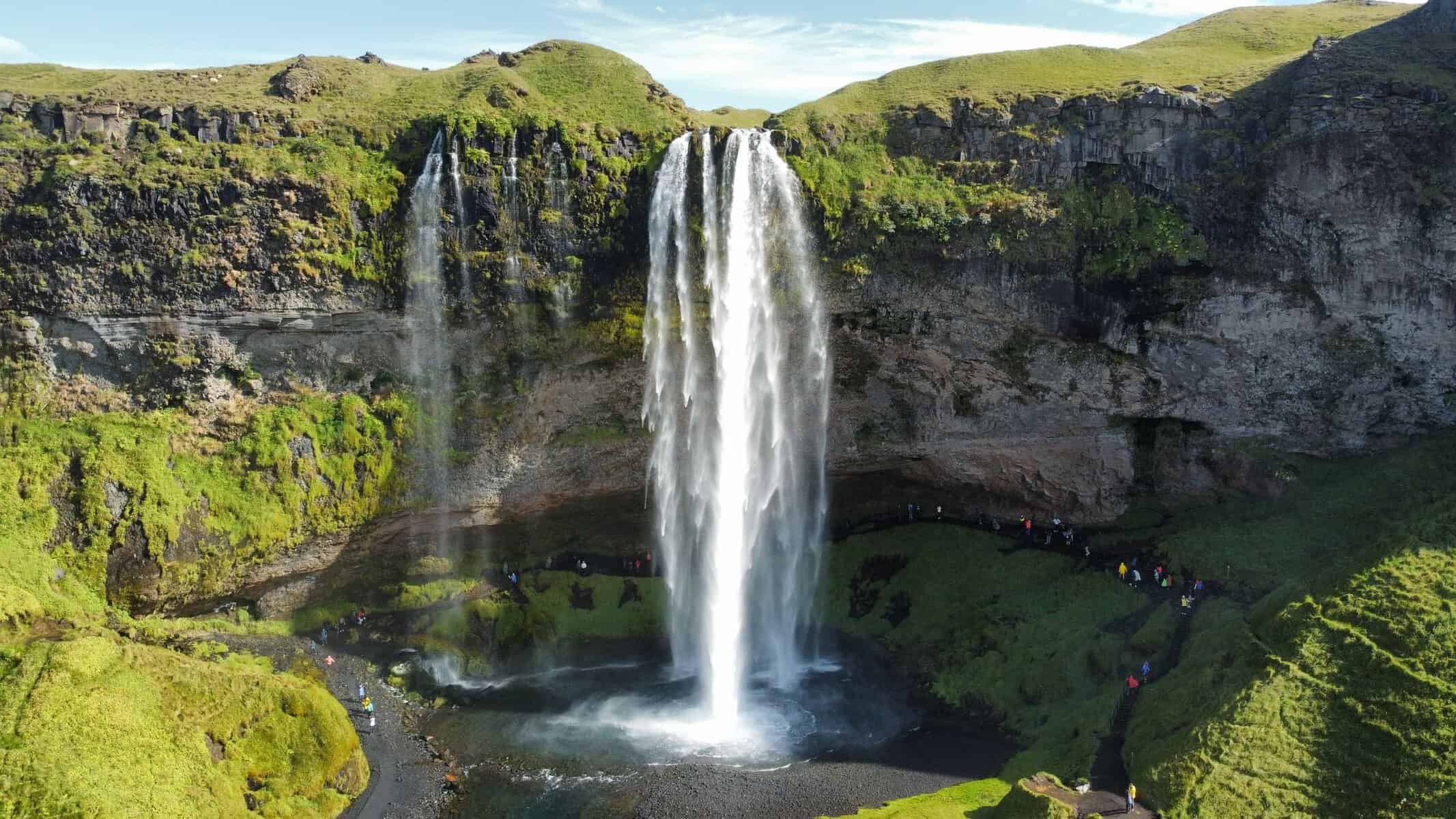
The south coast is Iceland’s greatest hits, strung along the Ring Road east of Reykjavík. Seljalandsfoss is the waterfall you can walk behind; Skógafoss, a few minutes on, is a wall of water 60 m high. Above them sit the Eyjafjallajökull and Mýrdalsjökull ice caps, with guided glacier walks on the Sólheimajökull glacier tongue.
Near the village of Vík are the black sand beach and basalt stacks of Reynisfjara. It’s beautiful and genuinely dangerous: sudden “sneaker waves” sweep people off the beach every year, so stay well back from the water.
Further east, past the lava fields and the Skaftafell area of Vatnajökull National Park, is the highlight for many: Jökulsárlón, a lagoon full of icebergs calved from the glacier, and Diamond Beach opposite, where chunks of ice wash up on black sand.


Jökulsárlón is about five hours’ drive from Reykjavík without stops, so it isn’t a sensible day trip: spend two or three nights along the south coast instead. In winter, from roughly November to March, guided trips go into ice caves under Vatnajökull; they run only when the ice is safe.
Beyond the south: Iceland’s other regions

Snæfellsnes peninsula
Often called “Iceland in miniature”: fishing villages, lava fields, black and golden beaches, sea cliffs at Arnarstapi and the glacier-capped Snæfellsjökull volcano. The cone of Kirkjufell is one of the most photographed mountains in the country. Two nights here is a great alternative or addition to the south coast.

North Iceland and Lake Mývatn
Akureyri, the small capital of the north, sits at the head of a long fjord. Nearby are Goðafoss, the “waterfall of the gods”, the volcanic landscapes and nature baths of Lake Mývatn, the mighty Dettifoss, and Húsavík, one of the best places in Europe for whale watching. The north is drier and often clearer than the south, which helps for the northern lights.
The Westfjords
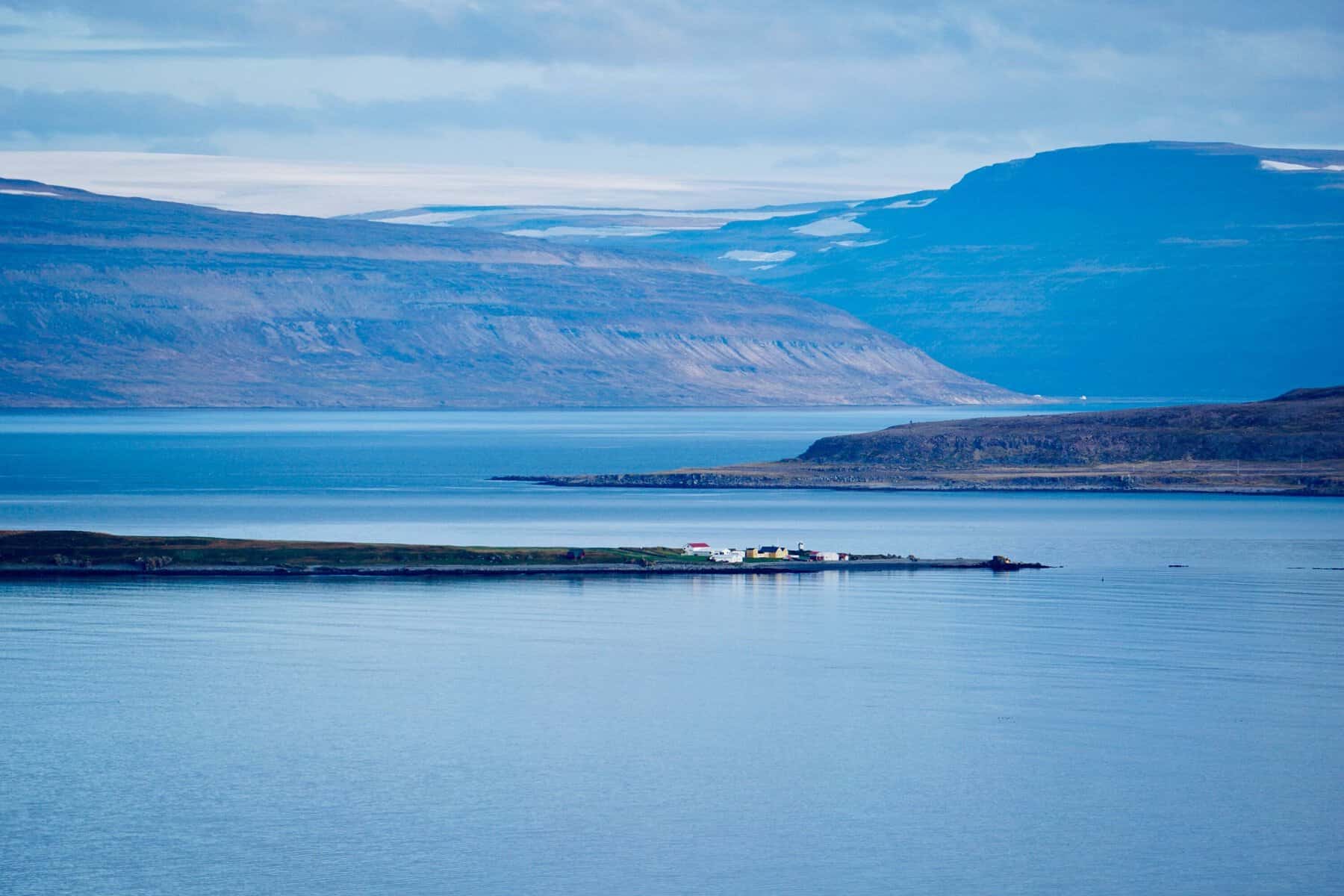
A claw-shaped peninsula of deep fjords and flat-topped mountains, with few people and slow, winding roads. Highlights are the Dynjandi waterfall, the bird cliffs of Látrabjarg, home to huge numbers of puffins in summer, and the town of Ísafjörður. Best for a second trip, or by expedition ship.
The Highlands and Landmannalaugar
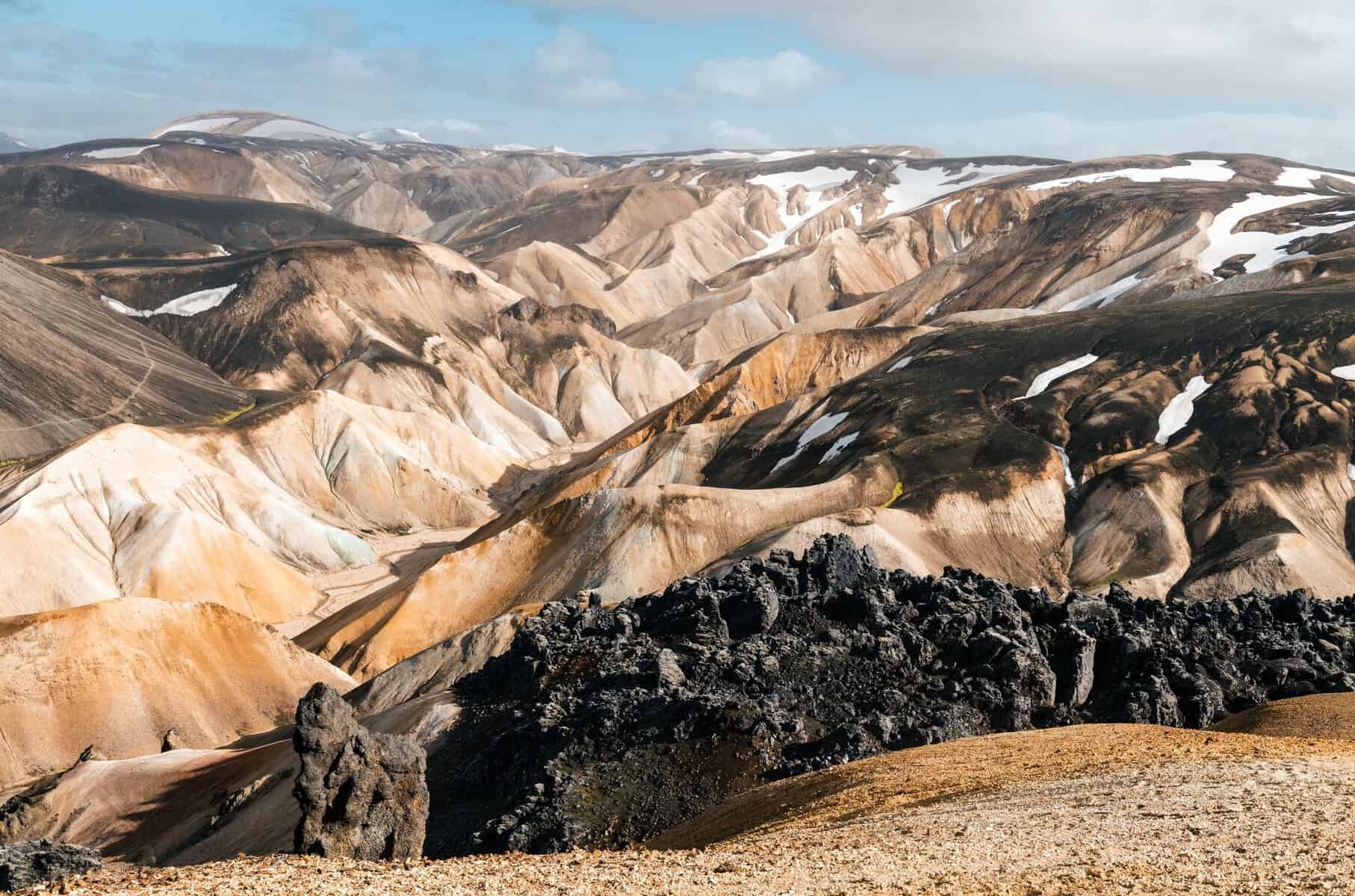
The interior is open only for a short summer season, roughly late June or early July to September, on mountain roads that need a 4×4 and cross unbridged rivers. Landmannalaugar has mountains streaked pink, yellow and green, natural hot pools and the start of the Laugavegur, Iceland’s best-known multi-day trek, to Þórsmörk.
East Iceland is the quietest part of the Ring Road: long fjords, reindeer on the hillsides and the arty village of Seyðisfjörður. The Reykjanes peninsula, by the airport, has lava fields, coastal geothermal areas and a famous milky-blue spa lagoon, but it has had a series of volcanic eruptions since 2023 and the area around Grindavík is affected, so follow local advice there.
The northern lights in Iceland
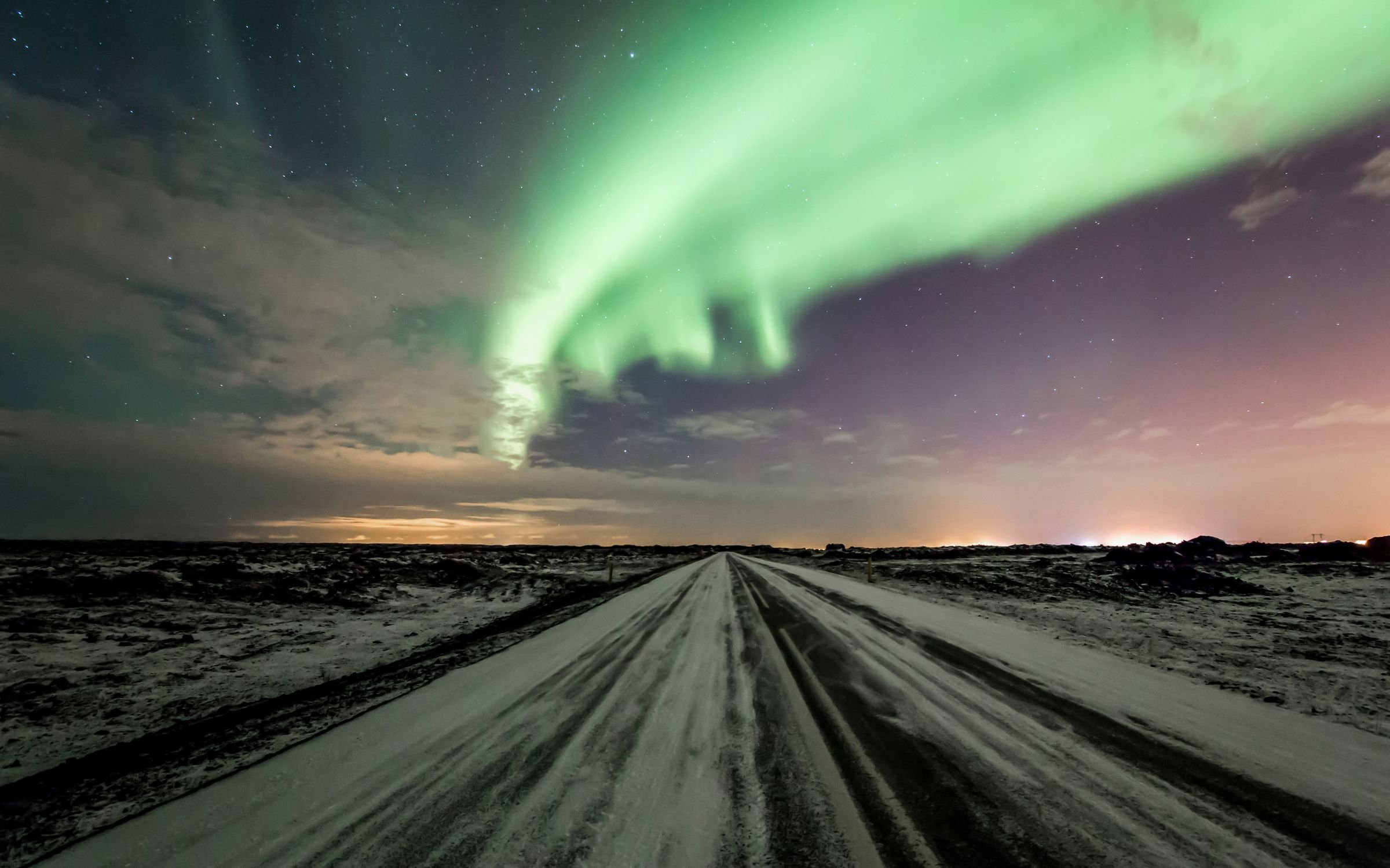
Iceland is one of the easiest places to see the aurora borealis from the UK. The season runs from about September to mid-April, when the nights are dark enough; there are no lights to see in the bright summer nights. September, October, February and March often give the best mix of longer nights and milder weather.
You need three things: darkness, clear skies and solar activity. Get away from town lights (even 20 minutes out of Reykjavík helps), check the Icelandic Met Office cloud and aurora forecasts, and be ready to go out late, usually between about 9pm and 2am.
Give yourself time. On a three-night break you may be clouded out; on a week touring the countryside, especially staying in rural places where you can step outside, your chances are much better.
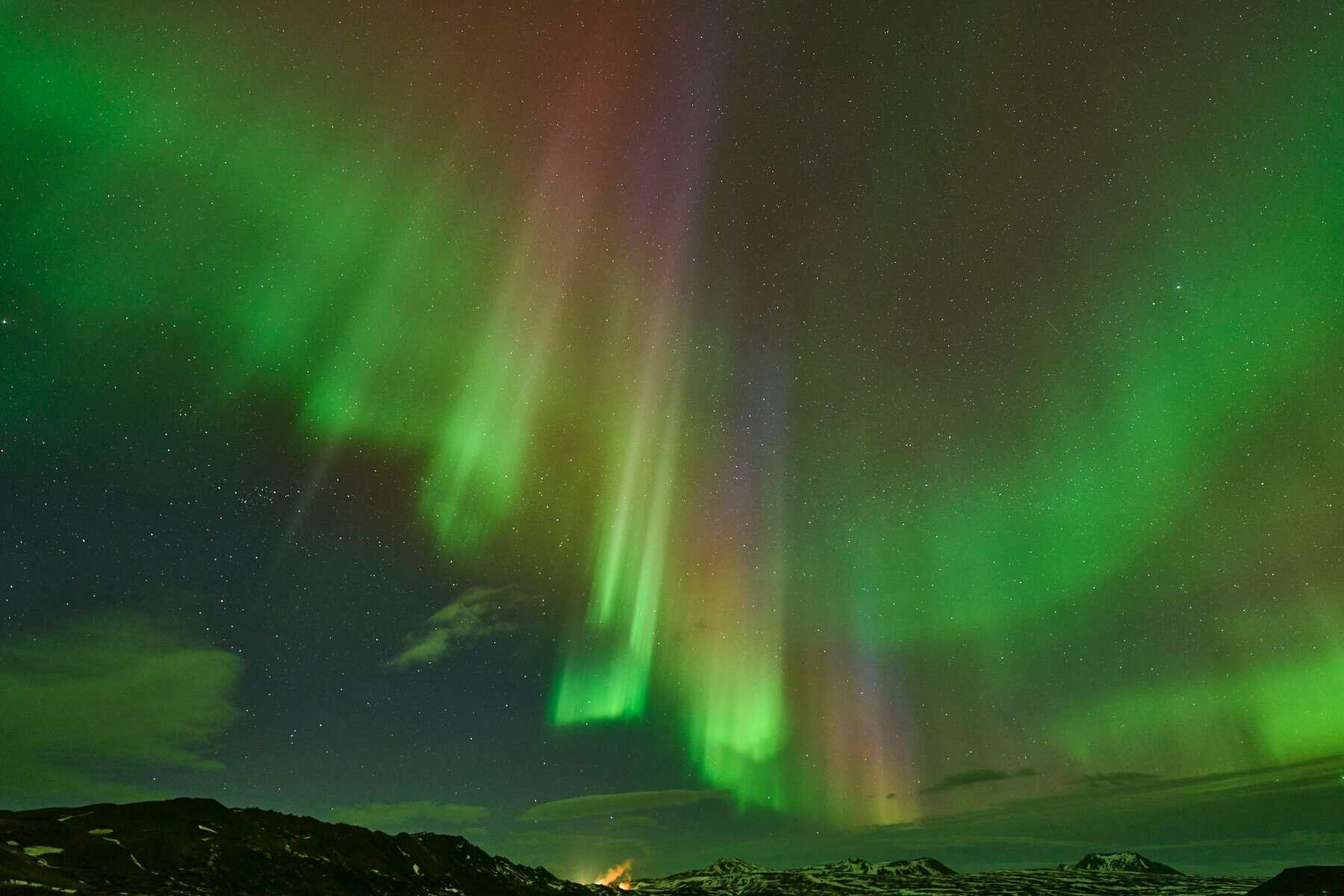
Also seeing the lights elsewhere? Compare Iceland with Lapland northern lights holidays in Finland, Abisko in Swedish Lapland and the Norwegian fjords.
Things to do in Iceland
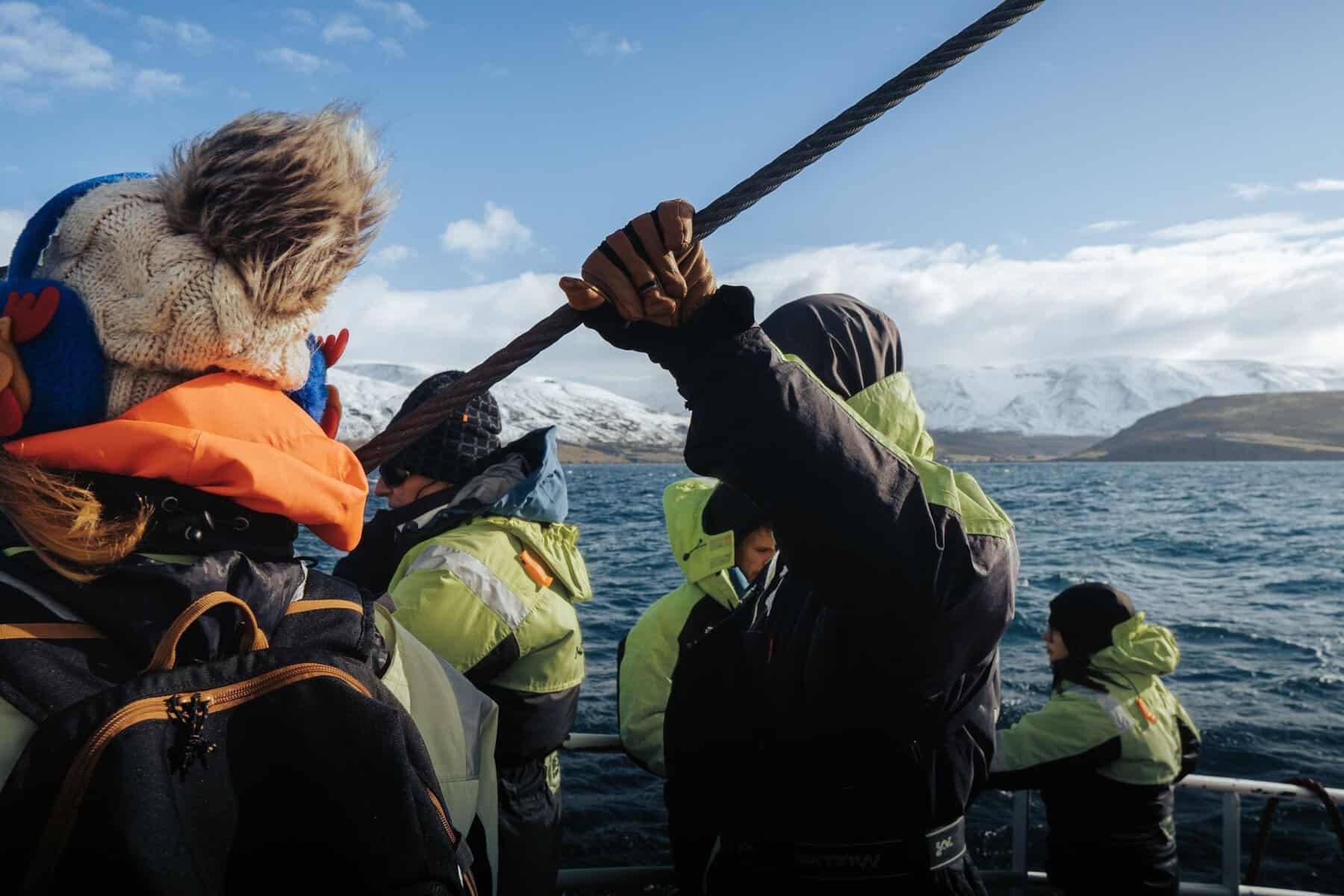
Whale watching. Boats leave Reykjavík’s old harbour all year and Húsavík and Akureyri in the north mostly from spring to autumn. Minke whales, humpbacks and dolphins are the usual sightings; summer gives the best chances.
Glacier walks and ice caves. Guided walks with crampons on Sólheimajökull or in Skaftafell run all year; blue ice caves in Vatnajökull from roughly November to March.
Hot springs and lagoons. From smart spa lagoons near Reykjavík and Mývatn to wild pools in the Highlands and every town’s public pool.
Puffins. From about May to August puffins nest on sea cliffs around the coast, including Látrabjarg, the Westman Islands and Borgarfjörður Eystri.
- Icelandic horses: small, sturdy and famous for a smooth extra gait, the tölt. Rides of an hour or two suit beginners.
- Snowmobiling and super jeeps: on Langjökull or Mýrdalsjökull, and in specially adapted 4x4s into the Highlands.
- Snorkelling Silfra: in a dry suit, between the tectonic plates at Þingvellir, all year.
- The Westman Islands: a short ferry from the south coast, with a town half-buried by the 1973 eruption.
Food and drink
Icelandic food is simple and very fresh. Try lamb, which roams free all summer, in a soup or slow-roasted; Arctic char and cod; langoustine in Höfn on the south-east coast; and skyr, the thick cultured dairy that’s eaten at every meal. Look for rye bread baked in hot ground near geothermal areas. Reykjavík has an excellent restaurant scene; in the countryside, dinner is usually in your hotel or a farm restaurant, so book ahead in summer.
Best time to visit Iceland
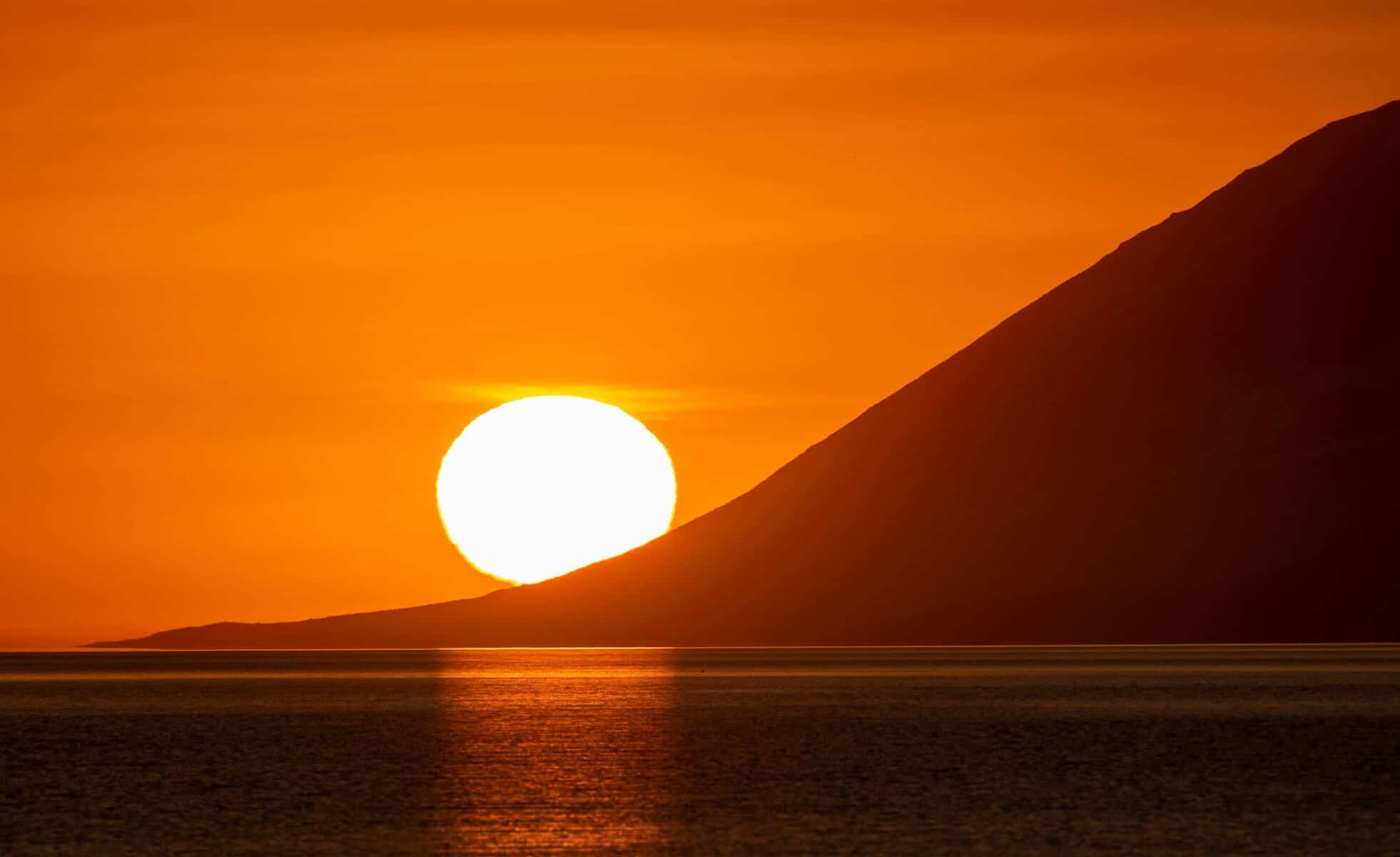
There’s no bad time, just different trips. June to August is the peak: long days, the warmest weather (around 12 to 14°C), the Highlands open, puffins and the best whale watching, but also the most visitors. May and September are great value in time and crowds, with September adding the first northern lights. October to March is the season for the northern lights, ice caves, snowy landscapes and fewer people, but daylight is short (about four to five hours in Reykjavík around Christmas), some roads close in storms and the north and east can be snowbound. April brings longer days and the last aurora nights.
| Month | Reykjavík | Akureyri (north) | Höfn (south-east) |
|---|---|---|---|
| Jan | 2°C / -3°C · 145 mm | 0°C / -5°C · 120 mm | 3°C / -2°C · 185 mm |
| Feb | 2°C / -2°C · 145 mm | 0°C / -5°C · 115 mm | 3°C / -2°C · 215 mm |
| Mar | 3°C / -2°C · 135 mm | 1°C / -4°C · 105 mm | 3°C / -2°C · 180 mm |
| Apr | 6°C / 1°C · 135 mm | 4°C / -1°C · 60 mm | 6°C / 1°C · 155 mm |
| May | 9°C / 4°C · 120 mm | 7°C / 2°C · 55 mm | 8°C / 3°C · 110 mm |
| Jun | 12°C / 7°C · 95 mm | 13°C / 7°C · 70 mm | 11°C / 7°C · 120 mm |
| Jul | 14°C / 9°C · 85 mm | 14°C / 9°C · 90 mm | 13°C / 9°C · 115 mm |
| Aug | 13°C / 8°C · 95 mm | 14°C / 8°C · 85 mm | 12°C / 8°C · 130 mm |
| Sep | 10°C / 6°C · 145 mm | 11°C / 5°C · 125 mm | 11°C / 6°C · 220 mm |
| Oct | 7°C / 3°C · 155 mm | 5°C / 0°C · 145 mm | 7°C / 3°C · 230 mm |
| Nov | 4°C / 0°C · 120 mm | 2°C / -3°C · 110 mm | 5°C / 1°C · 185 mm |
| Dec | 2°C / -3°C · 130 mm | 0°C / -6°C · 155 mm | 2°C / -2°C · 190 mm |
Average daily high / low and monthly rain or snow (as water), 10-year ERA5 data. Winter is milder than its latitude suggests, but wind makes it feel much colder.
In short: for the northern lights, go from late September to March; for driving the full Ring Road and the Highlands, June to early September; for a mix of both with fewer people, September. For tour-by-tour advice on winter versus summer, see Iceland tours: winter or summer?
Getting to Iceland from the UK
Direct flights from London and several regional UK airports take about three hours to Keflavík International, about 45 minutes by road from Reykjavík. Airport buses meet every flight, or we can arrange a private transfer or a car for you to collect. Some expedition cruises around Iceland and the North Atlantic start or end in Reykjavík; see our Iceland tours for the sailings.
Getting around
- Self-drive: the most popular way. The Ring Road is paved and easy in summer. In winter, choose a 4×4, check road.is and the weather every morning, and keep days short. Highland F-roads need a 4×4 and are summer only. Off-road driving is illegal.
- Small-group or escorted tours: no winter driving to worry about, and a guide who knows where the clear skies are.
- Private driver-guide: the most flexible and comfortable option, and ideal for families or in winter.
- Domestic flights: Reykjavík to Akureyri or Egilsstaðir takes under an hour, saving long drives.
- No trains: Iceland has no railway, so plan on road, air or sea.
Where to stay in Iceland
- Reykjavík: stylish boutique hotels and apartments in the old centre, walkable to everything.
- Countryside hotels on the Golden Circle and south coast: modern, often design-led, with big windows and dark skies for the aurora.
- Farm stays and guesthouses: simple and friendly, often with home cooking, all around the Ring Road.
- Luxury lodges: a handful of remote, high-end lodges with spas and guiding, mostly in the south and north.
Rooms outside Reykjavík are limited, so book well ahead for summer and for February and March. Tell us your style and we’ll match stays along your route.
How many days in Iceland? Sample itineraries
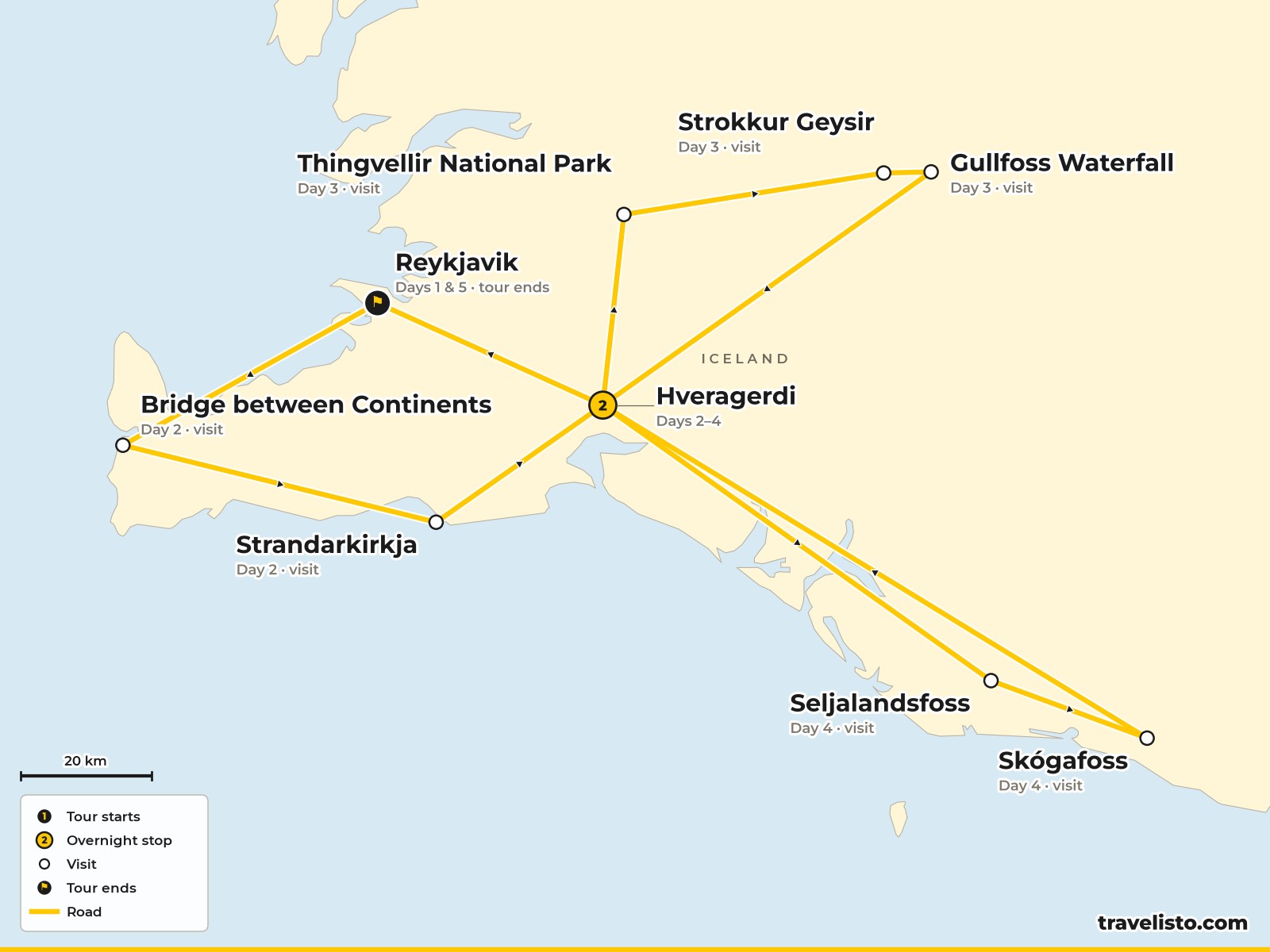
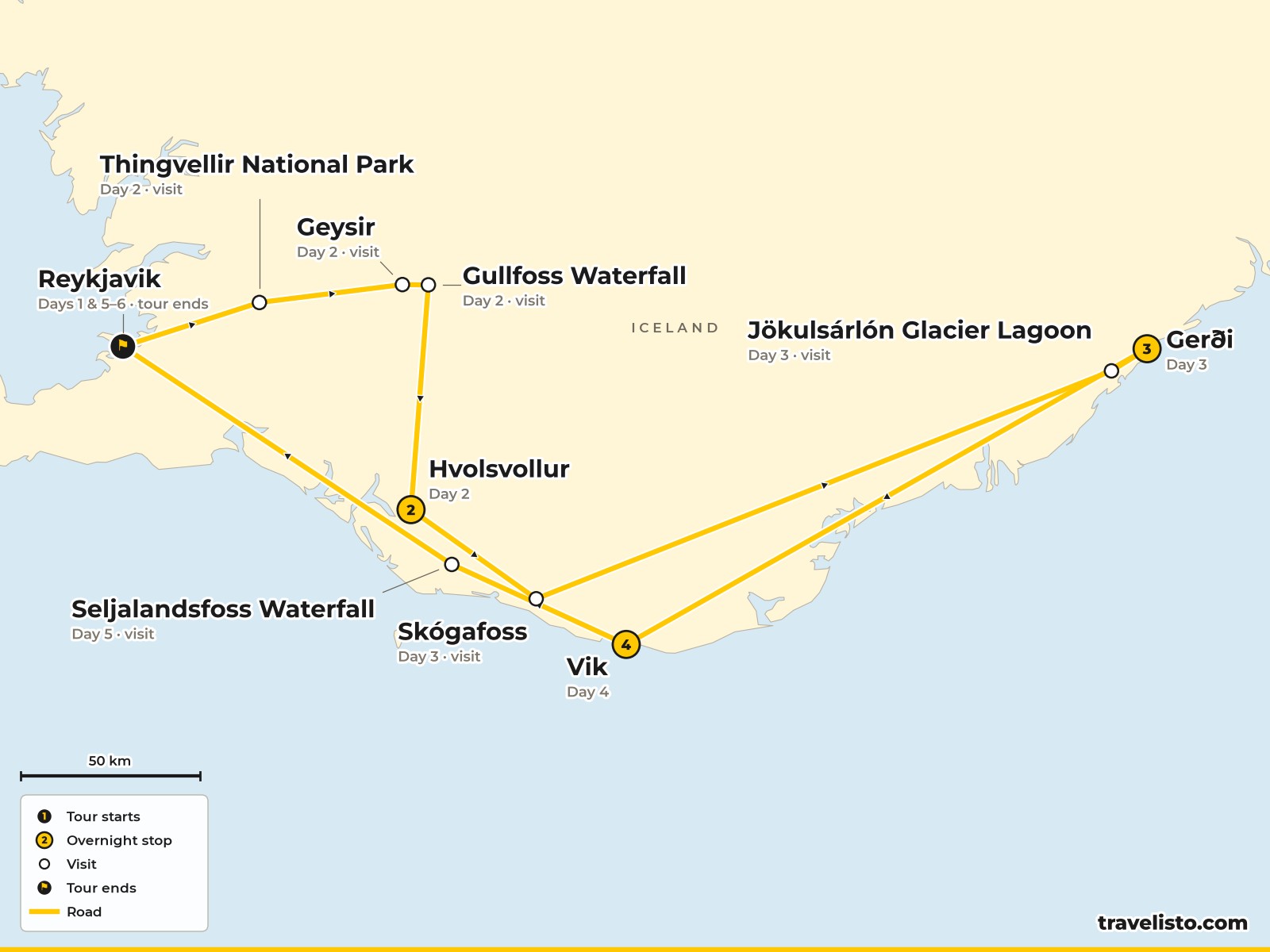
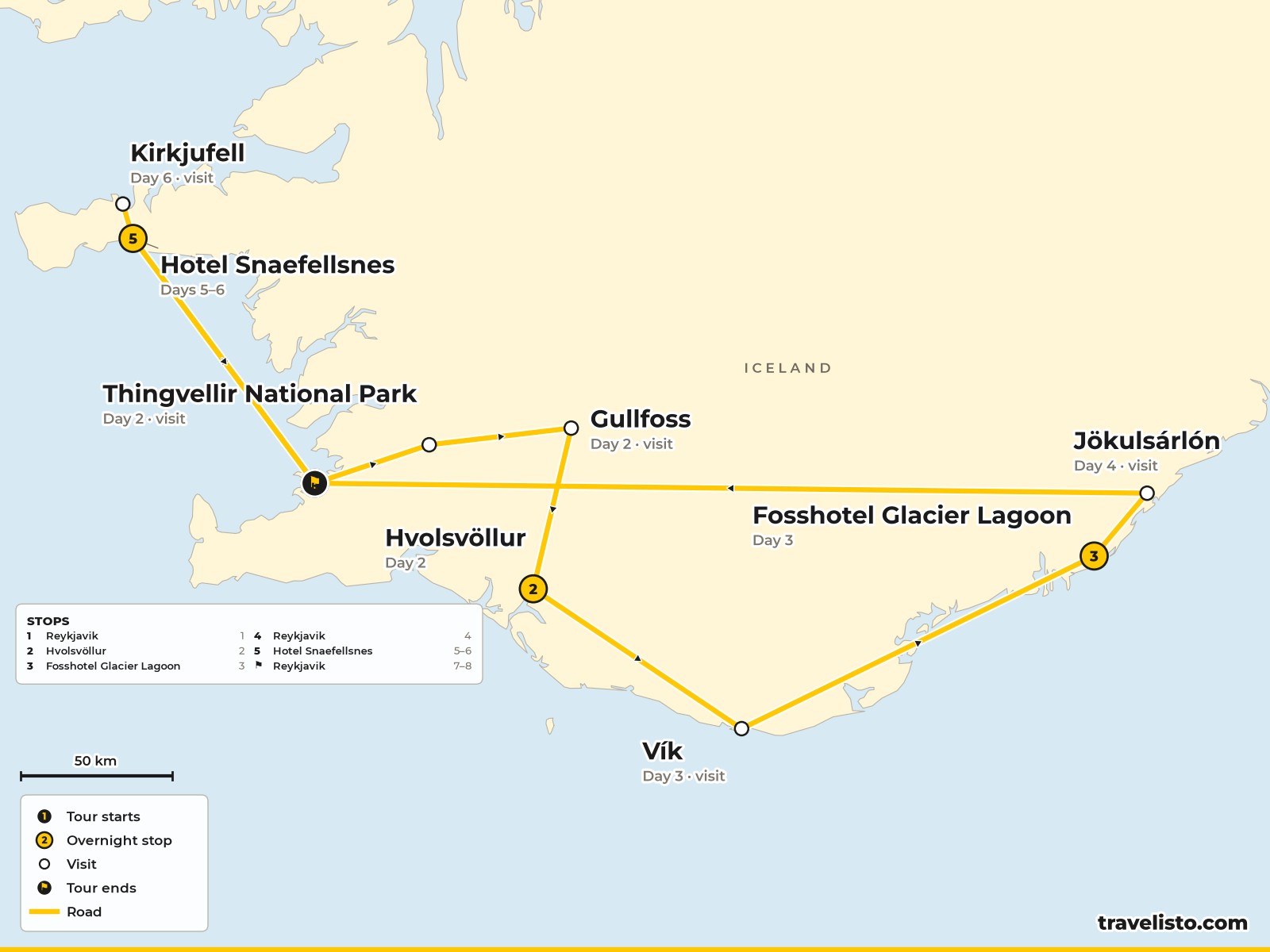
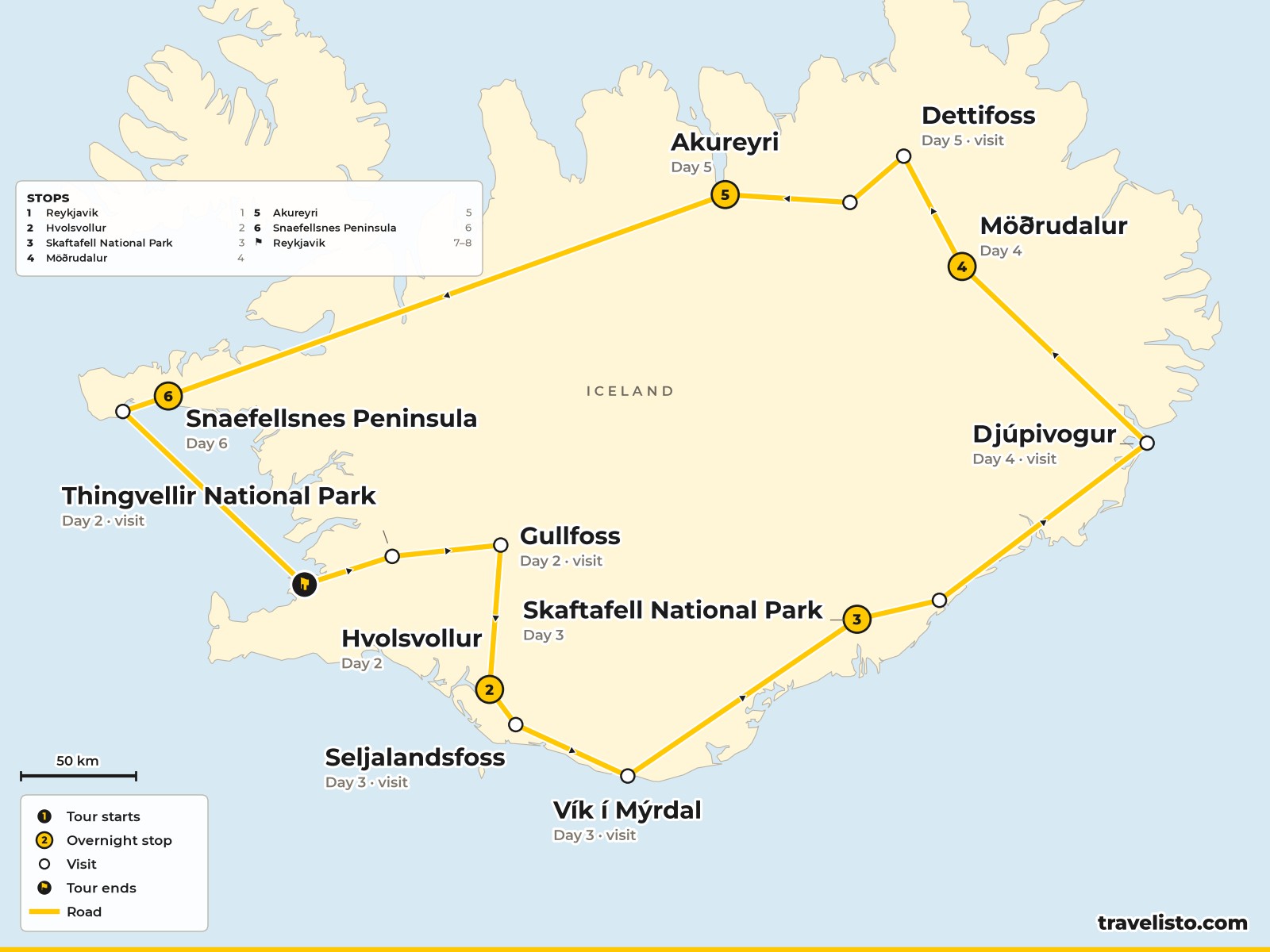
Four or five nights covers Reykjavík, the Golden Circle and the south coast. A week lets you reach Jökulsárlón comfortably or add Snæfellsnes. The full Ring Road needs at least eight to ten nights, and more in winter.
Reykjavík and the Golden Circle
- Reykjavík (2 nights)
- Golden Circle countryside (1)
- South coast as far as Vík (1)
A short break, ideal for a first northern lights trip.
Golden Circle, south coast and glaciers
- Reykjavík (2 nights)
- Golden Circle (1)
- South coast near Vík (1)
- Jökulsárlón and Skaftafell (2)
- Back via the south coast (1)
The classic first week, good in any season.
The Ring Road and Snæfellsnes
- Reykjavík (1 night)
- South coast (2)
- Jökulsárlón (1)
- East fjords (1)
- Mývatn (2)
- Akureyri (1)
- Snæfellsnes (2)
The full circuit with time to stop. Best May to September.
Ways to see Iceland with us
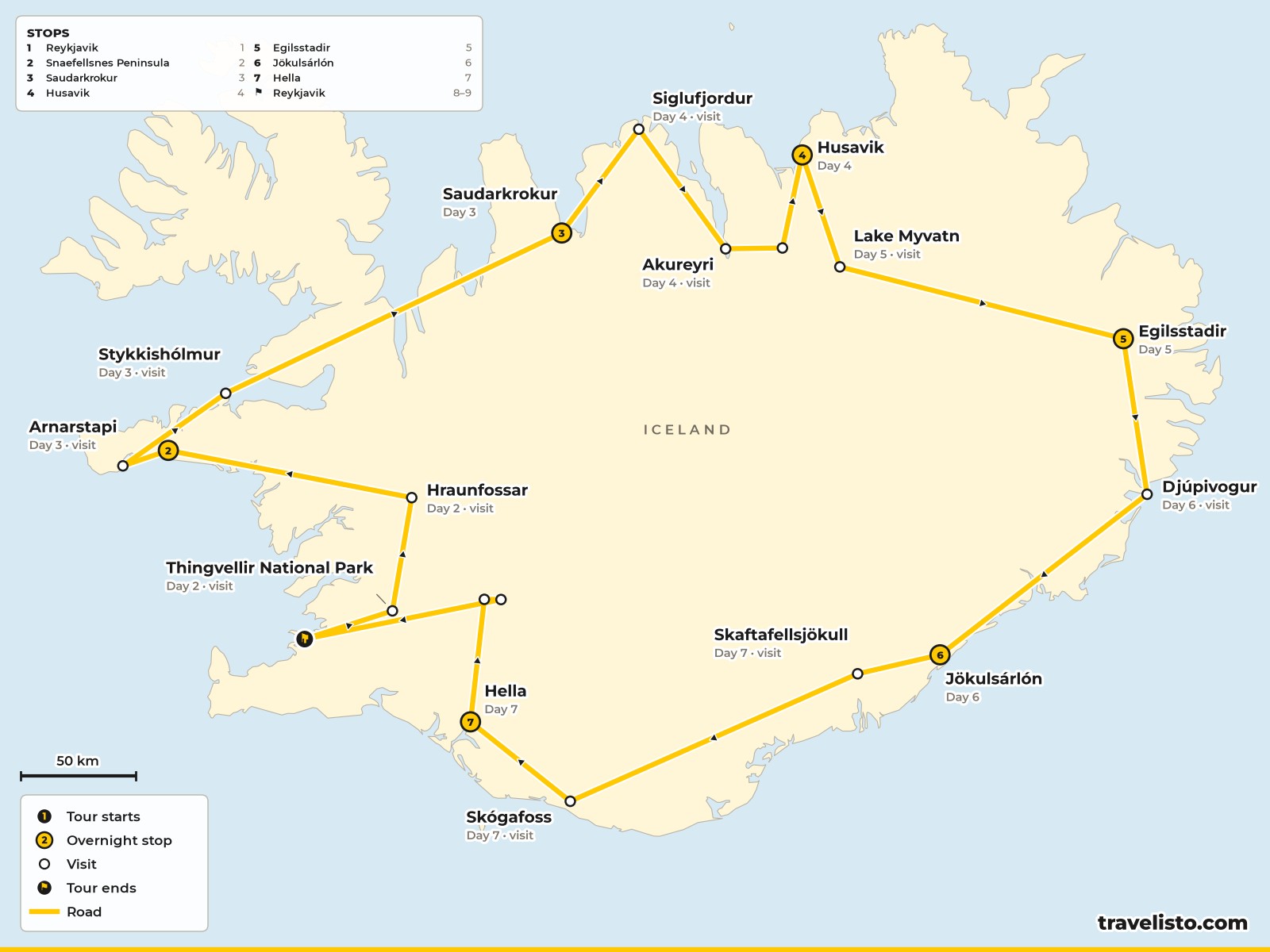
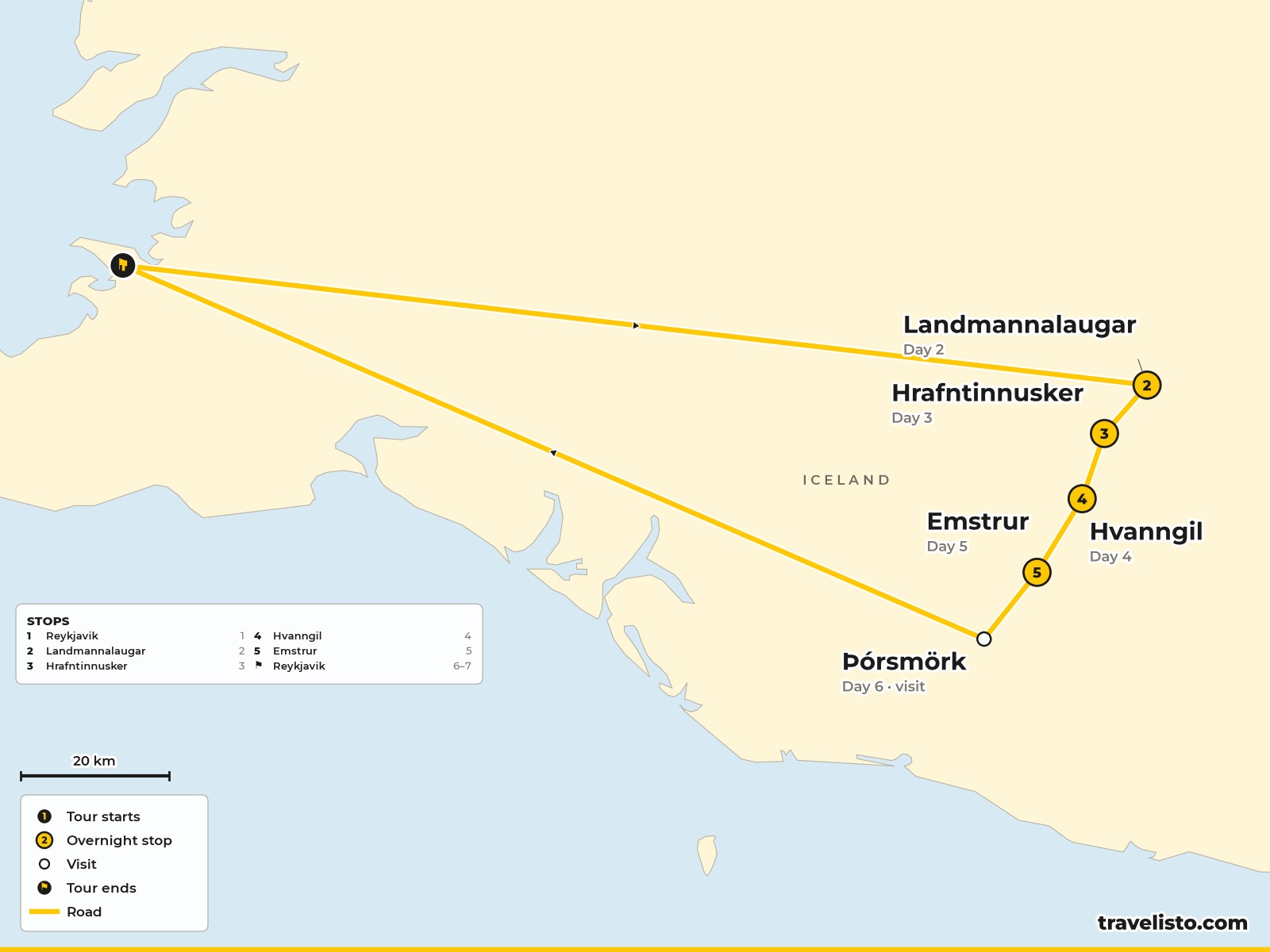
Prefer your own pace? A tailor-made Iceland holiday can be self-drive or with a private guide, with stays chosen for dark skies or long summer evenings. For every tour side by side, see Iceland tours: winter or summer?, or browse Iceland holidays.
Practical tips
- Entry: Iceland is in the Schengen area. British visitors can stay up to 90 days in any 180 without a visa; your passport must have been issued less than 10 years before you arrive and be valid for at least 3 months after you leave. The EU Entry/Exit System (EES) is being introduced, so expect to register fingerprints and a photo at the border. Check the FCDO Iceland advice before you go: it warns of ongoing volcanic activity on the Reykjanes peninsula.
- Layers: waterproof jacket and trousers, warm hat and gloves in every season, and walking boots. In winter add ice grips for your shoes.
- Weather and roads: conditions change fast. Check road.is and vedur.is daily, and respect closed roads and warning signs.
- Safety: stay back from the waves at Reynisfjara, from cliff edges and from hot springs; walk on glaciers only with a guide.
- Money: cards and phone payments are accepted almost everywhere, even for the smallest purchases.
Frequently asked questions
When is the best time to visit Iceland?
June to August for long days, the warmest weather, the Highlands, puffins and whale watching. Late September to March for the northern lights, ice caves and snowy scenery. September is a good compromise, with fewer visitors and the first aurora nights.
When can you see the northern lights in Iceland?
From about September to mid-April, on clear dark nights, usually between 9pm and 2am. Get away from town lights and allow several nights, as cloud is the main problem.
What is the Golden Circle?
A loop of about 300 km from Reykjavík taking in Þingvellir National Park, the Geysir geothermal area with the erupting Strokkur, and the Gullfoss waterfall. It makes a full day trip, or a relaxed two days with a night in the countryside.
How long does it take to drive the Ring Road?
Route 1 is about 1,300 km. You could drive it in a few days, but to enjoy it allow eight to ten nights in summer and more in winter, when daylight is short and storms can close roads.
How many days do you need in Iceland?
Four or five nights for Reykjavík, the Golden Circle and the south coast; a week to reach Jökulsárlón comfortably; eight to ten nights or more for the whole Ring Road.
Do you need a visa for Iceland from the UK?
No. Iceland is in the Schengen area, and British visitors can stay up to 90 days in any 180 without a visa. Check passport validity rules and the latest FCDO advice before you travel.
Does Iceland have trains?
No. There is no railway in Iceland. Travel is by car, coach, tour, domestic flight or ferry.
Is it safe to visit Iceland with the volcano eruptions?
Eruptions have been on the Reykjanes peninsula near Grindavík; follow local advice on areas to avoid. Flights and the rest of the country have generally been unaffected. Check the current FCDO Iceland travel advice before you go.
Keep planning
- Iceland holidays
- Iceland tours: winter or summer?
- Escorted tours of Iceland
- Svalbard guide
- Norway fjords guide
- Lapland northern lights holidays
- Faroe Islands holiday guide
- Greenland and Svalbard expedition cruises
- Tailor-made holidays
Plan your Iceland holiday with a Travel Designer
Tell us when you’d like to go and we’ll plan the route, the right hotels for northern lights or summer evenings, and a car, guide or small-group tour, in one ATOL-protected booking.
Make an enquiry Iceland holidays