Abisko and the northern lights in brief
- Abisko’s “blue hole” of clear sky makes it one of the best places in the world for the northern lights.
- A chairlift climbs to a mountain viewing station 900 metres up, far from any light.
- Abisko National Park has a canyon, lake Torneträsk and the start of the Kungsleden trail.
- The best time for the aurora is February and March, or September for autumn colours.
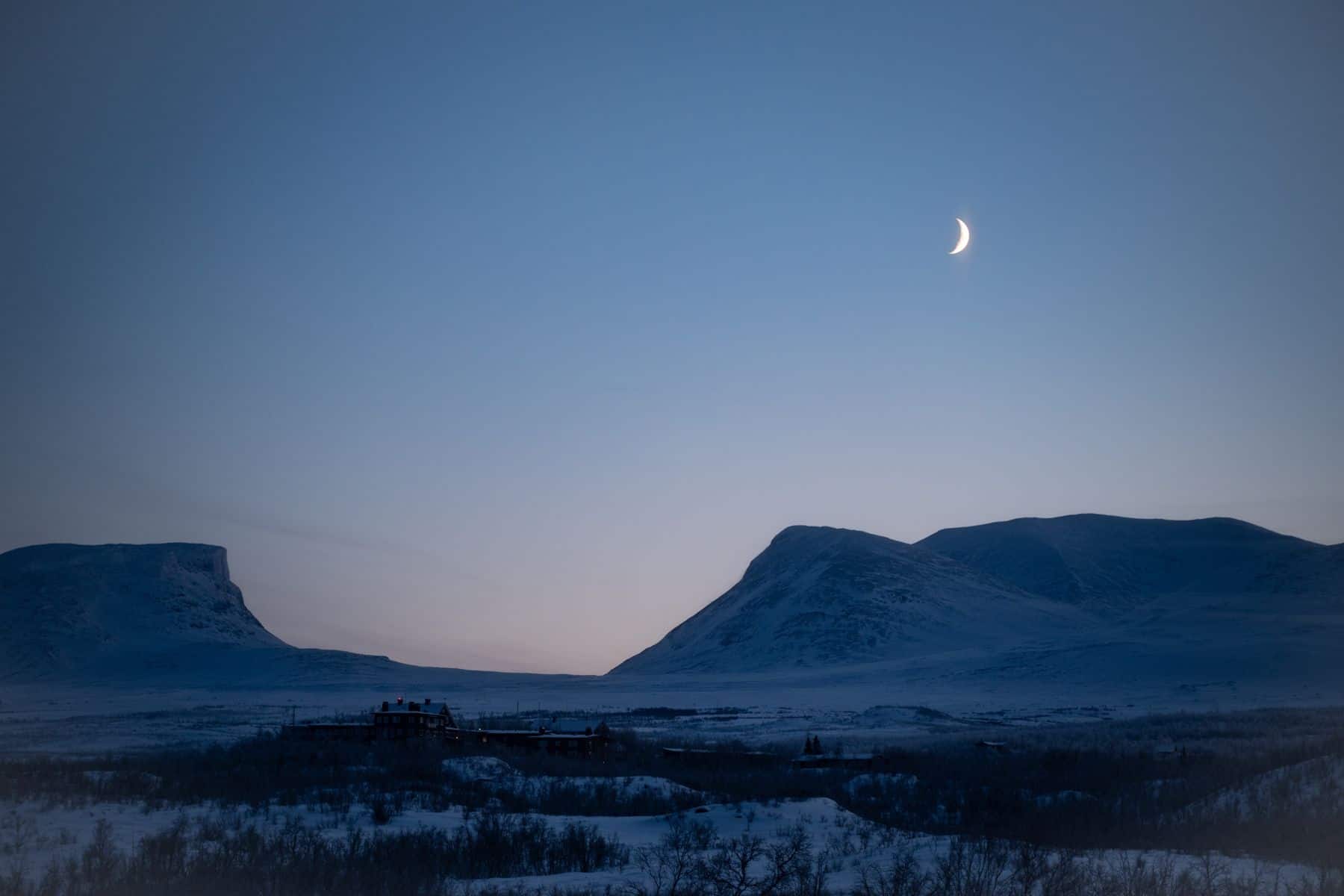
Abisko is a tiny village in the far north-west of Swedish Lapland, on the shore of the great lake Torneträsk and at the edge of one of Sweden’s oldest national parks. It’s famous for one thing above all: some of the most reliable northern lights viewing in the world, thanks to a local patch of clear sky known as the “blue hole”. This guide covers why Abisko is so good for the aurora, the national park and its canyon, the mountain viewing station, the Kungsleden trail, the best time to visit and how to get there by plane or train.
Why Abisko is so good for the northern lights

Abisko sits right under the auroral oval, the ring around the magnetic pole where the northern lights are most frequent. On a clear, dark night between September and March the chance of seeing them is high.
What makes it special is the weather. The mountains to the west catch the clouds rolling in from the Atlantic, so a patch of sky over Abisko and Torneträsk often stays clear when the rest of the region is cloudy. Locals call it the blue hole.
It’s also very dark: there are no big towns nearby, so even modest displays show up well. Stay three or four nights, keep your evenings free and check the aurora and cloud forecasts each afternoon.
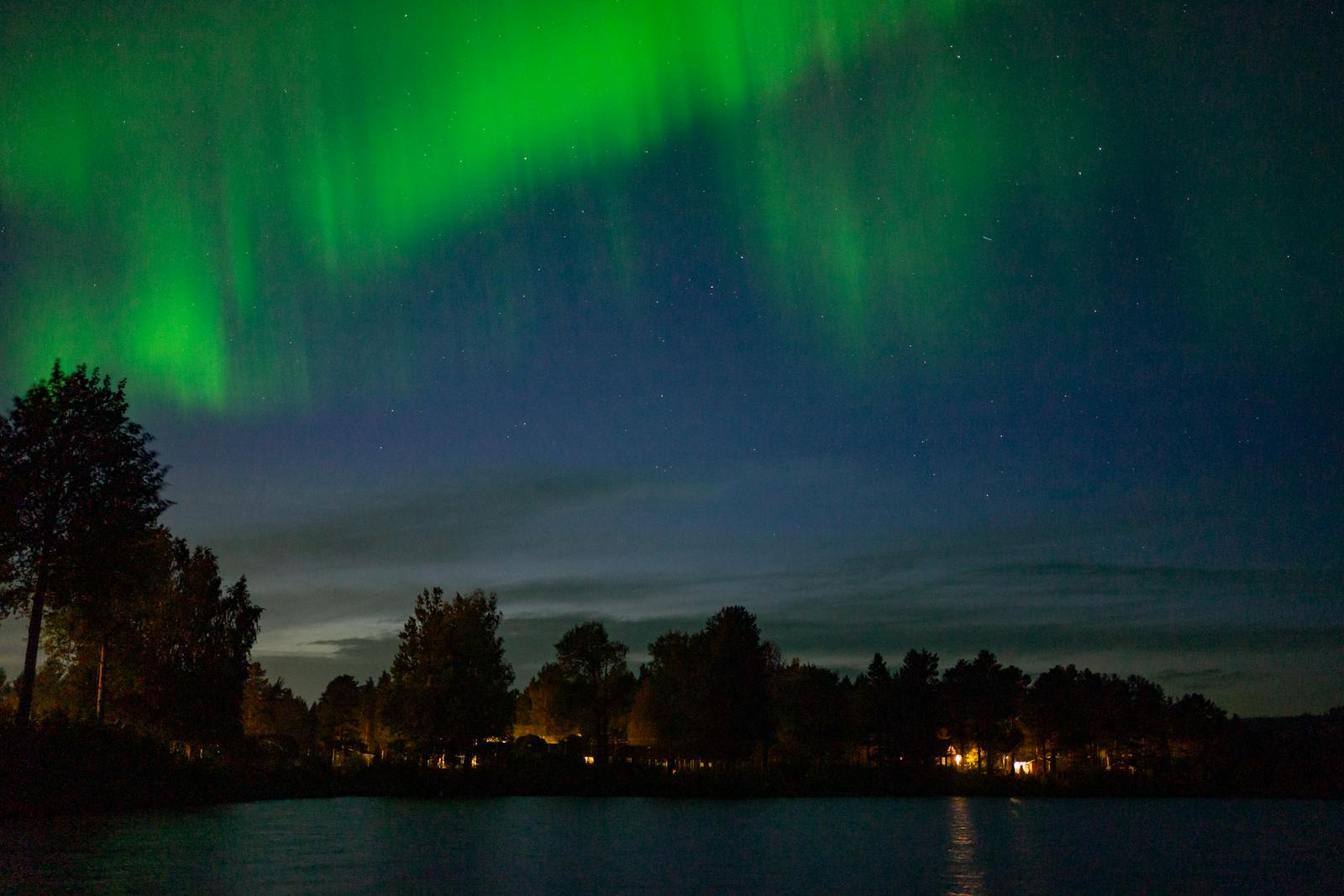


Tips for seeing and photographing the aurora: the most active time is usually between about 9pm and 1am, but displays can happen any time it’s dark. Get away from lights, give your eyes 15 minutes to adjust, and use a tripod with a long exposure. Guided photo tours bring tripods, warm clothing and hot drinks, and know where the skies are clearest.
The mountain viewing station
A chairlift from Abisko Östra climbs Mount Nuolja to the Aurora Sky Station, a viewing station 900 metres above sea level, far from any light. In winter you ride up after dark wrapped in thermal overalls, and there’s a warm room, a café and a viewing tower at the top. In summer the same chairlift runs under the midnight sun, with views over Torneträsk and the U-shaped valley of Lapporten, the “Gate of Lapland”.
Abisko National Park
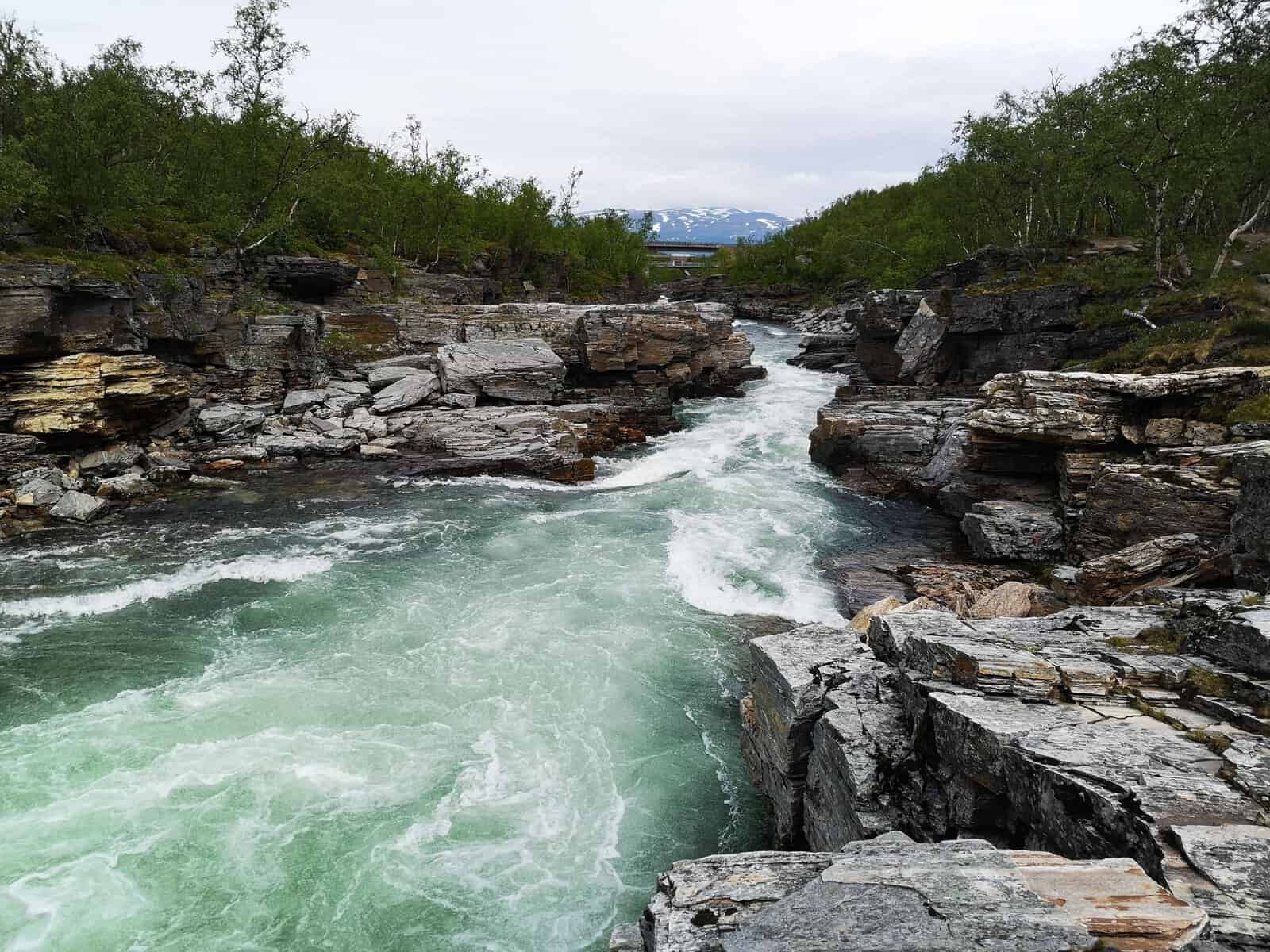
Founded in 1909, Abisko National Park is one of the first national parks in Europe. It covers birch forest, mountains and the river Abiskojåkka, which has cut a deep, narrow canyon through the rock just a short walk from the village.
Easy marked trails lead along the canyon and down to the shore of Torneträsk, one of Sweden’s largest and deepest lakes, which freezes solid in winter.
In winter you can snowshoe, cross-country ski, go ice fishing or take a husky or snowmobile tour; in summer, hike, spot birds and wild flowers and walk under the midnight sun.
Things to do in Abisko
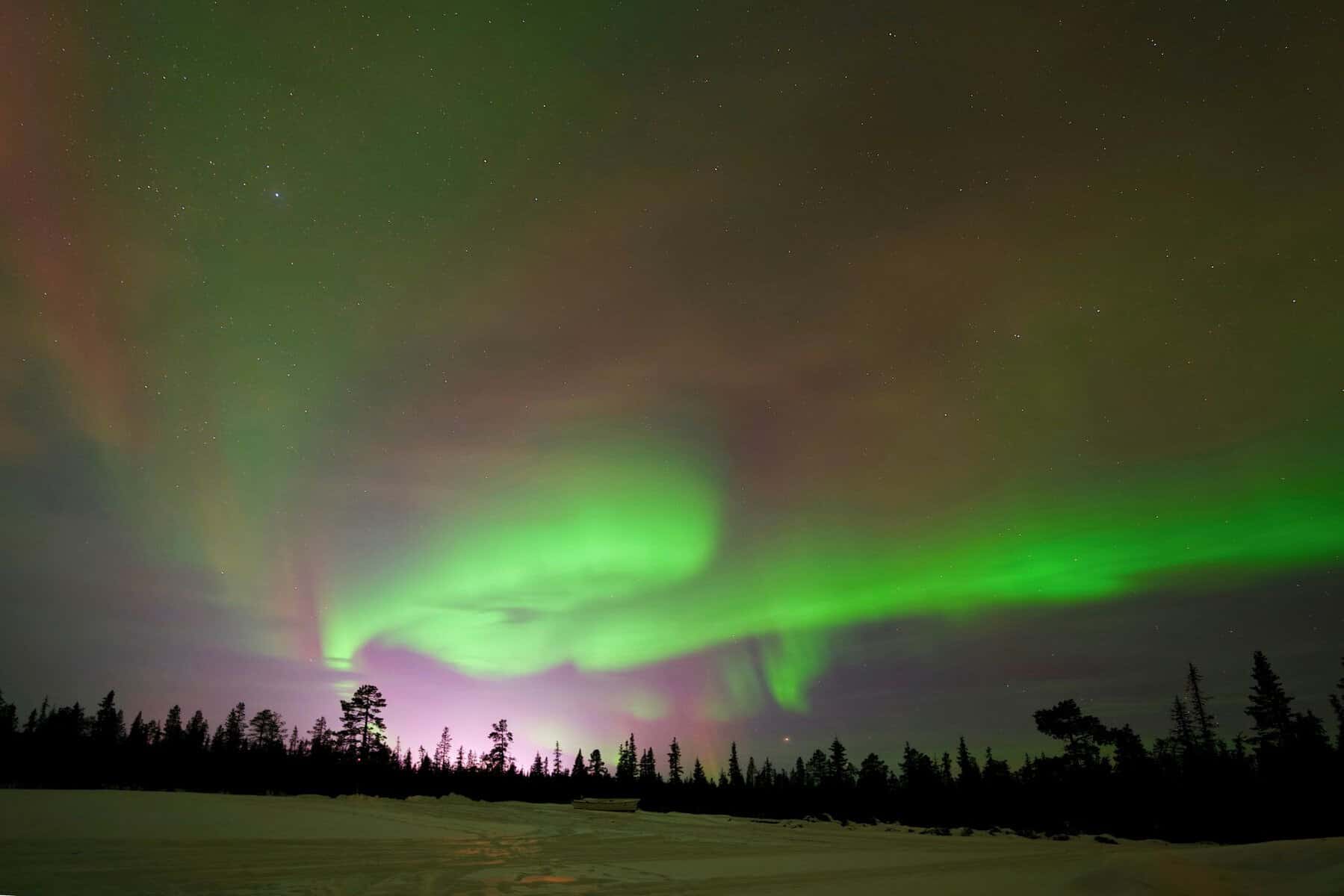
Northern lights tours
Join a photo tour, snowshoe out to a frozen lake or ride the chairlift up the mountain. Small-group guides follow the clearest skies.
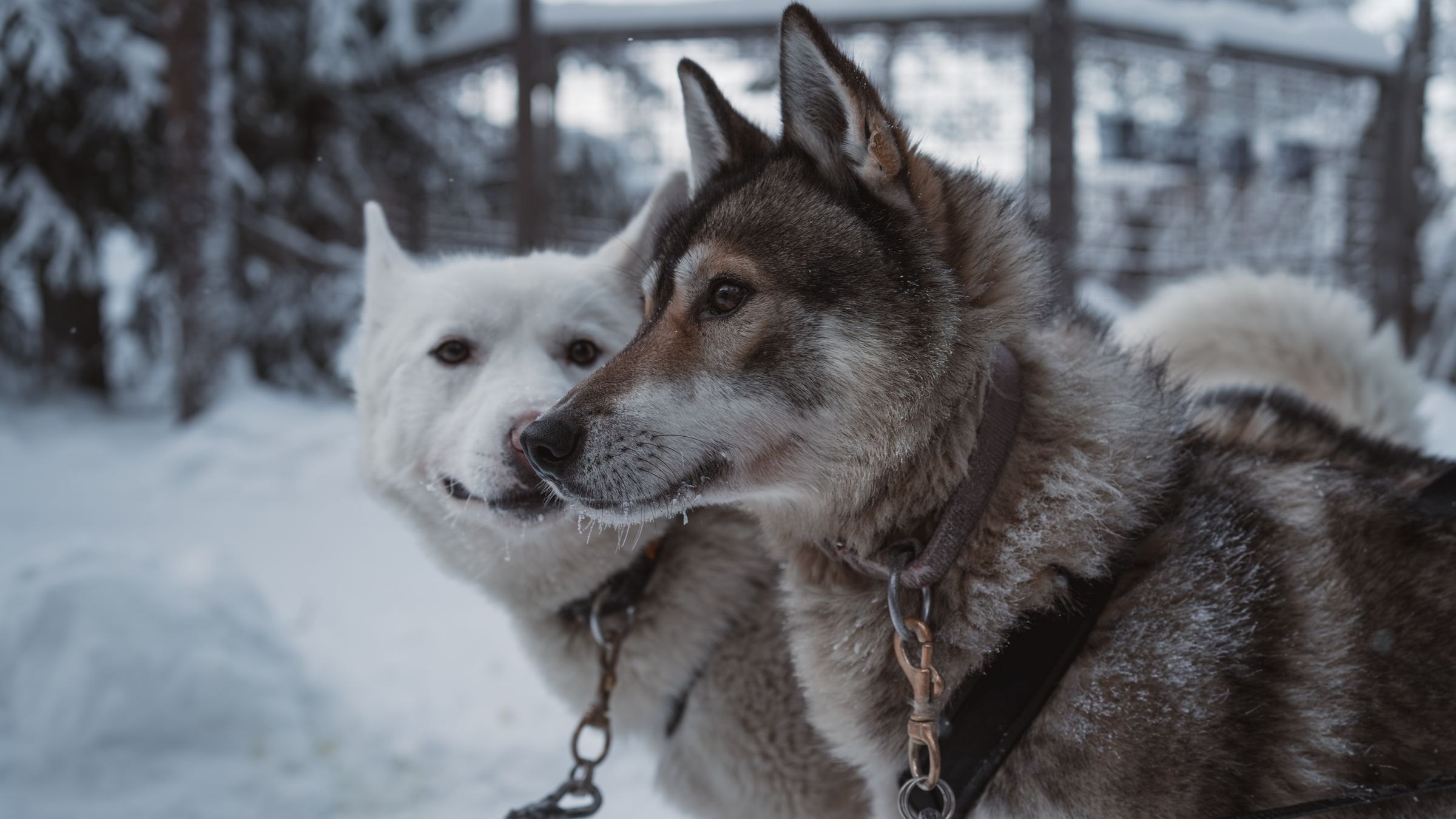
Husky sledding
Drive your own team through the birch forest and across the frozen lake, or join an overnight trip to a wilderness cabin.

Hike the Kungsleden
Sweden’s most famous long-distance trail, the King’s Trail, starts in Abisko and runs about 440 km south to Hemavan. The first section, to the mountain huts in the Abiskojaure valley, is a lovely day or overnight walk.
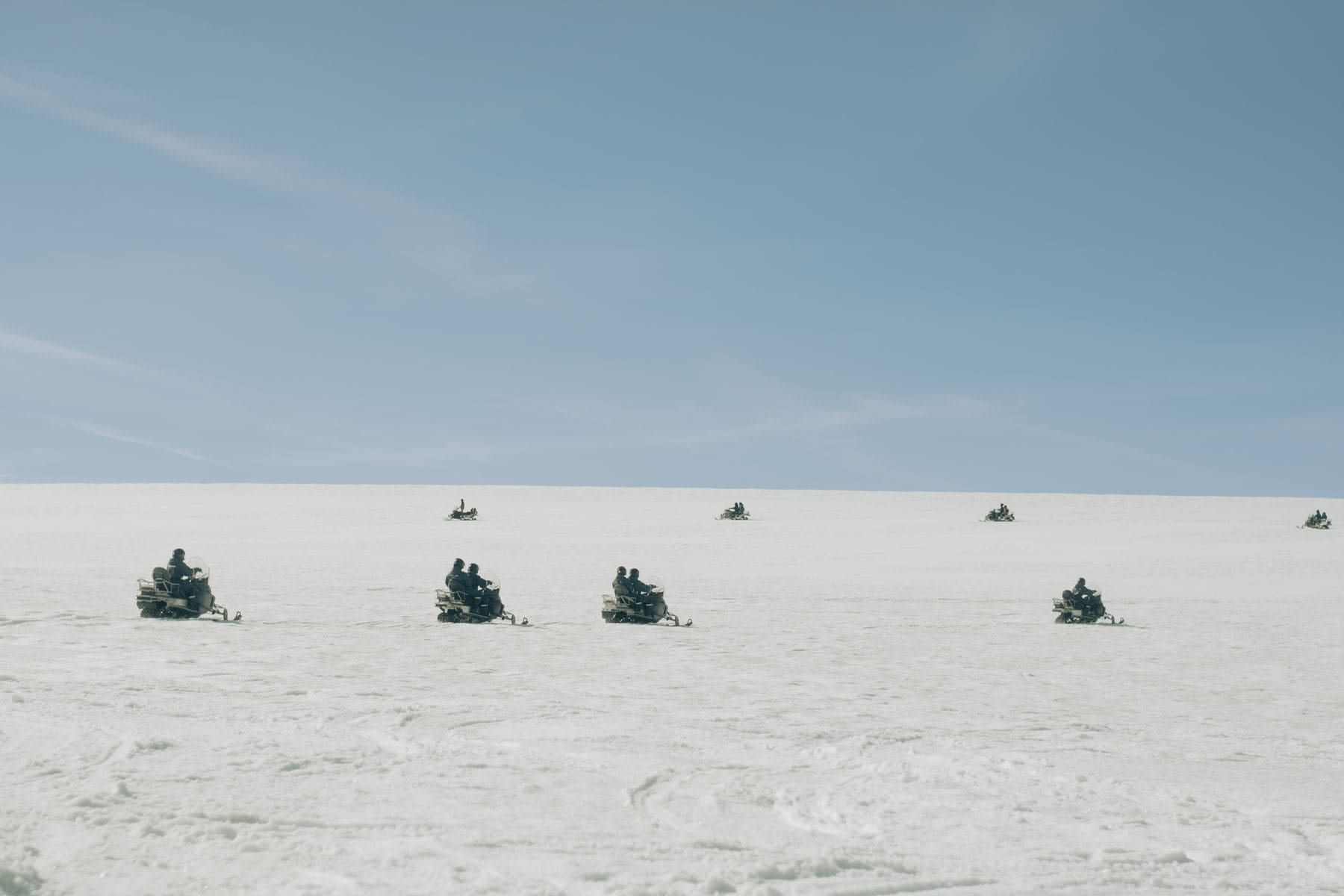
Snowmobiles, snowshoes and ice fishing
Explore the fells and frozen lakes by snowmobile, try ice fishing for Arctic char, or snowshoe through the quiet forest by headtorch.
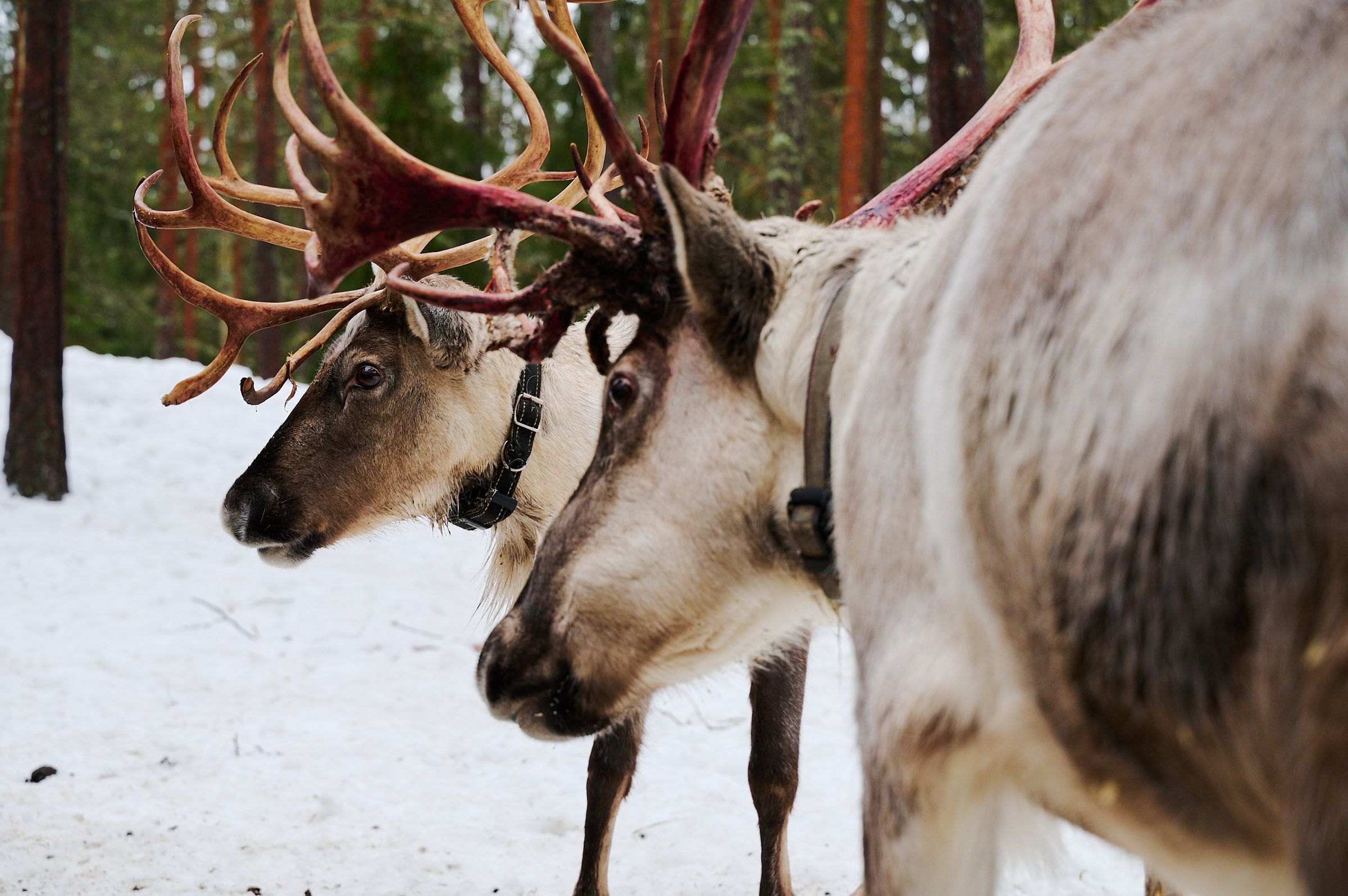
Reindeer and Sámi culture
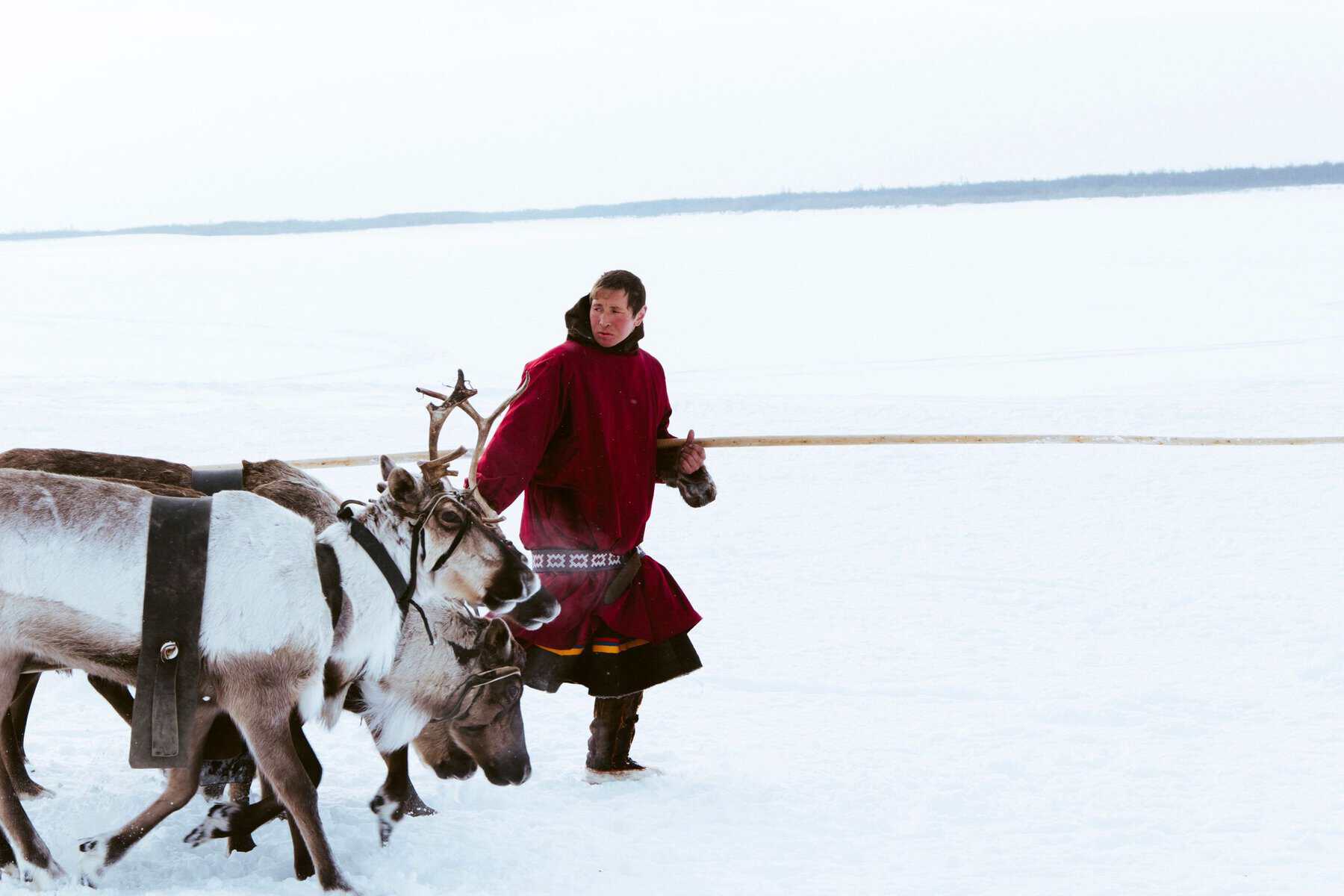
Abisko is in Sápmi, the land of the Sámi. Visit a reindeer herding family to learn about their life, food and traditions.
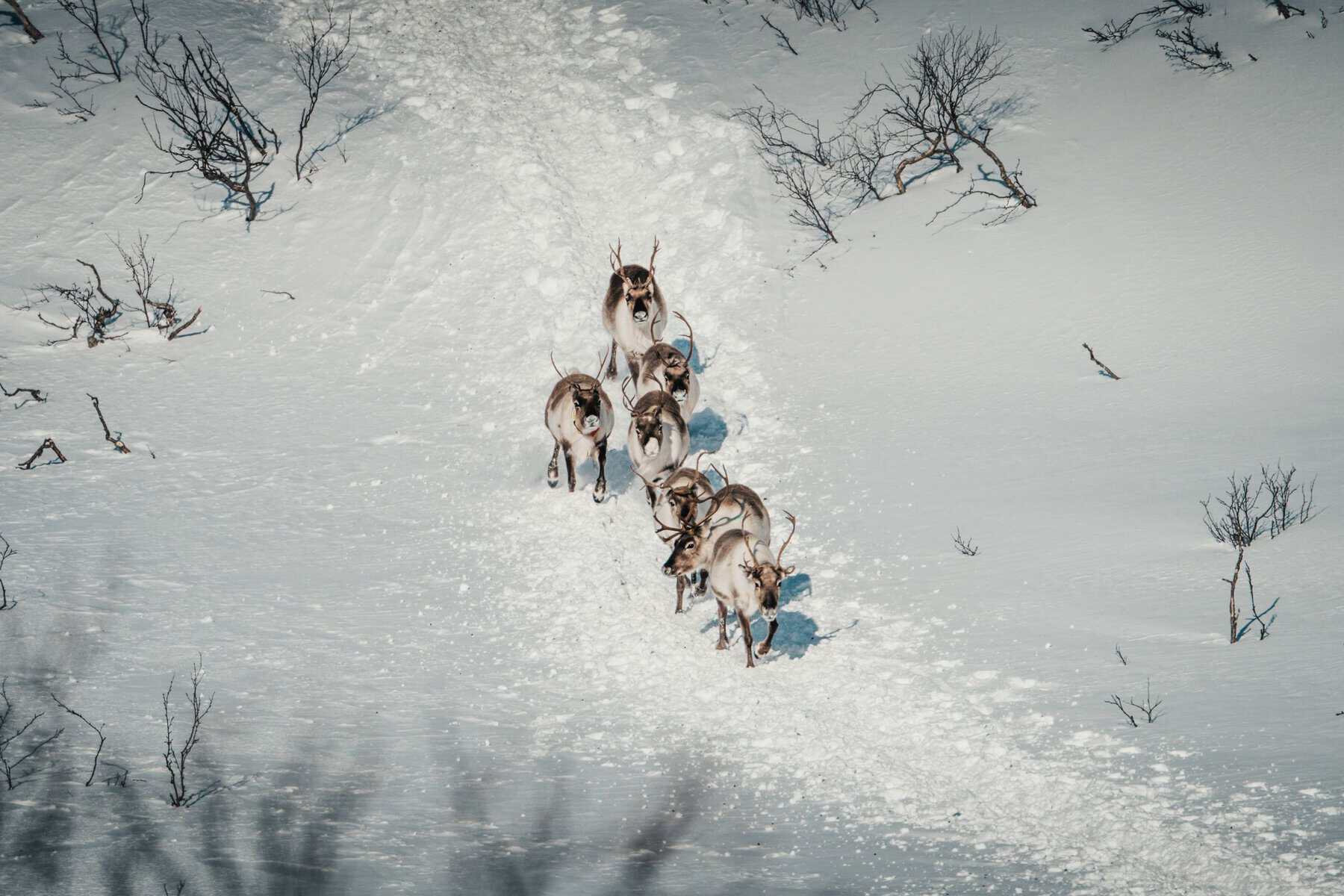
Day trip to Narvik in Norway
The Ore Line railway continues over the mountains to Narvik on a Norwegian fjord, about an hour and a half away, one of the most scenic train rides in Scandinavia.
Best time to visit Abisko
| Month | Average high | Average low | What to expect |
|---|---|---|---|
| Sep | 10°C | 5°C | Autumn colours, first aurora |
| Oct | 3°C | -1°C | Aurora, little snow |
| Nov | -1°C | -5°C | Snow arrives, short days |
| Dec | -4°C | -9°C | Polar night, Christmas |
| Jan | -7°C | -12°C | Deep winter |
| Feb | -6°C | -10°C | Snow, aurora, more daylight |
| Mar | -4°C | -9°C | Best all-round winter month |
| Jun | 11°C | 5°C | Midnight sun |
| Jul | 16°C | 10°C | Hiking, midnight sun |
10-year ERA5 averages for Abisko. Abisko is milder and windier than Kiruna, but cold snaps below -25°C happen.
For the northern lights, February and March are the best balance of dark nights, snow and daylight for activities. September and early October are good too, with autumn colours, aurora reflected in unfrozen lakes and milder nights. For hiking, come from July to mid-September, when the trails are clear of snow and the mountain huts are open.
How to get to Abisko
- Fly to Kiruna via Stockholm (or on a seasonal direct winter flight from the UK), then take the train or a transfer: about 95 km and 75 minutes.
- Take the night train from Stockholm, which runs all the way to Abisko and on to Narvik. It takes about 18 to 19 hours and is a great adventure in itself.
- From Norway, fly to Narvik or Tromsø and take the train or a transfer over the border.
Abisko aurora break
- Fly to Kiruna
- Abisko (4 nights)
- Mountain station
- Huskies
- Photo tour
Four dark evenings give you the best chance of the lights.
Abisko and Kiruna
- Kiruna or Jukkasjärvi (3 nights)
- Abisko (3)
Add the ice hotel, reindeer and huskies around Kiruna.
Lapland by rail
- Stockholm (2 nights)
- Night train
- Abisko (3)
- Narvik or Tromsø (2)
One of Europe’s great rail journeys, over the mountains into Norway.
Ways to see Abisko with us
Prefer a direct flight? Our northern lights holidays in Finnish Lapland fly straight from UK airports to the same dark Arctic skies.


Practical tips
- Clothing: tours lend thermal overalls and boots. Bring wool base layers, a warm hat, mittens and spare camera batteries (the cold drains them fast).
- Nothing is guaranteed: the aurora depends on solar activity and clear skies. More nights means better odds.
- Book early: Abisko is small, and rooms for February and March fill up months ahead.
- Daylight: around Christmas the sun doesn’t rise above the mountains, but there are a few hours of blue twilight at midday.
- Entry: Sweden is in the Schengen area; British visitors can stay up to 90 days in any 180 without a visa. Check the FCDO Sweden advice.
Frequently asked questions
Why is Abisko good for the northern lights?
It lies under the auroral oval, it's very dark, and the mountains to the west hold back Atlantic cloud, so the sky over Abisko is often clear when the rest of the region is cloudy. Locals call this the blue hole.
When is the best time to see the northern lights in Abisko?
From September to late March, on clear, dark nights. February and March combine good snow, longer days for activities and dark nights for the aurora.
Where is Abisko?
In the far north-west of Swedish Lapland, about 200 km north of the Arctic Circle, on the shore of Torneträsk, about 95 km from Kiruna and close to the Norwegian border.
How do you get to Abisko from the UK?
Fly to Kiruna via Stockholm, or on a seasonal direct winter flight, then take the train or a transfer (about 75 minutes). Or take the night train from Stockholm, which runs all the way to Abisko.
What is there to do in Abisko National Park?
Walk along the canyon of the Abiskojåkka river, visit the shore of Torneträsk, hike the first stage of the Kungsleden, and in winter try husky sledding, snowshoeing, ice fishing and snowmobiling.
How many nights should I spend in Abisko?
At least three or four nights to give yourself a good chance of clear skies and the northern lights. Combine it with Kiruna and the ice hotel for a week.
How cold is Abisko in winter?
Average highs in January are around -7°C and lows around -12°C, milder than Kiruna but often windy. Cold snaps below -25°C happen, so dress in layers.
Can you see the midnight sun in Abisko?
Yes, from about late May to mid-July the sun stays above the horizon all night, perfect for hiking and the chairlift up the mountain.
Keep planning
- Sweden holidays
- Kiruna and the ice hotel
- Lapland tours compared
- Escorted tours of Sweden
- Finnish Lapland
- Norway holidays
- Iceland holidays
- Tailor-made holidays
Plan your Abisko northern lights trip with a Travel Designer
Tell us when you’d like to go and we’ll plan your Lapland trip: dark-sky nights in Abisko, huskies, the mountain viewing station and the night train, with flights in one ATOL-protected booking.
Make an enquiry Sweden holidays