Uzbekistan in brief
- Samarkand, Bukhara and Khiva are the three great Silk Road cities; allow two or three nights in each.
- High-speed trains link Tashkent, Samarkand and Bukhara; fly or drive across the desert to Khiva.
- Best in April to May and September to October; very hot in summer and cold in winter.
- About 7 hours direct from London to Tashkent; no visa for UK visitors for up to 30 days.

Uzbekistan is the heart of the old Silk Road. For centuries caravans carrying silk, spices, paper and ideas crossed its deserts between China and the Mediterranean, and the cities they made rich are still standing: Samarkand, with its turquoise domes and the great square of the Registan; Bukhara, a living old town of mosques, madrasas and trading domes; and Khiva, a walled desert city that looks almost untouched. Add bustling bazaars, fast modern trains between the cities, superb crafts and some of the warmest hospitality in Asia, and it’s one of the great journeys you can make from the UK. This guide covers where to go, the best time to visit and the weather, getting there and around, where to stay, sample routes and our Uzbekistan tours.
Where is Uzbekistan?
Uzbekistan is in Central Asia, between Kazakhstan to the north, Kyrgyzstan and Tajikistan to the east, Afghanistan to the south and Turkmenistan to the south-west. It is one of only two countries in the world that are doubly landlocked: every one of its neighbours is landlocked too.
Most of the west is desert, the Kyzylkum, crossed by the two great rivers of Central Asia, the Amu Darya and the Syr Darya, which once fed the Aral Sea. The east rises to the foothills of the Tian Shan and Pamir-Alay mountains, around the fertile Fergana Valley.
The classic Silk Road cities run in a line from east to west: Tashkent, the capital; Samarkand, about two hours away by high-speed train; Bukhara, an hour and a half further west; and Khiva, in the far west near the border with Turkmenistan.
Samarkand

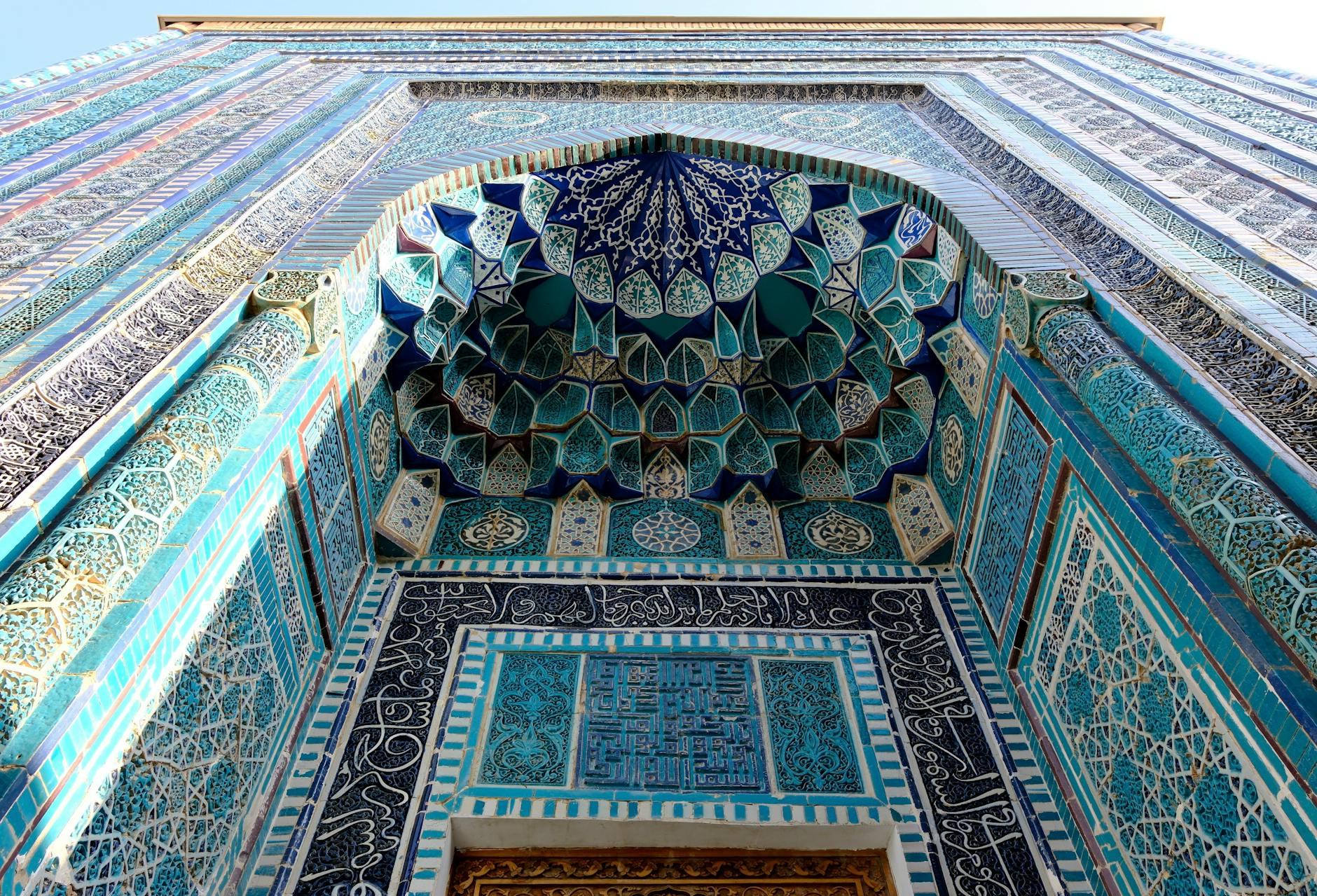
One of the oldest cities in Central Asia, Samarkand was already ancient when Alexander the Great took it in 329 BC. Its golden age came under Amir Timur (Tamerlane), who made it his capital in the late 14th century and brought craftsmen from across his empire to build it. It is a UNESCO World Heritage Site.
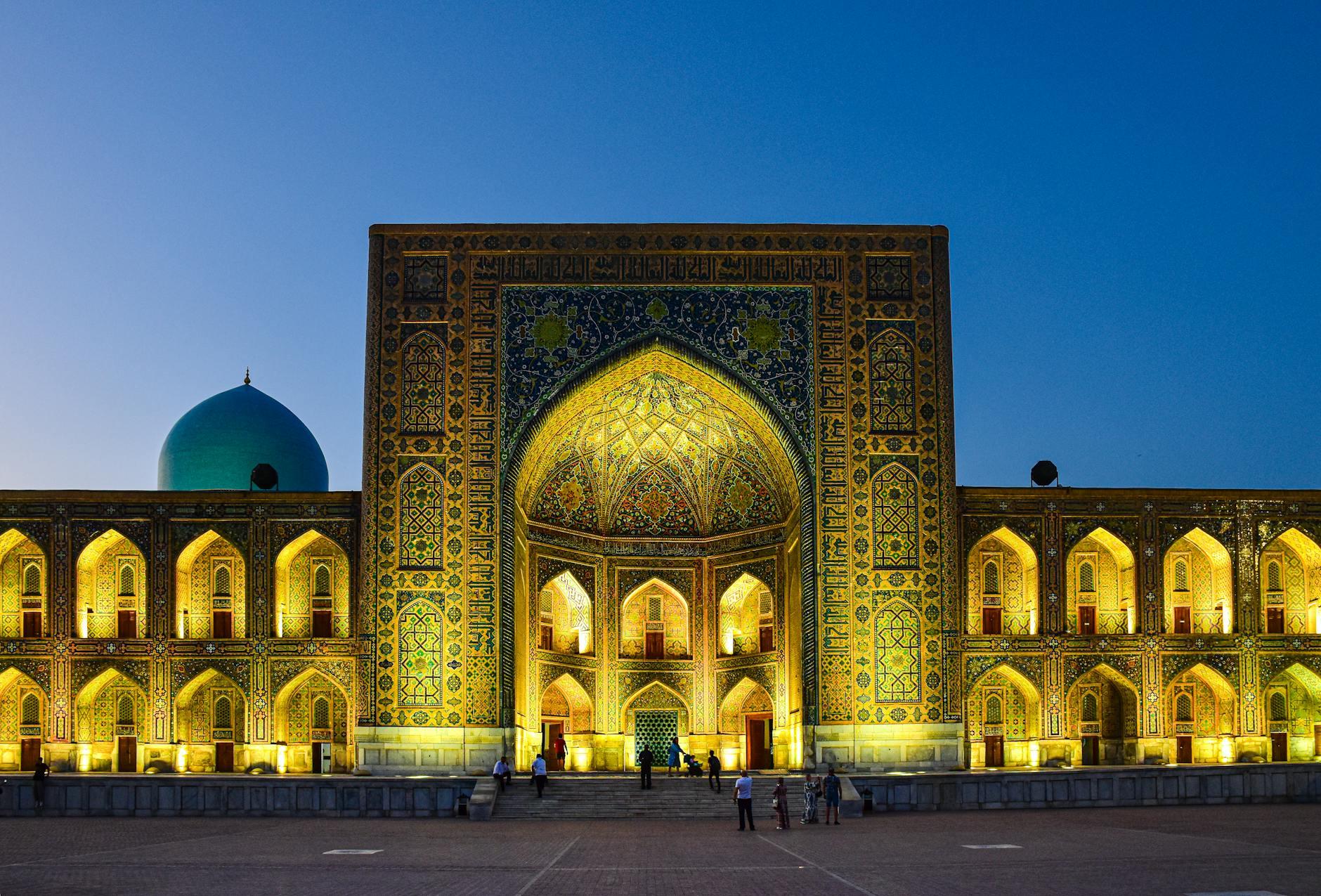
The Registan is the city’s great square, framed on three sides by tiled madrasas: Ulugh Beg’s from the 1420s, and the Sher-Dor and Tilya-Kori from the 17th century, the last with a prayer hall gilded inside. See it in the morning, again at sunset, and once more when it’s lit up after dark.
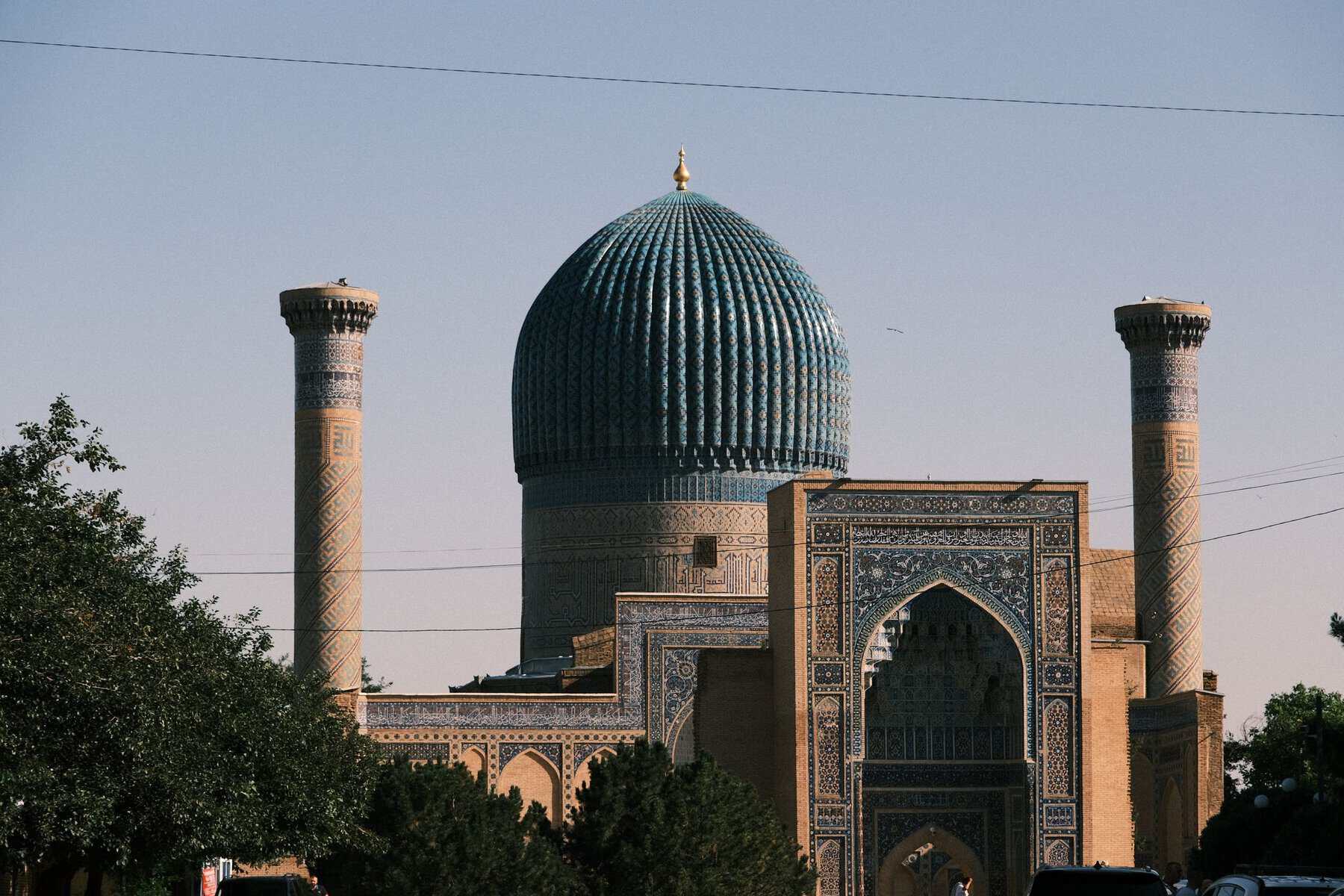
Gur-e-Amir, with its fluted blue dome, is the mausoleum of Timur and his family. Bibi-Khanym, built for Timur at the start of the 15th century, was one of the largest mosques in the Islamic world, and the busy Siab Bazaar is right beside it.

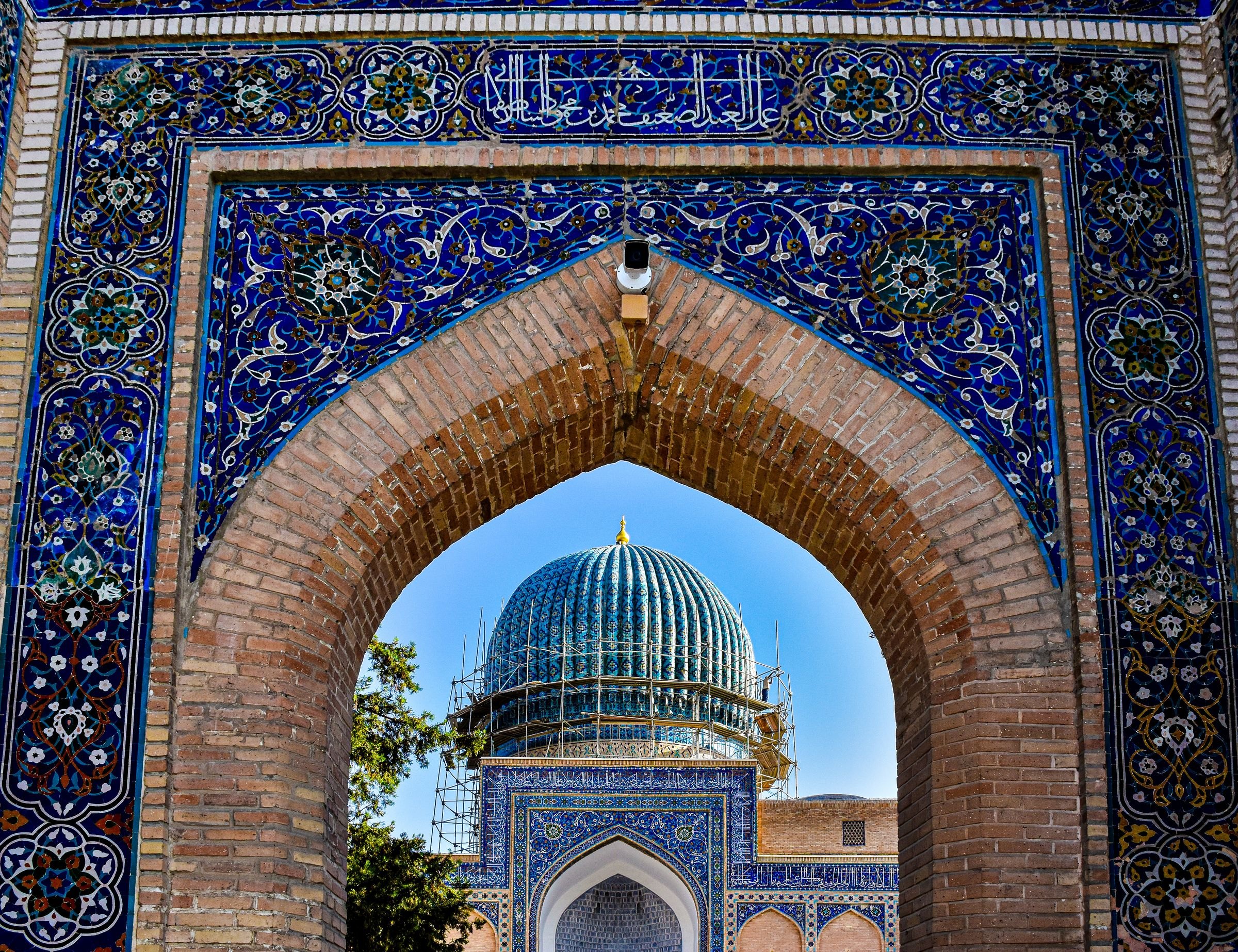
Don’t miss Shah-i-Zinda, an avenue of mausoleums climbing a hillside, covered in some of the finest tilework in the Islamic world. Out of the centre are the remains of Ulugh Beg’s observatory, where Timur’s astronomer grandson measured the length of the year with remarkable accuracy in the 1420s, and the ancient site of Afrosiyob, the original city, with a museum of 7th-century wall paintings. You can also watch paper being made from mulberry bark by hand in a village just outside town. Allow two to three nights, and take a day trip over the mountains to Shakhrisabz, Timur’s birthplace, to see the vast ruined gateway of his summer palace.
Bukhara

If Samarkand is grand, Bukhara is intimate. More than 2,000 years old, it was one of the great centres of Islamic learning, and its historic centre, a UNESCO World Heritage Site, is still a living town of lanes, courtyards and markets, best explored on foot.
Poi Kalyan is the heart of it: the Kalyan Minaret, built in 1127 and so impressive that Genghis Khan is said to have spared it, rising beside the great Kalyan Mosque and the still-working Mir-i-Arab Madrasa. Nearby are the massive walls of the Ark, the fortress of the emirs, and the covered trading domes where merchants still sell carpets, suzani embroidery, knives and spices.
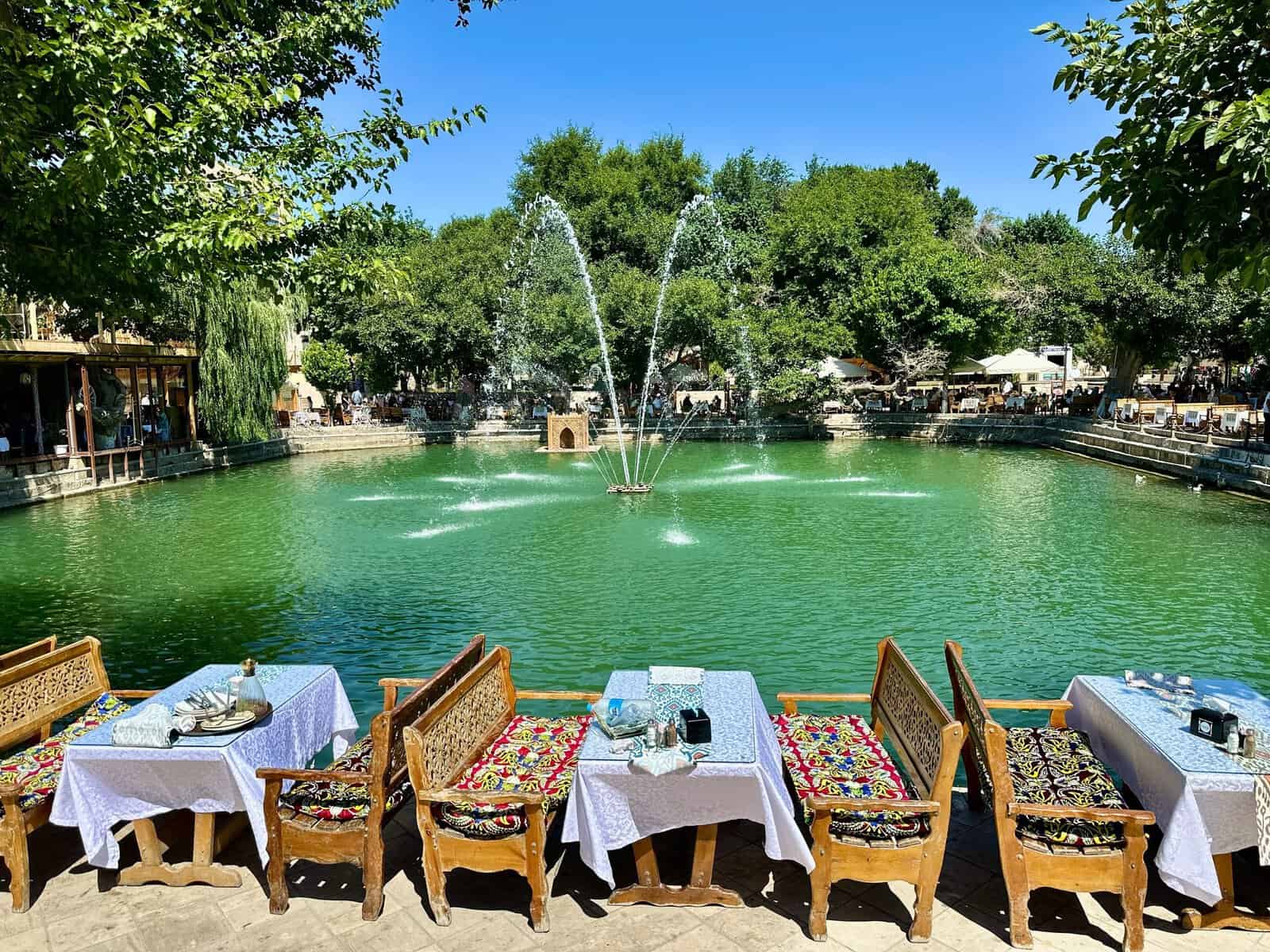
Life in the evening centres on Lyabi-Hauz, an old pool shaded by mulberry trees and ringed by madrasas and tea houses. Look out too for the 10th-century Samanid Mausoleum, a masterpiece in patterned brick, the four little minarets of Chor Minor, and the summer palace of the last emir on the edge of town. Stay at least two nights, three if you can.
Khiva

Khiva was a desert khanate and slave-trading town on the edge of the Kyzylkum, the last stop for caravans before the deserts to the west. Its walled inner city, the Itchan Kala, became Central Asia’s first UNESCO World Heritage Site in 1990, and inside its mud-brick walls are palaces, madrasas, mosques and minarets packed into a few hundred metres.
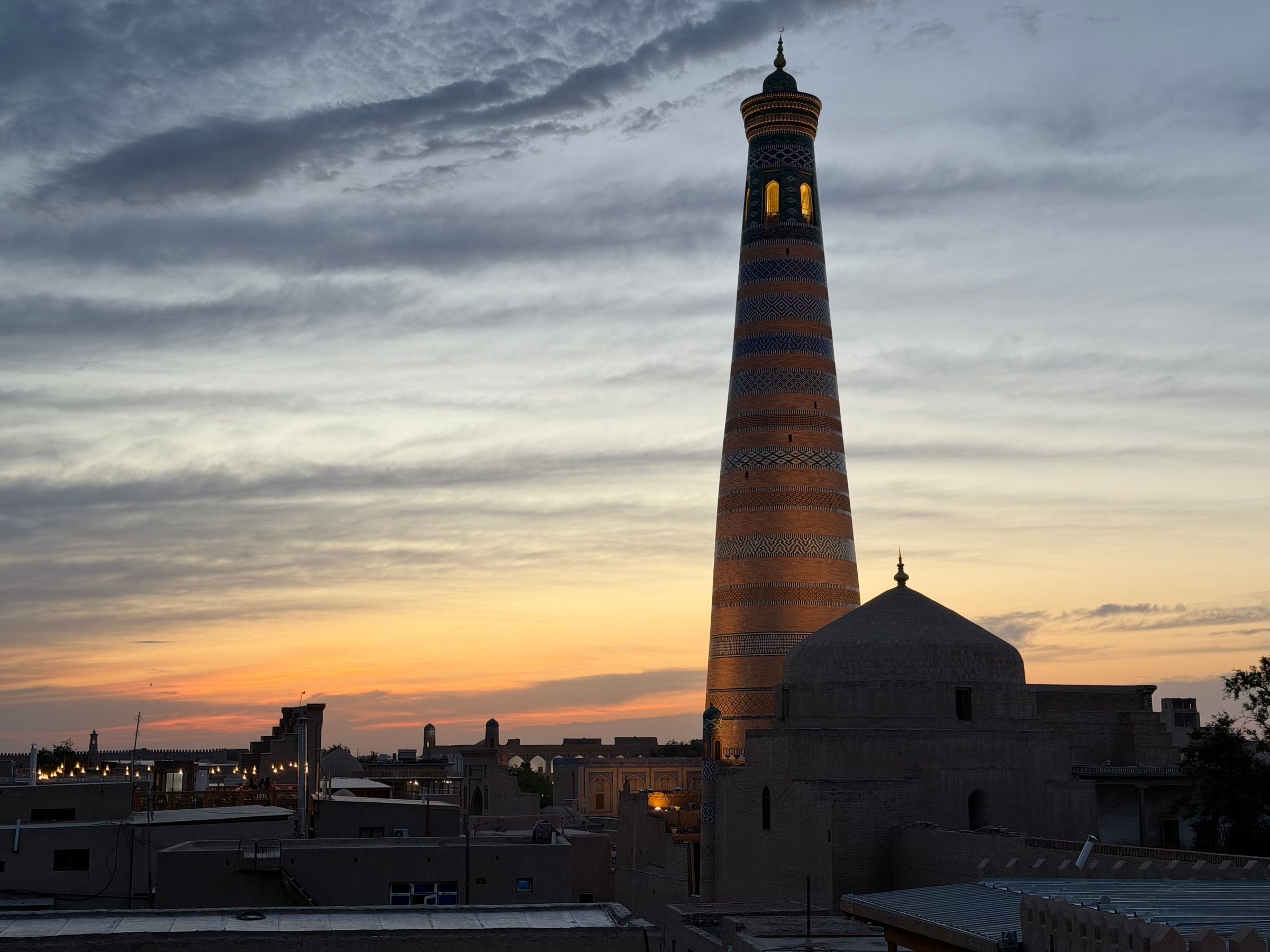
Look for the stubby, turquoise-tiled Kalta Minor minaret, left unfinished in the 19th century; the Juma Mosque, a forest of more than 200 carved wooden columns, some of them centuries old; the tiled harem courtyards of the Tash Khauli palace; and the old citadel. Climb the Islam Khodja minaret, the tallest in town, or walk the walls at sunset.
Khiva is quiet once the day visitors leave, so stay inside or just outside the walls for a night or two. From here you can also visit the ruined desert fortresses of ancient Khorezm, an hour or two away.
Where else to go in Uzbekistan
Tashkent
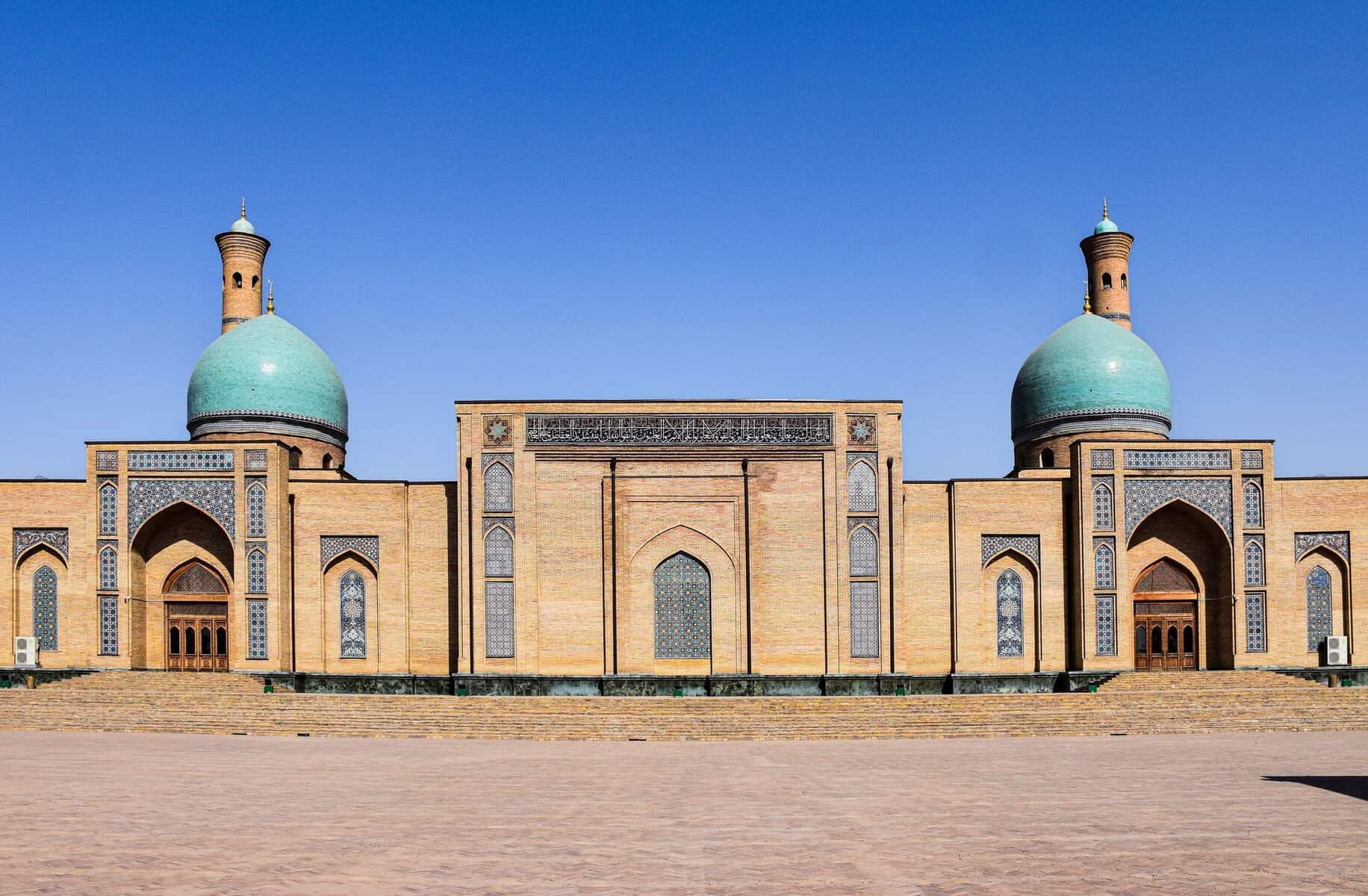
The capital is a big, green, modern city, largely rebuilt after an earthquake in 1966. See the Khast Imam complex, home to a 7th-century Quran held to be one of the oldest in the world; the huge domed Chorsu Bazaar; and the metro, whose stations are decorated like palaces. It is the arrival point for most flights.
The Fergana Valley
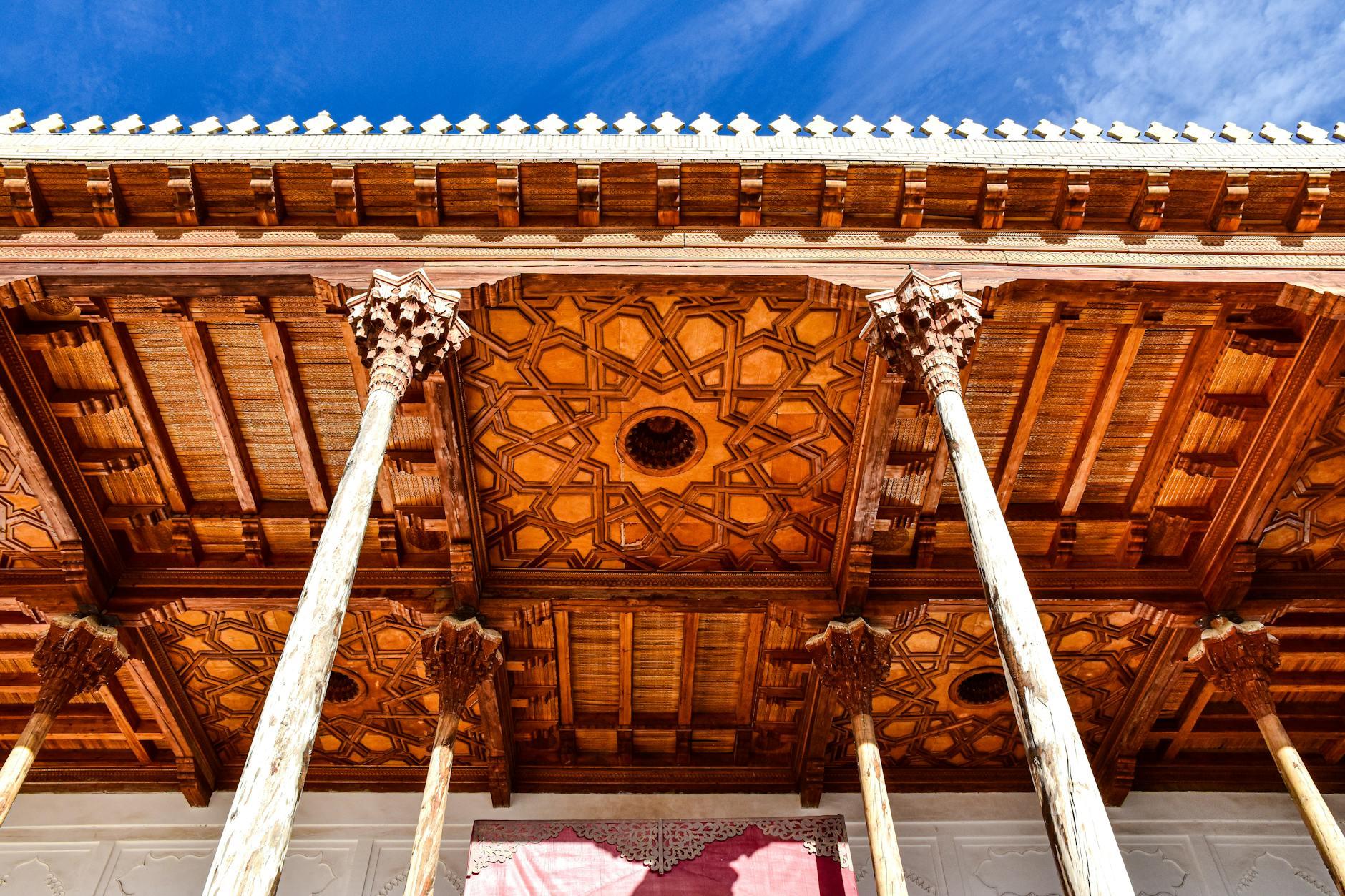
A fertile valley ringed by mountains in the east of the country and the heartland of Uzbek crafts: watch ikat silk being dyed and woven by hand in Margilan, visit the potters of Rishtan, famous for their blue glazes, and see the khan’s palace in Kokand. Reached by train from Tashkent over the Kamchik Pass.

The desert and Nuratau mountains
Between Samarkand and Bukhara, a night in a yurt camp near Aydarkul Lake in the Kyzylkum, with a camel ride and a campfire under the stars, makes a good break from the cities. In the Nuratau mountains nearby, family guesthouses offer walks through walnut groves and village life.
Nukus and the Aral Sea
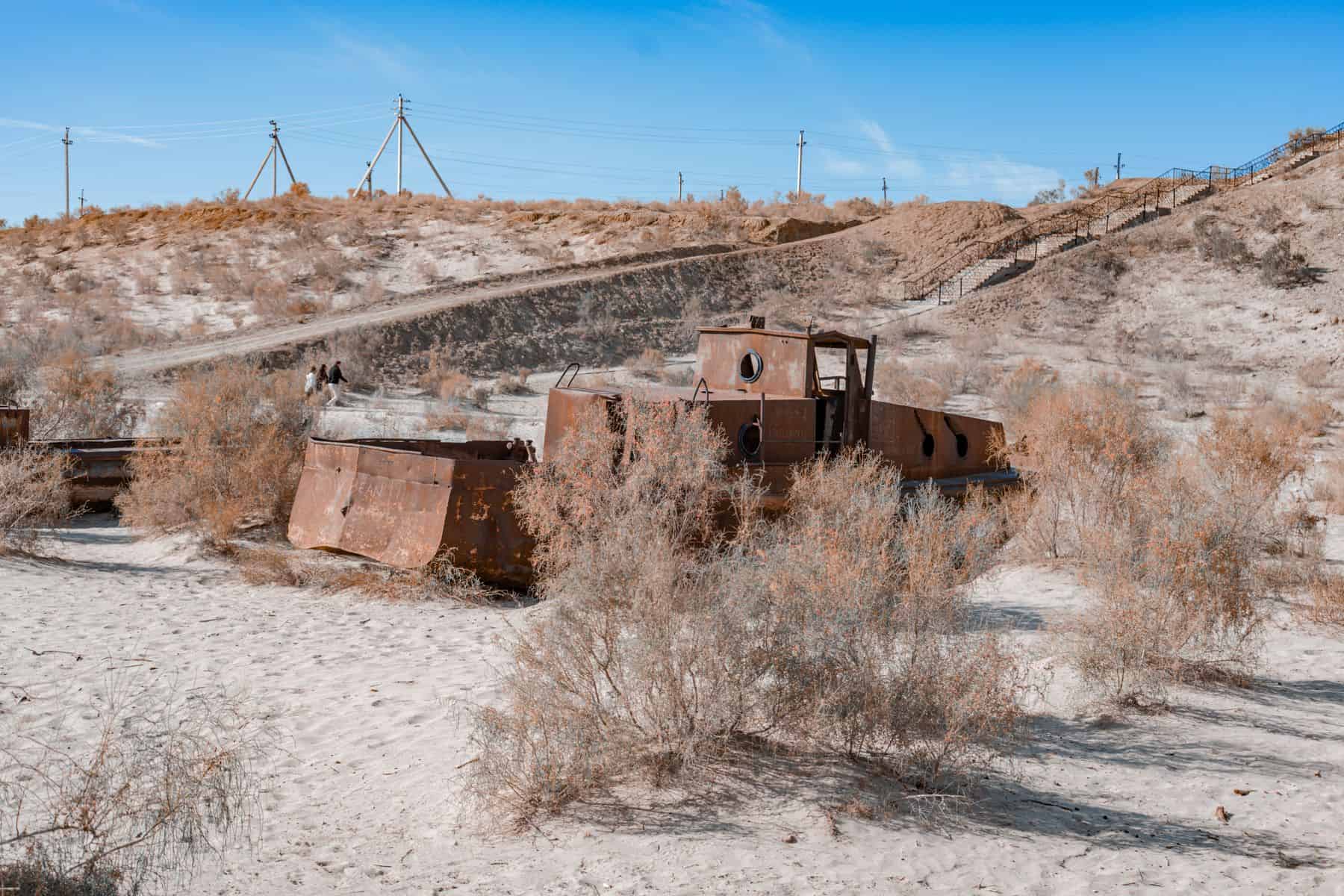
In Karakalpakstan in the far west, Nukus has a remarkable art museum with a large collection of Soviet-era avant-garde paintings, saved from the censors. Beyond, the former fishing port of Moynaq is now far inland, with rusting ships in the sand: a sobering sight of how the Aral Sea has shrunk.

The Chimgan mountains
About an hour and a half from Tashkent, the western Tian Shan foothills and the Charvak reservoir are where city families go to escape the summer heat: cable cars, easy walks, and snow in winter.
The far south: Termez, on the Amu Darya, has important Buddhist ruins, but it sits on the border with Afghanistan. The FCDO advises caution near that border, where the riverbank is a fenced military zone and many sites need official permission or an organised group, so we don’t include it in our standard routes.
Food in Uzbekistan

The national dish is plov (pilaf): rice cooked in a huge cast-iron pot with lamb, carrots, onions, chickpeas and sometimes raisins or quince. Every region has its own version, and its culture is recognised by UNESCO. It’s traditionally a lunchtime dish; by evening the best pots are empty.
Bread (non) is almost sacred, stamped with patterns and baked on the walls of clay tandoor ovens; Samarkand’s is famous across the country. Try samsa, flaky pastries of meat and onion from the same ovens, shashlik kebabs grilled over charcoal, lagman hand-pulled noodles, and manti dumplings.
Meals come with pots of green tea, bowls of fruit and nuts, and in summer some of the sweetest melons and apricots you’ll ever taste.
Best time to visit Uzbekistan
The best time to visit Uzbekistan is spring (April to May) or autumn (September to October). Days are warm and mostly sunny, around 21°C to 29°C in Samarkand, and the cities are at their best for walking. Navruz, the Persian New Year on 21 March, brings festivities across the country, though March can still be cool and showery. Summer (June to August) is dry and very hot, with afternoon highs near 39°C in Bukhara and 38°C in Khiva: sightseeing happens early and late, with a long rest in the middle of the day. Winter (December to February) is cold, below freezing at night, with the occasional dusting of snow on the domes. It’s very quiet, and the monuments look beautiful in the clear light, but some desert camps close. Most rain falls from November to May, and the desert west around Bukhara and Khiva is dry all year.
| Month | Tashkent | Samarkand | Bukhara | Khiva |
|---|---|---|---|---|
| Jan | 7°C / -4°C · 55 mm | 8°C / -3°C · 60 mm | 8°C / -3°C · 20 mm | 4°C / -5°C · 10 mm |
| Feb | 10°C / -2°C · 60 mm | 10°C / -1°C · 60 mm | 11°C / -1°C · 30 mm | 8°C / -3°C · 15 mm |
| Mar | 16°C / 4°C · 90 mm | 16°C / 4°C · 95 mm | 18°C / 5°C · 35 mm | 15°C / 3°C · 15 mm |
| Apr | 21°C / 8°C · 75 mm | 21°C / 8°C · 75 mm | 25°C / 10°C · 20 mm | 23°C / 10°C · 10 mm |
| May | 28°C / 14°C · 50 mm | 27°C / 13°C · 50 mm | 32°C / 17°C · 10 mm | 30°C / 17°C · 10 mm |
| Jun | 34°C / 18°C · 15 mm | 33°C / 18°C · 10 mm | 37°C / 22°C · 0 mm | 36°C / 22°C · 5 mm |
| Jul | 37°C / 21°C · 0 mm | 36°C / 21°C · 0 mm | 39°C / 25°C · 0 mm | 38°C / 24°C · 0 mm |
| Aug | 34°C / 19°C · 5 mm | 34°C / 19°C · 5 mm | 36°C / 22°C · 0 mm | 35°C / 21°C · 0 mm |
| Sep | 29°C / 14°C · 5 mm | 29°C / 14°C · 5 mm | 31°C / 16°C · 0 mm | 28°C / 15°C · 0 mm |
| Oct | 20°C / 7°C · 40 mm | 21°C / 7°C · 35 mm | 22°C / 7°C · 5 mm | 19°C / 7°C · 5 mm |
| Nov | 12°C / 1°C · 50 mm | 13°C / 1°C · 50 mm | 13°C / 1°C · 15 mm | 10°C / 0°C · 10 mm |
| Dec | 8°C / -3°C · 50 mm | 9°C / -1°C · 35 mm | 9°C / -2°C · 10 mm | 5°C / -4°C · 10 mm |
Average daily high / low and monthly rain or snow (as water), 10-year ERA5 data (2014 to 2023). In October expect highs of about 19°C to 22°C, and in April about 21°C to 25°C.
Getting to Uzbekistan from the UK
Direct flights from London to Tashkent run a few times a week and take about 7 hours. Otherwise, there are good one-stop connections via Istanbul and the Gulf. Flights through the Middle East can be disrupted at short notice by the situation in the region, so book with full financial protection.
Visa: British passport holders can visit for up to 30 days without a visa. Your passport must be valid for at least three months after you arrive; make sure it’s stamped on entry. Visitors must be registered within three days of arrival, which your hotel does for you at each stop.
Getting around
- High-speed trains link Tashkent and Samarkand in about 2 hours, and Samarkand and Bukhara in about 1.5 hours. They are fast, comfortable and popular, so seats are booked well ahead.
- To Khiva: a fast train from Tashkent started in 2026 and takes about 7.5 hours; there are also overnight sleeper trains. Bukhara to Khiva is a long day’s drive of 6 to 7 hours across the Kyzylkum desert, past the Amu Darya. Or fly from Tashkent to Urgench in under 2 hours; Khiva is about 40 minutes from the airport.
- Driver-guides are the best way to reach Shakhrisabz, the desert camps, the Fergana Valley and the Khorezm fortresses, and to make the most of each city.
Where to stay in Uzbekistan
- Tashkent: modern international hotels in the city centre, convenient for the airport and the station.
- Samarkand: hotels within walking distance of the Registan, or the newer resort area on the edge of town, with its own cultural centre and lake.
- Bukhara: characterful boutique hotels in restored merchants’ houses and old madrasas, with carved wooden ceilings and courtyards, in the lanes around Lyabi-Hauz.
- Khiva: small guesthouses and hotels inside the walls of the Itchan Kala, or larger hotels just outside the gates.
- The desert: a yurt camp near Aydarkul Lake, with shared facilities, or a village guesthouse in the Nuratau mountains.
Uzbekistan itineraries
The Silk Road cities
- Tashkent (1 night)
- Samarkand (3)
- Bukhara (3)
By high-speed train, with a day trip to Shakhrisabz: the essentials at an easy pace.
Classic Uzbekistan
- Tashkent (1 night)
- Khiva (2)
- Bukhara (3)
- Samarkand (3)
- Tashkent (1)
Fly to Urgench for Khiva, drive across the desert to Bukhara, then take the train east. The most popular route.
Uzbekistan in depth
- Tashkent (1 night)
- Fergana Valley (2)
- Samarkand (3)
- Desert yurt camp (1)
- Bukhara (3)
- Khiva (2)
- Nukus (1)
- Tashkent (1)
Adds the craft workshops of Fergana, a night in the desert and the Aral Sea.
Uzbekistan also combines well with its neighbours: Turkmenistan to the south-west, the mountains of Kyrgyzstan and Tajikistan to the east, and Kazakhstan to the north. Comparing group tours? See Uzbekistan tours compared.
Uzbekistan tours with us


See all our Uzbekistan escorted tours, including routes that add Turkmenistan, Tajikistan’s Fann Mountains or Kyrgyzstan. Prefer to travel privately? A tailor-made Uzbekistan holiday with your own guide can follow any of the routes above.
Practical tips
- Is Uzbekistan safe? Uzbekistan is generally a safe and welcoming country. The FCDO advises caution near the border with Afghanistan, which our routes avoid, and says terrorist attacks can’t be ruled out. Check the FCDO Uzbekistan advice before you book and before you travel.
- Money: cards are taken in many hotels and larger shops, and cash machines are found in the cities, but carry som for bazaars, tea houses and tips. Bargaining is expected in the markets.
- Medicines: carry prescriptions for any medication, and check before you pack anything containing codeine, which can cause problems at customs.
- Drones are largely banned without permission arranged before you arrive. Leave yours at home.
- Dress: Uzbekistan is relaxed, but cover shoulders and knees at mosques and shrines; women may be asked to cover their hair at some holy sites.
- Book trains early: high-speed seats between Tashkent, Samarkand and Bukhara sell out in spring and autumn.
Frequently asked questions
What is the best time to visit Uzbekistan?
April to May and September to October, when days are warm and sunny and the cities are comfortable for walking. Summer is very hot, especially in Bukhara and Khiva, and winter is cold but quiet.
Do UK citizens need a visa for Uzbekistan?
No. British passport holders can visit for up to 30 days without a visa. Your passport must be valid for at least three months after arrival, and you must be registered within three days, which hotels do for you.
How many days do you need in Uzbekistan?
Seven nights covers Tashkent, Samarkand and Bukhara. Ten nights adds Khiva, and two weeks lets you include the Fergana Valley, a desert yurt camp or the Aral Sea.
How do you get from Tashkent to Samarkand?
By high-speed train in about 2 hours. Trains continue to Bukhara in about another hour and a half. Book seats early in spring and autumn.
Is Uzbekistan safe for tourists?
Uzbekistan is generally safe and very welcoming. The FCDO advises caution near the border with Afghanistan, which tourist routes avoid. Check the latest FCDO advice before you travel.
What is the weather like in Uzbekistan in October?
October is one of the best months: dry and sunny, with highs of about 19°C to 22°C in the main cities and cool nights of around 7°C.
Is Samarkand or Bukhara better?
See both if you can. Samarkand has the grandest monuments, above all the Registan and Shah-i-Zinda; Bukhara is a more intimate old town of lanes, trading domes and tea houses that is a joy to wander.
Can you drink alcohol in Uzbekistan?
Yes. Uzbekistan is a Muslim-majority but secular country, and alcohol is widely available in restaurants and hotels. The country also makes its own wine.
Keep planning
- Uzbekistan holidays
- Uzbekistan escorted tours
- Uzbekistan tours compared
- Kyrgyzstan tours
- Mongolia holiday guide
- China holiday guide
- Tailor-made holidays
- Escorted tours
Plan your Uzbekistan holiday with a Travel Designer
Tell us when you’d like to go and we’ll plan Samarkand, Bukhara, Khiva and the rest of the Silk Road, with train seats, guides and the right hotels, in one ATOL-protected booking.
Make an enquiry Uzbekistan holidays