Mongolia in brief
- Most first trips combine Ulaanbaatar, the steppe and Karakorum with the Gobi Desert.
- With more time, add Lake Khovsgol or the Altai Mountains and the eagle hunters.
- June to September is the best time to visit; Naadam starts on 11 July. See when to go.
- UK visitors can visit for up to 30 days without a visa until the end of 2026.
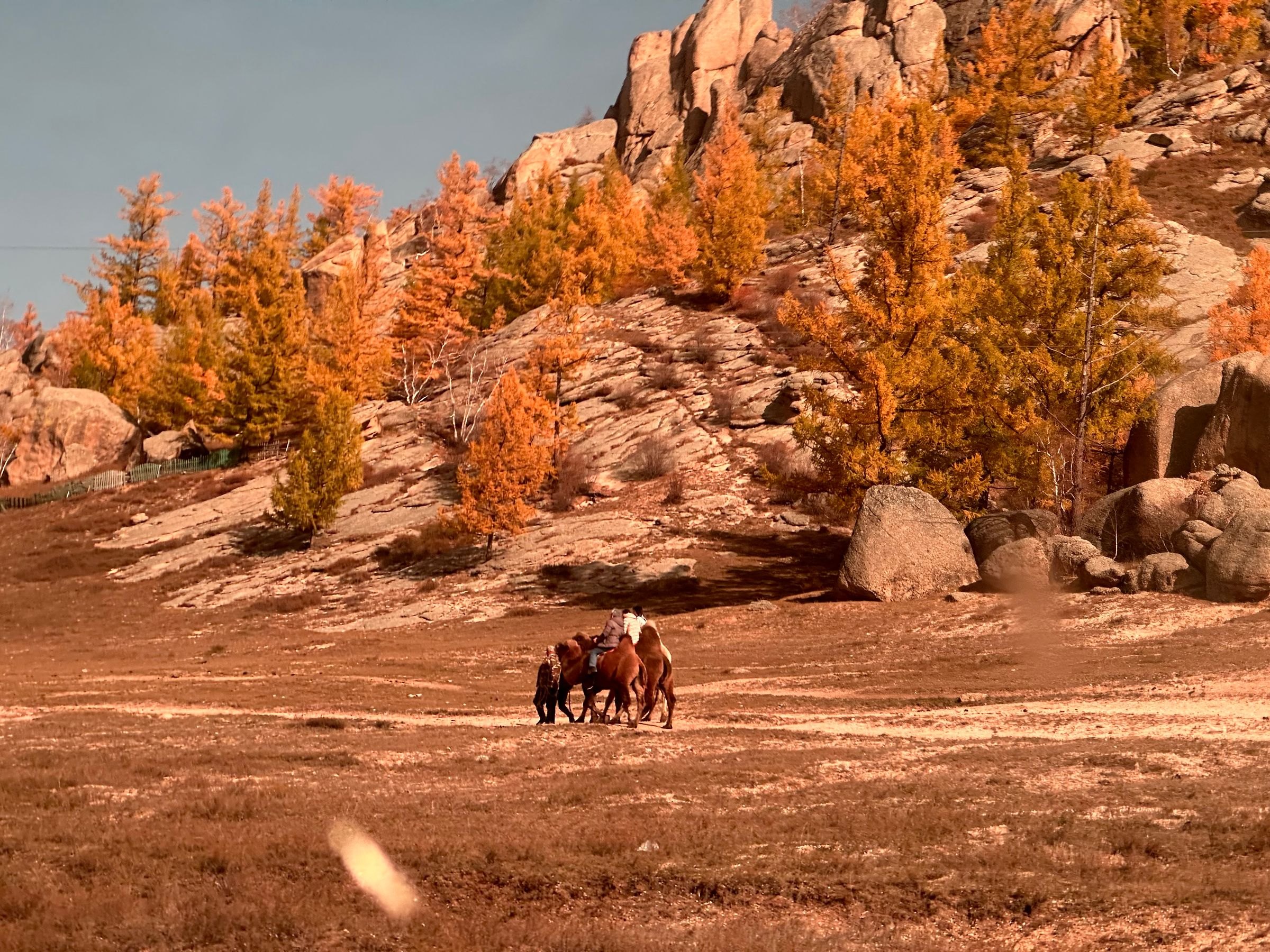
Mongolia is one of the last great wild places: a country more than six times the size of the UK, with about 3.5 million people, half of them in the capital. Beyond Ulaanbaatar there are almost no fences, just endless steppe, the dunes and red cliffs of the Gobi Desert, the clear waters of Lake Khovsgol and the snowy Altai Mountains in the far west. Many families still live as nomadic herders, moving their gers (round felt tents) with the seasons, and visitors are welcomed in with tea and fresh dairy. This guide covers where to go, a sample Mongolia travel itinerary, the seasons and festivals, and what to know before you travel.
Places to visit in Mongolia
Distances are huge and roads are often dirt tracks, so most trips are planned with a driver and guide, staying in ger camps. A first visit usually combines Ulaanbaatar, the central steppe and the old capital of Karakorum with the Gobi. With more time, fly to Lake Khovsgol in the north or the Altai in the west.

Ulaanbaatar
Mongolia’s capital, and the coldest capital city in the world, is a lively mix of Soviet blocks, glass towers and ger districts. Visit the Gandan Monastery, the National Museum and the Winter Palace of the last Bogd Khan.
In the evening, watch a show of throat singing, the horse-head fiddle and contortion.
Mongolia holidays →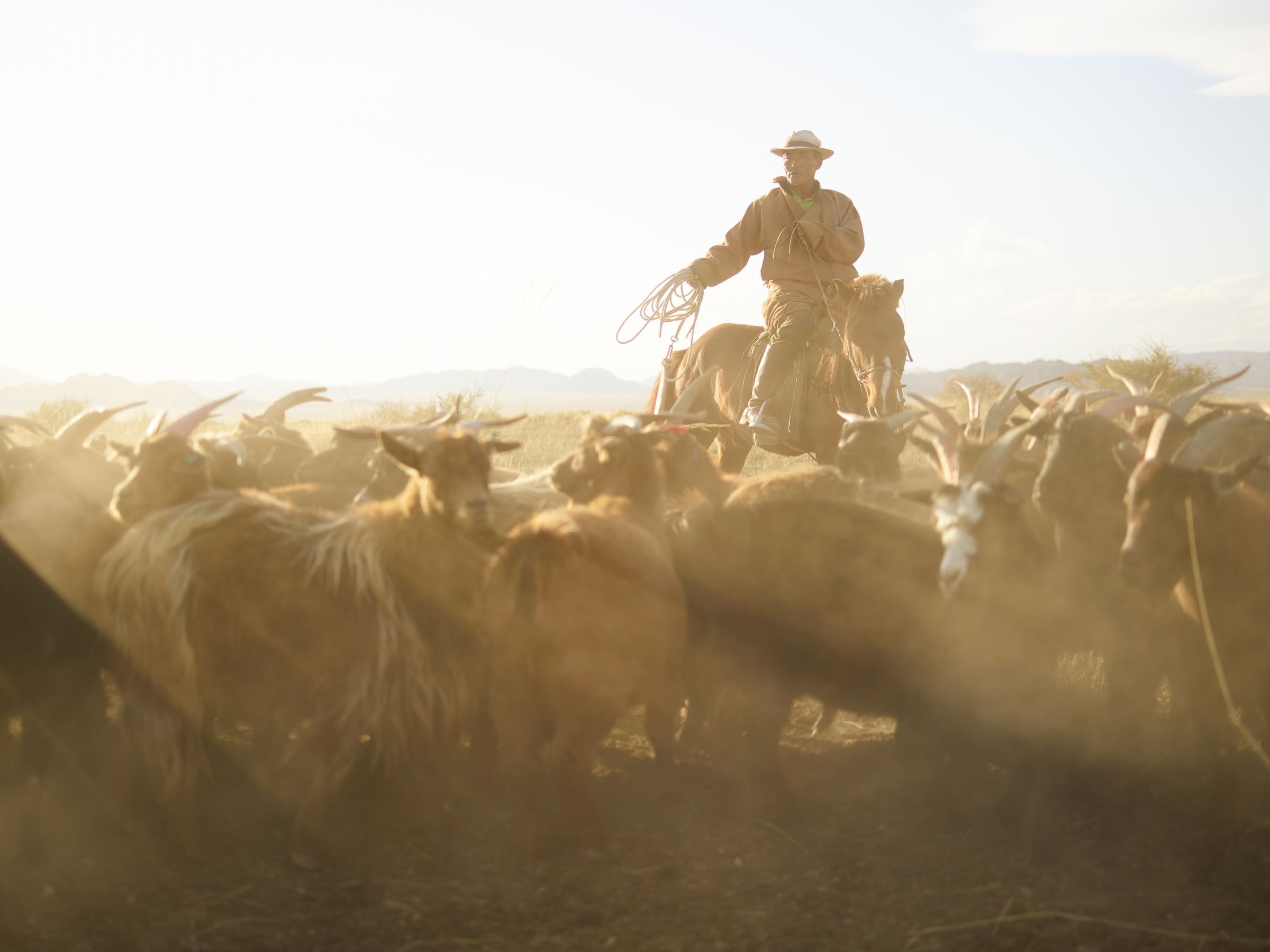
Terelj and the giant statue
Less than two hours from the capital, Gorkhi-Terelj National Park has granite rocks, larch forests and riverside meadows, ideal for a first night in a ger and a ride on a Mongolian horse.
On the way, stop at the giant steel statue of Chinggis Khaan on horseback, about 40 m high.

Khustai and the wild horses
West of Ulaanbaatar, Khustai National Park is home to the takhi, or Przewalski’s horse, the only truly wild horse left in the world. It died out in the wild and was brought back to Mongolia in the 1990s.
Watch them at dusk, when they come down to drink, along with red deer and marmots.
Karakorum and the Orkhon Valley
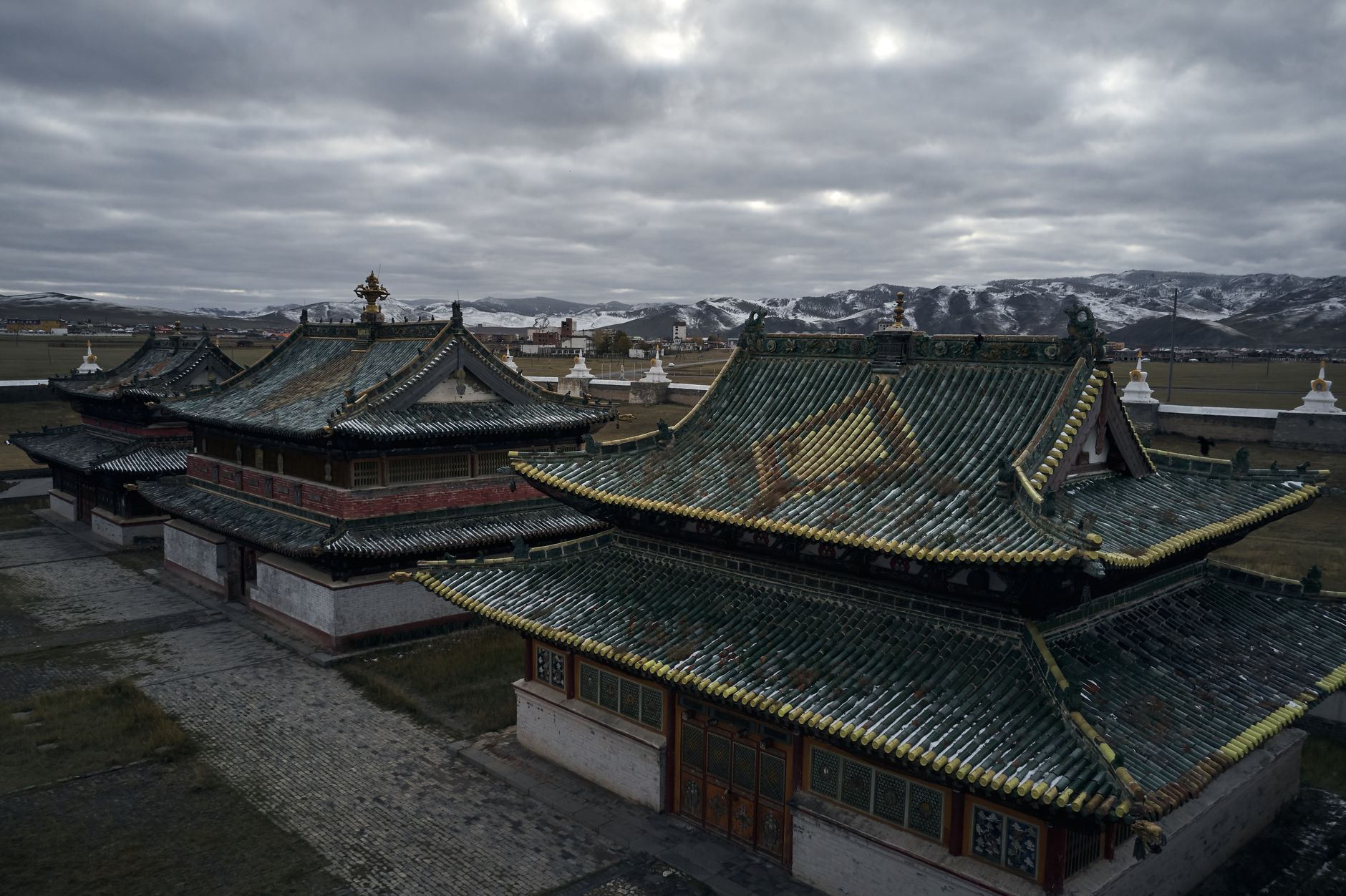
Karakorum (Kharkhorin) was the capital of the Mongol Empire in the 13th century. Little is left of the city, but the walled Erdene Zuu monastery, founded in 1585, stands on its site.
The Orkhon Valley around it is a UNESCO World Heritage Site of grassland, herders’ camps and the Orkhon waterfall.

The Gobi Desert
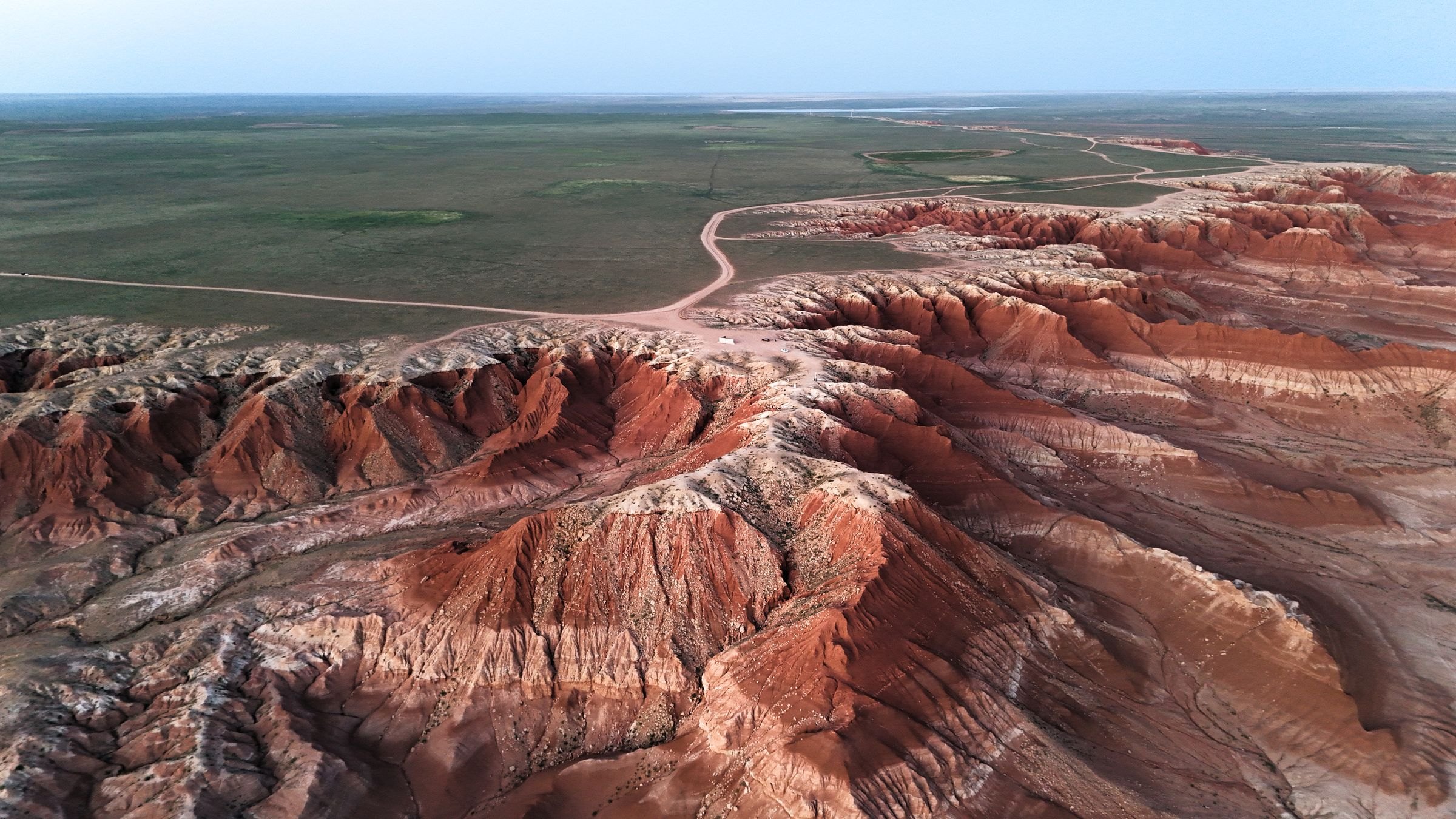
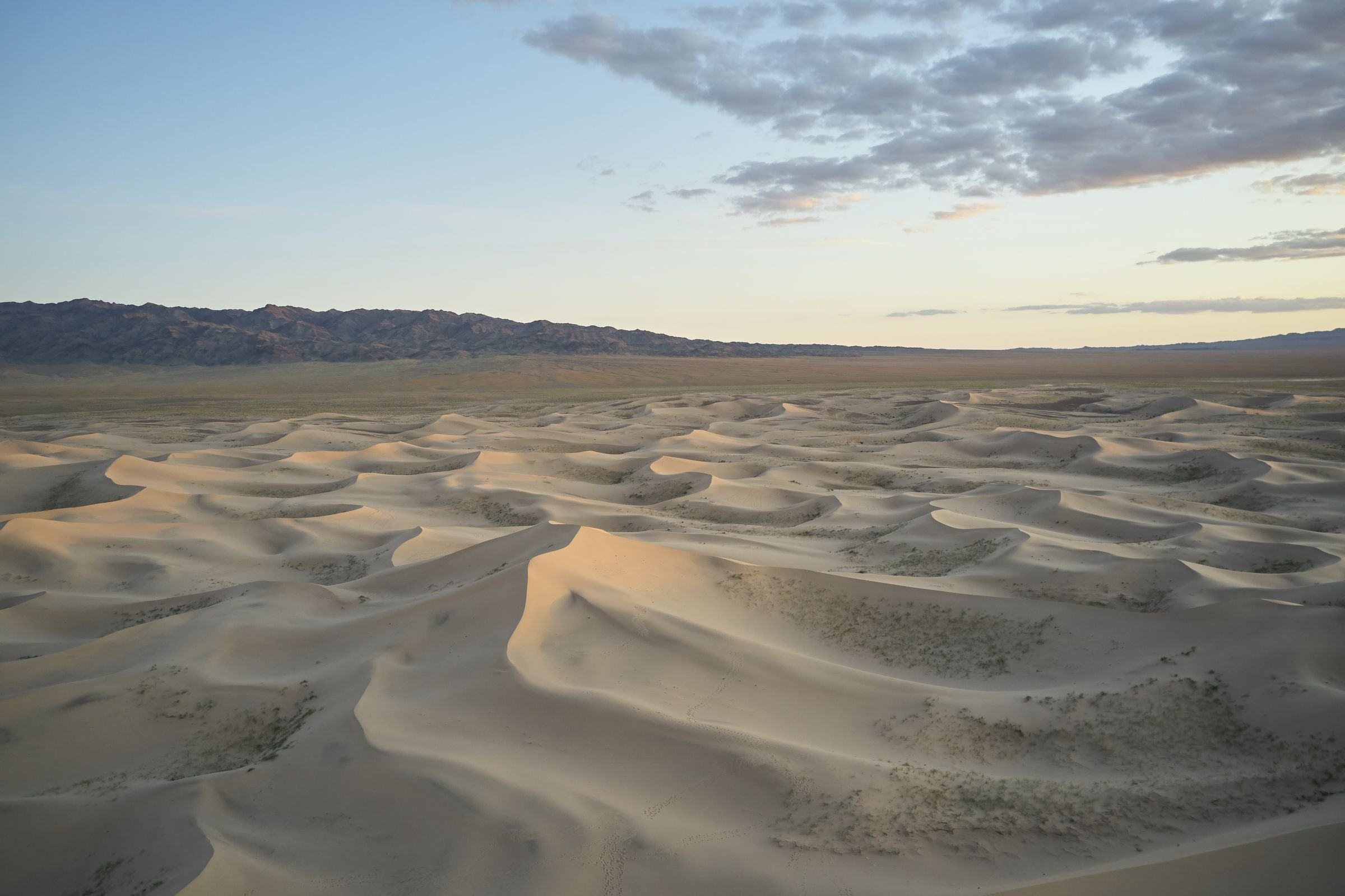
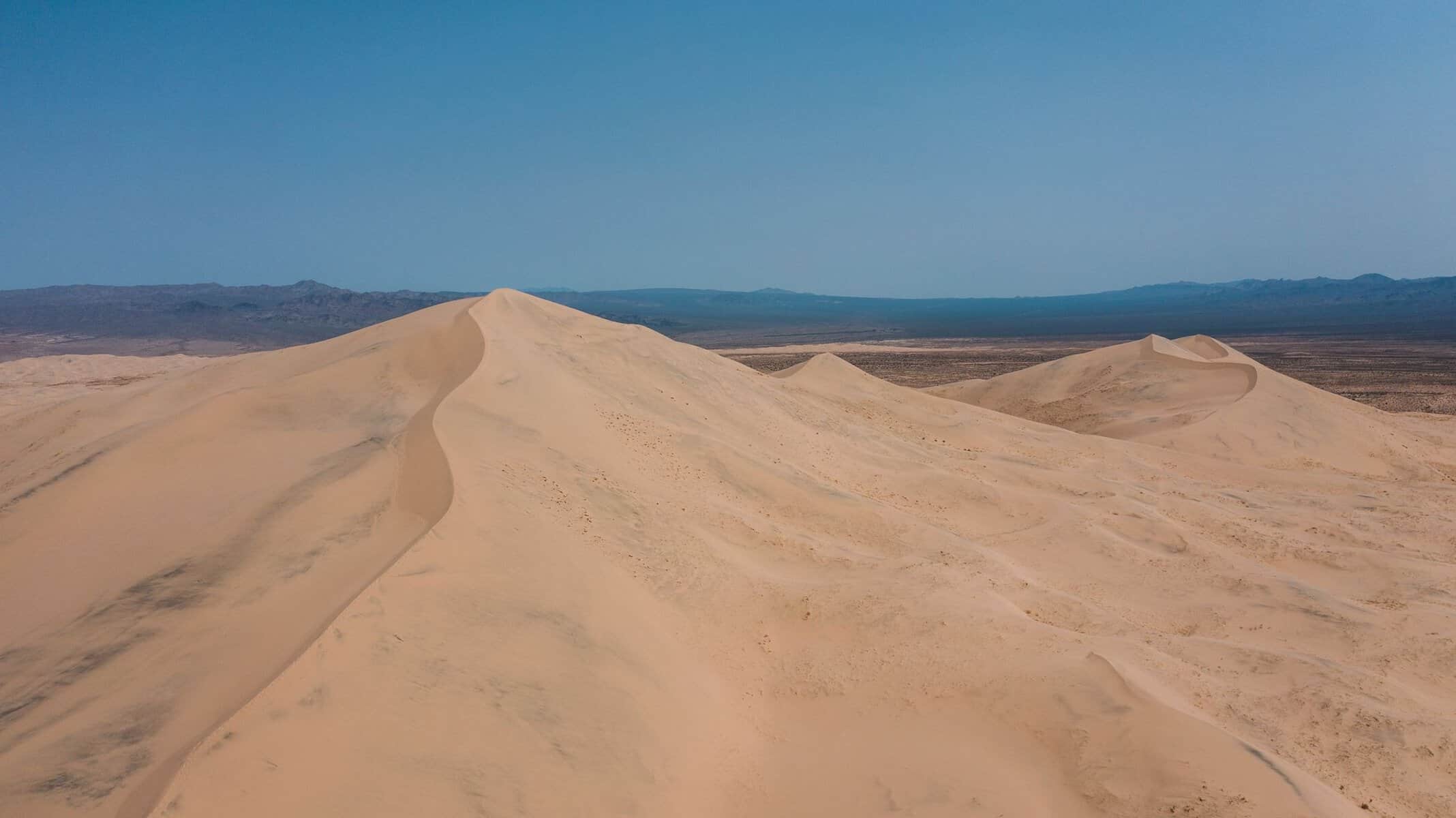
The Gobi is mostly gravel plain, but in the south are the huge Khongoryn Els “singing dunes”, the ice-filled canyon of Yolyn Am, and the Flaming Cliffs of Bayanzag, where the first dinosaur eggs were found in the 1920s.
Ride a two-humped Bactrian camel, and stay with camel-herding families.

Lake Khovsgol
Near the Russian border, Lake Khovsgol holds most of Mongolia’s fresh water. It’s surrounded by mountains and larch forest, and the water is so clear you can see the bottom.
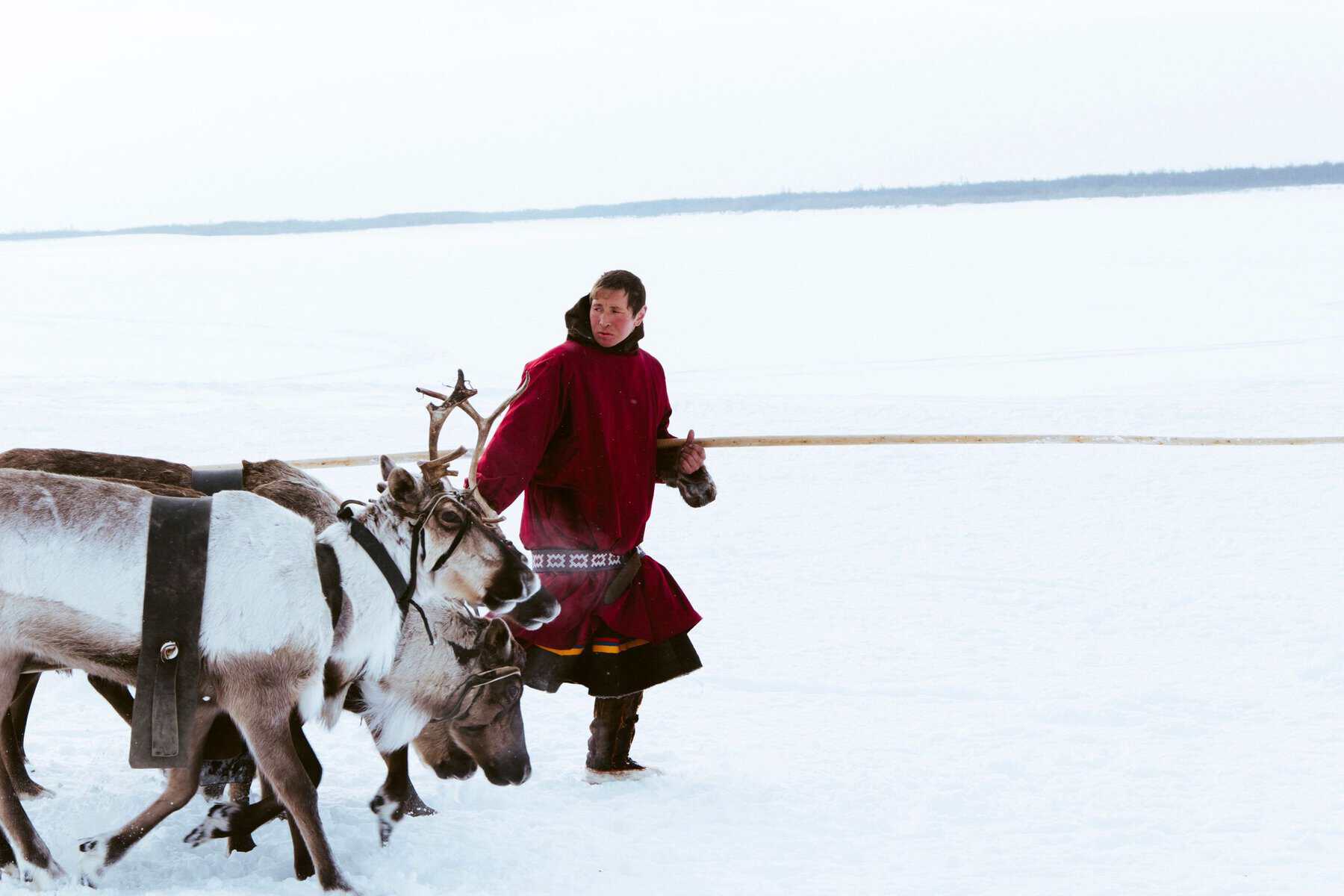
Hike, ride or kayak, and with more time travel into the taiga to meet the Tsaatan reindeer herders.

The Altai Mountains and the west
In the far west, the Altai Mountains rise to more than 4,000 m, with glaciers, high lakes and the Tavan Bogd peaks on the border with China and Russia.
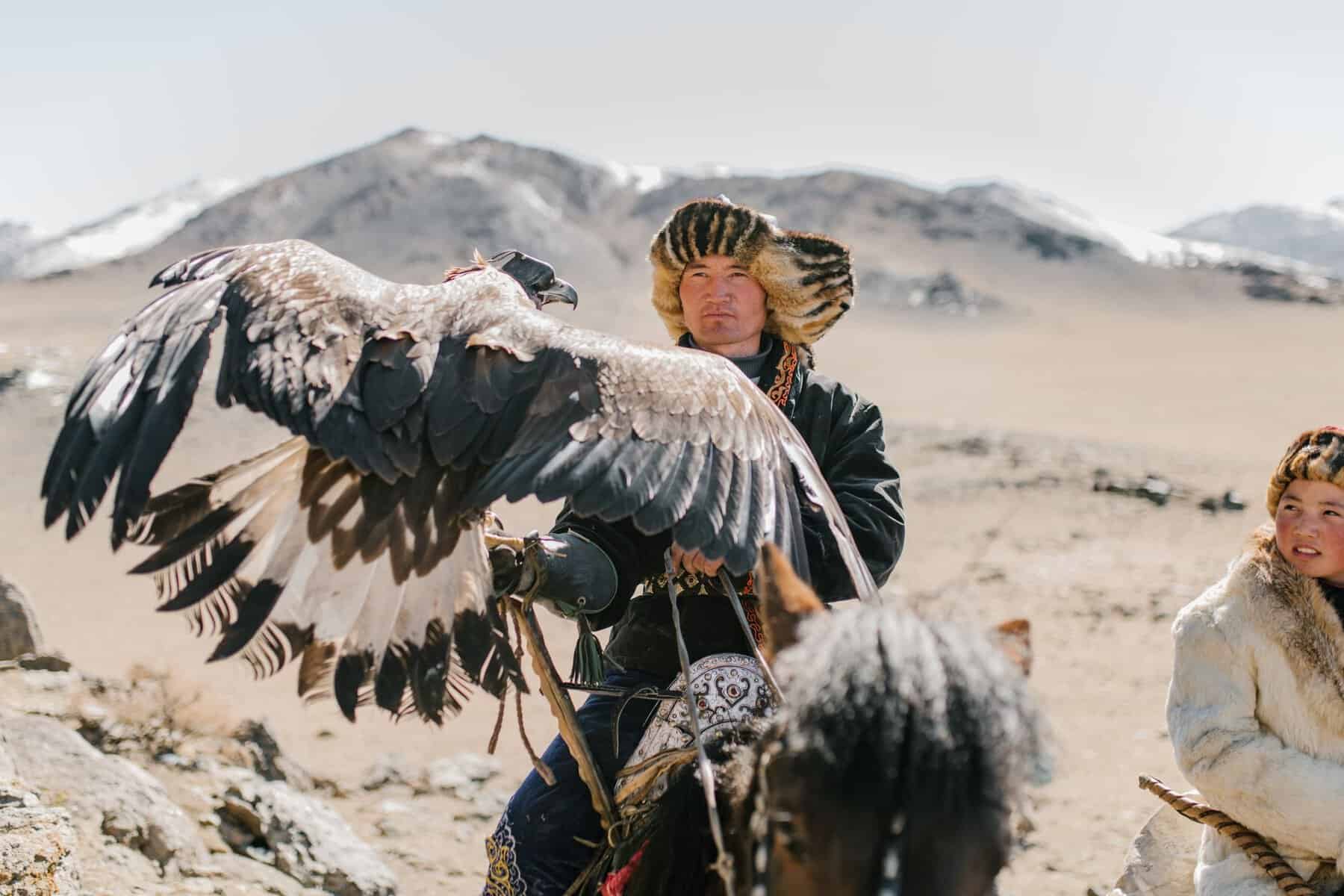
This is the home of Mongolia’s Kazakh eagle hunters, who hunt on horseback with golden eagles. The Golden Eagle Festival is held here in early October.
Life on the Mongolian steppe

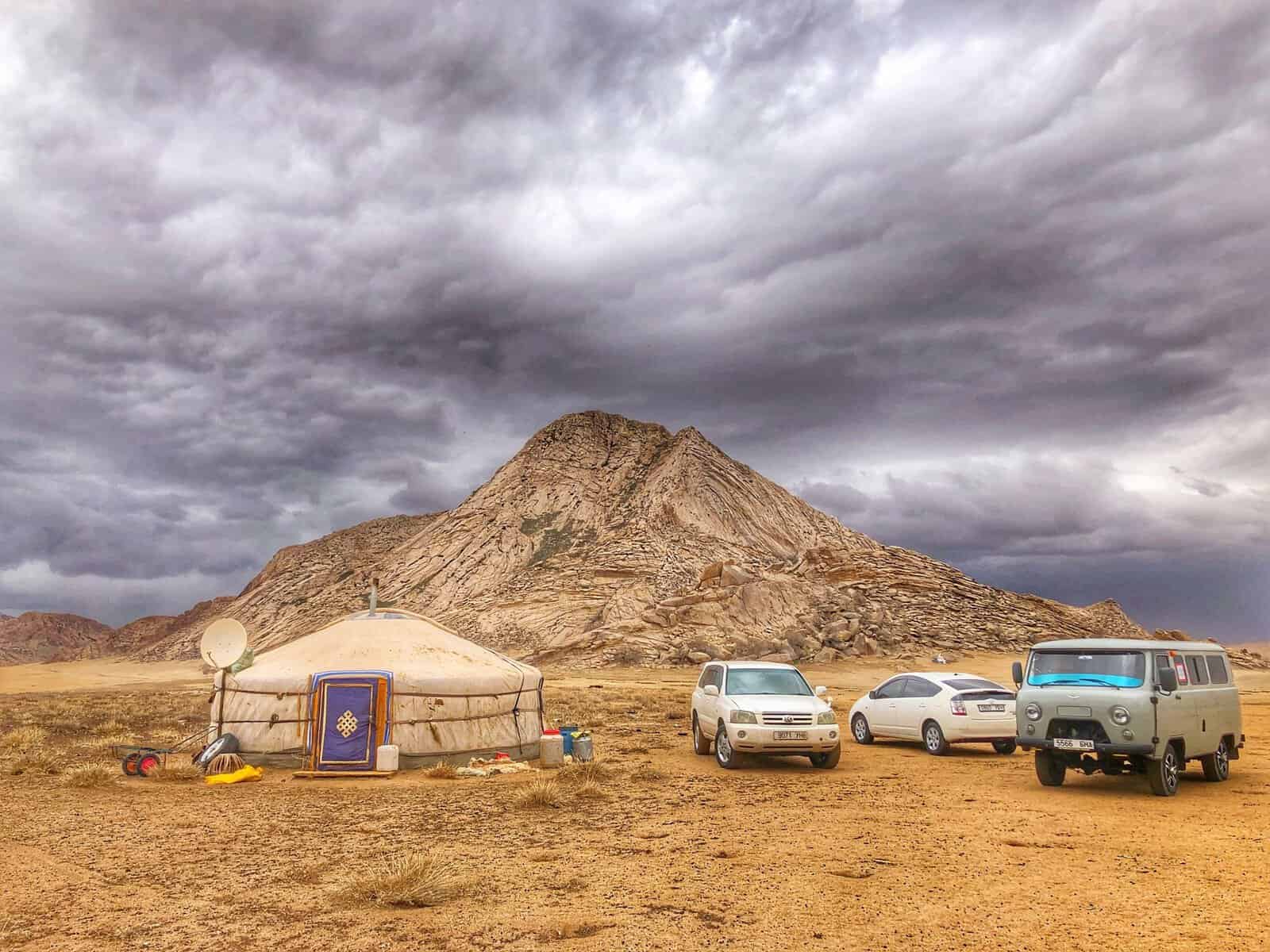
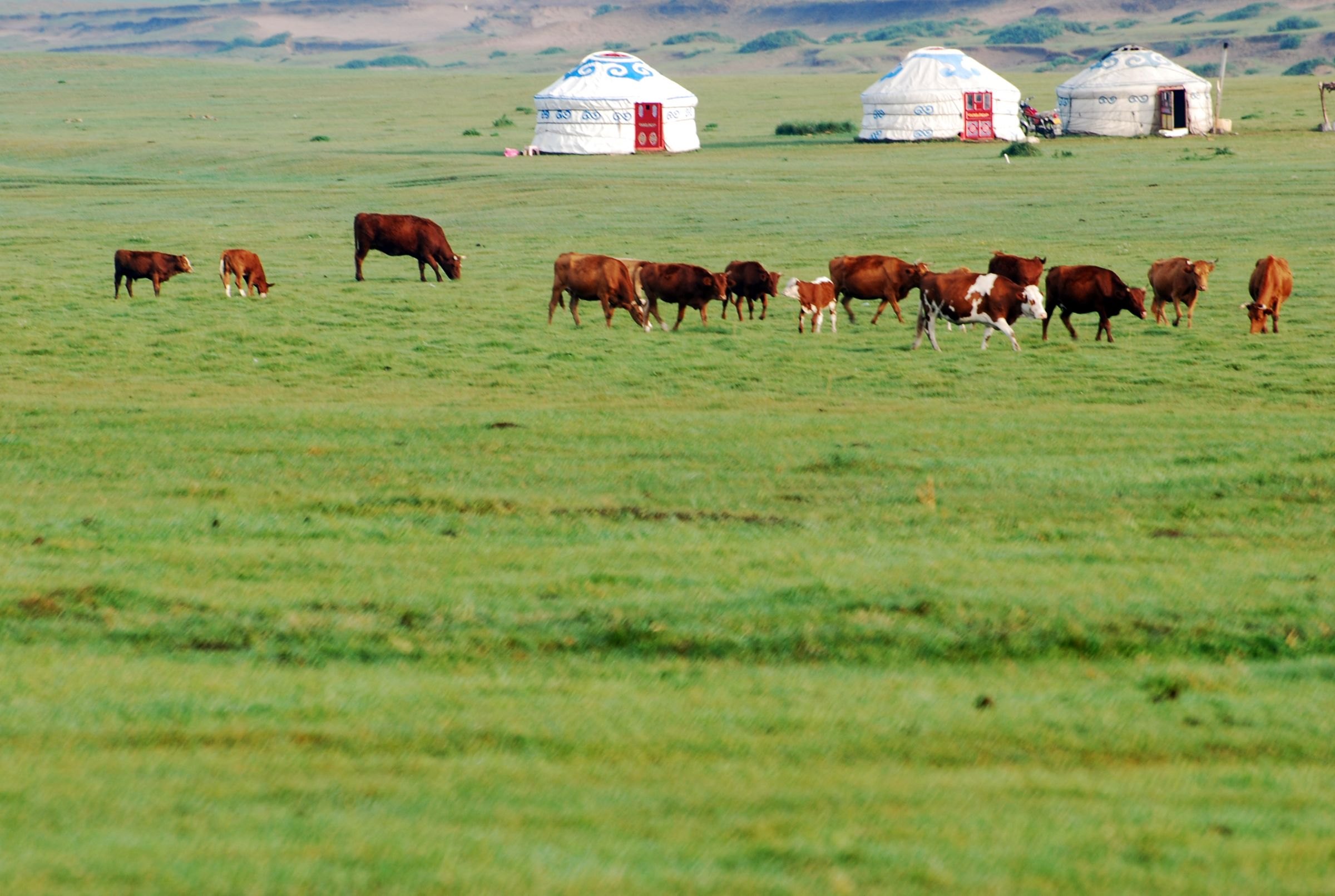
The steppe, the great grassland that covers much of central Mongolia, is the heart of the country. Herding families live here with their horses, sheep, goats, cattle and yaks, and move camp several times a year.
Staying with a family, or in a ger camp nearby, is the highlight of most trips. Help milk the animals, ride out with the herders, and try airag, fermented mare’s milk, in summer.
Ger etiquette: don’t step on the threshold, move clockwise inside, and accept tea and food with your right hand (or both hands).
Naadam and the festivals

Naadam, Mongolia’s national festival, takes place every year from 11 July, with the main events in Ulaanbaatar and smaller, more local festivals across the country. It celebrates the “three manly games”: wrestling, horse racing (with child jockeys riding across the steppe) and archery. In early October, the Golden Eagle Festival in the Altai brings together eagle hunters in traditional dress. To choose between them, read Naadam or the Golden Eagle Festival?
Things to do in Mongolia

- Ride a horse: Mongolia has more horses than people, and riding across the steppe is unforgettable. Beginners are welcome.
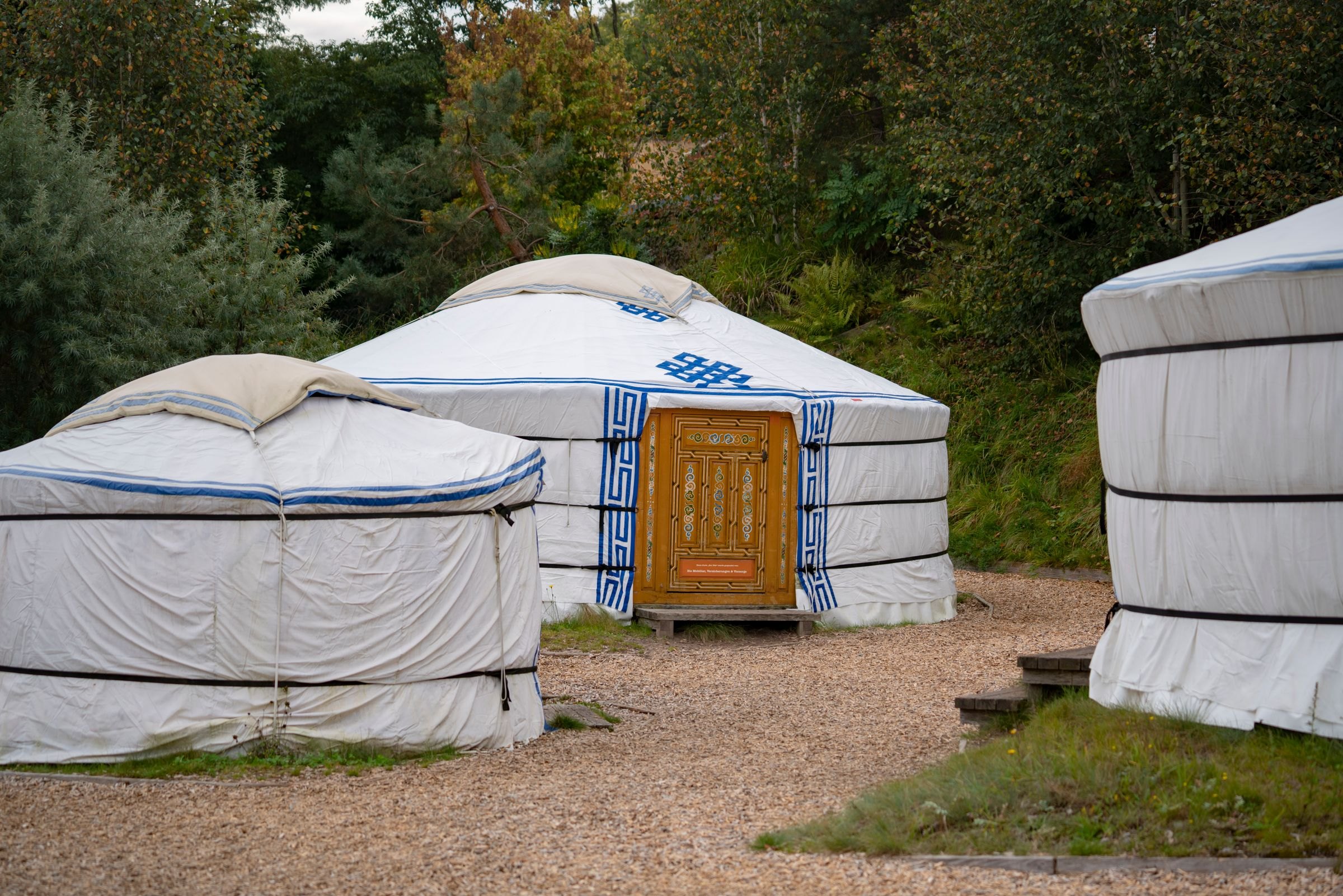
- Stay in a ger: ger camps have proper beds and wood stoves; family stays are simpler and more personal.
- Watch the stars: with almost no light pollution, the night sky over the Gobi is extraordinary.
- Take the train: the Trans-Mongolian railway links Beijing with Ulaanbaatar and carries on to Russia.
- Eat like a herder: try buuz (steamed dumplings), khuushuur (fried pastries) and milky salted tea.
Best time to visit Mongolia
The main season is June to September. July is the warmest month and the busiest, with Naadam; it’s also the wettest, though rain usually falls in short showers and the steppe is at its greenest. June and September are quieter, and September brings golden larches and cold nights. Winter is extremely cold, often below -20°C, though hardy travellers can visit for winter festivals and herders’ life in the snow. Spring is windy, with dust storms in the Gobi.
| Month | Ulaanbaatar (high / low) | South Gobi (high / low) |
|---|---|---|
| Jan | -12°C / -24°C | -6°C / -18°C |
| May | 16°C / 2°C | 20°C / 7°C |
| Jun | 22°C / 10°C | 26°C / 14°C |
| Jul | 24°C / 13°C | 28°C / 17°C |
| Aug | 21°C / 10°C | 27°C / 15°C |
| Sep | 16°C / 4°C | 21°C / 9°C |
| Oct | 7°C / -4°C | 12°C / -1°C |
Average daily high and low, 10-year ERA5 data. Nights are cool even in summer, so bring warm layers.
A Mongolia travel itinerary
Steppe and Gobi
- Ulaanbaatar (2 nights)
- Khustai (1)
- Gobi (4)
- Terelj (1)
Fly to the Gobi and back to save long drives.
Classic Mongolia
- Ulaanbaatar (2 nights)
- Khustai (1)
- Karakorum and the Orkhon Valley (3)
- Gobi (5)
- Terelj (2)
The full loop by 4×4, with a ger stay most nights.
Lakes and mountains
- Ulaanbaatar (2 nights)
- Lake Khovsgol (4)
- Karakorum (2)
- Altai and the eagle hunters (5)
Domestic flights to the north and west. Time it for the Golden Eagle Festival in October.

Ways to see Mongolia with us



Practical tips
Starting or ending in Beijing? Our China holiday guide covers visa-free entry for UK travellers, the Great Wall, Xi'an and Shanghai.
- Entry: British visitors can currently visit for up to 30 days without a visa; the FCDO says this applies until 31 December 2026, so check before you book later trips. Make sure your passport is stamped when you arrive. Hotels register you with the immigration agency; if you travel independently, register yourself online. Check the FCDO Mongolia advice before you travel.
- Flights: there are no direct flights from the UK. Connect in Istanbul, Seoul or Beijing, or arrive on the Trans-Mongolian railway.
- Money: the currency is the tugrik. Cards work in Ulaanbaatar, but take cash for the countryside.
- Comfort: drives on dirt roads can be long and bumpy, and toilets in remote areas are basic. Ger camps usually have shared shower blocks.
- What to pack: layers and a warm jacket even in summer, a sun hat, sunscreen, a head torch and a reusable water bottle.
- Health: ask a travel nurse about vaccines. Ulaanbaatar has high air pollution in winter, and parts of the west are at high altitude.
Frequently asked questions
What is there to see in Ulaanbaatar, Mongolia?
The Gandan Monastery, the National Museum, the Winter Palace of the Bogd Khan, Sukhbaatar Square and an evening show of throat singing. Most visitors spend one or two nights in the capital before heading out to the steppe.
What is the Mongolian steppe?
The steppe is the vast grassland that covers much of Mongolia. Nomadic herding families live there with their horses, sheep, goats and cattle, moving their gers with the seasons. Staying near a herding family is the highlight of most trips.
Where are the Altai Mountains in Mongolia?
In the far west of the country, on the borders with China and Russia. They rise to more than 4,000 m and are home to Kazakh eagle hunters, who hold the Golden Eagle Festival there every October.
What is a good Mongolia travel itinerary?
With two weeks, spend two nights in Ulaanbaatar, a night at Khustai for the wild horses, two or three in Karakorum and the Orkhon Valley, four or five in the Gobi and a final night or two in Terelj. With more time, fly to Lake Khovsgol or the Altai.
When is the best time to visit Mongolia?
From June to September. July is warmest and has the Naadam festival, June and September are quieter, and early October is the time for the Golden Eagle Festival. Winters are extremely cold.
Do UK citizens need a visa for Mongolia?
Not at the moment: British visitors can stay for up to 30 days without a visa until 31 December 2026. Make sure your passport is stamped on arrival, and check the FCDO advice before you travel.
When is Naadam?
Naadam starts every year on 11 July, with the main events in Ulaanbaatar over several days and smaller festivals in towns across the country. It features wrestling, horse racing and archery.
How do you get around Mongolia?
Most visitors travel with a driver and guide in a 4×4, as roads outside the cities are often dirt tracks. Domestic flights save time for the Gobi, Lake Khovsgol and the far west.
Keep planning
- Mongolia holidays
- Escorted tours of Mongolia
- Naadam or the Golden Eagle Festival?
- Japan holiday guide
- Indonesia holiday guide
- Oman holiday guide
- Thailand holiday guide
- Tailor-made holidays
Plan your Mongolia holiday with a Travel Designer
Tell us your dates and we’ll plan the route, the guides, the ger camps and the flights, all in one ATOL-protected booking.
Make an enquiry Mongolia holidays