China in brief
- British citizens can visit China without a visa for up to 30 days until 31 December 2026.
- For a first trip, combine Beijing, Xi’an and Shanghai, with Guilin for scenery.
- For nature and minority cultures, go to Yunnan; for pandas, Chengdu.
- Spring and autumn are the best seasons. See when to go.

China has some of the world’s great treasures: the Great Wall, the Forbidden City, the Terracotta Army, the karst mountains of Guilin and the giant pandas of Chengdu. It’s also easier to visit than it used to be. British citizens can currently travel to China without a visa for up to 30 days, and fast trains link the main sights. This guide covers the visa rules for UK travellers, where to go, Yunnan and China’s nature, the seasons and the routes that work best.
Do I need a visa for China from the UK?

Not at the moment. Until 31 December 2026, holders of a full British citizen passport can enter mainland China without a visa for up to 30 days, for tourism, business, visiting family and friends, or transit.
Your passport must be valid for at least six months after you arrive and have two blank pages. You may have your fingerprints and photo taken at the border.
If you plan to stay longer than 30 days, or the visa-free scheme isn’t extended after 2026, you’ll need to apply for a visa online and attend a visa application centre in London, Manchester, Edinburgh or Belfast. Hong Kong and Macao have their own entry rules. Always check the FCDO China advice before you book.
Where to go in China: the highlights
For a first trip, the classic triangle is Beijing, Xi’an and Shanghai, linked by high-speed train. Add Guilin for scenery, Chengdu for pandas, Yunnan for mountains and minority cultures, or a Yangtze cruise.

Beijing and the Great Wall
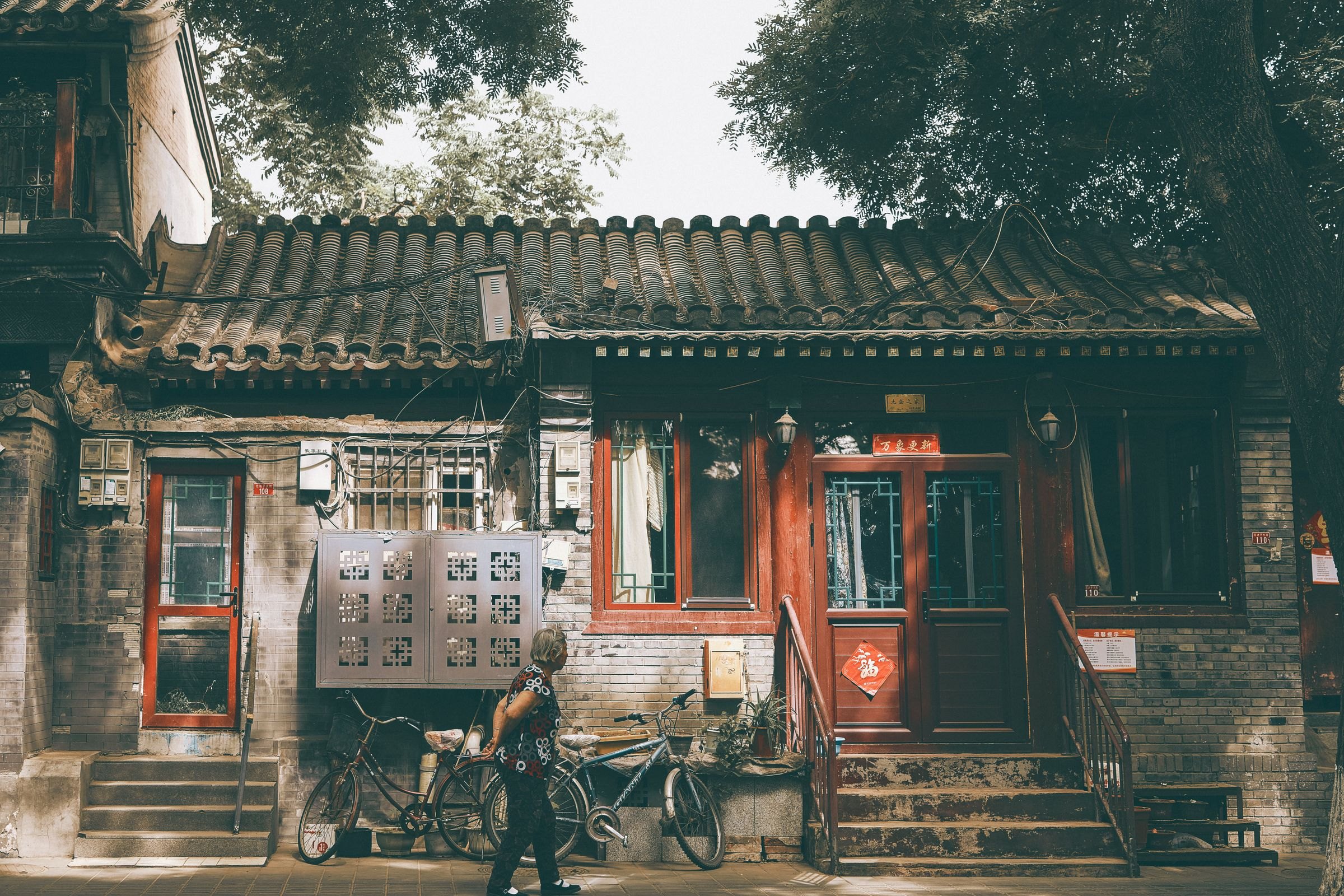
China’s capital has the Forbidden City, the emperors’ palace for nearly 500 years, plus Tiananmen Square, the Temple of Heaven and the Summer Palace. Explore the old hutong lanes by bike or rickshaw.
Spend a day on the Great Wall. Mutianyu, about 90 minutes away, is restored and has a cable car; Jinshanling is wilder and great for walking.
China holidays →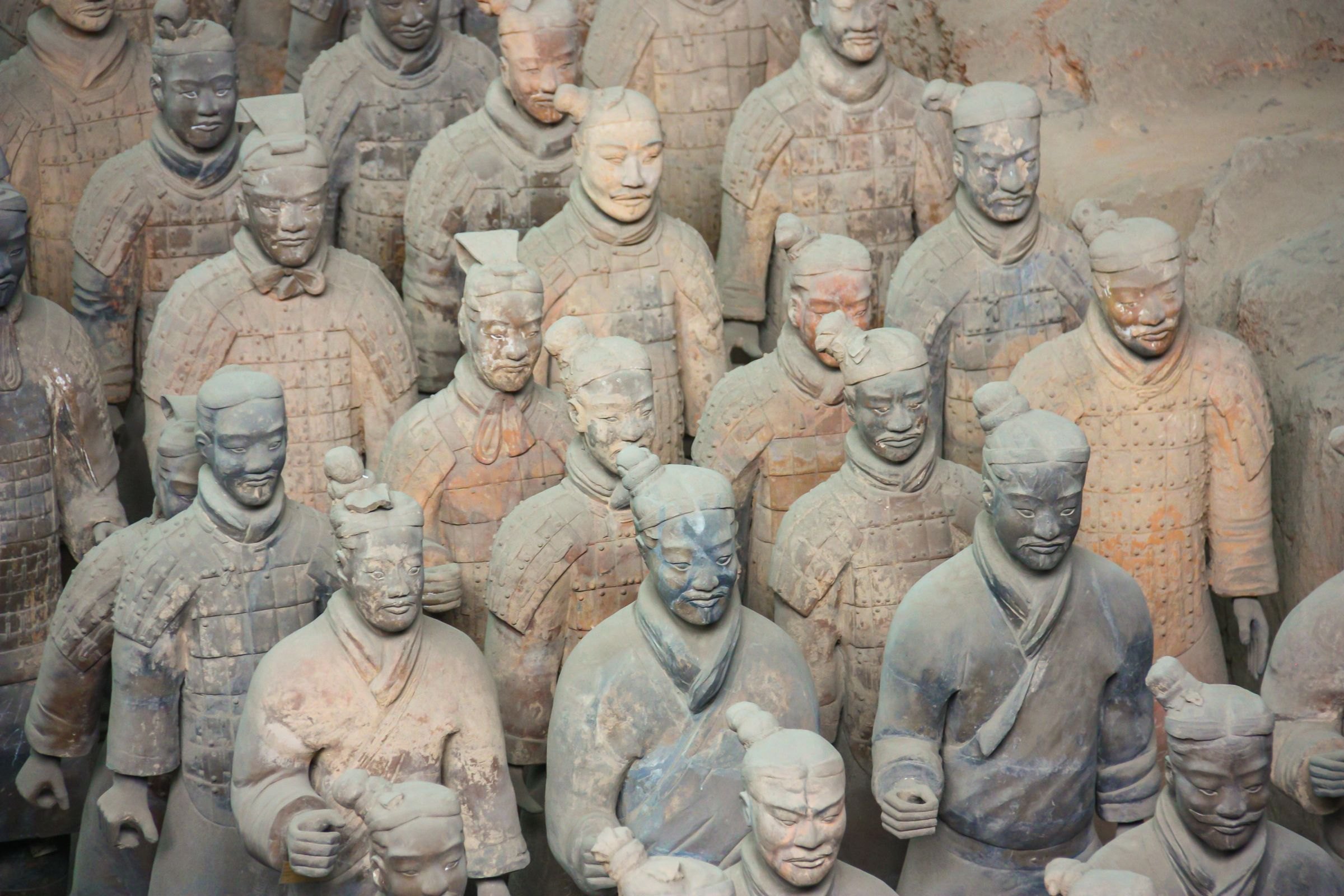
Xi'an
Found by farmers in 1974, the Terracotta Army is thousands of life-size clay soldiers made to guard the tomb of China’s first emperor.
In the city, cycle on top of the old city walls and eat dumplings and noodles in the Muslim Quarter’s night market.
Shanghai
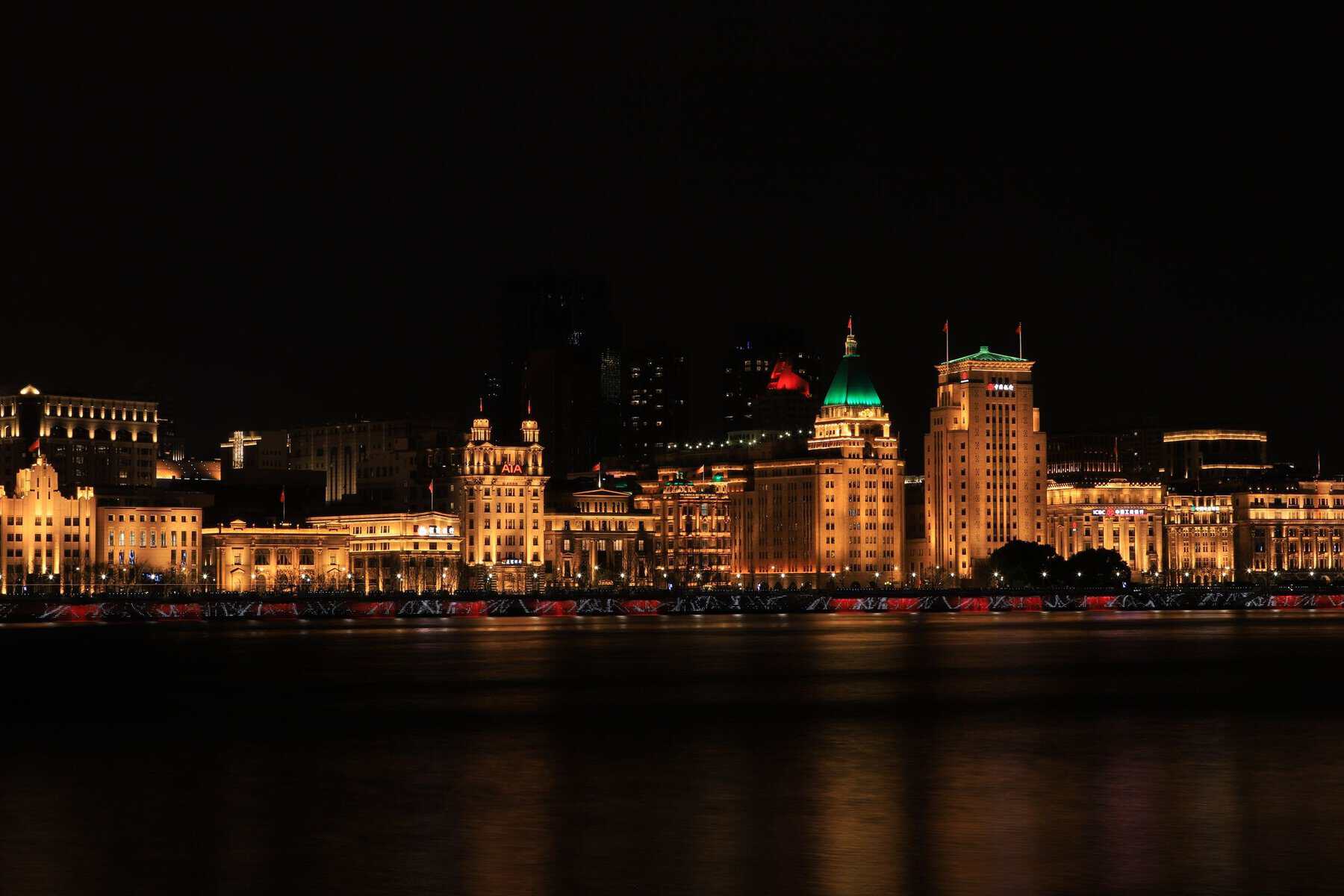
China’s biggest city mixes 1920s buildings along the Bund with the futuristic towers of Pudong across the river. Visit the Yu Garden, the old French Concession and the Shanghai Museum.
Take a day trip to a canal town such as Zhujiajiao, or the gardens of Suzhou.

Guilin and Yangshuo
The limestone peaks of Guilin are some of China’s most famous scenery. Cruise or raft down the Li River to Yangshuo, then cycle between rice fields and villages.
Nearby, the Longji rice terraces climb steep hillsides.

Chengdu and Sichuan
See giant pandas at the Chengdu Research Base, best early in the morning when they’re most active. Then try Sichuan hotpot and tea houses.
Day trips lead to the Leshan Giant Buddha and the sacred Mount Emei.

Yunnan
In the far south-west, Yunnan is China’s most varied province, with snowy mountains, rainforest and 25 recognised ethnic minorities. See the lake town of Dali and the UNESCO-listed old town of Lijiang.
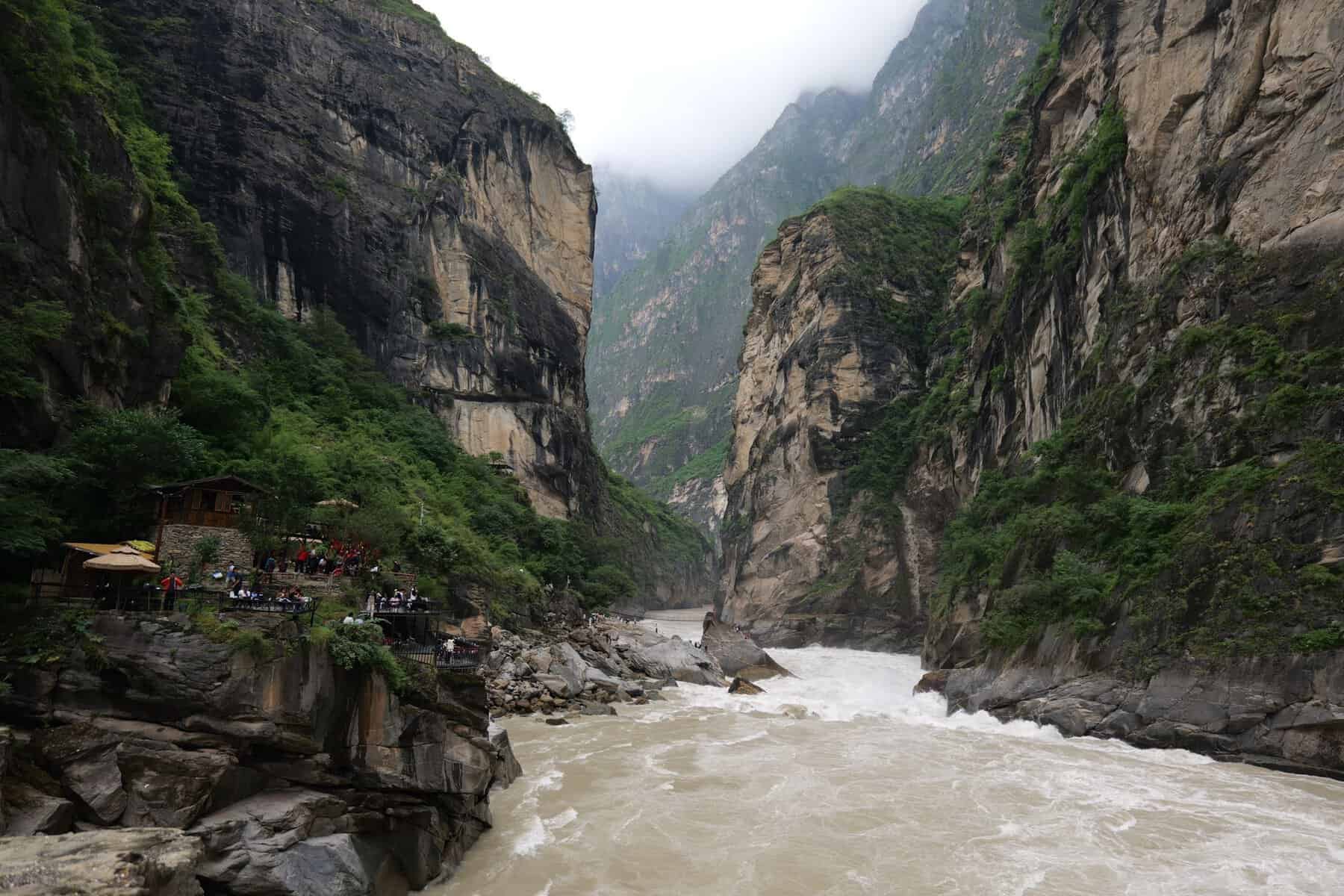
Hike above Tiger Leaping Gorge, one of the deepest gorges in the world, and visit the tea hills of the south, home of Pu’er tea.

The Yangtze River
A Yangtze cruise between Chongqing and Yichang passes through the Three Gorges, with shore trips to temples and side valleys, and ends at the huge Three Gorges Dam.

Hong Kong
Many trips end in Hong Kong, reached by high-speed train from the mainland. Ride the Star Ferry, take the tram up Victoria Peak and eat dim sum.
Hong Kong has its own entry rules, so check them separately.

Tibet
Lhasa and the Potala Palace, at about 3,650 metres, are the gateway to the Tibetan plateau and the north side of Everest.
You need a special permit and must travel on an organised tour, and permits are sometimes suspended at short notice.
China’s nature




- Zhangjiajie: forests of sandstone pillars in Hunan, with glass walkways and cable cars.
- Huangshan (Yellow Mountain): granite peaks, pines and seas of cloud, painted for centuries.
- Jiuzhaigou: turquoise lakes and waterfalls in the mountains of northern Sichuan.
- Rice terraces: Longji near Guilin and the Yuanyang terraces in Yunnan.
- Wildlife: giant and red pandas in Sichuan, and golden monkeys in the mountain reserves.
When to go
The best times are spring (April to May) and autumn (September to October), with mild, dry weather in most regions. Summer is hot and humid, with heavy rain in the south, and typhoons can affect the south and east coasts from May to November. Winter is cold and dry in Beijing and Xi’an, but quiet, and Yunnan stays mild and sunny. Avoid travelling during Chinese New Year and the Golden Week holiday at the start of October, when trains and sights are very busy.
| Month | Beijing | Xi'an | Shanghai | Chengdu | Guilin | Lijiang |
|---|---|---|---|---|---|---|
| Jan | 3°C | 7°C | 9°C | 10°C | 13°C | 13°C |
| Apr | 22°C | 22°C | 20°C | 23°C | 23°C | 21°C |
| Jul | 32°C | 33°C | 31°C | 31°C | 31°C | 22°C |
| Oct | 19°C | 19°C | 23°C | 21°C | 25°C | 19°C |
Average daily high, 10-year ERA5 data. Guilin is wettest from April to June, and Yunnan from June to September.
Classic routes
Treasures of China
- Beijing (4 nights)
- Xi'an (2)
- Guilin and Yangshuo (3)
- Shanghai (3)
The Great Wall, the Terracotta Army, the Li River and the Bund.
China highlights with the Yangtze
- Beijing (3 nights)
- Xi'an (2)
- Chengdu (2)
- Yangtze cruise (3)
- Guilin (2)
- Shanghai (3)
Pandas and the Three Gorges added.
Yunnan and the south-west
- Kunming (1 night)
- Dali (3)
- Lijiang (3)
- Tiger Leaping Gorge (1)
- Xishuangbanna (3)
- Hong Kong (3)
Mountains, tea and minority villages.

Ways to see China with us





Practical tips
- Payments: China is almost cashless. Set up Alipay or WeChat Pay before you go (both now accept foreign cards), and carry a little cash as a backup.
- Internet: many Western apps and websites, including Google and WhatsApp, are blocked. Download maps, translation apps and anything you need before you arrive.
- Trains: high-speed trains are fast and comfortable. Beijing to Shanghai or Xi’an takes about four and a half hours. You need your passport to buy tickets and board.
- Passport: carry it at all times; hotels and police may ask for it.
- Weather: typhoons can affect the south and east coasts from May to November; follow local advice.
- Tibet and the far west: Tibet needs a permit and an organised tour, and the FCDO has specific advice for Tibet and Xinjiang.
Frequently asked questions
Do I need a visa for China from the UK?
Not at the moment. Until 31 December 2026, British citizen passport holders can enter mainland China without a visa for up to 30 days for tourism. For longer stays, or if the scheme isn't extended, you'll need a visa. Check the FCDO advice before you book.
How do UK citizens get a China visa?
If you need one, apply online, then go in person to a China visa application centre in London, Manchester, Edinburgh or Belfast, where your fingerprints are taken. Children aged 13 and under and adults aged 71 and over don't need to attend in person.
What passport validity do I need for China?
Your passport must be valid for at least six months after the date you arrive in China and have at least two blank pages.
What are the highlights of China?
The Great Wall and Forbidden City in Beijing, the Terracotta Army in Xi'an, the Bund in Shanghai, the Li River and Yangshuo, the pandas of Chengdu, a Yangtze cruise, and the old towns and mountains of Yunnan.
Is Yunnan worth visiting?
Yes. Yunnan has snowy mountains, Tiger Leaping Gorge, the old towns of Dali and Lijiang, tea hills, rainforest and many ethnic minority cultures, and a mild climate for much of the year. Allow at least five nights.
How many days do you need in China?
Twelve days covers Beijing, Xi'an, Guilin and Shanghai. With 16 to 18 days you can add Chengdu, a Yangtze cruise or Yunnan.
When is the best time to visit China?
April to May and September to October. Avoid Chinese New Year and the first week of October, when the whole country travels.
Can I use my phone and bank card in China?
Yes, but many Western apps, including Google and WhatsApp, are blocked, and most payments are made by Alipay or WeChat Pay, which you can link to a foreign card. Set them up before you travel.
Keep planning
- China holidays
- Escorted tours of China
- Mongolia holiday guide
- Japan holiday guide
- Japan tours compared
- South-East Asia tours compared
- Malaysia holiday guide
- Tailor-made holidays
Plan your China holiday with a Travel Designer
Tell us your dates and we’ll plan the trains, flights, guides and the Yangtze cruise, and check the latest entry rules, all in one ATOL-protected booking.
Make an enquiry China holidays