Fiji in brief
- The Mamanuca and Yasawa islands are a short hop from Nadi; Taveuni, Savusavu and Kadavu are quieter and wilder.
- Snorkel, dive and swim with mantas, visit a village and share kava, sail between the islands.
- Best from May to October, the dry season; November to April is hotter, wetter and cyclone season.
- No direct flights from the UK: connect via the US, Asia or Australia, from about 22 hours.
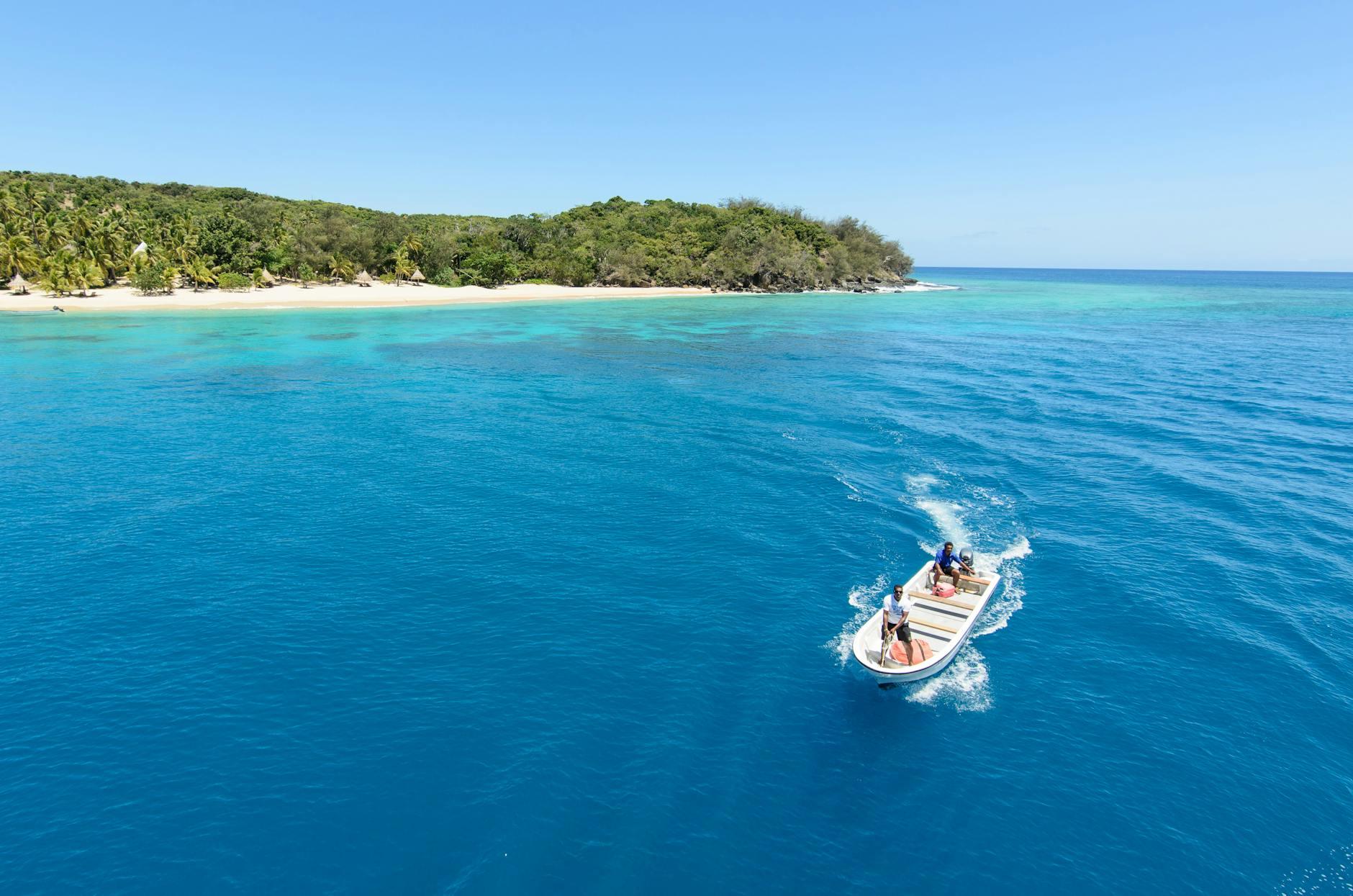
Fiji is a nation of more than 300 islands in the South Pacific, about 110 of them lived on, with some of the friendliest people you will meet anywhere. Most visitors come for the beaches and reefs of the Mamanuca and Yasawa islands, a short boat ride from the international airport at Nadi, but there is much more: the rainforest and waterfalls of Taveuni, the soft-coral walls of the Somosomo Strait, shark dives off Pacific Harbour, the gentle bays of the Coral Coast and village life that still turns on the kava bowl. This guide covers the Fiji islands one by one, things to do, food and culture, the best time to visit, getting there from the UK, getting around, where to stay and sample routes.
Where is Fiji?
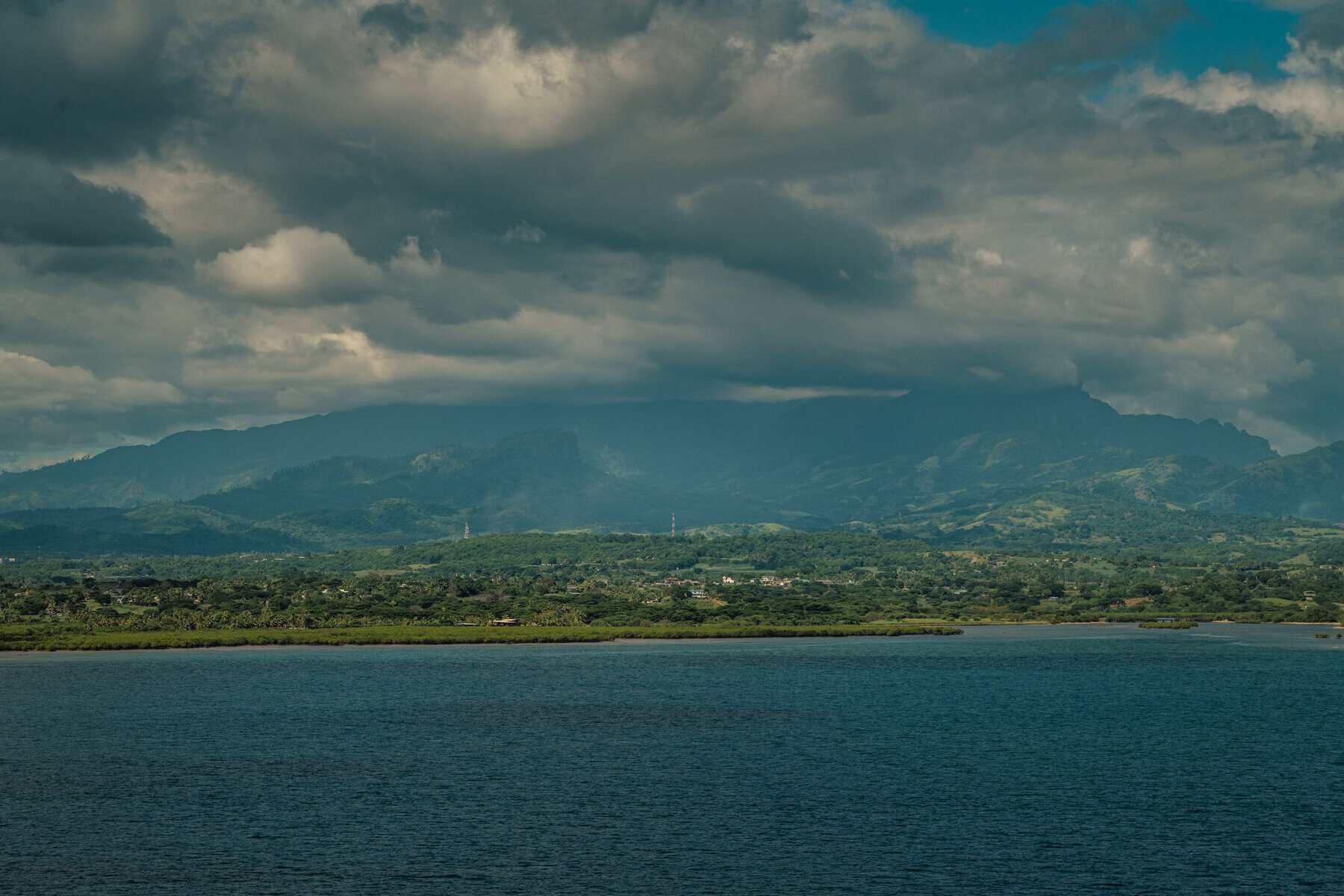
Fiji lies in the South Pacific, just west of the 180th meridian (the line actually crosses the island of Taveuni), about 2,100 km north of Auckland and 3,100 km north-east of Sydney. Its neighbours are Vanuatu to the west, Tonga to the east and Samoa to the north-east.
Two big volcanic islands hold most of the people. Viti Levu (“great Fiji”) has the international airport at Nadi on its dry western side and the capital, Suva, on its wetter south-east coast. Vanua Levu to the north is quieter, with the yachting harbour of Savusavu. Around them are hundreds of smaller islands and reefs, from the resort islands west of Nadi to the remote Lau group in the east.
The mountains split the weather: the west of each big island is sunnier and drier, and the east catches the trade-wind rain, which is why the beach resorts cluster around Nadi and the islands offshore.
The Fiji islands and regions
Most holidays combine a few nights on Viti Levu with one or two island groups. Here is how they differ.
The Mamanuca Islands
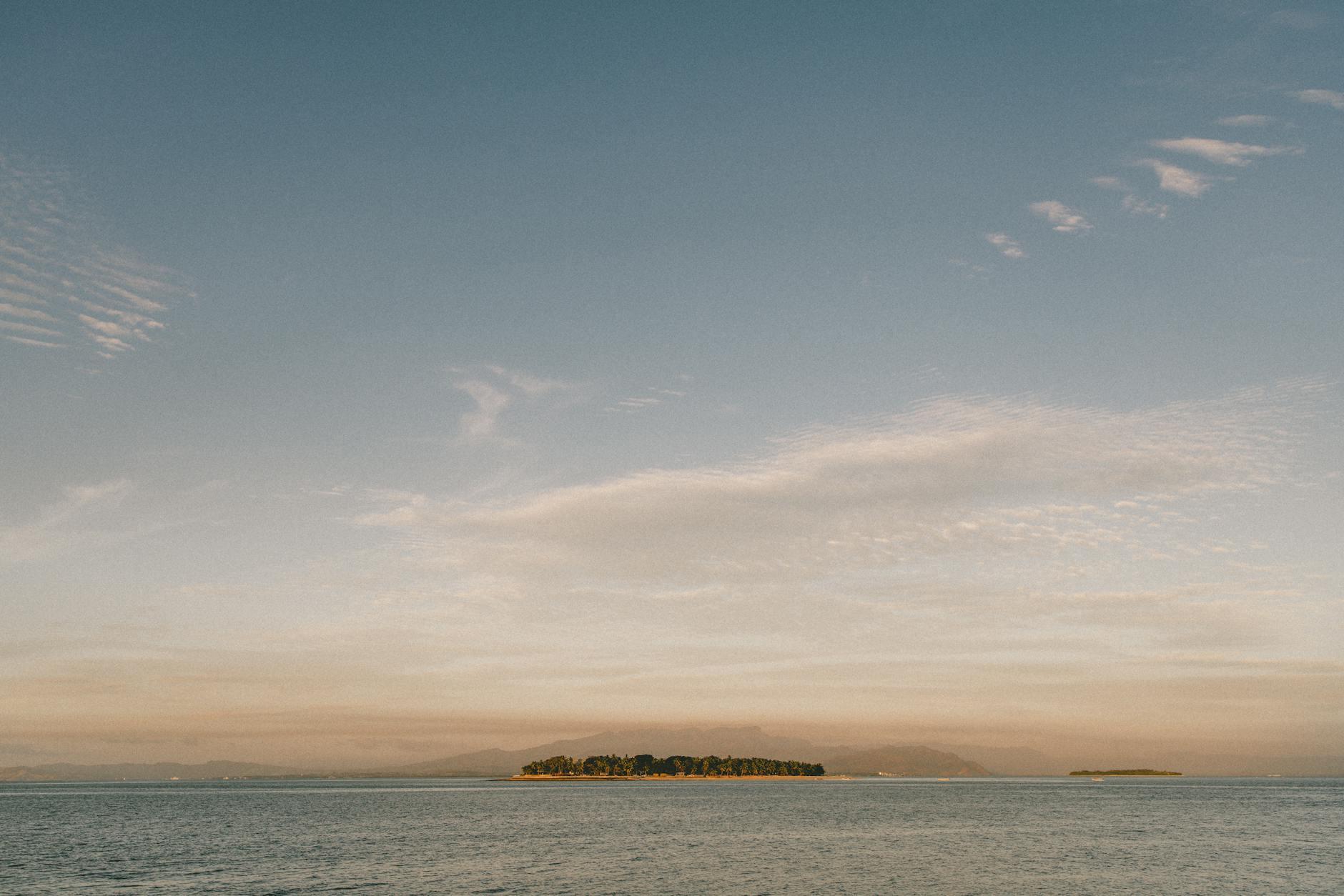
A chain of about 20 small islands just off Nadi, in one of the sunniest parts of the country. They are the easiest islands to reach, by catamaran from Port Denarau, seaplane or helicopter, and have the widest choice of places to stay, from family-friendly islands with kids’ clubs to small adults-only retreats.
Snorkelling is good straight off many beaches. Surfers come for the world-class reef break at Cloudbreak, sailors for the marina at Musket Cove on Malolo Lailai, and film fans for Monuriki, the uninhabited island where Cast Away was shot.

The Yasawa Islands
A string of about 20 volcanic islands running some 80 km north of the Mamanucas, with steep grassy hills, long white beaches and traditional villages. There are no towns, roads or banks, which is the point.
Highlights are snorkelling with manta rays in the channel between Drawaqa and Naviti (roughly May to October), the limestone Sawa-i-Lau caves with their swim-through pool, and the clear water of the Blue Lagoon around Nanuya Lailai. Boats run up the chain daily; seaplanes are quicker.
Suva and Levuka
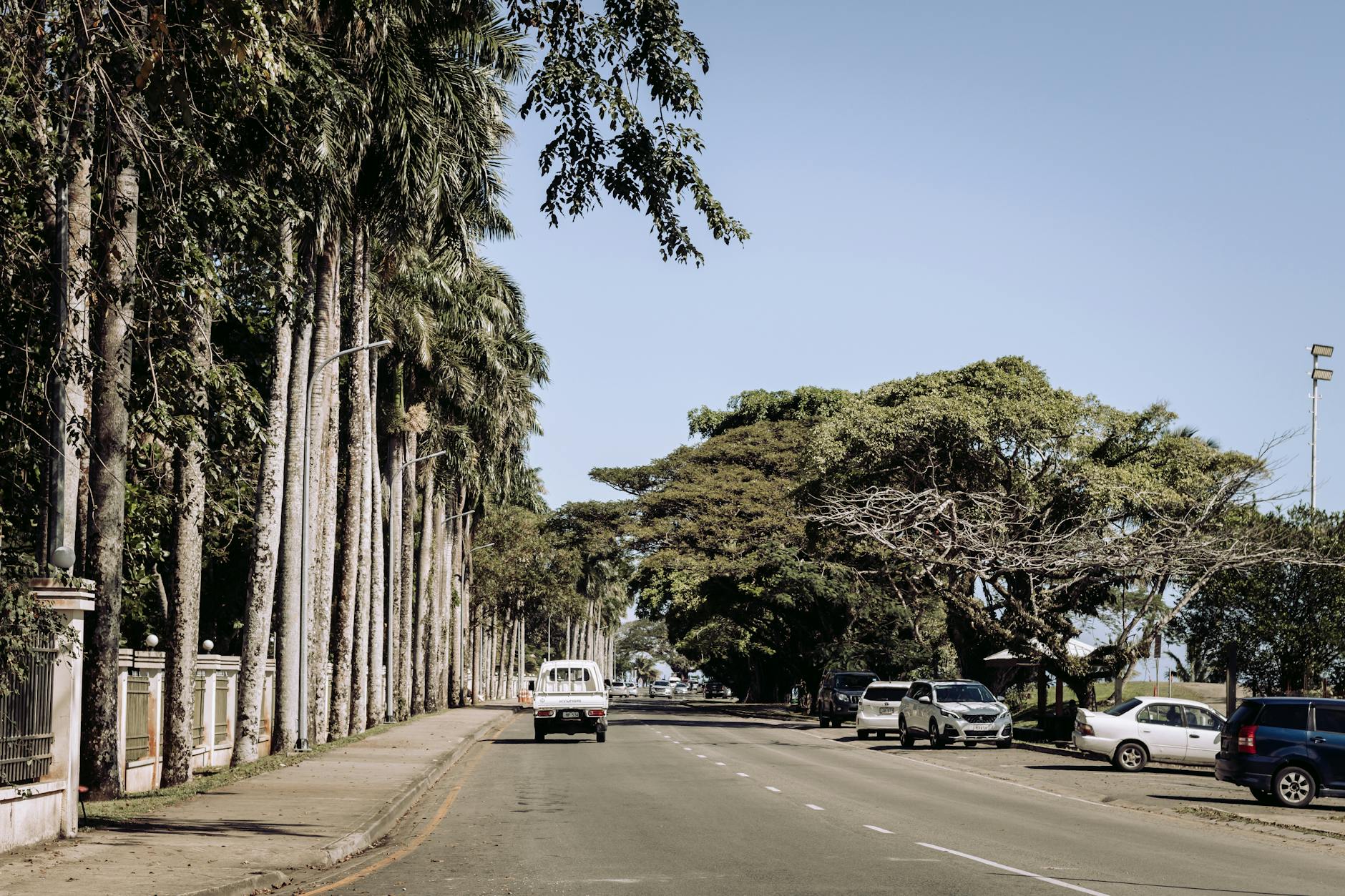
Suva is the capital and the biggest city in the South Pacific islands: lively, multicultural and rainy. Visit the Fiji Museum in Thurston Gardens, the big municipal market and the rainforest pools of Colo-i-Suva Forest Park just outside town.
Levuka, on the island of Ovalau, was Fiji’s first colonial capital, and its 19th-century waterfront has been a UNESCO World Heritage Site since 2013.
The Coral Coast and Pacific Harbour
The Coral Coast is the south-west shore of Viti Levu between Natadola Beach and Pacific Harbour, fringed by a long reef, 1 to 1.5 hours by road from Nadi. It is good value for families and well placed for day trips: the Sigatoka Sand Dunes National Park, Fiji’s first national park; boat trips up the Sigatoka River to the villages of the “salad bowl” valley; and Natadola, one of the best beaches on the main island.
Further east, Pacific Harbour is Fiji’s adventure capital. Divers come for the Beqa Lagoon shark dive, where bull sharks gather in a protected marine reserve; others raft or kayak the gorges of the Upper Navua River, past waterfalls and rainforest. The people of Beqa island are famous for firewalking across hot stones, a tradition you can see performed on the mainland.
Taveuni, Savusavu and Kadavu
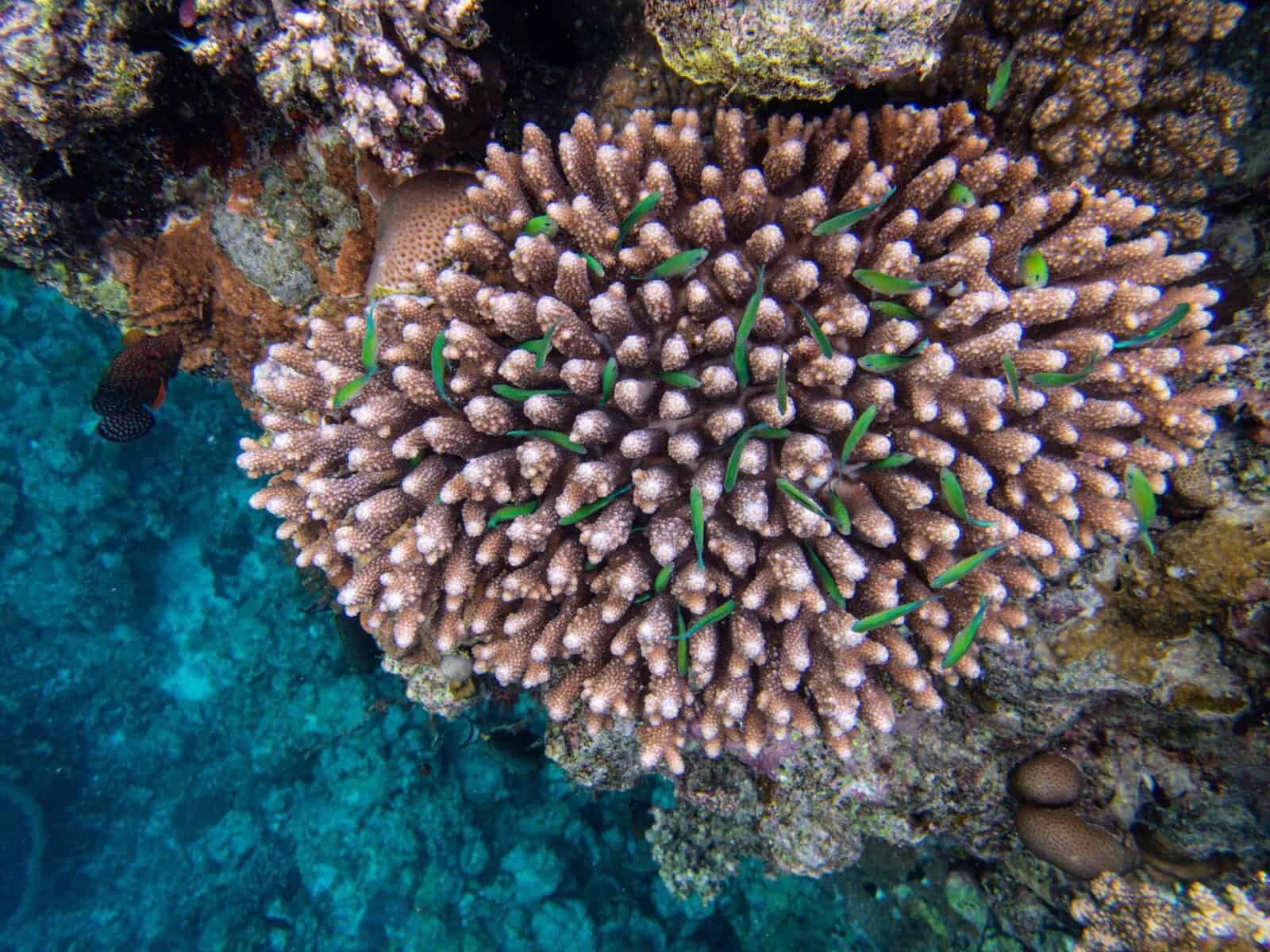
Taveuni, the “Garden Island” and Fiji’s third largest, is green, mountainous and lightly developed, about 1.5 hours by air from Nadi. In the Bouma National Heritage Park you can swim beneath the Tavoro waterfalls and walk the Lavena coastal path, and near Waiyevo a marker shows where the 180th meridian crosses the island. Offshore, the Rainbow Reef and the Great White Wall in the Somosomo Strait are among the best soft-coral dives in the world.
Savusavu, on Fiji’s second island, Vanua Levu, is a small, sheltered harbour town popular with yachts, with hot springs steaming at the water’s edge, pearl farms in the bay and good diving outside the reef. It pairs well with Taveuni, a short flight or ferry away. Kadavu, south of Viti Levu, is rugged and roadless, edged by the Great Astrolabe Reef, one of the largest barrier reefs in the world: come for manta rays, pristine coral, endemic birds and small, simple-luxurious lodges.
Things to do in Fiji
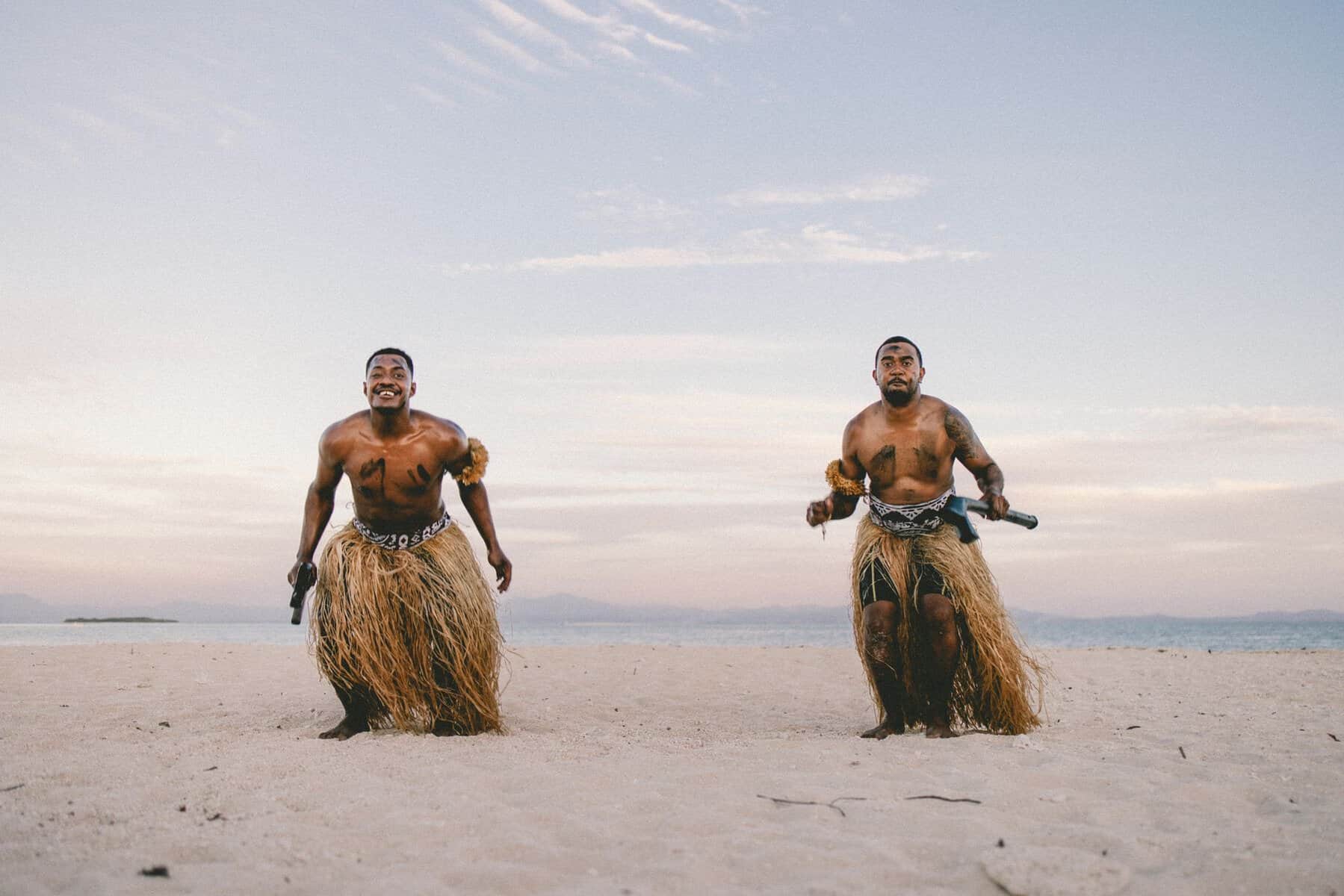
Visit a village. Many island stays can arrange a visit to a nearby village. You present a gift of kava root (sevusevu) to the chief, are welcomed in, and usually share a bowl of kava, the peppery, mildly numbing drink made from the root. Dress modestly, take off your hat and shoes, and don’t touch anyone’s head.
Watch a meke. Traditional song-and-dance performances, from spear-carrying warrior dances to seated women’s dances, often accompany a lovo feast in the evening.
Snorkel and dive. Fiji calls itself the soft-coral capital of the world. Snorkel off the beach in the Mamanucas and Yasawas, swim with mantas in the Yasawas, or dive the Rainbow Reef, the Great Astrolabe Reef and Beqa Lagoon.
Sail. Day cruises, sunset sails and multi-day small-ship cruises run through the Mamanucas and Yasawas, and skippered yachts can be chartered from Port Denarau.
- Around Nadi: the orchids of the Garden of the Sleeping Giant in the Sabeto hills, the mud pools and hot springs nearby, and the colourful Sri Siva Subramaniya temple, the largest Hindu temple in the southern hemisphere.
- Waterfalls and hikes: the Tavoro falls on Taveuni, the Colo-i-Suva pools near Suva, and the island summits of the Yasawas for sunrise views.
- Adventure: river rafting on the Navua, zip lines in the rainforest, surfing in the Mamanucas and kayaking between the islands.
- Festivals: Fiji Day (10 October) marks independence in 1970; Diwali is celebrated across the country in October or November; the Hibiscus Festival fills Suva in August.


Food and culture
Fiji’s food mixes indigenous Fijian, Indian and Chinese cooking. Try kokoda, raw fish “cooked” in lime and coconut cream with chilli and onion; lovo, meat, fish and root vegetables wrapped in banana leaves and slow-cooked in an earth oven; rourou, taro leaves in coconut milk; and fresh tropical fruit. Indo-Fijian curries and roti are everywhere, especially around Nadi and Lautoka. About a third of Fijians are of Indian descent, the families of workers brought over for the sugar plantations from 1879, which is why you will see mosques and Hindu temples alongside the Methodist churches.
Fijians greet you with a big “Bula!” (hello) and thank you with “Vinaka”. Life runs on “Fiji time”: relaxed and unhurried. Sunday is for church and family, so expect villages and many shops to be quiet. Rugby is a national passion, especially sevens.
Best time to visit Fiji
Fiji is warm all year, around 28 to 31°C by day on the coast, and the sea never gets cold. The best time to visit Fiji is the dry season, May to October, with lower humidity, the least rain and cooler nights; it is also manta season in the Yasawas and the peak time for whale sightings around the outer islands. July and August are busiest, as Australian and New Zealand school holidays fall then. November to April is the wet season: hotter, more humid and greener, with short heavy downpours, and it is also cyclone season, with most cyclones between December and March. Good-value rooms and quieter islands make April, May, October and November sensible shoulder months, and the west around Nadi and the Mamanucas stays far drier than the east.
| Month | Nadi and the Mamanucas | Savusavu, Vanua Levu |
|---|---|---|
| Jan | 30°C / 24°C · 320 mm | 29°C / 25°C · 325 mm |
| Feb | 30°C / 24°C · 355 mm | 29°C / 25°C · 325 mm |
| Mar | 30°C / 24°C · 280 mm | 29°C / 25°C · 290 mm |
| Apr | 30°C / 23°C · 170 mm | 29°C / 24°C · 195 mm |
| May | 29°C / 22°C · 80 mm | 27°C / 24°C · 135 mm |
| Jun | 28°C / 21°C · 50 mm | 27°C / 23°C · 95 mm |
| Jul | 28°C / 21°C · 35 mm | 26°C / 23°C · 85 mm |
| Aug | 28°C / 20°C · 80 mm | 26°C / 22°C · 105 mm |
| Sep | 29°C / 21°C · 55 mm | 27°C / 23°C · 90 mm |
| Oct | 29°C / 22°C · 105 mm | 28°C / 23°C · 185 mm |
| Nov | 30°C / 23°C · 125 mm | 28°C / 24°C · 155 mm |
| Dec | 30°C / 24°C · 220 mm | 29°C / 24°C · 330 mm |
Average daily high / low and monthly rainfall, 10-year ERA5 data. Suva and Taveuni’s east coast are wetter than Savusavu; the sea is around 25 to 29°C all year.

Fiji in November: daytime highs are around 30°C, the sea is warm and the rains are only starting, so it is a good month for value, with the caveat that it is the start of cyclone season. Travel insurance that covers cyclone disruption is essential from November to April.
Getting to Fiji from the UK

There are no direct flights from the UK to Fiji. Almost everyone arrives at Nadi International Airport on the west coast of Viti Levu, with one or two connections. Total journey times start at about 22 hours.
Via North America: fly to Los Angeles or San Francisco, then nonstop overnight to Nadi (about 11 hours). Easy to break with a night or two in California or Hawaii.
Via Asia: connect in Hong Kong or Singapore for a direct flight to Nadi, or go via Australia.
Via Australia or New Zealand: Nadi is about 4 hours from Sydney and 3 hours from Auckland, so Fiji fits naturally as a beach finale to an Australia or New Zealand trip, or as a stopover on a round-the-world ticket.
Fiji is 12 hours ahead of GMT. Allow a day or two for jet lag: many people spend the first night near Nadi before heading out to the islands.
Getting around Fiji
- To the Mamanucas and Yasawas: fast catamarans leave Port Denarau, 20 minutes from Nadi airport, every morning, stopping at the islands in turn; the far end of the Yasawas takes about 5 hours. Seaplanes and helicopters reach most islands in 10 to 40 minutes, with views of the reefs on the way.
- Domestic flights link Nadi with Taveuni, Savusavu, Kadavu and Suva on small planes, with tight baggage limits.
- By road: the Queens Road runs along the south coast from Nadi to the Coral Coast (about 1 to 1.5 hours) and Suva (about 4 hours). We arrange private transfers; self-drive is possible, on the left, but driving after dark is best avoided.
- Island to island: the outer islands are linked by ferries, but schedules change; flights are usually simpler.
Where to stay in Fiji
- Denarau and around Nadi for a first or last night near the airport, with big resorts, golf and the marina.
- The Mamanucas for easy-to-reach island resorts, from lively family islands to quiet adults-only hideaways, all with great snorkelling.
- The Yasawas for remote beaches and village life, in small eco-lodges and a few boutique resorts.
- The Coral Coast for mainland beach resorts with easy day trips, good for families and longer stays.
- Pacific Harbour for divers and active trips, with river and shark adventures on the doorstep.
- Taveuni, Savusavu and Kadavu for intimate boutique retreats, dive resorts and private-island stays far from the crowds.
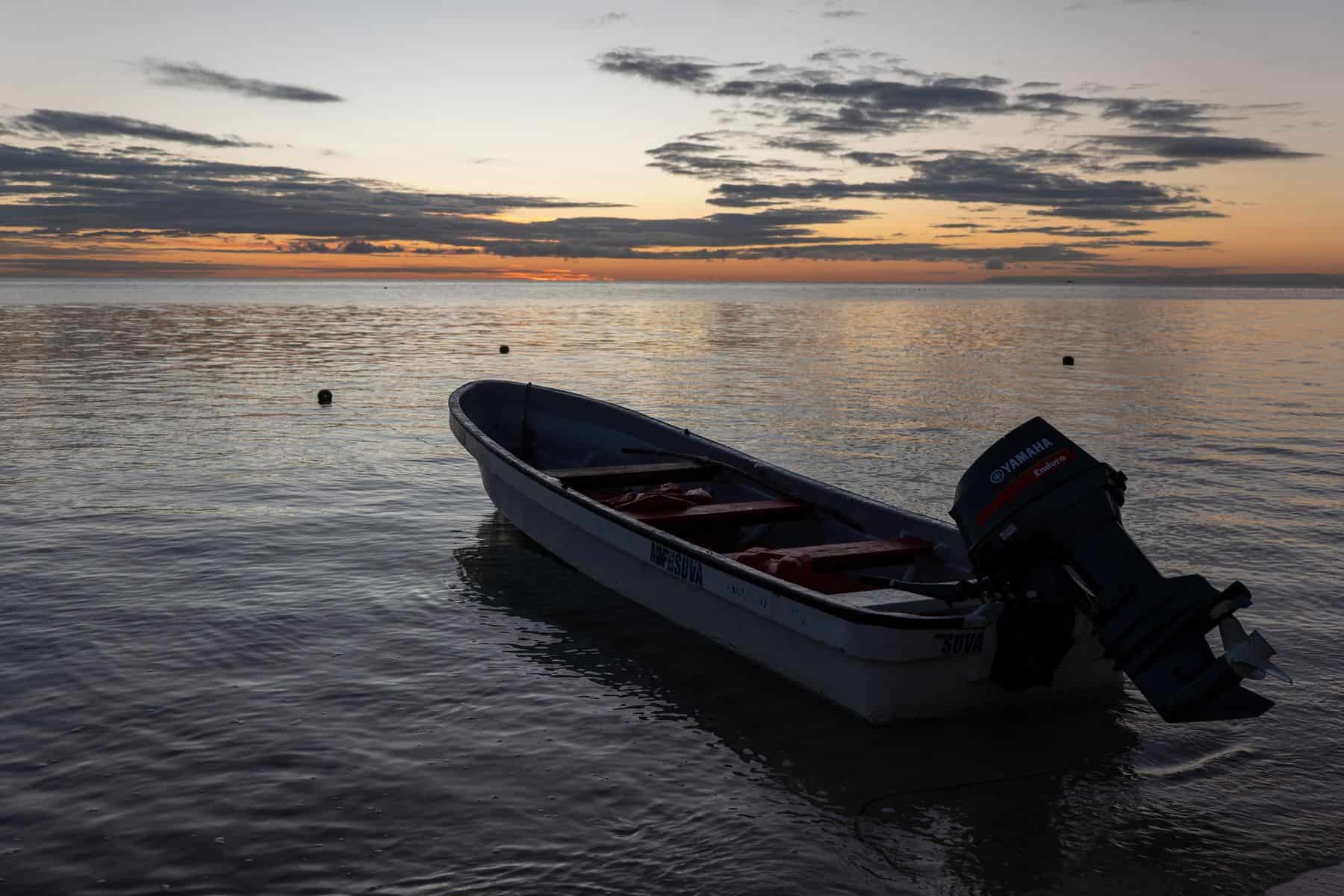
Tell us how you like to travel and we will match the island and the resort: we book stays across Fiji, from family resorts to honeymoon bures on the beach.
How many days in Fiji? Sample routes
With the long journey, 10 to 14 nights is the minimum that feels worthwhile, and two islands is usually better than one.
Mamanucas and Yasawas
- Nadi (1 night)
- Mamanuca Islands (4)
- Yasawa Islands (5)
Two contrasting island groups, both reached by boat or seaplane from Nadi.
Islands, reefs and rainforest
- Nadi (1 night)
- Taveuni (4)
- Savusavu (3)
- Mamanuca Islands (6)
Waterfalls and soft-coral diving, then a quiet harbour town and an island beach to finish.
New Zealand and Fiji
- New Zealand North and South islands (2 to 3 weeks)
- Coral Coast (3)
- Yasawa Islands (5)
Fly home via Fiji for a beach finale after touring New Zealand.
Ways to see Fiji with us

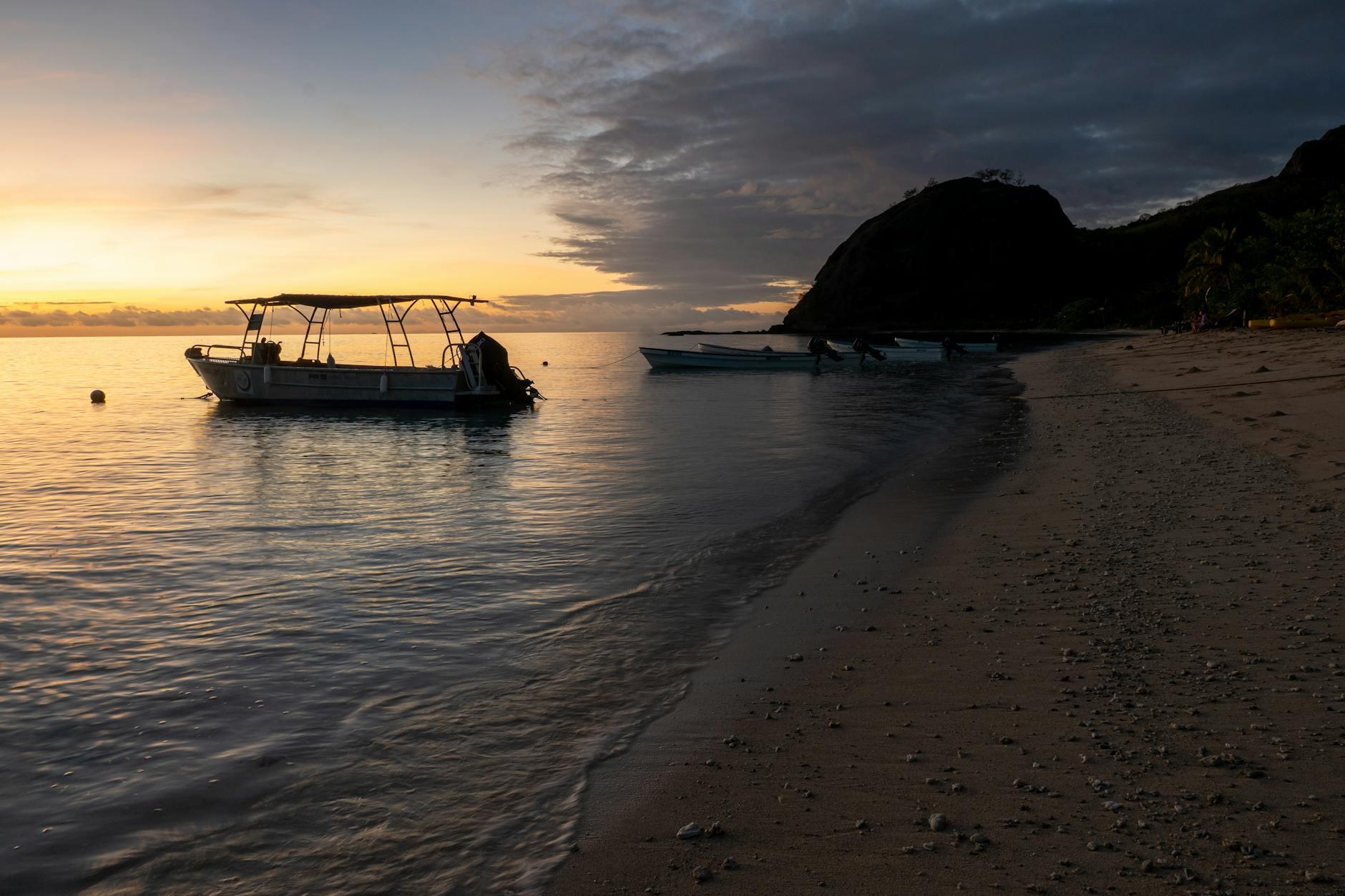
Prefer your own pace? A tailor-made Fiji holiday can combine any of the islands with flights via Asia, the US or Australia, or add Fiji to a New Zealand or Australia trip. See all our Fiji holidays.
Practical tips
- Entry: British passport holders don’t need a visa for visits of up to 4 months. Your passport must be valid for at least 6 months after you arrive, and you need a return or onward ticket. Check the FCDO Fiji advice before you go; it doesn’t advise against travel to any part of Fiji.
- Money: the currency is the Fijian dollar. Cards are taken at resorts, but carry cash for villages, markets and the outer islands, where there are no ATMs.
- Village etiquette: cover shoulders and knees, remove hats, speak quietly, and ask before taking photos.
- Health: use insect repellent, as dengue is present, and reef-safe sun cream. Tap water is fine in Nadi and Suva but drink bottled water on the islands unless told otherwise.
- Plugs: Australian-style three-pin sockets, 240V.
- Luggage: seaplanes and small domestic planes have strict weight limits; soft bags are easier on boats.
- Tipping isn’t expected. Many resorts have a staff Christmas fund instead.
Frequently asked questions
Where is Fiji?
In the South Pacific, about 3 hours' flight north of Auckland and 4 hours from Sydney. Its two largest islands are Viti Levu, with the international airport at Nadi and the capital Suva, and Vanua Levu.
What is the best time to visit Fiji?
May to October, the dry season, with sunny days around 28°C, lower humidity and the least rain. November to April is hotter and wetter, and it is cyclone season, with most cyclones from December to March.
How long is the flight from the UK to Fiji?
There are no direct flights. With one or two connections, via Los Angeles, San Francisco, Hong Kong, Singapore or Australia, the journey takes about 22 hours or more.
Which Fiji islands are best?
The Mamanucas are the easiest to reach and the sunniest, with lots of choice. The Yasawas are more remote and dramatic. Taveuni is best for rainforest and diving, and Kadavu for the Great Astrolabe Reef.
How many days do you need in Fiji?
At least 10 nights, given the long journey: a night near Nadi and two island stays. With 14 nights you can add Taveuni or Savusavu.
Do British citizens need a visa for Fiji?
No. British passport holders can visit for up to 4 months without a visa. Your passport must be valid for at least 6 months after arrival, and you need a return or onward ticket.
When can you swim with manta rays in Fiji?
In the Yasawa Islands, mantas feed in the channel between Drawaqa and Naviti roughly from May to October. Kadavu's Great Astrolabe Reef also has manta dives.
What is the weather like in Fiji in November?
Hot and increasingly humid, with highs around 30°C and the rains starting, especially in the east. It is the start of cyclone season, so take insurance that covers disruption.
Keep planning
- Fiji holidays
- Escorted tours of Fiji
- Samoa holidays
- French Polynesia holidays
- New Zealand holidays
- Australia holiday guide
- Hawaii holiday guide
- Tailor-made holidays
Plan your Fiji holiday with a Travel Designer
Tell us when you’d like to go and we’ll plan your Fiji islands, flights and transfers, from seaplanes to island boats, in one ATOL-protected booking.
Make an enquiry Fiji holidays