The Cook Islands in brief
- Rarotonga has the mountains, Muri Lagoon, Island Nights and the Saturday market; Aitutaki has the famous lagoon.
- Best from May to October, the dry season, with whales offshore from July and Te Maeva Nui in late July.
- Fly via Auckland, 4 hours from Rarotonga; easy to add to a New Zealand trip.
- 7 to 10 nights on Rarotonga and Aitutaki is ideal.

The Cook Islands are 15 small islands in the South Pacific, spread across almost 2 million square kilometres of ocean, with fewer people than a small English town. Most visitors stay on two of them: Rarotonga, a green, mountainous island ringed by a reef-protected lagoon, and Aitutaki, a low island set in a huge turquoise lagoon dotted with sandbanks and palm-covered islets. It’s relaxed, friendly and easy: English is spoken everywhere, the currency is the New Zealand dollar and there are no high-rise hotels. This guide covers where the Cook Islands are, Rarotonga and Aitutaki, the outer islands, the best time to go, how to get there from the UK and how to fit them into a New Zealand trip.
Where are the Cook Islands?
The Cook Islands lie in the South Pacific between French Polynesia and Samoa, about 3,000 km north-east of New Zealand. Rarotonga is roughly 4 hours’ flight from Auckland and in the same time zone as Tahiti and Hawaii.
The country is self-governing, in free association with New Zealand: Cook Islanders are New Zealand citizens, and New Zealand helps with defence and foreign affairs. Self-government began on 4 August 1965, celebrated each year with the Te Maeva Nui festival.
The islands form two groups. The Southern Group includes Rarotonga, Aitutaki, Atiu, Mangaia and Mauke: higher, greener islands where nearly everyone lives. The Northern Group is a scattering of remote coral atolls, such as Manihiki and Penrhyn, reached by infrequent flights or supply ships. Since 2017 the whole of the country’s waters have been protected as the Marae Moana marine park.
Rarotonga
Rarotonga is the main island and where every international flight lands. It’s small: the coast road runs about 32 km around it, so you can circle it in under an hour by car. Inside the road, jungle-covered volcanic peaks rise to over 650 m; outside, a lagoon protected by the reef gives calm water for swimming and snorkelling almost everywhere.

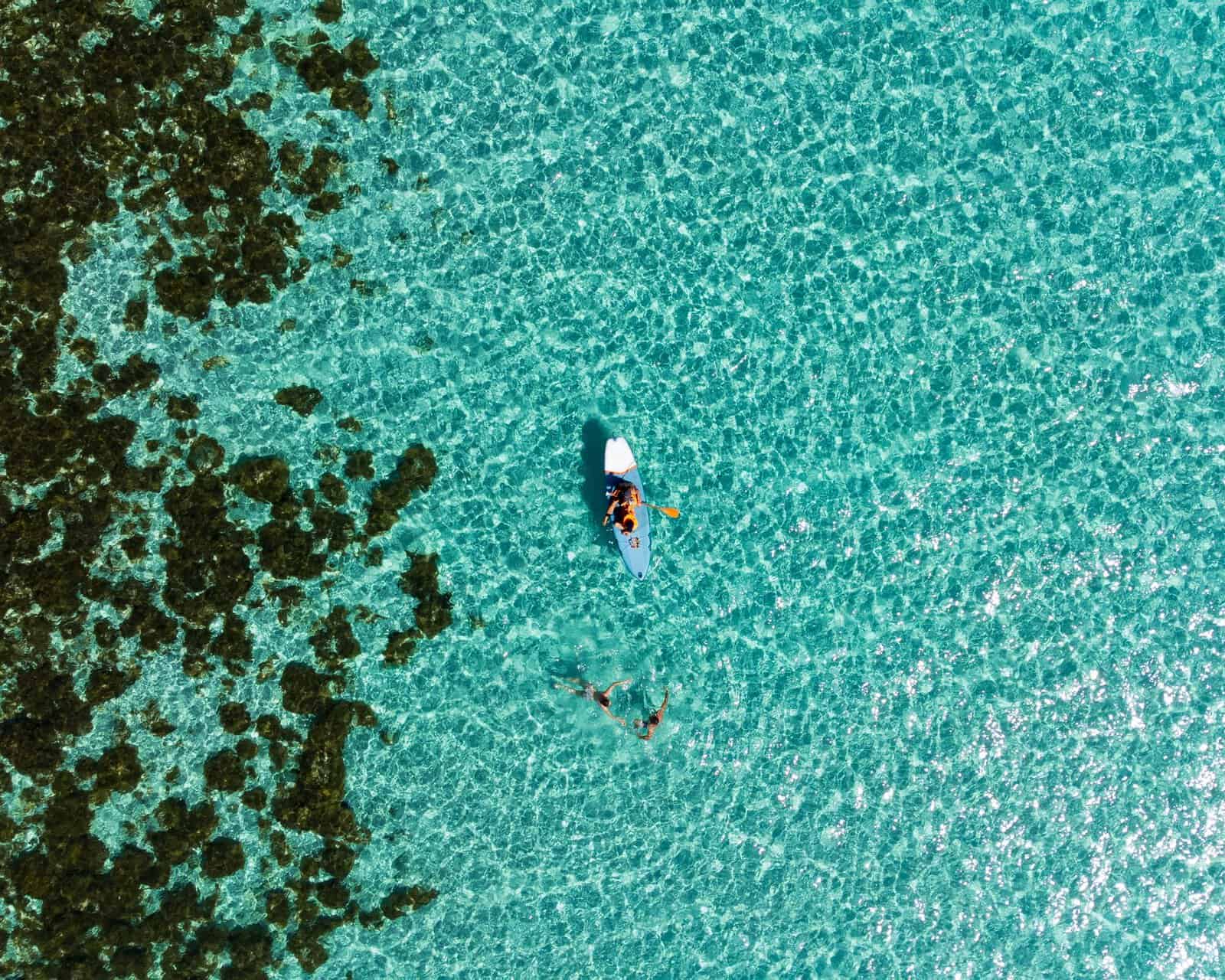
Muri Lagoon. On the south-east coast, the widest and shallowest part of the lagoon, with four small islets you can kayak or paddleboard to. Glass-bottom boat trips leave from the beach, and it’s the liveliest area to stay, with cafés and restaurants.
Snorkelling. The best spots are in the protected marine reserves (ra’ui) along the south and west coasts, where fish are plentiful just a few metres from the beach. Stay inside the reef: currents near the passes can be strong.
The Cross-Island Track. A 3 to 4 hour hike over the middle of the island, past the rock pinnacle of Te Rua Manga (the Needle), through rainforest to Wigmore’s waterfall. It’s steep and slippery after rain; a guided walk is a good idea.

Island Nights. Cook Islanders are famous across the Pacific for their drumming and dance. Several evenings a week, an Island Night combines a feast cooked in an umu (earth oven) with a show of fast, powerful dancing. Don’t miss one.
Punanga Nui Market. On Saturday mornings (about 7am to noon), Avarua’s waterfront market fills with food stalls, fresh fruit, black pearls, crafts and a free stage show. Come hungry.
Church on Sunday. Visitors are welcome at the Sunday morning services in the old coral-lime churches, and the unaccompanied harmony singing is unforgettable. Dress modestly.
Avarua. The small capital has the market, a few shops and galleries, and the national museum and cultural centre. Elsewhere, take a guided tour to learn about the island’s plants, history and marae (sacred sites).
Aitutaki and its lagoon
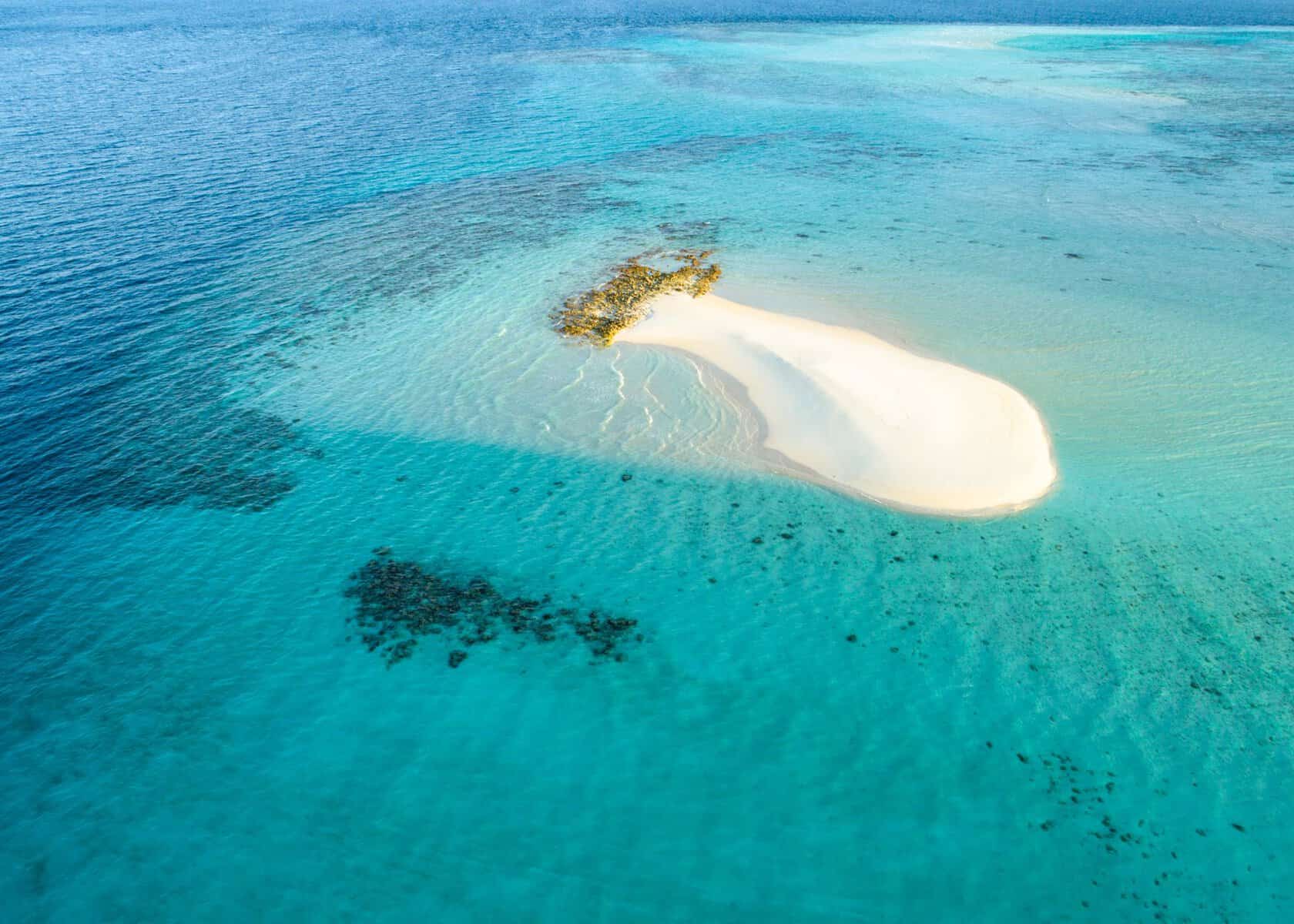
Aitutaki is about 45 to 50 minutes’ flight north of Rarotonga. The island itself is small and low, but its triangular barrier reef encloses one of the most beautiful lagoons in the world: miles of shallow, impossibly blue water, sandbanks and small uninhabited islets (motu).
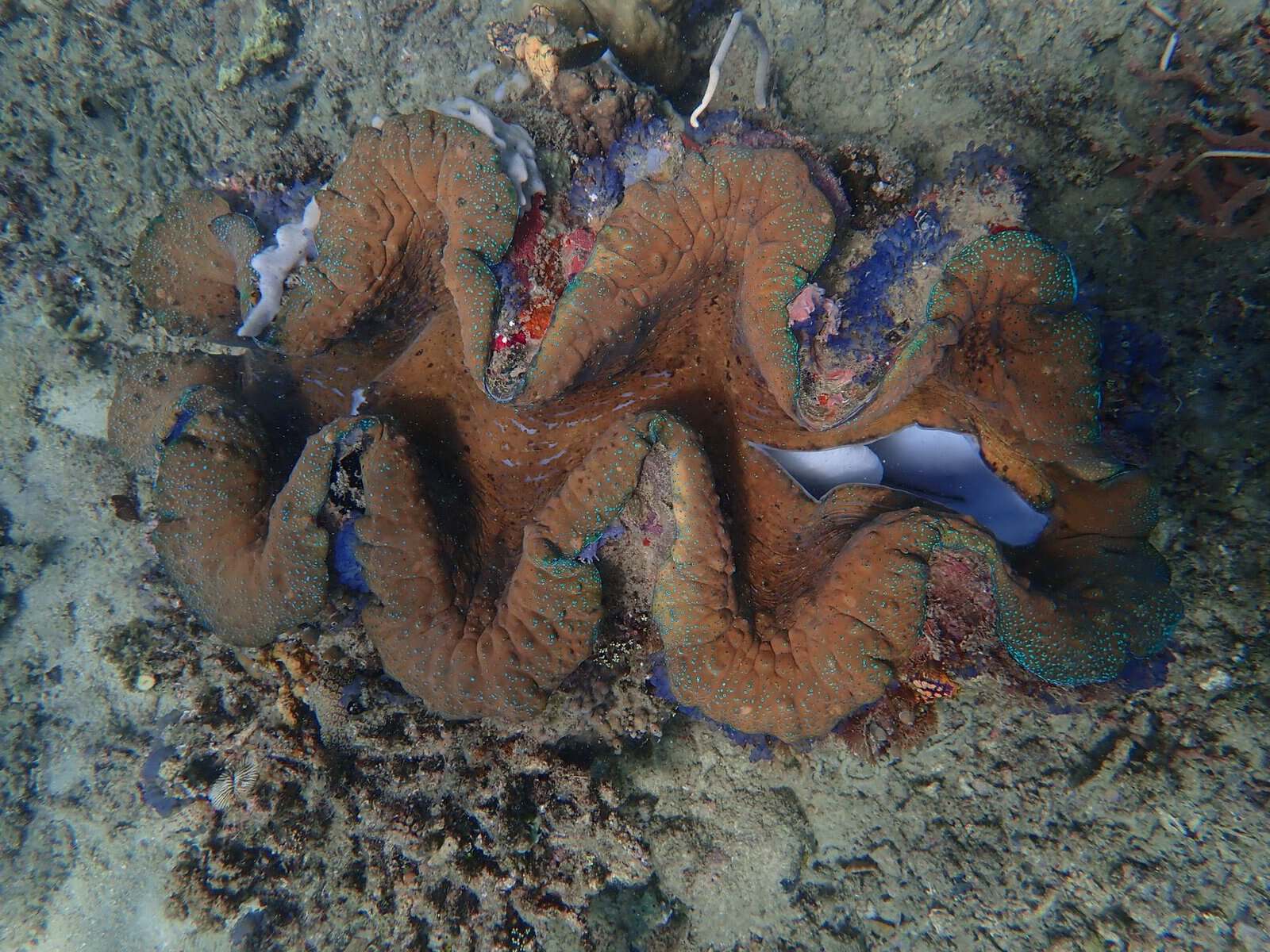
The lagoon cruise is the essential day out: a boat trip across the lagoon with snorkelling over giant clams and coral, lunch on a motu and a stop at One Foot Island (Tapuaetai), where you can have your passport stamped at the tiny post office. Honeymoon Island and Akaiami, once a refuelling stop for flying boats in the 1950s, are other favourites.
Away from the lagoon, Aitutaki is quiet: a few villages, a lookout on Maunga Pu, the island’s highest point, and some of the best bonefishing and giant trevally fly-fishing in the Pacific. Most people stay 3 to 5 nights; a day trip from Rarotonga is possible but rushed.

The outer islands
Atiu
45 minutes from Rarotonga · 2 to 3 nights. An island of raised coral limestone (makatea) honeycombed with caves, including one used for ancient burials and home to the rare kopeka, a small cave-nesting bird. Go for the caves, birdlife, coffee grown on the island and the tradition of the tumunu, a bush-beer gathering. Very few visitors.
Mangaia
Oldest island · Caves and walks. One of the oldest islands in the Pacific, ringed by a wall of fossilised coral cliffs, with taro swamps in the middle, caves and empty walking trails. Simple guesthouse accommodation.
The Northern atolls
Very remote · Pearl farming. Manihiki, Penrhyn and the other northern atolls are among the most isolated places on earth, known for black pearl farming. Flights are infrequent and accommodation very basic, so they’re for adventurous travellers with time to spare.
Food and drink
Try ika mata, raw fish marinated in lime and coconut cream; rukau, taro leaves cooked in coconut cream; and anything from an umu, the earth oven used for feasts. Fresh tuna and wahoo are excellent, along with breadfruit, taro, passion fruit and pawpaw. Rarotonga has a good range of cafés and beach bars, plus food trucks and the Saturday market; Aitutaki has fewer choices, so many visitors take a half-board plan. The tap water on Rarotonga is generally fine, but most visitors drink filtered or bottled water.
Best time to visit the Cook Islands
The Cook Islands are warm all year. The dry season, May to October, is the best time to visit: sunny, less humid and cooler at night, with humpback whales passing offshore from about July to October and the Te Maeva Nui festival of dance and music in late July and early August (23 July to 4 August in 2027). It’s also the busiest season, especially during Australian and New Zealand school holidays. November to April is hotter and wetter, with heavy but often short showers, and is the South Pacific cyclone season, although direct hits are rare. April and November are good shoulder months.
| Month | Rarotonga | Aitutaki |
|---|---|---|
| Jan | 27°C / 25°C · 230 mm | 27°C / 26°C · 225 mm |
| Feb | 27°C / 25°C · 190 mm | 27°C / 26°C · 215 mm |
| Mar | 27°C / 25°C · 245 mm | 28°C / 26°C · 205 mm |
| Apr | 26°C / 25°C · 155 mm | 27°C / 26°C · 170 mm |
| May | 25°C / 24°C · 165 mm | 26°C / 25°C · 185 mm |
| Jun | 25°C / 23°C · 85 mm | 26°C / 24°C · 70 mm |
| Jul | 24°C / 22°C · 110 mm | 25°C / 24°C · 80 mm |
| Aug | 23°C / 22°C · 95 mm | 25°C / 23°C · 70 mm |
| Sep | 24°C / 22°C · 70 mm | 25°C / 23°C · 65 mm |
| Oct | 24°C / 23°C · 90 mm | 25°C / 24°C · 135 mm |
| Nov | 25°C / 23°C · 90 mm | 26°C / 24°C · 140 mm |
| Dec | 26°C / 24°C · 180 mm | 27°C / 25°C · 215 mm |
Average daily high / low and monthly rainfall, 10-year ERA5 data at sea level. Days on land are often a degree or two warmer and nights in the dry season a little cooler.
How to get to the Cook Islands from the UK
There are no direct flights from the UK. Most people fly to Auckland (usually one stop in Asia, the Middle East or North America) and then take the 4-hour flight to Rarotonga. There are also some direct flights from Los Angeles and from Sydney. Allow around 30 hours’ travelling in total.
You cross the International Date Line on the way from Auckland, so you land on Rarotonga the day before you left, more or less. Flights from Auckland often arrive late at night or in the early morning.
Combining it: the Cook Islands are an easy add-on to a New Zealand holiday, for a week of beach after touring, or a stopover on a round-the-world trip. Some travellers also combine them with French Polynesia or Fiji, though connections between Pacific islands are limited and usually route via Auckland.
Getting around
On Rarotonga, the round-island bus runs in both directions (clockwise and anticlockwise) and is a cheerful, easy way to get about. You can also hire a car, scooter or bike; FCDO says a UK photocard licence can be used, but take care at night, when roads are dark and dogs, chickens and pedestrians are common. On Aitutaki, a scooter or bike is perfect, and lagoon tours include transfers. Domestic flights link Rarotonga with Aitutaki several times a day and with the other Southern Group islands less often; the baggage allowance is lower than on international flights.
Where to stay
- Muri, Rarotonga: the most popular area, on the calm, shallow lagoon with its islets, with restaurants and bars within walking distance.
- The south and west coasts of Rarotonga: quieter beach resorts and villas, good snorkelling and the island’s best sunsets on the west side.
- Near Avarua: convenient for the market, the airport and late arrivals, but not the best beaches.
- Aitutaki’s lagoon shore: boutique resorts and beach bungalows, some on their own motu, a few with overwater bungalows, and smaller guesthouses in the villages.
- Family guesthouses on Atiu and Mangaia, simple and welcoming.
The islands have no large chain resorts or high-rise hotels; tell us your style and we’ll match the right place on each island.
How many days? Sample routes
A week is the least we’d suggest after such a long journey; 10 nights lets you add Aitutaki properly or an outer island.
Rarotonga and Aitutaki
- Rarotonga (3 nights)
- Aitutaki (4)
The classic combination: culture and walks on Rarotonga, then the lagoon.
Southern Group explorer
- Rarotonga (4 nights)
- Atiu (2)
- Aitutaki (4)
Add Atiu’s caves, coffee and birds between the two main islands.
New Zealand and the Cook Islands
- Auckland and the North Island (6 nights)
- South Island (8)
- Rarotonga (3)
- Aitutaki (4)
Tour New Zealand, then finish with a week on the beach.
Ways to see the Cook Islands with us

Prefer your own route? A tailor-made holiday can add Rarotonga and Aitutaki to any New Zealand or Australia itinerary, or make them a trip on their own. Comparing New Zealand tours? See New Zealand tours compared.
Practical tips
- Entry: British visitors don’t need a visa for stays of up to 31 days. You need a return or onward ticket, proof of accommodation and a passport valid for at least 6 months after you leave. Flying via the US needs an ESTA, and via New Zealand an NZeTA (check the current rules for transit). Check the current FCDO Cook Islands travel advice before you book and again before you travel.
- Money: the New Zealand dollar is used, alongside local Cook Islands coins and notes. ATMs are only on Rarotonga and Aitutaki, so take cash for the outer islands. Tipping isn’t part of the culture.
- Reef safety: swim and snorkel inside the lagoon, away from the passes in the reef where currents run out to sea. Wear reef shoes and reef-safe sun cream.
- Mosquitoes: dengue occurs, so use repellent. Check vaccinations with your GP or a travel clinic.
- Sundays are quiet: many shops close and some activities don’t run. Go to church, or have a beach day.
- Respect: dress modestly away from the beach, especially in villages and churches, and ask before photographing people.
Frequently asked questions
Where are the Cook Islands?
In the South Pacific, between French Polynesia and Samoa, about 3,000 km north-east of New Zealand. Rarotonga, the main island, is around 4 hours' flight from Auckland.
Are the Cook Islands part of New Zealand?
The Cook Islands are self-governing in free association with New Zealand. Cook Islanders are New Zealand citizens and the New Zealand dollar is used, but the country runs its own affairs.
Is Aitutaki worth visiting?
Yes. Aitutaki's lagoon is one of the most beautiful in the Pacific, with sandbanks, islets and clear shallow water. Stay at least 3 nights rather than doing a rushed day trip from Rarotonga.
What is the best time to visit the Cook Islands?
May to October, the dry season, is best, with sunny days, lower humidity and whales from July. November to April is hotter and wetter, and is the cyclone season.
How do you get to the Cook Islands from the UK?
Fly to Auckland, usually with one stop, then take the 4-hour flight to Rarotonga. There are also some flights from Los Angeles and Sydney. Allow around 30 hours.
Do UK citizens need a visa for the Cook Islands?
No. British passport holders can visit for up to 31 days without a visa, with a return or onward ticket, proof of accommodation and a passport valid for 6 months after departure.
How many days do you need in the Cook Islands?
A week is a good minimum: 3 nights on Rarotonga and 4 on Aitutaki. With 10 nights you can add an outer island such as Atiu.
What currency do the Cook Islands use?
The New Zealand dollar, alongside local Cook Islands coins and notes. ATMs are only on Rarotonga and Aitutaki.
Keep planning
- New Zealand holidays
- Escorted tours of New Zealand
- New Zealand tours compared
- French Polynesia holiday guide
- French Polynesia holidays
- Fiji holidays
- Australia holiday guide
- Honeymoons
- Tailor-made holidays
Plan your Cook Islands holiday with a Travel Designer
Tell us when you’d like to go and we’ll plan Rarotonga, Aitutaki and the flights via New Zealand, in one ATOL-protected booking.
Make an enquiry Tailor-made holidays