Dublin packs the Book of Kells, free national museums, Georgian squares, two medieval cathedrals and some of the best traditional pubs in Ireland into a compact, walkable centre, with cliff walks and seaside villages a short DART ride away. This guide has four self-guided walking routes, the places worth your time with links to book, the best free things to do, and where to eat, drink and stay at every budget, with each venue's website and Instagram so you can see it first.




Dublin map: sights, restaurants, bars and walks
Turn the layers on and off, or pick a walk to draw its route with numbered stops. Tap any pin for links.
Four Dublin walking routes
Central Dublin is flat and compact: you can cross from Trinity to Christ Church in 15 minutes. Showers blow through all year, so carry a light waterproof, and save the two coastal walks for a dry, clear day; the Howth cliff path is exposed in wind. Distances are approximate and the times include short stops; add more if you go inside the sights.
 Walk 1
Trinity, Grafton Street and Georgian Dublin
About 3.4 km · 1.5 hours walking, a full day with Trinity and the free museums
From Trinity's Front Square up Grafton Street to St Stephen's Green and the Iveagh Gardens, then past MoLI and Merrion Square's Georgian doors to the National Gallery and the National Museum.
- Trinity College (Front Square)
- Grafton Street
- Fusiliers' Arch, St Stephen's Green
- Iveagh Gardens
- MoLI (Newman House)
- Merrion Square (Oscar Wilde statue)
- National Gallery of Ireland
- National Museum of Ireland – Archaeology
 Walk 2
Temple Bar, Dublin Castle and the two cathedrals
About 2 km · 1 hour walking, half a day with visits
Cross the Ha'penny Bridge into Temple Bar, then climb to Dublin Castle, Christ Church and medieval St Audoen's Church before ending at St Patrick's Cathedral and Marsh's Library.
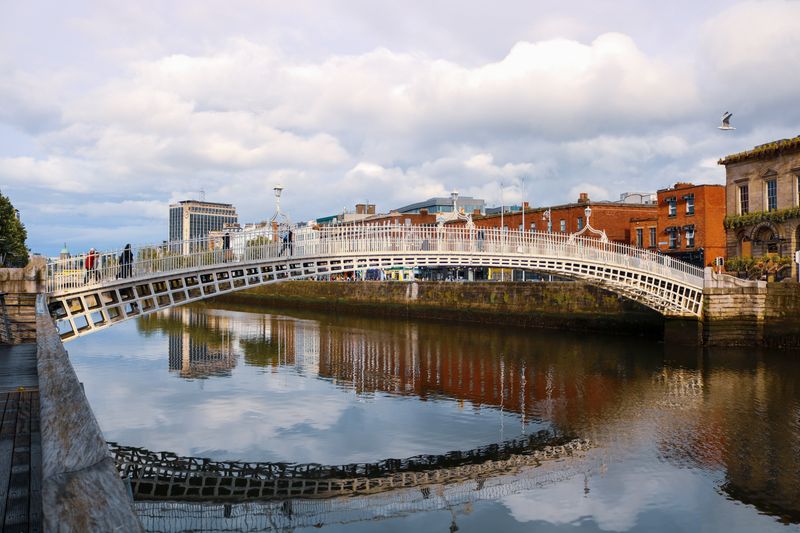
- Ha'penny Bridge
- Temple Bar
- Dublin Castle
- Christ Church Cathedral
- St Audoen's Church
- St Patrick's Cathedral
- Marsh's Library
 Walk 3
Howth Cliff Path Loop
About 7.8 km · About 2 hours walking (Sport Ireland grades it moderate), plus the 30-minute DART each way
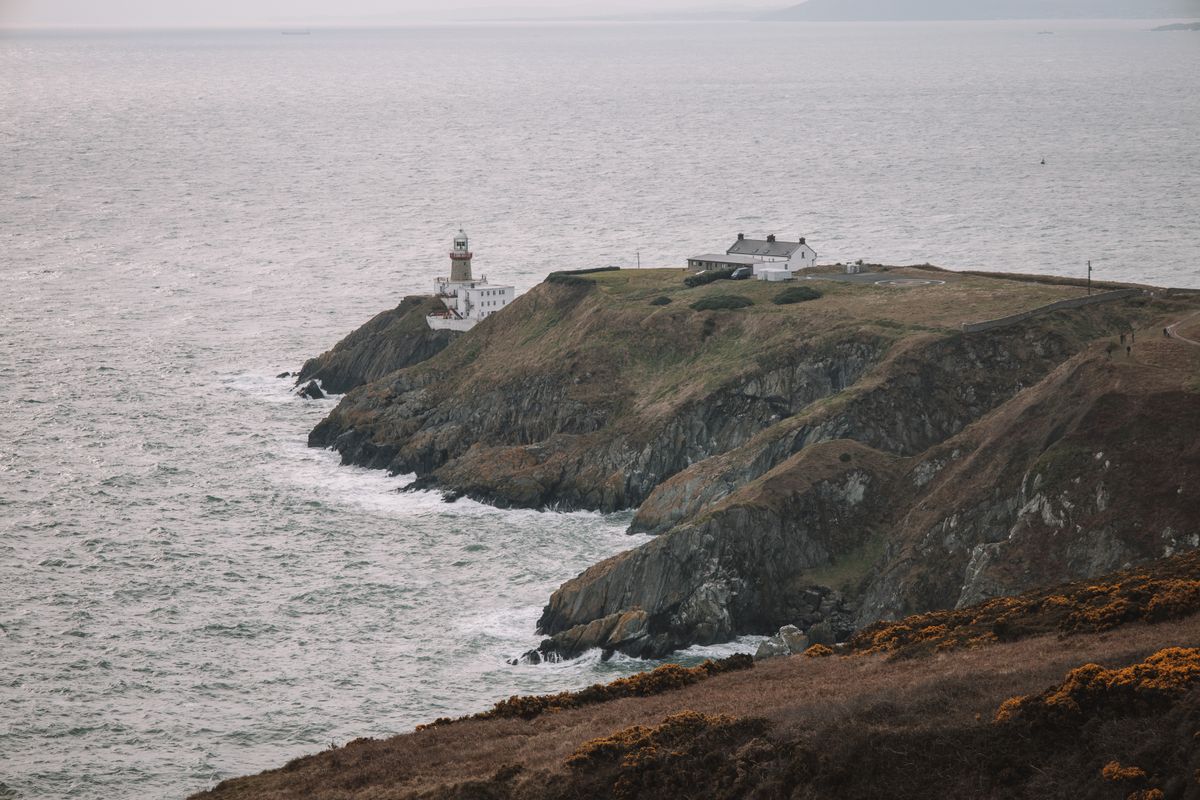
The marked loop from Howth DART station: along the harbour, up past Balscadden Bay onto the cliff path, round the headland with views of the Baily Lighthouse, up to the Summit and back to the village.
- Howth DART station
- Balscadden Bay
- Baily Lighthouse viewpoint
- Howth Summit
- Howth Harbour
 Walk 4
Dalkey to Killiney Hill
About 3.7 km · 1.5 hours walking, with a steep climb; half a day with lunch in Dalkey
From Dalkey station through the village past Dalkey Castle to Coliemore Harbour, then up through Sorrento Park and Dalkey Quarry to the obelisk on Killiney Hill.
- Dalkey DART station
- Dalkey Castle (Castle Street)
- Coliemore Harbour
- Sorrento Park
- Dalkey Quarry
- Killiney Hill obelisk
Places to visit in Dublin
The 20 sights we would plan a first trip around, with the official site for opening times and tickets.

Trinity College and the Book of Kells
Ireland's oldest university, founded in 1592, where the Old Library holds the Book of Kells, a ninth-century illuminated gospel book, and the vaulted Long Room. The visit continues in the Red Pavilion with three digital exhibitions.
Tip: Entry is by timed ticket, so book online ahead. Open Monday to Thursday 08:30-18:30, Friday and Saturday 08:30-19:00, Sunday 09:00-18:30; allow about 90 minutes. Most books have been taken out of the Long Room for the Old Library's conservation project (only the first bays are still shelved), so expect a partly empty hall. A free audio guide is included.
Time needed: 1.5 hours
National Museum of Ireland – Archaeology
Free and packed with treasures: Celtic gold, the Ardagh Chalice and Tara Brooch, Viking Dublin and the eerie Iron Age bog bodies, in a domed Victorian building beside Leinster House.
Tip: Free entry. Open Tuesday to Saturday 10:00-17:00, Sunday and Monday 13:00-17:00. The new exhibition on Glendalough is on now.
Time needed: 1.5-2 hours
National Gallery of Ireland
Ireland's national art collection, from Old Masters to Jack B. Yeats, with free entry to the permanent collection and paying exhibitions alongside.
Tip: The permanent collection is free. Open Tuesday to Saturday 09:15-17:30 (Thursday to 20:30), Sunday and Monday 11:00-17:30. The Thursday late opening is a good time to go.
Time needed: 1.5-2 hours

St Stephen's Green
The city's best-loved Victorian park, entered through the Fusiliers' Arch at the top of Grafton Street, with a lake, bandstand, flower beds and plenty of benches.
Tip: Free. Opens 07:30 Monday to Saturday and 09:30 on Sundays and bank holidays, closing around dusk. The OPW has a free audio guide you can download to your phone.
Time needed: 30 minutes-1 hour
The Little Museum of Dublin
A Georgian townhouse filled with objects donated by Dubliners, telling the city's 20th-century story on a lively 29-minute guided tour.
Tip: Entry is by guided tour only and numbers are limited, so book ahead. Open every day 09:30-17:00 (last entry 16:30).
Time needed: 45 minutes
MoLI (Museum of Literature Ireland)
Irish writing brought to life in the Georgian rooms of Newman House, with Copy No. 1 of Joyce's Ulysses, sound installations and a quiet garden.
Tip: Open daily 10:00-17:00 (last admission 16:00); book a self-guided ticket online. The café is a good lunch stop.
Time needed: 1-2 hours
Dublin Castle
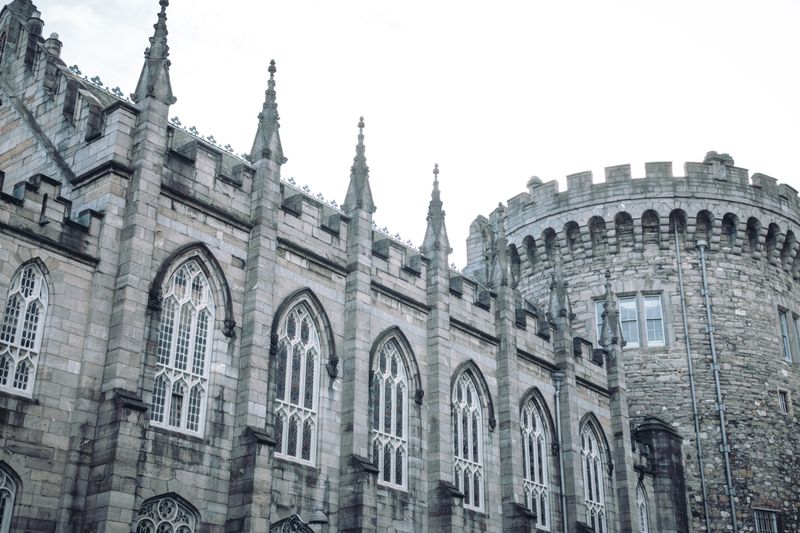
The seat of British rule in Ireland until 1922, now used for state occasions: visit the State Apartments, the Gothic Chapel Royal, the medieval tower and the Viking excavation below.
Tip: Open daily 09:45-17:45 (last admission 17:15). Self-guided and guided tickets go on sale online 15 days ahead, with a few on sale on the day at the desk in the upper courtyard. Guided tours, which include the excavations, run 10:00-16:30.
Time needed: 1-1.5 hours

Temple Bar
A grid of cobbled lanes between Dame Street and the Liffey, famous for its pubs and live music. It is the most touristy part of Dublin, busy and loud at night and dearer than elsewhere, but fun to walk through and home to galleries, the Irish Film Institute and weekend food stalls.
Tip: See it in the morning or early evening, then do your serious drinking in the traditional pubs listed below, most of them a few minutes' walk away.
Time needed: 1 hour

Christ Church Cathedral
Dublin's medieval cathedral, founded in the Viking era, with a large medieval crypt; the Dublinia exhibition on Viking and medieval Dublin is next door.
Tip: Open to visitors Monday to Saturday from 09:30, with shorter hours on Sunday afternoons around services; last admission is 45 minutes before closing. Check the cathedral website for the day.
Time needed: 45 minutes-1 hour

St Patrick's Cathedral
Ireland's largest cathedral, built on the spot where St Patrick is said to have baptised converts, where Jonathan Swift was dean; the park beside it is free.
Tip: Open Monday to Friday 09:30-17:00, Saturday 09:00-18:00, with Sunday visits fitted around services. Free guided tours run Monday to Saturday at set times (ask at the welcome desk).
Time needed: 45 minutes
Marsh's Library
Ireland's oldest public library, opened in 1707 behind St Patrick's Cathedral, with its dark oak bookcases and the wire 'cages' where readers were once locked in with rare books.
Tip: Open Tuesday to Friday 09:30-17:00 and Saturday 10:00-17:00; closed Sundays, Mondays and bank holidays. Pair it with the cathedral next door.
Time needed: 30-45 minutes
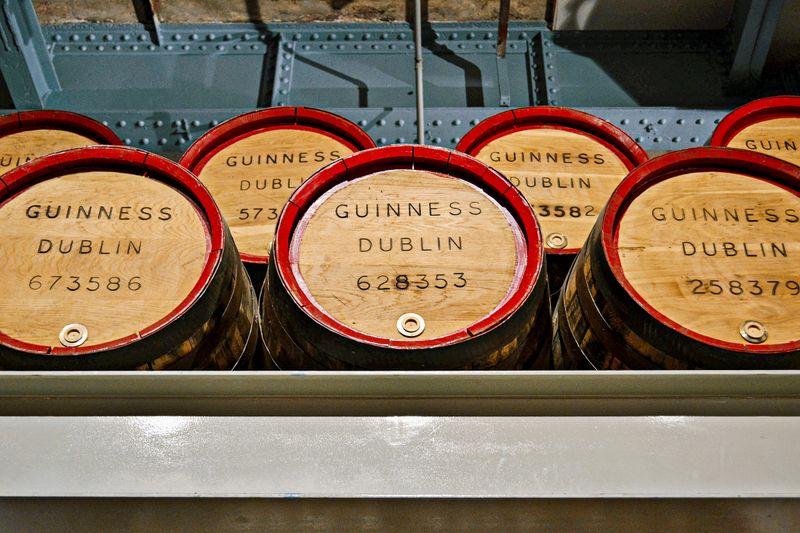
Guinness Storehouse
A seven-floor visitor experience in an old fermentation building at the St James's Gate brewery, telling the Guinness story and ending with a pint in the glass-walled Gravity Bar, with views over the city.
Tip: Book a timed ticket on the official site (tickets bought from third parties may not be accepted). Opening hours change through the year, so check the official site; go first thing or late afternoon to avoid the crowds in the Gravity Bar.
Time needed: 2 hours

Kilmainham Gaol
The former prison where leaders of the 1916 Rising were executed, now a museum of Irish nationalism, seen on a one-hour guided tour of its cells and the vast Victorian east wing.
Tip: Booking is essential: access is by guided tour only and tickets must be bought on the official site (third-party tickets are not valid). Some tours go on sale 28 days ahead at midnight Irish time, and returns are released online from 09:15 on the day. Allow 90 minutes; closed 24-27 December.
Time needed: 1.5 hours

IMMA (Irish Museum of Modern Art)
Ireland's modern and contemporary art museum, set in the 17th-century Royal Hospital Kilmainham with its formal gardens and meadow, a short walk from Kilmainham Gaol.
Tip: Admission is free, as are most exhibitions. Galleries open Tuesday to Saturday 10:00-17:30 (Wednesday from 11:30), Sundays and bank holidays 12:00-17:30; closed Mondays.
Time needed: 1-2 hours

Phoenix Park
One of the largest enclosed parks in any European capital, opened to the public in 1747, home to a herd of wild fallow deer, the President's residence and Dublin Zoo.
Tip: Free and open 24 hours. Walk in from the Parkgate Street entrance near Heuston station; the deer roam the open grassland. Please do not feed them.
Time needed: 2-3 hours

National Museum of Ireland – Decorative Arts and History
Free museum in the vast parade-ground barracks at Collins Barracks: Irish silver, furniture, costume and military history, plus the Dead Zoo Lab with animals from the Natural History Museum while its Merrion Street home is closed for works.
Tip: Free entry. Open Tuesday to Saturday 10:00-17:00, Sunday and Monday 13:00-17:00. Combine it with Phoenix Park, a short walk west.
Time needed: 1.5 hours
14 Henrietta Street
A Georgian mansion that became a crowded tenement, telling 300 years of Dublin life through the people who lived there; one of the city's most moving museums.
Tip: Guided tour only and pre-booking is essential. Tours run Wednesday to Sunday on the hour from 10:00 to 16:00; closed Mondays and Tuesdays.
Time needed: 1.5 hours
EPIC The Irish Emigration Museum
An interactive museum in the vaults of the CHQ building, with 20 galleries on why millions left Ireland and what the diaspora did abroad.
Tip: Open daily 10:00-18:45 (last entry 17:00). Booking online is recommended; tickets are also sold at the desk if the museum is not full.
Time needed: 1.5-2 hours

Howth
A fishing village on a headland at the end of the DART line, with seafood restaurants on the harbour, seals in the water and marked cliff walks round Howth Head to the Baily Lighthouse.
Tip: Take the DART to Howth (the last stop on the northern line, about 30 minutes from the centre). Go on a clear day and do the Cliff Path Loop (walk 3 below).
Time needed: Half a day

Dalkey and Killiney Hill
An elegant village on the south side of Dublin Bay, with a 14th-century castle and heritage centre, a tiny harbour, and Killiney Hill Park above it, where the obelisk looks over the bay.
Tip: Take the DART south to Dalkey. Dalkey Castle runs costumed living-history tours (book on its website); Killiney Hill Park is free and always open. Walk 4 below links them.
Time needed: Half a day
Free things to do in Dublin
Dublin’s national museums, the National Gallery’s collection, IMMA and the city’s parks and squares are free every day, and the coast is a cheap DART ride away. Opening days vary, and several museums open only in the afternoon on Sundays and Mondays, so check each entry before you go.
National Museum of Ireland – Archaeology
Kildare StreetFree: Always free. Tuesday to Saturday 10:00-17:00, Sunday and Monday 13:00-17:00.
Celtic gold, Viking Dublin and the bog bodies.
Tip: Go on a weekday morning, when school groups have not yet arrived.
National Gallery of Ireland
Merrion Square WestFree: The permanent collection is always free. Tuesday to Saturday 09:15-17:30 (Thursday to 20:30), Sunday and Monday 11:00-17:30.
Ireland's national collection of European and Irish art.
Tip: Do not miss the Yeats galleries.
National Museum of Ireland – Decorative Arts and History
Collins BarracksFree: Always free. Tuesday to Saturday 10:00-17:00, Sunday and Monday 13:00-17:00.
Silver, furniture, costume and military history, plus the Dead Zoo Lab.
Tip: The vast parade ground alone is worth a look.
IMMA (Irish Museum of Modern Art)
KilmainhamFree: Free admission, as are most exhibitions. Tuesday to Saturday 10:00-17:30 (Wednesday from 11:30), Sundays and bank holidays 12:00-17:30.
Modern and contemporary art in the Royal Hospital Kilmainham.
Tip: Walk the formal gardens behind the building before you leave.
St Stephen's Green
Grafton StreetFree: Always free. Opens 07:30 Monday to Saturday, 09:30 on Sundays and bank holidays.
The Victorian city-centre park, with a lake and bandstand.
Tip: Download the free OPW audio tour before you go.
Phoenix Park
Phoenix ParkFree: Always free and open 24 hours, every day.
A huge walled park with wild fallow deer.
Tip: Keep your distance from the deer and do not feed them.
Iveagh Gardens
Off St Stephen's Green (Clonmel Street)Free: Always free. Opens 08:00 Monday to Saturday and 10:00 on Sundays and bank holidays; closed 25 December and 17 March.
A hidden garden laid out by Ninian Niven in 1865, quieter than the Green next door.
Tip: Enter from Clonmel Street, off Harcourt Street.
Merrion Square Park
Georgian DublinFree: Always free. Open daily from 10:00; closes 17:30 in November and 17:00 in December, later in summer.
A restored Georgian square with the reclining Oscar Wilde statue opposite the house where he grew up.
Tip: Walk the square to see the coloured Georgian doors.
Ha'penny Bridge and the Liffey quays
City centreFree: Always free and open.
Dublin's cast-iron footbridge of 1816 and the river walk east to the Custom House and the Docklands.
Tip: Cross at dusk, when the bridge is lit.
Temple Bar
Temple BarFree: Always free to wander.
Cobbled lanes of pubs, galleries and street music.
Tip: Come in the morning to see the lanes without the crowds.
Howth Cliff Path Loop
HowthFree: Always free; the waymarked path is open at all times.
Cliff paths round Howth Head with views of the Baily Lighthouse, seals and seabirds.
Tip: Wear proper shoes and keep away from the cliff edge in wind.
Killiney Hill Park
DalkeyFree: Always free; open access.
A hilltop park above Dalkey and Killiney with an 18th-century obelisk and views across Dublin Bay.
Tip: Walk up from Dalkey village (walk 4).
Free times checked on the official sites on 13 November 2026. They change, so check the link before you go.
Where to stay in Dublin
For a first visit, stay around Grafton Street, St Stephen’s Green or Georgian Dublin: the first two walks start within a short walk. Temple Bar is central but loud at night, north of the Liffey gives the best value and the airport coaches, and Ballsbridge is leafy and quiet, a short taxi or DART ride from the centre.

Grafton Street and St Stephen's Green
The polished heart of the south city: Grafton Street's shops and buskers, the Green, the grand hotels around it and side streets packed with restaurants and pubs.
Best for: First-timers who want everything on foot, shopping and the best hotels

Temple Bar and the Liffey quays
Cobbled lanes of pubs, live music and late bars by the Liffey. Lively and central, but noisy at night and the most touristy part of town.
Best for: Short, sociable breaks if you do not mind noise

Georgian Dublin (Merrion Square)
Elegant Georgian squares and terraces with coloured front doors around Merrion Square and Fitzwilliam Street, close to the National Gallery and the museums, and quiet at night.
Best for: Couples and culture lovers who want calm streets close to the centre
The Liberties
Old Dublin around the cathedrals and the Guinness Storehouse, with distilleries, antique shops on Francis Street and some of the city's best-value hotels and restaurants.
Best for: Repeat visitors, food lovers and whiskey and Guinness fans
North of the Liffey (O'Connell Street and Capel Street)
O'Connell Street, Parnell Square and Henry Street's shops, with Capel Street's bars and cafés and the quays along the river; well placed for the airport coaches and Connolly station.
Best for: Good value and easy airport connections

Docklands and Ballsbridge
The modern Docklands around Grand Canal Dock and EPIC, and leafy, embassy-lined Ballsbridge south of it, home to the RDS and the Aviva Stadium.
Best for: Business trips, concerts and quieter stays a tram or DART ride from the centre
Hotels for every budget. Each button opens our live search with that hotel at the top, so you can change the dates and nights.
Luxury hotels
Grand hotels on St Stephen’s Green and in Georgian Dublin, a five-star on the Liffey and a spa hotel in Ballsbridge.
The Shelbourne, Autograph Collection
Dublin's grandest hotel for over two centuries, facing the Green, with the famous Horseshoe Bar and the Lord Mayor's Lounge.
The Merrion
Four restored Georgian townhouses in the heart of Georgian Dublin, with a spa, the Cellar Bar, the No. 23 cocktail bar and Restaurant Patrick Guilbaud.
The Westbury
A five-star hotel just off Grafton Street, with WILDE restaurant, Balfes bar and brasserie and The Sidecar cocktail bar.
The Fitzwilliam Hotel
A five-star boutique hotel on St Stephen's Green at the top of Grafton Street, ideally placed for shopping and the parks.
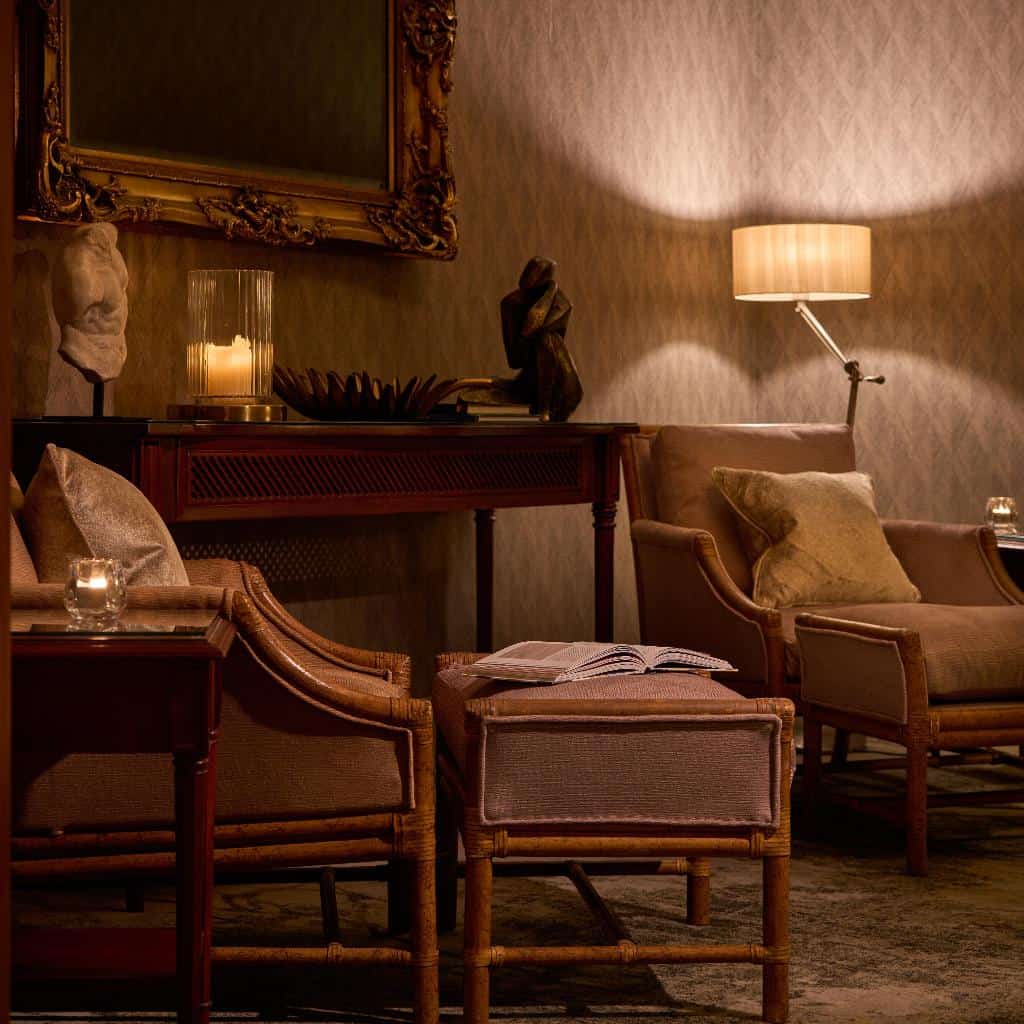
InterContinental Dublin
A five-star hotel in leafy Ballsbridge beside the RDS, with large rooms, a spa and a pool, about 10 minutes by taxi from St Stephen's Green.
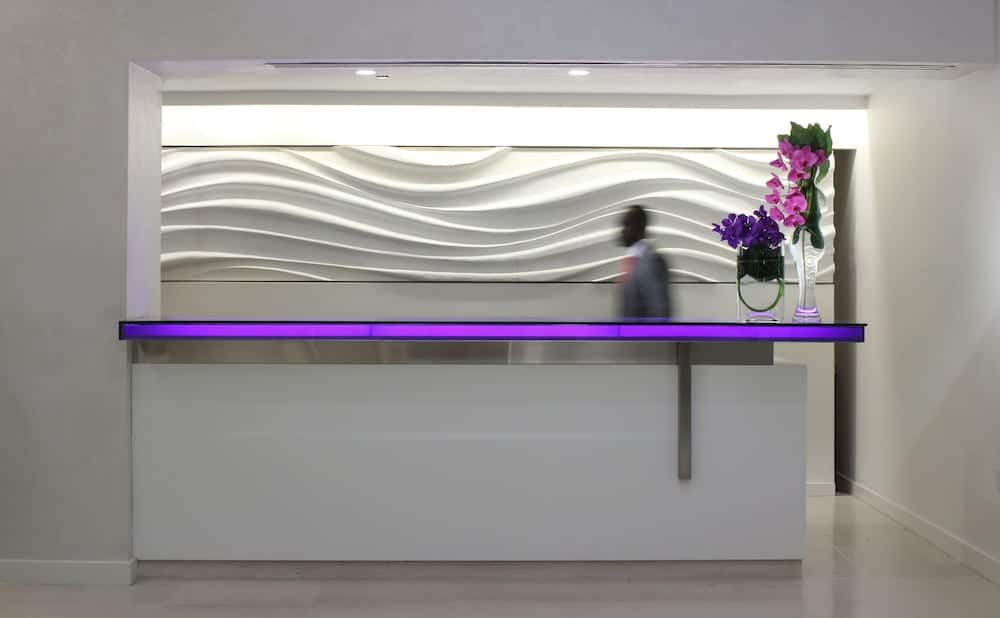
The Morrison Dublin, Curio Collection by Hilton
A stylish five-star on the Liffey quays, steps from the Ha'penny Bridge and Temple Bar.
Boutique and mid-range hotels
Boutique and design hotels near the Green, Harcourt Street and Merrion Square.
Dylan
A five-star boutique hotel in a historic building on a quiet street off Baggot Street, known for its bold interiors and original Irish art.
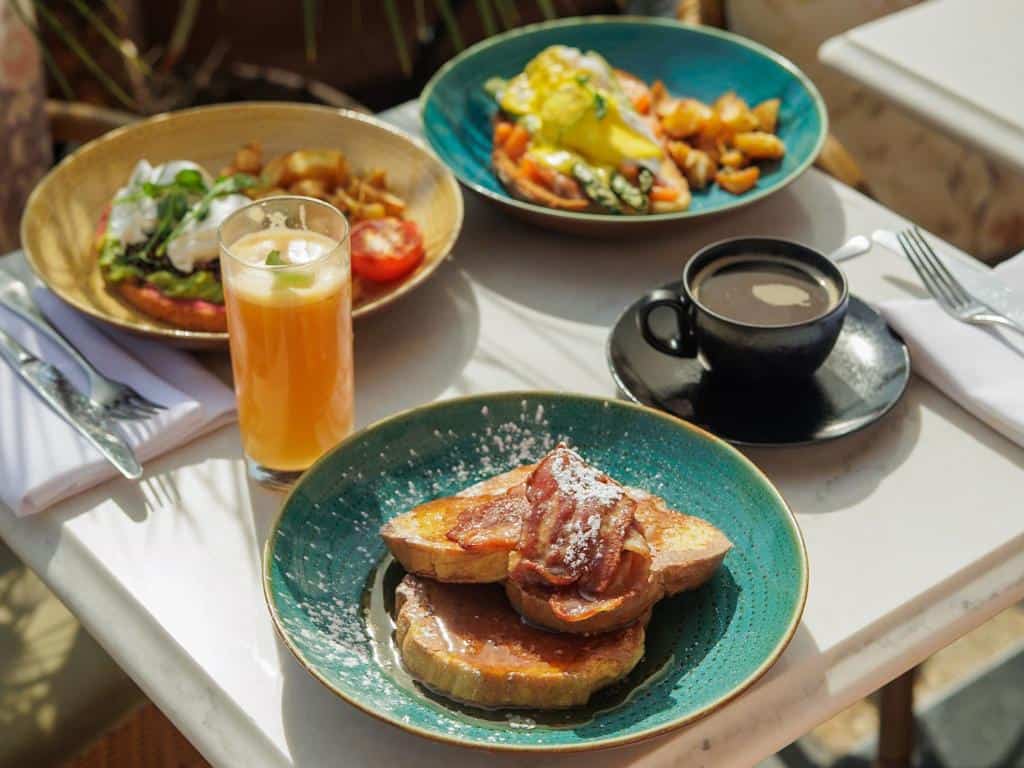
The Dean Dublin
A playful design hotel near St Stephen's Green, with Sophie's rooftop restaurant and bar and the Banba bar downstairs.
The Alex
A four-star boutique hotel near Merrion Square and Trinity, with a relaxed bar and restaurant.
Iveagh Garden Hotel
A four-star hotel in Georgian buildings on Harcourt Street, a few steps from the Iveagh Gardens and the Green.
Good-value hotels
Well-placed four-star hotels near O’Connell Street, Dublin Castle and the Docklands, for when the room is just a base.
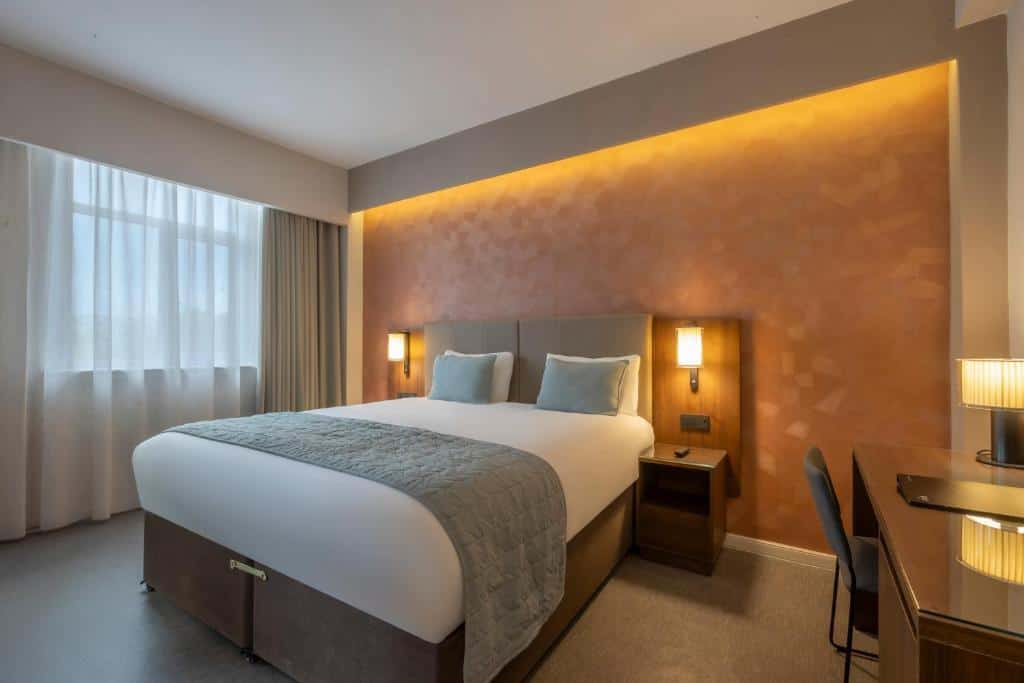
Hotel Riu Plaza The Gresham Dublin
A landmark hotel on O'Connell Street, close to the airport coach stops and Henry Street's shops.
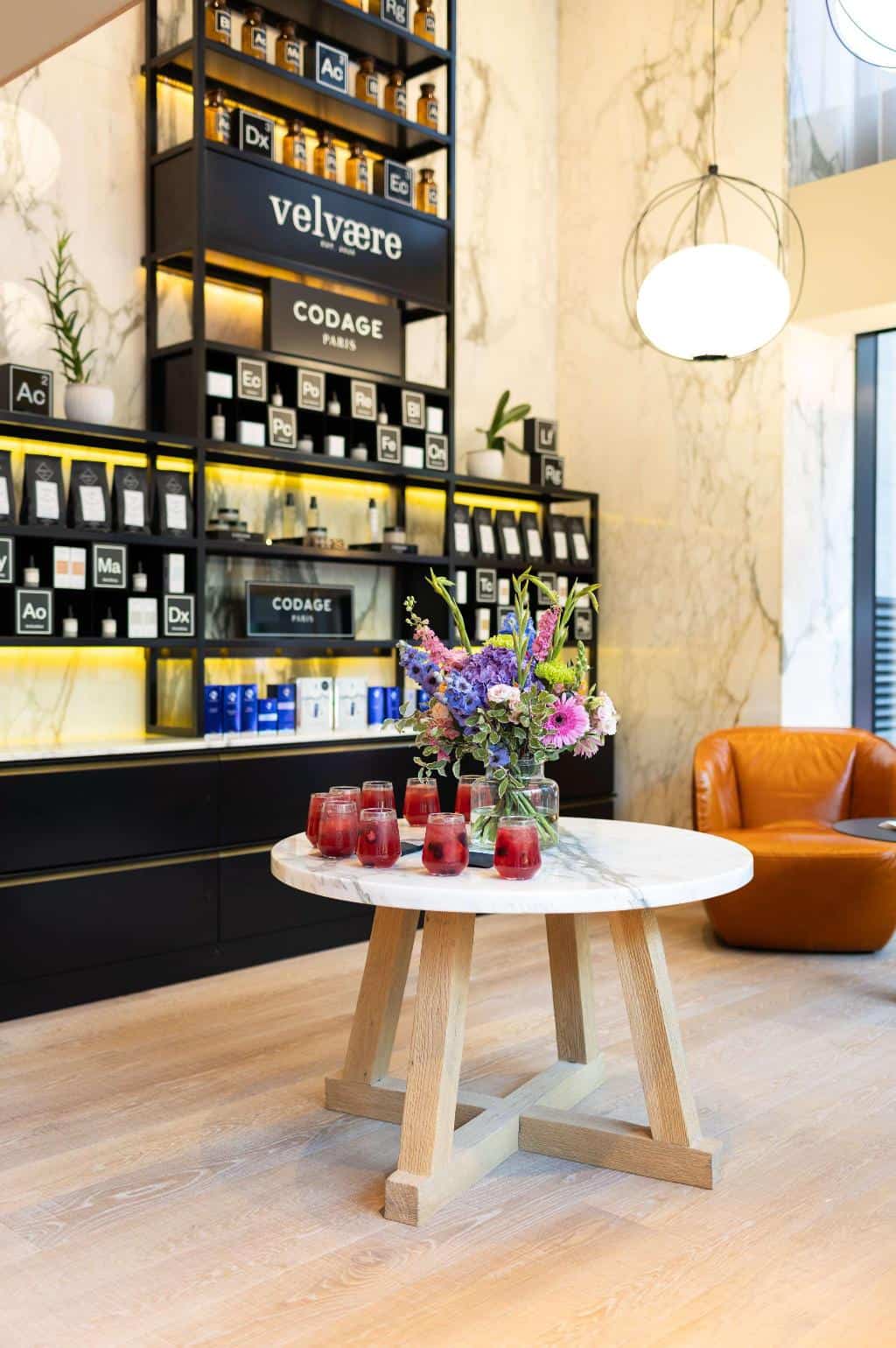
Radisson Blu Royal Hotel, Dublin
A modern four-star between St Stephen's Green and Dublin Castle, an easy walk to Temple Bar and the cathedrals.
The Spencer Hotel
A modern four-star on the north bank of the Liffey near the Custom House and EPIC, with an 18-metre pool and a gym.
Wynn's Hotel
A long-established, family-friendly hotel just off O'Connell Street, near the Abbey Theatre and the airport coach stops.
Search every hotel in Dublin
Live prices for hundreds of Dublin hotels. Pick your dates and nights, or switch to Holidays to add flights from the UK.
Best restaurants in Dublin
From Michelin-starred tasting menus to a century-old chipper. Dublin’s best tables are small and book up weeks ahead, especially at weekends, so reserve before you travel; many restaurants close on Sundays and Mondays.
Chapter One by Mickael Viljanen
Modern Irish fine diningParnell Square
Dublin's top table, with two Michelin stars in the 2026 guide: Mickael Viljanen's precise lunch, dinner and tasting menus on Parnell Square. Book well ahead.
Restaurant Patrick Guilbaud
French fine diningUpper Merrion Street (The Merrion)
A Dublin institution for classic French cooking with Irish produce, in a light-filled dining room inside The Merrion hotel, hung with Irish art.
Variety Jones
Modern Irish, cooked over fireThe Liberties (Thomas Street)
A small, buzzing room on Thomas Street serving a set menu of sharing dishes cooked over the open hearth; tables are hard to get, so join the cancellation list.
Bastible
Seasonal set menuPortobello (South Circular Road)
A relaxed neighbourhood restaurant near Portobello with a short, seasonal set menu built on Irish produce and a well-chosen wine list.
Library Street
Modern EuropeanSetanta Place (off South Frederick Street)
A dark, stylish dining room tucked away near Trinity, with an open kitchen, a counter and a menu that moves with the seasons.
Dax
Irish-FrenchUpper Pembroke Street
A cosy, award-winning basement restaurant in a Georgian house near Fitzwilliam Square, serving refined Irish-French cooking and an excellent wine list.
Etto
Italian-inspired small platesMerrion Row
A narrow, friendly wine bar and restaurant on Merrion Row, good for a long lunch of seasonal small plates and natural wines. Closed Sundays.
Uno Mas
Spanish-inspiredAungier Street
Etto's Spanish-leaning sibling on Aungier Street, with Basque and Spanish flavours, a strong sherry and wine list and a lively room. Closed Sundays and Mondays.
Pichet
French brasserieTrinity Street
A smart, busy French brasserie a minute from Grafton Street, with a Bib Gourmand and a good-value pre-theatre menu.
The Winding Stair
IrishLower Ormond Quay
Above the bookshop of the same name, with windows on the Ha'penny Bridge and the Liffey, serving hearty Irish cooking with Irish cheeses and craft beers.
Fallon & Byrne
Food hall, wine cellar and restaurantExchequer Street
A food hall on the ground floor, a wine cellar with a bar in the basement and a brasserie upstairs; handy for a casual lunch or picnic supplies.
Leo Burdock
Fish and chipsWerburgh Street (by Christ Church)
Dublin's famous chipper, opened near Christ Church in 1913; order cod and chips to take away and eat them in the park by St Patrick's Cathedral.
Best pubs and bars in Dublin
Pubs with traditional music sessions, Victorian bars with snugs, one of the best pints of Guinness in town, and award-winning cocktail bars in Georgian townhouses.
The Brazen Head
Historic pub with musicUsher's Quay (Bridge Street Lower)
Billed as Ireland's oldest pub, a warren of low rooms and a courtyard by the Liffey, with live traditional music, food all day and plenty of history.
O'Donoghue's
Traditional music pubMerrion Row
A famous music pub off St Stephen's Green that calls itself a home for traditional Irish music, with regular sessions; it also has guest rooms upstairs.
The Cobblestone
Traditional music pubSmithfield (King Street North)
A plain, much-loved Smithfield pub where musicians gather for traditional sessions in the front bar; check the session schedule on its website and come early.
Devitt's
Traditional music pubCamden Street Lower
A friendly Camden Street local with live music sessions seven days a week upstairs and food served all day.
Toners
Traditional pubBaggot Street Lower
Established in 1734, one of Dublin's oldest pubs, with its old snugs and shelves intact and one of the best pints of Guinness in the city.
The Palace Bar
Victorian literary pubFleet Street
A beautifully preserved Victorian bar on Fleet Street, on the edge of Temple Bar, that the poet Patrick Kavanagh called the 'most wonderful temple of art', with a fine whiskey collection.
The Temple Bar
Famous pub with all-day musicTemple Bar
The red-fronted pub that gives the district its fame, with live traditional music from opening to closing and a huge whiskey collection. Crowded and touristy, but it is the classic photo.
Peruke & Periwig
Cocktail barDawson Street
A Georgian townhouse on Dawson Street with draught pints on the ground floor and an inventive cocktail bar in its period rooms upstairs.
Vintage Cocktail Club
Speakeasy cocktail barPowerscourt Townhouse (South William Street)
The speakeasy that opened behind a black door in Temple Bar in 2012 has moved into the 250-year-old Powerscourt Townhouse; ring the bell and book ahead.
Bar 1661
Cocktail barGreen Street (north of the Liffey)
A 'staunchly Irish' cocktail bar on Green Street, north of the Liffey, and Ireland's Bar of the Year for 2025; book at weekends.
Gay bars in Dublin
The George
Gay bar and clubSouth Great George's Street
Dublin's oldest and biggest gay bar, running for around 40 years, with a busy bar, a club and resident drag queens hosting nights through the week; Saturdays are the biggest.
PantiBar
Gay bar with dragCapel Street
The Capel Street bar run by drag queen and activist Panti Bliss, with drag, quiz and party nights and a friendly, mixed queer crowd.
Pennylane
Gay cocktail barStrand Street Great (off Capel Street)
PantiBar's calmer sister, opened in 2019 around the corner, with cocktails and a more relaxed, stylish feel.
Street 66
LGBTQ+-friendly barParliament Street
A relaxed bar near Dublin Castle on the site of the old Front Lounge, popular with a mixed, gay-friendly crowd; listed in Visit Dublin's LGBTQ+ guide.
Mother
Gay club nightLost Lane (Adam Court, off Grafton Street)
The queer club night that has been bringing Dublin together since 2010, now held at Lost Lane off Grafton Street, plus big events such as its Pride block party; check the website for dates.
All venues checked as trading on 13 November 2026. Opening hours change, so check Instagram before you go.
Dublin FAQ
How many days do you need in Dublin?
Three days is ideal for a first visit: one day for Trinity and the Book of Kells, the free museums and Georgian Dublin, one for the Castle, the cathedrals, the Guinness Storehouse and Kilmainham Gaol, and one for a DART trip to Howth or Dalkey. Two days covers the city centre highlights if you book the timed sights ahead.
What is the Book of Kells, and do I need to book?
The Book of Kells is a ninth-century illuminated manuscript of the four gospels, kept at Trinity College's Old Library. The visit includes the Long Room and the Red Pavilion's digital exhibitions; entry is by timed ticket, so book online ahead, especially in summer and at weekends.
Is Dublin safe for tourists?
Dublin is generally a safe city for visitors. Take the usual big-city care: watch your phone and bag in crowded places such as Temple Bar and on public transport, and stick to busy, well-lit streets late at night. For official travel advice, see the UK government's Ireland page: https://www.gov.uk/foreign-travel-advice/ireland
Is Dublin expensive?
Yes, Dublin is one of Europe's pricier cities, especially for hotels and drinks, and rooms cost most at weekends and around big events. It helps that the National Museum branches, the National Gallery, IMMA and the parks are free, and that lunch menus and early-evening menus are usually better value than dinner.
How do I get from Dublin Airport to the city centre?
There is no train. The quickest options are the non-stop coaches: Aircoach and Dublin Express (route 782 follows the north quays) both run from Terminals 1 and 2 to the city centre. The old Dublin Bus Airlink 747 is suspended. Dublin Bus local routes are cheaper but slower, and taxis wait outside both terminals.
Where should I stay in Dublin?
For a first visit, stay around Grafton Street, St Stephen's Green or Georgian Dublin, where most sights are a short walk away. Temple Bar is central but noisy at night. North of the Liffey, near O'Connell Street and Capel Street, is better value and handy for the airport coaches, while Ballsbridge is quieter and leafy.
Are there Christmas markets in Dublin?
Dublin has smaller seasonal markets rather than one big Continental-style market, and the line-up changes each year; the Christmas market at Dublin Castle is reported to be taking a break in 2026. Expect Christmas lights on Grafton Street and Henry Street, festive events at the big sights and markets in the suburbs and coastal towns; check Visit Dublin's Christmas listings before you go.
When is the best time to visit Dublin?
May to September brings the longest days and the mildest weather, though rain is possible at any time of year, so pack a waterproof. St Patrick's Day (17 March) is a huge celebration but the busiest and dearest time to visit. November to February is quieter, with short days and cosy pubs.
Can you do day trips from Dublin without a car?
Yes. The DART coastal train runs north to Howth, for the cliff walk and seafood, and south to Dalkey, for Killiney Hill and the views over Dublin Bay; each is about half an hour from the centre. Both make easy half-day trips.