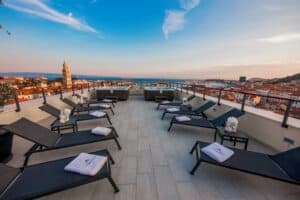
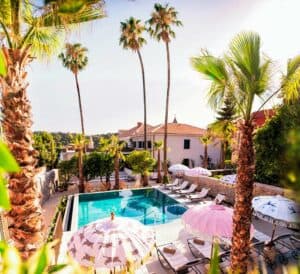
Croatia in brief
- Croatia is known for its islands, walled towns, lakes and seafood.
- Try peka, black risotto, Ston oysters and Istrian truffles.
- See the islands on a small-ship cruise between Split and Dubrovnik.
- May to June and September are the best months. No visa needed for UK visitors for up to 90 days.
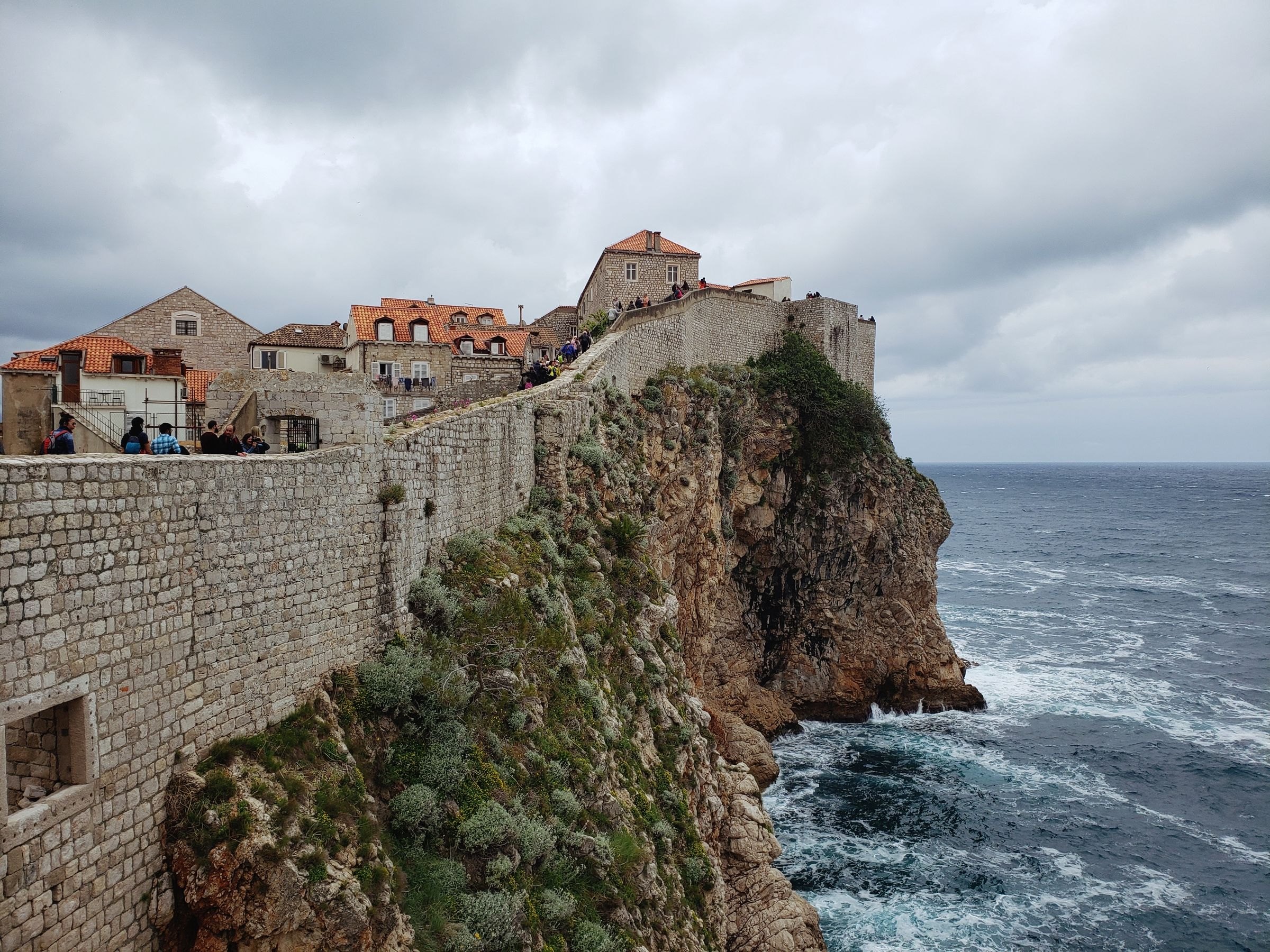
Croatia is a long strip of Adriatic coast with more than a thousand islands, clear water, Roman and Venetian towns, and some of the best seafood in the Mediterranean. Walk the walls of Dubrovnik, explore Diocletian’s Palace in Split, hop between Hvar, Korčula and Vis on a small ship, and eat truffles in the hill towns of Istria. This guide covers what Croatia is known for, the food to try, small-ship cruising, where to go, when to go and the routes that work best.
What is Croatia known for?
- Its coast and islands: about 1,800 km of mainland coast and over 1,200 islands and islets, with some of the clearest water in Europe.
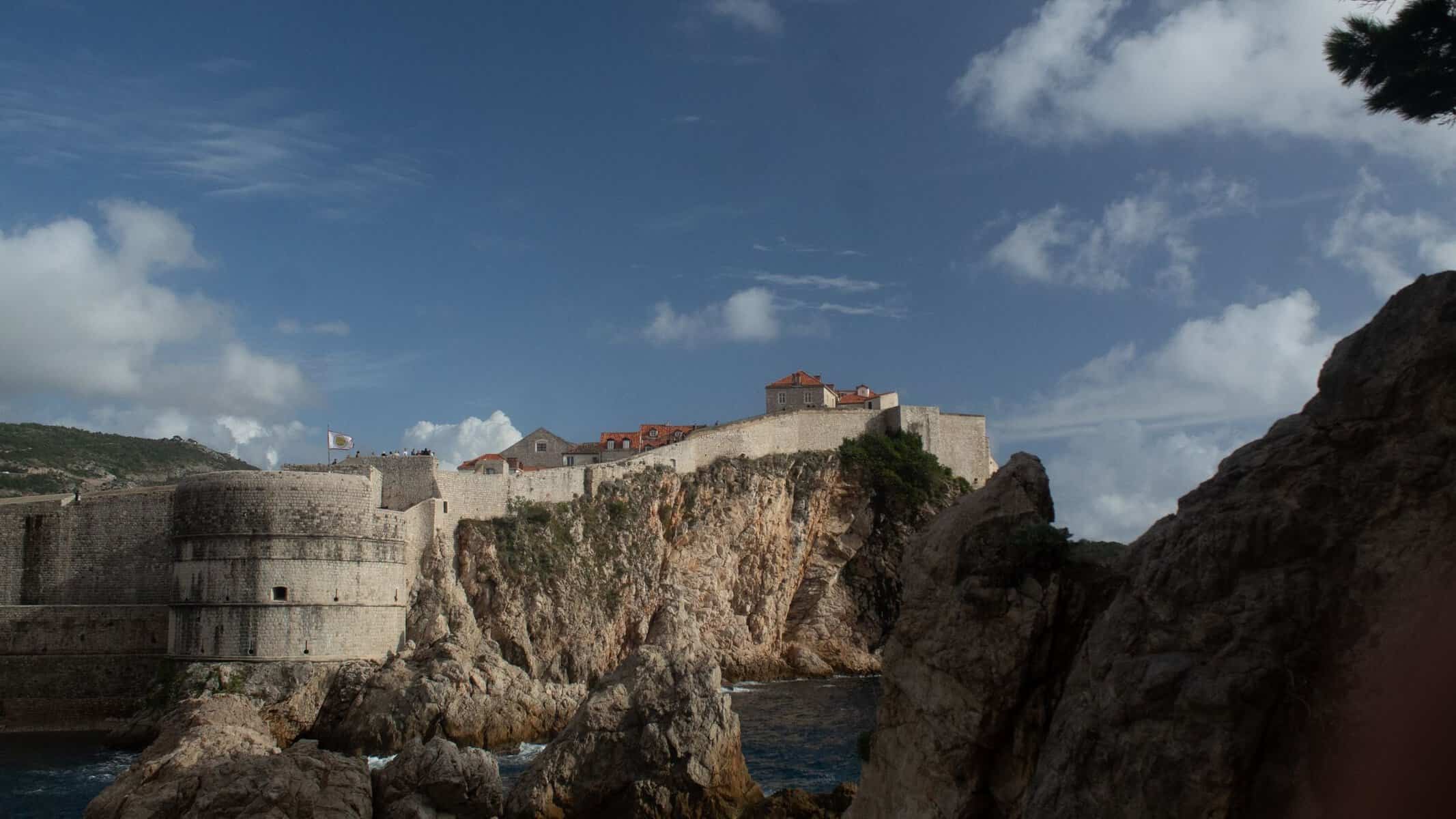
- Old walled towns: Dubrovnik, the “Pearl of the Adriatic”, plus Split, Trogir, Korčula, Zadar and Rovinj.
- UNESCO sites: Croatia has ten, including Dubrovnik’s old town, Diocletian’s Palace, Plitvice Lakes, Trogir and the Euphrasian Basilica in Poreč.
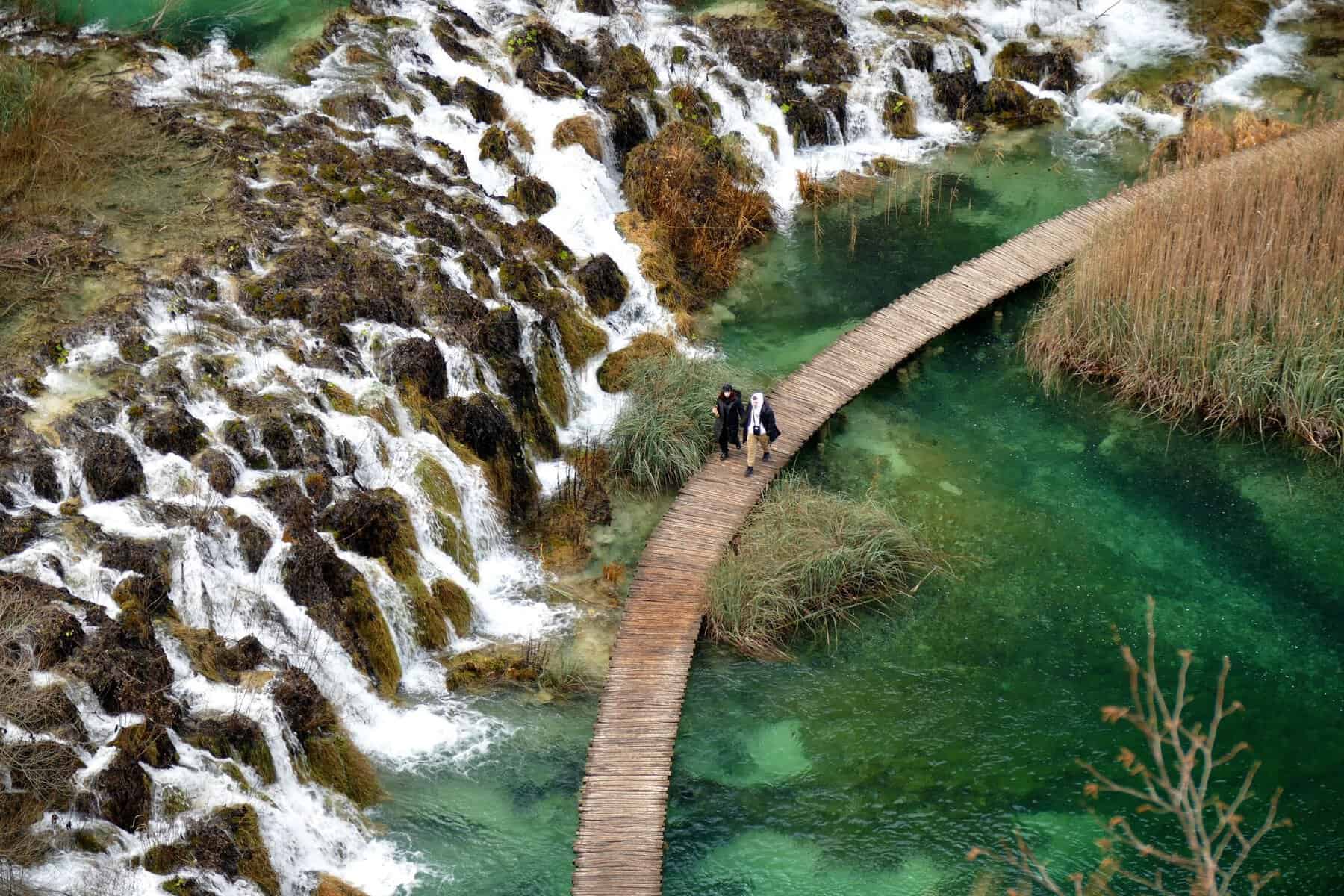
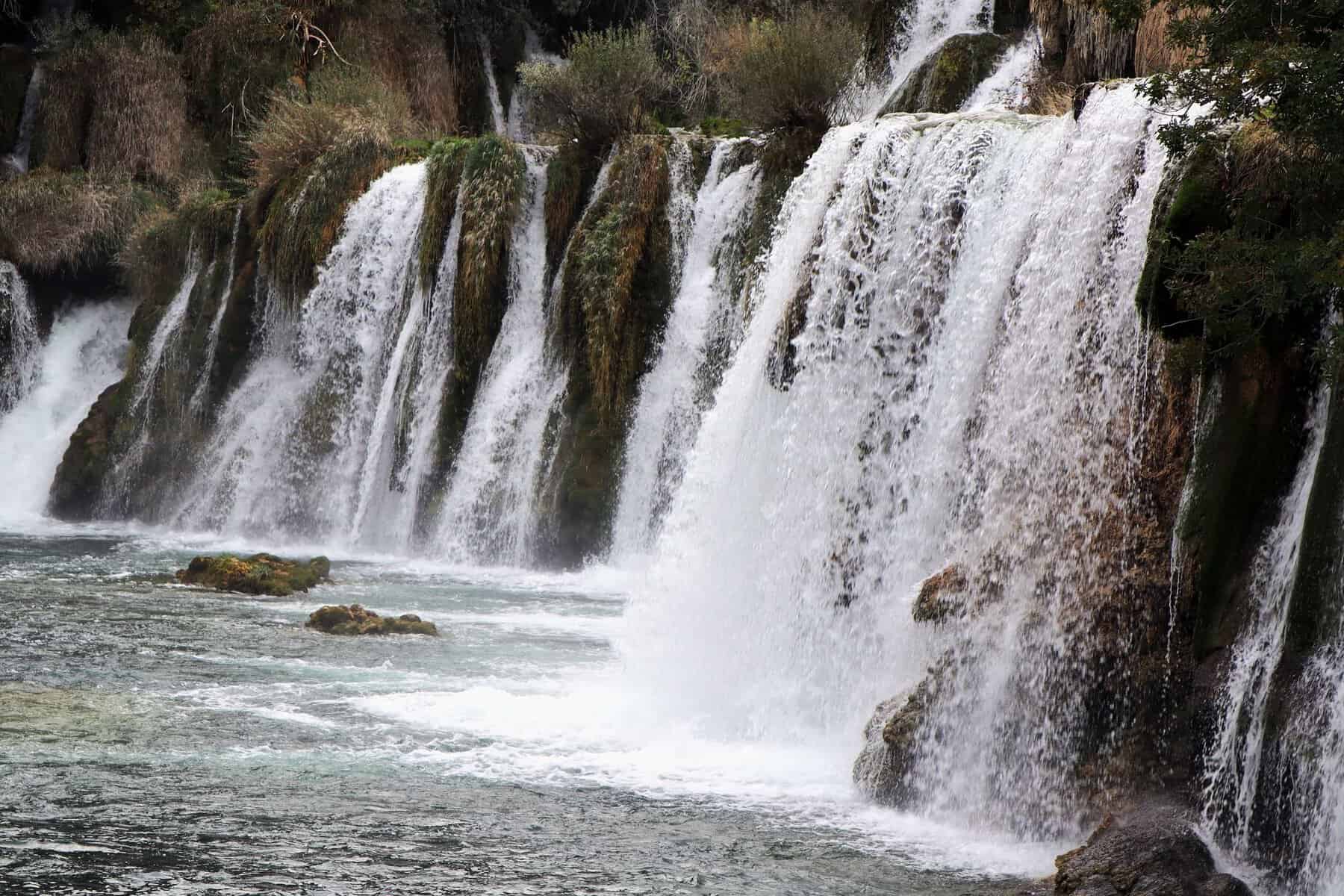
- Lakes and waterfalls: the terraced lakes of Plitvice and the cascades of Krka.
- Food and wine: seafood, truffles, olive oil, pršut ham and red Plavac Mali and white Malvazija wines.
- On screen: Dubrovnik and Split were filming locations for Game of Thrones.
- Some surprises: the necktie comes from the cravat worn by Croatian soldiers, the Dalmatian dog is named after the region, and the inventor Nikola Tesla was born here.

Croatian food: what to eat
Croatian food changes with the region. On the coast it’s Mediterranean, built on fish, olive oil, vegetables and wine. Istria adds truffles and pasta, with an Italian accent. Inland, around Zagreb and Slavonia, food is heartier, with Central European dishes and paprika. Eat in a konoba, a traditional family tavern, for the best home cooking.
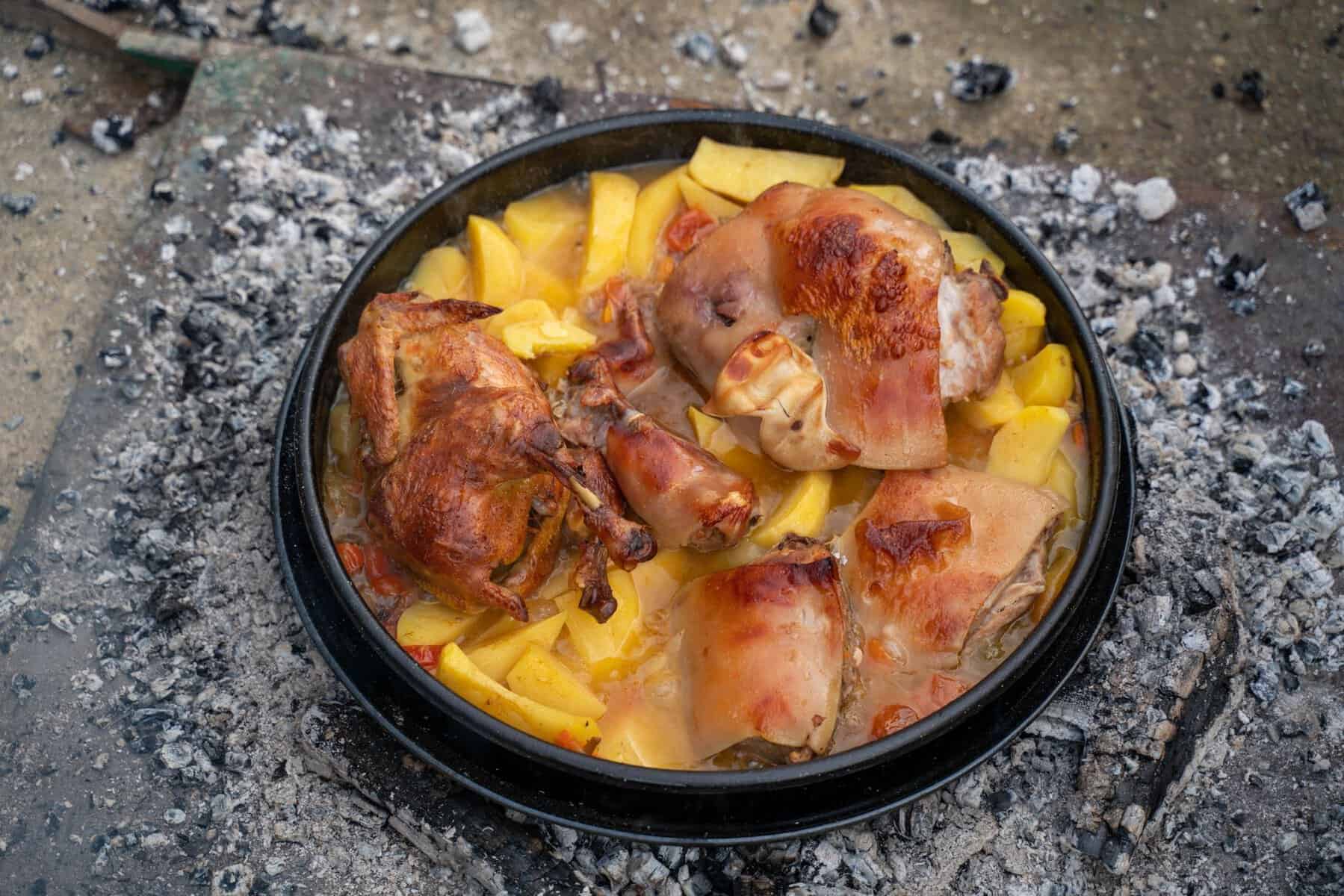
Peka: the classic Dalmatian dish. Lamb, veal or octopus is slow-cooked with potatoes under a bell-shaped iron lid covered in hot embers. Many konobas need a few hours’ notice, so order it in advance.
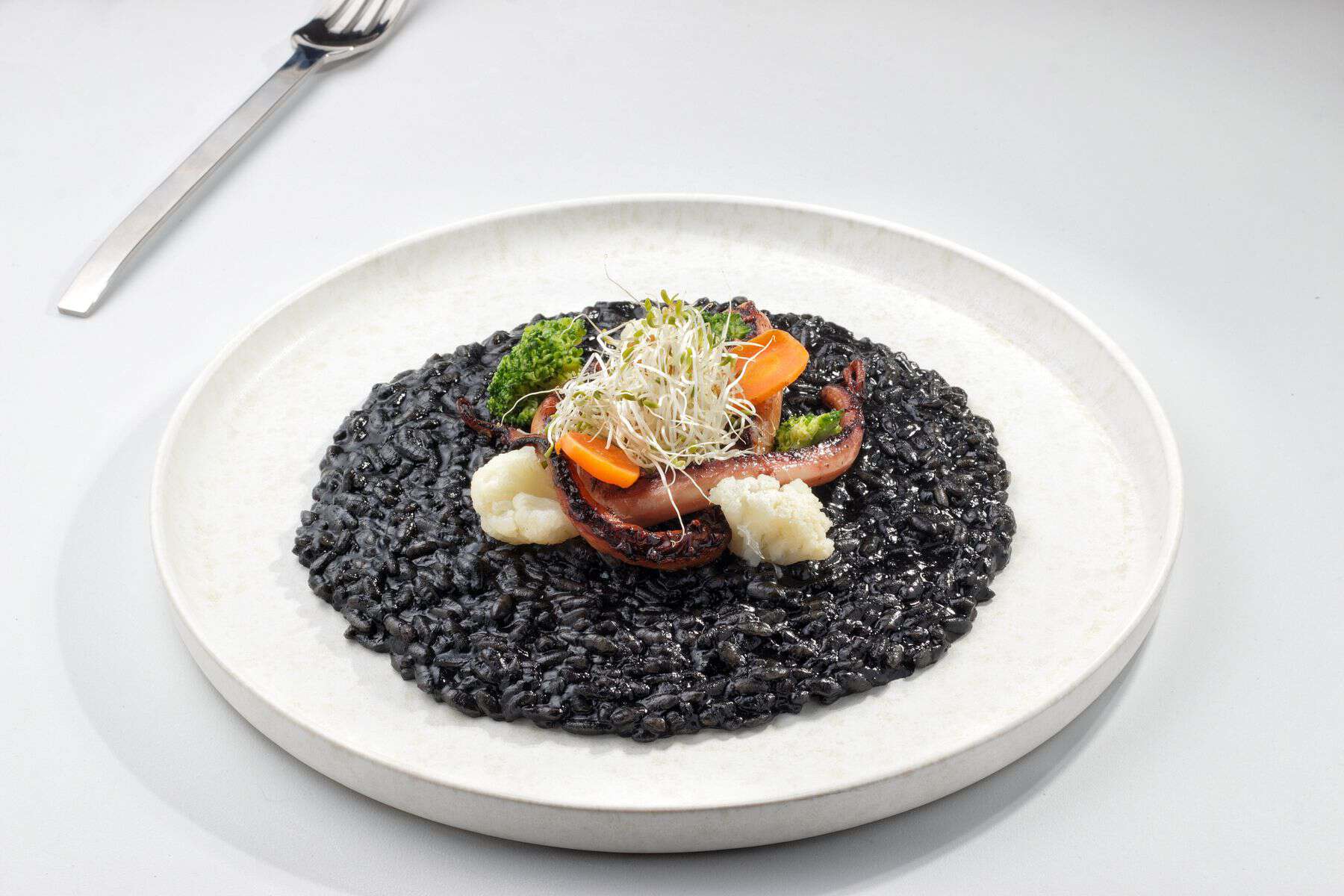
Crni rižot (black risotto): risotto coloured and flavoured with cuttlefish or squid ink, found all along the coast.
Pašticada: beef slow-braised in wine, prunes and spices, served with gnocchi, a Dalmatian celebration dish.
Grilled fish and seafood: the catch of the day, grilled and dressed with olive oil, garlic and parsley, with blitva (chard and potatoes) on the side.
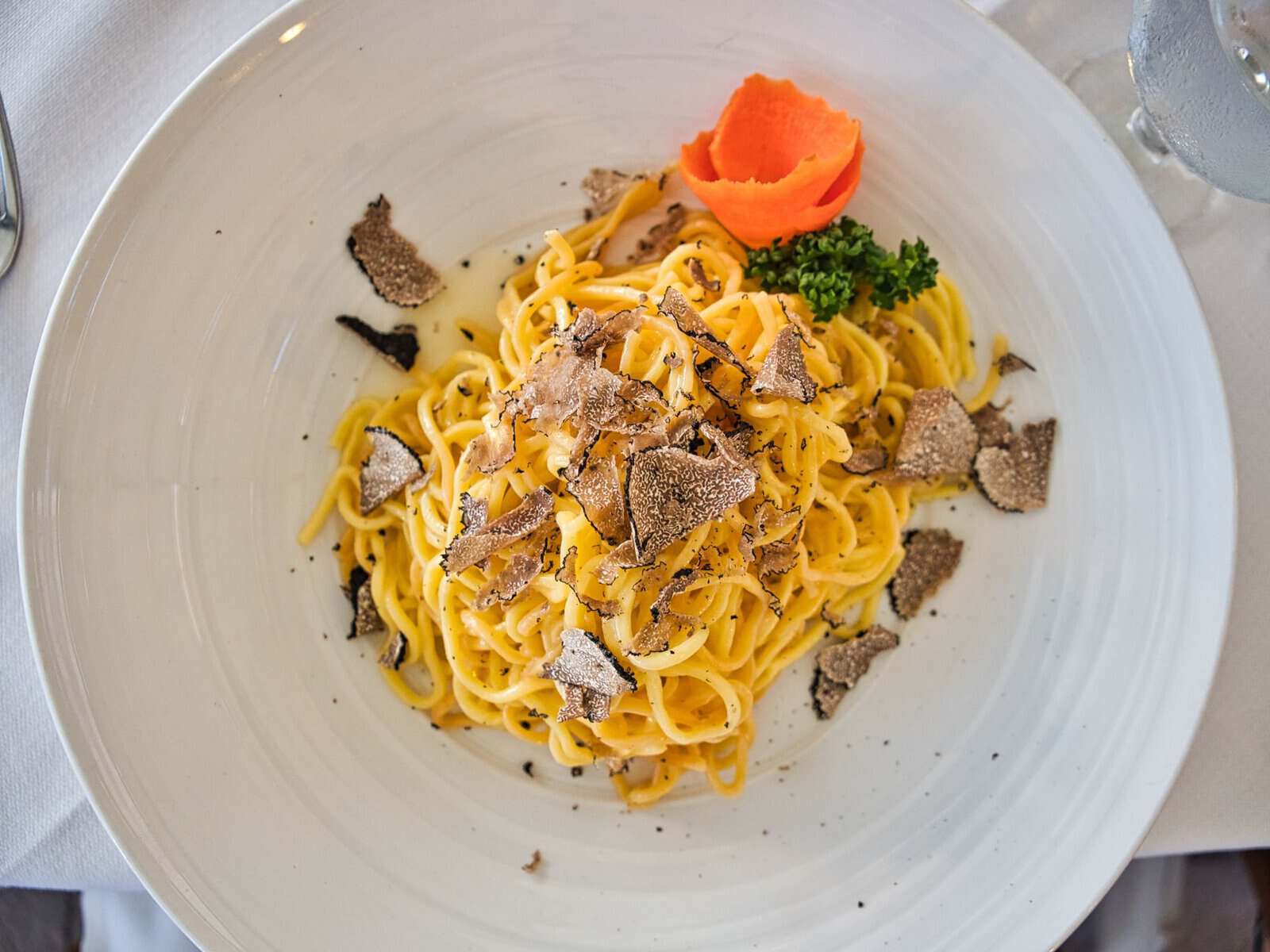
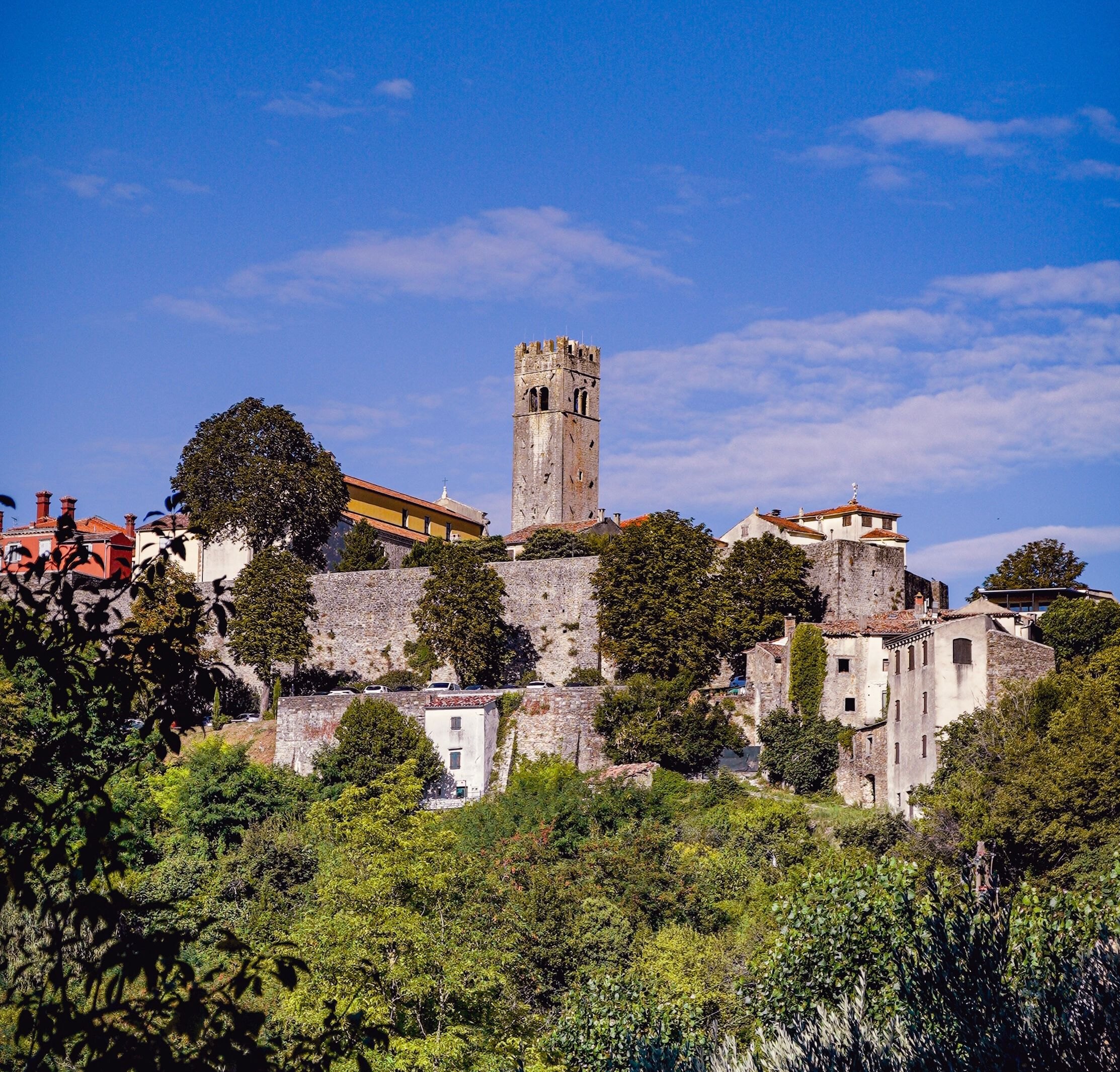
Istrian truffles: the forests around Motovun produce black and white truffles, served shaved over fuži or pljukanci pasta. White truffle season is roughly October to December, and you can join a truffle hunt with dogs.
Pršut and cheese: air-dried ham, much like prosciutto, with sheep’s cheese from the island of Pag.
Inland dishes: štrukli (baked cheese pastry) in Zagreb, and kulen, a spicy paprika sausage from Slavonia.
Sweet things: fritule (small doughnuts), rožata (a custard pudding from Dubrovnik) and Samobor cream cake.
| Dish | What it is | Where to try it |
|---|---|---|
| Peka | Meat or octopus slow-cooked under embers | Dalmatia and the islands |
| Crni rižot | Black risotto with cuttlefish ink | All along the coast |
| Ston oysters | Flat oysters from the Mali Ston bay | Ston, near Dubrovnik |
| Fuži with truffles | Hand-rolled pasta with shaved truffle | Istria |
| Soparnik | Thin chard pie with a protected status | Poljica, near Split |
| Štrukli | Dough filled with fresh cheese, baked or boiled | Zagreb and Zagorje |
| Pašticada | Beef braised in wine with gnocchi | Dalmatia |
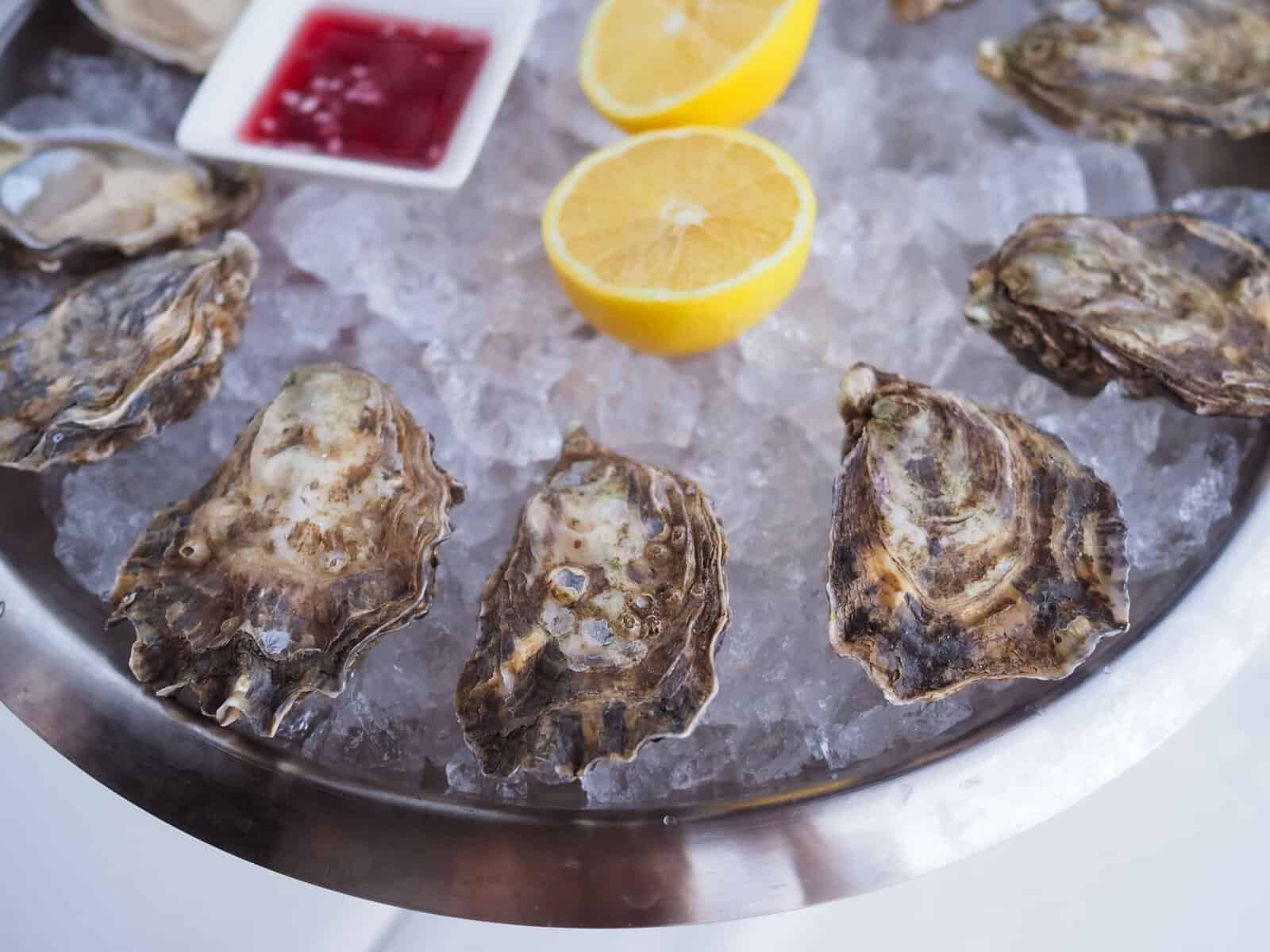
To drink, try the reds of the Pelješac peninsula (Plavac Mali and Dingač), white Malvazija from Istria, Pošip from Korčula, and rakija, the local fruit brandy.
Small-ship cruising in Croatia

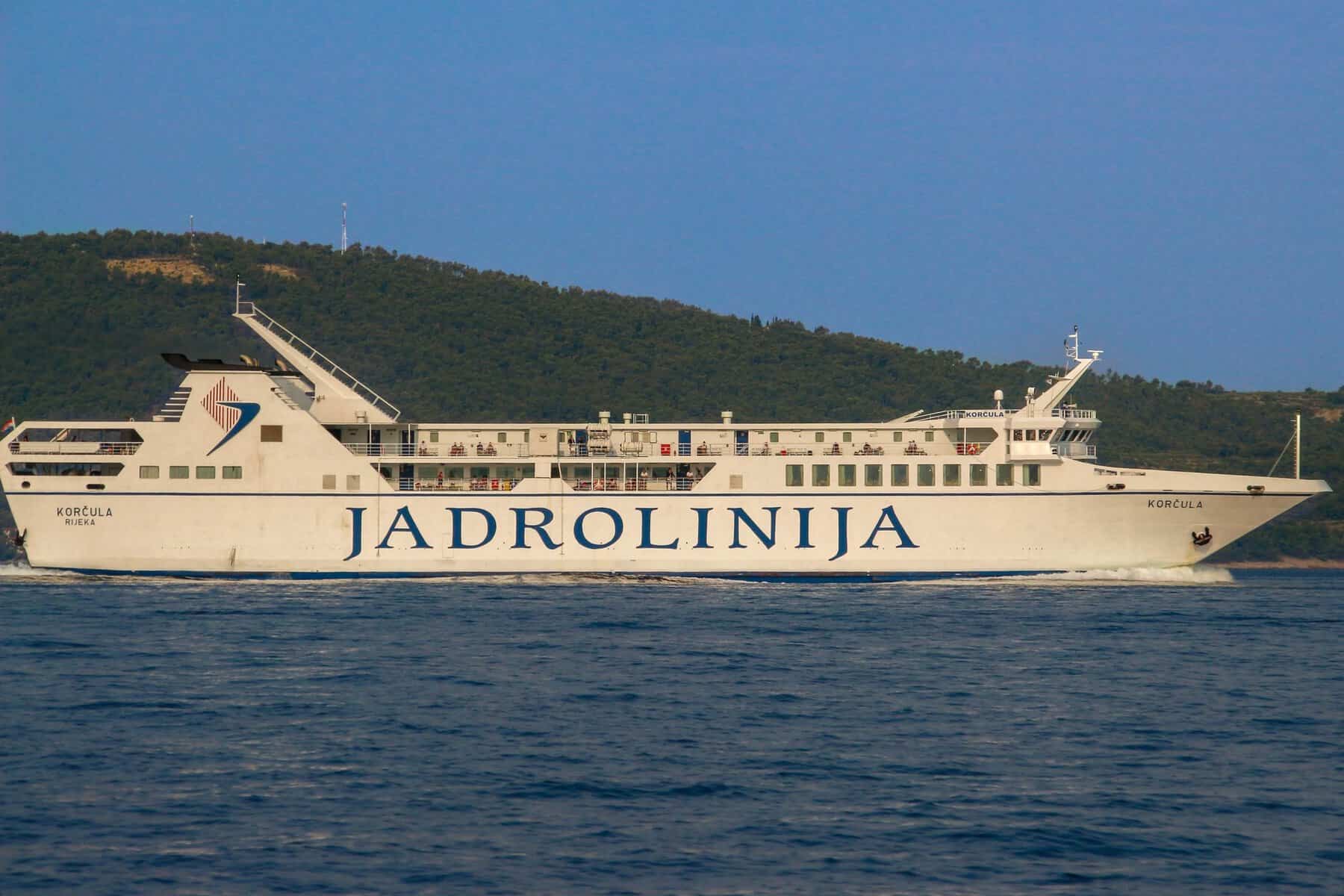
A small-ship cruise is one of the best ways to see the Dalmatian islands. Boats usually carry around 20 to 40 guests, sail between Split and Dubrovnik in about a week, and moor in the harbour of a different island town each night.
Typical stops: Hvar town, Bol on Brač, Korčula, the national park on Mljet, Vis, Makarska and sometimes Trogir or Šibenik. Most days include a swim stop in a quiet bay.
Who it suits: couples, friends and solo travellers who want islands without packing and unpacking. Cabins are compact, there’s no casino or big show, and the atmosphere is relaxed.
When: the season runs from about late April to October. June and September are the sweet spot, with warm sea and fewer crowds than July and August.

If you’d rather go it alone, ferries and catamarans link the main islands, but you’ll need to plan connections and carry your own luggage. Some small-ship cruises add a bike or walking programme. Compare the options in our Croatia tours compared guide.
Where to go in Croatia
Most first trips focus on Dalmatia, the southern coast between Zadar and Dubrovnik, with its islands. Istria in the north-west is quieter and greener, and Zagreb and Plitvice make a good start or finish. For where to base yourself, see where to stay in Croatia.

Dubrovnik
Walk the 2 km of city walls early in the morning, before the heat and the cruise passengers, then take the cable car up Mount Srđ for the view.
Day trips go to the Elaphite Islands, Cavtat, the oysters of Ston and the national park on Mljet.
Where to stay in Dubrovnik →
Split and Trogir
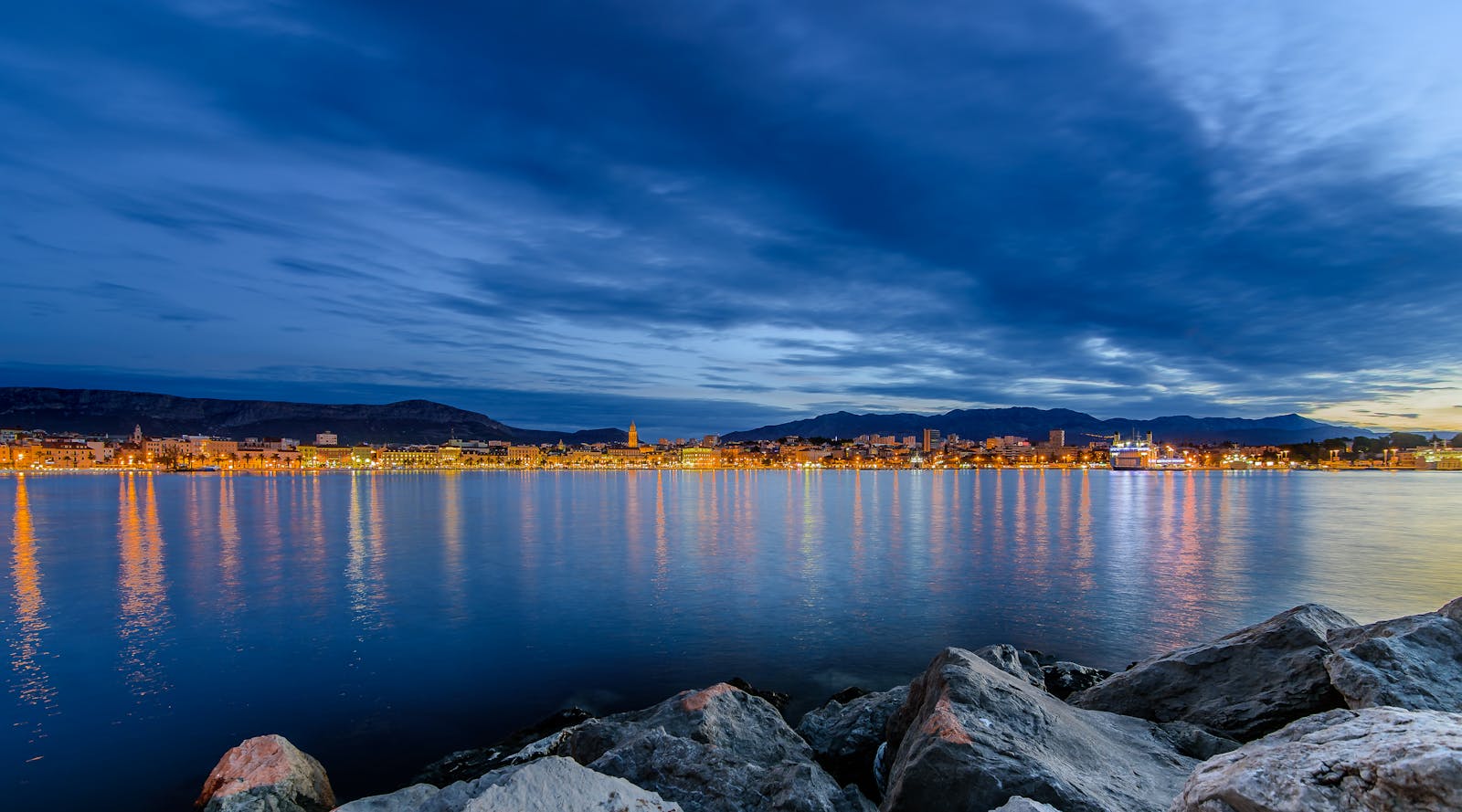
Split grew inside Diocletian’s Palace, built for a Roman emperor around 300 AD; today its lanes are full of cafés, shops and homes. Stroll the Riva promenade at sunset.
Nearby Trogir is a tiny UNESCO-listed island town, and Split is the main ferry port for the islands.
Where to stay in Split, Hvar and Makarska →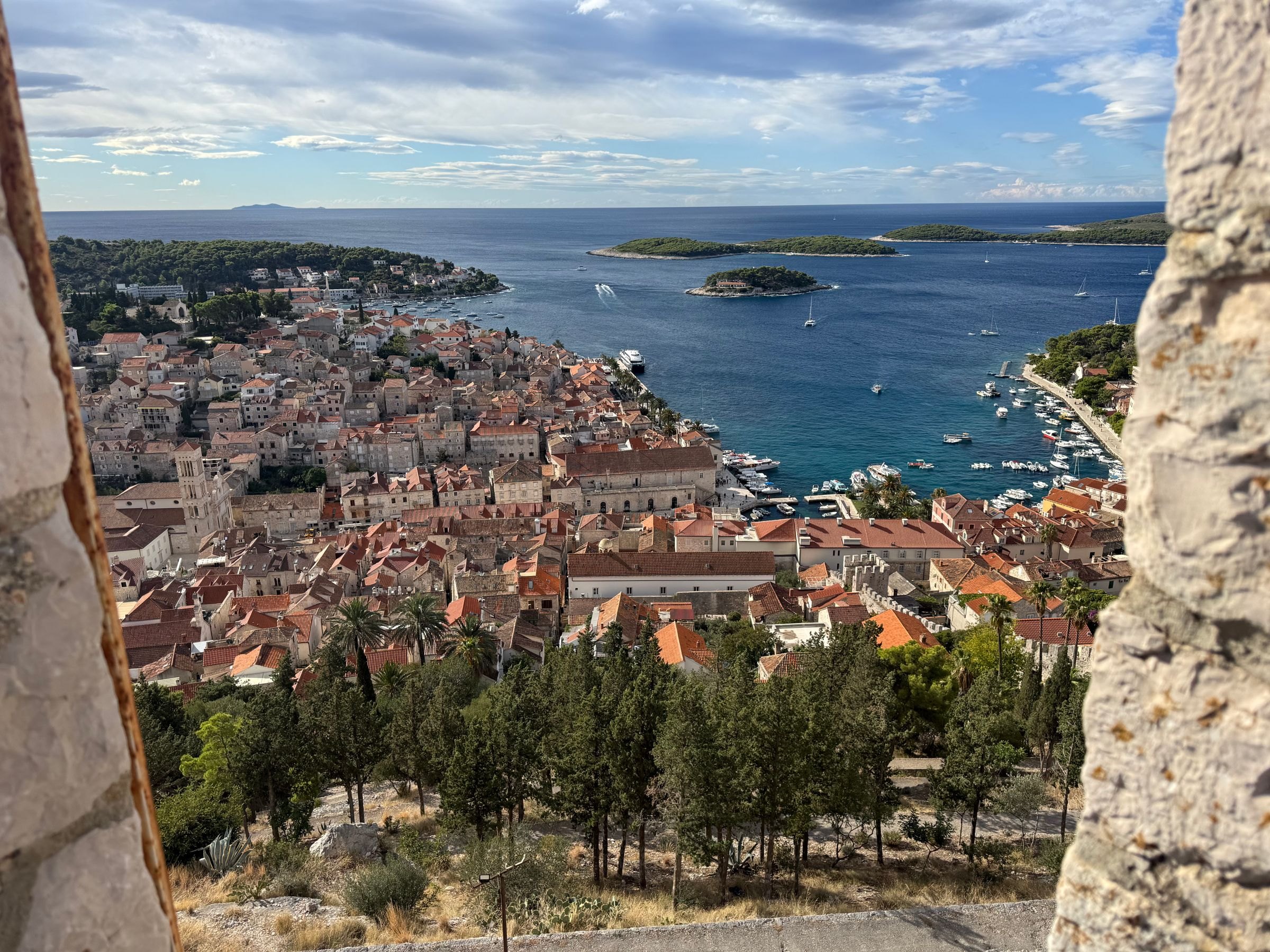
Hvar
Hvar town has a Venetian square, a hilltop fortress and a lively summer scene. Boats run to the Pakleni Islands for swimming.
Inland, quieter Stari Grad has the UNESCO-listed Stari Grad Plain, farmed since the ancient Greeks, and lavender fields that flower in June and July.

Korčula and Pelješac
Korčula old town sits on a small peninsula with a herringbone street plan to catch the breeze. It claims to be the birthplace of Marco Polo.
Across the channel, the Pelješac peninsula is Croatia’s best red wine country, ending at the walls and oyster beds of Ston.
Istria
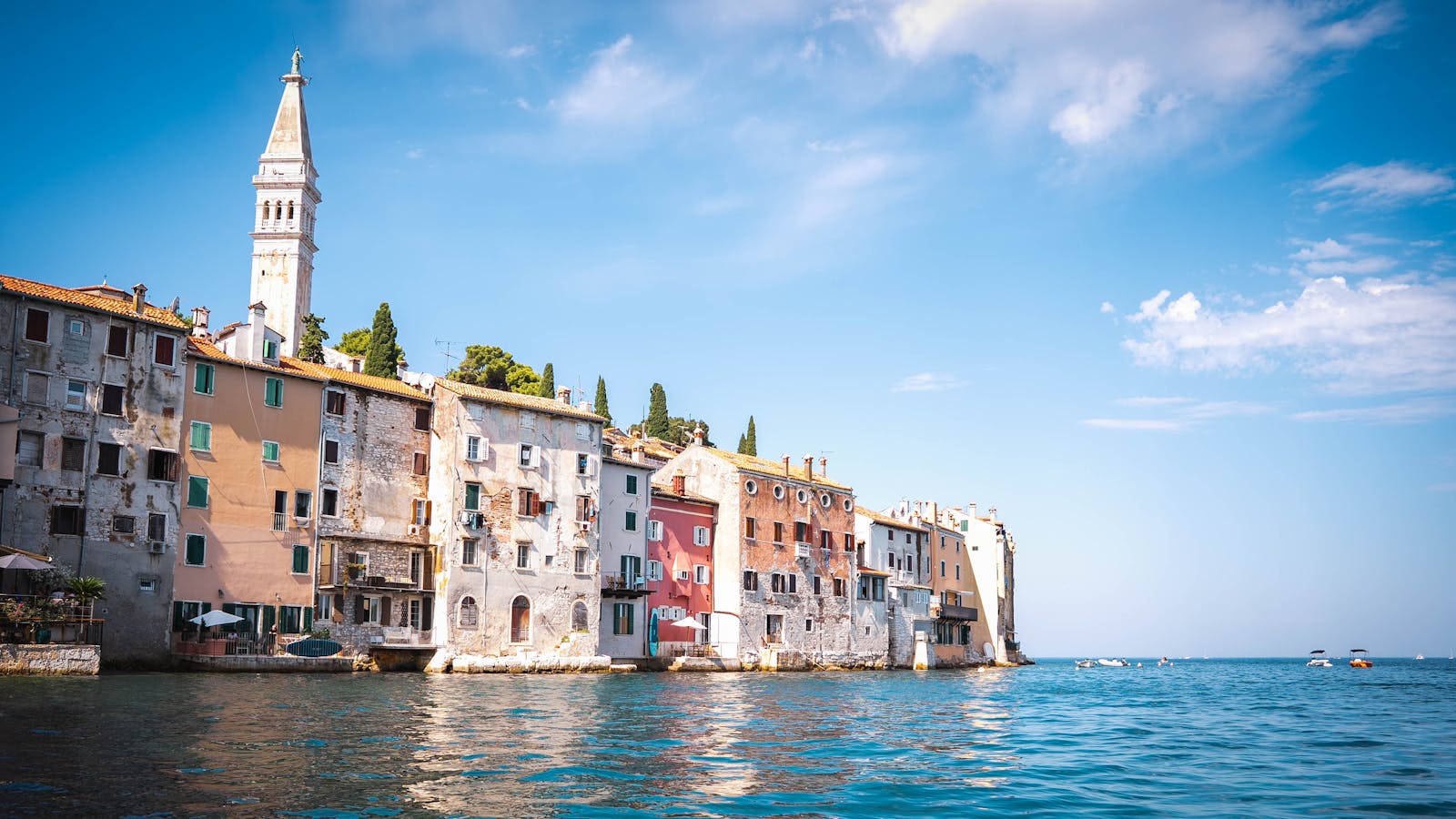
In the north-west, Rovinj is a pastel harbour town, and Poreč has the 6th-century Euphrasian Basilica. Inland, hill towns like Motovun and Grožnjan look over vineyards and truffle forests.
It’s an easy drive from Venice or Trieste. See our best hotels in Istria.
Zadar and Šibenik
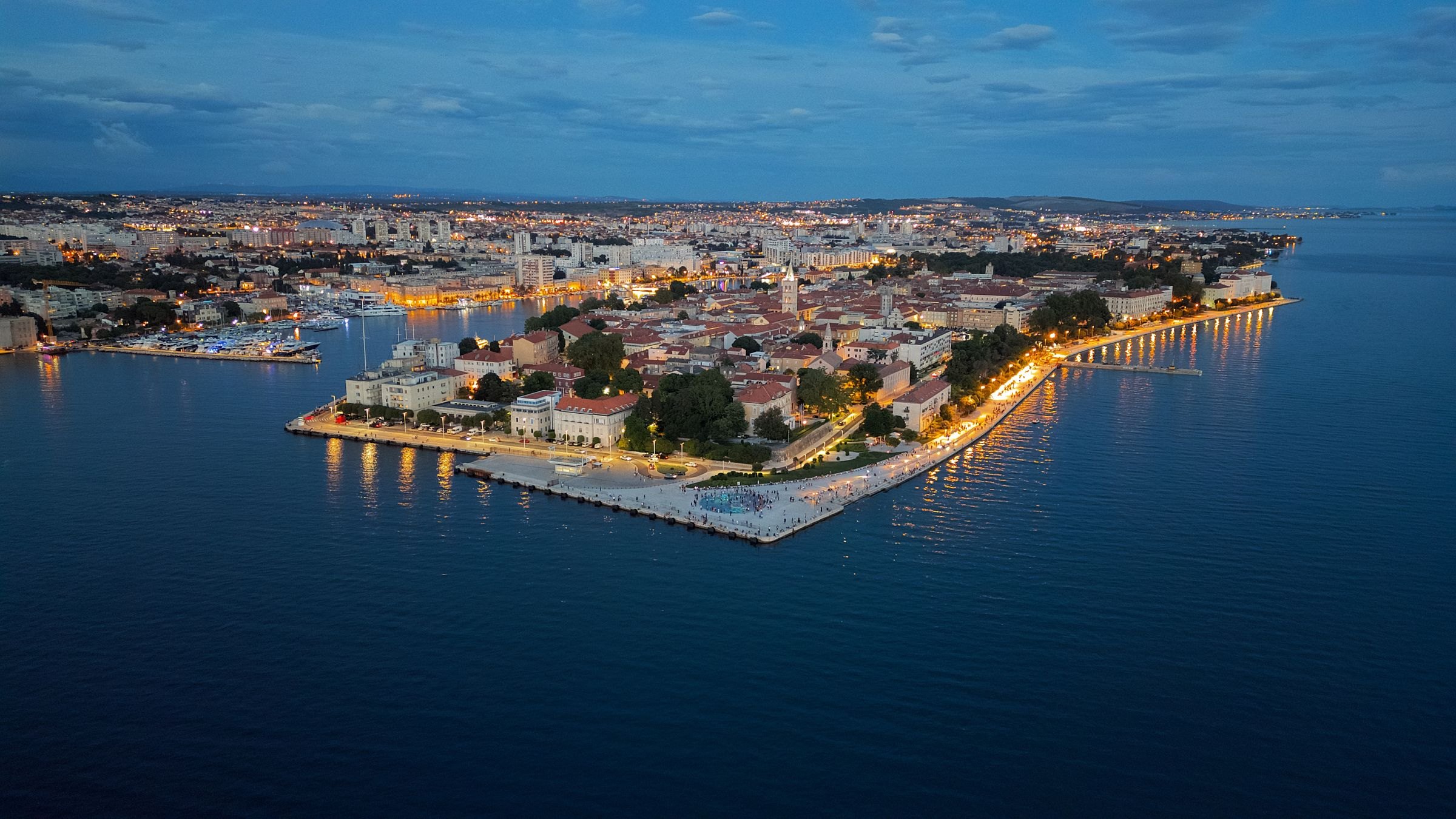
Zadar has a Roman forum, the Sea Organ, which plays music with the waves, and the Sun Salutation light installation.
Šibenik has a UNESCO-listed stone cathedral and is the base for the waterfalls of Krka National Park.
Plitvice Lakes
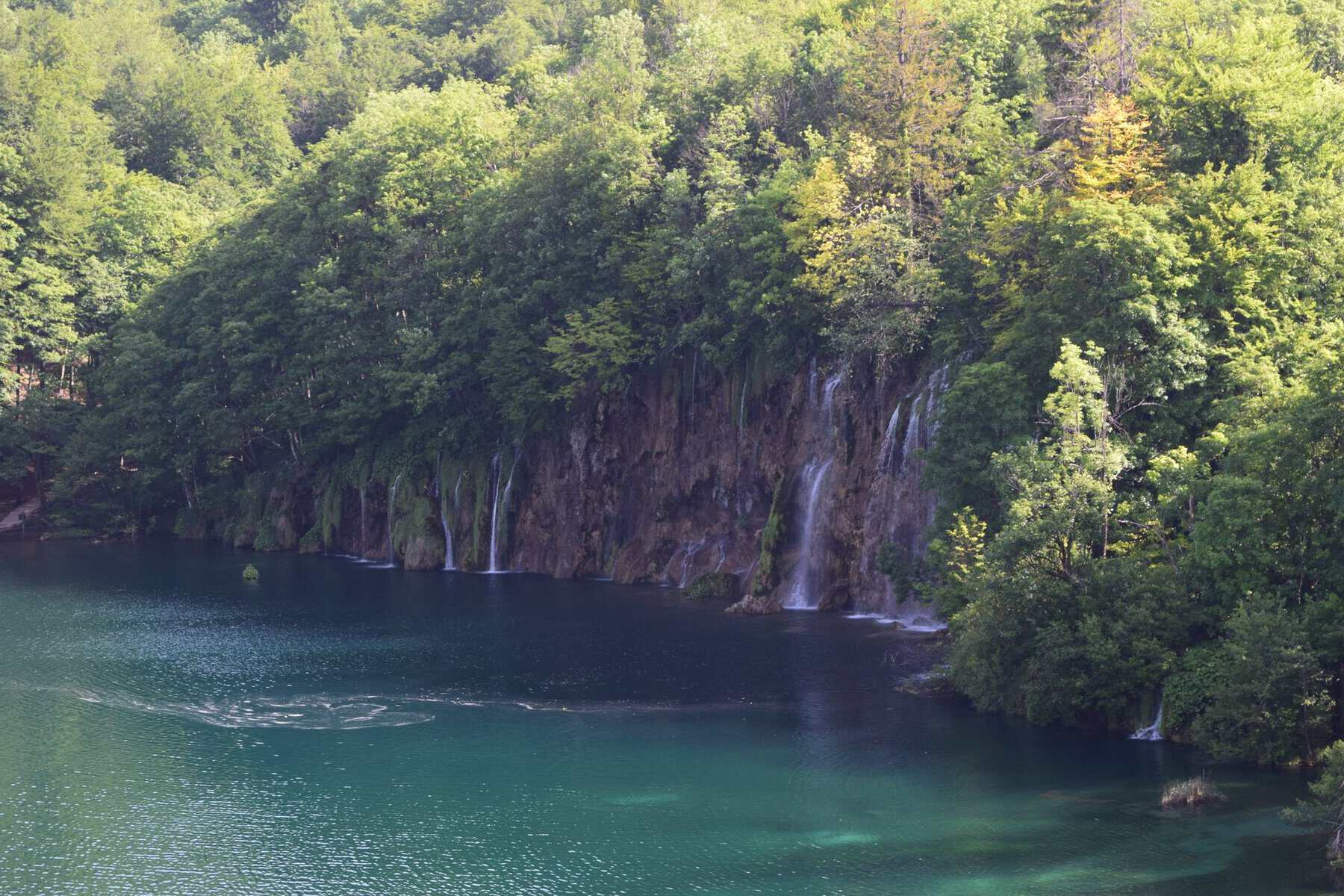
Sixteen terraced lakes joined by waterfalls, crossed by wooden boardwalks. Croatia’s most famous national park is halfway between Zagreb and Zadar.
Stay nearby so you can be on the trails when the park opens, and book your entry slot in advance in summer. Swimming isn’t allowed.

Zagreb
Croatia’s capital has an Austro-Hungarian feel, with an old upper town, the Dolac market, quirky museums and a strong café culture.
In December, its Advent market is one of the best in Europe.
When to go
The best time for most trips is May to June or September: warm, sunny and calmer than high summer, with the sea warm enough to swim from June to early October. July and August are hot and busy, especially in Dubrovnik, Split and Hvar. From November to March many island hotels, restaurants and ferries close or run reduced timetables, though Zagreb and Dubrovnik stay open.
| Month | Dubrovnik | Split | Hvar | Rovinj | Zagreb |
|---|---|---|---|---|---|
| Apr | 18°C | 18°C | 17°C | 17°C | 17°C |
| May | 22°C | 22°C | 21°C | 21°C | 20°C |
| Jun | 26°C | 27°C | 26°C | 26°C | 26°C |
| Jul | 30°C | 31°C | 29°C | 29°C | 28°C |
| Aug | 30°C | 31°C | 29°C | 29°C | 28°C |
| Sep | 25°C | 26°C | 25°C | 24°C | 22°C |
| Oct | 21°C | 21°C | 21°C | 20°C | 17°C |
Average daily high, 10-year ERA5 data. The coast is driest from June to August; inland Zagreb has more summer storms.
Classic routes
Split to Dubrovnik by small ship
- Split
- Hvar
- Korčula
- Mljet
- Dubrovnik
Islands every day, a new harbour every night.
Dalmatia by land and sea
- Split (3 nights)
- Hvar (2)
- Korčula (2)
- Dubrovnik (3)
Ferries and catamarans between the islands.
Zagreb to Dubrovnik
- Zagreb (2 nights)
- Plitvice (1)
- Zadar (2)
- Split (3)
- Dubrovnik (4)
The lakes, the Roman towns and the walls.
Istria and the north
- Rovinj (4 nights)
- Motovun (2)
- Plitvice (1)
- Zagreb (2)
Hill towns, truffles and wine.
Ways to see Croatia with us


For a longer trip, our Venice to Split tour takes in Slovenia and Istria, and Vienna to Dubrovnik adds the capitals of Central Europe. See also our Balkans tours compared.
Practical tips
- Entry: Croatia is in the Schengen area. British visitors can stay up to 90 days in any 180 days without a visa. Your passport must have been issued less than 10 years before you arrive and be valid for at least 3 months after you leave. The EU’s new Entry/Exit System means you may have your fingerprints and photo taken at the border. Check the FCDO Croatia advice before you book.
- Local rules: in Split, Dubrovnik and other towns you can be fined on the spot for walking around in swimwear or shirtless, or for drinking in the street.
- Stay on marked paths: unexploded mines remain in some remote, previously war-affected areas inland, including remote parts of Plitvice Lakes National Park. Tourist areas and marked trails are safe.
- Money: Croatia uses the euro, and cards are widely accepted. Carry some cash for small konobas and markets.
- Getting around: book ferries and catamarans ahead in July and August. A car is useful for Istria and Plitvice, but not needed for the islands.
- Beaches: many are pebble or rock, so pack water shoes.
Frequently asked questions
What is Croatia known for?
Its Adriatic coast and more than a thousand islands, walled towns such as Dubrovnik, Split and Korčula, the lakes of Plitvice, ten UNESCO World Heritage Sites, seafood, truffles and wine. The necktie and the Dalmatian dog also come from Croatia.
What is traditional Croatian food?
On the coast: peka (meat or octopus slow-cooked under embers), black risotto, pašticada and grilled fish. In Istria: truffles, pasta and pršut ham. Inland: štrukli, kulen sausage and hearty stews.
What should I eat in Croatia?
Order peka a few hours ahead in a konoba, try black risotto, oysters in Ston, truffle pasta in Istria, Pag cheese, štrukli in Zagreb, and fritule for dessert.
What is small-ship cruising in Croatia like?
Small ships carry around 20 to 40 guests and sail between Split and Dubrovnik in about a week, stopping at islands such as Hvar, Brač, Korčula, Mljet and Vis, with daily swim stops. It's relaxed, with compact cabins and nights moored in town harbours.
When is the best time to visit Croatia?
May to June and September, when it's warm, sunny and less crowded. The sea is warm enough to swim from June to early October. July and August are hot and busy.
How many days do you need in Croatia?
A week is enough for Split, the islands and Dubrovnik. With 10 to 14 days you can add Zagreb, Plitvice and Zadar, or Istria.
Do UK citizens need a visa for Croatia?
No. Croatia follows Schengen rules, so British visitors can stay up to 90 days in any 180 days without a visa. Check passport validity and the latest FCDO advice before you travel.
Is Croatia expensive?
Dubrovnik and Hvar in high summer are the priciest places. Travelling in May, June or September, and staying in smaller towns and islands, gives better value.
Keep planning
- Croatia holidays
- Escorted tours of Croatia
- Croatia tours compared
- Where to stay in Croatia
- Best hotels in Dubrovnik
- Best hotels in Istria
- Balkans tours compared
- Tailor-made holidays
Plan your Croatia holiday with a Travel Designer
Tell us your dates and we’ll plan the flights, the islands, a small-ship cruise or a self-drive, and arrange everything in one ATOL-protected booking.
Make an enquiry Croatia holidays