Turkey in brief
- Five regions to choose from: Istanbul, the Aegean and Ephesus, the Turquoise Coast, Cappadocia and Pamukkale.
- Best from April to June and in September and October; July and August are hottest and best for beaches.
- Temperatures by month for Istanbul, Bodrum, Antalya and Cappadocia, plus the best months for each activity.
- Around 4 hours’ flight from the UK; no visa needed for stays of up to 90 days in 180.

Turkey packs more into one holiday than almost anywhere in Europe: the mosques, palaces and bazaars of Istanbul, the Roman city of Ephesus, the white terraces of Pamukkale, the fairy chimneys and dawn balloons of Cappadocia, and two long coastlines of coves, beaches and old harbour towns. It’s about four hours’ flight from the UK, and the season runs from spring right through to late autumn. This guide covers the main regions, the best time to visit Turkey with temperatures by month, the best months for each activity, sample routes, getting there and around, and where to stay by area.
Where to go in Turkey
Turkey is big, so most first trips combine Istanbul with one or two other regions, linked by short domestic flights.
Istanbul
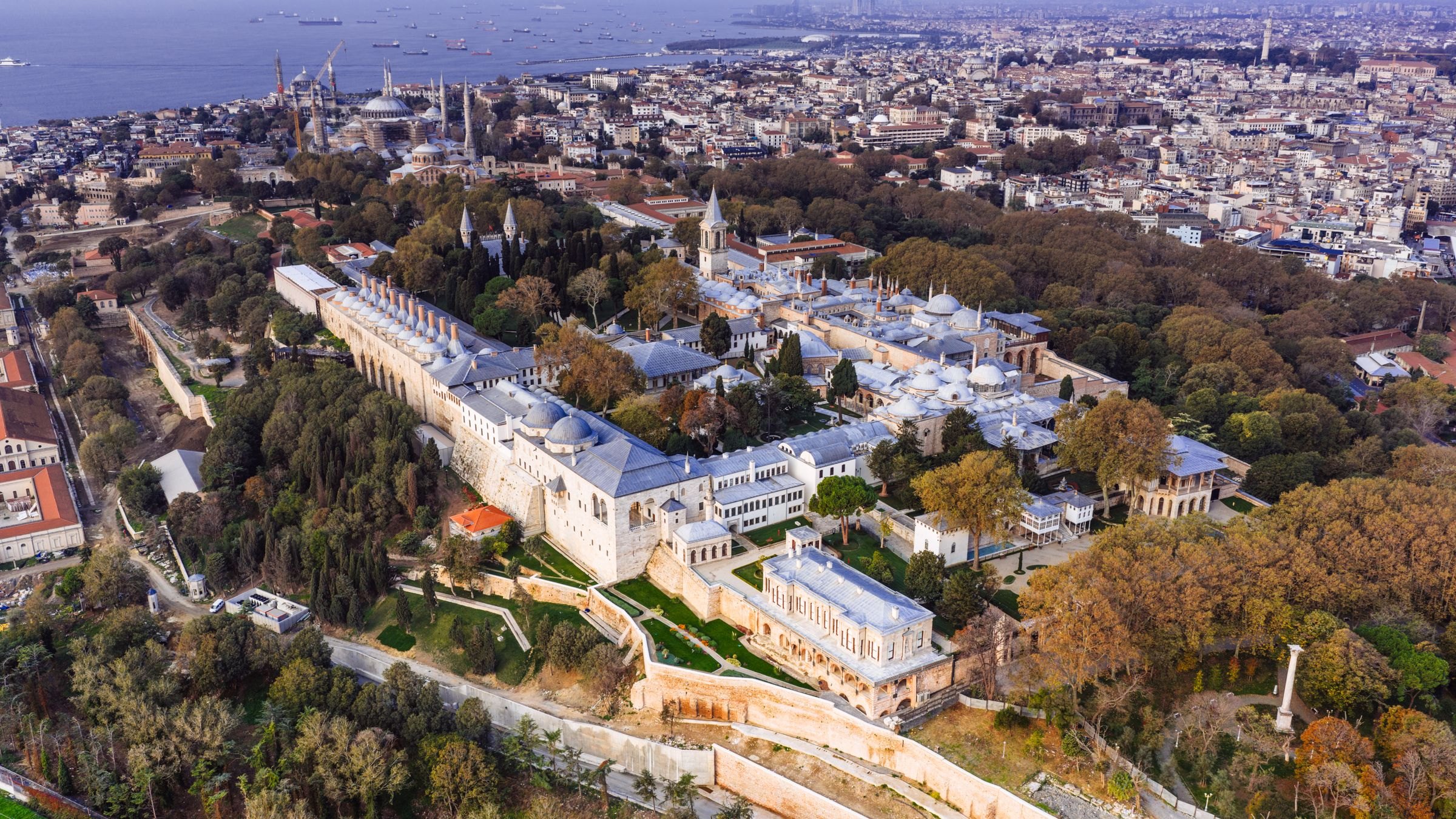
The old imperial capital straddles Europe and Asia on the Bosphorus. In the old city you’ll find Hagia Sophia, the Blue Mosque, Topkapı Palace, the underground Basilica Cistern and the Grand Bazaar. Across the Golden Horn are the Galata Tower and the cafés of Karaköy.
Istanbul short break →
The Aegean: Bodrum, Kuşadası and Ephesus
Ephesus, near Selçuk, is the best-preserved Roman city in the eastern Mediterranean: walk the marble street to the Library of Celsus and the Great Theatre, and see the mosaics of the covered Terrace Houses. Kuşadası is the nearest resort; Didim, to the south, has the Temple of Apollo at Didyma.
Bodrum is the Aegean’s most stylish resort, with a crusader castle above its harbour and a peninsula of whitewashed villages and bays.
Bodrum holidays →
The Turquoise Coast: Dalaman, Fethiye, Kaş and Antalya
The mountainous Lycian coast is Turkey at its most beautiful. From Dalaman airport you reach Fethiye, Ölüdeniz, Dalyan and Göcek; further east are Kaş, Kalkan and the long sands of Patara. Antalya has an old walled harbour quarter and big beach resorts at Belek, Lara, Side and Kemer. See our Antalya and Turquoise Coast guide for the full detail.
Dalaman coast holidays →
Cappadocia
A volcanic plateau in central Anatolia, carved into fairy chimneys, cave churches and underground cities. Most people come for a hot-air balloon flight at sunrise, then walk the valleys around Göreme and sleep in a cave hotel. Our Cappadocia guide covers balloons, valleys and the underground cities in depth.
Cappadocia guide →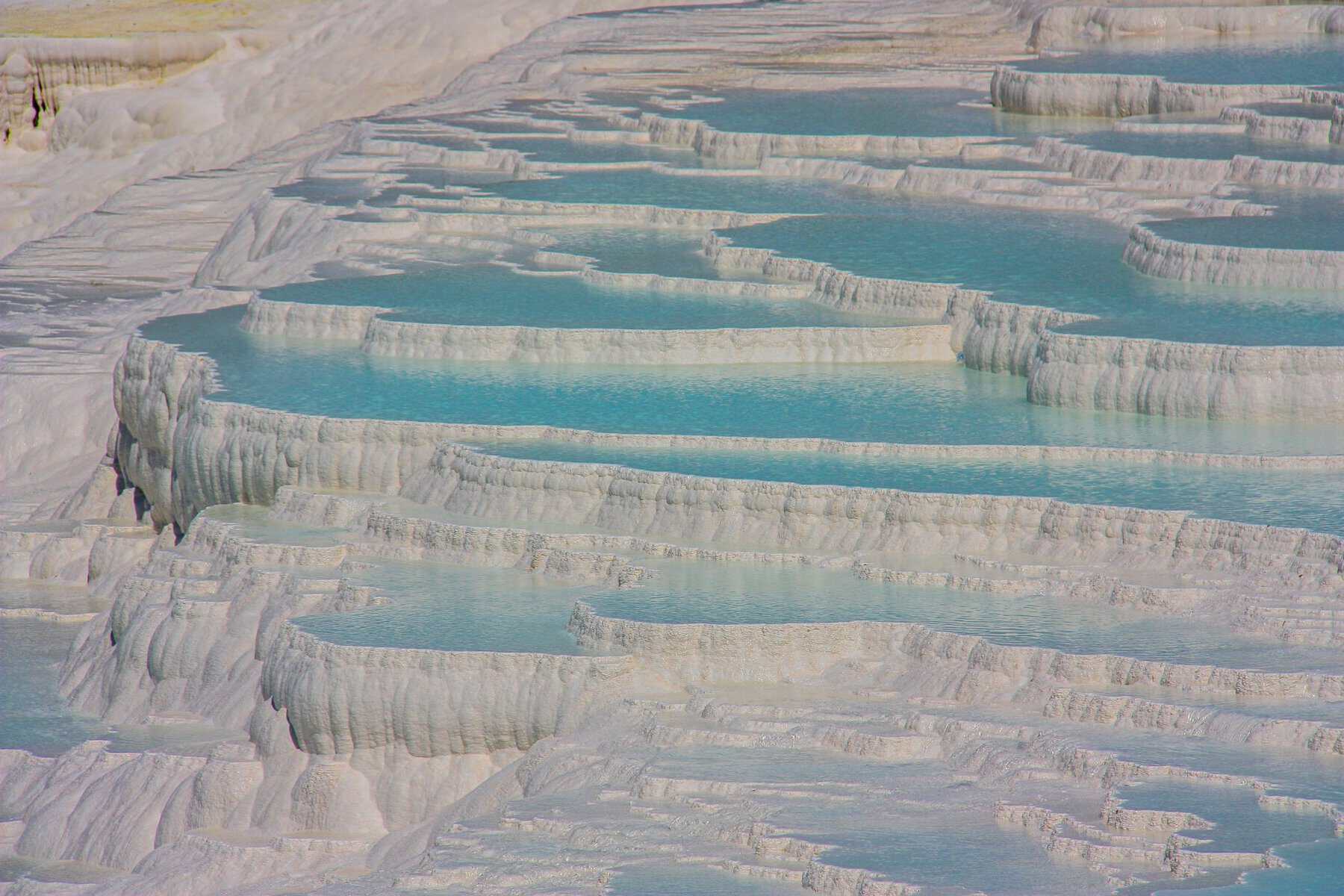
Pamukkale and Hierapolis
Warm, mineral-rich water has built a hillside of brilliant white terraces (Pamukkale means “cotton castle”). On top are the ruins of the Roman spa town of Hierapolis, with a huge theatre, and an antique pool where you can swim among fallen columns. The site has been on the UNESCO list since 1988.
Istanbul in more detail
Sultanahmet, the old city, holds the big sights within a few minutes’ walk. Hagia Sophia, built as a church in the sixth century, is a working mosque again; visitors are welcome outside prayer times. Topkapı Palace needs a good half-day.
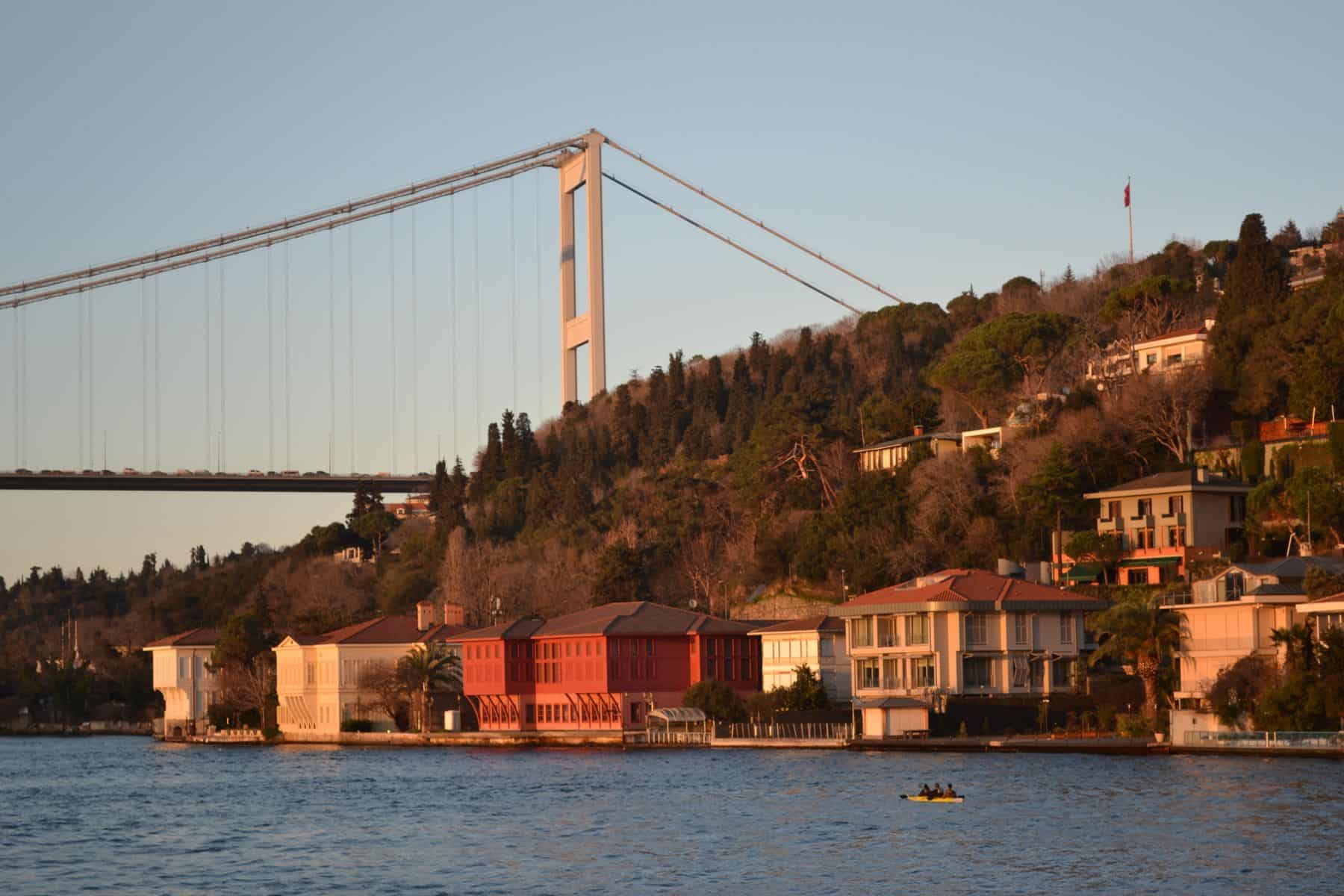
The Bosphorus is the city’s great free show. Public ferries zigzag between Europe and Asia, and longer cruises run up towards the Black Sea past wooden waterfront mansions and Ottoman palaces.
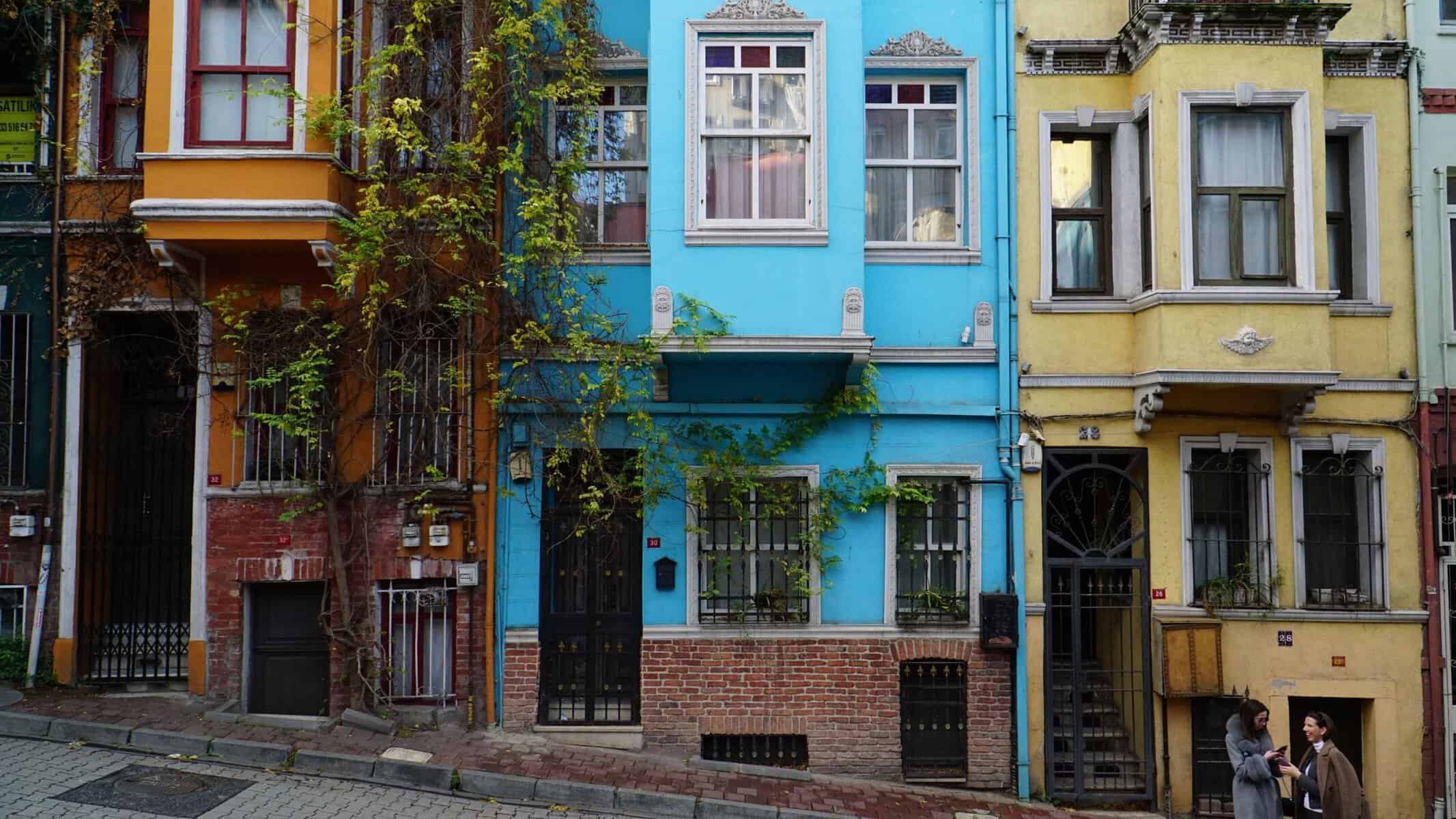
Beyond the old city, wander the steep streets of Balat and browse the Spice Bazaar. Three or four nights is right for a first visit.


Bodrum, Kuşadası and Ephesus

Bodrum grew up around the Castle of St Peter, built by the Knights of St John in the 15th century partly from the stones of the Mausoleum of Halicarnassus, one of the Seven Wonders of the ancient world. The castle now houses a museum of underwater archaeology. Around the peninsula, villages such as Gümüşlük and Yalıkavak have beach clubs and seafood by the water.
Kuşadası is a busy resort and cruise port about 20 minutes from Ephesus. Go to Ephesus as the gates open, before the heat and the cruise groups. The hill village of Şirince is close by.
Further north, Pergamon, Troy and the Gallipoli battlefields fit neatly into a route between the Aegean and Istanbul.
Dalaman, Fethiye, Kaş and Antalya
Here are the highlights in brief; our Antalya guide covers Antalya, Side, Kaş, Kalkan and the Lycian Way in depth, and Ölüdeniz vs Fethiye vs Marmaris helps you choose a base.

Dalyan is a riverside town below cliff-cut Lycian tombs. River boats run through the reeds to the ruins of Kaunos and to İztuzu Beach, a nesting beach for loggerhead turtles.
Fethiye is a working harbour town with a Friday market, from which you can visit the abandoned Greek village of Kayaköy, Saklıkent Gorge and the lagoon at Ölüdeniz, where paragliders spiral down from the mountain above. Göcek, to the west, is the base for sailing around the Twelve Islands.
Kaş and Kalkan are small, characterful harbour towns for diving, sea kayaking over the sunken city at Kekova and walking sections of the Lycian Way. Antalya has the old harbour quarter of Kaleiçi, the Roman theatre at Aspendos and the main all-inclusive beach resorts.
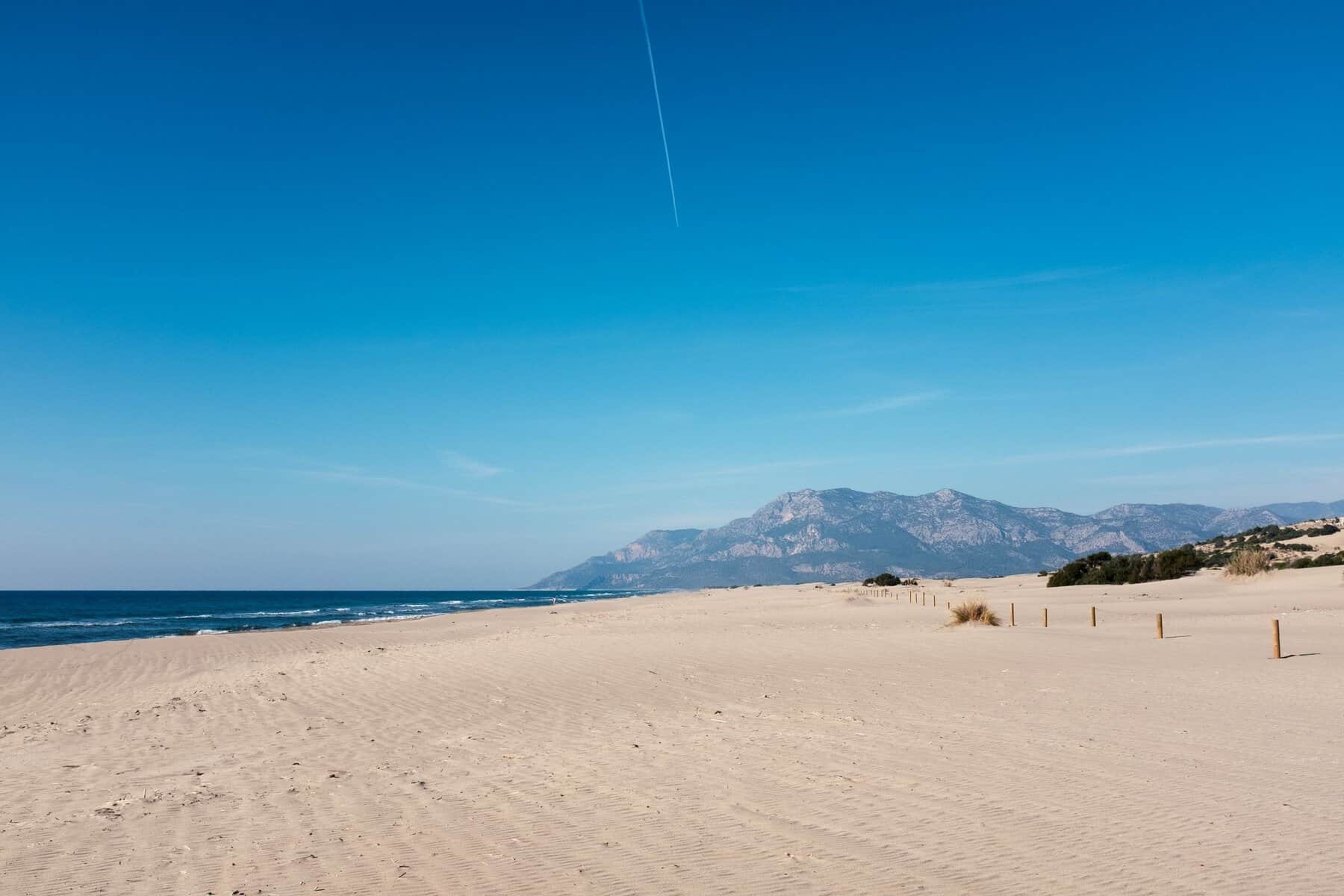
Patara has one of the longest beaches in Turkey, backed by dunes and Roman ruins, and kept free of development because turtles nest here.
A gulet cruise. The traditional wooden gulet is the classic way to see this coast: a week’s sailing between Bodrum or Göcek and Fethiye or Kaş, swimming from the boat in coves you can’t reach by road. Cruises run from about May to October.
Food and drink
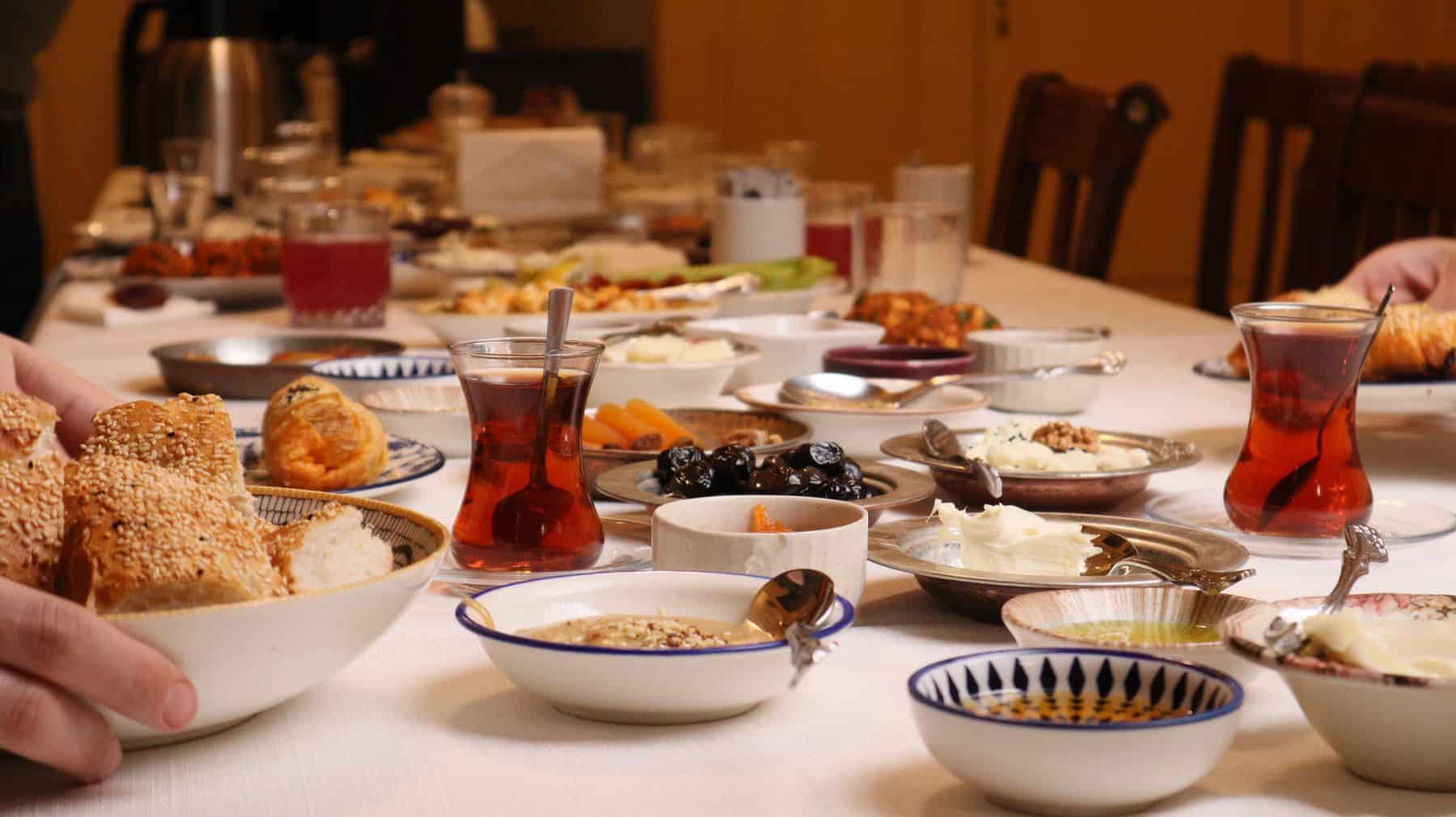
Turkish food is one of the joys of a holiday here. Start with a long Turkish breakfast: cheeses, olives, tomatoes, cucumbers, honey, eggs and fresh bread, with endless small glasses of tea. Lunch might be a pide (flatbread baked with toppings) or lahmacun, and dinner a spread of cold meze followed by grilled fish or kebabs.
Cappadocia is known for its pottery kebab, cooked in a sealed clay pot. Try simit (sesame bread rings) from street carts, baklava and Turkish coffee.
Best time to visit Turkey
The best time to visit Turkey is from April to June and in September and October. Days are warm and sunny, the sea is warm enough for most people from late May, and it’s comfortable for sightseeing. July and August are the hottest months, with highs in the low to mid 30s°C on the coast and very little rain: ideal for beach holidays, but hard work for ruins in the middle of the day. November to March is the quiet season. Istanbul is cool and often grey, the coast is mild but this is when most of its rain falls, and many beach hotels close, while Cappadocia can be snowy and below freezing at night.
Turkey temperature by month
| Month | Istanbul | Bodrum | Antalya | Cappadocia |
|---|---|---|---|---|
| Jan | 9°C / 4°C · 100 mm | 14°C / 9°C · 190 mm | 14°C / 6°C · 235 mm | 5°C / -4°C · 50 mm |
| Feb | 10°C / 4°C · 75 mm | 15°C / 10°C · 85 mm | 16°C / 6°C · 105 mm | 7°C / -3°C · 40 mm |
| Mar | 12°C / 5°C · 80 mm | 16°C / 11°C · 90 mm | 18°C / 8°C · 115 mm | 11°C / 0°C · 70 mm |
| Apr | 16°C / 8°C · 50 mm | 20°C / 13°C · 40 mm | 22°C / 10°C · 55 mm | 17°C / 4°C · 35 mm |
| May | 21°C / 13°C · 55 mm | 25°C / 17°C · 25 mm | 26°C / 15°C · 65 mm | 21°C / 8°C · 55 mm |
| Jun | 25°C / 18°C · 55 mm | 29°C / 21°C · 15 mm | 30°C / 19°C · 25 mm | 25°C / 12°C · 40 mm |
| Jul | 28°C / 20°C · 30 mm | 32°C / 24°C · 0 mm | 36°C / 24°C · 5 mm | 30°C / 15°C · 0 mm |
| Aug | 29°C / 21°C · 20 mm | 32°C / 25°C · 0 mm | 35°C / 24°C · 10 mm | 31°C / 16°C · 5 mm |
| Sep | 25°C / 18°C · 50 mm | 29°C / 22°C · 15 mm | 32°C / 20°C · 25 mm | 26°C / 12°C · 10 mm |
| Oct | 20°C / 14°C · 60 mm | 24°C / 18°C · 50 mm | 27°C / 16°C · 100 mm | 20°C / 7°C · 15 mm |
| Nov | 16°C / 10°C · 80 mm | 20°C / 14°C · 115 mm | 21°C / 11°C · 105 mm | 13°C / 2°C · 30 mm |
| Dec | 11°C / 6°C · 85 mm | 16°C / 11°C · 145 mm | 16°C / 8°C · 200 mm | 8°C / -1°C · 45 mm |
Average daily high / low and monthly rainfall (snow as water in Cappadocia), 10-year ERA5 data, 2014 to 2023. Cappadocia sits at over 1,000 m, so it’s much colder in winter than the coast.
Month by month: March is a good time for Istanbul and the ruins, with highs of about 12°C in Istanbul and 18°C in Antalya, but it’s too cool for the beach. April and May bring wild flowers, tulips in Istanbul and perfect walking weather. June is hot and sunny without the August crowds. Is Turkey hot in September? Yes: highs are still around 29°C in Bodrum and 32°C in Antalya, the sea is still warm, and the school holidays are over. October is warm and quieter, with the first rain towards the end of the month. In winter, Istanbul averages about 9°C by day in January and Cappadocia about 5°C, with frosty nights.
Best time by activity
| Activity | Best months | Notes |
|---|---|---|
| Istanbul city break | April to June, September to November | Good all year; cold, wet spells December to February |
| Ephesus, Pamukkale and the ruins | April, May, September, October | Very hot at midday in July and August: go at opening time |
| Beach holiday | June to September | Late May and October are warm and quieter; many resorts close in winter |
| Gulet cruise and boat trips | May to October | June and September are calmer and less busy than high summer |
| Walking the Lycian Way | March to May, October and November | Too hot for long walks from June to September |
| Cappadocia balloons | April to June, September and October | Flights run most of the year but are often cancelled for wind or snow in winter |
| Snow in Cappadocia | December to February | Cave hotels and balloons over snowy valleys; very cold at dawn |
Sample routes
Ten to fourteen nights lets you see Istanbul plus two other regions without rushing. With a week, pick Istanbul and Cappadocia, or one stretch of coast with a couple of day trips.
Istanbul and Cappadocia
- Istanbul (4 nights)
- Fly to Kayseri
- Cappadocia (3)
Two contrasting highlights, linked by a flight of about 1 hour 15 minutes. Good all year.
Classic Turkey
- Istanbul (3 nights)
- Fly to İzmir: Selçuk for Ephesus (2)
- Pamukkale (1)
- Cappadocia (3)
- Bodrum or Kalkan (3)
The essentials, with a beach to finish. Best from April to June and September to October.
Istanbul and the Turquoise Coast
- Istanbul (3 nights)
- Fly to Dalaman: Dalyan (2)
- Gulet cruise, Fethiye to Kaş (4)
- Kaş or Kalkan (3)
- Antalya (2)
City, river, boat and harbour towns. May to October for the gulet.
Getting to Turkey from the UK
Flights from London to Istanbul take around four hours, with direct services from the London airports and several regional airports. Istanbul has two airports: Istanbul Airport on the European side, the main hub, and Sabiha Gökçen on the Asian side. For the coast, there are direct flights from many UK airports to Dalaman (for Fethiye, Dalyan and Göcek), Bodrum, Antalya and İzmir (for Ephesus and Kuşadası), mainly from spring to autumn, also taking around four hours. In winter you may need to connect in Istanbul. Turkey is on GMT+3 all year, so it’s two hours ahead of the UK in summer and three in winter.
Getting around Turkey
- Domestic flights are the quickest way to cover the distances: Istanbul to Kayseri or Nevşehir for Cappadocia, and to Dalaman, Bodrum, Antalya and İzmir, all in roughly an hour to an hour and a half.
- Private transfers and driver-guides are the easiest way to link Ephesus, Pamukkale and the coast. Selçuk to Pamukkale is about three hours by road.
- Hire car: good for the Lycian coast and the Bodrum peninsula; Turkey drives on the right, and mountain roads are slow and winding.
- Long-distance buses are comfortable and cover the whole country, and high-speed trains link Istanbul with Ankara and Konya.
Where to stay in Turkey
- Istanbul: Sultanahmet for walking to the sights; Karaköy, Galata and Beyoğlu for restaurants and nightlife; a hotel on the Bosphorus for views and a quieter feel.
- Bodrum peninsula: Bodrum town for the marina and nightlife, Yalıkavak and Türkbükü for upmarket beach clubs, Gümüşlük and Bitez for something quieter. See our best luxury hotels in Bodrum and best family hotels in Bodrum.
- Kuşadası and Didim: big family resorts within reach of Ephesus. See our best family hotels in Kuşadası and Didim.
- Dalaman coast: Ölüdeniz and Fethiye for a resort, Dalyan for a riverside town, Göcek for sailing, Sarıgerme for a quiet beach. See family hotels on the Dalaman coast and adults-only hotels on the Dalaman coast.
- Kaş and Kalkan: boutique hotels and villas with sea views; see the best hotels in Kalkan, Kaş and Dalyan.
- Antalya: Kaleiçi for character, Belek and Lara for big all-inclusive resorts, Side for a resort next to ruins; compare them in Belek vs Side vs Lara vs Kemer.
- Cappadocia: a cave hotel in Göreme, Uçhisar or Ürgüp, ideally with a terrace for watching the balloons.
Looking for a particular style? See our round-ups of the best adults-only hotels in Turkey, family resorts with waterparks, spa hotels and 4-star all-inclusive hotels, or browse all our Turkey holidays.
Ways to see Turkey with us
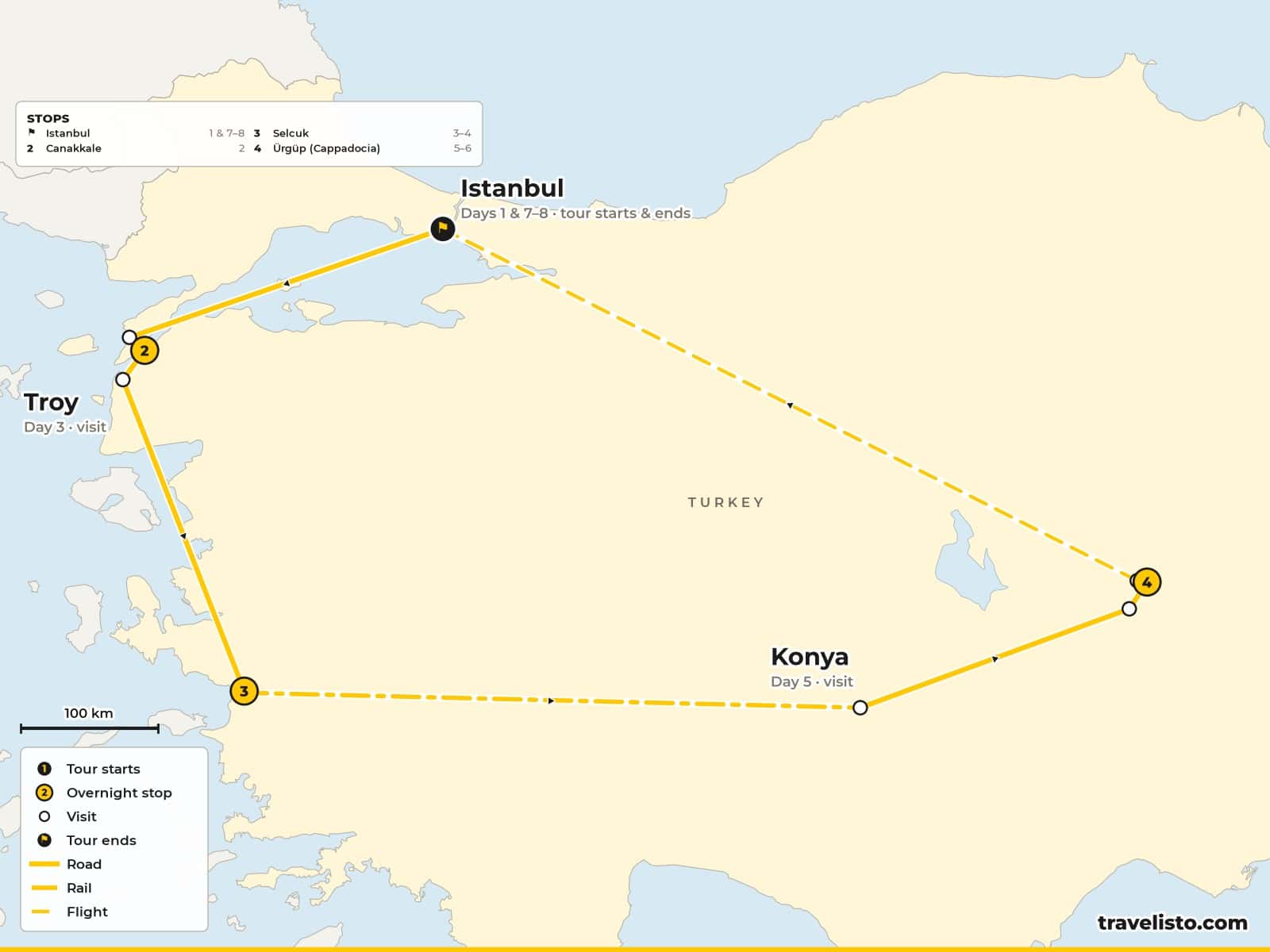
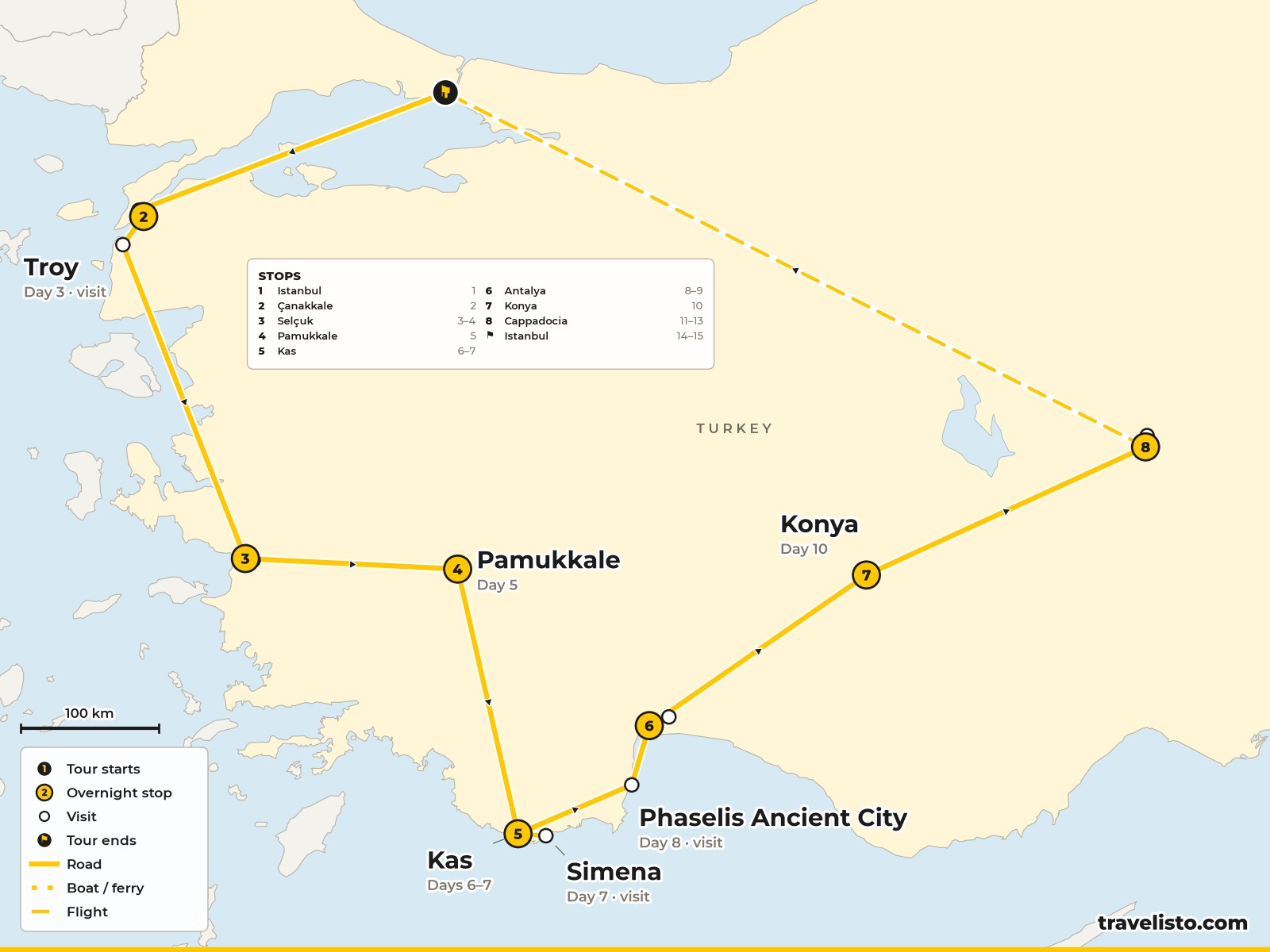
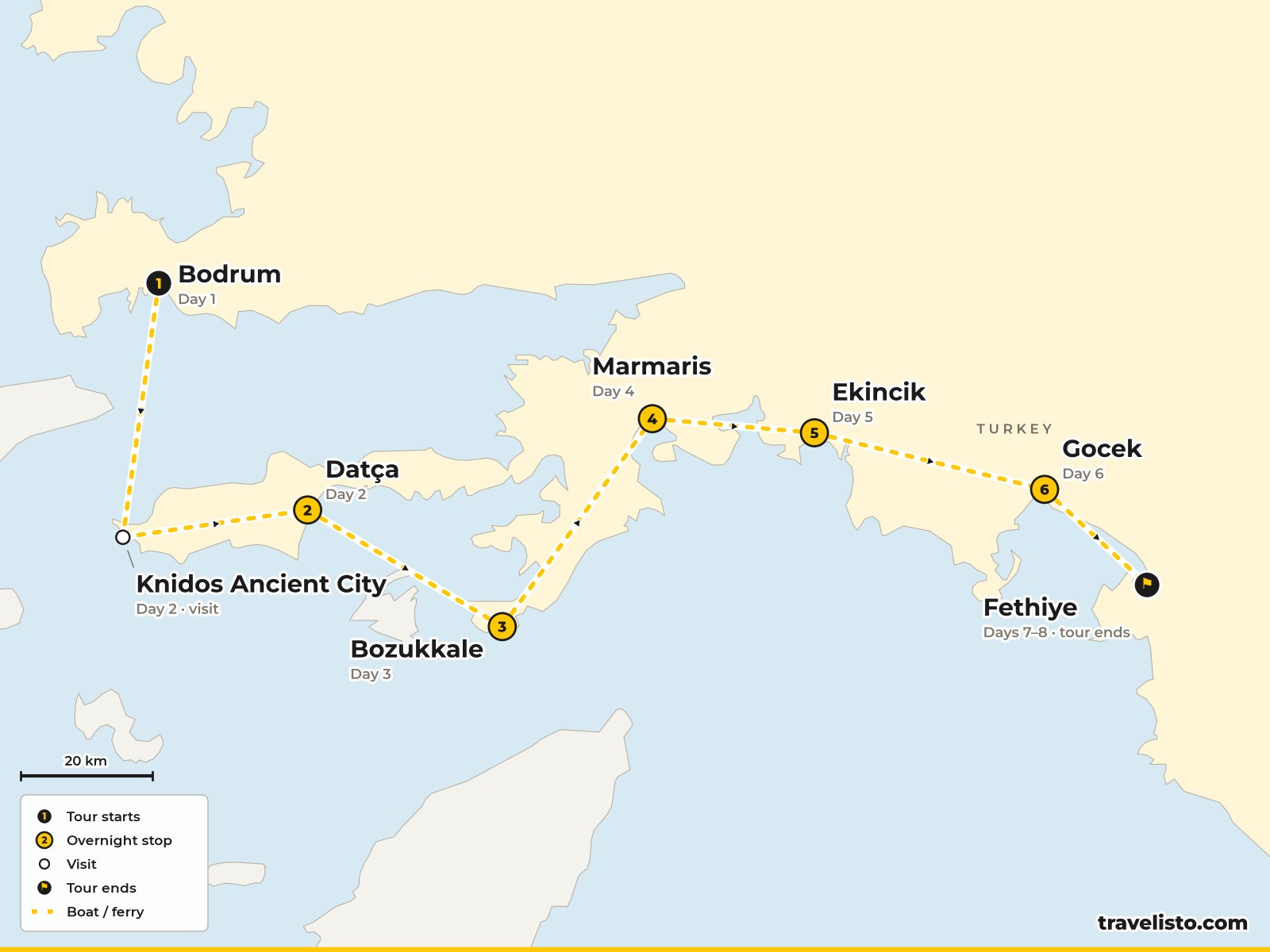
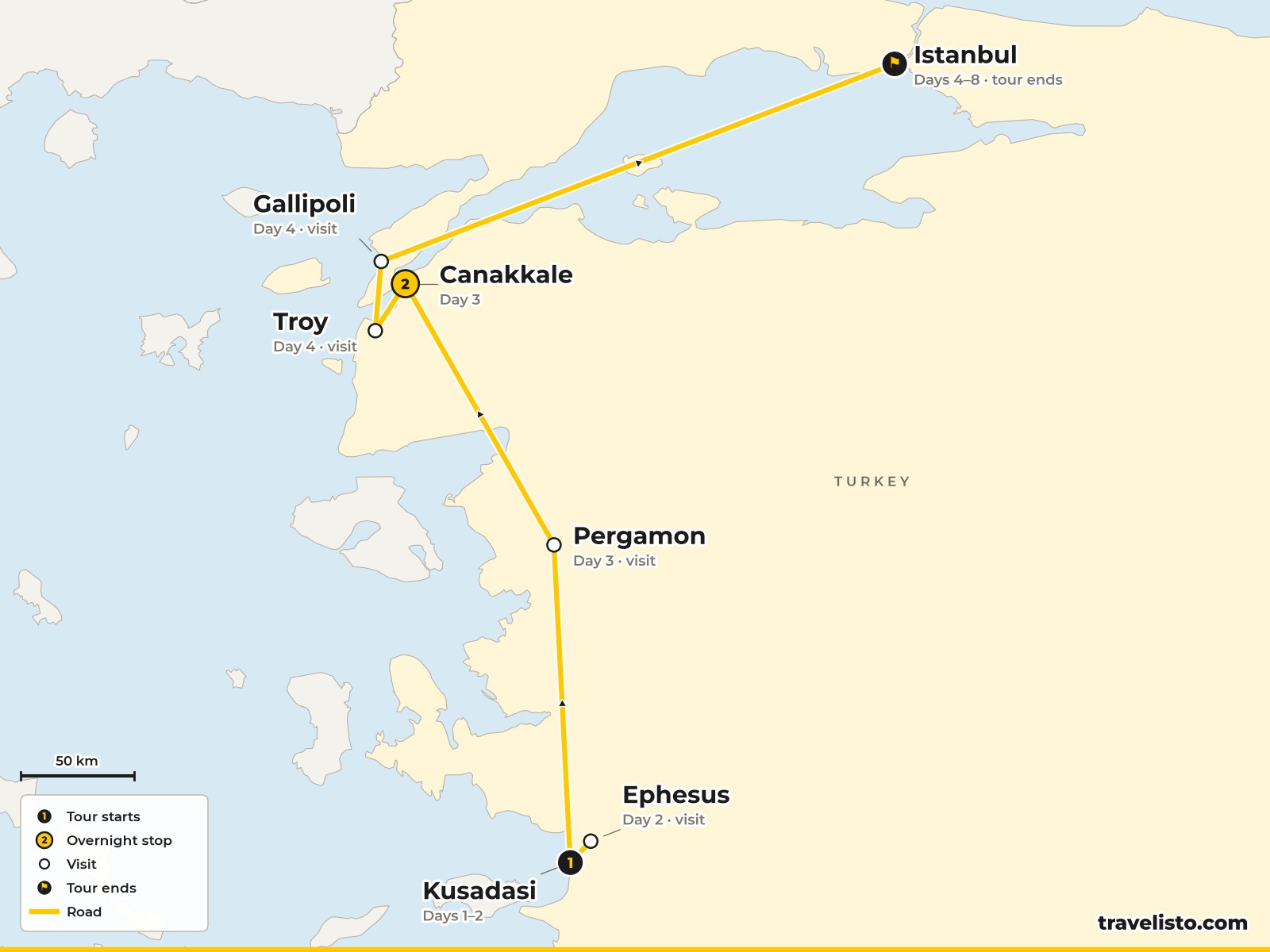
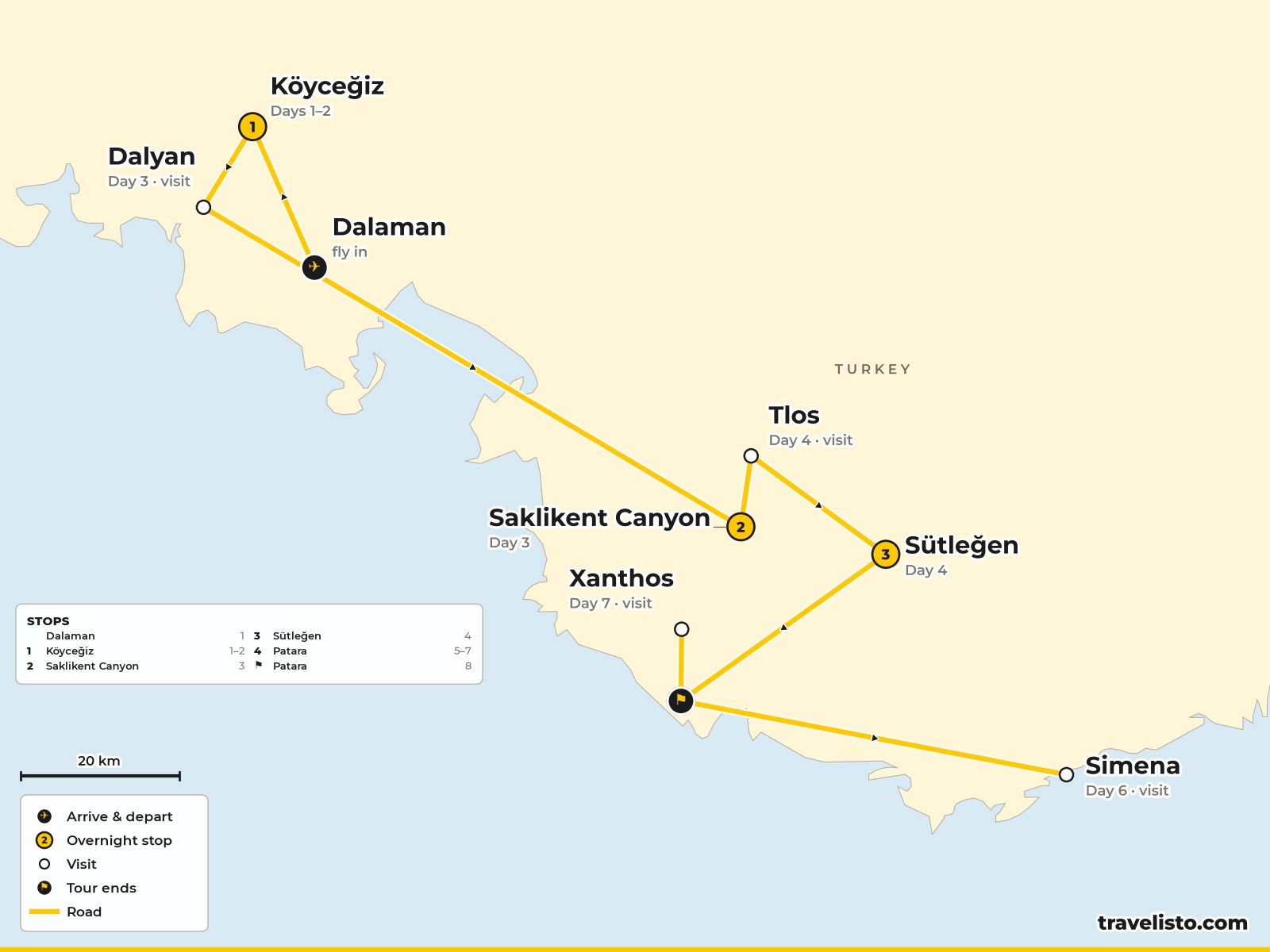
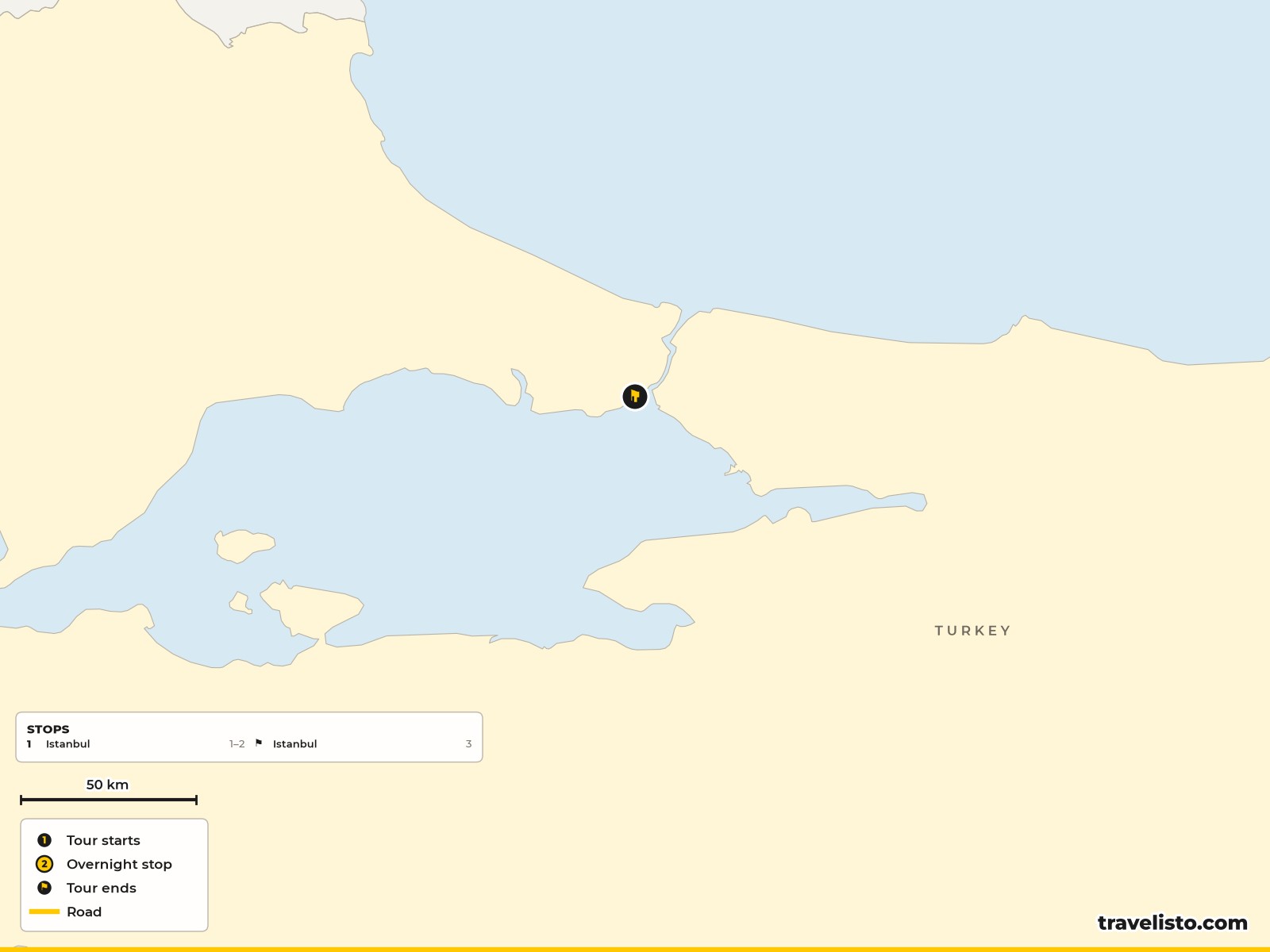
Prefer your own pace? A tailor-made Turkey holiday can combine Istanbul, Ephesus, Cappadocia and the coast in any order, with domestic flights, private guides and transfers. Browse all our escorted tours of Turkey.
Practical tips
- Entry: British visitors can visit Turkey without a visa for up to 90 days in any 180-day period, for tourism or business. Your passport must have an expiry date at least 150 days after the date you arrive and at least 1 blank page. Check the FCDO Turkey advice before you go.
- Safety: check the current FCDO Turkey travel advice before you book and again before you travel.
- Mosques: cover shoulders and knees; women should bring a scarf to cover their hair. Shoes come off, and visits pause at prayer times.
- Money: cards are widely accepted, but carry some lira for markets, taxis and small cafés.
- Heat: in July and August, visit ruins at opening time, carry water and wear a hat; there is little shade at Ephesus or Pamukkale.
Frequently asked questions
What is the best time to visit Turkey?
April to June and September to October are best for most trips: warm, sunny and comfortable for sightseeing, with the sea warm enough for swimming from late May. July and August are the hottest months and best for a pure beach holiday.
What is the hottest month in Turkey?
July and August. On the south coast highs are typically in the low to mid 30s°C, around 32°C in Bodrum and about 28 to 29°C in Istanbul, with very little rain.
Is Turkey hot in September?
Yes. September highs are still around 29°C in Bodrum and over 30°C in Antalya, the sea is still warm and the summer crowds have gone, which makes it one of the best months to visit.
Is March a good time to visit Turkey?
March is good for Istanbul, Ephesus and the ruins, with highs of about 12°C in Istanbul and 18°C in Antalya, but it's too cool for a beach holiday and there can still be rain.
What is the worst time to visit Turkey?
For a beach holiday, December to February, when the coast is at its wettest and many resort hotels close. For sightseeing, the middle of July and August can be uncomfortably hot.
Where should I go in Turkey for the first time?
Istanbul for three or four nights, then Cappadocia or Ephesus, and finish on the coast at Bodrum, Fethiye, Kaş or Kalkan.
Do I need a visa for Turkey from the UK?
No. British visitors can stay up to 90 days in any 180-day period without a visa. Your passport must be valid for at least 150 days after you arrive and have at least one blank page.
Is it safe to travel to Turkey?
Millions of British travellers visit Turkey every year. Check the current FCDO Turkey travel advice before you book and again before you travel.
Keep planning
- Turkey holidays
- Cappadocia guide
- Antalya and Turquoise Coast guide
- Escorted tours of Turkey
- Bodrum holidays
- Dalaman holidays
- Kuşadası holidays
- Antalya holidays
- Best adults-only hotels in Turkey
- Best family resorts with waterparks in Turkey
- Georgia holiday guide
- Tailor-made holidays
Plan your Turkey holiday with a Travel Designer
Tell us when you’d like to go and we’ll plan Istanbul, Cappadocia, Ephesus and the coast, with flights, transfers and hand-picked hotels, in one ATOL-protected booking.
Make an enquiry Turkey holidays