Zanzibar in brief
- Spend one or two nights in Stone Town, then four to six on a beach: the north for swimming at any tide, the east for quiet villages and kitesurfing, or Matemwe for snorkelling.
- It’s about an hour’s flight from the Serengeti, so Zanzibar is the classic end to a Tanzania or Kenya safari.
- The best weather is June to October and December to February. The long rains peak in April and May. See when to go.
- UK visitors need a Tanzanian visa and Zanzibar’s own travel insurance. Dress modestly in Stone Town.
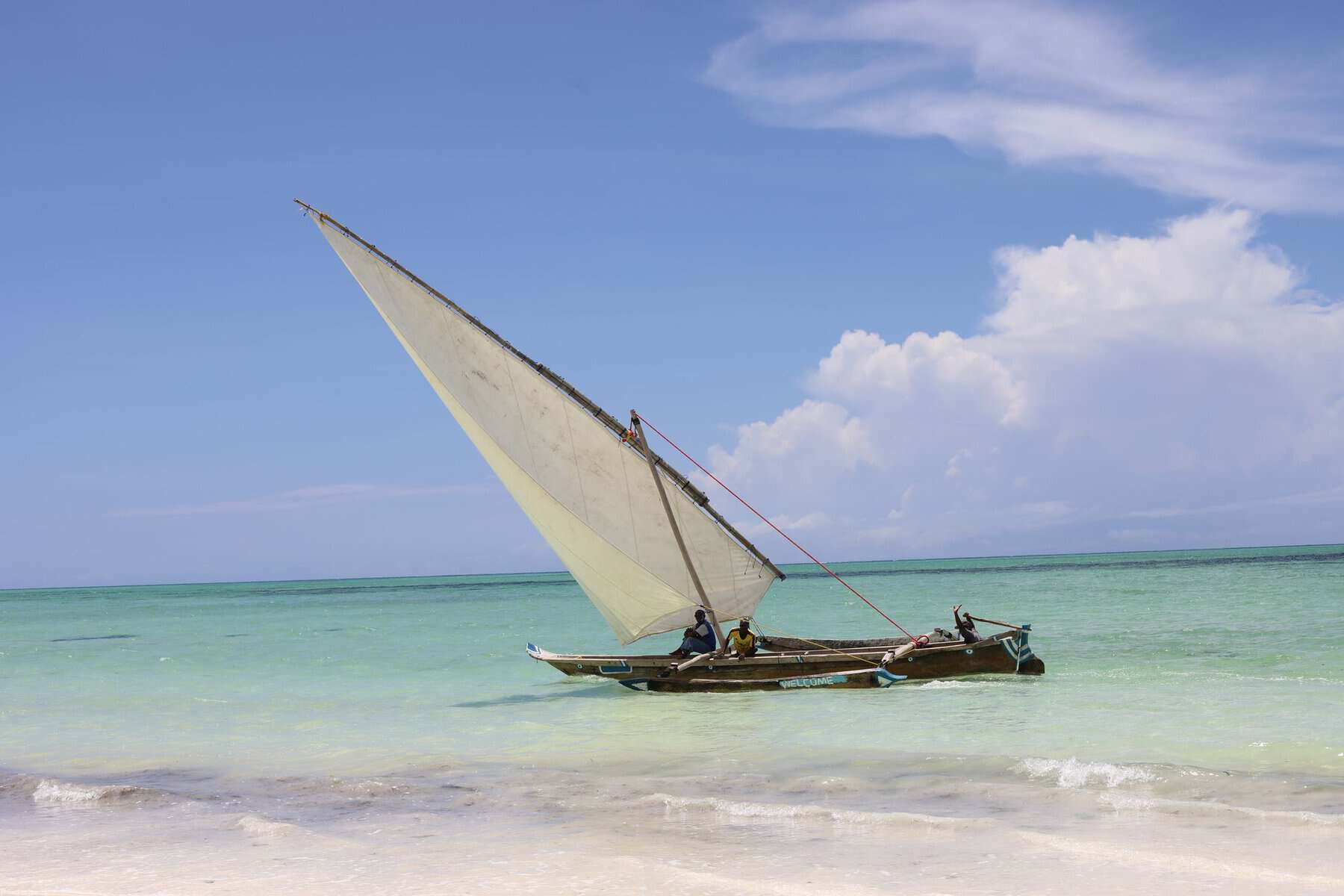
Zanzibar is the Indian Ocean island off the coast of Tanzania that makes a safari holiday complete. There’s Stone Town, a maze of carved doors, spice markets and Swahili, Arab and Indian history; there are white beaches on the north and east coasts; and there’s some of the best snorkelling in East Africa. It’s a short flight from the Serengeti, so most people come here after a safari. This guide covers where to stay on the island, how long to spend and how to combine it with the parks.
Where to stay on Zanzibar
The island is small, but each coast feels different, and the tides decide a lot. On the east coast the sea goes out a long way at low tide; in the north it doesn’t. Most people spend one or two nights in Stone Town and the rest on a beach.

Stone Town
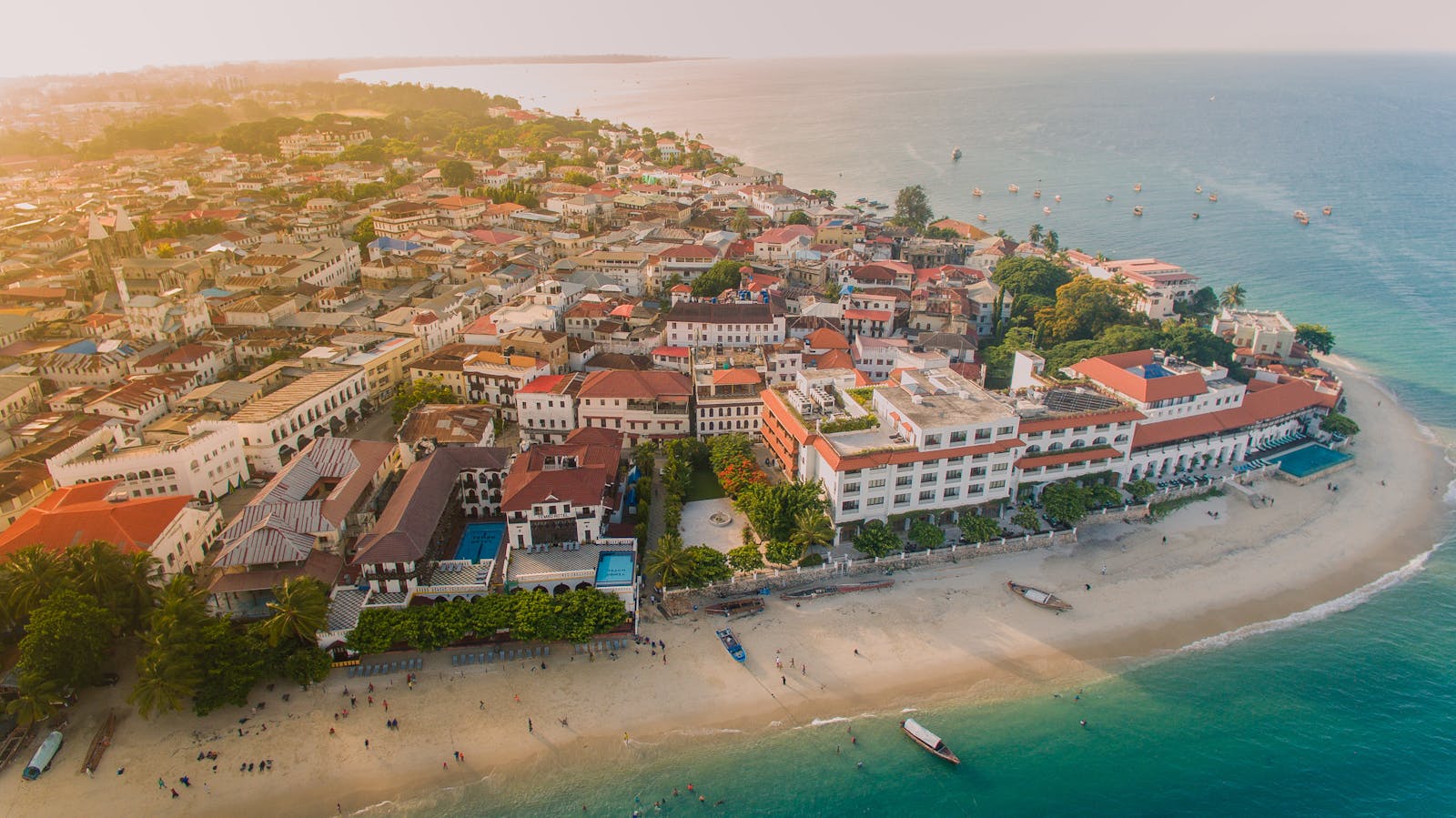
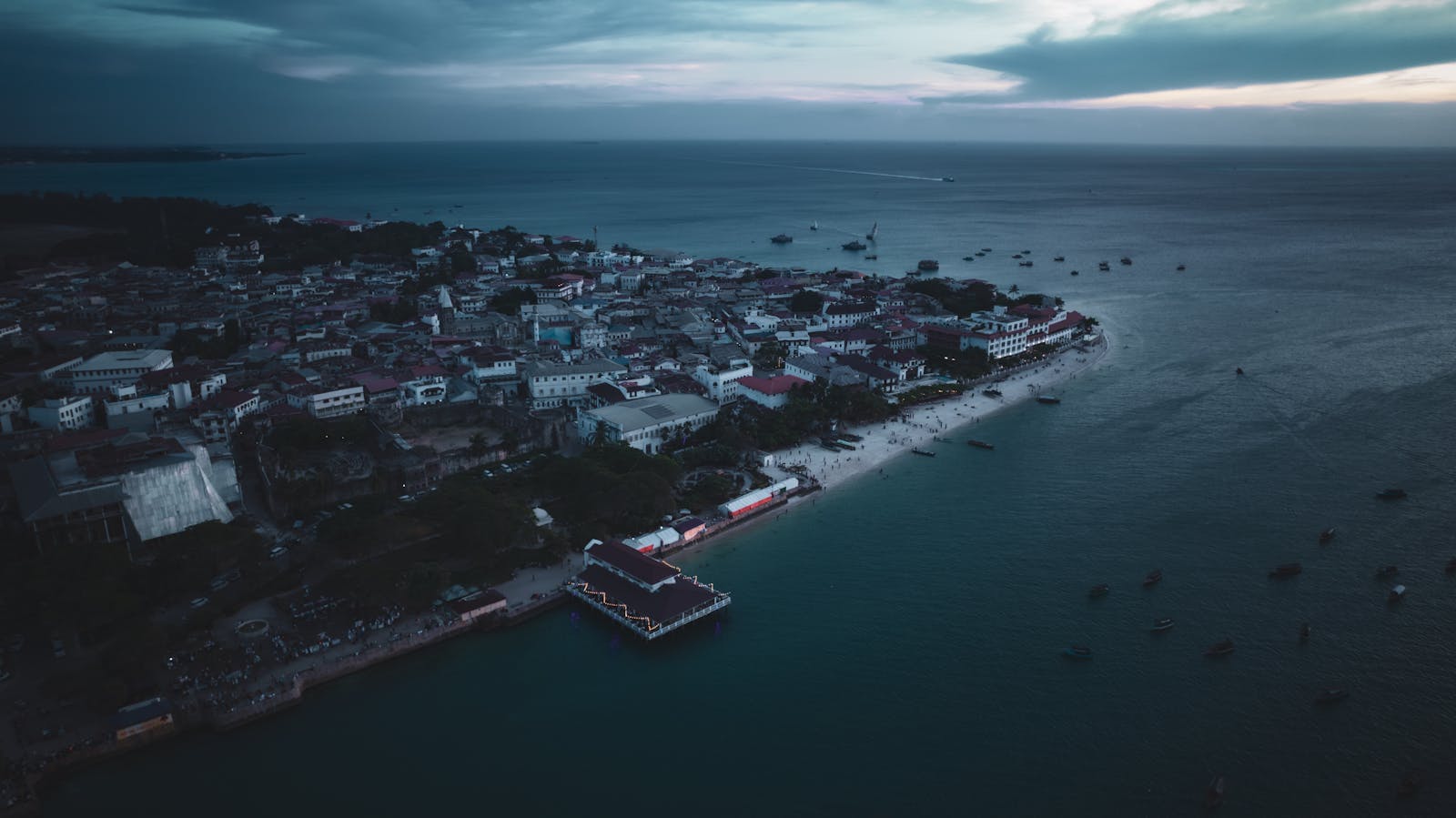
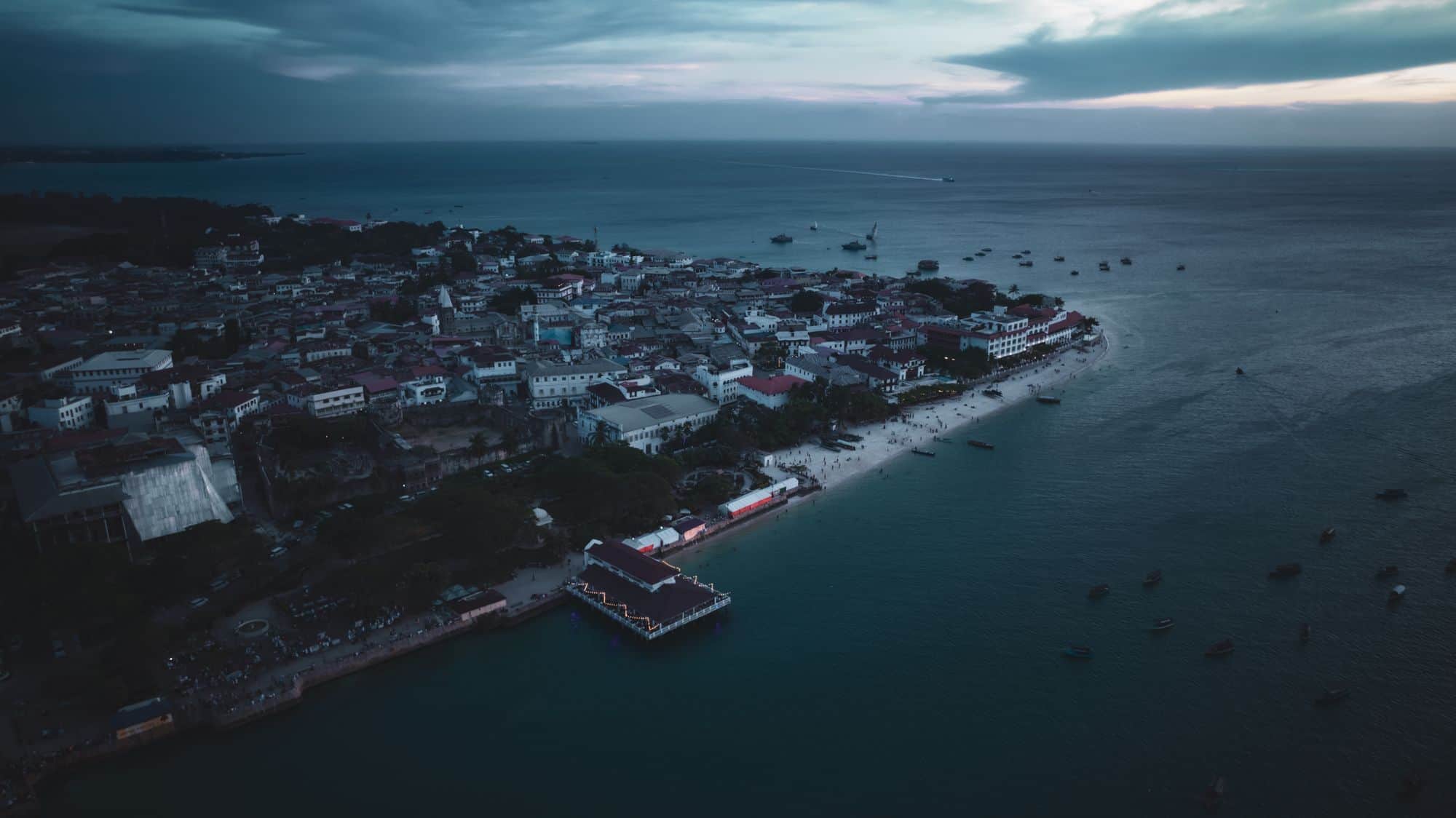
Zanzibar’s old capital is a UNESCO World Heritage Site: narrow alleys, carved wooden doors, rooftop cafés and mosques, Hindu temples and churches side by side. See the Old Fort, the former slave market at the Anglican cathedral, and the house where Freddie Mercury was born.
In the evening, go to the Forodhani Gardens night food market on the seafront for grilled seafood and “Zanzibar pizza”.
Zanzibar holidays →
Nungwi and Kendwa (north)
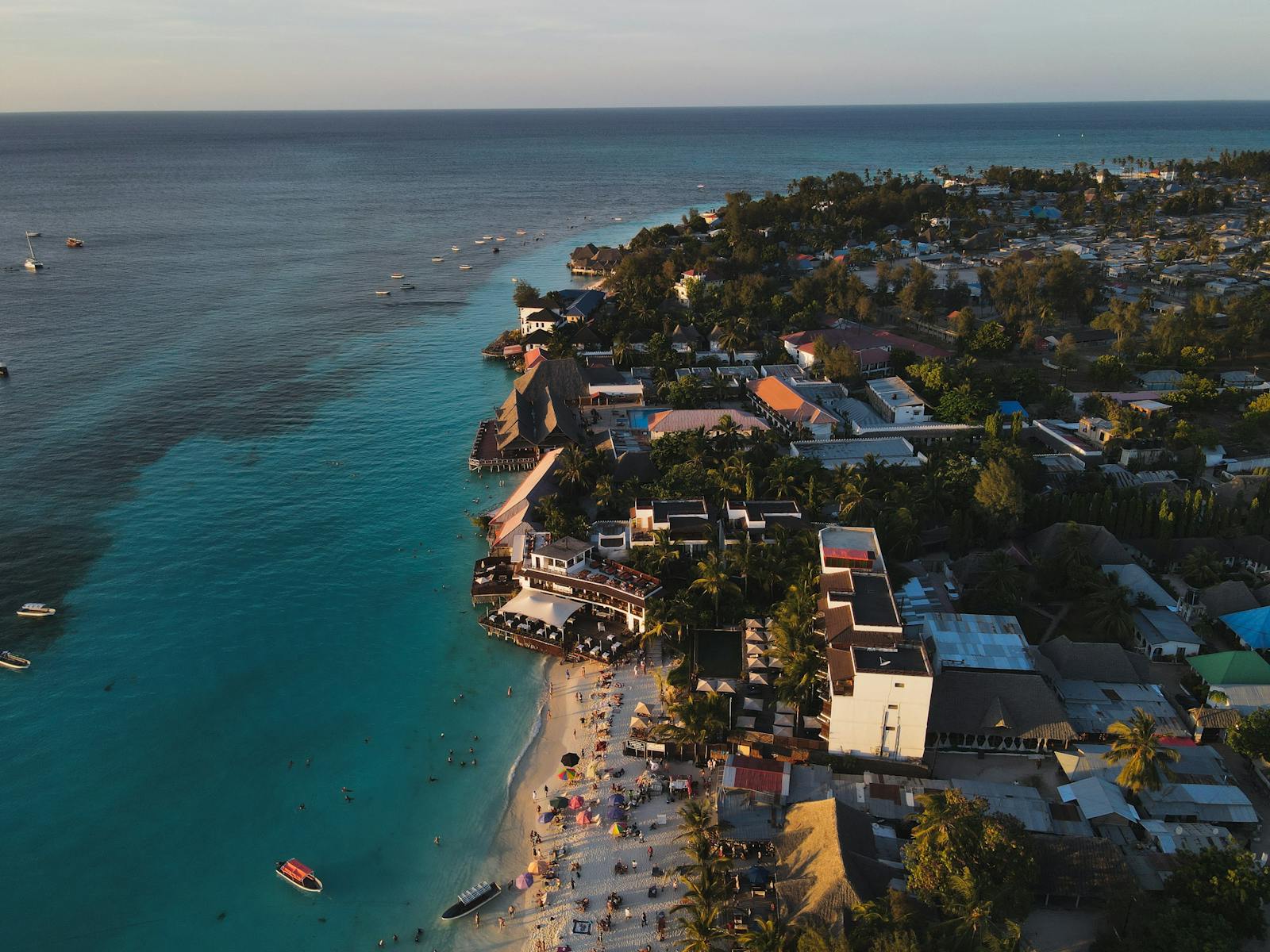
The northern tip has the island’s most reliable swimming beaches, because the tide here barely goes out. The beaches face west, so they get the best sunsets.
Nungwi is busier, with a fishing village, dhow builders and a turtle sanctuary; neighbouring Kendwa is calmer, with a long, wide beach.
Paje, Jambiani and the east coast
Long, powder-white beaches facing a reef. At low tide the sea pulls back hundreds of metres, leaving lagoons where local women farm seaweed. At high tide it’s turquoise and swimmable.
Paje is Zanzibar’s kitesurfing centre. Jambiani and Michamvi further south are quieter, and Michamvi faces west for sunsets.

Matemwe and Mnemba
The north-east coast faces Mnemba Atoll, a marine conservation area with the island’s best snorkelling and diving: turtles, reef fish and, often, dolphins.
Matemwe village is quiet and traditional, so this is a good choice for couples and anyone who wants calm days in the water.
Spice farms and Jozani Forest
Zanzibar is the “Spice Island”. A guided spice farm tour lets you taste fresh cloves, nutmeg, cinnamon and vanilla straight from the plant.
In Jozani Forest, the island’s only national park, you can see the Zanzibar red colobus monkey, which lives nowhere else on earth. Both are easy half-days from any beach.
Pemba and Mafia
For something wilder, Pemba to the north and Mafia to the south are short flights away. Both have steep reef walls and very few visitors.
Mafia is known for whale sharks, usually from about October to March.
A day in Stone Town
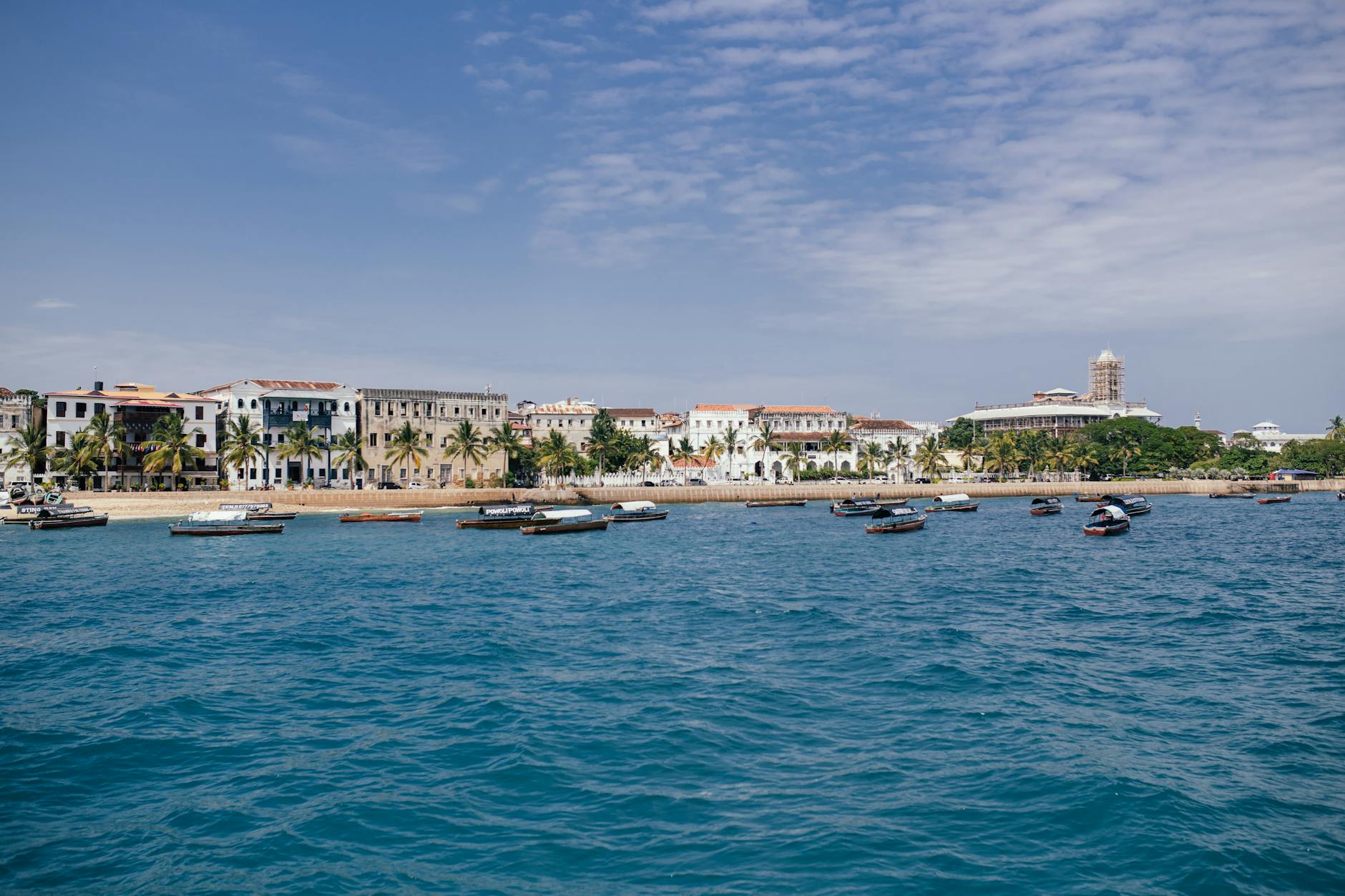
Morning: walk the old town with a local guide before the heat. Look for the carved doors (Indian ones have brass studs, Arab ones carved verses), the Old Fort and the Darajani market.
Afternoon: visit the former slave market and the Anglican cathedral built on its site. It’s a sobering and important stop. Then take a boat to Prison Island, home to giant tortoises.
Evening: watch the sunset from a rooftop or a dhow, then eat at the Forodhani Gardens night market.
Safari and Zanzibar
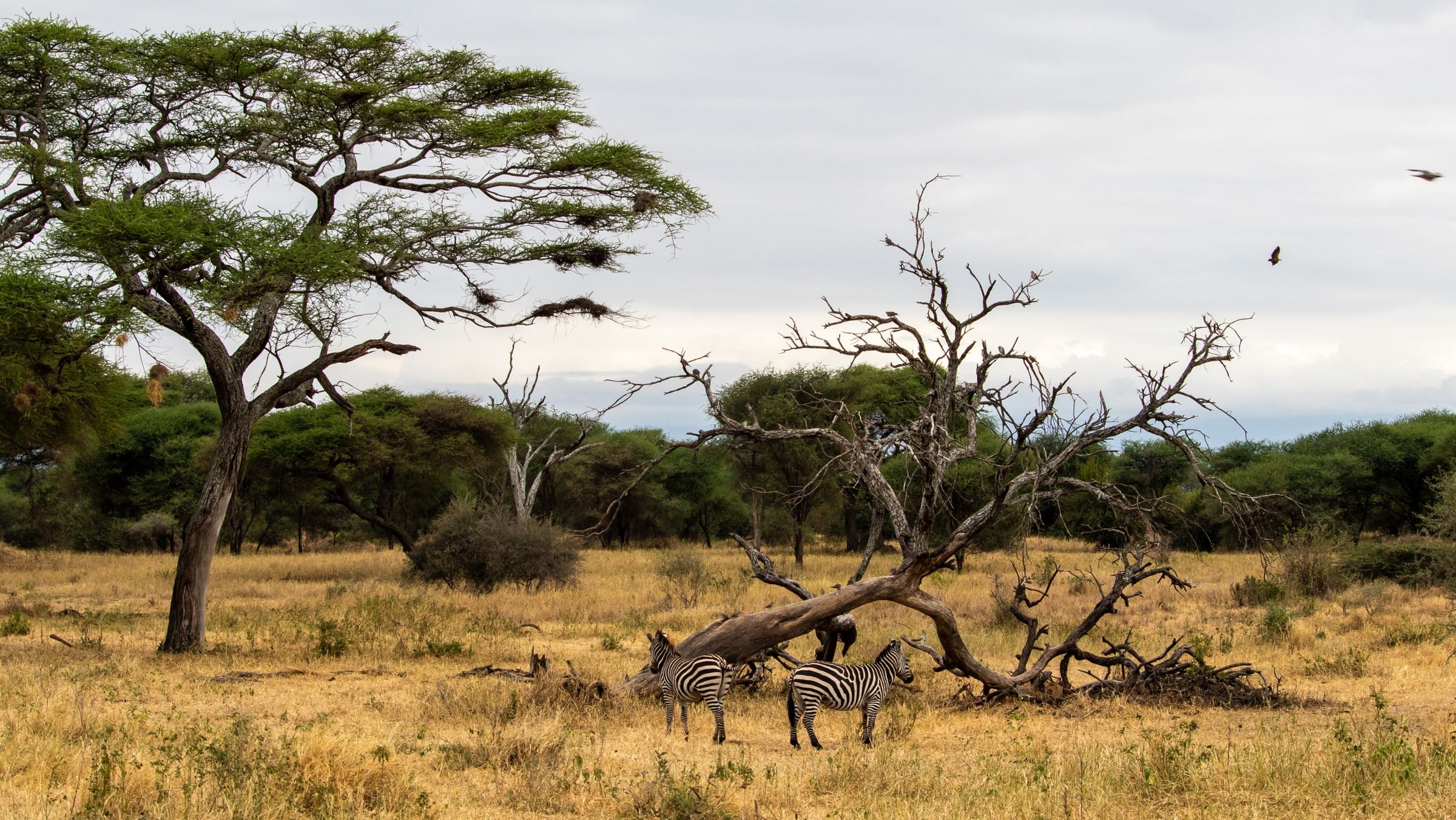
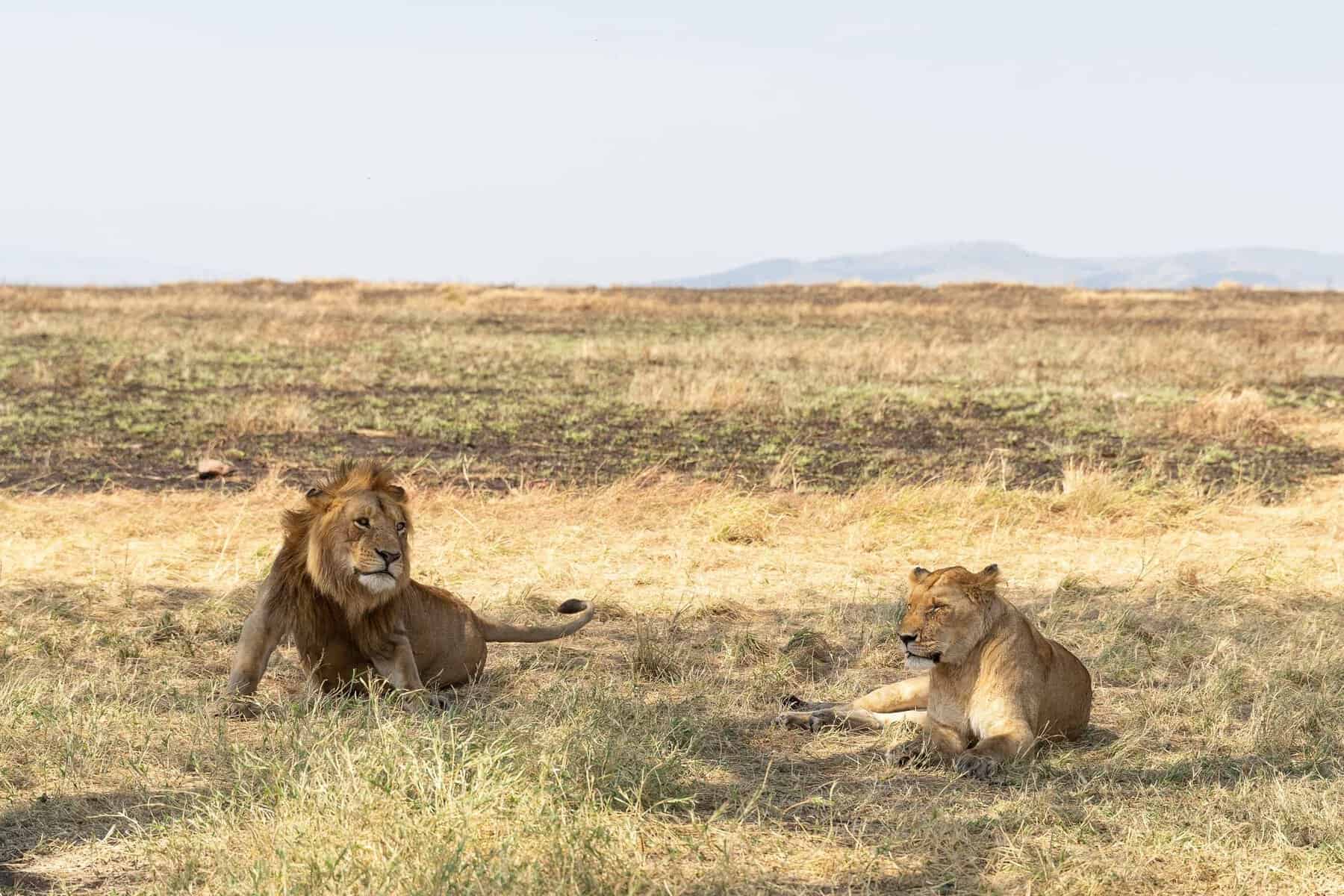
Most of our clients come to Zanzibar after a safari in northern Tanzania, or after the Masai Mara in Kenya. Flights from the Serengeti or Arusha to Zanzibar take about one to two hours, so you can be on the beach by lunchtime. Read our safari and beach guide for how Zanzibar compares with the Kenyan coast, Mozambique and Mauritius.
Northern Tanzania and Zanzibar
- Arusha (1 night)
- Tarangire (1)
- Serengeti (3)
- Ngorongoro Crater (1)
- Fly to Zanzibar (4 to 5)
The classic: the Serengeti and the Crater, then a week of beach and Stone Town.
Kenya, Tanzania and Zanzibar
- Nairobi (1 night)
- Masai Mara (3)
- Serengeti (3)
- Ngorongoro (1)
- Zanzibar (4)
Both sides of the Migration country. Best from July to October.
Zanzibar on its own
- Stone Town (2 nights)
- North or east coast (5 to 7)
A long beach holiday with culture. Add a spice tour, Jozani and a day on Mnemba.
On and under the water

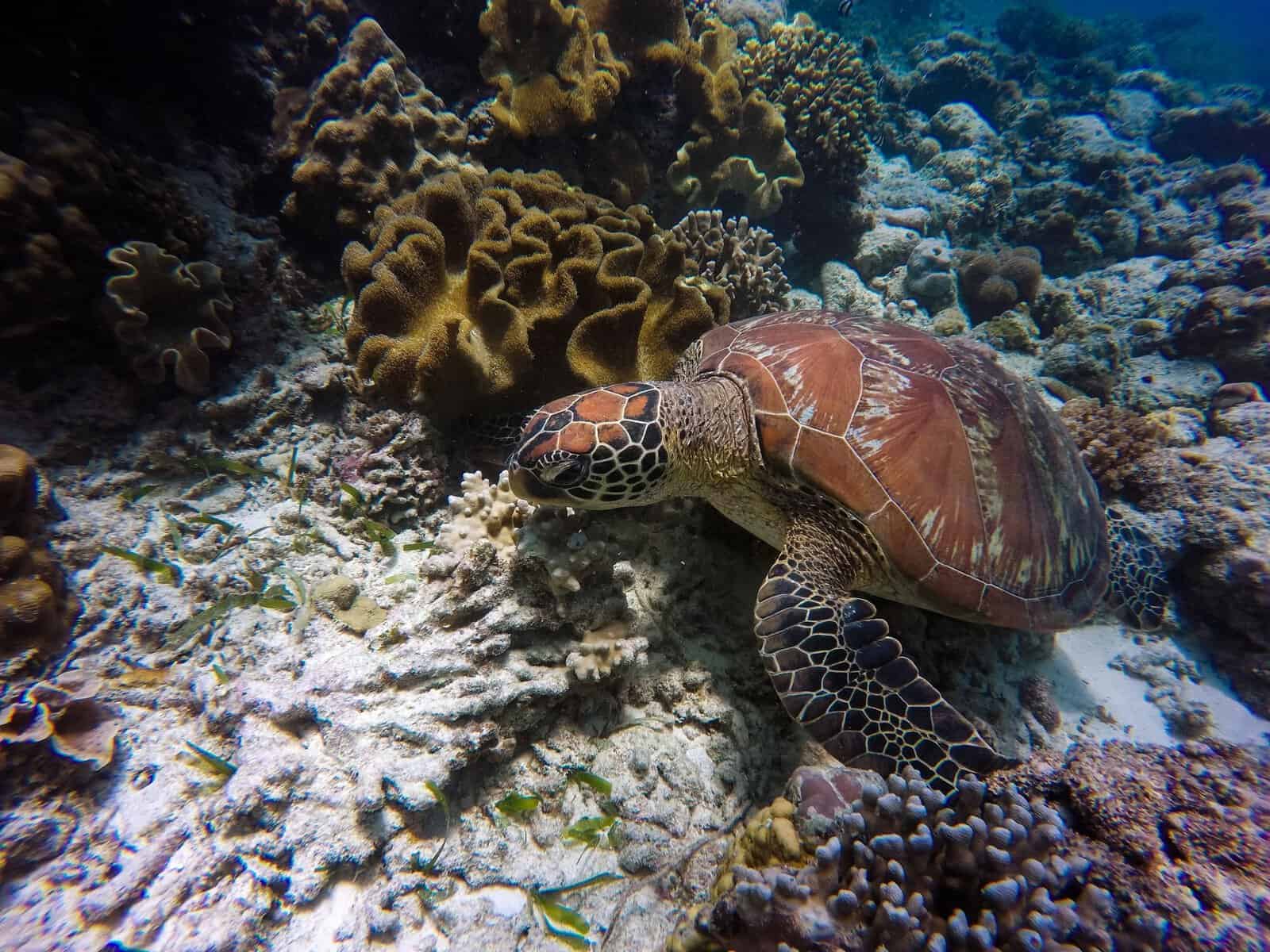


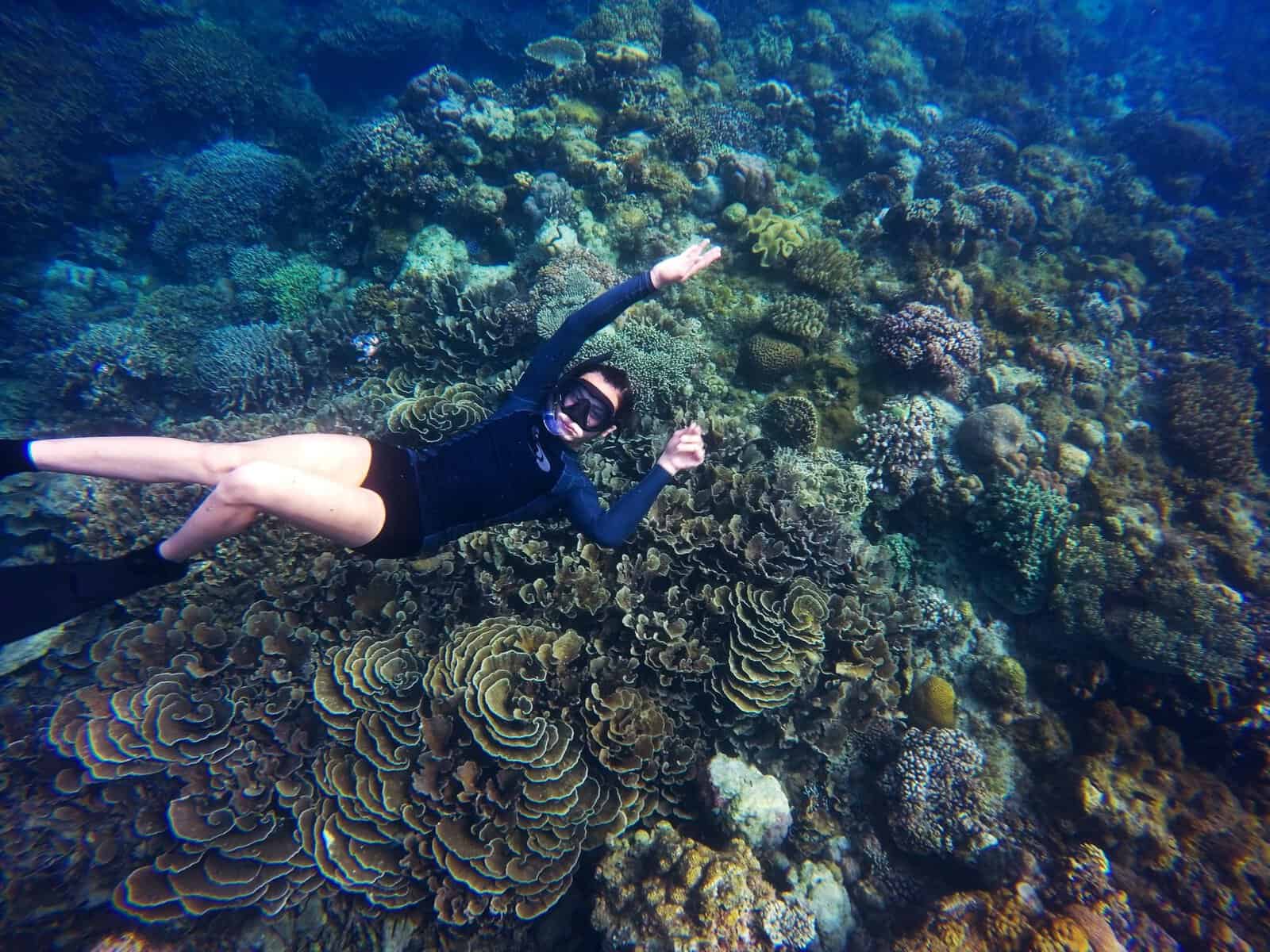
- Snorkelling and diving: Mnemba Atoll is the highlight; Chumbe Island, a protected coral reef off Stone Town, is a good day trip from the west side.
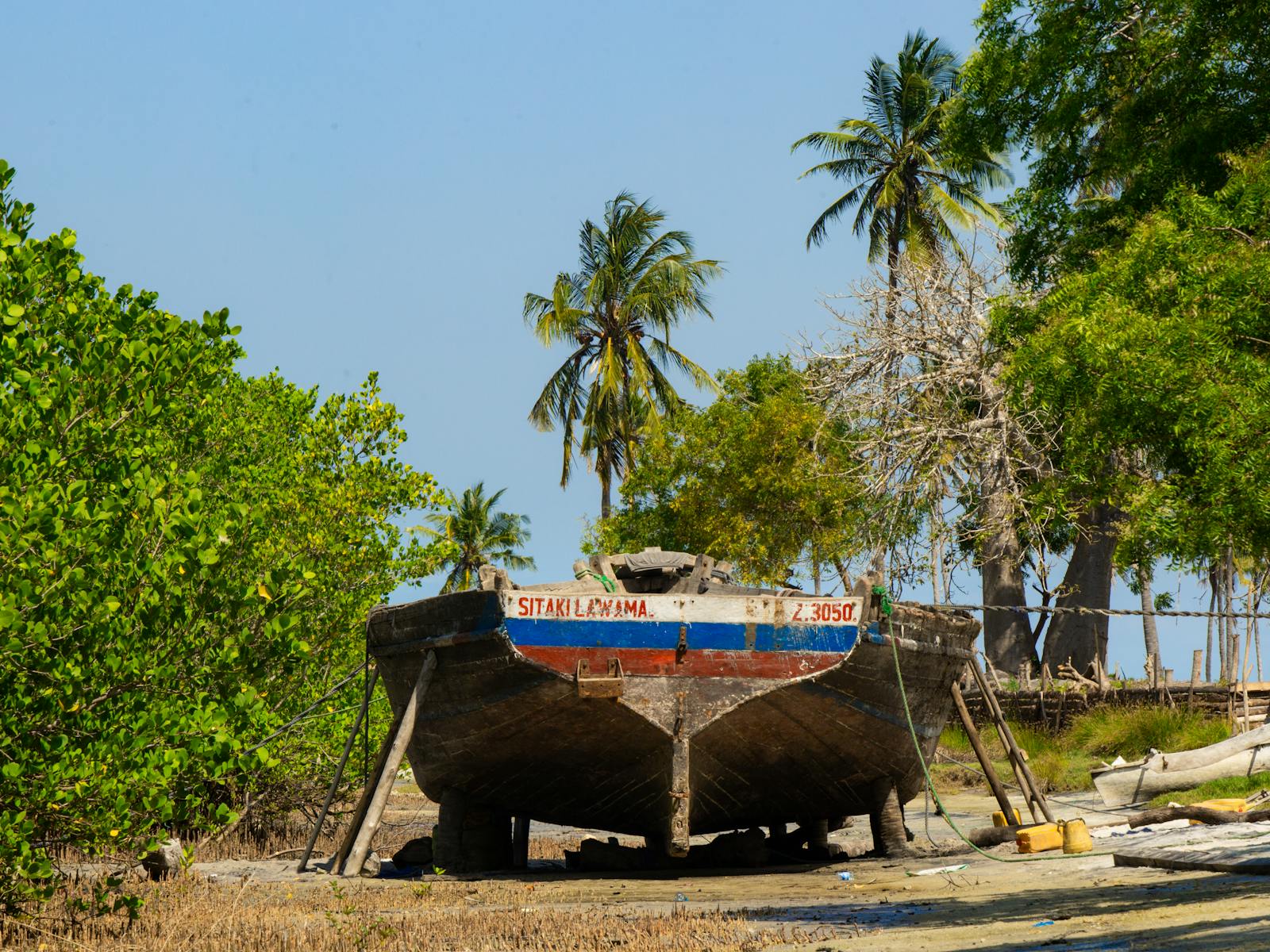
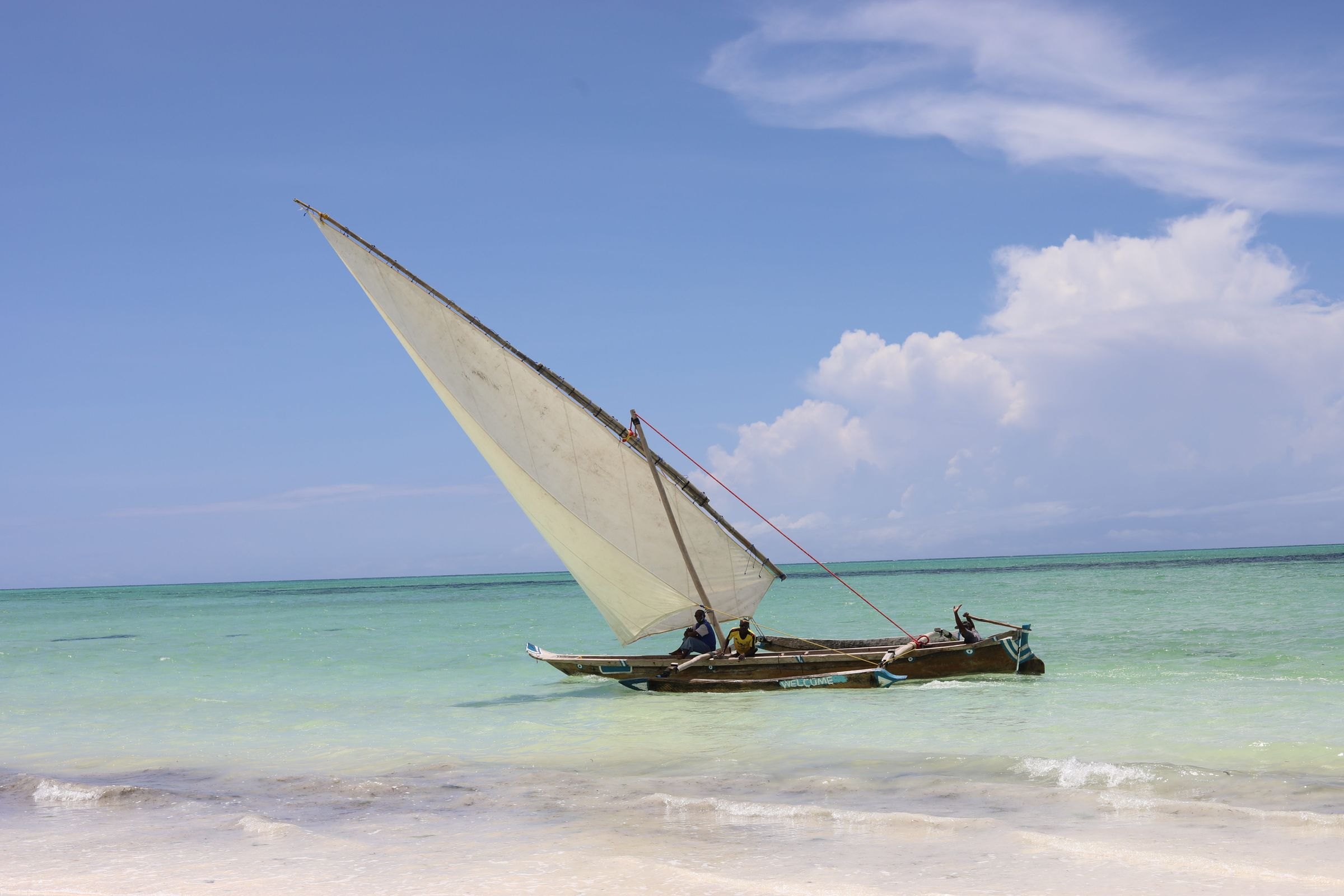
- Sandbanks and dhows: half-day dhow trips go out to sandbanks for swimming and grilled seafood. Sunset dhow cruises leave from Stone Town, Nungwi and Kendwa.
- Kitesurfing: Paje has steady trade winds from about June to October and December to February, with schools for beginners.
- Swimming with dolphins: trips from Kizimkazi in the south are popular, but choose an operator that keeps its distance and doesn’t chase the animals.
When to go
Zanzibar is hot all year (around 28 to 32°C). The two dry seasons, June to October and December to February, match the best safari months on the mainland. The long rains peak in April and May, when some beach hotels close, and there are shorter rains in November.
- June to October: dry, sunny and a little cooler, with breezes. It’s peak season, and it matches the Migration in the Serengeti and the Mara.
- December to February: hot and humid with calm seas, which is great for diving. Christmas and New Year book up early.
- March to May: the long rains. It’s quieter and greener, but April and May are often very wet.
- Ramadan: the dates move each year. Restaurants in Stone Town may close in the day, but beach hotels run as normal.
Ways to see Zanzibar with us




Practical tips
- Entry: British visitors need a visa for Tanzania, which can be applied for online before travel. Zanzibar also requires visitors to buy its own inbound travel insurance, on top of your normal travel insurance. Check the FCDO Tanzania advice before you book and again before you fly.
- Dress and customs: Zanzibar is mainly Muslim. Swimwear is fine on hotel beaches, but cover shoulders and knees in Stone Town and the villages, and ask before photographing people.
- Health: antimalarials are usually advised for Zanzibar and mainland Tanzania. Ask a travel nurse six to eight weeks before you go, and about yellow fever if you’re arriving from another African country.
- Money: US dollars are widely accepted. Bring clean notes printed after 2009, as older ones are often refused.
- Plastic bags: single-use plastic carrier bags are banned in Tanzania and Zanzibar, so leave them out of your luggage.
Frequently asked questions
How many days do you need in Zanzibar?
Five to seven nights is ideal: one or two in Stone Town and the rest on a beach. Three or four nights works well as an add-on after a safari, but allow at least a full day for Stone Town.
Which side of Zanzibar is best?
The north (Nungwi and Kendwa) is best for swimming at any time of day, because the tide barely goes out, and for sunsets. The east coast (Paje, Jambiani, Matemwe) has quieter, longer beaches and reefs, but at low tide the sea goes out a long way.
What is Stone Town known for?
Stone Town is Zanzibar's UNESCO-listed old town, known for its carved doors, narrow lanes, spice and food markets, the former slave market, the Old Fort and the Forodhani Gardens night food market. It's also where Freddie Mercury was born.
When is the best time to visit Zanzibar?
June to October and December to February are the dry seasons, with sunshine and calm seas. April and May are the wettest months, and some hotels close then. November has short rains.
Is Zanzibar part of Tanzania?
Yes. Zanzibar is a semi-autonomous region of Tanzania, made up of Unguja (the main island, usually just called Zanzibar), Pemba and smaller islands. You need a Tanzanian visa, and Zanzibar has its own compulsory inbound travel insurance.
Can you combine a safari with Zanzibar?
Yes, and most people do. Flights from the Serengeti, Arusha or Kilimanjaro reach Zanzibar in about one to two hours, and Nairobi is about an hour and a half. A typical trip is a week on safari, then four or five nights on the island.
Is Zanzibar good for families?
Yes. The north coast has calm swimming at all tides, and children love the giant tortoises on Prison Island, the monkeys in Jozani Forest and dhow trips. Choose a beach hotel with a pool, as east coast beaches change a lot with the tide.
Keep planning
- Zanzibar holidays
- Tanzania holidays
- Tanzania safari and Zanzibar
- Zanzibar short break
- Tanzania holiday guide
- Safari and beach holidays
- Kenya holiday guide
- All safari holidays
- Tailor-made holidays
Plan your Zanzibar holiday with a Travel Designer
Tell us your dates and whether you want a safari first. We’ll match the coast, the hotel and the transfers to your trip, all ATOL-protected.
Make an enquiry Zanzibar holidays