Where to stay in Zanzibar comes down to one thing most guides skip: the tide. On the north coast, around Nungwi and Kendwa, the sea stays close and you can swim at almost any time of day. On the east coast, from Matemwe down to Paje and Jambiani, the reef is further out and at low tide the sea can retreat hundreds of metres, leaving lagoons, sandbanks and seaweed farms. Both coasts have some of the best beaches in Zanzibar. They simply suit different holidays.
This guide goes beach by beach: what the sand and the sea are like, how the tide behaves, who each area suits and how many nights to give it. It also explains how Zanzibar all-inclusive works, what is usually included and where the all-inclusive resorts are. For Stone Town, spice farms and Jozani Forest, see our Zanzibar holiday guide, and for the weather, our guide to the best time to visit Zanzibar.
The quick answer
- Best for swimming: Kendwa and Nungwi in the north, where the tide barely goes out.
- Best for all-inclusive: the north-east coast around Kiwengwa and Pwani Mchangani, which has the biggest resorts.
- Best for snorkelling and diving: Matemwe, facing the Mnemba Atoll.
- Best for kitesurfing: Paje, from about June to October and December to February.
- Best for quiet and sunsets on the east coast: the Michamvi Peninsula.
- How long: one or two nights in Stone Town, then four to seven on one beach, or split a week between the north and the east.
Zanzibar trips we plan
- Tanzania safari and Zanzibar: Tarangire, the Serengeti and the Ngorongoro Crater, then seven nights all-inclusive on the north-east coast, with flights, from £4,329pp. Best from June to October or December to February.
- Kenya safari and Zanzibar: four nights in the Masai Mara, then five on the south-east coast, with flights, from £3,995pp. Best from July to October for the Great Migration.
- Safari and Zanzibar holidays: the routes that work, how many nights to give each and the flights between the parks and the island.
- Zanzibar tailor-made: we match the beach to the tides, the season and the way you like to holiday. Make an enquiry.
Zanzibar’s beach areas at a glance
Zanzibar’s main island, Unguja, is small enough to cross in a couple of hours by road, but each stretch of coast feels different. This is how the main areas compare.
| Area | Coast | Swimming | Best for | Nights |
|---|---|---|---|---|
| Nungwi | North tip | Easy at almost any tide | Sunsets, restaurants, a lively feel | 4 to 7 |
| Kendwa | North-west | Easy at almost any tide | Long, wide beach; quieter than Nungwi | 4 to 7 |
| Kiwengwa and Pwani Mchangani | North-east | Best around high tide | Large resorts, most of the all-inclusives | 5 to 7 |
| Matemwe | North-east | Best around high tide | Mnemba snorkelling and diving, quiet | 4 to 6 |
| Paje | South-east | Best around high tide | Kitesurfing, a sociable beach | 4 to 6 |
| Jambiani and Bwejuu | South-east | Best around high tide | Village life, long empty beaches | 4 to 6 |
| Michamvi Peninsula | East, facing Chwaka Bay on its west side | Best around high tide | Sunsets on the east coast, honeymoons | 4 to 6 |
| Stone Town | West, near the airport | Not a swimming beach | History, food, the night market | 1 to 2 |
Nights are a guide for a stay on one beach. Most beach areas are about an hour to an hour and a half by road from the airport, which is just outside Stone Town.
How the tides decide where you stay in Zanzibar
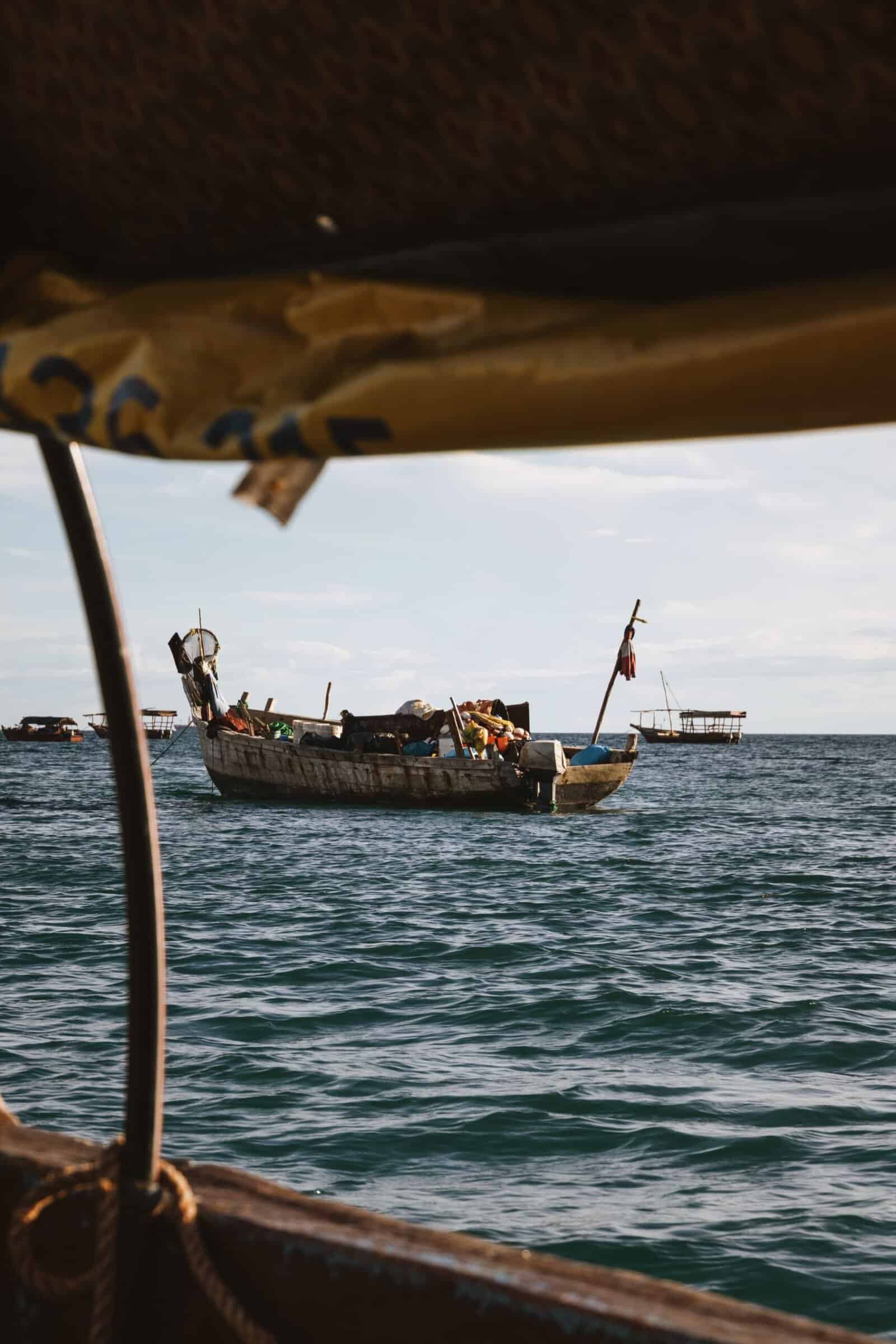
The east coast is fringed by a reef that sits well offshore, with a wide, shallow lagoon behind it. Twice a day the tide drains much of that lagoon. At low tide you can walk out across the sand and rock pools towards the reef, past the seaweed farms; at high tide the lagoon fills again and turns the turquoise you see in the photographs. The north is different: the water deepens quickly, so the sea stays close to the beach.
- Spring and neap tides: the biggest tides, when the sea goes out furthest, come around the full and new moon. Around the half moon the difference is much smaller.
- The timetable moves: high tide comes roughly 50 minutes later each day, so on the east coast the best swimming hours shift through your stay. Most hotels post the tide times at reception.
- Wear reef shoes: at low tide the lagoon floor has coral rubble, sea grass and sea urchins.
- The pool matters more in the east: on the east coast, a good pool makes the low-tide hours easy, especially with children.
None of this makes the east coast second best. Many people love the low-tide walks, the changing colours and the quiet, and the east has the island’s longest, whitest beaches. It just means you plan the day around the sea.
Seaweed farming
In the east-coast lagoons at Jambiani, Paje, Bwejuu and Matemwe you will see rows of sticks and lines in the shallows. These are seaweed farms, worked mostly by local women at low tide, and an important source of income in the villages. Walk around the lines rather than through them, and ask before taking photographs. Some villages offer visits to learn how the seaweed is grown and used.
Nungwi: the liveliest beach in the north
- North tip
- Swim at almost any tide
- Sunsets
- 4 to 7 nights
Nungwi, at the northern tip of Unguja, is the busiest beach village on the island and the easiest place to stay if you want restaurants, beach bars and a bit of life in the evening within walking distance. Fishing boats and dhows still come and go from the beach, and dhow builders work by hand on the sand. The sea stays close to the shore, so you can swim for most of the day, and the west-facing side of the point gets the island’s most famous sunsets, best seen from a sunset dhow cruise.
Nungwi also has a small turtle sanctuary in the village, and boats leave from here for the Mnemba Atoll and for sandbank and snorkelling trips. Hotels run from simple guesthouses to large resorts, and a few are all-inclusive. The trade-off is that Nungwi is busier and noisier than anywhere else on the coast, and the sand is narrower in places.
Who it suits: couples and friends who want to walk out to eat, first-timers, and anyone finishing a safari who just wants to swim. Less good for: people looking for a quiet, empty beach.
Our escorted East Africa Safari and Zanzibar ends with three days at Nungwi, and the Zanzibar short break pairs a night in Stone Town with two on the north coast.
Kendwa: the calmer north-west beach
- North-west coast
- Swim at almost any tide
- Sunsets
- 4 to 7 nights
Kendwa is a short walk or boat ride down the west coast from Nungwi, and for many people it is the best beach in Zanzibar for a classic beach holiday: a long, wide strip of white sand, calm water you can swim in at almost any time of day, and the sun setting straight over the sea. It is quieter than Nungwi, with fewer bars and restaurants outside the hotels, and it has a monthly full-moon beach party that is worth knowing about if you want either to join in or avoid it.
Who it suits: honeymooners, families, and safari-goers who want an easy week of swimming and sunsets. Less good for: anyone who wants a village to explore on foot.
Kiwengwa and Pwani Mchangani: the resort coast
- North-east coast
- Swim around high tide
- Most all-inclusives
- 5 to 7 nights
The stretch of the north-east coast from Pwani Mchangani south through Kiwengwa to Pongwe is where most of Zanzibar’s large resorts are, and most of its all-inclusive hotels. The beaches are long and white, with the reef offshore and a lagoon that empties at low tide. Big pools, several restaurants and organised activities make up for the tide, and the villages behind the beach are small, so most people eat in the hotel. That is why this coast suits all-inclusive so well.
Our Tanzania safari and Zanzibar trip ends with seven nights all-inclusive at Pwani Mchangani.
Who it suits: families and couples who want everything in one place and fixed costs. Less good for: anyone who wants to explore on foot or eat locally.
Matemwe and the Mnemba Atoll
- North-east coast
- Swim around high tide
- Snorkelling and diving
- 4 to 6 nights
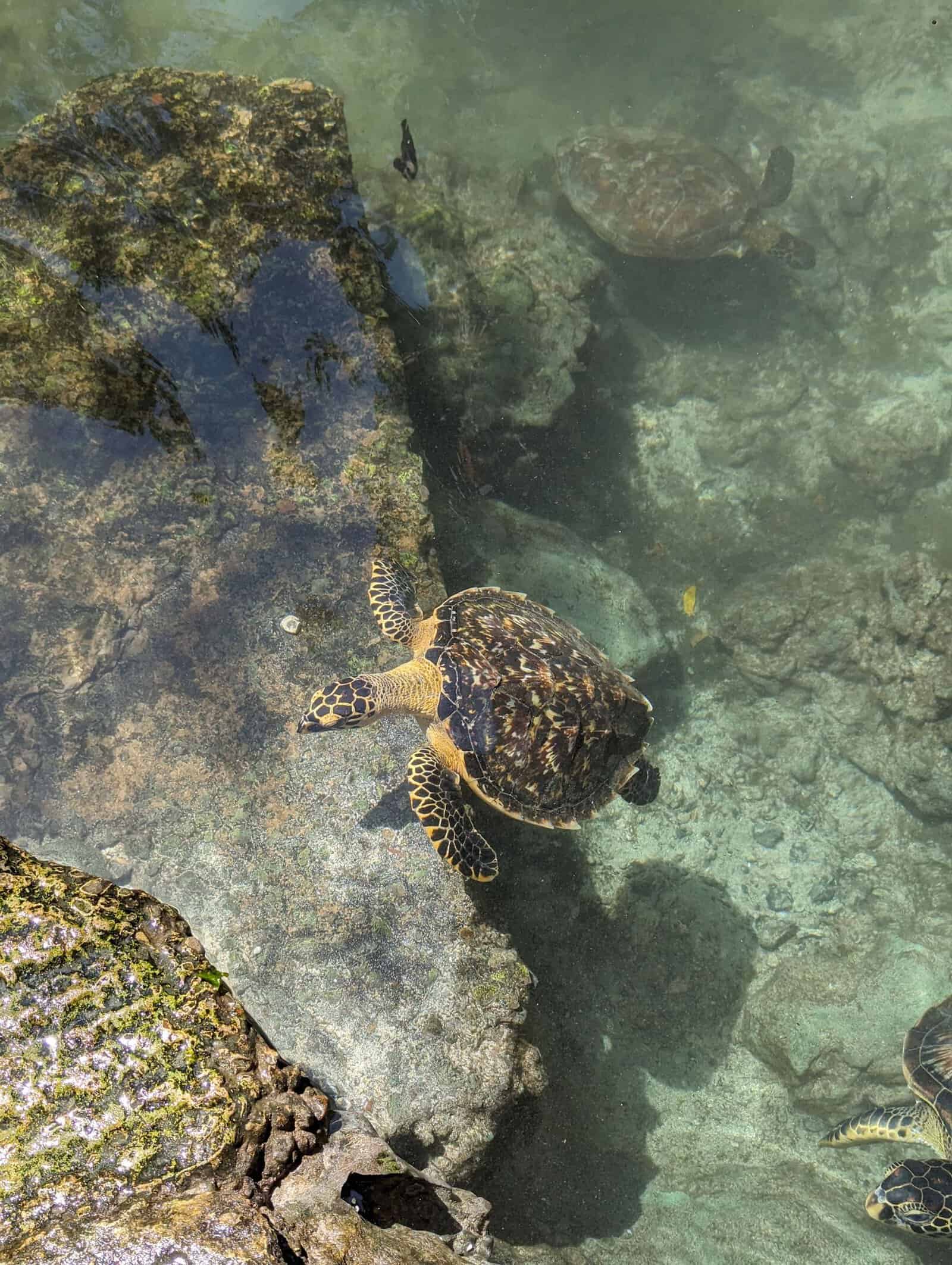
Matemwe is a long, quiet fishing village on the north-east coast, looking straight out at the Mnemba Atoll, a marine conservation area with the best snorkelling and diving around Zanzibar. Expect turtles, reef fish and, often, dolphins. Mnemba Island itself is private, but boats from Matemwe reach the reefs around it in a short ride, so you can be in the water before the day trips from the rest of the island arrive. A conservation fee is charged for trips to the atoll.
The beach is beautiful at high tide, and at low tide the lagoon empties to reveal sand, sea grass and seaweed farms. Hotels are smaller and further apart than in Nungwi, so it feels peaceful. For diving, the best visibility is usually from about October to March.

Who it suits: honeymooners, snorkellers and divers, and anyone who wants a quiet beach with a village to walk through. Less good for: people who want to swim at any time of day.
Paje: kitesurfing and the lagoon
- South-east coast
- Swim around high tide
- Kitesurfing
- 4 to 6 nights
Paje is the kitesurfing centre of Zanzibar. The reef keeps the lagoon flat and shallow, and the trade winds blow steadily from about June to October and December to February, so on a windy day the sky fills with kites. Kite schools along the beach teach complete beginners, and the shallow, sandy lagoon makes it a forgiving place to learn. When the wind drops, the beach is one of the widest and whitest on the island.
Paje has a younger, sociable feel, with beach bars, cafés and small hotels, and it is the easiest place on the east coast to eat out. It is also the gateway to Jozani Forest, home of the Zanzibar red colobus monkey, which sits on the road between Stone Town and the south-east coast.
Who it suits: kitesurfers, active couples and friends. Less good for: those who want calm, still days in the windy months, or easy swimming at all hours.
Jambiani and Bwejuu: village life on the south-east coast
- South-east coast
- Swim around high tide
- Quiet
- 4 to 6 nights
South of Paje, Jambiani is a long village strung out along the beach, with seaweed farms in the lagoon, fishing boats on the sand and small, often locally run hotels. It is one of the best places to see everyday coastal life, and it is quieter than Paje for kite lessons. North of Paje, Bwejuu has a long, palm-lined beach with the reef offshore and tides that leave wide sandbanks at low water. Both suit people who want space and simplicity more than nightlife.
Our Kenya safari and Zanzibar trip spends five nights on this coast, at Bwejuu.
Who it suits: independent travellers, couples and return visitors who want a slower pace. Less good for: anyone who wants a choice of restaurants and bars.
Michamvi Peninsula: sunsets on the east coast
- East coast
- Swim around high tide
- Sunsets and quiet
- 4 to 6 nights
The Michamvi Peninsula is the finger of land at the northern end of the south-east coast, beyond Bwejuu and Dongwe. Its east side has the usual long beaches and lagoon, while its west side faces across Chwaka Bay, so it is the one place on the east coast where you can watch the sun set over the water. It is quiet, with a handful of hotels from boutique to all-inclusive, and makes a good honeymoon base. Nearby Pingwe has a well-known restaurant built on a rock in the sea, reached on foot at low tide and by boat at high tide.
Who it suits: honeymooners and couples who want the east coast’s quiet with a sunset. Less good for: people who want to walk to restaurants and shops.
The south: Kizimkazi and Menai Bay
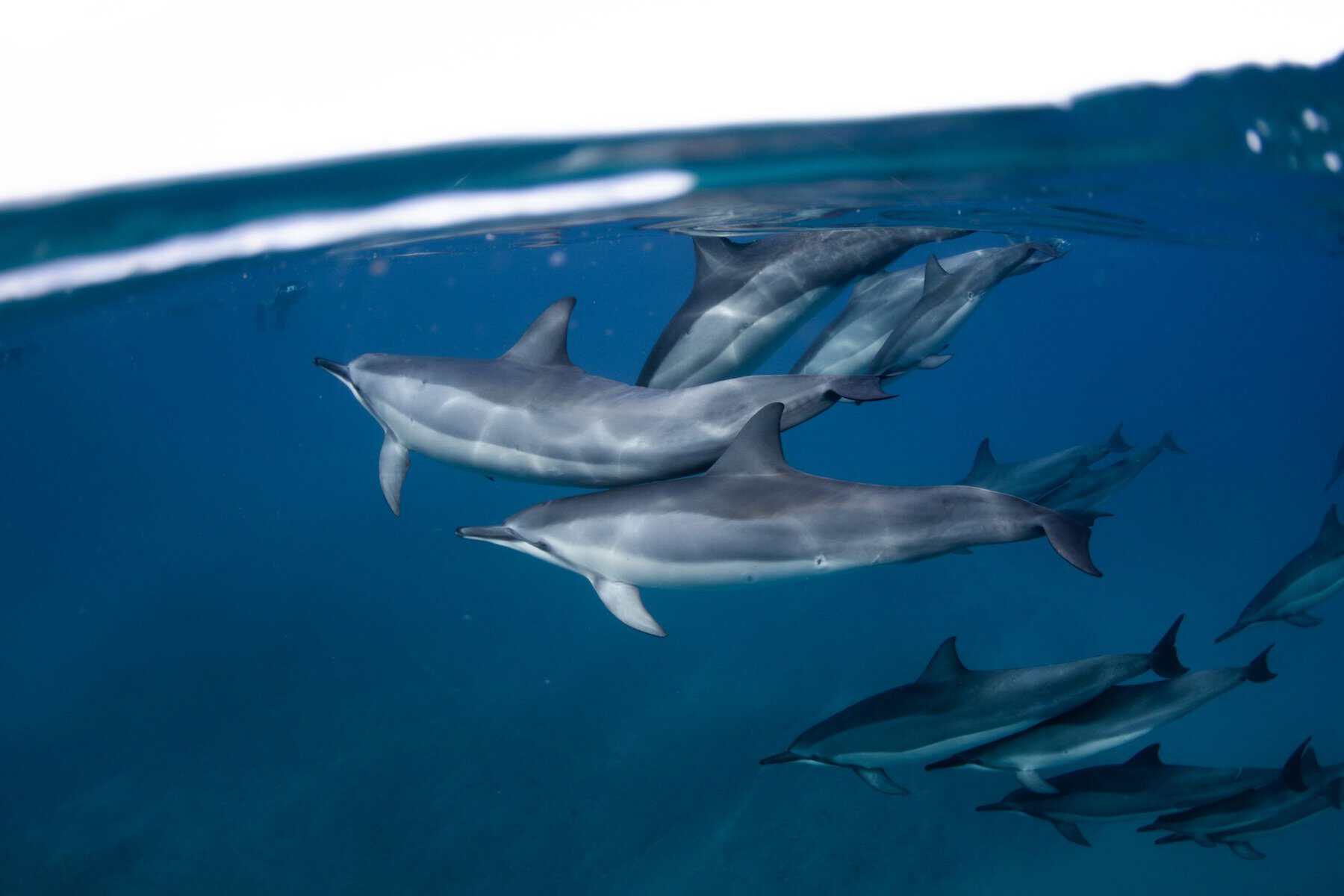
The far south of Unguja has fewer hotels. Kizimkazi is known for boat trips to see dolphins, and the Menai Bay Conservation Area to the west has sandbanks and mangroves that are visited by dhow. If you go dolphin-watching, choose an operator that keeps its distance and does not chase the animals. Most people visit the south on a day trip rather than staying there.
Stone Town: one or two nights
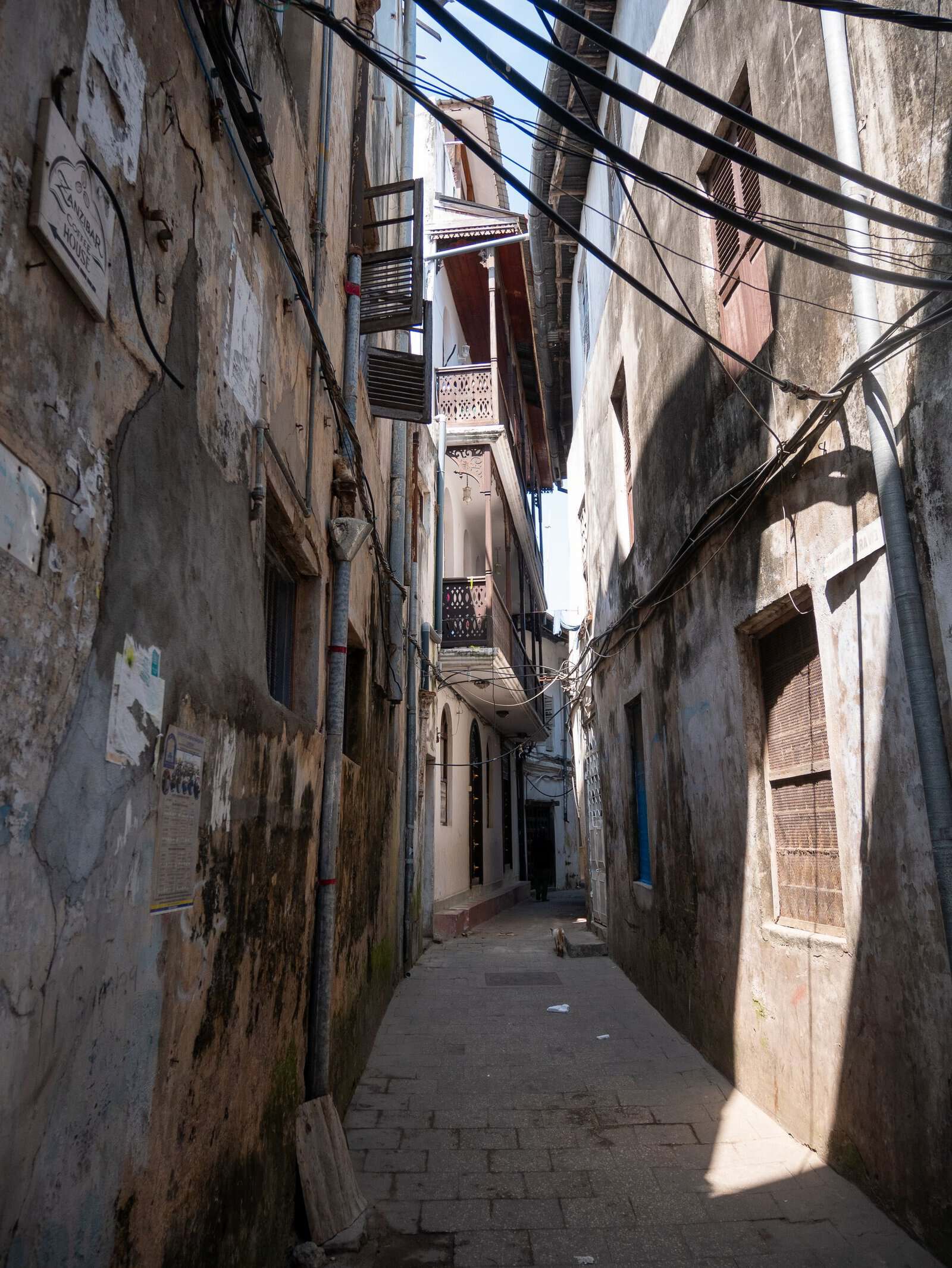
Stone Town, Zanzibar’s old capital and a UNESCO World Heritage Site, is not a beach base, but it is worth one or two nights at the start or end of your stay. Many of its hotels are in restored merchant houses with rooftop terraces, and staying in town lets you walk the lanes in the cool of the evening and eat at the Forodhani Gardens night food market. The airport is just outside town, so it works well before an early flight home. Our Zanzibar holiday guide has a day-by-day plan for the old town.
Zanzibar all-inclusive: what is included and where to stay
All-inclusive is popular on Zanzibar, especially with families and with couples coming off a safari, because it keeps costs predictable and everything is on hand. Packages vary from hotel to hotel, so treat this as a typical picture and check the details for the one you choose.
| Part of the stay | Usually included | Usually extra |
|---|---|---|
| Meals | Breakfast, lunch and dinner, mostly buffet; some hotels add one or two à la carte dinners a week | Extra à la carte restaurants or private dinners on the beach |
| Drinks | Soft drinks, local beer, house wine and local spirits, usually during set hours | Premium and imported brands, cocktails off the list, wine by the bottle, sometimes the minibar |
| Activities | The pool, the beach, often non-motorised water sports and some entertainment | Diving, kitesurfing, fishing, motorised water sports and spa treatments |
| Excursions | Rarely included | Stone Town, spice farms, Jozani Forest, Mnemba and sandbank trips by boat |
| Transfers | Included when you book a package with us | Booked separately if you book a hotel only |
Where the all-inclusive resorts are
Most of the all-inclusive resorts are on the north-east coast around Kiwengwa and Pwani Mchangani, with others at Nungwi and Kendwa in the north and on the Michamvi Peninsula. If swimming at any time of day matters most, choose one in the north. If you want the biggest choice of resorts and pools, choose the north-east.
Is all-inclusive the right choice?
- Yes, if you are staying on the north-east resort strip, where there is little to walk to; you are travelling with children; or you want a week of rest after a safari without thinking about bills.
- Think twice if you are staying in Nungwi, Paje, Jambiani or Stone Town, where local restaurants are part of the fun, or you plan several days out on excursions. Half board, which covers breakfast and dinner, is often the better balance.
- Drinks: Zanzibar is mainly Muslim, but alcohol is served in hotels, resorts and tourist restaurants. Dress modestly when you leave the hotel.
For all-inclusive Zanzibar holidays with flights, see our Zanzibar holidays page, or ask a Travel Designer to compare resorts on different coasts for your dates.
Which area of Zanzibar suits you?
| If you want | Stay in | Why |
|---|---|---|
| After a safari | Kendwa or Nungwi | Easy swimming, no tide timetable to plan around, and an hour or so from the airport |
| Honeymoon | Matemwe, Kendwa or the Michamvi Peninsula | Quiet beaches, sunsets on Kendwa and Michamvi, and Mnemba for snorkelling |
| Families | Kendwa or Nungwi; a north-east resort with a good pool | Swimming at any time of day in the north; fixed costs at an all-inclusive |
| All-inclusive | Kiwengwa and Pwani Mchangani; some hotels in Nungwi, Kendwa and Michamvi | The north-east strip has the most all-inclusive resorts |
| Kitesurfing | Paje, then Jambiani | Flat, shallow lagoon and reliable trade winds |
| Snorkelling and diving | Matemwe, or Nungwi and Kendwa | Closest to the Mnemba Atoll |
| Local life and food | Stone Town, then Jambiani or Paje | Markets, the night market, village restaurants |
Splitting your stay, and adding a safari
On a week or more, you can split your time between two coasts: for example, a night in Stone Town, three nights in Matemwe for the reef and three in Kendwa for easy swimming and sunsets. The transfer between them takes an hour or two by road. On a shorter stay, one beach is better than two.
Most of our clients come to Zanzibar after a safari in northern Tanzania or Kenya’s Masai Mara. Our safari and Zanzibar holidays guide covers the routes, how many nights to give each and the flights from the parks, and our Tanzania safaris page covers the parks themselves. If you are still choosing a beach, our safari and beach holidays guide compares Zanzibar with the Kenyan coast, Mozambique and Mauritius.
See Tanzania safari and Zanzibar Ask us to tailor this
Before you book
- Check the season. The dry seasons, June to October and December to February, are the best for the beach. The long rains peak in April and May, when some beach hotels close. Our best time to visit Zanzibar guide has the month-by-month detail.
- Ask about the tide. On the east coast, ask your Travel Designer how far the sea goes out in front of the hotel you are looking at, and whether it has a good pool.
- Book peak dates early. Christmas, New Year, Easter and the summer holidays fill the best beach hotels months ahead.
- Entry and health. UK visitors need a visa for Tanzania, and Zanzibar has its own compulsory travel insurance. Our Zanzibar holiday guide covers the practical details. Ask your GP or a travel clinic about vaccinations and malaria tablets, and check the current FCDO Tanzania travel advice before you book and again before you travel.
Frequently asked questions
Where is the best place to stay in Zanzibar?
For most people, Kendwa or Nungwi on the north coast, because you can swim at almost any state of the tide and the beaches face the sunset. Choose Matemwe for quiet and for snorkelling at the Mnemba Atoll, Paje for kitesurfing, and the Michamvi Peninsula for a quiet east-coast beach with sunsets. Add a night or two in Stone Town at the start or end.
Which side of Zanzibar is best for swimming?
The north and north-west, around Nungwi and Kendwa. The tide here does not go out far, so the water stays deep enough to swim for most of the day. On the east coast the sea can retreat hundreds of metres at low tide, so you swim around high tide or in the hotel pool.
Is Nungwi or Kendwa better?
Nungwi is livelier, with a fishing village, dhow builders, more restaurants and bars, and the busiest sunset scene. Kendwa, just to the south-west, is quieter, with a long, wide beach. Both have easy swimming. Choose Nungwi if you want to walk out to eat, and Kendwa if you want to stay put on the sand.
Is all-inclusive worth it in Zanzibar?
It is on the north-east coast around Kiwengwa and Pwani Mchangani, where most hotels are large resorts with few independent restaurants within walking distance, and for families who want fixed costs. In Nungwi, Paje, Jambiani and Stone Town, where there are plenty of places to eat, bed and breakfast or half board usually gives you better food for the money.
What does all-inclusive usually include in Zanzibar?
Usually all meals, mostly buffet, plus soft drinks, local beer, house wine and local spirits during set hours. Premium drinks, some à la carte restaurants, excursions such as Stone Town or Mnemba, diving, kitesurfing, spa treatments and motorised water sports are usually extra. Every hotel’s package is different, so check the details before you book.
Where is the best kitesurfing in Zanzibar?
Paje, on the south-east coast. A reef keeps the lagoon flat and shallow, and the trade winds blow from about June to October and December to February. There are kite schools for beginners along the beach. Jambiani, just to the south, is quieter for lessons.
Can you visit Mnemba Island?
The island itself is private, but you can snorkel and dive the reefs of the Mnemba Atoll on a boat trip. The north-east coast around Matemwe is the closest place to stay, and trips also run from Nungwi and Kendwa. Turtles, reef fish and dolphins are often seen.
How many nights should I spend in Stone Town?
One or two. One night lets you walk the old town in the evening and visit the night food market. Two give you a full day for the Old Fort, the former slave market and a spice farm tour. Most people stay at the start or end of the trip, as the airport is close to town.
Plan your Zanzibar beach stay with us
Tell us when you can travel, who is coming and whether you want a safari first, and our Travel Designers will match the coast and the hotel to the tides and the season, and arrange every flight and transfer. Ask a Travel Designer for current prices. Our flight-inclusive holidays are ATOL protected.
Keep planning
- Zanzibar holiday guide
- Best time to visit Zanzibar
- Zanzibar holidays
- Safari and Zanzibar holidays
- Tanzania safari and Zanzibar
- Kenya safari and Zanzibar
- Tanzania holiday guide
- Best time to visit Tanzania
- Honeymoons
- Make an enquiry
Updated November 2026. Guide prices were checked on our trip pages on 22 November 2026 and are per person, two sharing, with flights from London. Tide times and hotel packages vary; your Travel Designer will confirm everything for your dates.