Tanzania in brief
- Most first trips follow the northern circuit: Tarangire, the Ngorongoro Crater and the Serengeti, then fly to Zanzibar for the beach.
- The Great Migration is in the Serengeti all year; where depends on the month. See where the herds are.
- June to October and January to February are the dry seasons. The long rains peak in April. See when to go.
- UK visitors need a visa and Tanzania’s government travel insurance. Antimalarials are usually advised.
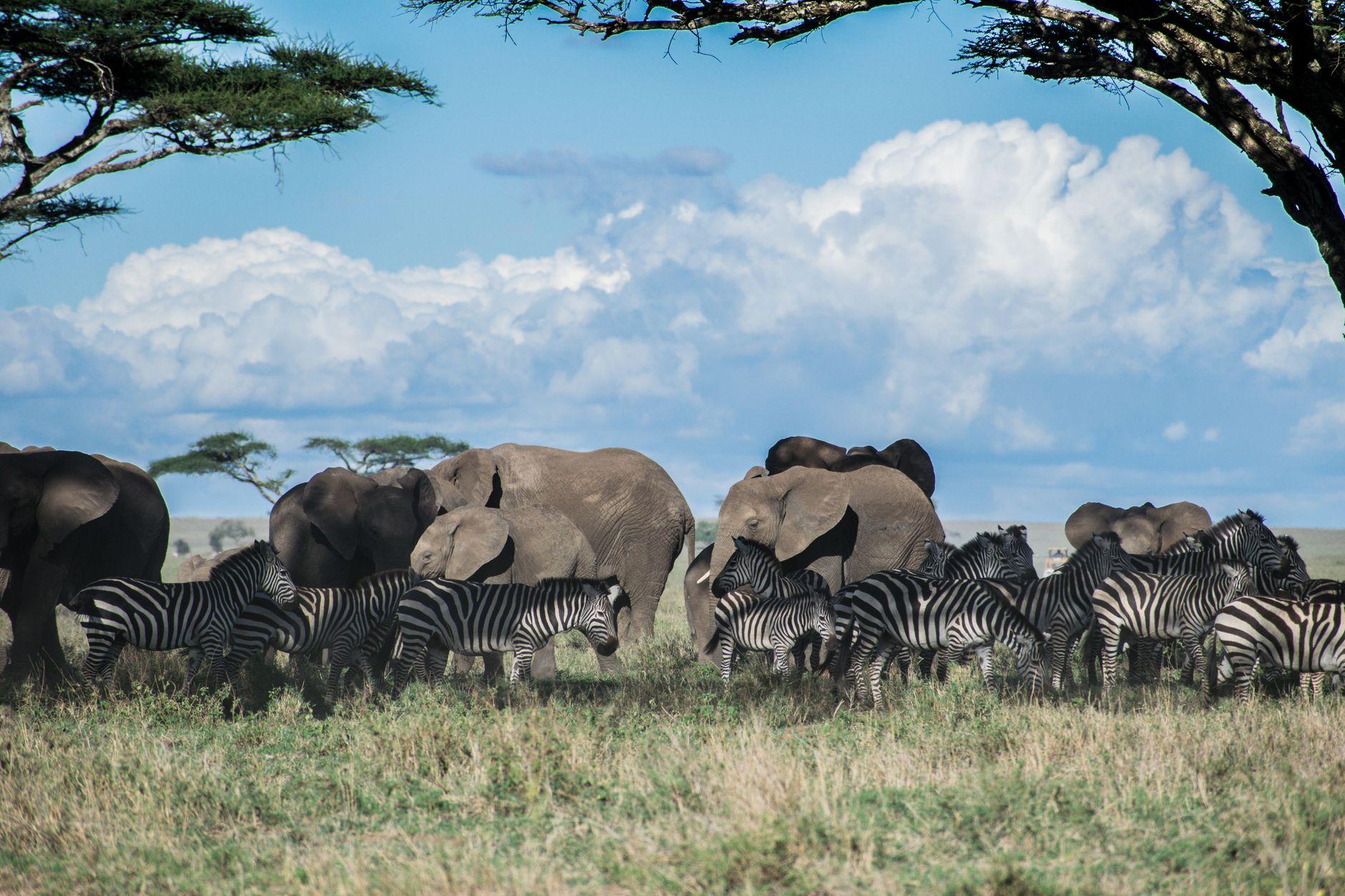
Tanzania is East Africa’s biggest safari country. It has the Serengeti and the Great Migration, the Ngorongoro Crater, Kilimanjaro, Africa’s highest mountain, and, off the coast, the beaches and spice markets of Zanzibar. About a third of the country is protected. Most visitors follow the “northern circuit” of parks from Arusha, then fly to the coast; the quieter southern and western parks are for second visits and real wilderness. This guide explains each area, how to plan a route, when to go and how the Migration moves through the year.
Where to go in Tanzania
The northern circuit (the Serengeti, Ngorongoro, Tarangire and Lake Manyara) is linked by road from Arusha, with light aircraft for longer hops. The southern parks are reached by small plane from Dar es Salaam or Zanzibar. Most trips end on the coast.
The Serengeti
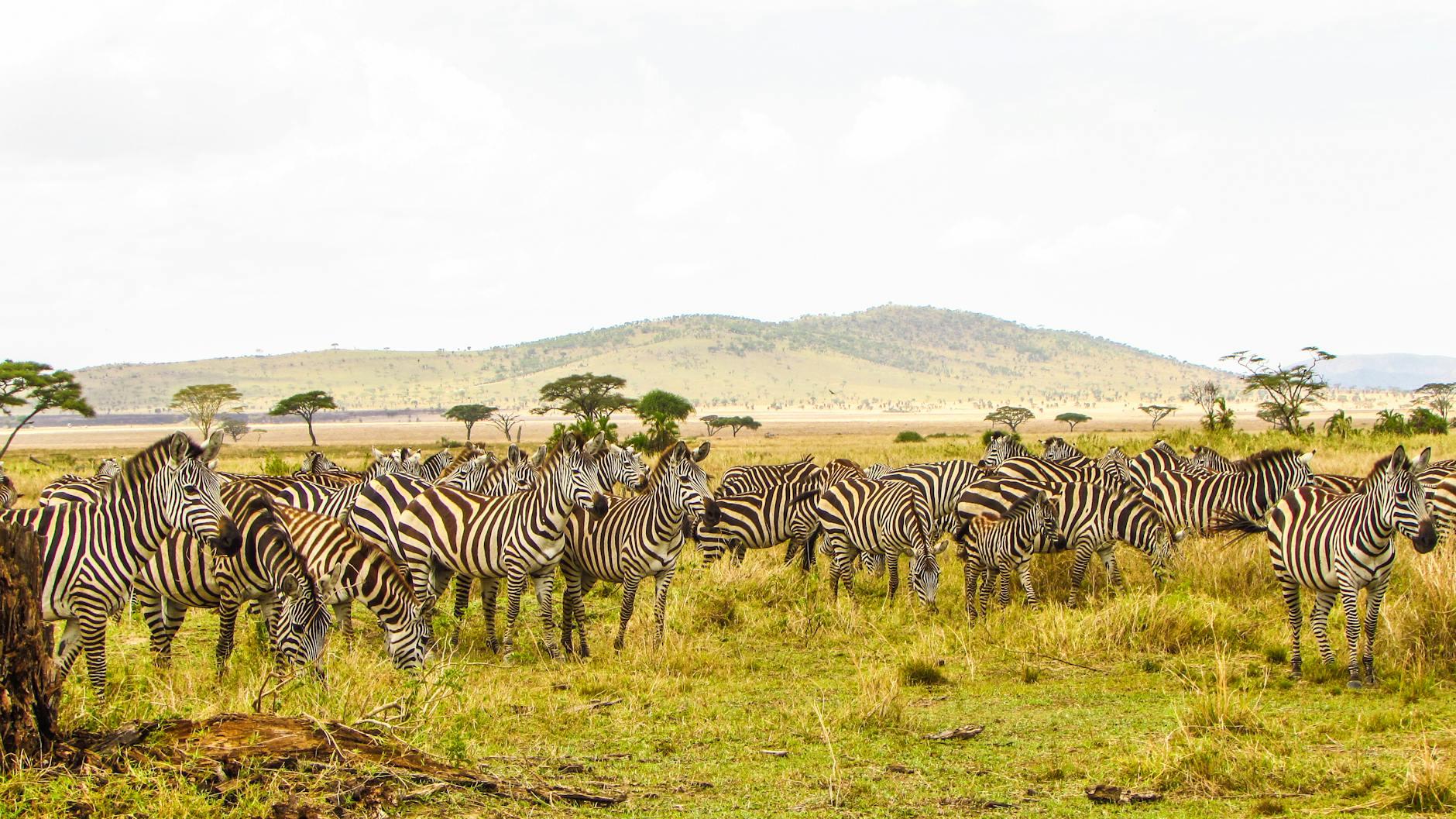
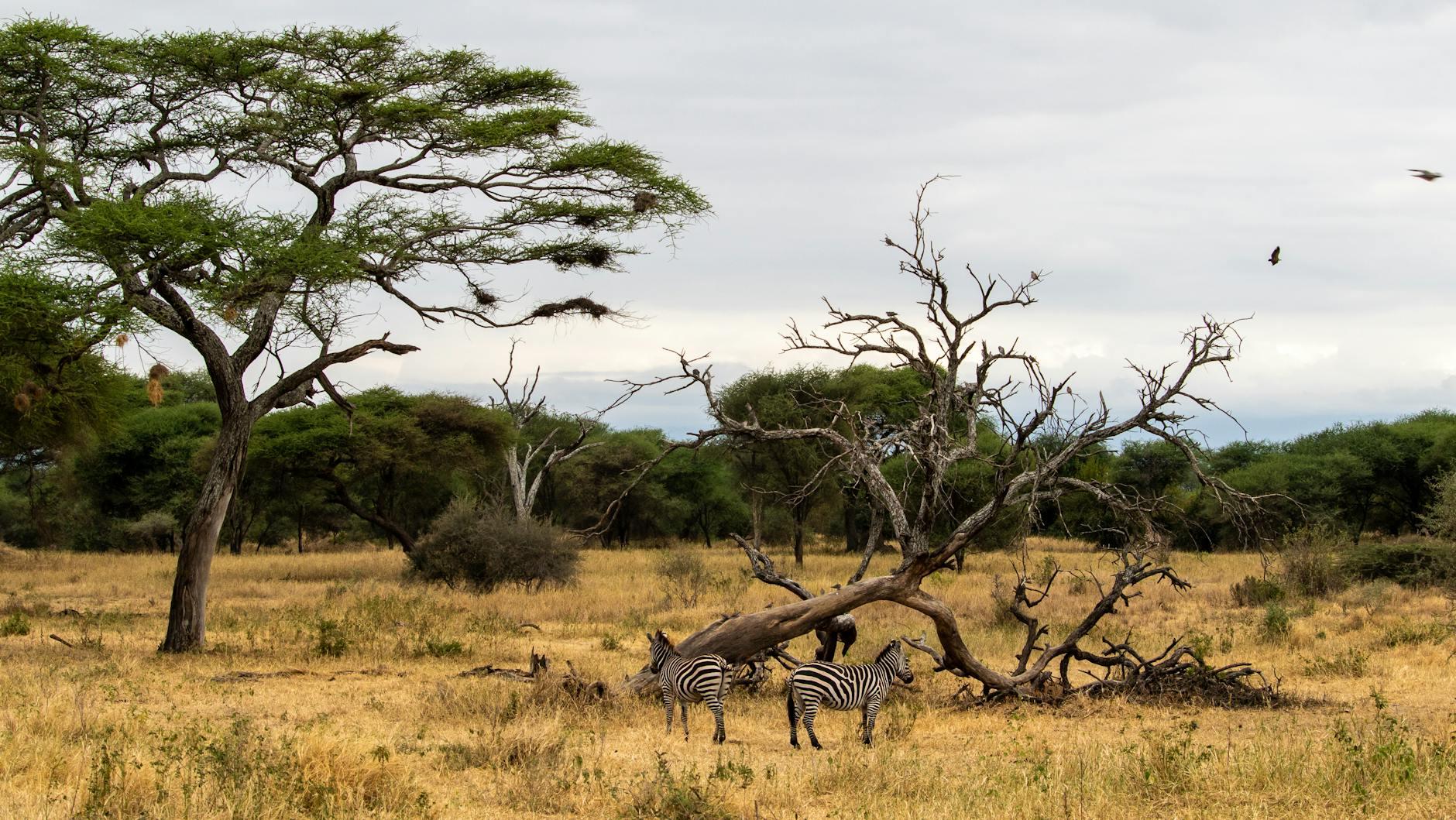
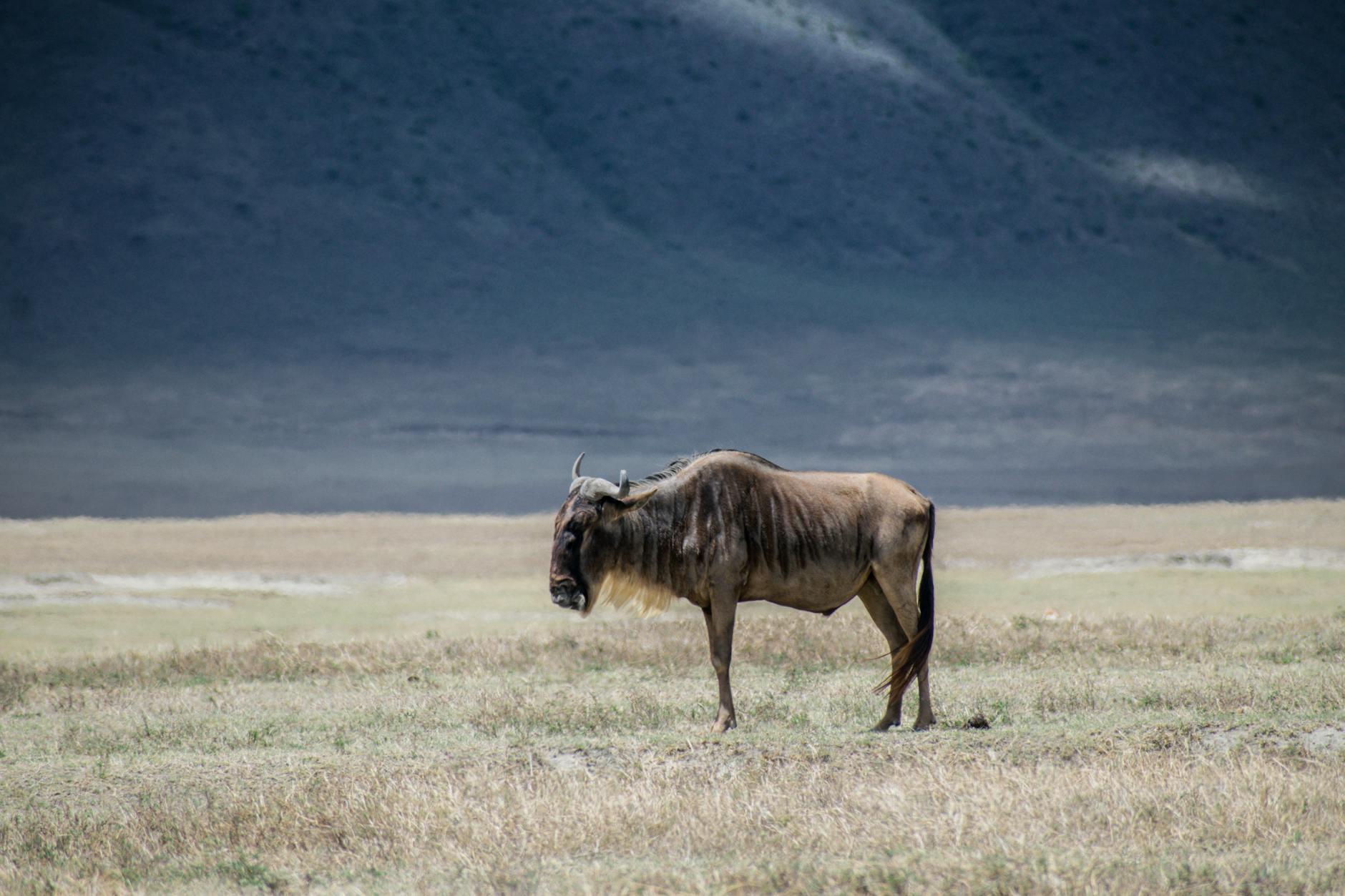
Tanzania’s most famous park covers about 14,750 km² of grassland and is a UNESCO World Heritage Site. Around two million wildebeest, zebras and gazelles follow the rains around it in a year-round loop, with lions, cheetahs and leopards close behind.
Where you stay should follow the herds: the south in the calving season, the north for the river crossings. See the Migration month by month.

The Ngorongoro Crater
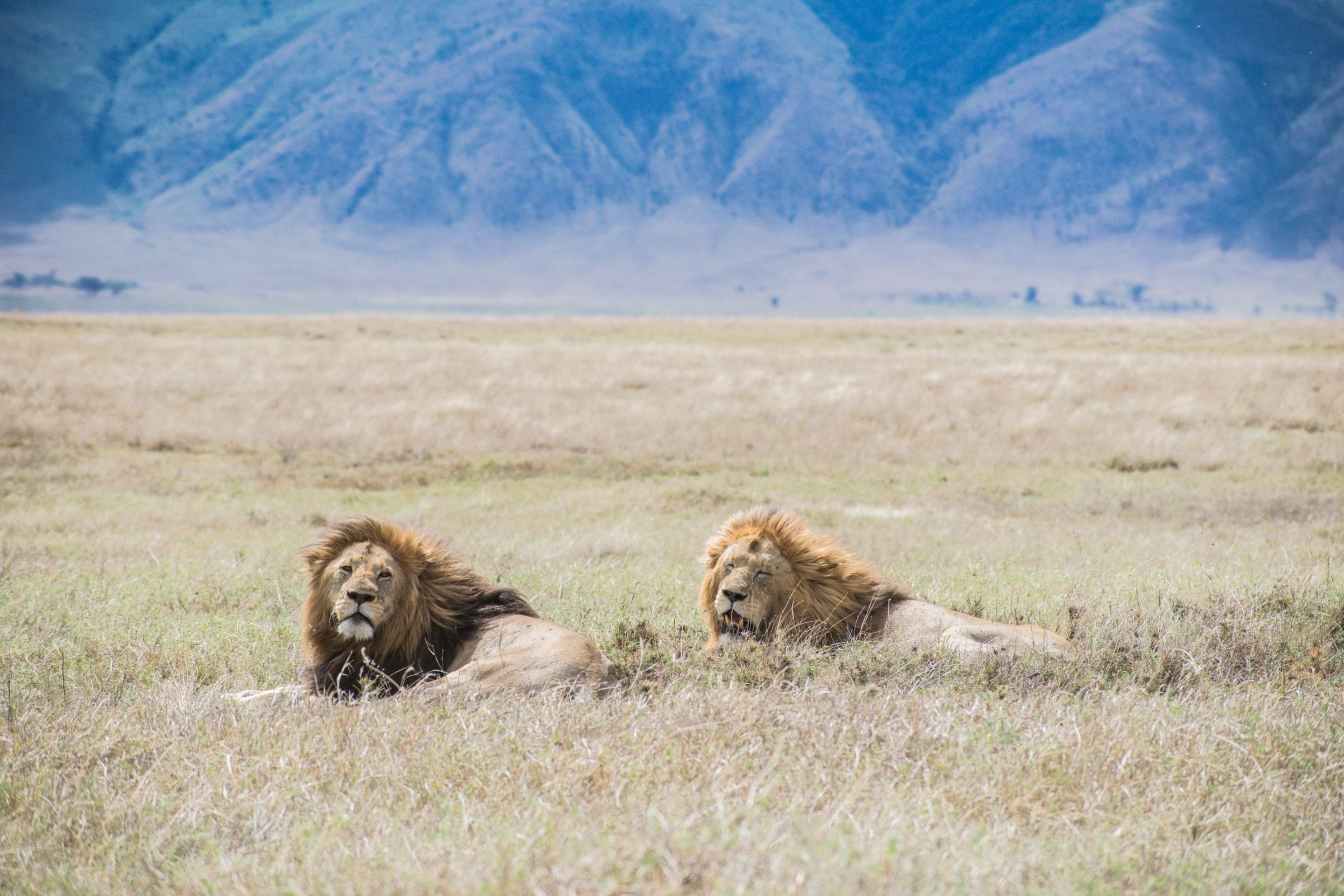
A collapsed volcano about 20 km across and 600 m deep, with around 25,000 animals living on its floor. It’s one of the best places in Africa to see the endangered black rhino.
Game drives go down at dawn. Most lodges sit on the rim, where nights are cool, so pack a fleece.

Tarangire
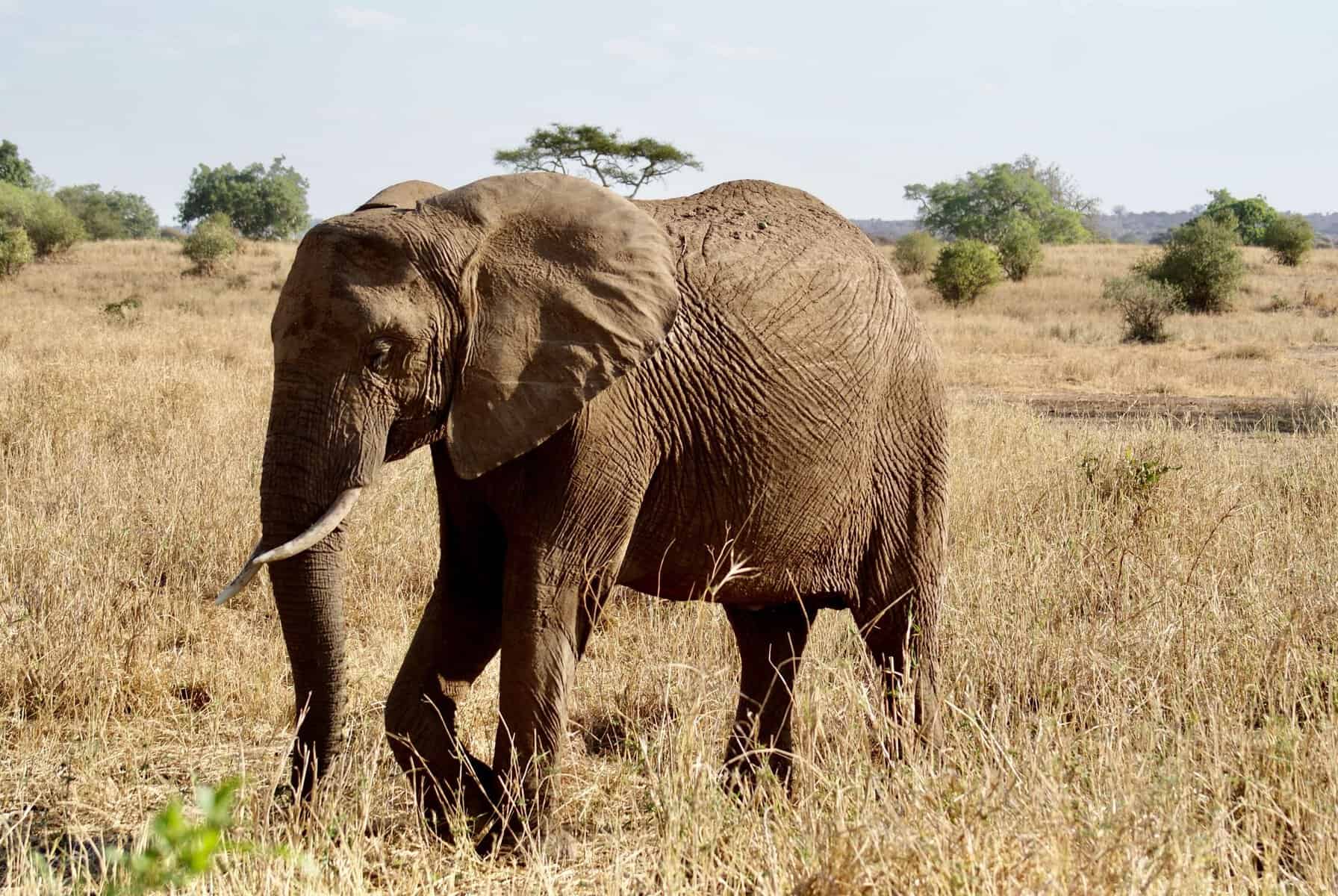
A short drive from Arusha, Tarangire is known for its huge baobab trees and some of the biggest elephant herds in Tanzania. In the dry season, from about June to October, animals crowd along the Tarangire River.
It’s a great first stop, and much quieter than the Serengeti.

Lake Manyara, Eyasi and Natron
Lake Manyara is a small park of groundwater forest and soda lake, with elephants, baboons and flamingos. At Lake Eyasi you can spend a morning with the Hadzabe, one of Africa’s last hunter-gatherer peoples.
Remote Lake Natron is the breeding ground for most of East Africa’s lesser flamingos, below the active volcano Ol Doinyo Lengai.

Kilimanjaro and Arusha
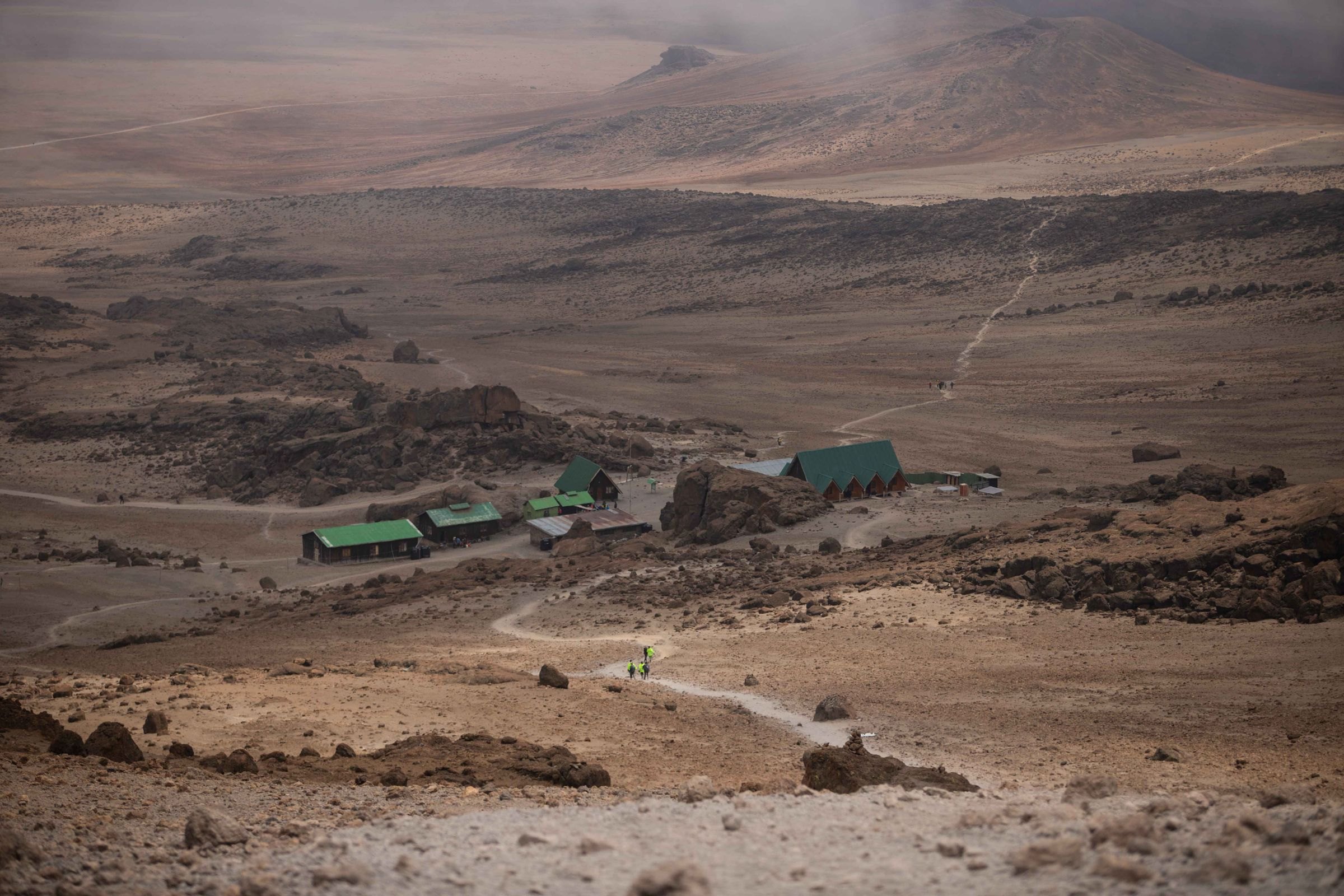
At 5,895 m, Kilimanjaro is the highest mountain in Africa and can be climbed without technical skills, on a guided trek of about seven to nine days. Read our guide to Kilimanjaro routes.
Arusha, the safari capital, sits below Mount Meru. Arusha National Park is good for a walking safari or a canoe trip on the Momella Lakes.
Nyerere and Ruaha (the south)
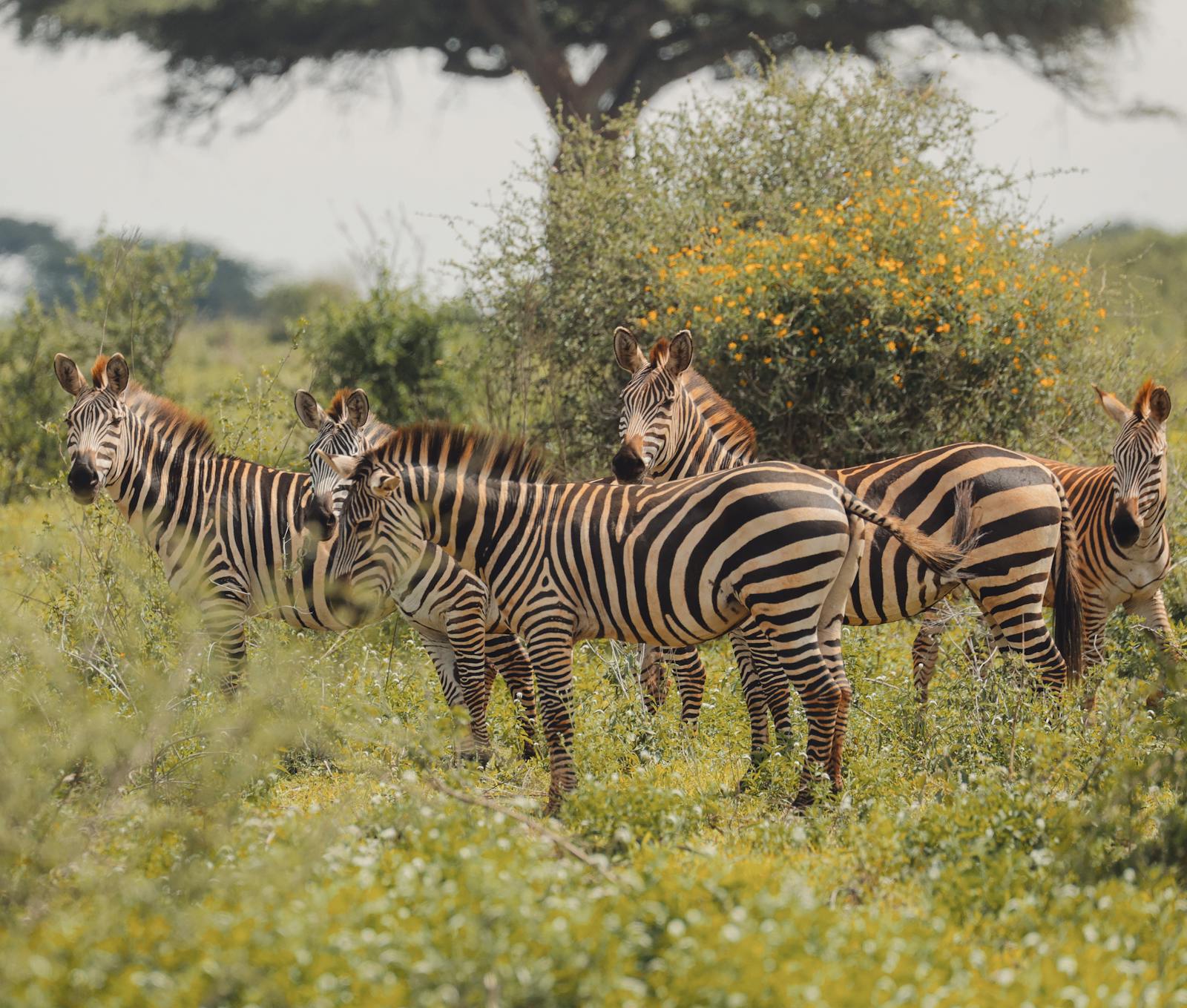
Nyerere National Park, created from the old Selous Game Reserve, is one of Africa’s largest protected areas. Here you can take boat safaris on the Rufiji River and go on walking safaris, and you’ll see very few other vehicles.
Ruaha is wilder still, with big elephant herds, large lion prides and African wild dogs. Both pair well with Zanzibar.
Zanzibar
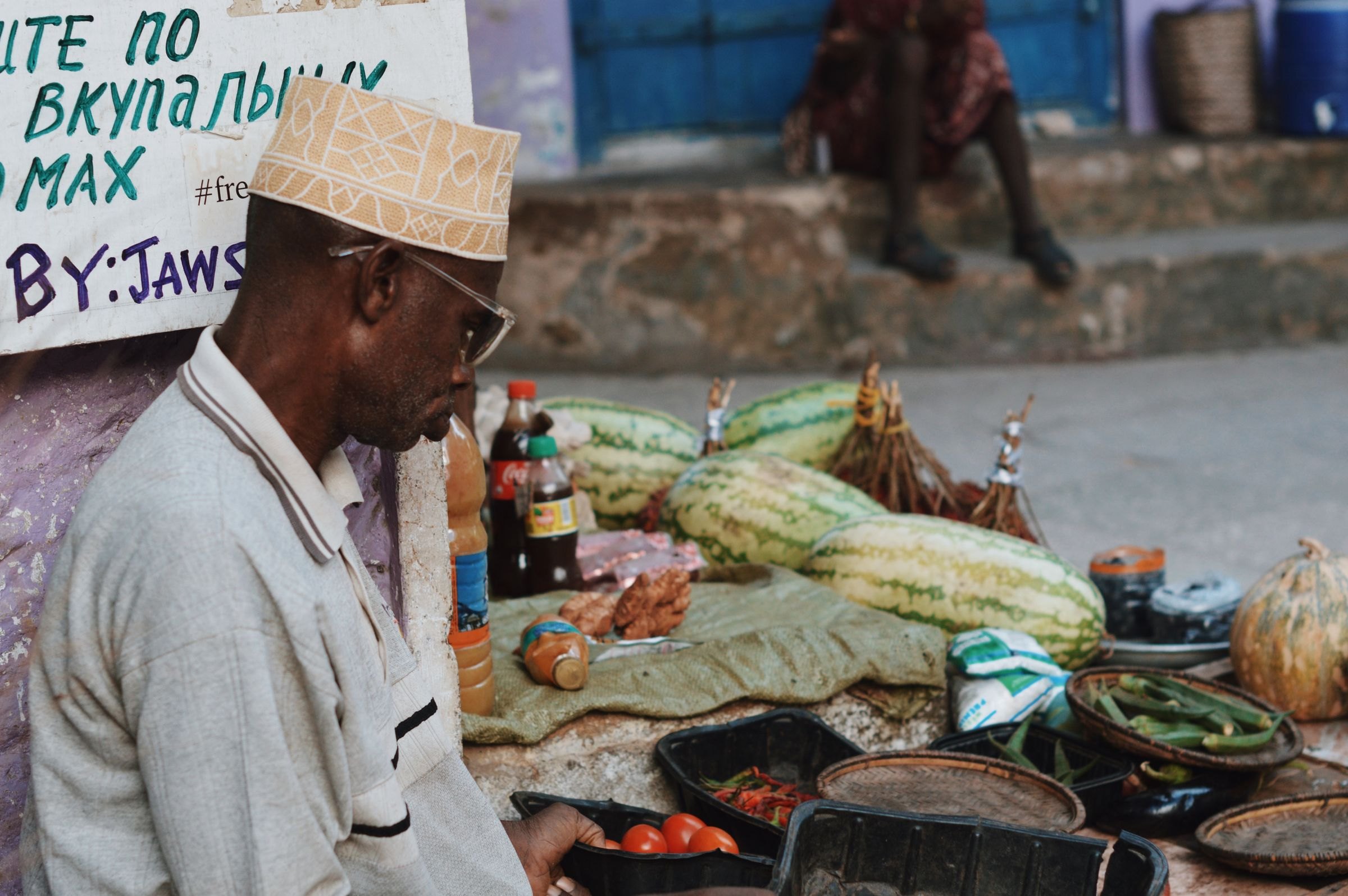
A short flight from the parks, Zanzibar is the classic way to end a Tanzania safari: the UNESCO-listed old town of Stone Town, spice farms, and white beaches on the north and east coasts.
Read our Zanzibar holiday guide for which coast to choose.
Zanzibar holidays →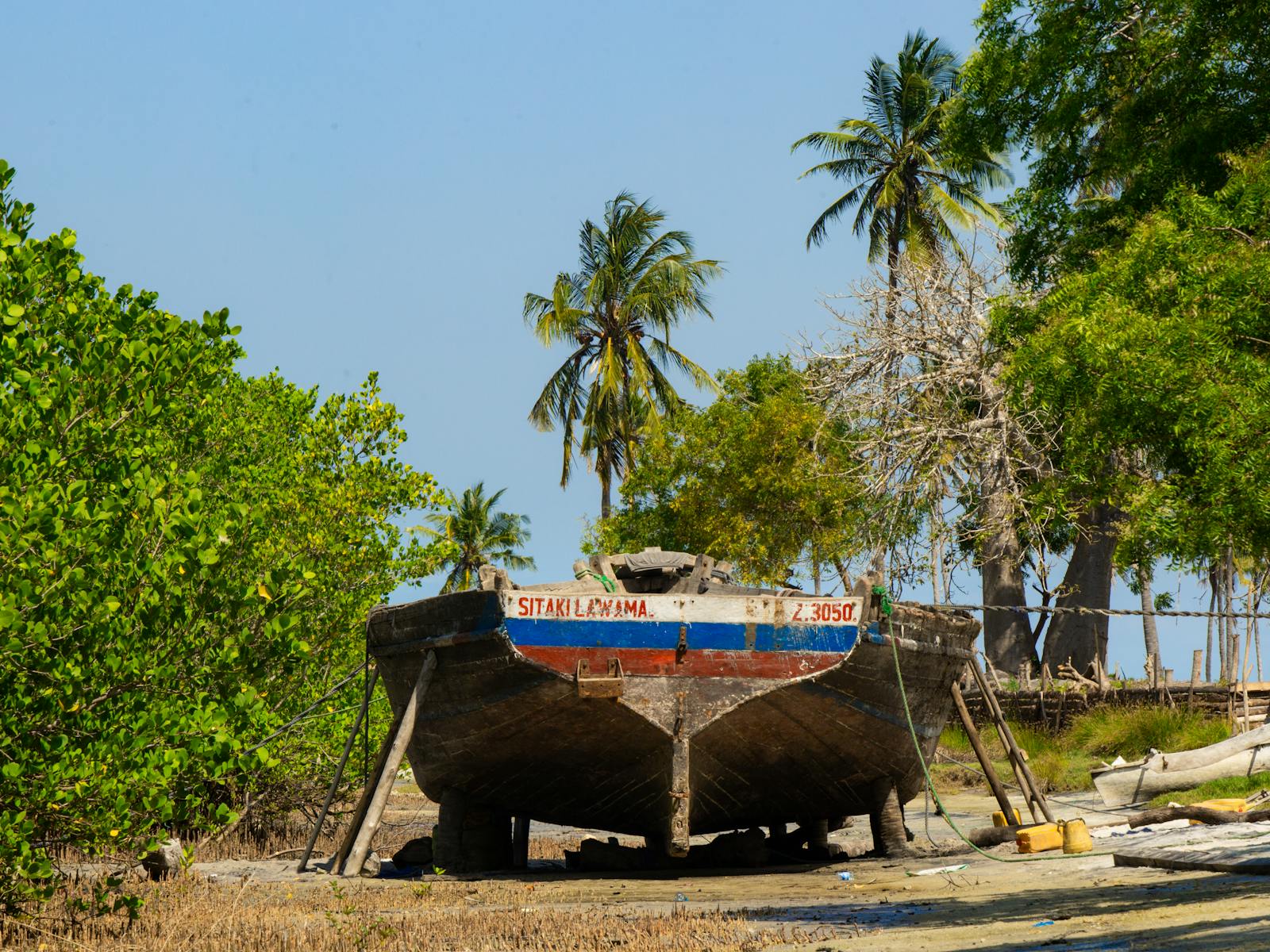
Pemba, Mafia and the coast
Pemba, north of Zanzibar, has steep coral walls and very few visitors. Mafia, to the south, is a marine park known for whale sharks, usually from about October to March.
Dar es Salaam, the largest city and main port (the capital is Dodoma), is the hub for flights to the south and the islands.
In the far west, Mahale Mountains and Gombe on the shores of Lake Tanganyika are where you can trek to see wild chimpanzees. They’re remote and best combined with a southern safari by light aircraft.
A day in the Ngorongoro Crater

Dawn: leave the rim before sunrise, with a packed breakfast. The track zig-zags down through the forest to the crater floor, and you’ll be among the herds as the mist lifts.
Morning: look for black rhino on the open plains, lions near the Lerai forest, and hippos and flamingos at the lake and swamps.
Midday: picnic by a hippo pool, then a last drive before the climb back to the rim. Time on the crater floor is limited, so an early start gives you the most of it.
The Great Migration, month by month
The herds follow the rain and fresh grass in a clockwise loop between the Serengeti and Kenya’s Masai Mara. The timings below are typical; the rains, and so the herds, vary each year.
| Months | Where the herds usually are | What you see |
|---|---|---|
| December to March | Southern Serengeti and Ndutu | Calving, usually peaking in February, with lots of predators |
| April to May | Central Serengeti, moving west | The long rains: green, quiet and good value |
| June to July | Western corridor (Grumeti River) | The first river crossings |
| July to October | Northern Serengeti and the Masai Mara | The dramatic Mara River crossings |
| November | Moving south through the east and centre | The short rains bring the herds back south |
The Kenyan side of the crossings is covered in our Kenya holiday guide.
Classic Tanzania routes
The northern circuit
- Arusha (1 night)
- Tarangire (2)
- Ngorongoro Crater (1 to 2)
- Serengeti (3 to 4)
- Fly back to Arusha
The classic first safari, by road with an optional flight out of the Serengeti.
Safari and Zanzibar
- Tarangire (1 night)
- Ngorongoro (1)
- Serengeti (3 to 4)
- Fly to Zanzibar (5 to 6)
The most popular trip: the Big Five, then a week on the beach.
The southern parks and the coast
- Dar es Salaam (1 night)
- Nyerere (3)
- Ruaha (3)
- Zanzibar or Mafia (4 to 5)
For second safaris and wilderness, by light aircraft.

Tanzania’s wildlife
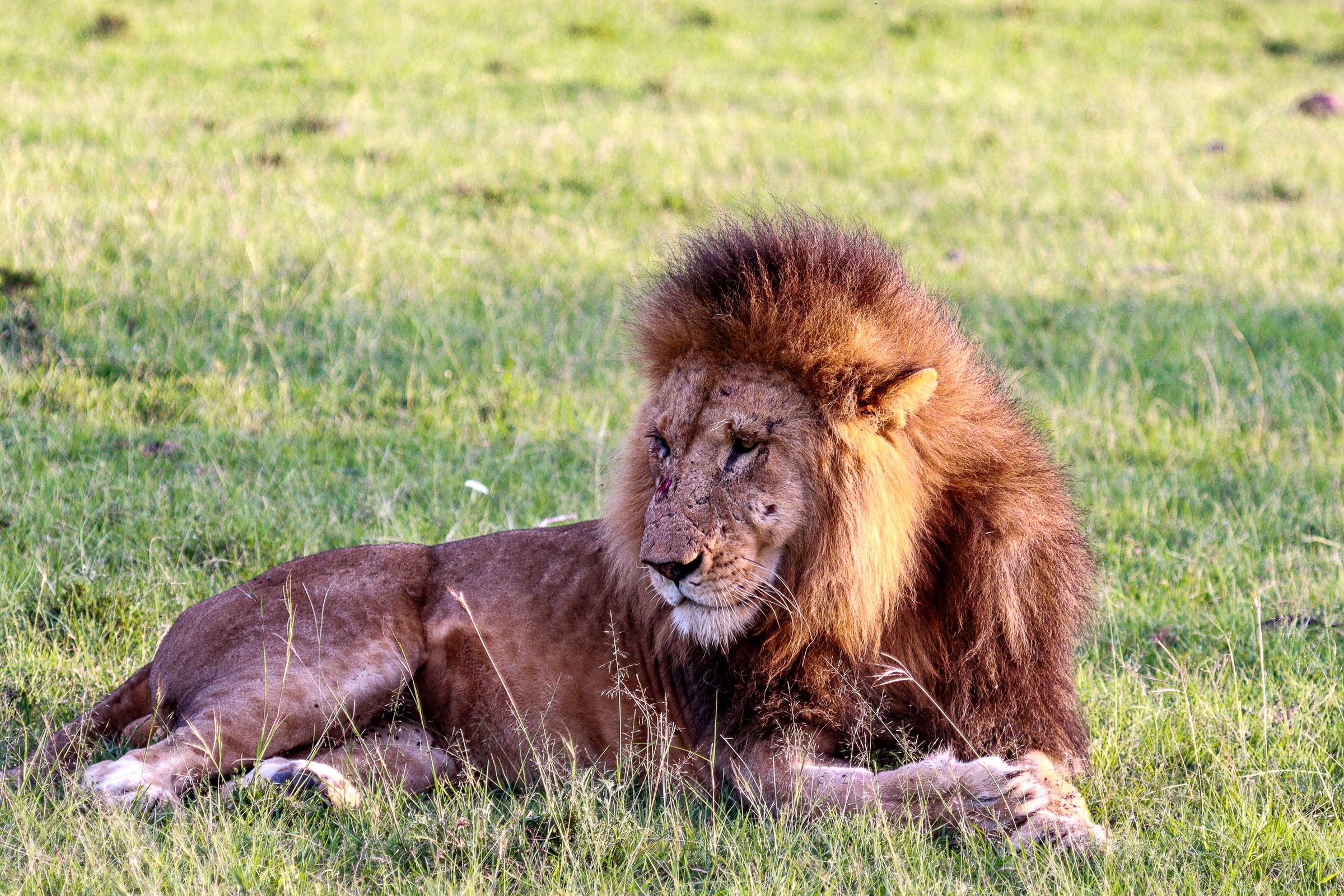


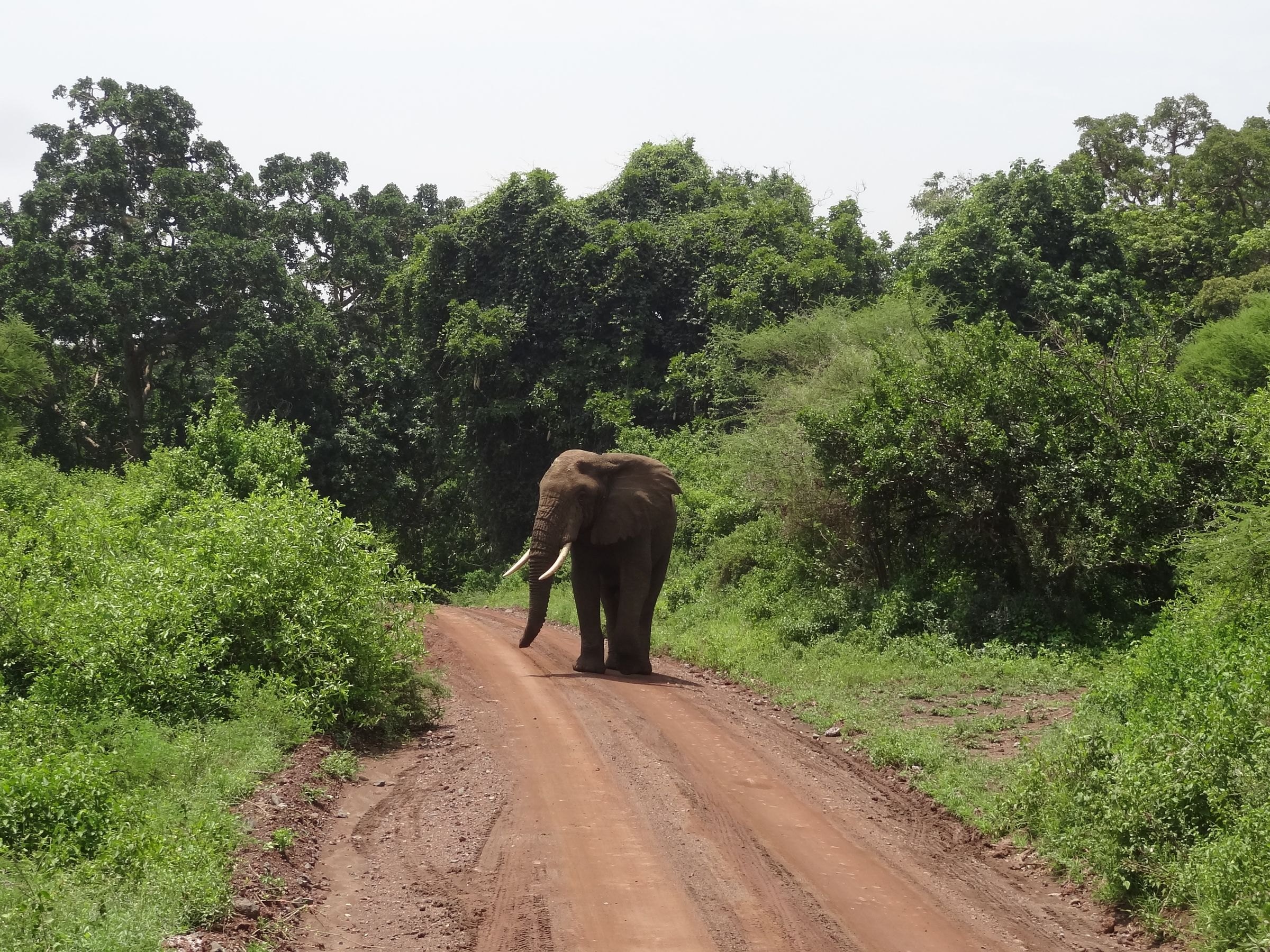

- The Big Five: lion, leopard, elephant and buffalo are seen across the north; the Ngorongoro Crater is the best bet for black rhino.
- Cheetahs: the open short-grass plains of the southern Serengeti are among the best places in Africa to see them.
- Wild dogs: your best chance is in Ruaha and Nyerere.
- Birds: over 1,000 species, from flamingos on the soda lakes to ostriches and secretary birds on the plains.
- Chimpanzees: Mahale and Gombe, in the far west.
When to go
Tanzania has two rainy seasons: the long rains from about March to May (April is wettest) and the short rains in November and December. The dry season, June to October, is the classic safari time, as animals gather at water and the grass is short. January and February are a short, warm dry spell and the calving season in the southern Serengeti. Many southern camps close in April and May.
- June to October: dry, sunny and cooler; the best all-round game viewing, and the river crossings from July. It’s peak season, so book early.
- January and February: calving in the south, warm weather and fewer vehicles.
- March to May: the green season. It’s lush and quiet, but some roads and camps close, and April is wet.
- November and December: the short rains, usually as afternoon showers. A good-value time, with the herds heading south.
Ways to see Tanzania with us


Practical tips

- Entry: British visitors need a visa for Tanzania; apply online for the e-visa before you travel. Tanzania also requires all visitors, on the mainland and Zanzibar, to buy its government inbound travel insurance, on top of your own policy. Check the FCDO Tanzania advice before you book and again before you fly.
- Health: antimalarials are usually advised. You’ll need a yellow fever certificate if you arrive from a country with a risk of yellow fever, including some transits through Kenya. See a travel nurse at least eight weeks before you go.
- Money: US dollars are widely used for tips and extras. Bring clean notes printed after 2009, as older ones are often refused.
- Luggage: light aircraft have strict weight limits, usually about 15 kg in a soft bag. Plastic carrier bags are banned in Tanzania.
- What to wear: neutral colours on safari (avoid dark blue and black, which attract tsetse flies), warm layers for early drives and the Crater rim, and modest clothes in towns and on Zanzibar.
- Photography: ask before photographing people, including the Maasai, and don’t photograph government buildings or the military.
Frequently asked questions
What is the best time to visit Tanzania?
June to October is the best time for most safaris: it's dry, the animals gather at water and the river crossings start in July. January and February are also excellent, with calving in the southern Serengeti. April and May are the wettest months.
How many days do you need for a Tanzania safari?
Seven to ten days covers the northern circuit of Tarangire, the Ngorongoro Crater and the Serengeti without rushing. Add five or six nights on Zanzibar for a complete trip, or more time for the southern parks.
Where is the Serengeti?
The Serengeti is in northern Tanzania, west of Arusha, and continues across the border into Kenya as the Masai Mara. Most visitors arrive by road via Tarangire and the Ngorongoro Crater, or by light aircraft from Arusha.
Is Dar es Salaam the capital of Tanzania?
No. Dodoma is the official capital, but Dar es Salaam is Tanzania's largest city, main port and business centre. It's the hub for flights to the southern parks, Zanzibar and the other islands.
Can you combine Kilimanjaro with a safari?
Yes. Kilimanjaro is a short drive from Arusha, the start of the northern safari circuit, so many people climb first and then spend four or five days on safari. Allow seven to nine days for the climb itself.
Which islands can you visit in Tanzania?
Zanzibar is the best known, with Stone Town and its beaches. Pemba, to the north, is wilder and good for diving, and Mafia, to the south, is a marine park known for whale sharks.
Do UK citizens need a visa for Tanzania?
Yes. British visitors need a visa; the e-visa is the easiest option. You must also buy Tanzania's government inbound travel insurance, for both the mainland and Zanzibar. Check the FCDO travel advice before you travel, as the rules can change.
Is Tanzania or Kenya better for a safari?
Both are excellent. Tanzania has the Serengeti, the Ngorongoro Crater and an easy add-on to Zanzibar; Kenya has the Masai Mara, shorter transfers and more private conservancies. Many trips combine both, following the Migration across the border.
Keep planning
- Tanzania holidays
- Zanzibar holidays
- Tanzania safari and Zanzibar
- Zanzibar holiday guide
- Kilimanjaro routes
- Kenya holiday guide
- Safari and beach holidays
- All safari holidays
Plan your Tanzania safari with a Travel Designer
Tell us when you want to travel and what you’d love to see. We’ll place you where the Migration will be, choose the camps and add Zanzibar or Kilimanjaro, all ATOL-protected.
Make an enquiry Tanzania holidays