Zambia in brief
- Fly via Johannesburg, Nairobi or the Gulf; no visa needed for UK tourists.
- Walk in South Luangwa, canoe the Lower Zambezi, explore Kafue.
- See Victoria Falls from Livingstone and the wildebeest of Liuwa Plain.
- The dry season, June to October, is best for game.
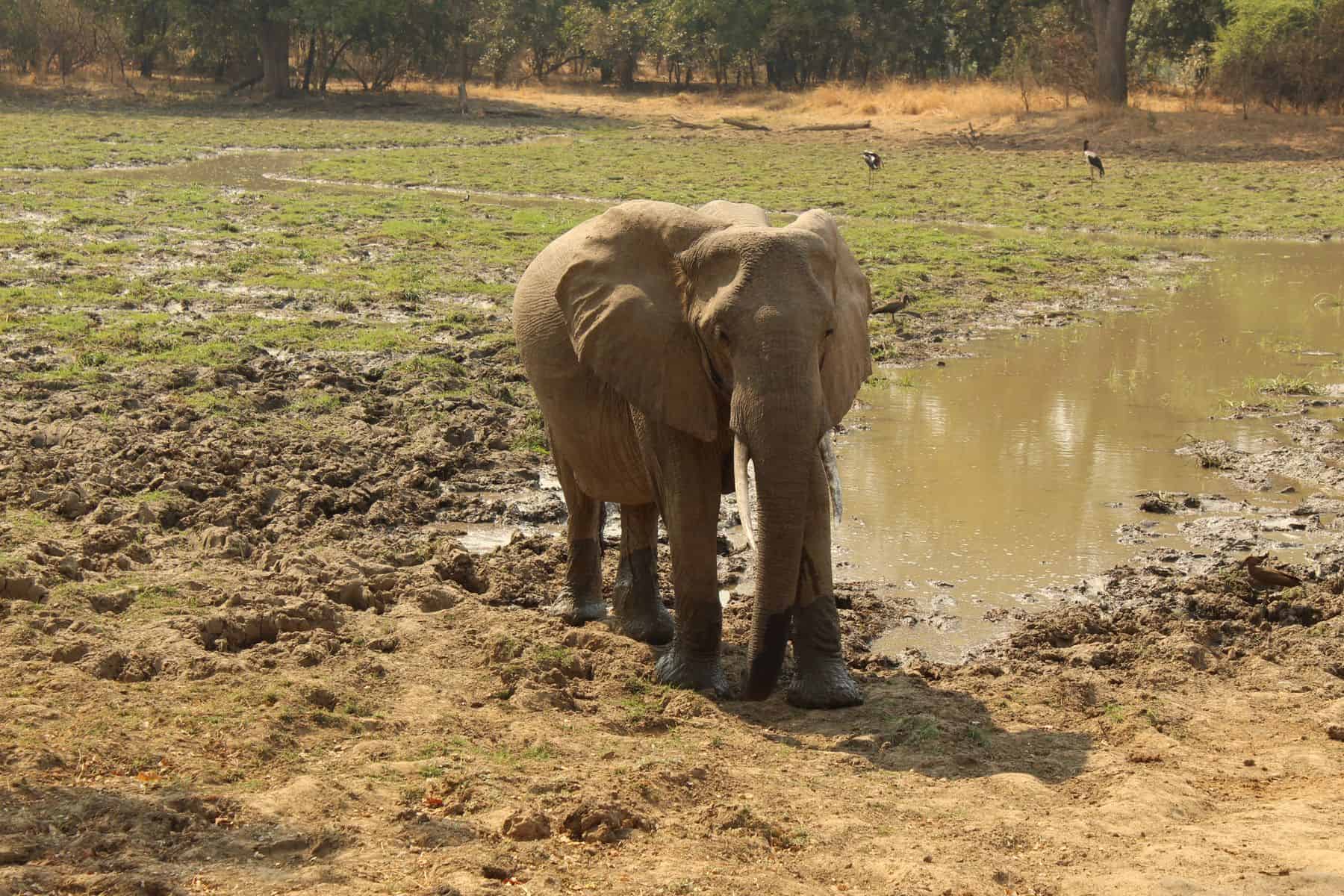
Zambia is Africa’s safari for people who want the real thing: wild, uncrowded national parks, expert guides and small bush camps on the riverbanks. It’s the home of the walking safari, born in the South Luangwa valley, with canoe safaris on the Lower Zambezi, the vast wilderness of Kafue and one of Africa’s great wildlife spectacles on the Liuwa Plain. And at Livingstone, the Zambezi thunders over Victoria Falls. This guide covers travel from the UK, the national parks, the best things to do, touring Zambia, the seasons and how to combine it with its neighbours.
Travel to Zambia from the UK
- Flights: there are no direct flights from the UK. Fly to Lusaka or Livingstone via Johannesburg, Nairobi, Addis Ababa, Dubai or Doha.
- Visa: British passport holders don’t need a visa for tourism, for up to 90 days in a year. To cross to the Zimbabwe side of Victoria Falls, the KAZA UNIVISA covers both countries and day trips to Botswana.
- Getting around: the parks are far apart and the roads are slow, so most safaris use scheduled flights and light aircraft: Lusaka to Mfuwe for South Luangwa, or to an airstrip by the Lower Zambezi.
Zambia’s national parks
Zambia has 20 national parks, and about a third of the country is protected land. These are the best for a safari:
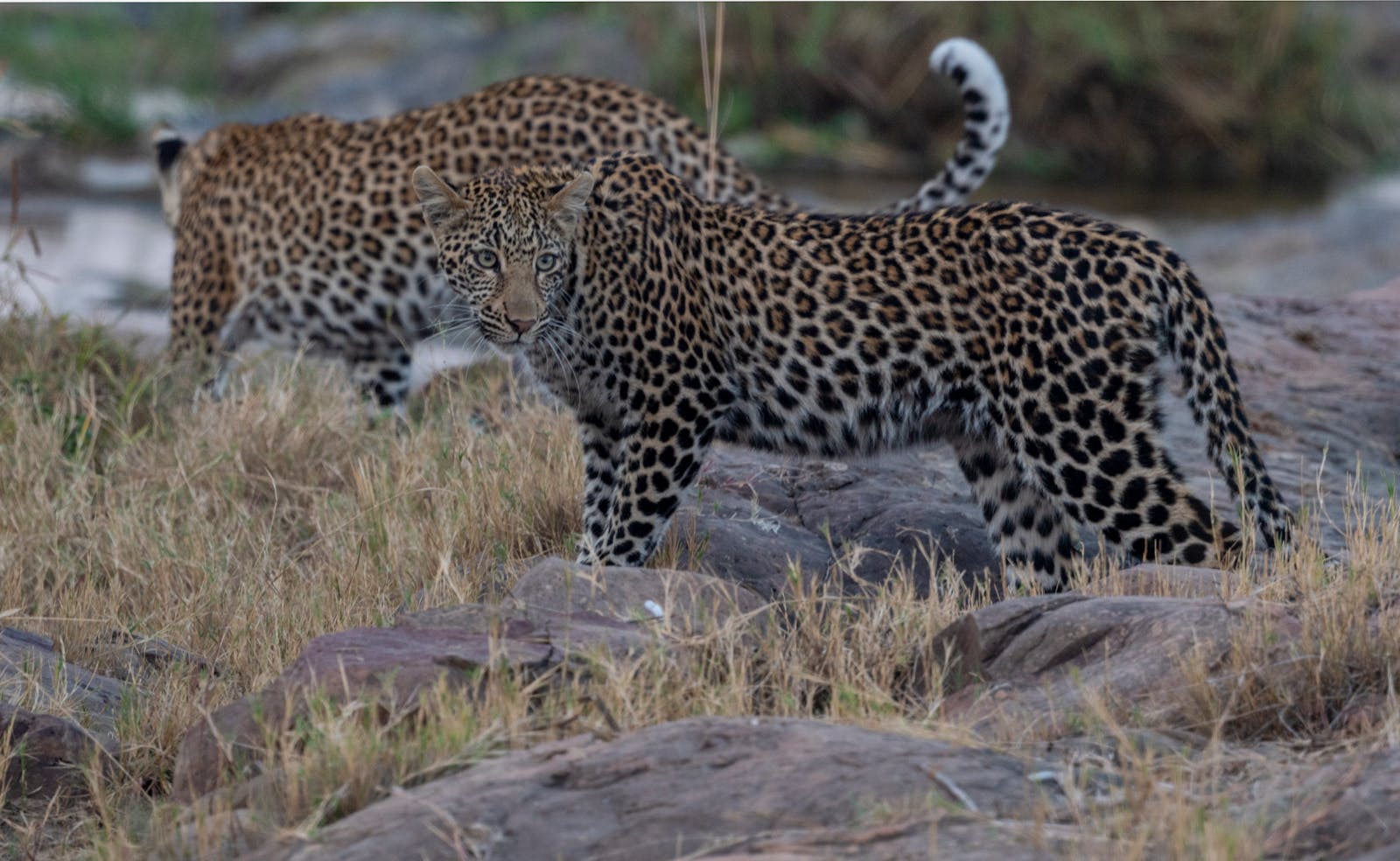
South Luangwa
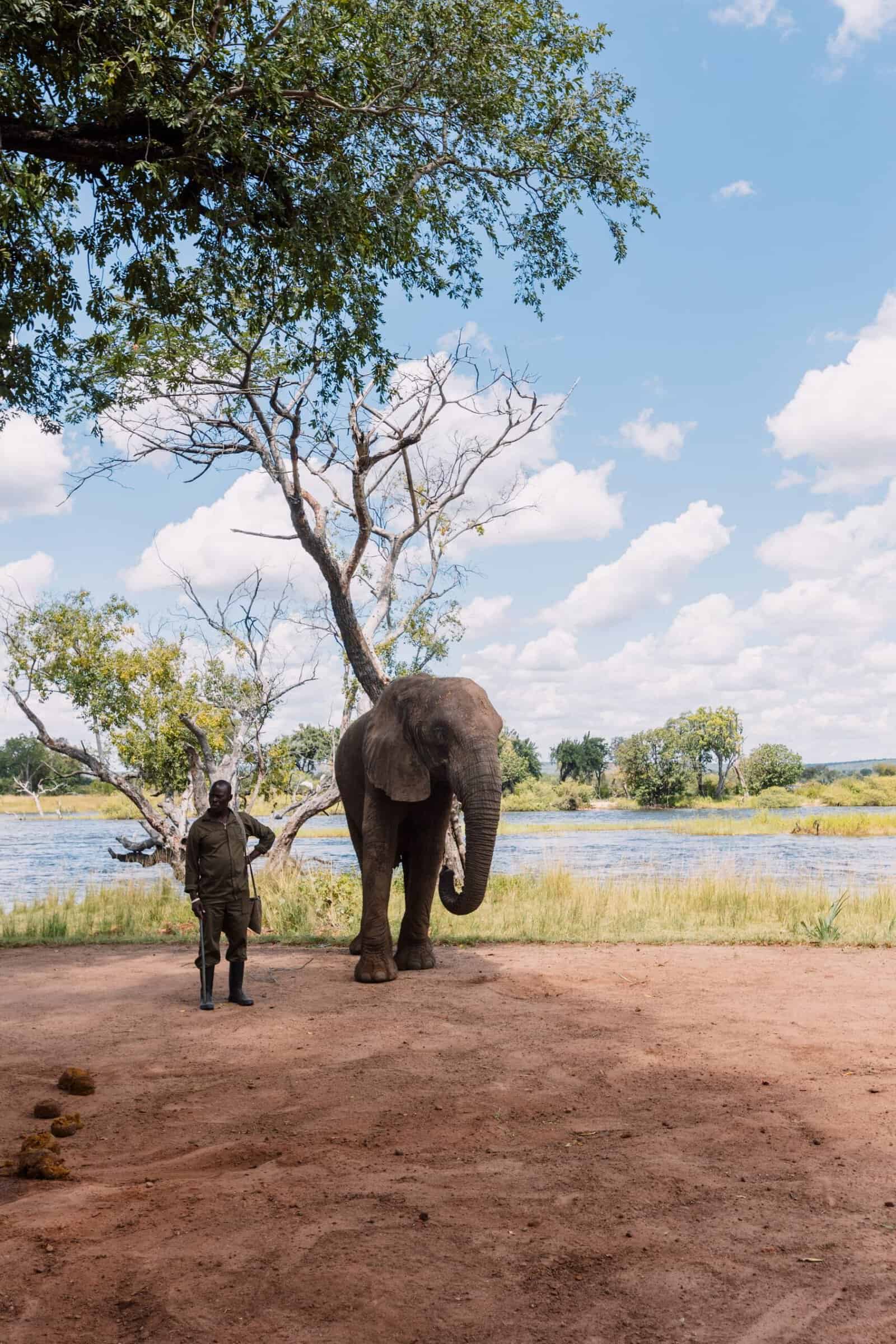
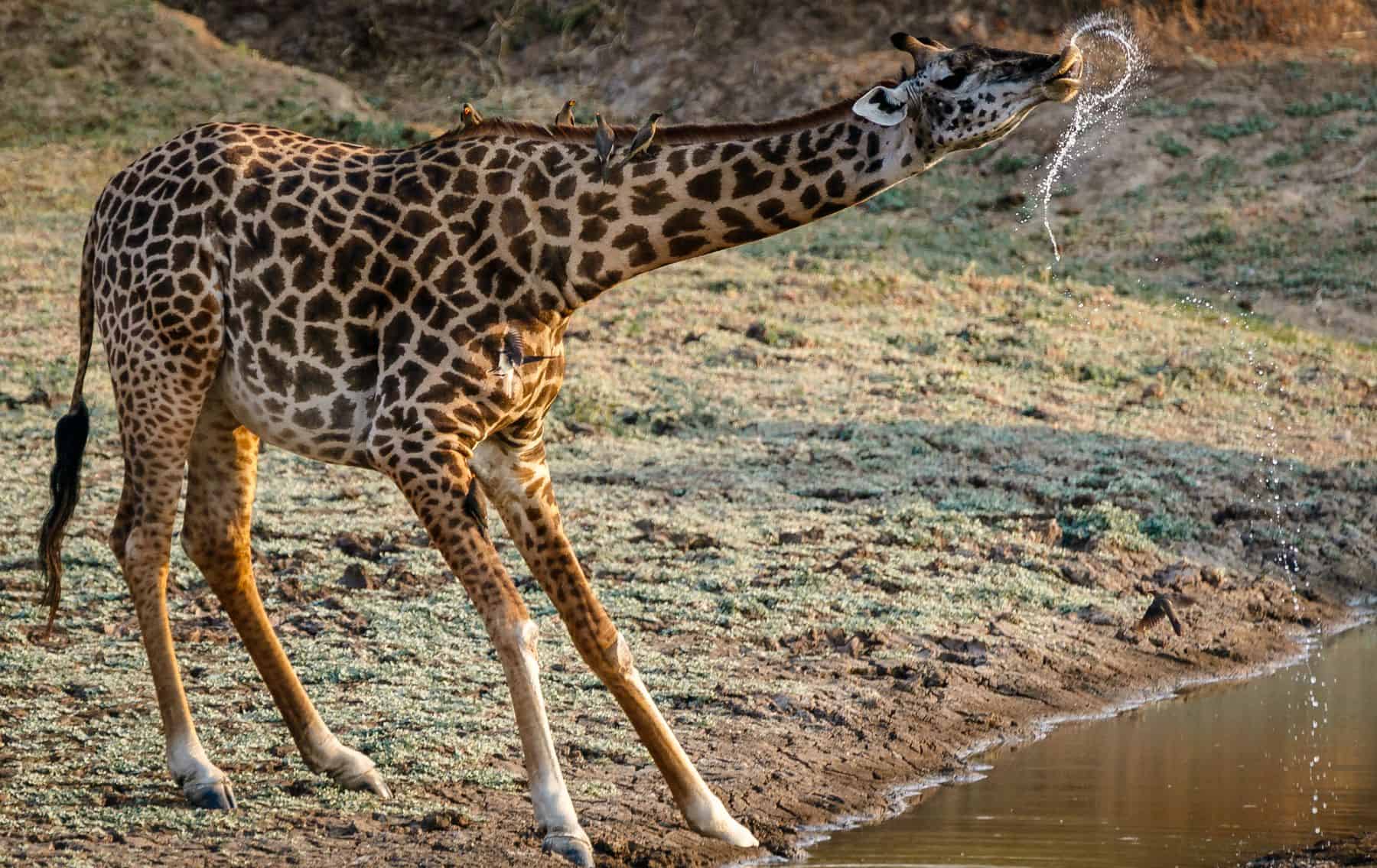
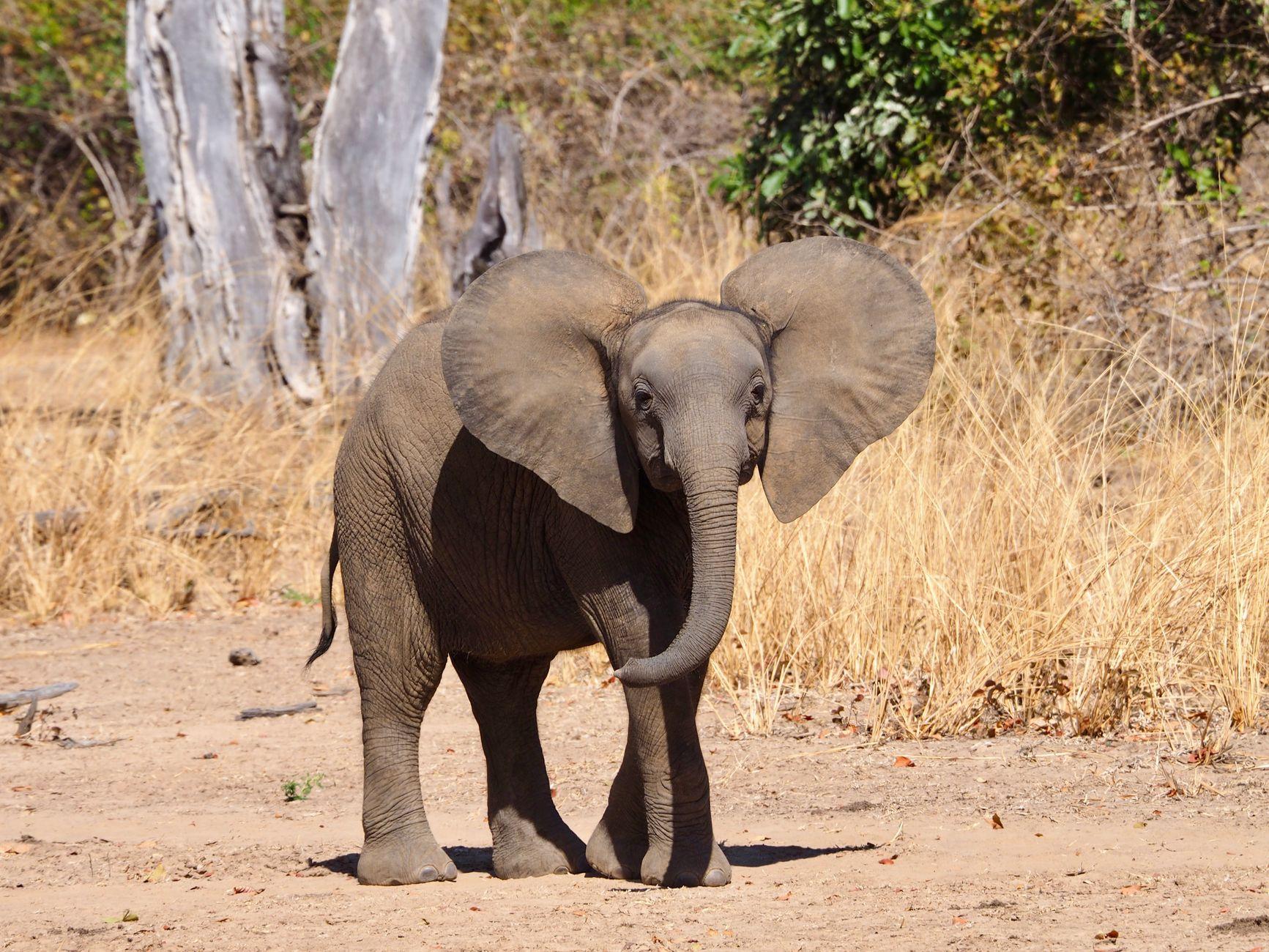
The Luangwa River winds through one of Africa’s finest parks, full of elephants, buffalo, hippos, lions and the local Thornicroft’s giraffe. It’s famous for leopards, which you have a good chance of seeing on a night drive.
This is where walking safaris began. In the quiet Nsefu sector, on the east bank north of Mfuwe, Zambia’s first photographic safari camp opened in 1951. Fly to Mfuwe from Lusaka in about an hour.
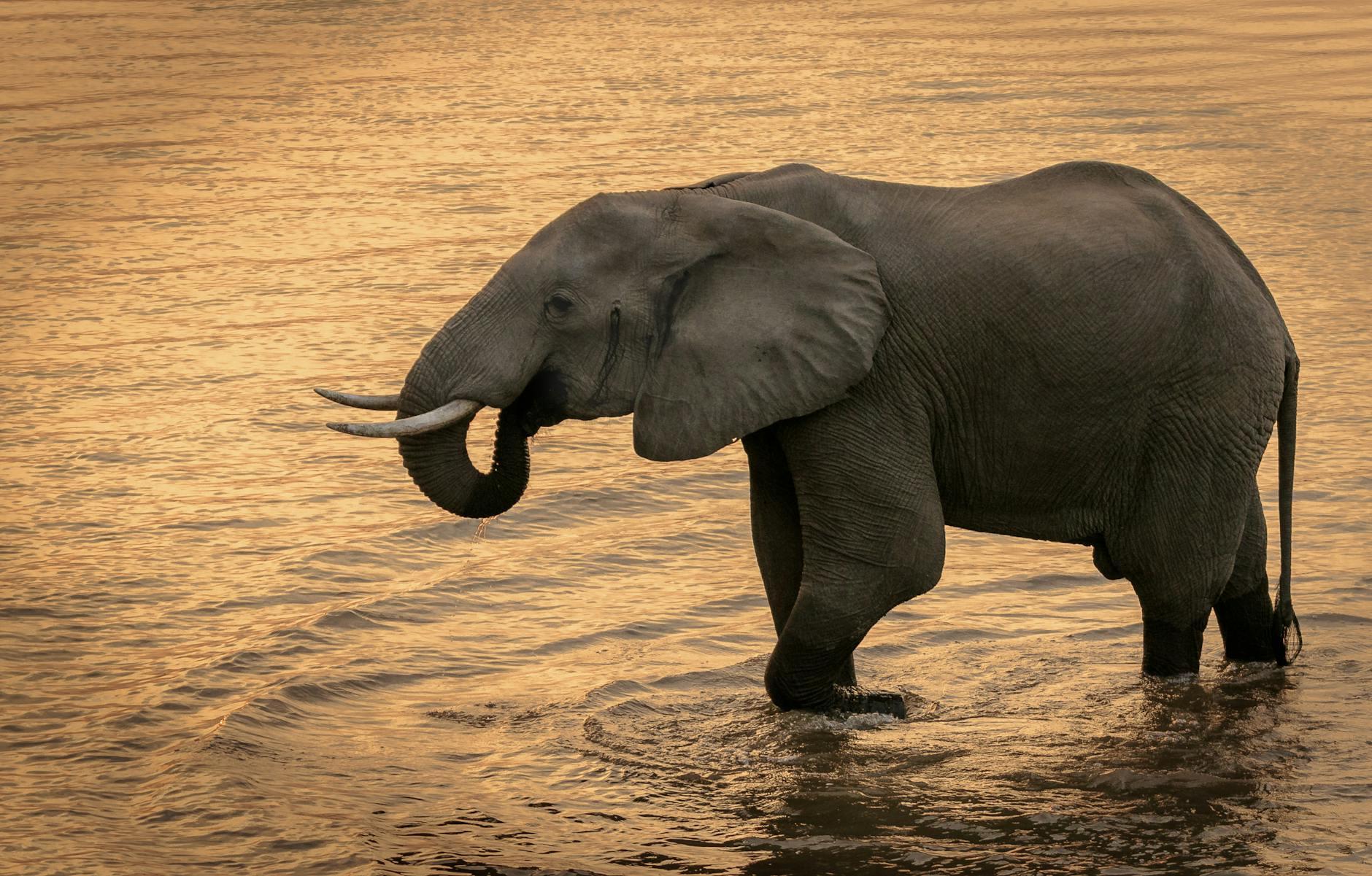
Lower Zambezi
Downstream from Lake Kariba, the Zambezi flows past islands and floodplains, with the escarpment behind. Elephants cross the river between Zambia and Zimbabwe’s Mana Pools.
Explore by canoe, boat and on foot, and fish for tiger fish. The Chiawa area, where the Kafue River meets the Zambezi just west of the park, is the gateway, with camps along the river.
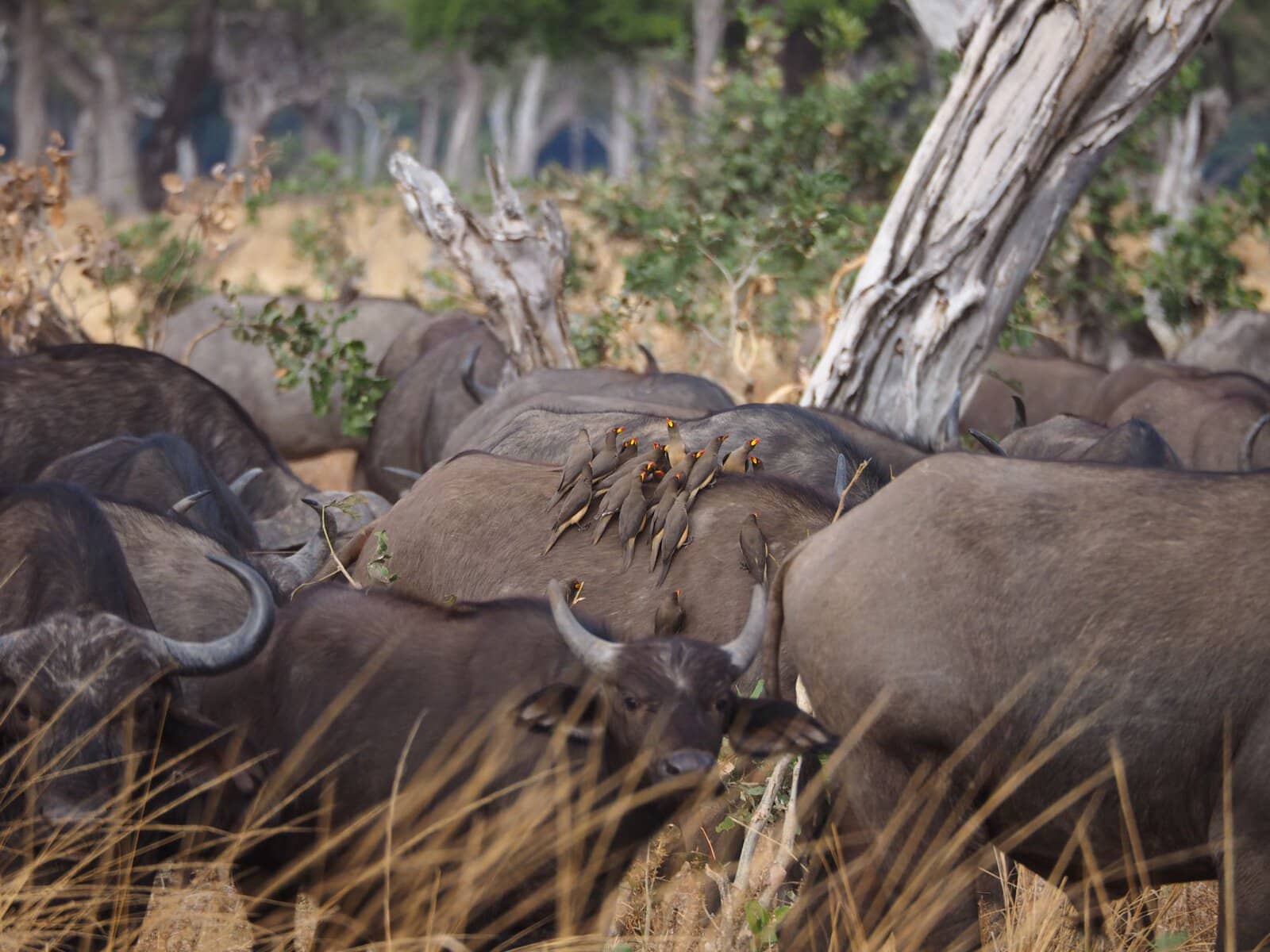
Kafue
One of the largest national parks in Africa, about the size of Wales, Kafue has rivers, woodland and floodplains, and you’ll rarely see another vehicle.
In the far north, the Busanga Plains are open from about June to October, with lions, cheetahs, red lechwe and huge flocks of birds. Some areas can be reached by road from Livingstone or Lusaka.
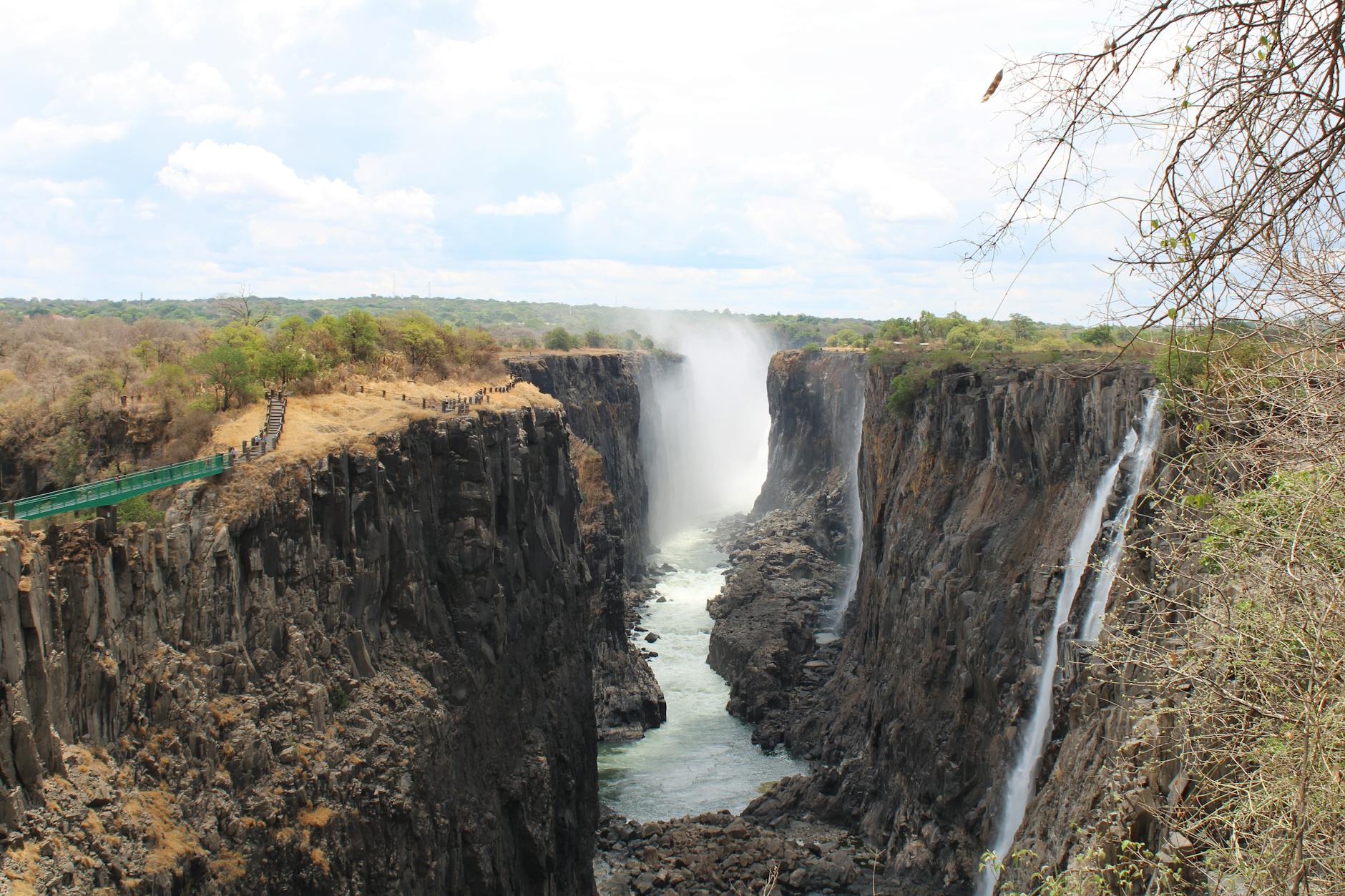
Livingstone and Victoria Falls
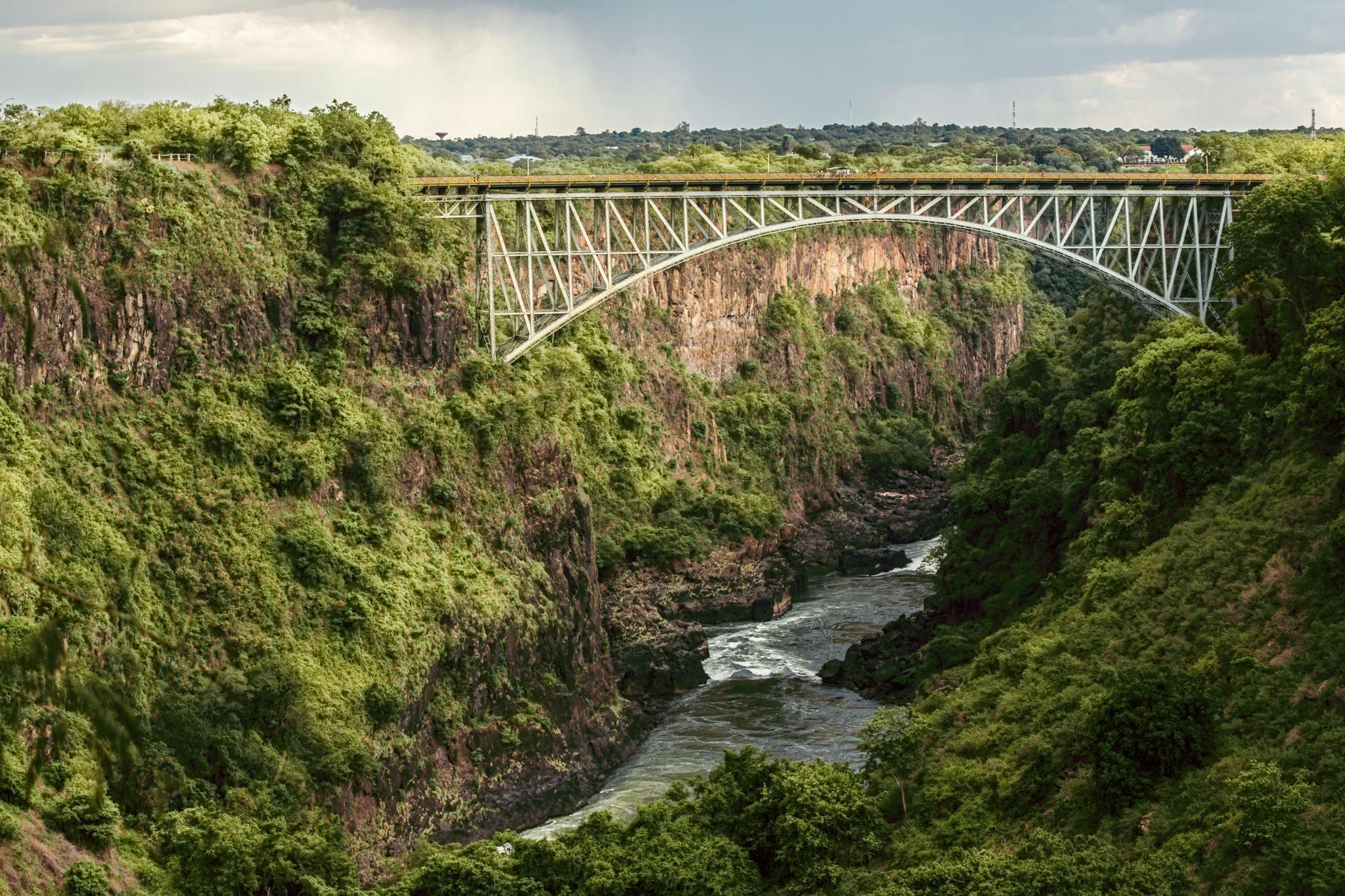
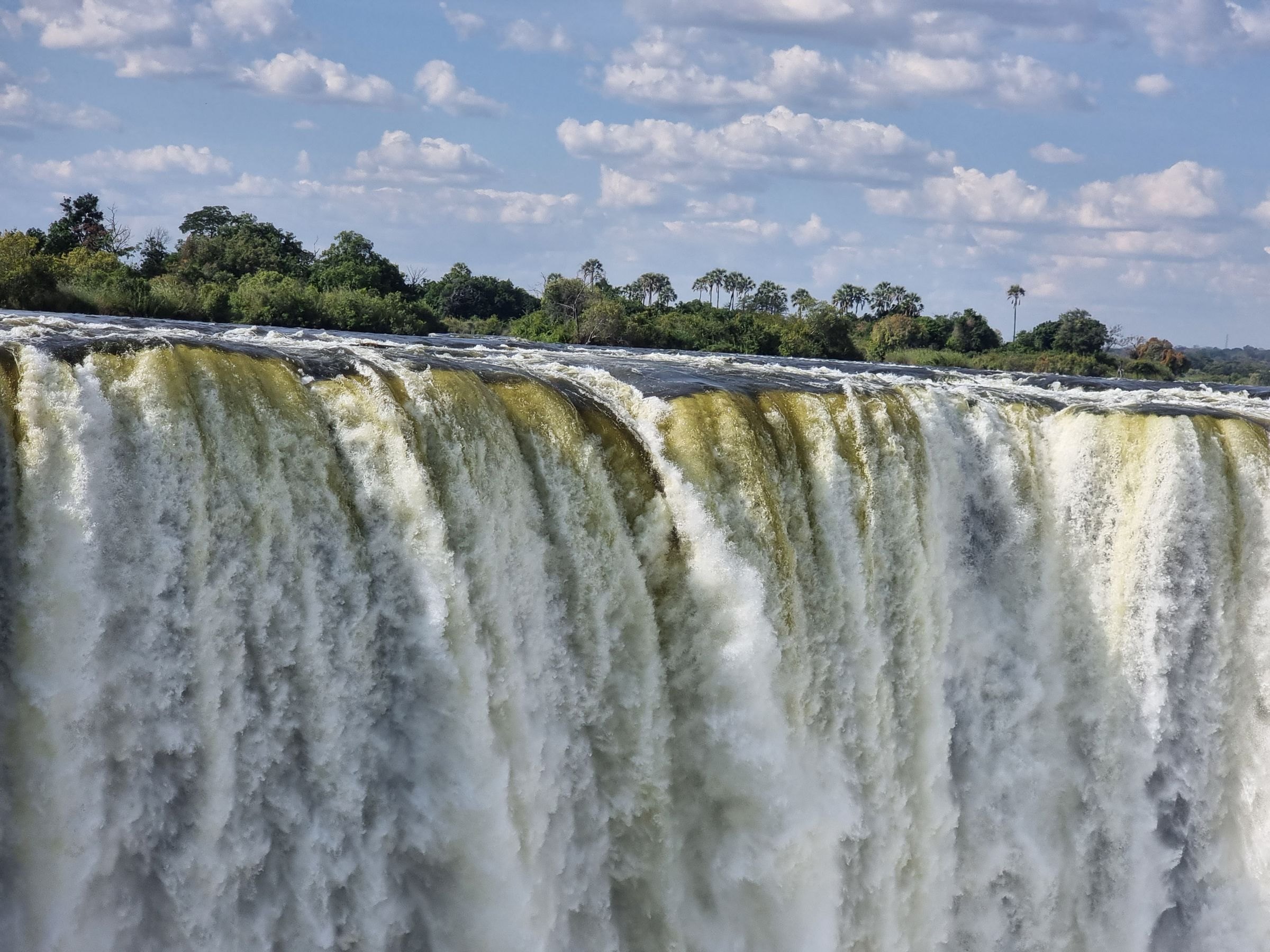
The Zambian town of Livingstone sits just above Victoria Falls, where the Zambezi drops more than 100 m into a narrow gorge. Walk the paths in Mosi-oa-Tunya National Park, cross the Knife-Edge Bridge in the spray, and take a sunset cruise on the river above the falls.
For more on both sides of the falls, see our Zimbabwe holiday guide.
Zambia or Zimbabwe side? →Liuwa Plain
Far out in the west, near the Angolan border, Liuwa Plain is one of Africa’s most remote parks. Its grasslands host the continent’s second-largest wildebeest migration, which arrives with the rains in about November, along with large clans of hyenas, wild dogs and cheetahs. It’s reached by light aircraft, and only a few people visit each year.
North Luangwa, Kasanka and the north
North Luangwa is a true wilderness for walking safaris, where black rhinos have been brought back. In little Kasanka, about ten million straw-coloured fruit bats gather from about late October to December, the largest mammal migration on Earth. Lake Tanganyika and the waterfalls of the north are for the adventurous.
Things to do in Zambia
- Go on a walking safari in South or North Luangwa, with an armed scout and an expert guide: the best way to learn the tracks, plants and small things of the bush.
- Take a night drive to look for leopards, genets and hyenas.
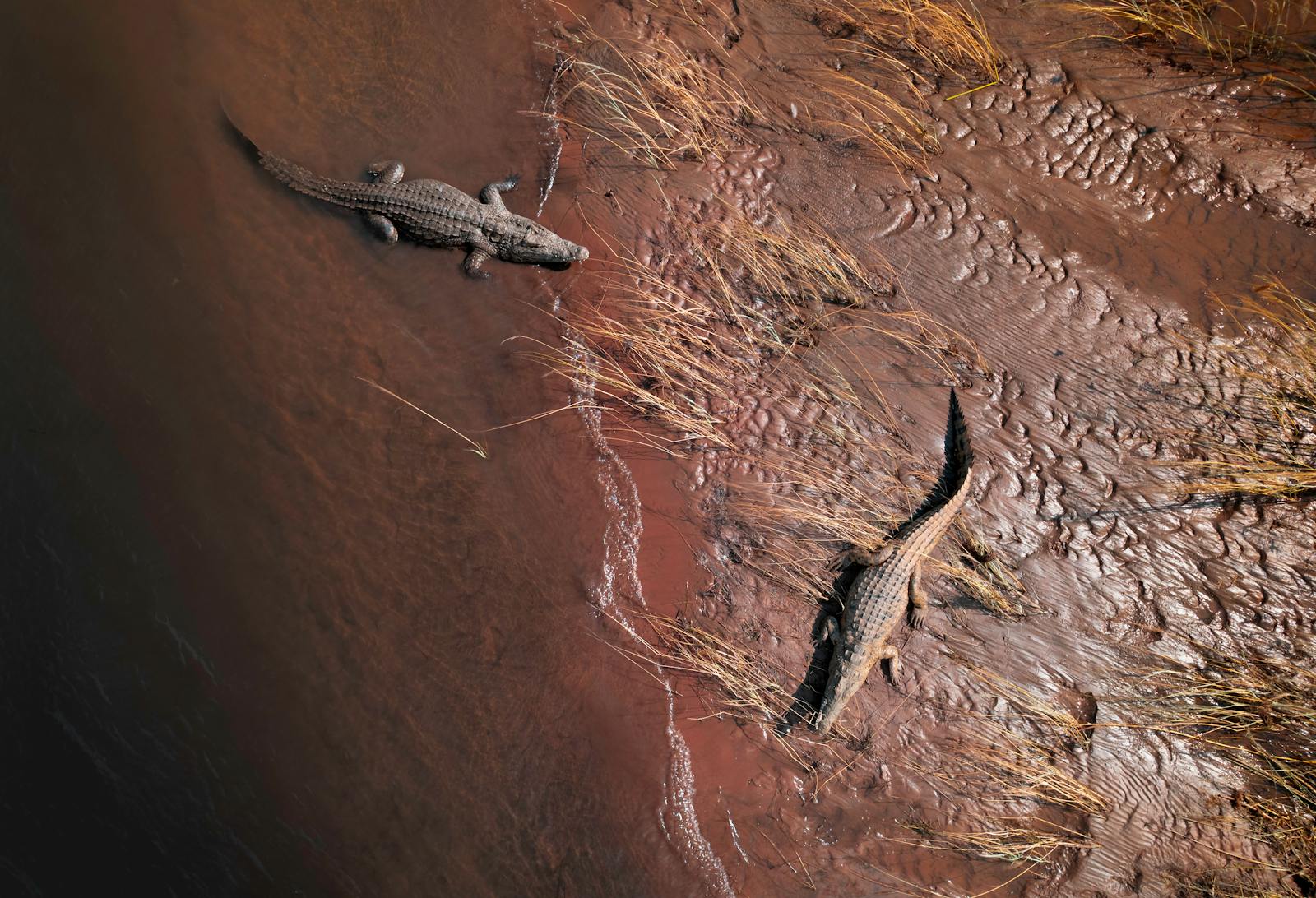
- Canoe the Lower Zambezi past hippos and elephants.
- See Victoria Falls from both sides; when the water is lower, from about mid-August to January, swim at the edge in Devil’s Pool on Livingstone Island with a guide.
- Raft the Zambezi below the falls, bungee from the bridge or fly over in a microlight. These carry risks, so use reputable operators.
- Watch the wildebeest on Liuwa Plain or the bats of Kasanka in November.
- Visit Shiwa Ng’andu, an English-style country house built in the 1920s in the northern bush, with natural hot springs nearby.
Touring Zambia
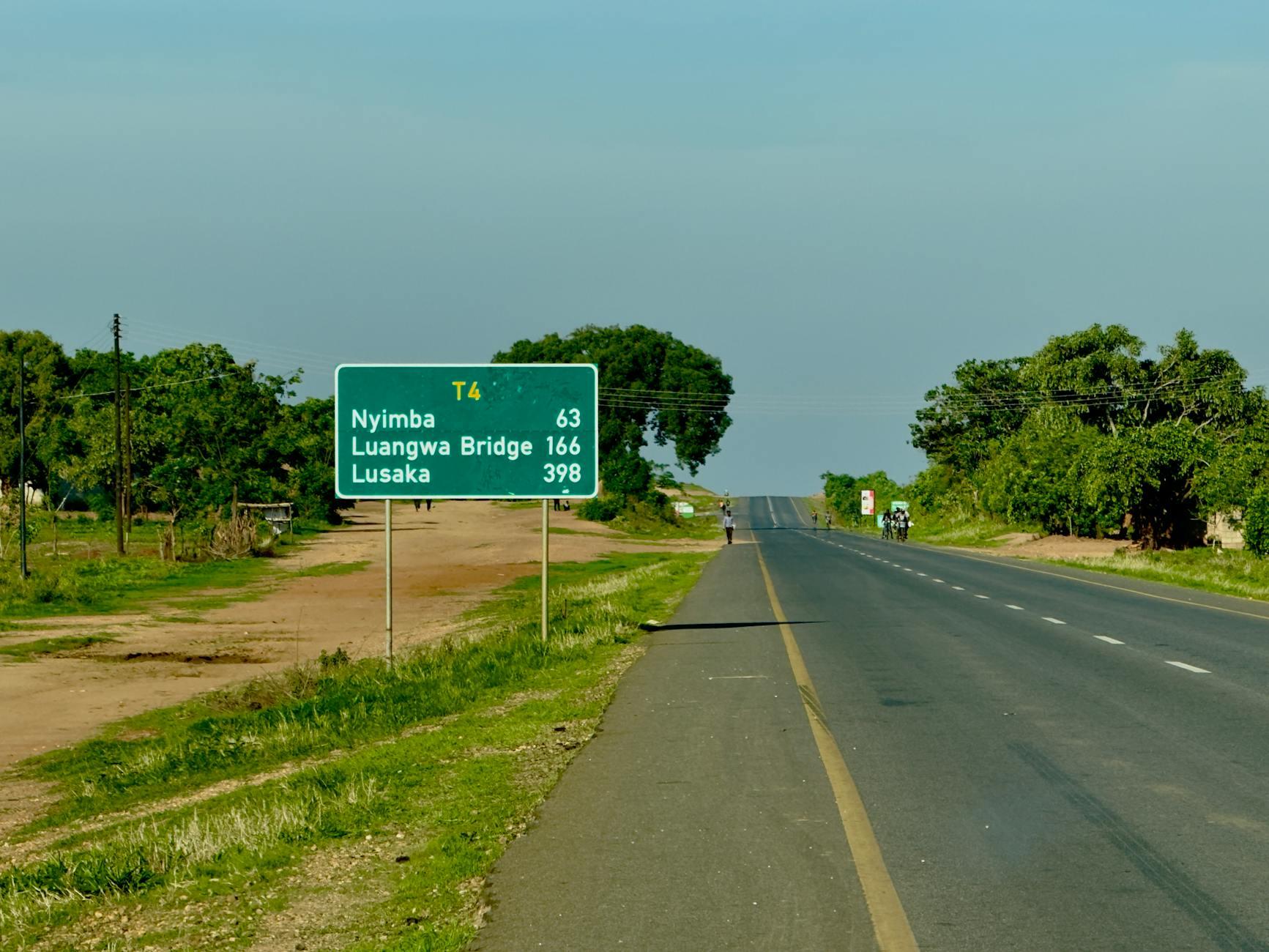
Most visitors fly between the parks, but Zambia also rewards a road trip for experienced travellers.
The Great East Road runs from Lusaka to Chipata, near South Luangwa, crossing the Luangwa River on the way: a long day, but a good way to see rural Zambia.
The Great North Road leads to Kasanka, Shiwa Ng’andu and the far north.
From Livingstone, roads run to Kafue and the Lower Zambezi.
Self-drive is for the adventurous: fuel and help can be far apart. A private driver-guide, or flying, is more relaxing.
When to go: the seasons in Zambia
- Dry season (May to October): the best time for game, as animals gather by the rivers. June to August is cool and comfortable; September and October are hot but have the best sightings.
- Green season (November to April): rain, lush landscapes, baby animals and superb birdwatching. Many bush camps close, but some in South Luangwa stay open, with boat safaris when the river is high.
- Victoria Falls: at its fullest from about March to May, when the spray can hide the view. At its lowest in October and November, when parts of the Zambian side may run dry.
| Month | South Luangwa | Lower Zambezi | Kafue | Livingstone | Lusaka |
|---|---|---|---|---|---|
| Jan | 29°C | 30°C | 27°C | 29°C | 25°C |
| Mar | 29°C | 31°C | 28°C | 29°C | 25°C |
| May | 30°C | 29°C | 27°C | 27°C | 24°C |
| Jul | 29°C | 28°C | 26°C | 25°C | 22°C |
| Aug | 32°C | 31°C | 29°C | 29°C | 26°C |
| Sep | 35°C | 34°C | 33°C | 33°C | 29°C |
| Oct | 37°C | 37°C | 34°C | 36°C | 31°C |
| Nov | 37°C | 36°C | 32°C | 34°C | 30°C |
Average daily high, 10-year ERA5 data. The Livingstone figures are for Victoria Falls. Early mornings in June and July can be cold, so bring a fleece for game drives.
Zambia with its neighbours
Zambia combines easily with Zimbabwe at Victoria Falls, and with Botswana: Chobe is about an hour from Livingstone, across the Kazungula bridge, and the Okavango Delta is a short flight further. Malawi is next door to South Luangwa; fly from Mfuwe to Lilongwe and finish on Lake Malawi. See our Zimbabwe, Botswana and Malawi holiday guides.
Classic routes
Luangwa and the Falls
- Lusaka (1 night)
- South Luangwa (4)
- Lower Zambezi (3)
- Livingstone (2)
The best of Zambia’s safaris, finishing at Victoria Falls.
Walking safari special
- South Luangwa (3 nights)
- North Luangwa or a walking trail (4)
- Lower Zambezi (3)
- Lusaka (1)
Mostly on foot and by canoe.
Zambia and Botswana
- Livingstone (3 nights)
- Chobe (2)
- Okavango Delta (3)
- Kafue (3)
Falls, rivers and the delta.
Ways to see Zambia with us
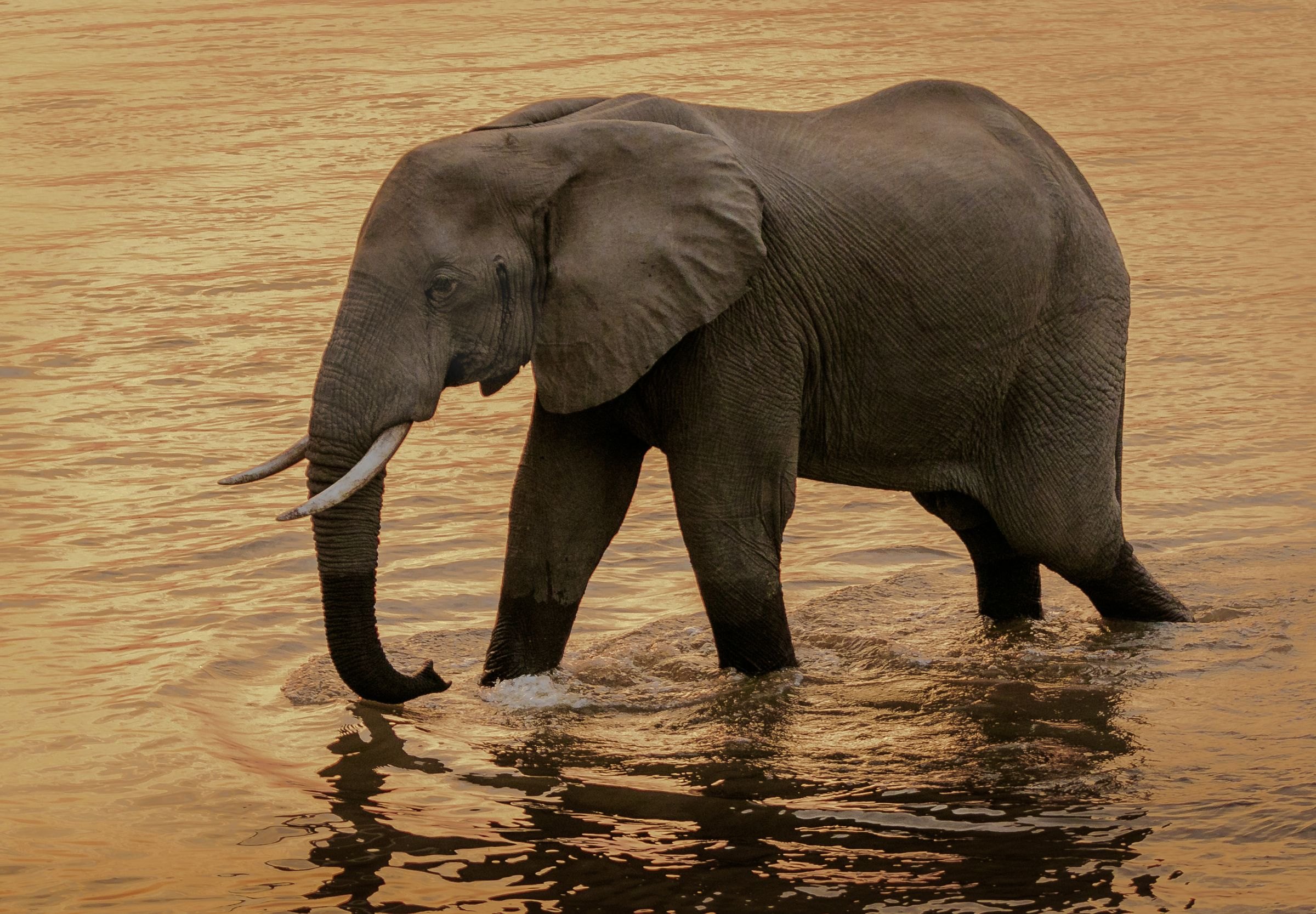
Most Zambia safaris are tailor-made around the camps and seasons that suit you; talk to a Travel Designer.
Practical tips
- Entry: no visa needed for British tourists. Check the FCDO Zambia advice before you book.
- Health: malaria is a risk throughout Zambia, so take antimalarials. Ask your GP or a travel clinic about yellow fever and other vaccinations.
- Light aircraft: luggage limits are strict, usually soft bags only.
- Clothes: neutral colours for walking safaris (no white or bright colours), and warm layers for early mornings.
- Money: the kwacha is the currency; US dollars are widely used in safari camps.
- Remote border areas: take care near the border with the DRC, which isn’t clearly marked in rural areas. Safari areas are far from it.
Frequently asked questions
What are the best national parks in Zambia?
South Luangwa for walking safaris and leopards, the Lower Zambezi for canoeing, Kafue for wilderness and the Busanga Plains, and Liuwa Plain for its wildebeest migration. North Luangwa and Kasanka are for the adventurous.
What are the best things to do in Zambia?
A walking safari in Luangwa, a night drive, canoeing on the Lower Zambezi, Victoria Falls and Devil's Pool, rafting the Zambezi, and the wildebeest of Liuwa or the bats of Kasanka in November.
What is Nsefu in Zambia?
The Nsefu sector is a quiet part of South Luangwa National Park on the east bank of the Luangwa River, north of Mfuwe. Zambia's first photographic safari camp opened there in 1951.
Where is Chiawa in Zambia?
Chiawa is the area where the Kafue River meets the Zambezi, just west of Lower Zambezi National Park. It's the gateway to the park, with camps along the river.
Is Kafue National Park worth visiting?
Yes, for a quiet, wild safari. It's one of Africa's largest parks, and the Busanga Plains in the north are superb from June to October.
What is Shiwa Ng'andu?
An English-style country house and estate built in the 1920s in the bush of northern Zambia, with natural hot springs nearby. It's a stop on the Great North Road.
Do UK citizens need a visa for Zambia?
No, not for tourism. To visit both sides of Victoria Falls, the KAZA UNIVISA covers Zambia and Zimbabwe and day trips to Botswana.
When is the best time for a safari in Zambia?
June to October, in the dry season. September and October are hot but have the best game viewing. The green season, from November to April, is good for birds and has fewer visitors, but many camps close.
Keep planning
- Zambia holidays
- Escorted tours of Zambia
- Zimbabwe holiday guide
- Botswana holiday guide
- Malawi holiday guide
- Tanzania holiday guide
- Namibia holiday guide
- Tailor-made holidays
Plan your Zambia safari with a Travel Designer
Tell us when you’d like to go and we’ll match the parks and camps to the season, with light-aircraft flights and Victoria Falls, in one ATOL-protected booking.
Make an enquiry Zambia holidays