Namibia in brief
- Most trips loop from Windhoek to Sossusvlei, Swakopmund, Damaraland and Etosha.
- Add the Skeleton Coast, Kaokoland, the Zambezi Region or Fish River Canyon.
- The dry season (May to October) is best for wildlife; the coast is cool and dry all year. See when to go.
- There are no direct UK flights. Since April 2025 British visitors need a visa, available on arrival or online.
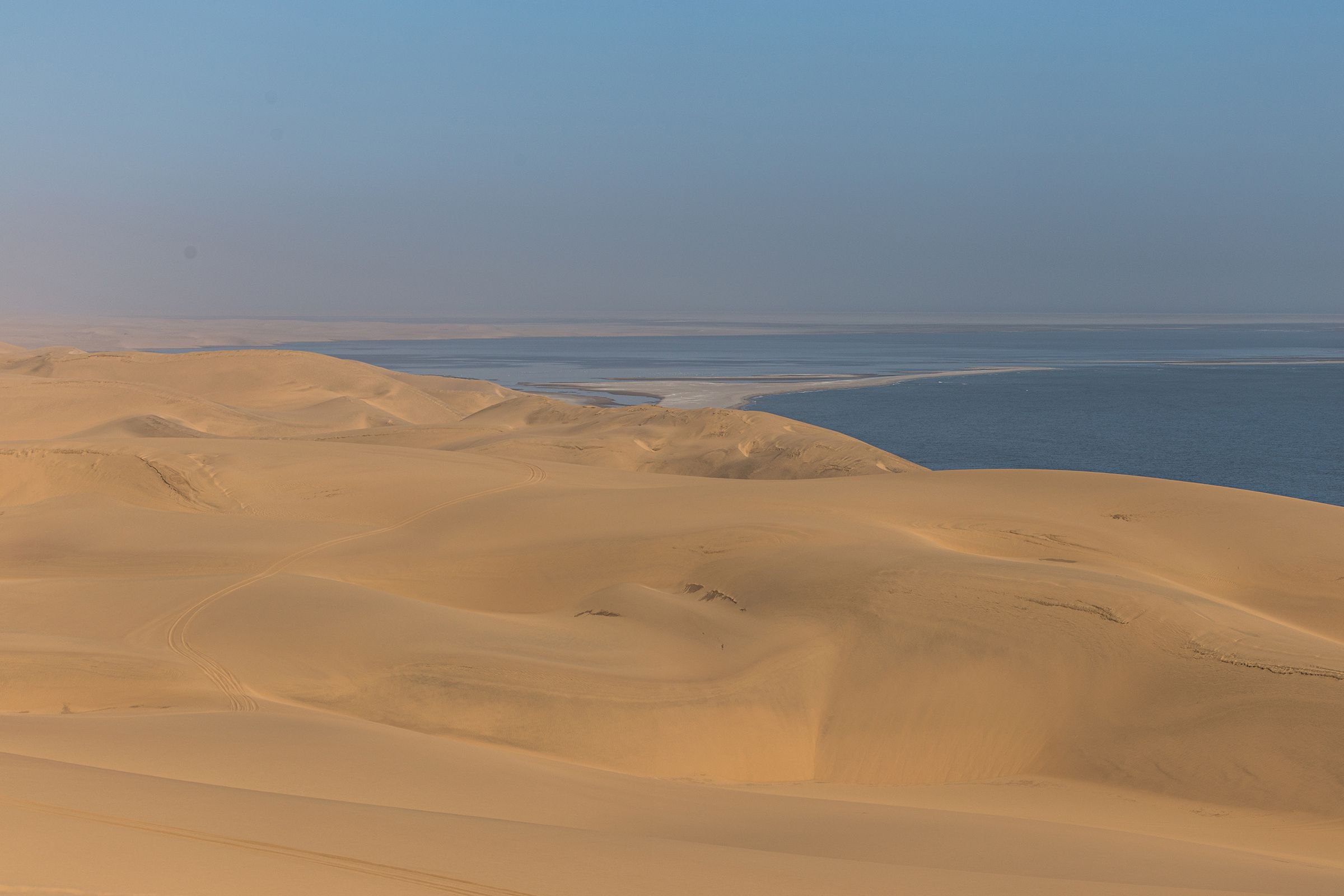
Namibia is a land of huge skies and empty spaces: the red dunes of Sossusvlei, the fog-bound Skeleton Coast, the wildlife of Etosha and the desert-adapted elephants and rhinos of Damaraland. It’s more than three times the size of the UK with about three million people, good roads and some of the most dramatic landscapes in Africa. This guide covers the regions and towns, the coast, routes, seasons and what UK travellers need before they go.
Where to go in Namibia
Most trips make a loop from Windhoek: south to the dunes, west to the coast at Swakopmund, north through Damaraland to Etosha. Distances are long, mostly on gravel roads, so allow two nights in most places. For our group trips, see Namibia tours compared.
Sossusvlei and the Namib Desert
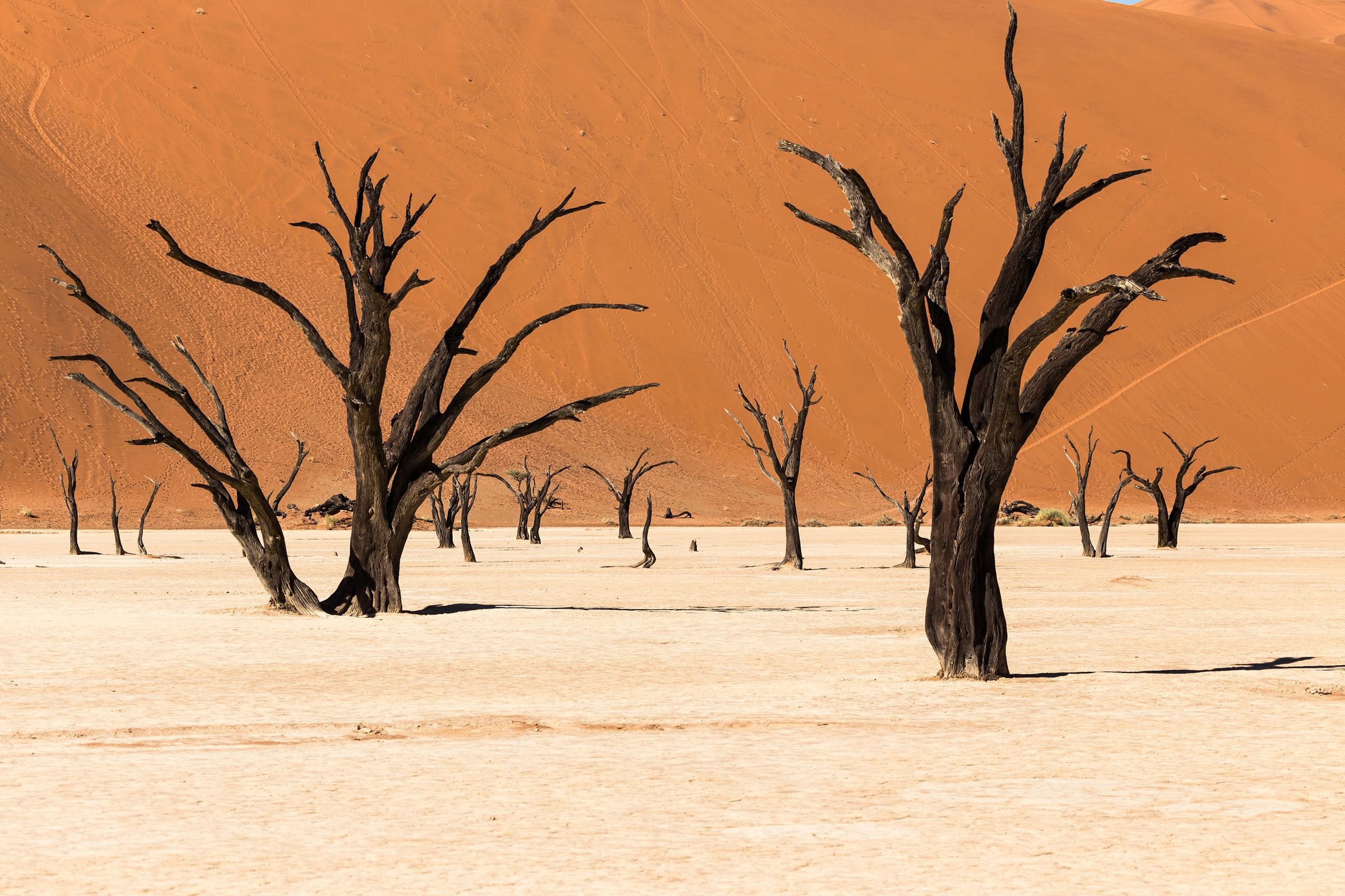
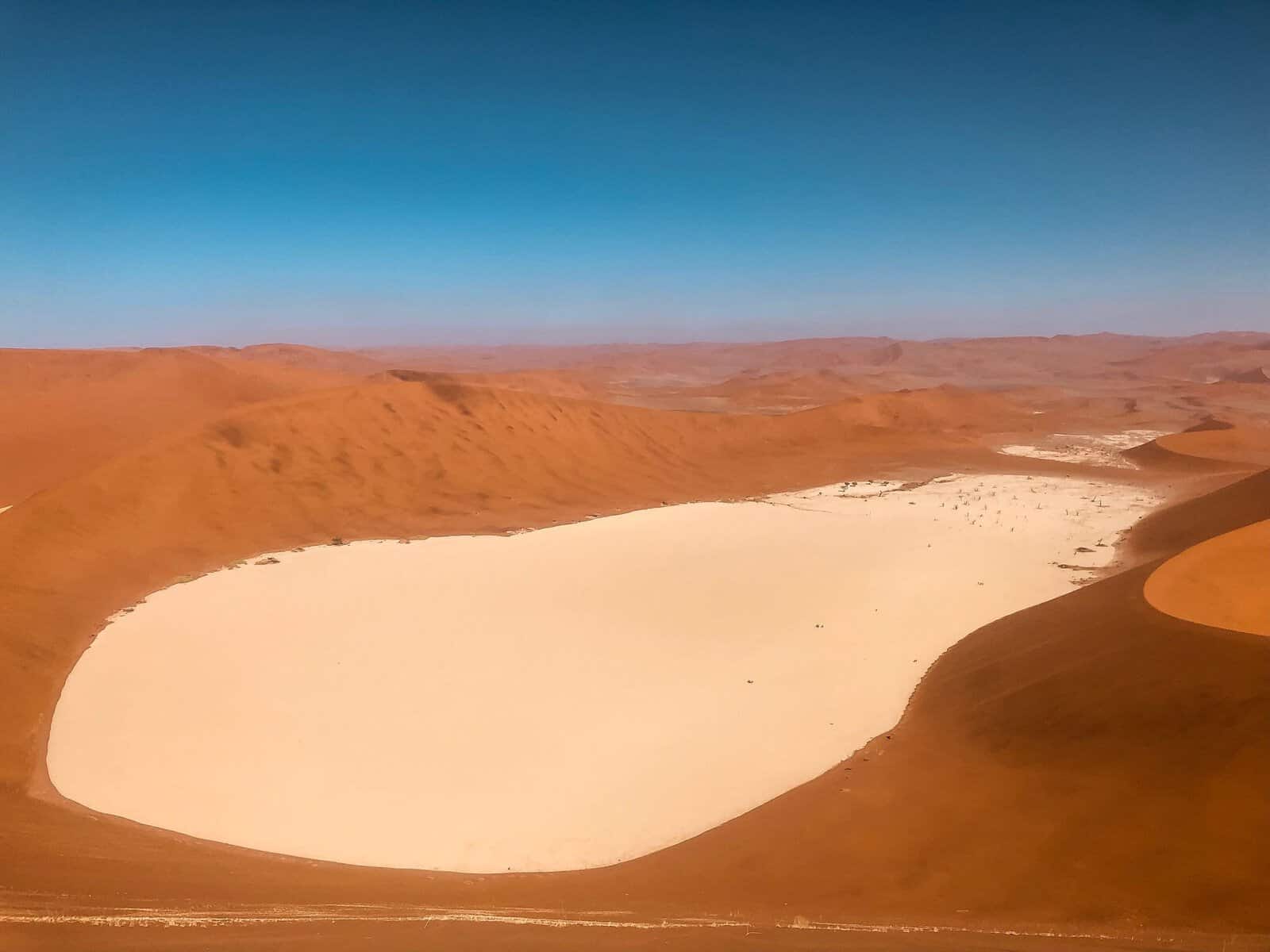
The Namib is often called the oldest desert in the world. At Sossusvlei, some of the tallest dunes on earth glow red at sunrise, and at Deadvlei the blackened trunks of centuries-old camelthorn trees stand on a white clay pan.
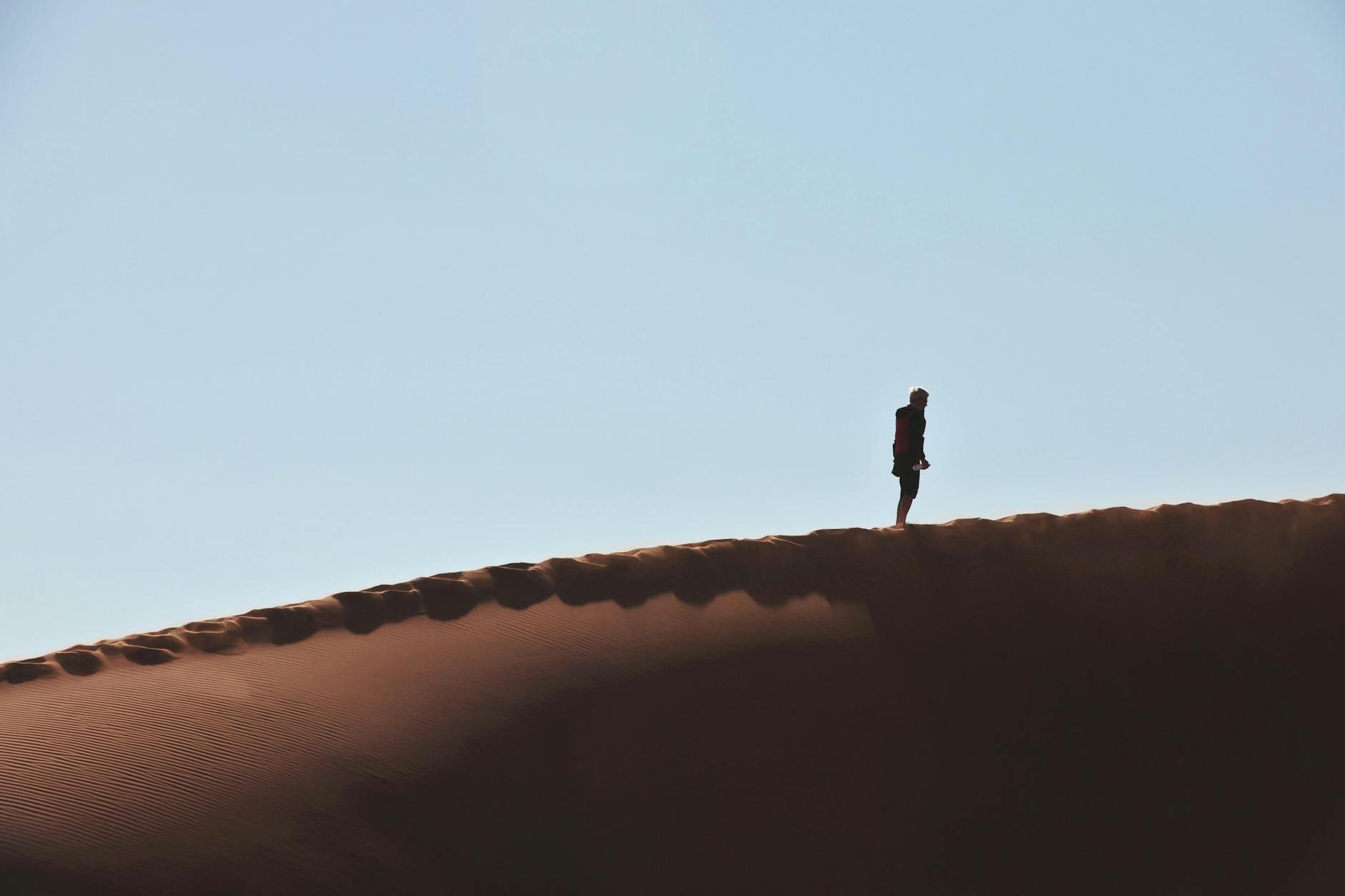
Climb Dune 45 or Big Daddy at dawn, explore the narrow Sesriem Canyon, and take a scenic flight or hot-air balloon over the sand sea.
Namibia holidays →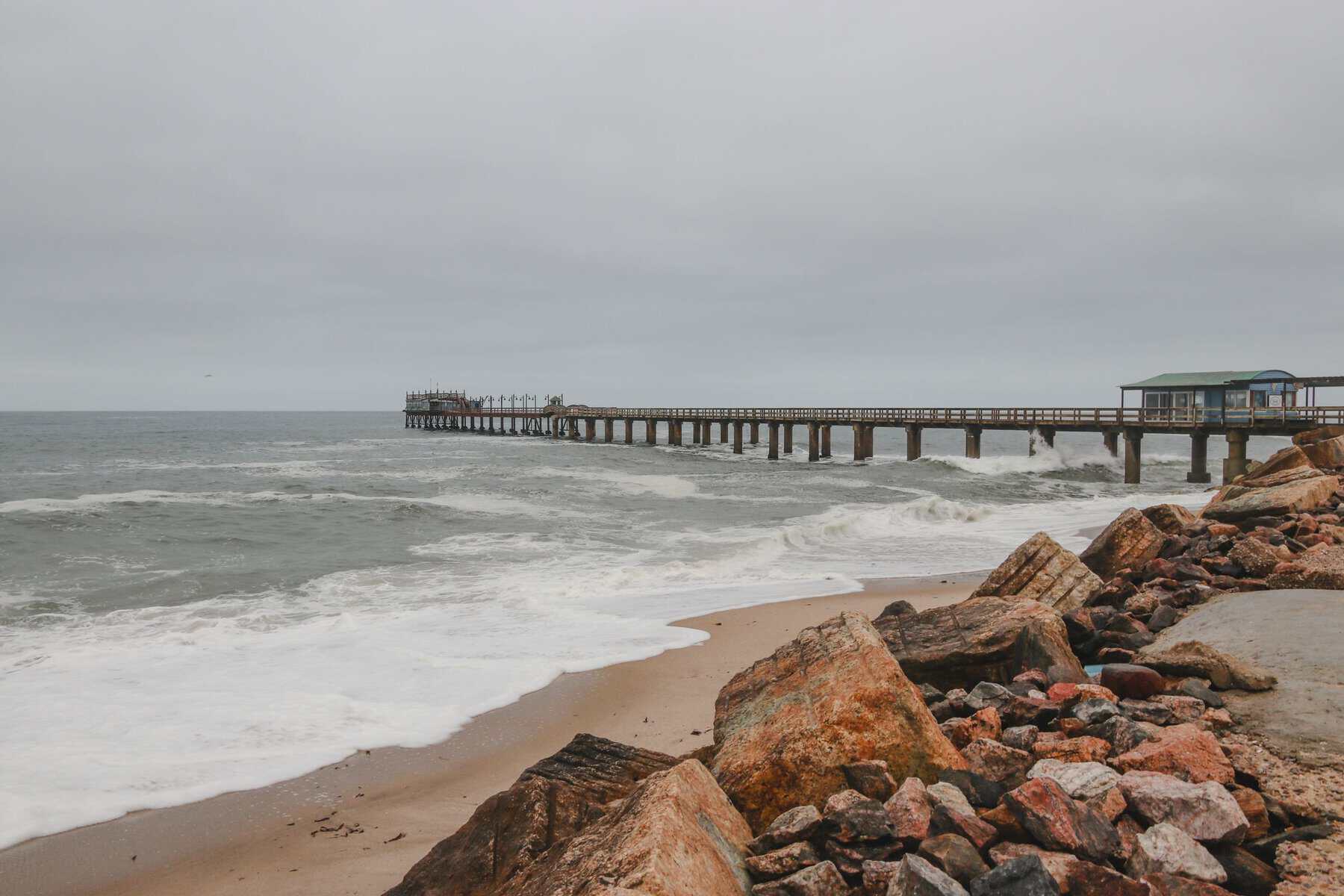
Swakopmund and Walvis Bay
Namibia’s seaside town has German colonial buildings, cafés and a cool sea breeze. It’s the adventure capital: try sandboarding, quad biking or a “living desert” tour to find chameleons and geckos in the dunes.
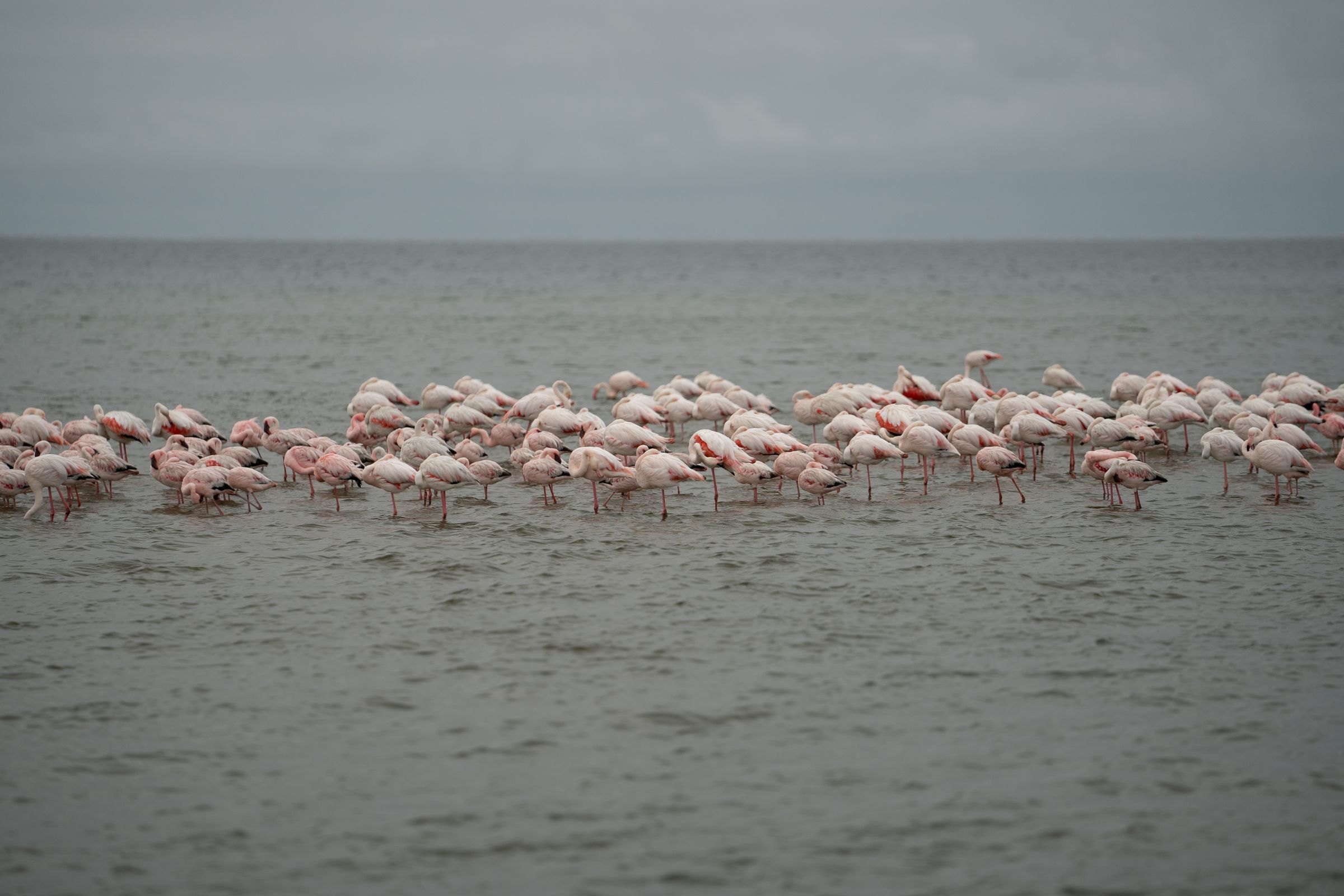
At nearby Walvis Bay, boat trips meet dolphins, seals and sometimes whales, and the lagoon is pink with flamingos.
The Skeleton Coast
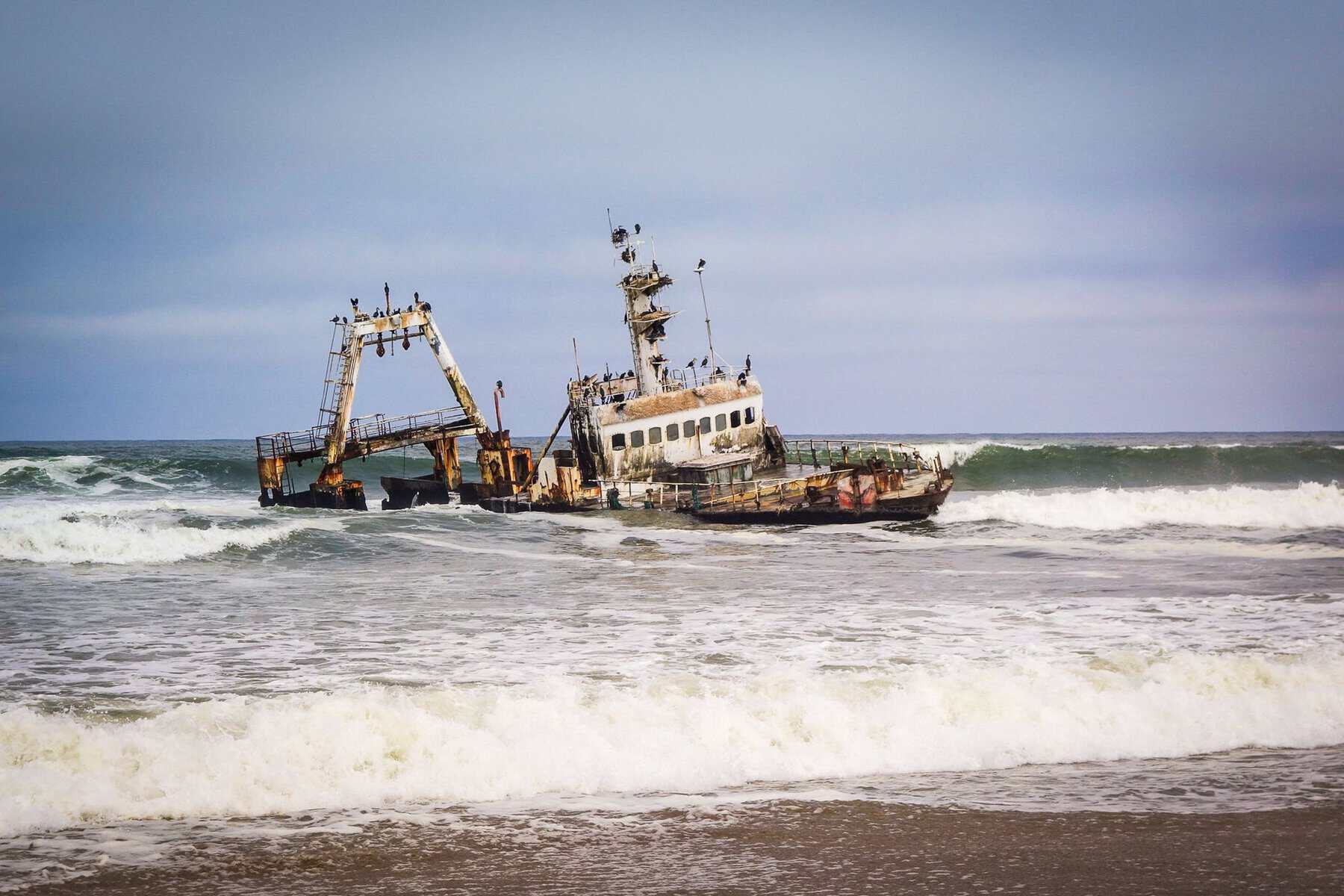
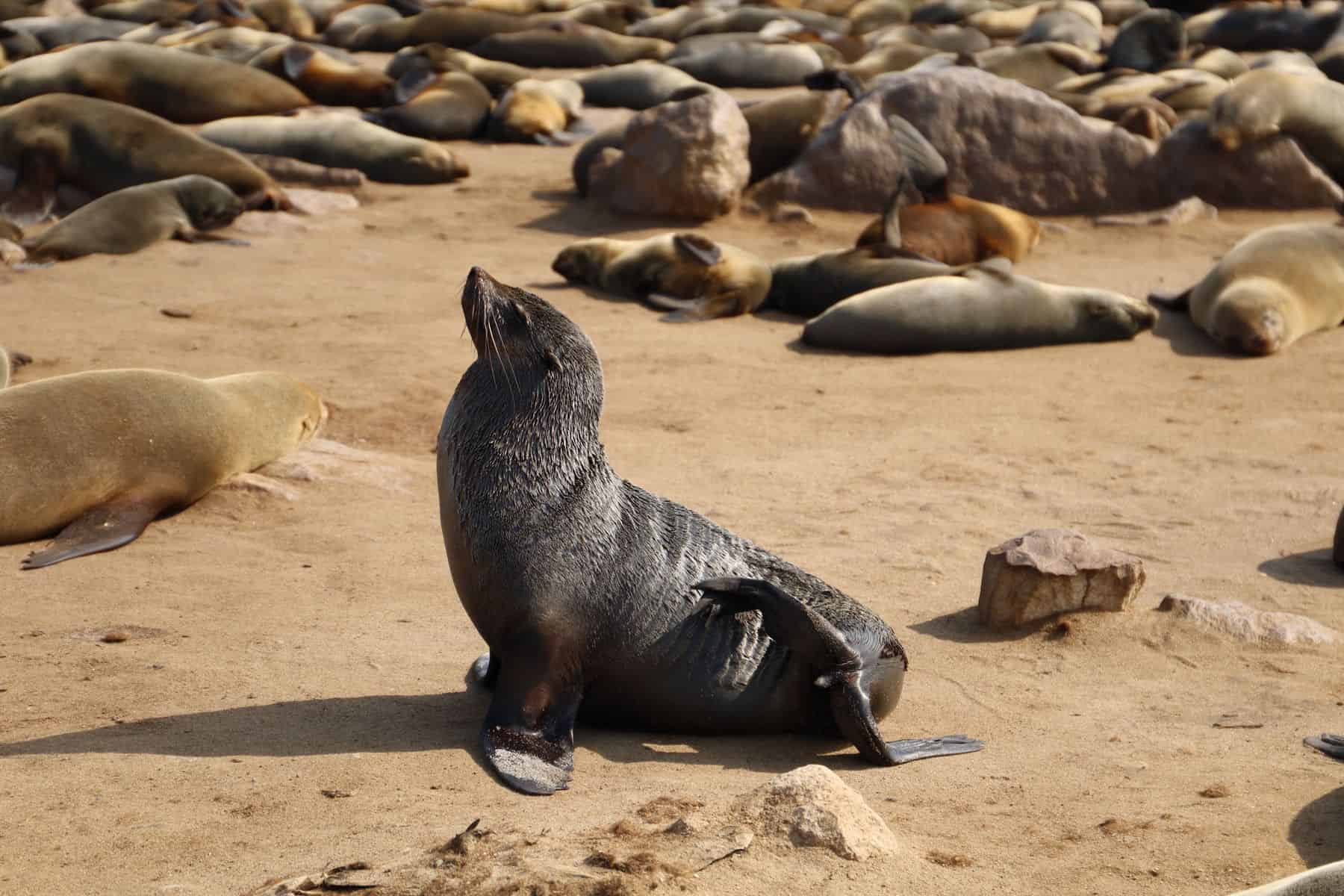
North of Swakopmund, the Skeleton Coast stretches for hundreds of kilometres of fog, dunes and wild surf. Rusting shipwrecks lie on the beach, and at Cape Cross tens of thousands of Cape fur seals crowd the rocks.
The southern part can be driven; the remote northern wilderness is reached by light aircraft.
Damaraland
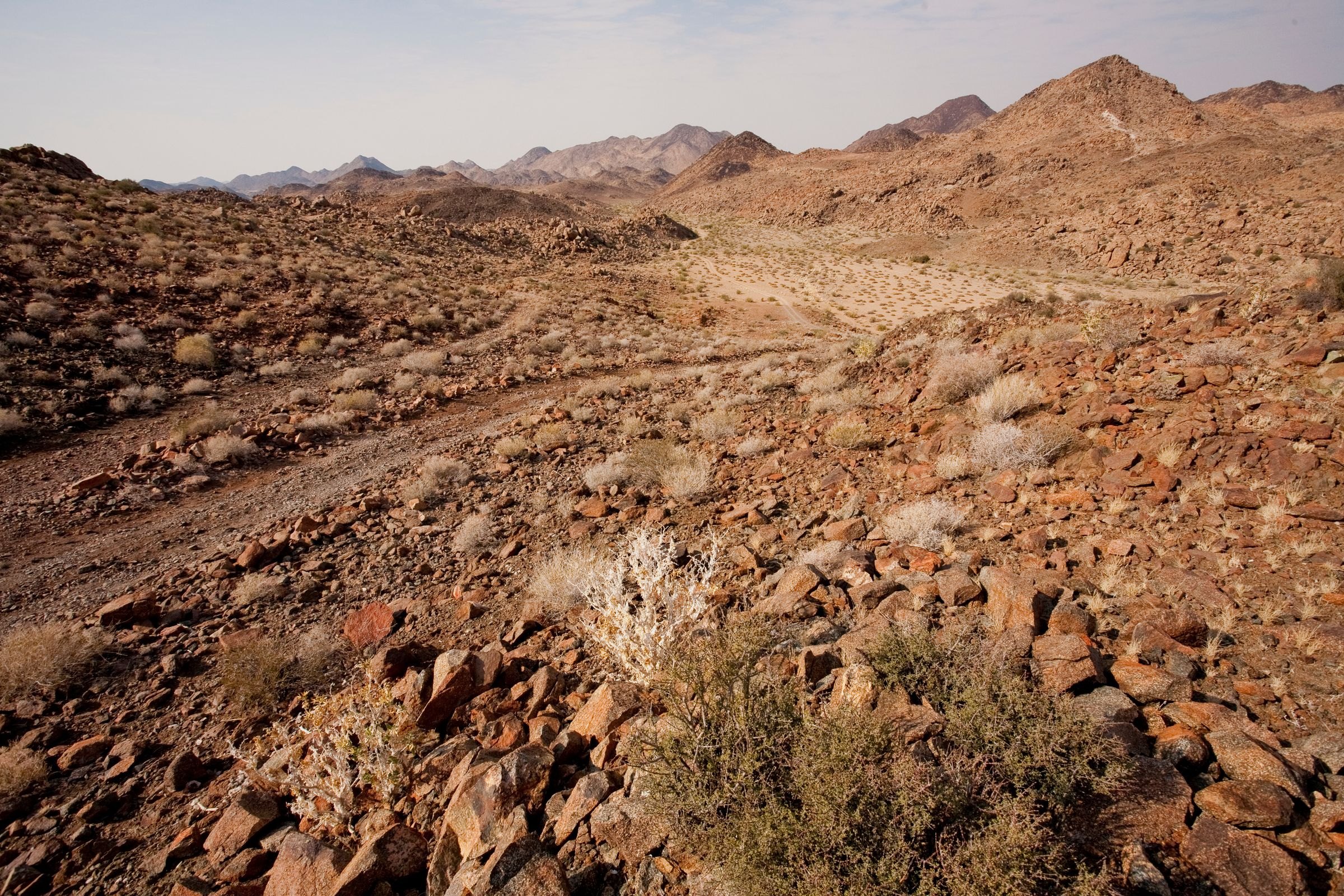
A wild land of red mountains and dry riverbeds, home to desert-adapted elephants and black rhinos, tracked on foot or by 4×4 with expert guides.
At Twyfelfontein, a UNESCO World Heritage Site, thousands of rock engravings were carved by hunter-gatherers.

Etosha National Park
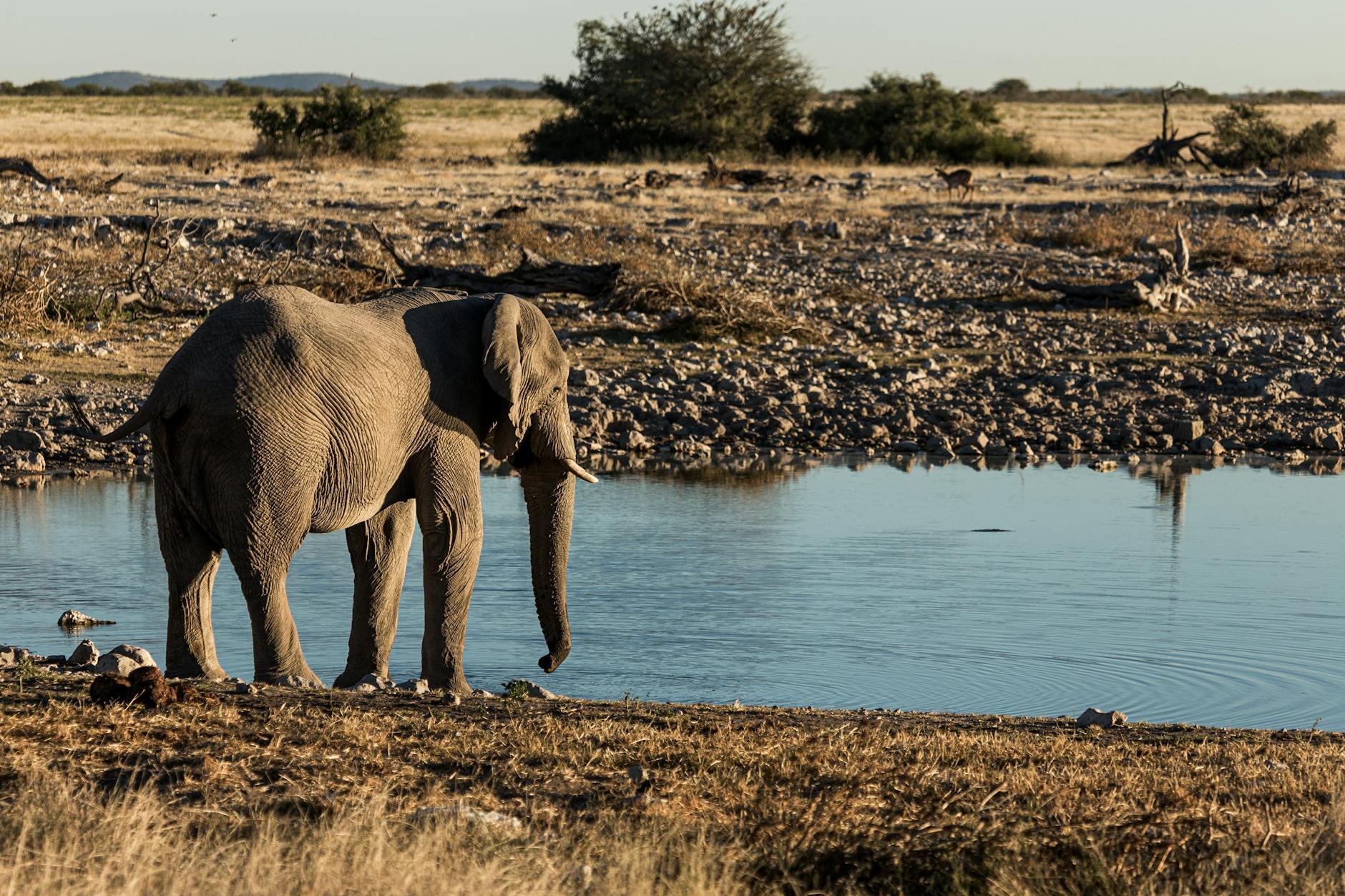
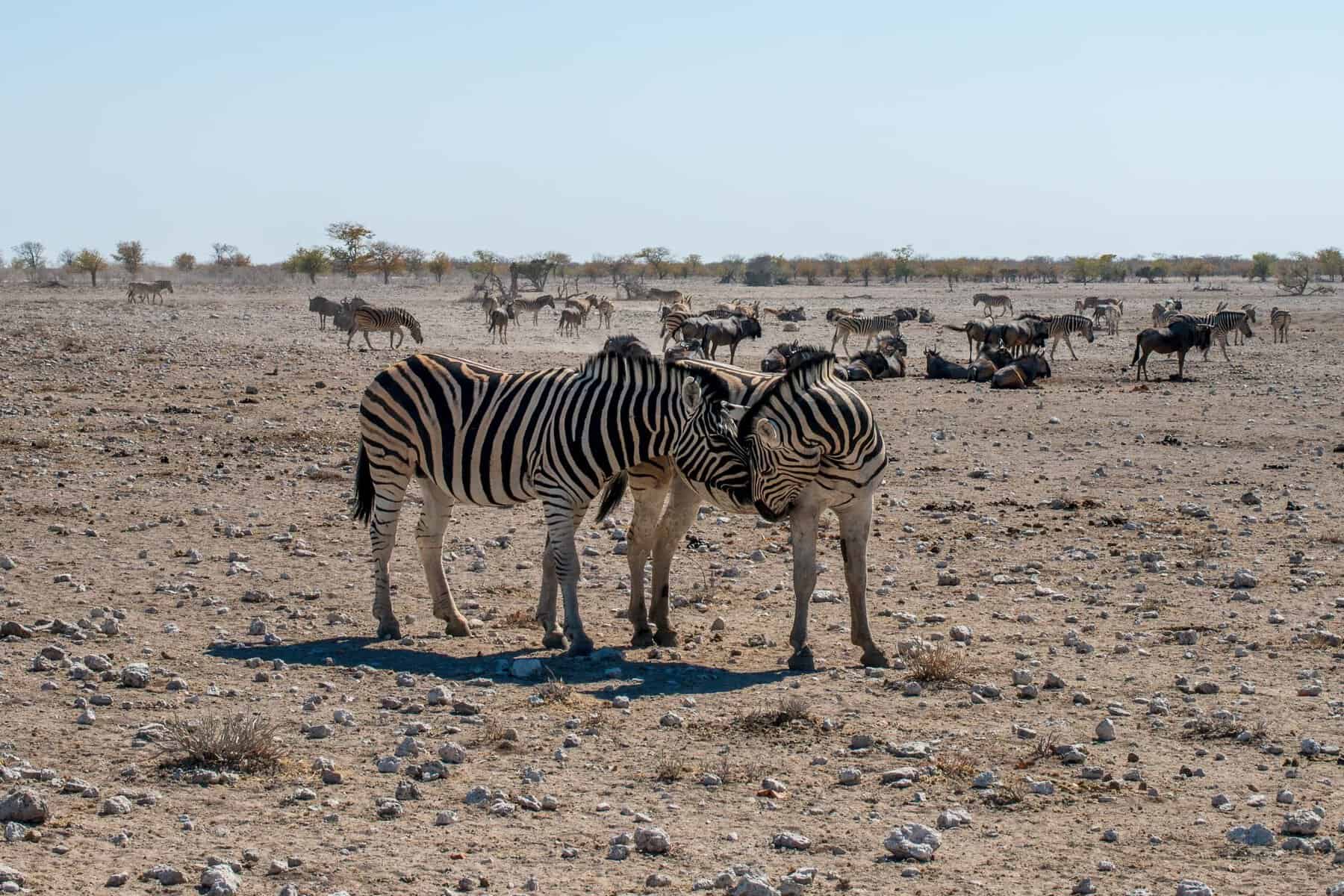
Built around a vast white salt pan, Etosha is one of Africa’s great parks. In the dry season, elephants, lions, giraffes, zebras and black rhinos come to drink at its waterholes, so you can simply park and wait.
Several camps have floodlit waterholes, where rhinos often appear after dark.

Kaokoland and the Himba
In the far north-west, the remote Kaokoland is home to the semi-nomadic Himba people, known for their ochre-coloured skin and hair.
Visit with a respectful, community-run guide, and continue to the Epupa Falls on the Kunene River, on the border with Angola.
The Zambezi Region (Caprivi)
The narrow strip once called the Caprivi Strip is Namibia’s green, watery corner, with rivers, floodplains and parks full of elephants, hippos and birds.
It links easily with Chobe in Botswana and Victoria Falls.

Fish River Canyon and the south
Fish River Canyon is one of the largest canyons in the world, about 160 km long. Watch the sunset from the rim, or hike to the bottom on the five-day trail from May to September.
On the coast, the old diamond town of Kolmanskop near Lüderitz is slowly filling with sand.

Windhoek
The small, relaxed capital sits in the central highlands at about 1,650 m. Most visitors spend a night here at the start or end of the trip.
See the Christuskirche and the Independence Memorial Museum, and try the lively restaurants.
Sunrise at Sossusvlei
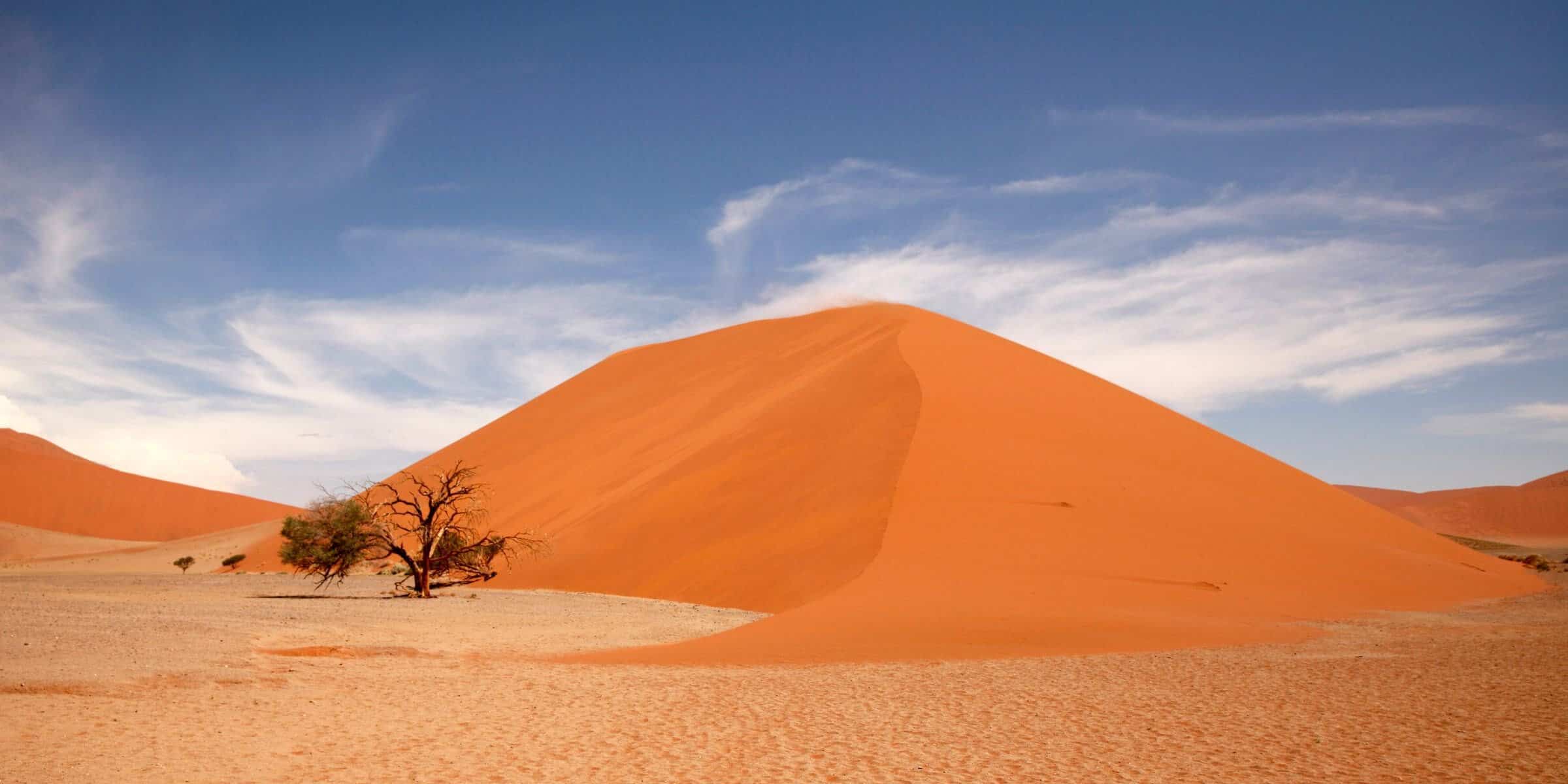
Before dawn: the park gates open around sunrise, and guests staying inside the park can set off earlier. Drive to Dune 45 and climb its ridge as the sun turns the sand red.
Morning: continue by 4×4 to Sossusvlei and walk to Deadvlei, where the contrast of white clay, black trees, red dunes and blue sky is unforgettable. Go early: by midday it’s very hot.
Afternoon: rest, then explore Sesriem Canyon and watch the sunset over the desert. The night skies here are some of the darkest in the world.
Why is it called the Skeleton Coast?
The name comes from the whale and seal bones that once covered its beaches, and from the many ships wrecked here. The cold Benguela current meets the hot desert, creating thick fog, strong currents and heavy surf. For sailors who reached the shore, there was no fresh water for hundreds of kilometres. Today it’s one of the world’s great wildernesses, best explored with a guide.
When to go
Namibia is dry and sunny most of the year. The dry season, from about May to October, is best for wildlife, as animals gather at Etosha’s waterholes; nights in the desert can drop close to freezing in June and July. From November to April, short summer storms bring green grass, newborn animals and migrant birds, and it’s very hot inland. The coast is cool and often foggy all year, and almost never rains.
Classic routes
The classic loop
- Windhoek (1 night)
- Sossusvlei (2)
- Swakopmund (2)
- Damaraland (2)
- Etosha (3)
- Windhoek or Okonjima (1)
The best first trip, by self-drive or with a guide.
Desert, coast and the south
- Windhoek (1 night)
- Fish River Canyon (2)
- Lüderitz (2)
- Sossusvlei (3)
- Swakopmund (2)
- Damaraland (2)
- Etosha (3)
Adds the canyon and the ghost town of Kolmanskop.
Fly-in safari
- Sossusvlei (3 nights)
- Skeleton Coast (3)
- Damaraland (2)
- Etosha (2)
Light aircraft save long drives and reach the remote coast.

Wildlife and landscapes



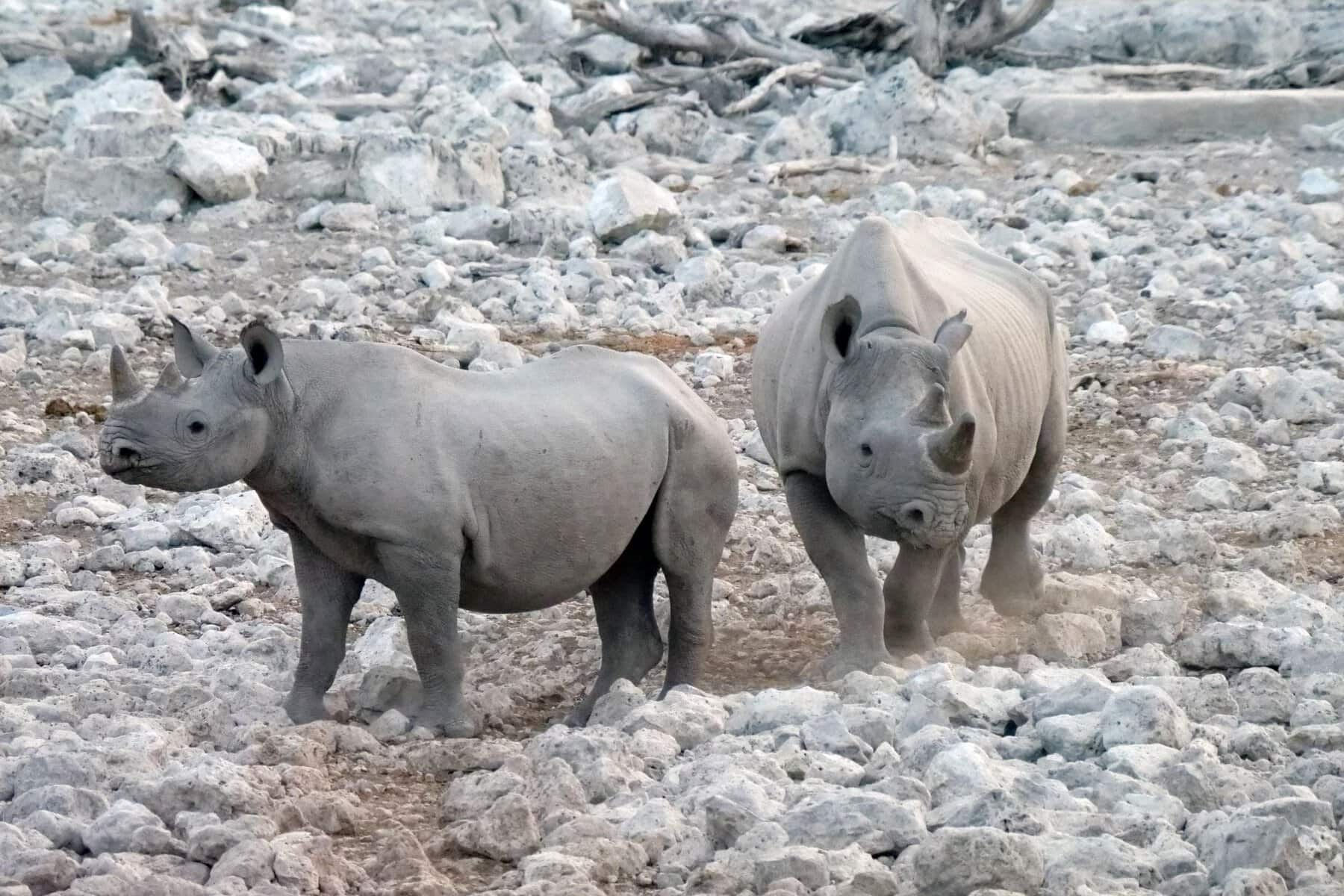
- Black rhinos: Namibia has one of the largest black rhino populations in the world, many living free in the desert.
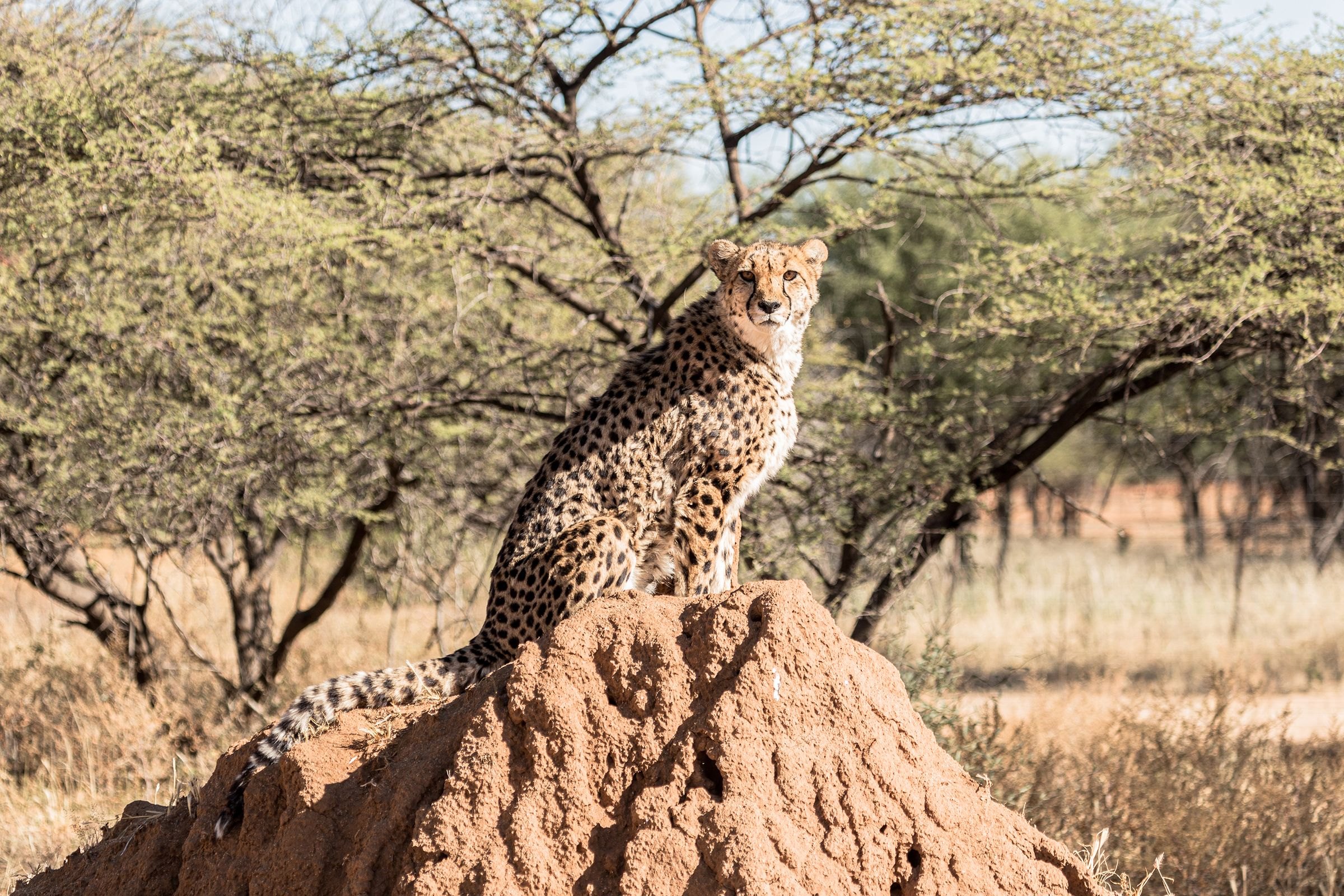
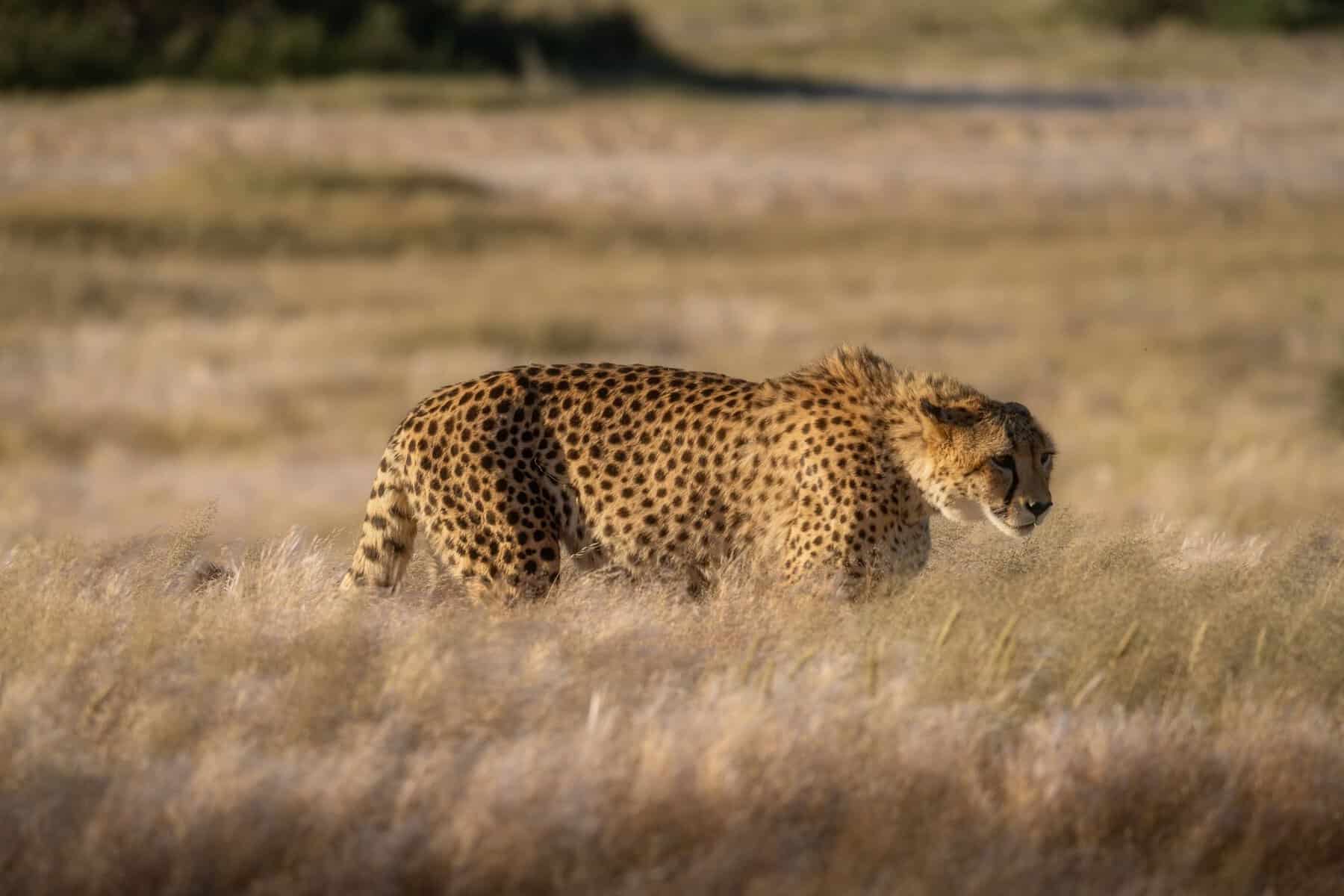
- Cheetahs: Namibia is home to more wild cheetahs than almost any other country.
- Desert adaptations: oryx, desert elephants and even beetles that drink fog show how life survives in the Namib.
Ways to see Namibia with us


Practical tips
- Entry: since April 2025, British visitors need a visa, which you can get on arrival or apply for online in advance. Your passport must be valid for six months after you arrive and have three blank pages, and children need a full birth certificate. Check the FCDO Namibia advice before you travel.
- Getting there: there are no direct flights from the UK. Fly via Johannesburg, Cape Town or Frankfurt to Windhoek.
- Self-drive: Namibia is one of the best self-drive countries in Africa, but roads are mostly gravel. Drive slowly, never at night, and carry water. A 4×4 is recommended.
- Money: the Namibian dollar is tied to the South African rand, which is also accepted. Cards work in towns, but carry cash for fuel and small places.
- Health: the far north, including Etosha in the rainy season and the Zambezi Region, is a malaria area. Ask a travel nurse before you go.
- Packing: bring warm layers for cold desert nights and foggy coast days, plus sunscreen and a hat for the midday heat.
Frequently asked questions
Why is it called the Skeleton Coast?
Because of the whale and seal bones that once littered its beaches and the many shipwrecks along it. Fog, strong currents and heavy surf made it deadly for ships, and there was no fresh water for survivors.
Why is the Skeleton Coast dangerous?
The cold Benguela current creates thick fog, rough seas and strong currents, and the desert behind the beach has no fresh water. Today visitors explore it safely with guides or on fly-in trips.
What is there to do in Swakopmund?
Sandboarding, quad biking and "living desert" tours in the dunes, dolphin and seal cruises from Walvis Bay, flamingo watching on the lagoon, and cafés and colonial buildings in town.
When is the best time to visit Etosha National Park?
From about May to October, the dry season, when animals gather at the waterholes. The green season, from November to April, brings newborn animals and birds but spreads wildlife out.
Do UK citizens need a visa for Namibia?
Yes. Since 1 April 2025 British passport holders need a visa, available on arrival or online in advance. Your passport needs six months' validity and three blank pages. Check the FCDO advice before you travel.
What are the main towns in Namibia?
Windhoek, the capital; Swakopmund and Walvis Bay on the coast; Lüderitz in the south; and Katima Mulilo in the Zambezi Region. Most of the country is wilderness between them.
Is Namibia good for a self-drive holiday?
Yes, it's one of Africa's best self-drive countries, with quiet roads, good signage and well-spaced lodges. Roads are mostly gravel, so drive carefully, avoid night driving and allow plenty of time.
How many days do you need in Namibia?
Twelve to fourteen days covers Sossusvlei, Swakopmund, Damaraland and Etosha. With more time, add Fish River Canyon in the south or the Zambezi Region and Victoria Falls.
Keep planning
- Namibia holidays
- Escorted tours of Namibia
- Namibia tours compared
- Botswana holiday guide
- South Africa holiday guide
- Safari holidays
- Cape Town to Etosha
- Tailor-made holidays
Plan your Namibia holiday with a Travel Designer
Tell us how you’d like to travel, by self-drive, with a guide or by light aircraft, and we’ll plan the route and lodges in one ATOL-protected booking.
Make an enquiry Namibia holidays