Swedish Lapland in brief
- Where to go: Kiruna and the ice hotel, Abisko, Luleå and its archipelago, Jokkmokk and the mountains.
- Things to do: northern lights, huskies, reindeer, snowmobiles, frozen sea walks and the midnight sun.
- Meet the Sámi and visit the UNESCO Gammelstad church town.
- The best time is January to March for winter, or June and July for the midnight sun.
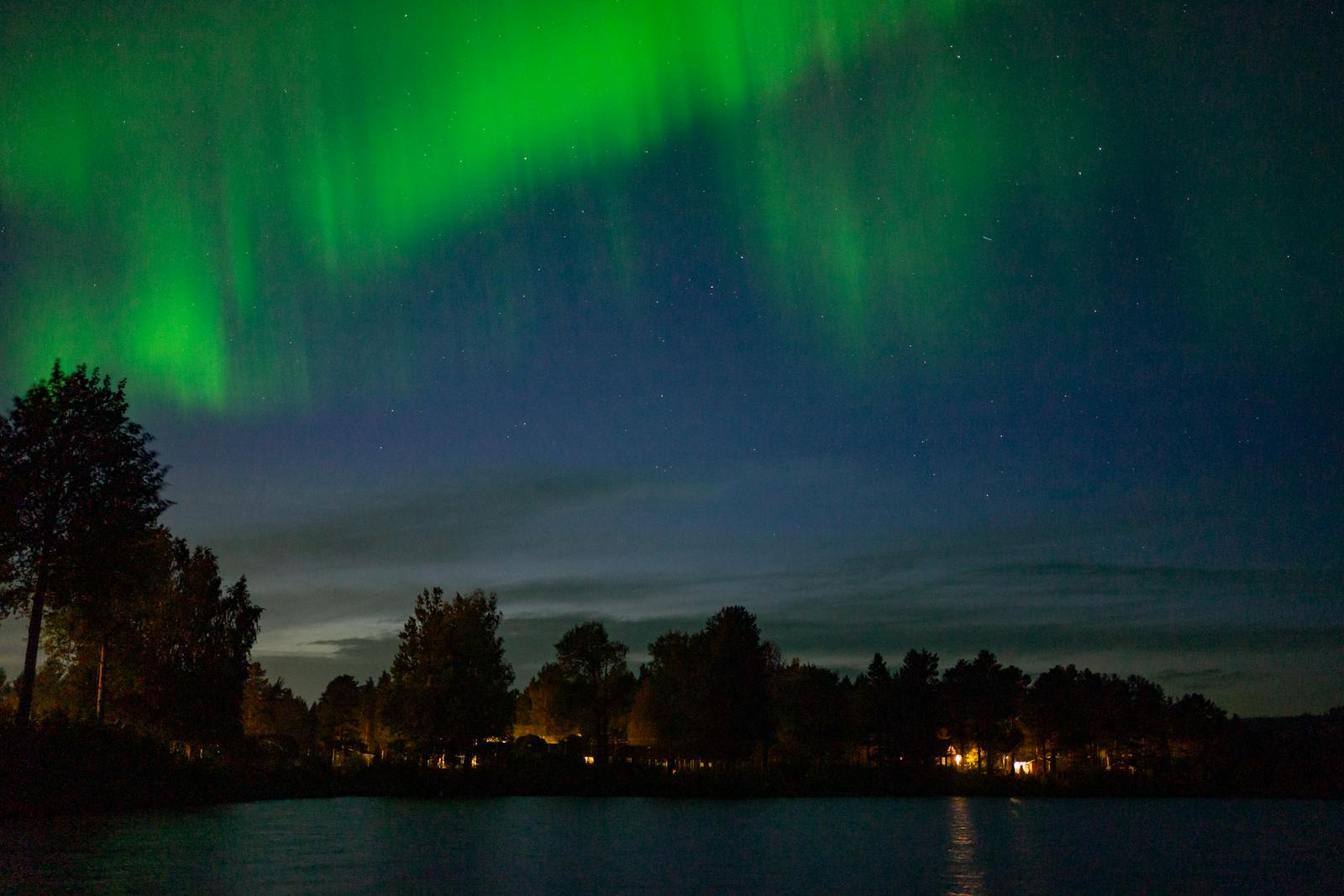
Swedish Lapland is the vast, wild north of Sweden: a quarter of the country, with fewer people than a London borough. It stretches from the Gulf of Bothnia coast at Luleå, across endless forest and rivers to the mountains on the Norwegian border, and it’s home to the Sámi, Europe’s only indigenous people. In winter it’s a land of snow, huskies, reindeer and northern lights; in summer the sun never sets. This guide covers where to go, things to do, Sámi culture, when to visit and how to get there from the UK.
Where to go in Swedish Lapland
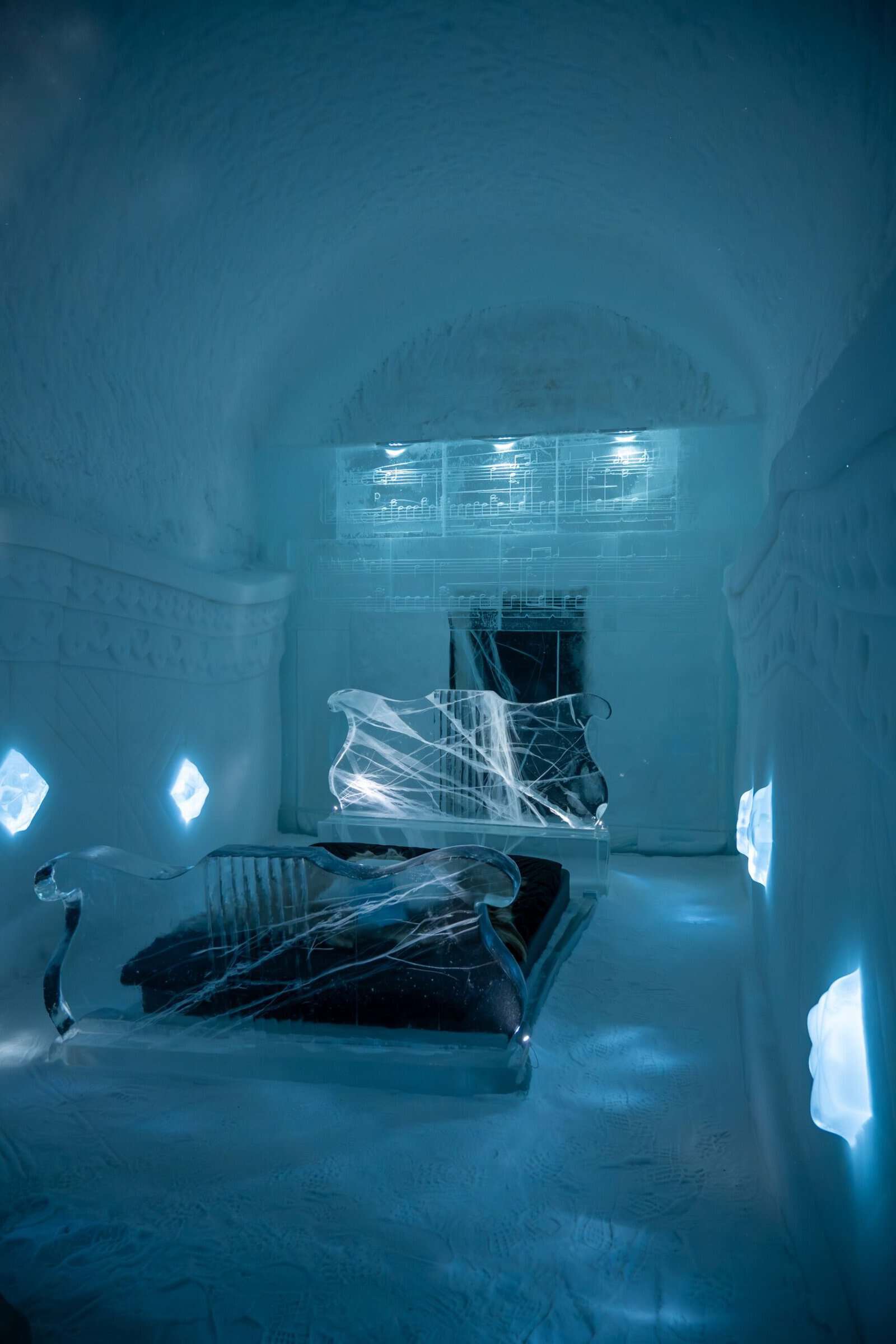
Kiruna and Jukkasjärvi
Sweden’s northernmost town, with the world’s first ice hotel at nearby Jukkasjärvi, rebuilt from river ice every winter. Kiruna itself is moving east to make way for its iron mine.
Kiruna and the ice hotel guide →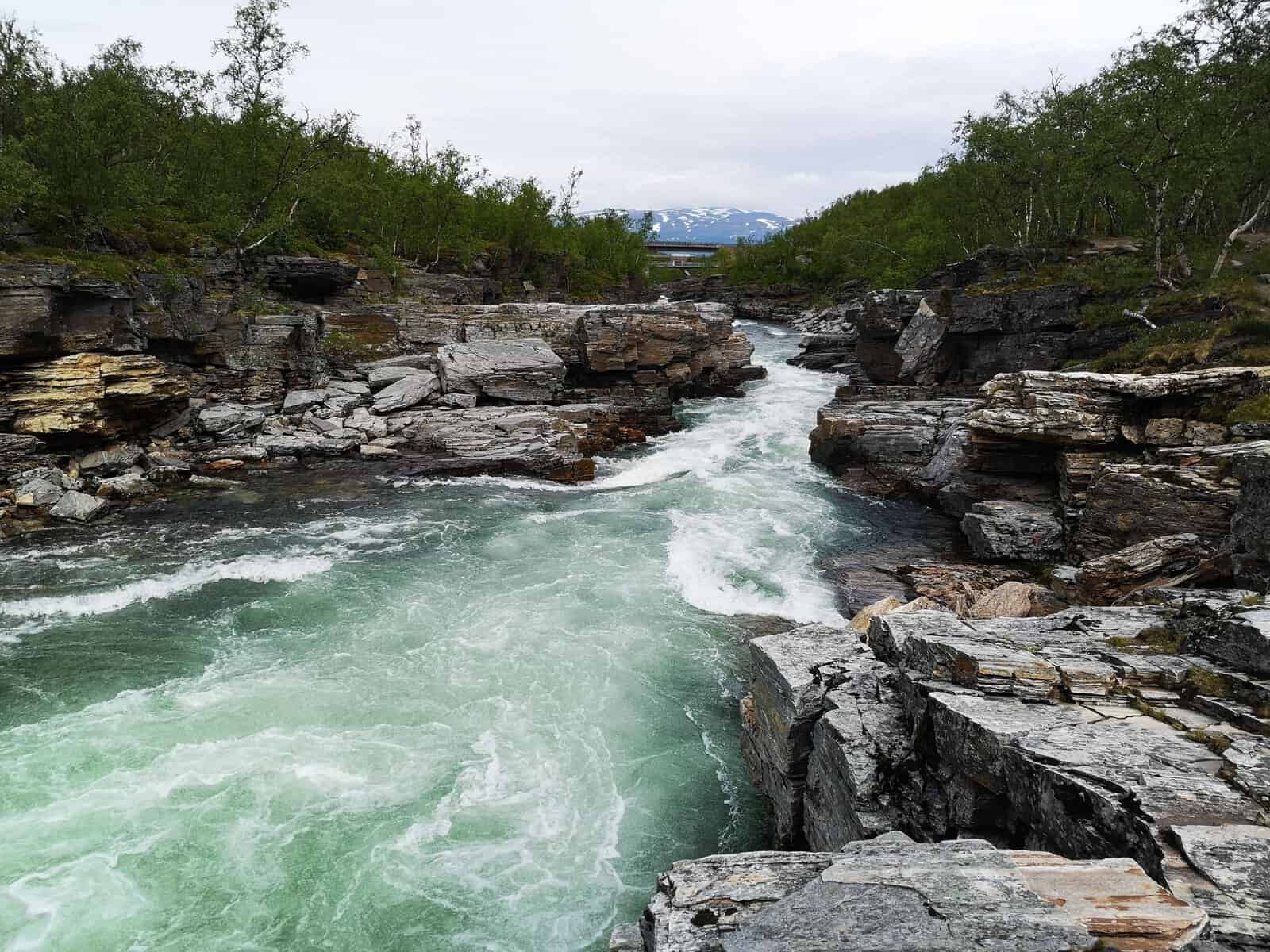
Abisko
A mountain village on lake Torneträsk with a famous patch of clear sky, making it one of the best places on earth for the northern lights.
Abisko and the northern lights guide →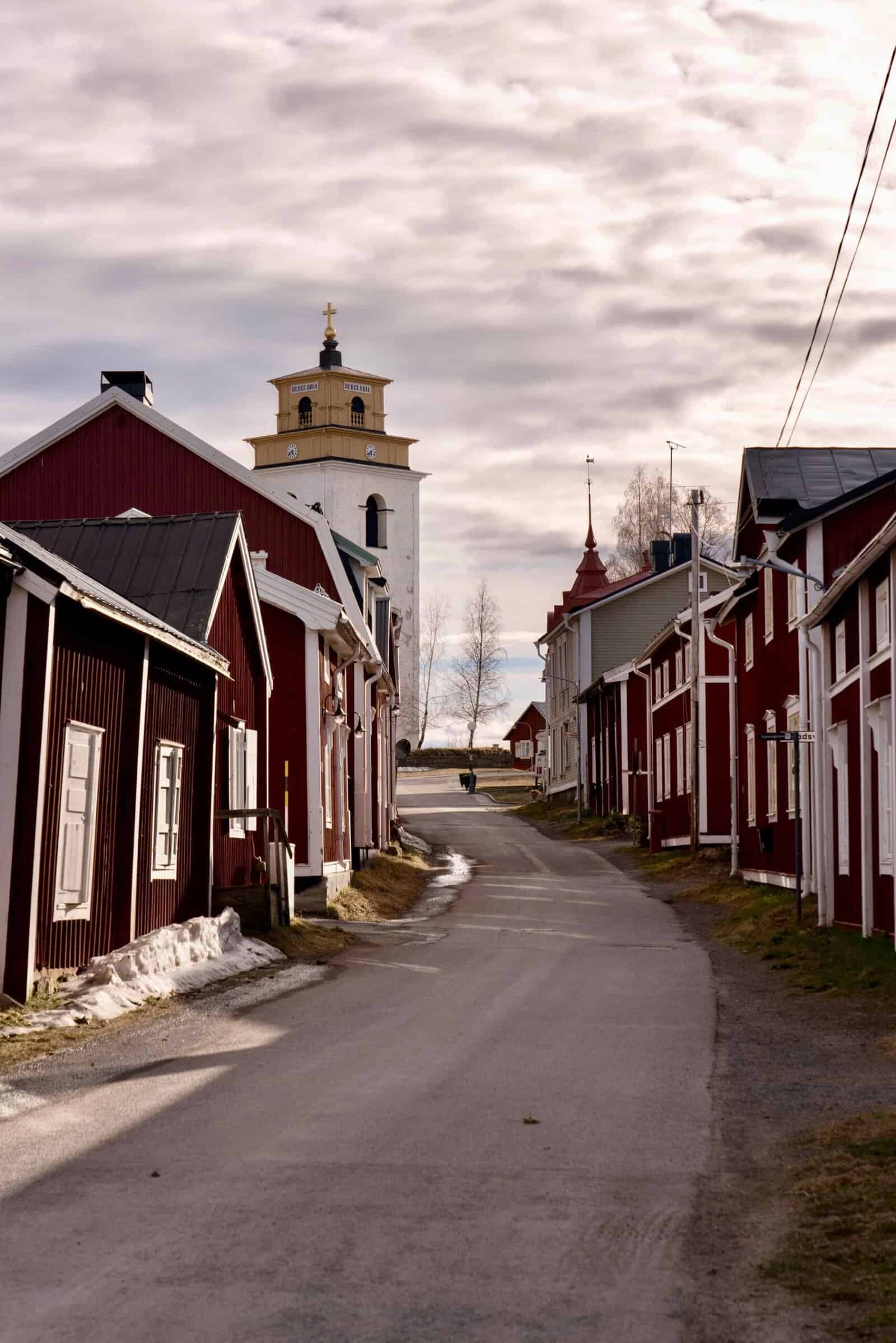
Luleå and the archipelago
A lively coastal city at the head of the Gulf of Bothnia, with an archipelago of more than 1,300 islands. In winter the sea freezes and ice roads and skating trails link the islands.
Jokkmokk and the Arctic Circle
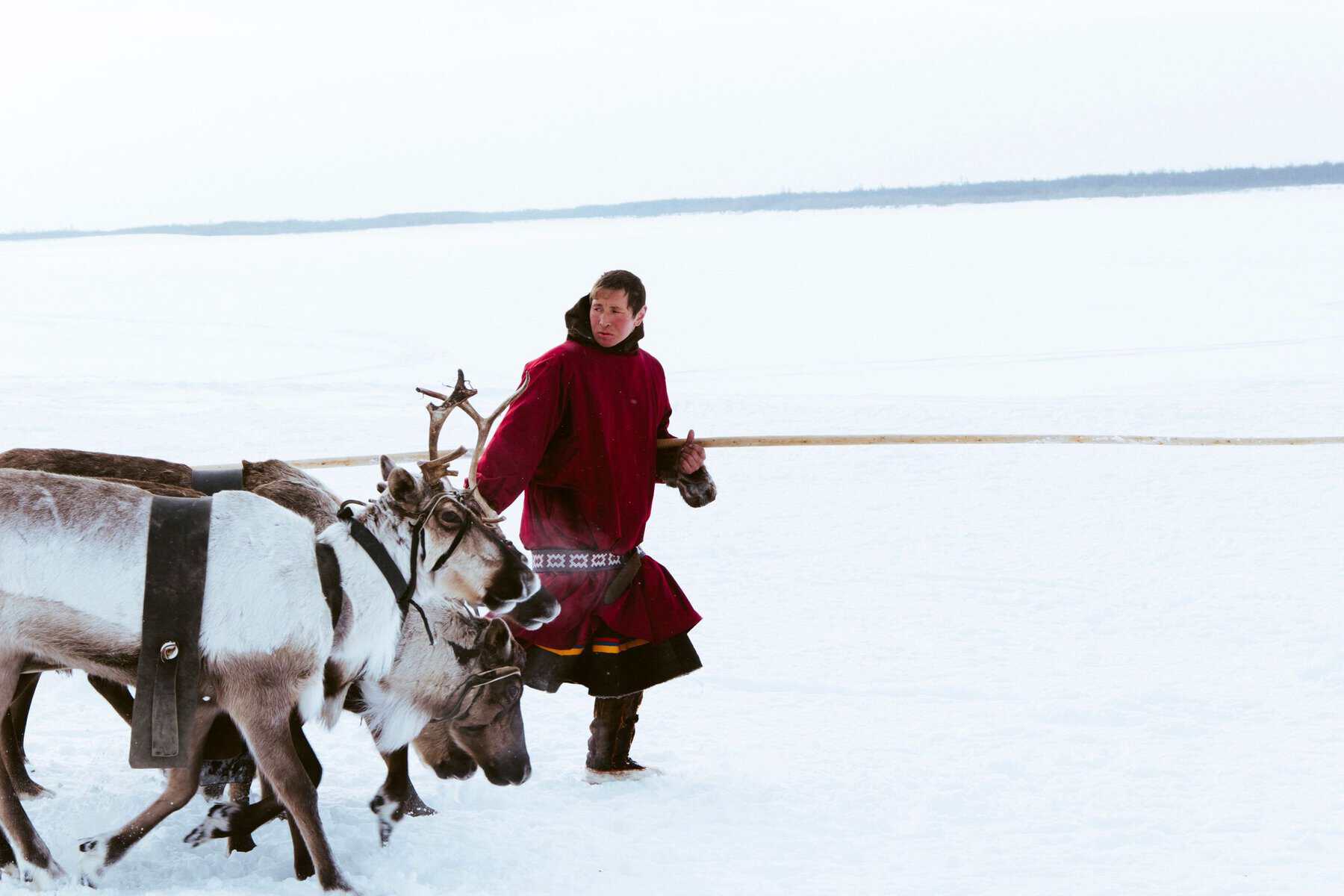
Just north of the Arctic Circle, Jokkmokk is a centre of Sámi culture, with a museum of Sámi life and the mountain world, and a famous winter market held every February for more than 400 years.

Laponia and the mountains
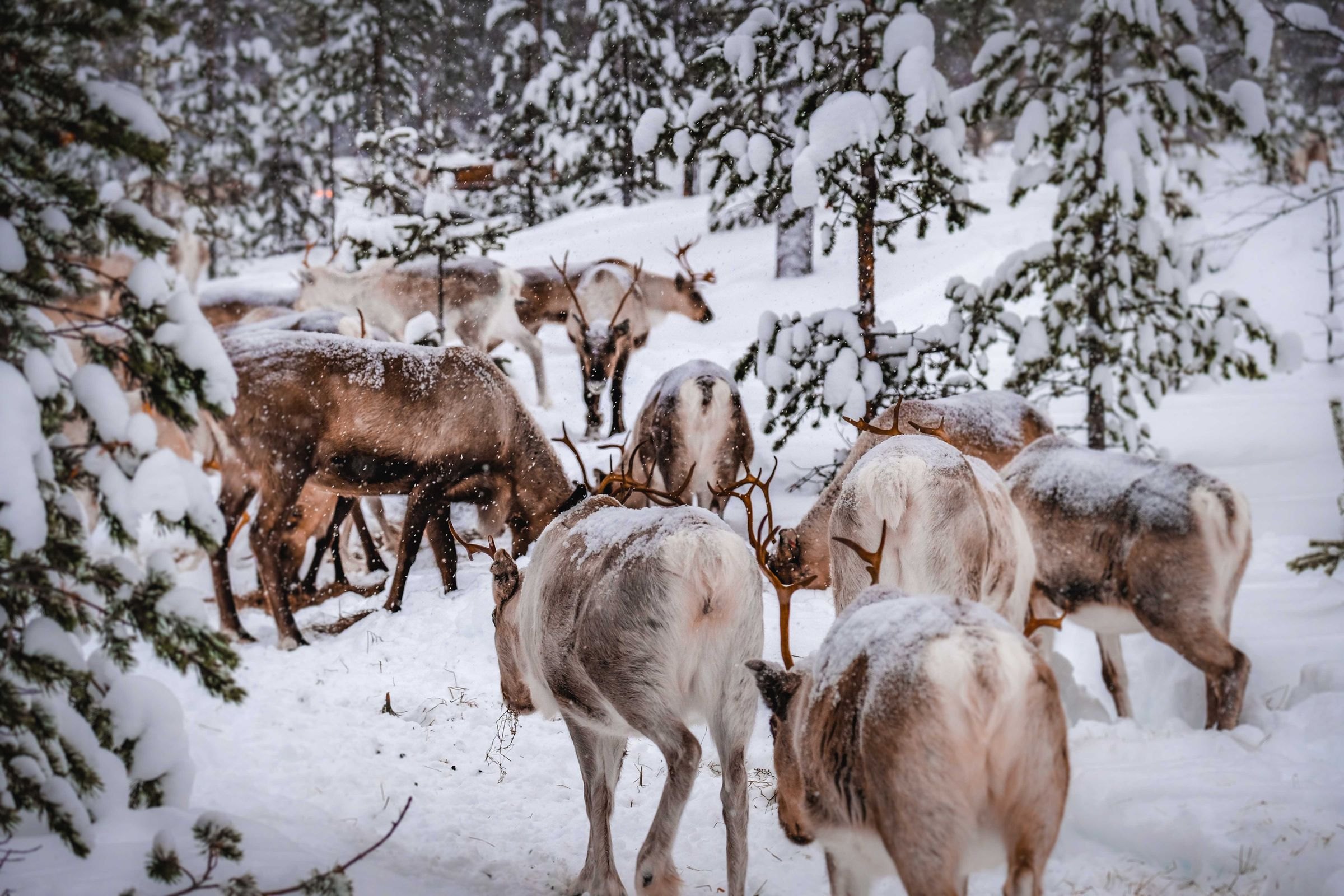
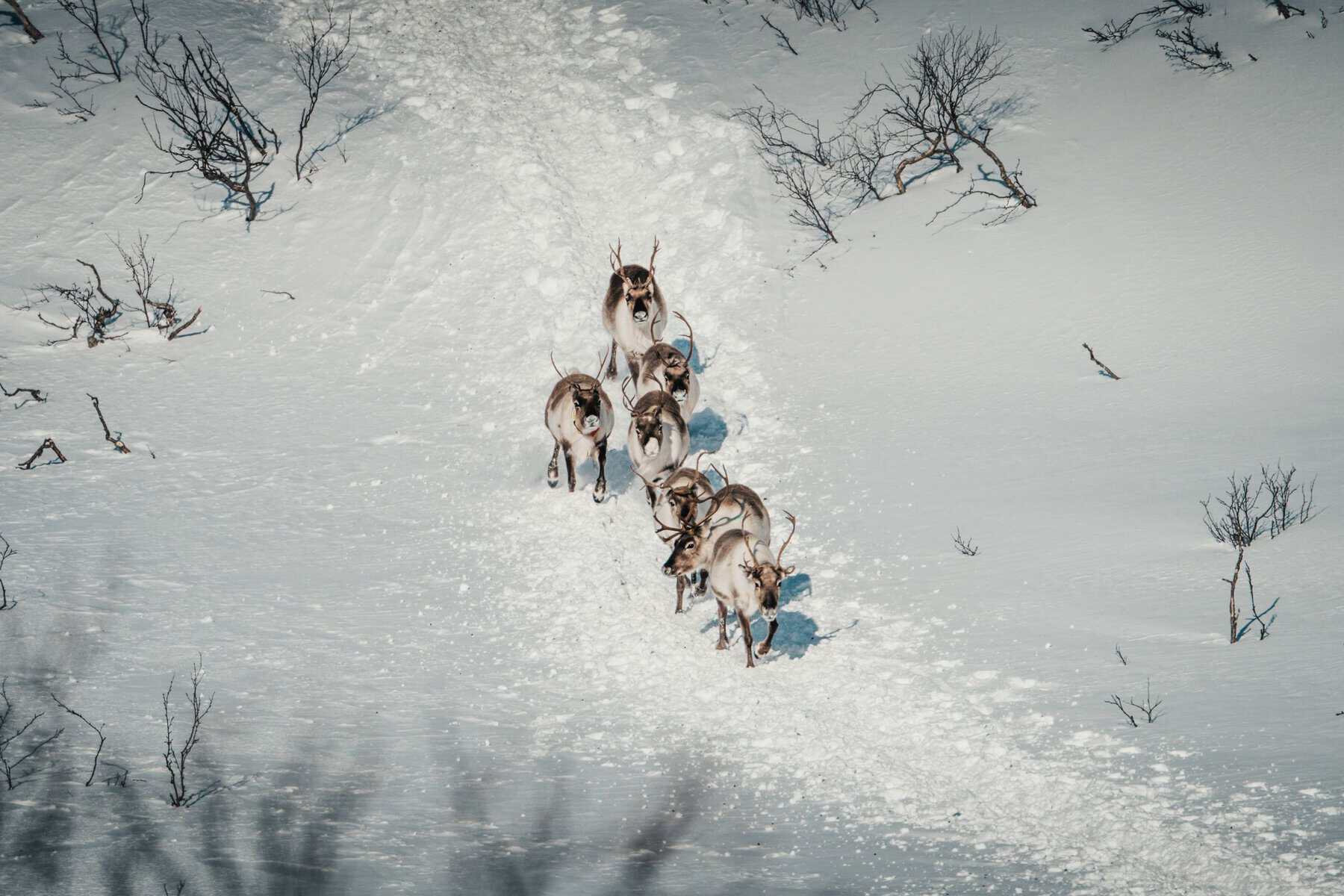
The Laponian Area, a UNESCO World Heritage Site, covers huge national parks such as Sarek, Padjelanta and Stora Sjöfallet, where Sámi still move their reindeer between summer and winter grazing.
The river valleys and forest
Between the coast and the mountains, the Lule and Torne river valleys are full of small lodges, glass-roofed cabins and even treehouses in the forest, perfect for a quiet winter week.
Things to do in Swedish Lapland


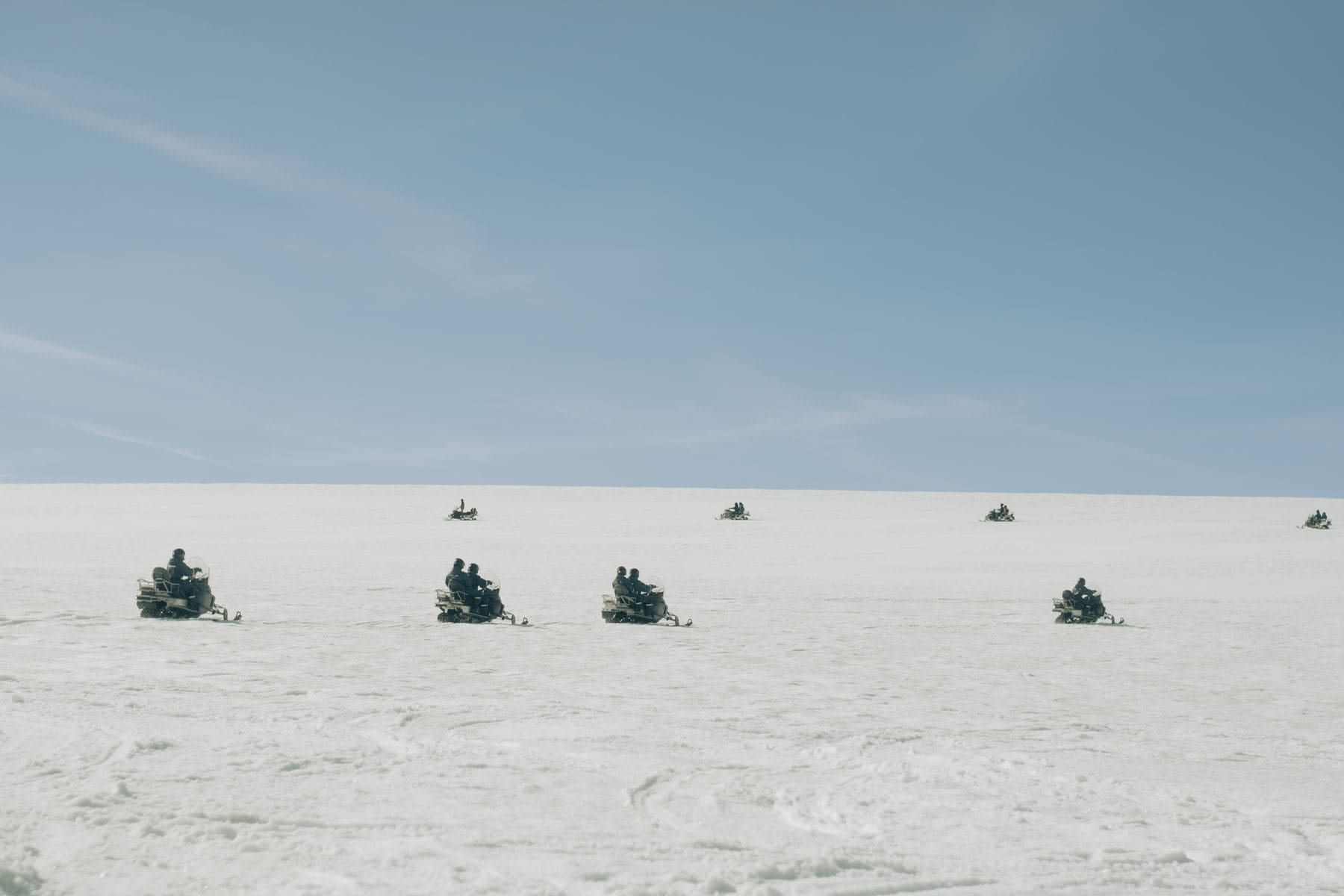


- See the northern lights: from September to March, on a snowmobile trip, a photo tour or from a glass-roofed cabin.
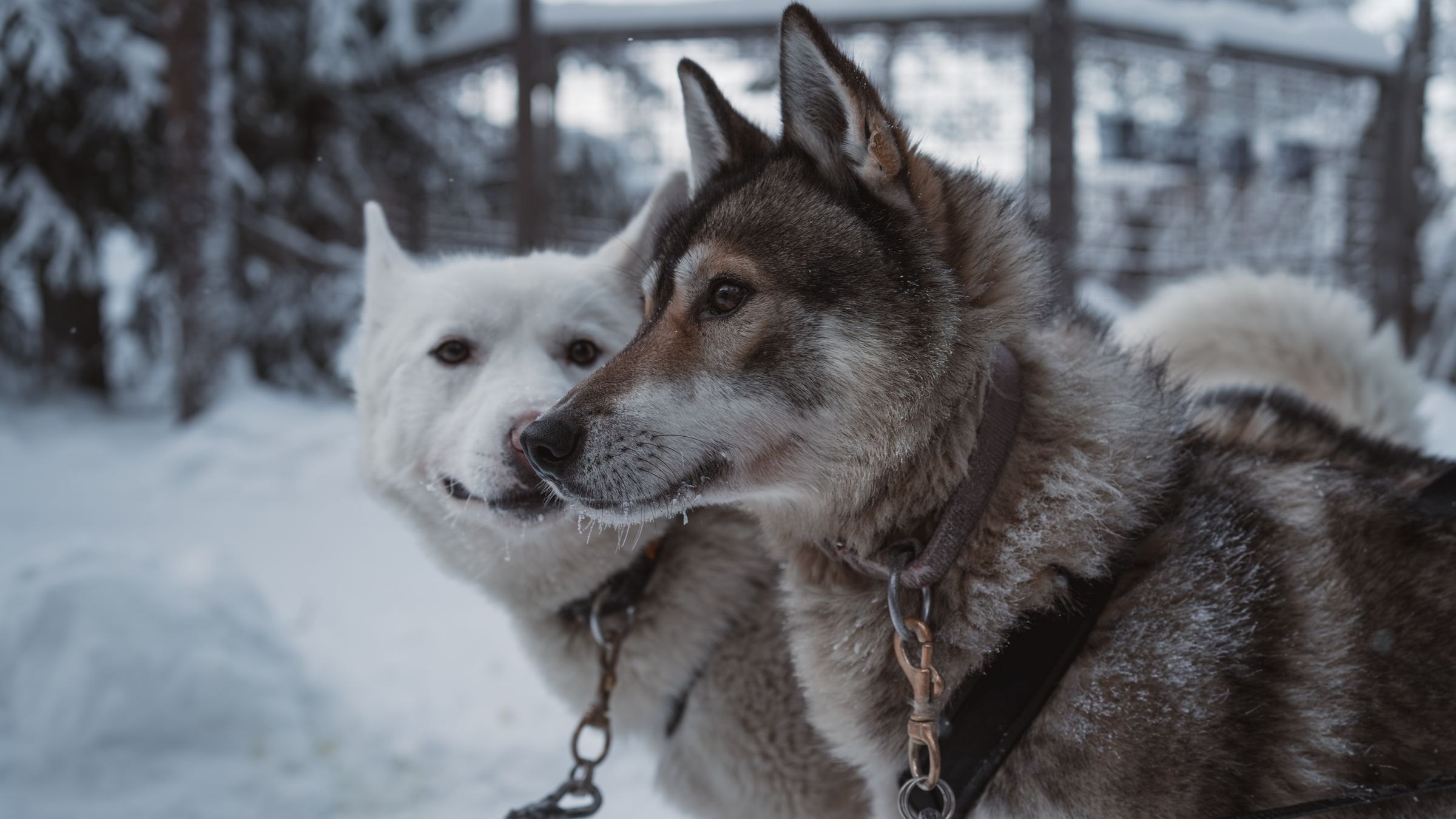
- Drive a husky team through the forest and across frozen lakes, for a few hours or several days.
- Meet the reindeer and Sámi herders, and learn about life in Sápmi.
- Sleep in the ice hotel at Jukkasjärvi, or in a treehouse or glass cabin in the forest.
- Walk on the frozen sea in the Luleå archipelago, or ride an icebreaker in the Gulf of Bothnia.
- Try Arctic sports: snowmobiling, ice fishing, snowshoeing, cross-country skiing and a sauna with a roll in the snow.
- In summer, hike under the midnight sun, paddle the rivers, fish and pick berries.
Sámi culture
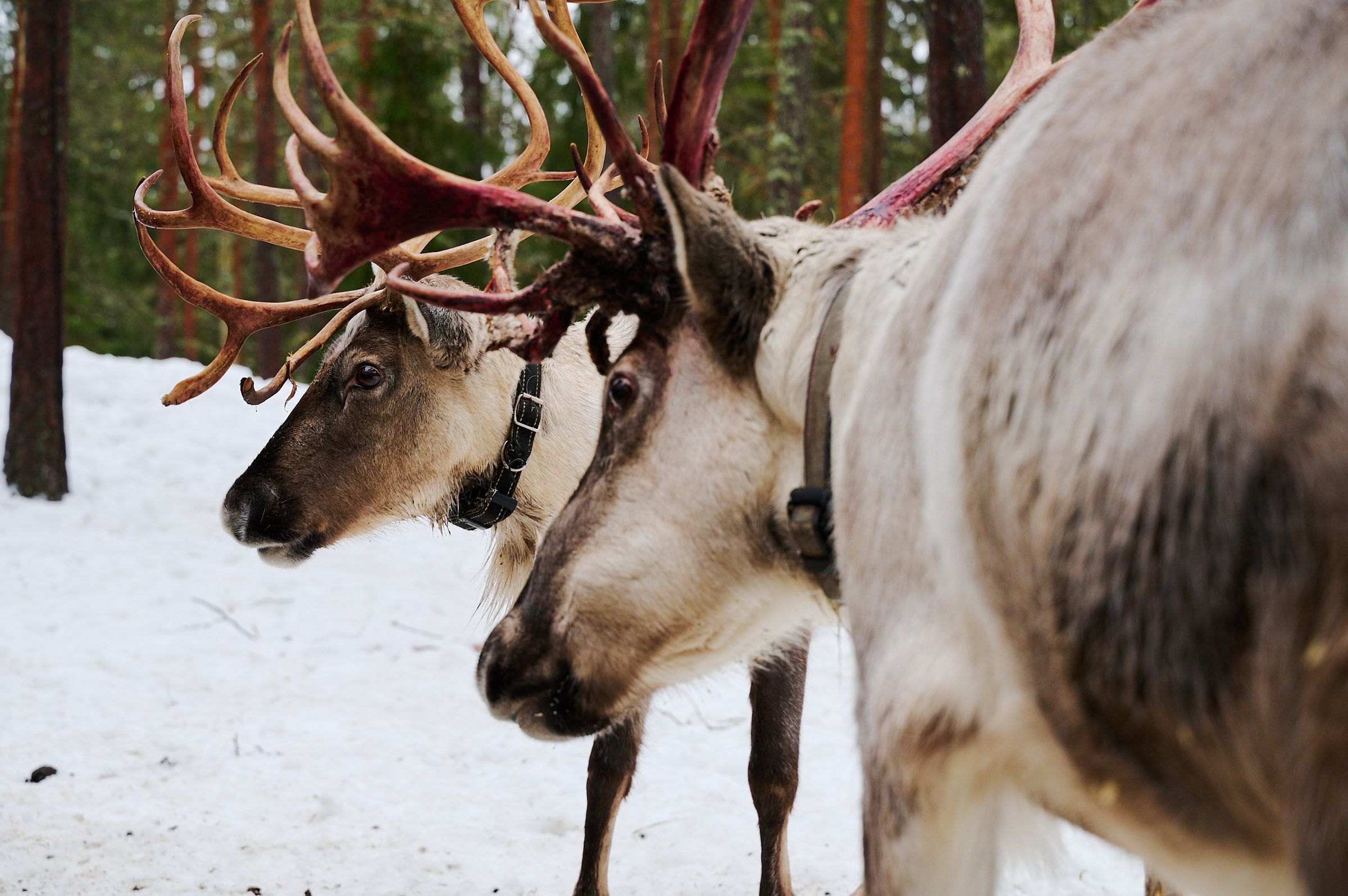
The Sámi have lived across the north of Norway, Sweden, Finland and Russia for thousands of years, in a homeland they call Sápmi. Reindeer herding is still at the heart of the culture, alongside duodji handicrafts and joik singing.
The best way to learn is with Sámi hosts: visit a reindeer herding family, sit by the fire in a lavvu tent, try smoked reindeer and hear stories of the seasons. Jokkmokk has an excellent museum of Sámi culture and the mountain environment.
The Jokkmokk Winter Market, held on the first weekend of February, has brought Sámi and visitors together since 1605, with crafts, food and reindeer races on the frozen lake.
Gammelstad church town

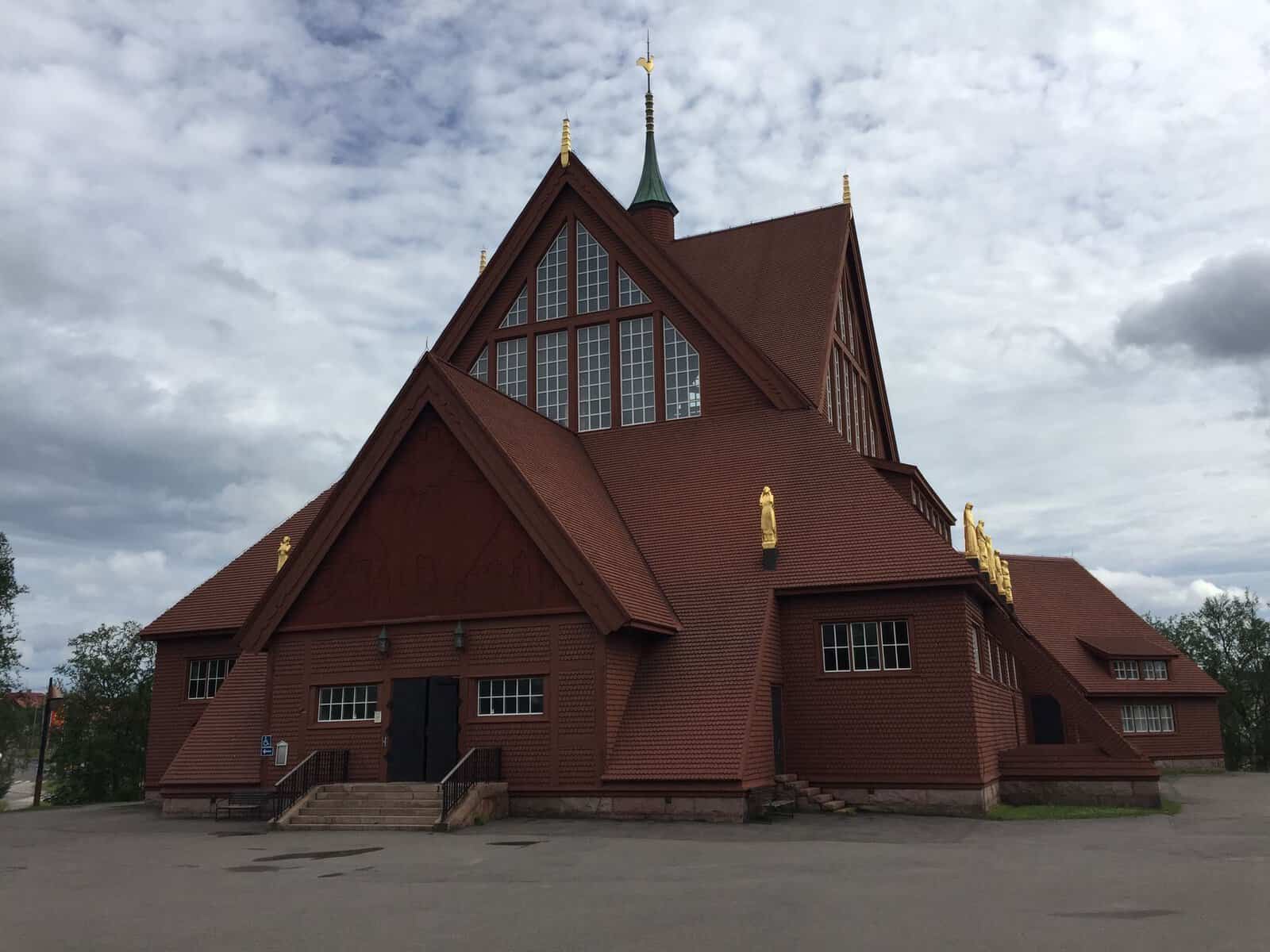
Just outside Luleå, Gammelstad is a UNESCO World Heritage Site and the best-preserved church town in Scandinavia. Around a 15th-century stone church stand more than 400 little red wooden cottages.
They were built so that families from the scattered farms of the north had somewhere to stay when they travelled in for Sunday services and church festivals. Many are still owned by local families and used on church holidays.
Guided walks run all year, and it’s a lovely place to visit in the snow.
Best time to visit Swedish Lapland
| Month | Luleå (high) | Jokkmokk (high) | Kiruna (high) |
|---|---|---|---|
| Nov | 1°C | -2°C | -4°C |
| Dec | -2°C | -5°C | -7°C |
| Jan | -5°C | -8°C | -10°C |
| Feb | -3°C | -6°C | -7°C |
| Mar | 0°C | -1°C | -4°C |
| Apr | 4°C | 4°C | 1°C |
| Jun | 16°C | 16°C | 14°C |
| Jul | 19°C | 19°C | 17°C |
| Sep | 13°C | 11°C | 9°C |
10-year ERA5 average daytime highs. Inland, night-time lows are often -15°C to -30°C in midwinter.
- December: the polar night and Christmas. The sun barely rises in the far north, but snow, candlelight and blue midday twilight make it magical.
- January to March: peak winter season, with the best snow for huskies and snowmobiles and long, dark nights for the aurora. March has the most daylight.
- April: bright spring winter with the last of the snow.
- June to mid-July: the midnight sun, wild flowers and hiking.
- Late August to September: autumn colours, berries and the first northern lights.
How to get to Swedish Lapland
Lapland winter week
- Fly to Luleå or Kiruna
- Forest lodge or glass cabin (5 nights)
- Huskies
- Reindeer
- Aurora
The classic family or couples winter break.
Kiruna, Abisko and the ice hotel
- Jukkasjärvi (3 nights, 1 on ice)
- Abisko (2)
- Kiruna (2)
The north-west: ice hotel, mountains and the clearest skies.
Coast to mountains
- Luleå (2 nights)
- Gammelstad
- Arctic Circle and Jokkmokk (2)
- Kiruna (3)
- Abisko (2)
Cross the whole of Swedish Lapland by road and rail.
By air: fly from the UK to Stockholm and connect to Luleå or Kiruna (about 1 hour 15 to 1 hour 30). In winter there are also seasonal direct flights from the UK. By train: the night train from Stockholm reaches Luleå in about 14 hours and Kiruna in about 17, and continues to Abisko and Narvik.
Ways to see Swedish Lapland with us
Just over the river in Finland, Santa on the Border is a family short break in Karesuando, and the northern lights holidays use the same direct flights.


Practical tips
- Clothing: most tours and lodges lend thermal suits, boots and mittens. Bring wool layers, a hat and liner gloves.
- Families: Swedish Lapland is very child-friendly; check minimum ages for snowmobiles and husky driving.
- Book early for February half-term, Christmas and New Year.
- Swedish or Finnish Lapland? Swedish Lapland is wilder and less busy; Finnish Lapland has more Santa-themed trips. See Lapland tours compared.
- Entry: Sweden is in the Schengen area; British visitors can stay up to 90 days in any 180 without a visa. Check the FCDO Sweden advice.
- Money: Sweden is almost cashless, so bring a card.
Frequently asked questions
Where is Swedish Lapland?
It's the northernmost part of Sweden, mostly above the Arctic Circle, stretching from the coast at Luleå to the mountains on the Norwegian border. Its main towns are Luleå, Kiruna, Jokkmokk and Gällivare.
What is the best time to visit Swedish Lapland?
January to March for snow, huskies and the northern lights; December for the polar night and Christmas; June and July for the midnight sun; September for autumn colours and the first aurora.
How do you get to Swedish Lapland from the UK?
Fly to Stockholm and connect to Luleå or Kiruna, about 1 hour 15 to 1 hour 30, or take a seasonal direct winter flight. The night train from Stockholm takes about 14 hours to Luleå and 17 to Kiruna.
Can you see the northern lights in Swedish Lapland?
Yes, from about September to March on clear, dark nights. Abisko, in the north-west, is one of the best places in the world thanks to its clear-sky microclimate.
Is Swedish Lapland or Finnish Lapland better?
Both are wonderful. Swedish Lapland is wilder, quieter and has the ice hotel and Abisko; Finnish Lapland has more Santa-themed trips and more direct UK flights.
Who are the Sámi?
The Sámi are the indigenous people of the far north of Norway, Sweden, Finland and Russia. Many still herd reindeer, and you can visit Sámi families to learn about their culture.
What is Gammelstad?
A UNESCO-listed church town near Luleå, with a 15th-century stone church surrounded by more than 400 red wooden cottages where families stayed when they came to church.
How cold is Swedish Lapland in winter?
Daytime highs inland are around -5°C to -10°C in midwinter, with nights often -15°C to -30°C. The coast at Luleå is a little milder.
Keep planning
- Sweden holidays
- Kiruna and the ice hotel
- Abisko and the northern lights
- Lapland tours compared
- Escorted tours of Sweden
- Finnish Lapland
- Norway holidays
- Tailor-made holidays
Plan your Swedish Lapland holiday with a Travel Designer
Tell us when you’d like to go and who’s travelling, and we’ll plan your Lapland trip: huskies, reindeer, the ice hotel and northern lights evenings, with flights and transfers in one ATOL-protected booking.
Make an enquiry Sweden holidays