Kiruna and the ice hotel in brief
- ICEHOTEL, the original ice hotel, is at Jukkasjärvi, 17 km from Kiruna, rebuilt from Torne river ice every winter.
- Kiruna is moving east because of the mine; its famous wooden church was moved in 2025.
- Things to do: northern lights, huskies, reindeer and Sámi culture, snowmobiles, midnight sun.
- The weather is often -10°C to -30°C in winter; February and March are the best months.
Kiruna is Sweden’s northernmost town, 145 km above the Arctic Circle, and the gateway to the most famous winter experiences in Swedish Lapland: ICEHOTEL, the original ice hotel at Jukkasjärvi, husky sledding, reindeer, Sámi culture and the northern lights. It’s also a town on the move, literally, as it shifts east to make way for the iron mine beneath it. This guide covers where the ice hotel is and what it’s like to stay, things to do in Kiruna, the moving town and its famous church, the weather, and how to plan your trip.
The ice hotel in Sweden: where it is and what it’s like
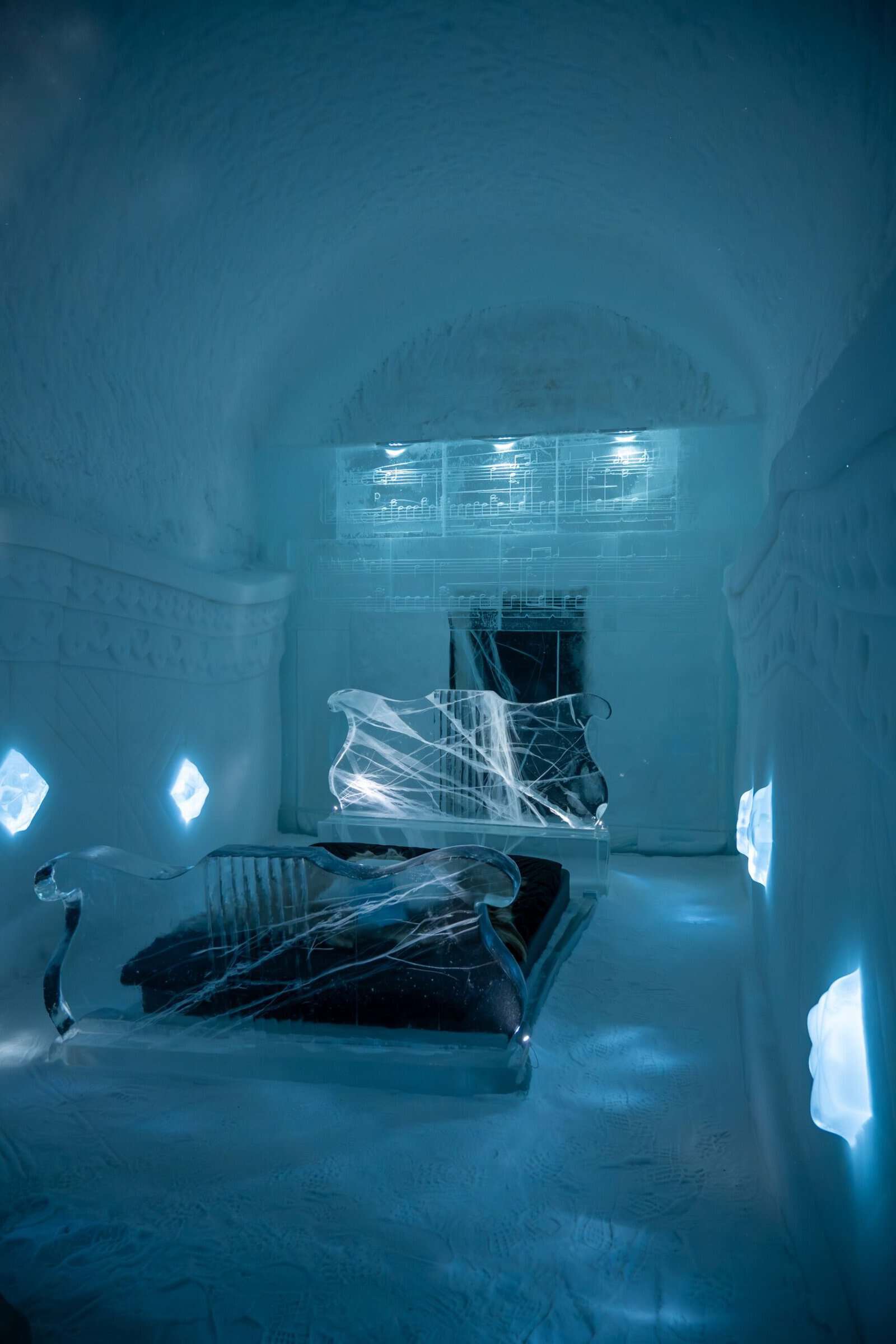
Where is the ice hotel in Sweden? In the village of Jukkasjärvi, on the banks of the Torne river, about 17 km east of Kiruna and 15 minutes from Kiruna airport. Called ICEHOTEL, it was the world’s first ice hotel, first built in 1989.
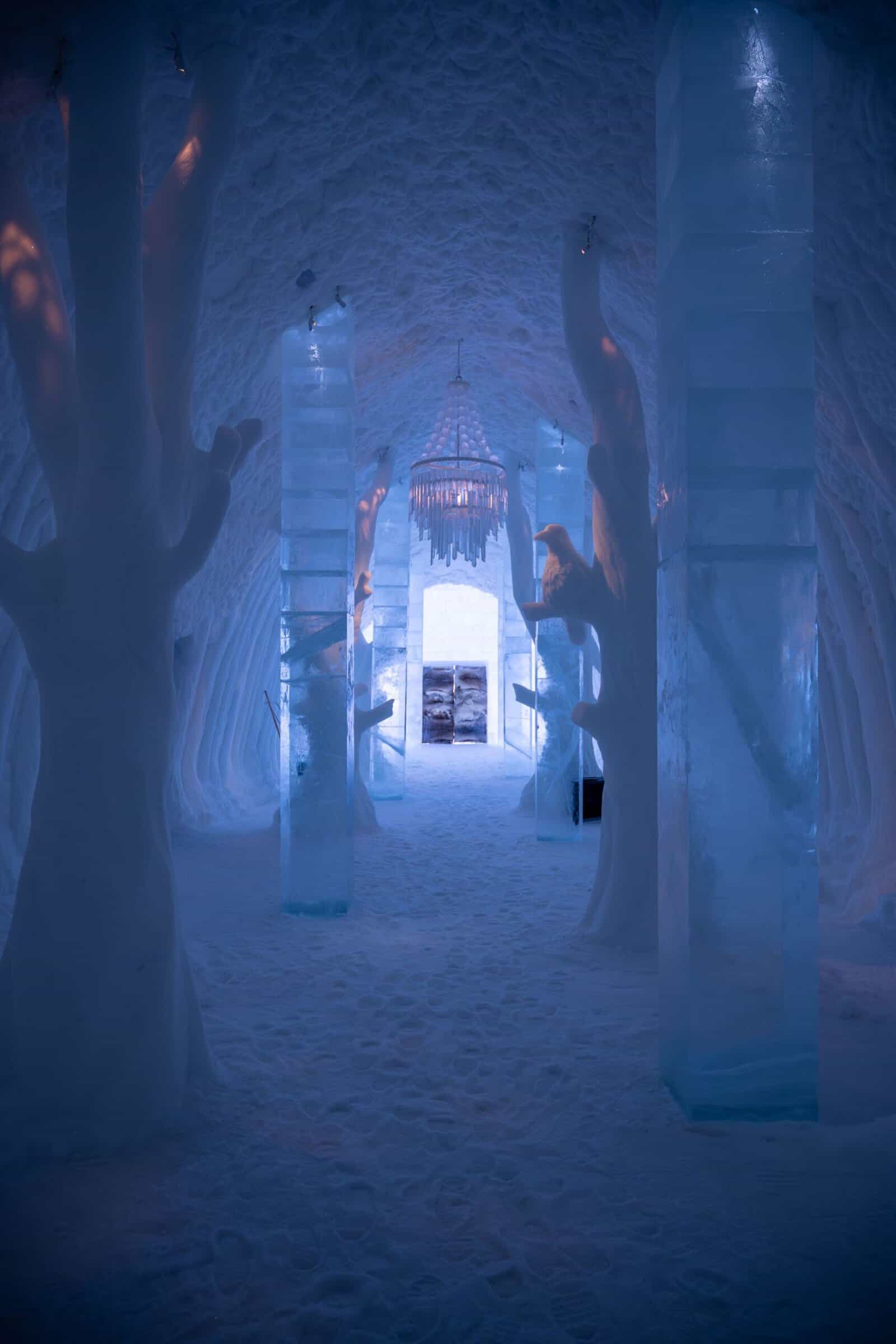
How it’s made: every spring, huge blocks of clear ice are cut from the frozen Torne river and stored. In November, artists from around the world carve the rooms, ice bar and church, and the hotel opens in December. In spring it melts back into the river. A permanent building, ICEHOTEL 365, is kept cold all year, so you can also see ice art and stay in ice suites in summer.
Staying the night: rooms stay at about -5°C. You sleep in an expedition sleeping bag on reindeer skins on an ice bed, and you’re woken with hot lingonberry juice. One night on ice is plenty: most guests spend the rest of their stay in warm rooms or cabins.


Not staying overnight? Day visitors can take a guided tour of the ice rooms and have a drink served in a glass made of ice. Wrap up warmly: it’s colder inside than you think, and even colder outside.
Kiruna: the town that is moving
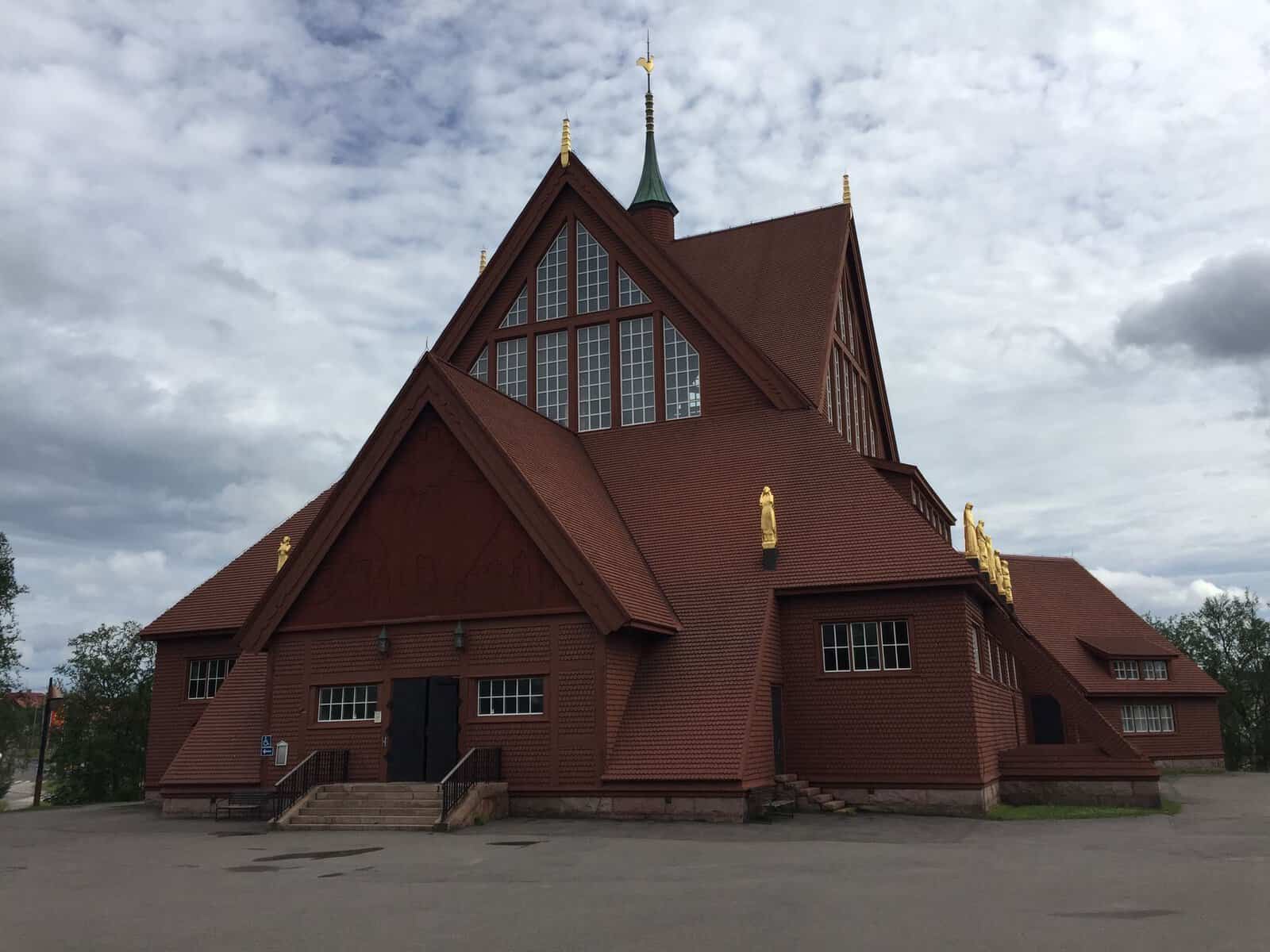
Kiruna was built around one of the world’s largest underground iron ore mines. As the mine has grown deeper, the ground beneath the old town has started to subside, so the whole town centre is being moved about 3 km east, building by building.
Kiruna Church, a huge wooden church from 1912 inspired by a Sámi tent and once voted Sweden’s most beautiful building, was lifted onto trailers and moved in one piece to its new site in August 2025. A new town hall and centre have been built nearby.
You can learn the story on a guided visit to the mine, which takes you hundreds of metres underground.
Things to do in Kiruna
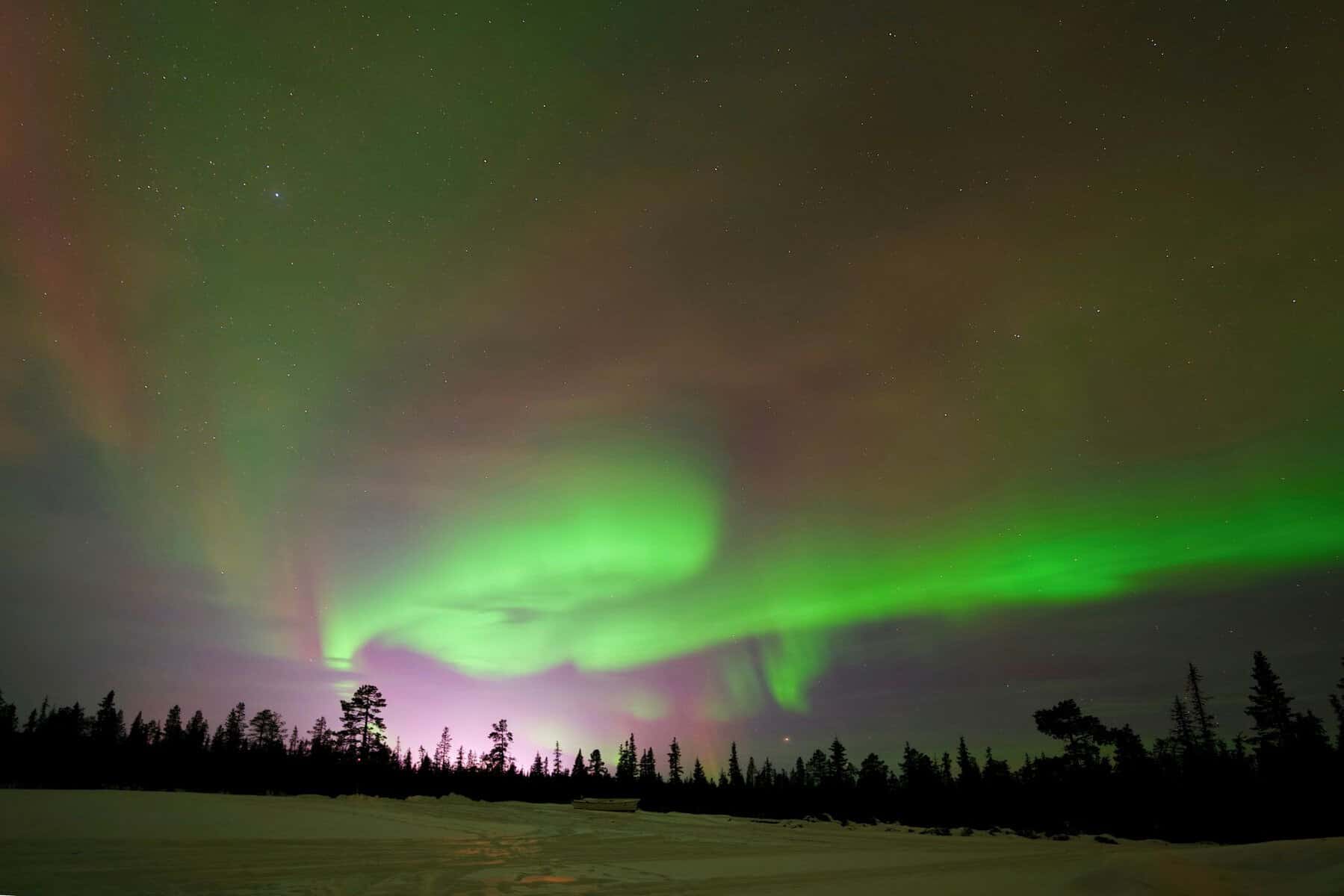
Hunt for the northern lights
Kiruna’s dark skies and dry, cold climate make it one of the best places in Europe to see the aurora. Head out of town by snowmobile, snowshoe or minibus, or stay in a glass-roofed cabin. Abisko, an hour away, is even better.

Dog sledding
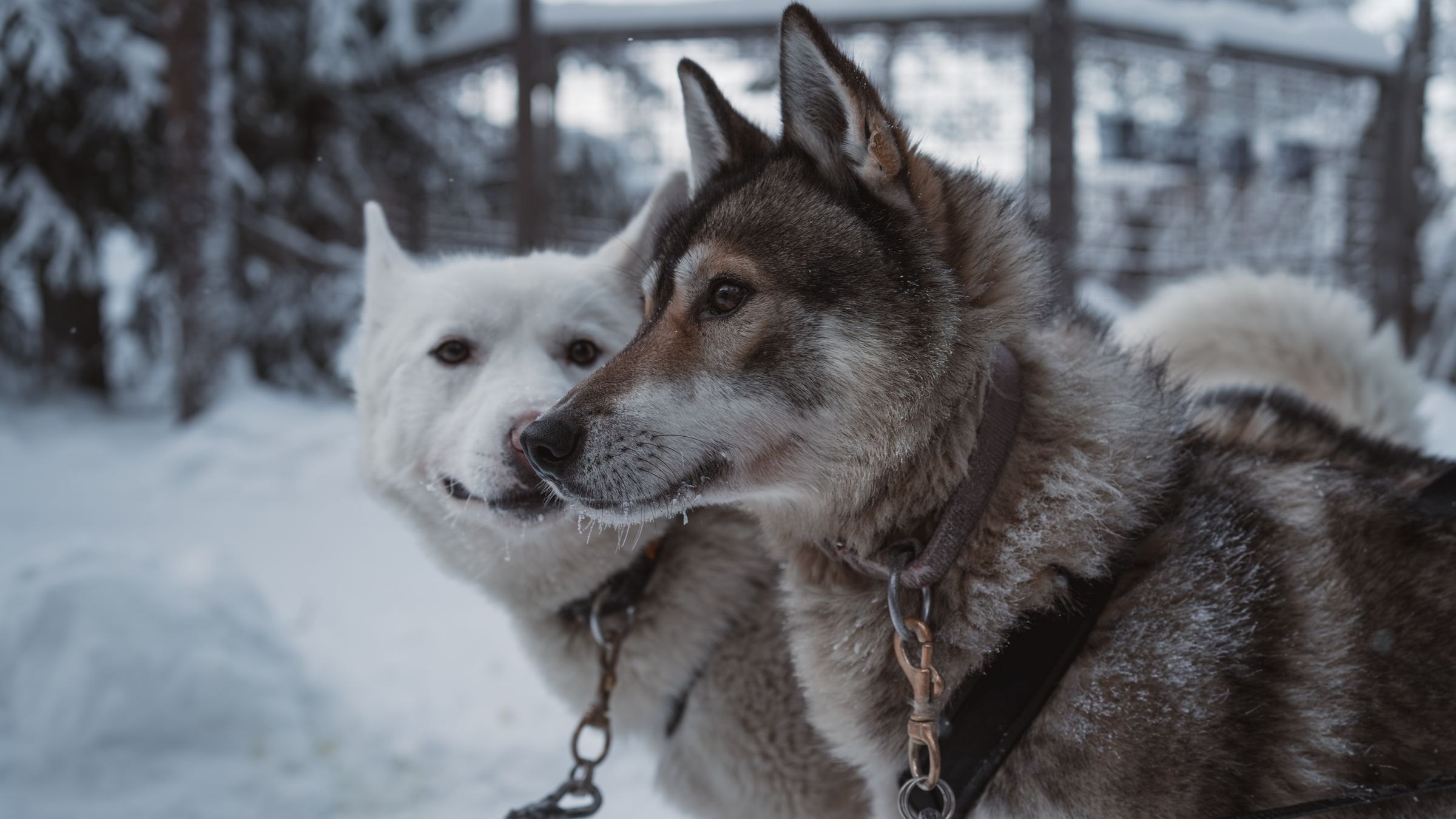
Drive your own team of huskies through the snowy forest and across frozen rivers. Short runs are easy to learn; multi-day trips stay in wilderness cabins.
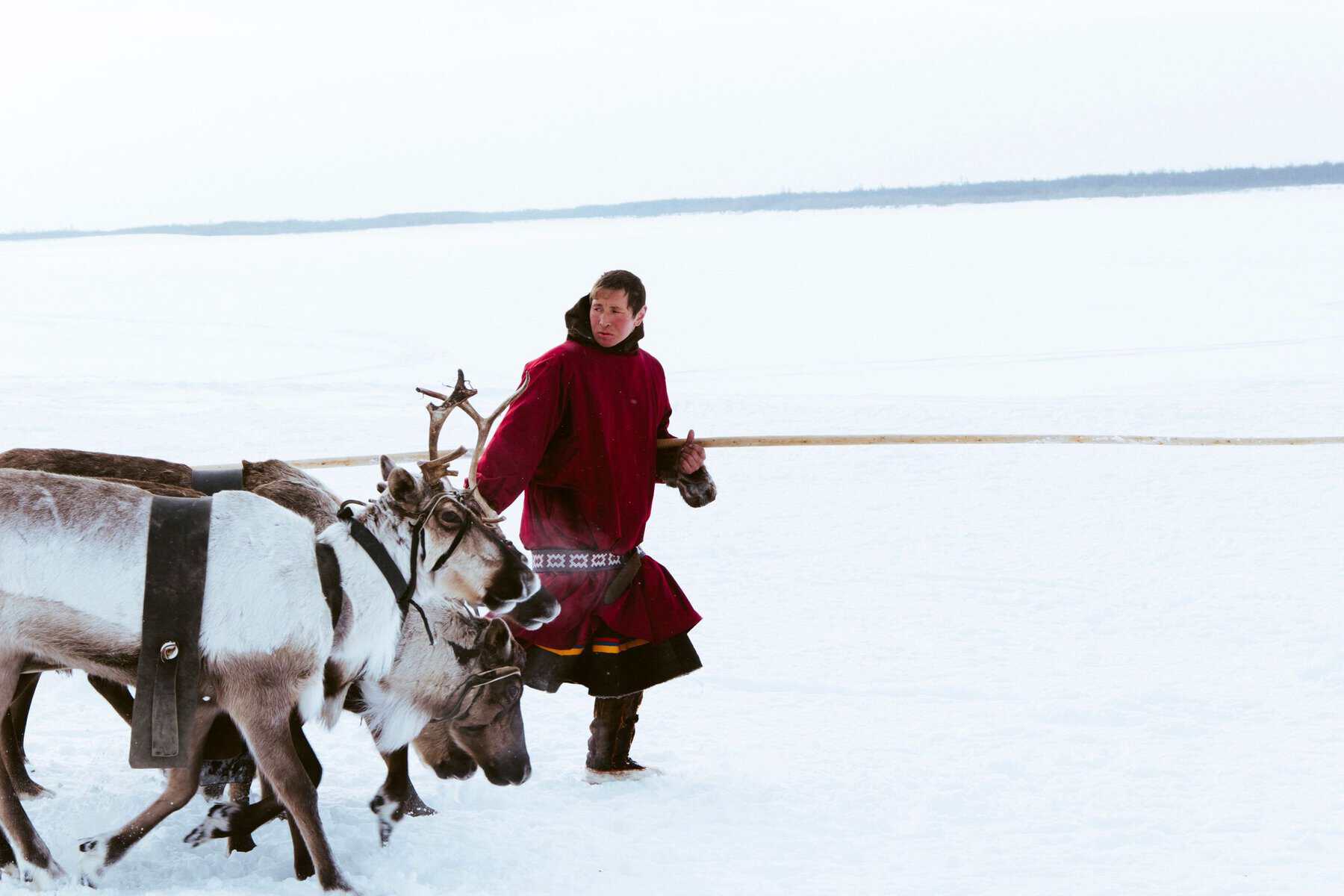
Reindeer and Sámi culture
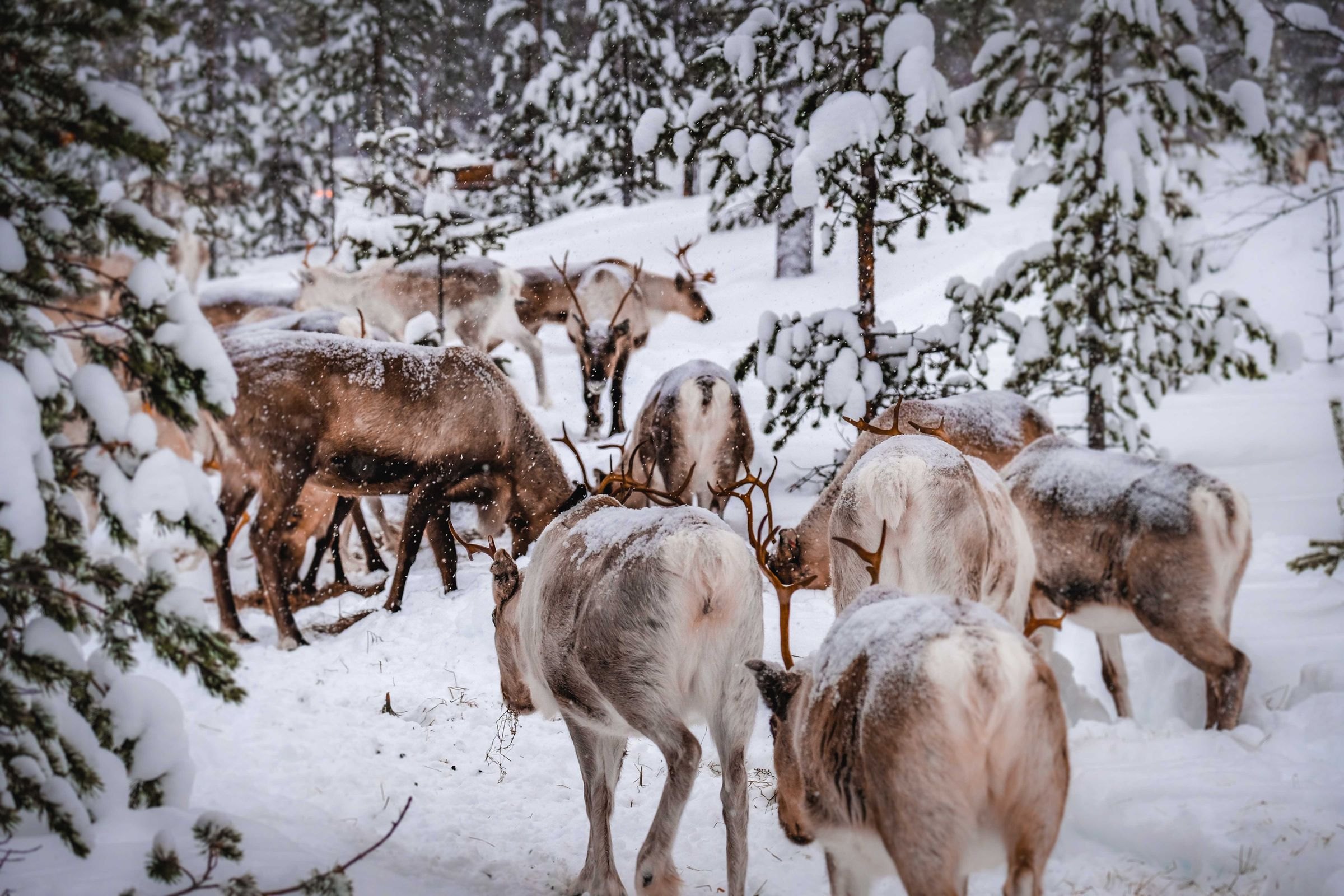
Meet Sámi reindeer herders, feed the reindeer, take a reindeer sled ride and hear about life in Sápmi over coffee by the fire in a traditional lavvu tent.
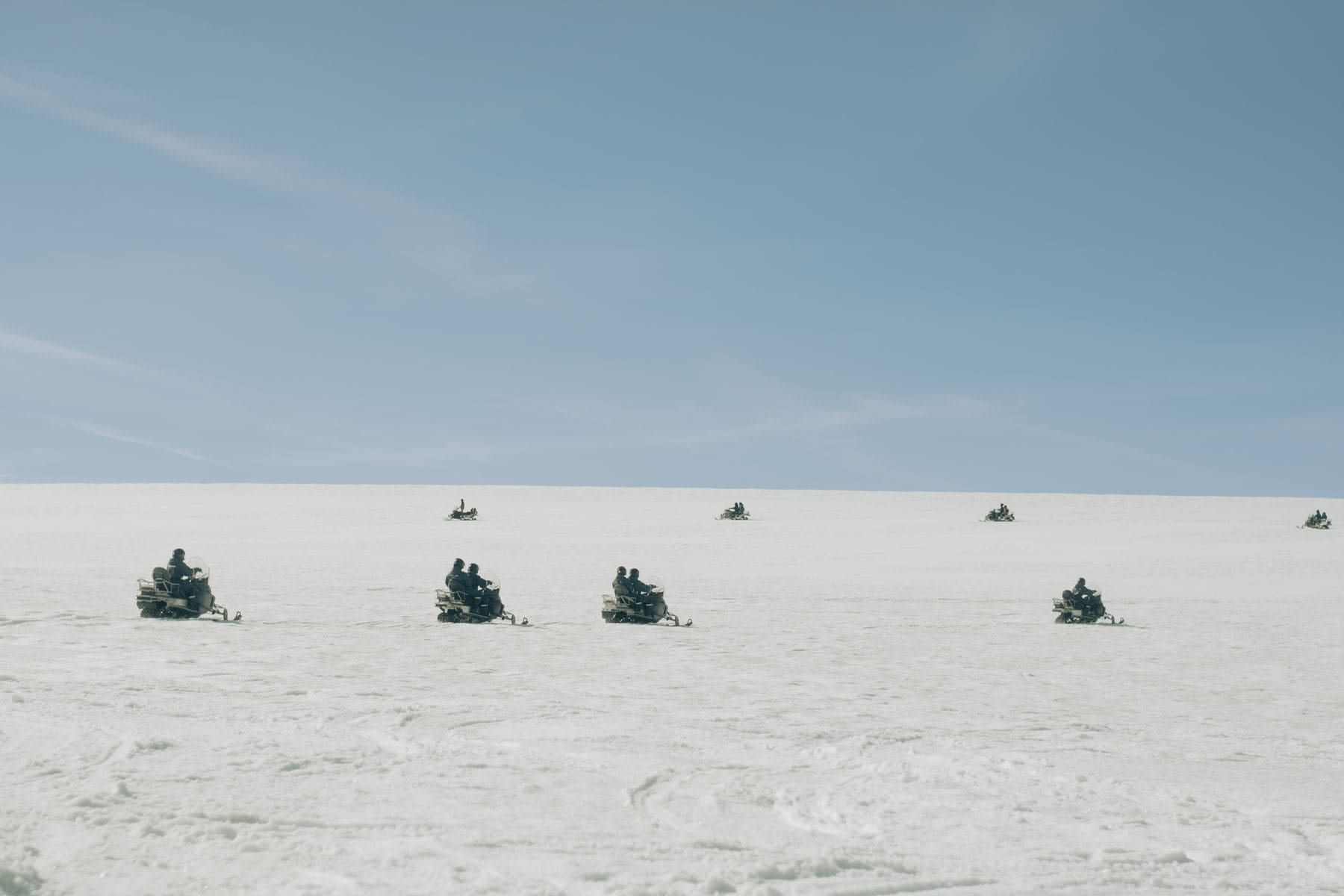
Snowmobiling and winter activities
Ride across frozen lakes and up into the fells, or try ice fishing, snowshoeing, cross-country skiing and a sauna followed by a roll in the snow.
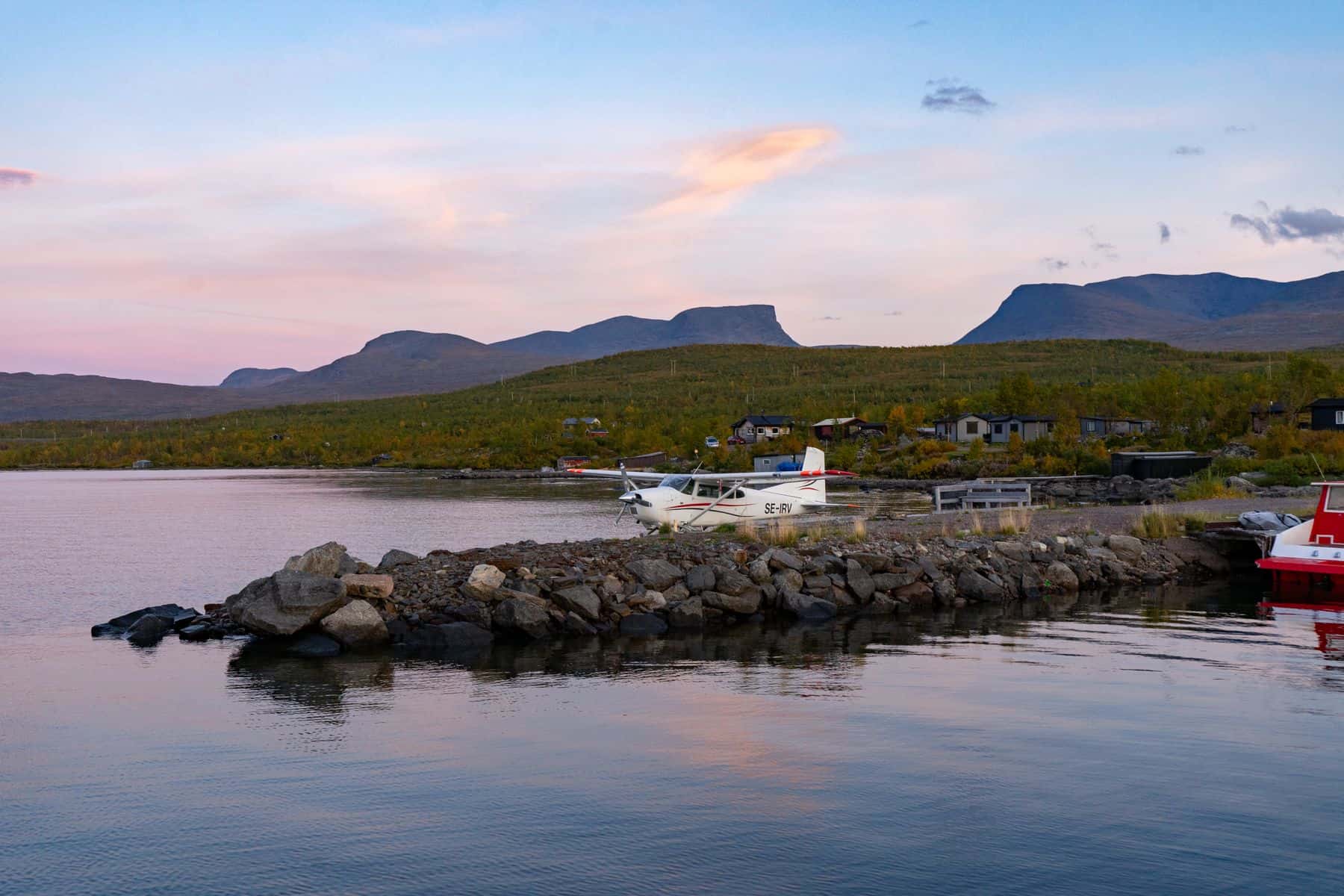
Midnight sun and Kebnekaise
From late May to mid-July the sun never sets. Hike in the mountains around Nikkaluokta towards Kebnekaise, Sweden’s highest mountain, fish for Arctic char, or take a scenic flight.
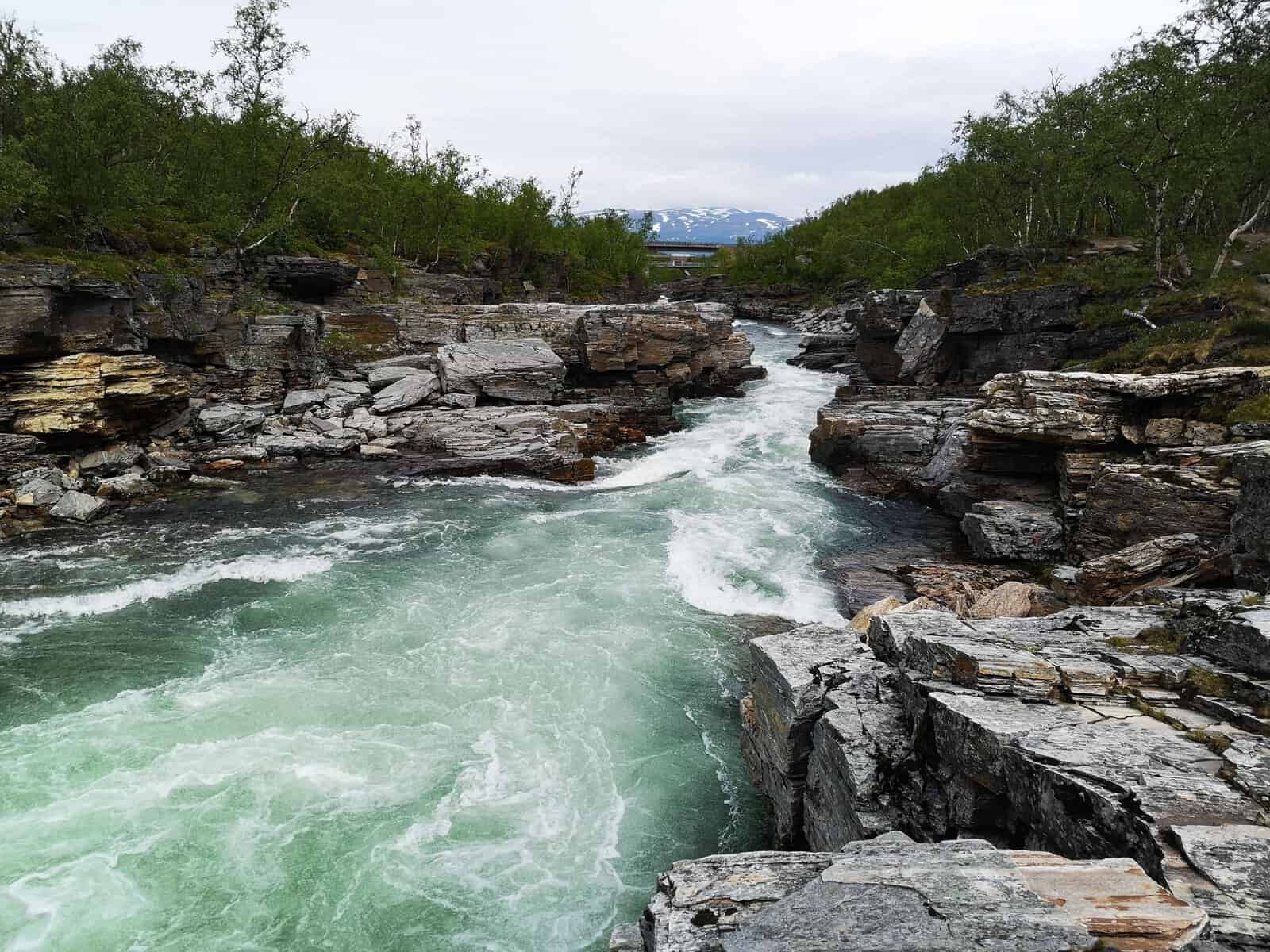
Day trip to Abisko
Abisko National Park, about 95 km north-west, has a canyon, a huge mountain lake and a chairlift up to a northern lights viewing station. See our Abisko and northern lights guide.
Weather in Kiruna
| Month | Average high | Average low | Precipitation |
|---|---|---|---|
| Nov | -4°C | -9°C | 40 mm |
| Dec | -7°C | -13°C | 45 mm |
| Jan | -10°C | -15°C | 40 mm |
| Feb | -7°C | -13°C | 35 mm |
| Mar | -4°C | -11°C | 35 mm |
| Apr | 1°C | -6°C | 40 mm |
| Jun | 14°C | 5°C | 75 mm |
| Jul | 17°C | 9°C | 100 mm |
| Sep | 9°C | 3°C | 80 mm |
10-year ERA5 averages for Kiruna. Cold snaps of -30°C are common in midwinter.
- December and January: the polar night, when the sun barely rises for a few weeks around Christmas and the sky glows blue at midday. The ice hotel opens, and it’s a magical time for a winter break.
- February and March: the best months for most people: deep snow, longer days for activities and dark nights for the northern lights.
- April: bright, sunny spring-winter, the ice hotel’s last weeks.
- June to August: midnight sun, hiking and fishing, with mosquitoes in July.
- September: autumn colours and the first northern lights.
How to plan your trip
Kiruna winter break
- Kiruna or Jukkasjärvi (4 nights, 1 on ice)
- Huskies
- Northern lights
- Reindeer
The classic winter week in a short break.
Kiruna and Abisko
- Jukkasjärvi (3 nights)
- Abisko (3)
Add Abisko’s clear skies for the best chance of the aurora.
By rail from Stockholm
- Stockholm (2 nights)
- Night train north
- Kiruna (3)
- Abisko (2)
- Fly home
Swap the flight for one of Europe’s great train journeys.
Getting there: fly from the UK to Stockholm, then about an hour and a half to Kiruna; in winter there are also some direct seasonal flights from the UK. The night train from Stockholm takes about 17 hours and runs on to Abisko and Narvik in Norway.
Ways to see Kiruna with us


Practical tips
- Clothing: most activity providers lend thermal overalls, boots and mittens. Bring wool base layers, a warm hat and liner gloves.
- Children: Kiruna is great for families; check minimum ages for snowmobiles and nights on ice.
- Book early: ice rooms, glass cabins and February half-term fill up months ahead.
- Northern lights: nothing is guaranteed, so stay at least three or four nights and keep evenings free.
- Entry: Sweden is in the Schengen area; British visitors can stay up to 90 days in any 180 without a visa. Check the FCDO Sweden advice.
- Money: Sweden is almost cashless, so bring a card.
Frequently asked questions
Where is the ice hotel in Sweden?
ICEHOTEL, the world's first ice hotel, is in Jukkasjärvi, a village on the Torne river about 17 km east of Kiruna in Swedish Lapland, around 15 minutes from Kiruna airport.
When is the ice hotel open?
The seasonal ice hotel usually opens in December and stays open until it starts to melt in April. Its permanent building, ICEHOTEL 365, is kept cold and open all year.
How cold is it inside the ice hotel?
About -5°C, whatever the temperature outside. You sleep in a thermal sleeping bag on reindeer skins, and most people spend one night on ice and the rest in warm rooms.
Why is Kiruna moving?
The town sits above one of the world's largest underground iron ore mines, and the ground beneath the old centre is subsiding. The town centre is being moved about 3 km east; Kiruna Church was moved in August 2025.
What is the weather like in Kiruna?
Winter highs are around -7°C to -10°C, with cold snaps to -30°C. Summers are mild, around 14°C to 17°C, with the midnight sun from late May to mid-July.
Can you see the northern lights in Kiruna?
Yes, from about September to March on clear, dark nights. Stay three or four nights for a good chance, and add Abisko, about an hour away, for clearer skies.
How do you get to Kiruna from the UK?
Fly to Stockholm and connect to Kiruna (about an hour and a half), or take a seasonal direct winter flight. The night train from Stockholm takes about 17 hours.
How many days do you need in Kiruna?
Four nights covers the ice hotel, huskies, reindeer and a couple of northern lights evenings. Six nights lets you add Abisko.
Keep planning
- Sweden holidays
- Abisko and the northern lights
- Lapland tours compared
- Escorted tours of Sweden
- Finnish Lapland
- Norway holidays
- Iceland holidays
- Tailor-made holidays
Plan your Kiruna and ice hotel break with a Travel Designer
Tell us when you’d like to go and we’ll plan your Lapland winter: a night on ice, huskies, reindeer and northern lights evenings, with flights and transfers in one ATOL-protected booking.
Make an enquiry Sweden holidays