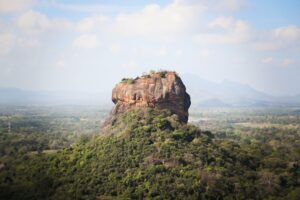
Planning when to travel to Sri Lanka depends heavily on what experiences you’re seeking. This island has a complex weather pattern, shaped by two monsoon seasons that alternate between the southwest and northeast coasts. The southwest—including Galle, Mirissa, Bentota, and Colombo—experiences its rainy season from May through September, with the driest and sunniest weather from late November through April. If a sun-soaked beach or coastal exploration is a priority, aim for the November–April window, when skies are clear and seas calm. In contrast, the northeast and east coast—think Trincomalee, Nilaveli, and Arugam Bay—are at their best from April through September. During that time, the southwest endures heavier rainfall, so if you intend to roam both regions, December to March makes for the most balanced coastal weather overall. The central highlands (Kandy, Nuwara Eliya, Ella) enjoy cooler climate year-round, with mist and occasional rainfall. April to June tends to be the driest, while October to December sees more showers. If you’re chasing the iconic emerald tea plantations or planning hikes like Little Adam’s Peak or Horton Plains, target the drier windows in the highlands. Cultural activities like the Kandy Esala Perahera (usually July or August) or turtle nesting seasons (Mirissa from November–April) may also guide timing—for rich cultural immersion or wildlife encounters, plan accordingly. In this Sri Lanka Travel Guide, we recommend: Each season offers something unique—just let your travel goals guide your timing decision. Navigating Sri Lanka’s rich terrain—coastal routes, misty highlands, historic plains—requires smart planning. Here’s your full transport breakdown to help you move efficiently and sustainably across the island. The main international gateway is Bandaranaike International Airport (near Colombo). Domestic flights connect to Hambantota (south coast) and Jaffna (north), but availability and value vary—often best for quick transfers or beach-hopping itineraries. Train journeys rank among Sri Lanka’s most scenic experiences—especially the Kandy-to-Ella stretch, winding through emerald fields, waterfalls, and tea plantations. First and second-class seats are recommended; book early, especially for peak season, to avoid standing-room crowds. Roads connect nearly every region. Private drivers, car hires, or tuk-tuks offer flexibility—ideal for families, comfort-focused travelers, or tailored routes. For budget travel, local express buses serve most destinations at low cost, though expect delays or crowding. Ferry services between coastal towns are limited but available—an alternative if overland traffic is congested. Sri Lanka’s rivers also offer eco-tourism boat rides near some national parks. In short, your transport choice depends on comfort, time, and experience priority. Check out our Sri Lanka tours for ideas on how to explore seamlessly. Sri Lanka’s compact size packs in cultural, historical, beach and wildlife zones. Here’s how to explore them—region by region—with sample itinerary ideas for every travel style. Anchored by Anuradhapura, Polonnaruwa, Sigiriya, Dambulla Cave Temple, and Kandy, this triangular corridor is a living museum of Sinhalese heritage and temple architecture. Travel winding rails to Nuwara Eliya’s “Little England,” sip teas against misty plantations, hike Ella’s peaks and iconic Nine-Arches Bridge. Yala and Udawalawe are prime for leopard and elephant safaris; Minneriya offers mystical elephant gatherings. Combine them with eco stays or nocturnal experiences for great wildlife focus. Unwind or surf at Mirissa, Galle, Hiriketiya, or Arugam Bay depending on direction. Sip kettles in Galle Fort’s verandas, try seafood by the shore, or watch sea turtles nest. Plan your ideal route using our tailored itineraries. Sri Lanka’s culture is kaleidoscopic: a tapestry of Buddhist, Hindu, colonial, and Tamils’ traditions. Its aroma‑rich cuisine, preserved rituals, period architecture, and wildlife ethics create a welcoming, vibrant local fabric. Sri Lankan cuisine is defined by rice and curry—spiced vegetable, fish, or meat dishes with sambols like pol sambol or lunu miris. Hoppers (appa), string hoppers, lamprais, and short eats like vade offer diverse street or homestay flavours. True cinnamon, coconut milk, curry leaf, goraka, and Maldivian fish elevate each dish with local texture. Tea’s ceremonial role underscores social warmth island-wide. Modesty matters—cover shoulders and knees when entering religious sites. Footwear must be removed. Greet with folded hands (“ayubowan”). Full-moon Poya days are quiet and spiritual—treat them respectfully. Sri Lanka’s wildlife is protected—never feed wild animals or interrupt their habitat. Sri Lanka is a biodiversity hotspot. Visit national parks and rainforests like Sinharaja to experience endemic flora and fauna. Many of our eco-friendly tours incorporate conservation elements. Sri Lanka offers a wide price range—from frugal homestays and street eats to boutique resorts and private tours. Planning smart keeps your trip within budget while delivering memorable experiences. Meals at local eateries cost around 600–1,200 LKR; even restaurant pricing remains modest. Accommodation spans basic guesthouses (~7,500 LKR/night) to premium tea-bungalows or beachfront lodges. Transport via buses and trains is affordable if booked in advance; hiring a driver or private car costs more but buys flexibility. Estimate 10,000–18,000 LKR/day for comfortable mid-range travel. Visa is typically required—apply before arrival. ATMs are common in towns; credit cards accepted in higher-tier accommodations. Always have cash on hand for remote areas and rural services. Book popular trains (like Kandy‑to‑Ella) and highland stays ahead, especially during peak season. Combine free highlights (temple visits, hikes) with paid attractions (museums, safaris) to balance cost. Utilize local SIM cards for data, driving essential safety and independence. Have questions? Contact us here or chat with our travel experts for custom advice.Sri Lanka Travel Guide: Complete Holiday Planning & Insider Tips
When to Visit Sri Lanka: Optimal Seasons & Weather Insights
Getting Around Sri Lanka: Transport & Travel Logistics
By Air
By Train
By Road
By Water (Emerging Options)
Top Regions & Sample Itineraries in Sri Lanka
The Cultural Triangle
Hill Country & Tea Country
Wildlife & National Parks
Coasts & Beaches
Culture, Cuisine & Local Know‑How in Sri Lanka
Local Cuisine Highlights
Cultural Etiquette & Traditions
Nature & Biodiversity
Budgeting & Smart Planning for Your Sri Lanka Holiday
Typical Daily Costs
Money & Visa Tips
Planning Smart
Sri Lanka Holiday Ideas
In this story
- When to Visit Sri Lanka: Optimal Seasons & Weather Insights
- Getting Around Sri Lanka: Transport & Travel Logistics
- By Air
- By Train
- By Road
- By Water (Emerging Options)
- Top Regions & Sample Itineraries in Sri Lanka
- The Cultural Triangle
- Hill Country & Tea Country
- Wildlife & National Parks
- Coasts & Beaches
- Culture, Cuisine & Local Know‑How in Sri Lanka
- Local Cuisine Highlights
- Cultural Etiquette & Traditions
- Nature & Biodiversity
- Budgeting & Smart Planning for Your Sri Lanka Holiday
- Typical Daily Costs
- Money & Visa Tips
- Planning Smart