Japan in brief
- Most first trips follow the Golden Route: Tokyo, Mount Fuji, Kyoto, Osaka and Nara, and Hiroshima.
- With more time, add the Japanese Alps, Koyasan and the Kumano Kodo, Hokkaido or Okinawa.
- Spring (late March to May) and autumn (October to November) are the best seasons. See the seasons and festivals.
- It’s about 14 hours direct from London. UK visitors don’t need a visa for a holiday of up to 90 days.
Japan is unlike anywhere else: neon-lit Tokyo and the temples and gardens of Kyoto, snow monkeys and mountain villages, sacred pilgrim trails, the world’s most famous mountain and some of the best food on earth. It’s safe, spotless and easy to travel around by bullet train. This guide covers the main regions, classic routes, the seasons and festivals, the facts worth knowing and what UK travellers need before they go.
Where to go in Japan
Heading into the mountains? Our Takayama guide covers the old town, the festival, Shirakawa-go, Kamikochi and how to get there.
Most first trips follow the “Golden Route” from Tokyo past Mount Fuji to Kyoto, Nara and Osaka, often with Hiroshima at the end. With more time, add the Japanese Alps, an ancient pilgrim trail or the snowy north. Compare our group trips in Japan tours compared.

Tokyo
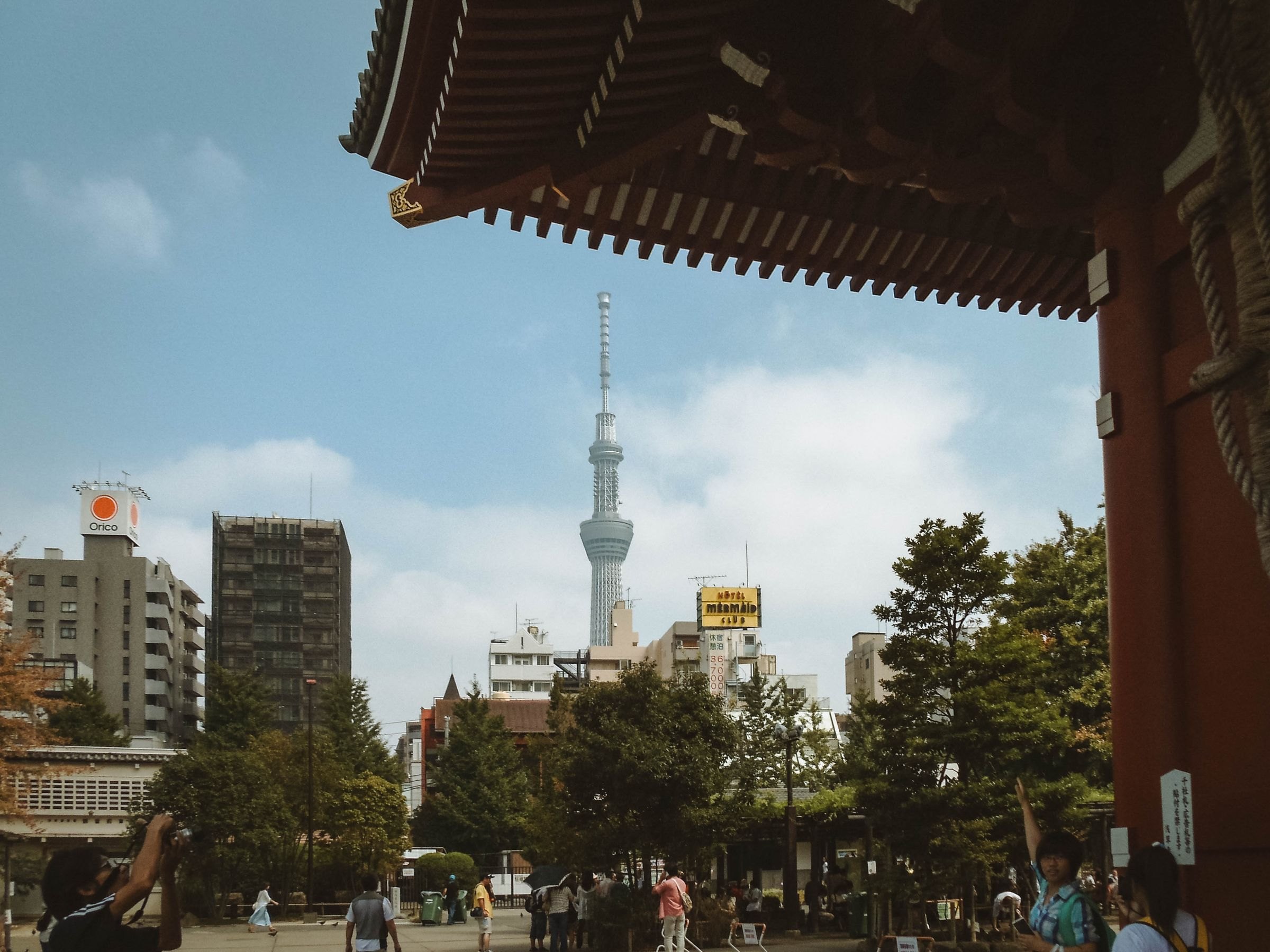
The world’s biggest city is calm, safe and endlessly surprising. Cross Shibuya, explore Senso-ji temple in Asakusa and the Meiji Shrine, then eat your way through tiny bars in Shinjuku and the stalls of Tsukiji outer market.
Easy day trips go to Kamakura, with its Great Buddha, and Nikko, with ornate shrines in the forest.
Japan holidays →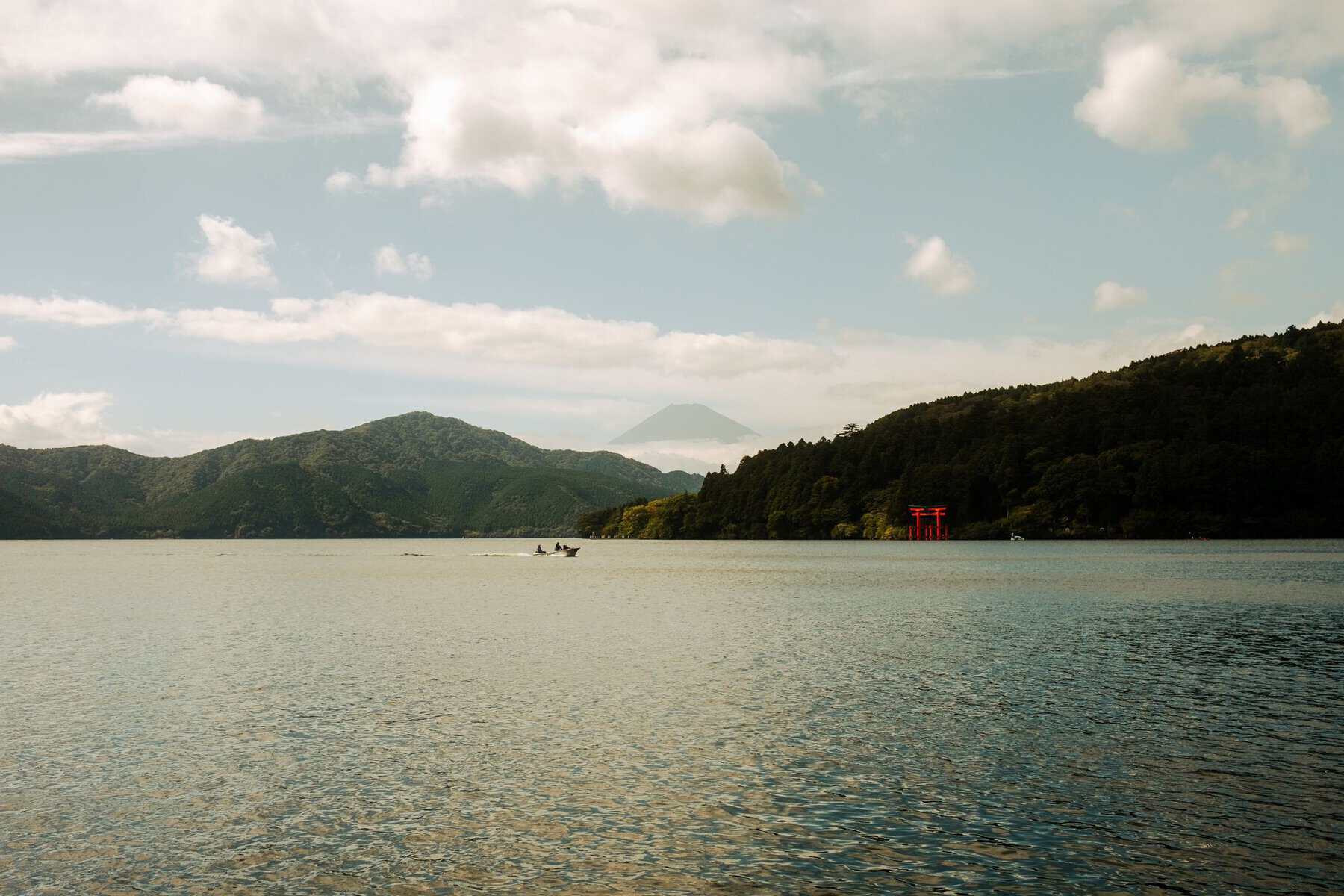
Mount Fuji and Hakone
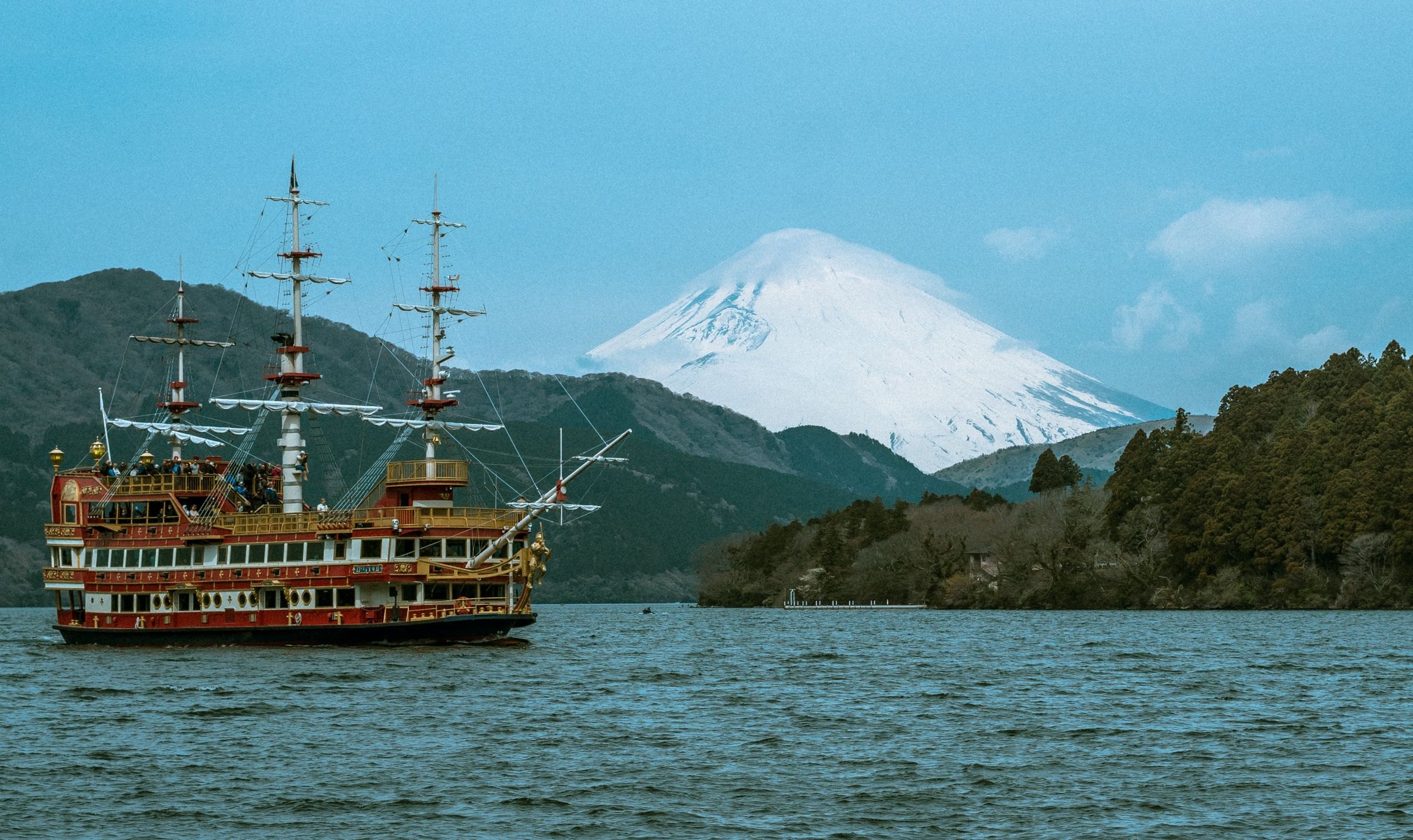
Japan’s highest mountain, 3,776 m, is best seen from Lake Kawaguchi or Hakone, where you can cruise Lake Ashi, ride the ropeway over steaming volcanic vents and stay in a ryokan with its own hot spring.
Fuji often hides in cloud, especially in summer; the clearest views are from late autumn to early spring.
Kyoto
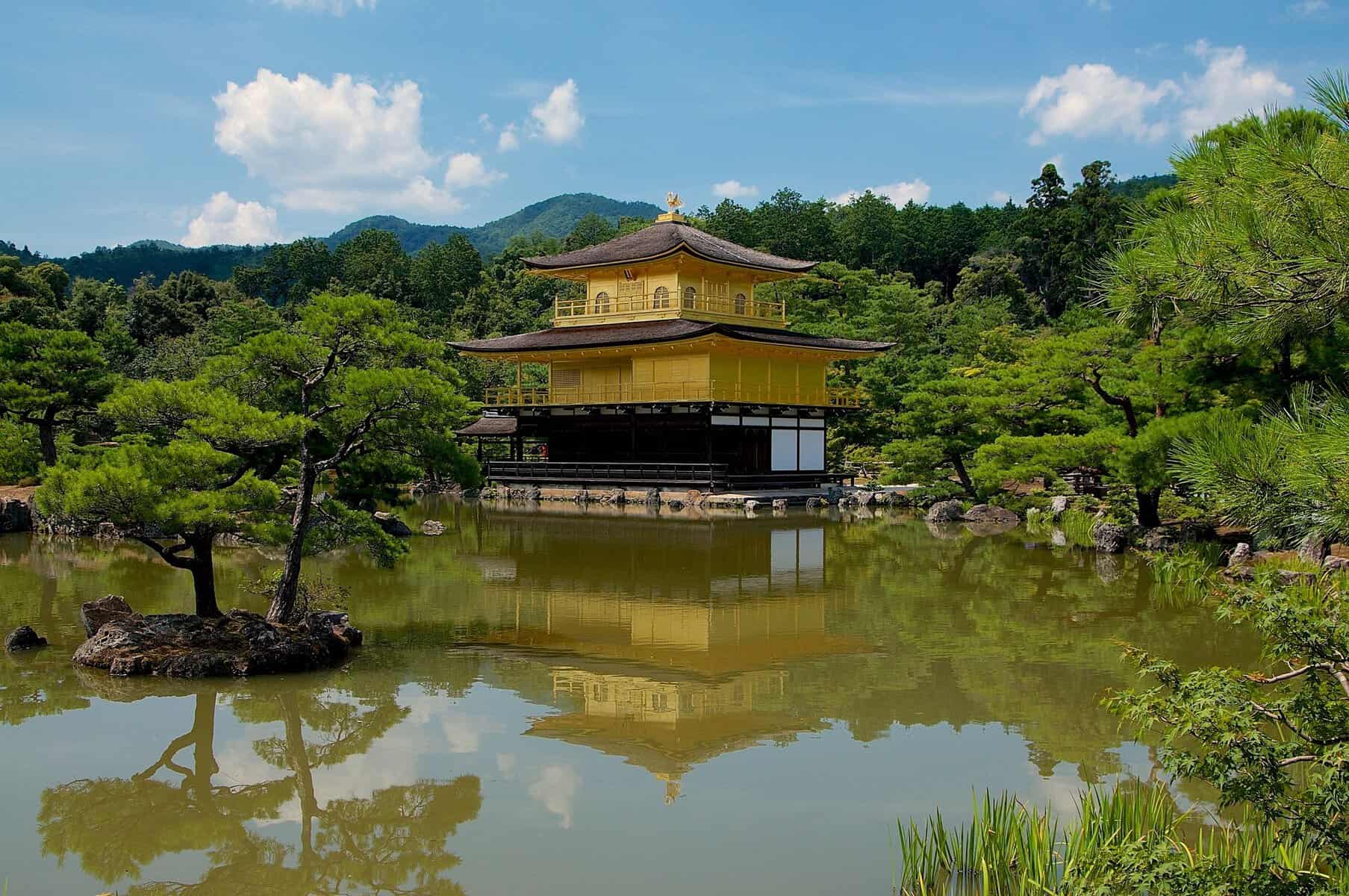
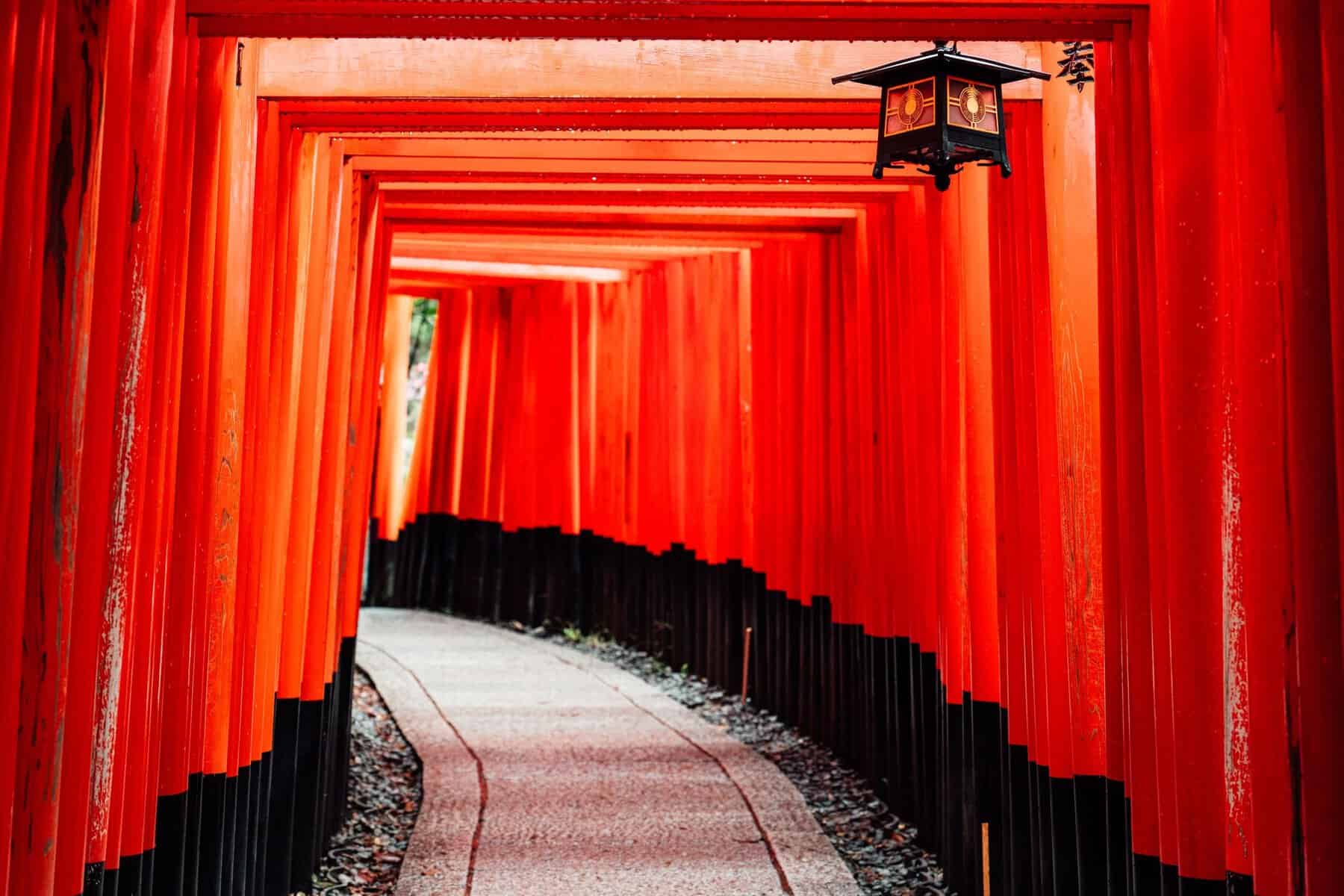
The old imperial capital has more than 1,600 temples and shrines. Walk through the thousands of gates of Fushimi Inari, see the Golden Pavilion, stroll the bamboo grove of Arashiyama and look for geiko in the lanes of Gion at dusk.
Go early in the morning: the famous sights are much quieter before 9am.

Osaka and Nara
Osaka is Japan’s kitchen: try takoyaki and okonomiyaki under the neon of Dotonbori, then visit the castle. Kansai airport makes it an easy place to fly home from.
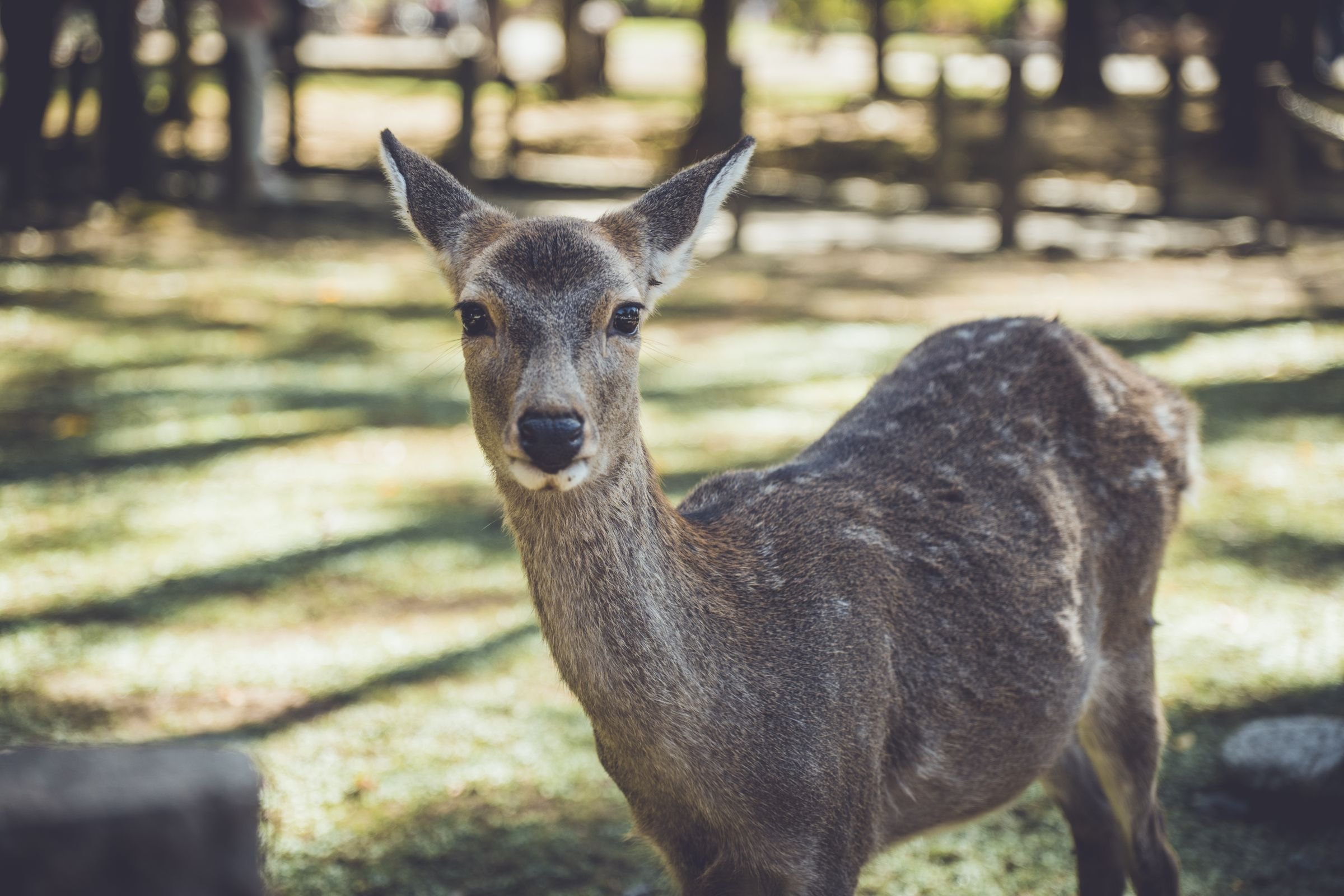
Half an hour away, Nara was Japan’s first permanent capital. Its park is home to tame deer and the giant bronze Buddha of Todai-ji.
Hiroshima and Miyajima
The Peace Memorial Park and museum in Hiroshima are a moving reminder of 6 August 1945, and the city today is lively and welcoming.
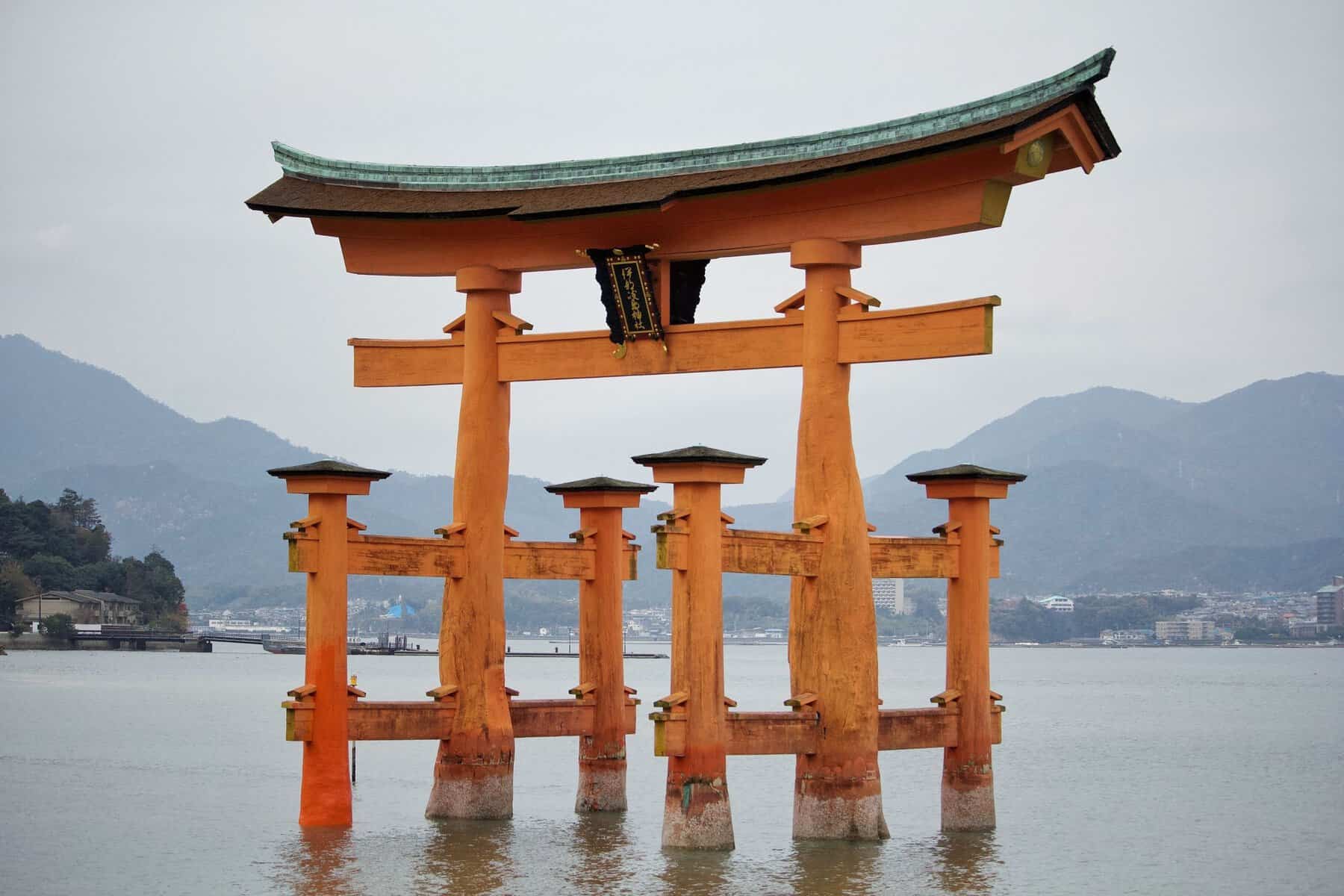
A short ferry ride away, the island of Miyajima has the famous “floating” torii gate of Itsukushima Shrine, wild deer and walks up Mount Misen. Stay the night to see it after the day-trippers leave.

The Japanese Alps and Kanazawa
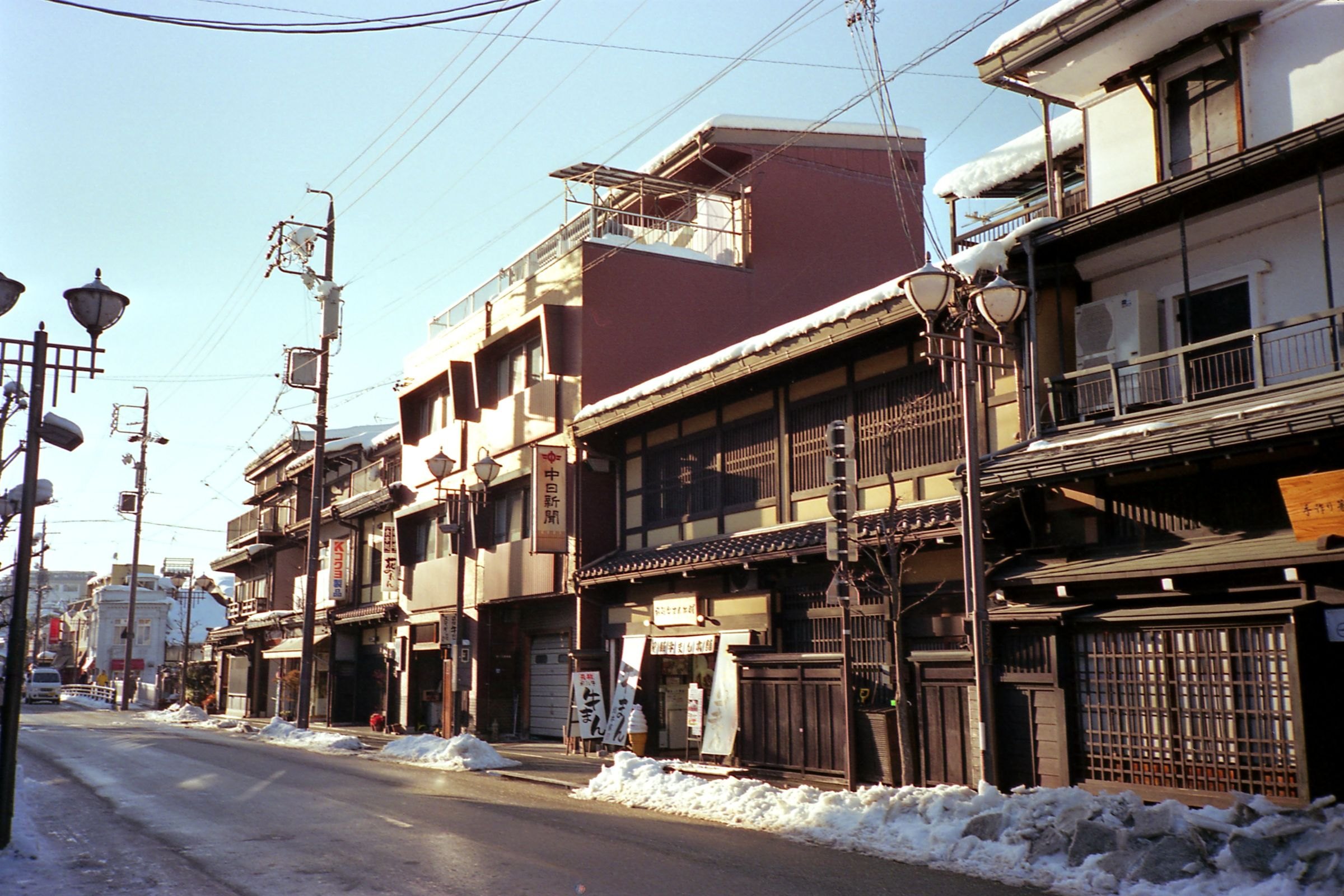
In the mountains of central Japan, Takayama has a beautiful old merchant quarter, Shirakawa-go has steep thatched farmhouses, and the post towns of the Nakasendo trail are linked by forest paths.
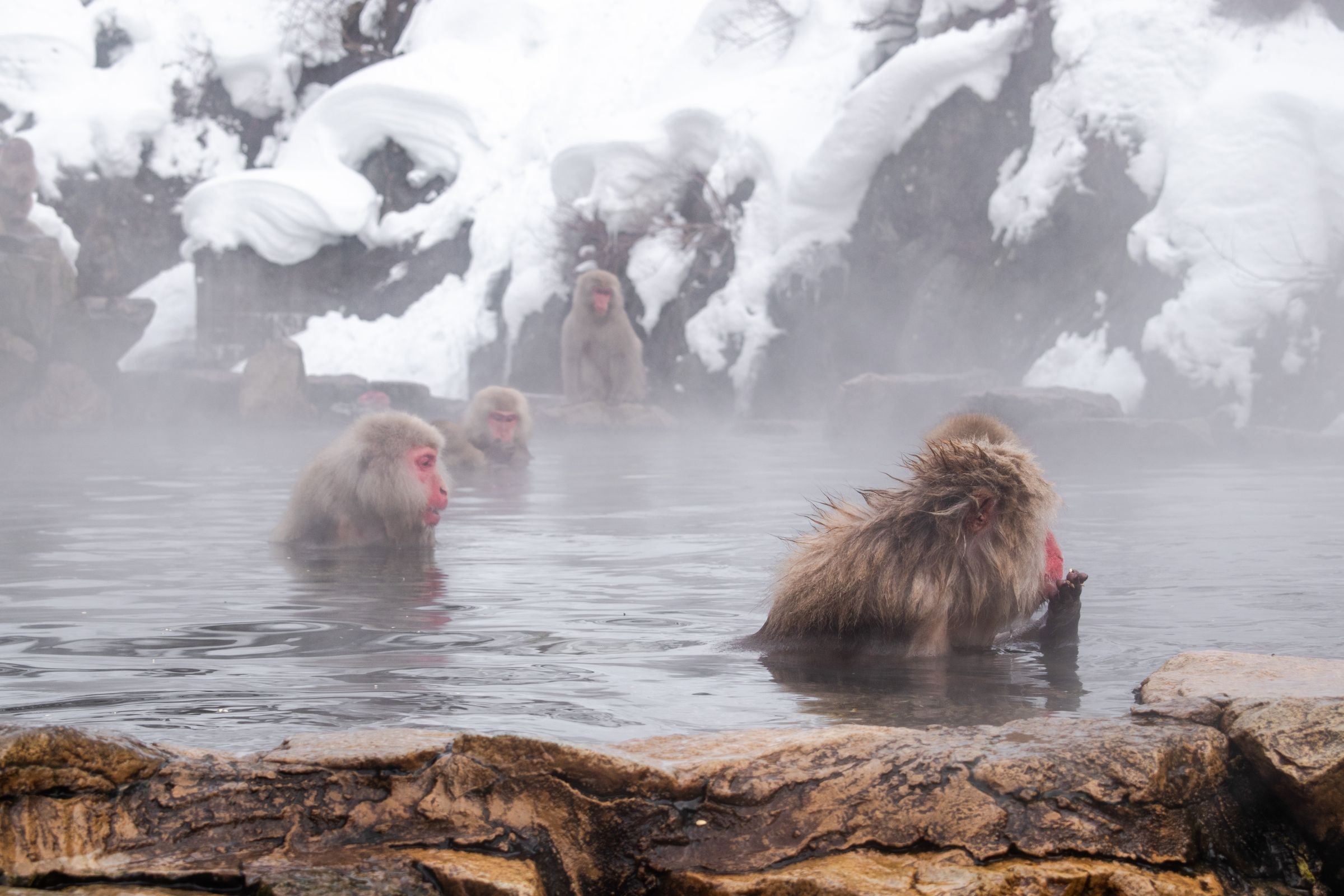
On the coast, Kanazawa has one of Japan’s finest gardens, Kenroku-en, and a samurai district. In winter, the snow monkeys of Jigokudani bathe in hot springs.

Koyasan and the Kumano Kodo
South of Osaka, Koyasan is a mountain-top town of Buddhist monasteries where you can stay overnight in a temple, eat the monks’ vegetarian food and join the morning prayers.
The Kumano Kodo, a UNESCO-listed pilgrim route, winds through cedar forests to grand shrines and Nachi Falls, Japan’s tallest single-drop waterfall.

Hokkaido
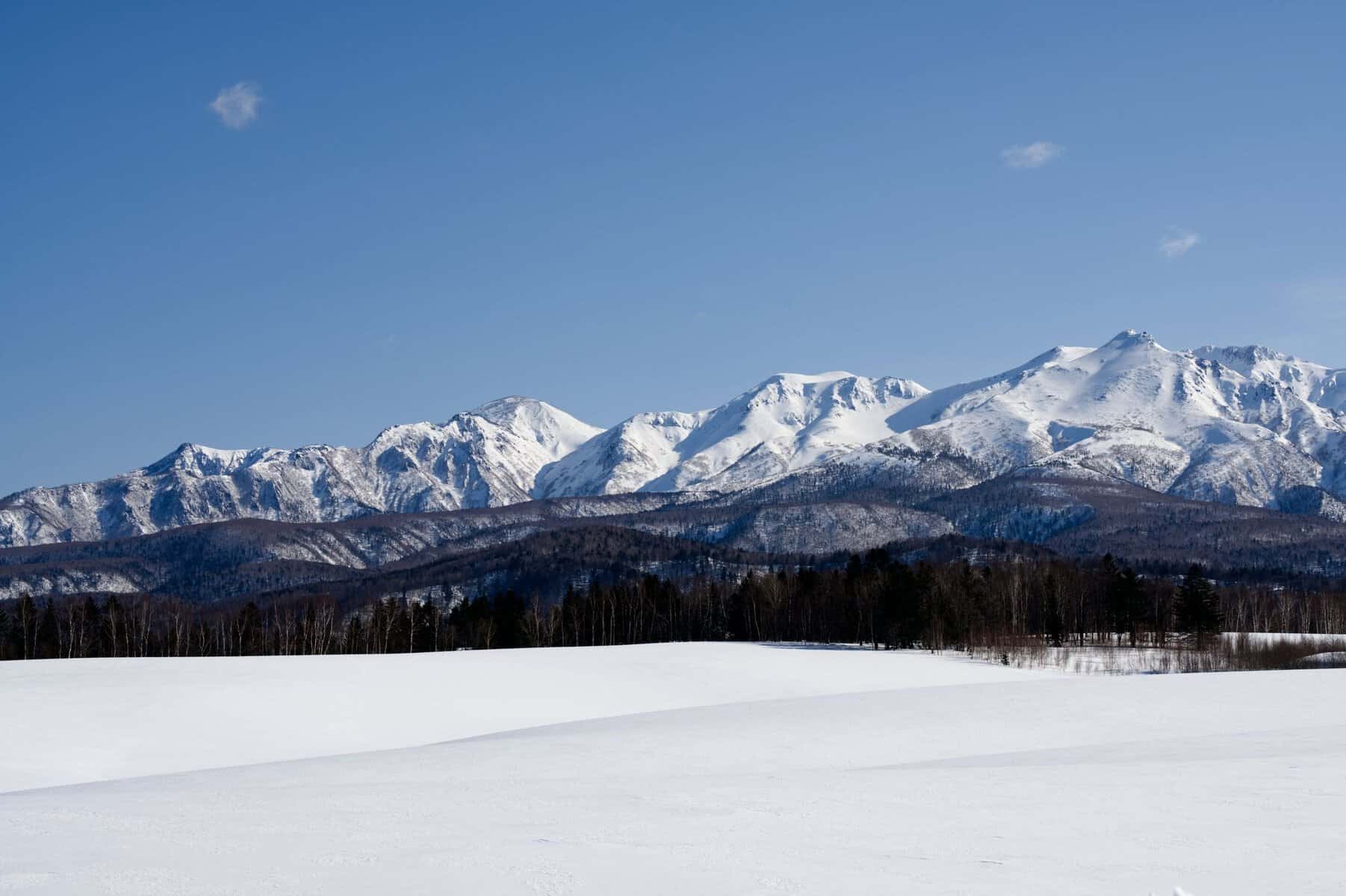
Japan’s northern island is wild and spacious. In winter come for powder snow, the Sapporo Snow Festival and the canal town of Otaru; in summer for lavender fields at Furano and national parks with bears, lakes and volcanoes.
It’s about 90 minutes by plane from Tokyo.
Okinawa
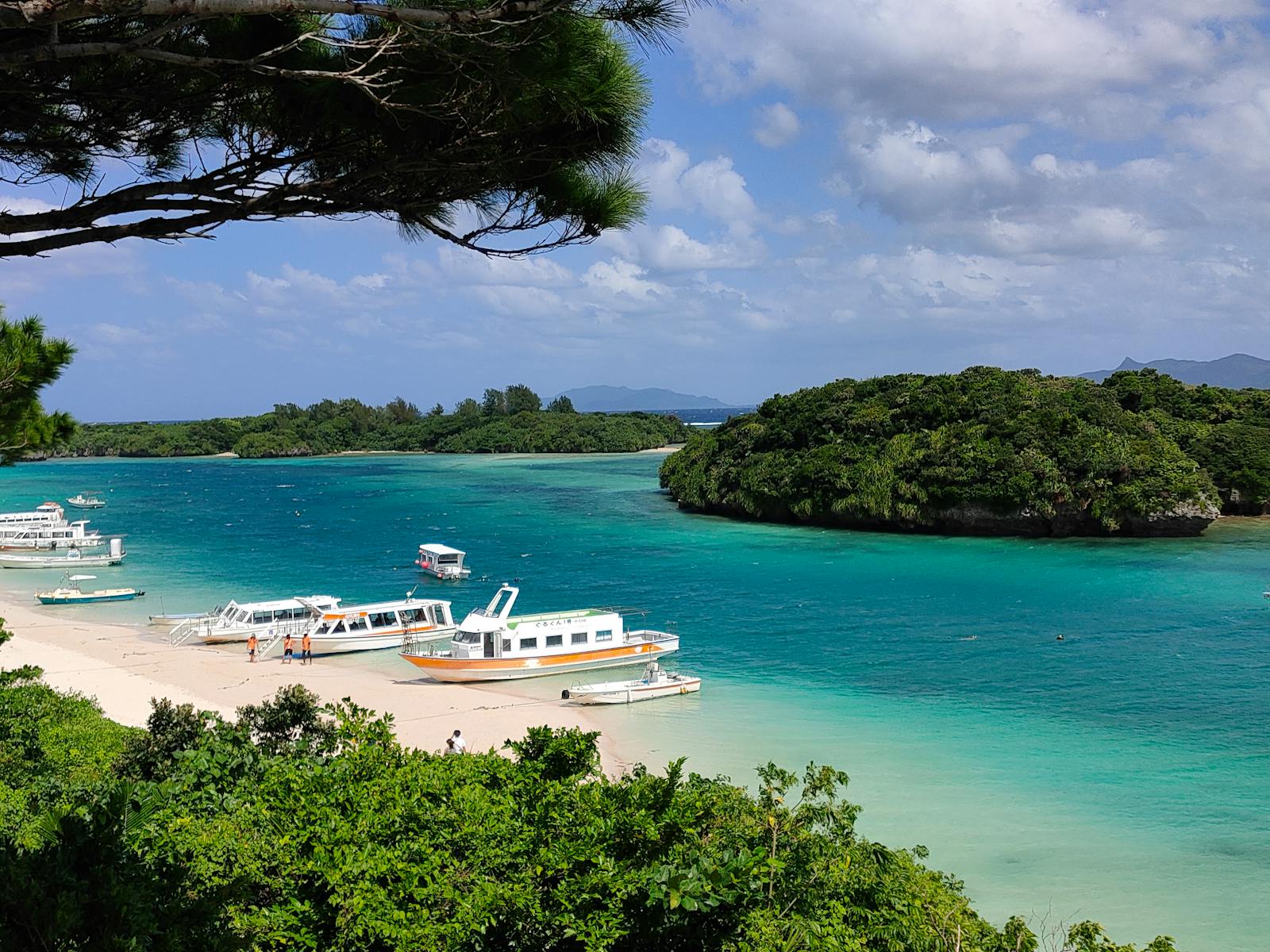
Japan’s subtropical islands, far to the south-west, have coral reefs, white beaches and their own culture, food and history from the old Ryukyu kingdom.
They make a relaxing end to a trip from about April to October, though typhoons are possible from summer into autumn.
A day in Kyoto
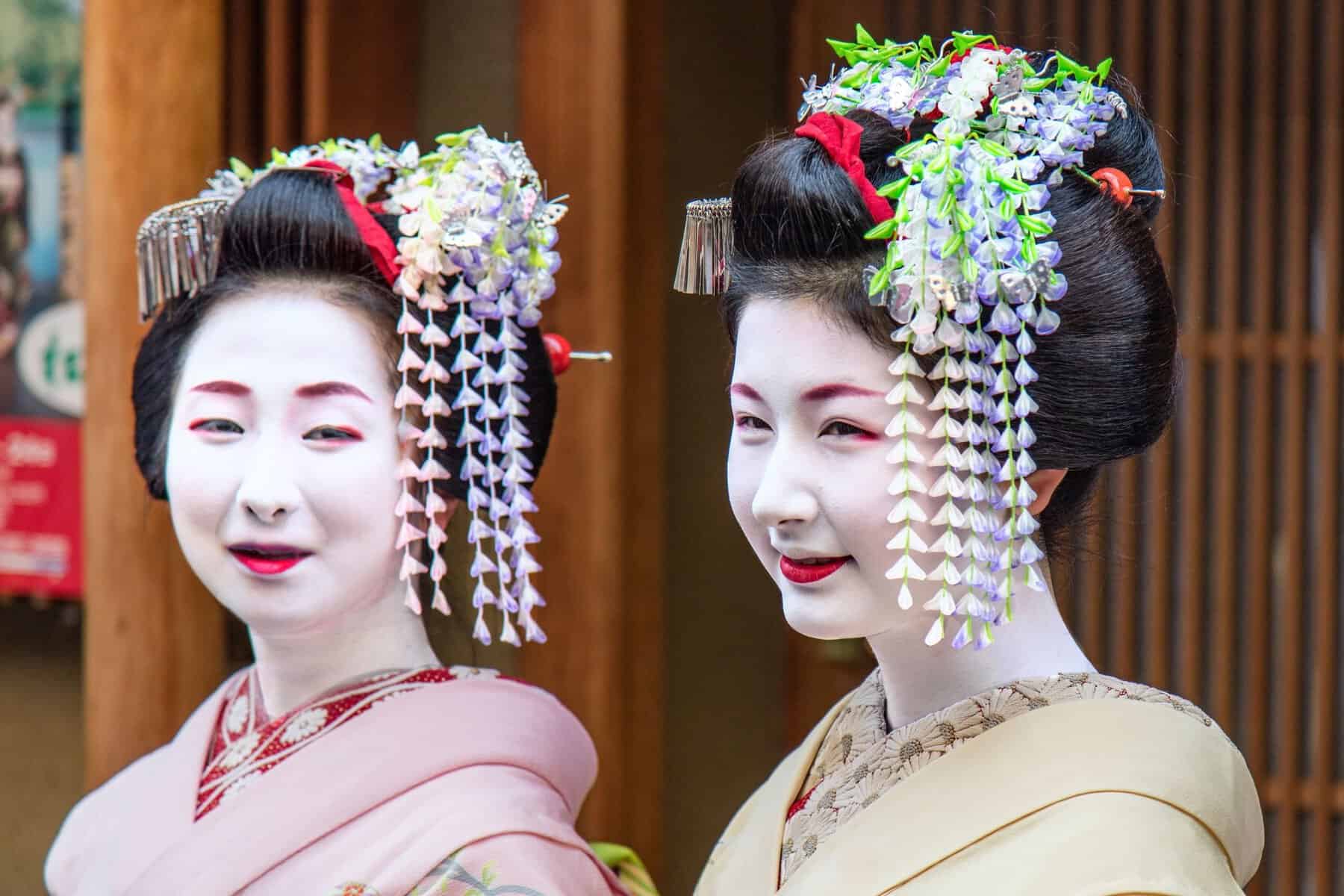
Early morning: walk the gates of Fushimi Inari before the crowds arrive, then take the train to the Higashiyama district for Kiyomizu-dera temple and the old lanes of Sannenzaka.
Afternoon: see the Golden Pavilion and the raked gravel garden at Ryoan-ji, or the bamboo grove and riverside of Arashiyama.
Evening: eat in the lantern-lit alleys of Pontocho, then stroll through Gion, where you may glimpse a geiko or maiko on her way to an appointment. Please don’t stop them for photos.
Facts about Japan
| Fact | Japan |
|---|---|
| Islands | More than 14,000, of which four are the main ones: Honshu, Hokkaido, Kyushu and Shikoku |
| Population | About 124 million, nearly double the UK |
| Highest mountain | Mount Fuji, 3,776 m, an active volcano |
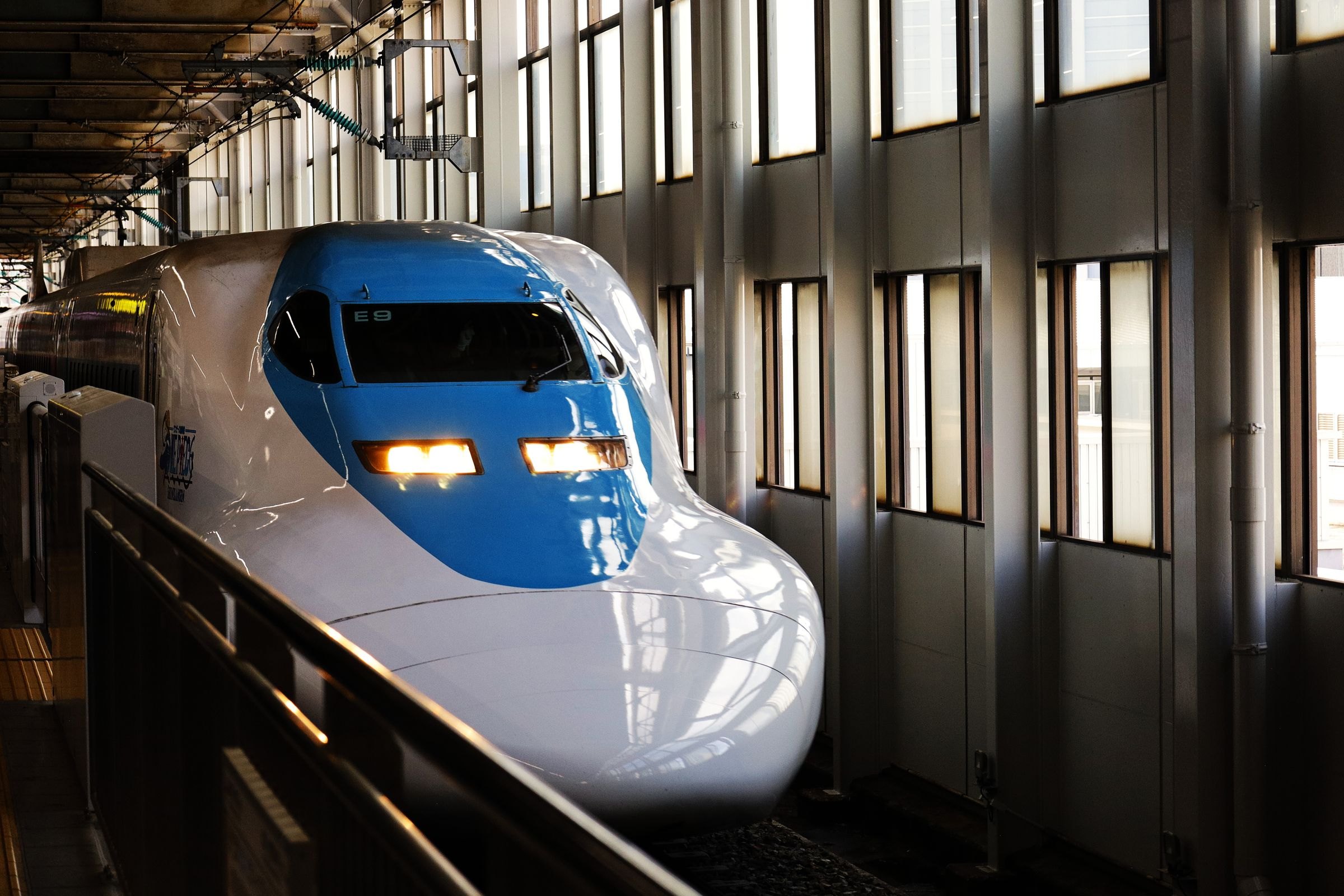
| Bullet trains | The first shinkansen ran in 1964; the fastest now reach 320 km/h |
| UNESCO World Heritage Sites | More than 25, from Kyoto’s temples to the Kumano Kodo and Mount Fuji |
| Emperor | Japan has the world’s oldest continuous hereditary monarchy |
- Tipping: there’s no tipping in Japan; leaving money can cause confusion.
- Quiet trains: people don’t take phone calls on trains, and eating while walking is frowned on.
- Vending machines: there are millions, selling hot and cold drinks almost everywhere, even on mountain paths.
- Earthquakes: Japan has many small tremors; buildings are designed for them, and hotels explain what to do.
Seasons and festivals
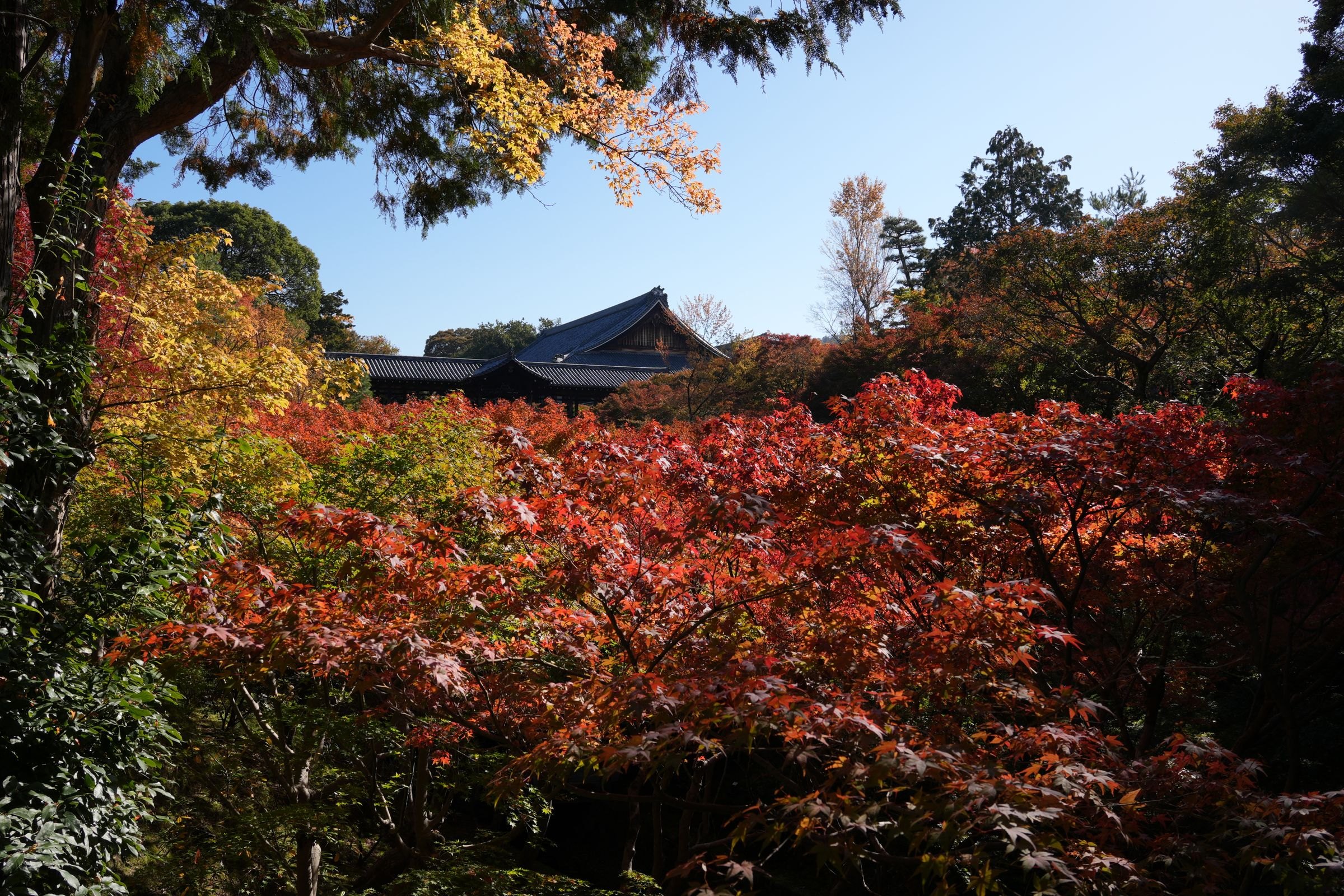
Japan has four clear seasons, and each has its own festivals. Spring (late March to May) brings the cherry blossom; summer is hot and humid, with a rainy season in June and early July on the main islands and typhoons possible from August to October; autumn (October and November) brings red maple leaves and clear skies; and winter is cold and dry in Tokyo and Kyoto, with deep snow in the Alps and Hokkaido. For blossom dates and where to see them, read our Japan cherry blossom guide.
| Festival | When | Where |
|---|---|---|
| Sapporo Snow Festival | Early February | Sapporo, Hokkaido: giant snow and ice sculptures |
| Hanami (cherry blossom viewing) | Late March to early April | Tokyo, Kyoto and most of Honshu |
| Takayama Festival | April and October | Takayama: ornate floats in the old town |
| Gion Matsuri | July, with the main parade on 17 July | Kyoto: Japan’s most famous festival |
| Nebuta and Awa Odori | Early and mid-August | Aomori (giant lantern floats) and Tokushima (street dancing) |
| Autumn leaves (koyo) | Mid-November to early December | Kyoto, Nikko and the Alps (earlier in Hokkaido) |
Avoid travelling during Golden Week (late April to early May), Obon (mid-August) and New Year, when Japanese families travel and trains and hotels fill up.
Classic routes
The Golden Route
- Tokyo (4 nights)
- Hakone (1)
- Kyoto (4)
- Hiroshima and Miyajima (2)
- Osaka (1)
The classic first trip, all by bullet train.
Tokyo, the Alps and Kyoto
- Tokyo (3 nights)
- Snow monkeys (1)
- Takayama (2)
- Kanazawa (2)
- Kyoto (4)
- Osaka (1)
Old towns and mountain scenery, best in spring and autumn.
Temples and pilgrim trails
- Tokyo (3 nights)
- Kyoto (4)
- Nara (1)
- Koyasan (1)
- Kumano Kodo (3)
- Osaka (1)
Temple stays and forest walking, for active travellers.
Food, culture and experiences
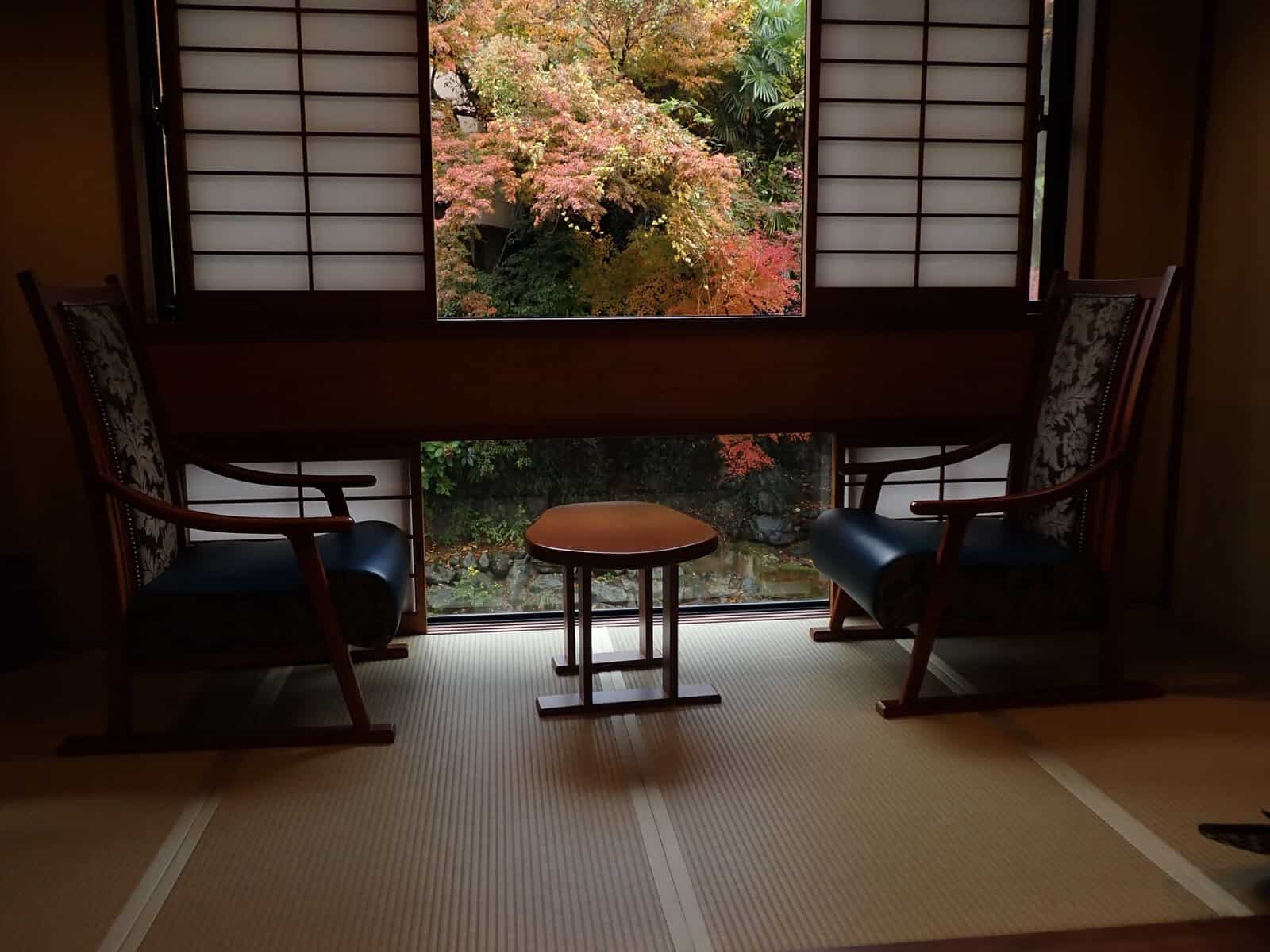
- Stay in a ryokan: a traditional inn with tatami rooms, futon beds, a multi-course kaiseki dinner and often a hot-spring bath (onsen).
- Onsen etiquette: wash before you get in, bathe without a swimsuit, and keep your towel out of the water. Some baths don’t admit tattoos, so ask first.
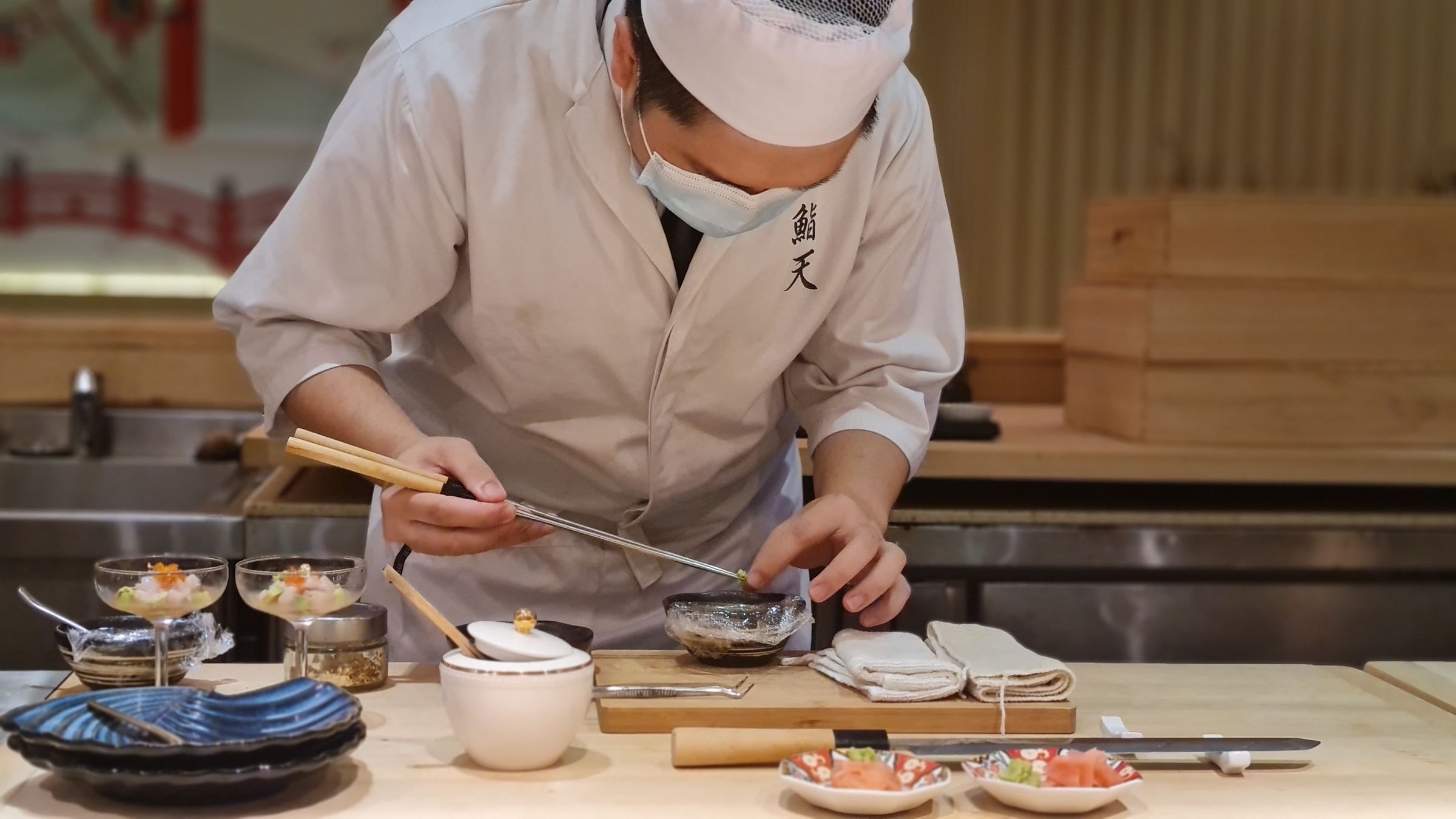
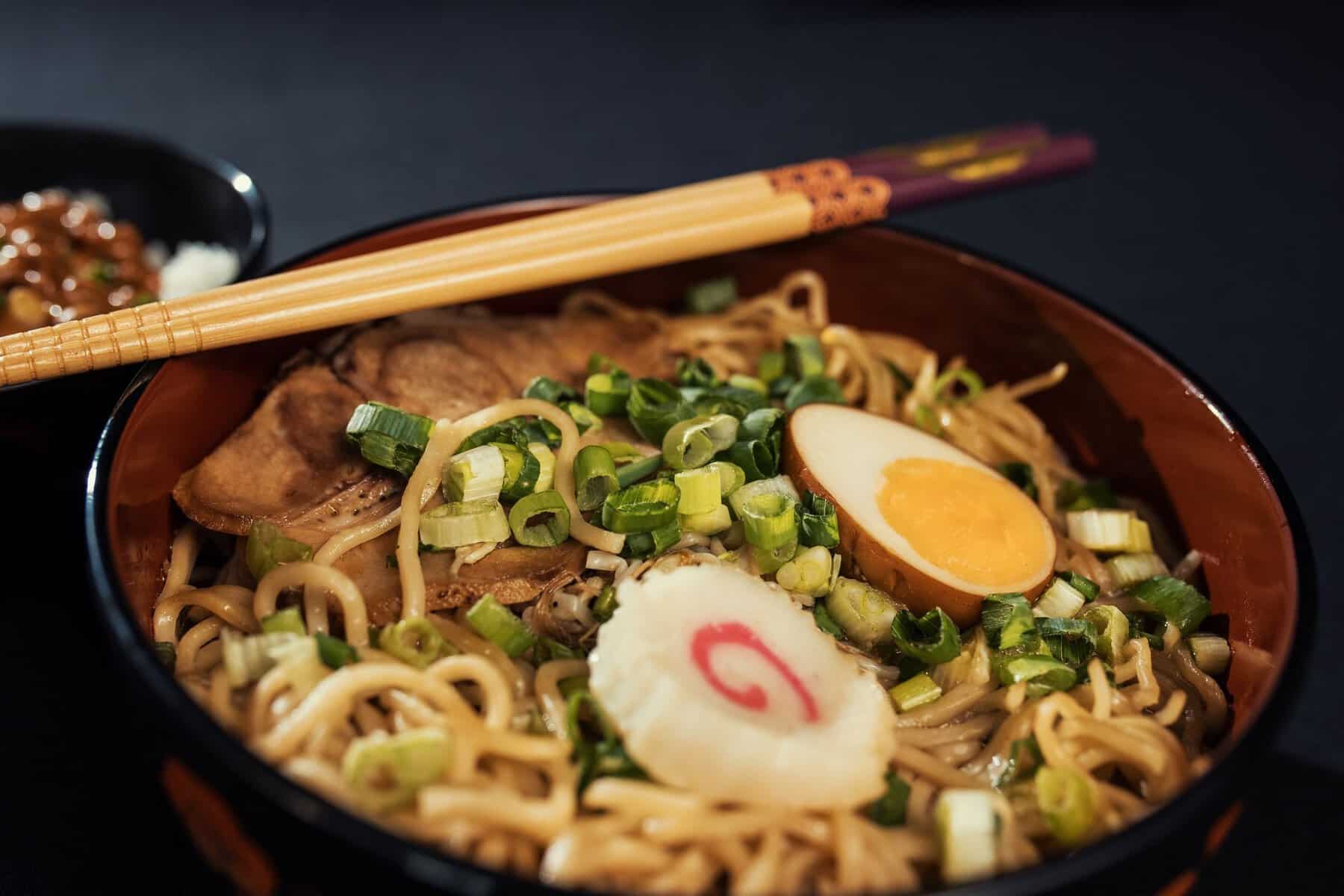
- Food: beyond sushi and ramen, try tempura, yakitori, Kobe or wagyu beef, Kyoto’s tofu dishes and convenience-store snacks, which are surprisingly good.
- Experiences: a tea ceremony, a sumo tournament (held in January, March, May, July, September and November), a cookery class or a night in a temple.
Ways to see Japan with us


Travelling to Japan from the UK
- Flights: there are direct flights from London Heathrow to Tokyo, taking about 14 hours. Fly into Tokyo and home from Osaka (Kansai) to avoid backtracking.
- Entry: British passport holders don’t need a visa for a holiday of up to 90 days. You can fill in your immigration and customs details online before you fly. Check the FCDO Japan advice before you travel.
- Medicines: some common UK medicines, including certain cold and allergy remedies, are restricted in Japan. Check the FCDO advice before you pack.
- Trains: the bullet trains are fast and punctual. Seat reservations are worth making in busy seasons, and large suitcases need a reserved space on the main Tokyo to Osaka line, so many travellers send bags ahead by courier.
- Money: cards are widely accepted in cities, but carry yen for temples, small restaurants and rural areas. Convenience-store cash machines take foreign cards.
- Language: signs on trains and in stations are in English, and people are very helpful; a translation app helps in restaurants.
Frequently asked questions
Do I need a visa to travel to Japan from the UK?
No. British passport holders can visit Japan as tourists for up to 90 days without a visa. Your passport must be valid for your whole stay. Check the FCDO travel advice before you travel.
How long is the flight from the UK to Japan?
Direct flights from London Heathrow to Tokyo take about 14 hours. Flights with one stop, for example in the Middle East or Helsinki, take longer.
What are some interesting facts about Japan?
Japan has more than 14,000 islands, about 124 million people and the world's oldest continuous hereditary monarchy. Mount Fuji is 3,776 m high, the first bullet train ran in 1964, and there's no tipping.
What are the most famous festivals in Japan?
Kyoto's Gion Matsuri in July, the Sapporo Snow Festival in February, cherry blossom viewing (hanami) in late March and early April, the Takayama Festival in April and October, and Aomori's Nebuta lantern festival in August.
When is the best time to visit Japan?
Spring, from late March to May, and autumn, from October to November, have the most comfortable weather, cherry blossom and autumn colours. June and early July are rainy, and August is hot and humid.
When is cherry blossom season in Japan?
In Tokyo and Kyoto the blossom usually peaks in late March or early April. It starts earlier in the south and reaches Hokkaido in early May. Our cherry blossom guide has the details.
How many days do you need in Japan?
Twelve to fourteen days covers Tokyo, Mount Fuji, Kyoto, Nara, Osaka and Hiroshima. With three weeks, add the Japanese Alps, Koyasan or Hokkaido.
Is Japan expensive to visit?
It can be, but good value is easy to find: excellent food is available at modest cost, public transport is efficient, and there's no tipping. Booking flights, trains and hotels together often works out best.
Keep planning
- Japan holidays
- Escorted tours of Japan
- Japan cherry blossom guide
- Japan tours compared
- South Korea vs Japan
- Walk the Kumano Kodo
- Thailand holiday guide
- Tailor-made holidays
Plan your Japan holiday with a Travel Designer
Tell us your dates and interests, and we’ll plan the route, the trains and the ryokan nights, with every flight in one ATOL-protected booking.
Make an enquiry Japan holidays