Oman in brief
- Most trips start in Muscat and loop through the wadis, the Wahiba Sands, Nizwa and the Hajar Mountains.
- Add Salalah in the green south, or the fjords of Musandam.
- October to April is the best time to visit; Salalah is at its greenest from June to September. See when to go.
- UK visitors can stay up to 14 days without a visa, and there are direct flights from London to Muscat.

Oman is the Arabia of old stories: mud-brick forts and palm oases, desert dunes where you sleep under the stars, mountains cut by deep canyons, and wadis with turquoise pools. It sits in the south-east corner of the Arabian Peninsula, with more than 3,000 km of coast, and its capital Muscat is a calm, low-rise city by the sea. In the far south, Salalah turns green every summer, and in the north the fjords of Musandam are full of dolphins. Omanis are famously hospitable, and the country is one of the safest in the region. This guide covers where to go, when, classic routes and what to know before you travel.
Where is Muscat?

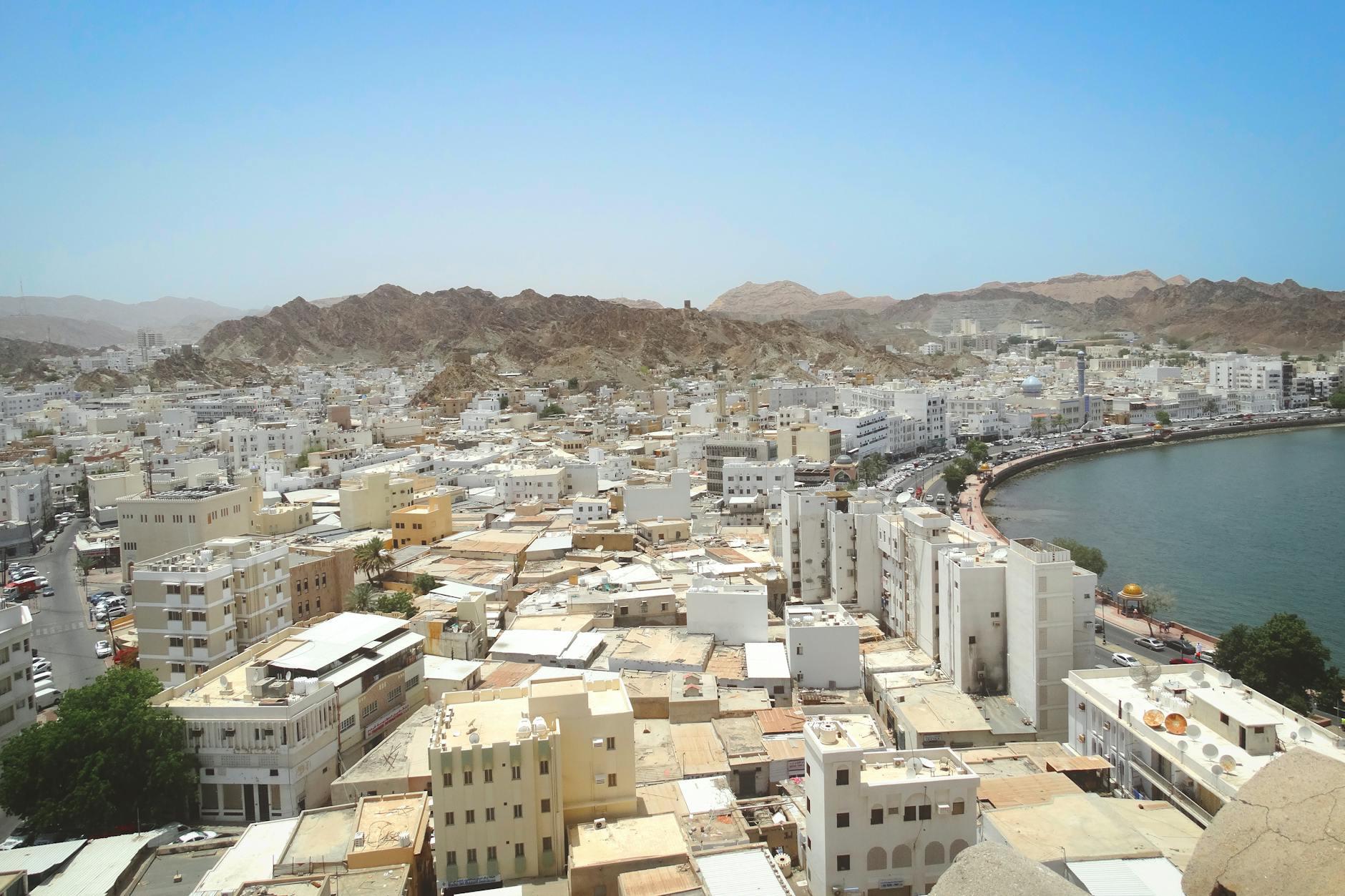
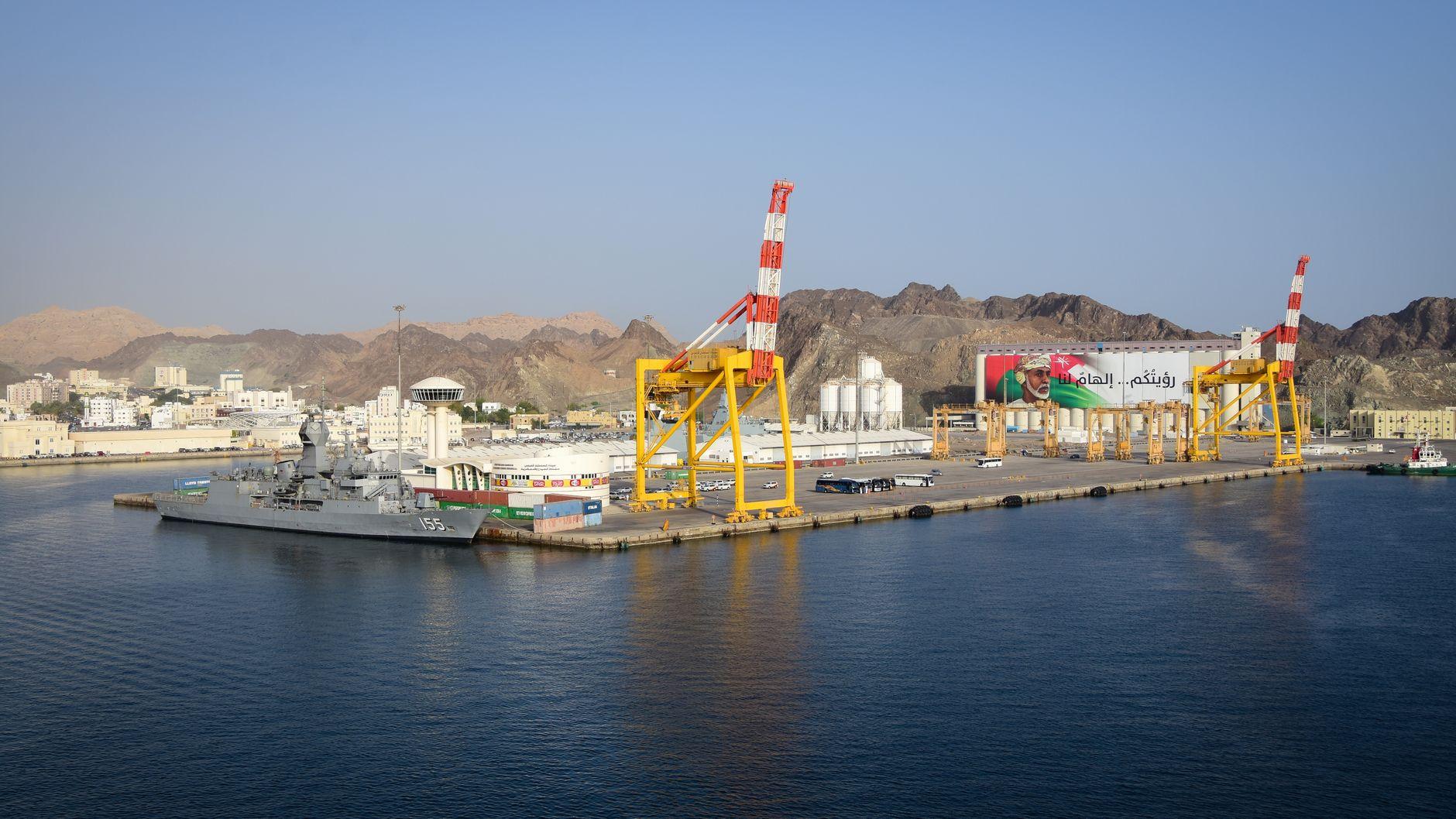
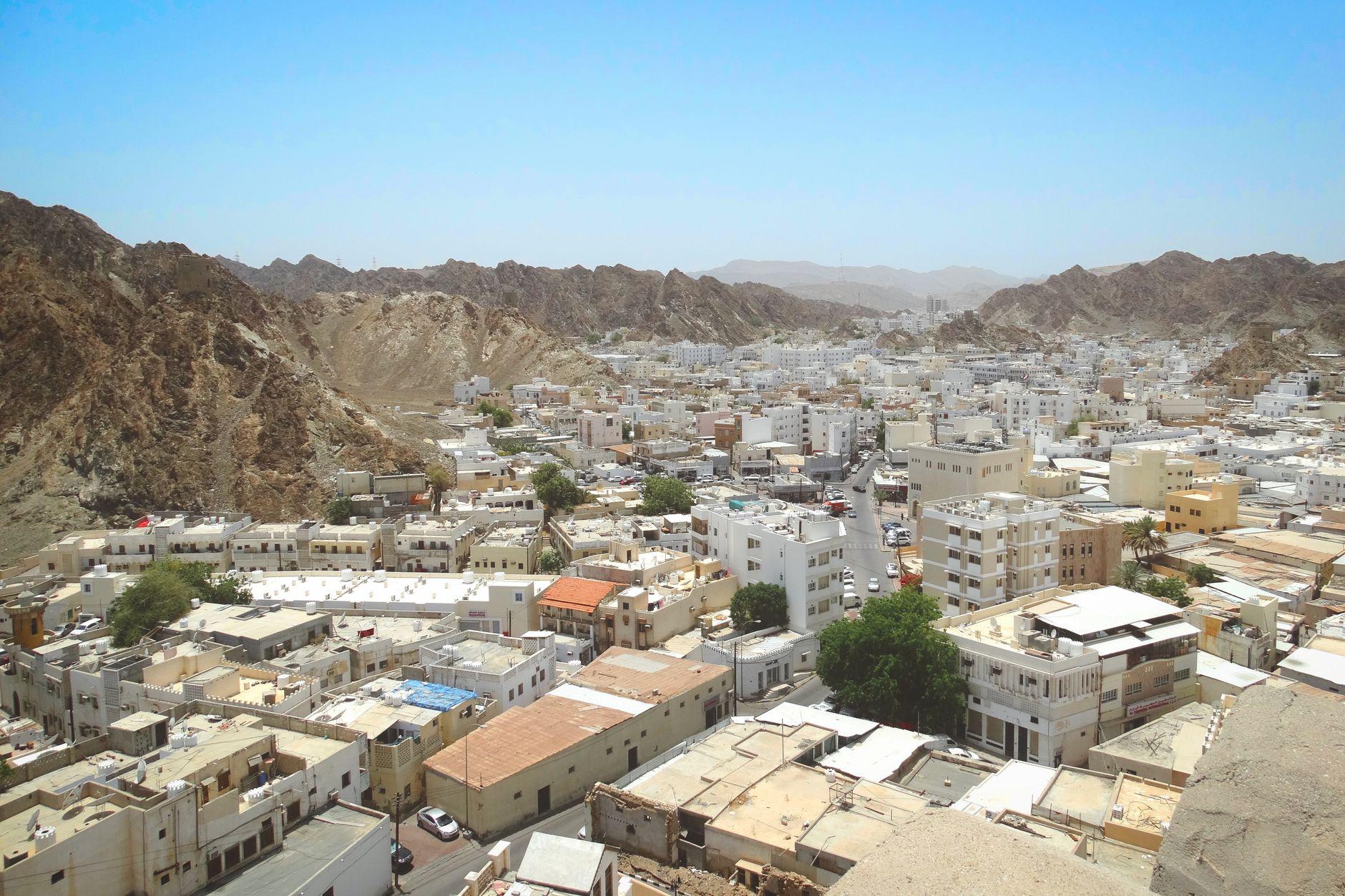
Muscat is the capital of Oman. It lies on the north-east coast, on the Gulf of Oman, with the Hajar Mountains rising straight behind it. Most visitors fly in here.
The city stretches for miles along the shore: the old walled town with the Sultan’s palace, the harbour and souq of Mutrah, and newer districts around the Sultan Qaboos Grand Mosque.
For what to see and where to stay, read our Muscat guide.
Places to visit in Oman
Most trips start in Muscat and loop through the north: the coast and wadis, the Wahiba Sands, Nizwa and the Hajar Mountains. Add Salalah in the south with a short flight, or Musandam in the north, often combined with Dubai. Compare our small-group trips in Oman tours compared.
Muscat
See the Sultan Qaboos Grand Mosque, with its giant chandelier and hand-woven carpet, browse Mutrah Souq for silver and frankincense, and walk the corniche at sunset.
Take a boat to snorkel off the Daymaniyat Islands or watch dolphins along the coast.
Muscat guide →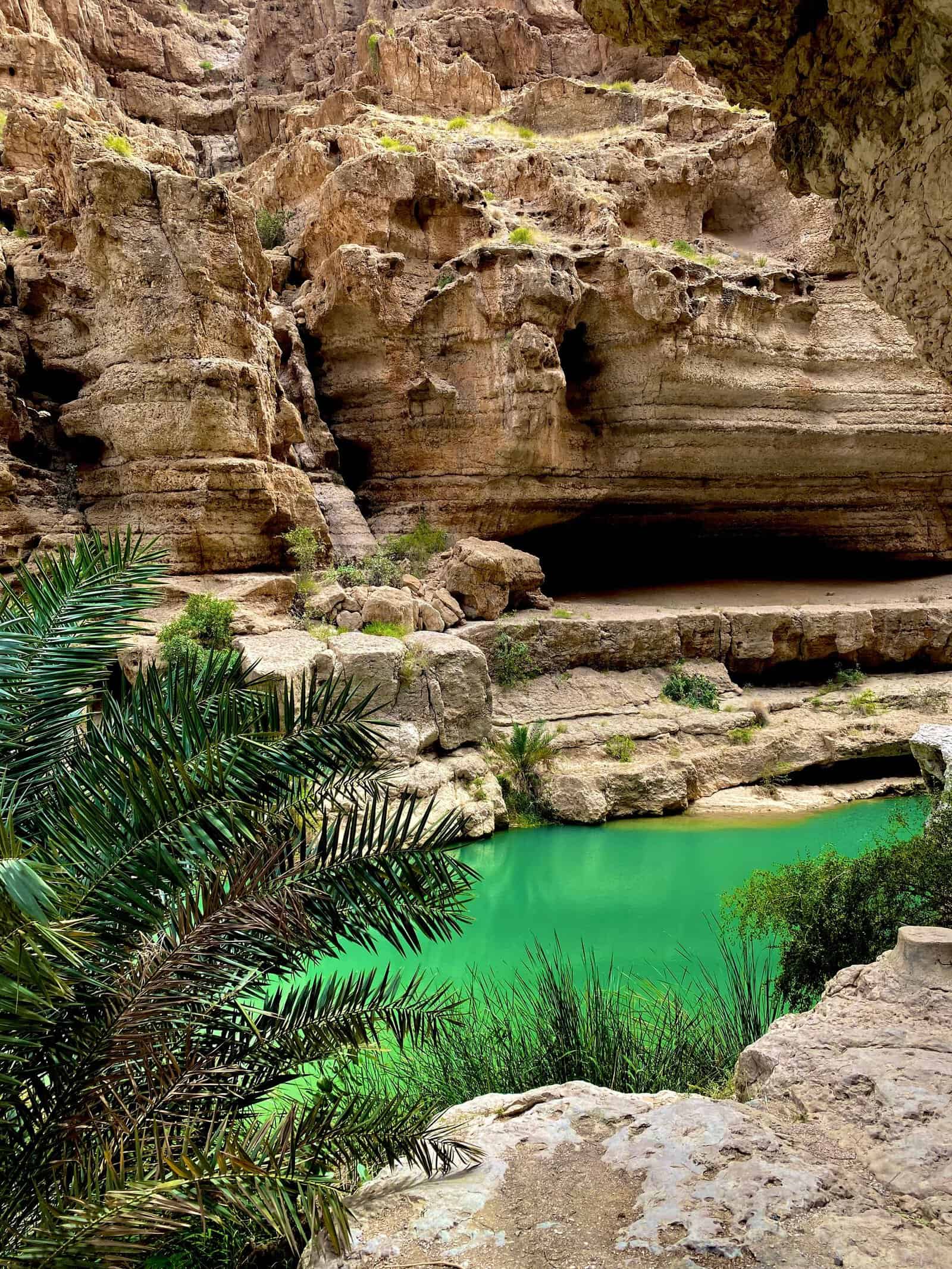
The wadis
Wadis are river valleys that cut through the mountains, many with palm trees and clear pools. Wadi Shab, on the coast road south of Muscat, has a short hike and a swim to a hidden waterfall in a cave.
Wadi Bani Khalid, inland, has easy-to-reach pools for swimming all year.
Sur and Ras al Jinz
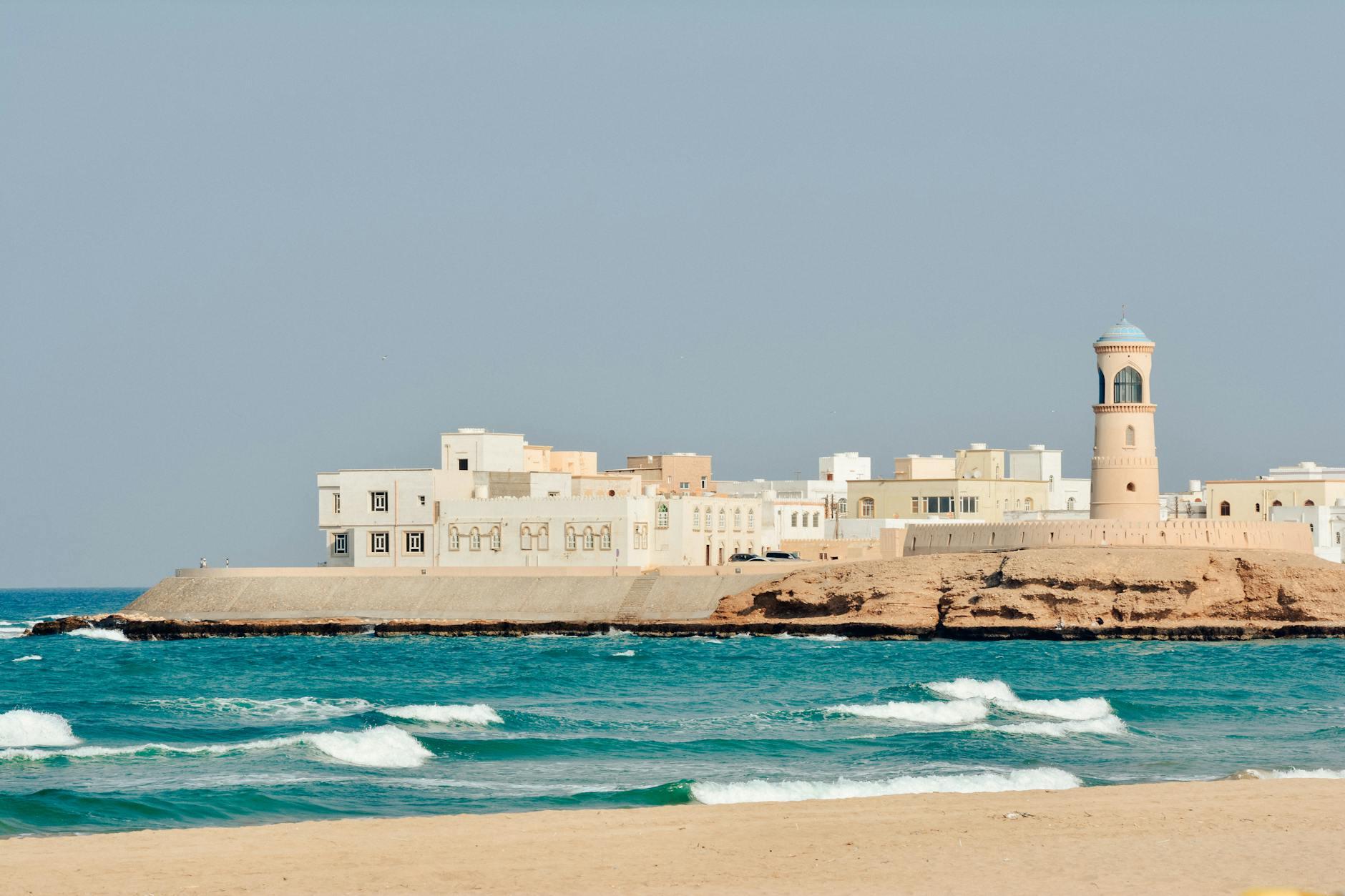
The old port of Sur has built wooden dhows for centuries, and you can still see them being made.
Nearby, green turtles come ashore to lay their eggs at Ras al Jinz all year. Guided night and dawn visits let you watch them, best from about June to September.
The Wahiba Sands
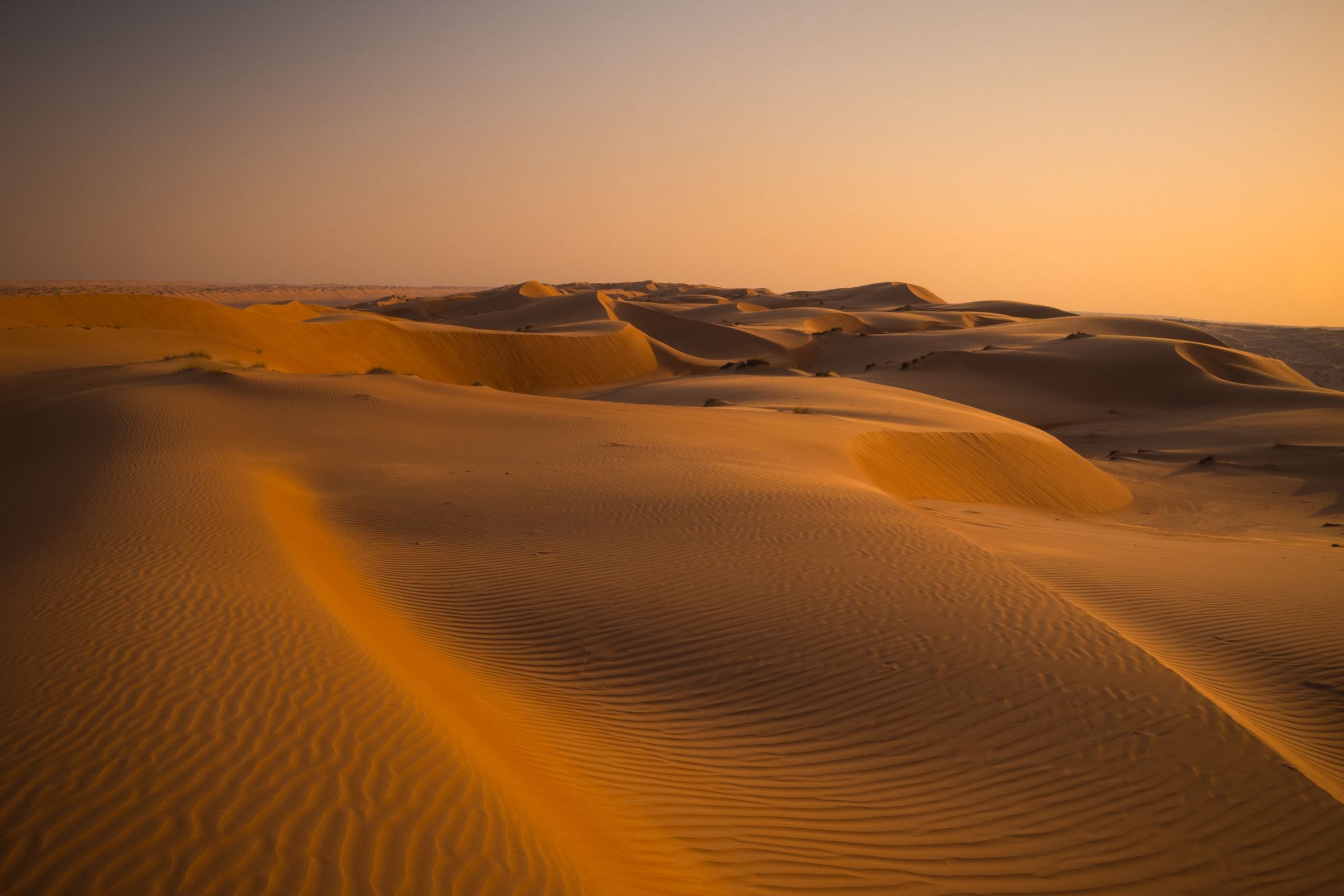
These golden dunes, also called the Sharqiya Sands, are about three hours from Muscat. Drive into the desert by 4×4, watch the sunset from a dune and sleep in a desert camp.
Bedouin families still live here, and many trips include coffee and dates in a family home.

Nizwa and the forts
Oman’s old capital has a great round fort tower and a busy souq. Come on a Friday morning for the lively goat market.
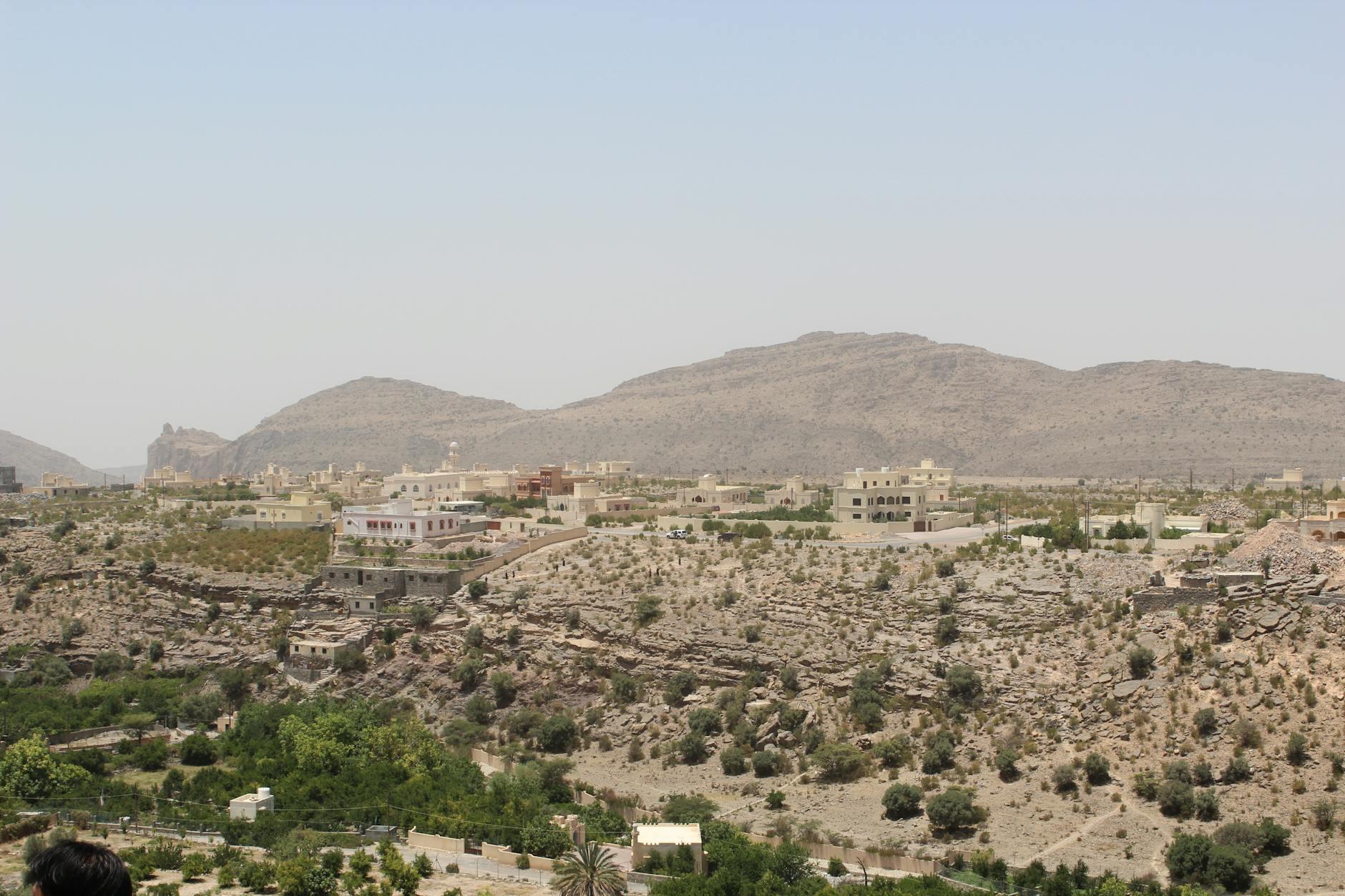
Nearby are the UNESCO-listed Bahla Fort, the castle of Jabrin, and mud-brick villages such as Al Hamra and Misfat al Abriyeen.
The Hajar Mountains
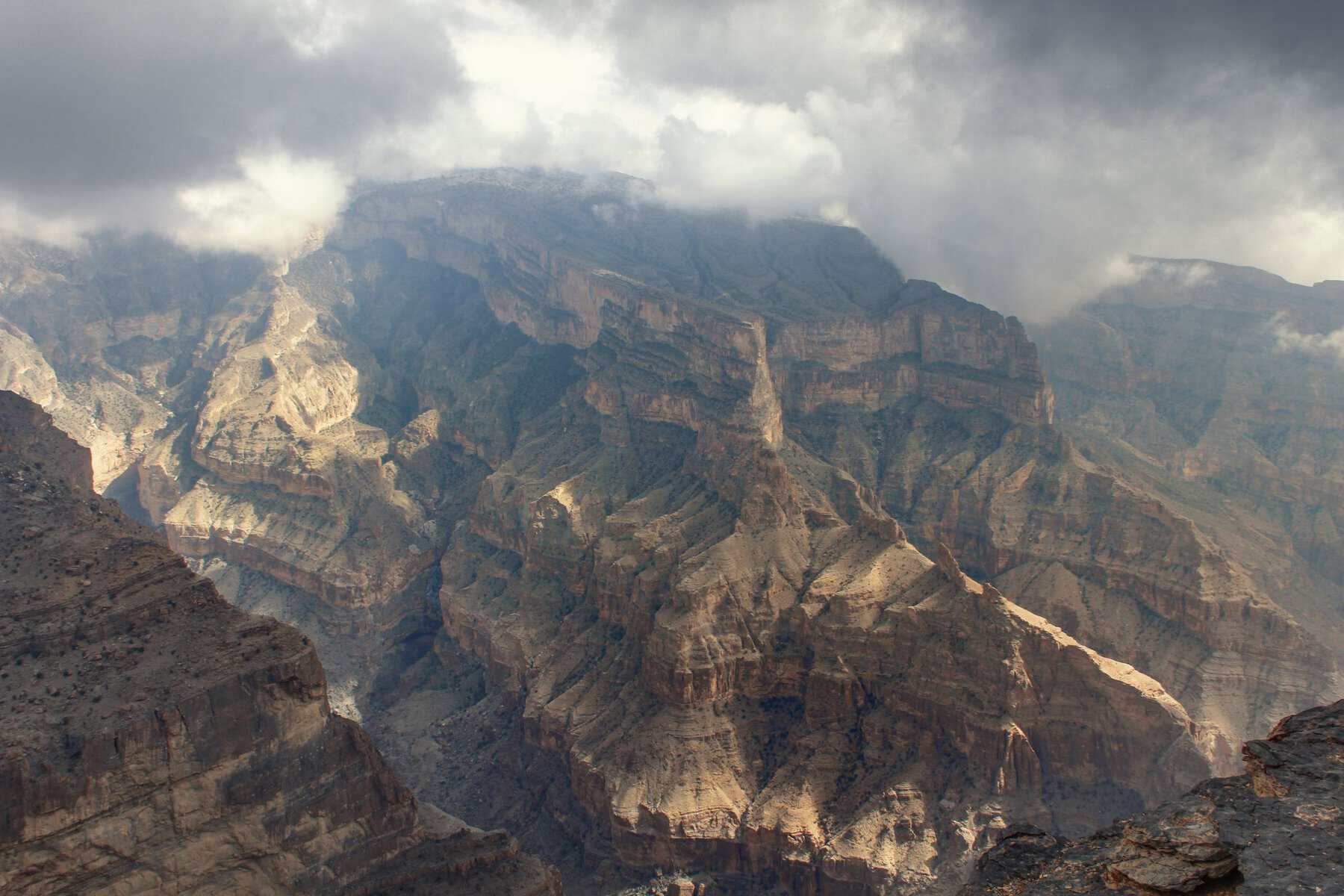
Jebel Shams, about 3,000 m high, is Oman’s highest mountain. Walk the balcony trail along the edge of Wadi Ghul, the “Grand Canyon of Arabia”.
On Jebel Akhdar, the “Green Mountain”, villages cling to terraces of pomegranates, walnuts and roses; in spring the roses are made into rosewater. The road up needs a 4×4.

Salalah and Dhofar
In the far south, about 1,000 km from Muscat, Salalah has long white beaches, coconut palms and banana plantations. It’s the home of frankincense, and its ancient trading sites are a UNESCO World Heritage Site.
From June to September the khareef monsoon brings mist, drizzle and cool air, and the hills and waterfalls turn green. More on Salalah.
Musandam
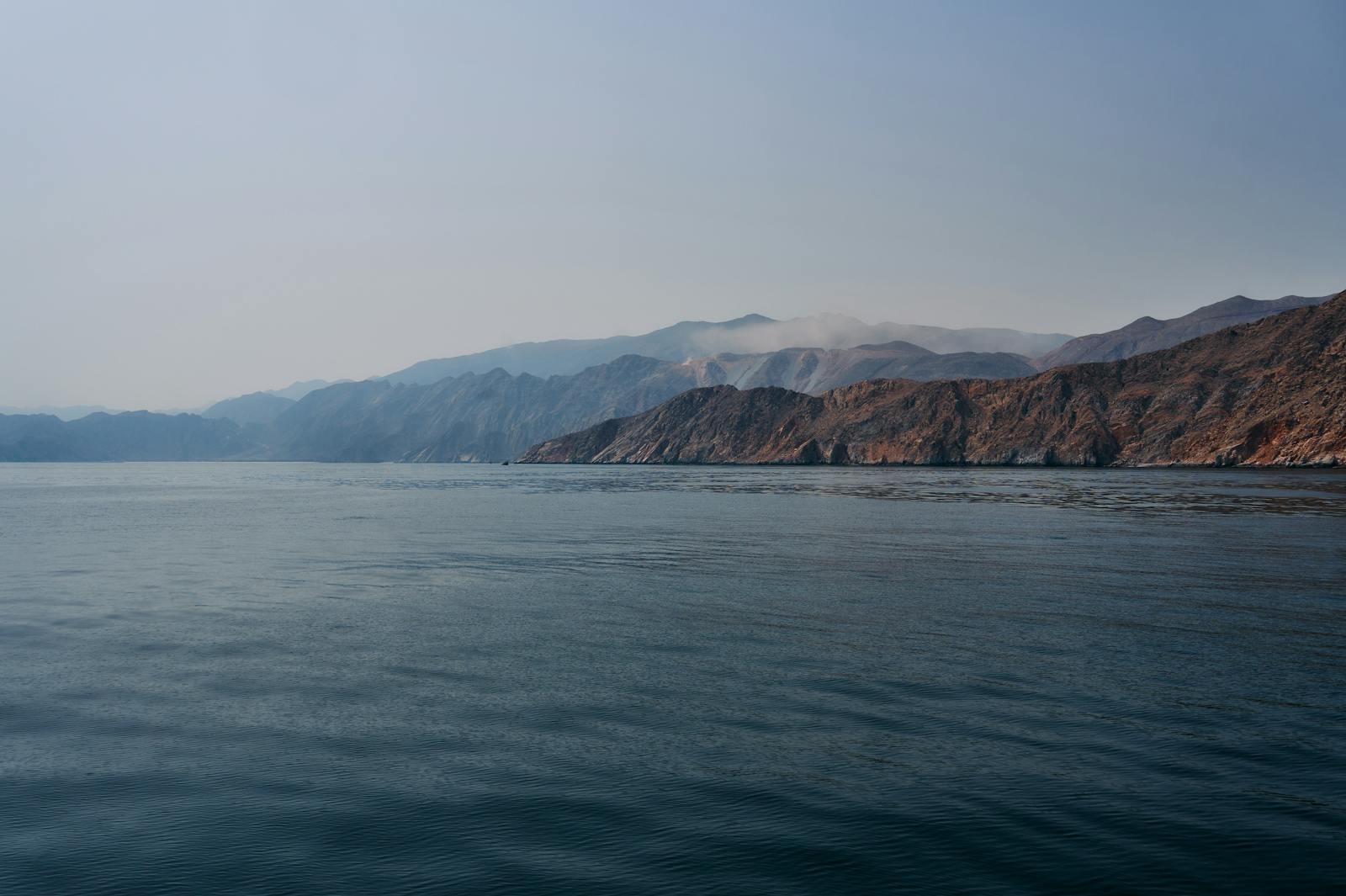
Separated from the rest of Oman by the UAE, the Musandam Peninsula is a wild land of mountains plunging into the sea, often called the “Norway of Arabia”.
Cruise the fjords by dhow from Khasab, swim with dolphins nearby and snorkel in clear water. It’s easy to add to a holiday in Dubai.
Salalah: Oman’s green south

Salalah, the capital of the Dhofar region, feels like a different country from northern Oman. In winter it’s warm and sunny, perfect for a beach holiday from October to April.
The khareef (June to September) is Salalah’s monsoon season. While the rest of Arabia bakes, mist rolls in from the Indian Ocean, the hills turn green, and the waterfalls at Darbat flow. It’s the busiest season, with visitors from across the Gulf.
Don’t miss: the frankincense trees of Wadi Dawkah, the ruins of Al Baleed and Sumhuram, the blowholes at Mughsail beach, and camels wandering the roads.
Things to do in Oman




- Sleep in the desert: spend a night in a camp in the Wahiba Sands, with dinner under the stars.
- Swim in a wadi: Wadi Shab and Wadi Bani Khalid are the classics; bring water shoes.
- Hike: the balcony walk at Jebel Shams and the village trails of Jebel Akhdar are spectacular, and best from October to April.
- Get on the water: dolphin watching from Muscat, snorkelling at the Daymaniyat Islands and dhow cruises in Musandam.
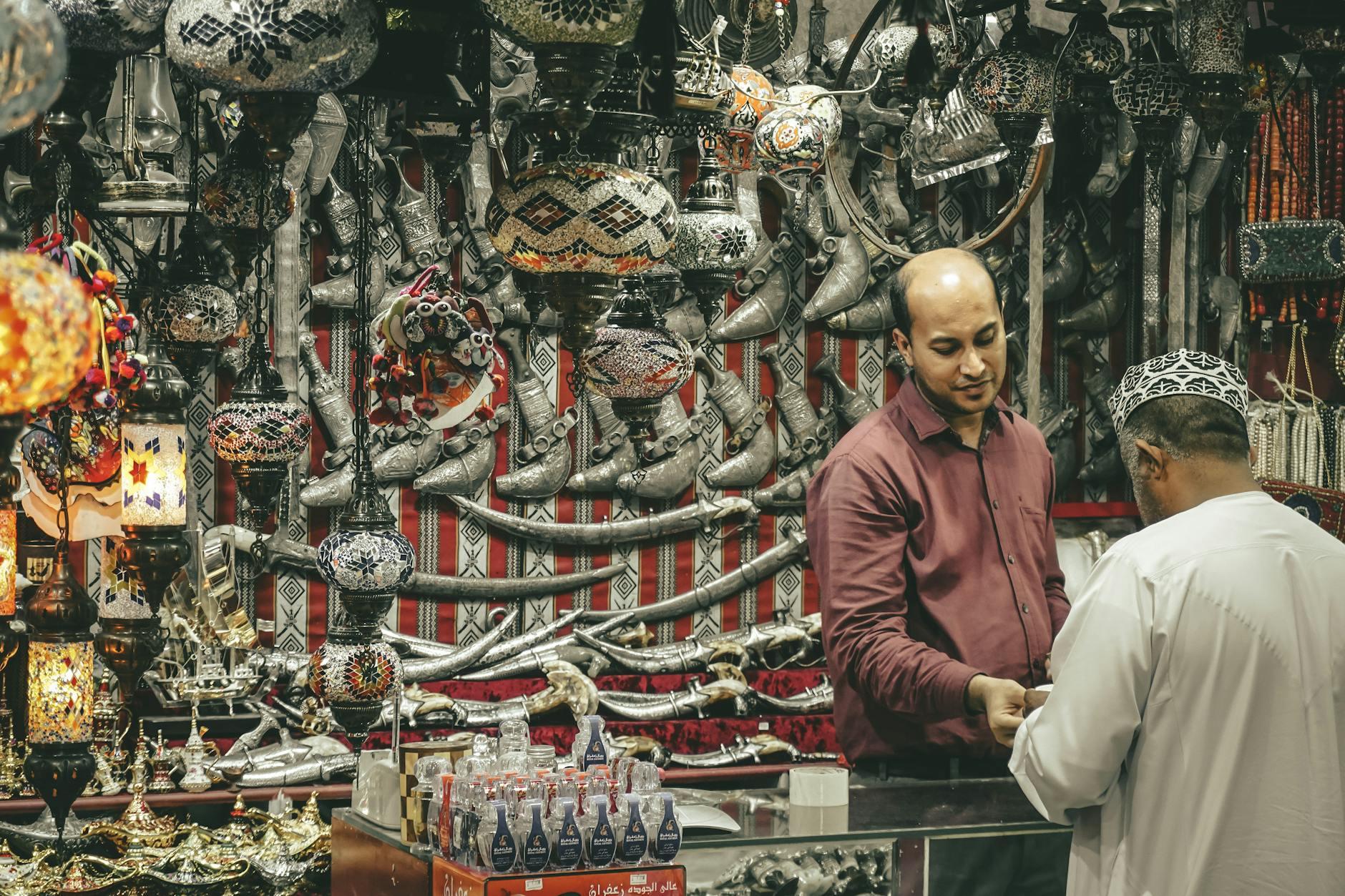
- Eat Omani food: try shuwa (slow-cooked lamb), majboos rice, halwa and cardamom coffee with dates.
When to go
October to April is the best time for most of Oman, with warm, sunny days and cooler nights; December to February is the most pleasant. From May to September it’s very hot in Muscat and the interior, often above 40°C. The mountains are cooler all year, and nights on Jebel Shams can be cold in winter. Salalah is the exception: it’s mild during the summer khareef. April is a good month for a holiday, with warm sea and rose season on Jebel Akhdar.
| Month | Muscat | Nizwa | Salalah |
|---|---|---|---|
| Jan | 24°C | 25°C | 26°C |
| Mar | 29°C | 31°C | 29°C |
| May | 38°C | 40°C | 32°C |
| Jul | 38°C | 40°C | 29°C |
| Sep | 36°C | 38°C | 29°C |
| Nov | 29°C | 30°C | 30°C |
Average daily high, 10-year ERA5 data. Oman gets very little rain; Salalah’s khareef brings mist and drizzle rather than storms.
Classic routes
Northern Oman loop
- Muscat (2 nights)
- Sur and the wadis (1)
- Wahiba Sands (1)
- Nizwa and Jebel Akhdar (2)
- Muscat (1)
The essential trip, by car with a driver or self-drive.
North and south
- Muscat (2 nights)
- Wahiba Sands (1)
- Jebel Shams (1)
- Nizwa (2)
- Salalah (4)
Fly from Muscat to Salalah in under two hours.
Dubai and Musandam
- Dubai (3 nights)
- Musandam (2)
- Muscat (3)
Combine the UAE with Oman’s fjords and capital.

Ways to see Oman with us

Practical tips
- Entry: British visitors can stay up to 14 days without a visa. For longer, apply online for a visit visa before you travel, or get one on arrival. At the border you may be asked for an onward ticket, proof of your accommodation and travel health insurance. Your passport must be valid for six months. Check the FCDO Oman advice before you travel.
- Flights: there are direct flights from London to Muscat, taking about seven and a half hours. Salalah is under two hours from Muscat by air, and Musandam is easiest to reach from Dubai.
- Getting around: the main roads are excellent and self-drive is popular. You need a 4×4 for Jebel Akhdar, the desert and some wadis, or travel with a driver-guide.
- Dress and customs: Oman is a conservative Muslim country. Cover shoulders and knees away from the beach, and women need a headscarf in mosques. Be respectful during Ramadan, when eating and drinking in public in daytime is not allowed.
- Local laws: alcohol is served only in licensed hotels and restaurants, and the drinking age is 21. Same-sex relationships are illegal; read the FCDO advice for LGBT+ travellers.
- Money: the currency is the Omani rial. Cards are widely accepted in towns and hotels; carry some cash for souqs and villages.
Frequently asked questions
Where is Muscat?
Muscat is the capital of Oman. It lies on the north-east coast of the country, on the Gulf of Oman, between the Hajar Mountains and the sea. Direct flights from London take about seven and a half hours.
What is the capital city of Oman?
Muscat. It's a calm, low-rise city along the coast, home to the Sultan Qaboos Grand Mosque, the Mutrah Souq and the Royal Opera House.
What is Salalah known for?
Salalah, in the Dhofar region of southern Oman, is known for its beaches, coconut palms, frankincense and the khareef, the summer monsoon that turns the hills green from June to September. Its ancient frankincense trading sites are a UNESCO World Heritage Site.
When is the best time to visit Oman?
From October to April, when it's warm and sunny; December to February is the most comfortable. May to September is very hot in the north, but it's the khareef season in Salalah, when the south is cool and green.
Do UK citizens need a visa for Oman?
Not for stays of up to 14 days. For longer stays, apply online for a visit visa before you travel or get one on arrival. Your passport must be valid for six months. Check the FCDO advice before you travel.
Is Oman safe for tourists?
Yes, Oman is one of the safest countries in the Middle East, with low crime and very welcoming people. Respect local customs and laws, dress modestly away from the beach, and check the FCDO advice before you travel.
What are the mountains in Oman?
The Hajar Mountains run across northern Oman. Their highest peak is Jebel Shams, at about 3,000 m, beside the deep canyon of Wadi Ghul. Jebel Akhdar, the "Green Mountain", is known for its terraced villages and roses.
How do you get to Musandam?
Musandam is separated from the rest of Oman by the United Arab Emirates. Most visitors drive from Dubai to Khasab, which takes about two to three hours plus the border crossing, or fly from Muscat.
Keep planning
- Oman holidays
- Escorted tours of Oman
- Muscat, Oman guide
- Oman tours compared
- Thailand holiday guide
- Japan holiday guide
- Indonesia holiday guide
- Tailor-made holidays
Plan your Oman holiday with a Travel Designer
Tell us your dates and we’ll plan the route, the desert camp, the drivers and the flight to Salalah, all in one ATOL-protected booking.
Make an enquiry Oman holidays