Forget everything Halloween taught you. Mexico’s Day of the Dead, Día de Muertos, isn’t spooky, sad or about scaring anyone. It’s a family reunion where some of the guests happen to be dead. For a couple of nights each year, families believe the souls of their loved ones come home, so they build altars heaped with marigolds, candles, photos and the departed’s favourite food (and, frequently, their favourite tequila), then head to the cemetery to keep them company with music and picnics until the early hours. It is loud, colourful, deeply moving and, for a visitor lucky enough to see it, unforgettable.
This guide explains what actually happens and when, why Oaxaca is the place to be, how to join in without being that tourist, and how our Day of the Dead tour is timed to put you in the middle of it.
The quick answer
- When: the main days are 1 and 2 November, with celebrations building from the last days of October.
- Where: Oaxaca is the heartland, with altars, parades, sand tapestries and candlelit cemeteries.
- How: our Mexico Day of the Dead tour (16 days) spends three nights in Oaxaca over the festival, then continues to Chiapas and the Yucatán.
- Book early: it runs once a year and Oaxaca fills up months ahead.
What actually happens
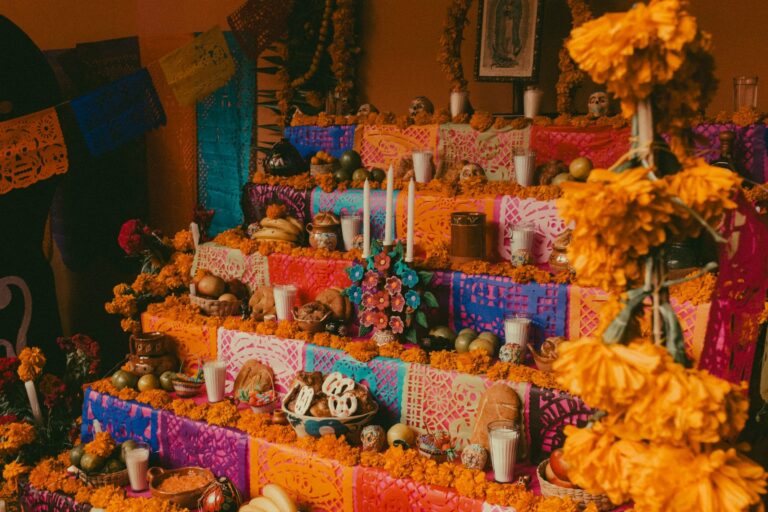
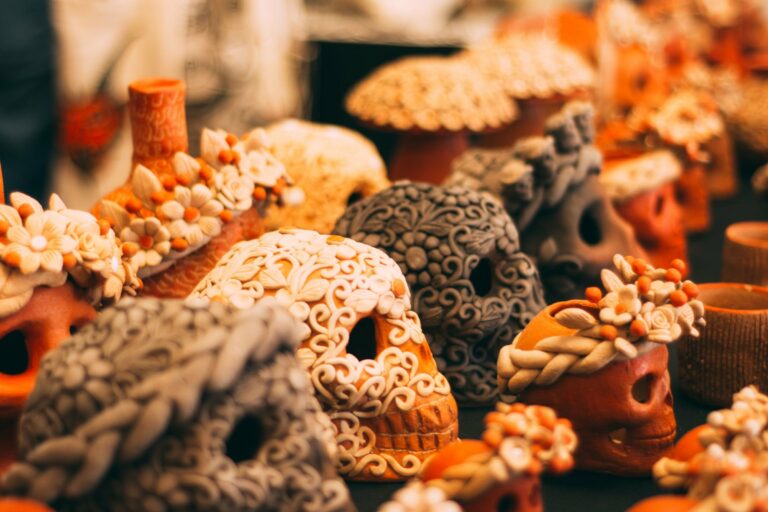
The altars (ofrendas). In the days before, families build altars at home, decorated with orange and yellow marigolds, whose colour and scent are said to guide the spirits home, along with candles, copal incense, photographs, sugar skulls, pan de muerto (a sweet bread decorated with “bones”) and whatever the person loved in life, from mole to a packet of cigarettes. Shops, offices and town squares build them too.
The days. Traditionally, 1 November welcomes the souls of children and 2 November the souls of adults. Celebrations start building from the end of October, with markets selling marigolds by the armful and bakeries working overtime.
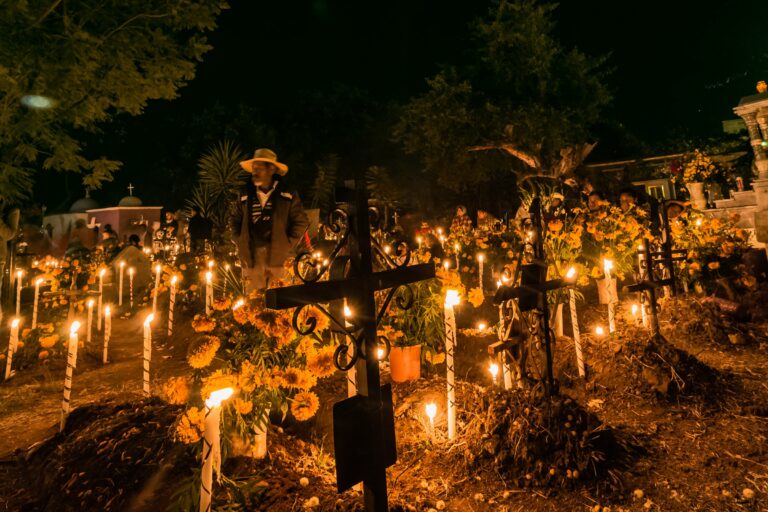
The cemeteries. On the nights of the festival, families clean and decorate graves, then sit with them through the night, with candles, food, music and conversation. It’s intimate, not a show, which is why going with someone who knows the etiquette matters.
The parades. Towns and cities hold parades and processions (comparsas) of costumed dancers, brass bands and painted skulls. The elegant skeleton lady, La Catrina, created by the printmaker José Guadalupe Posada over a century ago, turns up everywhere, often with company.
UNESCO recognised the festival on its list of the Intangible Cultural Heritage of Humanity in 2008, which tells you it’s more than a party.
Why Oaxaca?
The Day of the Dead is celebrated all over Mexico, but Oaxaca, in the south, does it with particular devotion. Its strong indigenous traditions, its markets overflowing with marigolds and cockscomb, its sand tapestries, parades and candlelit village cemeteries make it the place most people dream of. It’s also one of Mexico’s great food cities, the land of seven moles, so you’ll eat as memorably as you celebrate.
Our Day of the Dead tour
Mexico Day of the Dead: Oaxaca to the Yucatán
Mexico Day of the Dead: Oaxaca to the Yucatán – 16 Days
- 16 days
- From £5,040 per person
- Max 16 people
- Mexico City, Mexico to Cancún, Mexico
- Physical rating: low
- Flights not included
- Departures in October
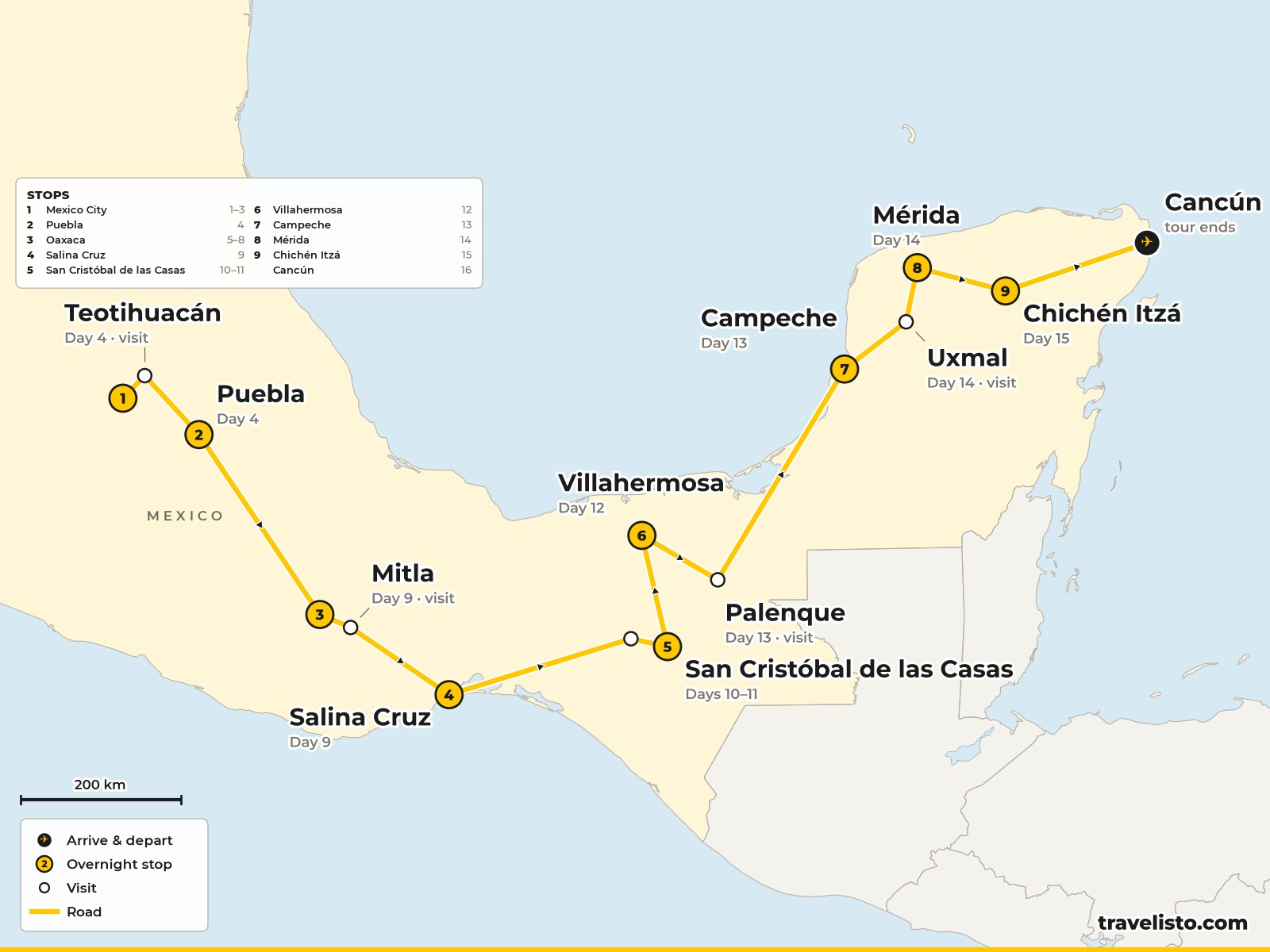
Sixteen days with a tour leader and five to 16 travellers aged 16 and over, timed so you’re in Oaxaca for the festival. You start in Mexico City with Coyoacán and Frida Kahlo’s Blue House, the historic centre and a trajinera boat on the canals of Xochimilco, then climb the pyramids of Teotihuacán on the way to Puebla and its Palafoxiana Library.
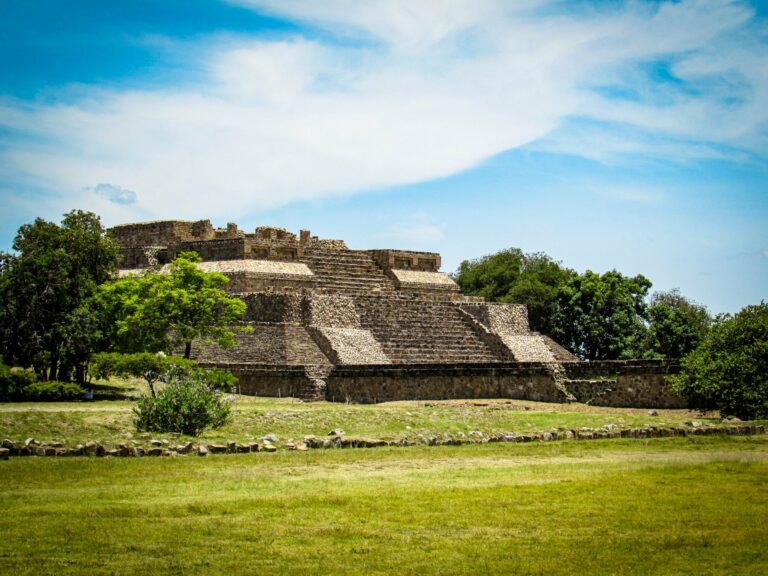
Three nights in Oaxaca are the heart of the trip: the hilltop Zapotec city of Monte Albán, the woodcarvers of San Antonio Arrazola, the city’s parade, a day in rural Oaxaca learning about Day of the Dead beliefs and the altars families build, and a hands-on cooking class. Your leader explains the customs, so you can join in respectfully. Then come the giant Tule tree, the ruins of Mitla with a mezcal tasting, a boat through the Sumidero Canyon, San Cristóbal de las Casas, Palenque, Uxmal, Mérida, Izamal, a cenote swim and an early visit to Chichén Itzá before the trip ends in Cancún.
Suits: anyone who wants to experience the festival as part of a broad journey through Mexico. The honest drawback: it runs only once a year, hotels are around three-star, and some drives are long.
How to join in respectfully
Remember it’s a family occasion. In cemeteries, keep your voice down, don’t walk on graves and never photograph people without asking. A smile and a ¿Puedo? (“May I?”) go a long way, and many families are happy to explain their altar.
Join the public celebrations freely. Parades, markets and town-square altars are for everyone. Painting your face as a calavera at a parade is part of the fun.
Bring a small offering. If you’re invited to share a family’s vigil, a candle, marigolds or pan de muerto is a kind gesture.
Dress for chilly nights. Oaxaca sits high in the mountains, and evenings at the cemetery get cold.
Can’t make it in November?
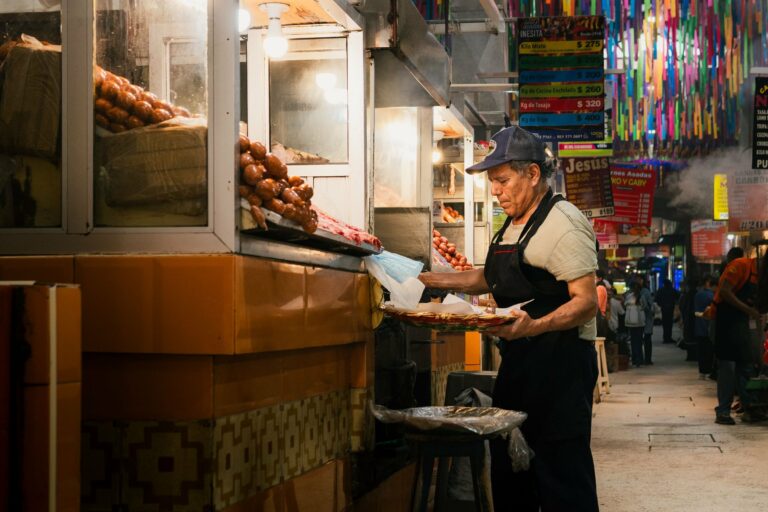
Oaxaca is wonderful at any time of year, and several tours go there outside the festival. Discover Mexico (15 days) follows a similar route from Mexico City via Oaxaca and Chiapas to the Yucatán. The Mexico Real Food Adventure (8 days) eats its way from Mexico City’s street stalls to Puebla’s mole and a cooking class in Oaxaca. Luxury Mexico City to Oaxaca (8 days) stays in heritage hotels, with a Zapotec home-cooked lunch. And Mexico City to Oaxaca with Zapotec Village Hiking (12 days) adds a three-day walk through the cloud forests of the Sierra Norte.
Ask us about the Day of the Dead tour →
Practical tips
Book early. The tour has a single departure each year, and Oaxaca’s hotels fill months ahead.
Flights. The tour is land-only, starting in Mexico City and ending in Cancún, so you’ll need an open-jaw flight, which we can arrange.
Entry. UK visitors don’t need a visa for a holiday stay in Mexico, but check the FCDO travel advice for Mexico before you travel.
Weather. Late October and early November is the start of the dry season: warm, sunny days, cool highland nights, and hotter, more humid weather in the Yucatán.
Frequently asked questions
When is the Day of the Dead?
The main days are 1 and 2 November, with 1 November traditionally for children and 2 November for adults. Celebrations build from the end of October.
Where is the best place to see the Day of the Dead?
Oaxaca is the most famous, with altars, parades, sand tapestries and candlelit cemeteries, but the festival is celebrated all over Mexico.
Is there a Day of the Dead tour?
Yes, the Mexico Day of the Dead tour (16 days) spends three nights in Oaxaca over the festival, with a parade, a rural traditions day and a cooking class.
Is the Day of the Dead the same as Halloween?
No. It’s a joyful family festival to remember and welcome back loved ones who have died, with altars, food, music and visits to cemeteries.
Can tourists visit cemeteries on the Day of the Dead?
Yes, respectfully. Keep your voice down, don’t walk on graves and ask before taking photographs of people.
Are flights included?
No, the tour is land-only, from Mexico City to Cancún, and we can arrange flights.
Ready for the Day of the Dead?
Tell us when you'd like to travel, and a Travelisto specialist will check availability on the next Day of the Dead departure.
Keep planning
Prices are live from our tour pages (updated October 2026). Tour details and dates can change; your specialist will confirm everything before you book.