Costa Rica in brief
- A classic two-week trip loops through Tortuguero, Arenal, Monteverde and Manuel Antonio.
- Add the Osa Peninsula for real wilderness, or Guanacaste for sunshine and beaches.
- December to April is the dry season. The green season, May to November, is quieter, with afternoon rain. See when to go.
- It’s about 11 hours direct from London. UK visitors don’t need a visa for a holiday.

Costa Rica is a small country, about a fifth the size of the UK, with around 5% of the world’s plant and animal species. About a quarter of the land is protected, in national parks and reserves that run from cloud forest to coral reef. It abolished its army in 1948 and is known for being safe, friendly and easy to travel in. In two weeks you can see a volcano, sloths and toucans, turtles nesting on a jungle beach and the Pacific sunset. This guide explains each region, how to plan a route, when to go and what to expect.
Where to go in Costa Rica
Most trips start in the capital, San José, in the central valley, and loop through the rainforest, volcanoes and cloud forest before ending on a beach. Distances are short, but roads are winding, so allow time between stops. For the tours that cover each region, see Costa Rica tours compared.

Arenal and La Fortuna
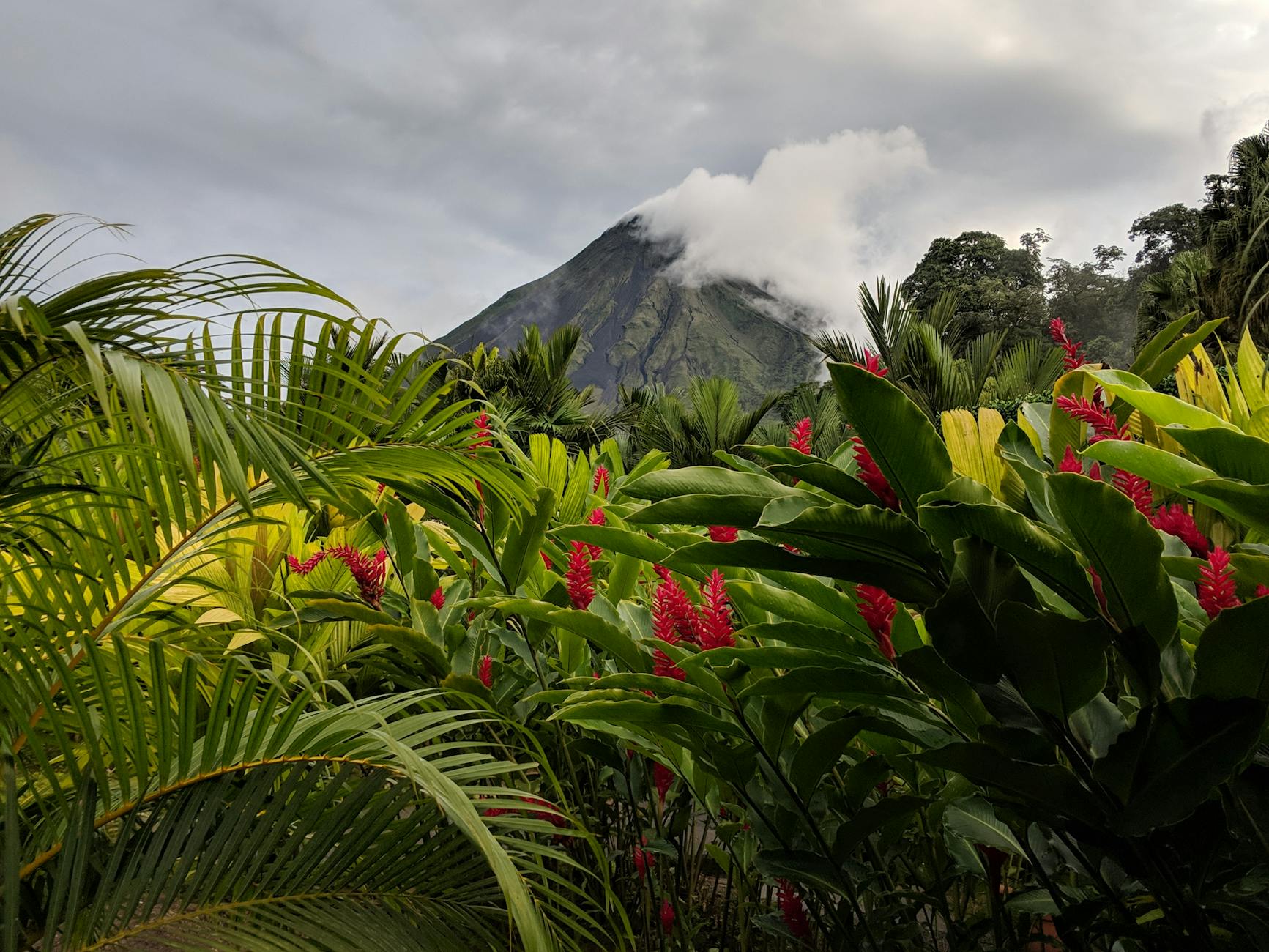
The perfect cone of Arenal Volcano, active until 2010, rises over rainforest and a large lake. Hike the old lava flows, walk across hanging bridges in the canopy, and relax in natural hot springs.
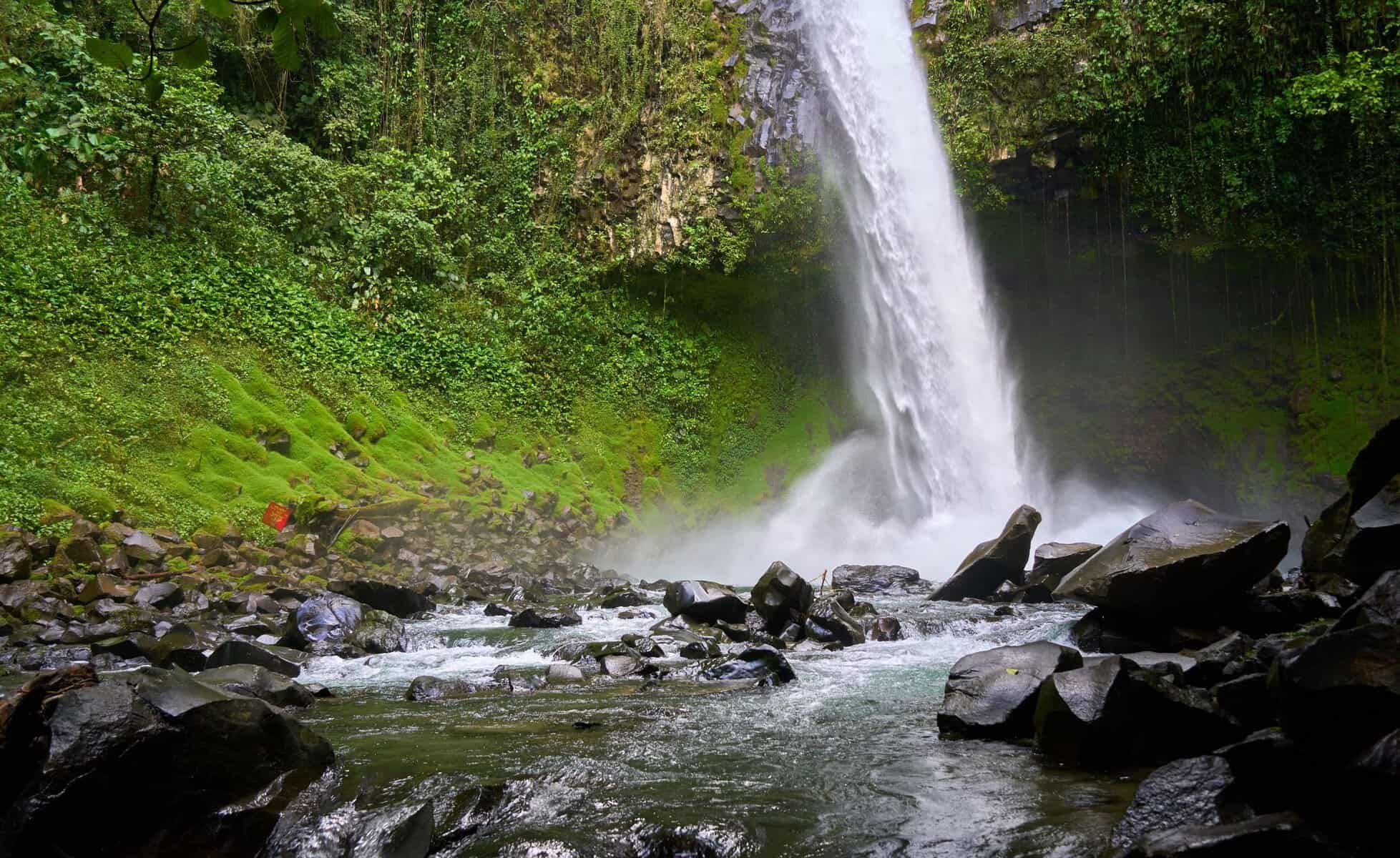
The town of La Fortuna is the base for ziplining, canyoning, white-water rafting and the 70 m La Fortuna waterfall.
Costa Rica holidays →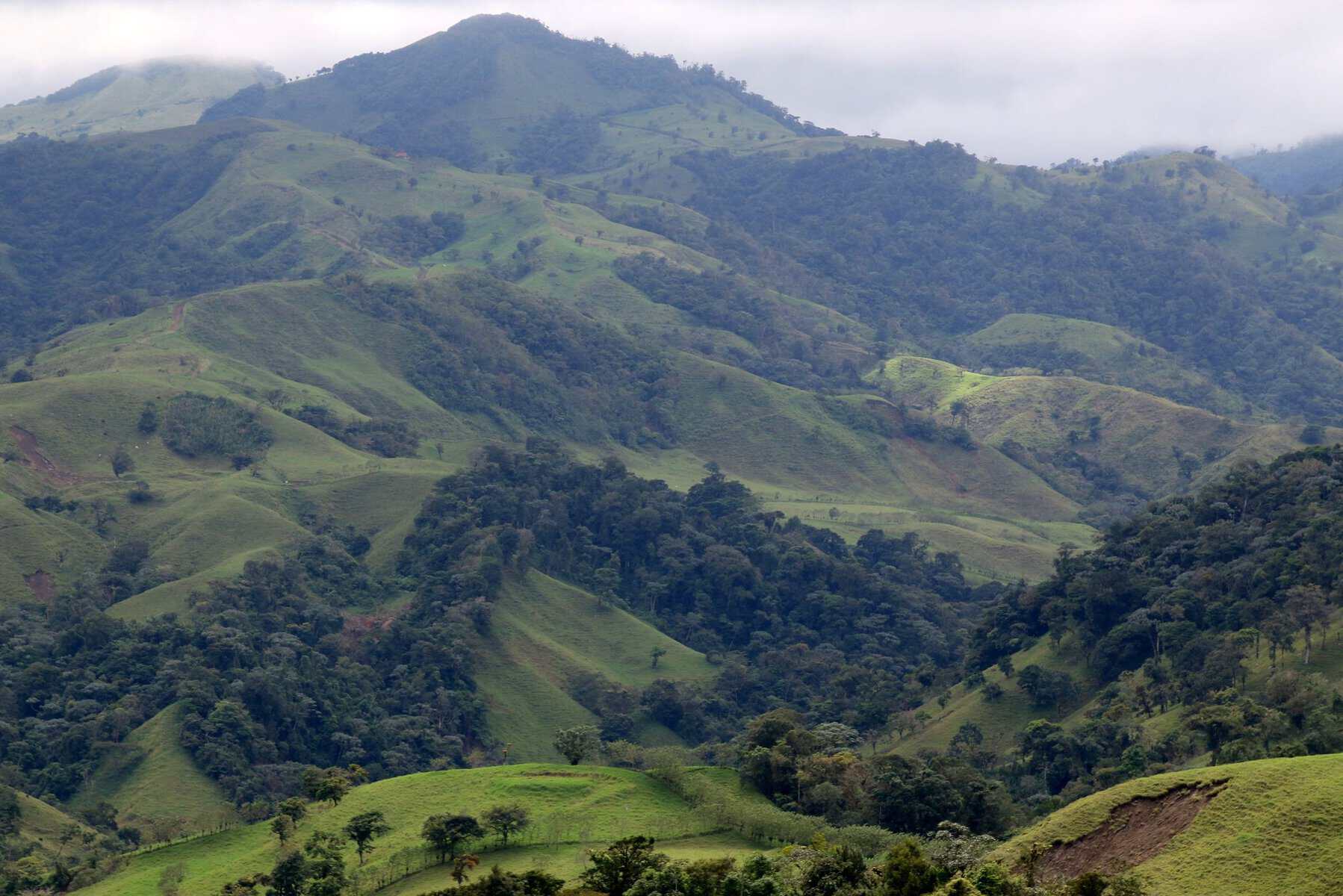
Monteverde
High in the mountains, the Monteverde and Santa Elena reserves protect misty cloud forest full of orchids, mosses and hummingbirds. With luck you’ll see the resplendent quetzal, especially in spring.
Take a guided walk at dawn, cross the hanging bridges, and join a night tour for tarantulas, sleeping birds and tree frogs.
Tortuguero
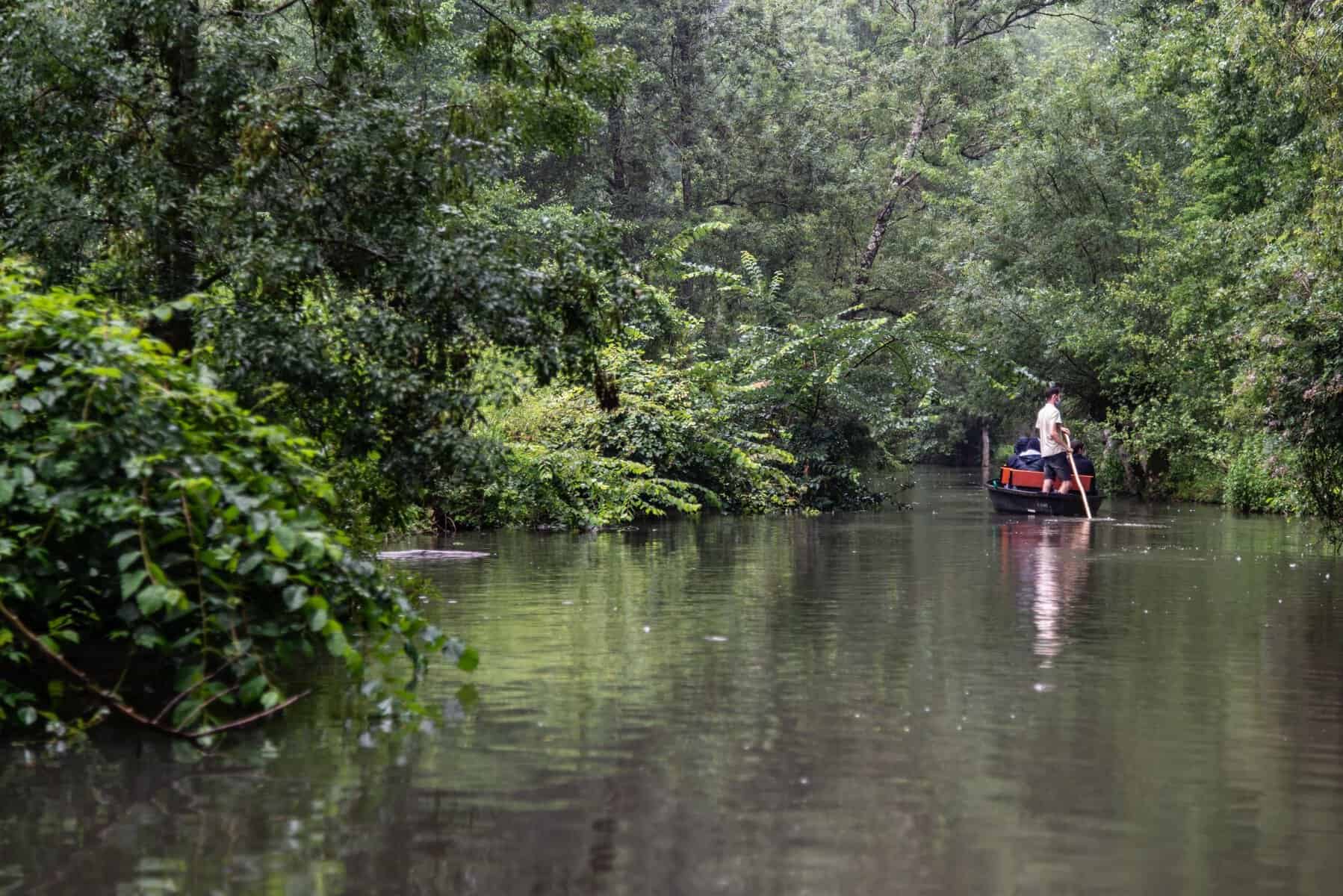
A network of jungle canals on the Caribbean coast, reached only by boat or small plane. Glide through the channels looking for caimans, river otters, monkeys and sloths.
From about July to October, green turtles come ashore at night to lay their eggs on the beach. Tours are with licensed guides only.
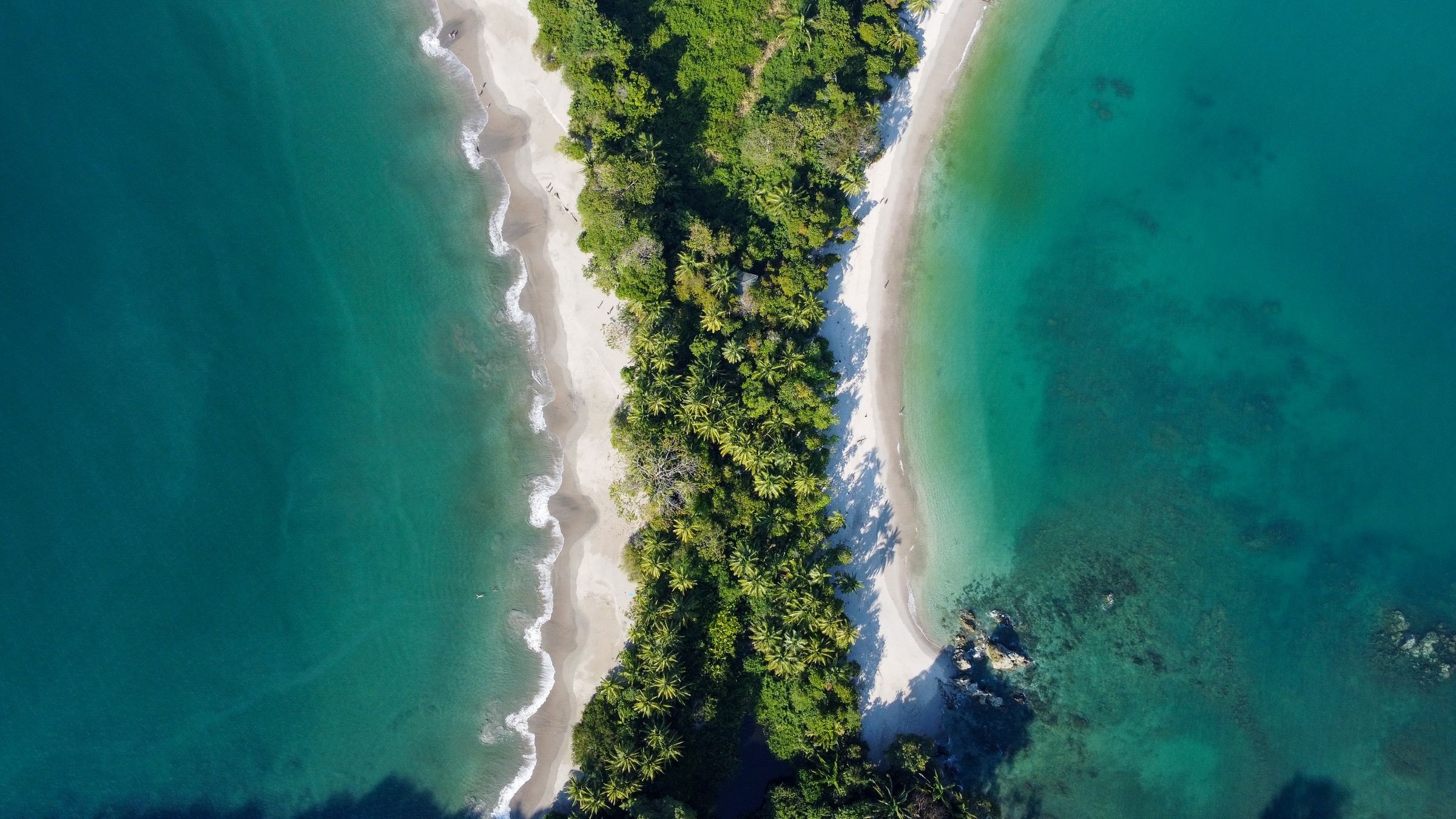
Manuel Antonio
One of Costa Rica’s smallest national parks, where the rainforest runs down to white beaches. It’s one of the easiest places to see sloths, capuchin and squirrel monkeys, and iguanas.
Go early with a naturalist guide and a telescope. Daily visitor numbers are capped and the park closes one day a week, so book ahead.
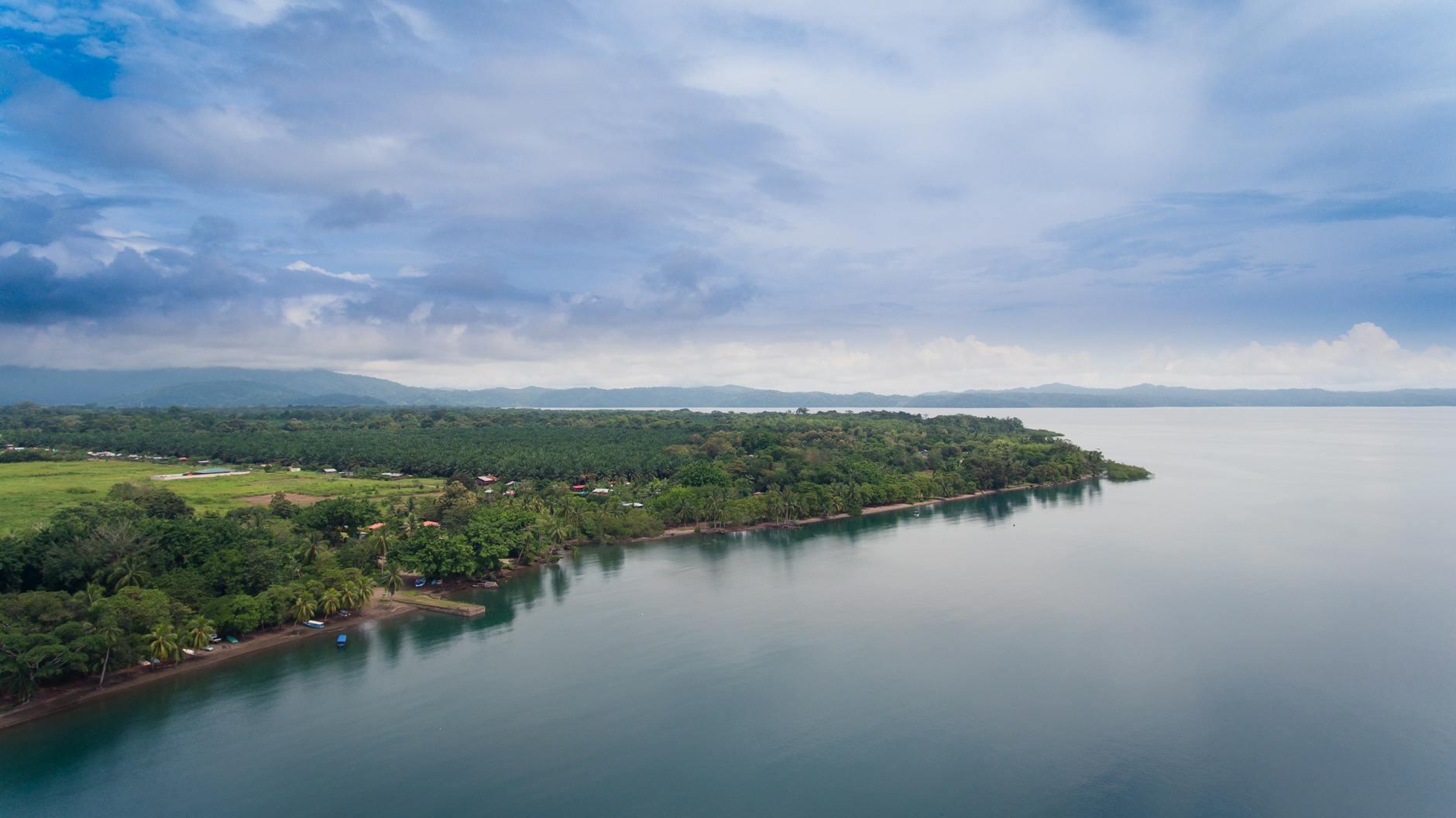
The Osa Peninsula and Corcovado
In the far south, Corcovado National Park is one of the most biodiverse places on earth, with tapirs, scarlet macaws, all four of Costa Rica’s monkey species and, rarely, jaguars.
Visits are with licensed guides only. Nearby, Drake Bay and the Marino Ballena park are known for whale watching.
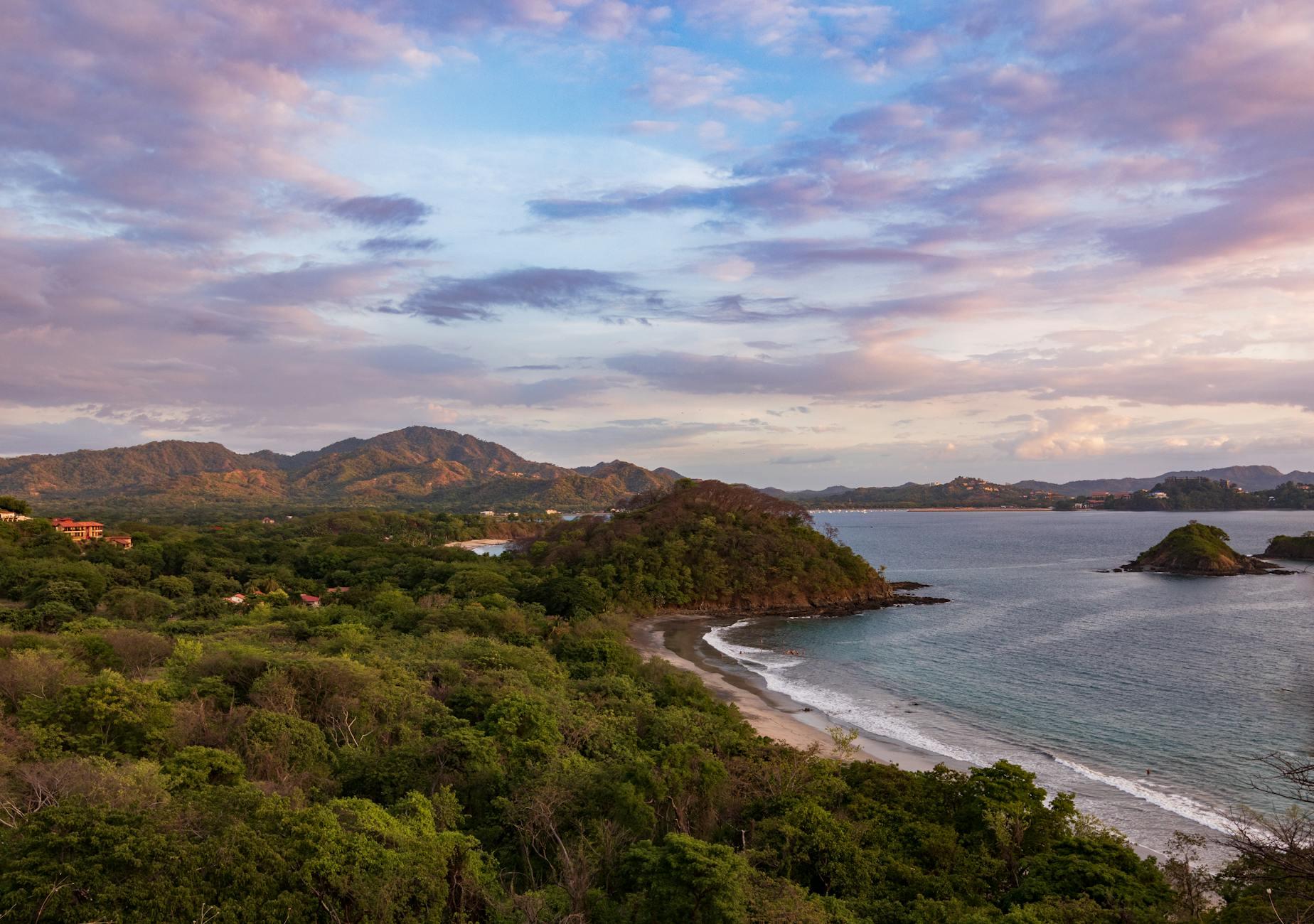
Guanacaste and the Nicoya Peninsula
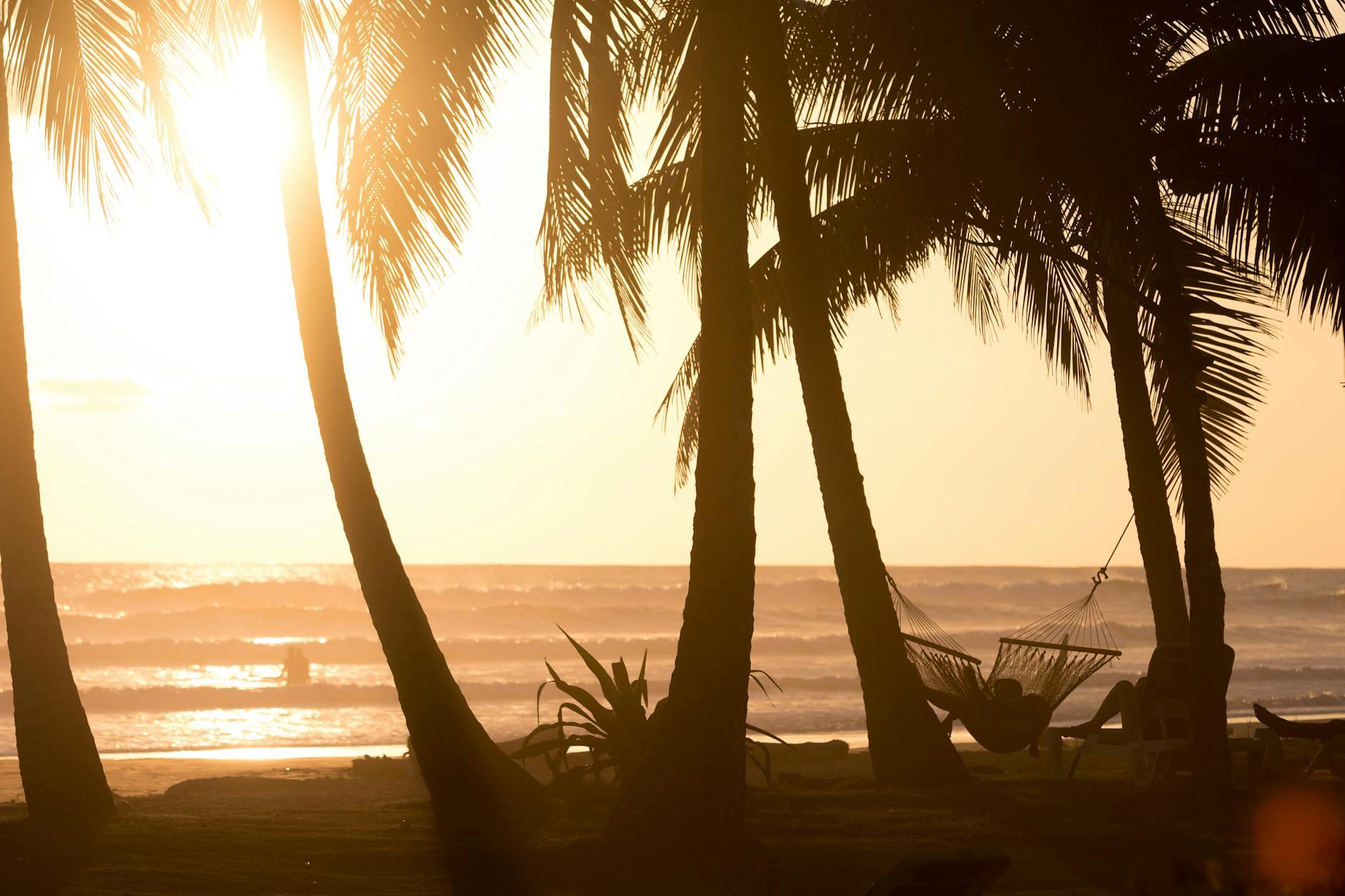
The north-west is the driest and sunniest part of the country, with long Pacific beaches, surf towns such as Tamarindo and Nosara, and spectacular sunsets.
It has its own international airport at Liberia, and the Rincón de la Vieja volcano park for hot springs and mud pools.
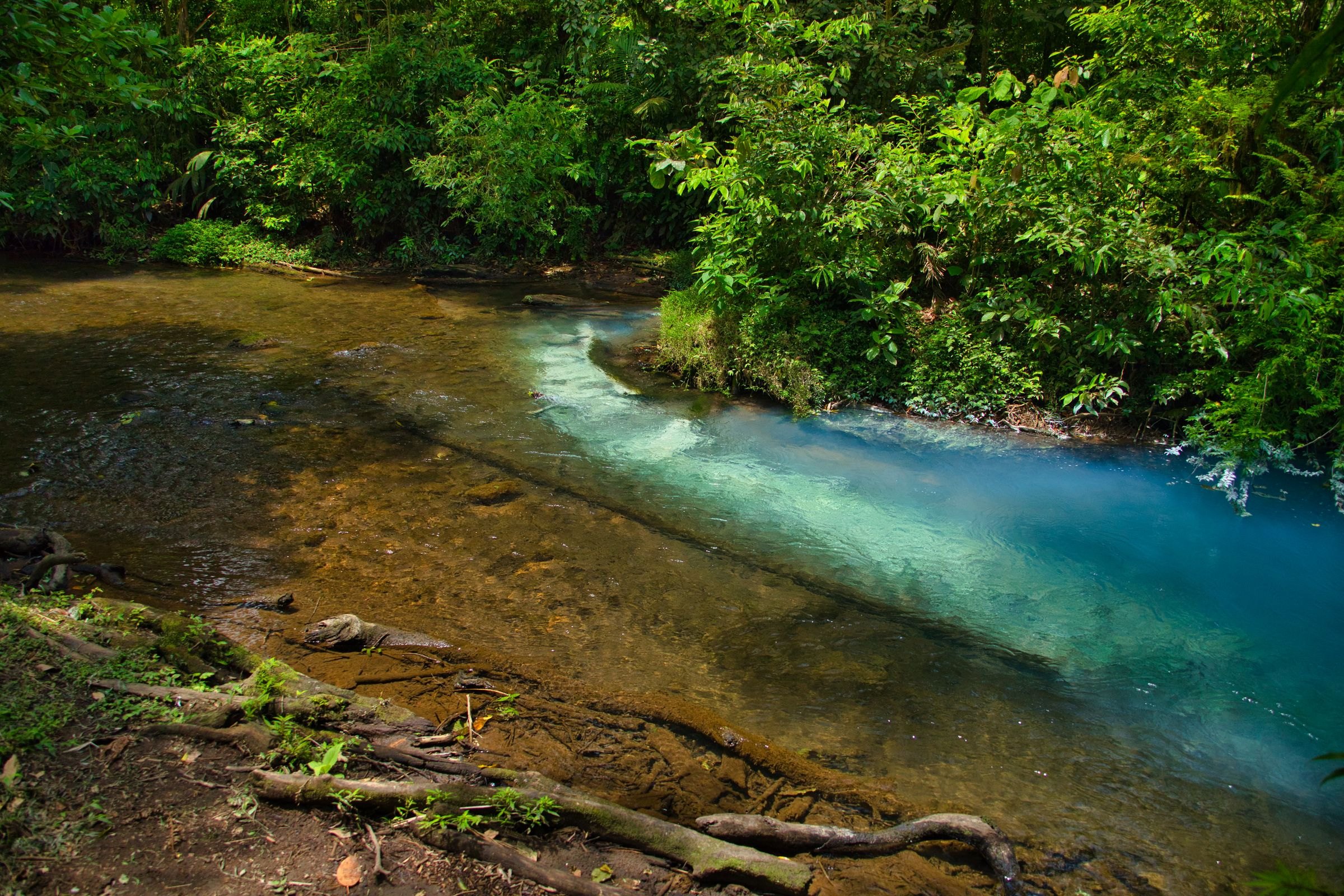
Río Celeste and Tenorio
In Tenorio Volcano National Park, the Río Celeste turns an unreal sky blue where two rivers meet, because of the way minerals scatter the light.
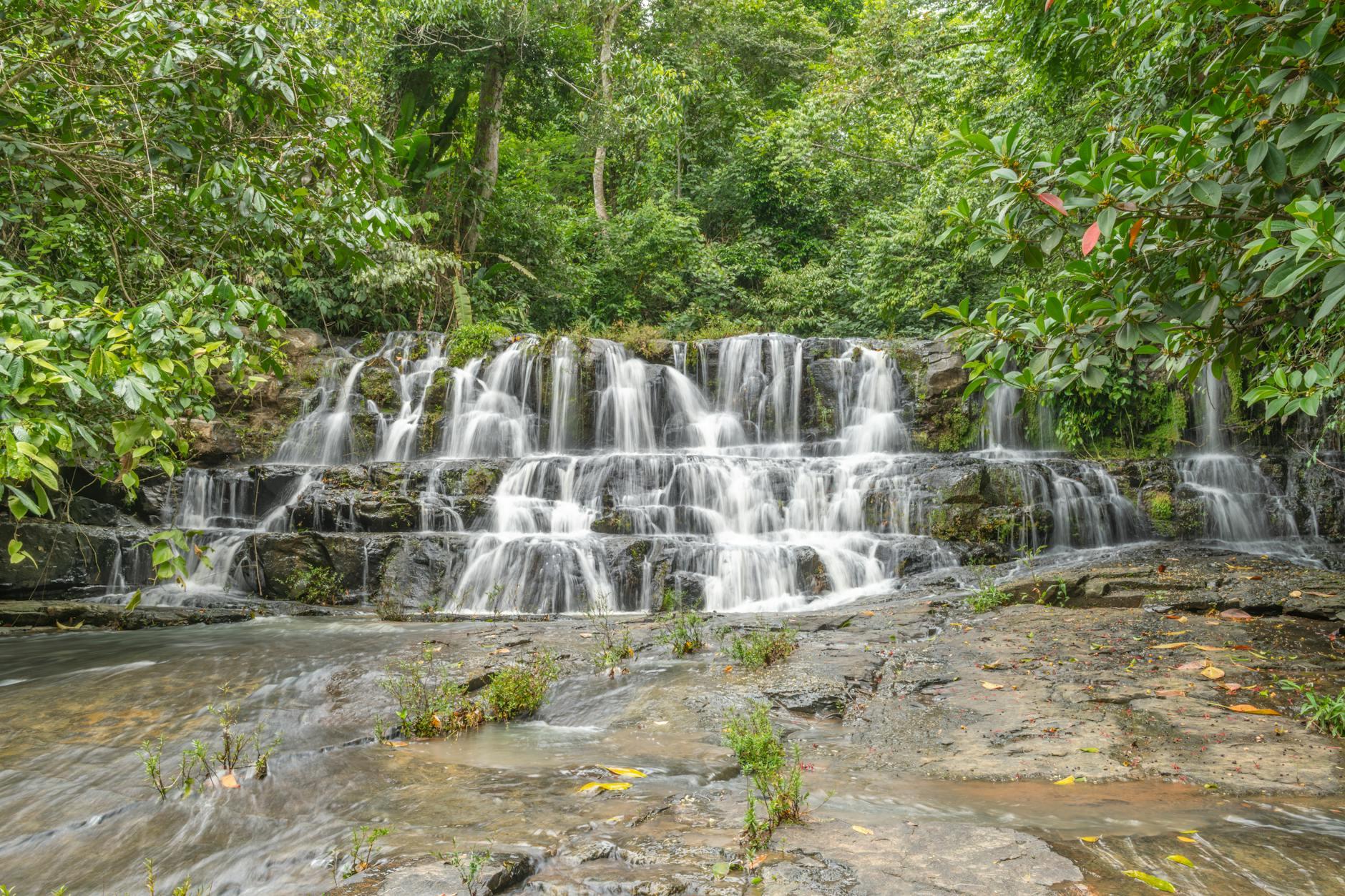
A rainforest trail leads to a turquoise waterfall. It’s an easy stop between Arenal and Guanacaste.
Puerto Viejo and the south Caribbean
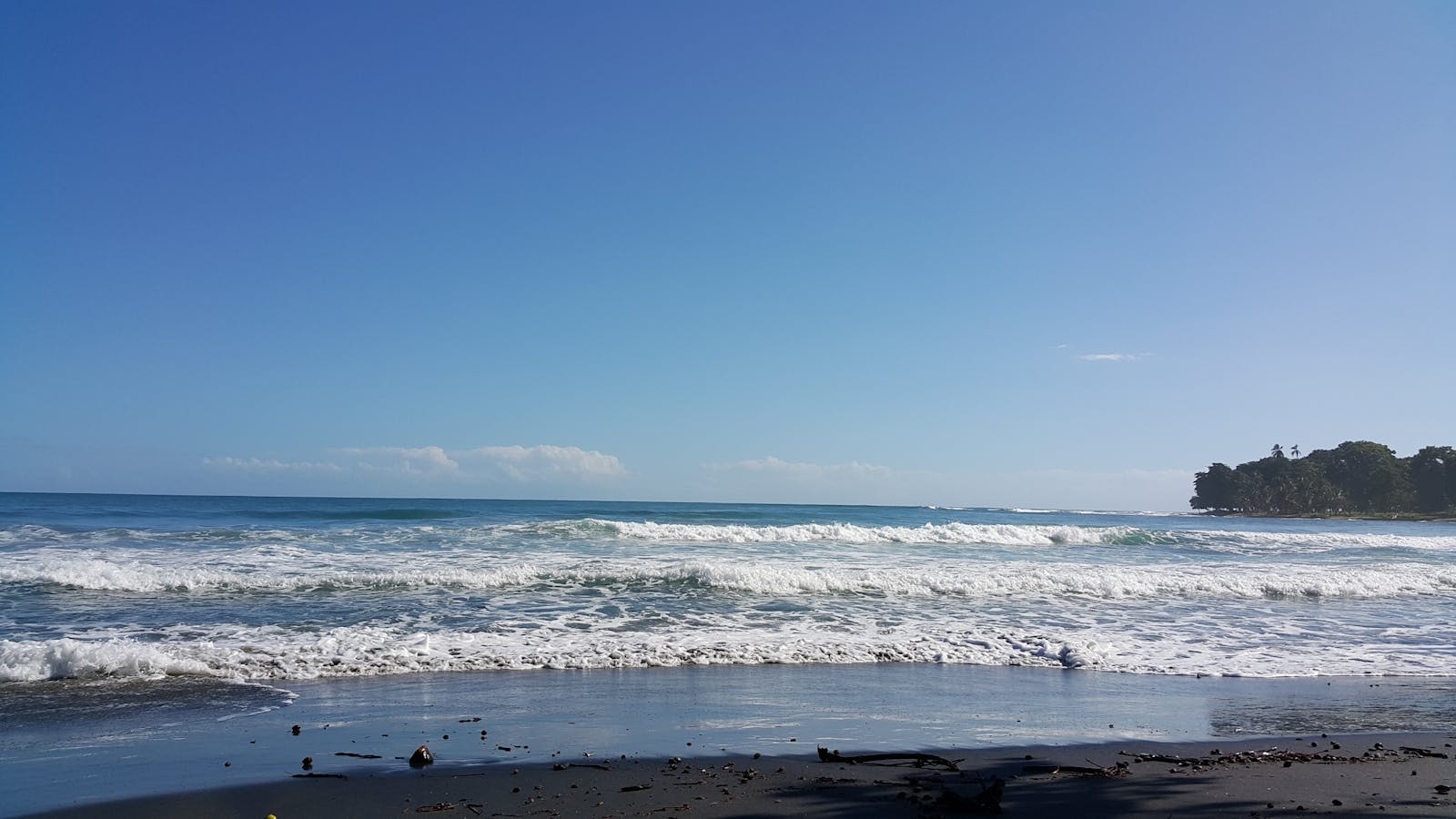
A laid-back coast of reggae, coconut rice and beans, and palm-lined beaches. Cahuita National Park has a coastal trail and the country’s best coral reef for snorkelling.
Cycle between beaches, visit the sloth sanctuary and learn about the Bribri people’s cacao.
A day at Arenal
Morning: walk the trails of Arenal Volcano National Park over old lava flows, with views of the cone when the cloud lifts. Look for toucans and coatis.
Late morning: climb down the steps to the La Fortuna waterfall for a swim, or cross the hanging bridges for a bird’s-eye view of the canopy.
Evening: soak in natural hot springs as the sun goes down, then eat a casado (rice, beans, plantain and meat or fish) in La Fortuna.
Classic routes
Classic Costa Rica
- San José (1 night)
- Tortuguero (2)
- Arenal (3)
- Monteverde (2)
- Manuel Antonio (3)
Canals, volcano, cloud forest and the beach: the country in one loop.
Volcanoes and the wild south
- San José (1 night)
- Arenal (3)
- Monteverde (2)
- Manuel Antonio (2)
- Osa Peninsula (4)
For wildlife lovers who want real wilderness at the end.
Arenal and Guanacaste
- Liberia arrival
- Río Celeste (1 night)
- Arenal (3)
- Guanacaste beach (5)
Shorter drives and the most reliable sunshine. Good for families.

Costa Rica’s wildlife
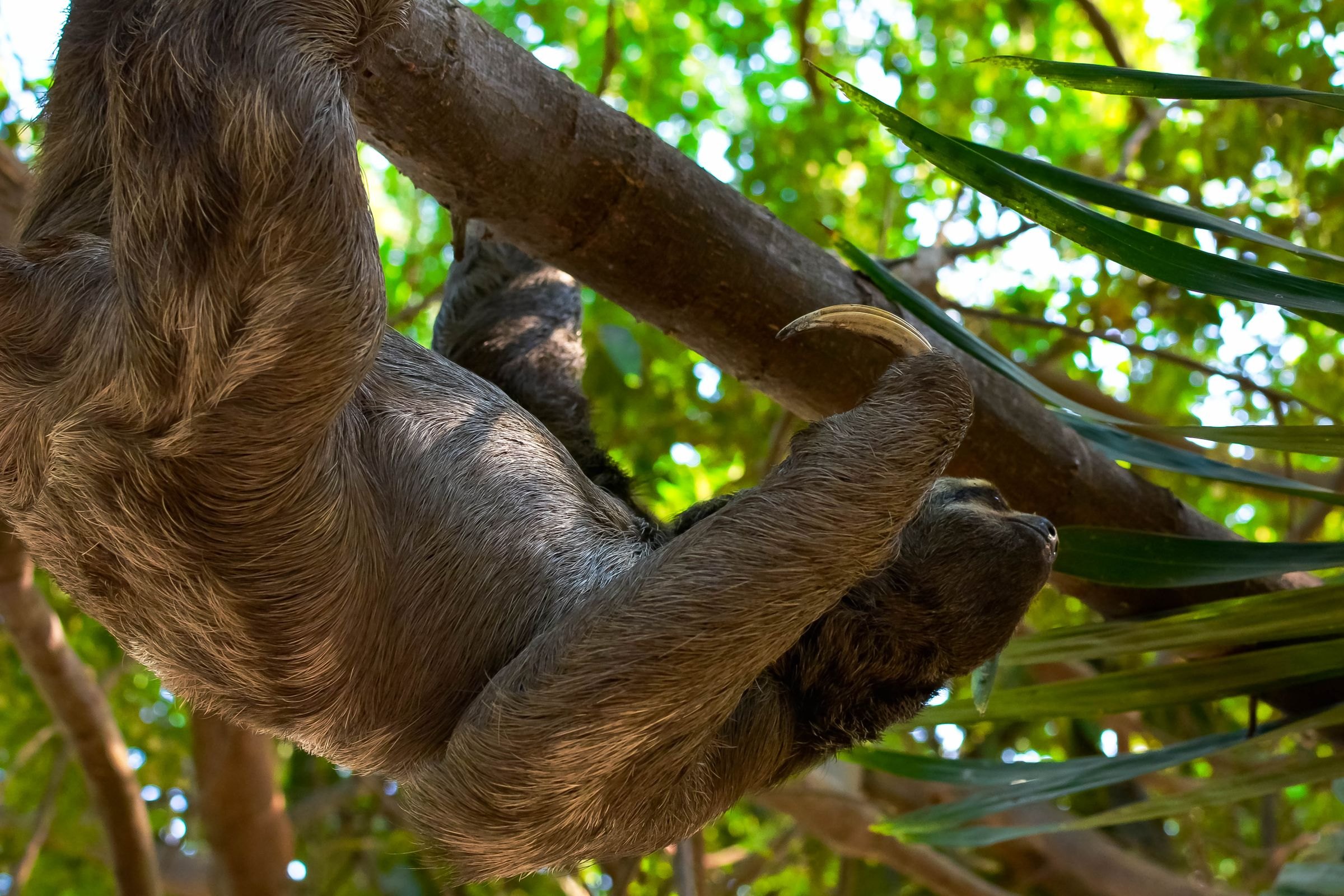

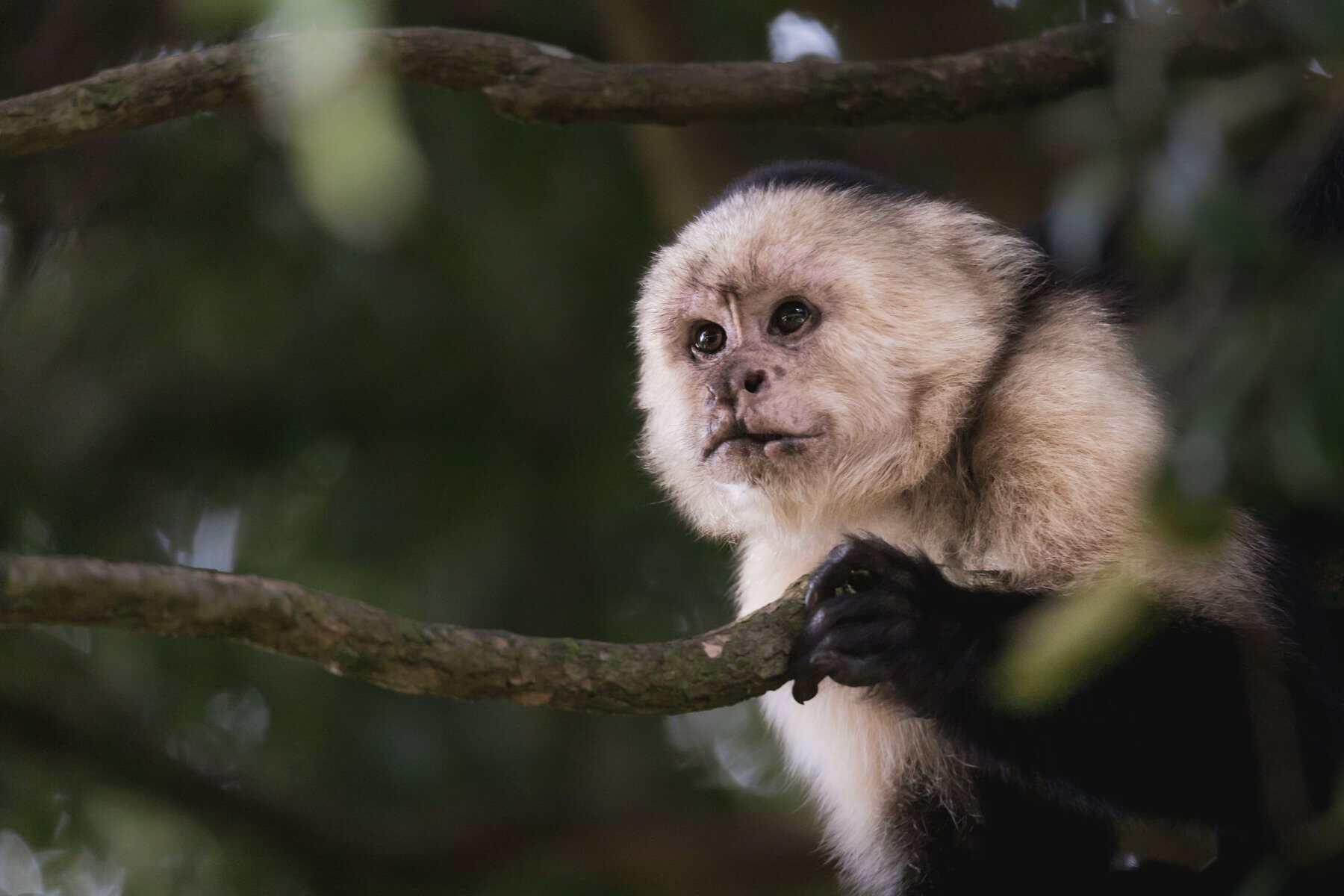
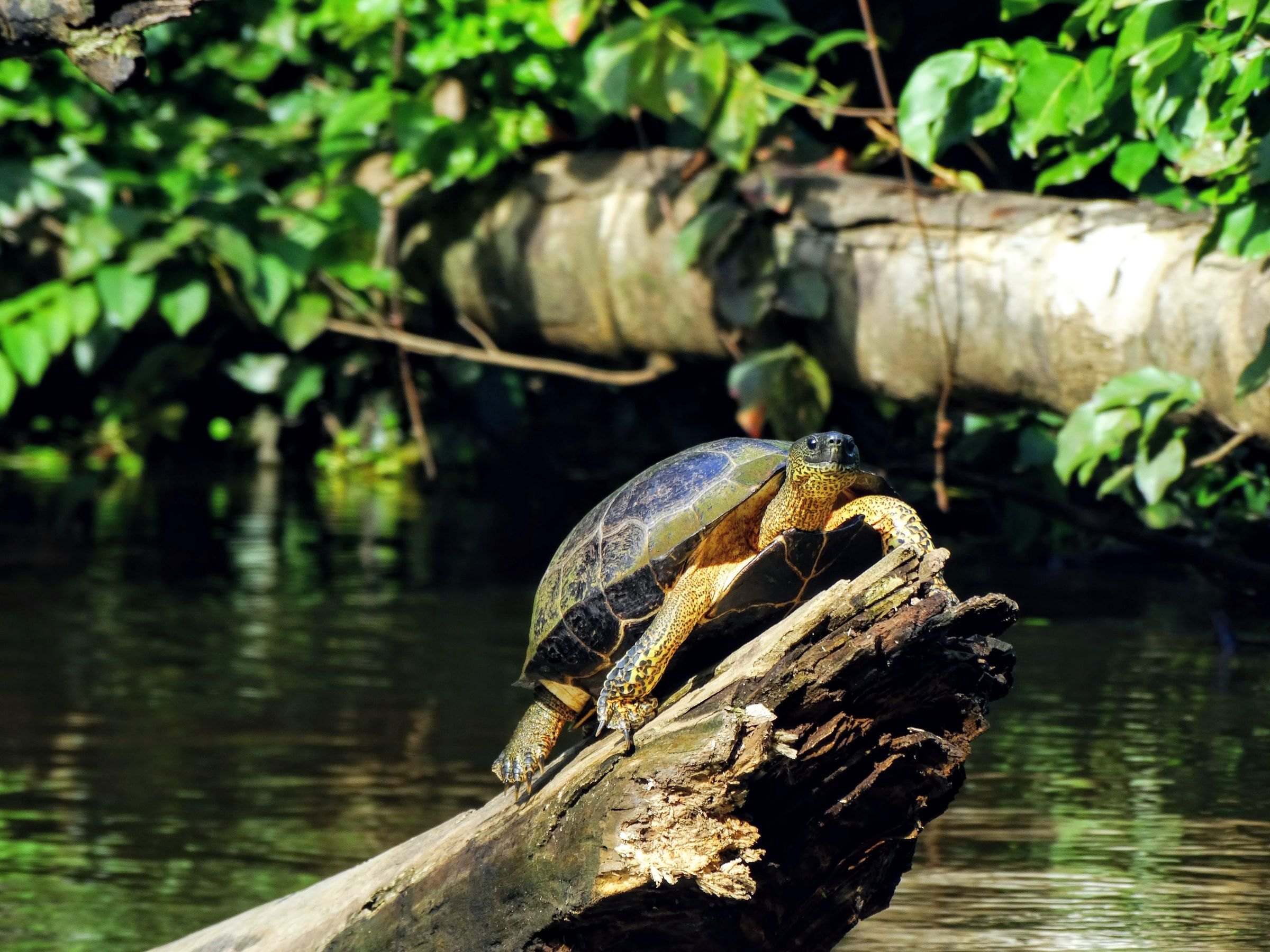
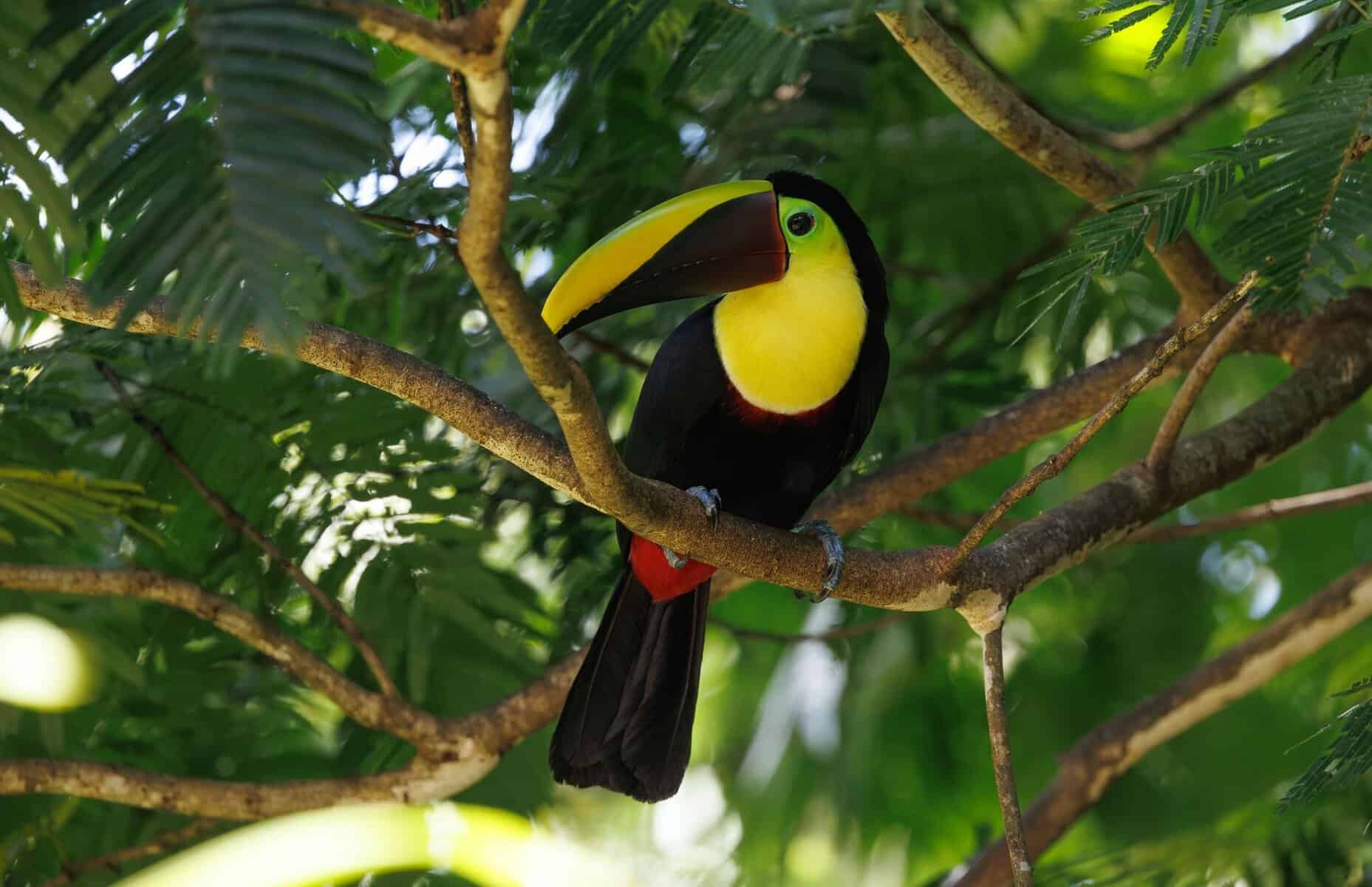
- Sloths and monkeys: Manuel Antonio, Cahuita and Tortuguero are the easiest places to see them.
- Birds: over 900 species, including scarlet macaws on the Osa Peninsula and quetzals in the cloud forest.
- Turtles: green turtles nest at Tortuguero from about July to October; leatherbacks and olive ridleys nest on other beaches.
- Whales: humpbacks visit the southern Pacific coast from about July to October and December to April.
- Night walks: the best way to see frogs, insects and sleeping birds. Most lodges in the rainforest offer them.
When to go
Costa Rica has a dry season from about December to April and a green (rainy) season from May to November, when mornings are often sunny and the rain comes in the afternoon. September and October are the wettest months on the Pacific side. The Caribbean coast follows its own pattern, with rain all year: it’s often better than the Pacific in September and October. The cloud forest is cool and misty at any time of year.
- December to April: the dry season and peak time. Christmas, New Year and Easter book up months ahead.
- May to August: green and quieter, with afternoon showers; a short drier spell, the “little summer”, often comes in July.
- September and October: the wettest months on the Pacific side and some lodges close. The Caribbean coast is often the better choice.
- July to October: turtle nesting at Tortuguero.
Ways to see Costa Rica with us




Practical tips
- Entry: British visitors don’t need a visa for a holiday. You’ll need proof of onward travel, and your passport must be valid for your whole stay. Check the FCDO Costa Rica advice before you book and again before you travel.
- Getting around: roads are slow and winding, and some need a 4×4 in the rainy season. A private driver or shared shuttle is the easiest option; small planes save time to Tortuguero, the Osa Peninsula and Guanacaste.
- Health: tap water is safe to drink in most of the country, but use bottled water in remote areas. Use insect repellent, as dengue occurs.
- Money: US dollars are accepted almost everywhere, as are cards. Have some colones for small purchases and local buses.
- What to pack: a light rain jacket, quick-dry clothes, walking shoes, binoculars and a warm layer for Monteverde.
- Wildlife etiquette: don’t feed animals, keep your distance, and choose guides certified by the tourism board.
Frequently asked questions
Where should I go in Costa Rica?
For a first visit, combine Arenal (volcano, hot springs and adventure), Monteverde (cloud forest), Tortuguero or the Caribbean coast (rainforest and turtles) and a Pacific beach such as Manuel Antonio or Guanacaste. Add the Osa Peninsula for the wildest rainforest.
How many days do you need in Costa Rica?
Twelve to sixteen days lets you see four or five regions without rushing. With ten days, focus on Arenal, Monteverde and one beach, or Arenal and Guanacaste.
Do UK citizens need a visa for Costa Rica?
No. British visitors don't need a visa for a holiday, but you must show proof of onward travel, and your passport must be valid for your whole stay. Check the FCDO travel advice before you go, as the rules can change.
What is the best time to visit Costa Rica?
December to April is the dry season and the most popular time. The green season, May to November, has afternoon showers but fewer visitors and lush forests. September and October are wettest on the Pacific side, when the Caribbean coast is often better.
Is Costa Rica safe for tourists?
Costa Rica is one of the safest countries in Central America and is very used to visitors. Take normal precautions with valuables, especially in San José, and follow advice about currents on Pacific beaches.
What animals can you see in Costa Rica?
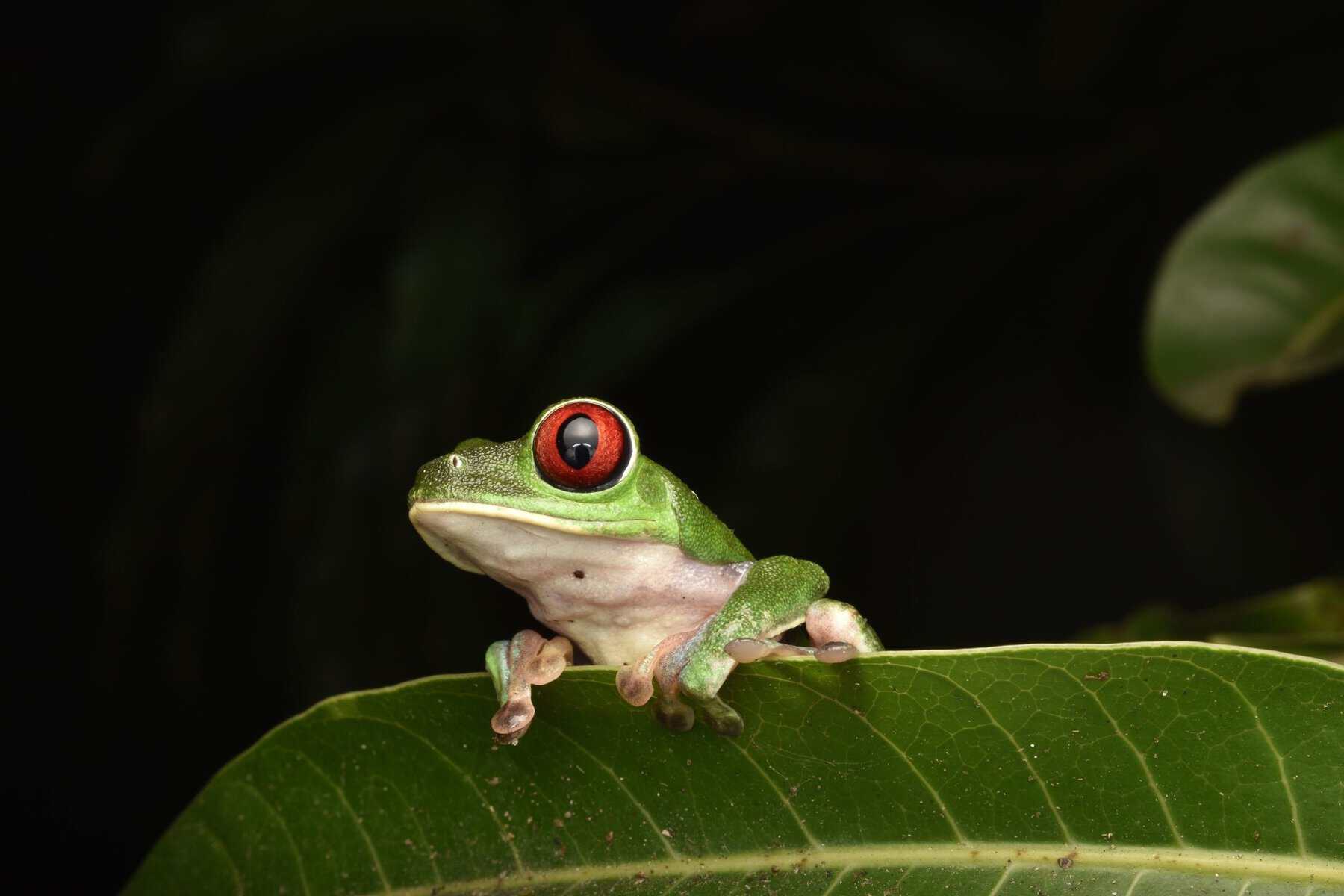
Sloths, four kinds of monkeys, toucans, scarlet macaws, quetzals, red-eyed tree frogs, caimans and coatis are all commonly seen. Turtles nest on several beaches, and humpback whales visit the Pacific coast.
What are some interesting facts about Costa Rica?
Costa Rica has around 5% of the world's species on a tiny fraction of its land, about a quarter of the country is protected, it abolished its army in 1948, and it generates nearly all of its electricity from renewable sources. Its national motto is "pura vida".
Can you combine Costa Rica with Panama or Nicaragua?
Yes. Panama is easy to add for the canal, Panama City and the San Blas islands, and several of our tours cross into Nicaragua or start in Guatemala.
Keep planning
- Costa Rica holidays
- Costa Rica tours compared
- Arenal short break
- Costa Rica and Panama
- Central America tours
- Mexico holiday guide
- Tailor-made holidays
- Honeymoons
Plan your Costa Rica holiday with a Travel Designer
Tell us your dates and what you’d love to see. We’ll plan the route, lodges, guides and transfers around the season, all ATOL-protected.
Make an enquiry Costa Rica holidays