Cyprus in brief
- Paphos for mosaics and the Akamas, Limassol for food and Kourion, Ayia Napa and Protaras for the best sand.
- The Troodos Mountains: painted churches, wine villages and cool forests, an hour inland.
- Northern Cyprus is easy to visit across the Green Line; fly into the south if you want both sides.
- Best from April to June and in September and October; about 4.5 hours’ flight from the UK.
Cyprus is the third-largest island in the Mediterranean and one of the sunniest places in Europe, with warm seas from late spring to autumn and mild winters. Beyond the beaches it has Roman mosaics in Paphos, painted Byzantine churches and pine forests in the Troodos Mountains, crusader castles in the north, wine villages, and food that is a long, slow meze. English is widely spoken, they drive on the left and the plugs are the same as ours. This guide covers the regions (Paphos, Limassol, Larnaca, Ayia Napa and Protaras, the Troodos and Nicosia), Northern Cyprus and how crossing works, things to do, the best time to visit, how to get there from the UK and where to stay.
Where is Cyprus?
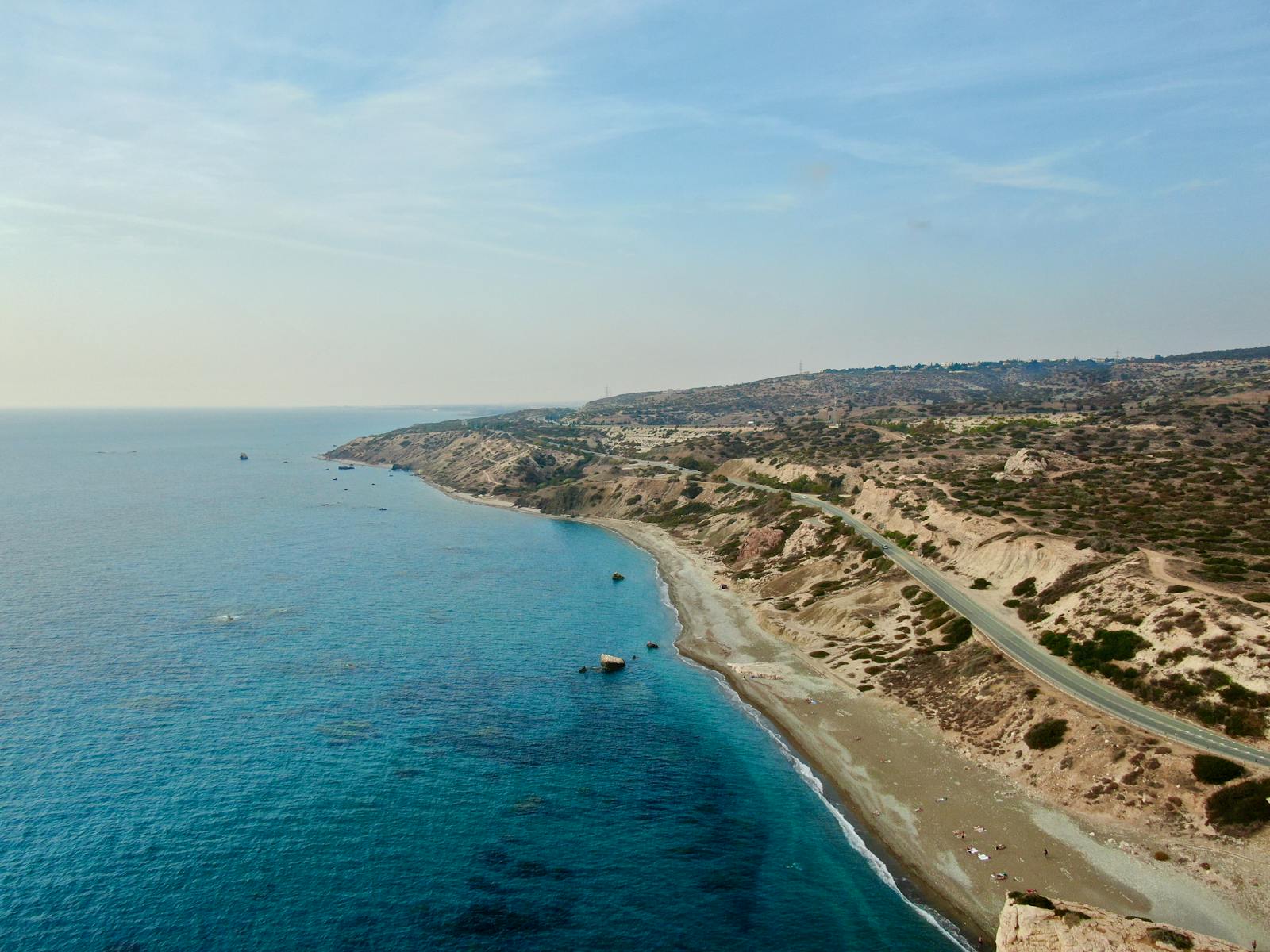
Cyprus lies in the far east of the Mediterranean, about 75 km south of Turkey and roughly 100 km west of Syria and Lebanon. It’s about 240 km from end to end, so you can drive from Paphos in the west to Ayia Napa in the east in around two hours.
Its history reaches from the cult of Aphrodite, said to have been born from the sea off Paphos, through the Romans, Byzantines, Lusignan crusader kings, Venetians and Ottomans, to British rule from 1878 until independence in 1960. Britain still has two Sovereign Base Areas on the island, at Akrotiri and Dhekelia.
Northern Cyprus: the north/south situation
Since 1974 Cyprus has been divided. The Republic of Cyprus, an EU member since 2004, governs the south, where almost all the resorts are: Paphos, Limassol, Larnaca, Ayia Napa, Protaras and the Troodos. The north, about a third of the island, is under Turkish Cypriot administration as the self-declared “Turkish Republic of Northern Cyprus”, which only Turkey recognises; the UK does not. A UN buffer zone, often called the Green Line, runs between the two, through the middle of the capital, Nicosia.
Visiting both sides is straightforward. Check the current FCDO Cyprus travel advice before you go. The practical points:
- Crossing is allowed at any of the official crossing points; you show your passport. In Nicosia, the Ledra Street (Lokmaci) and Ledra Palace crossings are for pedestrians only; others take cars.
- Hire cars: cars hired in the south often have no insurance cover in the north, and you won’t be let through without the right insurance documents. Insurance for the north can be bought at some crossing points, such as Agios Dometios in Nicosia, but check your hire agreement first.
- Arriving through the north: the Republic of Cyprus treats entry through ports and airports in the north (such as Ercan airport) as illegal entry. If you then cross to the south, you could be fined or refused entry, and you may be prevented from crossing back. If you want to see both sides, fly into Larnaca or Paphos and cross the Green Line.
- The 90 days: time spent in the north counts towards your 90-day visa-free stay in Cyprus.
- Shopping: there are limits on goods you can bring south from the north (for example 40 cigarettes per person), and goods over the limit can be confiscated.
- Consular help from the British High Commission is limited in the north, and you should avoid photographing military sites anywhere on the island.
The north feels different: Turkish-speaking, priced in Turkish lira, with quieter roads and a coast of castles and harbours. Want both sides? Tell us and we’ll route it correctly.
Regions and things to do in Cyprus
Paphos and the west
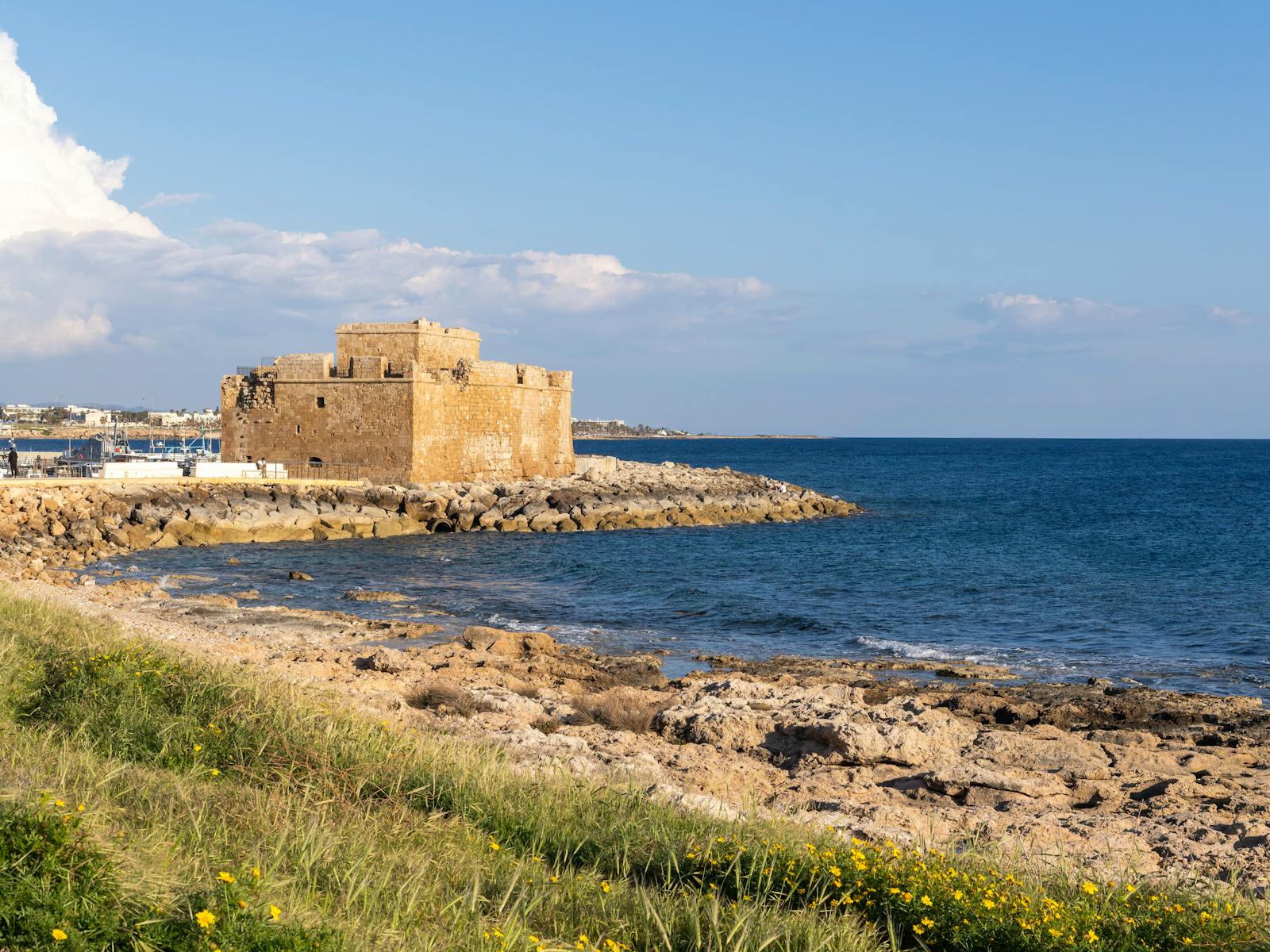
Paphos is the cultural heart of the west, and the whole town is a UNESCO World Heritage Site. In the Paphos Archaeological Park by the harbour, the floors of Roman villas are covered in some of the finest mosaics in the Mediterranean, in the Houses of Dionysos, Theseus and Aion. A short walk north, the Tombs of the Kings are underground tombs cut into the rock, some with Doric columns. The little fort at the end of the harbour is the town’s emblem.
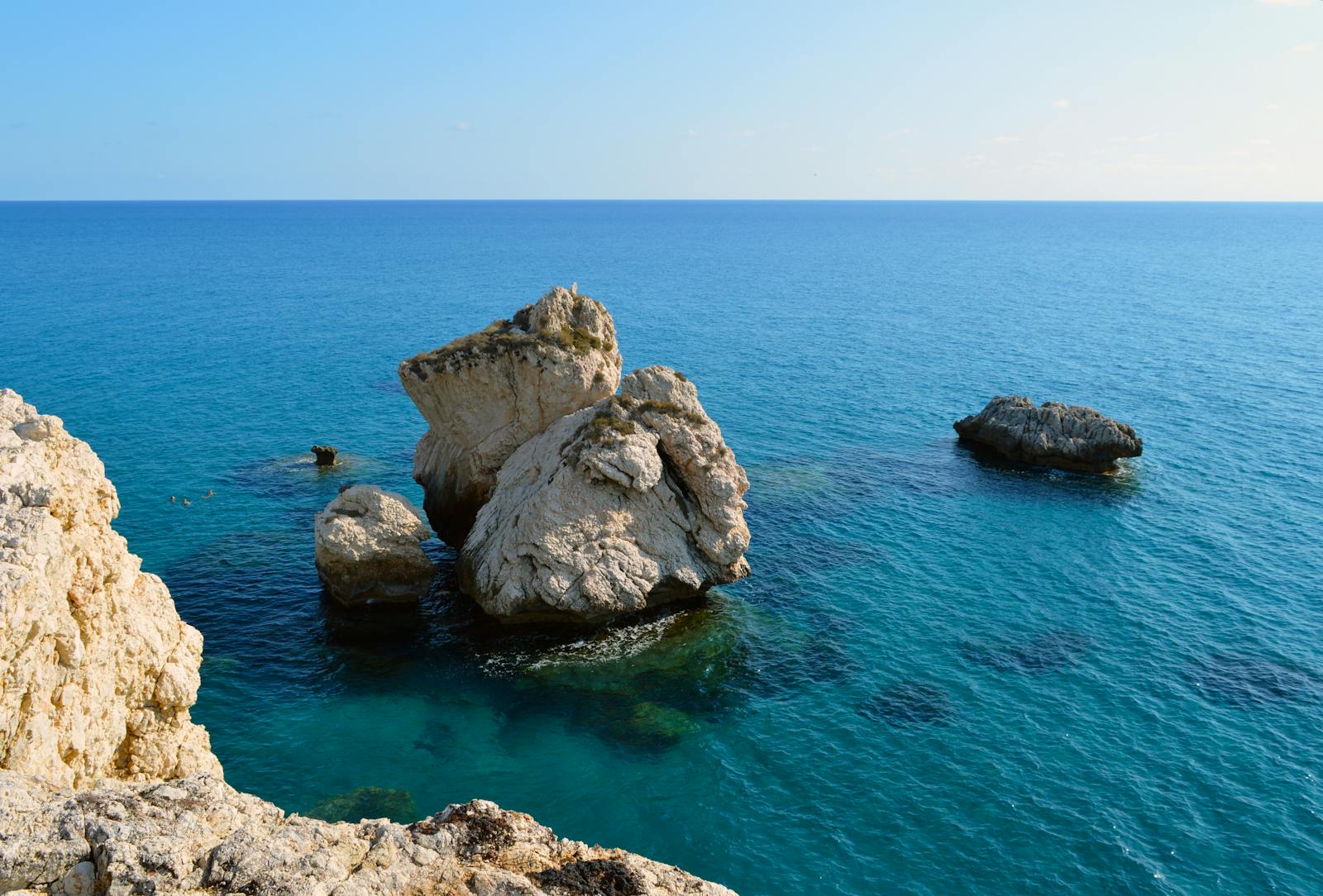
Kato Paphos, the lower town by the sea, has the harbour, promenade and most of the hotels; the upper town has the market and old streets. North of town, Coral Bay has one of the best sandy beaches on this coast. East along the coast road, Petra tou Romiou, Aphrodite’s Rock, is where the goddess is said to have come ashore; it’s best at sunset.
The Akamas peninsula
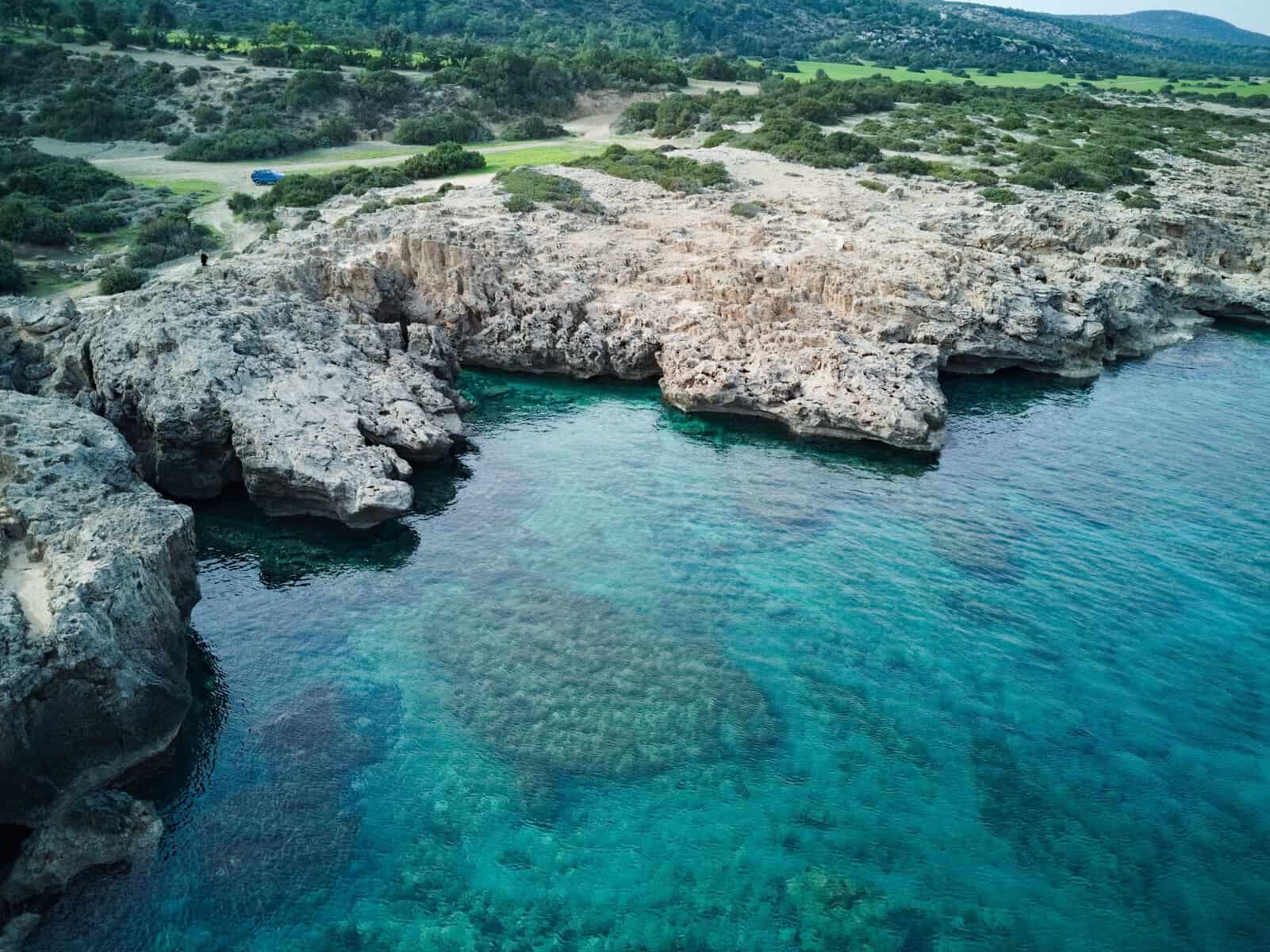
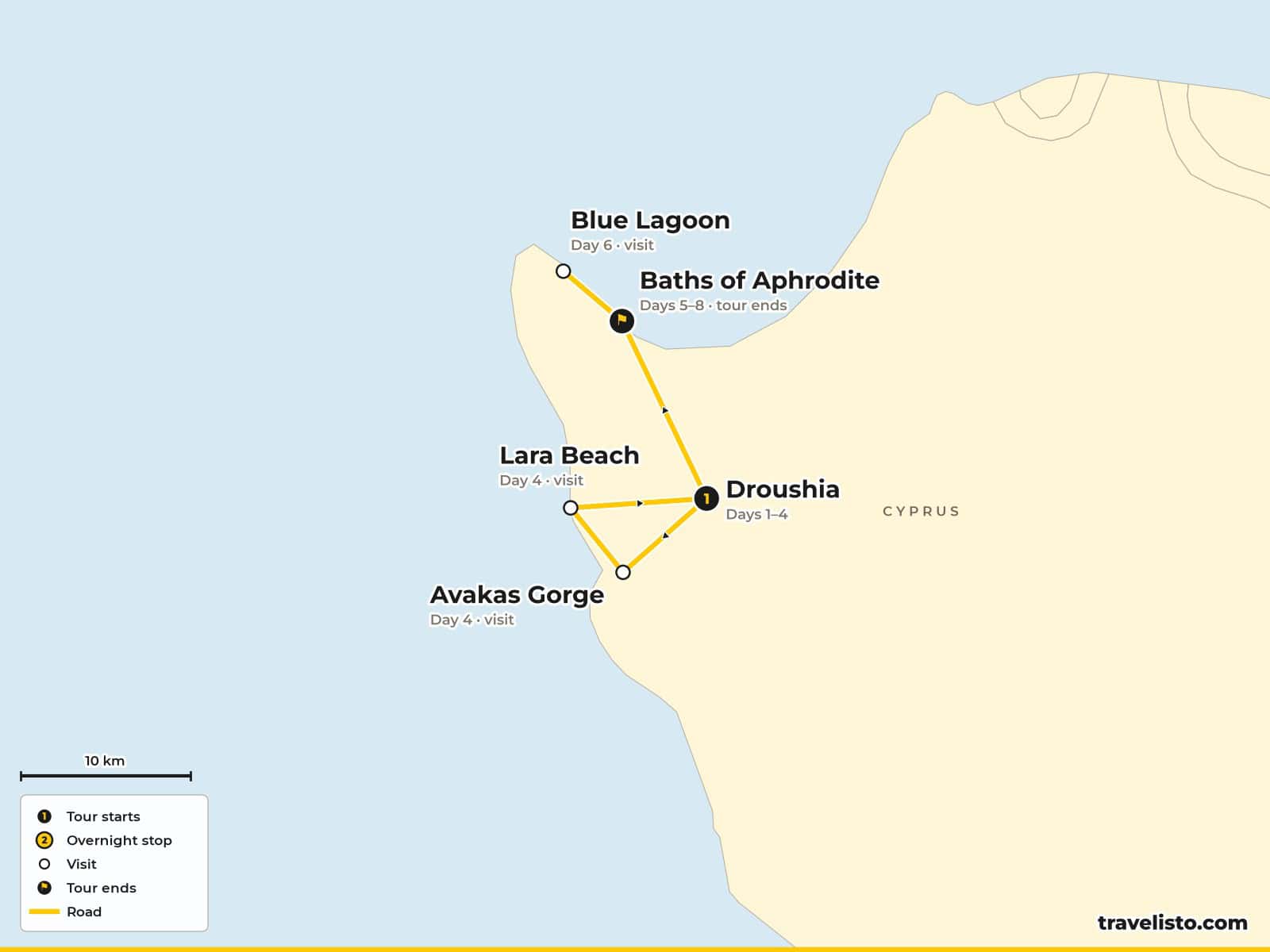
The wildest corner of the south: rough tracks, juniper and pine, and coves of very clear water. Take a boat from Latchi to the Blue Lagoon, walk the trails above the Baths of Aphrodite, and visit Lara Bay, where green and loggerhead turtles nest in summer.

Avakas Gorge
A narrow limestone gorge near the west coast, with a walk up the stream bed between walls that close in to just a few metres apart. Best in spring and autumn; avoid after heavy rain.
The Peyia coast
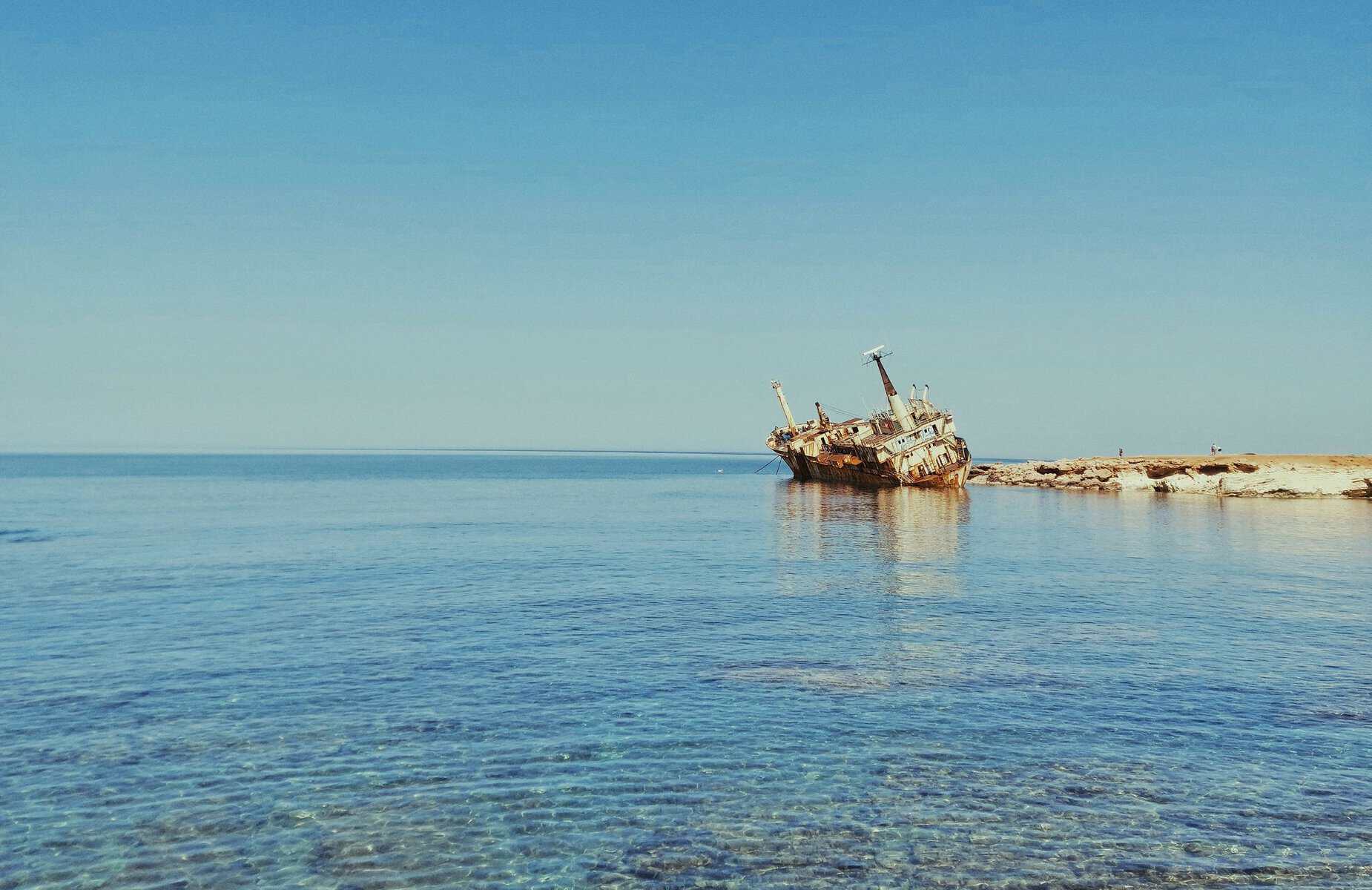
Low cliffs, sea caves and a stranded cargo ship off the shore near Peyia, a popular spot to swim and watch the sunset.

Latchi and Polis
A fishing harbour and hill villages on the edge of the Akamas, much quieter than Paphos.
Limassol and the south
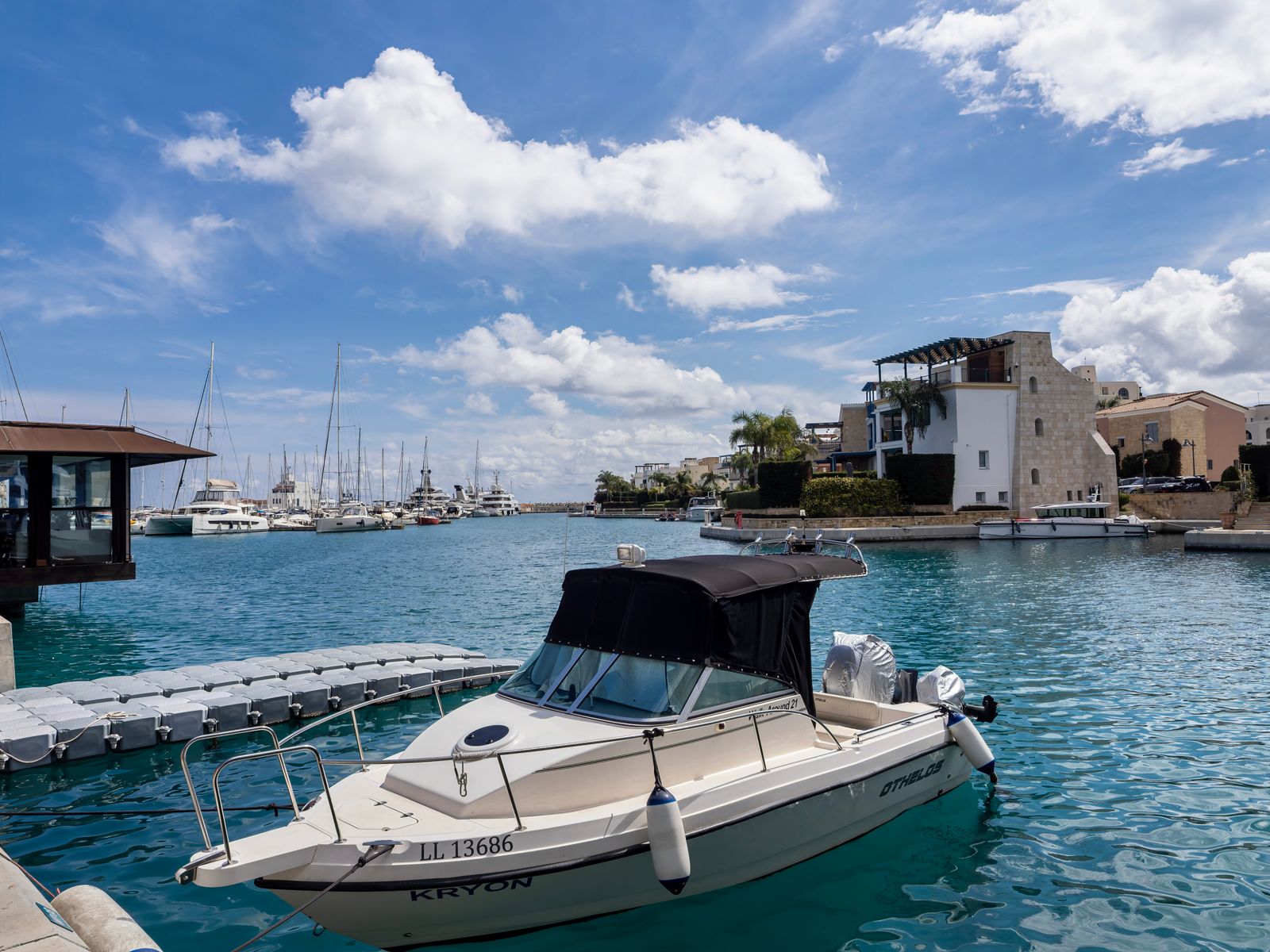
Limassol is the island’s second city and its liveliest: a long seafront promenade, a smart marina, an old town of narrow streets and tavernas around the medieval castle, and a huge choice of places to eat. Most beach hotels line the coast east of the centre.
West of town, Kourion is a Greco-Roman city on a cliff above the sea, with a theatre still used for summer performances, mosaic floors and wonderful views. Nearby are the crusader Kolossi Castle, where the Knights Hospitaller made the sweet wine now called Commandaria, and the beaches of the Akrotiri peninsula. East of Limassol is the ancient city of Amathus. Inland, the wine villages climb into the hills towards the Troodos.
Torn between the two? See Paphos vs Limassol.
Larnaca
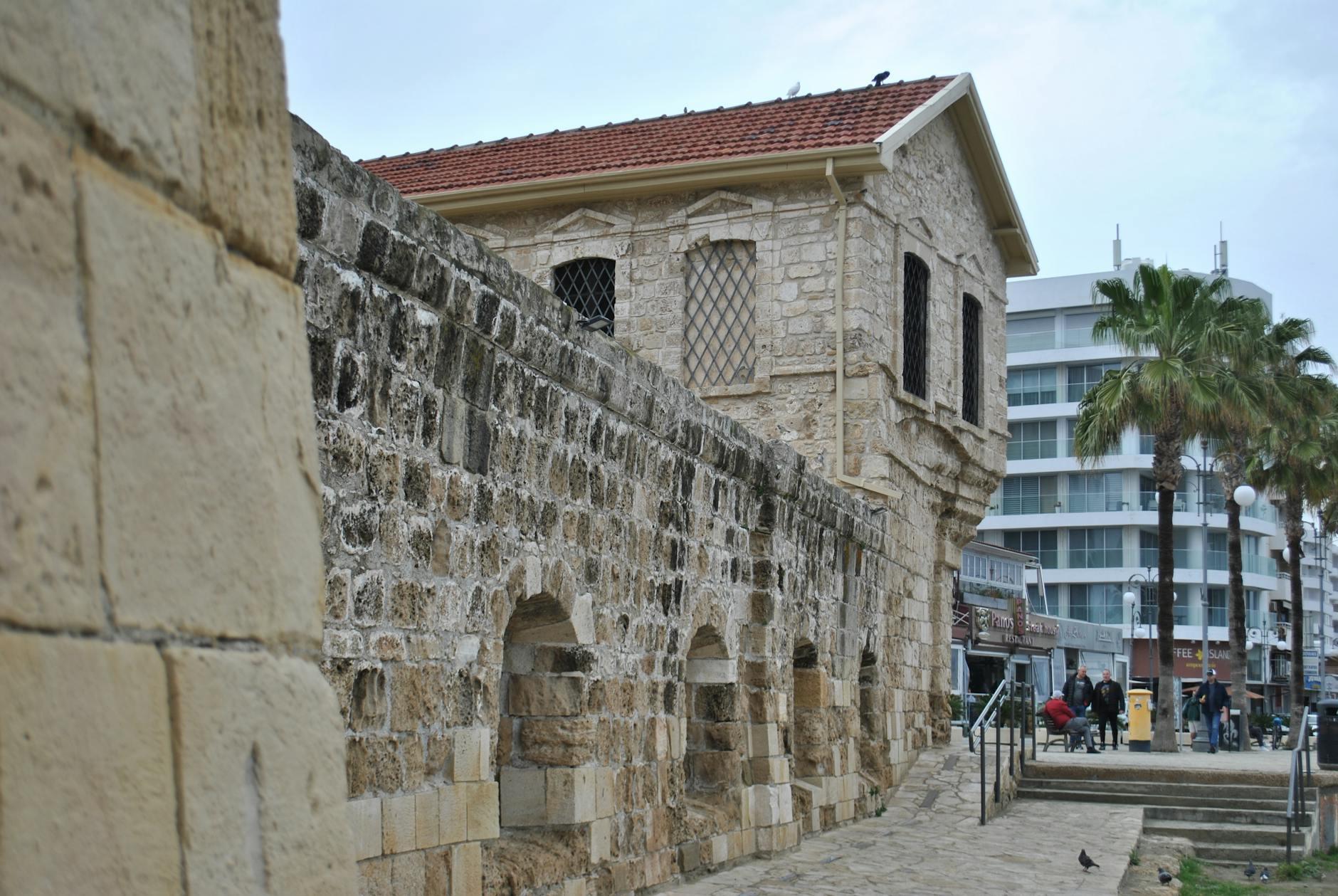
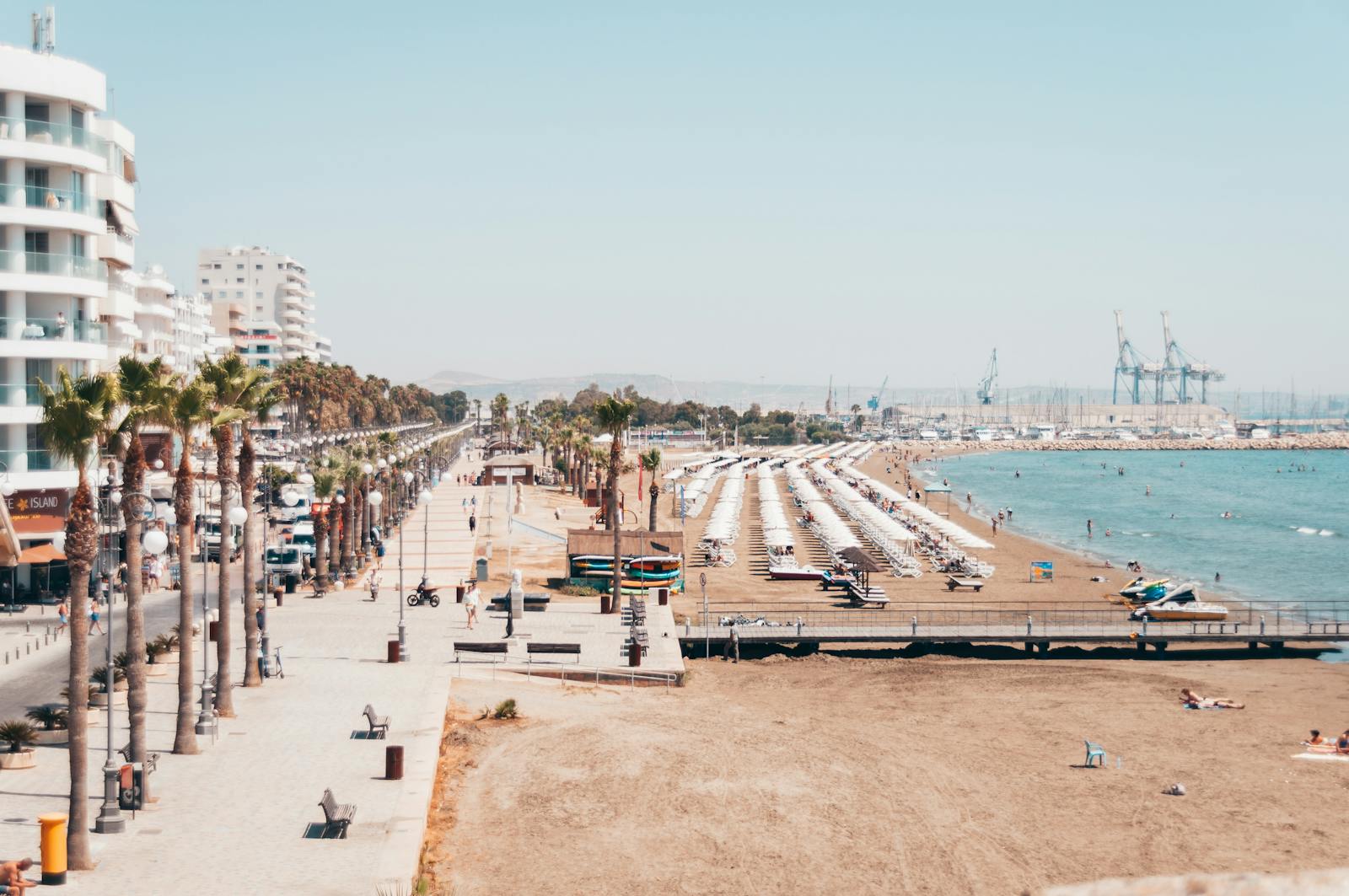
Larnaca is home to the island’s main airport and an easy-going town with a palm-lined seafront promenade, Finikoudes, ending at the medieval fort. The 9th-century Church of St Lazarus is one of the finest Byzantine churches in Cyprus.
In winter, the Larnaca Salt Lake near the airport fills with water and flamingos; on its shore stands Hala Sultan Tekke, an important Muslim shrine. Inland, Lefkara village is known for its lace.
Ayia Napa and Protaras
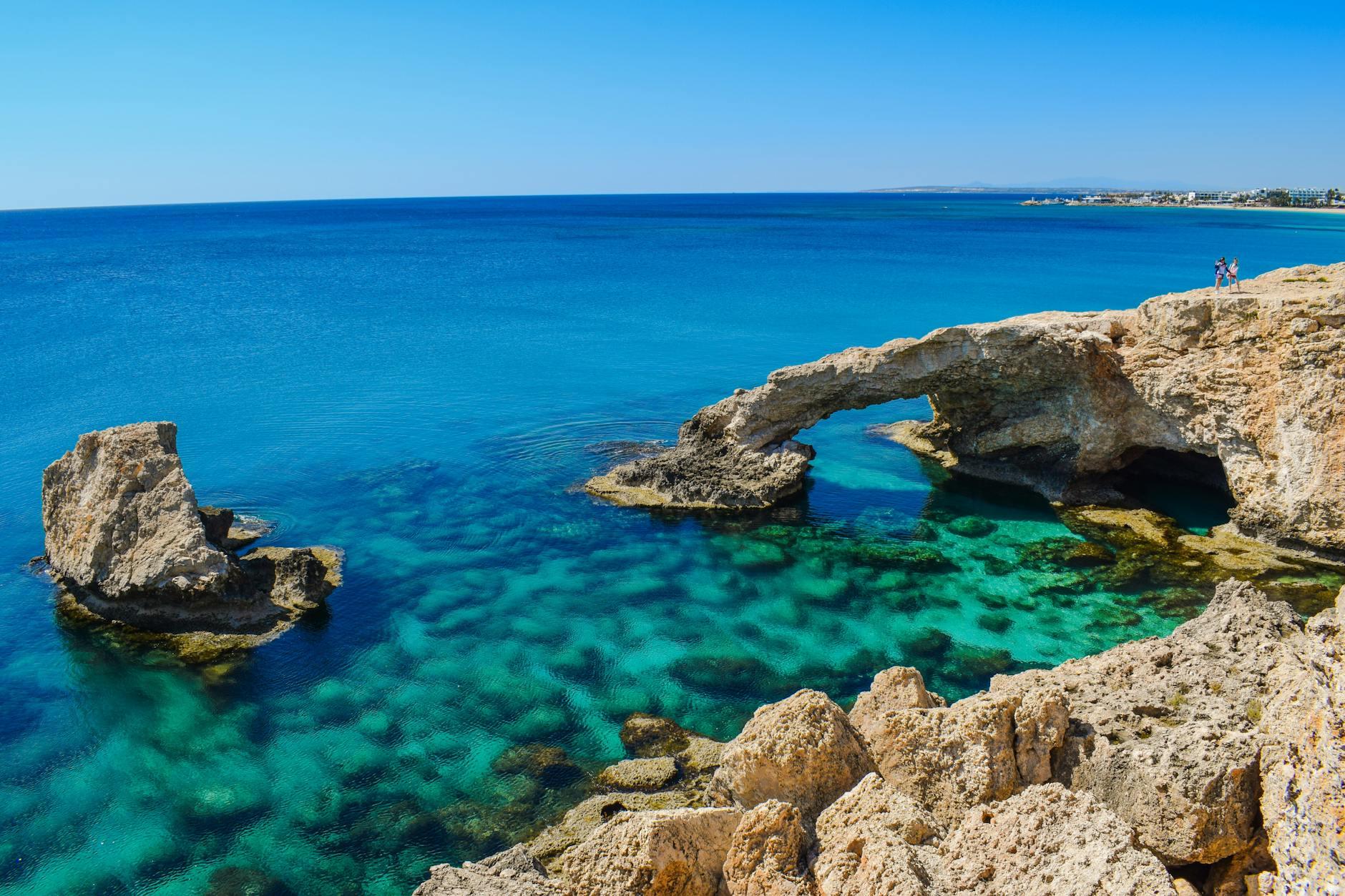
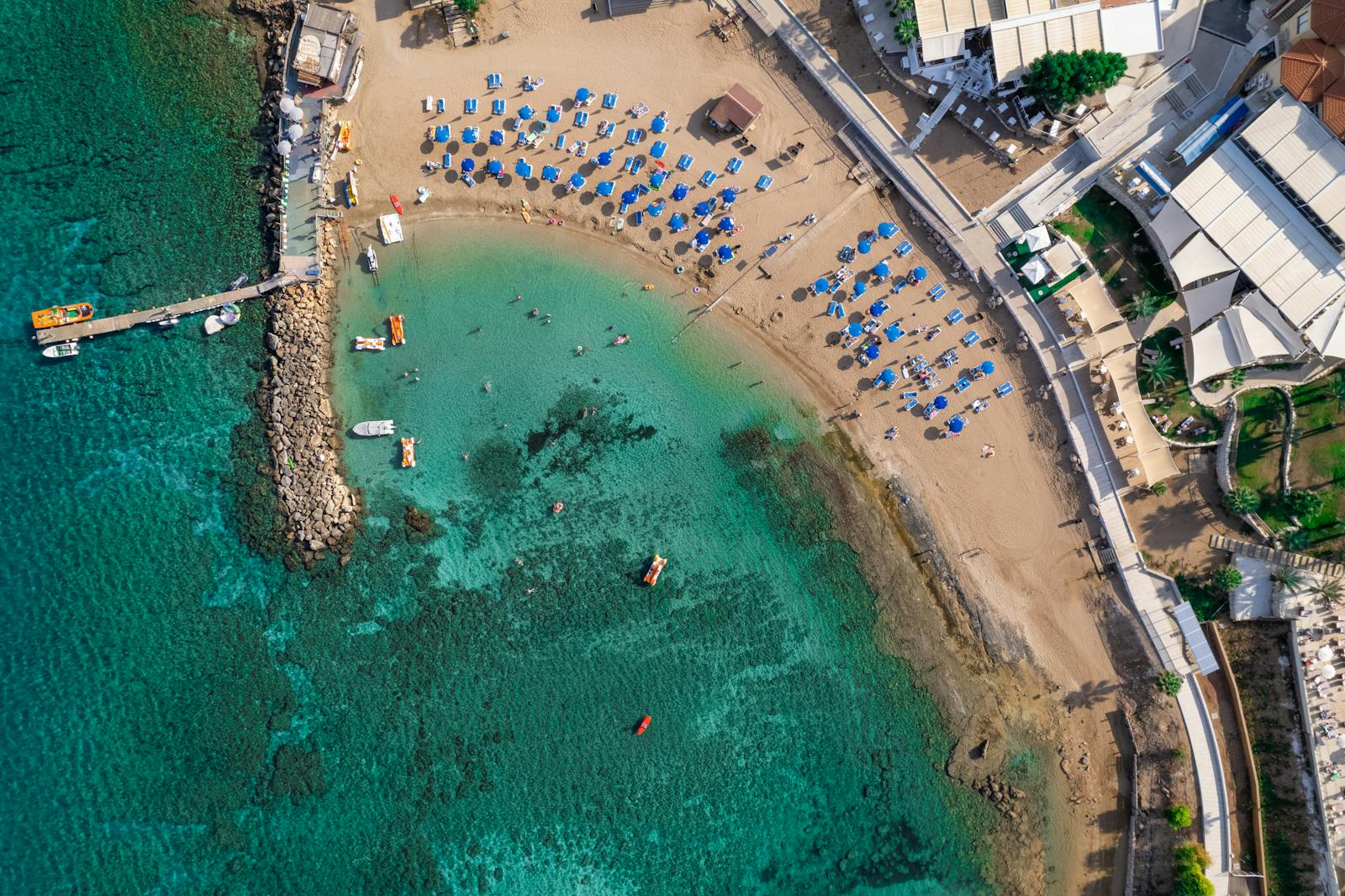
The south-east corner has the island’s finest sandy beaches and the clearest water. Ayia Napa is famous for its nightlife in high summer, but it also has a 16th-century Venetian monastery in the centre of town and beaches like Nissi Beach that are lovely outside the peak weeks.
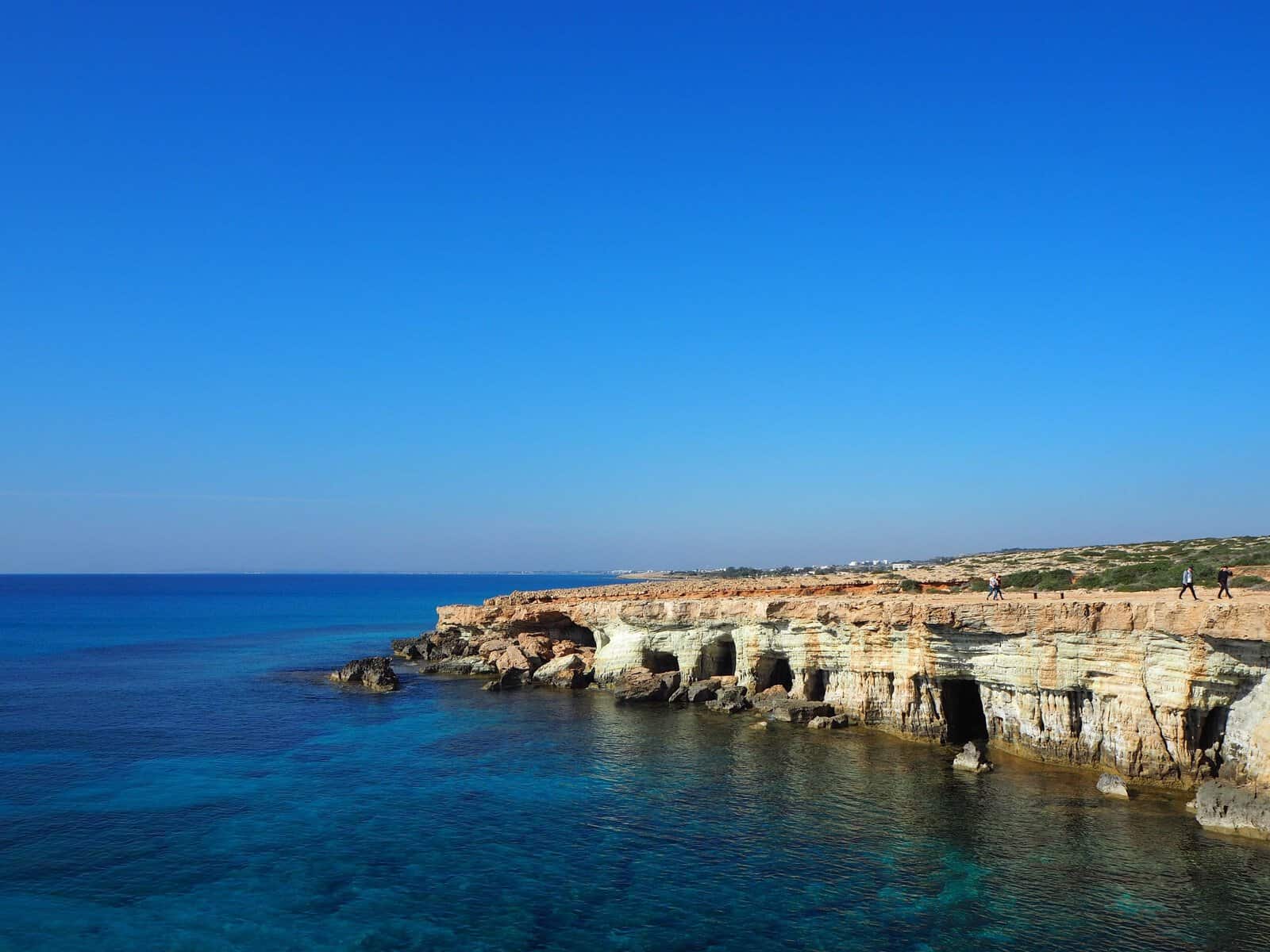
Between Ayia Napa and Protaras, Cape Greco National Forest Park has cliff-top paths, sea caves and natural rock arches, with swimming from the rocks. Protaras, just to the north, is quieter and more family-oriented, with sandy coves such as Fig Tree Bay.
Which suits you? See Ayia Napa vs Protaras and our Ayia Napa and Protaras holidays.
The Troodos Mountains
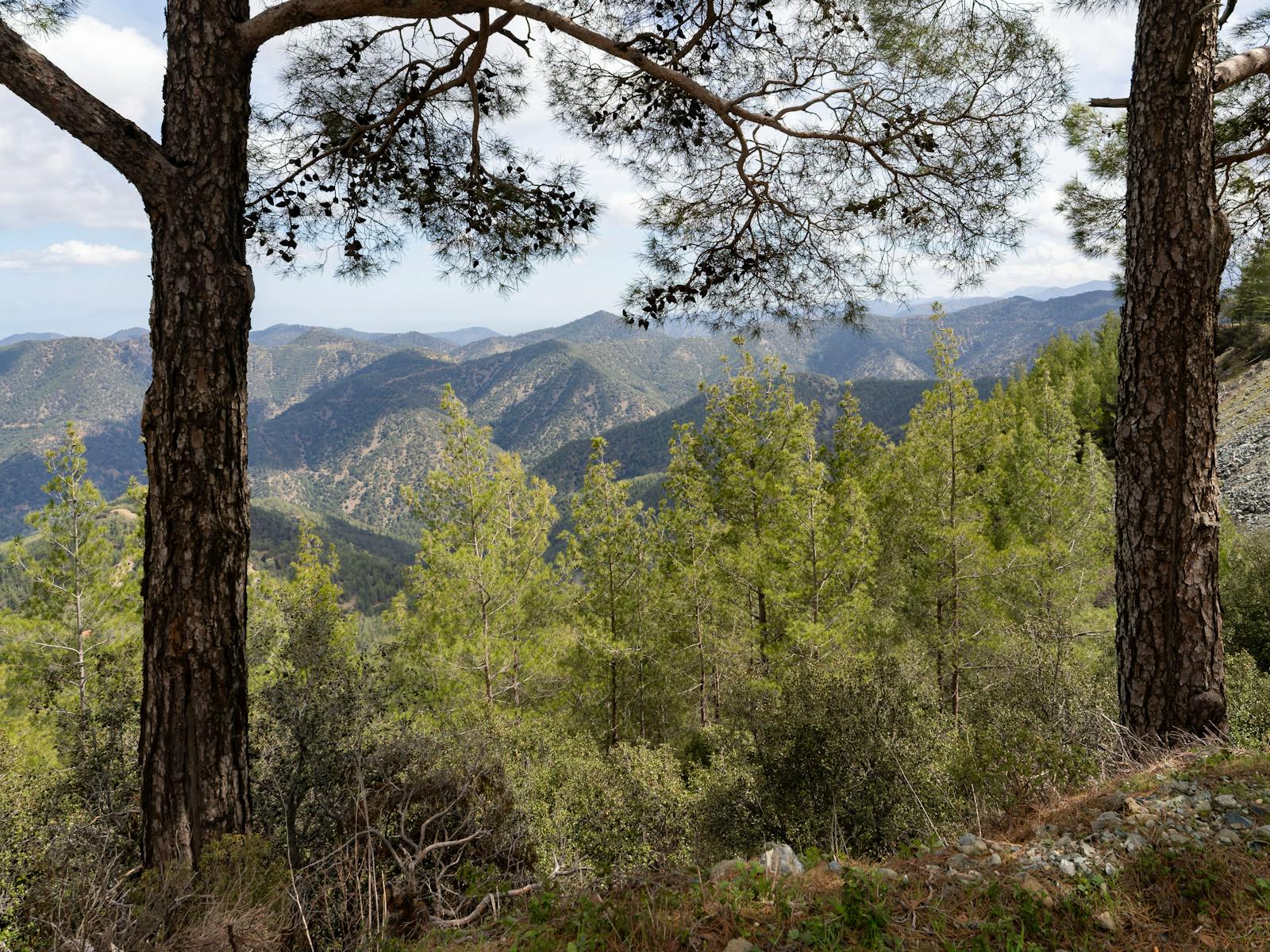
The Troodos rise in the middle of the south-west, to 1,952 m at Mount Olympos. It’s a different Cyprus: pine and cedar forests, cool air in summer, waterfalls, and stone villages such as Omodos, Kakopetria and Platres, with wineries on the lower slopes.
Hidden in the valleys are ten painted churches on the UNESCO World Heritage list, small Byzantine churches with steep wooden roofs and walls covered inside in frescoes. The Kykkos Monastery, high in the western mountains, is the richest on the island. In a snowy winter you can even ski on Mount Olympos, usually from January to March.
The Troodos are about an hour from Limassol or Paphos: a day trip is possible, but a night or two in a mountain village is far better.
Nicosia
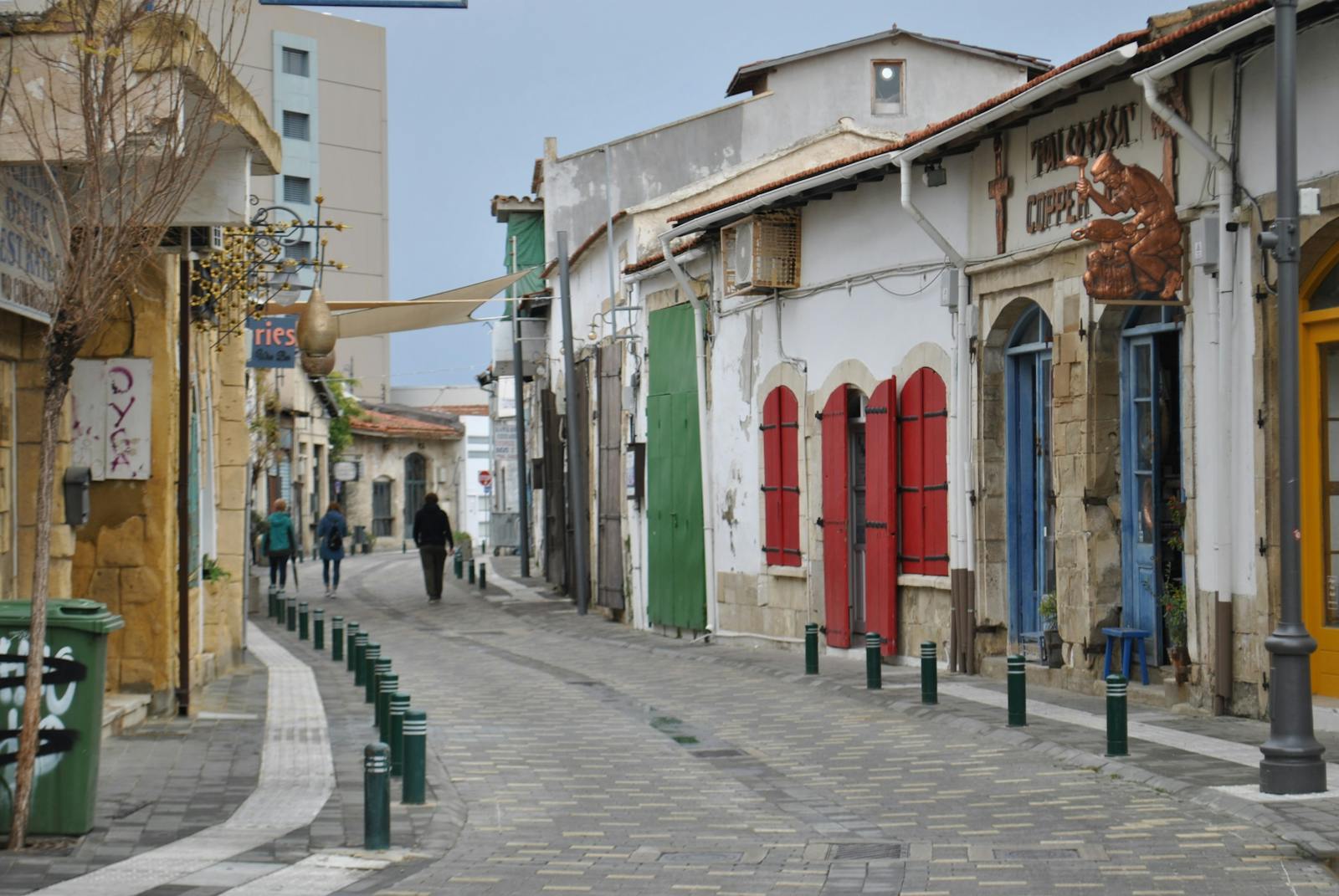
Nicosia (Lefkosia) is the capital, inland, and the last divided capital city in Europe. The old town sits inside star-shaped Venetian walls, with the Green Line running through the middle. The Cyprus Museum holds the island’s best archaeological finds, and the old streets around Ledra Street are full of cafés.
Walk through the Ledra Street crossing with your passport and you’re in the northern half, with its Ottoman inns and the Selimiye Mosque, built as a Gothic cathedral.
Things to do in Northern Cyprus

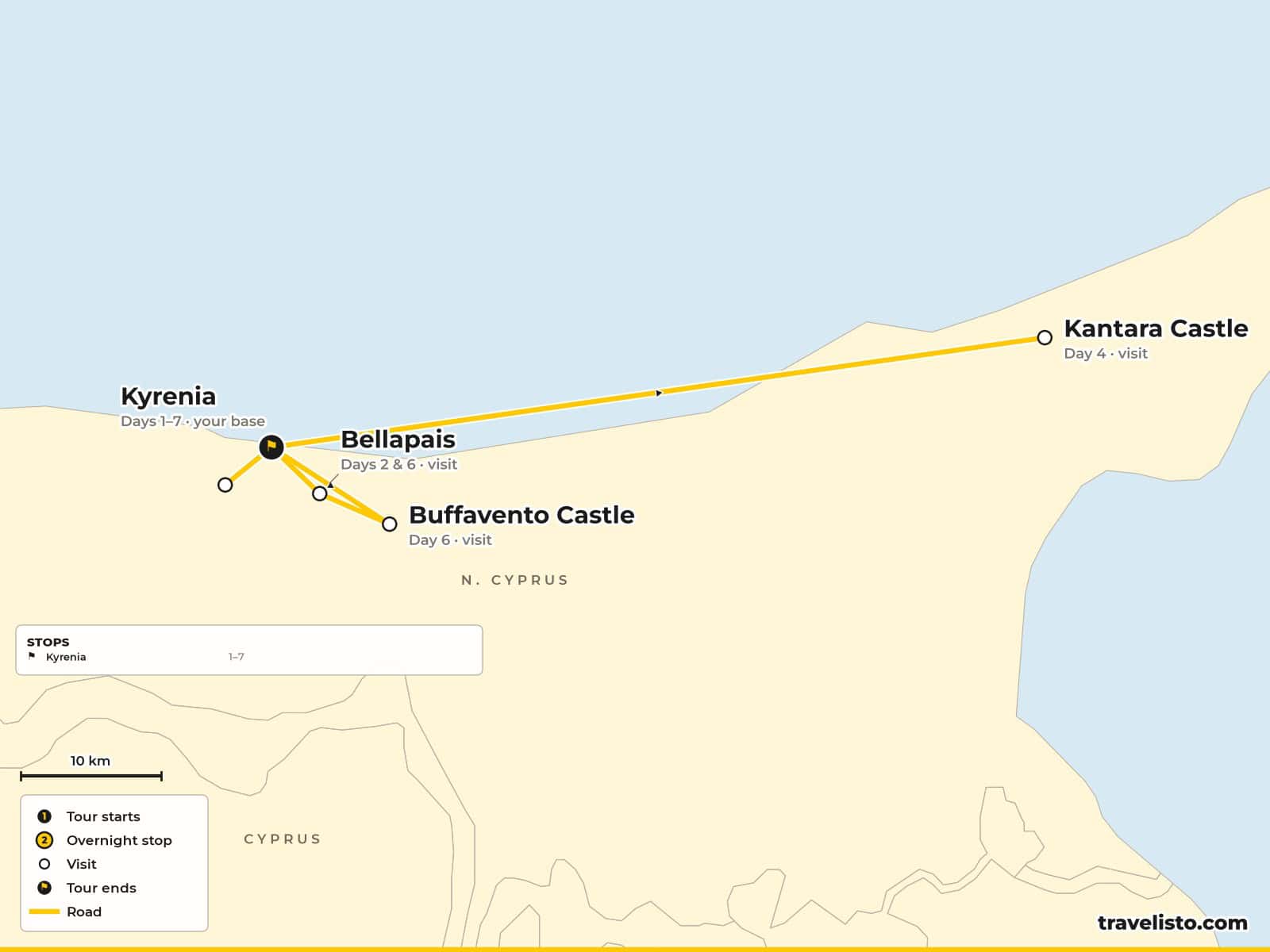
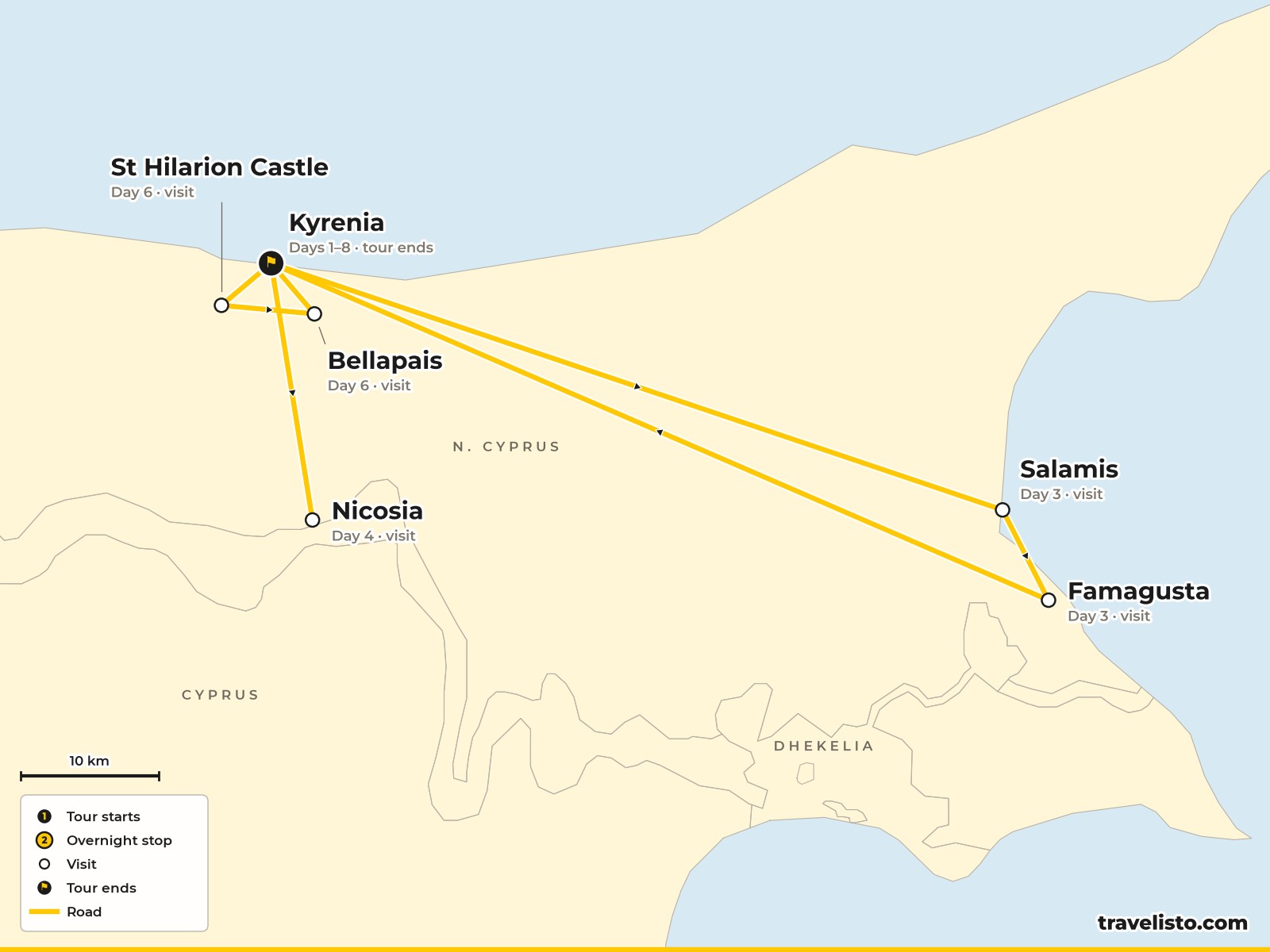
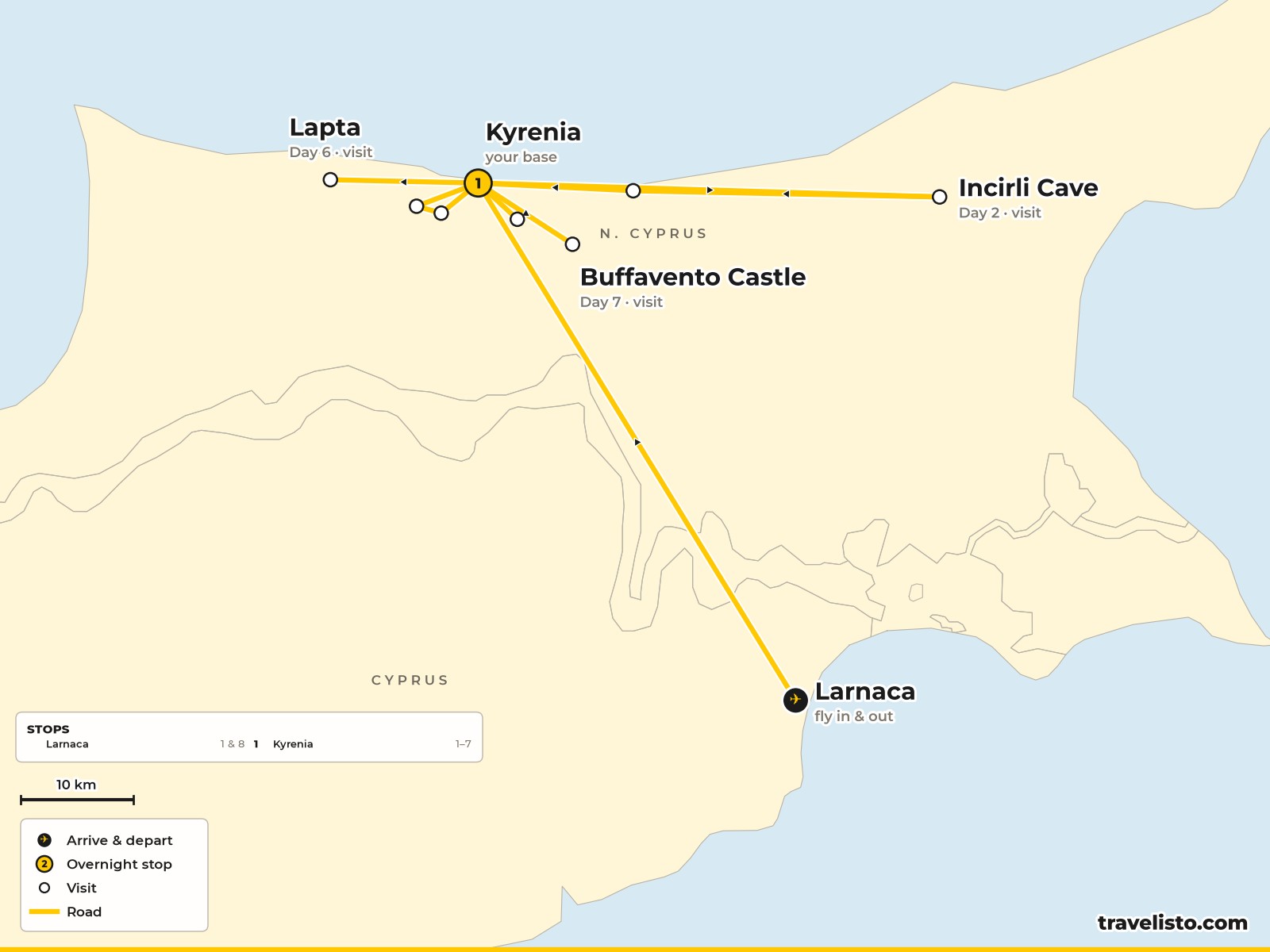
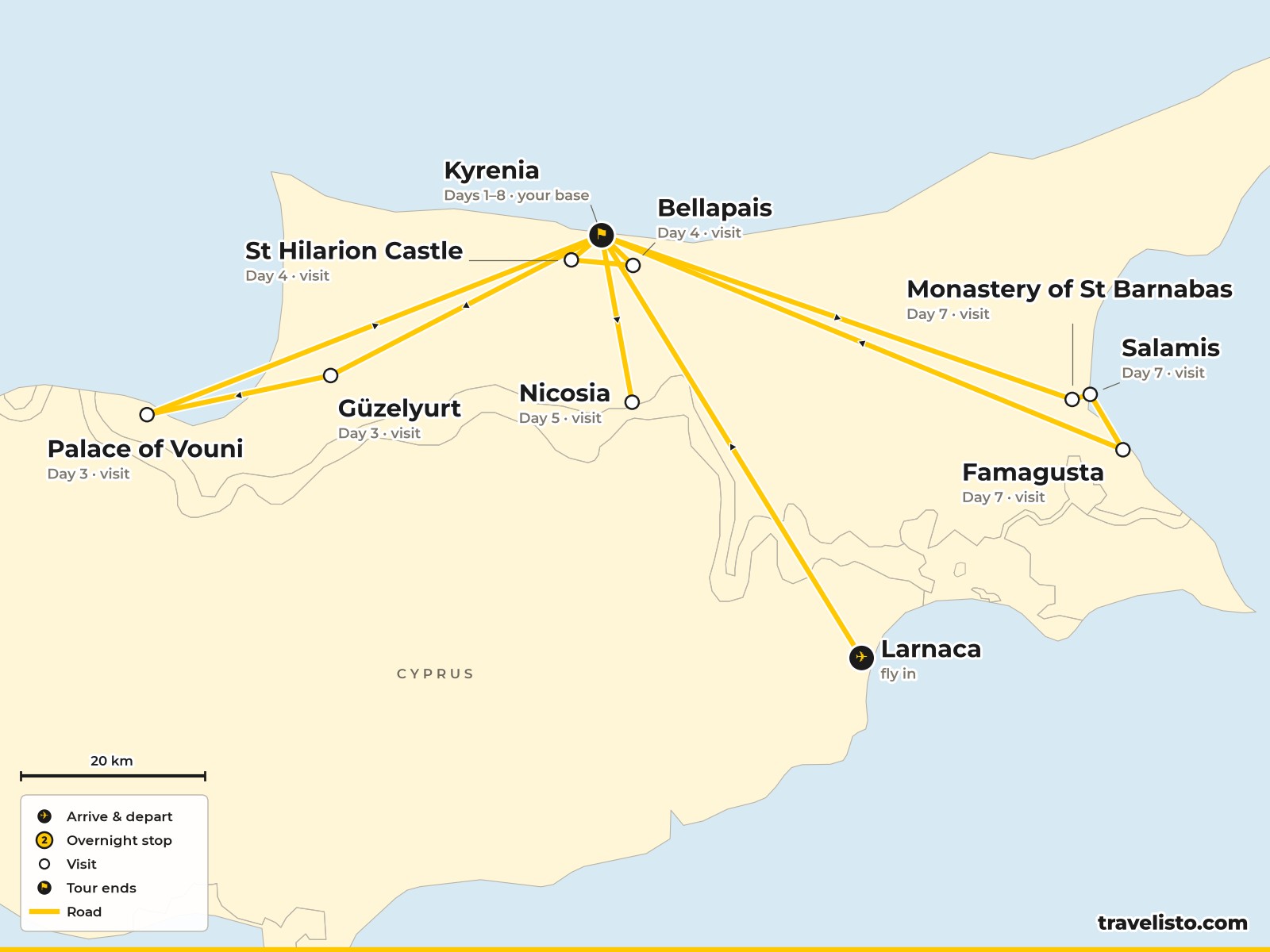
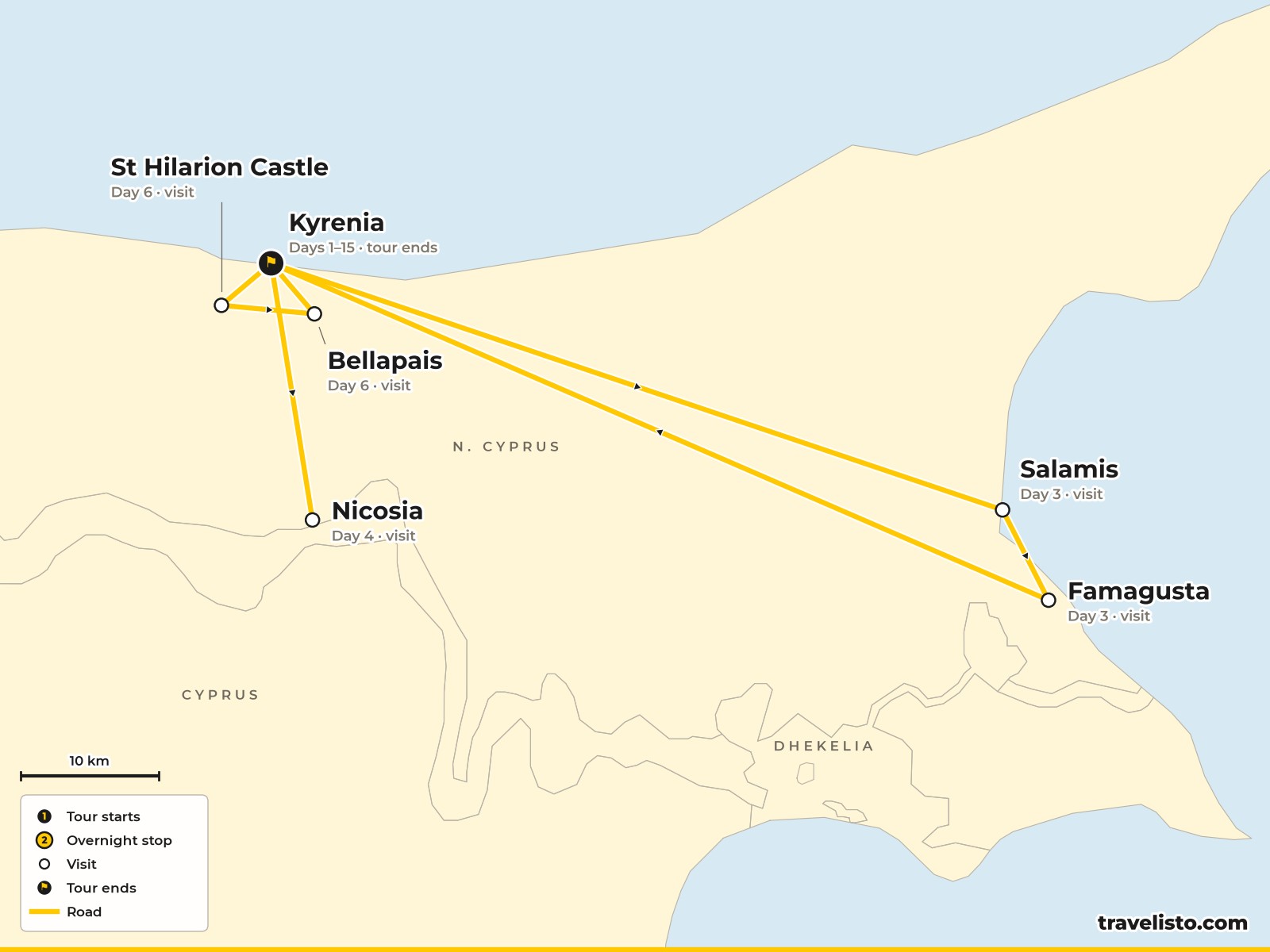
Kyrenia (Girne) has one of the prettiest harbours in the Mediterranean, a horseshoe of old stone warehouses below a massive castle. Behind it, the Kyrenia (Beşparmak) mountains run along the north coast, with walking paths and castles on the peaks.
Just above the town, Bellapais Abbey is a Gothic abbey in a hillside village, and St Hilarion Castle climbs over a rocky peak with views along the coast. To the east are the Roman ruins of Salamis and the walled city of Famagusta, and beyond them the long, wild Karpas peninsula, with its wild donkeys and empty beaches.


What to eat in Cyprus
The best way to eat in Cyprus is a meze: a long procession of small plates, from dips, olives and grilled halloumi to sausages, fish or meat. Look for souvla, chunks of pork or lamb slow-roasted on a spit, and kleftiko, lamb baked for hours in a sealed clay oven. Finish with loukoumades, honey-soaked doughnuts, a glass of sweet Commandaria and a Cyprus coffee.
Best time to visit Cyprus
Cyprus has hot, dry summers and mild, wetter winters. April to June and September to October are the best months for most people: warm days, a sea that’s pleasant for swimming from about May (and warm well into November), and spring flowers or harvest time. July and August are very hot, often well over 30°C, especially inland; fine for a beach holiday, not for sightseeing at midday. November to March brings mild days around 16 to 19°C on the coast, some rain (mainly December and January) and snow on the Troodos; it’s good for walking, sightseeing and winter sun. Wildfire risk is high from April to October.
| Month | Paphos | Limassol | Ayia Napa | Troodos (Platres) |
|---|---|---|---|---|
| Jan | 16°C / 10°C · 120 mm | 16°C / 9°C · 100 mm | 16°C / 10°C · 60 mm | 8°C / 1°C · 100 mm |
| Feb | 16°C / 10°C · 55 mm | 17°C / 10°C · 45 mm | 17°C / 10°C · 35 mm | 10°C / 2°C · 60 mm |
| Mar | 18°C / 11°C · 60 mm | 19°C / 11°C · 40 mm | 19°C / 12°C · 25 mm | 12°C / 3°C · 60 mm |
| Apr | 21°C / 13°C · 20 mm | 22°C / 14°C · 15 mm | 22°C / 14°C · 15 mm | 17°C / 7°C · 30 mm |
| May | 25°C / 17°C · 15 mm | 26°C / 18°C · 10 mm | 26°C / 18°C · 15 mm | 22°C / 11°C · 35 mm |
| Jun | 27°C / 20°C · 10 mm | 29°C / 21°C · 0 mm | 29°C / 21°C · 5 mm | 26°C / 15°C · 15 mm |
| Jul | 31°C / 23°C · 0 mm | 33°C / 24°C · 0 mm | 32°C / 24°C · 0 mm | 30°C / 19°C · 0 mm |
| Aug | 31°C / 24°C · 0 mm | 32°C / 24°C · 0 mm | 32°C / 25°C · 0 mm | 30°C / 19°C · 5 mm |
| Sep | 29°C / 22°C · 5 mm | 31°C / 22°C · 0 mm | 31°C / 23°C · 5 mm | 27°C / 16°C · 10 mm |
| Oct | 26°C / 19°C · 25 mm | 27°C / 19°C · 25 mm | 27°C / 20°C · 20 mm | 21°C / 12°C · 30 mm |
| Nov | 22°C / 15°C · 45 mm | 23°C / 15°C · 30 mm | 22°C / 16°C · 35 mm | 16°C / 7°C · 35 mm |
| Dec | 18°C / 12°C · 100 mm | 18°C / 12°C · 80 mm | 18°C / 13°C · 55 mm | 11°C / 4°C · 70 mm |
Average daily high / low and monthly rainfall, 10-year ERA5 data. Platres is at about 1,100 m; the summit of Mount Olympos is colder still.
Cyprus in winter is a good alternative to long-haul winter sun: it’s one of the warmest places in Europe from December to February, and the sights are quiet. It’s usually too cool for most people to swim. Comparing it with Malta? See Malta vs Cyprus for winter sun.
Travel to Cyprus from the UK
Direct flights from London and many regional UK airports to Paphos and Larnaca take about 4.5 hours. Paphos is best for the west, Coral Bay and the Akamas; Larnaca is best for Ayia Napa, Protaras, Nicosia and Limassol (about 45 minutes away), and it’s also the right choice if you plan to visit the north. Flights to Ercan in the north route via Turkey; remember that the Republic of Cyprus treats entering through the north as illegal entry (see above).
Getting around
- Car hire is the easiest way to explore: they drive on the left, the main roads are good motorways along the south coast, and mountain roads in the Troodos are slow and winding. Check your insurance before crossing north.
- Intercity buses link the main towns, but there are no trains, and buses are little use for the mountains or the Akamas.
- Private transfers and drivers make day trips to the Troodos, Kourion and Nicosia easy; we arrange them as part of your holiday.
Where to stay in Cyprus
| Area | Best for | Good to know |
|---|---|---|
| Paphos | History, couples, year-round | Mostly rocky shore in town; sand at Coral Bay; airport close by |
| Coral Bay and Peyia | Sandy beach, families | Quieter than Paphos town; near the Akamas |
| Latchi and Polis | Peace, walking, nature | Remote and low-key; a car is useful |
| Limassol | Restaurants, nightlife, luxury hotels | Central for day trips to Kourion and the Troodos |
| Larnaca | Short breaks, easy arrival | Town beach and promenade; close to Nicosia |
| Ayia Napa | Best sand, nightlife in summer | Very lively in July and August; quieter in spring and autumn |
| Protaras | Families, sandy coves | Calmer than Ayia Napa; near Cape Greco |
| Troodos villages | Cool air, hiking, wine | One or two nights as part of a twin-centre trip |
| Kyrenia (north) | Harbour, castles, walking | Base for our Northern Cyprus tours |
For more detail, read where to stay in Cyprus, or browse our Cyprus holidays, Paphos holidays and Ayia Napa and Protaras holidays.
Sample routes
Paphos and the mountains
- Paphos or Coral Bay (5 nights)
- Troodos village (2)
Mosaics, the Akamas and Aphrodite’s Rock, then painted churches and wineries.
East to west
- Ayia Napa or Protaras (4 nights)
- Troodos (2)
- Paphos (4)
Fly into Larnaca, out of Paphos, with a day in Nicosia on the way.
Northern Cyprus
- Kyrenia (7 nights)
Bellapais, St Hilarion, Salamis and Famagusta on day trips. See the crossing advice above if you also want to visit the south.
Short on time? See 5 days in Cyprus.
Ways to see Cyprus with us
Prefer your own pace? A tailor-made Cyprus holiday can combine a beach stay with the Troodos, Nicosia and a day across the Green Line, with car hire or private drivers. See all our escorted tours of Cyprus.
Practical tips
- Entry: British visitors can stay in Cyprus up to 90 days without a visa. Cyprus is not in the Schengen area, so this is counted separately, and you don’t register for the EU Entry/Exit System (EES) here. Your passport must have been issued less than 10 years before you arrive, be valid for at least 3 months after you leave and have a blank page.
- FCDO advice: check the FCDO Cyprus advice before you travel. It currently notes the risk of escalation in the wider Middle East, so keep an eye on it.
- Money: the euro in the south; the Turkish lira in the north. Cards are widely accepted in resorts.
- Heat and fire: carry water and avoid walking in the middle of the day in summer. Wildfire risk is high from April to October; never light fires or barbecues outside designated areas.
- Churches and monasteries: cover shoulders and knees; some monasteries are stricter.
- Turtles: on nesting beaches such as Lara, keep off marked nests and don’t use lights at night in summer.
Frequently asked questions
Is it safe to travel to Northern Cyprus?
Visiting the north is straightforward. The UK doesn't recognise the self-declared Turkish Republic of Northern Cyprus, and British consular help there is limited, so read the FCDO advice before you go.
Can you cross from the south to Northern Cyprus?
Yes. You can cross at any official crossing point with your passport; in Nicosia the Ledra Street and Ledra Palace crossings are for pedestrians only. Hire cars from the south often aren't insured in the north, so check before driving across.
Can I fly into Northern Cyprus and visit the south?
The Republic of Cyprus treats arriving through the north, for example at Ercan airport, as illegal entry, and you could be fined or refused entry to the south. If you want to visit both sides, fly into Larnaca or Paphos.
What is the best time to visit Cyprus?
April to June and September to October, when it's warm without the peak heat. The sea is warm from about June to early November. July and August are very hot; winter is mild on the coast, with snow on the Troodos.
Paphos or Limassol: which is better?
Paphos is better for history, the Akamas and a quieter stay; Limassol has more restaurants, nightlife and a livelier seafront, and is central for the Troodos and Kourion.
How long is the flight to Cyprus from the UK?
About 4.5 hours to Paphos or Larnaca. Cyprus is two hours ahead of UK time.
Do I need a visa for Cyprus?
British visitors don't need a visa for stays of up to 90 days. Cyprus isn't in Schengen, so the days are counted separately, and time in the north counts towards the 90.
Is Cyprus warm in winter?
Mild rather than hot: coastal days are usually around 16 to 19°C from December to February, with some rain. It's great for sightseeing and walking, but too cool for most people to swim.
Keep planning
- Cyprus holidays
- Paphos holidays
- Ayia Napa and Protaras holidays
- Escorted tours of Cyprus
- Where to stay in Cyprus
- Paphos vs Limassol
- 5 days in Cyprus
- Best luxury hotels in Cyprus
- Best family hotels in Cyprus
- Malta holiday guide
- Tailor-made holidays
Plan your Cyprus holiday with a Travel Designer
Tell us when you’d like to go and we’ll plan your beach stay, the Troodos and a day across the Green Line, with flights and transfers, in one ATOL-protected booking.
Make an enquiry Cyprus holidays