Cambodia in brief
- Most trips combine Siem Reap and Angkor with Phnom Penh, often as part of a Vietnam or Thailand holiday.
- With more time, add Battambang, Kampot and Kep or the islands.
- November to March is the best time to visit; the rainy season runs from about May to October. See when to go.
- UK visitors need a visa (e-visa or on arrival) and an online e-Arrival Card when flying in.
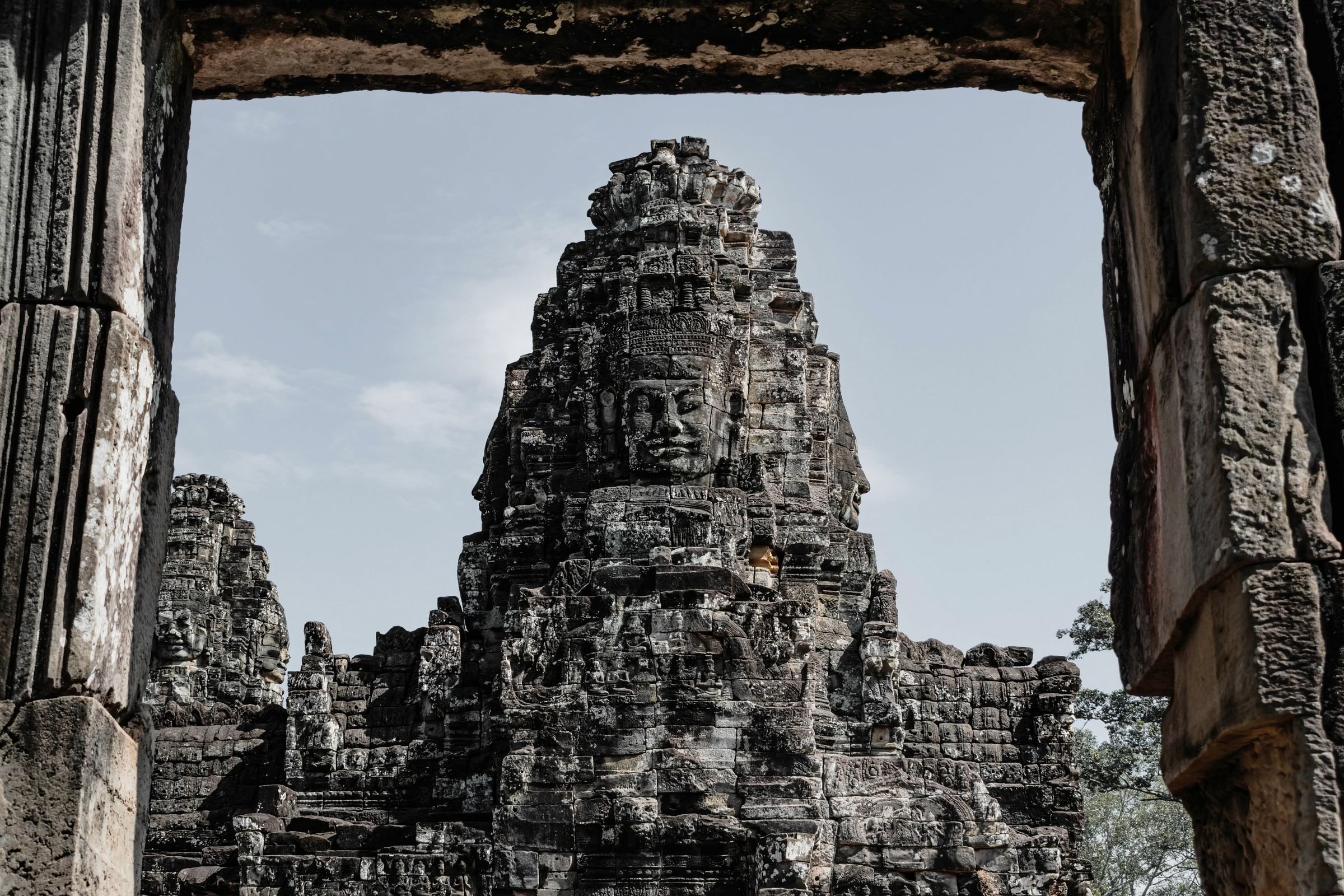
Cambodia is home to Angkor, one of the wonders of the world: hundreds of temples hidden in the forest around Siem Reap. Beyond them are the riverside capital Phnom Penh, floating villages on the great Tonle Sap lake, the pepper farms and quiet coast of Kampot and Kep, and tropical islands in the Gulf of Thailand. Cambodians are warm and welcoming, and the food is a delicious discovery. This guide covers where to go, how to combine Cambodia with Vietnam, the seasons and what to know before you travel.
Places to visit in Cambodia
Most trips start or end at Siem Reap for the temples of Angkor and visit Phnom Penh. With more time, head south to the coast and islands, or east to the Mekong. Cambodia combines easily with Vietnam, by air or by boat along the Mekong; compare our trips in Vietnam tours compared.
Siem Reap and Angkor
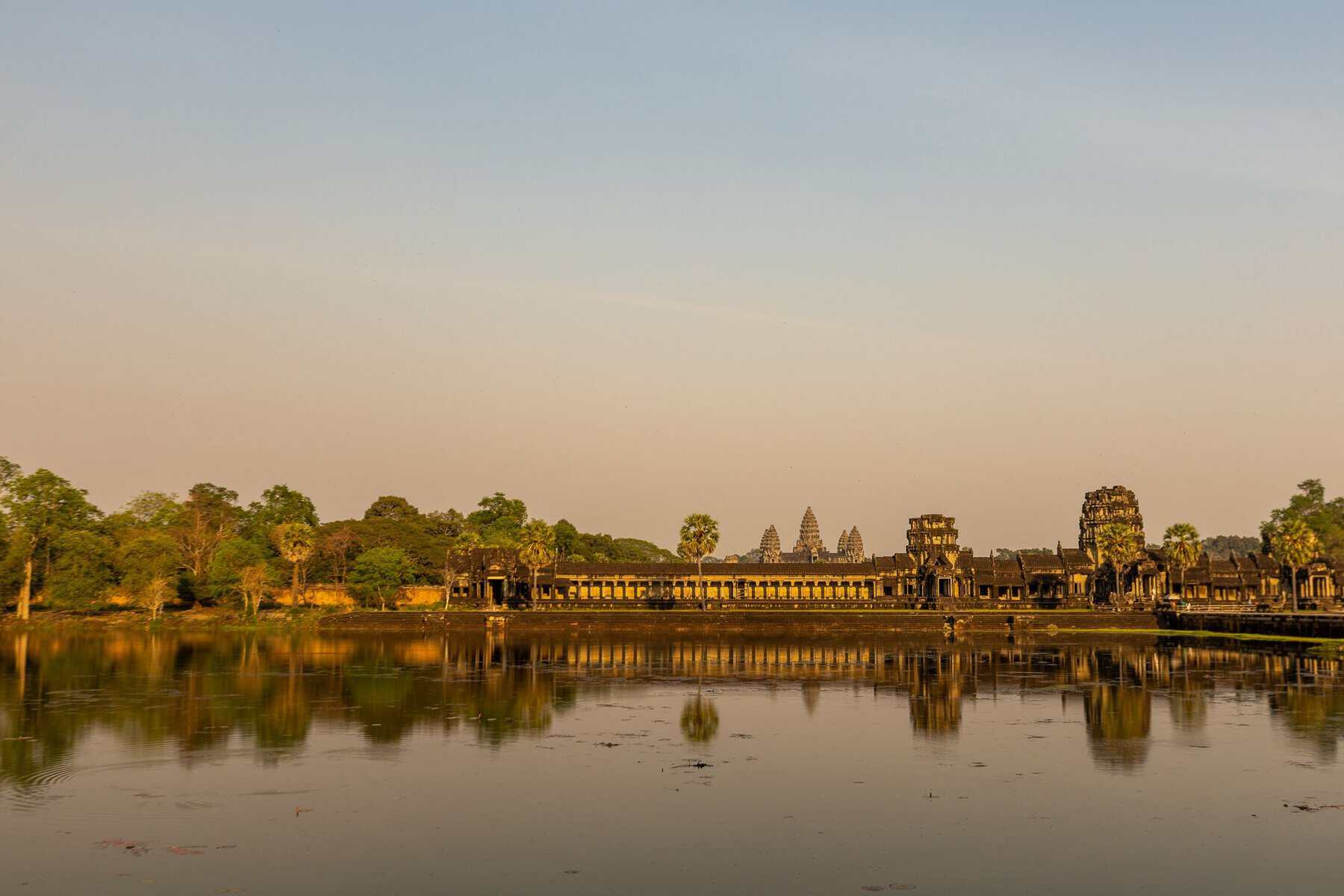
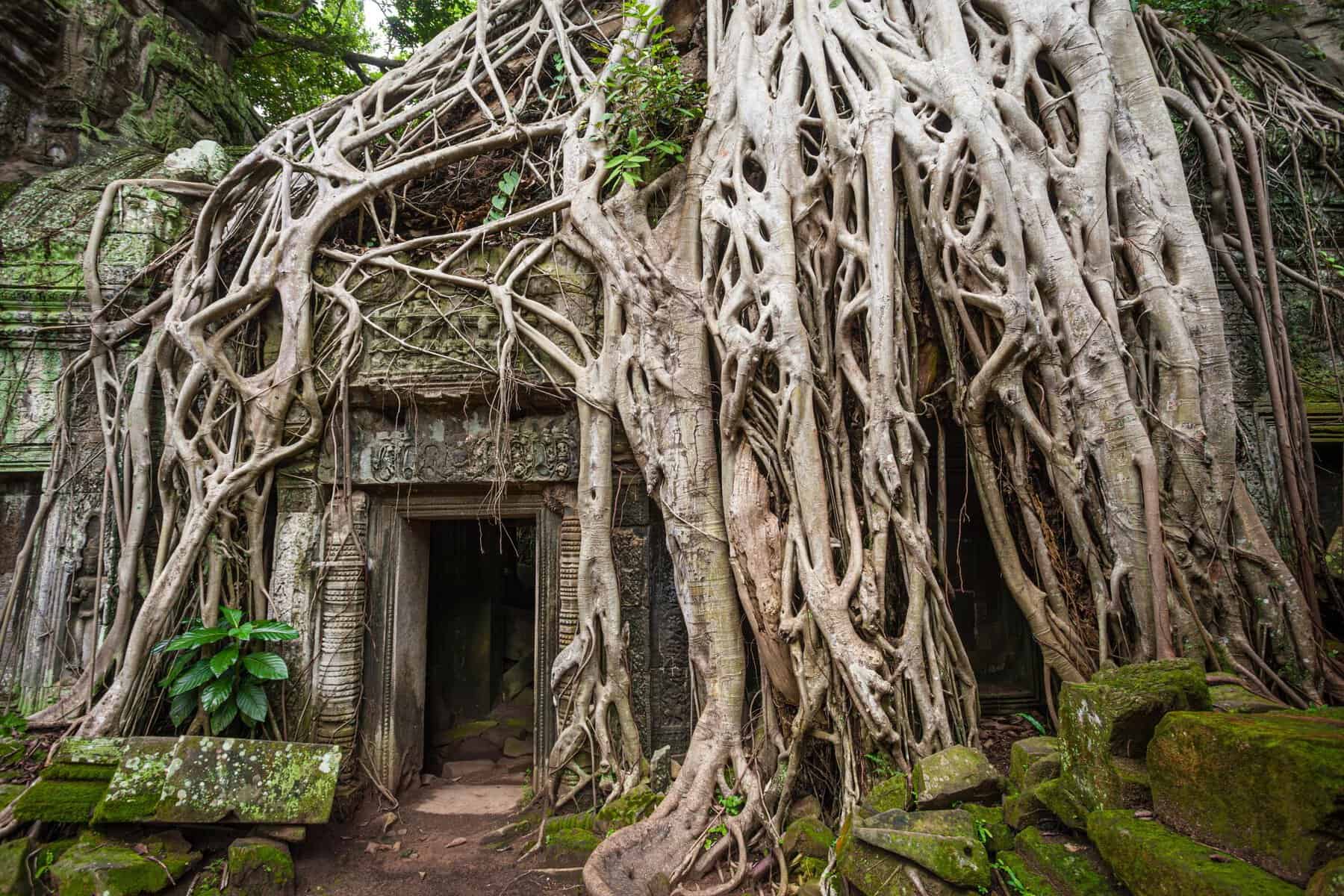
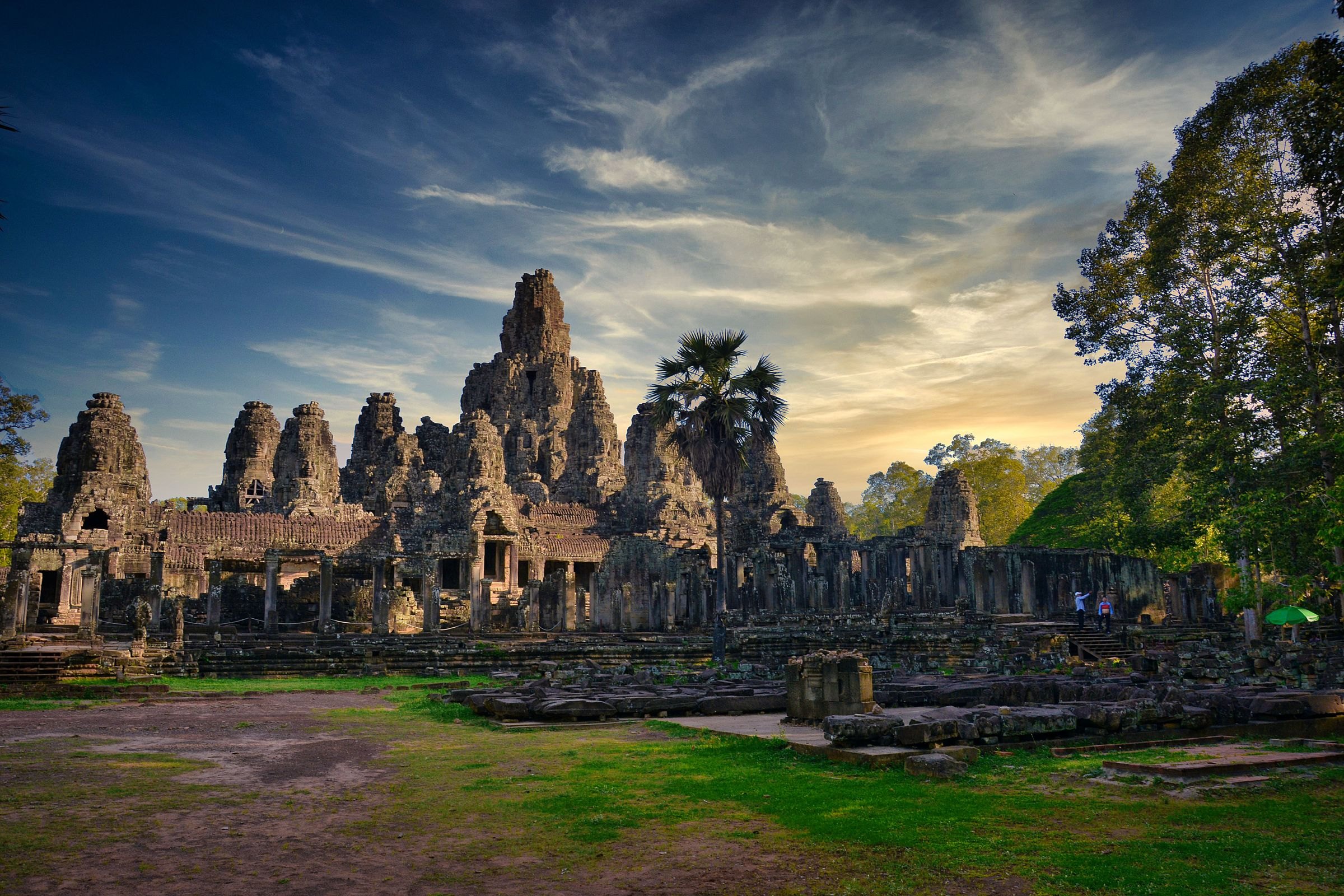
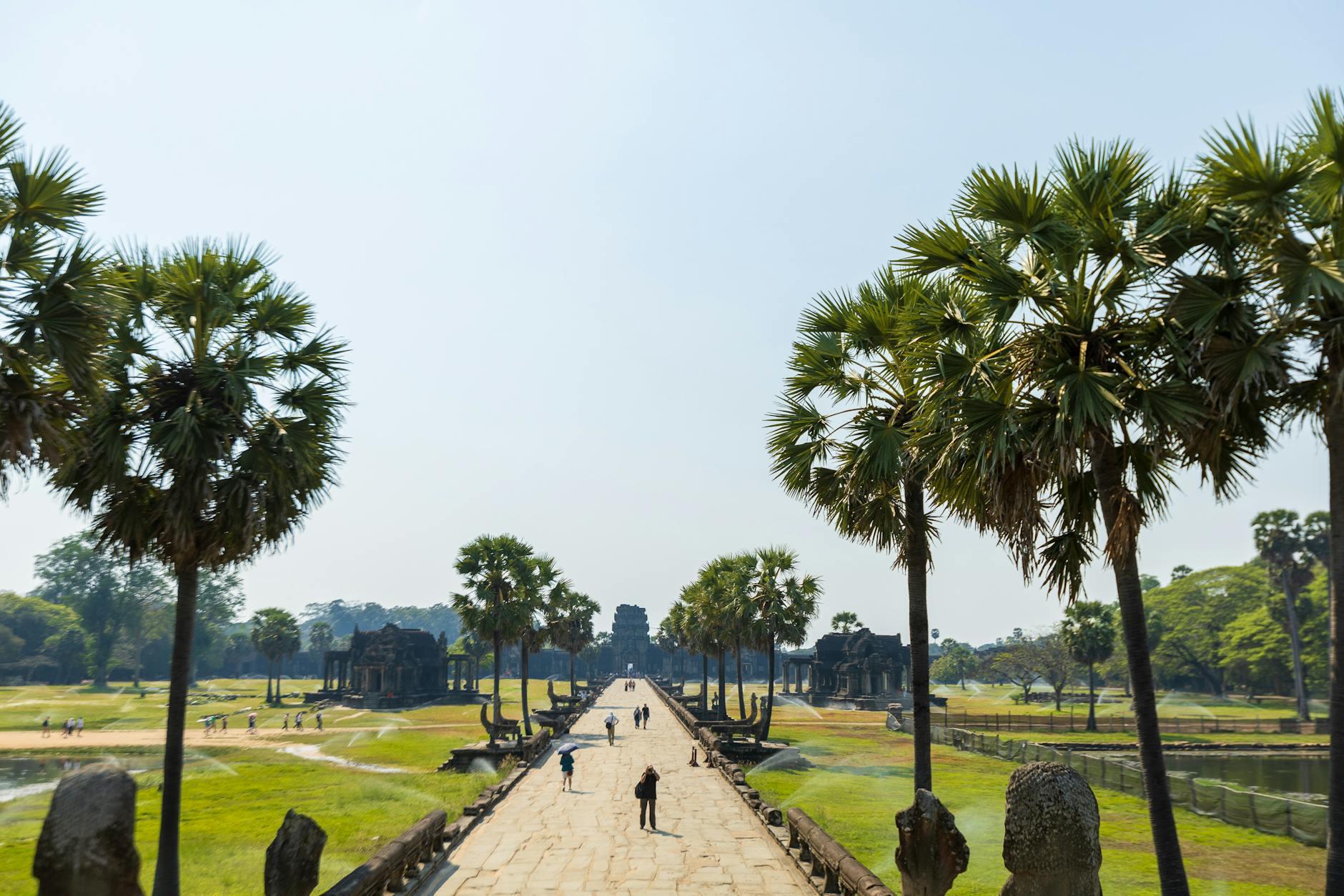
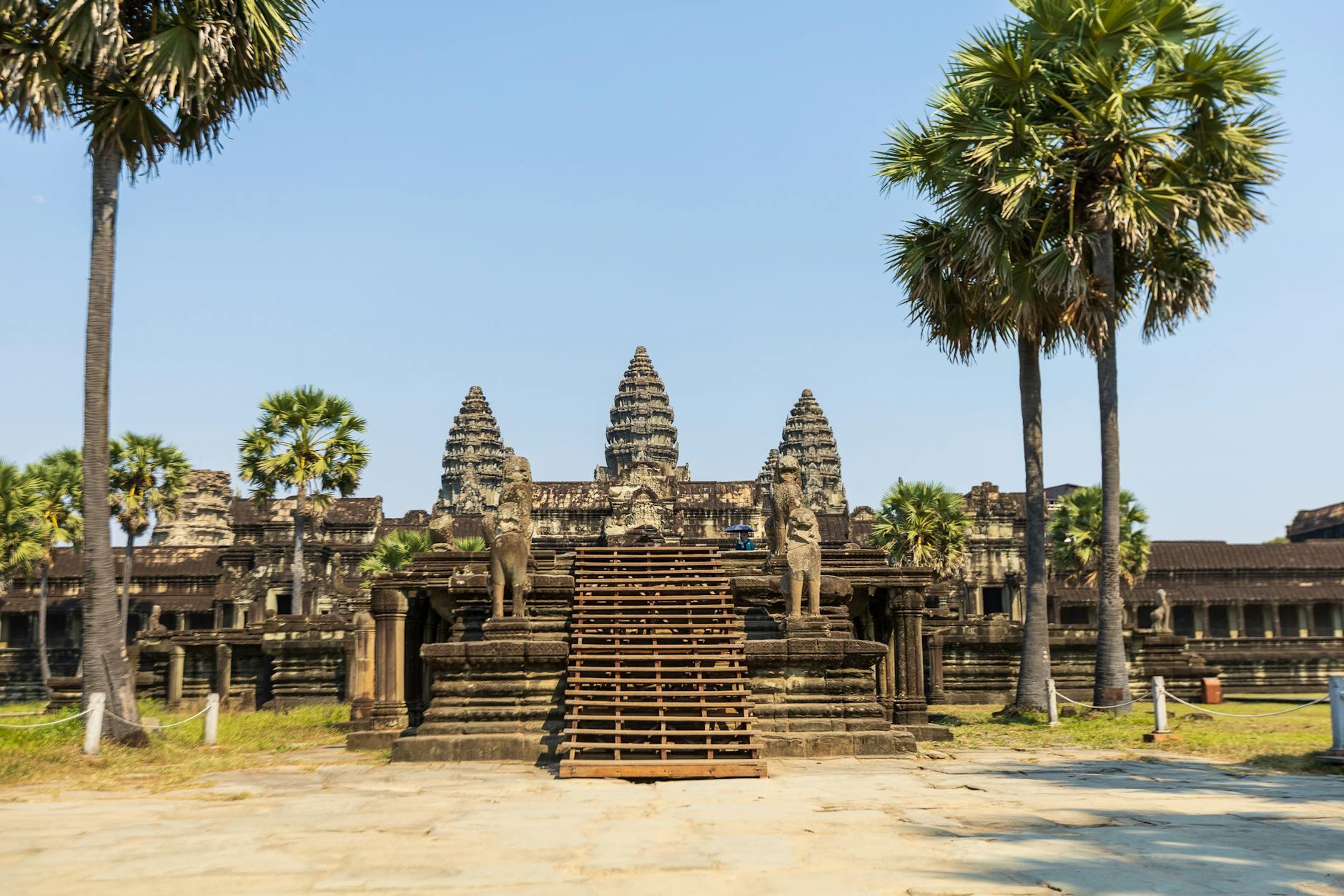
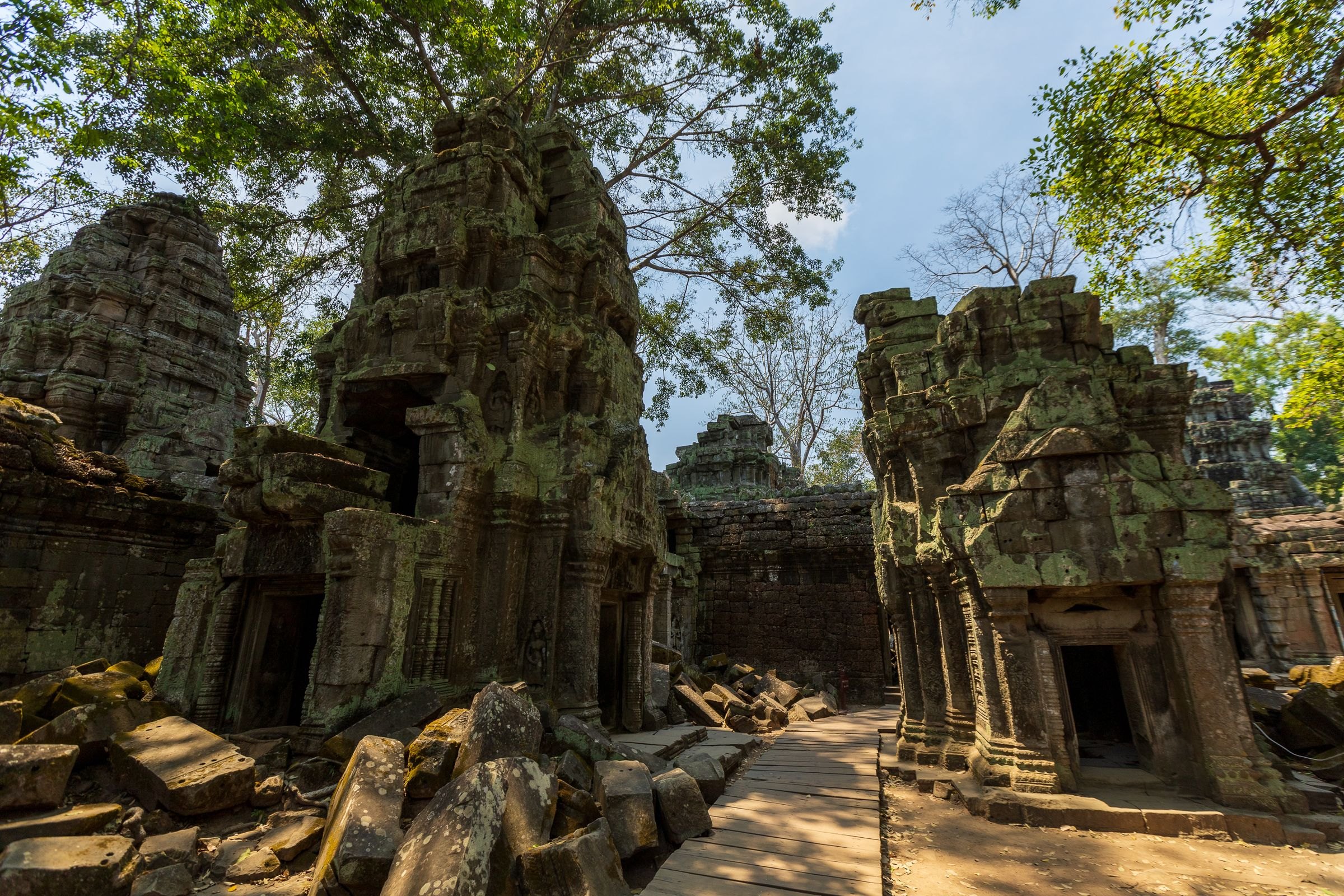
Angkor Wat, built in the 12th century, is the largest religious monument in the world, and it’s just one of hundreds of temples in the area. See the faces of the Bayon, the tree roots wrapping Ta Prohm and the pink carvings of Banteay Srei.
Siem Reap itself is a relaxed town with markets, cafés and evening shows, including the Phare circus.
Cambodia holidays →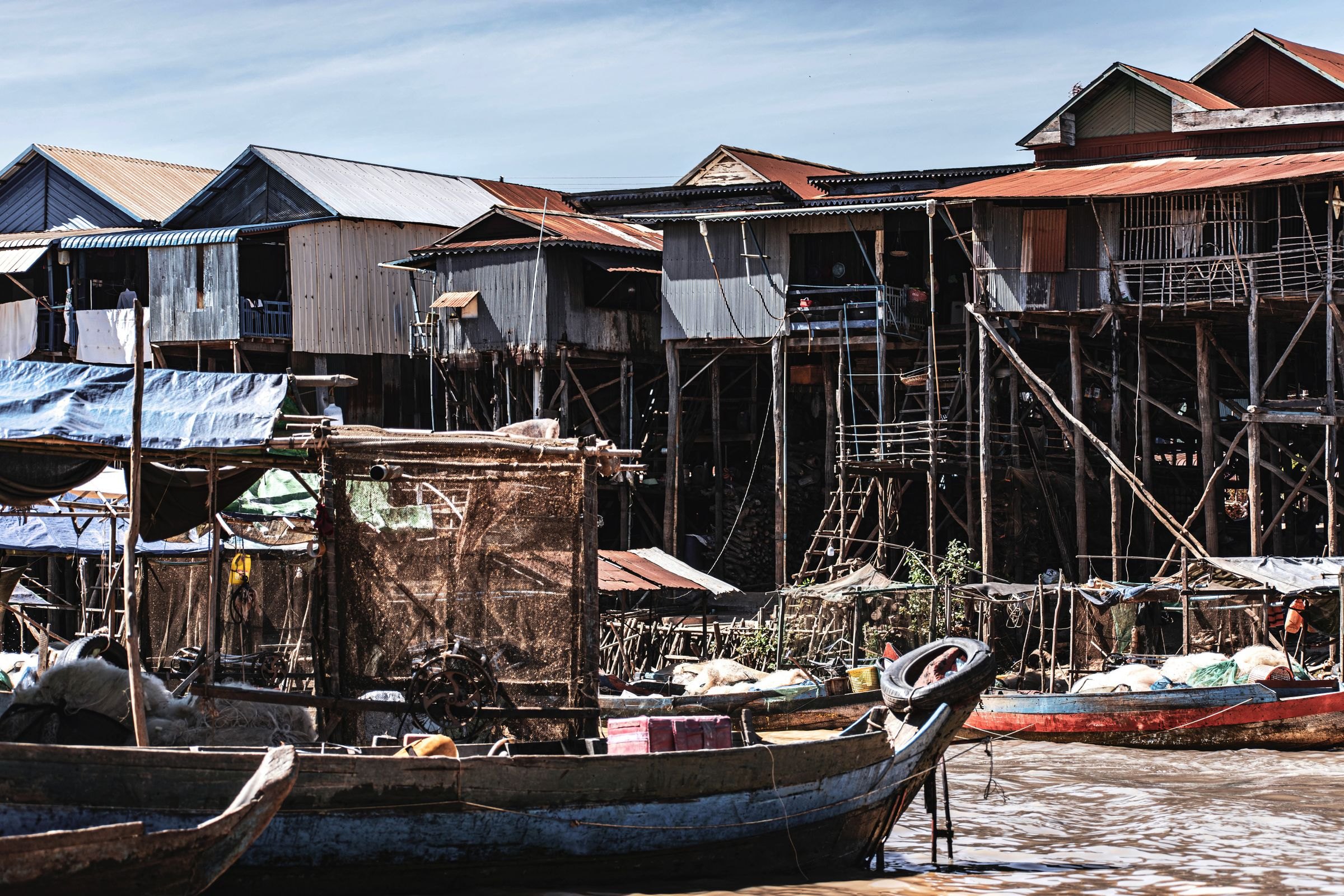
The Tonle Sap lake
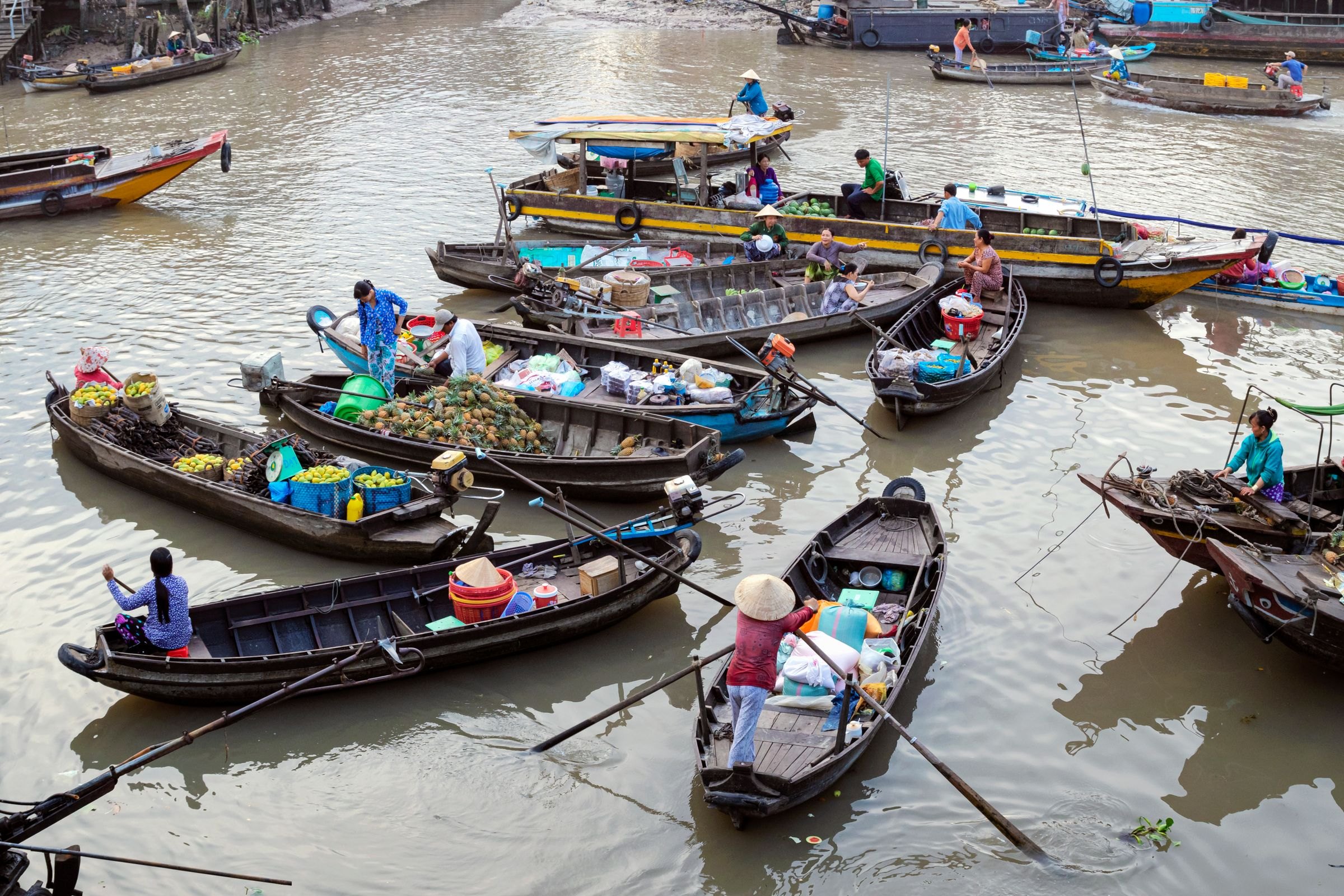
South-east Asia’s largest freshwater lake swells to several times its size in the rainy season, when the Tonle Sap river actually reverses its flow.
Visit the stilt village of Kampong Phluk or the flooded forest by boat, an easy trip from Siem Reap.

Phnom Penh
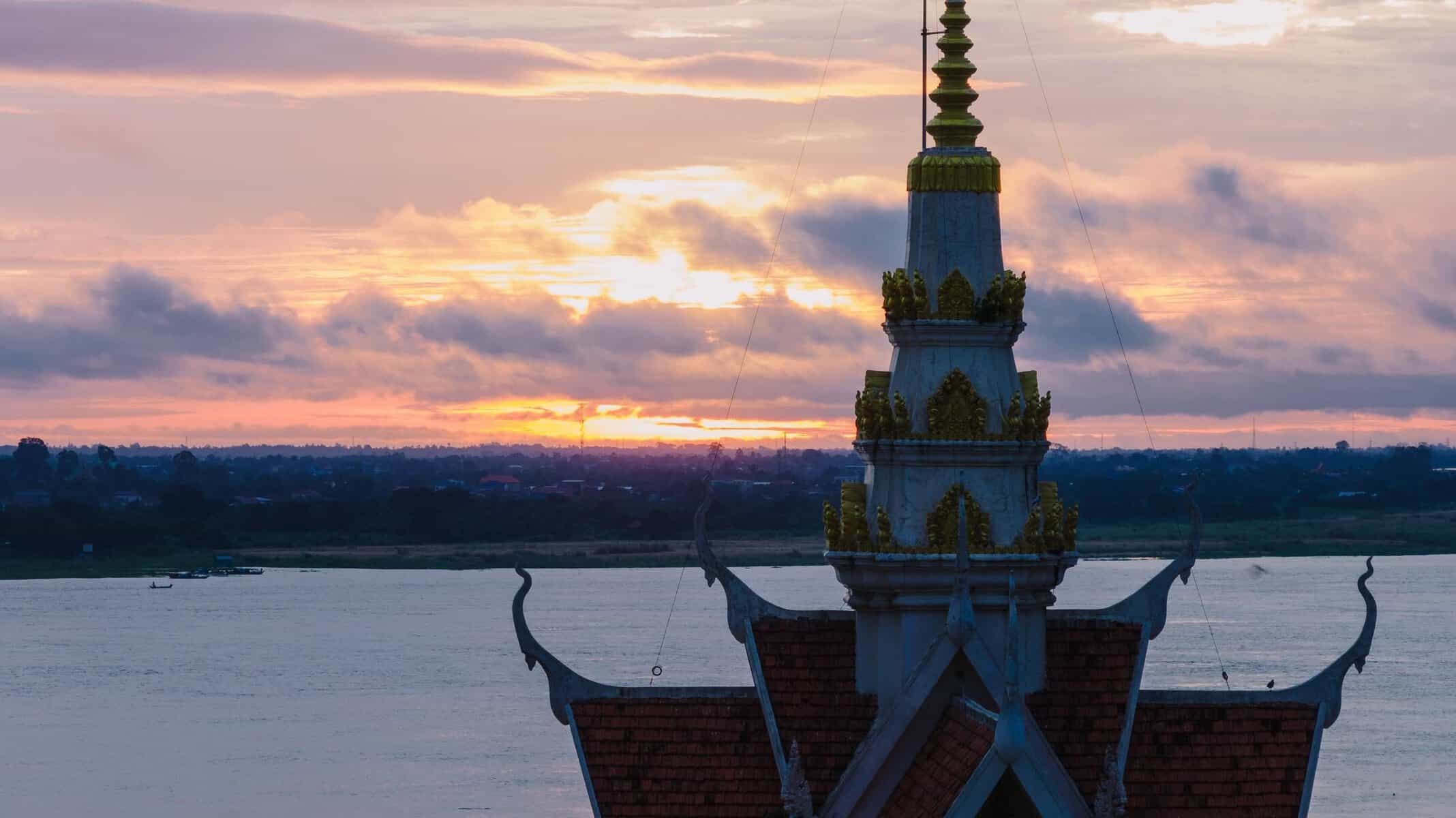
The capital sits where the Mekong and Tonle Sap rivers meet. See the Royal Palace and Silver Pagoda, browse the Central and Russian markets and watch the sunset from a river cruise.
The Tuol Sleng museum and the Choeung Ek memorial tell the painful story of the Khmer Rouge years; they’re moving and important visits.
Battambang
Cambodia’s second city has French colonial buildings, a lively arts scene and some of the prettiest countryside in the country.
Cycle out to villages and hilltop temples, and ride the “bamboo train”.

Kampot and Kep
On the south coast, Kampot is a sleepy riverside town known for its pepper, grown on farms you can visit. Above it, Bokor mountain has misty views and abandoned colonial buildings.
Seaside Kep is famous for its crab market, where blue crabs are cooked with fresh Kampot pepper.

Koh Rong and the islands
Cambodia’s islands in the Gulf of Thailand are much less developed than Thailand’s. Koh Rong and Koh Rong Samloem have long white beaches, clear water and glowing plankton at night.
They’re best from November to April; many places close or quieten in the rainy season.
The Mekong and the north-east
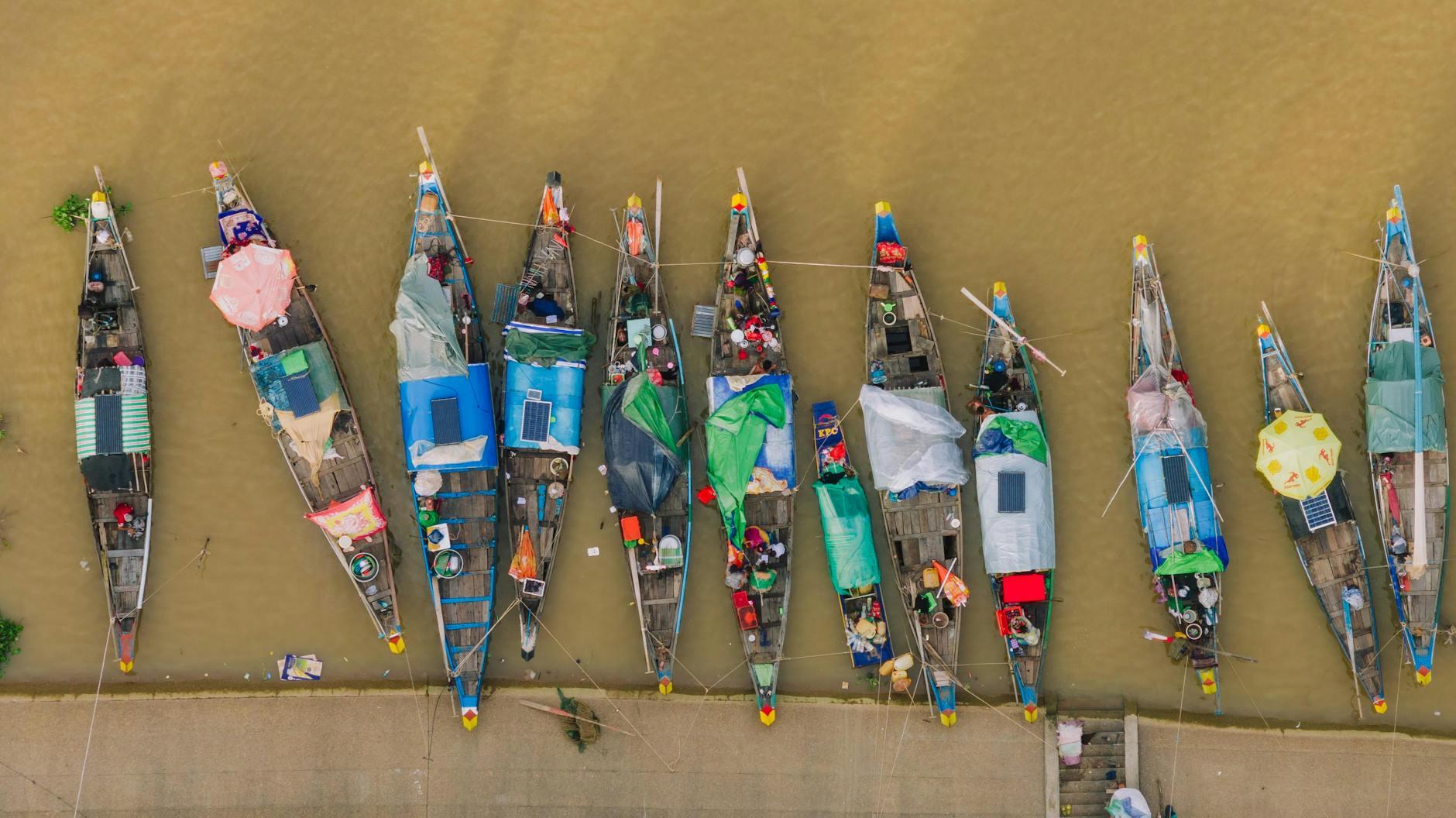
North of Phnom Penh, the Mekong flows past quiet villages and islands. At Kratie, boats take you to see the rare Irrawaddy dolphins that live in the river.
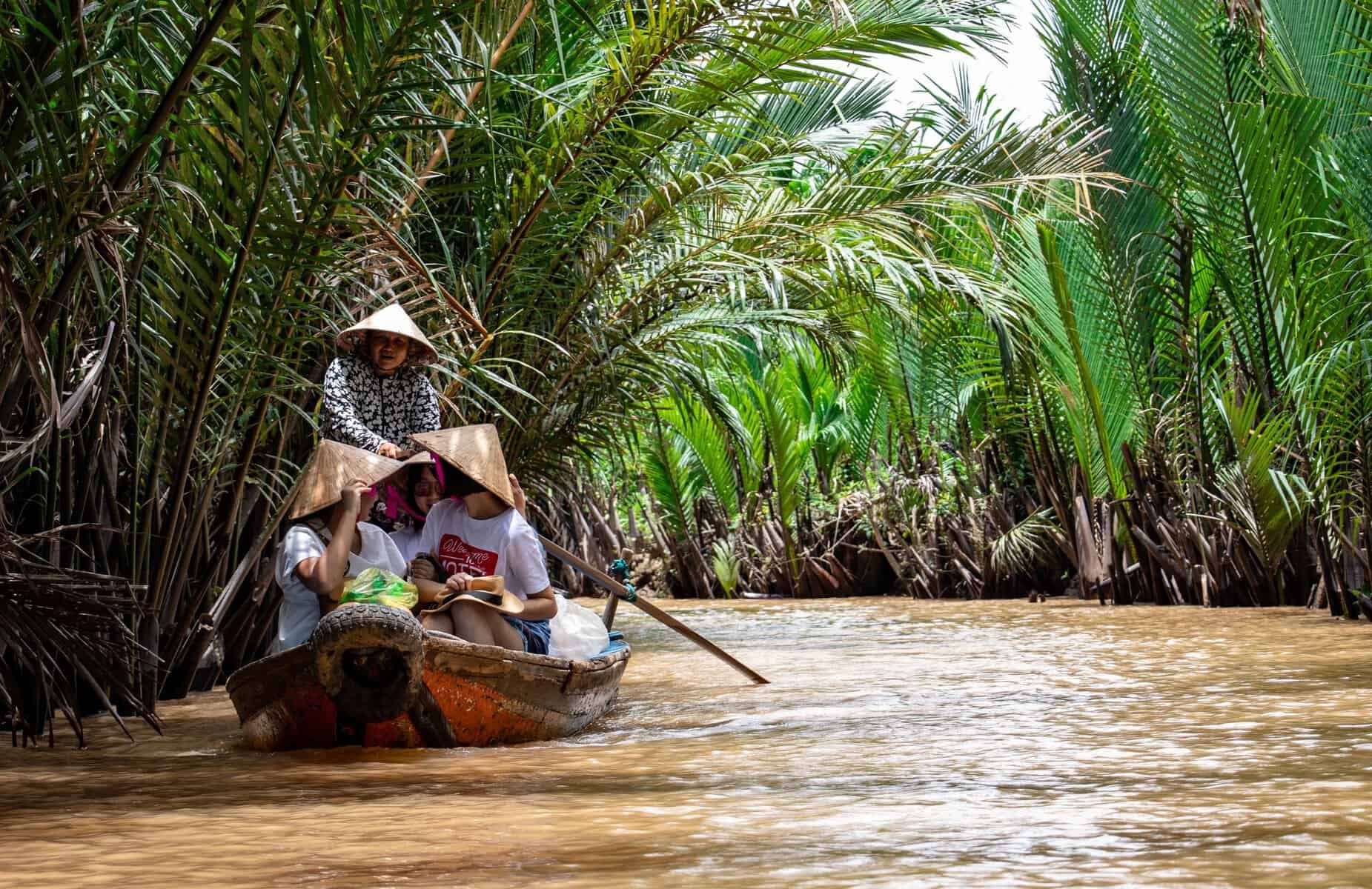
River cruises also link Phnom Penh with the Mekong Delta in Vietnam.
The forest temples
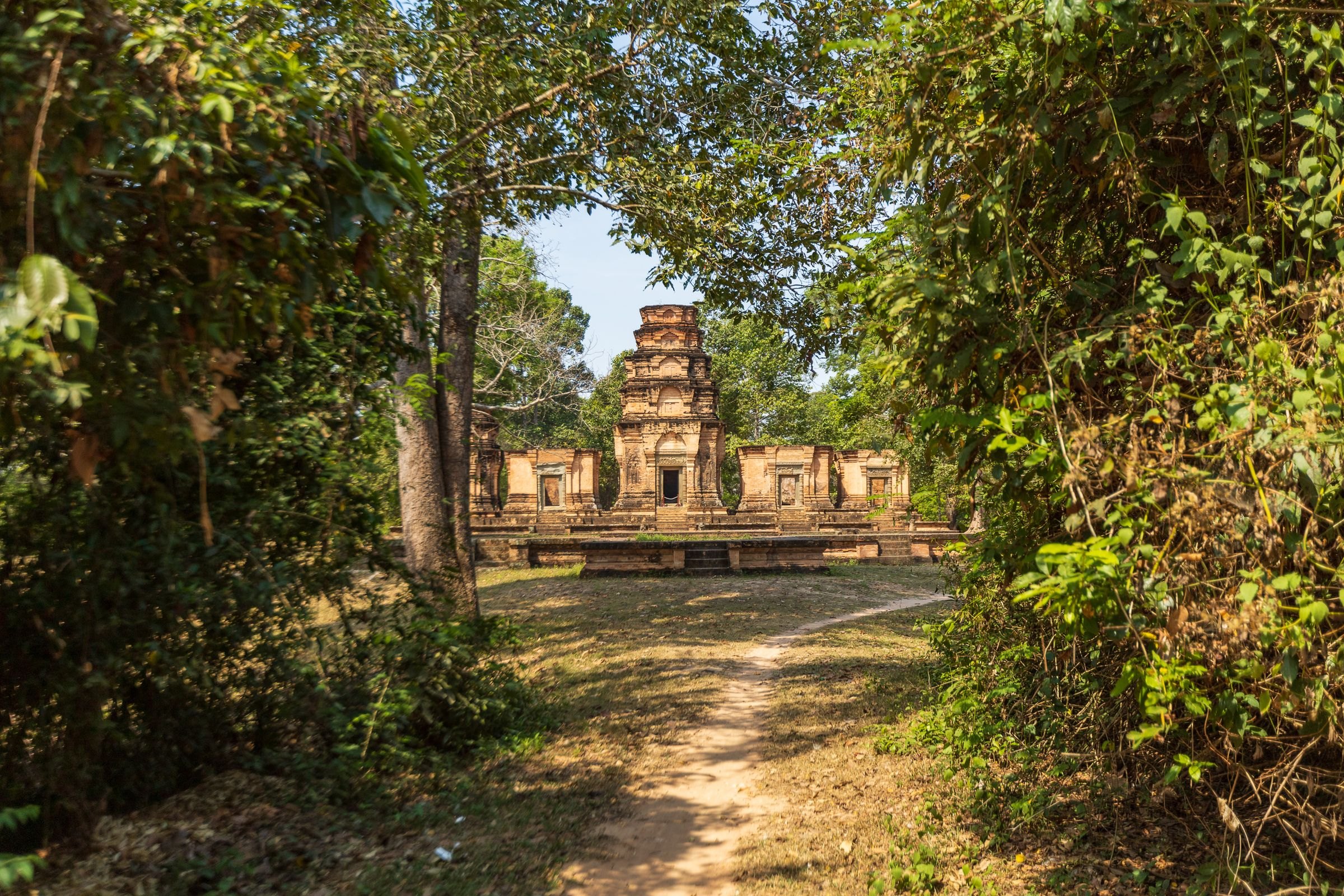
Beyond the main Angkor park, jungle-covered temples such as Beng Mealea, Koh Ker and the clifftop Preah Vihear see only a few visitors.
Sambor Prei Kuk, older than Angkor, is a UNESCO World Heritage Site between Siem Reap and Phnom Penh.
A day at Angkor
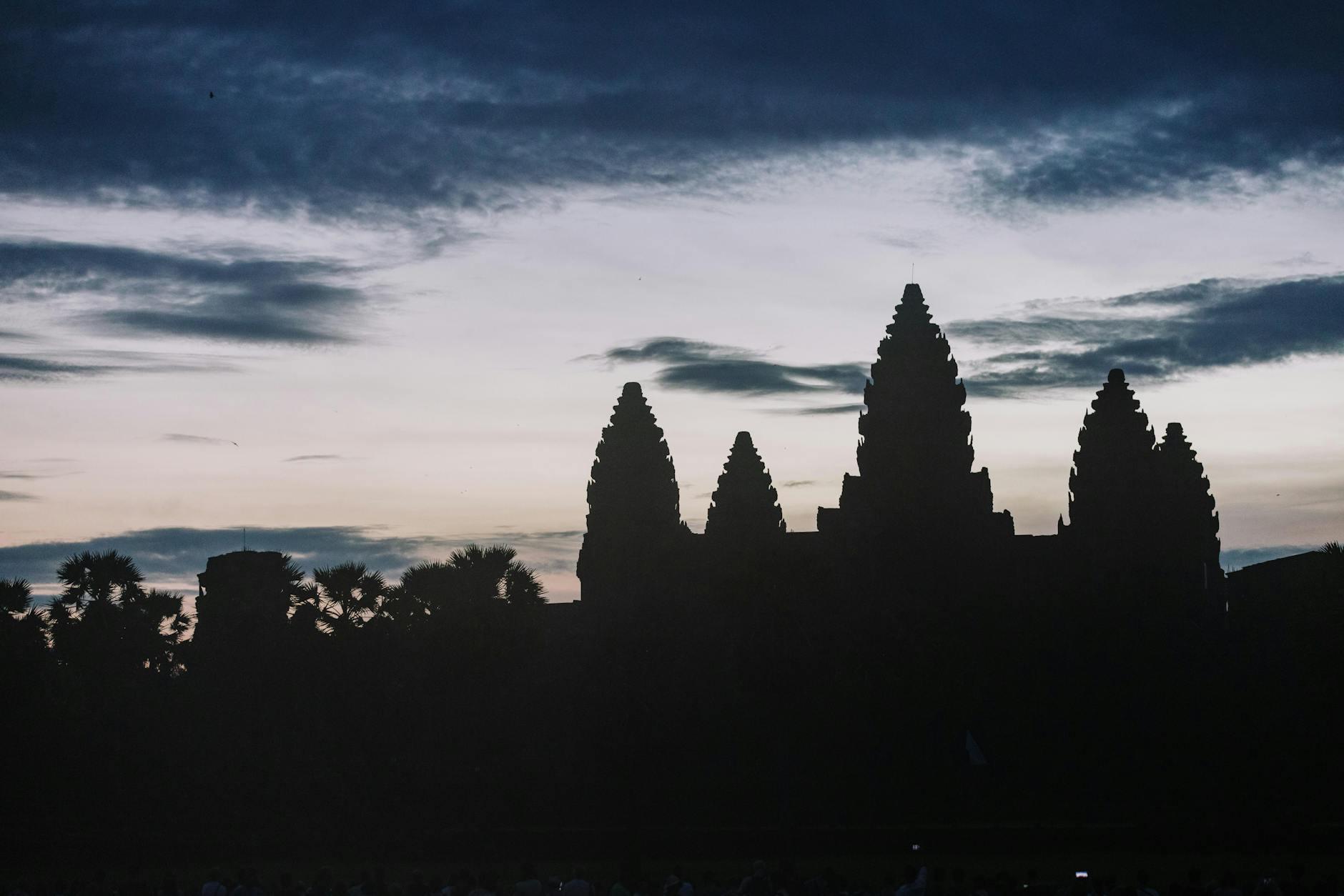
Sunrise: arrive at Angkor Wat before dawn and watch the towers appear against the sky, reflected in the pond. Explore the galleries and their long carved reliefs before the heat.
Late morning: enter Angkor Thom through its great gate to see the Bayon’s more than 200 stone faces, then the Terrace of the Elephants.
Afternoon: walk among the giant trees of Ta Prohm, then watch the sunset from a quiet temple. Temple passes are sold for one, three or seven days; three days is ideal.
Things to do in Cambodia
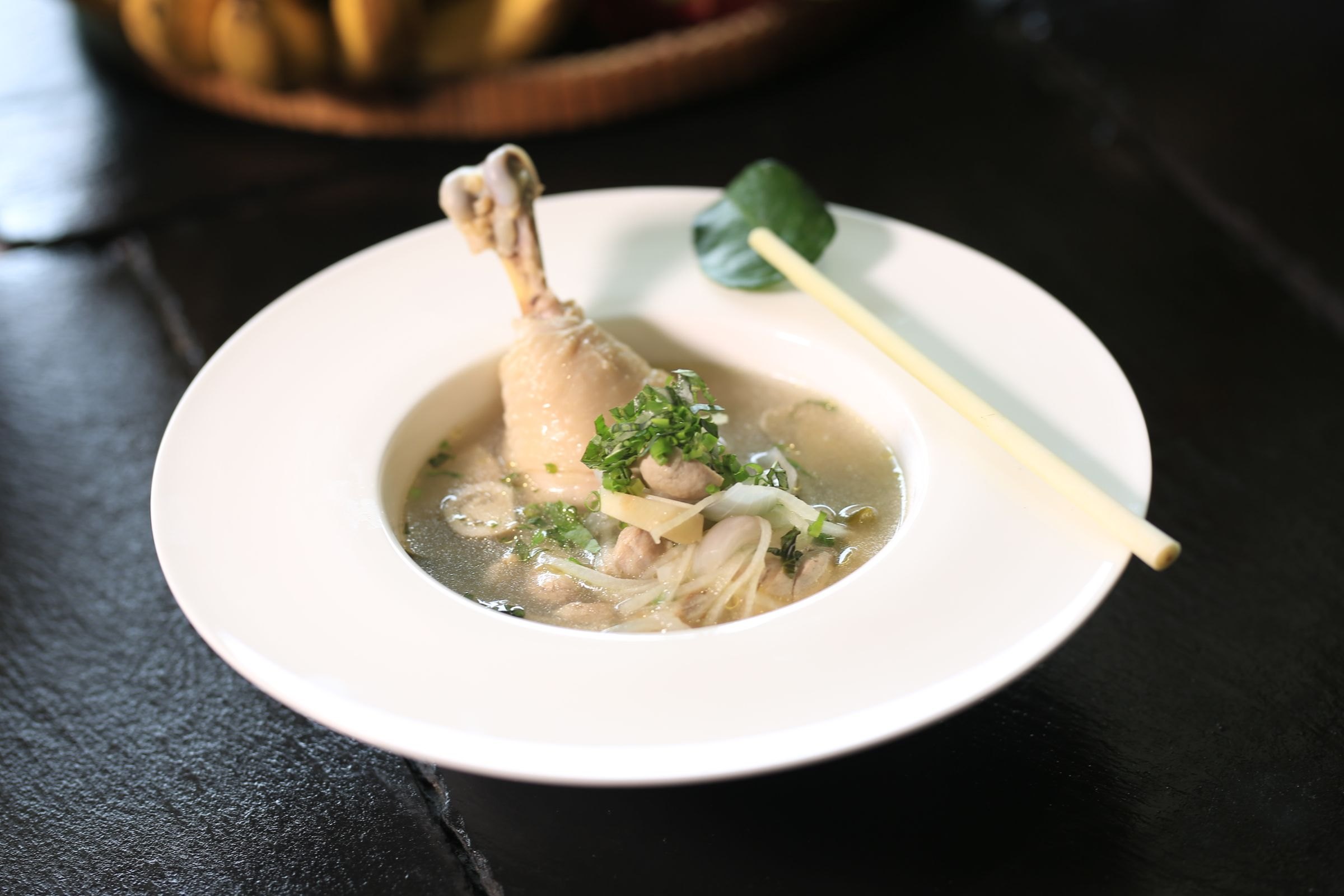

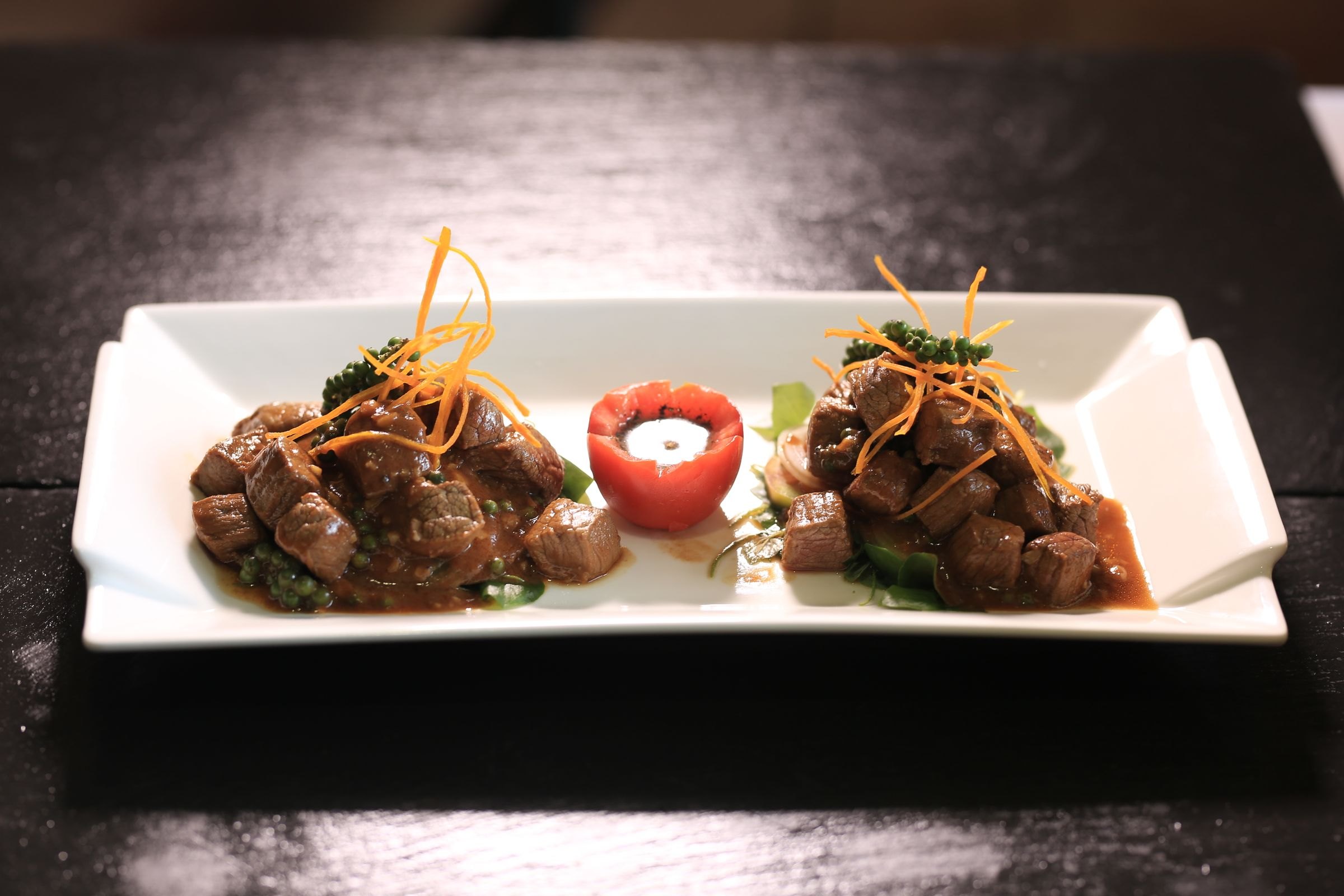
- Eat Khmer food: try fish amok (a fragrant steamed curry), beef lok lak, Kampot pepper crab and noodle soups for breakfast. A cookery class in Siem Reap is a great way to learn.
- Explore by bike or tuk-tuk: cycling between the temples and through the countryside is one of the best ways to see Cambodia.
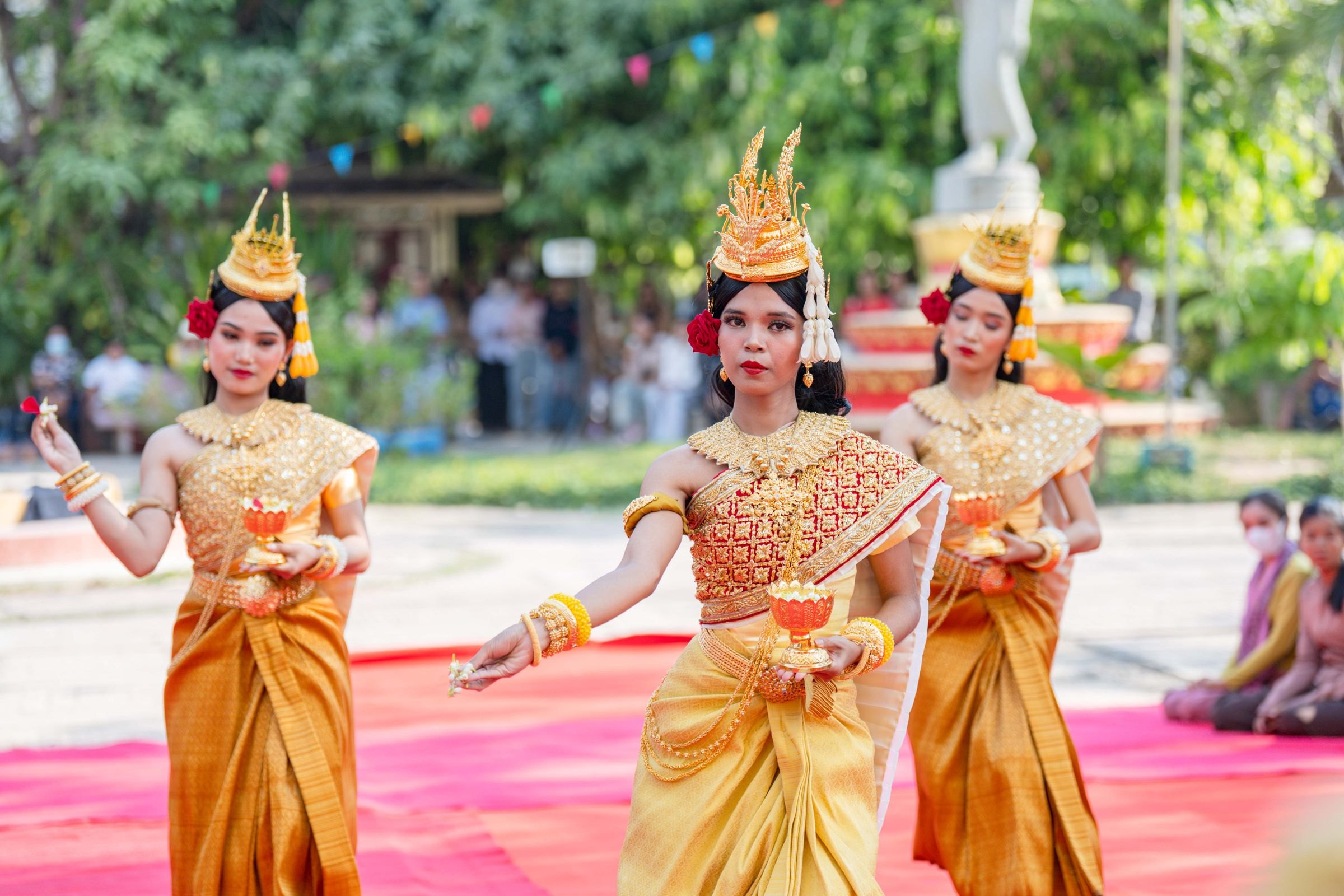
- See the arts: watch classical Apsara dance, or the circus performers of Phare, trained by a school in Battambang.
- Learn the history: the Khmer Rouge sites in Phnom Penh are a sobering but important part of understanding the country today.
- Festivals: Khmer New Year falls in mid-April, and the Water Festival brings boat races to Phnom Penh in October or November.
When to go
Cambodia is hot all year. The cool, dry season from November to February is the best time to visit, with sunny days and green landscapes after the rain. March to May is the hot season, when temperatures can pass 35°C. The rainy season runs from about May to October, usually with heavy afternoon storms. It’s quieter and lusher, and the moats of Angkor fill with water, but the coast is much wetter and the islands are best avoided.
Classic routes
Most trips to Cambodia also include Vietnam; see our Vietnam holiday guide to plan that part.
Cambodia highlights
- Phnom Penh (3 nights)
- Battambang (1)
- Siem Reap and Angkor (4)
The essential trip, often added to Vietnam or Thailand.
Temples, coast and islands
- Siem Reap (4 nights)
- Phnom Penh (2)
- Kampot and Kep (3)
- Koh Rong (3)
Best from November to April.
Vietnam and Cambodia
- Hanoi and Halong Bay (4 nights)
- Hoi An (3)
- Ho Chi Minh City and the Mekong Delta (3)
- Phnom Penh (2)
- Siem Reap (4)
The classic Indochina combination.

Ways to see Cambodia with us

Practical tips
- Entry: British visitors need a visa. Apply for an e-visa at least four days before you travel, or get one on arrival. If you fly in, you must also complete a free e-Arrival Card within seven days before arrival. Your passport must be valid for six months. Check the FCDO Cambodia advice before you travel.
- Flights: there are no direct flights from the UK. Connect in Bangkok, Singapore or the Gulf to Siem Reap or Phnom Penh, or arrive overland from Vietnam or Thailand.
- Money: US dollars are used alongside the Cambodian riel, and small change is often given in riel. Bring clean, undamaged dollar notes.
- Temples: cover your shoulders and knees at Angkor and at pagodas; some areas of Angkor Wat refuse entry otherwise.
- Health: drink bottled water, use insect repellent against dengue, and ask a travel nurse about vaccines and malaria in remote areas.
- Landmines: in remote countryside, stay on marked paths and go with a guide. The main sights are completely safe.
Frequently asked questions
What are the best places to visit in Cambodia?
Siem Reap and the temples of Angkor, Phnom Penh, the Tonle Sap lake, Battambang, Kampot and Kep on the south coast, and the islands of Koh Rong and Koh Rong Samloem.
What is there to do in Siem Reap?
Explore the temples of Angkor, including Angkor Wat, the Bayon and Ta Prohm; take a boat to the stilt villages of the Tonle Sap; take a cookery class; cycle through the countryside; and see the Phare circus.
How many days do you need at Angkor?
Three days is ideal for the main temples, with time for sunrise at Angkor Wat and a few quieter sites. Temple passes are sold for one, three or seven days.
Do UK citizens need a visa for Cambodia?
Yes. You can apply for an e-visa at least four days before you travel or get a visa on arrival. If you arrive by air, you must also complete a free e-Arrival Card within seven days before your arrival. Check the FCDO advice before you travel.
What is the best time to visit Cambodia?
From November to March, when it's dry and a little cooler. April and May are very hot. The rainy season, from about May to October, is green and quiet, but it's the wrong time for the islands.
Can you combine Vietnam and Cambodia?
Yes, it's one of the most popular combinations in Asia. Fly between Siem Reap and Hanoi or Ho Chi Minh City, or travel by boat along the Mekong between Phnom Penh and the Mekong Delta.
Are there beaches and islands in Cambodia?
Yes. Koh Rong and Koh Rong Samloem in the Gulf of Thailand have long white beaches and clear water, and Kep and Kampot are relaxed coastal towns. They're best from November to April.
Is Cambodia safe for tourists?
Cambodia is generally safe and very welcoming. Watch out for bag snatching in Phnom Penh, stay on marked paths in remote areas because of old landmines, and check the FCDO advice before you travel.
Keep planning
- Cambodia holidays
- Escorted tours of Cambodia
- Vietnam tours compared
- Thailand holiday guide
- Bangkok to Saigon via Angkor
- Mekong river cruises
- Japan holiday guide
- Tailor-made holidays
Plan your Cambodia holiday with a Travel Designer
Tell us your dates and we’ll plan the temples, the guides and the connections with Vietnam or Thailand, all in one ATOL-protected booking.
Make an enquiry Cambodia holidays