Bali in brief
- Bali is famous for its temples, rice terraces, surf, Hindu culture and volcanoes.
- Where to stay: split your time between the coast and Ubud.
- Legian sits between Kuta and Seminyak on one long sunset beach.
- Combine Java and Bali for Borobudur and Mount Bromo.
Bali is far more than a beach island. It’s a Hindu island in a mostly Muslim country, with a temple in every village, offerings on every doorstep, volcanoes, emerald rice terraces and some of the best surf in Asia. This guide answers what Bali is famous for, explains which area to stay in, from Legian and Seminyak to Ubud and Uluwatu, and shows how to combine Java and Bali.
What is Bali famous for?
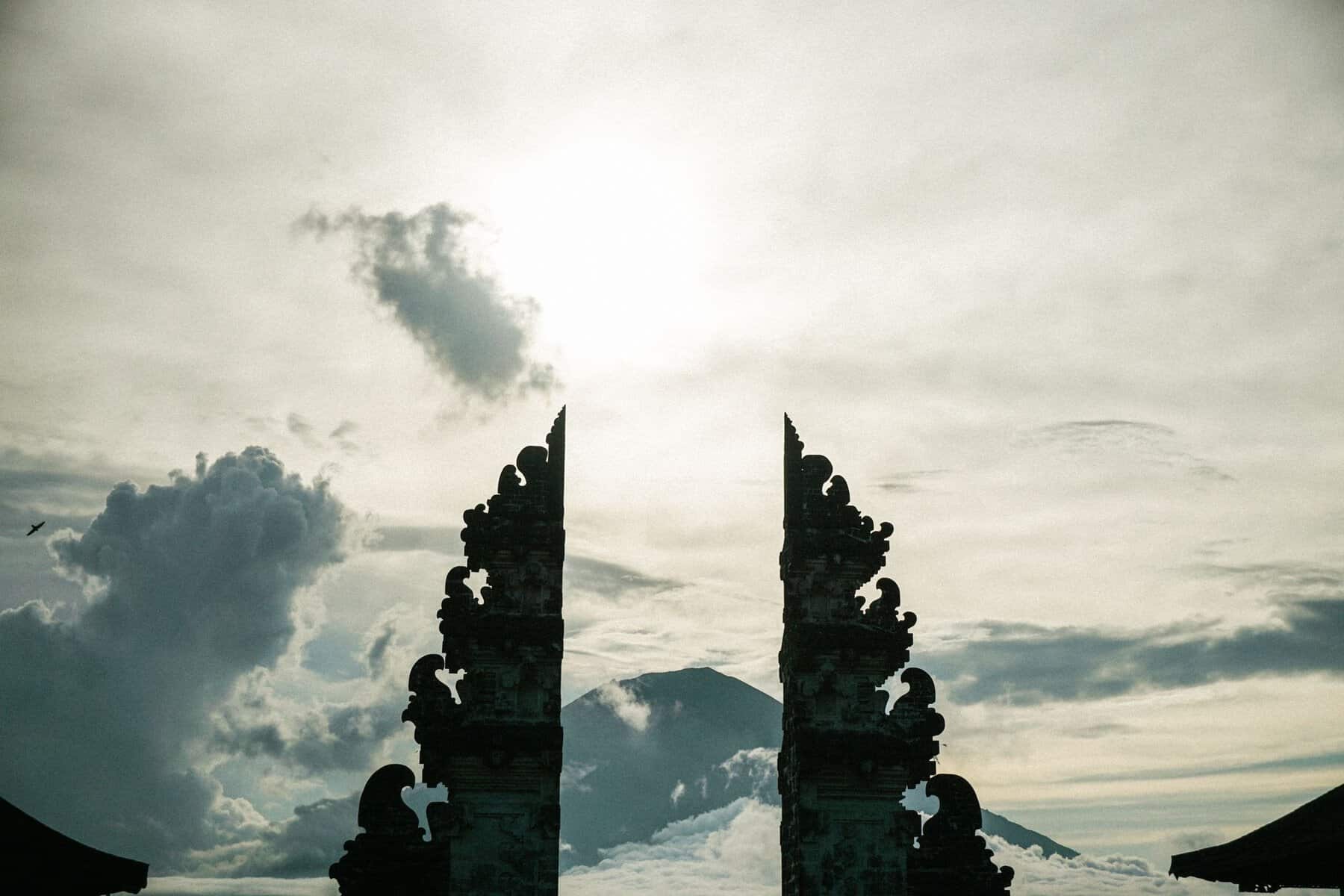
- Temples: sea temples such as Tanah Lot and Uluwatu, the mother temple of Besakih, and the “Gates of Heaven” at Lempuyang.
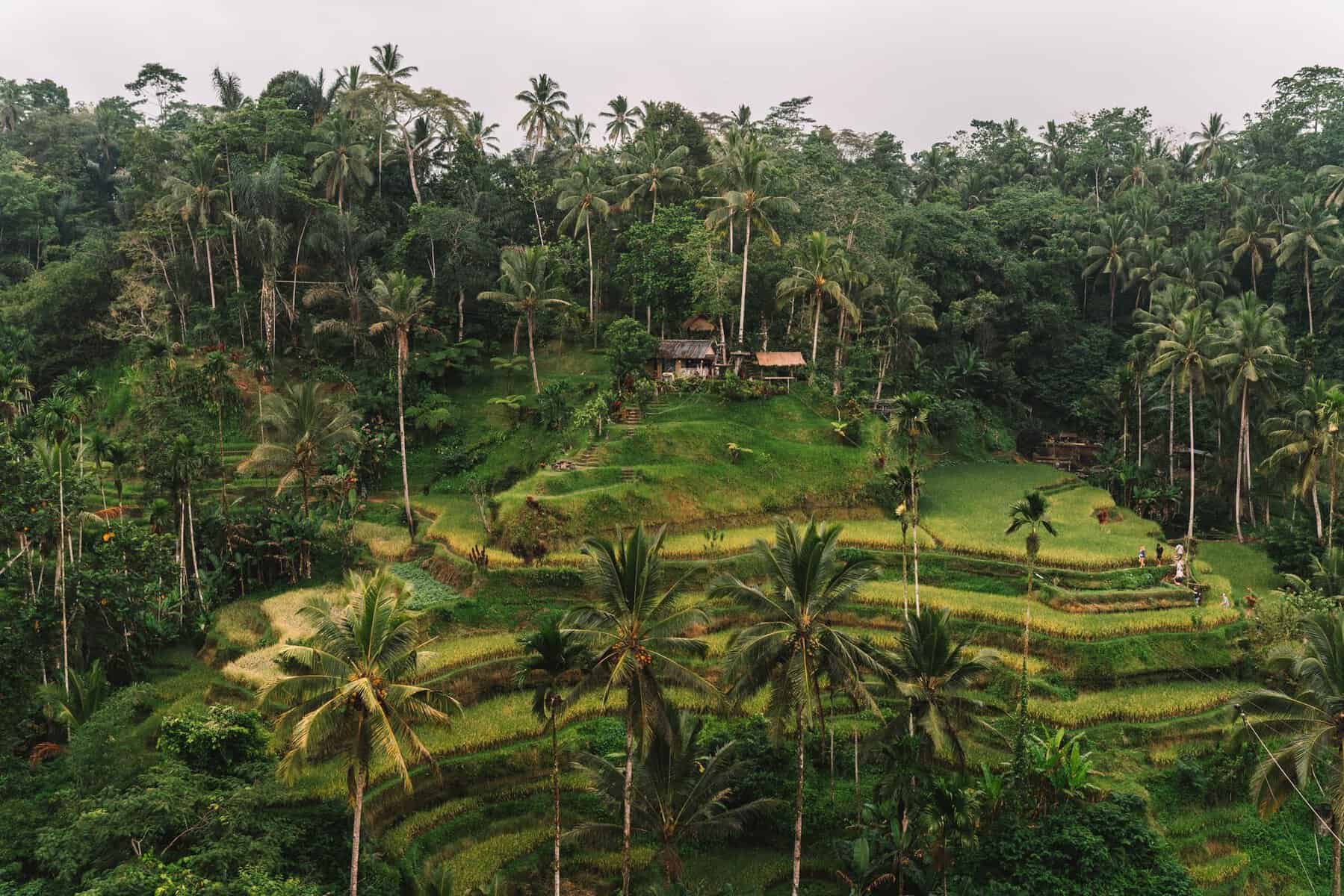
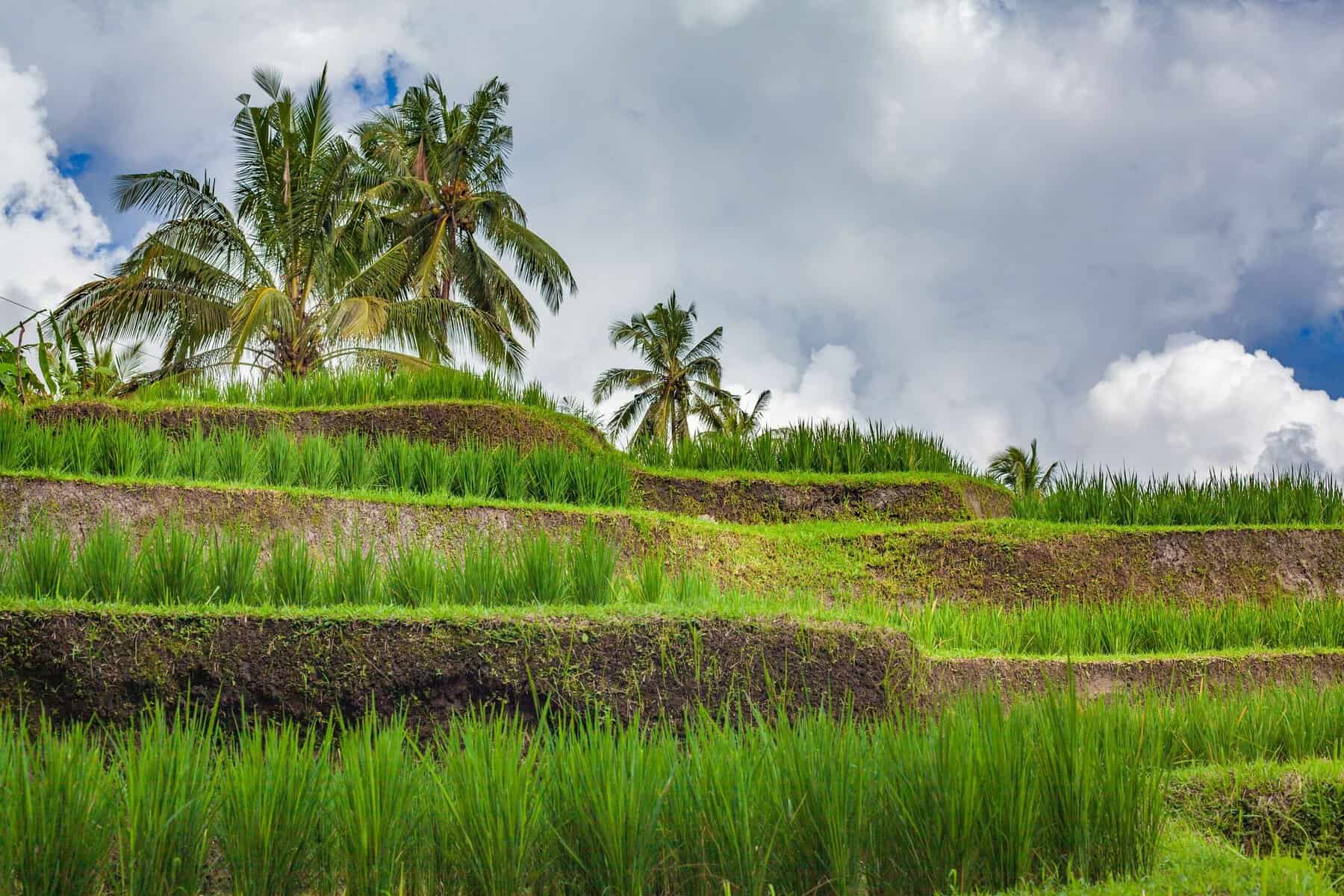
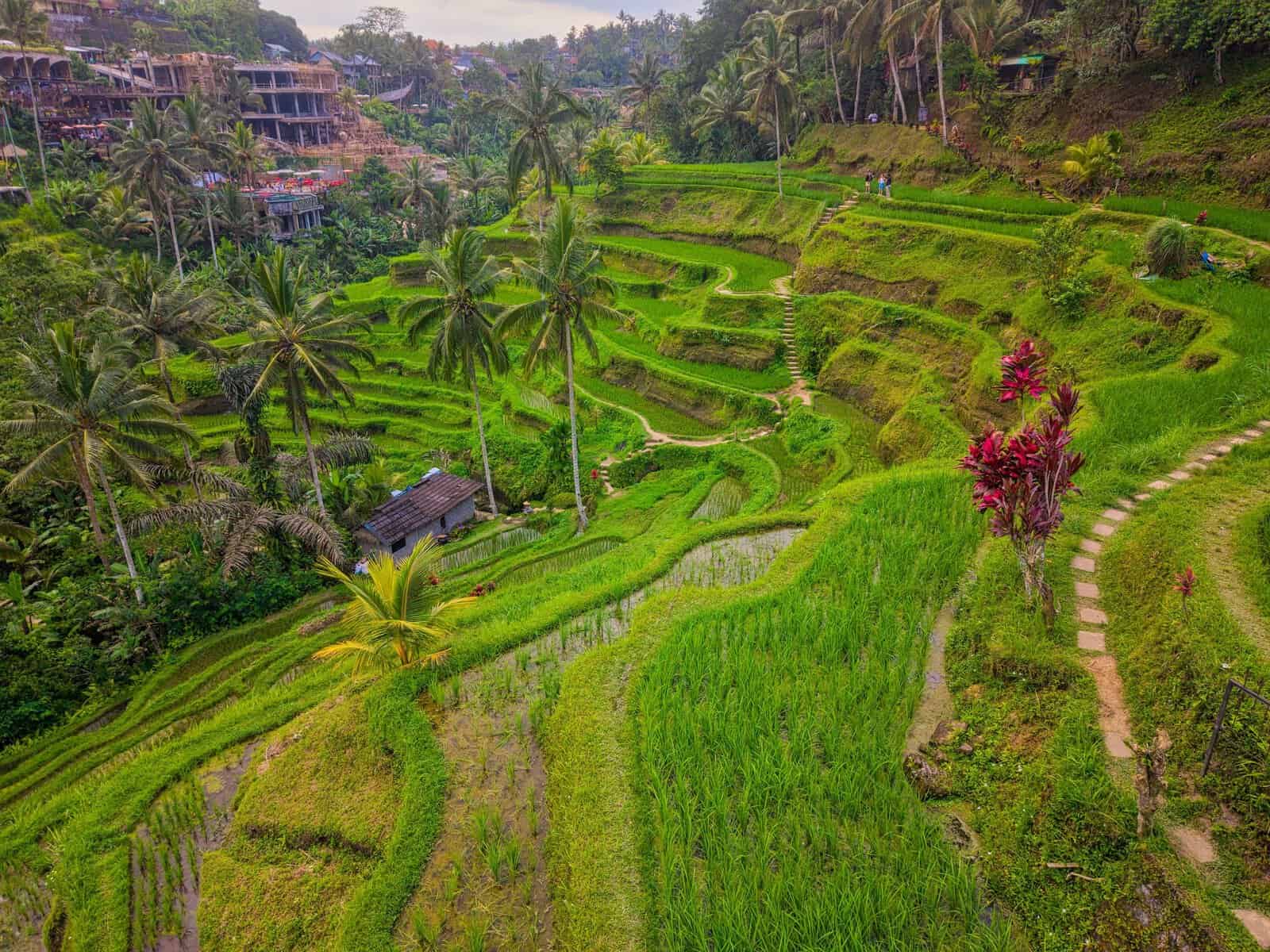
- Rice terraces: Tegallalang near Ubud and the UNESCO-listed terraces of Jatiluwih, watered by the ancient subak irrigation system.
- Beaches and surf: from the long sunset beach of Kuta, Legian and Seminyak to the surf breaks of Uluwatu and Canggu.
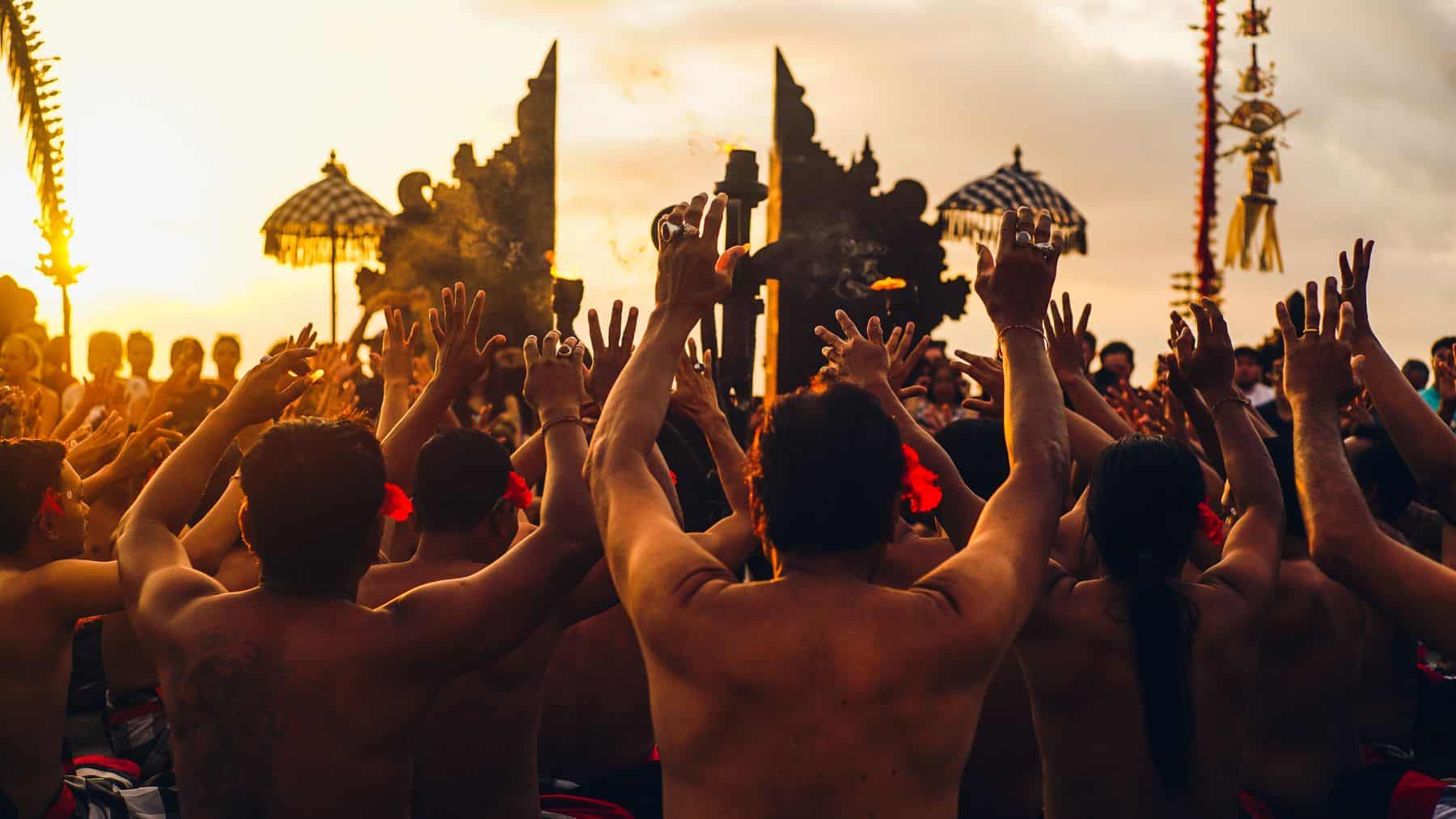
- Balinese Hindu culture: daily offerings, colourful ceremonies, Kecak and Legong dances, and Nyepi, the island’s day of silence.
- Volcanoes: sunrise hikes up Mount Batur, and Mount Agung, Bali’s highest and most sacred mountain.
- Wellness: yoga, spas and Balinese massage, especially around Ubud.
- Food: nasi campur, satay, babi guling and seafood grilled on the beach at Jimbaran Bay.



Where to stay in Bali
Choosing the right area matters more in Bali than almost anywhere else. Traffic is slow, so most people split their stay between the coast and Ubud. Here’s how the main areas compare:
| Area | Best for | Beach | Feel |
|---|---|---|---|
| Kuta and Legian | First-timers, families, surf lessons | Long sandy surf beach | Lively, busy |
| Seminyak | Couples, restaurants, shopping | Same beach, quieter | Stylish |
| Canggu | Surfers, young travellers, cafés | Black-sand surf beaches | Laid-back, trendy |
| Uluwatu and the Bukit | Clifftop views, surfers, couples | Small coves below cliffs | Dramatic, spread out |
| Jimbaran and Nusa Dua | Families, resort stays | Calm, sheltered bays | Relaxed, manicured |
| Sanur | Families, older travellers, boats to the Nusa islands | Calm reef-protected beach | Quiet, traditional |
| Ubud | Culture, rice terraces, yoga | None (inland) | Green, creative |
| East and north Bali | Diving, escaping the crowds | Black-sand beaches | Rural, peaceful |
Seminyak and Canggu
North of Legian, Seminyak is known for its restaurants, boutiques and sunset beach bars. Further up the coast, Canggu is the relaxed home of surfers, cafés and rice fields between the villas.

Uluwatu, Jimbaran and Nusa Dua
The southern Bukit peninsula has Uluwatu’s clifftop temple and its sunset Kecak dance, hidden coves and world-class surf. Jimbaran Bay is famous for seafood dinners on the sand, and Nusa Dua has calm water and a long beach path.
Sanur
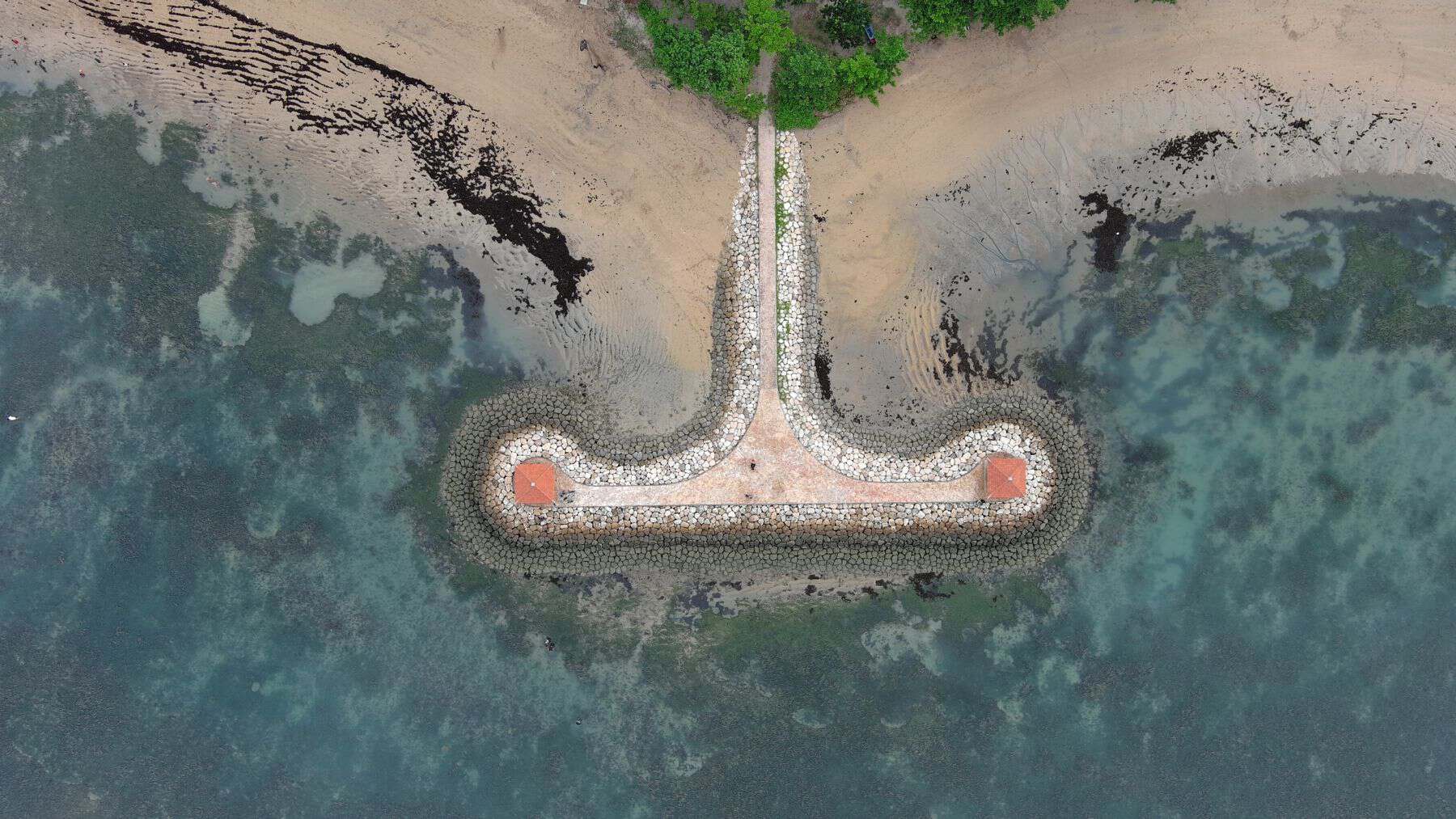
A gentle, old-fashioned resort on the east coast, with a reef-protected beach and a seafront path for walking and cycling. Boats leave here for Nusa Lembongan and Nusa Penida.
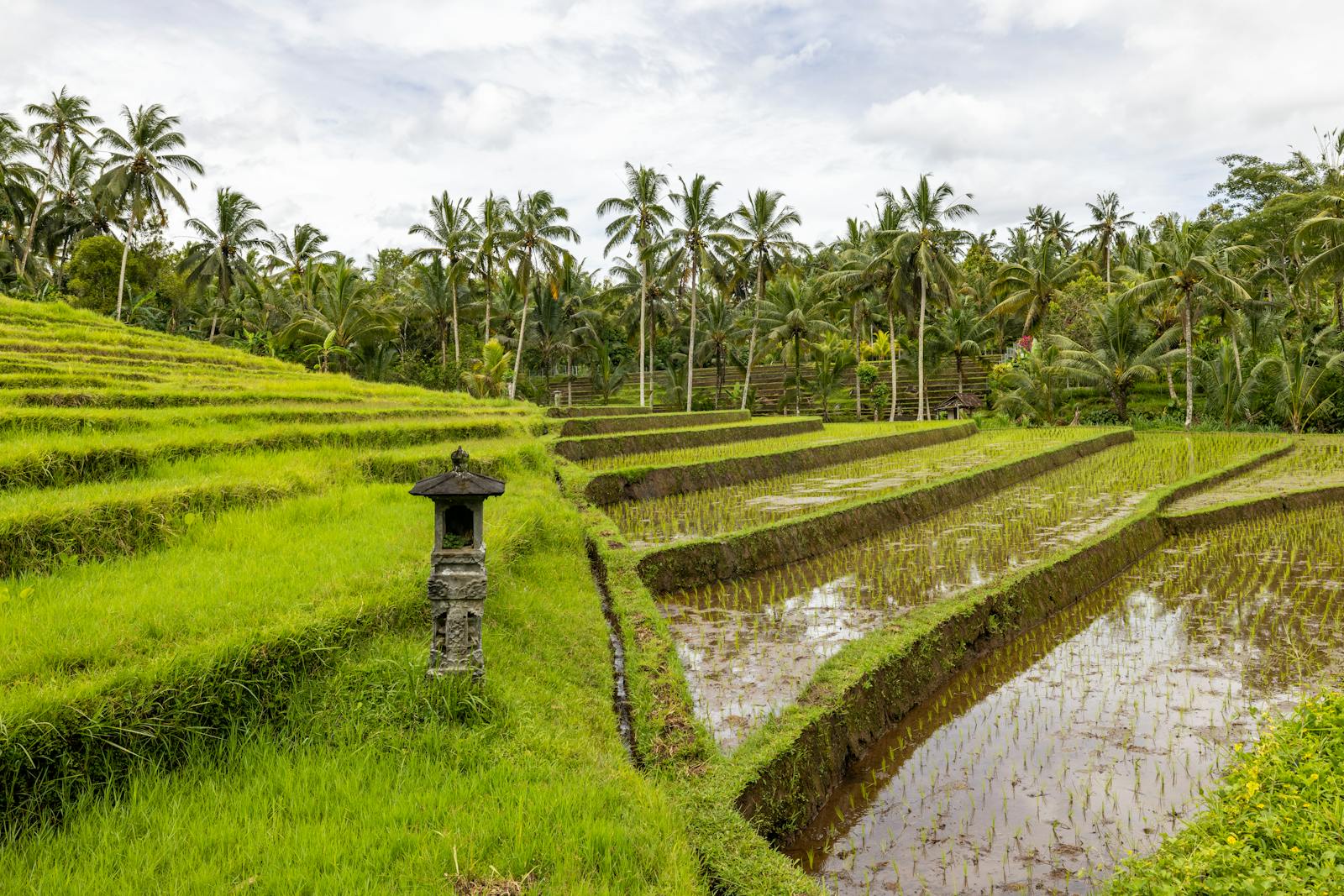
Ubud
Bali’s cultural heart, in the hills. See dance performances at the palace, walk through the rice fields and the Sacred Monkey Forest, and visit Tegallalang, Tirta Empul’s holy spring and the craft villages nearby.
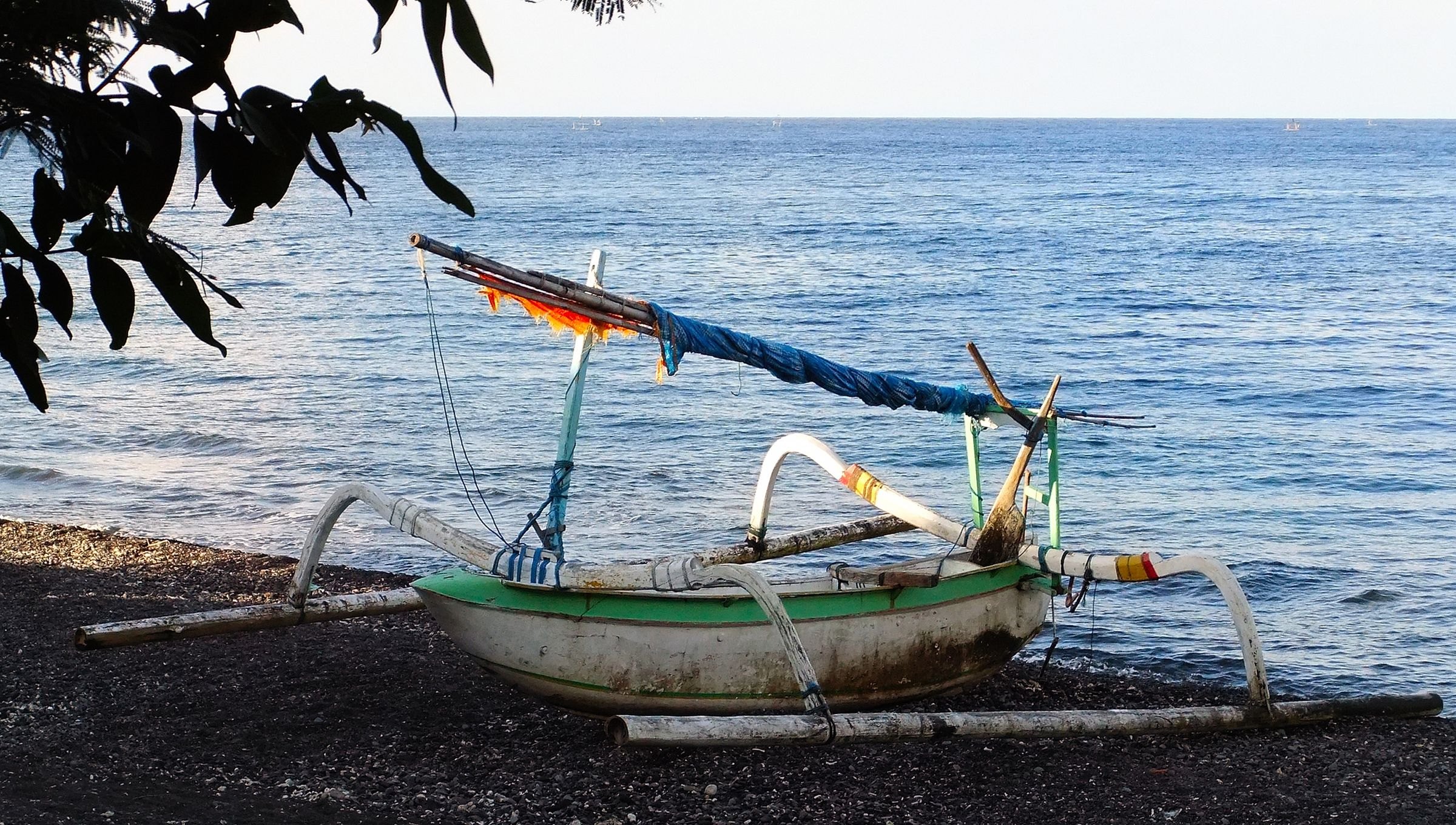
East Bali: Amed and Sidemen
Black-sand beaches and fishing boats at Amed, with snorkelling and diving on the Tulamben wreck. Inland, the Sidemen valley has rice terraces in the shadow of Mount Agung, and the water palace of Tirta Gangga is close by.
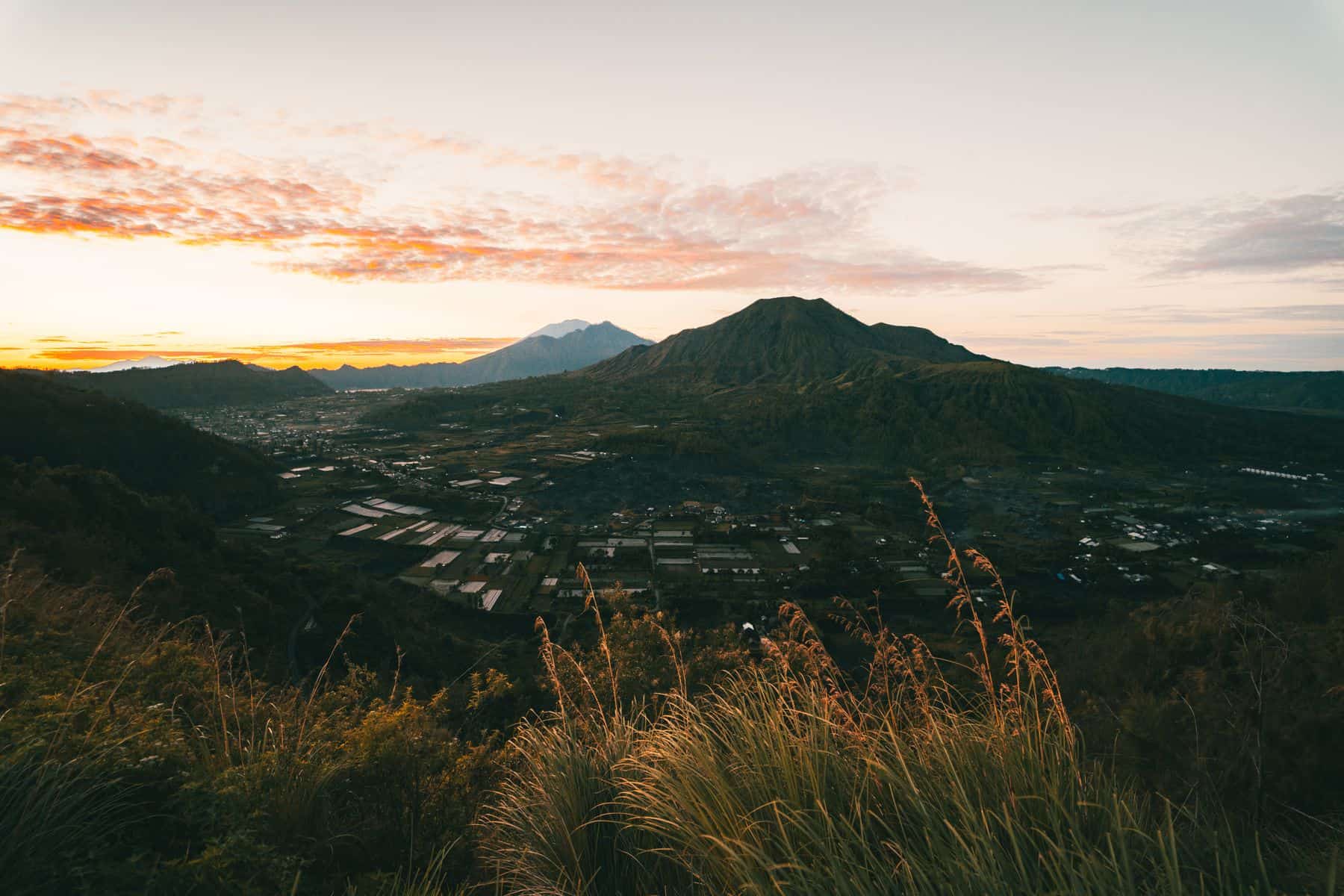
North Bali and the volcanoes
Climb Mount Batur for sunrise, see the lakeside temple of Ulun Danu Beratan, and stay in the cool hills of Munduk among waterfalls and clove plantations.
Legian, Bali

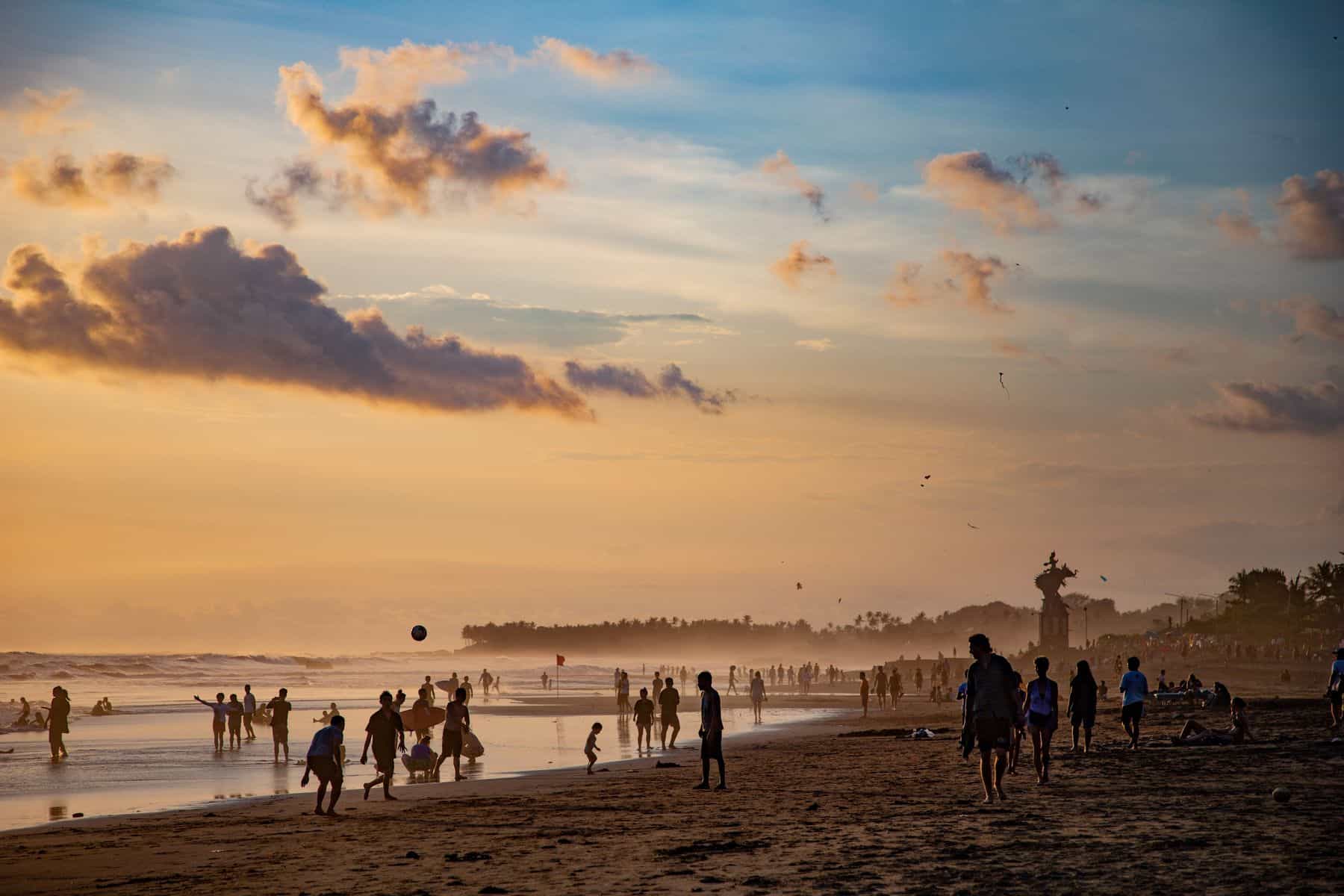
Where is Legian? On Bali’s south-west coast, between Kuta to the south and Seminyak to the north, about 20 minutes from the airport without traffic. All three share one long, sandy beach facing west, so sunsets are spectacular.
Why stay in Legian? It’s livelier than Seminyak but calmer than Kuta, with lots of places to stay and eat, surf schools on the beach and an easy walk along the sand to both neighbours. It suits families, first-time visitors and groups of friends.
Good to know: the waves are strong, so swim only between the flags where lifeguards are on duty. The Bali bombing memorial on Jalan Legian remembers the victims of the 2002 attacks.
Pictured: sunset at Kuta Beach, which runs north into Legian.
Java and Bali

Java, Bali’s much bigger neighbour, makes a great start to a Bali holiday. It has some of the most impressive sights in Southeast Asia:
Yogyakarta: the cultural capital of Java, with its sultan’s palace, batik and the temples of Borobudur, the world’s largest Buddhist temple, and Hindu Prambanan, both UNESCO-listed.
The volcanoes of East Java: sunrise over Mount Bromo and its sea of sand, and the turquoise crater lake of Ijen.
Getting to Bali: fly from Yogyakarta to Bali in about an hour and a half, or travel overland from East Java and take the short ferry across the Bali Strait.

When to go to Bali
Bali is warm all year, around 27 to 29°C on the coast. The dry season, from April to October, is the best time to go, with sunny days and lower humidity; July and August are busiest. The wet season, from November to March, brings heavy tropical downpours, usually in the afternoon, and lush green scenery. Ubud and the hills are a few degrees cooler and wetter than the coast.
| Month | Coast high | Rain: Legian | Rain: Ubud | Rain: Yogyakarta |
|---|---|---|---|---|
| Jan | 28°C | 305 mm | 330 mm | 320 mm |
| Mar | 29°C | 190 mm | 235 mm | 315 mm |
| May | 29°C | 95 mm | 95 mm | 130 mm |
| Jul | 27°C | 75 mm | 125 mm | 50 mm |
| Sep | 28°C | 60 mm | 100 mm | 90 mm |
| Nov | 29°C | 180 mm | 240 mm | 375 mm |
10-year ERA5 data. Nyepi, the Balinese New Year, falls in March or April: for 24 hours the whole island, including the airport, shuts down and visitors must stay in their hotels.
Classic routes
Bali highlights
- Ubud (4 nights)
- Sidemen or Amed (2)
- Uluwatu or Seminyak (4)
Culture and rice terraces first, then the beach.
Java and Bali
- Yogyakarta (3 nights)
- Mount Bromo (1)
- Ubud (4)
- Legian or Jimbaran (5)
Temples and volcanoes in Java, then Bali.
Bali and the islands
- Ubud (4 nights)
- Nusa Lembongan (3)
- Gili Islands or Lombok (3)
- Sanur (3)
Add snorkelling and quieter islands by boat.
Ways to see Bali with us

Practical tips
- Entry: British citizens need a visa, either a visa on arrival or an e-visa applied for online, and must pay the Bali tourist levy, online or on arrival. Check the FCDO Indonesia advice.
- Temples: wear a sarong and sash (usually lent at the entrance) and cover your shoulders.
- Monkeys and dogs: rabies is present. Don’t feed or touch the monkeys at temples, and get medical help at once if you’re bitten or scratched.
- Drinks: stick to sealed drinks and reputable bars; there have been cases of methanol poisoning from counterfeit spirits.
- Traffic: journeys take longer than the map suggests, so hire a driver rather than a scooter.
- Volcanoes: follow local advice on exclusion zones if Mount Agung or Mount Batur is active.
Frequently asked questions
What is Bali famous for?
Its Hindu temples and ceremonies, rice terraces, beaches and surf, volcanoes such as Mount Batur, wellness retreats around Ubud and its food.
Where is Legian in Bali?
On the south-west coast, between Kuta and Seminyak, about 20 minutes from the airport. The three areas share one long, west-facing beach.
Is Legian a good place to stay?
Yes, for families, first-timers and groups. It's livelier than Seminyak but calmer than Kuta, with surf schools on the beach and plenty of places to eat.
Which is the best area to stay in Bali?
It depends on your style: Seminyak or Uluwatu for couples, Sanur, Nusa Dua or Legian for families, Canggu for surfers and Ubud for culture. Most people combine Ubud with a beach area.
Can you combine Java and Bali?
Yes. Start in Yogyakarta for Borobudur and Prambanan, see sunrise at Mount Bromo, then fly or take the ferry to Bali. Two weeks works well.
When is the best time to visit Bali?
The dry season, from April to October. November to March is the wet season, with heavy afternoon downpours.
Do UK citizens need a visa for Bali?
Yes. You can get a visa on arrival or apply online for an e-visa, and you also need to pay the Bali tourist levy.
How many days do you need in Bali?
Ten days covers Ubud and one beach area. With two weeks, add the east, the Nusa islands or Java.
Keep planning
- Bali holidays
- Indonesia holiday guide
- Escorted tours of Indonesia
- Malaysia holiday guide
- Thailand holiday guide
- Australia holiday guide
- Honeymoons
- Tailor-made holidays
Plan your Bali holiday with a Travel Designer
Tell us how you like to travel and we’ll match you to the right areas of Bali, with Java, the islands or a stopover if you like, in one ATOL-protected booking.
Make an enquiry Bali holidays