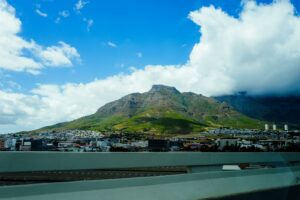
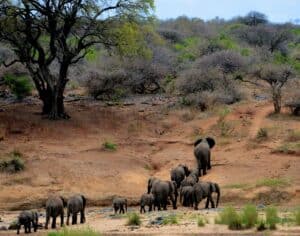
The best time to visit South Africa is September to November, or late March to April, when you can enjoy both a dry, sunny Cape Town and good game viewing in Kruger on the same trip. But South Africa is a big country with three quite different climates: the Cape gets its rain in winter, while Kruger and the KwaZulu-Natal coast get theirs in summer. So the right month depends on what you want to do most. Here is how each month really compares, with the averages for Cape Town and Kruger side by side.
When to go, at a glance
Best all-round
October
Warm, mostly dry Cape Town, dry-season Kruger and whales in Walker Bay.
Best for Cape Town
Feb – Mar
Settled summer weather, warm evenings and the grape harvest.
Best for safari
Aug – Sep
The driest bush, so animals gather at water and are easiest to see.
Busiest
Dec – Jan
South Africa’s long summer holiday, plus Easter. Book well ahead.
Use the planner to match the month to what you want to do. Tap a row to jump to the details.
BestGoodPossibleNot idealSouth African school holidays (busiest)
If you want one answer, go in October. Cape Town is warm and mostly dry, Kruger is at the end of its dry season with the bush still open, and the southern right whales are still in Walker Bay. If you are travelling in the UK summer holidays, plan around a safari: July and August are prime game-viewing months, and the Cape is cooler but far from a write-off.
South Africa month by month
The figures below are long-term averages: daytime high and night-time low in °C, and average monthly rainfall in millimetres. Cape Town stands for the Western Cape, and Skukuza, the main camp in southern Kruger, stands for the safari areas of the north-east. Notice how the rainfall columns run in opposite directions.
Cape TownKruger
J
F
M
A
M
J
J
A
S
O
N
D
When one is wet, the other is dry. September to November and late March to April are the crossover months.
| Month | Cape Town °C | Cape Town rain | Kruger °C | Kruger rain | Our verdict |
|---|---|---|---|---|---|
| January | 27 / 17 | 9 mm | 33 / 21 | 94 mm | Cape at its best but busiest; Kruger hot and wet |
| February | 27 / 17 | 10 mm | 32 / 20 | 96 mm | Excellent for the Cape and the winelands; quieter than January |
| March | 26 / 15 | 13 mm | 31 / 19 | 66 mm | Very good: warm, settled Cape weather; Kruger drying out |
| April | 24 / 12 | 40 mm | 29 / 15 | 38 mm | A strong all-rounder, with Easter the busy spell |
| May | 21 / 10 | 61 mm | 28 / 10 | 14 mm | Kruger’s dry season starts; Cape turning cool and showery |
| June | 18 / 8 | 92 mm | 26 / 6 | 11 mm | Best for safari value; Cape at its wettest; sardine run |
| July | 18 / 7 | 85 mm | 26 / 6 | 11 mm | Prime safari; Cape winter, with whales arriving |
| August | 18 / 8 | 72 mm | 27 / 9 | 8 mm | Prime safari; wildflowers start; whales in Walker Bay |
| September | 20 / 9 | 44 mm | 29 / 13 | 28 mm | One of the best months: safari, whales and flowers |
| October | 22 / 12 | 28 mm | 30 / 16 | 40 mm | Our pick for Cape Town and Kruger together; peak whales |
| November | 24 / 13 | 25 mm | 31 / 18 | 63 mm | Lovely Cape weather; Kruger turns green, first rains |
| December | 26 / 16 | 13 mm | 32 / 20 | 92 mm | Cape beaches at their best; book early for Christmas |
Temperatures are average daily high / low. A guide to typical conditions, not a forecast: Cape Town’s weather can change within a day, and Kruger’s summer rain usually falls in short afternoon storms.
South Africa’s three climates
Remember that the seasons are the reverse of ours: South Africa’s summer runs from about November to March and its winter from June to August. The other thing to know is that the country does not have one rainy season. It has two, in different places.
Cape Town, Winelands
The Western Cape: wet winters, dry summers
- Rainy seasonMay – Aug
- Summer highabout 27 °C
- Winter highabout 18 °C
- DriestDec – Mar
Cape Town has a Mediterranean-type climate. From November to March it is dry and sunny, with highs in the mid-20s °C and well over ten hours of sunshine a day in midsummer. The catch is the wind: a strong south-easter, known locally as the Cape Doctor, blows often in spring and summer and can make Table Mountain’s cable car close for the day. From May to August, cold fronts roll in off the Atlantic and bring most of the year’s rain, with highs of around 18 °C. It is rarely wet all week, and the clear, still days between fronts are lovely for walking and wine tasting.
Kruger, Sabi Sand, Johannesburg
Kruger and the north-east: dry winters, wet summers
- Rainy seasonNov – Mar
- Summer highlow 30s °C
- Winter highmid-20s °C
- DriestMay – Sep
Kruger, the Sabi Sand and the other reserves of the Lowveld work the other way round. Winter, from May to September, is dry, sunny and warm by day, with highs in the mid- to high 20s °C. Nights are cold, often in single figures, and an open vehicle at dawn feels colder still. Summer, from November to March, is hot and humid, with highs in the low 30s °C and most of the year’s rain arriving in short, heavy afternoon thunderstorms. Johannesburg follows the same summer-rain pattern but is cooler, at around 1,750 metres.
Durban, St Lucia
The KwaZulu-Natal coast: warm all year
- Rainy seasonNov – Mar
- Summer highabout 28 °C
- Winter highabout 23 °C
- DriestJun – Jul
Durban and the coast north to St Lucia are subtropical. Highs are in the mid- to high 20s °C in summer and still around 23 °C in midwinter, so this is South Africa’s winter beach coast. Rain falls mostly in summer, with June and July the driest months. The Indian Ocean here is far warmer for swimming than the Atlantic at Cape Town.
The best time for your kind of trip
Best: November – March
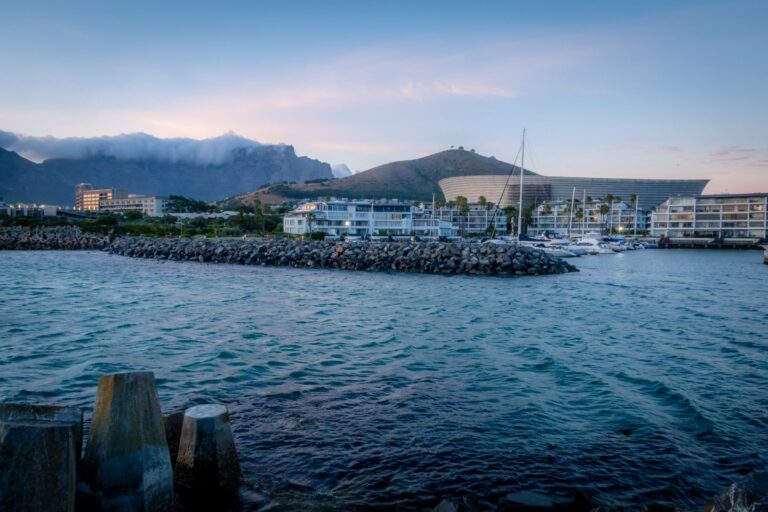
Cape Town and the Winelands
The best time to visit Cape Town is November to March. December and January bring the hottest beach days but also the biggest crowds, as South African families take their long summer holiday, so restaurants, the cable car and Robben Island ferries need booking ahead. February and March are our favourite: settled weather, warm evenings, and the grape harvest in the Winelands. April and early May are a good compromise, with mild days, autumn colour in Franschhoek and fewer people, though the first winter rain can arrive. If you go between June and August, plan flexible days: you may wait a day or two for the mountain to clear. Our Cape Town guide covers what to see and where to stay.
Best: May – September
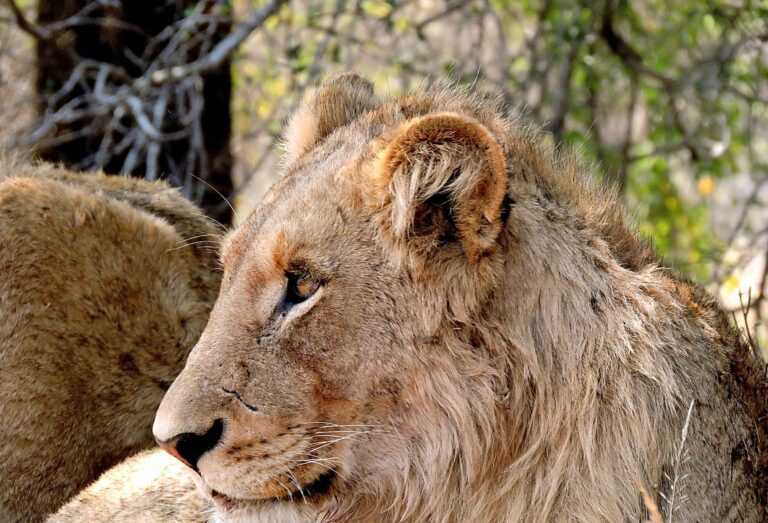
Safari in Kruger
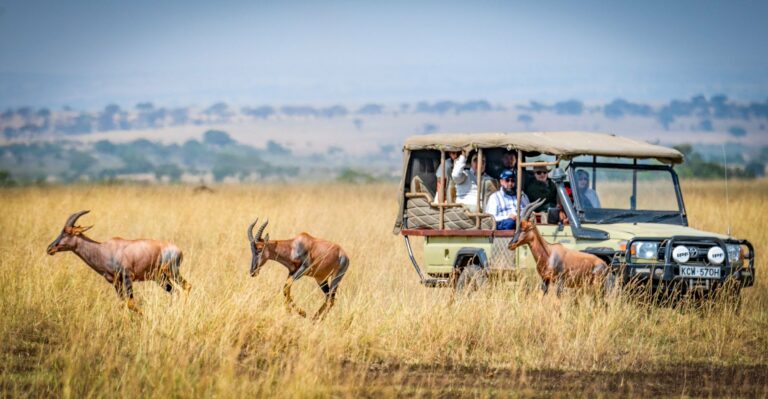
For pure game viewing, May to September is the best time to go on safari in South Africa. The grass dies back and the trees lose their leaves, so you can see further into the bush, and with little water elsewhere, animals gather at rivers and waterholes. August and September are the peak months, when the bush is at its driest. Winter is also the lower-risk time for malaria.
Summer safaris have their own rewards, and private lodges are often quieter. The bush is lush and green, and most impala give birth in a short burst around November and December, which brings predators close. Migrant birds arrive from Europe and further north, so birdwatching is at its best. The trade-offs are heat, humidity, thicker cover and afternoon storms. Our Kruger National Park guide explains the difference between the national park and the private reserves.
Best: Sep – Nov, late Mar – Apr
Cape Town and a safari on one trip
Many first-time visitors combine the two, and this is where timing matters most, because their best seasons are opposite. The months that work well for both are September to November and late March to April. In September the Cape is still cool and can be showery, but the safari is excellent; by November the Cape is perfect, but Kruger’s rains have begun. October sits neatly in the middle. Our Cape Town and Kruger holidays are planned around exactly this, and South Africa tours compared helps you choose between Kruger, the Garden Route or both.

Best: October – April
The Garden Route
The Garden Route, between Mossel Bay and the Tsitsikamma forest, has rain spread through the whole year, usually between about 40 and 80 mm a month, so there is no bad month to drive it. Highs range from around 19 °C in winter to 25 °C in summer. October to April is the most pleasant for beaches, boat trips and walking, with December and January the busiest. Read more in our Garden Route guide.
Best: September – October
Whale watching in Hermanus
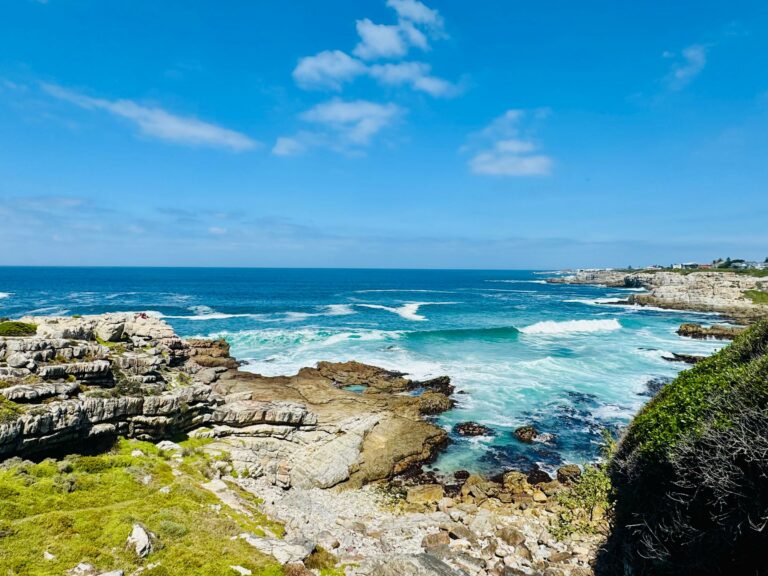
Southern right whales come into Walker Bay, around Hermanus, to calve and mate from about June to November. Numbers build through the winter, and September and October are usually the best months, with mothers and calves often close to the shore. You can watch from the cliff path in town without a boat, though boat trips get closer. Hermanus is an easy day trip or overnight from Cape Town, so a September or October visit adds whales to a Cape-and-safari holiday.
Best: mid-August – mid-September
Wildflowers in Namaqualand
After good winter rain, the semi-desert of Namaqualand, north of Cape Town, is carpeted in flowers. The season opens in early August, and the best displays are usually from mid-August to mid-September. It varies each year with the rain, so the flower season is best planned with some flexibility. Closer to Cape Town, the Postberg section of the West Coast National Park also blooms in late winter.
Best: May – September
KwaZulu-Natal beaches and the sardine run
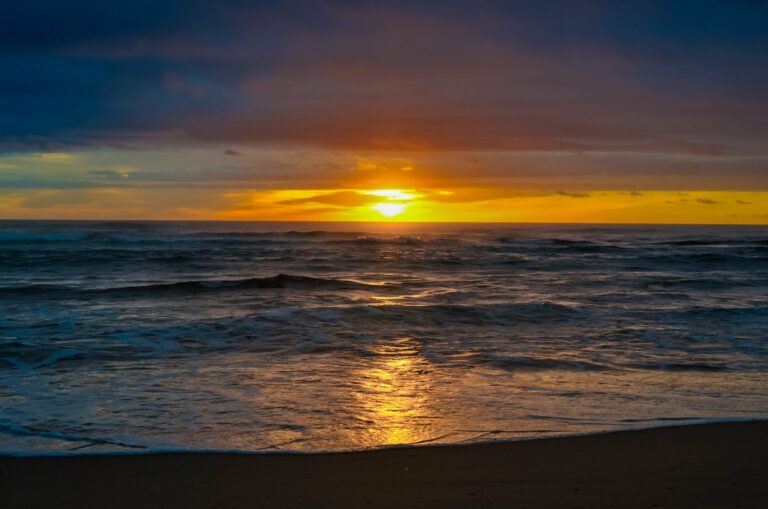
The KwaZulu-Natal coast is warm enough for the beach year-round, and May to September are the driest and least humid months, which makes it a natural winter partner to a Kruger safari. Each year in June or July, the sardine run brings huge shoals of sardines up the coast, followed by dolphins, sharks, whales and gannets. The timing shifts each year with the sea temperature, so treat it as a bonus rather than a fixed date. For a sea that is warmer still, a safari also pairs well with Kruger and Mauritius.
Best: July – August, October half-term
Families and school holidays
The UK summer holidays fall in South Africa’s winter, which is the best season for a family safari: dry, sunny days, cooler nights and lower malaria risk. Combine it with the Garden Route or the KwaZulu-Natal coast rather than expecting beach weather in Cape Town. October half-term is excellent, with good weather in both the Cape and Kruger. Easter is warm and pleasant, but busy with South African families too. At Christmas, the Cape is glorious but at its fullest, so book well ahead.
The quietest and best-value times to go
The busiest times in South Africa are mid-December to mid-January, when South African schools break up for the long summer holiday, and Easter. Prices and availability are at their tightest then, especially in Cape Town and along the Garden Route. The quietest spells are:
May and June
The start of Kruger’s dry season, with good game viewing and quieter lodges. Cape Town is cool and can be wet, so spend more of the trip on safari.
Late January to March
Once South African schools go back, Cape Town is still in full summer but noticeably calmer.
The summer “green season” in Kruger
November to March. Private lodges often offer better rates or extra nights, in exchange for hotter weather and thicker bush.
If you would rather travel in a small group with a guide, see our escorted tours of South Africa.
Good to know before you book
11–12 hrs
Flight time
Around 11 to 12 hours direct from London to Cape Town or Johannesburg, mostly overnight.
+1 or +2 hrs
Time difference
South Africa is two hours ahead of the UK in our winter and one hour ahead in summer, so there is almost no jet lag.
North-east only
Malaria
Kruger and the far north-east are in a malaria area, with the highest risk in the rainy months, roughly September to May. Cape Town, the Winelands, the Garden Route and the Eastern Cape reserves such as Addo are malaria-free. Speak to your GP or a travel clinic six to eight weeks before you go.
10–14 nights
How long to stay
Ten to fourteen nights lets you combine Cape Town, the Winelands and a three- or four-night safari without rushing.
Christmas & Easter
Book early for peak dates
Christmas, New Year and Easter in Cape Town, and private safari lodges in July to October, often fill months ahead.
Before you travel, check the FCDO travel advice for South Africa for entry requirements.
Ask us which month suits you →
Frequently asked questions
What is the best month to visit South Africa?
October is the best single month if you want Cape Town and a safari on one trip: the Cape is warm and mostly dry, Kruger is still in its dry season, and the whales are in Walker Bay. Late March to April, and September, are close behind.
When is the best time for a safari in South Africa?
May to September, the dry winter in Kruger and the north-east. The bush is thin, animals gather at water and there are fewer mosquitoes. Days are warm and sunny, but early-morning game drives can be cold, so pack layers.
What is the best time to visit Cape Town?
November to March, when Cape Town is dry, sunny and in the mid-20s °C. February and March are the sweet spot: summer weather, warm evenings and fewer crowds than over Christmas and January.
When is the rainy season in South Africa?
It depends on the region. Cape Town and the Western Cape get most of their rain in winter, May to August. Kruger, Johannesburg and KwaZulu-Natal get theirs in summer, roughly November to March, mostly as afternoon thunderstorms. The Garden Route has rain spread through the year.
When can you see whales in Hermanus?
Southern right whales are in Walker Bay from about June to November. The best viewing is usually September and October, when the most whales are in the bay, many of them mothers with calves. You can often watch them from the cliff path in town.
Is South Africa worth visiting in winter (June to August)?
Yes, if a safari is your priority. It is the best time for game viewing in Kruger, lodges are often quieter, and whales arrive on the Cape coast. Cape Town itself is cooler and wetter, with highs of around 18 °C, but clear, crisp days between fronts are common.
Do I need malaria tablets for Kruger?
Kruger and the far north-east lie in a malaria area, and the risk is highest in the rainy months, roughly September to May. Speak to your GP or a travel clinic about six to eight weeks before you go. Cape Town, the Garden Route and the Eastern Cape reserves are malaria-free.
Plan your South Africa holiday
Tell us when you can travel and what matters most, and a Travel Designer will match the right months, regions and lodges, with flights and transfers, ATOL protected.
Keep planning
- All South Africa holidays
- Cape Town and Kruger holidays
- Escorted tours of South Africa
- Kruger, Garden Route or both? South Africa tours compared
- Kruger National Park guide
- Safari and beach holidays
Updated November 2026. Weather figures are long-term averages and individual years vary. A Travel Designer will confirm everything before you book.