Indonesia in brief
- Most trips centre on Bali and add Java, Lombok and the Gilis or Komodo.
- For wildlife and adventure, go to Sumatra for orangutans, Sulawesi for Toraja culture, or Raja Ampat for reefs.
- The dry season runs from about April to October; the wet season from November to March. See the seasons.
- UK visitors need a visa (on arrival or online) and must complete an online arrival declaration.
Indonesia is the world’s largest island nation, with more than 17,000 islands stretched across a distance wider than the USA. Most visitors know Bali, but beyond it are the temples and volcanoes of Java, the orangutans and crater lakes of Sumatra, the dragons of Komodo, the unique culture of Sulawesi and the coral reefs of Raja Ampat. This guide explains the main islands, how to combine them, the wet and dry seasons and what UK travellers need to know.
Where to go in Indonesia
Most trips centre on Bali and add one or two other islands by short flight or ferry: Java for temples and volcanoes, Lombok and the Gili Islands for beaches, or Komodo for dragons and diving. Sumatra, Sulawesi and Raja Ampat suit second visits and adventurous travellers. For Bali holidays, see Bali holidays.
Bali
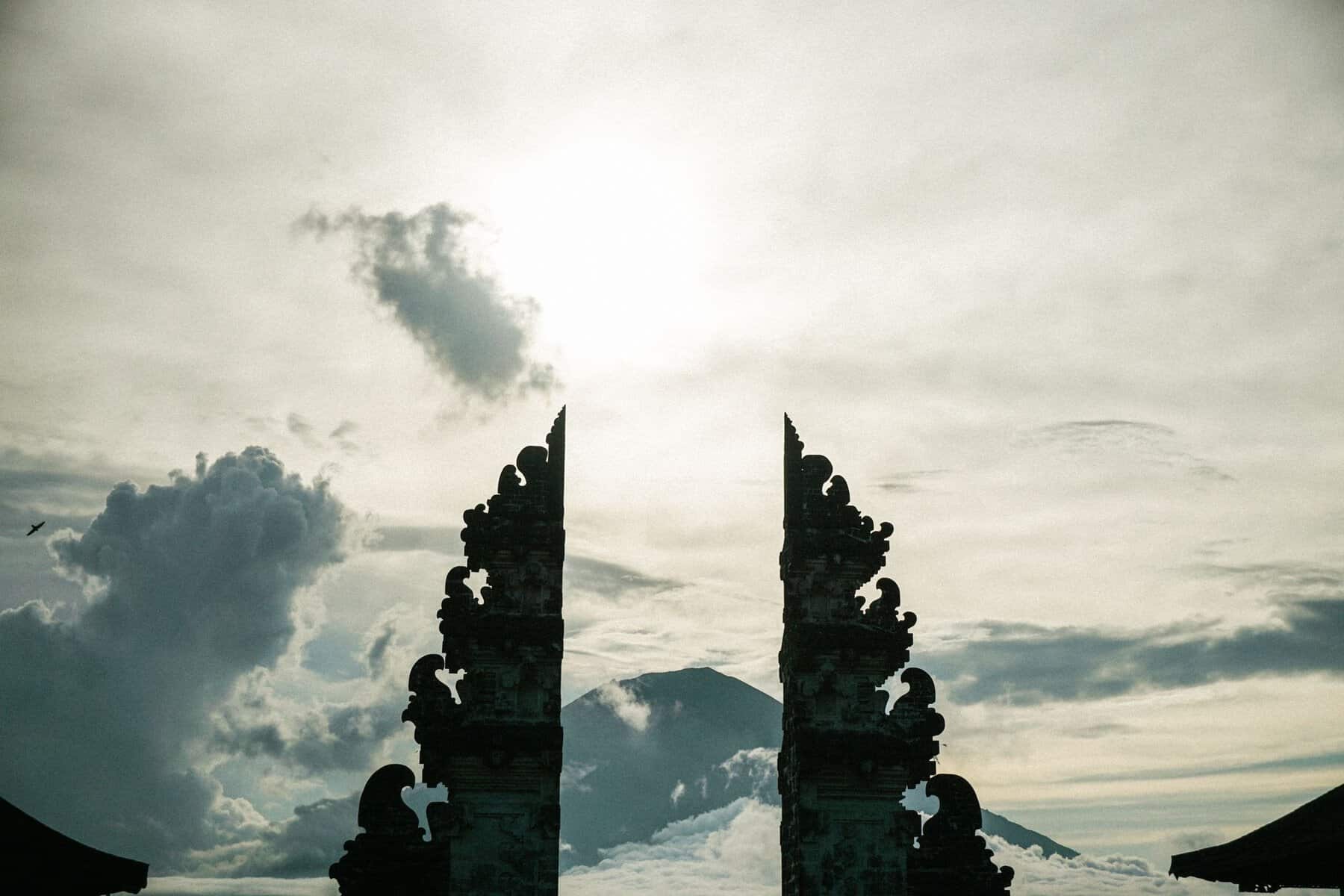
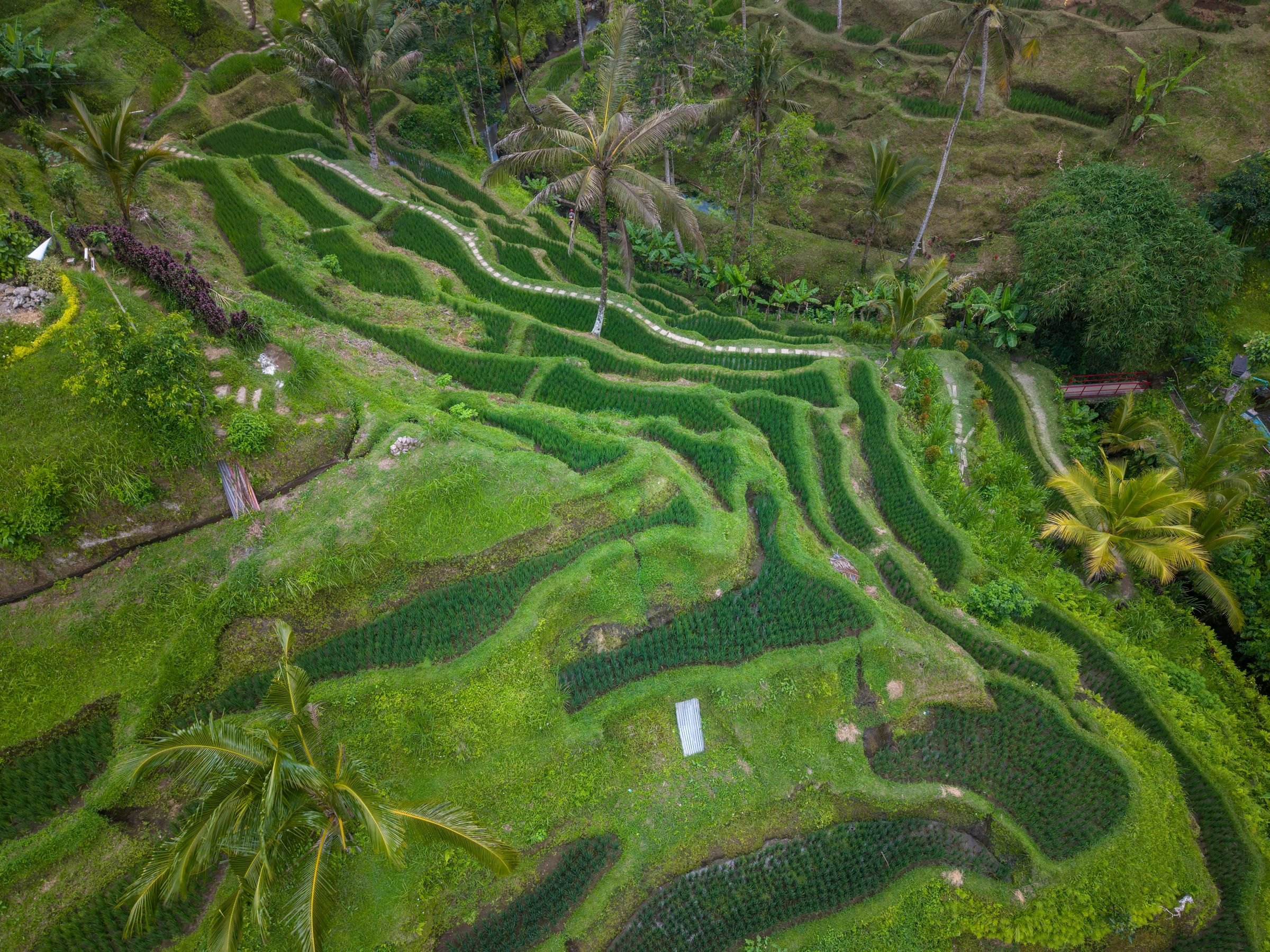
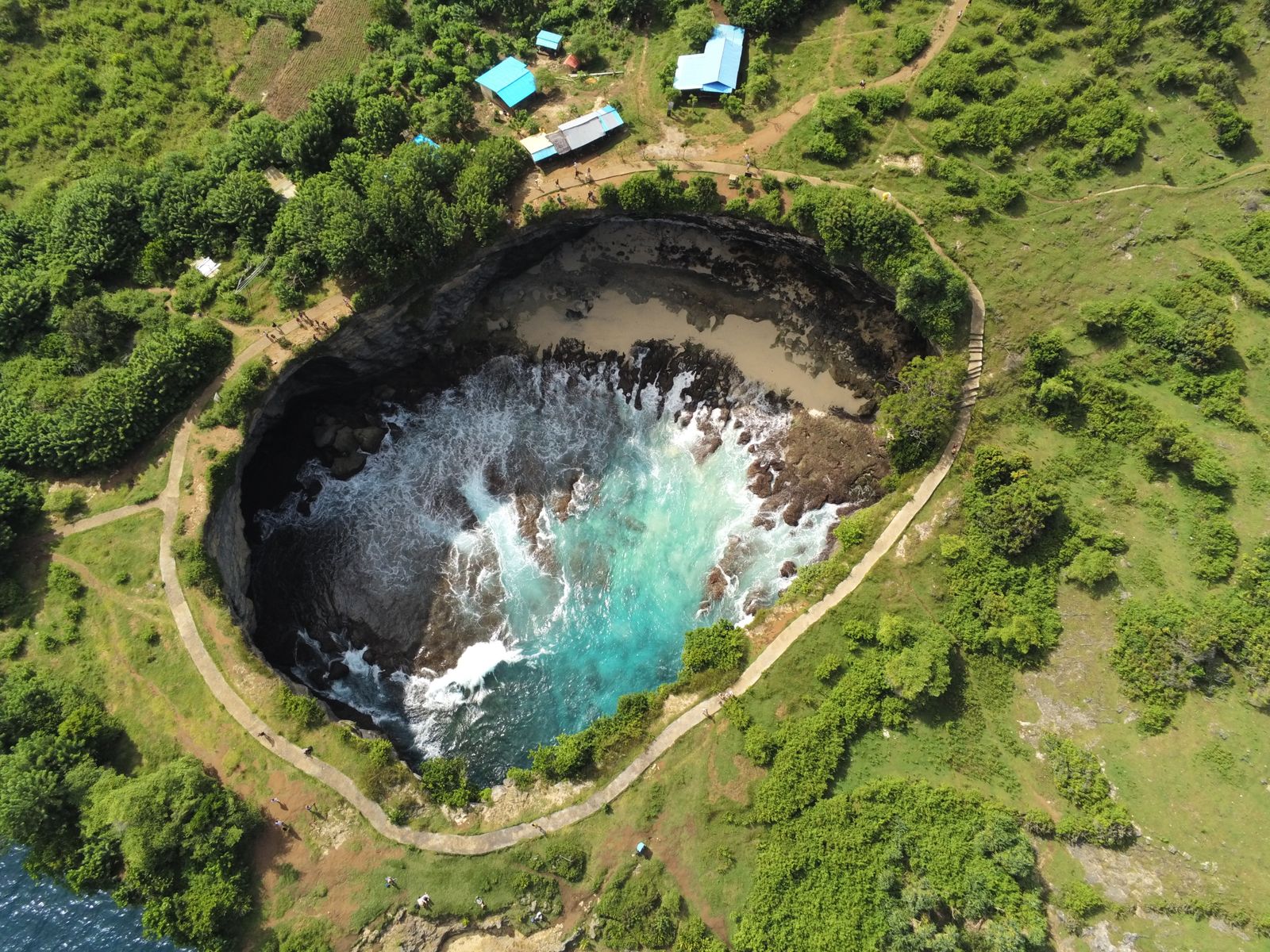
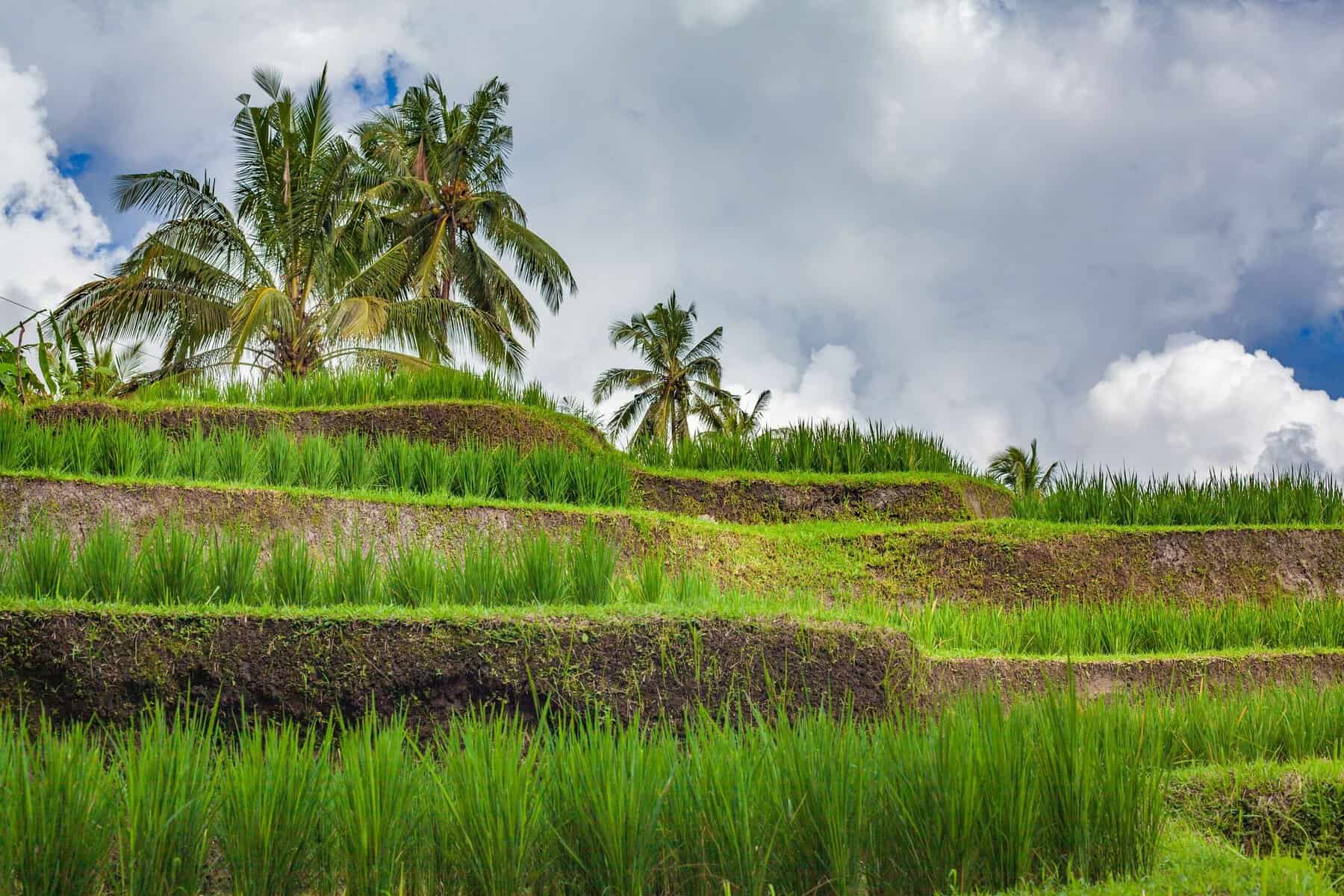
The “Island of the Gods” mixes Hindu temples, terraced rice fields and beaches. Stay in Ubud for culture, dance and walks through the rice fields, then head to the coast: Seminyak for restaurants and sunsets, the Bukit peninsula for cliffs and surf, or Sanur for calm water.
In the quieter north and east, see the water palace of Tirta Gangga, the gates of Lempuyang and Mount Batur at sunrise.
Indonesia holidays →
Yogyakarta and Central Java
Borobudur, built in the 9th century, is the largest Buddhist temple in the world, and nearby Prambanan is a magnificent Hindu temple complex. Both are UNESCO World Heritage Sites.
Yogyakarta is the heart of Javanese culture, with a sultan’s palace, batik workshops and shadow-puppet performances.

East Java: Bromo, Ijen and Malang
Watch the sun rise over the smoking crater of Mount Bromo and the “sea of sand” around it, one of the great sights of Asia. Ijen has a turquoise acid lake and miners who carry sulphur from the crater.
The cool hill city of Malang is a pleasant base, with colonial buildings and colourful villages. From Ijen it’s a short ferry crossing to Bali.
Lombok and the Gili Islands
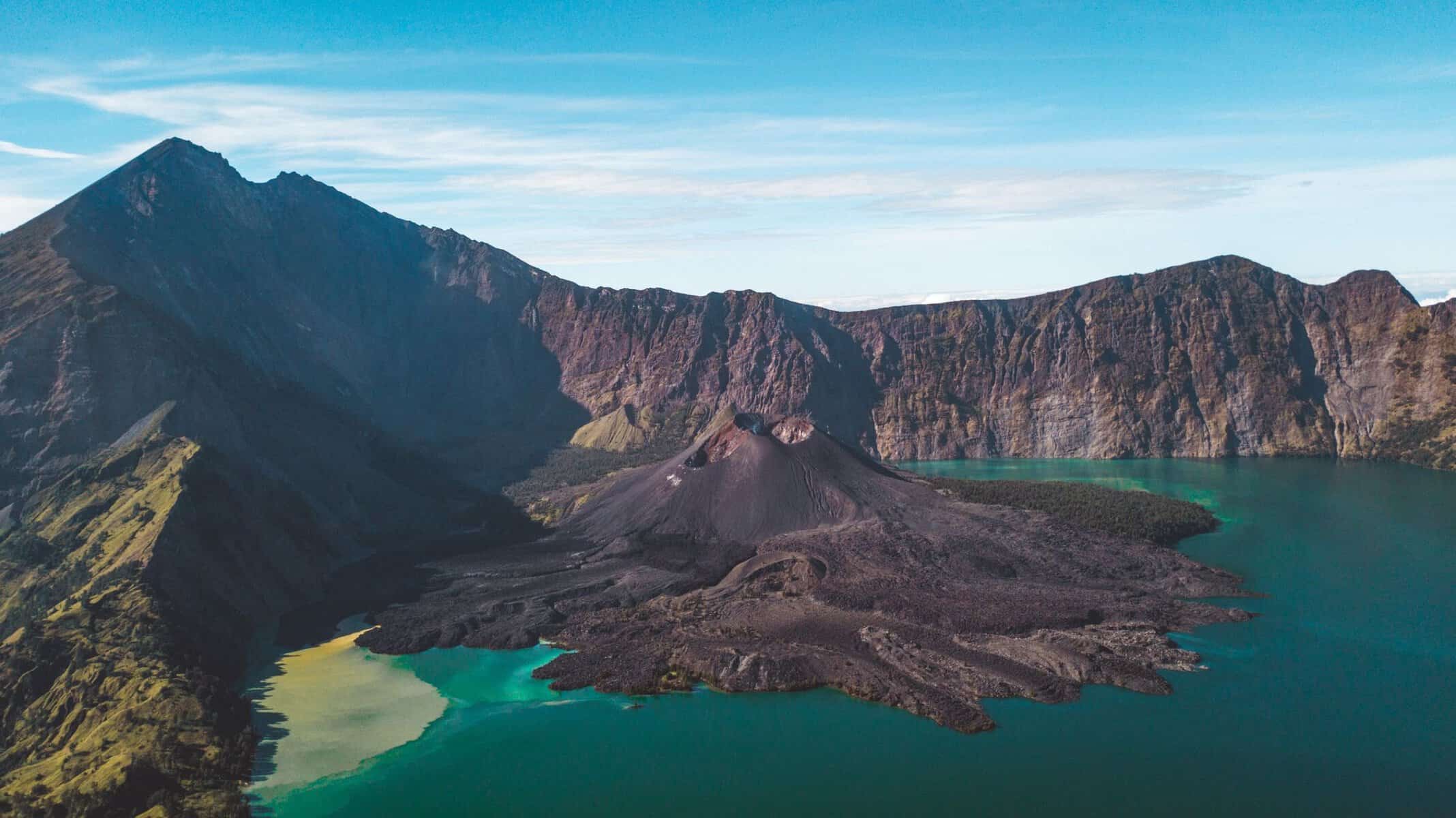
Bali’s quieter neighbour has empty beaches in the south and the great volcano Mount Rinjani, a tough multi-day trek to its crater rim.
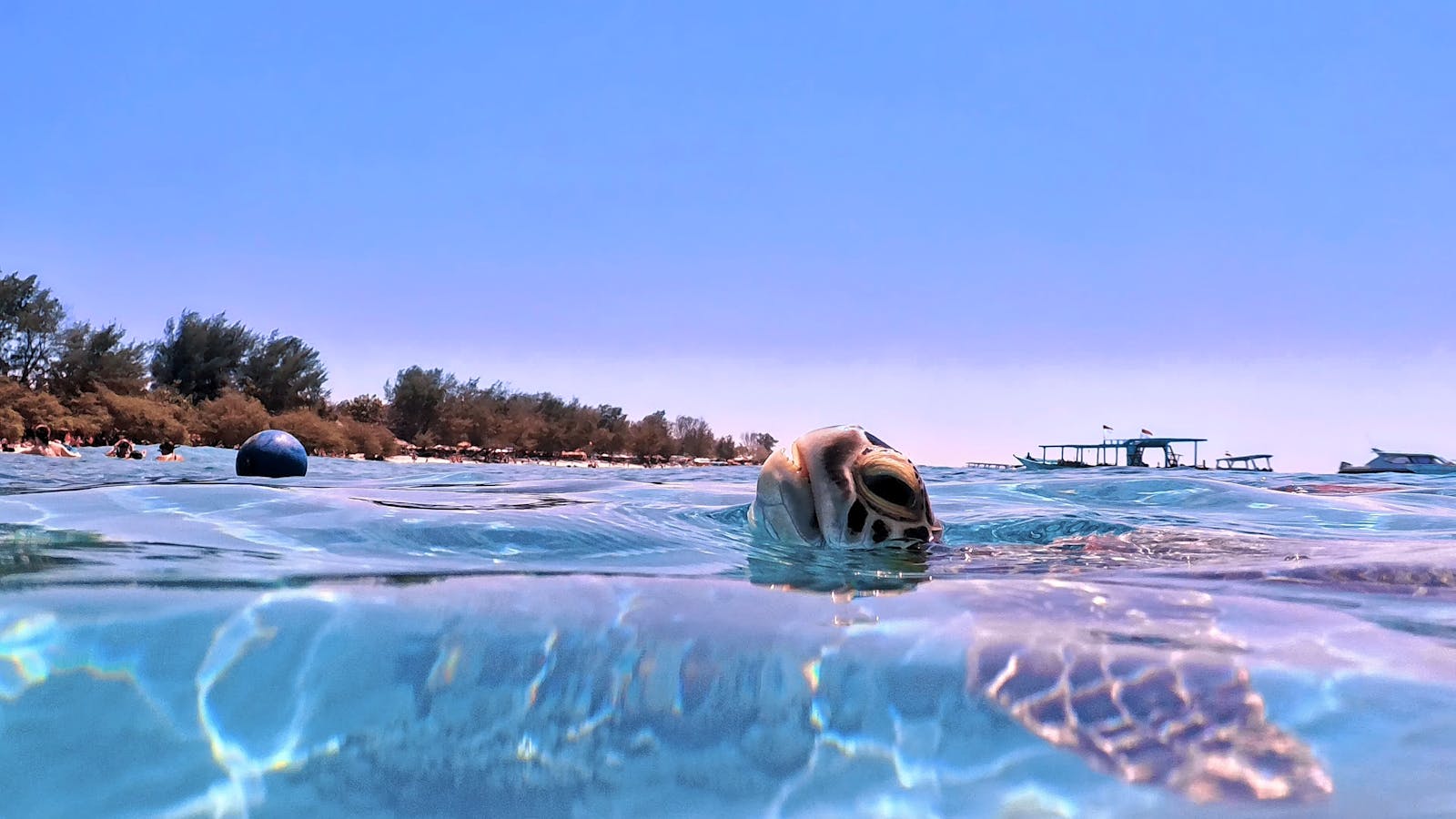
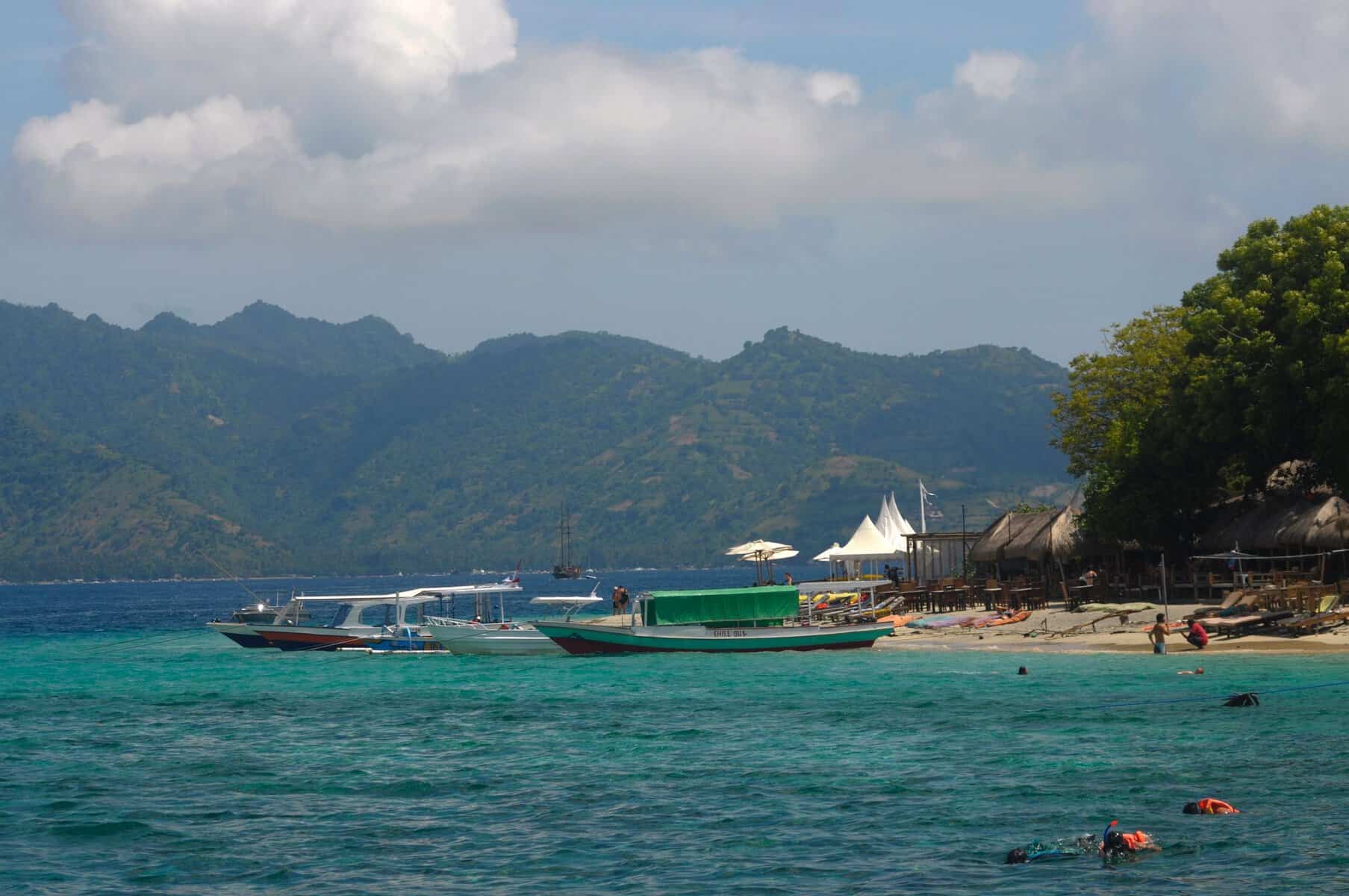
Off the north-west coast, the three tiny Gili Islands have no cars, just bicycles, horse carts and reefs where you can snorkel with turtles.
Komodo and Flores
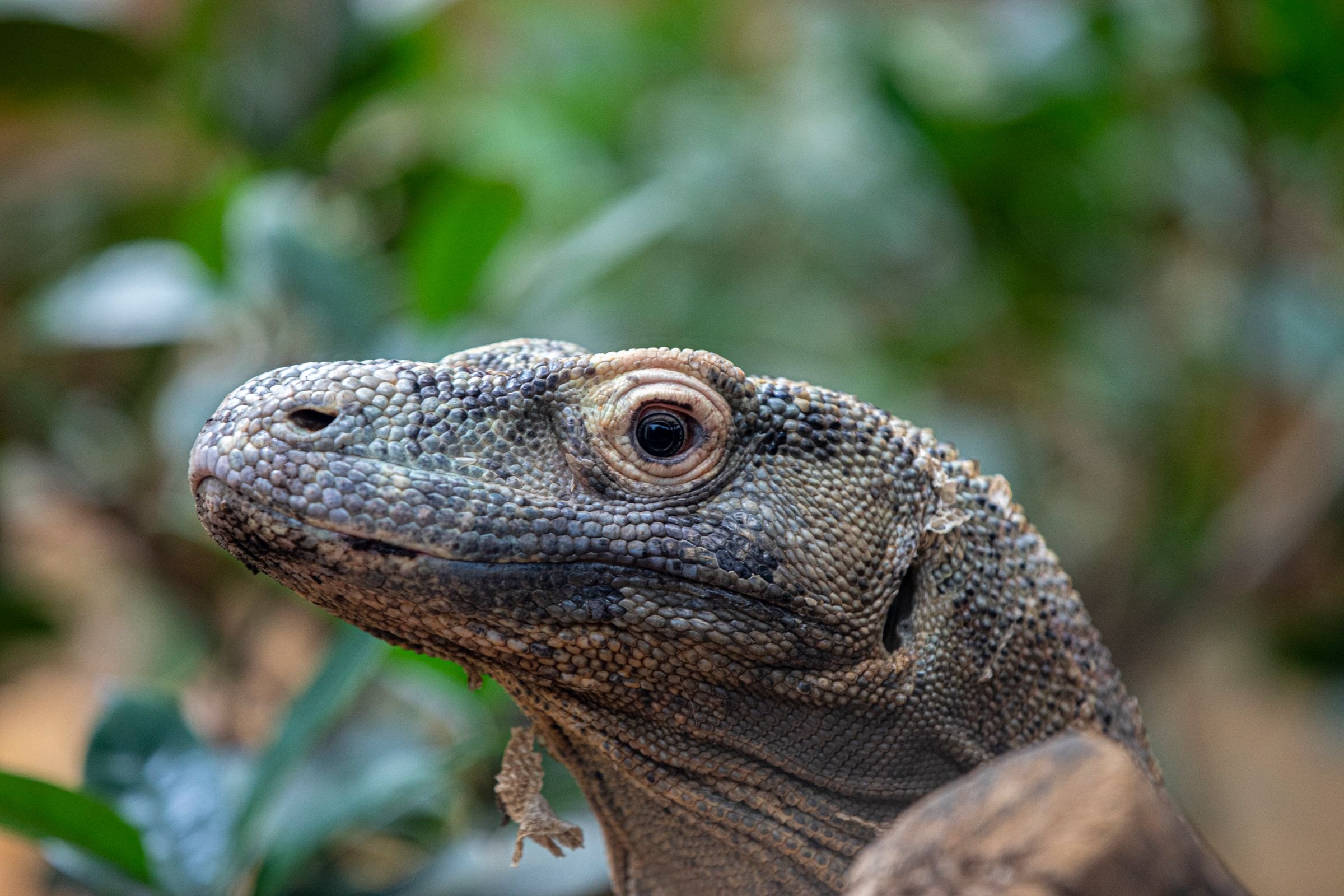
Komodo National Park is the best place to see wild Komodo dragons, the largest lizards on earth, with rangers on Komodo and Rinca islands. The park also has some of Indonesia’s best diving, with manta rays and a pink-sand beach.
Most visitors explore by boat from Labuan Bajo on Flores, an island of volcanoes and traditional villages.
Sumatra
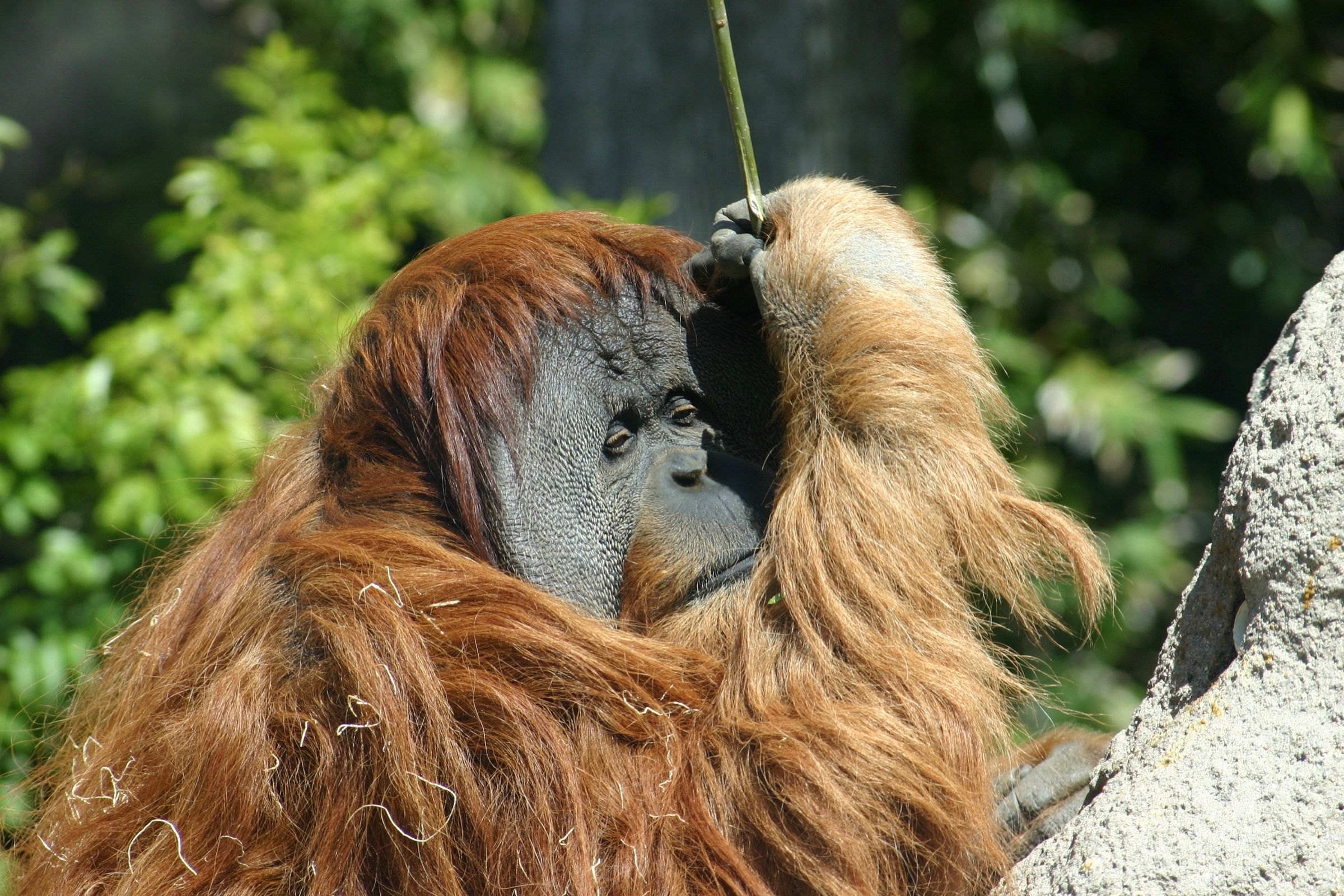
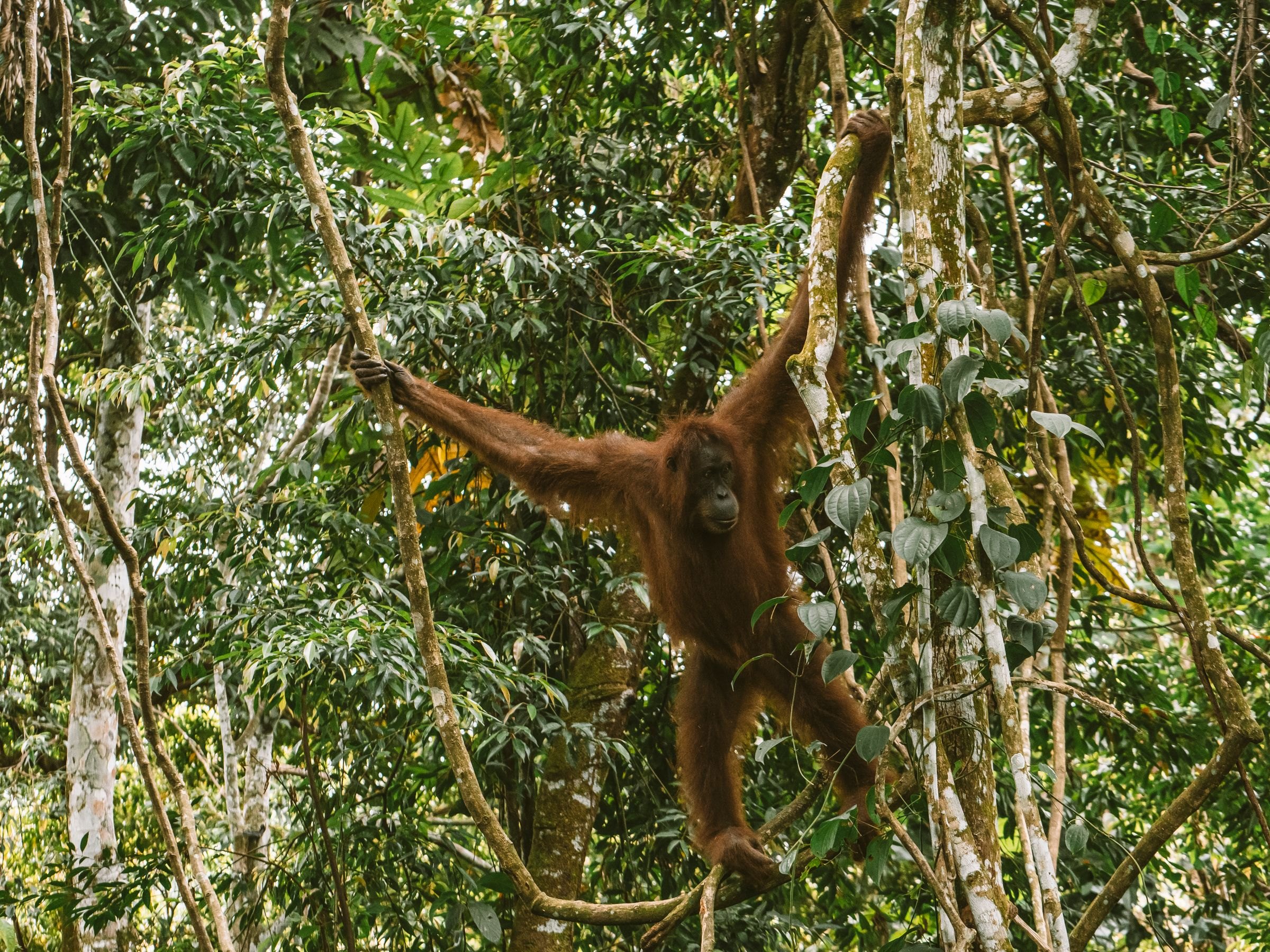
In North Sumatra, trek through the rainforest of the Gunung Leuser National Park from Bukit Lawang to look for wild Sumatran orangutans, which live only on this island.
Then head to Lake Toba, the world’s largest volcanic lake, and the Batak villages of Samosir Island. West Sumatra has Minangkabau houses with sweeping horn-shaped roofs.
Sulawesi
This orchid-shaped island is home to the Toraja people of the southern highlands, known for their boat-shaped houses, cliff graves and elaborate funeral ceremonies, which visitors can respectfully attend with a guide.
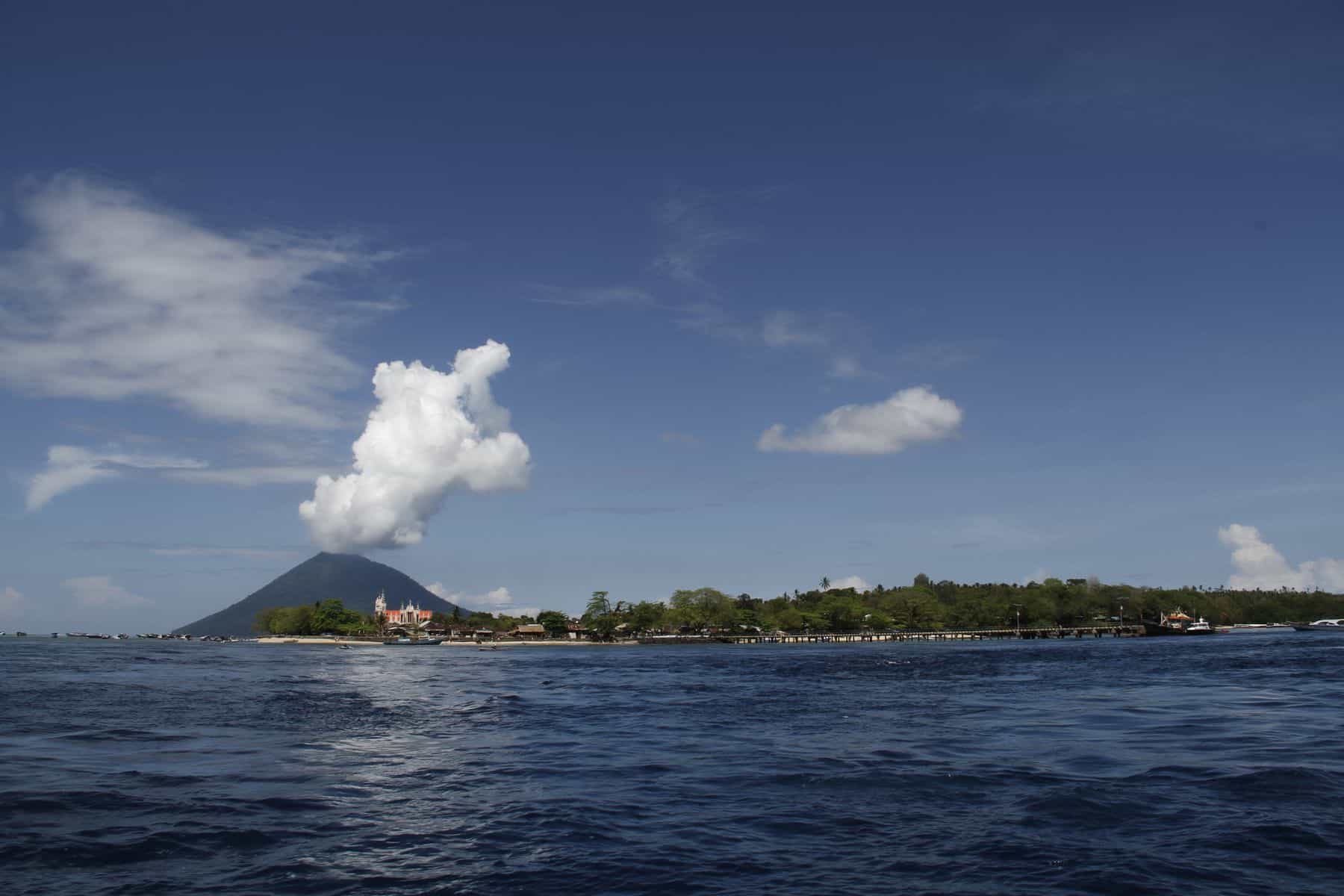
In the north, the Bunaken marine park off Manado has steep coral walls and some of Asia’s best diving.

Raja Ampat
Off West Papua, the “Four Kings” archipelago has more species of coral and reef fish than anywhere else on earth, around hundreds of jungle-covered islands.
It’s remote and best explored by liveaboard boat or a sailing trip, ideally from October to April, when seas are calmer.
Sumatra: orangutans and Lake Toba

Bukit Lawang: a riverside village on the edge of the Gunung Leuser National Park, part of a UNESCO-listed rainforest. Guided jungle treks of one to three days look for orangutans, gibbons and Thomas’s leaf monkeys. Return by tubing down the river.
Lake Toba: formed by a huge volcanic eruption about 74,000 years ago, it’s the largest volcanic lake in the world. Stay on Samosir Island to visit Batak villages with their carved, saddle-roofed houses.
Getting there: fly from Jakarta, Singapore or Kuala Lumpur to Medan. North Sumatra is rainy in every month, with the most rain from about September to December.
Wet and dry seasons
Spending most of your time in Bali? Our Bali holiday guide compares the areas to stay in, from Legian and Seminyak to Ubud and Uluwatu, and explains how to combine Java and Bali.
Most of Indonesia has a dry season from about April to October and a wet season from about November to March, when short, heavy tropical downpours are common. It’s warm all year. The pattern varies: the eastern islands such as Komodo are very dry in the middle of the year, while North Sumatra, near the equator, has rain in every month. Raja Ampat’s calmest seas are from October to April.
Classic routes
Java and Bali
- Yogyakarta (3 nights)
- Mount Bromo (1)
- Ijen (1)
- Ubud (4)
- Bali coast (5)
Temples, volcanoes and a beach to finish.
Bali, Lombok and the Gilis
- Ubud (4 nights)
- East Bali (2)
- Gili Islands (3)
- Lombok (4)
Islands and beaches, best from April to October.
Wild Indonesia
- North Sumatra (4 nights)
- Lake Toba (3)
- Bali (4)
- Komodo by boat (3)
- Bali coast (3)
Orangutans, dragons and reefs in one trip.
Culture and experiences
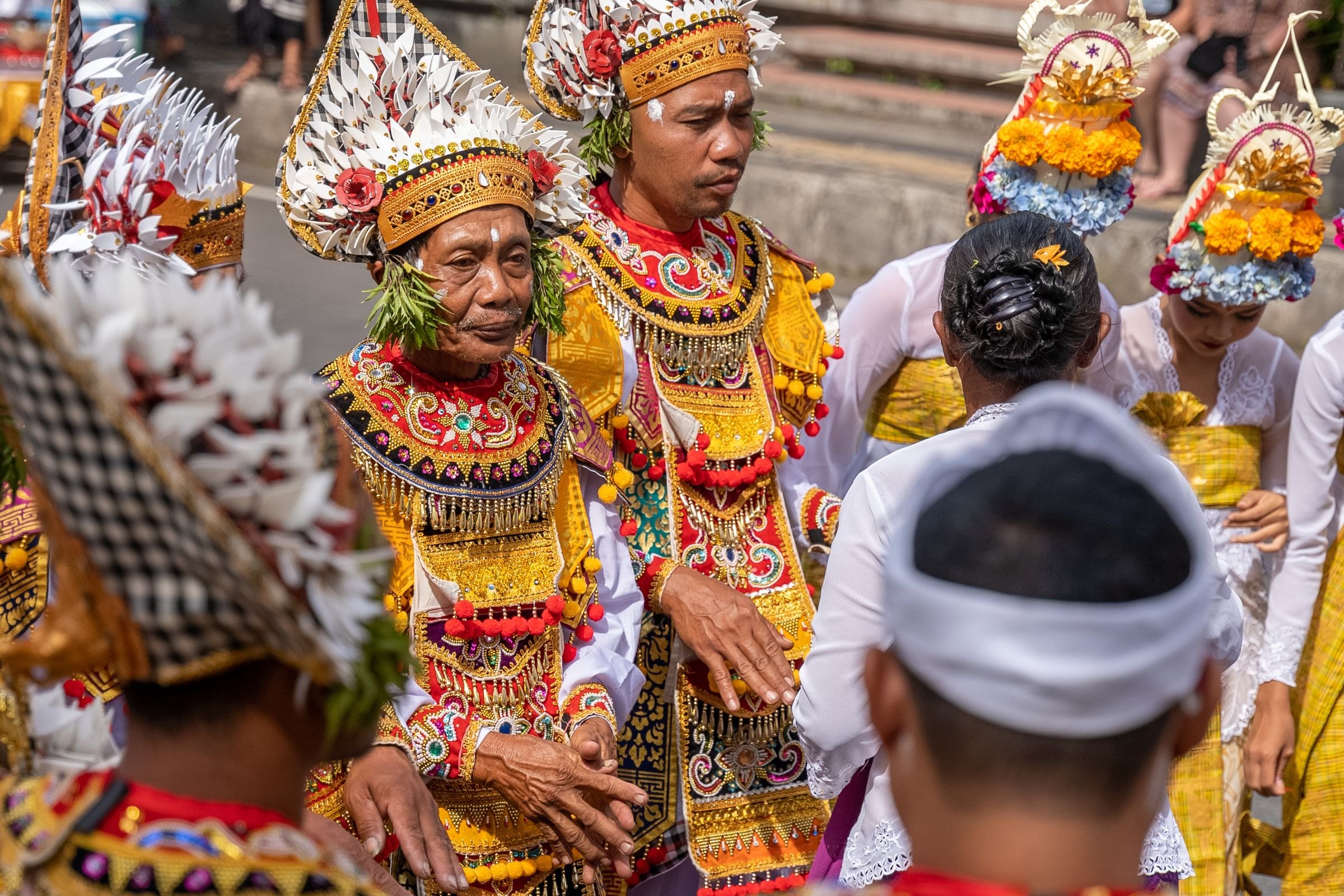



- Religion: Indonesia has more Muslims than any other country, but Bali is mostly Hindu, and there are Christian communities in places such as Toraja and Flores. Dress modestly away from the beach.
- Nyepi: on Bali’s Day of Silence, in March or early April, the whole island shuts down, including the airport. Check the date if you’re travelling in spring.
- Food: try nasi goreng, satay, rendang from Sumatra, Balinese babi guling and fresh tropical fruit.
- Temples: wear a sarong and sash at Balinese temples; they’re usually lent or hired at the entrance.
Ways to see Indonesia with us
Going on to Australia? Bali and Java combine well with a longer trip down under. See our Australia holiday guide for Christmas in Australia, the famous animals and when to travel.



Practical tips
- Entry: British visitors need a visa: a 30-day visa on arrival, or an e-visa applied for online at least a week ahead, which can be extended once. Complete the free All Indonesia online declaration within 72 hours before arrival, and pay the tourist levy if you visit Bali. Your passport needs six months’ validity and two blank pages. Check the FCDO Indonesia advice before you travel.
- Flights: there are no direct flights from the UK. Connect in the Gulf, Singapore or Kuala Lumpur to Bali or Jakarta; domestic flights link the islands.
- Health: drink bottled water, use insect repellent against dengue and ask a travel nurse about vaccines and malaria for areas outside Bali and Java.
- Volcanoes: eruptions occasionally close areas or disrupt flights. Follow local advice; your guides will know the current situation.
- Money: cards are widely accepted in Bali; carry rupiah elsewhere. Notes come in large denominations, so count carefully.
- Medicines and drugs: penalties for drug offences are severe. Check that any prescription medicines are allowed before you travel.
Frequently asked questions
What is there to see in Sumatra?
Wild orangutans in the Gunung Leuser National Park, reached from Bukit Lawang in North Sumatra; Lake Toba, the world's largest volcanic lake, and the Batak villages of Samosir Island; and the volcanoes and Minangkabau culture of West Sumatra.
Where are orangutans found in Indonesia?
In the rainforests of Sumatra and Borneo (Kalimantan). Bukit Lawang in North Sumatra is the most accessible place to see Sumatran orangutans, on guided jungle treks.
What is Sulawesi known for?
The Toraja culture of the southern highlands, with boat-shaped houses and elaborate funeral ceremonies, and world-class diving at Bunaken and the Lembeh Strait in the north.
When is the wet season in Indonesia?
In most of the country, from about November to March, with heavy afternoon showers. The dry season runs from about April to October. North Sumatra has rain all year, heaviest from September to December.
Do UK citizens need a visa for Indonesia?
Yes. You can get a 30-day visa on arrival or apply for an e-visa online at least a week ahead; it can be extended once. You also need to complete the free All Indonesia online declaration. Check the FCDO advice before you travel.
Can you see Komodo dragons in the wild?
Yes, in Komodo National Park, on Komodo and Rinca islands, with park rangers. Boat trips leave from Labuan Bajo on Flores, a short flight from Bali.
Where is Malang in Indonesia?
In East Java, in the cool highlands. It's a pleasant base for visiting Mount Bromo and has colonial architecture and colourful painted villages.
How many days do you need in Indonesia?
Two weeks covers Bali and one other island, such as Java, Lombok or Komodo. With three weeks, add Sumatra or Sulawesi.
Keep planning
- Indonesia holidays
- Bali holidays
- Escorted tours of Indonesia
- Bangkok to Bali overland
- Thailand holiday guide
- Cambodia holiday guide
- The best twin-centre holidays
- Tailor-made holidays
Plan your Indonesia holiday with a Travel Designer
Tell us your dates and interests, and we’ll choose the islands, the flights and the guides, all in one ATOL-protected booking.
Make an enquiry Indonesia holidays