The Philippines in brief
- Palawan: El Nido’s lagoons, Coron’s lakes and wrecks, the Underground River and Port Barton.
- Island hopping by bangka is the highlight, from El Nido’s Tours A and C to Coron and Siargao.
- Beyond Palawan: Boracay, Bohol’s Chocolate Hills, Cebu, Siargao, the Banaue rice terraces and Vigan.
- Go from December to May, the dry season; June to November brings rain and typhoons.
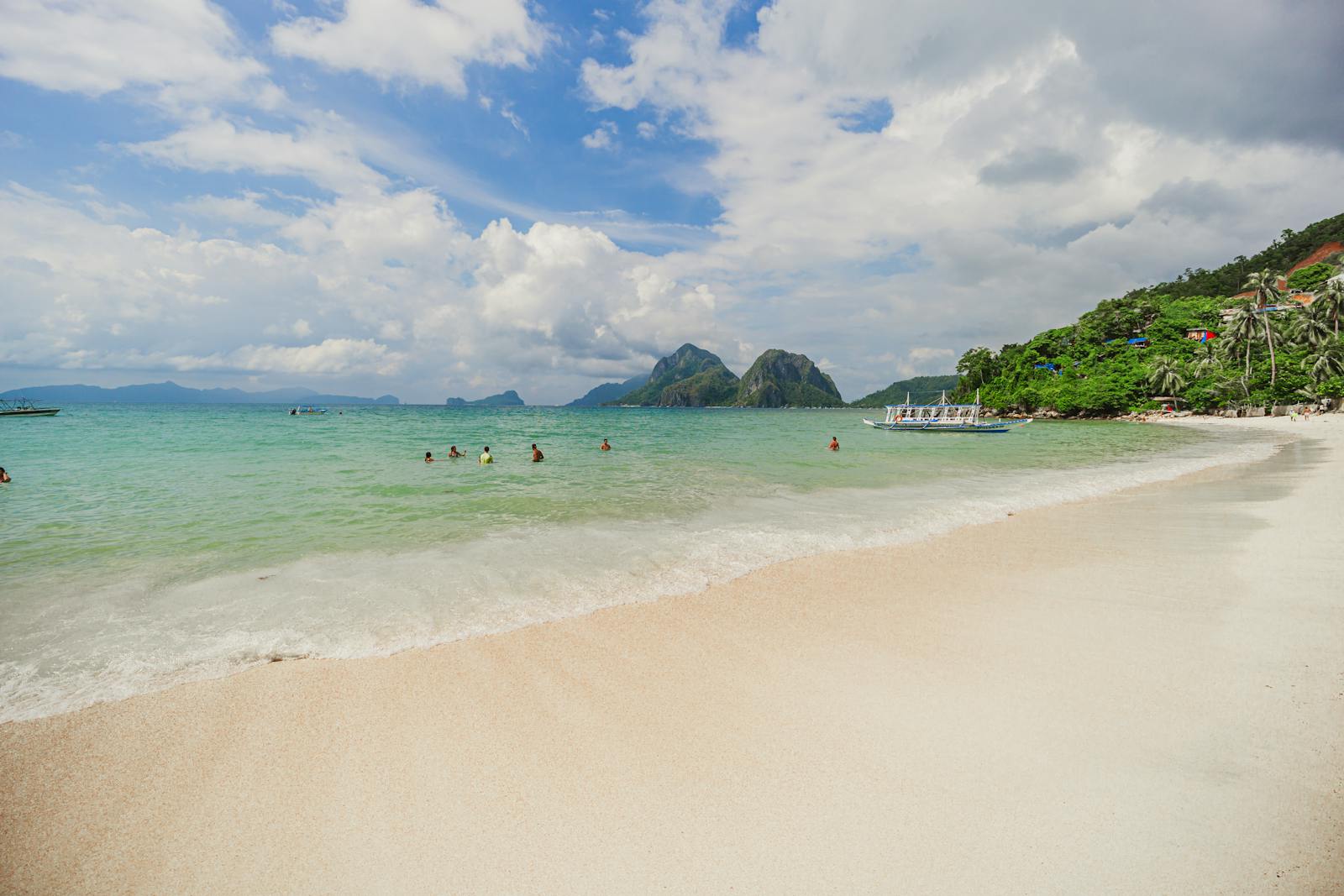
The Philippines is more than 7,000 islands of white sand, limestone lagoons, coral reefs and rice terraces, with some of the friendliest people in Asia. Most visitors head first for Palawan, regularly voted one of the most beautiful islands in the world, then add Bohol’s Chocolate Hills, Boracay’s famous beach or the 2,000-year-old rice terraces of the north. This guide covers Palawan and island hopping in the Philippines, where else to go, the best beaches, when to travel and routes.
Palawan: the Philippines’ most beautiful island
Planning Palawan in detail? Our Palawan island guide covers El Nido’s four island tours, Coron’s lakes and wrecks, how to get between them, where to stay and the weather month by month.

Palawan island is a long, thin finger of jungle and mountains in the west of the Philippines, fringed by limestone islands, lagoons and some of the clearest water in Asia. It’s the place most people picture when they think of the Philippines.
Getting there: fly from Manila to Puerto Princesa (about 1 hour 20 minutes), to the small airport at El Nido, or to Busuanga for Coron. The drive from Puerto Princesa to El Nido takes five to six hours, and boats link El Nido and Coron in about four hours in good weather.
How long: allow at least a week for El Nido and Coron, and ten days or more to add Puerto Princesa and Port Barton.

El Nido
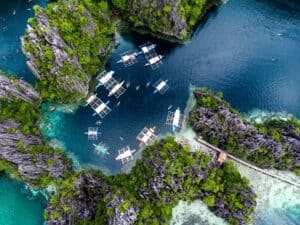
The star of Palawan: Bacuit Bay is scattered with dramatic limestone islands, hidden lagoons and white beaches, explored by traditional bangka boats on day trips.

Coron
In the Calamian islands north of Palawan, Coron is known for the clear Kayangan Lake, the Twin Lagoon, and some of the best wreck diving in the world on Japanese ships sunk in 1944.

Puerto Princesa and the Underground River
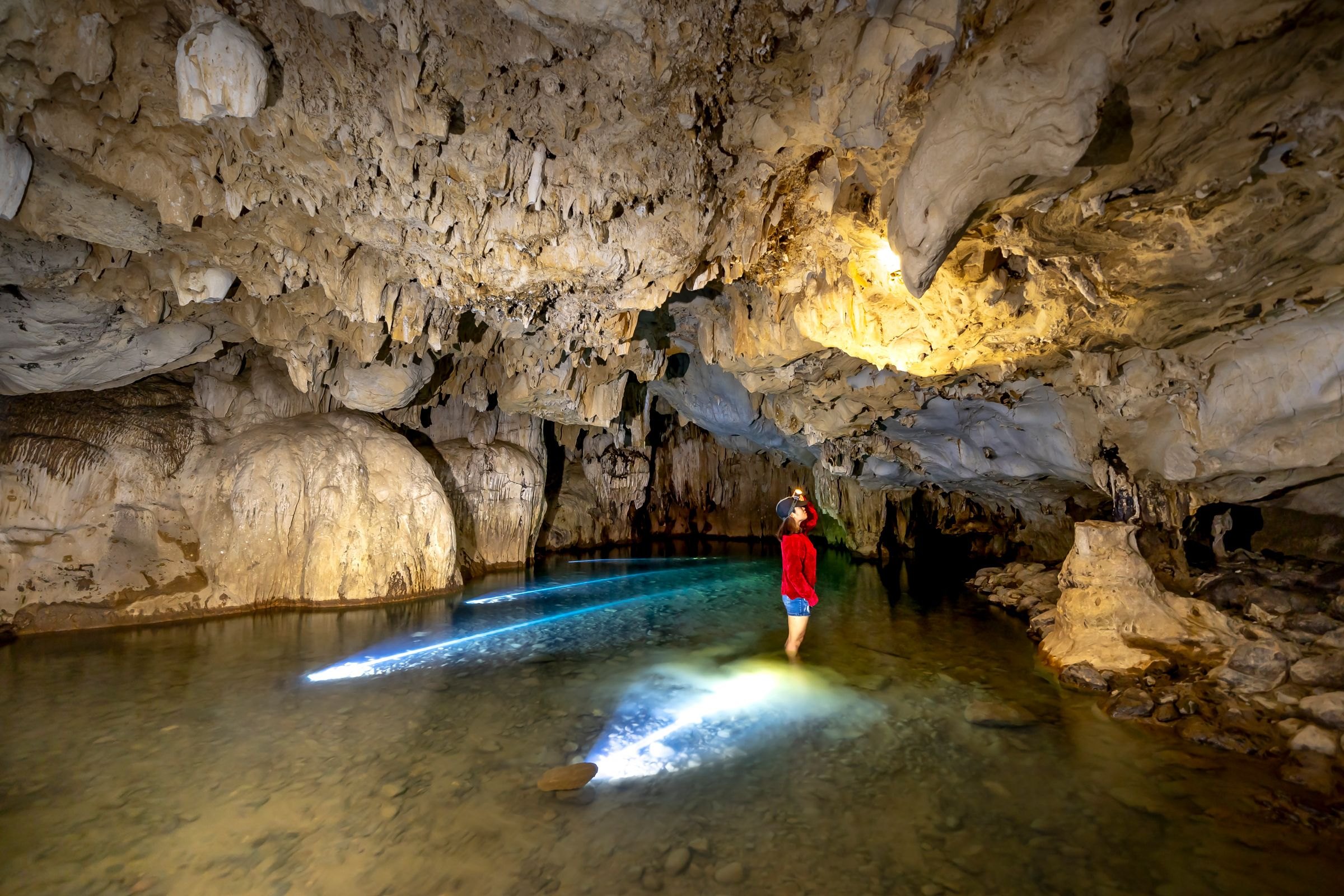
Palawan’s capital is the base for the Puerto Princesa Subterranean River, a UNESCO site where boats glide into a cave system that runs for kilometres under the mountains to the sea. Permits are limited, so book ahead.

Port Barton and San Vicente
A laid-back village with its own island-hopping trips, and nearby San Vicente’s Long Beach, about 14 km of almost empty sand. A good stop between Puerto Princesa and El Nido.
Island hopping in the Philippines

Island hopping is the best part of a trip to the Philippines. In El Nido, day trips by bangka are grouped into tours: Tour A takes in the Big and Small Lagoons (paddle into the Small Lagoon by kayak), and Tour C visits the Hidden and Secret Beaches. Private boats let you skip the crowds and start early.
In Coron, trips visit Kayangan Lake, the Twin Lagoon and reefs for snorkelling, and divers explore the wartime wrecks. For something bigger, multi-day expedition trips between El Nido and Coron camp on remote islands along the way.
Elsewhere, hop between Bohol’s Panglao and Balicasag islands, or around Siargao’s islets of Naked, Daku and Guyam.


Where else to go in the Philippines
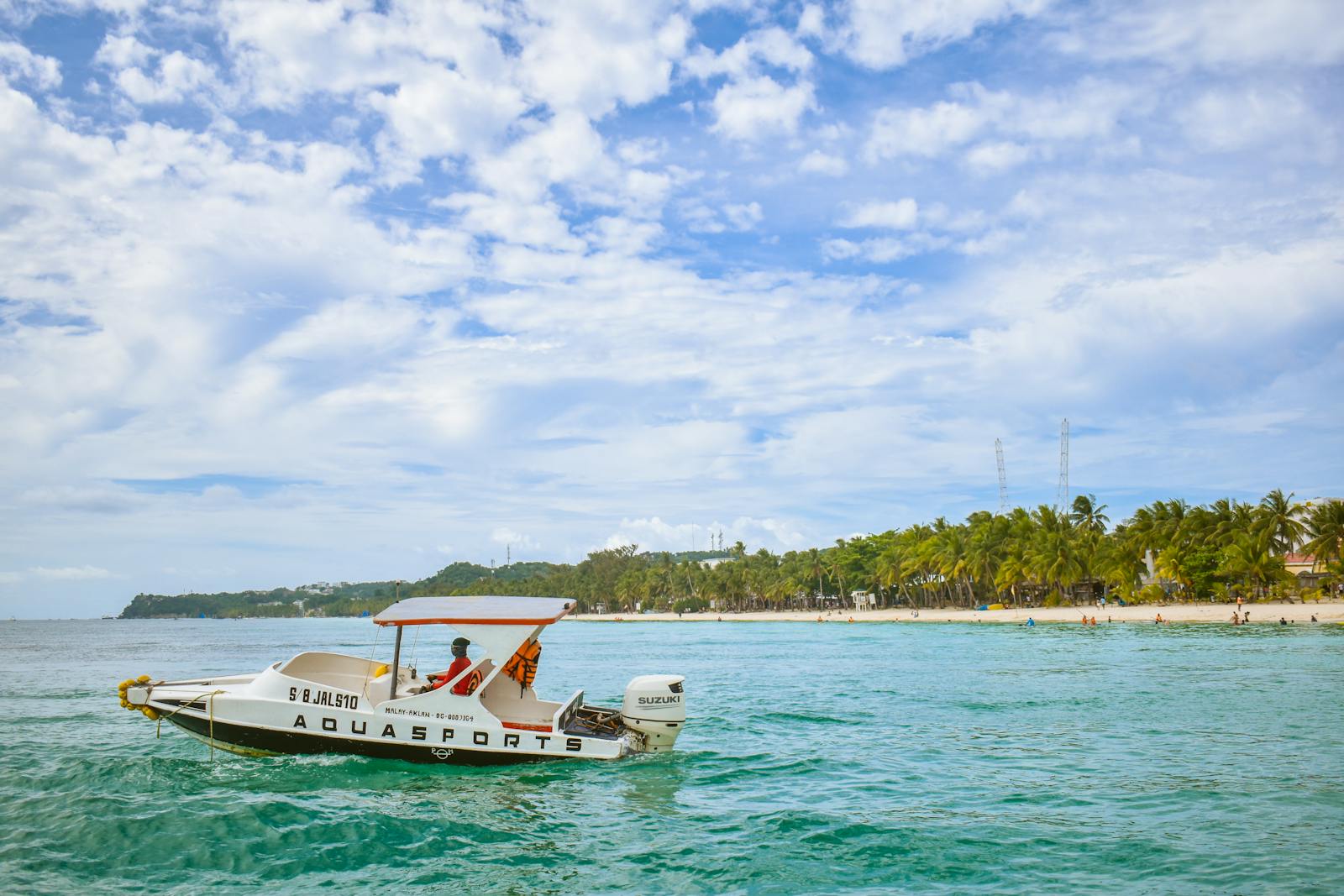
Boracay
A small island with one of Asia’s most famous beaches, White Beach, about 4 km of powder-soft sand with spectacular sunsets. Bulabog Beach on the other side is a kitesurfing hub from November to April.

Bohol and Panglao
See the Chocolate Hills, over 1,200 grassy domes that turn brown in the dry season; spot tiny tarsiers at a sanctuary; float down the Loboc river; then relax on Panglao’s beaches.
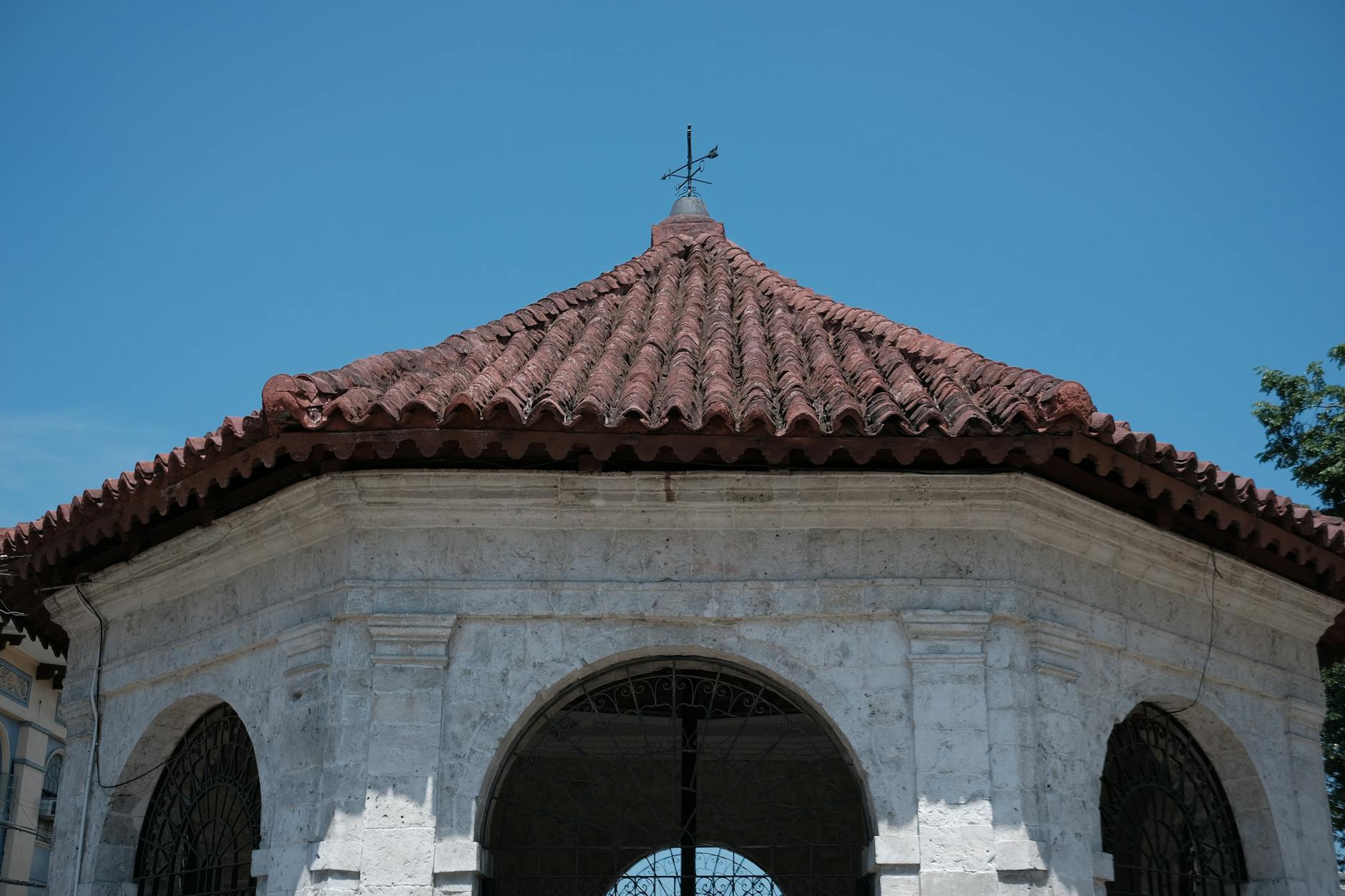
Cebu
The Philippines’ oldest city, where Magellan landed in 1521. Head south for canyoneering at Kawasan Falls and the huge sardine shoals off Moalboal. Check the latest advice on northern Cebu, hit by an earthquake in 2025.
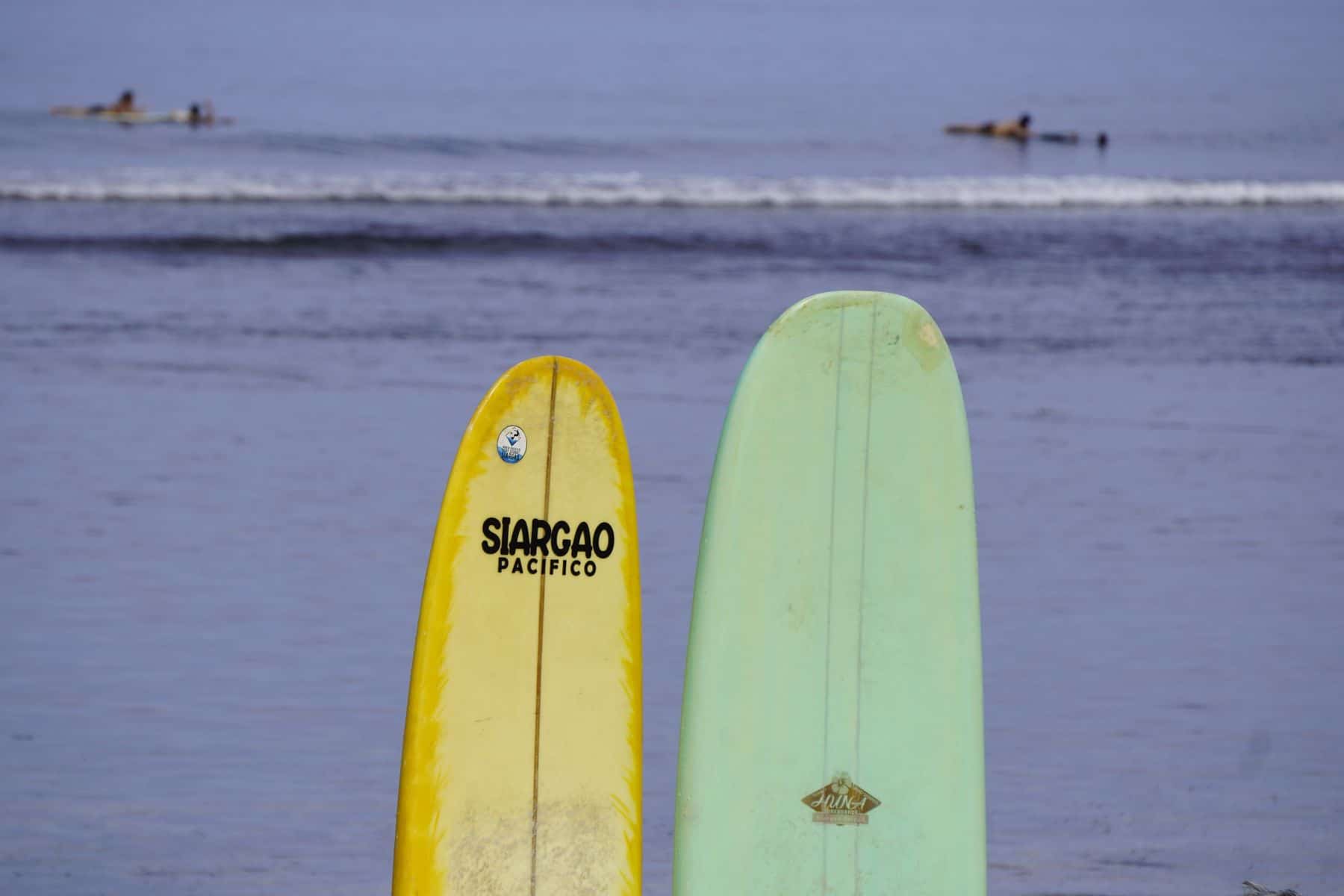
Siargao
The Philippines’ surf capital, famous for the Cloud 9 reef break, palm forests and lagoons. It’s off the coast of Mindanao but is excluded from the FCDO’s advice against travel to the rest of Mindanao.
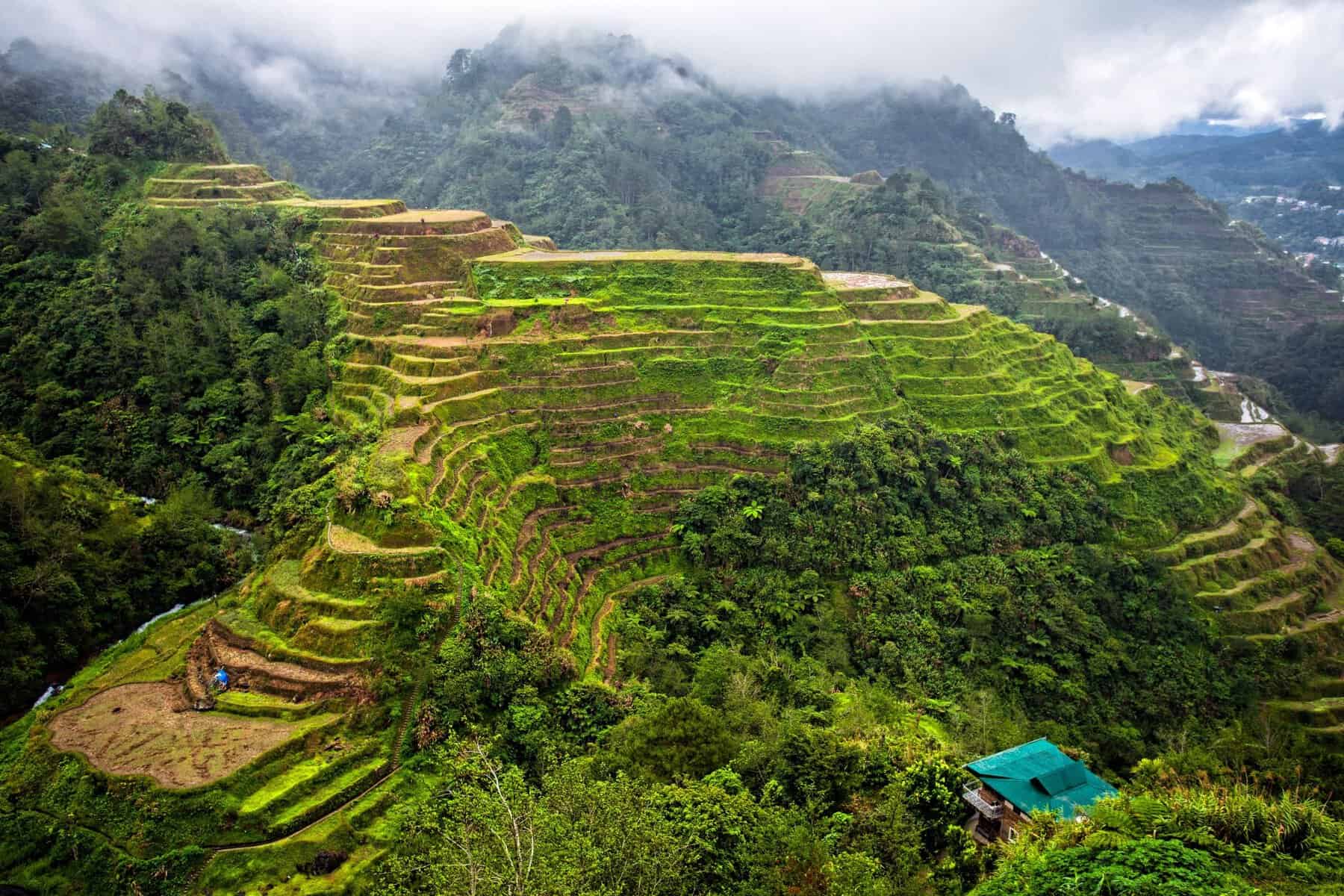
Banaue and the rice terraces
In the mountains of northern Luzon, the Ifugao people have farmed these terraces for around 2,000 years. Hike to the amphitheatre of Batad, and visit Sagada’s hanging coffins and caves.

Vigan and Manila
Vigan is the best-preserved Spanish colonial town in Asia and a UNESCO site, with horse-drawn carriages on cobbled streets. In Manila, walk the walled city of Intramuros and eat your way through Binondo, the world’s oldest Chinatown.
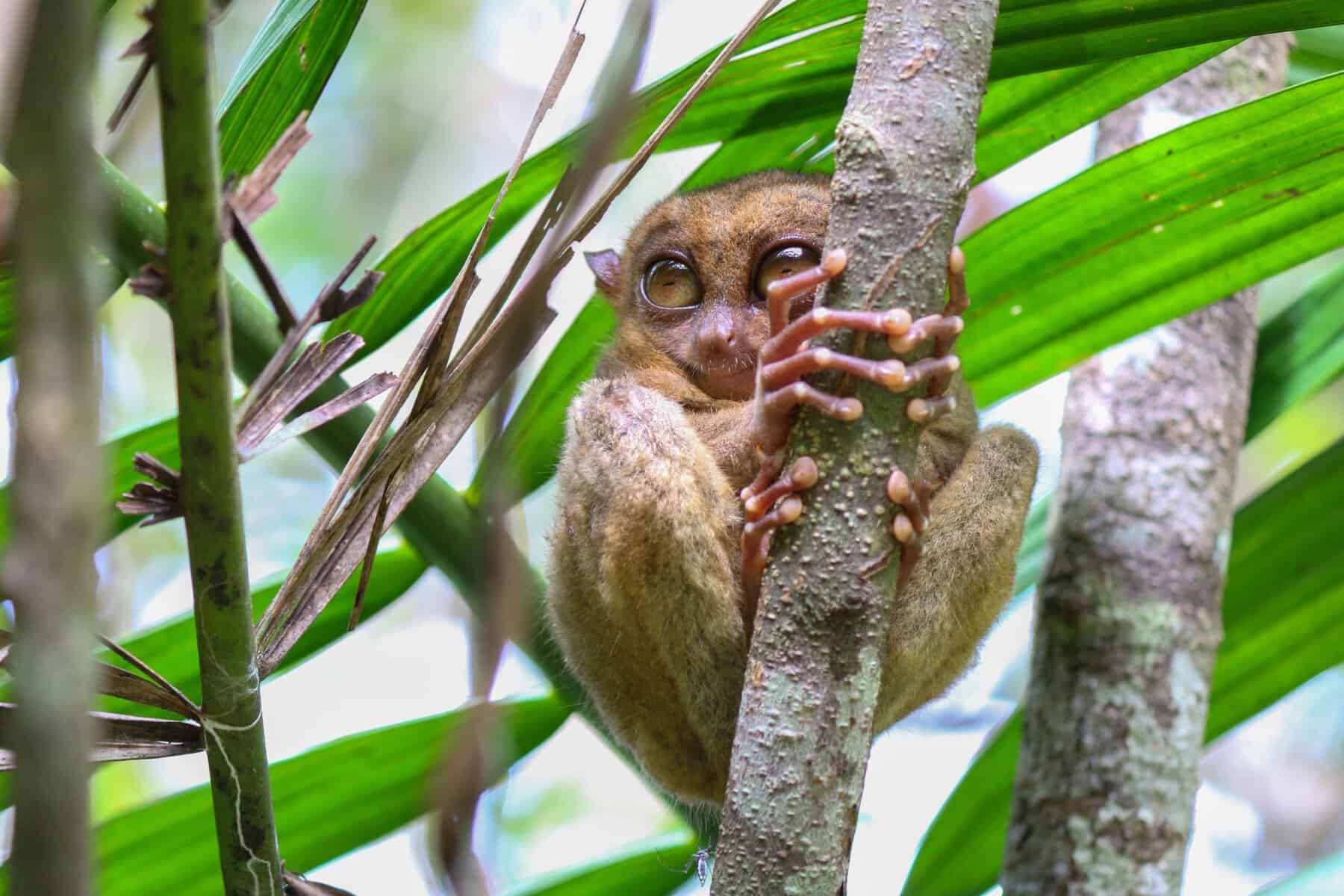
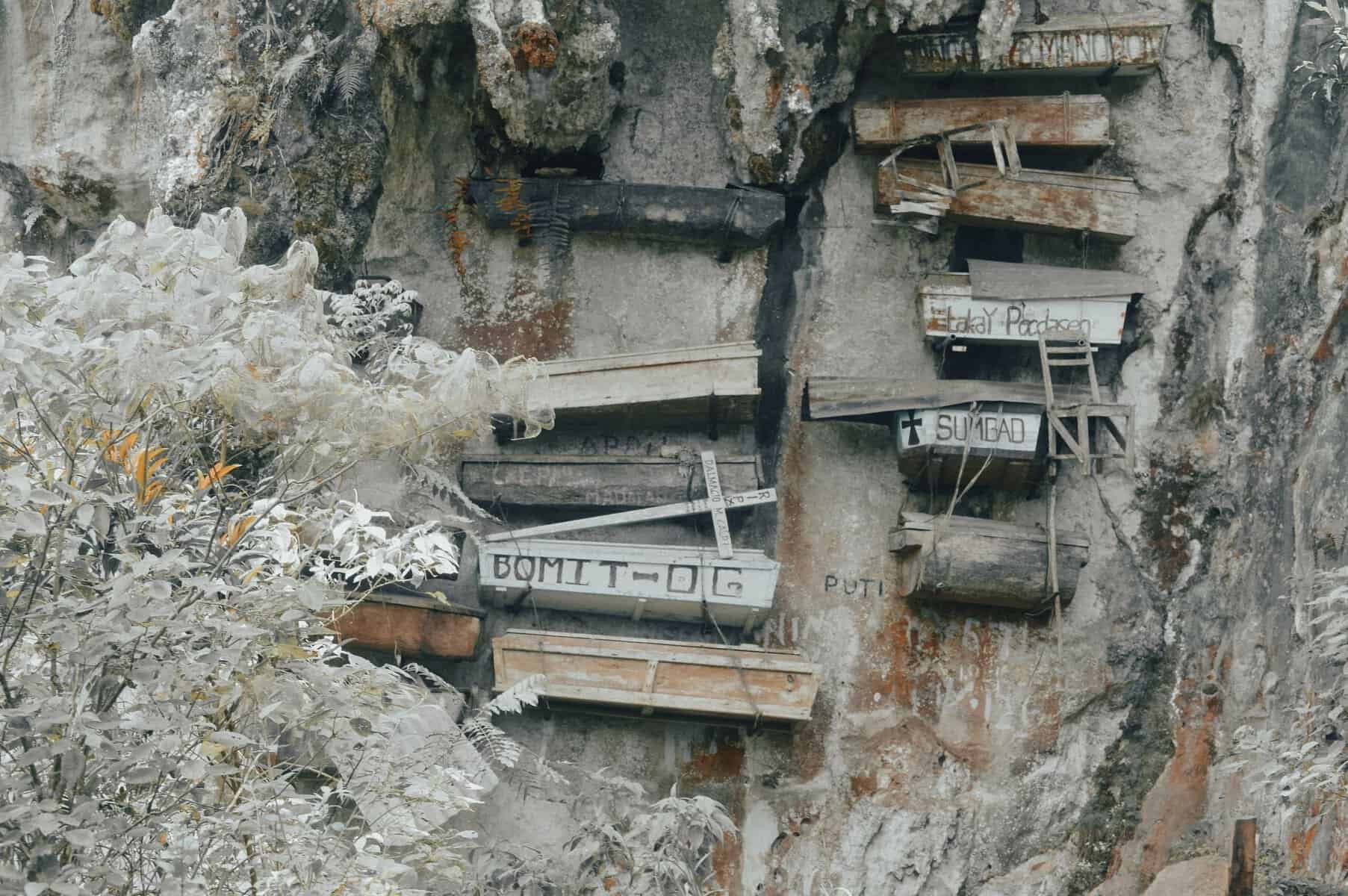

Food: try adobo (meat braised in vinegar and garlic), sinigang (sour tamarind soup), grilled seafood, mango from Guimaras and a boodle fight, a feast eaten with your hands from banana leaves.
Philippines beach holidays and honeymoons

For a Philippines beach holiday, El Nido and Coron give you the most dramatic scenery, Boracay the classic long white beach with restaurants and nightlife, Panglao an easy beach stay after Bohol’s sights, and Siargao a barefoot surf-island feel.
For a honeymoon, the Philippines works beautifully: combine a few days of island hopping in El Nido with a private island resort in Palawan or the Calamian islands, then finish on a quieter beach. Fly between islands rather than spending long days on the road.
Many travellers also combine the Philippines with Borneo, Vietnam or Bali; see our guides to Malaysia and Indonesia.
When to go
The Philippines is hot all year (about 28°C to 33°C on the coast). The dry season from December to May is the best time for Palawan and most islands; March to May is the hottest. June to November is the wet season, with most typhoons from July to October, though Bohol and Siargao have rain spread more evenly through the year, and Siargao’s surf is best from September to November.
| Month | El Nido | Coron | Boracay | Bohol | Siargao | Banaue |
|---|---|---|---|---|---|---|
| Jan | 29°C · 80 mm | 29°C · 40 mm | 27°C · 200 mm | 28°C · 220 mm | 27°C · 515 mm | 20°C · 195 mm |
| Mar | 30°C · 35 mm | 31°C · 15 mm | 28°C · 100 mm | 29°C · 110 mm | 27°C · 230 mm | 23°C · 160 mm |
| May | 31°C · 130 mm | 31°C · 140 mm | 30°C · 105 mm | 30°C · 165 mm | 29°C · 165 mm | 26°C · 325 mm |
| Jul | 29°C · 315 mm | 29°C · 425 mm | 29°C · 340 mm | 29°C · 220 mm | 29°C · 185 mm | 25°C · 405 mm |
| Sep | 29°C · 305 mm | 29°C · 360 mm | 29°C · 300 mm | 29°C · 195 mm | 29°C · 155 mm | 25°C · 345 mm |
| Nov | 30°C · 150 mm | 30°C · 115 mm | 28°C · 250 mm | 29°C · 205 mm | 28°C · 310 mm | 23°C · 215 mm |
Average daily high and monthly rainfall, 10-year ERA5 data for each area. Rainfall over small islands is approximate.
Classic routes
Palawan in depth
- Puerto Princesa (2 nights)
- Port Barton (2)
- El Nido (4)
- Coron (3)
The Underground River, quiet beaches, the lagoons and Coron’s lakes.
Rice terraces and islands
- Manila (1 night)
- Banaue (2)
- Bohol (3)
- El Nido (4)
- Coron (3)
The north’s terraces, the Chocolate Hills, then Palawan.
Beaches of the Visayas
- Cebu (2 nights)
- Bohol and Panglao (3)
- Boracay (4)
Waterfalls, tarsiers and Boracay’s White Beach.
Ways to see the Philippines with us


Practical tips
- Entry: British visitors don’t need a visa for up to 30 days. Register on the eTravel system within 72 hours before arrival and show the QR code, carry proof of onward travel, and make sure your passport is valid for six months.
- Areas to avoid: the FCDO advises against all travel to western and central Mindanao and the Sulu archipelago, and all but essential travel to the rest of Mindanao except Camiguin, Dinagat and Siargao. Palawan, the Visayas (Boracay, Bohol, Cebu) and Luzon are not affected. Check the FCDO Philippines advice before you go.
- Typhoons: from June to November, build some slack into island-hopping plans, as boats and flights can be cancelled.
- Volcanoes: Taal Volcano Island is closed to visitors; follow local advice near any active volcano.
- Money: carry cash on smaller islands, where cards and ATMs can be scarce. Expect local environmental fees for El Nido and Coron tours.
- Reefs: use reef-safe sun cream and never touch or stand on coral.
- Domestic flights: small planes have strict baggage limits, so pack light.
Frequently asked questions
Where is Palawan?
Palawan is a long island in the west of the Philippines, between the South China Sea and the Sulu Sea. It's about an hour and 20 minutes' flight from Manila to Puerto Princesa, its capital.
Is Palawan worth visiting?
Yes. El Nido's limestone islands and lagoons, Coron's Kayangan Lake and wrecks, and the Underground River make it the highlight of most trips to the Philippines.
El Nido or Coron?
Both if you can: they are about four hours apart by boat. El Nido has the more dramatic island scenery and more choice; Coron is quieter, with clearer lakes and world-class wreck diving.
What is the best time to visit the Philippines?
December to May, the dry season. March to May is the hottest. June to November is wetter, with typhoons most likely from July to October.
How long do you need in the Philippines?
Two weeks covers Palawan and one other area, such as Bohol or the rice terraces. Three weeks lets you add Boracay or Siargao without rushing.
Is the Philippines safe to visit?
The main tourist areas, including Palawan, the Visayas and Luzon, are widely visited. The FCDO advises against travel to most of Mindanao and the Sulu archipelago, with exceptions such as Siargao and Camiguin.
Do UK citizens need a visa for the Philippines?
No, not for stays of up to 30 days. You must register on the eTravel system within 72 hours before arrival and show proof of onward travel.
Is the Philippines good for a honeymoon?
Yes. Combine island hopping in El Nido with a private island resort in Palawan, and finish on a quiet beach. December to May is the best time.
Keep planning
- Philippines holidays
- Escorted tours of the Philippines
- Malaysia holiday guide
- Indonesia holiday guide
- Vietnam holiday guide
- Thailand holidays
- Beach holidays
- Tailor-made holidays
Plan your Philippines holiday with a Travel Designer
Tell us when you’d like to go and we’ll plan your route through Palawan and the islands, with domestic flights, boats and transfers in one ATOL-protected booking.
Make an enquiry Philippines holidays