Ghana in brief
- Where to go: Accra, the castles of Cape Coast and Elmina, Kumasi, Mole, the Volta Region and the beaches.
- Kakum National Park is 30 km north of Cape Coast, with a canopy walkway 40 metres up.
- The animals in Ghana include elephants at Mole, sacred monkeys and nesting sea turtles.
- The best time to go is the dry season, November to March.
Ghana is one of the friendliest and easiest countries in West Africa to visit: English is spoken everywhere, and the flight from London takes about six and a half hours. It has palm-fringed beaches, the castles of the Gold Coast, the Ashanti kingdom of Kumasi, rainforest canopy walks at Kakum National Park and elephants on foot at Mole. This guide covers where to go, Kakum, the animals in Ghana and where to see them, routes and when to go.
Where to go in Ghana

Accra
Ghana’s lively capital: Independence Arch and Black Star Square, the Kwame Nkrumah Memorial Park, Makola market, the old fishing quarter of Jamestown and its lighthouse, and the art and music scene of Osu.

Cape Coast and Elmina
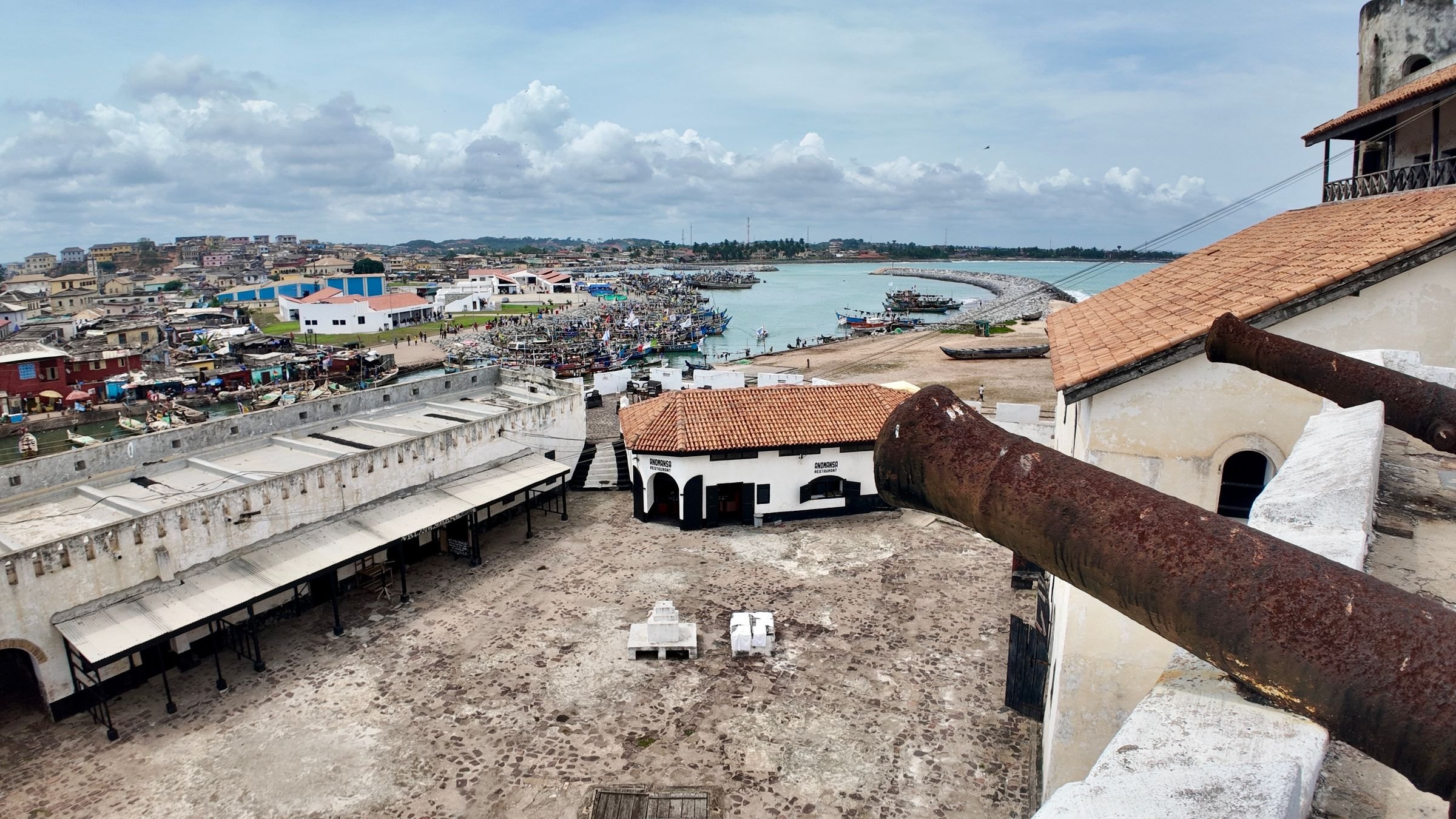
The castles of Cape Coast and Elmina, part of a UNESCO World Heritage Site, held enslaved Africans before they were shipped across the Atlantic. A guided visit through the dungeons to the “Door of No Return” is moving and important.
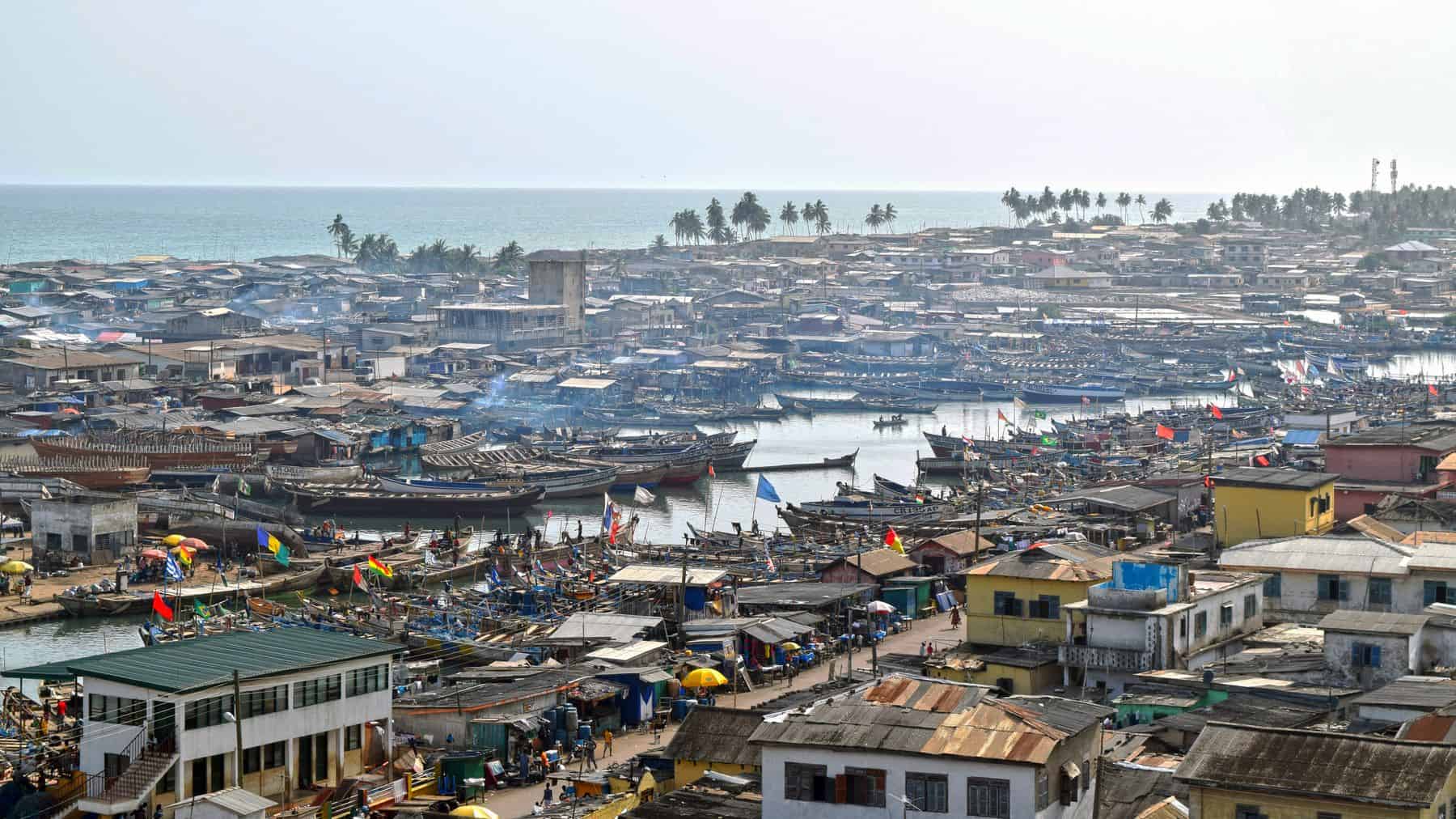
Elmina’s fishing port is one of the most colourful sights on the coast, and Kakum National Park is a short drive inland.
Kumasi and the Ashanti region
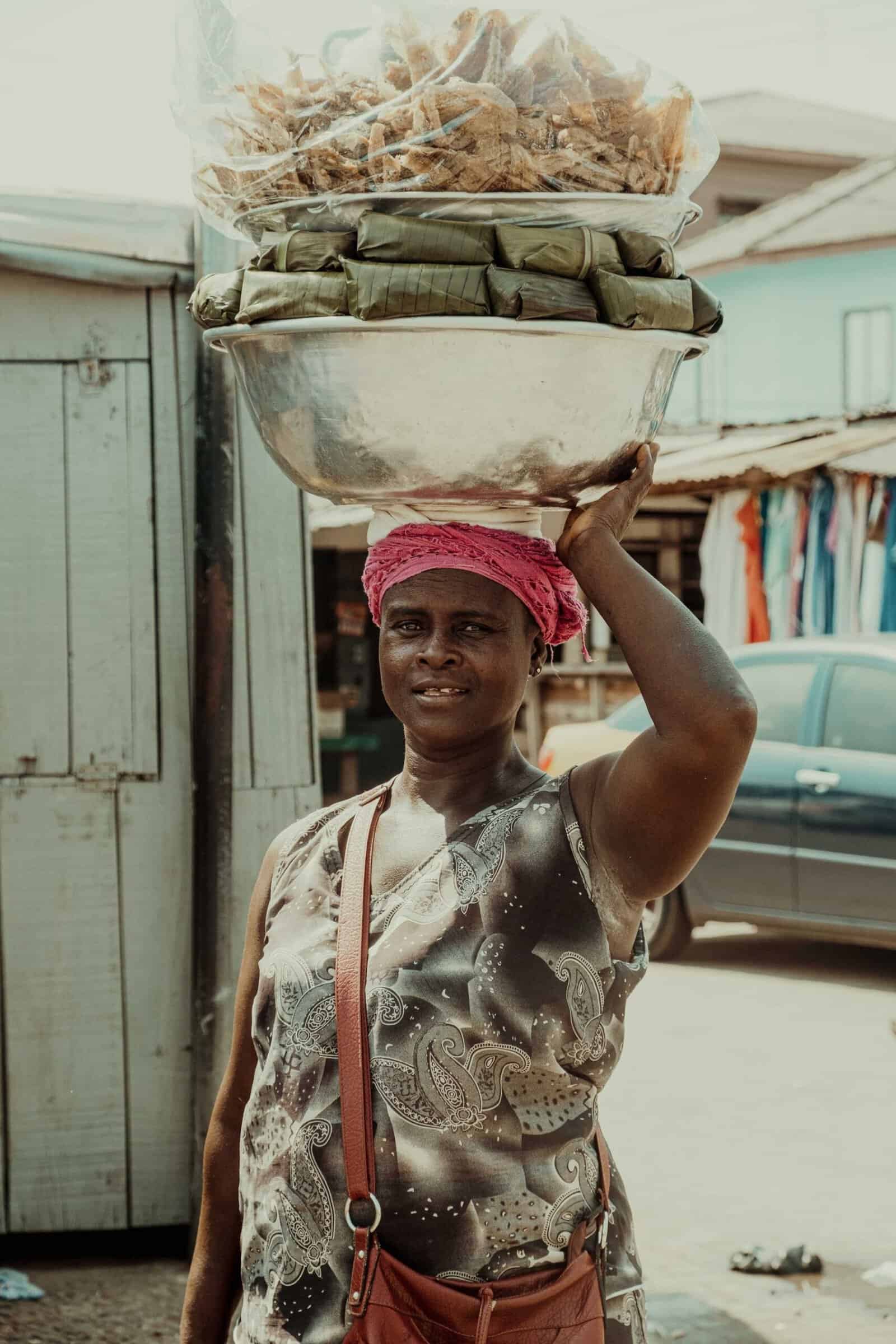
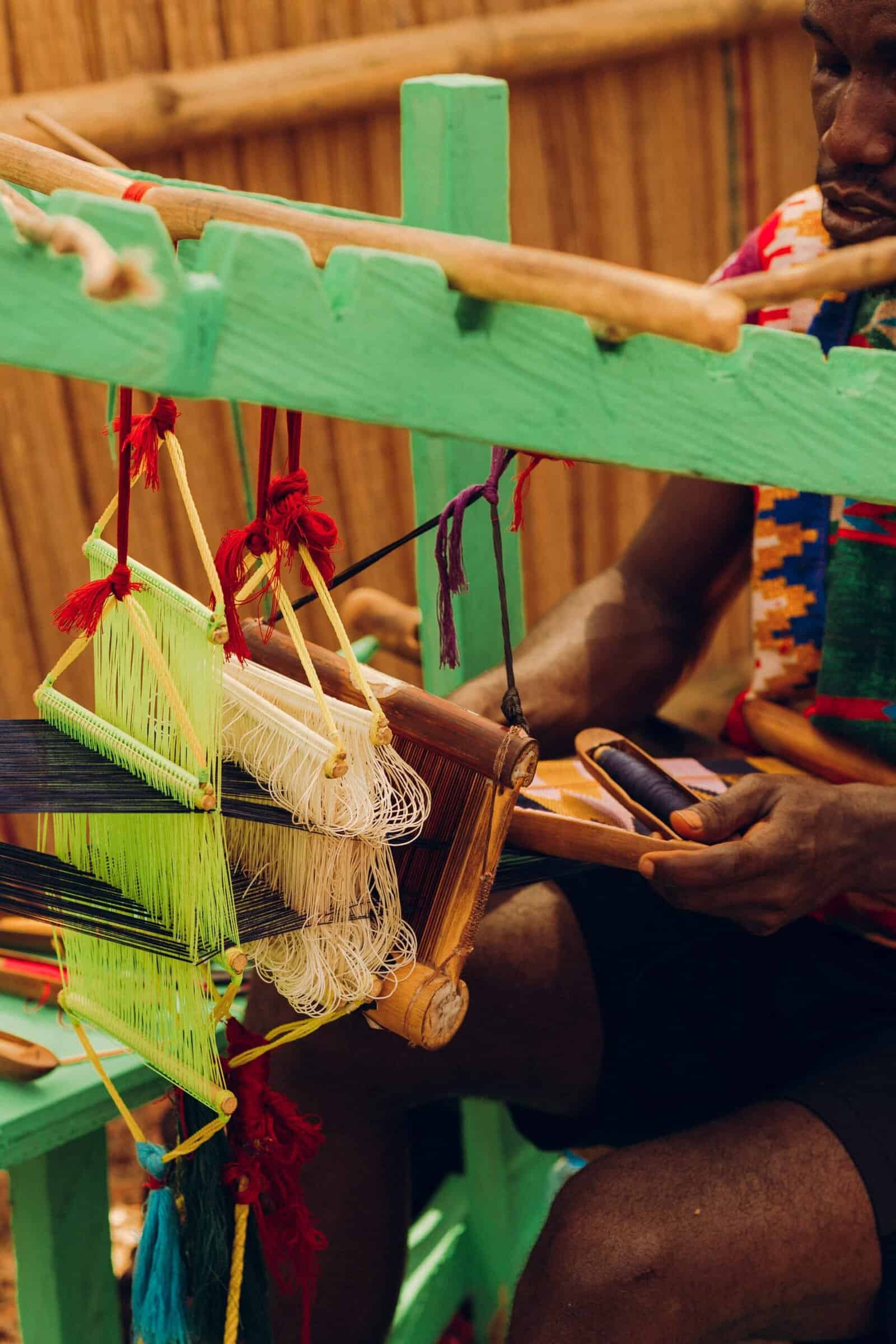
The heart of the Ashanti kingdom. Visit the Manhyia Palace Museum and Kejetia, one of the biggest markets in West Africa, and the craft villages nearby: Bonwire for kente weaving and Ntonso for adinkra cloth.

Mole National Park
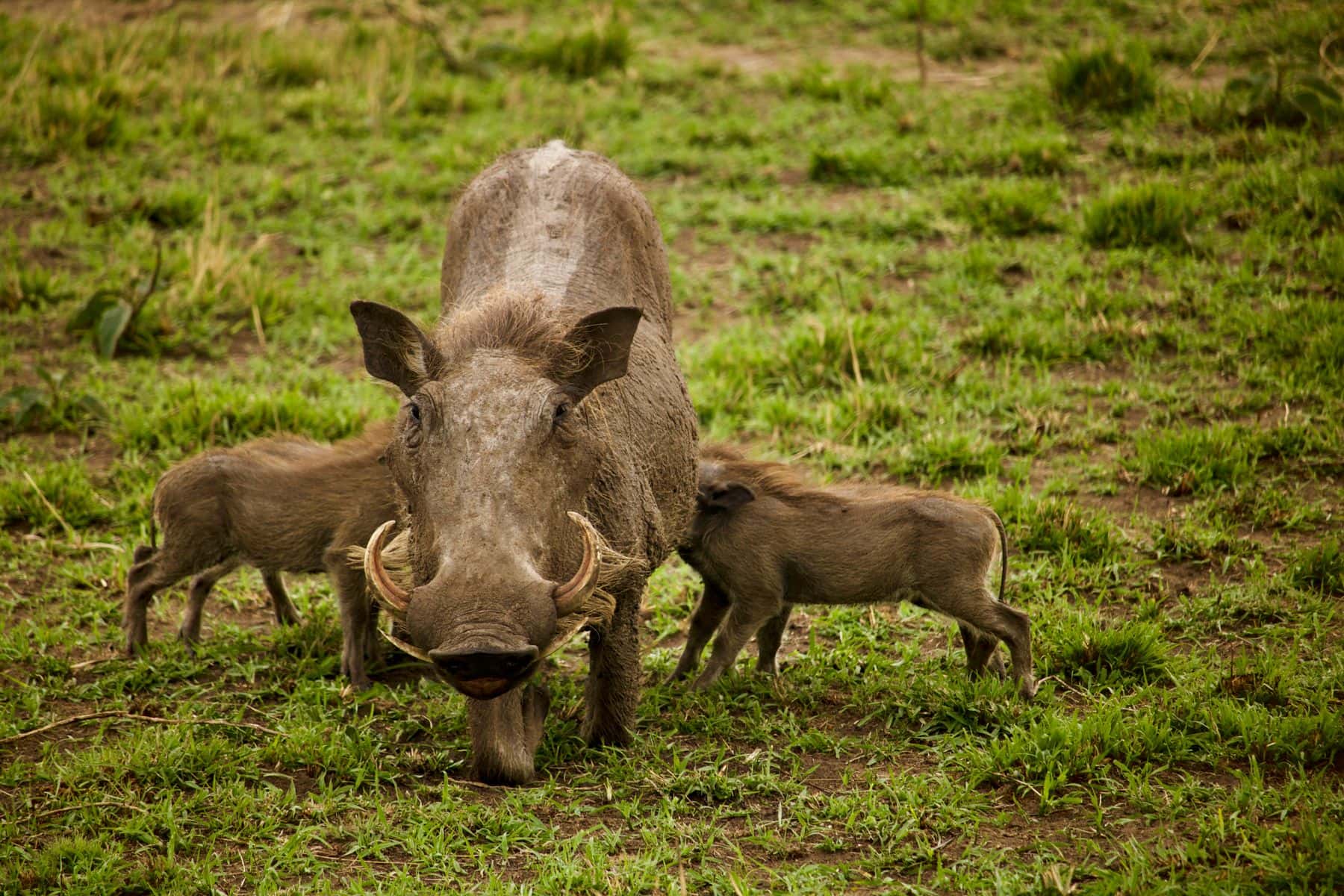
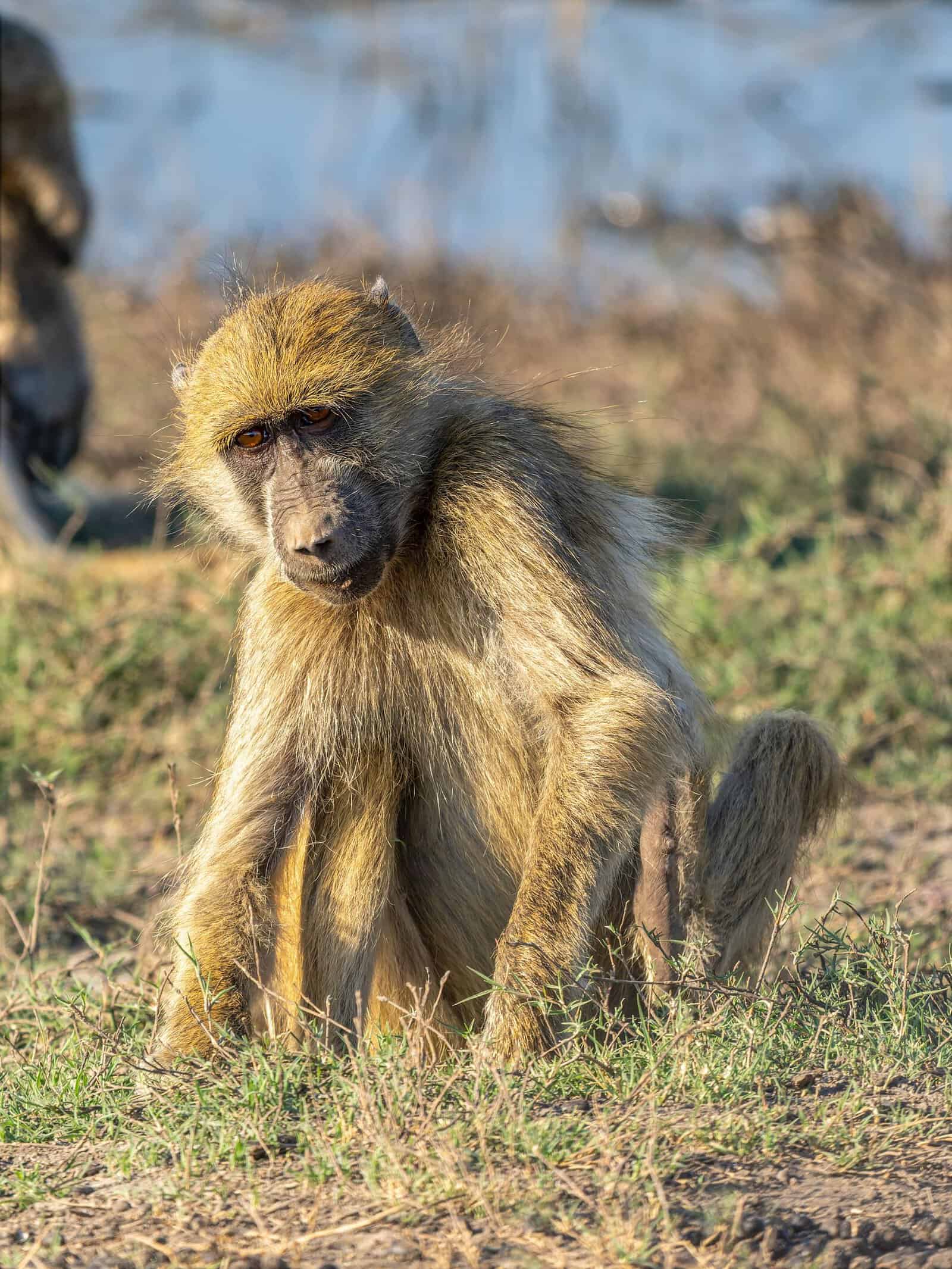
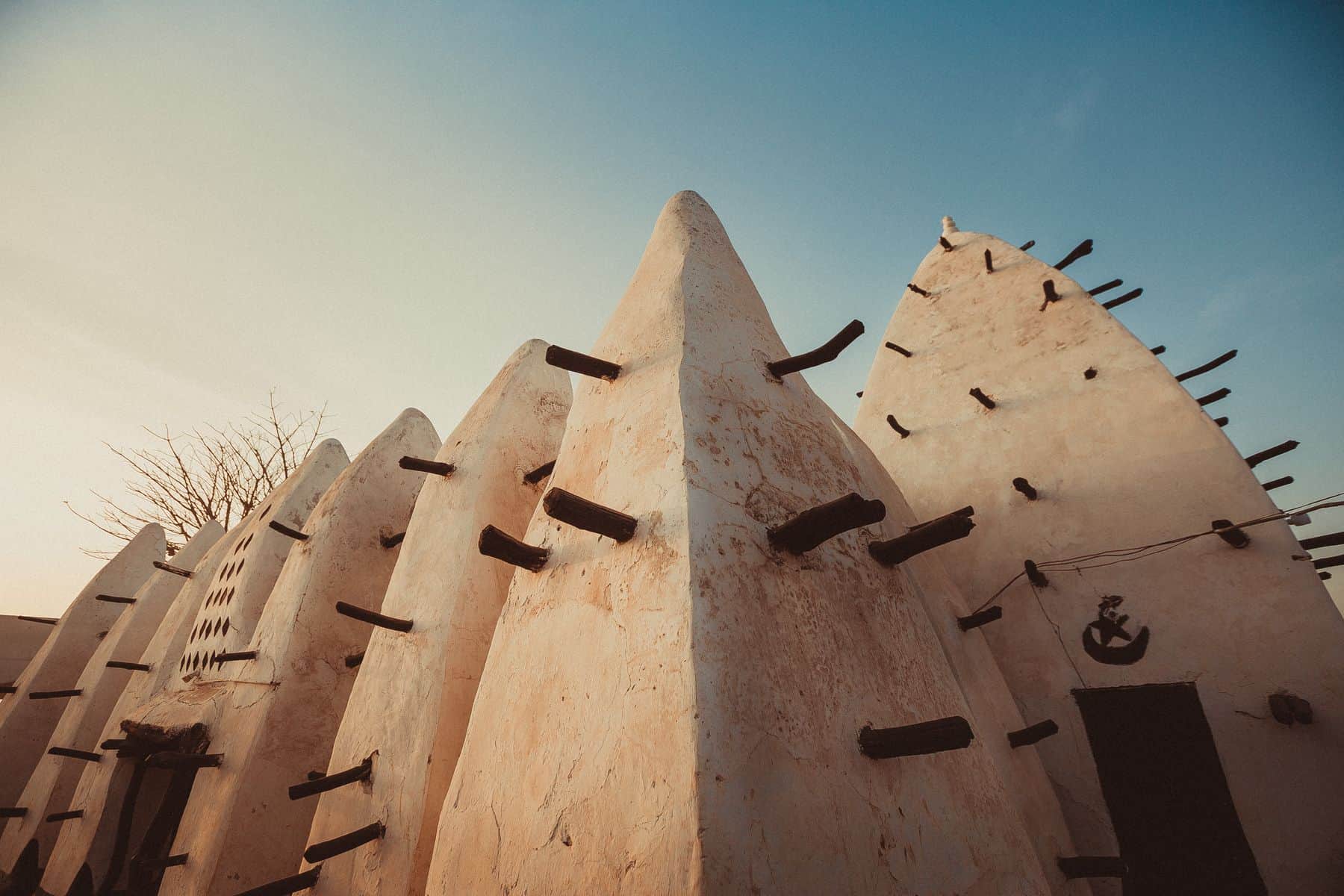
Ghana’s largest national park, in the savanna of the north. Walk with an armed ranger to see elephants, antelope, warthogs and baboons, and visit the mud-brick mosque at nearby Larabanga.
Fly from Accra to Tamale, then drive about three hours.
The Volta Region
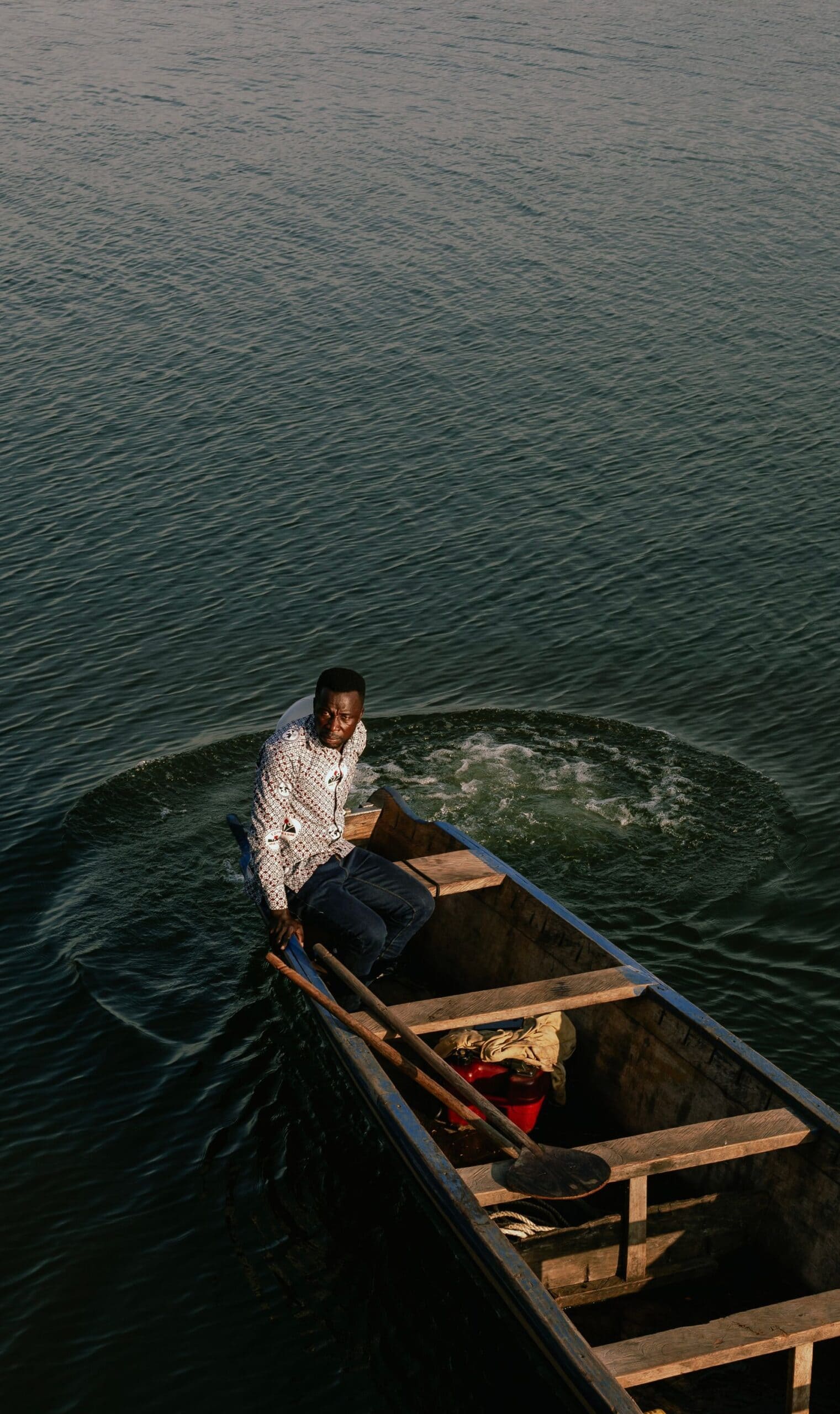
Green hills on the border with Togo: the Wli waterfalls, among the highest in West Africa, Mount Afadja, the mona monkeys of Tafi Atome and boat trips on Lake Volta, one of the largest man-made lakes in the world.
The western beaches
West of Elmina, the coast around Busua and Butre has quiet palm-lined bays, surf lessons and old forts on the headlands. It’s the place to unwind at the end of a trip.
Kakum National Park

Where is Kakum National Park? In Ghana’s Central Region, about 30 km north of Cape Coast, or roughly three to four hours by road from Accra. Most people visit on a day trip from Cape Coast or Elmina.
The canopy walkway is the highlight: a chain of seven rope-and-plank bridges, about 350 metres long, slung between the trees up to around 40 metres above the forest floor. Go early in the morning, when it’s cooler and the birds are most active.
Wildlife: the rainforest is home to forest elephants, Diana monkeys, duikers and hundreds of species of birds and butterflies. The forest is dense, so you’re more likely to hear the animals than see them; a guided nature walk helps.
Tips for Kakum: the walkway isn’t suitable if you have a strong fear of heights, though the bridges are sturdy and fitted with safety nets. Wear shoes with grip and bring water. Guided forest walks and night walks can be arranged at the visitor centre.
Animals in Ghana
Ghana isn’t a classic big-game safari country, but it has more wildlife than most visitors expect, from elephants and monkeys to sea turtles and more than 700 species of birds. These are the animals in Ghana you’re most likely to see, and where:
| Animal | Where to see it | Best time |
|---|---|---|
| Savanna elephants | Mole National Park, on a walking or vehicle safari | January to April, near the waterholes |
| Forest elephants | Kakum National Park (rarely seen) | All year |
| Mona monkeys | Tafi Atome (Volta) and Boabeng-Fiema sanctuary | All year |
| Black-and-white colobus | Boabeng-Fiema Monkey Sanctuary | All year |
| Baboons, warthogs and kob | Mole National Park | December to April |
| Sea turtles | Nesting beaches on the coast, such as Ada | About October to March |
| Birds | Kakum, Mole, the Volta Region, the coastal lagoons | November to April |
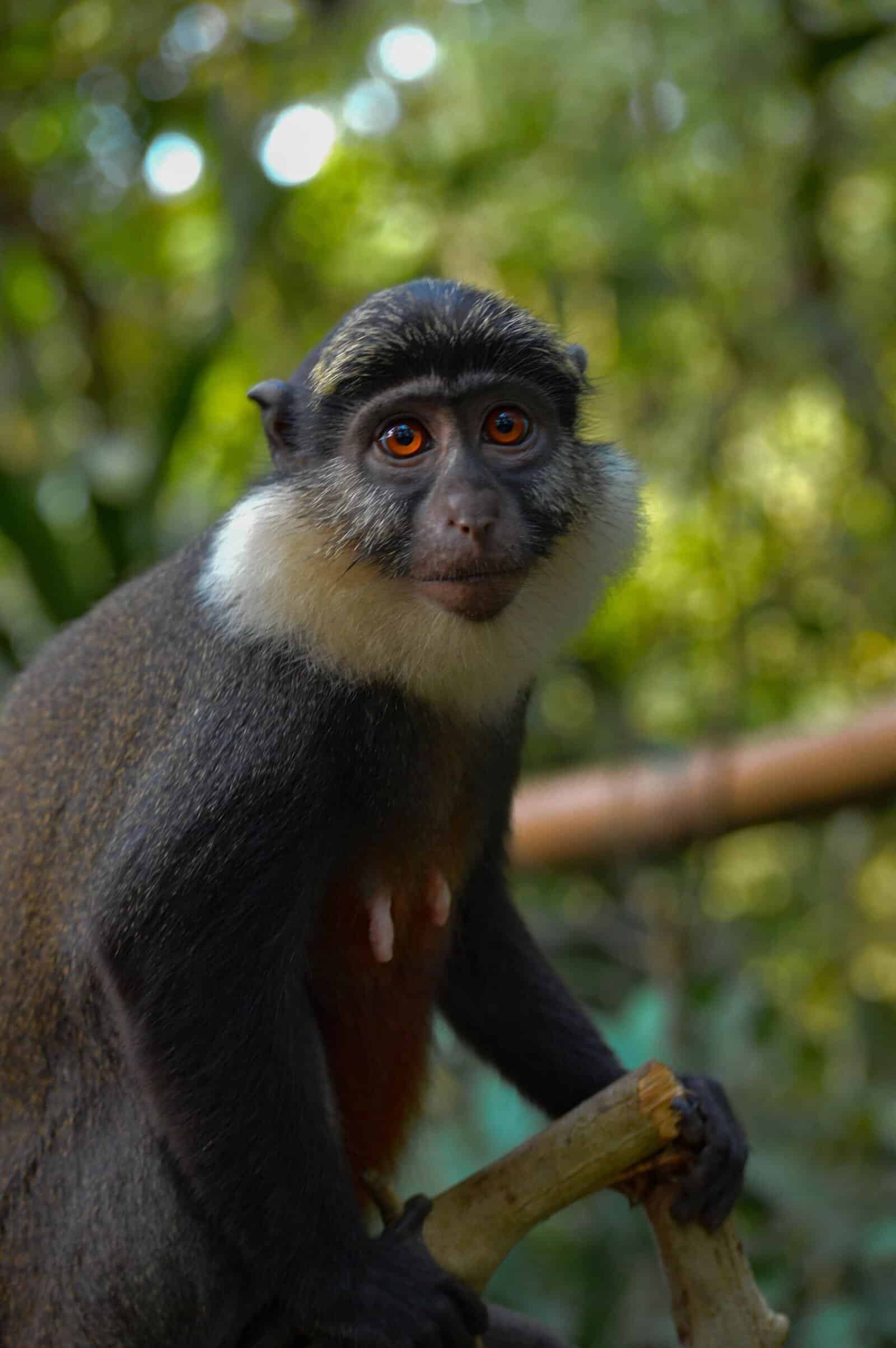

The monkeys at Boabeng-Fiema and Tafi Atome are protected by the local communities, who have long regarded them as sacred. Please follow your guide’s lead, and don’t feed them.
Things to do in Ghana
- Walk the Kakum canopy and explore the rainforest with a guide.
- Visit Cape Coast and Elmina castles to understand the history of the Atlantic slave trade.
- Track elephants on foot with a ranger in Mole National Park.
- Watch kente being woven in Bonwire, near Kumasi, and adinkra cloth being printed in Ntonso.
- Hike to the Wli waterfalls in the Volta Region.
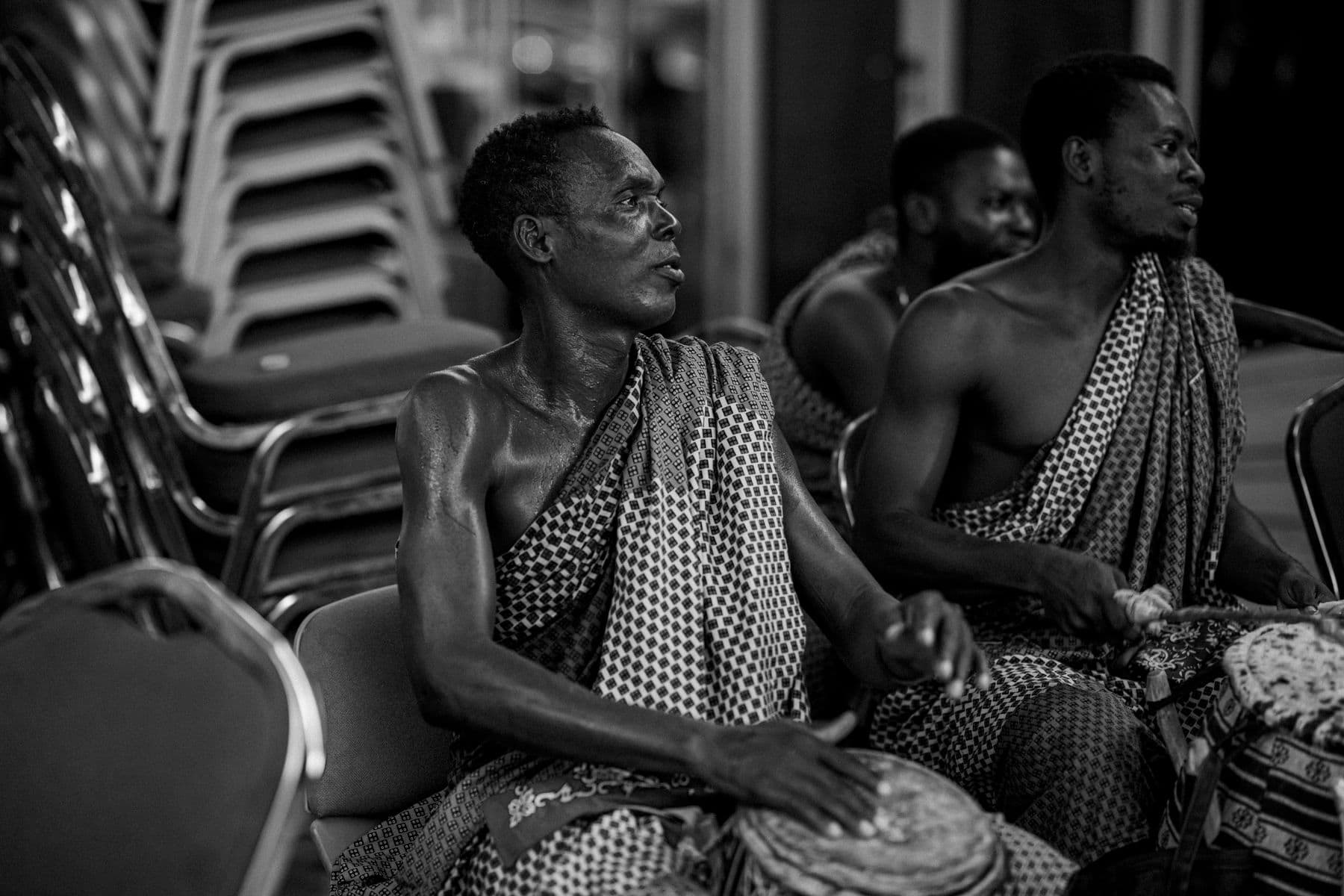
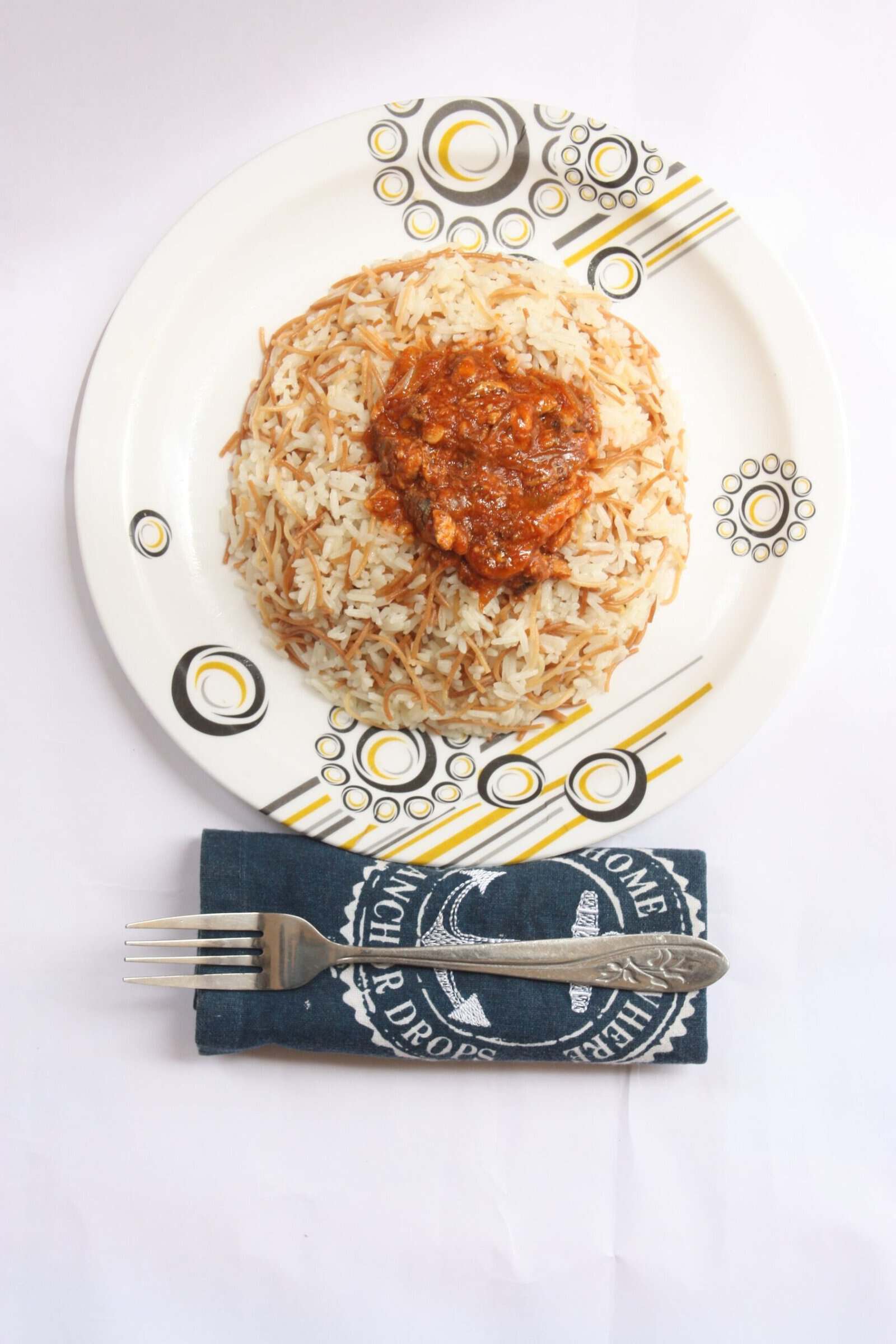
- Eat jollof rice, kelewele and fresh fish, and hear drumming and highlife music in Accra.
- Relax on the beaches of Busua and the western coast.
When to go to Ghana
Ghana is hot all year. The best time to visit is the dry season, from November to March. The south has two rainy seasons, a long one from about April to June and a shorter one in September and October; the north has one, from about May to October. From December to February the Harmattan wind can bring dusty, hazy skies.
| Month | Accra | Cape Coast and Kakum | Kumasi | Mole | Volta |
|---|---|---|---|---|---|
| Jan | 31°C · 20 mm | 31°C · 40 mm | 34°C · 20 mm | 35°C · 0 mm | 35°C · 10 mm |
| Mar | 31°C · 55 mm | 31°C · 115 mm | 33°C · 140 mm | 37°C · 30 mm | 33°C · 120 mm |
| May | 30°C · 130 mm | 30°C · 210 mm | 31°C · 150 mm | 34°C · 90 mm | 31°C · 160 mm |
| Jul | 27°C · 90 mm | 27°C · 160 mm | 28°C · 135 mm | 30°C · 195 mm | 28°C · 180 mm |
| Sep | 28°C · 100 mm | 28°C · 190 mm | 29°C · 195 mm | 30°C · 210 mm | 28°C · 275 mm |
| Nov | 30°C · 50 mm | 30°C · 130 mm | 31°C · 80 mm | 35°C · 10 mm | 31°C · 70 mm |
Average daily high and monthly rainfall, 10-year ERA5 data.
Classic routes
Coast and the Ashanti
- Accra (2 nights)
- Cape Coast and Kakum (3)
- Kumasi (2)
- Busua (2)
Castles, the canopy walk, Ashanti crafts and the beach.
Ghana with Mole
- Accra (2 nights)
- Cape Coast and Kakum (3)
- Kumasi (2)
- Mole (3, flying to Tamale)
- Volta Region (2)
Add elephants on foot and the waterfalls of the Volta.
Ghana, Togo and Benin
- Accra
- Volta Region
- Togo
- Benin
- back via the coast
A small-group West African adventure across three countries.
Ways to see Ghana with us

Practical tips
- Entry: British citizens need a visa before travelling, applied for through the Ghana High Commission, and a yellow fever vaccination certificate. Your passport must be valid for six months after you arrive.
- Health: take advice on malaria tablets and vaccinations at least eight weeks before you go.
- Safety: the FCDO advises against all but essential travel to the Bawku Municipal area in the far north-east, and warns of a terrorism risk near the northern borders. The places in this guide are outside those areas; check the FCDO Ghana advice before you travel.
- Getting around: roads can be slow, so most visitors travel with a driver-guide and fly between Accra and Tamale for Mole.
- Money: the cedi is the local currency; cards work in Accra and larger hotels, but carry cash elsewhere.
- Etiquette: use your right hand to give, take and eat, and greet people before asking for anything.
Frequently asked questions
Where is Kakum National Park?
In the Central Region of Ghana, about 30 km north of Cape Coast and around three to four hours by road from Accra.
What is Kakum National Park famous for?
Its canopy walkway: seven rope bridges, about 350 metres long and up to around 40 metres above the rainforest floor. The forest is also home to forest elephants, monkeys and hundreds of bird species.
What animals live in Ghana?
Savanna and forest elephants, mona and colobus monkeys, baboons, warthogs, antelope such as kob, crocodiles, sea turtles and more than 700 species of birds.
Where can you see elephants in Ghana?
Mole National Park in the north is the best place, on a walking safari with an armed ranger or a vehicle safari. January to April is the best time.
Do you need a visa for Ghana from the UK?
Yes. British citizens need a visa before travelling, applied for through the Ghana High Commission, and must show a yellow fever vaccination certificate.
When is the best time to visit Ghana?
The dry season, from November to March. It's hot all year, and from December to February the Harmattan can bring dusty, hazy skies.
Is Ghana safe for tourists?
Ghana is one of the more stable countries in West Africa and is widely visited. The FCDO advises against all but essential travel to the Bawku area in the far north-east, and warns of risks near the northern borders.
How long do you need in Ghana?
Ten days covers Accra, Cape Coast, Kakum and Kumasi. Allow two weeks to add Mole National Park and the Volta Region.
Keep planning
- Ghana holidays
- Escorted tours of Ghana
- Togo holiday guide
- Togo holidays
- Benin holidays
- Kenya holiday guide
- Africa holidays
- Tailor-made holidays
Plan your Ghana holiday with a Travel Designer
Tell us what you’d like to see and we’ll plan your route, from the castles and Kakum to Kumasi and the elephants of Mole, with a driver-guide and flights in one ATOL-protected booking.
Make an enquiry Ghana holidays