LGBTQ+ friendly countries in brief
- Nearly 40 countries have equal marriage, most recently Thailand and Liechtenstein in 2025.
- 65 countries and territories criminalise same-sex relations, 12 with the death penalty in law or possible (as of 25 November 2026).
- It is illegal in the Maldives, Morocco, the UAE, Qatar, Kenya and Zanzibar; Mauritius, St Lucia and Trinidad and Tobago have recently decriminalised.
- Research every country on your route, take care with dating apps and, if you are trans, check your passport details well ahead.
- This is a travel view, not legal advice, and laws can change quickly.

Where can you travel openly as an LGBTQ+ person, and where is it a crime to be gay? The answer matters for every holiday, from a weekend in Lisbon to a honeymoon in the Maldives. Nearly 40 countries now let same-sex couples marry, while 65 countries and territories still criminalise same-sex relationships, and a handful of popular holiday destinations are on that second list.
This guide sets out how we judge an LGBTQ+ friendly country, the destinations we recommend most often, an up-to-date list of the countries where being gay is illegal, the law in the holiday spots UK travellers ask us about most, and practical safety tips. It is written by travel specialists, not lawyers, so treat it as a travel view rather than legal advice. Laws change, sometimes within weeks, so we date the facts and check them again before you book.
How we judge an LGBTQ+ friendly country
No country is perfect, and “friendly” means different things to a gay couple on honeymoon, a group of lesbian friends and a trans traveller going through airport security. We look at three things.
The law. Is same-sex activity legal? Can same-sex couples marry, or at least register a partnership? Is there protection from discrimination in jobs, housing and services, such as hotels? Can trans people change their legal gender, and how hard is it?
Everyday attitudes. Would two men or two women holding hands draw stares, or nothing at all? Cities are usually more relaxed than the countryside.
The scene. A gay neighbourhood, a big Pride, LGBTQ+-owned guesthouses and guides all make a trip easier and more fun. They are a bonus, not a requirement: plenty of our favourite trips are to quiet, welcoming places with no scene to speak of.
The law comes first, because it is the one thing that can turn a misunderstanding into an arrest. That is why we never describe a country that criminalises same-sex relationships as gay friendly, however relaxed its resorts may feel.
The most LGBTQ+ friendly countries for UK travellers
Every country below lets same-sex couples marry, and in most of them you can hold hands in the city centre without a second glance. We have listed the year marriage became law, as recorded by the Pew Research Center, and the places our travellers enjoy most.
| Country | Equal marriage since | Good to know | Plan it |
|---|---|---|---|
| Netherlands | 2001 | The first country in the world to open marriage to same-sex couples. Amsterdam’s Pride has a canal parade in early August. | Amsterdam guide |
| Spain | 2005 | One of Europe’s most relaxed countries for gay travellers, with famous scenes in Maspalomas, Torremolinos, Sitges and Madrid. | Gay Gran Canaria, gay Torremolinos, Sitges |
| Canada | 2005 | Equal marriage nationwide since 2005, with lively gay villages in Toronto and Montreal. | Canada holidays |
| South Africa | 2006 | The first African country with equal marriage, and its constitution bans discrimination based on sexual orientation. Cape Town is the most relaxed city. | Cape Town guide |
| Sweden | 2009 | Stockholm Pride, in late July or early August, is the biggest in the Nordics. | Sweden holidays |
| Portugal | 2010 | Its constitution bans discrimination based on sexual orientation. Lisbon’s Príncipe Real and Bairro Alto are the heart of the scene. | Lisbon guide |
| Iceland | 2010 | Small, safe and quietly progressive. Reykjavík Pride in August fills the city. | Iceland holidays |
| Argentina | 2010 | The first in Latin America, and an early leader on trans rights. Buenos Aires has a big scene. | Argentina holidays |
| Denmark | 2012 | The first country to register same-sex partnerships, in 1989. Copenhagen is easy-going and compact. | Copenhagen guide |
| France | 2013 | Paris’s Le Marais is one of Europe’s best-known gay neighbourhoods. | France holidays |
| New Zealand | 2013 | Relaxed and welcoming, with Auckland and Wellington the most visible scenes. | New Zealand holidays |
| United Kingdom | 2014 | Home: equal marriage in England, Wales and Scotland since 2014 and in Northern Ireland since 2020. Brighton is the gay capital by the sea. | Brighton LGBTQ+ guide |
| Ireland | 2015 | The first country to approve equal marriage by popular vote. | Ireland holidays |
| United States | 2015 | Legal nationwide since the Supreme Court’s 2015 ruling. New York, San Francisco, Palm Springs, Fort Lauderdale and Key West are favourites; some states are much more conservative. | USA holidays |
| Malta | 2017 | Regularly at or near the top of ILGA-Europe’s annual Rainbow Map of LGBTQ+ rights in Europe. | Malta holidays |
| Germany | 2017 | Berlin has one of the world’s great gay scenes, centred on Schöneberg. | Germany holidays |
| Australia | 2017 | Sydney’s Gay and Lesbian Mardi Gras, in February and March, is one of the biggest LGBTQ+ festivals anywhere. | Australia holidays |
| Taiwan | 2019 | The first in Asia. Taipei’s Pride in late October is the largest in East Asia. | Taiwan holidays |
| Mexico | 2022 | Legal in all 32 states since 2022. Mexico City, Puerto Vallarta and Mérida are the most welcoming. | Gay Mexico tours |
| Greece | 2024 | Marriage was opened to same-sex couples in 2024. Mykonos has the longest-standing gay reputation; Athens a growing scene. | Greece holidays |
| Liechtenstein | 2025 | Equal marriage from 1 January 2025: a short add-on to a Swiss or Austrian trip. | |
| Thailand | 2025 | Its Marriage Equality Act took effect on 23 January 2025, the first in Southeast Asia. Bangkok, Phuket and Pattaya have long-established scenes. | Thailand holidays |
Other countries with equal marriage include Andorra, Austria, Belgium, Brazil, Chile, Colombia, Costa Rica, Cuba, Ecuador, Estonia, Finland, Luxembourg, Norway, Slovenia, Switzerland and Uruguay, and same-sex couples have been able to marry in Nepal since 2024 following a court order, though there is not yet a full marriage law. If you would rather go by sea, our gay cruises guide covers all-LGBTQ+ charters, which turn the whole ship into a safe space.



Equal marriage is not the whole story. Some countries with marriage equality have strong anti-discrimination laws and simple legal gender recognition; others are more mixed. Malta, Ireland, Denmark, Spain, Portugal, Belgium, Iceland, Norway, Germany and Argentina all let trans people change their legal gender by self-declaration, without medical requirements, which is a good sign for trans travellers.
Some countries without marriage are still easy to visit. Japan and Peru, for example, have no law against same-sex relationships and see many LGBTQ+ visitors, but do not yet recognise same-sex couples nationally. Italy and the Czech Republic have registered partnerships rather than marriage.
Plan an LGBTQ+ friendly holiday
Where being gay is illegal
As of 25 November 2026, 65 countries and territories criminalise private, consensual sex between people of the same sex, according to the Human Dignity Trust, a UK legal charity that tracks these laws (its map is dated June 2026, and we have checked it against the changes since). Of these, 42 also criminalise sex between women, and in 12 the death penalty is imposed or is a possibility in law. Almost half are Commonwealth countries, many of them still using laws introduced under British colonial rule.
The list moves in both directions. Since 2023, Mauritius (October 2023), Dominica (April 2024), Namibia (June 2024, though the government has appealed), St Lucia (July 2025) and Trinidad and Tobago (10 November 2026) have dropped off it through court rulings. Going the other way, Mali (late 2024) and Burkina Faso (September 2025) passed new laws against same-sex relations.
Countries marked (death penalty) are those where, according to the Human Dignity Trust, the death penalty applies or is possible in law, even if it is not known to have been carried out recently. In Nigeria it applies in the northern states that use Sharia law.
| Region | Countries where same-sex relations are a crime |
|---|---|
| Africa (33) | Algeria, Burkina Faso, Burundi, Cameroon, Chad, Comoros, Egypt (no explicit law, but prosecutions under “debauchery” laws), Eritrea, Eswatini, Ethiopia, Ghana, Guinea, Kenya, Liberia, Libya, Malawi, Mali, Mauritania (death penalty), Morocco, Niger, Nigeria (death penalty), Senegal, Sierra Leone, Somalia (death penalty), South Sudan, Sudan, Tanzania (including Zanzibar), The Gambia, Togo, Tunisia, Uganda (death penalty), Zambia, Zimbabwe |
| Asia and the Middle East (22) | Afghanistan (death penalty), Bangladesh, Brunei (death penalty), Indonesia (Aceh province and some local laws), Iran (death penalty), Iraq, Kuwait, Lebanon, Malaysia, Maldives, Myanmar, Oman, Pakistan (death penalty), Palestine (Gaza), Qatar (death penalty), Saudi Arabia (death penalty), Sri Lanka, Syria, Turkmenistan, United Arab Emirates (death penalty), Uzbekistan, Yemen (death penalty) |
| Caribbean and the Americas (4) | Grenada, Guyana, Jamaica, St Vincent and the Grenadines |
| Pacific (6) | Kiribati, Papua New Guinea, Samoa, Solomon Islands, Tonga, Tuvalu |
The Human Dignity Trust also counts at least 13 countries that criminalise the gender expression of trans people, through laws on “imitating the opposite sex”, cross-dressing or public decency. They include the United Arab Emirates, Qatar, Saudi Arabia, Oman, Malaysia, Brunei, Indonesia and Sri Lanka. Even where same-sex relations are legal, some countries have laws against “promoting” LGBTQ+ relationships, Pride events or rainbow symbols, Russia among them.
The law in popular holiday destinations
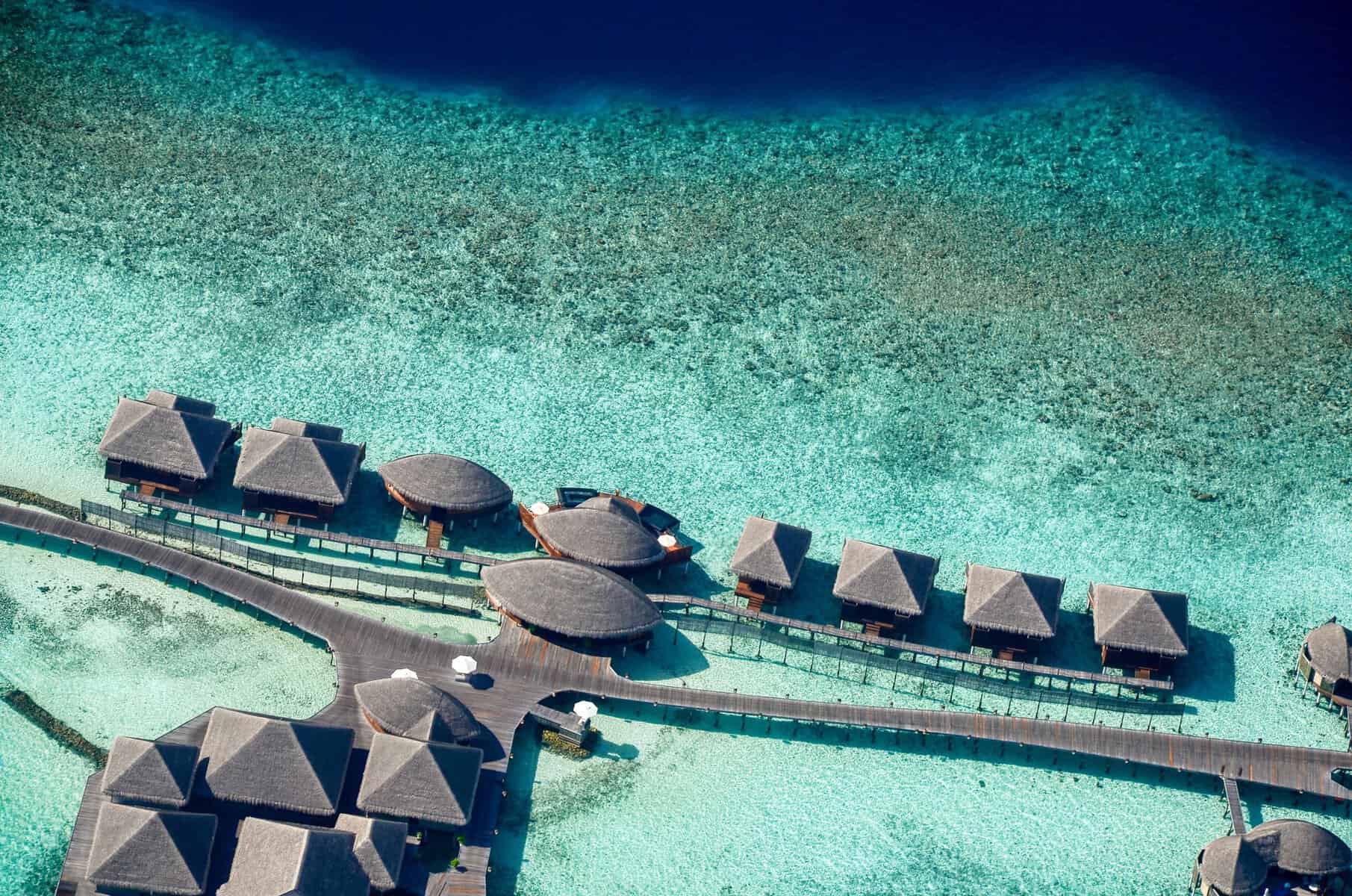
Several of the destinations UK travellers love most are on the list above, and many LGBTQ+ couples still go: the Maldives, Zanzibar and Kenya are full of same-sex honeymooners every year. We think you should know the law before you choose, so you can decide for yourself.
When you book one of these places with us, we pick resorts and lodges that welcome every couple, ask for the room type you want in advance, and can suggest a more relaxed alternative close by if you would prefer. You can tell us anything you would like us to know privately on the enquiry form.
This is the law as we found it on 25 November 2026, in plain terms. It is not legal advice.
| Destination | The law (25 November 2026) | Before you go |
|---|---|---|
| Maldives | Same-sex relations are illegal for men and women under the penal code, and there is no recognition of same-sex couples. Resort islands are run separately from local islands. | Check the current FCDO Maldives travel advice before you book and again before you travel. |
| Morocco | Illegal for men and women under Article 489 of the penal code, with prison sentences of six months to three years. | Check the current FCDO Morocco travel advice before you book and again before you travel. |
| United Arab Emirates (Dubai, Abu Dhabi) | Illegal. The death penalty is possible in law, and trans people’s gender expression is also criminalised. | Check the current FCDO UAE travel advice before you book and again before you travel. |
| Qatar | Illegal for men and women. The death penalty is possible in law. | Check the current FCDO Qatar travel advice before you book and again before you travel. |
| Egypt | No law names same-sex relations, but LGBTQ+ people have been prosecuted under laws on “debauchery”, so it is counted among criminalising countries. | Check the current FCDO Egypt travel advice before you book and again before you travel. |
| Jamaica | Sex between men is illegal, with prison terms of up to 10 years; there is no law on sex between women. | Check the current FCDO Jamaica travel advice before you book and again before you travel. |
| St Lucia | Legal since 29 July 2025, when the High Court struck down the laws on “buggery” and “gross indecency”. There is no recognition of same-sex couples. | Check the current FCDO St Lucia travel advice before you book and again before you travel. |
| Trinidad and Tobago | Legal since 10 November 2026. The law was struck down in 2018, revived by the Court of Appeal in March 2025, and struck down for good by the Privy Council in London on 10 November 2026, a final ruling. | Check the current FCDO Trinidad and Tobago travel advice before you book and again before you travel. |
| Dominica | Legal since April 2024, after a High Court ruling. | Check the current FCDO Dominica travel advice before you book and again before you travel. |
| Other Caribbean islands | Legal in the Bahamas (since 1991), Barbados, Antigua and Barbuda and St Kitts and Nevis (all after court rulings in 2022), and in Cuba, which has equal marriage. Still illegal in Grenada, St Vincent and the Grenadines and Guyana. | Check the FCDO page for each island on your route. |
| Kenya | Illegal under the Penal Code, with prison terms of up to 14 years. | Check the current FCDO Kenya travel advice before you book and again before you travel. |
| Tanzania, including Zanzibar | Illegal on the mainland and in Zanzibar, which has its own penal code. Sentences can be very long. | Check the current FCDO Tanzania travel advice before you book and again before you travel. |
| Sri Lanka | Still illegal under sections 365 and 365A of the Penal Code. A bill to decriminalise was ruled constitutional by the Supreme Court in 2023 but had not been passed by November 2026. | Check the current FCDO Sri Lanka travel advice before you book and again before you travel. |
| Malaysia | Illegal under the national penal code and the Sharia laws of the states, with prison and caning possible. Trans people’s gender expression is also criminalised. | Check the current FCDO Malaysia travel advice before you book and again before you travel. |
| Indonesia, including Bali | Not a crime in national law, including in Bali. It is a crime in Aceh province under Sharia law, and in some local areas. The new Criminal Code, in force since 2 January 2026, makes sex and living together outside marriage offences. | Check the current FCDO Indonesia travel advice before you book and again before you travel. |
| Mauritius | Legal since October 2023, when the Supreme Court struck down the law. There is no recognition of same-sex couples. | Check the current FCDO Mauritius travel advice before you book and again before you travel. |
| Namibia | Legal since June 2024 after a High Court ruling. The government has appealed to the Supreme Court, and no judgment had been given by November 2026. | Check the current FCDO Namibia travel advice before you book and again before you travel. |
Looking for something close to these places but without the legal worry? For an Indian Ocean beach, Mauritius and the Seychelles (legal since 2016) are the easy alternatives to the Maldives or Zanzibar. For a safari, South Africa has equal marriage and the protection of its constitution. Instead of Morocco, Andalucía and Portugal offer Moorish palaces and riads of their own. And instead of a Dubai stopover, consider flying through a European hub.
Practical safety tips
- Do your research before you book, not after. Read up on the law and attitudes for every country on your route, including stopovers. Read the FCDO guidance for LGBT+ travellers and the country page for each place you will visit.
- Know when to be discreet. In countries that criminalise, or where attitudes are conservative, many couples save holding hands and other affection for their room or their resort. In the friendliest places on our list you can relax completely.
- Take care with dating apps. In some countries, criminals and sometimes the police have used apps to target LGBTQ+ people. Use any travel or hide-distance mode, and meet in public places.
- Book hotels that welcome you. Some hotels in some countries refuse to give a double bed to two men or two women. We check in advance, so you don’t find out at check-in.
- Carry medicines legally. Check whether you can bring HIV medication, PrEP or hormones into each country, and keep them in their original packaging with a copy of your prescription.
- Get the right insurance. Take out travel insurance as soon as you book, and declare any medical conditions.
- Travelling with children? Bring birth or adoption certificates showing both parents, and a consent letter if one parent is not travelling. Some countries do not recognise two legal parents of the same sex.

Trans and non-binary travellers. UK passports show only M or F; there is no X marker. To change the gender on your passport you need a letter from a doctor or a Gender Recognition Certificate, plus evidence that you use your name, so leave plenty of time before you travel. Make sure the name and gender on your passport match your flight booking exactly.
Airport body scanners in some countries are set by staff to a male or female profile, and a mismatch can lead to a pat-down; you can usually ask for a private screening. Some countries criminalise “imitating the opposite sex” or cross-dressing (see the list above), so research your route carefully. The countries that allow legal gender change by self-declaration, such as Malta, Ireland, Spain, Portugal, Denmark and Iceland, are generally the most comfortable places to visit.
Plan your trip with us
Our Travel Designers can build a tailor-made holiday around the places on this page, from a long weekend in Lisbon to a month across Japan, Taiwan and Thailand.
For ready-made ideas, see our gay Mexico tours, the gay cruises guide, gay Gran Canaria and gay Torremolinos, or browse all our LGBTQ+ friendly holidays.
Updated 25 November 2026. Legal facts come from the Human Dignity Trust, the Pew Research Center and published court rulings. Laws can change quickly, so we check them again for your dates. This guide is a travel view, not legal advice.
Frequently asked questions
Which country is the most gay friendly?
There is no single answer, but the Netherlands, Spain, Malta, Iceland, Denmark, Canada and New Zealand are consistently among the most welcoming: equal marriage, strong anti-discrimination laws and relaxed attitudes. Malta is regularly at or near the top of ILGA-Europe's Rainbow Map. For a big scene, Spain, Germany, Australia and the US cities are hard to beat.
Is Morocco gay friendly?
No. Same-sex relations are illegal in Morocco for men and women, with prison sentences of six months to three years, and LGBTQ+ people have been prosecuted. Many same-sex couples still visit, usually travelling discreetly. If you want riads, souks and Moorish palaces with no legal worry, Andalucía and Portugal are close by. Check the FCDO Morocco travel advice before you book.
Is Bali gay friendly?
Same-sex relations are not a crime in Bali or in Indonesian national law, and Bali has long been relaxed about tourists. But Indonesia criminalises them in Aceh province and some local areas, trans people's gender expression can be targeted, and the new Criminal Code in force since January 2026 makes sex outside marriage an offence. Most couples are comfortable in the resorts, and discreet elsewhere.
Is Dubai gay friendly?
No. Same-sex relations are illegal in the United Arab Emirates, the death penalty is possible in law, and trans people's gender expression is criminalised. Same-sex couples do pass through Dubai on stopovers and stay in its hotels, but public affection can lead to arrest. If you would rather avoid it, we can route you through a European hub instead.
Is the Maldives gay friendly?
No. Same-sex relations are illegal in the Maldives and same-sex couples are not recognised. Even so, many same-sex couples honeymoon there: the resorts are on private islands, and we book those that welcome every couple and request your room type in advance. Mauritius and the Seychelles, where it is legal, are relaxed alternatives.
Is Japan gay friendly?
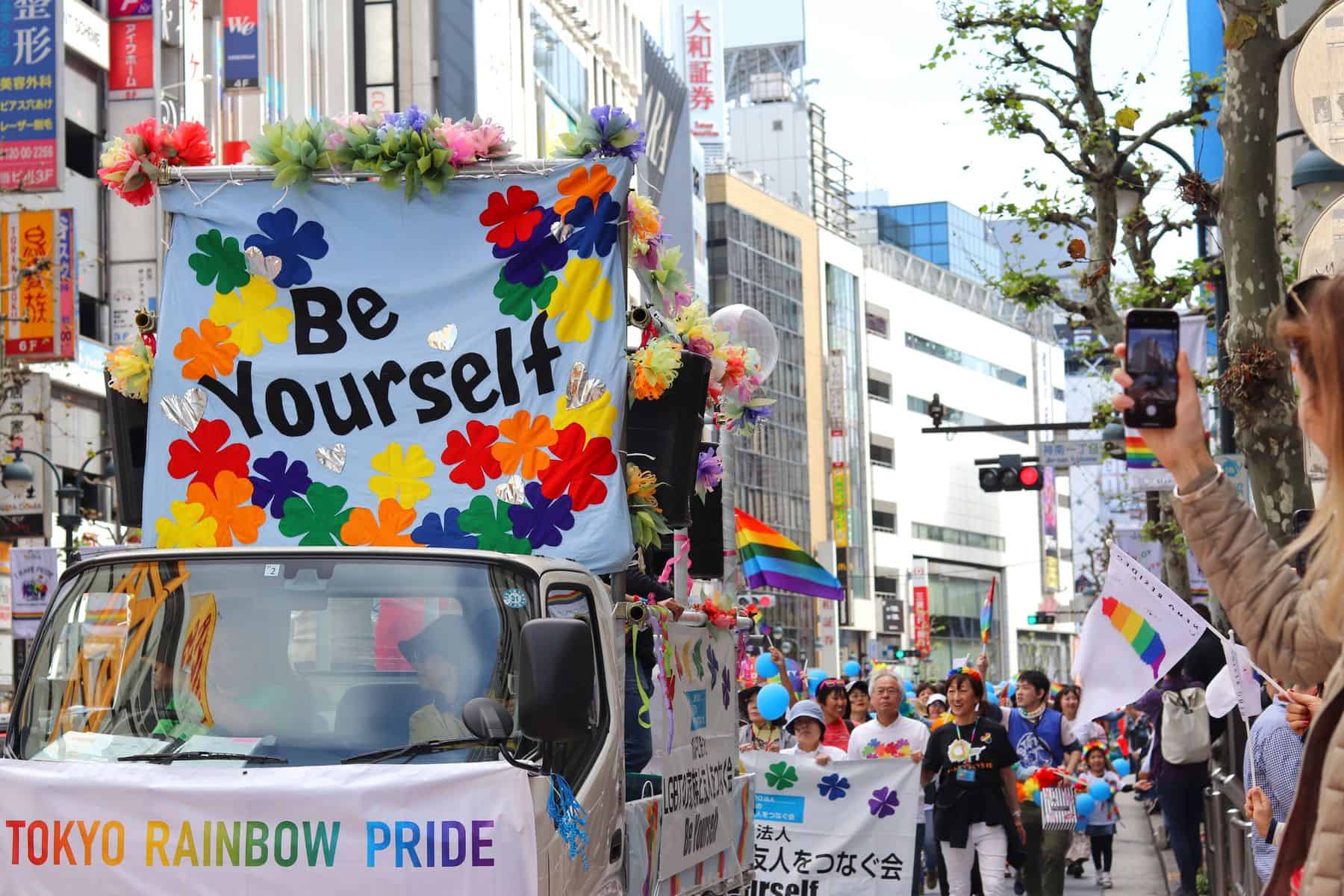
Largely, yes. Same-sex relations are legal, Tokyo has a large scene in Shinjuku Ni-chome and an annual Pride parade, and violence against LGBTQ+ visitors is rare. Japan does not yet allow same-sex marriage, although many cities and prefectures, including Tokyo, issue partnership certificates, and a Supreme Court ruling on marriage is expected. Public affection of any kind is uncommon in Japan.
Is Mauritius gay friendly?
Mauritius has been a much easier choice since October 2023, when its Supreme Court struck down the law against same-sex relations. Same-sex couples are not yet recognised, and attitudes outside the resorts are fairly conservative, but couples are welcome in the hotels we book, and it is the most relaxed alternative to the Maldives in the Indian Ocean.
Is Zanzibar gay friendly?
No. Same-sex relations are illegal in Zanzibar, as on the Tanzanian mainland, and sentences can be very long. Many couples still combine a Tanzanian safari with Zanzibar's beaches, keeping affection for their room. Mauritius, the Seychelles or a South African safari offer the same mix where it is legal. Check the FCDO Tanzania travel advice before you book.
Keep planning
- LGBTQ+ friendly holidays
- Gay Mexico tours
- Gay cruises guide
- Gay Gran Canaria guide
- Gay Torremolinos guide
- Where to stay in Sitges
- Brighton LGBTQ+ guide
- Gay-friendly hotels in Puerto Vallarta
- Things to do in Lisbon
- Things to do in Amsterdam
- Things to do in Cape Town
- Thailand holidays
- Gay Peru tours 2027: LGBTQ+ Machu Picchu trips
- Gay Colombia tours: Medellín, Cartagena and Bogotá
- Gay Thailand tours and holidays
- LGBTQ+ group tours 2027: every date and price
- Lesbian holidays and women-only LGBTQ+ trips
Plan an LGBTQ+ friendly holiday
Tell us where you would like to go and anything we should know about rooms or travelling as a couple, and a Travel Designer will plan the whole trip with you.
Make an enquiry Tailor-made holidays