Nepal in brief
- The Kathmandu Valley: Boudhanath, Swayambhunath and three royal Durbar Squares.
- Pokhara and the Annapurnas, with treks from four days to Everest Base Camp.
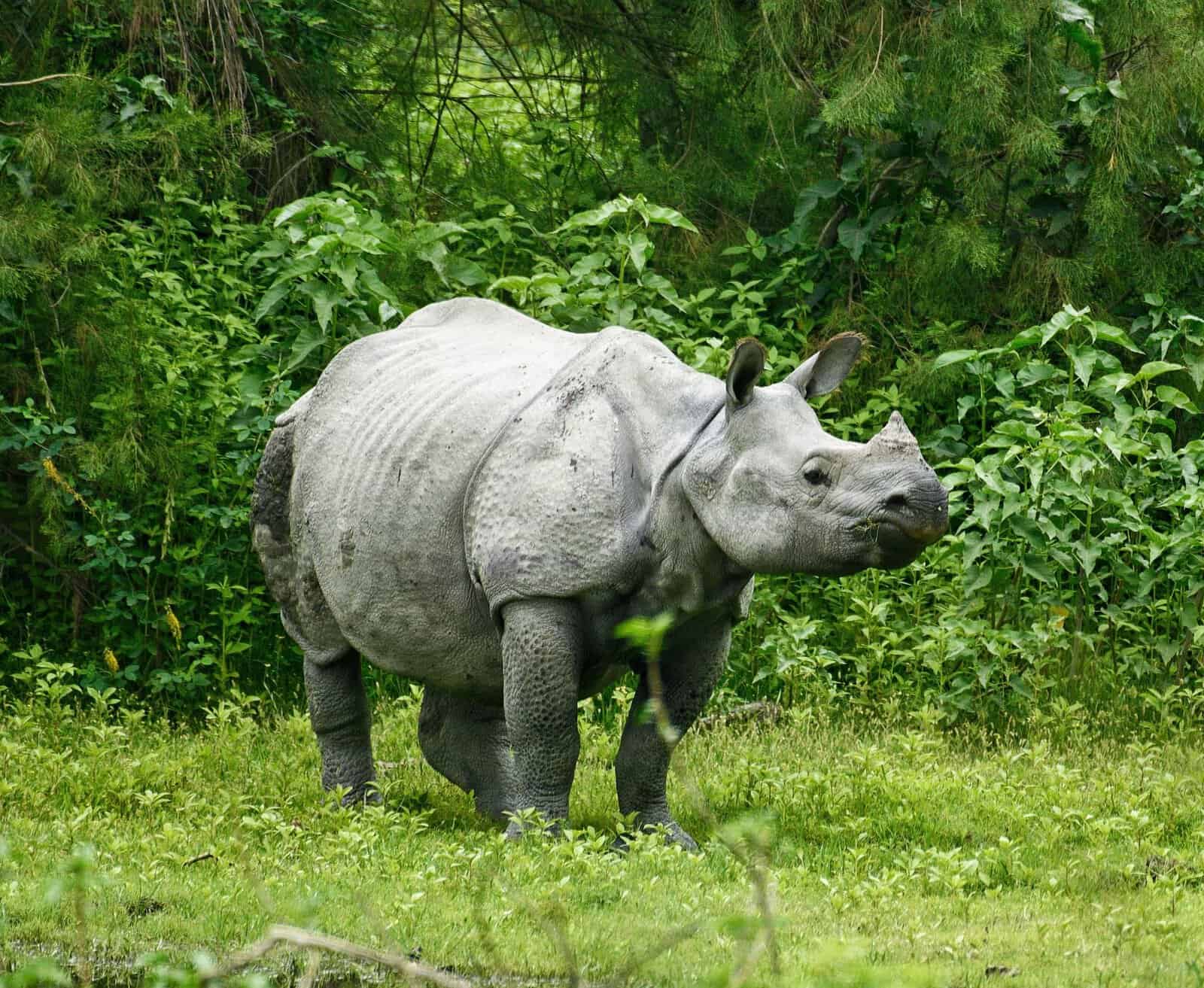
- Chitwan for one-horned rhinos, canoe safaris and birds.
- Best in October and November, then March to April; one stop from the UK.

Nepal packs the world’s highest mountains, medieval temple cities, subtropical jungle with rhinos and tigers, and some of the friendliest people in Asia into a country only a little bigger than England. This guide covers where Nepal is and where the Kathmandu Valley is, the regions, the best things to do, trekking (permits, guides and altitude), food, the best time to visit Nepal with a month-by-month weather table, how to get there from the UK, getting around, where to stay and sample routes.
Where is Nepal?
Nepal is a landlocked country in South Asia, wedged between India to the south, east and west and the Tibetan plateau of China to the north. It is about 800 km long and rarely more than 250 km wide, yet it climbs from about 70 m in the southern plains to 8,849 m at the summit of Everest. Eight of the world’s ten highest mountains lie wholly or partly in Nepal.
That height range gives three bands running east to west: the Terai, the hot, flat lowlands along the Indian border, home to Chitwan and Bardia national parks and Lumbini; the green, terraced Middle Hills, where most people live and where you’ll find Kathmandu and Pokhara; and the High Himalaya, with the Everest, Annapurna, Langtang and Manaslu ranges.
Where is the Kathmandu Valley?
The Kathmandu Valley is a bowl-shaped valley in the Middle Hills of central Nepal, at about 1,300 to 1,400 m and roughly 25 km across, ringed by forested hills with the Himalaya beyond. It holds three historic royal cities, Kathmandu, Patan (Lalitpur) and Bhaktapur, which have grown into each other, plus hundreds of temples and stupas. Seven groups of monuments here make up the Kathmandu Valley UNESCO World Heritage Site.
Regions of Nepal

Kathmandu Valley
Three Durbar (palace) squares full of pagoda temples, the stupas of Boudhanath and Swayambhunath, the Hindu temple complex of Pashupatinath and the old Newar towns of the valley rim.

Pokhara
Nepal’s second city, about 200 km west of Kathmandu, sits beside Phewa Lake at around 800 m with the Annapurna range filling the northern sky. Relaxed, green and the base for most Annapurna treks.

The Annapurna region
Terraced hillsides, rhododendron forest and stone villages beneath some of the most beautiful peaks on earth. Short walks to Poon Hill and Ghandruk, or longer treks to Annapurna Base Camp and over the high passes.
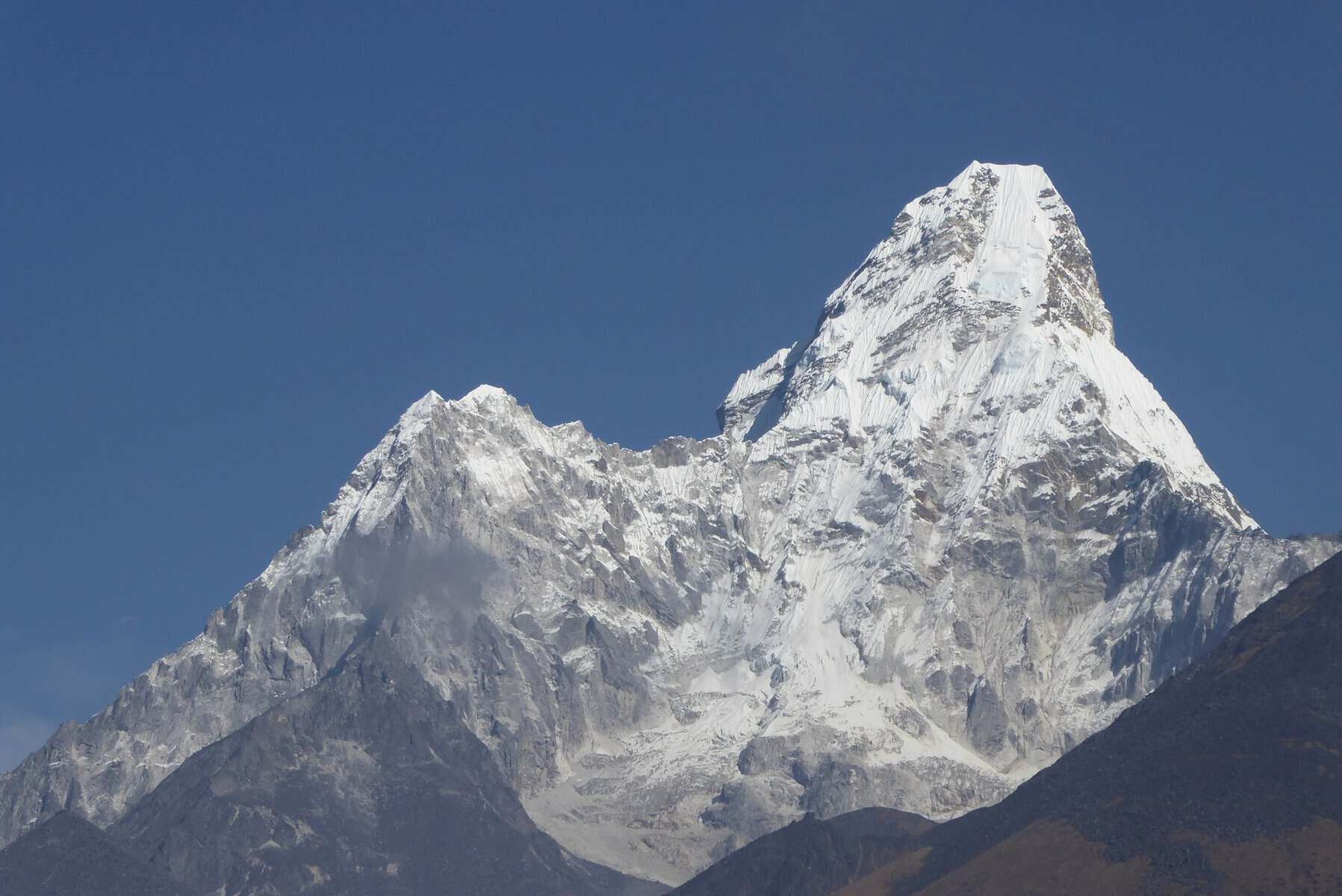
The Everest region (Khumbu)
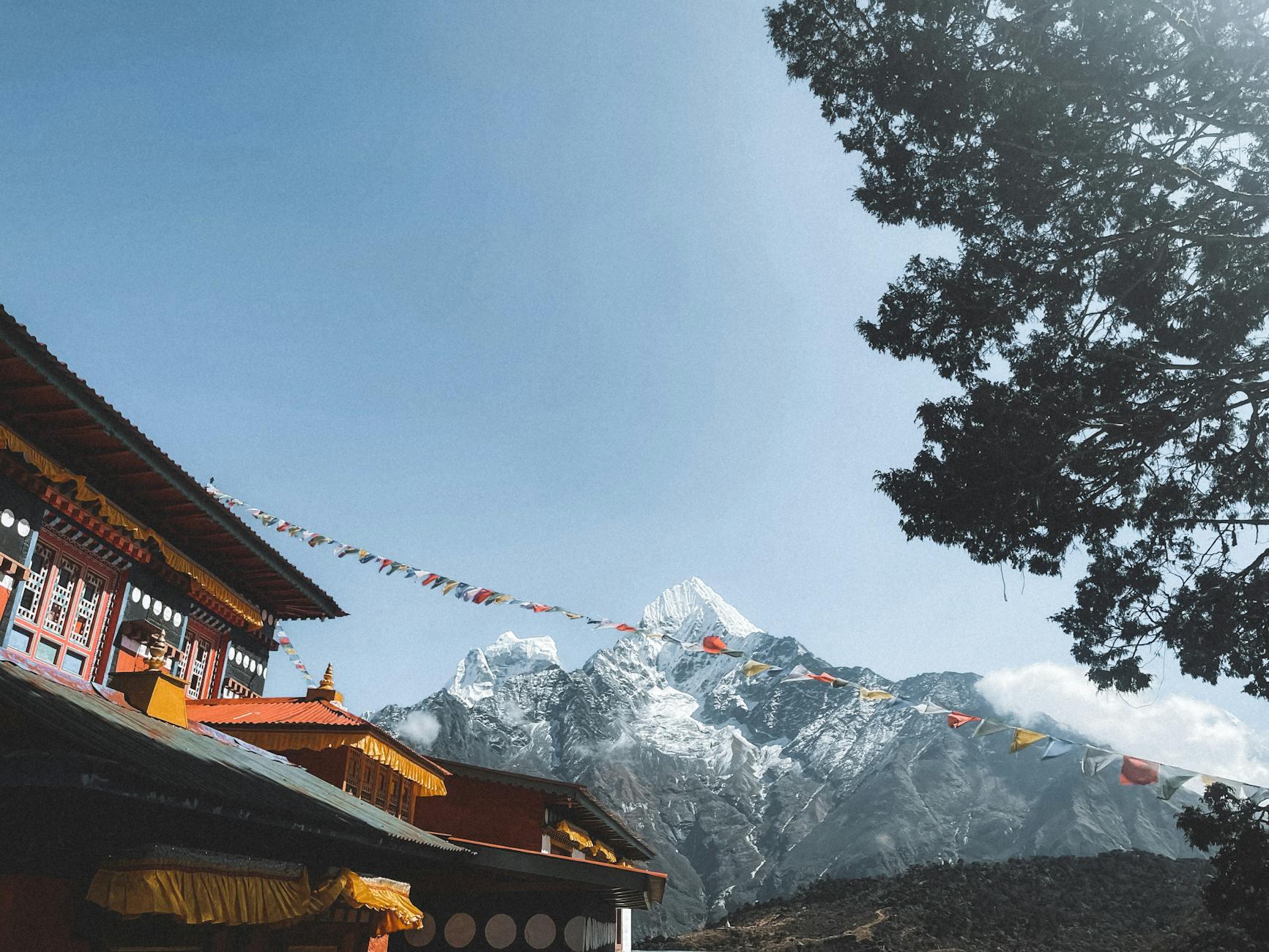
Sherpa villages, monasteries and the biggest mountains on the planet, protected in Sagarmatha National Park, a UNESCO site. Reached by a small-plane flight to Lukla and serious trekking at altitude.
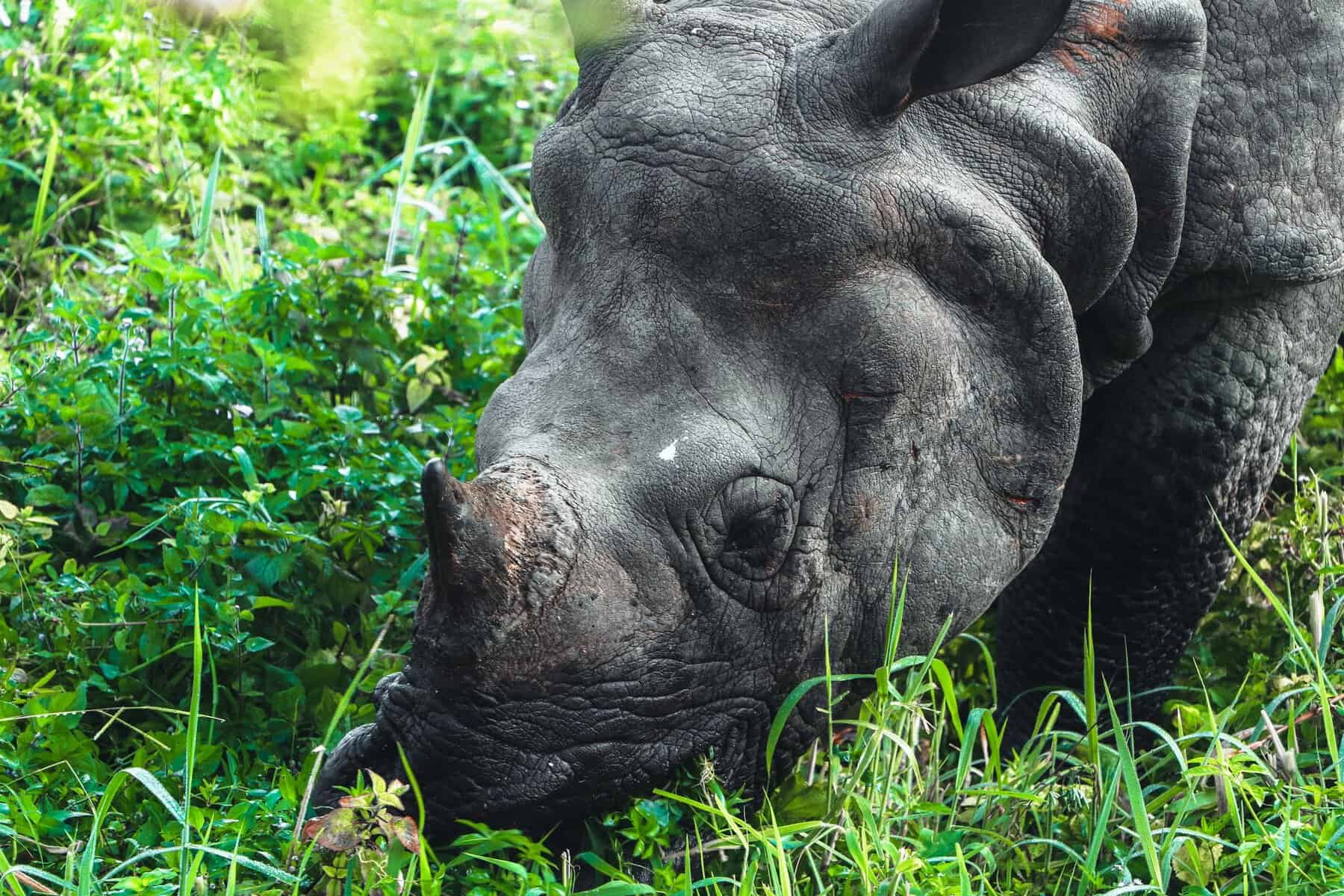
Chitwan and the Terai
Sal forest, tall grassland and rivers in the southern lowlands. Chitwan National Park is Nepal’s best-known wildlife park; Bardia, far to the west, is wilder and quieter. Lumbini, the birthplace of the Buddha, is also in the Terai.
Best things to do in Nepal
Explore the Kathmandu Valley

Boudhanath is one of the largest stupas in the world and the heart of Nepal’s Tibetan Buddhist community. Come in the late afternoon, when pilgrims walk clockwise around it spinning prayer wheels, then watch the evening from a rooftop.
Swayambhunath, the “Monkey Temple”, crowns a hill west of the city, with the Buddha’s eyes painted on its gilded tower and views over the valley. Pashupatinath, on the Bagmati River, is Nepal’s holiest Hindu temple, with cremations on the riverbank ghats; only Hindus may enter the main shrine, but visitors can watch respectfully from the opposite bank.
The three Durbar Squares are the valley’s royal centres. Kathmandu Durbar Square has the old palace and the house of the Kumari, the living goddess; Patan has the finest collection of temples and an excellent museum; Bhaktapur, the best preserved, is a car-free town of potters’ squares and brick lanes. Many buildings were damaged in the 2015 earthquake and some are still being restored.


On the valley rim, Nagarkot and Dhulikhel are hill villages with wide Himalayan views at sunrise on clear days, and a peaceful first or last night away from the traffic.
Pokhara
Row or take a wooden boat across Phewa Lake to the little island temple of Tal Barahi, walk or drive up to the World Peace Pagoda on the ridge above the south shore, and get up early for sunrise over the Annapurnas from Sarangkot. Pokhara is also one of the best places in the world for tandem paragliding, gliding alongside the hills with the snow peaks ahead.
Trekking in Nepal

Nepal trekking ranges from gentle village walks to expeditions. You stay in simple mountain lodges (teahouses) along the trail, with a guide and porters carrying the bags, so you only need a day pack.
Short and moderate: the Poon Hill trek from Pokhara (about 4 to 5 days) climbs through rhododendron forest to a 3,210 m viewpoint over Dhaulagiri and Annapurna, returning via the Gurung village of Ghandruk. The Mardi Himal ridge is a quieter alternative.
Longer: Annapurna Base Camp (about 4,130 m) takes you into a ring of peaks in around 10 to 12 days from Pokhara. The Everest Base Camp trek (5,364 m) from Lukla usually takes about 12 to 14 days with acclimatisation days at Namche Bazaar and Dingboche.
When: October to November and March to May are the main trekking seasons. Winter is possible on lower routes but high passes can close with snow; the monsoon brings leeches, cloud and landslide risk.
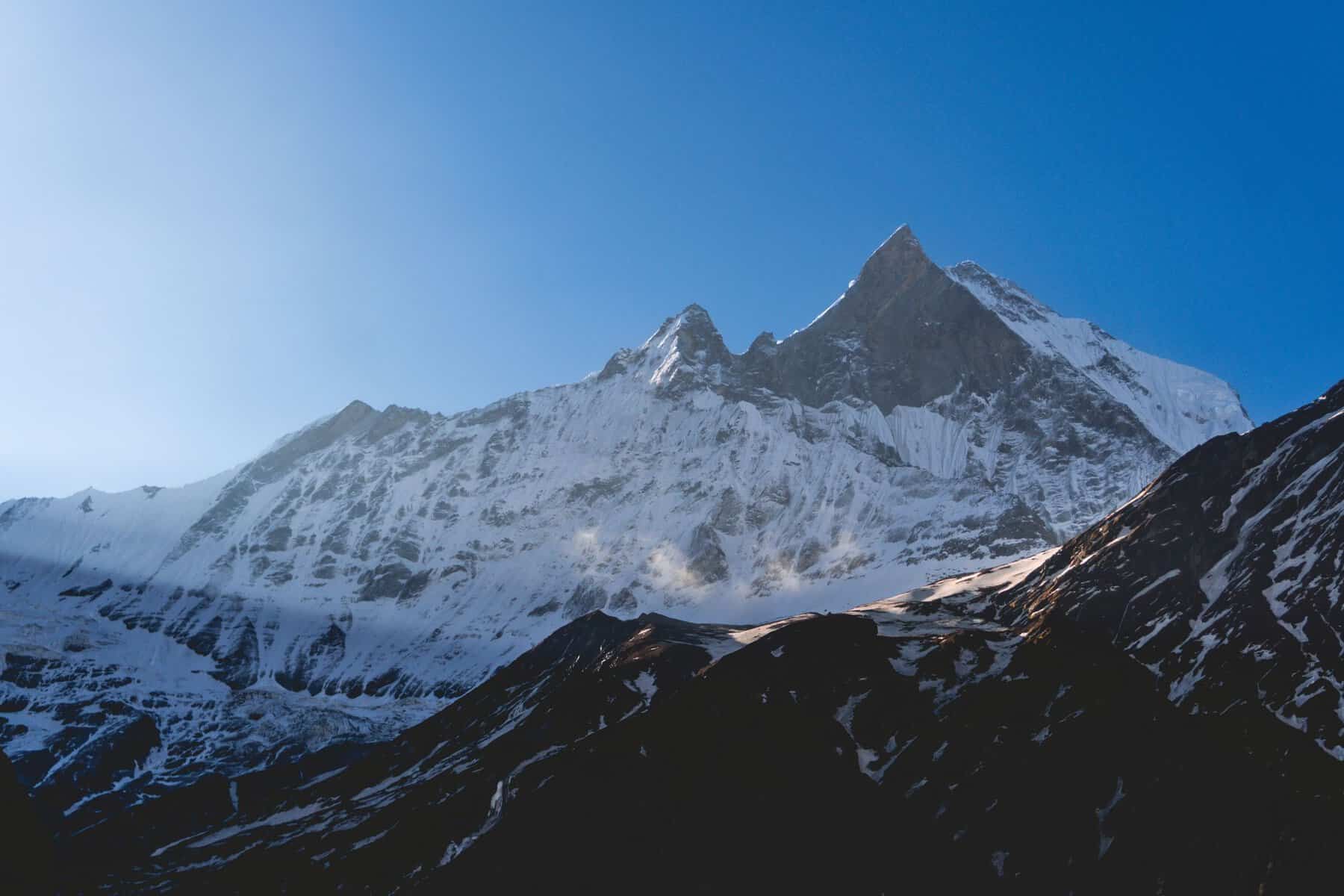
Permits, guides and altitude. The FCDO says you need a valid permit and a Trekking Information Management System (TIMS) card to enter Nepal’s main trekking regions, that you should not trek alone, and that you must use a local guide or porter while trekking in Nepal’s national parks and protected areas; breaking the rules can mean a fine or removal from the area. It also warns that hazards are present all year, especially above 3,000 m, including altitude sickness, and that your insurance must cover mountain rescue and helicopter costs. The UK’s TravelHealthPro advises that above 3,000 m you should raise the altitude you sleep at by no more than 500 m a day, with a rest day every three or four days. On our treks the permits, licensed guides and acclimatisation days are built in.
Wildlife in Chitwan
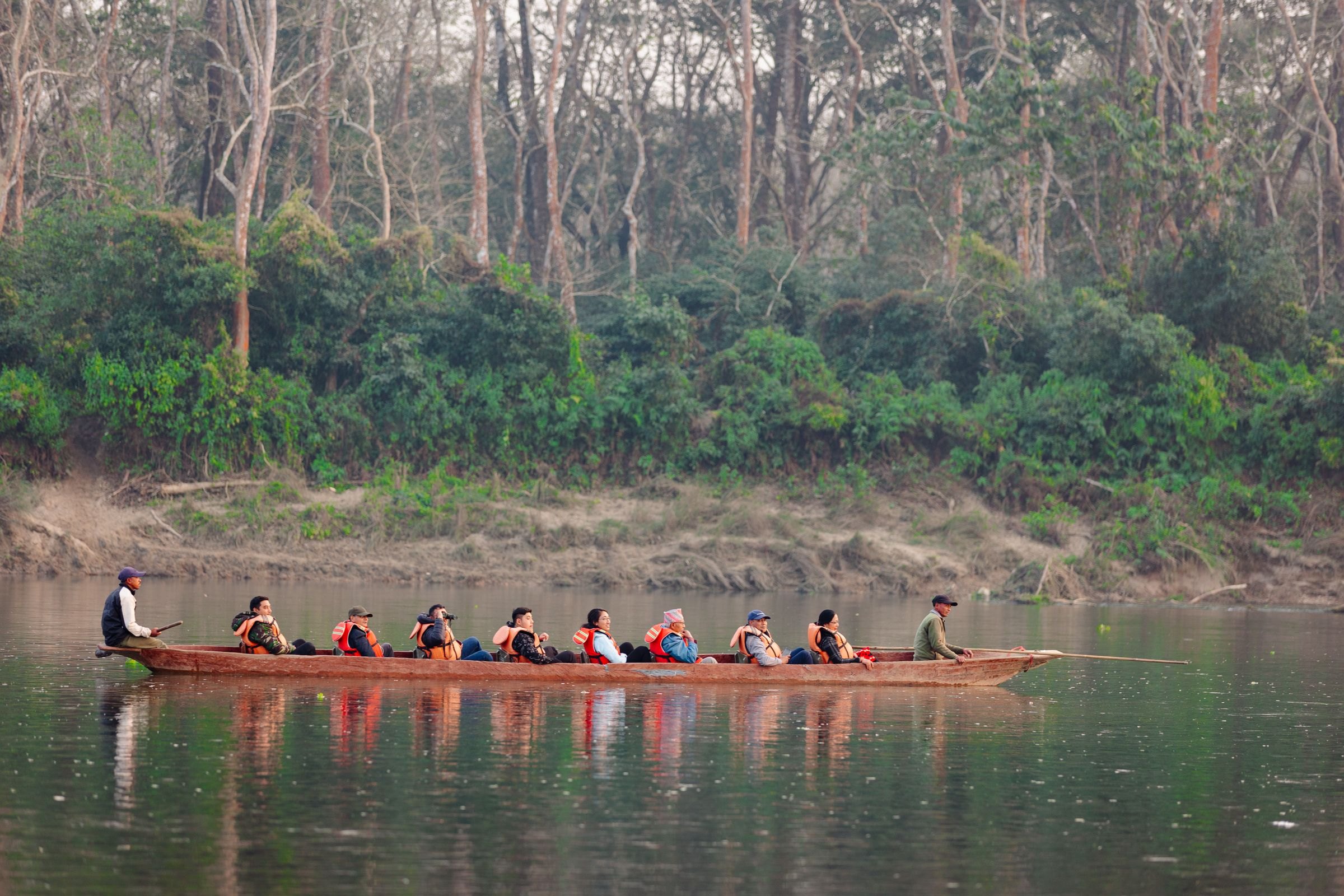
Chitwan National Park, created in 1973 as Nepal’s first national park and a UNESCO World Heritage Site since 1984, protects sal forest and grassland along the Rapti and Narayani rivers. It is one of the best places in Asia to see the greater one-horned rhino, and also home to Bengal tigers (rarely seen), leopards, sloth bears, gharial and mugger crocodiles, and more than 500 species of birds.
A typical stay of two or three nights includes a jeep safari into the park, a dugout canoe trip on the river at dawn looking for crocodiles and kingfishers, a guided walk and a visit to a Tharu village. October to March is the most comfortable time; it gets very hot from April to June.
For a better chance of tigers, and far fewer people, Bardia National Park in the far west is worth the extra journey on a longer trip.
Lumbini, Bandipur and adventure
Lumbini, in the Terai near the Indian border, is where the Buddha was born; the Maya Devi Temple marks the spot, and monasteries built by Buddhist countries from around the world fill the surrounding park. Bandipur, a hilltop Newar trading town between Kathmandu and Pokhara, makes a lovely overnight stop with views of the Himalaya. Nepal is also famous for white-water rafting, from half-day trips on the Trisuli on the way to Pokhara or Chitwan to multi-day river journeys, and for mountain flights from Kathmandu that fly along the range past Everest at dawn, weather permitting.
Food in Nepal
The national meal is dal bhat: rice, lentil soup, vegetable curry, pickle and often meat, with free refills, eaten twice a day by much of the country and the fuel of every trek. Momos, steamed or fried dumplings with a spicy tomato chutney, are everywhere. In the Kathmandu Valley try Newari food: bara (lentil pancakes), spiced buffalo, beaten rice and, in Bhaktapur, the rich curd known as juju dhau. Drink sweet, milky masala tea; on treks, avoid tap water and use purified or boiled water.
Best time to visit Nepal
The best time to visit Nepal is October and November: after the monsoon the air is washed clean, skies are clear, the mountains are sharp and it’s warm by day in Kathmandu, Pokhara and Chitwan. It’s also the time of Nepal’s biggest festivals, Dashain and Tihar, the festival of lights. March to May is the second season: warmer, with rhododendrons in flower in the hills, though views get hazier and Chitwan is very hot by May. December to February is dry, clear and quiet, with cold nights (Kathmandu drops to around 5°C) and snow on the high trails, but it’s a good time for the valley, Pokhara and Chitwan.
Rainy season in Nepal: the monsoon arrives in June and lasts into September, with the FCDO describing monsoon travel (normally June to October) as potentially hazardous because of floods and landslides that can close roads and ground flights. In late August 2026 flash floods damaged roads in Rasuwa district near the Tibet border and affected Gorkha, Nuwakot and Dhading, so check current conditions if you plan to travel in the wet season.
| Month | Kathmandu | Pokhara | Chitwan |
|---|---|---|---|
| Jan | 17°C / 5°C | 16°C / 6°C | 21°C / 10°C |
| Feb | 19°C / 7°C | 19°C / 7°C | 24°C / 13°C |
| Mar | 22°C / 10°C | 23°C / 10°C | 29°C / 17°C |
| Apr | 25°C / 14°C | 26°C / 14°C | 33°C / 20°C |
| May | 25°C / 16°C | 26°C / 17°C | 33°C / 23°C |
| Jun | 26°C / 19°C | 27°C / 21°C | 32°C / 25°C |
| Jul | 26°C / 20°C | 27°C / 22°C | 31°C / 25°C |
| Aug | 26°C / 20°C | 27°C / 22°C | 31°C / 25°C |
| Sep | 26°C / 19°C | 26°C / 20°C | 31°C / 24°C |
| Oct | 24°C / 15°C | 24°C / 16°C | 30°C / 21°C |
| Nov | 21°C / 10°C | 21°C / 11°C | 27°C / 16°C |
| Dec | 18°C / 7°C | 18°C / 8°C | 23°C / 12°C |
Nepalese weather month by month: average daily high / low, 10-year ERA5 data. Most rain falls in the June to September monsoon. It is far colder on the trekking routes: well below freezing at night above about 4,000 m from November to March.
How to get to Nepal from the UK
There are no direct flights from the UK to Nepal. Most people fly with one stop via a Gulf hub such as Doha, Dubai or Abu Dhabi, or via Delhi or Istanbul, to Tribhuvan International Airport in Kathmandu; total journey times are usually around 14 to 18 hours. The FCDO notes that conflict in the Middle East has caused airspace closures, delays and cancellations, so check the advice for your transit country too. Kathmandu is also a short flight from Delhi and from Paro in Bhutan, so it combines easily with both.
Getting around Nepal
- Domestic flights: the quickest way to Pokhara, Bharatpur (for Chitwan), Bhairahawa (for Lumbini) and Lukla, mostly in small propeller planes. The FCDO notes that mountain flights are often delayed or cancelled by weather, that there have been fatal accidents, and that all Nepali airlines are on the UK Air Safety List. Build a spare day into any trip that depends on a mountain flight, especially Lukla; in busy seasons Lukla flights often operate from Ramechhap, a long drive from Kathmandu.
- By road: Kathmandu to Pokhara or to Chitwan is about six to eight hours on winding, often congested mountain roads. A private car and driver is the most comfortable and flexible option. Avoid travelling at night and on overcrowded buses; tourist buses are safer than local ones. Check the FCDO Nepal travel advice for the latest on road travel.
Where to stay in Nepal
- Kathmandu: heritage hotels in restored Newar buildings and garden hotels a short drive from Thamel are calmer than staying in Thamel itself, the busy backpacker district. Boudhanath and Patan are quieter, characterful bases.
- Pokhara: lakeside hotels for convenience, or hillside retreats above the lake with the Annapurnas from your balcony.
- On trek: teahouse lodges with simple twin rooms and shared dining rooms; a small number of comfortable mountain lodges on the lower Annapurna and Everest routes add private bathrooms and better beds.
- Chitwan: jungle lodges near Sauraha or on the quieter edges of the park, most including safaris, guides and meals.
Tell us your style and budget and we’ll suggest the right places to stay at each stop, from heritage hotels to trekking lodges.
Sample routes
Classic Nepal
- Kathmandu Valley (3 nights)
- Pokhara (3)
- Chitwan (2)
- Kathmandu (1)
Temples and stupas, sunrise over the Annapurnas, then rhinos and canoe safaris. No trekking needed.
Short trek and safari
- Kathmandu (3 nights)
- Pokhara (1)
- Poon Hill and Ghandruk trek (4)
- Pokhara (2)
- Chitwan (3)
- Kathmandu (1)
A gentle Annapurna foothills trek with a guide and porters, framed by the valley and the jungle. Best October to April.
Nepal and Bhutan
- Kathmandu Valley (3 nights)
- Pokhara (3)
- Paro, Thimphu and Punakha, Bhutan (6)
- Kathmandu (2)
Two Himalayan kingdoms in one trip, with the Tiger’s Nest monastery in Bhutan.
Combining countries? See our India holiday guide for the Golden Triangle and Varanasi, our Bhutan holiday guide, and our Sri Lanka travel guide for a beach finish.
Nepal tours with us
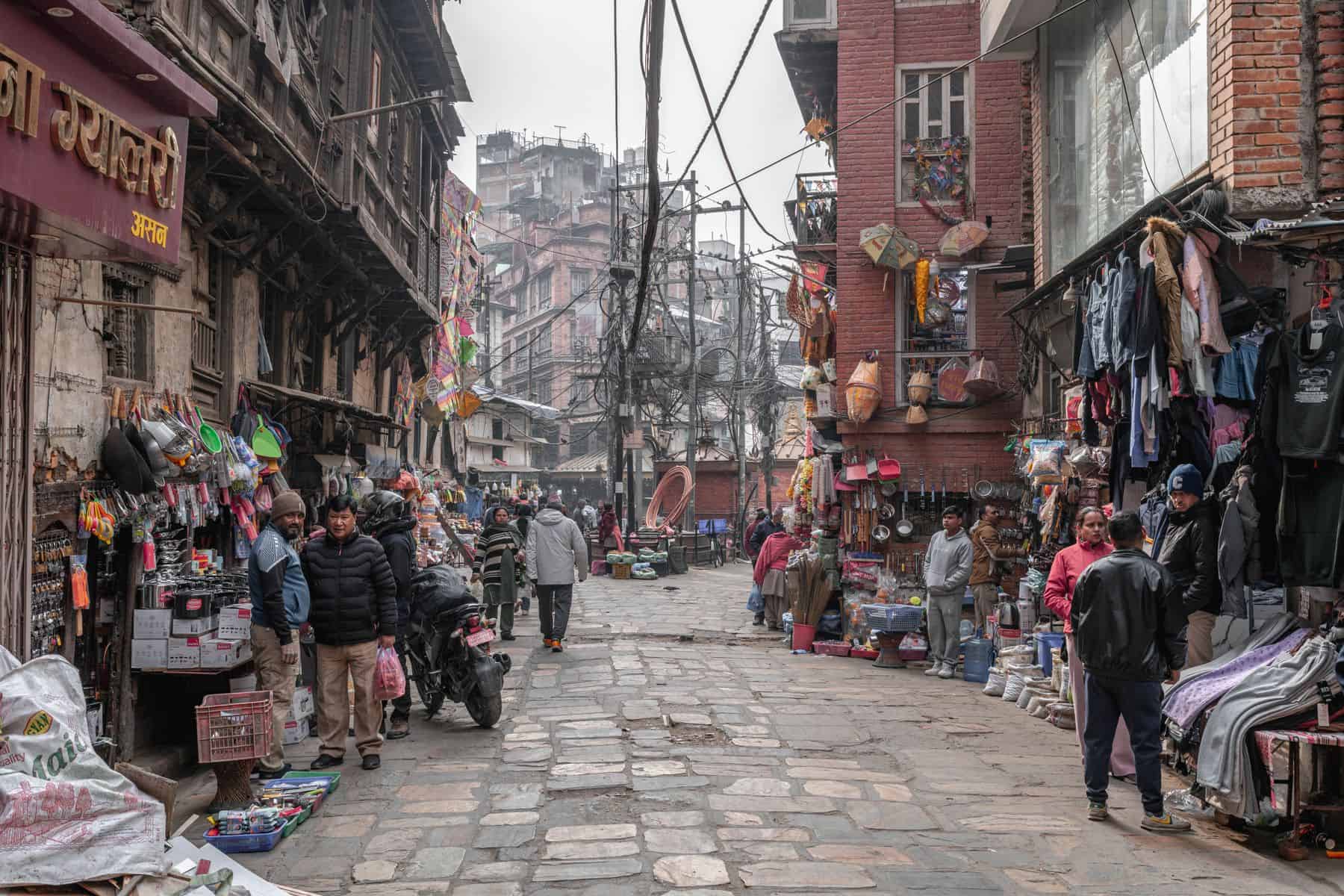


See all our escorted tours of Nepal, including trips for 18 to 35s and India and Nepal combinations, or ask about a tailor-made Nepal holiday built around your dates, pace and trekking ambitions.
Practical tips
- Entry: British visitors need a visa. The FCDO says you can get one on arrival at the airport (applying online up to 15 days before) or in advance from a Nepalese embassy. Your passport should be valid for at least six months after you arrive, and you may be asked for proof of travel insurance and your first night’s address. Check the FCDO Nepal advice before you travel.
- Safety: serious crime is low, but protests and strikes can start at short notice: avoid demonstrations.
- Insurance: make sure it covers trekking at your planned altitude, mountain rescue and helicopter evacuation.
- Health: check TravelHealthPro for vaccinations, drink only purified water and take time to acclimatise in the mountains.
- Respect: walk clockwise around stupas, remove shoes in temples, ask before photographing people, and dress modestly at religious sites.
Frequently asked questions
Where is the Kathmandu Valley?
In the Middle Hills of central Nepal, at about 1,300 to 1,400 m. It is a bowl-shaped valley roughly 25 km across, surrounded by hills, containing Kathmandu, Patan and Bhaktapur and seven UNESCO-listed groups of monuments.
When is the best time to visit Nepal?
October and November, for clear skies, mountain views and festivals. March to April is the second-best time, with rhododendrons in flower. June to September is the monsoon, when clouds hide the mountains and landslides can close roads.
Do you need a guide to trek in Nepal?
The FCDO says you must use a local guide or porter while trekking in Nepal's national parks and protected areas, need a permit and TIMS card for the main trekking regions, and should not trek alone.
How many days do you need in Nepal?
Nine or ten nights covers Kathmandu, Pokhara and Chitwan. Allow two weeks to add a short trek such as Poon Hill, and around three weeks for Everest Base Camp or Annapurna Base Camp with the rest of the country.
How do you get to Nepal from the UK?
There are no direct flights. Most people fly with one stop via a Gulf hub, Delhi or Istanbul to Kathmandu, usually around 14 to 18 hours in total.
Is Nepal safe to visit?
The main risks are on the roads, in the mountains and in the monsoon, so use a reputable operator, licensed guides and good insurance, and avoid any protests. Check the current FCDO Nepal travel advice before you travel.
Pokhara or Chitwan: do I need both?
They are very different and most first trips include both. Pokhara is for lakes, mountain views and treks; Chitwan, in the southern lowlands, is for rhinos and jungle safaris.
Can you see Everest without trekking?
Yes, on a scenic mountain flight from Kathmandu along the Himalaya, which runs early in the morning when the weather allows. To see it from the ground you need to trek in the Khumbu region.
Keep planning
- Nepal holidays
- Escorted tours of Nepal
- India holiday guide
- Bhutan holiday guide
- Sri Lanka travel guide
- China holiday guide
- Tailor-made holidays
- Escorted tours
Plan your Nepal holiday with a Travel Designer
Tell us when you’d like to go and how active you want to be, and we’ll plan Kathmandu, Pokhara, Chitwan and the right trek for you, with guides, permits and flights arranged, in one ATOL-protected booking.
Make an enquiry Nepal holidays