Madagascar in brief
- The capital is Antananarivo (“Tana”), in the central highlands, where almost every flight arrives.
- More than 100 kinds of lemur, half the world’s chameleons and six baobab species found nowhere else.
- Best from April to November; September to November for wildlife. The west is closed in the rains.
- No direct flights: 15 to 20 hours from the UK via Paris, Istanbul, Africa or Mauritius.

Madagascar is unlike anywhere else on earth. The island split from Africa around 160 million years ago, and most of its plants and animals evolved in isolation: more than 100 kinds of lemur, around half the world’s chameleons, six species of baobab found nowhere else, and forests of razor-sharp limestone pinnacles. Add rice terraces, empty beaches and the warm, unhurried Malagasy people, and you have one of the great wildlife journeys. It is not an easy trip, though: roads are slow and distances big. This guide covers where to go, the best things to do, the capital Antananarivo, lemurs and other wildlife, the best time to visit Madagascar, getting there from the UK, where to stay, sample routes and the current FCDO advice.
Where is Madagascar?

Madagascar lies in the Indian Ocean about 400 km off the coast of Mozambique, in south-east Africa. It is the fourth-largest island in the world, more than twice the size of the UK, and about 1,600 km from north to south.
A spine of highlands runs down the middle, with rice terraces, red earth and the capital. To the east, the land drops steeply to rainforest and a wet, wild coast. The west is dry forest, baobabs and the Tsingy, and the south is semi-desert and spiny forest. The north has the island of Nosy Be and the best beaches.
Its neighbours in the Indian Ocean are Mauritius, Réunion, the Seychelles and the Comoros, and Madagascar combines well with a beach week in Mauritius or the Seychelles.
Antananarivo, the capital of Madagascar
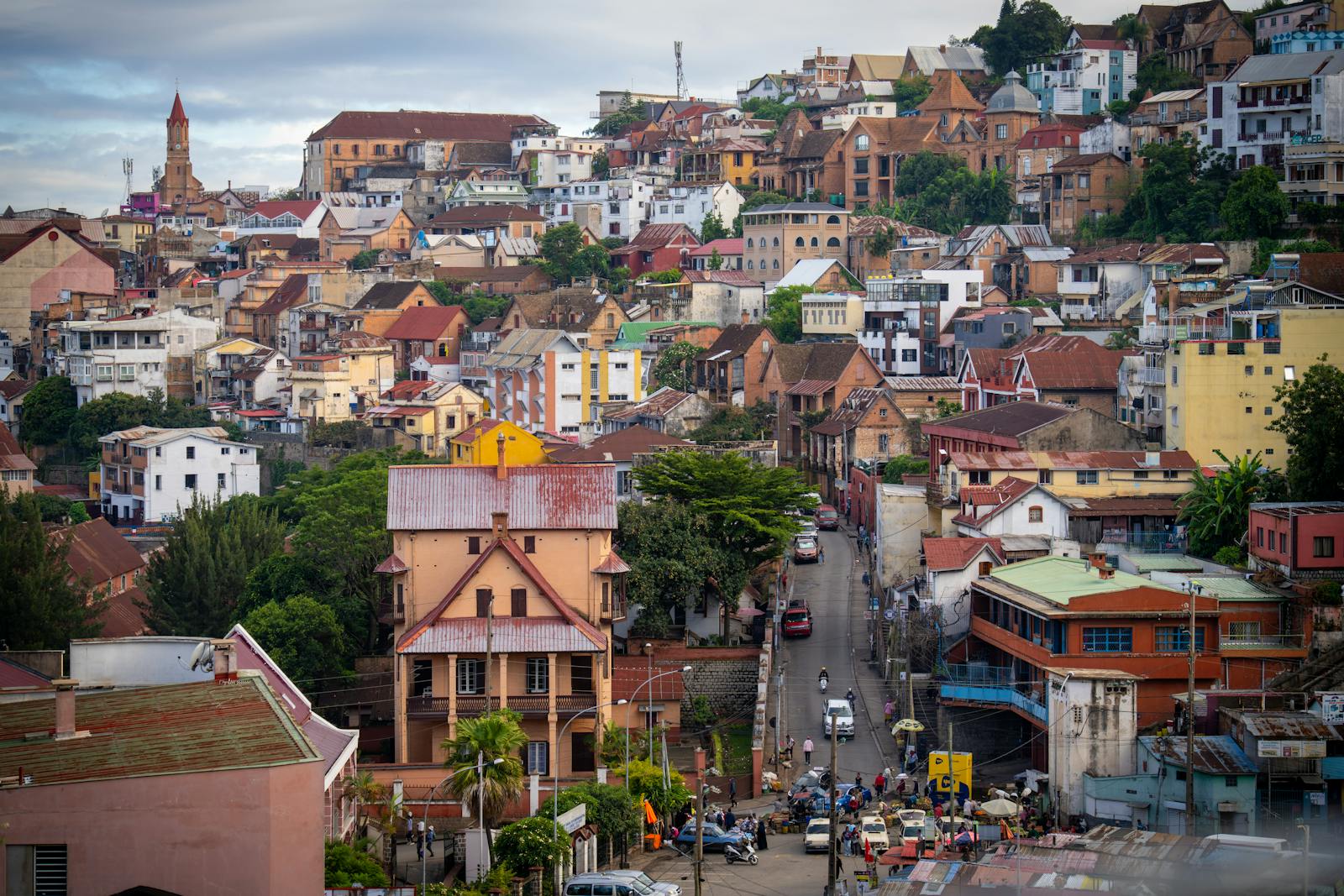
The capital of Madagascar is Antananarivo, almost always shortened to Tana. It sits at about 1,280 m in the central highlands, spread over a dozen hills with rice paddies between them, and almost every international flight lands here.
Most visitors spend a night at the start and end of their trip. Worth seeing: the Rova, the hilltop palace of the Merina queens, rebuilt after a fire in 1995, with views over the whole city; the old upper town of churches and colonial houses; Lake Anosy, ringed by purple jacarandas in October and November; and the craft markets. Twenty kilometres north, the royal hill of Ambohimanga is a UNESCO World Heritage Site and sacred to the Malagasy.
Traffic in Tana is heavy, so we usually choose a hotel close to the airport or in the quieter upper town.
Where to go in Madagascar
You can’t see the whole island in one trip. Most first visits follow the main road south from Tana through the highlands to Isalo and the coast, or head west for the baobabs and the Tsingy; the north and the beaches make a good finish.

Andasibe and the eastern rainforest
Three to four hours east of Tana, the rainforest of Andasibe-Mantadia National Park is home to the indri, the largest lemur, whose eerie song carries across the valley each morning.

The highlands and Ranomafana
The road south passes the spa town of Antsirabe, the woodcarvers of Ambositra, the hill town of Fianarantsoa and the rainforest of Ranomafana, home of the rare golden bamboo lemur.

Isalo and Andringitra
Isalo National Park is a sandstone massif of canyons, ridges and palm-fringed natural pools, with ring-tailed lemurs and sifakas. To the east, the granite peaks of Andringitra are the island’s best trekking.

The west: baobabs and the Tsingy
The Avenue of the Baobabs at Morondava, Kirindy Forest for the fossa, and the knife-edged limestone pinnacles of the Tsingy de Bemaraha, a UNESCO site usually reachable only from about May to November.
Ifaty and the south-west coast
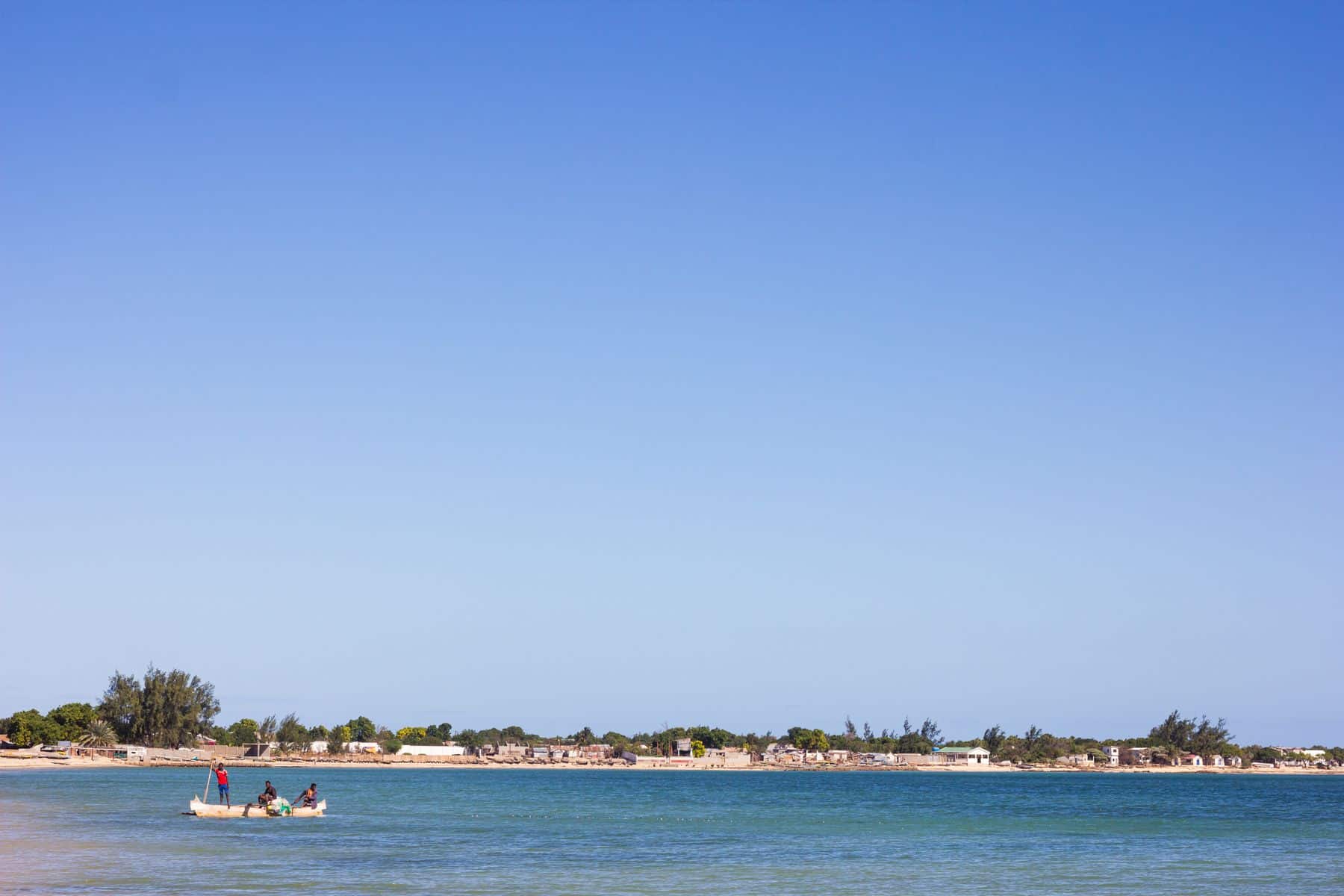
A long lagoon protected by a reef, Vezo fishing villages and the strange spiny forest, north of Toliara. The usual beach finish to a trip down the main road south.
Ile Sainte-Marie and the east coast
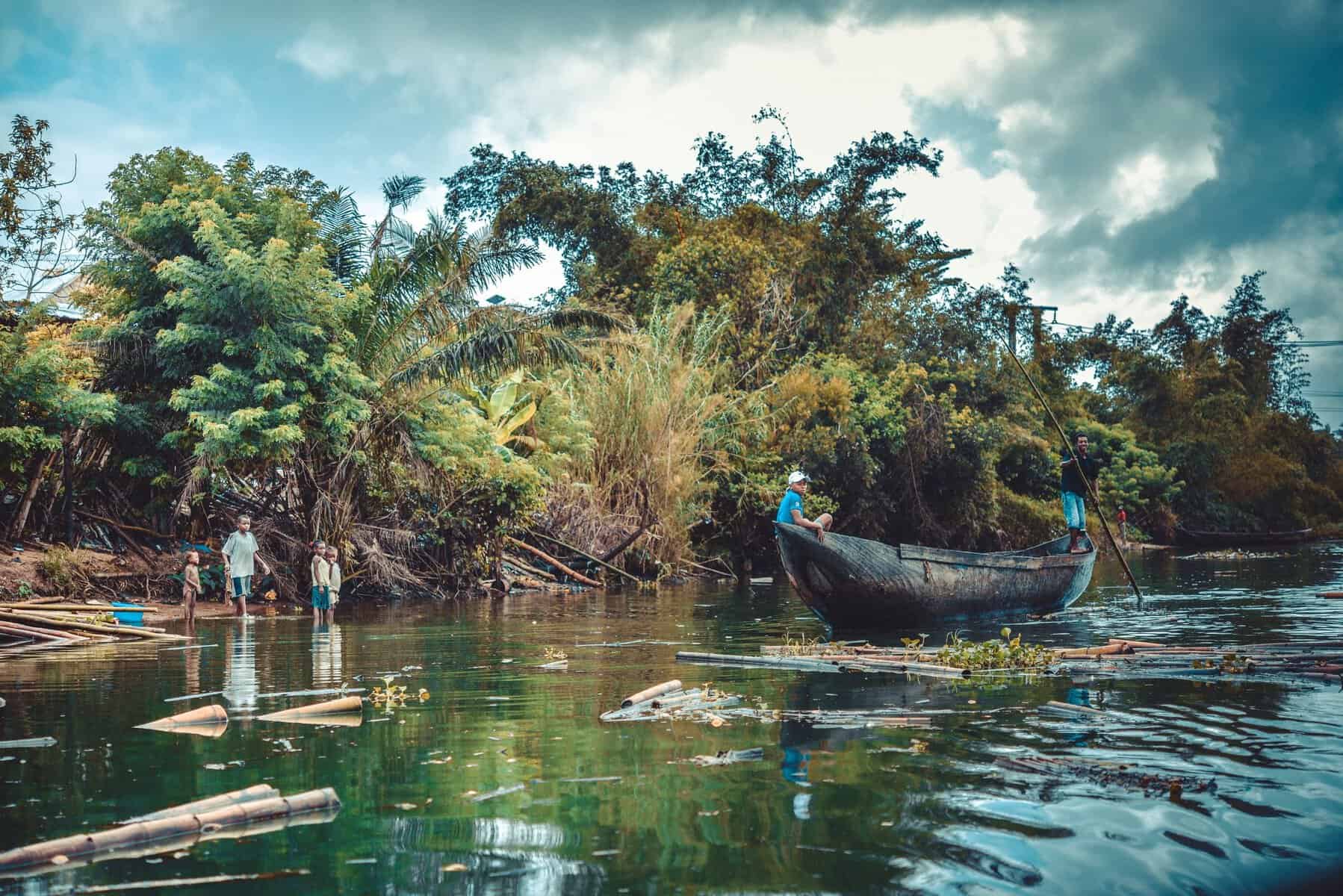
A long, green island off the east coast, best from July to September, when humpback whales come to calve. On the mainland, the Pangalanes canal runs down the coast by pirogue and boat.
Nosy Be and the north: Madagascar’s best-known beach island lies off the north-west coast, with calm, warm water, snorkelling, boat trips to smaller islands and lemurs in the Lokobe reserve. On the mainland nearby are the rainforest of Amber Mountain and the limestone tsingy of Ankarana, both reached from Antsiranana (Diego Suarez).
For something more remote, Masoala, in the far north-east, is the largest rainforest park on the island, with red ruffed lemurs, reached by small plane and boat.
Lemurs and Madagascar’s animals
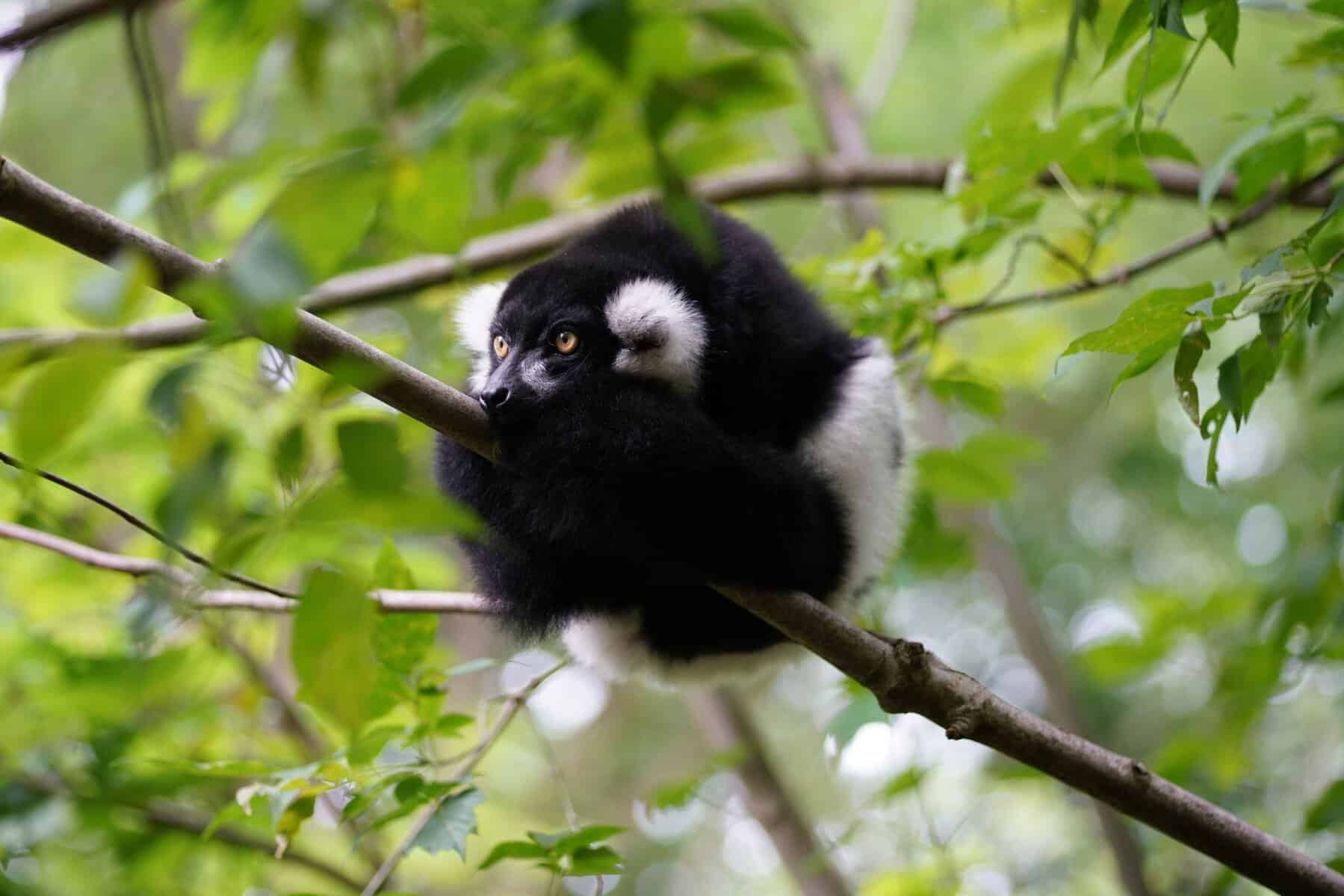
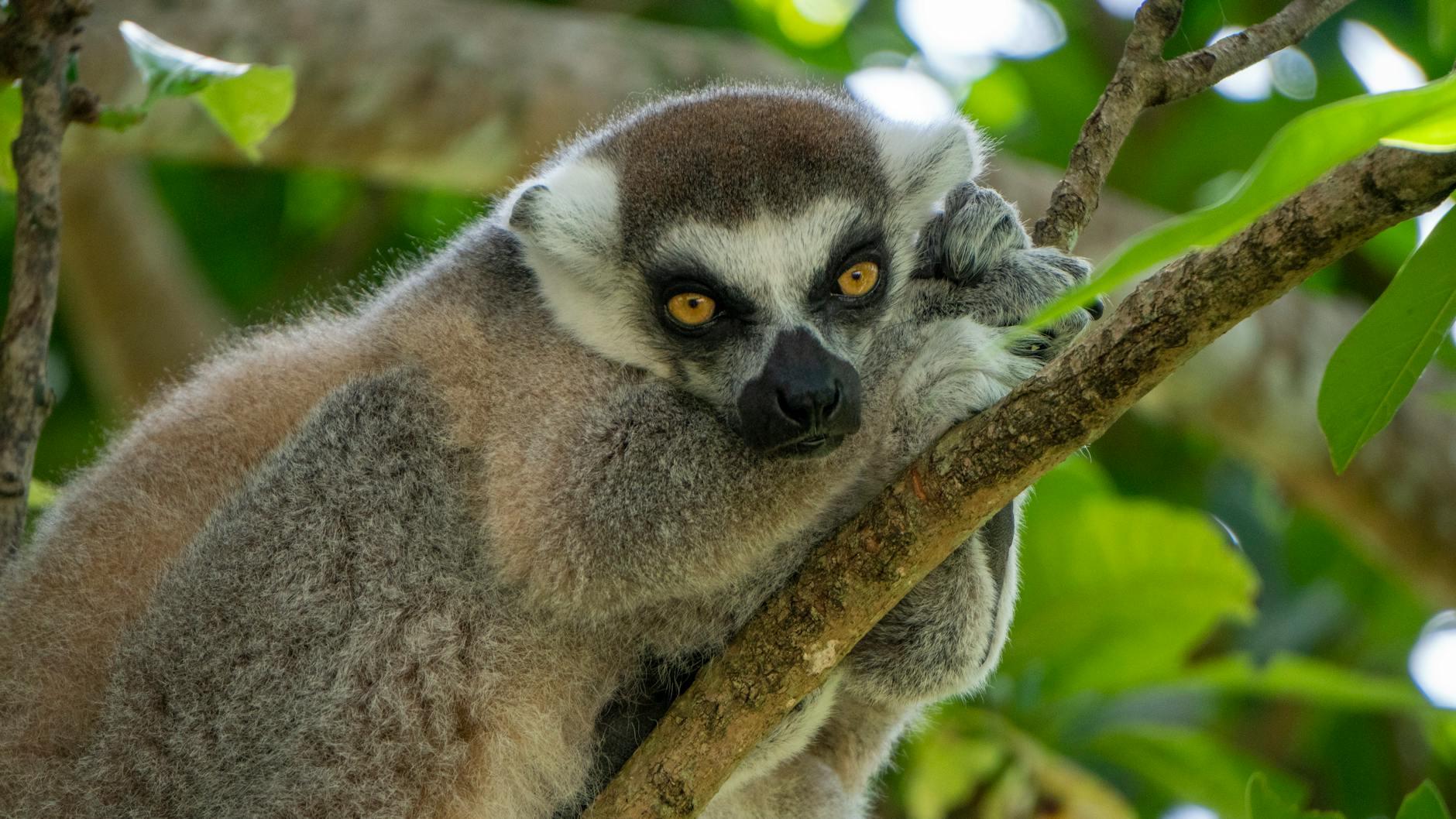
Lemurs are found naturally only in Madagascar, and there are more than 100 species, from the indri, the size of a child, to mouse lemurs that fit in your palm. You’ll see indri and ruffed lemurs in the eastern rainforest, ring-tailed lemurs in the south (Isalo and the community reserve at Anja are good), and sifakas, which “dance” sideways across open ground, in the south and west. The rare aye-aye, with its long, thin middle finger, is nocturnal and hard to find.
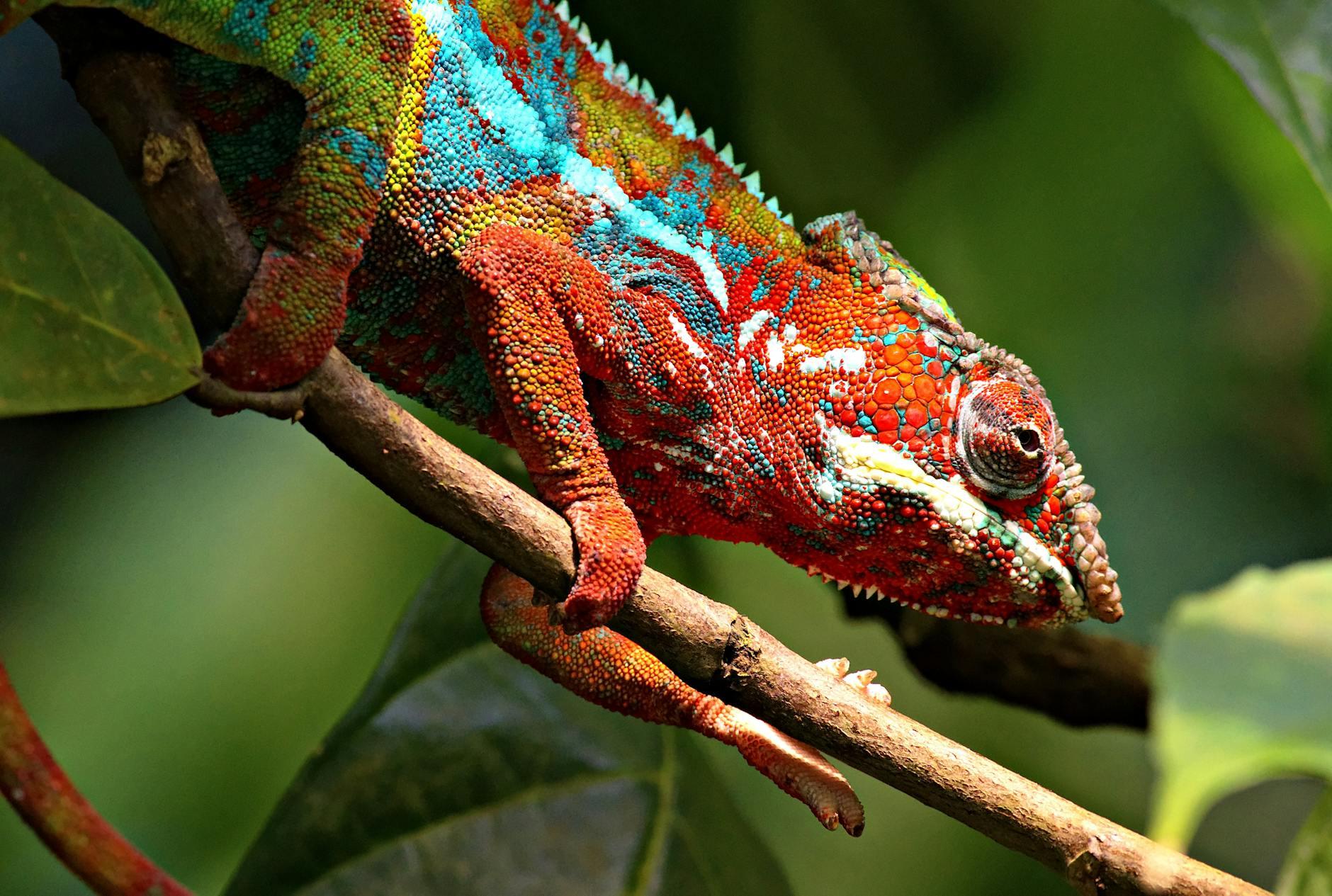
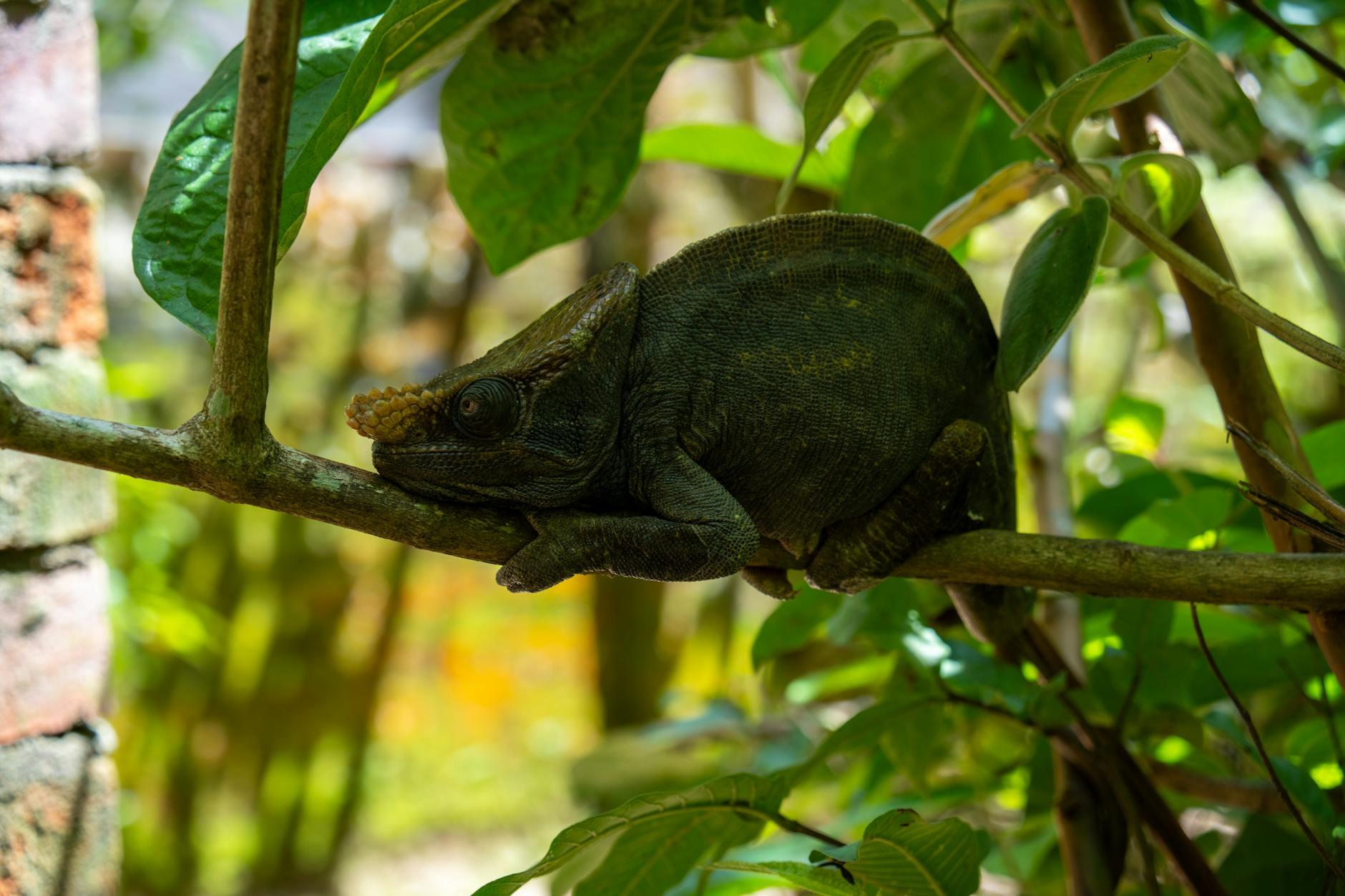
Chameleons are everywhere, from the giant Parson’s chameleon to the vividly coloured panther chameleon and some of the smallest reptiles on earth. Night walks with a local guide are the best way to find them, along with geckos, frogs and mouse lemurs.
Other highlights: the fossa, a cat-like predator, in Kirindy Forest; more than 100 bird species found nowhere else; humpback whales off Ile Sainte-Marie from July to September; and whale sharks off Nosy Be, mostly from around October to December. Every national park visit is with a local guide, which is how you find the animals.
Things to do in Madagascar
- Sunset at the Avenue of the Baobabs. Grandidier’s baobabs up to 30 m tall line a dirt road outside Morondava. Come at sunset, or at dawn when it is almost empty, and visit the “baobabs in love”, two trunks twisted together.
- Cross the Tsingy de Bemaraha. In the Grand Tsingy you clip into a harness on fixed ropes and cross suspension bridges between pinnacles; the Petit Tsingy is easier. A pirogue trip through the Manambolo Gorge is often included.
- Float down the Tsiribihina River. Two or three days by boat through the west, camping on sandbanks, as a slow way to reach the Tsingy.
- Walk Isalo’s canyons to the natural swimming pools, and watch the sun set through the rock “window” at the edge of the park.
- Night walks in Andasibe or Ranomafana for chameleons, frogs and mouse lemurs.
- Highland crafts: Zafimaniry woodcarving in Ambositra, silk weaving and handmade paper near Ambalavao, and rickshaw (pousse-pousse) rides in Antsirabe.
- Snorkel and sail around Nosy Be, Nosy Komba and the marine reserve of Nosy Tanikely, or watch whales from Ile Sainte-Marie.
Beaches and islands

Nosy Be, off the north-west coast, has the most choice: calm, warm water, boat trips to the islands of Nosy Komba, Nosy Tanikely and Nosy Iranja, and the scent of ylang-ylang plantations. Fly in rather than taking the ferry.
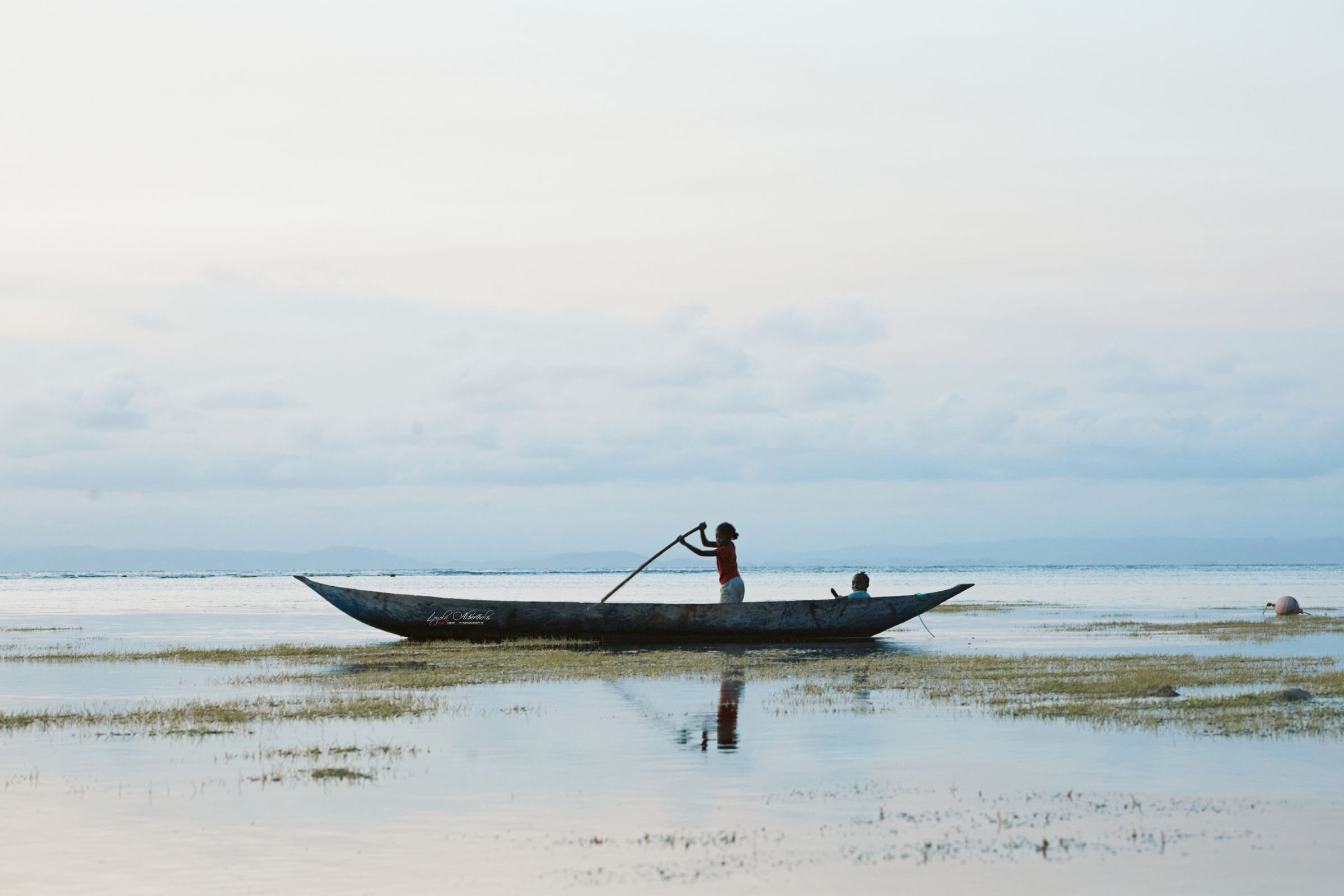
Ifaty, north of Toliara on the south-west coast, has a long reef, Vezo fishing villages and the strange spiny forest, and is the usual finish to a trip down the main road south.
Ile Sainte-Marie is greener and quieter, with palm-fringed coves and an old pirate cemetery. The far north-east and the coast around Morondava also have beaches, but facilities are simple.
Food in Madagascar

Rice is eaten at almost every meal. Try romazava, a beef and leafy-green stew, ravitoto, pounded cassava leaves with pork, and grilled zebu steak. On the coast the seafood is excellent: prawns, crab, lobster and fish in coconut sauce. French influence means good bread, pastries and three-course menus in the towns. Madagascar grows some of the world’s best vanilla and fine cocoa, and you’ll be offered rhum arrangé, rum infused with fruit and spices, everywhere.
Best time to visit Madagascar
The best time to visit Madagascar is the dry season, from April to November. April and May are green after the rains, with fewer visitors. June to August is the coolest time: pleasant days but cold nights in the highlands, sometimes near freezing at altitude, and July and August are busy. September to November is the best time for wildlife: it is warmer, reptiles are active, many lemurs have young, and the jacarandas bloom in Tana. From December to March the rains arrive, the cyclone season runs (the FCDO says it normally lasts from November to April), roads in the west become impassable and the Tsingy closes. The east coast is wet all year; Nosy Be is good from April to December.
| Month | Antananarivo | Morondava | Nosy Be |
|---|---|---|---|
| Jan | 25°C / 17°C · 355 mm | 30°C / 24°C · 305 mm | 28°C / 24°C · 500 mm |
| Feb | 25°C / 17°C · 245 mm | 30°C / 24°C · 210 mm | 28°C / 25°C · 340 mm |
| Mar | 25°C / 16°C · 185 mm | 31°C / 24°C · 125 mm | 29°C / 25°C · 260 mm |
| Apr | 24°C / 15°C · 50 mm | 31°C / 23°C · 25 mm | 29°C / 25°C · 105 mm |
| May | 23°C / 13°C · 10 mm | 30°C / 21°C · 5 mm | 28°C / 24°C · 50 mm |
| Jun | 20°C / 11°C · 15 mm | 29°C / 19°C · 0 mm | 27°C / 23°C · 35 mm |
| Jul | 20°C / 10°C · 10 mm | 29°C / 19°C · 0 mm | 27°C / 22°C · 30 mm |
| Aug | 22°C / 10°C · 10 mm | 29°C / 19°C · 0 mm | 27°C / 22°C · 35 mm |
| Sep | 24°C / 11°C · 5 mm | 30°C / 21°C · 5 mm | 28°C / 22°C · 50 mm |
| Oct | 27°C / 14°C · 40 mm | 31°C / 22°C · 10 mm | 29°C / 23°C · 95 mm |
| Nov | 27°C / 15°C · 105 mm | 32°C / 23°C · 30 mm | 29°C / 24°C · 160 mm |
| Dec | 26°C / 16°C · 205 mm | 32°C / 25°C · 85 mm | 29°C / 25°C · 210 mm |
Average daily high / low and monthly rainfall, 10-year ERA5 data. Higher parts of the highlands, such as Antsirabe and Ranomafana, are cooler than Antananarivo.
Getting to Madagascar from the UK
There are no direct flights from the UK. Most routes connect in Paris, Istanbul, Addis Ababa, Nairobi, Johannesburg or Mauritius and arrive in Antananarivo; the total journey is usually 15 to 20 hours. A few routes fly straight to Nosy Be. Flying via Mauritius or Réunion makes it easy to add a beach stay on the way home.
Getting around
Roads are slow and often rough, and a 300 km day can take eight hours or more, so most people travel with a private driver-guide or on a small-group tour. Internal flights save days on the long routes, for example between Tana and Toliara, Morondava, Antsiranana or Nosy Be, but schedules change often, so leave a spare night before your flight home. Travel by day only and avoid driving at night. We suggest travelling in the west, including Morondava and the road to the Tsingy, with a recognised tour operator, and flying rather than driving to Fort Dauphin in the far south. All our trips in these areas are guided. Check the FCDO Madagascar travel advice for the latest on road travel.
Where to stay in Madagascar
- Antananarivo: a quiet hotel in the upper town, or near the airport for early flights.
- National parks: lodges on the edge of Andasibe, Ranomafana and Isalo, many with bungalows in the forest or among the rocks. Comfortable rather than luxurious.
- The west: simple lodges near the Tsingy and beach hotels in Morondava; some river trips camp on sandbanks.
- Beaches: the widest choice, from barefoot boutique hotels to small private-island lodges, is around Nosy Be; Ifaty and Ile Sainte-Marie have relaxed beach bungalows.
Standards vary more than in mainland Africa, and the best places are small and book up early for September to November. Tell us your style and we’ll match the right lodges.
Sample Madagascar routes
Lemurs, highlands and Isalo
- Antananarivo (1 night)
- Andasibe (2)
- Antsirabe (1)
- Ranomafana (2)
- Isalo (2)
- Ifaty (3)
- Antananarivo (1)
The classic first trip down the main road south, by day with a driver-guide, flying back from Toliara.
Baobabs and the Tsingy
- Antananarivo (1 night)
- Morondava (2)
- Tsingy de Bemaraha (3)
- Morondava (1)
- Andasibe (2)
- Antananarivo (1)
The west by 4×4 with a guide, May to November only. Add Nosy Be for a beach finish.
Rainforest, the north and Nosy Be
- Antananarivo (1 night)
- Andasibe (3)
- Antsiranana (1)
- Amber Mountain (2)
- Ankarana (2)
- Nosy Be (5)
Lemurs, the northern tsingy and a long beach stay, with internal flights.
Our Madagascar tours
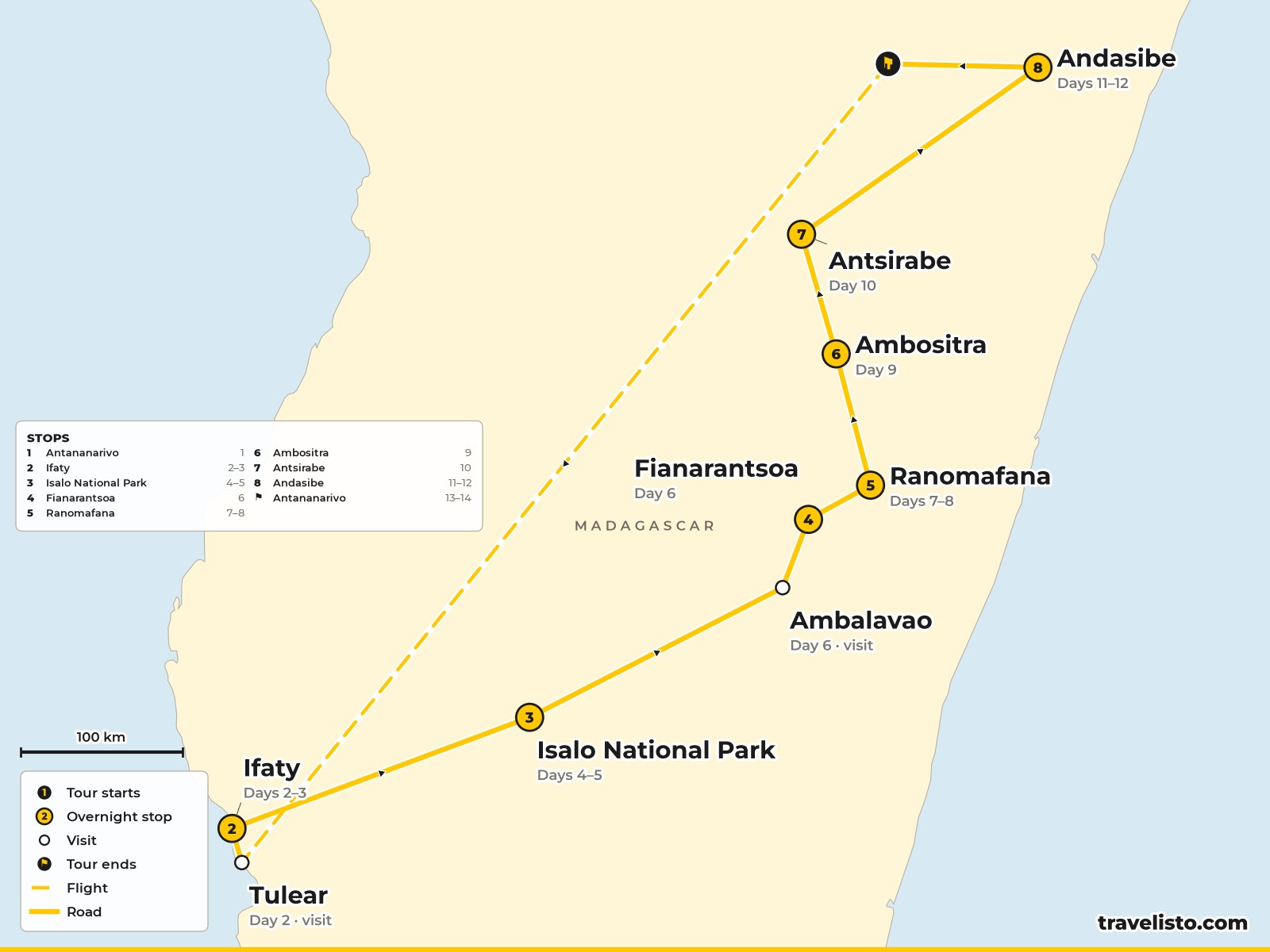
We have seven small-group tours of Madagascar, all with local guides. Compare them in Madagascar tours compared; these are the most popular:
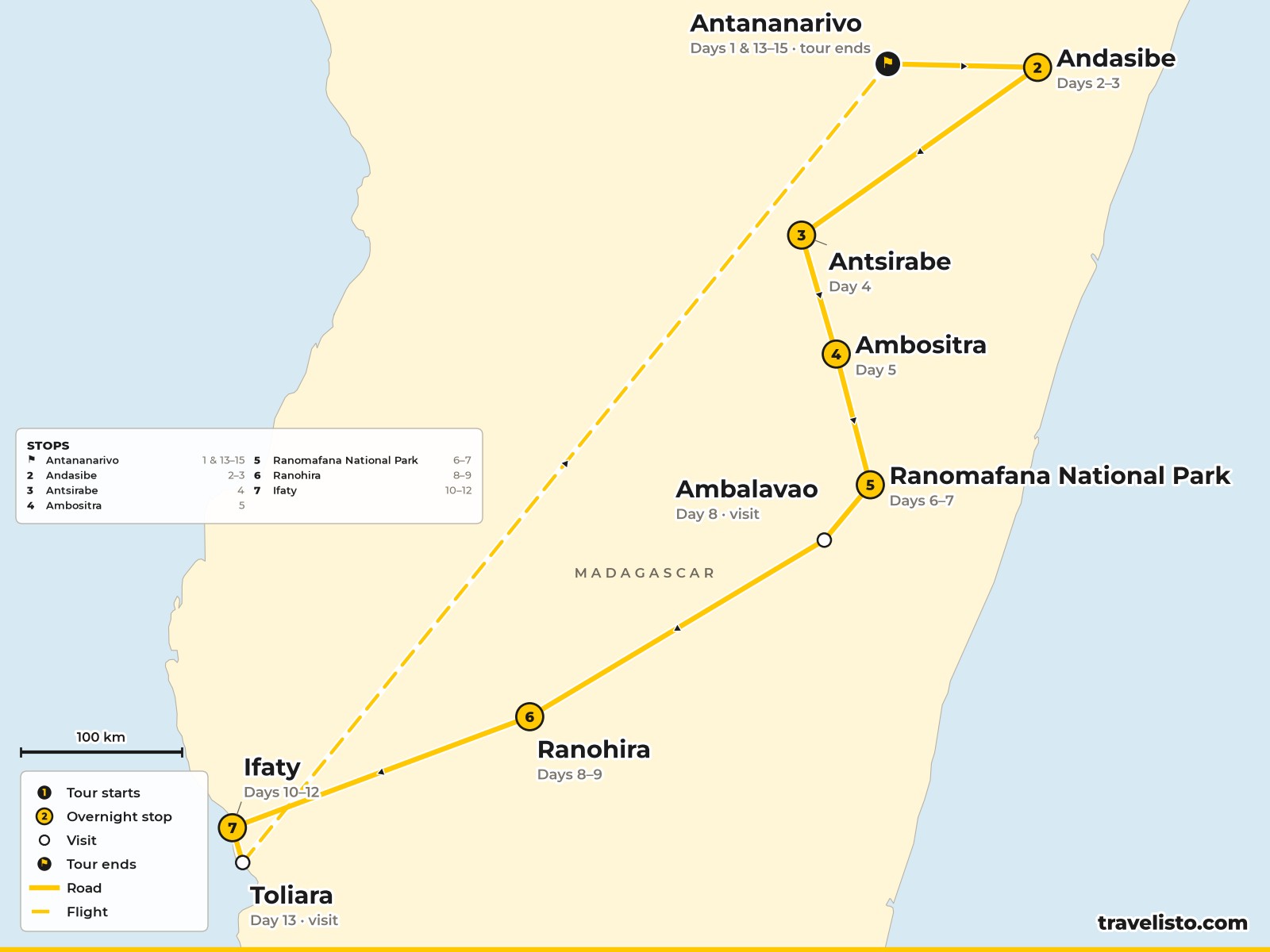
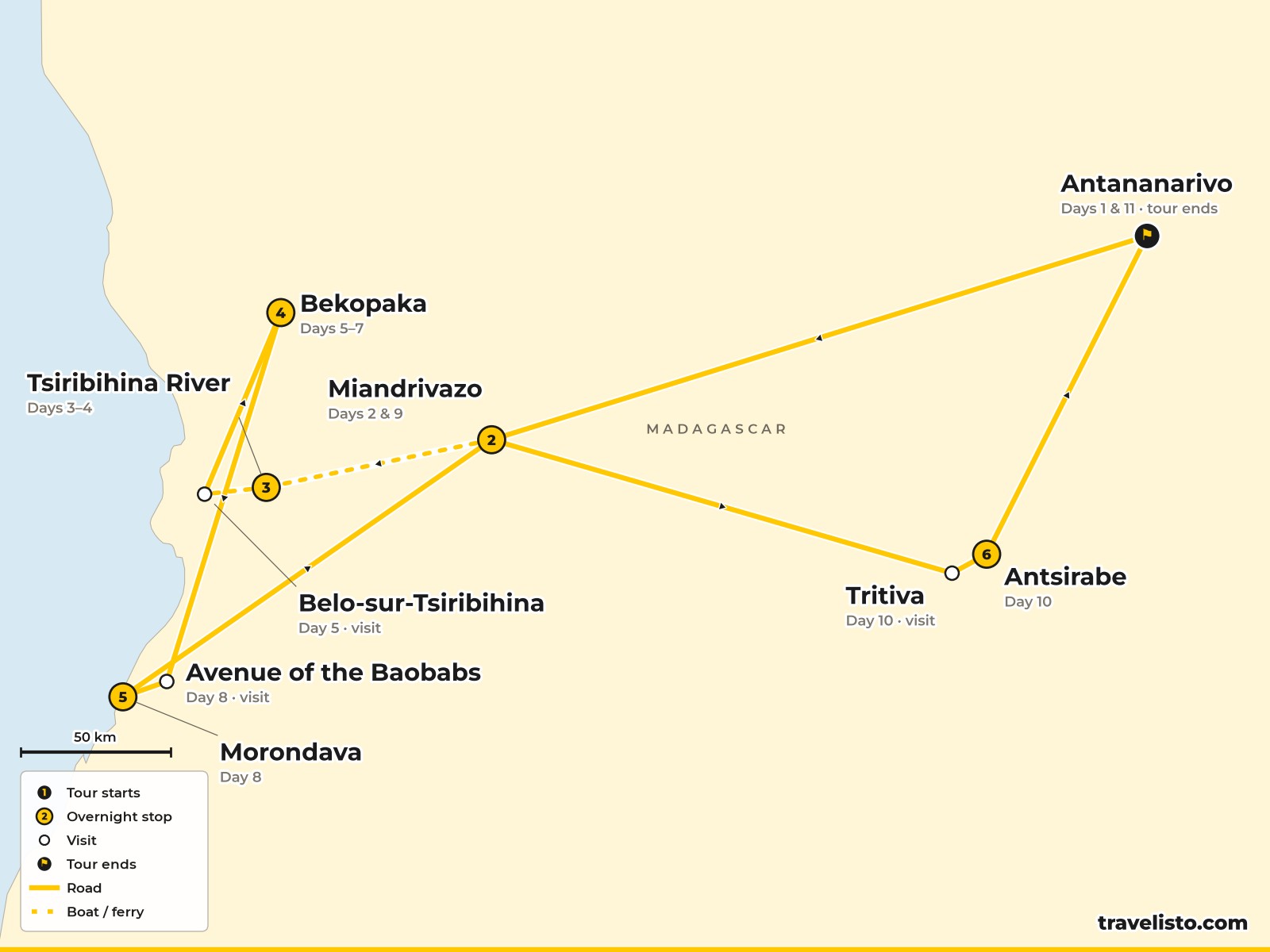
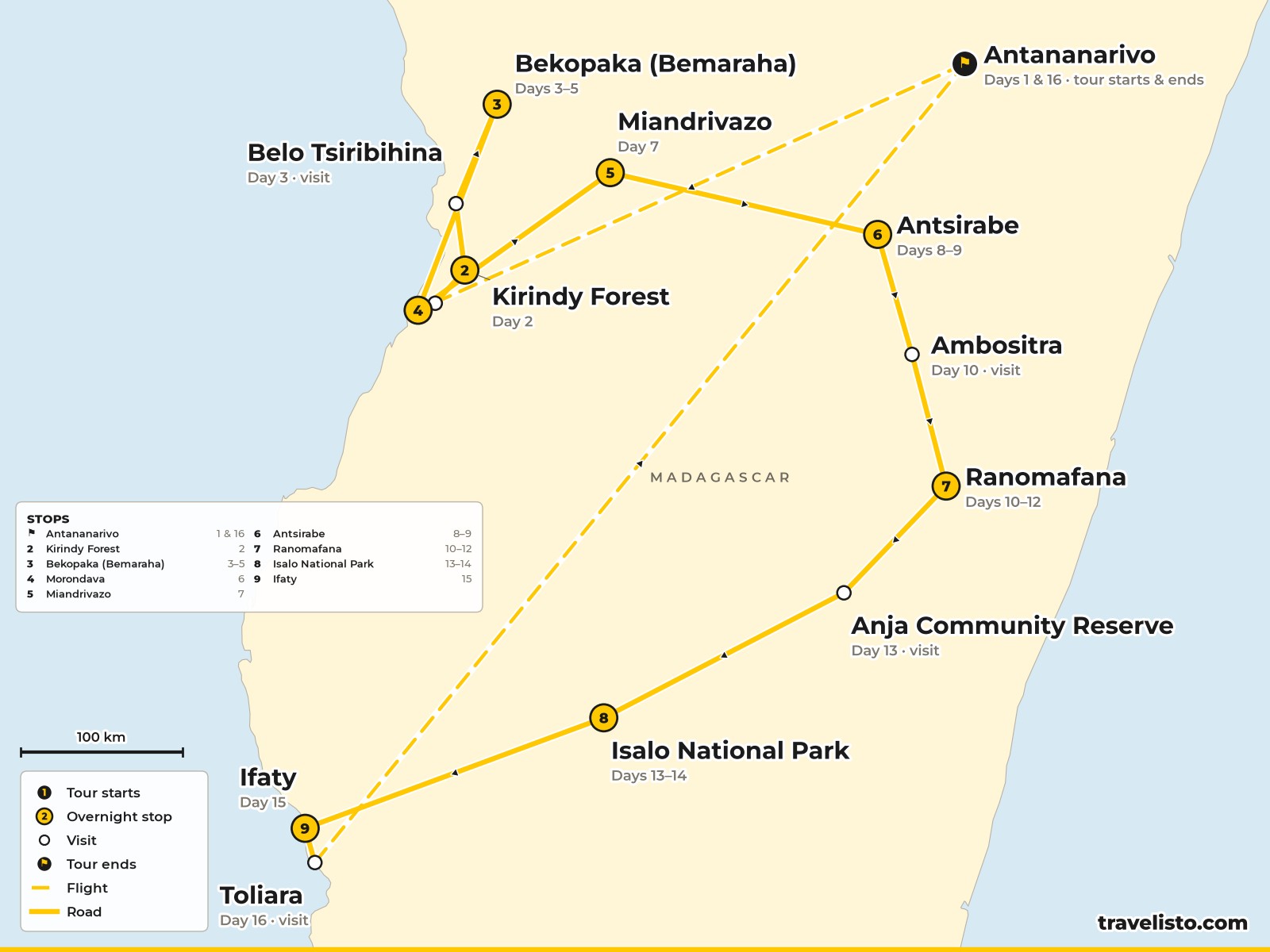
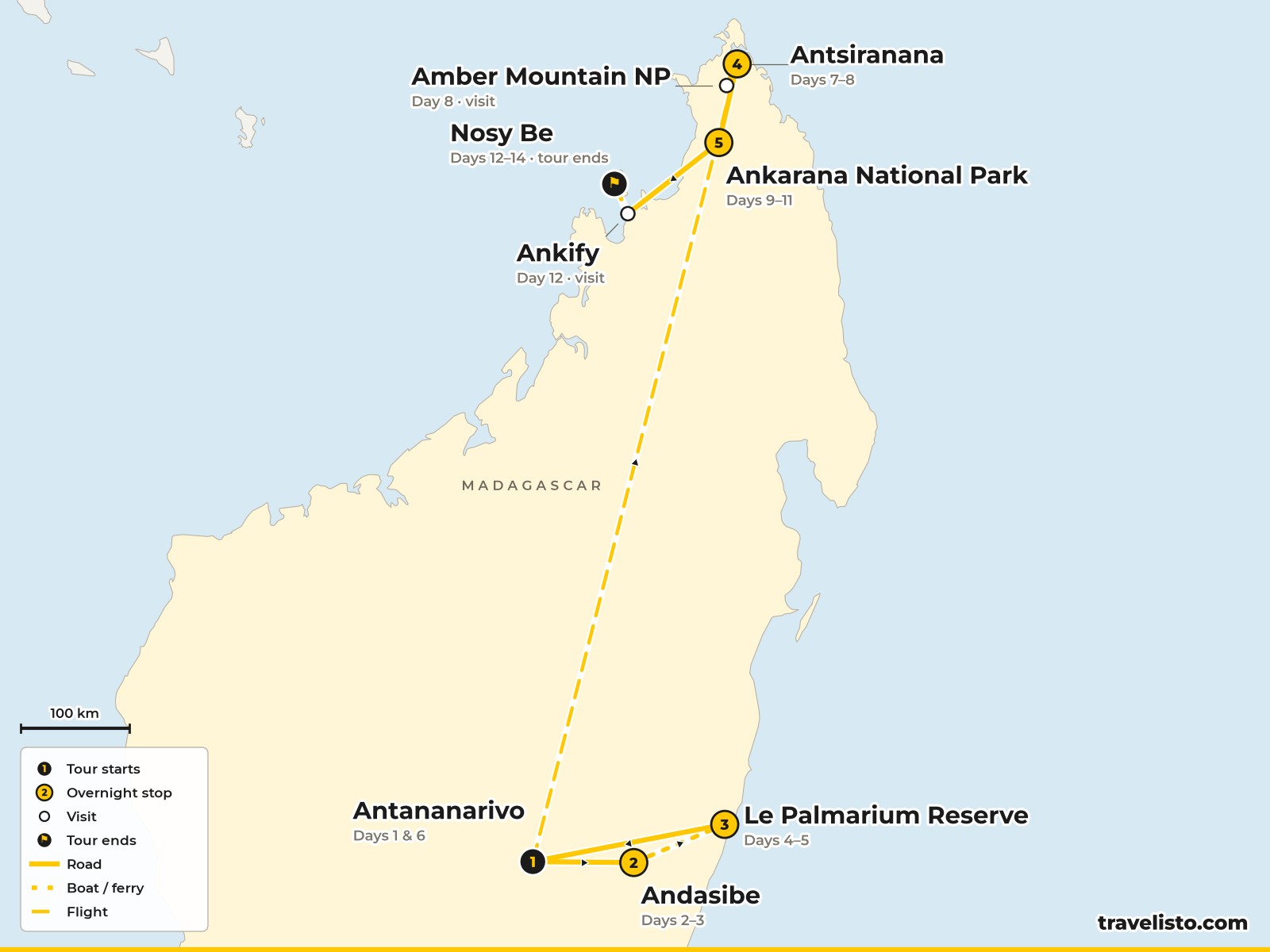
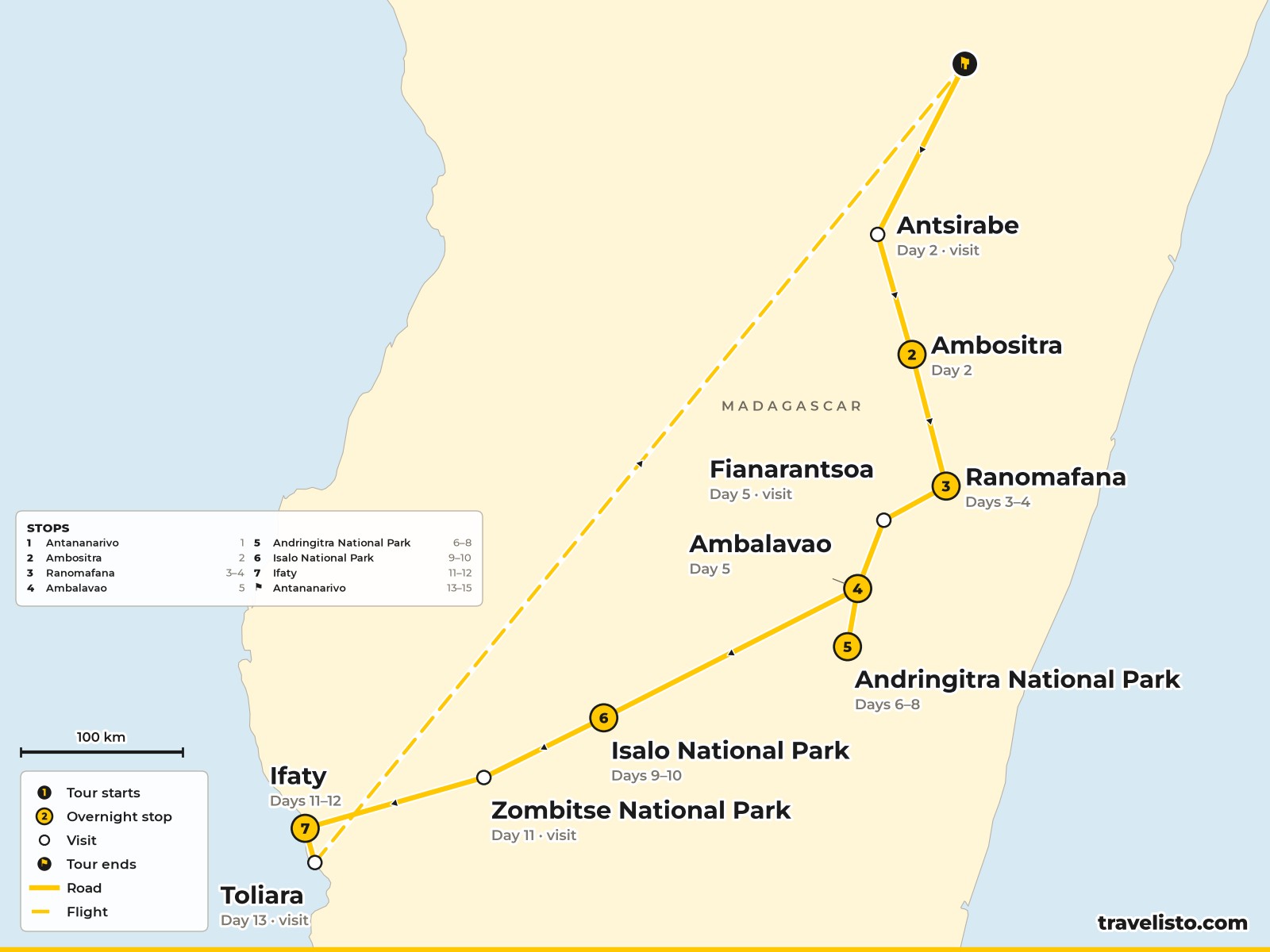
Prefer to travel privately? A tailor-made Madagascar holiday with your own driver-guide can follow any of these routes at your pace. See all our Madagascar holidays.
Practical tips and safety
- FCDO advice: read the current FCDO Madagascar advice before you travel. It flags risks including armed bandits in rural parts of the south (take extra care around Ihosy, Toliara and Fort Dauphin, and fly to Fort Dauphin), highway robbery in the west, robberies on some beaches including on Nosy Be, and protests in Antananarivo in late 2025. Travel with a guide, by day, and avoid demonstrations.
- Entry: your passport must be valid for at least six months after you arrive, with two blank pages. The FCDO says British visitors can stay up to 15 days without a visa (paying an administration fee on arrival), or buy a 30 or 60-day tourist visa on arrival or from the embassy in London. Health screening currently applies if you have recently been in some African countries, so check the FCDO page before you book.
- Health: malaria is present, so take advice on anti-malarials, and use insect repellent against dengue. You need a yellow fever certificate if you arrive from a country with a risk of yellow fever. Don’t swim in rivers and lakes (schistosomiasis).
- Money: the ariary can’t be bought in the UK; bring euros to change, as cards are accepted only in larger hotels and towns.
- Patience: things move slowly and plans change. Pack layers for cold highland nights, good walking shoes and a torch for night walks.
Frequently asked questions
What is the capital of Madagascar?
Antananarivo, usually called Tana. It sits at about 1,280 m in the central highlands and is where almost all international flights arrive.
What is the best time to visit Madagascar?
The dry season from April to November. September to November is best for wildlife, with warm days, active reptiles and baby lemurs. December to March is the rainy and cyclone season, and the Tsingy de Bemaraha is closed.
How many days do you need in Madagascar?
At least two weeks. Distances are big and roads are slow, so most trips focus on one or two regions: the main road south to Isalo, the west for the baobabs and the Tsingy, or the north and Nosy Be.
Where can you see lemurs in Madagascar?
Andasibe-Mantadia for the indri, Ranomafana for bamboo lemurs, Isalo and the Anja reserve for ring-tailed lemurs, Kirindy and Isalo for sifakas, and Lokobe on Nosy Be. Lemurs live naturally only in Madagascar.
Where is the Avenue of the Baobabs?
On the dirt road between Morondava and Belo-sur-Tsiribihina in western Madagascar. Morondava is best reached by a short flight from Antananarivo, and sunset is the time to go.
Is Madagascar safe to visit?
The FCDO warns about crime, bandits in rural parts of the south and west, night driving and protests. Most visitors travel with a guide or tour, by day, and have no problems. Check the current FCDO Madagascar travel advice before you travel.
Do you need a visa for Madagascar?
British visitors can stay up to 15 days without a visa by paying a fee on arrival, or buy a 30 or 60-day tourist visa on arrival or from the embassy in London. Your passport needs six months' validity and two blank pages. Check the FCDO advice before travelling.
Is Nosy Be worth visiting?
Yes, as a beach finish to a wildlife trip: calm, warm water, island boat trips, snorkelling and lemurs in the Lokobe reserve. Fly in rather than taking the ferry.
Keep planning
- Madagascar holidays
- Escorted tours of Madagascar
- Madagascar tours compared
- Mauritius holidays guide
- Seychelles holiday guide
- Mozambique holiday guide
- South Africa holiday guide
- Tailor-made holidays
Plan your Madagascar holiday with a Travel Designer
Tell us when you’d like to go and we’ll plan lemurs, baobabs, the Tsingy and a beach finish, with your own driver-guide and internal flights, in one ATOL-protected booking.
Make an enquiry Madagascar holidays