The Maldives in brief
- The Maldives is about 1,190 coral islands in the Indian Ocean, south-west of Sri Lanka. See where it is.
- Choose North or South Malé for short speedboat transfers, or Ari and Baa for whale sharks and mantas.
- December to April is the dry season; May to November is wetter but quieter. See the monsoons.
- Direct flights from London take about 10 hours. See the resorts we can book.

The Maldives is a chain of about 1,190 coral islands in the Indian Ocean, south-west of Sri Lanka and India, grouped into 26 natural atolls that cross the equator. It isn’t in the Caribbean, although the white sand and turquoise lagoons can look the same. Most visitors stay on a private resort island, reached by speedboat or seaplane from the capital, Malé. This guide explains how the atolls differ, what to do, how to get there, the monsoon seasons and the resorts we can book for you.
Where is the Maldives?
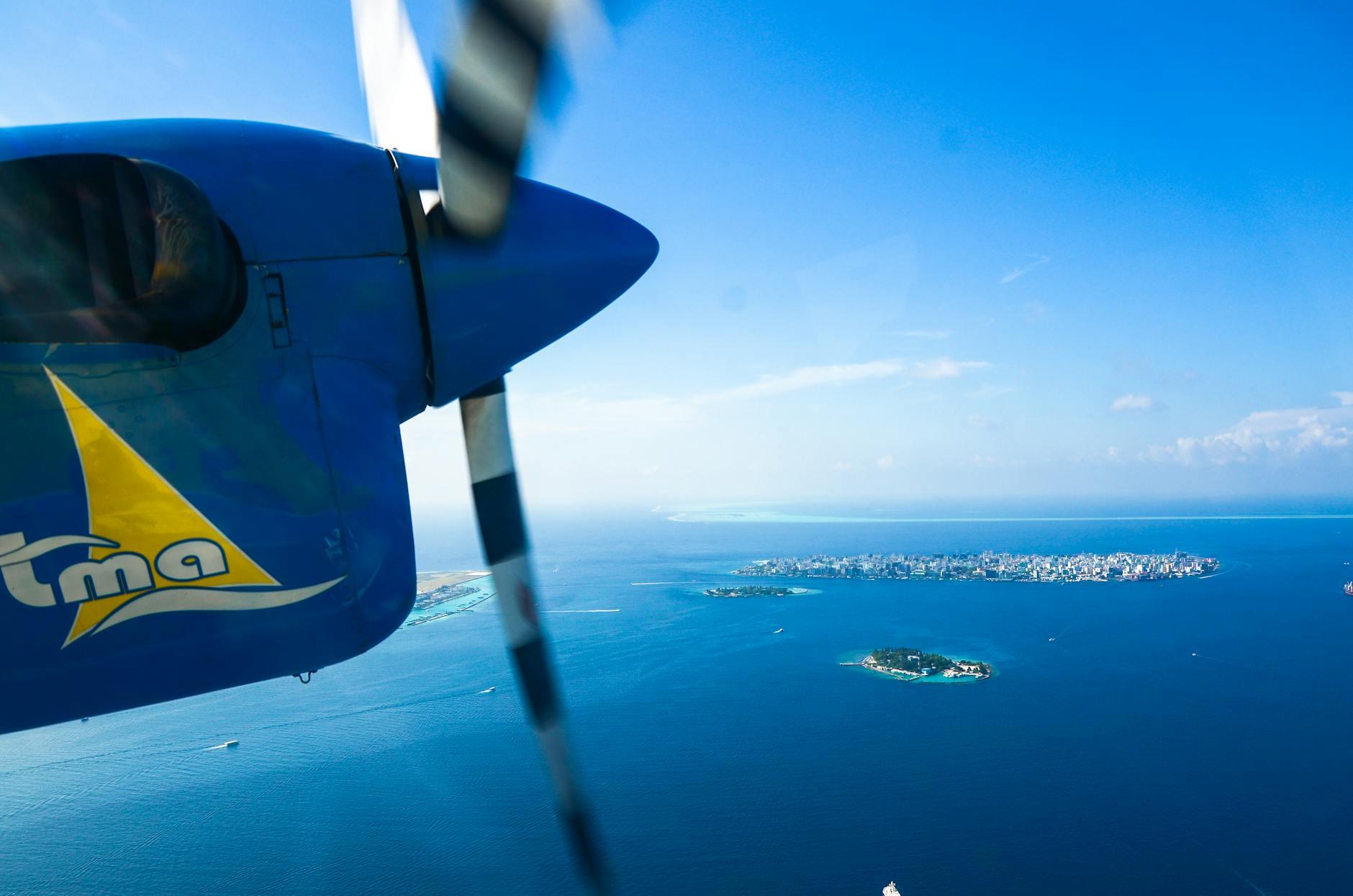
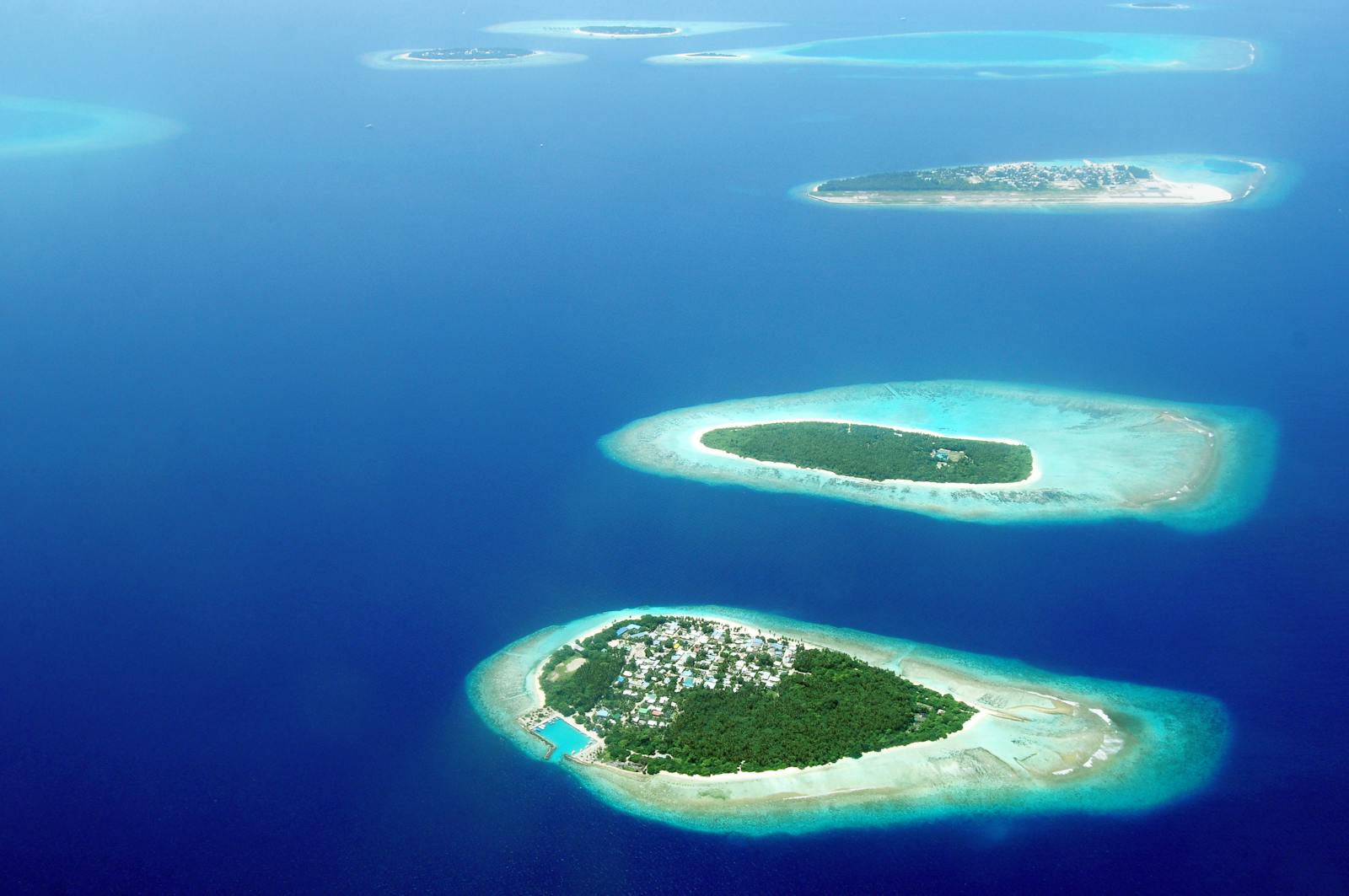
The Maldives lies in the Indian Ocean about 750 km south-west of Sri Lanka. The islands stretch about 870 km from north to south, and the country is the lowest in the world, with most land only a metre or two above the sea.
Only about 200 islands are inhabited by local people. More than 150 others are resorts, each usually on its own island, so you’ll have the beach, reef and restaurants to yourself and the other guests.
Everyone arrives at Velana International Airport, on its own island next to Malé.
The main atolls and islands
Which atoll you choose decides how you transfer from the airport and what you’ll see underwater. For a detailed comparison of islands and resorts, see which Maldives island is right for you.

North Malé Atoll
The closest resorts to the airport, many only a short speedboat ride away, so you can be on the beach soon after landing. Good for shorter stays and late arrivals.
The atoll’s outer reefs have some of the Maldives’ best-known surf breaks.
South Malé Atoll
Also reached by speedboat, South Malé Atoll is a little quieter, with deep channels where divers see sharks, turtles and eagle rays.
Several resorts here share lagoons and marinas, so there’s more choice of restaurants.

Ari Atoll
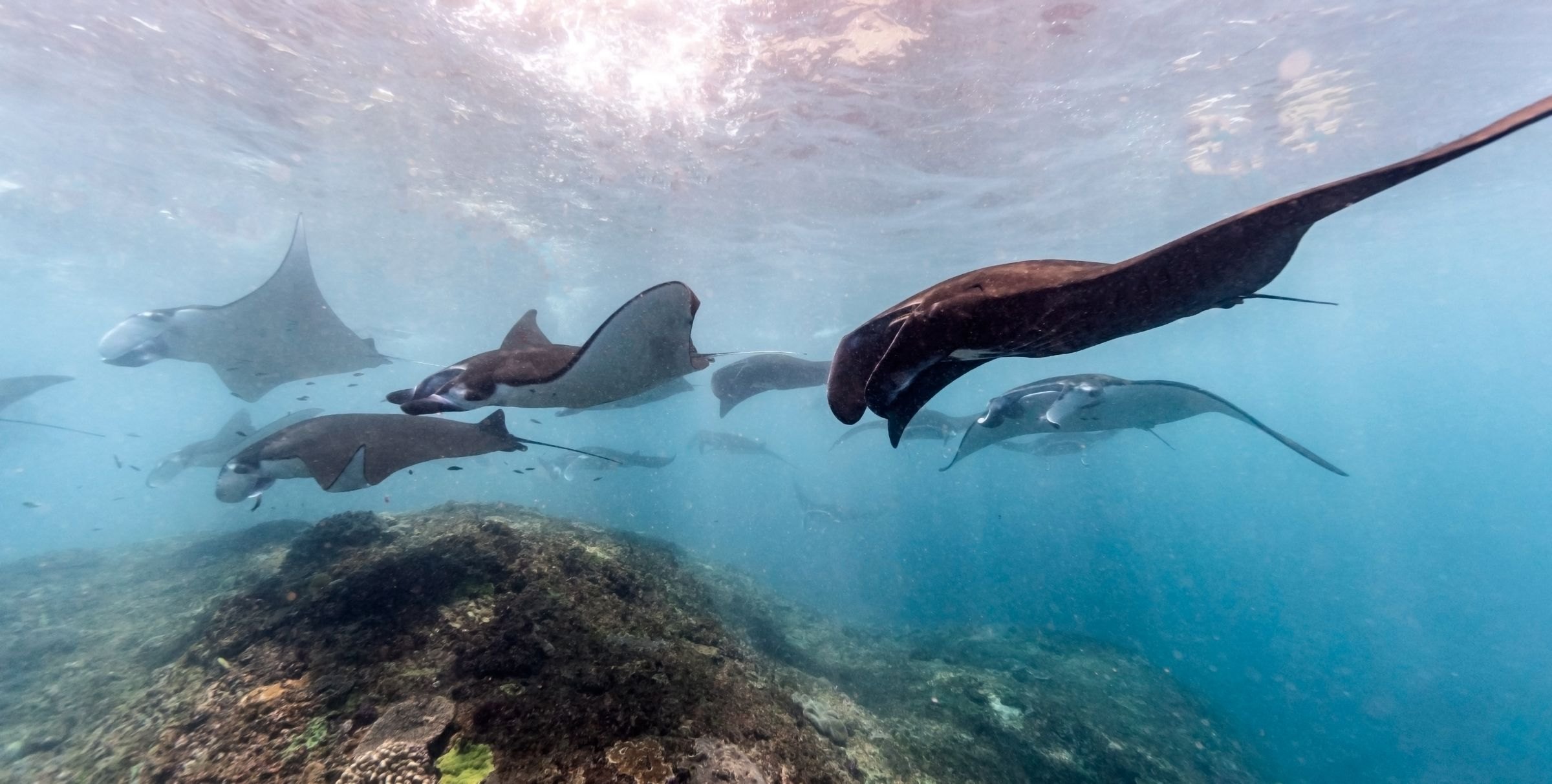
West of Malé, Ari Atoll is famous for marine life. Whale sharks can be seen in South Ari all year round, and manta rays visit cleaning stations on the reefs.
It’s one of the best atolls for snorkelling and diving trips.
Baa and Raa atolls
Baa Atoll is a UNESCO Biosphere Reserve. In Hanifaru Bay, large groups of manta rays gather to feed, mainly from June to November.
Neighbouring Raa Atoll has quieter resorts, reached by domestic flight and a short boat ride.

Lhaviyani and the northern atolls
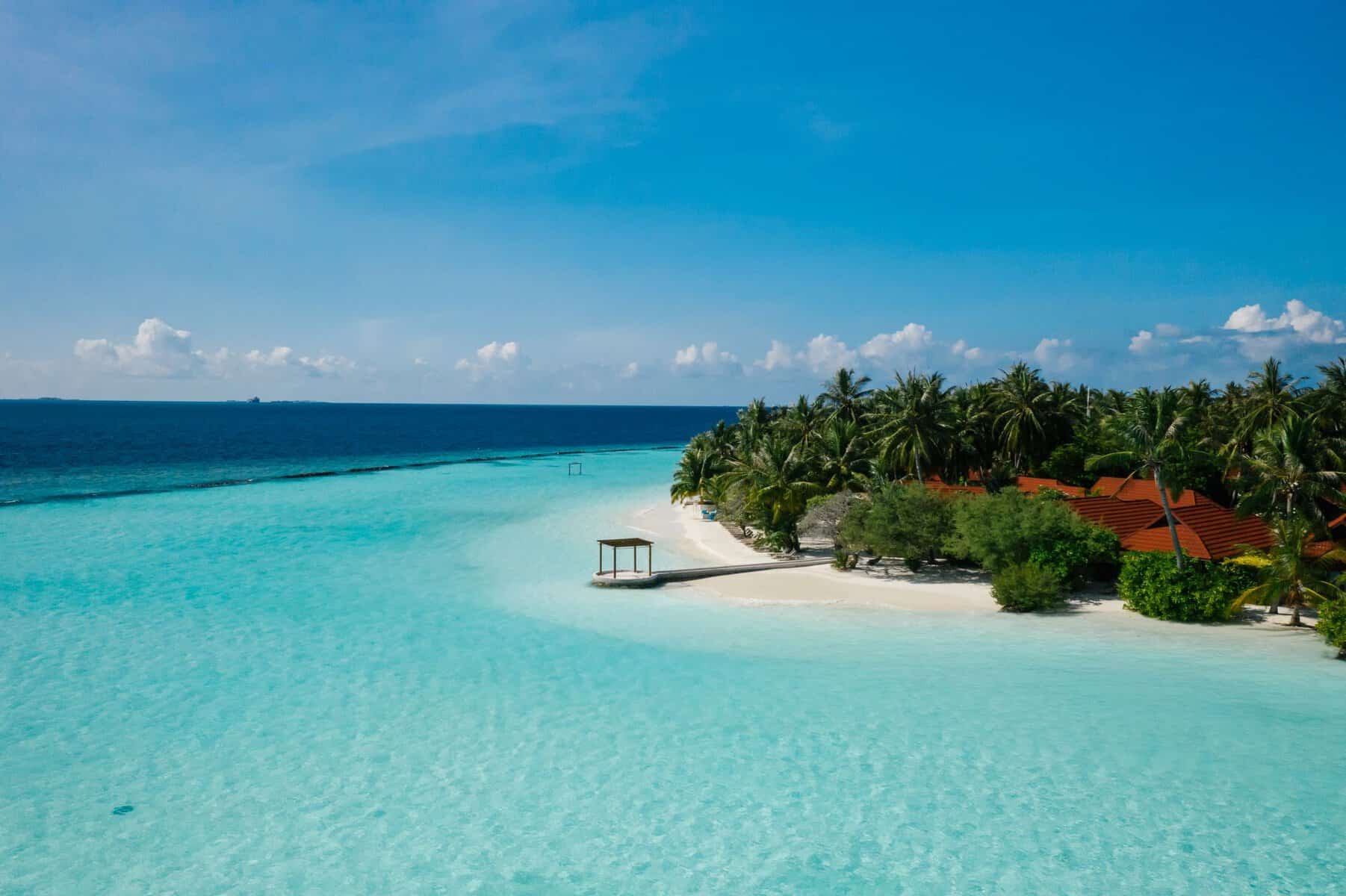
Further north, Lhaviyani, Noonu and the far northern atolls feel more remote, with long sandbanks, big lagoons and fewer boats.
Transfers take longer, so they suit stays of a week or more.
The southern atolls
The atolls south of Malé, down to Addu across the equator, are reached by domestic flight. They’re quiet, with healthy reefs and big ocean wildlife, and are a little less affected by the north-east monsoon.

Malé and the local islands
Malé, one of the most crowded capitals in the world, has a fish market, the Old Friday Mosque built from coral stone and colourful streets. Most resorts offer a half-day trip.
Some inhabited islands, such as Maafushi, have guesthouses and designated bikini beaches; alcohol isn’t served on local islands.
Overwater villa or beach villa?
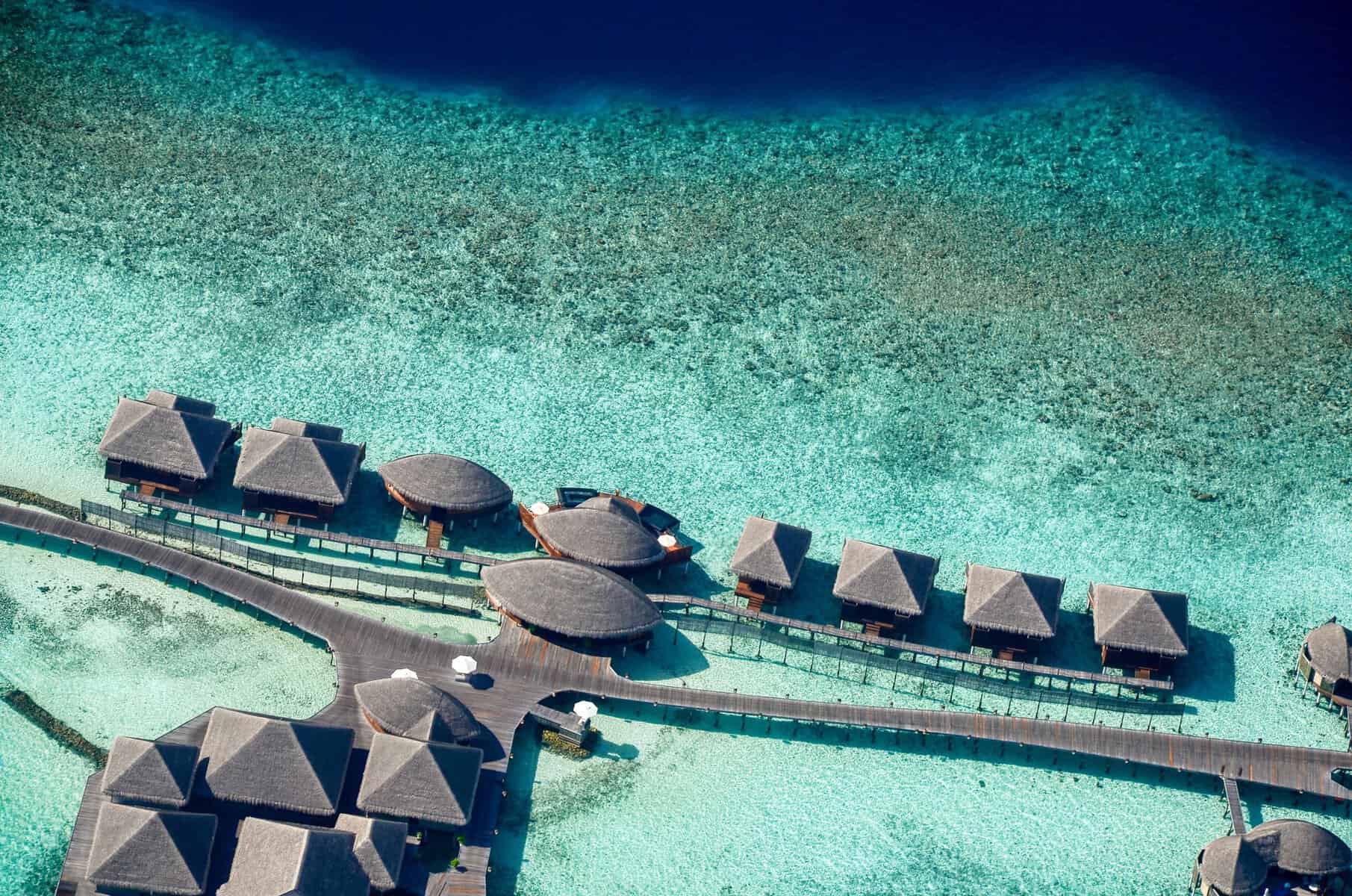
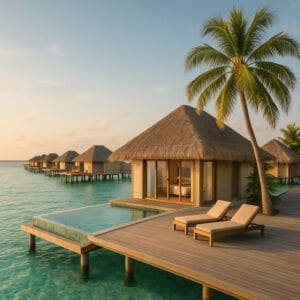
Overwater villas stand on stilts over the lagoon, with steps straight into the sea. They’re the classic Maldives honeymoon choice.
Beach villas open onto the sand, have more shade and space, and are easier with children.
Many couples split their stay, a few nights on the beach and a few over the water. See the best Maldives resorts and all-inclusive Maldives holidays.
What to do in the Maldives


- Snorkel the house reef: many resorts have a reef just off the beach, with turtles, reef sharks and hundreds of kinds of fish.
- Dive: channels, caves and wrecks, with whale sharks in South Ari and mantas in Baa and Ari.
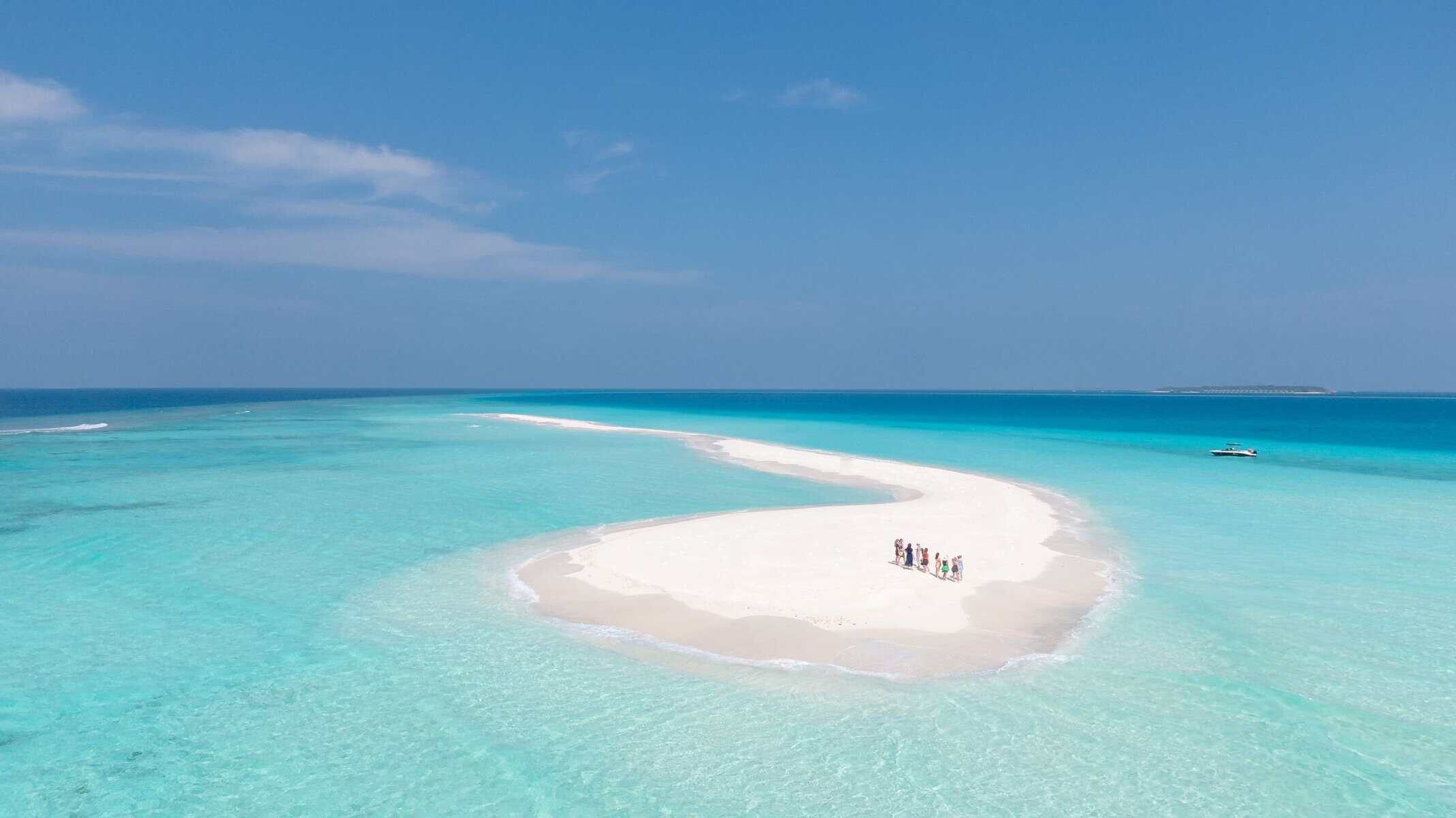
- Boat trips: dolphin-watching at sunset, a picnic on a deserted sandbank, or traditional night fishing.
- Surf: the reef breaks around Malé are best from about March to October.
- Relax: overwater spas, dinner on the beach and stargazing far from city lights.
- Cruise: see several atolls on a small-ship dhoni cruise or join a marine wildlife trip.
Monsoon seasons
The Maldives is warm all year, around 30°C. The dry season, the north-east monsoon, runs from about December to April, with calm seas and the most sunshine. The wet season, the south-west monsoon, runs from about May to November, with more wind, cloud and short heavy storms, but also lower demand, good surfing and the best time for mantas in Baa. May is usually the wettest month. For month-by-month detail, see the best time to visit the Maldives.
Maldives resorts we can book
These are the resorts we sell, with the atoll and how you get there. Your Travel Designer can match one to your budget, the board basis you want and the time of year.


How long does it take to get to the Maldives?
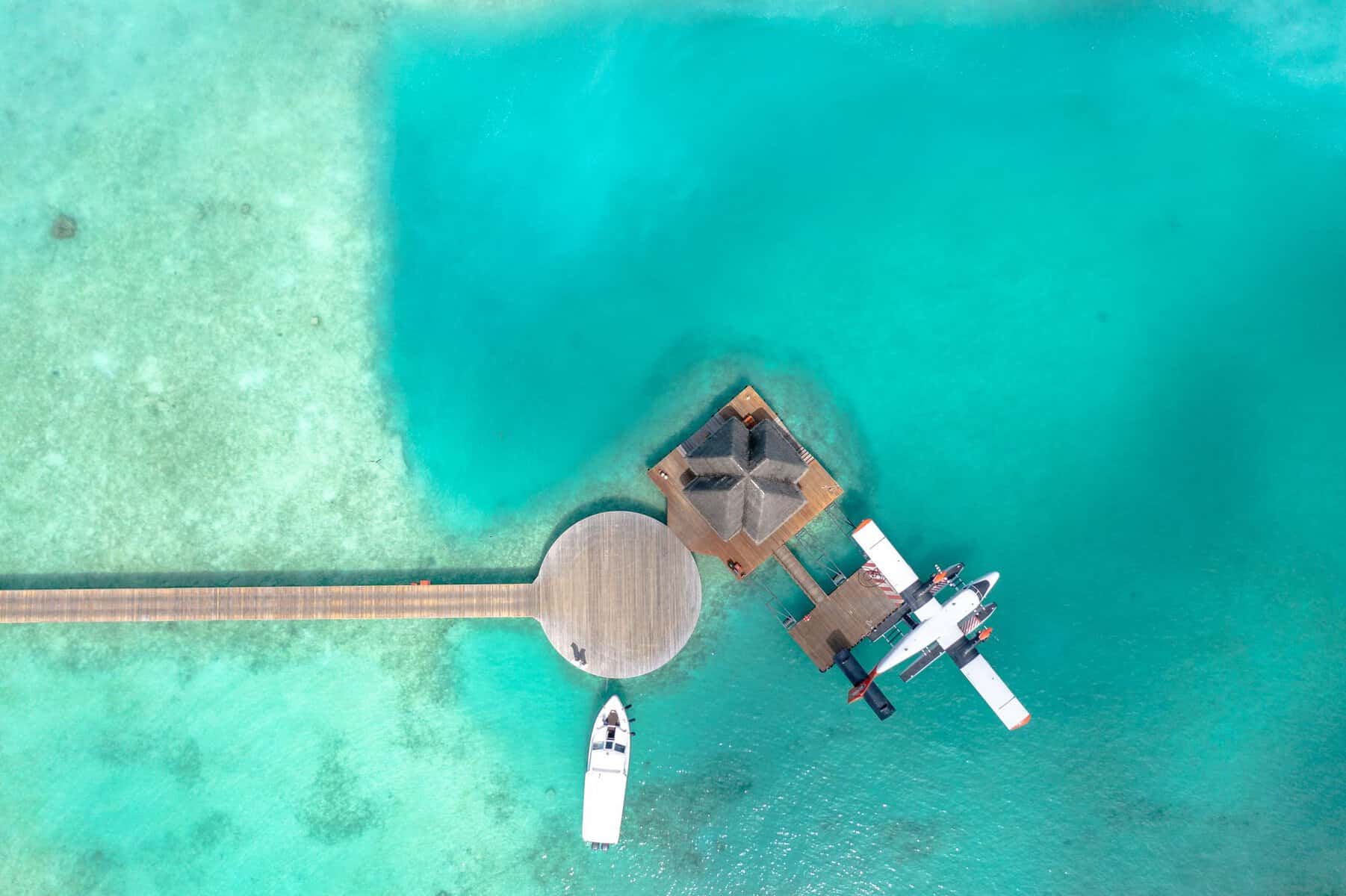
Direct flights from London to Malé take about 10 hours. With one stop in the Gulf, such as Dubai, Doha or Abu Dhabi, allow about 13 to 15 hours. From the airport, a speedboat to a North or South Malé resort takes from about 15 minutes to an hour; a seaplane to the outer atolls takes 30 to 60 minutes, and seaplanes only fly in daylight, so late arrivals may stay a night near the airport. You can also break the journey with a few days in Dubai or Sri Lanka.
Maldives tips
- Entry: British visitors get a free 30-day visa on arrival. Your passport must be valid for at least one month after you arrive, and you must fill in the online traveller declaration (IMUGA) within 96 hours before your flight lands. Check the FCDO Maldives advice before you go.
- Local laws: the Maldives is a Muslim country. Alcohol is served only at resorts and on boats, and you can’t bring any in. On local islands and in Malé, cover your shoulders and knees.
- Board basis: food and drink on a private island can add up, so many visitors choose full board or all-inclusive.
- Reef-safe: use reef-safe sun cream, don’t touch or stand on coral, and keep your distance from turtles and sharks.
- Families: choose a beach villa and a resort with a kids’ club and a shallow lagoon; see is the Maldives good for families?
- Pack light: seaplanes have strict luggage limits, so check the allowance before you fly.
Frequently asked questions
Where is the Maldives?
In the Indian Ocean, about 750 km south-west of Sri Lanka and south-west of India. Its 26 atolls stretch about 870 km from north to south, across the equator.
Is the Maldives in the Caribbean?
No. The Maldives is in the Indian Ocean, near Sri Lanka and India. The Caribbean is on the other side of the world, between North and South America.
How long does it take to get to the Maldives from the UK?
About 10 hours on a direct flight from London to Malé, or 13 to 15 hours with one stop in the Gulf. Add the transfer to your resort: from 15 minutes by speedboat to about an hour by seaplane.
What is there to do in the Maldives?
Snorkelling and diving with turtles, mantas and whale sharks, boat trips to sandbanks, dolphin cruises, surfing, spas and visits to Malé or a local island. Most of all, it's a place to relax.
What are the main islands in the Maldives?
Malé is the capital and the airport is on the next island. Most resorts are in North and South Malé, Ari, Baa, Raa and Lhaviyani atolls. Each resort usually has its own island.
When is the monsoon season in the Maldives?
The wetter south-west monsoon runs from about May to November, with May usually the wettest month. The dry north-east monsoon runs from December to April.
Do UK citizens need a visa for the Maldives?
No visa is needed in advance. British tourists get a free 30-day visa on arrival, but must fill in the IMUGA traveller declaration within 96 hours before arriving.
How many nights do you need in the Maldives?
Seven to ten nights is ideal because of the long flight. Five nights works well as the beach part of a twin-centre trip with Dubai or Sri Lanka.
Keep planning
- Maldives holidays
- Which Maldives island is right for you?
- The best Maldives resorts
- Best time to visit the Maldives
- All-inclusive Maldives holidays
- Dubai and Maldives holidays
- Seychelles holiday guide
- Sri Lanka holiday guide
Plan your Maldives holiday with a Travel Designer
Tell us your dates and budget and we’ll match the atoll, the resort and the villa, then arrange the flights and transfers, all in one ATOL-protected booking.
Make an enquiry Maldives holidays