Zimbabwe in brief
- Most trips combine Victoria Falls with a safari in Hwange, often with Botswana too.
- With more time, add Mana Pools, Lake Kariba, Matobo or Great Zimbabwe.
- May to October is the dry season and the best time for safari; the falls are fullest from March to May. See when to go.
- UK visitors need a visa, usually bought on arrival in US dollars. Is Zimbabwe safe?
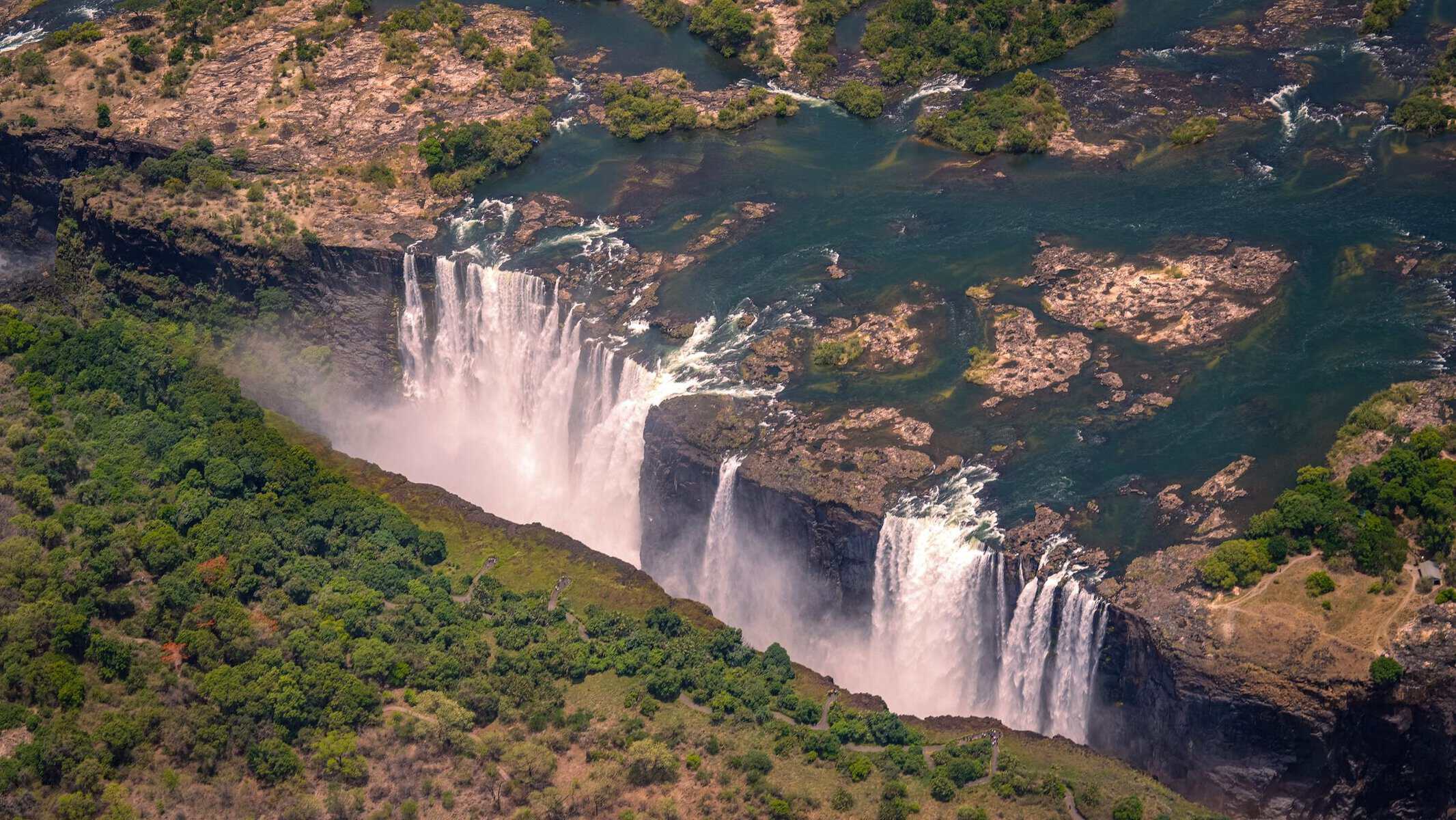
Zimbabwe is home to the most famous waterfall in Africa. Victoria Falls, known locally as Mosi-oa-Tunya, “the smoke that thunders”, drops into a deep gorge on the Zambezi river, and the spray can be seen from miles away. But there’s much more to the country: huge elephant herds in Hwange, canoe and walking safaris in Mana Pools, houseboats on Lake Kariba, the granite hills and rhinos of Matobo, and the stone city of Great Zimbabwe, which gave the country its name. Zimbabwe’s guides are some of the best trained in Africa. This guide covers where to go, which side of the falls to see, the seasons, safety and what to know before you travel.
Places to visit in Zimbabwe
Almost every trip includes Victoria Falls, usually with a safari in Hwange next door. With more time, fly north to Mana Pools or Lake Kariba, or head south to Matobo and Bulawayo. Zimbabwe also combines easily with Botswana’s Chobe and Okavango Delta; see our Botswana holiday guide.
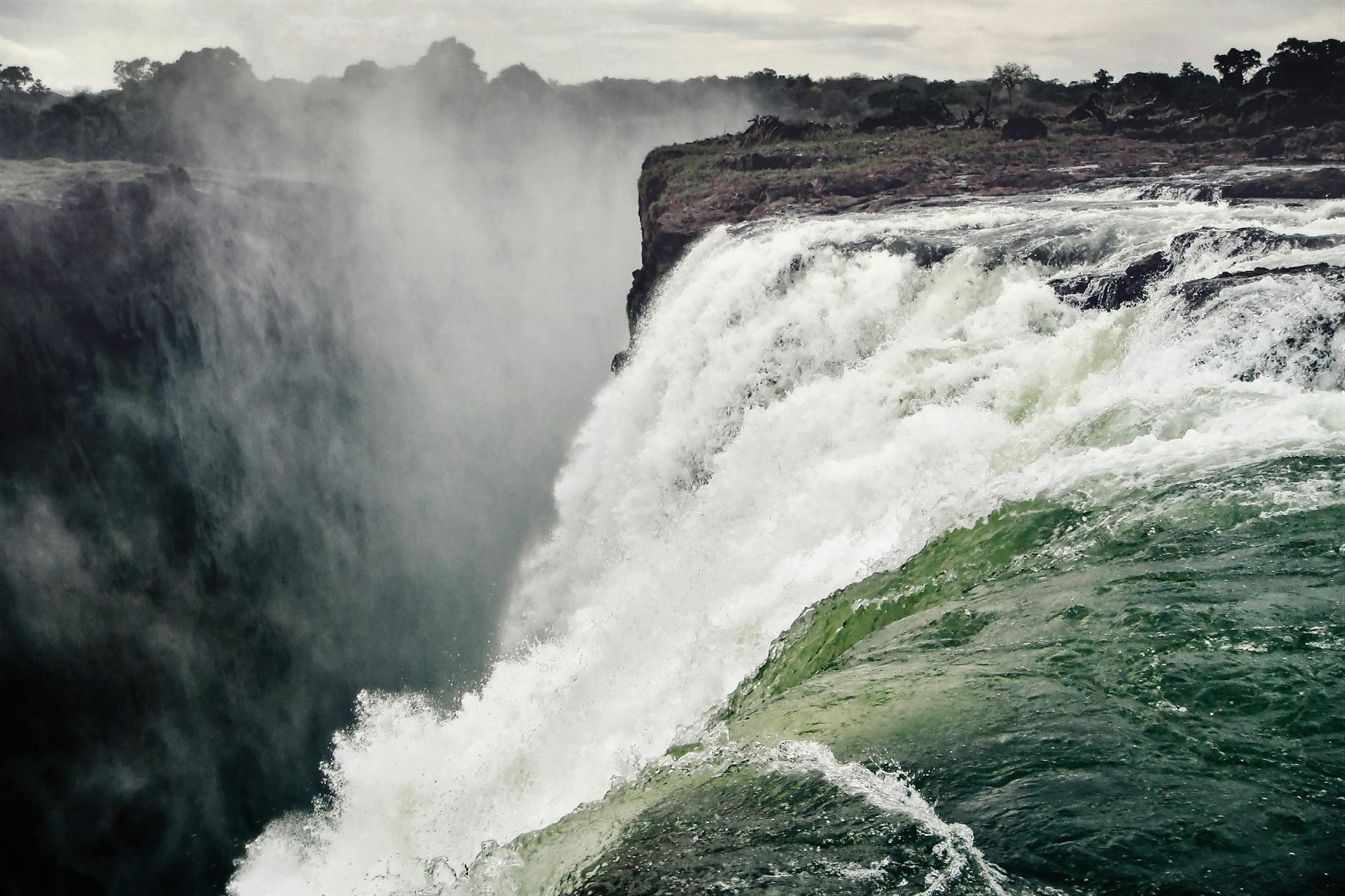
Victoria Falls
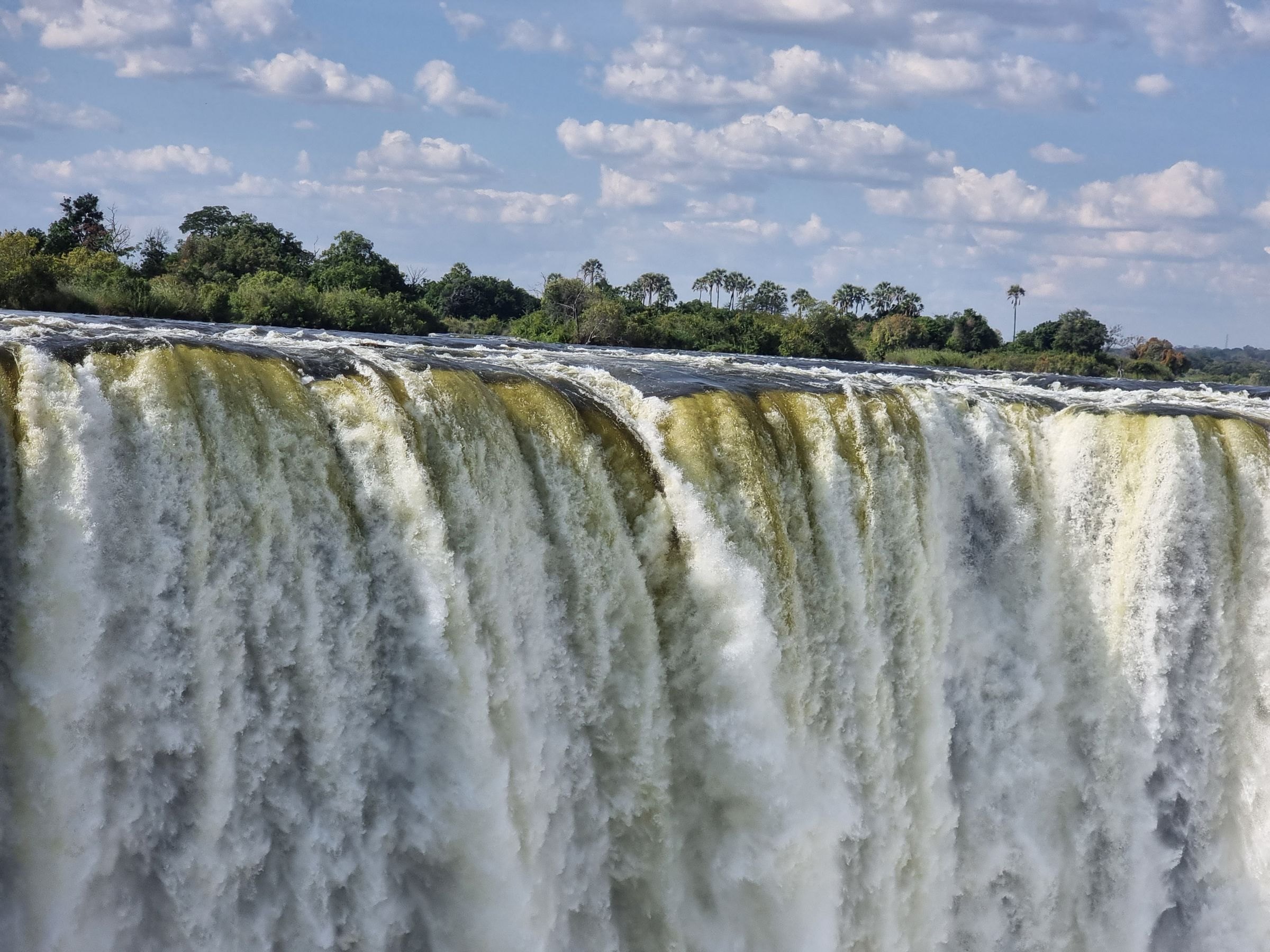
About 1.7 km wide and more than 100 m high, Victoria Falls is one of the largest curtains of falling water in the world, and a UNESCO World Heritage Site shared with Zambia.
Walk the rainforest trail along the edge, take a helicopter flight over the gorges, raft the Zambezi rapids or watch the sunset from a river cruise. The town of Victoria Falls is small, safe and easy to walk around.
Zimbabwe holidays →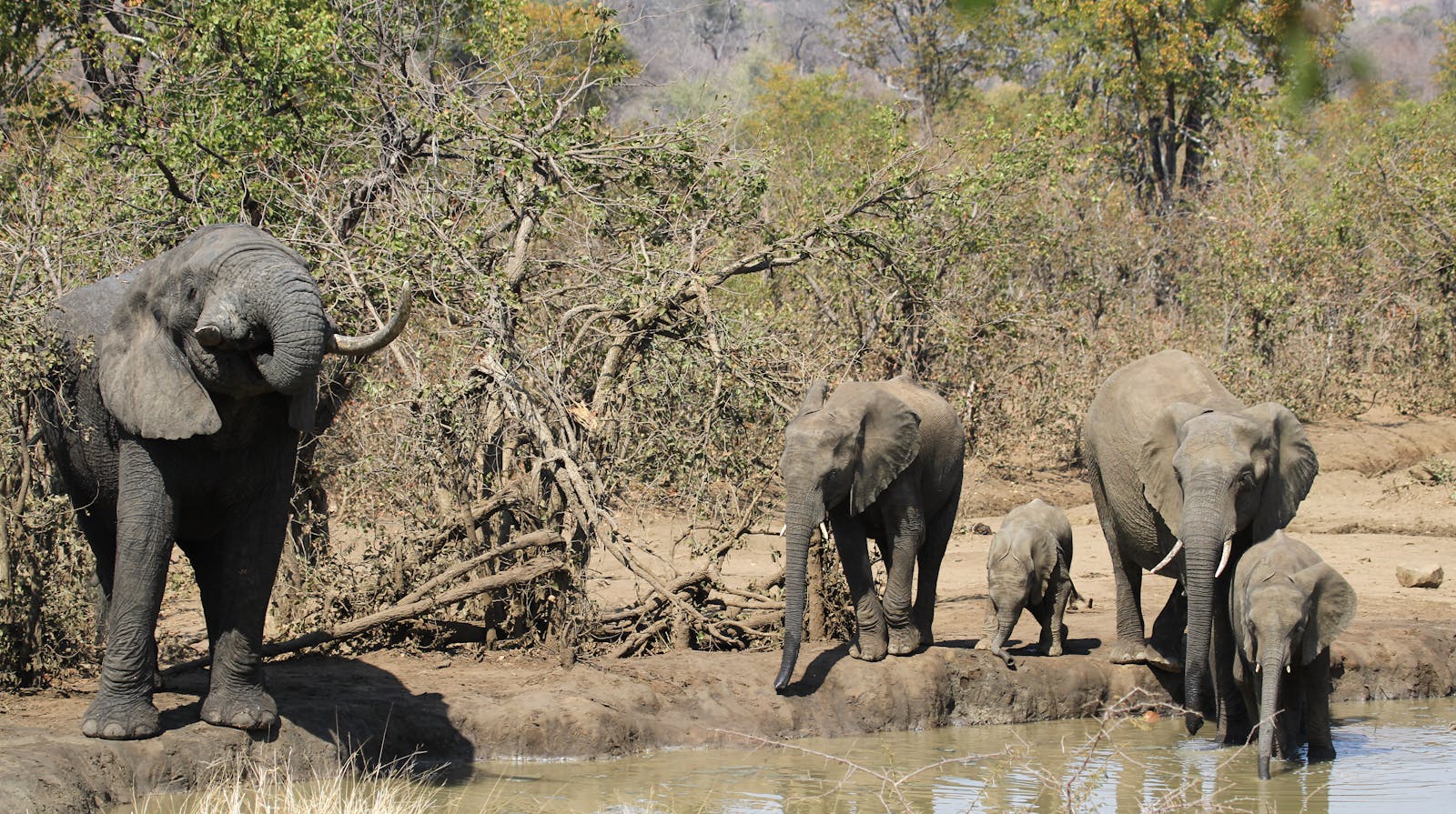
Hwange National Park
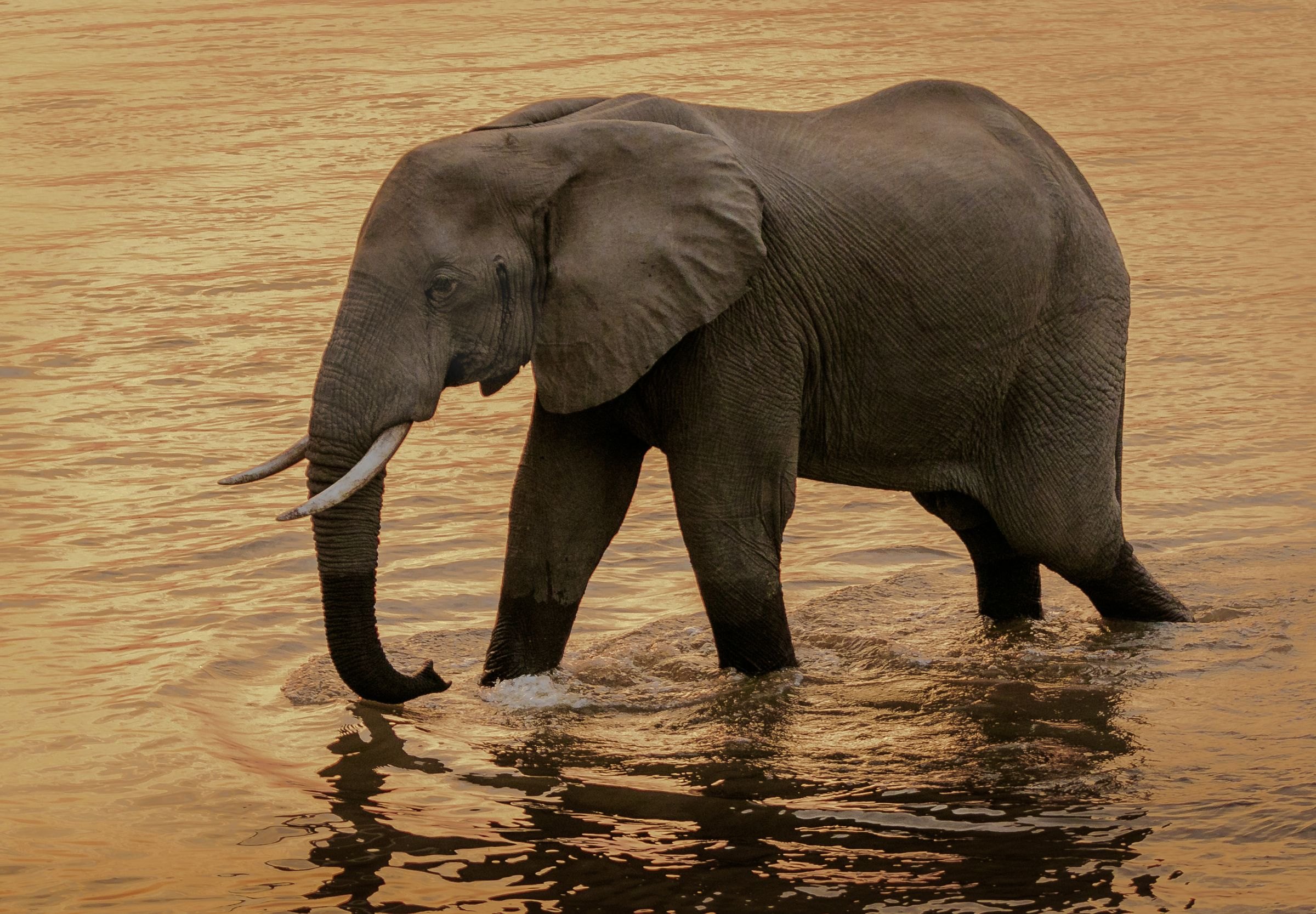
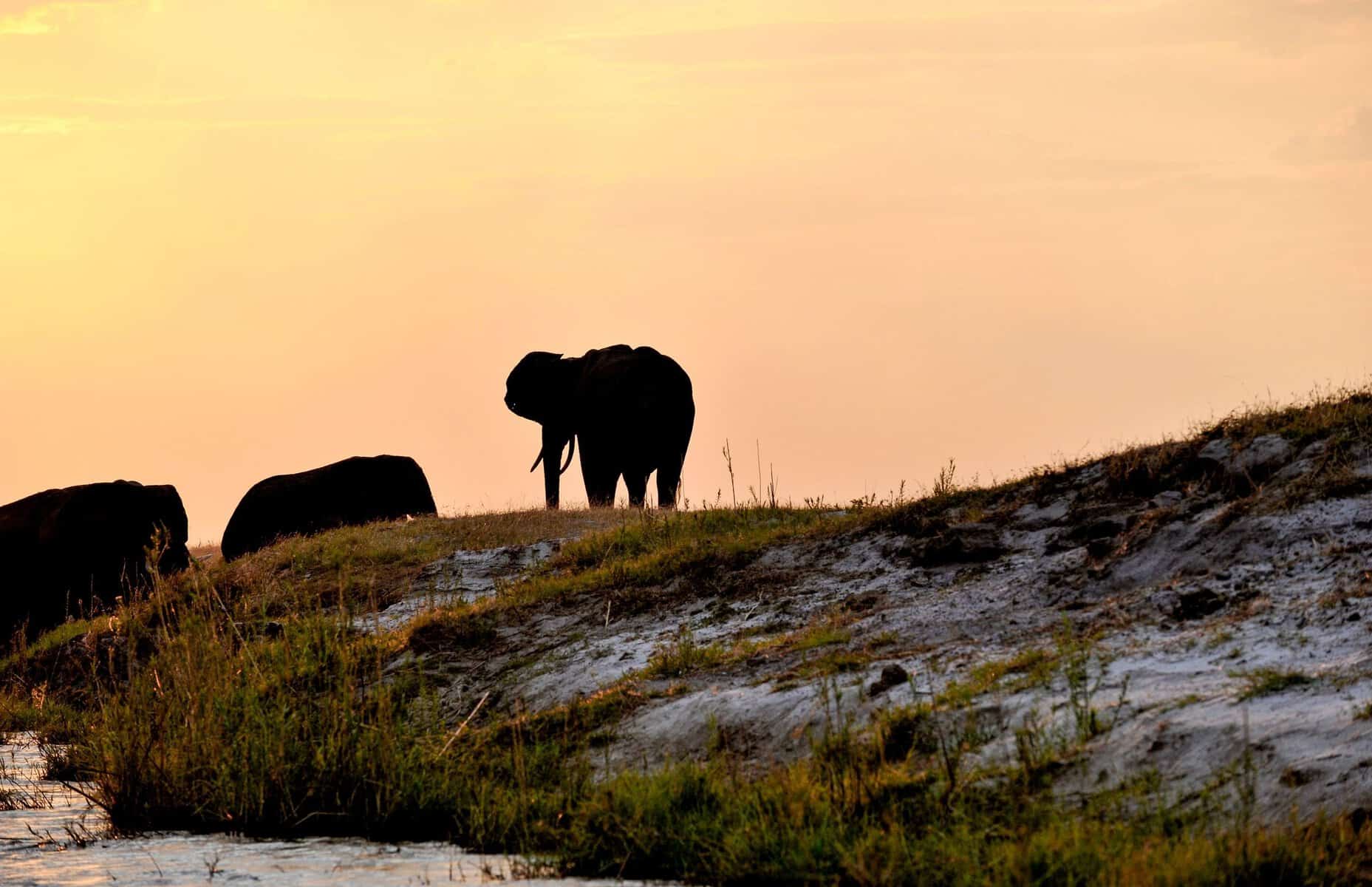
Zimbabwe’s largest national park is famous for its elephants: tens of thousands live here, and in the dry season they gather at the waterholes in big herds.
Hwange also has lions, buffalo, giraffes, rare painted wolves (wild dogs) and more than 400 kinds of birds. It’s about two hours’ drive from Victoria Falls, or a short flight.

Mana Pools
On the banks of the Zambezi in the far north, Mana Pools is a UNESCO World Heritage Site and one of the wildest parks in Africa. Elephants stand on their hind legs to reach the branches of the winterthorn trees.
It’s one of the few parks where you can walk and canoe among the animals with a licensed guide. Most camps open only in the dry season, from about April to November.

Lake Kariba
Created when the Zambezi was dammed in the 1950s, Lake Kariba is one of the largest man-made lakes in the world, with drowned trees standing in the water and wonderful sunsets.
Stay on a houseboat, fish for tigerfish, or go on safari in Matusadona National Park on the lake shore.
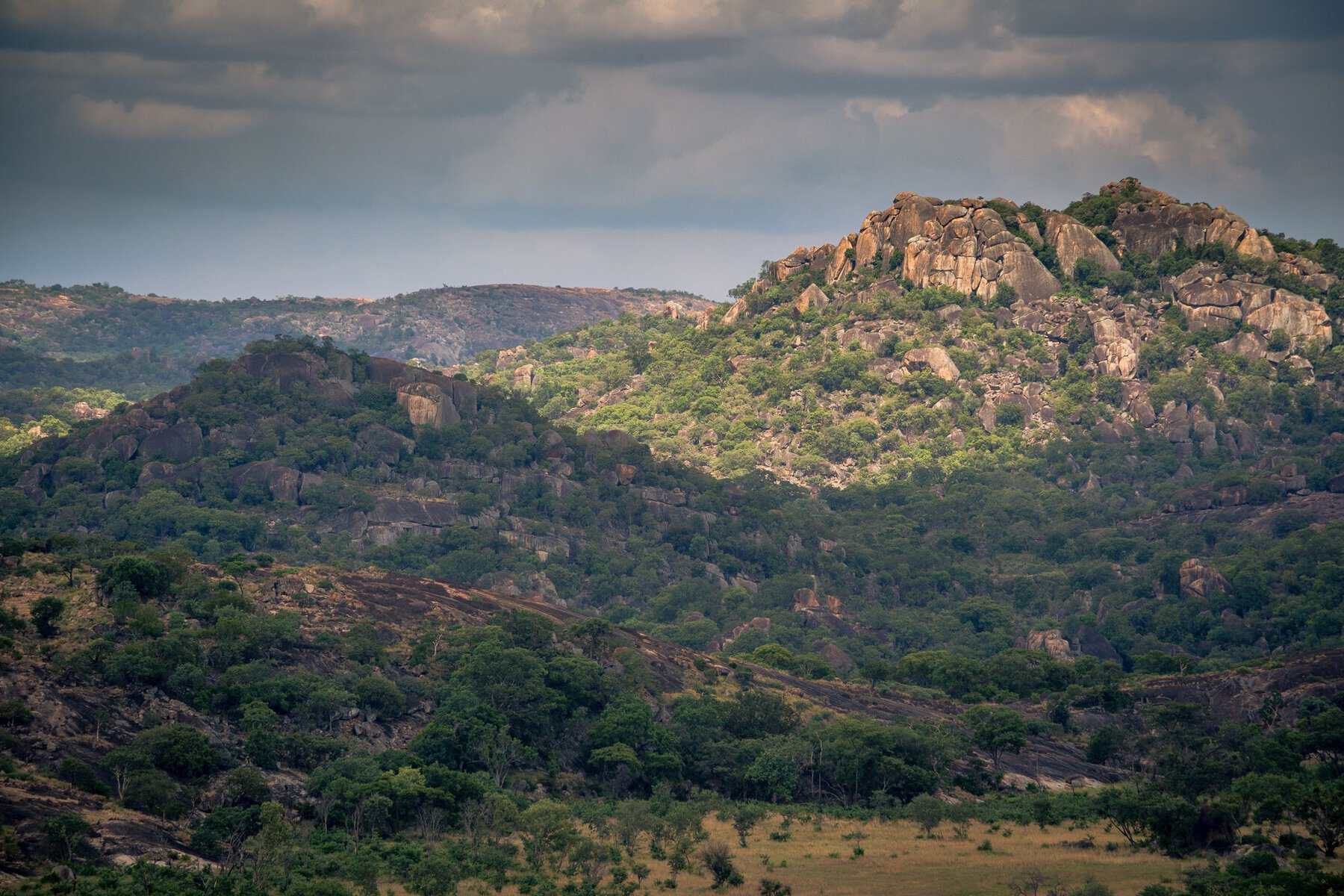
Matobo Hills
South of Bulawayo, the Matobo (or Matopos) National Park is a landscape of granite domes and balancing boulders, and a UNESCO World Heritage Site.
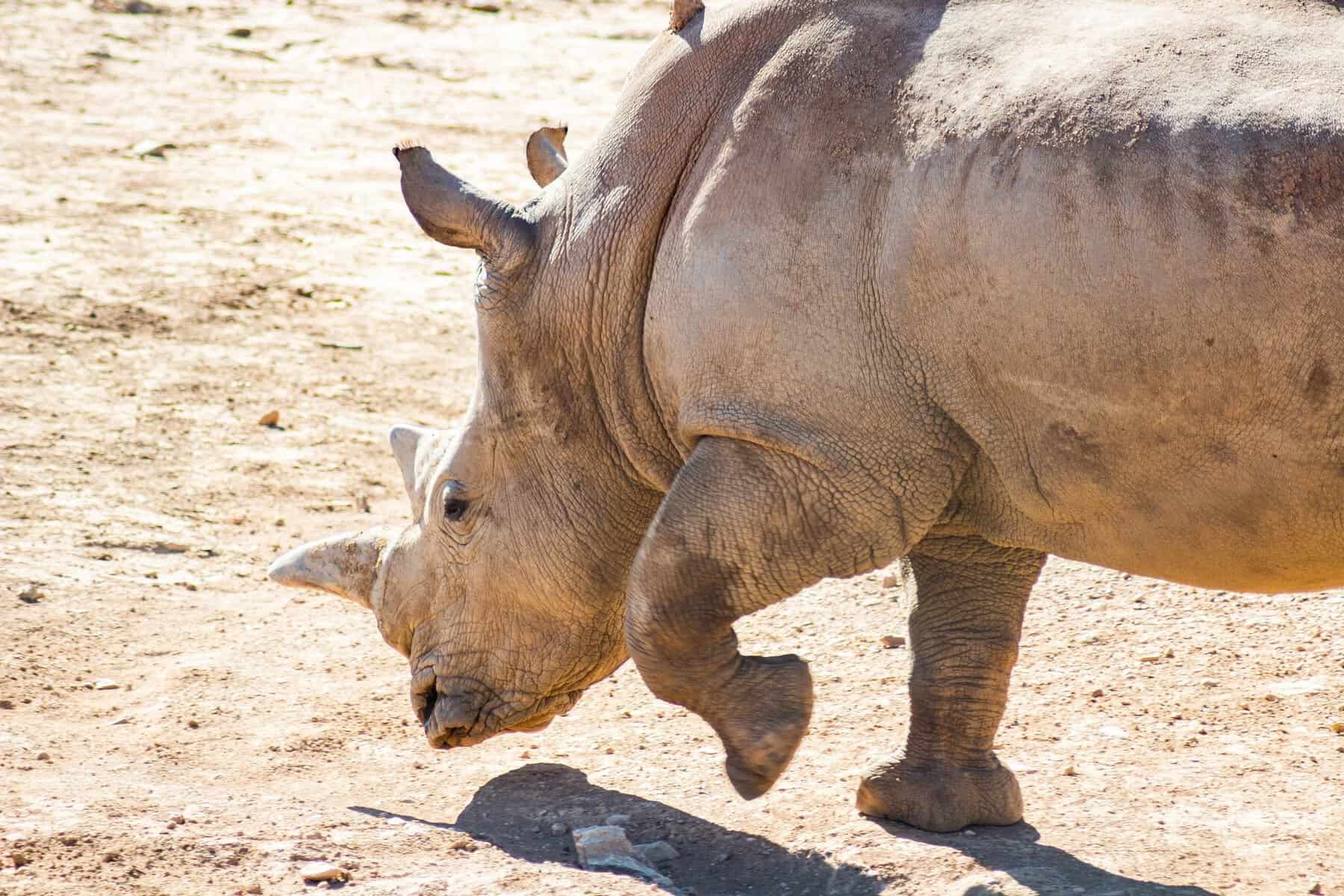
It’s one of the best places in Africa to track rhinos on foot, and its caves hold thousands of ancient San rock paintings.
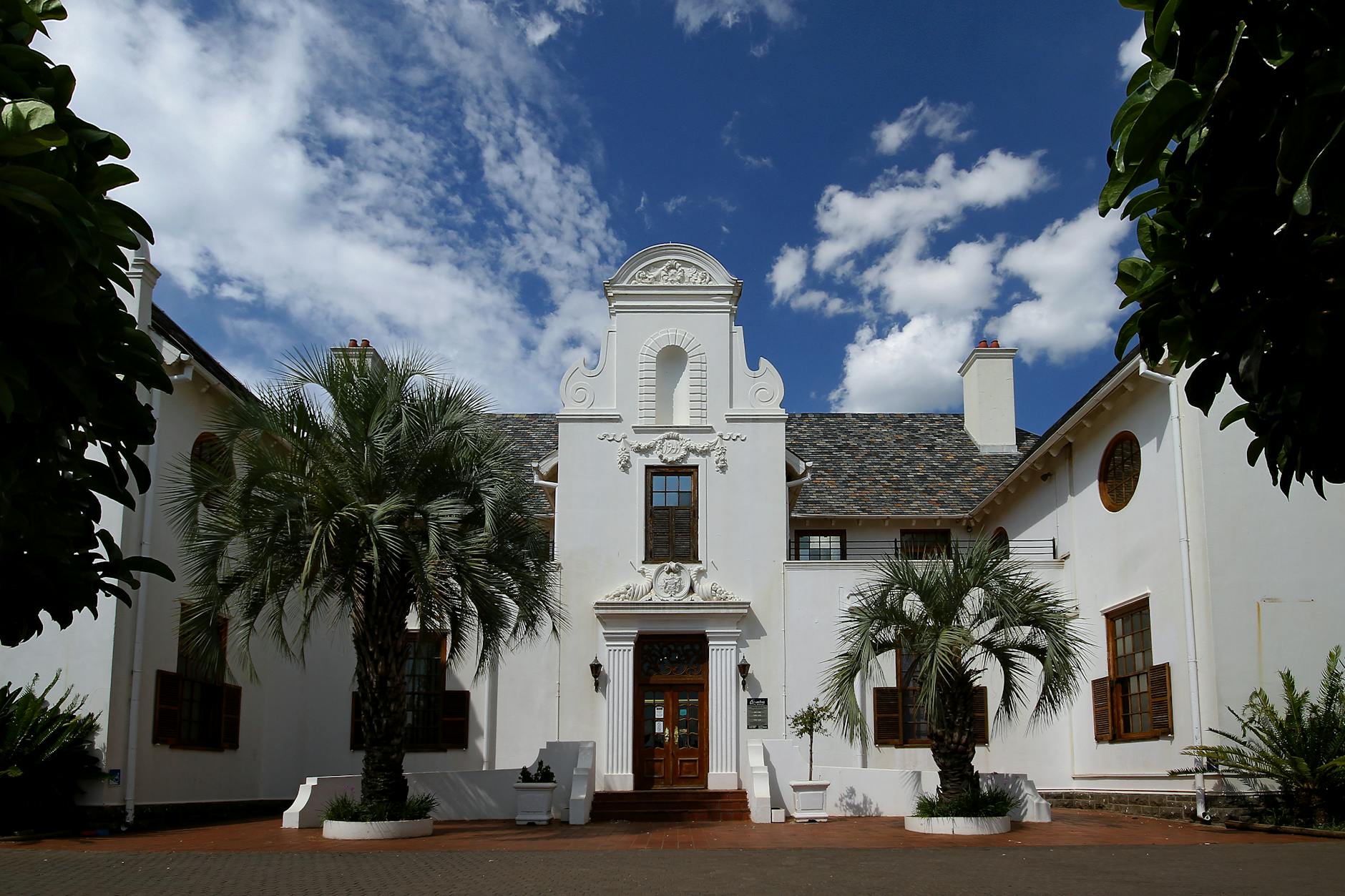
Bulawayo and Great Zimbabwe
Bulawayo, Zimbabwe’s second city, has wide streets, colonial buildings and a fine Natural History Museum, and it’s the gateway to Matobo. Further east near Masvingo, the stone walls of Great Zimbabwe were built between the 11th and 15th centuries, without mortar, by the capital of a trading empire. They’re the largest ancient stone structures in Africa south of the Sahara.
The site gave the country its name, and the soapstone Zimbabwe Bird carved here appears on the national flag.
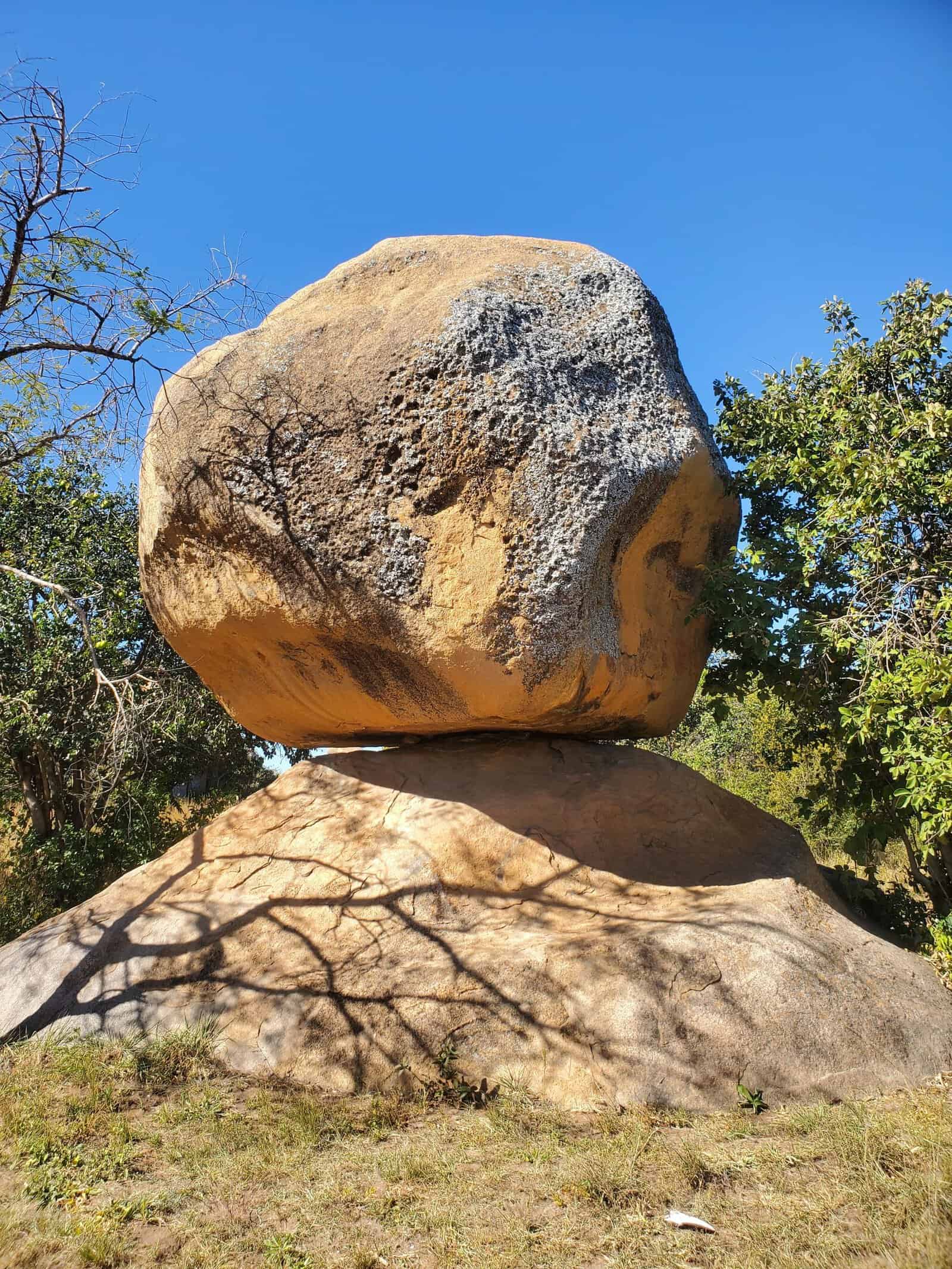
Harare and the Eastern Highlands
The capital, Harare, is a green city of parks and avenues that turn purple with jacaranda blossom in October. See the National Gallery, the stone sculptors and the balancing rocks at Epworth.
To the east, the Eastern Highlands of Nyanga, Bvumba and Chimanimani have cool mountain air, tea estates, waterfalls and hiking trails.
Victoria Falls: the Zimbabwe or the Zambia side?
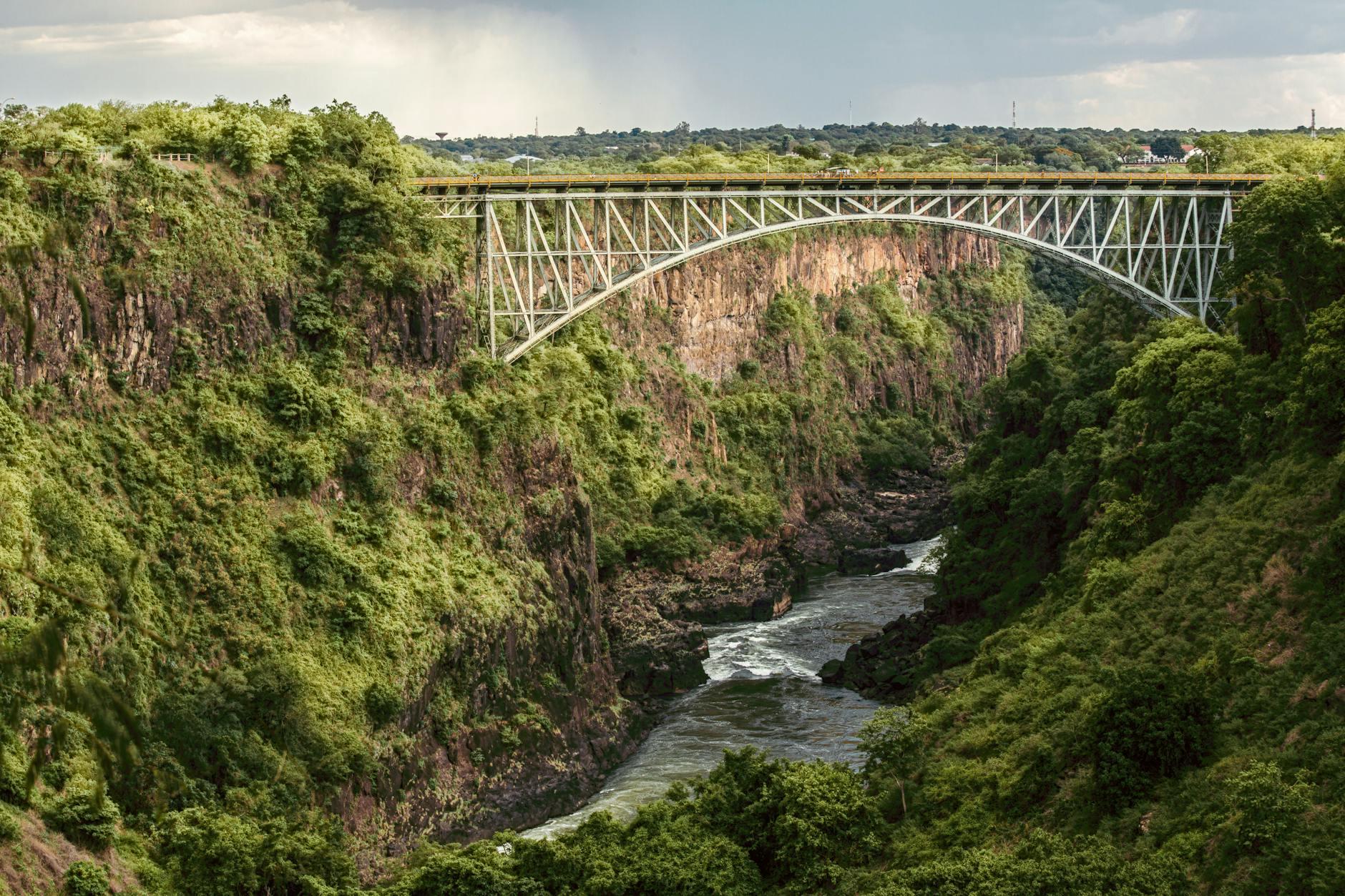
Victoria Falls lies on the border between Zimbabwe and Zambia; the Zambezi river forms the frontier, and the Victoria Falls Bridge links the two countries.
The Zimbabwe side has most of the classic front-on views, along a rainforest path with around 16 viewpoints, including the Main Falls and Danger Point. It’s the best side for most of the year.
The Zambia side lets you get closer to the edge, and from about August to January, when the water is low, you can swim in the famous Devil’s Pool. Many visitors see both; the KAZA Univisa makes crossing easy.
Animals in Zimbabwe
Staying on the Zambian side, or adding South Luangwa or the Lower Zambezi? See our Zambia holiday guide.
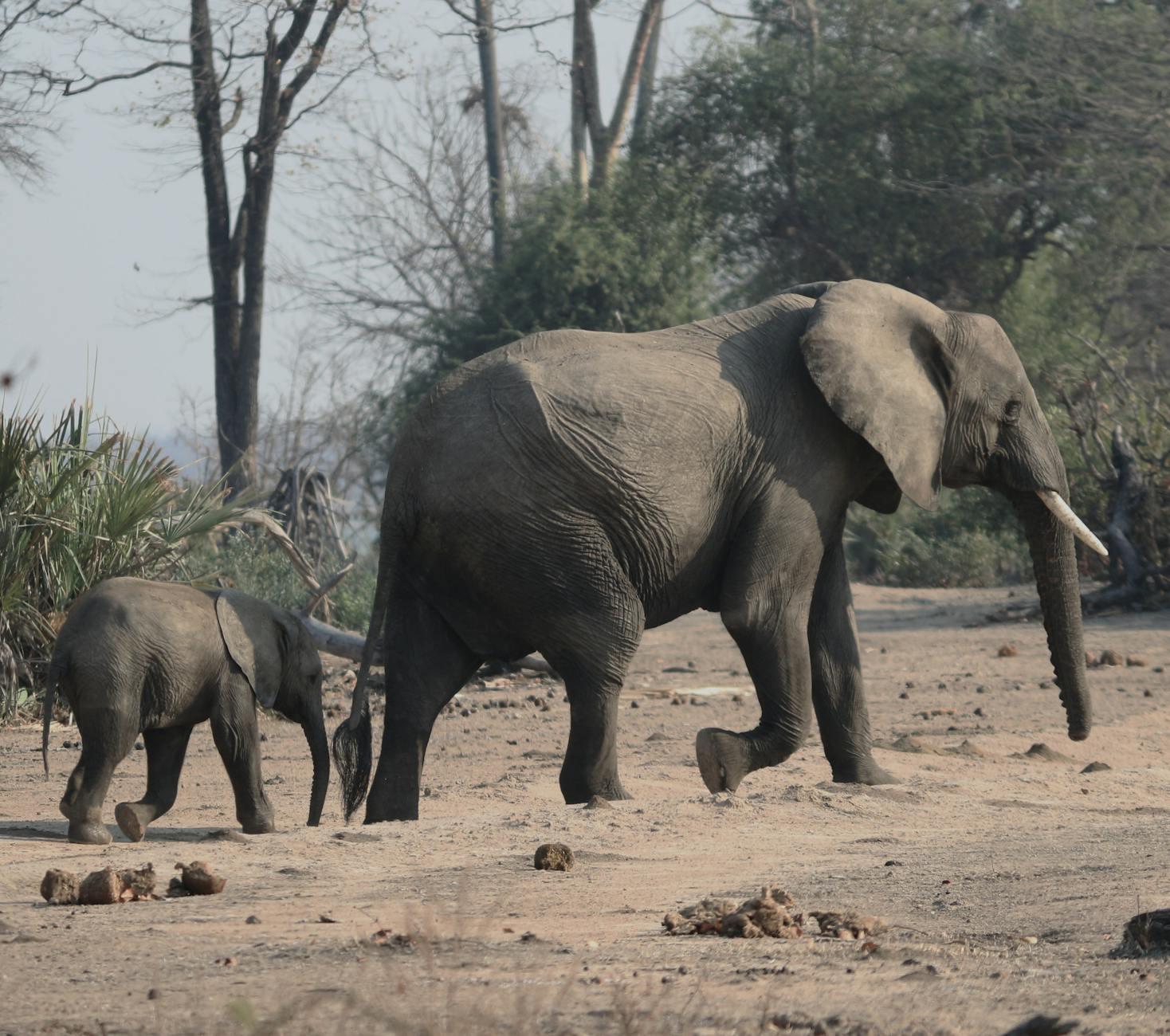
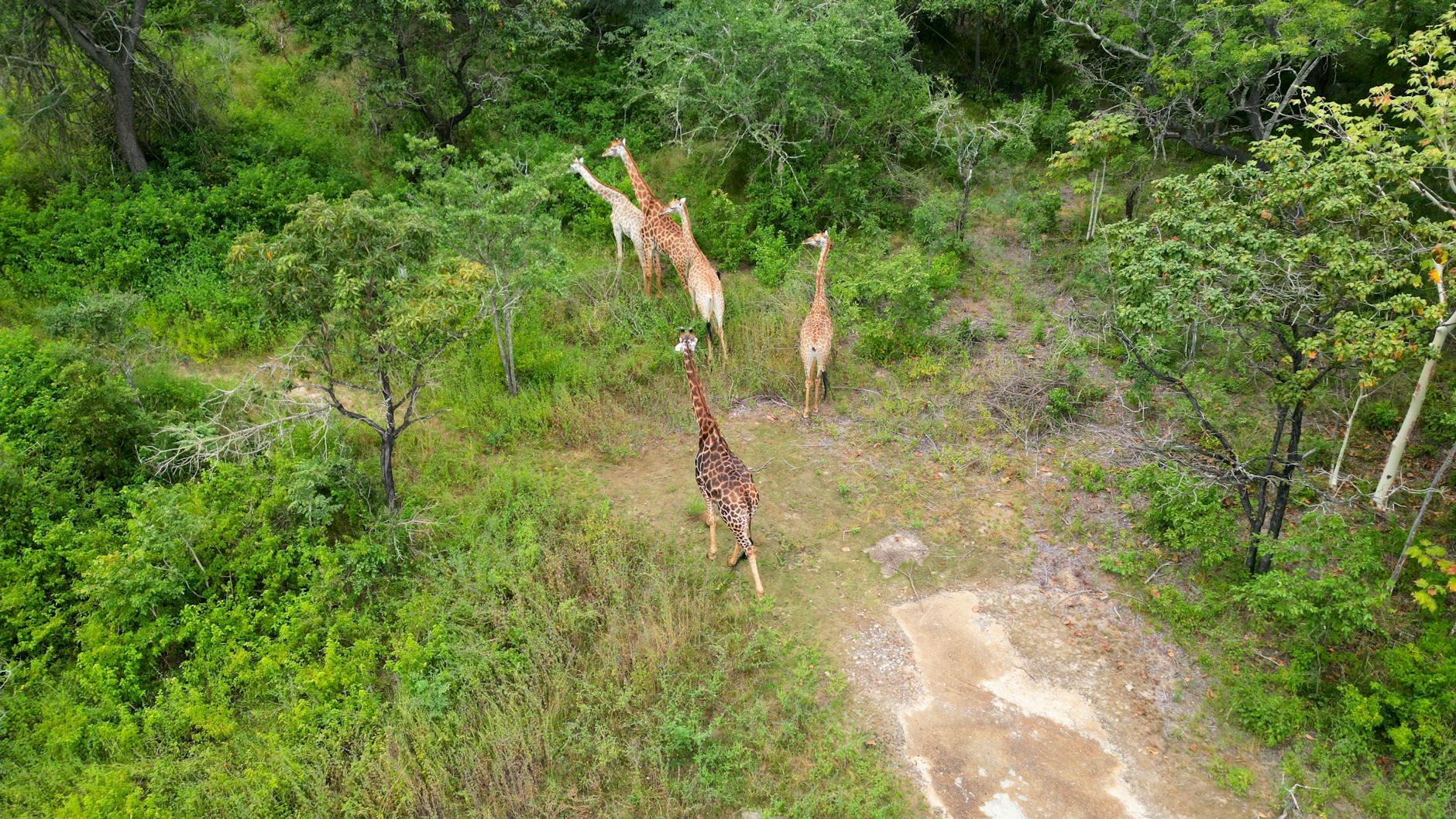
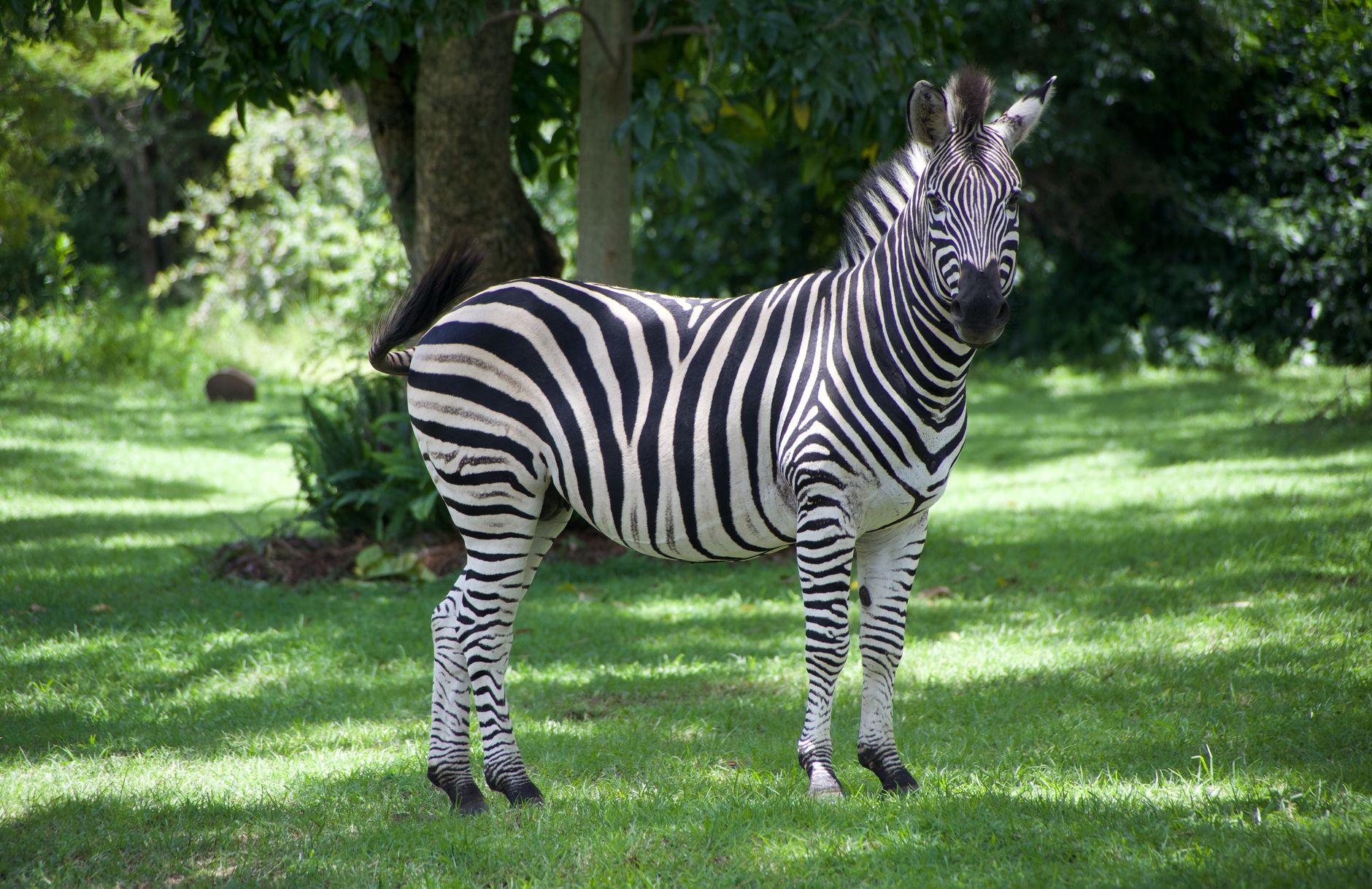

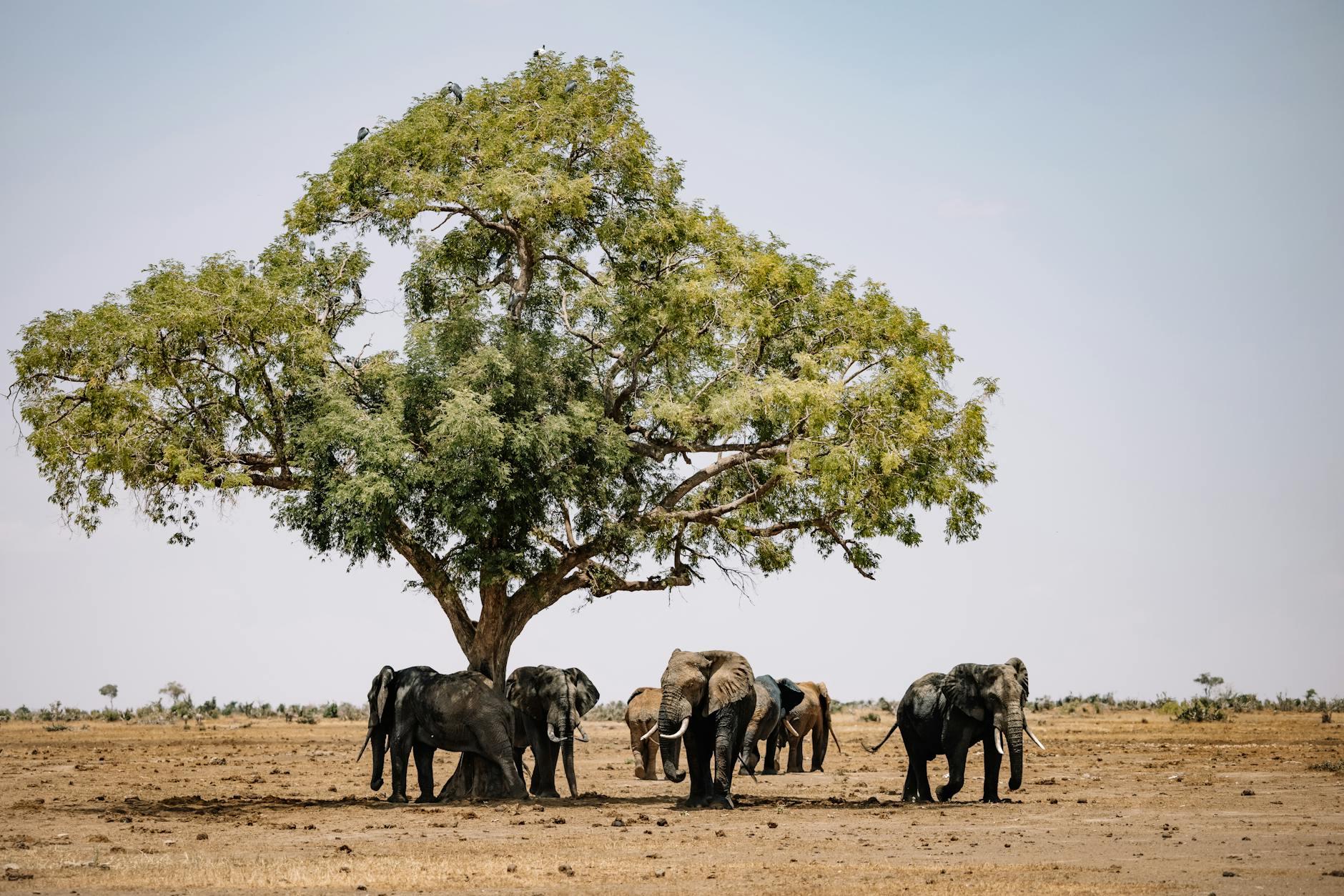

- The Big Five: Zimbabwe has all of them. Hwange is best for elephants and lions, Matobo for rhinos, and Mana Pools for buffalo, elephants and leopards.
- Painted wolves: Zimbabwe has one of the largest populations of African wild dogs, especially in Hwange and Mana Pools.
- Walking safaris: Zimbabwe’s professional guides train for years, and walking with them is one of the great safari experiences.
- Birds: more than 650 species have been recorded, from fish eagles on the Zambezi to carmine bee-eaters in Mana Pools.
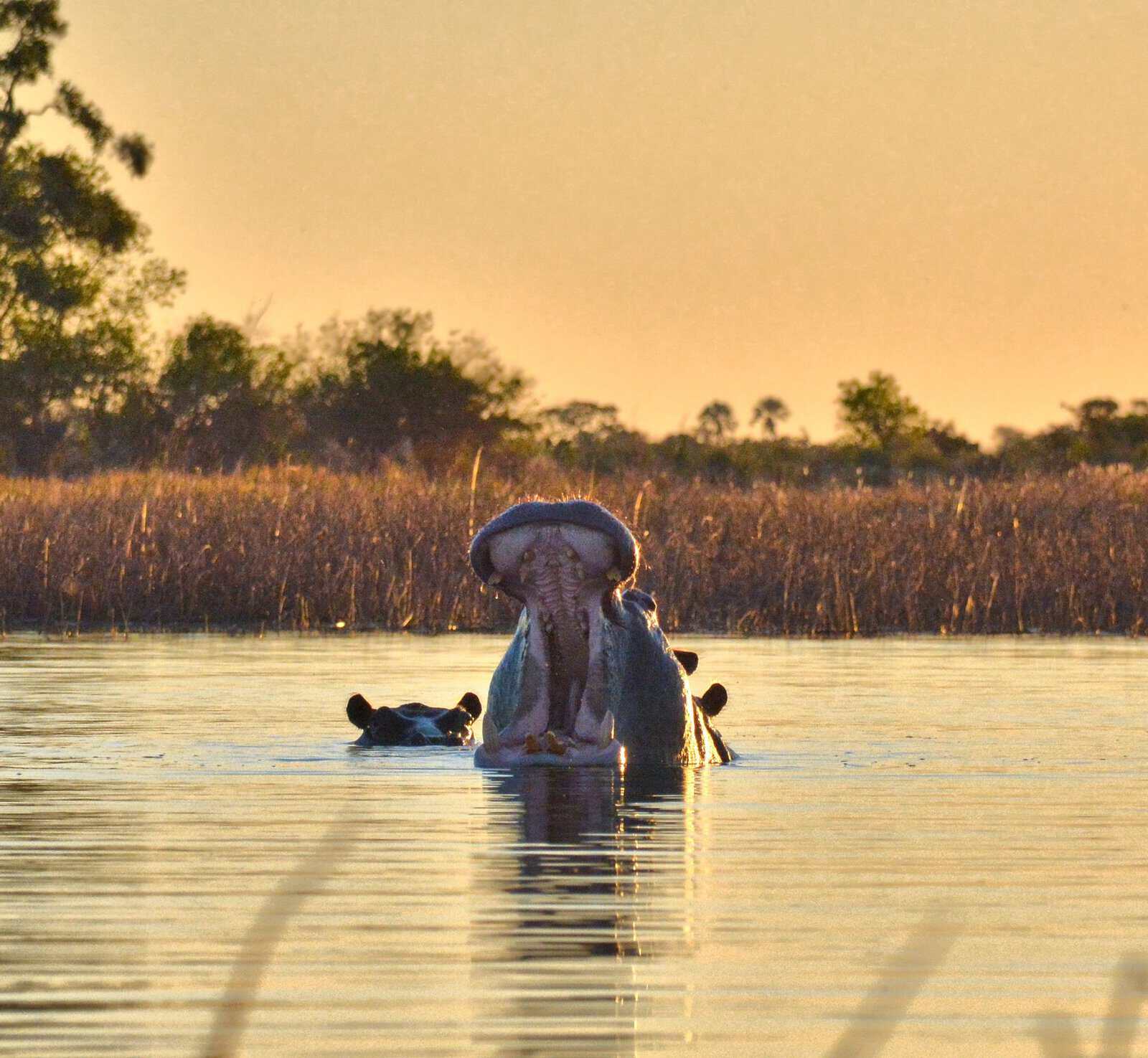
- On the water: hippos and crocodiles are everywhere on the Zambezi; see them from a sunset cruise or a canoe.
When to go: the seasons in Zimbabwe
Zimbabwe has a dry season from about May to October and a rainy season from November to March. The dry months are the best time for a safari: the bush thins out and animals gather at the water. June to August is cool, with chilly mornings on game drives, while September and October are hot and give the best game viewing of all. The rains bring green landscapes, baby animals and migrant birds, but some camps close, especially in Mana Pools.
Victoria Falls works the other way round: it’s at its fullest from about March to May, after the rains upstream, when the spray can hide the view and soak you. From about September to December the water is low, and parts of the Zambian side can be almost dry, but the Zimbabwe side still has a good flow.
Classic routes
Falls and elephants
- Victoria Falls (3 nights)
- Hwange National Park (4)
The essential Zimbabwe trip, easy to add to South Africa.
Zimbabwe in depth
- Victoria Falls (2 nights)
- Hwange (3)
- Matobo Hills (2)
- Mana Pools (4)
Light aircraft connect the parks. Best from May to October.
Victoria Falls and Botswana
- Victoria Falls (3 nights)
- Chobe (3)
- Okavango Delta (4)
- Hwange (3)
Two countries and two very different safaris.
Is Zimbabwe safe for tourists?
Yes, for most visitors. The main tourist areas, including Victoria Falls, Hwange, Mana Pools and Matobo, are welcoming and see little crime, and the UK government does not advise against travel to any part of the country. As anywhere, take sensible care:
- In the cities: pickpocketing and bag snatching happen in central Harare and Bulawayo, especially after dark. Don’t display cash or valuables, and take a taxi at night.
- Politics: avoid demonstrations and political gatherings, and don’t talk about politics in public or online. It’s illegal to insult the President.
- Power and water: power cuts are frequent, though lodges and good hotels have generators or solar power.
- On safari: always follow your guide’s instructions, and never walk alone near the river at dusk, when hippos come out to graze.
Ways to see Zimbabwe with us


Practical tips
- Entry: British visitors need a visa. Most get one on arrival, usually for 30 days, and pay for it in US dollars cash, so bring small notes. You can also apply for an e-visa before you travel. The KAZA Univisa covers Zimbabwe and Zambia, plus day trips into Botswana. Your passport must be valid for six months, with three blank pages. Check the FCDO Zimbabwe advice before you travel.
- Flights: there are no direct flights from the UK. Connect in Johannesburg, Nairobi or Addis Ababa to Victoria Falls or Harare.
- Money: Zimbabwe uses several currencies. The US dollar is used for most things, alongside the Zimbabwe Gold (ZiG), introduced in 2024. Cash machines often run out of dollars and change is scarce, so bring plenty of small, clean US dollar notes. Some lodges take cards, but don’t rely on it.
- Health: ask a travel nurse about vaccines and malaria tablets at least eight weeks before you go. You need a yellow fever certificate if you arrive from a country with a risk of yellow fever.
- What to pack: warm layers for early game drives from June to August, neutral-coloured clothes, and a waterproof for the spray at the falls.
- Phones: mobile coverage is patchy outside towns, and most safari camps have limited Wi-Fi.
Frequently asked questions
Is Victoria Falls in Zambia or Zimbabwe?
Both. The falls are on the Zambezi river, which forms the border between Zimbabwe and Zambia. The Zimbabwe side has most of the front-on views; the Zambia side lets you get closer to the edge and, when the water is low, swim in Devil's Pool.
Is Zimbabwe safe for tourists?
Yes, for most visitors. The safari areas and the town of Victoria Falls see little crime. Take care with bags and cash in Harare and Bulawayo, especially after dark, avoid political gatherings, and check the FCDO advice before you travel.
What currency is used in Zimbabwe?
Zimbabwe has a multi-currency system. The US dollar is used for most transactions, alongside the Zimbabwe Gold (ZiG), introduced in April 2024. Bring small, clean US dollar notes, as cash machines often run out and change is scarce.
Do UK citizens need a visa for Zimbabwe?
Yes. Most visitors get a visa on arrival, usually for 30 days, paid in US dollars cash. You can also apply for an e-visa in advance, or buy a KAZA Univisa to visit Zambia too. Your passport needs six months' validity and three blank pages.
What are the best places to visit in Zimbabwe?
Victoria Falls, Hwange National Park, Mana Pools, Lake Kariba, the Matobo Hills, the ruins of Great Zimbabwe, the capital Harare and the Eastern Highlands.
What animals can you see in Zimbabwe?
All of the Big Five: elephants, lions, leopards, buffalo and rhinos, plus giraffes, zebras, hippos, crocodiles, cheetahs, African wild dogs and more than 650 kinds of birds. Hwange is famous for its huge elephant herds.
What are the seasons in Zimbabwe?
The dry season runs from about May to October and is best for safari; June to August is cool and September to October is hot. The rainy season runs from November to March, when the bush is green. Victoria Falls is fullest from March to May.
How many days do you need in Zimbabwe?
Allow two or three nights at Victoria Falls and three or four in Hwange, about a week in all. With 11 to 14 days, add Mana Pools and Matobo, or combine Zimbabwe with Botswana's Chobe and Okavango Delta.
Keep planning
- Zimbabwe holidays
- Escorted tours of Zimbabwe
- Botswana holiday guide
- Botswana safari tours compared
- Namibia holiday guide
- South Africa tours compared
- Safari holidays
- Tailor-made holidays
Plan your Zimbabwe holiday with a Travel Designer
Tell us your dates and we’ll plan Victoria Falls, the safari camps and the flights between them, all in one ATOL-protected booking.
Make an enquiry Zimbabwe holidays