Safari costs in brief
- From about £1,500 to £20,000+ per person for 7 to 10 nights, before flights; mid-range is about £3,000 to £6,000.
- The camp tier and season matter most; fly-in camps, private vehicles and single supplements add more.
- Best value: South Africa and Namibia; most expensive: Botswana and gorilla trekking in Rwanda (US$1,500 permit).
- Budget for tips, visas, compulsory local insurance, antimalarials and light-aircraft luggage limits.

The honest answer to “how much does a safari cost?” is: anything from about £1,500 to well over £20,000 per person, before flights. A week of self-driving in Kruger costs a fraction of a week in a fly-in camp in the Okavango Delta, and both are real safaris. What you pay depends on four things above all: the country, the time of year, the style of camp and how you travel between parks. This guide gives typical price ranges by country and style, explains what drives the cost, sets out the official park fees and gorilla permits, and works through three sample budgets so you can see where the money goes.
Prices checked November 2026, per person, sharing; excluding international flights unless stated; they change, so ask us for a current quote. Park fees and permits are the official published rates. Camp and lodge costs are typical market ranges, not prices for any one property.
Quick answer: safari prices by country
Typical costs for a 7 to 10 night safari, per person sharing, including accommodation, most meals, game drives, park fees and transfers between parks, but not international flights.
| Country | Value or mid-range | Luxury | Top-end fly-in |
|---|---|---|---|
| South Africa (Kruger and private reserves) | £1,500 to £3,500 | £4,500 to £9,000 | £10,000+ |
| Kenya | £2,800 to £5,000 | £6,000 to £11,000 | £12,000+ |
| Tanzania | £3,500 to £6,000 | £7,000 to £12,000 | £13,000+ |
| Botswana | £4,000 to £7,000 | £10,000 to £17,000 | £18,000+ |
| Zambia | £3,500 to £6,000 | £6,500 to £11,000 | £12,000+ |
| Zimbabwe | £3,000 to £5,500 | £6,000 to £10,000 | £11,000+ |
| Namibia | £1,800 to £3,500 (self-drive) | £4,500 to £8,000 (guided) | £10,000+ |
| Gorillas, 4 to 6 nights incl. one permit | £2,500 to £4,500 (Uganda) | £5,000 to £9,000 (Rwanda) | £10,000+ |
Indicative market ranges, November 2026. The lower end of each band usually means shoulder or green season and shared game drives; the upper end means peak season, private guiding or more flights.
What drives the cost of a safari?
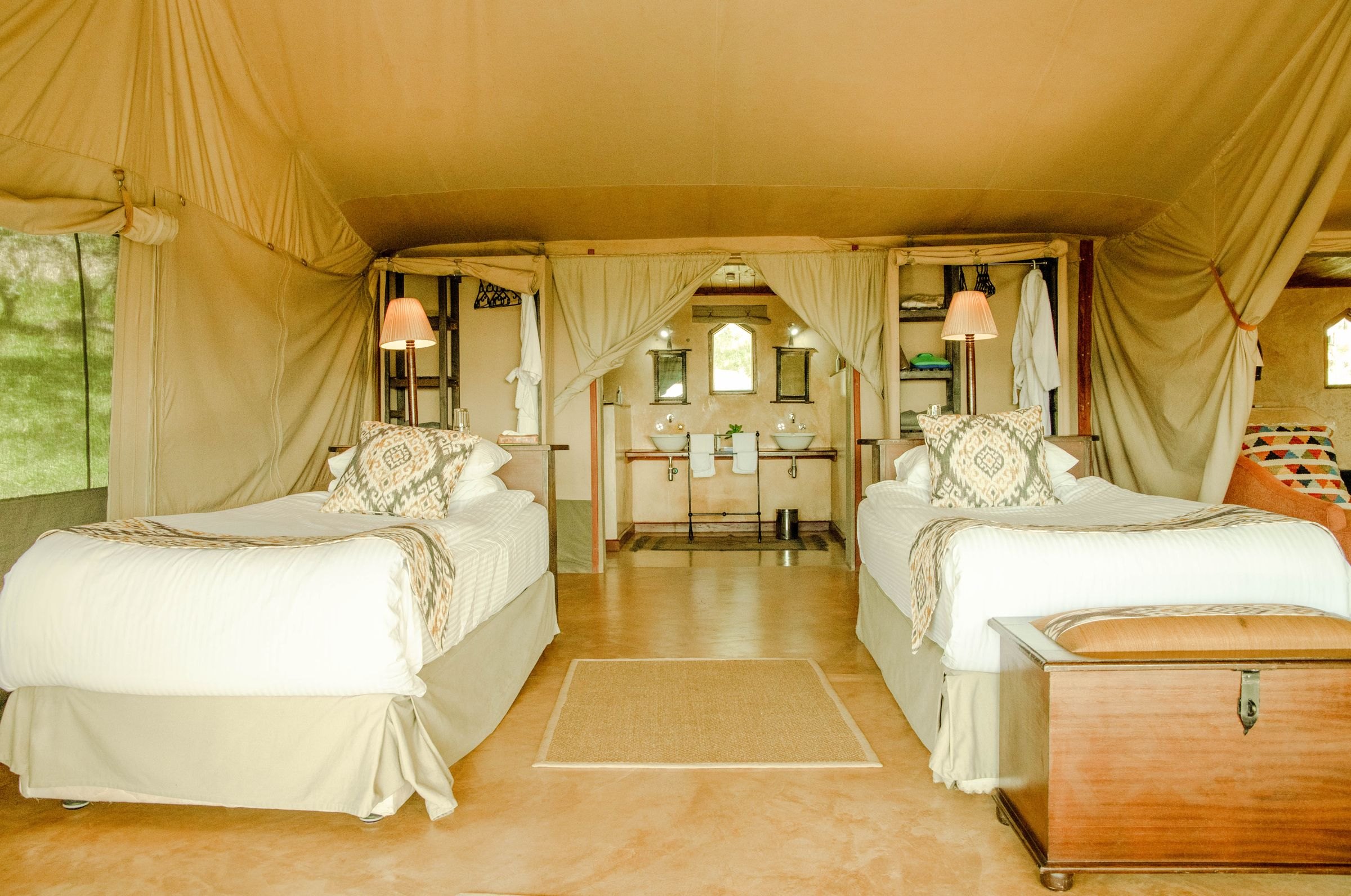
The camp tier. This is by far the biggest part of the bill. As a rough guide, per person per night sharing: a national park rest camp or simple lodge costs £50 to £150; a mid-range lodge or tented camp with meals and shared game drives £250 to £500; a luxury camp with everything included, small vehicles and expert guides £600 to £1,200; and a top-end fly-in camp in a private concession £1,200 to £2,500 or more in high season.
Season. Peak season (roughly July to October in East and southern Africa, plus Christmas and Easter) can cost 30 to 50% more than the green season. Kenya’s Masai Mara even doubles its daily reserve fee from July.
Park and conservation fees. Fees range from under £20 a day in Zambia to about £150 a day in the Mara in peak season, and a single gorilla permit in Rwanda costs more than a week of Kruger fees.

Fly-in or drive-in. Light aircraft save whole days on bumpy roads and reach camps you can’t drive to, but each hop typically adds £150 to £450 per person. In Botswana’s Okavango Delta flying is often the only way in.
Group size and a private vehicle. Sharing a vehicle with other guests keeps costs down. A private vehicle and guide, ideal for photographers and families, adds roughly £150 to £400 per vehicle per day, so it makes more sense for four people than for two.
Single supplements. Most camps charge solo travellers a supplement, often 30% to 100% of the sharing rate. Some waive it in low season, and small-group tours often have a few no-supplement rooms.
Safari costs country by country
Kenya
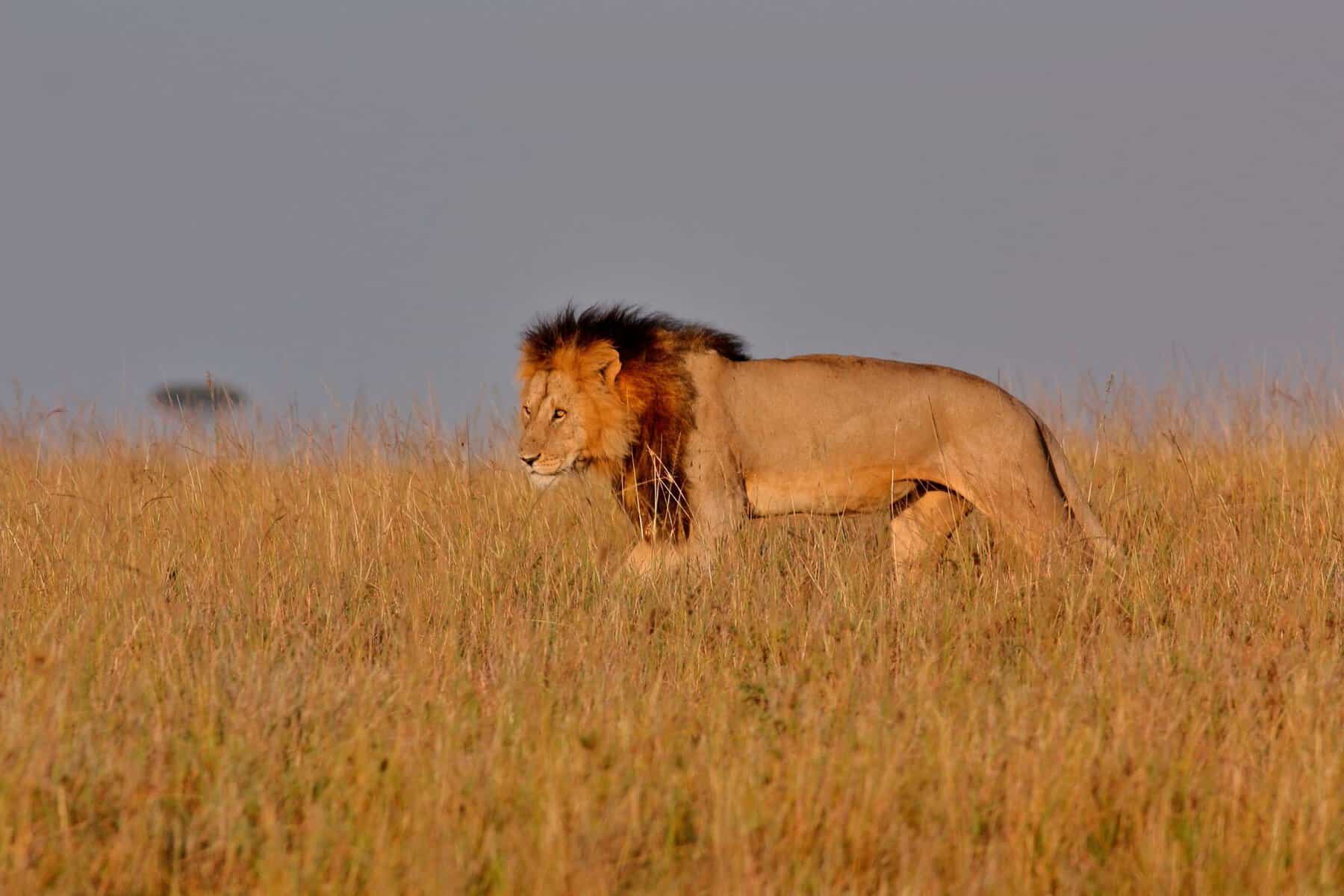
Kenya offers some of the best value in East Africa, thanks to good roads, a wide choice of mid-range camps and short flights from Nairobi. Under the fees announced by Narok County, the Masai Mara National Reserve charges non-resident adults US$200 (about £150) per day from July to December and US$100 (about £75) from January to June. That makes a 3-night Mara stay noticeably cheaper outside migration season.
Kenya Wildlife Service fees for other parks (from 1 October 2025, per non-resident adult per 24 hours) are US$90 (about £67) for Amboseli and Lake Nakuru, and US$80 (about £60) for Nairobi National Park and Tsavo.
The private conservancies bordering the Mara charge their own nightly fees, which are usually built into the camp rate. They cost more than the reserve, but limit vehicles at sightings and allow walks and night drives. A cost of a Masai Mara safari is therefore mostly a question of reserve versus conservancy, and of season.
Tanzania

Tanzania’s northern circuit costs a little more than Kenya, mainly because park fees are higher and the distances are longer. Expect about US$83 (about £62) per adult per day to enter the Serengeti (US$70 plus 18% VAT), plus a concession fee of about US$70.80 (about £53) per person for each night you sleep inside the park.
The Ngorongoro Conservation Area charges about US$70.80 per adult per day, even if you only drive through it on the way to the Serengeti, and each vehicle pays about US$295 (about £220) to go down into the crater. Shared between four people that is reasonable; between two, it adds up.
So a “cheap” Serengeti safari isn’t really possible: on a 7-night northern circuit trip, park fees alone often come to £600 to £900 per person. Lodges just outside the parks save on concession fees, at the cost of longer drives.
Botswana
Botswana is Africa’s most expensive safari country by design. Its long-standing “high value, low volume” tourism policy limits the number of beds, and most of the best camps in the Okavango Delta, Linyanti and Kwando sit in vast private concessions reached only by light aircraft. In high season these camps usually cost £1,200 to £2,500 or more per person per night, all-inclusive. The rewards are very few vehicles, mokoro trips, walking and night drives. For less, base yourself at Kasane for boat and game drives on the Chobe River, try a guided mobile camping safari through Moremi and Savuti, or visit in the green season (roughly November to March), when many camps cut their rates sharply. See our Botswana safari tours compared.
South Africa: Kruger and the private reserves

How much is a safari in South Africa? It can be the cheapest Big Five safari in Africa or one of the most luxurious. Kruger National Park charges international visitors a daily conservation fee of R692 (about £31) per adult and R345 (about £15) per child from 1 November 2026 to 31 October 2027. You can self-drive on tarred roads and stay in park rest camps, so a week in Kruger can cost less than three nights in East Africa.
The private reserves on Kruger’s western edge, such as the Sabi Sand, Timbavati and Klaserie, share open borders with the park. Lodges there include all meals and two game drives a day in open vehicles, with off-road tracking. Expect £400 to £700 per person per night for mid-range and £900 to £2,000+ for the top lodges.
Malaria-free reserves in the Waterberg and Eastern Cape are popular with families and cost about the same as the Kruger private reserves. Read more in our South Africa holiday guide.
Zambia and Zimbabwe
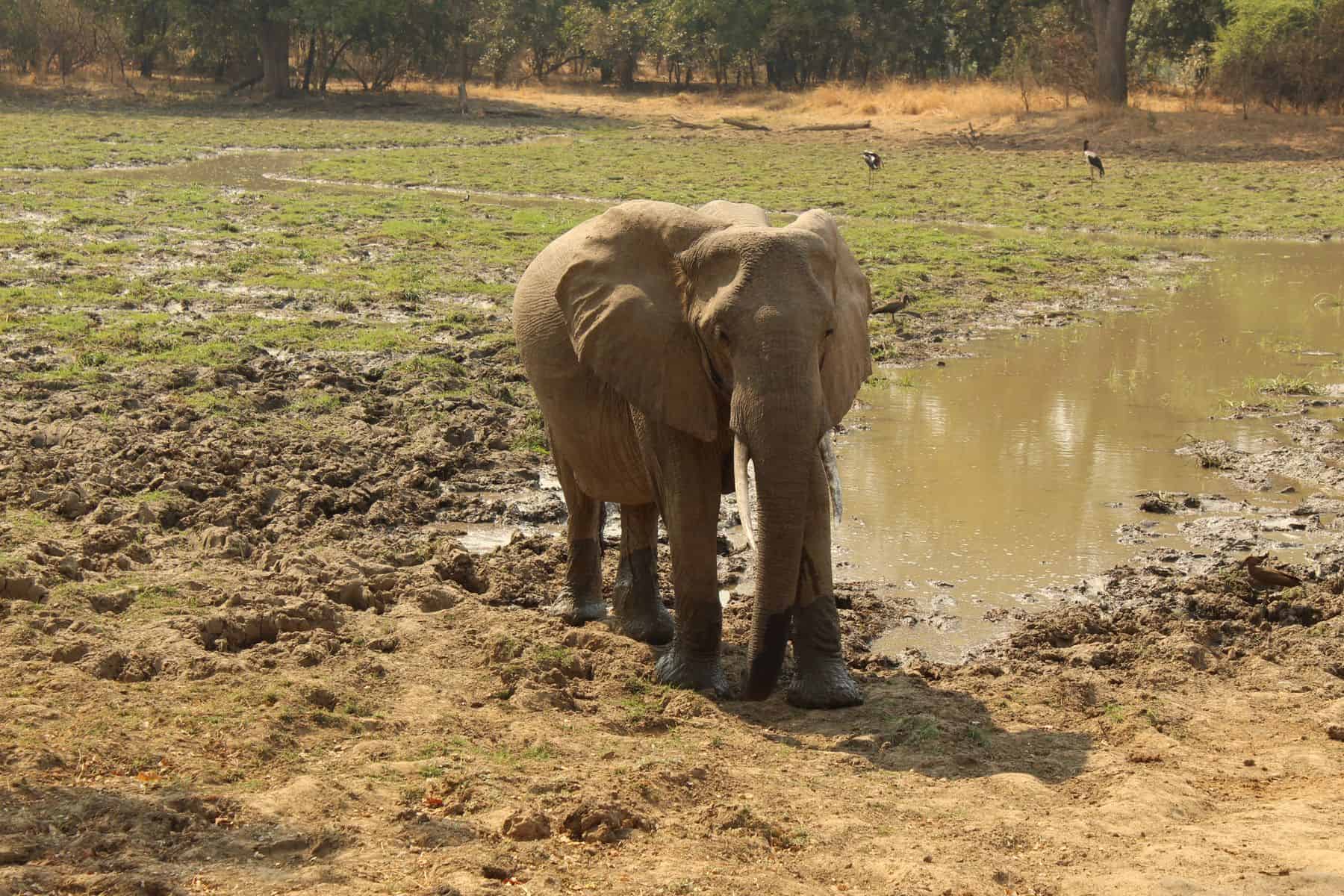
Zambia is the home of the walking safari, with superb guiding at prices well below Botswana. Park fees are low: the Zambia Tourism Agency lists US$25 (about £19) per person per day for South Luangwa and Lower Zambezi and US$20 for Kafue. Most of the cost is the camp, typically £450 to £1,100 per person per night in the bush camps, and many close in the rainy season (roughly late November to April).
Zimbabwe offers similar value. Hwange has big elephant herds, Mana Pools is famous for walking and canoeing along the Zambezi, and both combine easily with Victoria Falls. Mid-range camps run about £350 to £600 per person per night, top camps £800 to £1,500.
Namibia
Namibia is the best place for a self-drive safari: good gravel roads, little traffic and a wide choice of guest farms and lodges at £80 to £250 per person per night. Two weeks combining Sossusvlei’s dunes, Damaraland and Etosha National Park can cost less than a week in the Serengeti. Guided lodge tours cost more, and fly-in safaris to the Skeleton Coast or private reserves sit at the top end. See our Namibia holiday guide.
Rwanda and Uganda: gorilla trekking costs
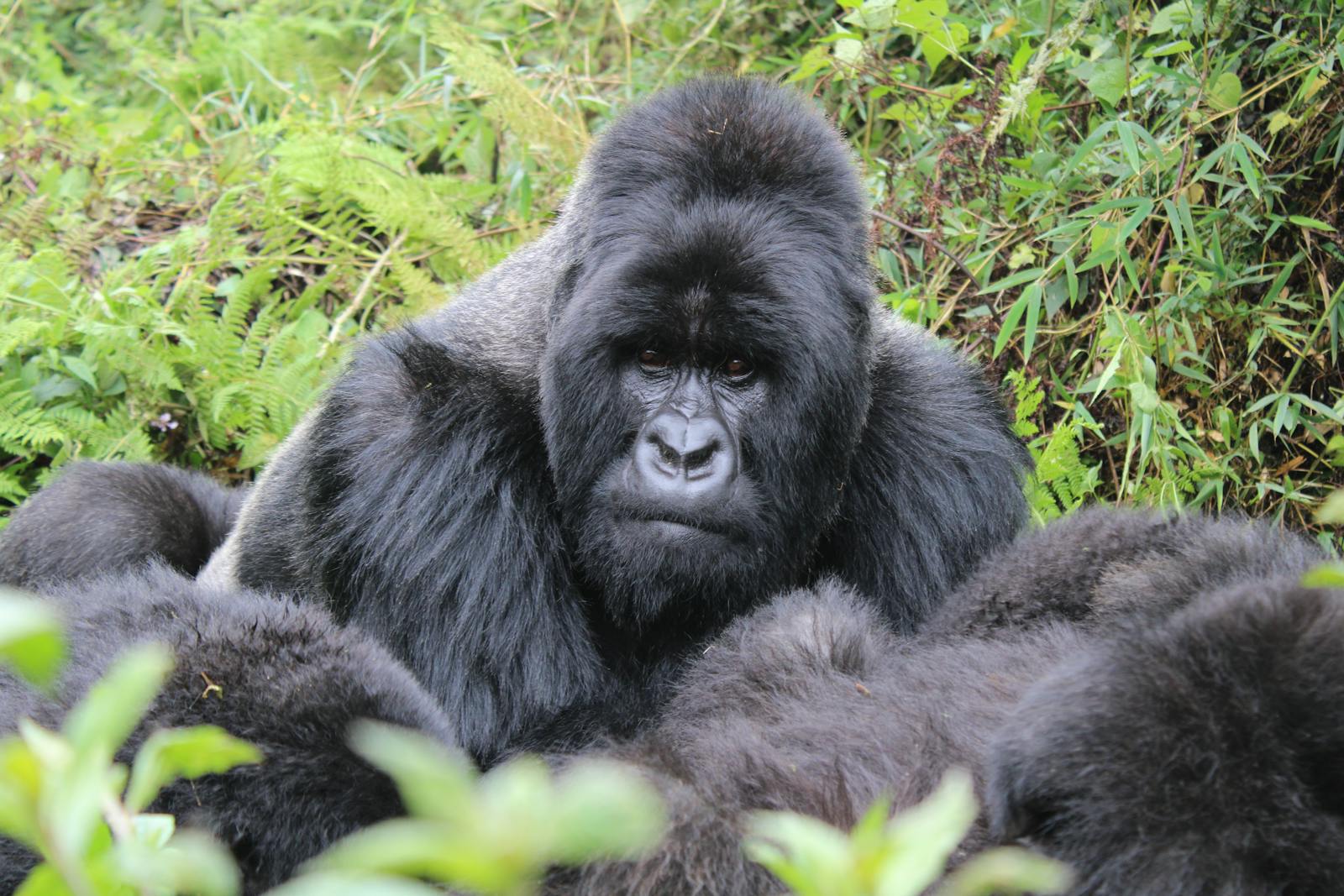
Here the permit is the headline cost. In Rwanda, a permit to visit the mountain gorillas in Volcanoes National Park costs US$1,500 (about £1,120) per person (Rwanda Development Board). In Uganda, a gorilla permit for Bwindi or Mgahinga costs US$800 (about £600), and chimpanzee tracking in Kibale US$250 (about £185), under the Uganda Wildlife Authority tariff currently published. UWA is introducing a new tariff from January 2027, so ask us for the rates for your dates.
Rwanda is quicker: Volcanoes National Park is about 2.5 hours from Kigali, so a 3 or 4-night trip works. Uganda takes longer to reach Bwindi, but adds chimps, tree-climbing lions and savannah parks at lower lodge prices. Many people trek twice, which doubles the permit cost. Compare the two in gorilla trekking: Uganda or Rwanda?
Example safari budgets
Three sample trips, per person sharing, including return economy flights from London. Fees use the official rates above; everything else is a typical range.
1. Kruger self-drive and a private reserve, 9 nights
| Item | Typical cost per person |
|---|---|
| Return flights London to Johannesburg | £700 to £1,000 |
| Car hire for 9 days and fuel (half share) | £250 to £400 |
| Kruger conservation fees, 5 days at R692 | About £155 |
| 5 nights in Kruger rest camps or lodges nearby | £300 to £750 |
| 3 nights in a private-reserve lodge, meals and game drives | £1,200 to £2,100 |
| 1 night in Johannesburg | £50 to £100 |
| Self-catering, meals on the road and tips | £250 to £400 |
| Total | About £2,900 to £4,900 |
2. Tanzania northern circuit, mid-range, 8 nights
| Item | Typical cost per person |
|---|---|
| Return flights London to Kilimanjaro | £750 to £1,100 |
| Serengeti entry, 3 days at about US$83 | About £185 |
| Serengeti concession fee, 3 nights at about US$70.80 | About £160 |
| Ngorongoro Conservation Area, 2 days at about US$70.80 | About £105 |
| Crater descent, US$295 per vehicle (shared by two) | About £110 |
| Tarangire entry, visa and Tanzanian inbound insurance | £150 to £250 |
| 8 nights in mid-range lodges and tented camps, full board | £2,000 to £3,600 |
| Private 4×4, driver-guide and fuel for 8 days (shared by two) | £900 to £1,400 |
| Tips | £100 to £150 |
| Total | About £4,500 to £7,000 |
3. Botswana fly-in and Victoria Falls, luxury, 9 nights
| Item | Typical cost per person |
|---|---|
| Flights London to Maun via Johannesburg, home from Victoria Falls | £1,000 to £1,500 |
| 6 nights in two fly-in Delta camps, all-inclusive | £6,600 to £13,200 |
| Light-aircraft transfers between camps | £600 to £1,000 |
| 2 nights on the Chobe River at Kasane | £700 to £1,400 |
| 1 night at Victoria Falls with a guided tour of the falls | £300 to £600 |
| Falls entry and border visa | £60 to £100 |
| Tips | £200 to £350 |
| Total | About £9,500 to £18,000 |
Prices checked November 2026, per person, sharing; they change, so ask us for a current quote. Our escorted small-group safaris usually come in at or below the mid-range figures, because vehicles, guides and transfers are shared.
Ways to save on a safari

Go in shoulder season. June, early July and November often bring the same wildlife as peak months at noticeably lower rates. In Kenya, a Mara stay before July also halves the reserve fee.
Self-drive in South Africa or Namibia. Good roads, rest camps and guest farms make these the best-value safari countries in Africa. Add two or three nights in a private reserve for guided drives.
Combine with a beach. A week on safari plus a week on Zanzibar, the Kenyan coast or Mozambique costs less per night than two weeks in the bush. See our safari and beach holidays.
Join a small group. Shared vehicles, guides and transfers bring the price down, and solo travellers avoid some supplements.
Stay longer in fewer places. Every camp change costs a transfer or a flight. Three nights per camp is better value, and better for game viewing, than a new camp every night.
Look for “stay 4, pay 3” offers and family rates, mostly outside peak season.
Hidden costs to budget for
- Tips. Tipping is expected. As a rough guide, budget US$10 to US$20 per guest per day for your guide and a similar amount for the general staff box, more in top-end camps.
- Visas and travel permits. British visitors need an electronic travel authorisation (eTA) for Kenya, and a visa for Tanzania, Uganda, Rwanda and Zimbabwe. Fees change, so we check them when you book. Botswana, South Africa, Zambia and Namibia rules differ; see the FCDO advice for each country.
- Compulsory local insurance. Since 5 October 2026 most visitors to Kenya must buy Kenyan government travel health insurance with their eTA, and Tanzania (including Zanzibar) requires government inbound insurance too. You still need your own comprehensive travel insurance, including medical evacuation.
- Jabs and malaria tablets. Most safari areas carry a malaria risk, so antimalarials are usually advised, and a yellow fever certificate is needed if you arrive from a country with a risk of yellow fever. See your GP or a travel clinic six to eight weeks before you go.
- Luggage limits on light aircraft. Bush flights usually allow 15 to 20 kg per person in soft bags, including hand luggage. Extra bags may need their own seat, or can be stored until you return.
- Extras. Balloon flights over the Mara or Serengeti, helicopter flights over Victoria Falls, premium drinks and laundry in some camps.
Where it’s safe to go
Our safaris use the main national parks and reserves in each country. Uganda’s own Ebola outbreak was declared over on 27 August 2026, but one continues in neighbouring DRC, so expect health screening on arrival. Check the FCDO travel advice for each country you visit before you book and again before you travel.
Our safari tours
Our tour pages don’t show fixed prices, because they depend on your dates and how many are travelling. Ask us and we’ll quote the current price for any of these.
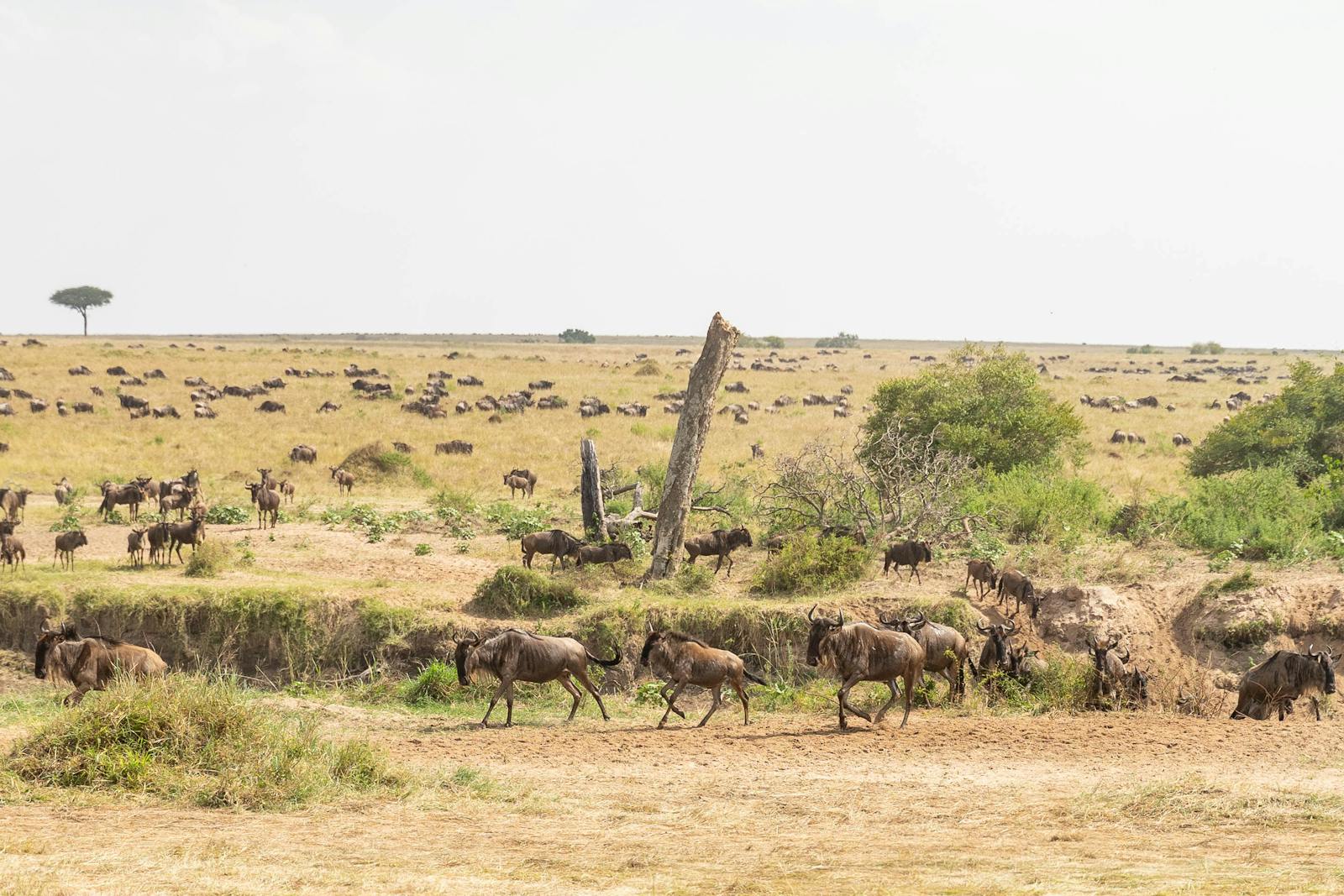
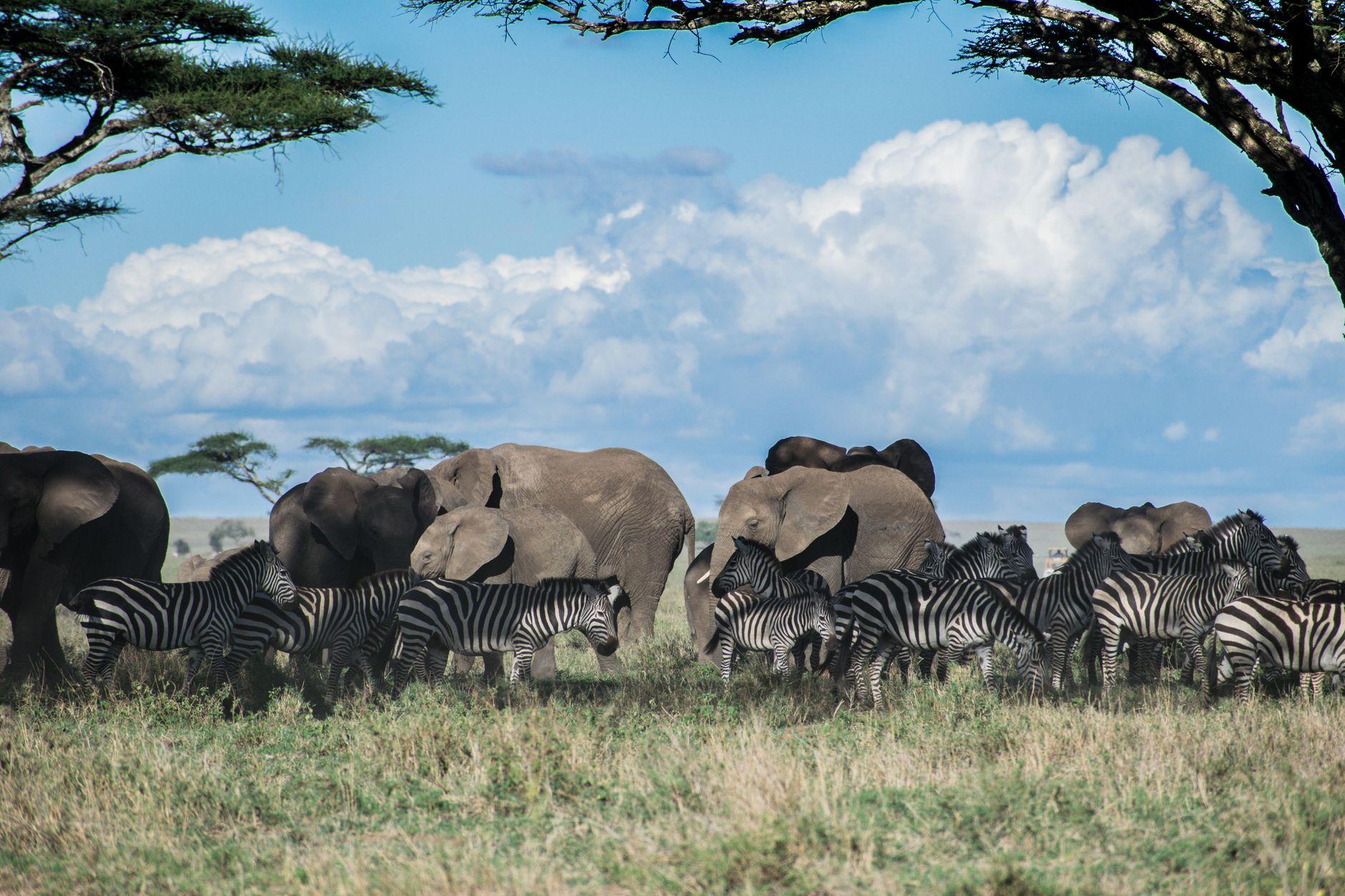
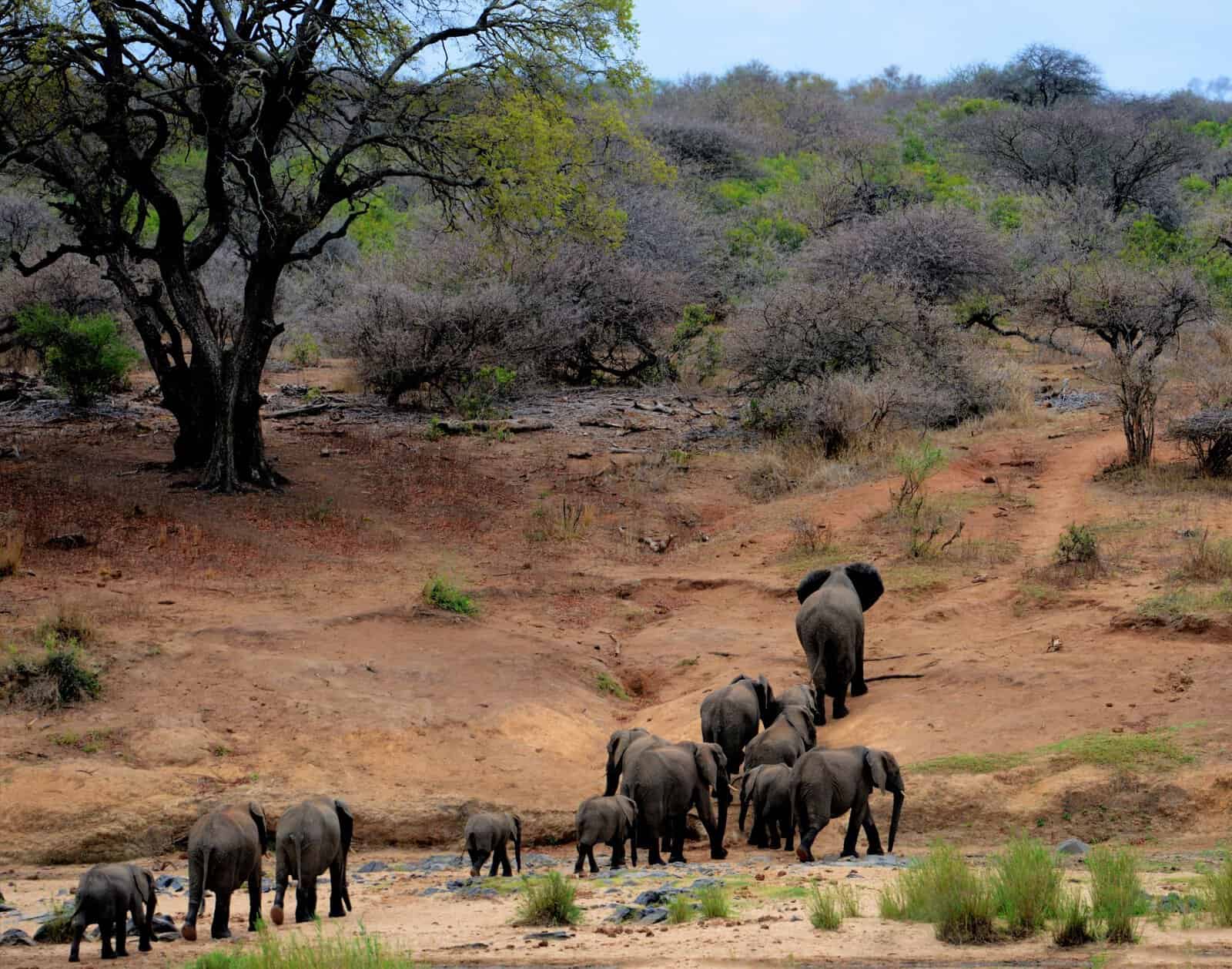
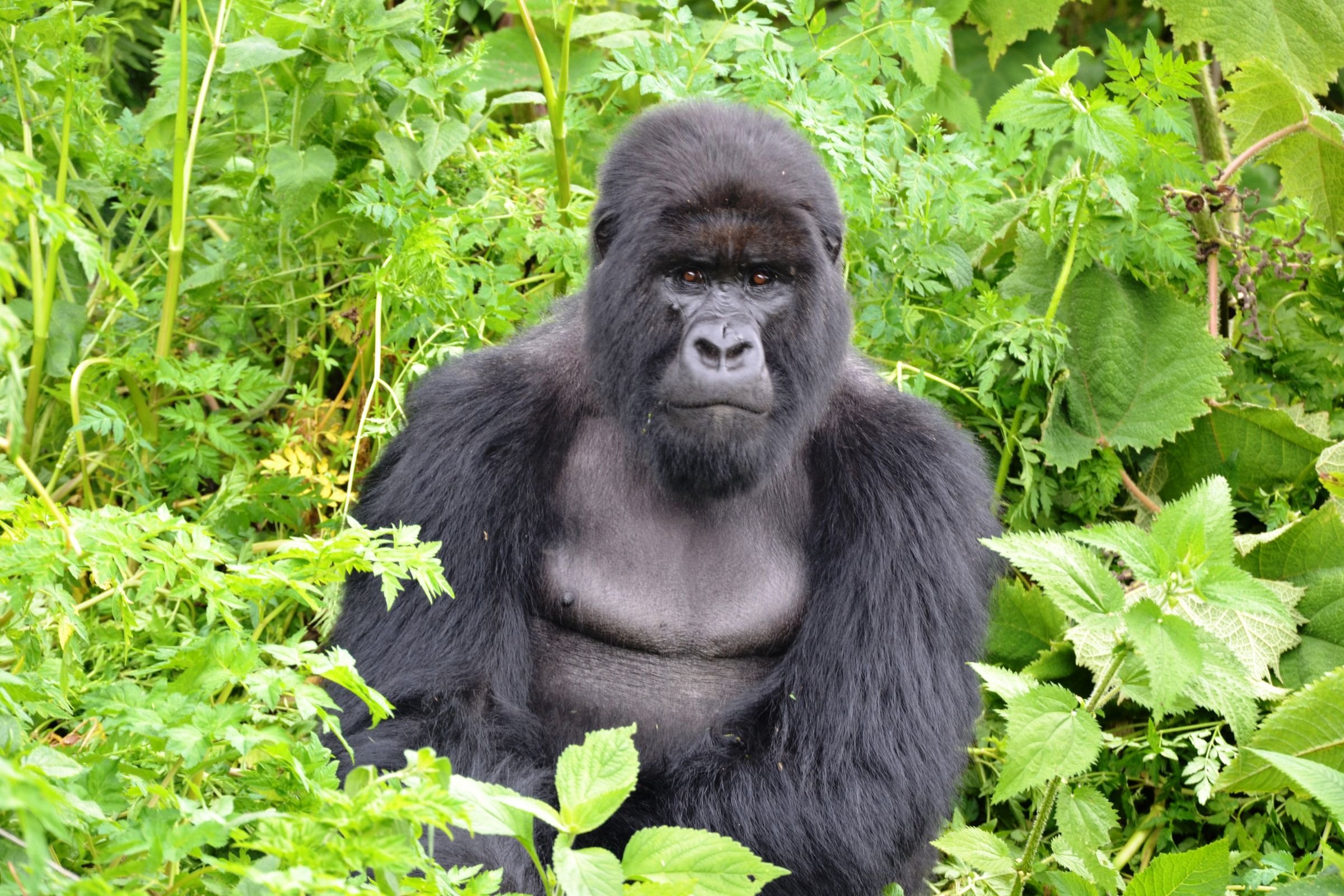

Prefer to design your own? Our safari holidays are tailor-made, or start from a ready-made combination: Kenya safari and coast or Tanzania safari and Zanzibar. For the parks themselves, see our Kenya, Tanzania and Botswana guides.
Frequently asked questions
How much does an African safari cost?
For 7 to 10 nights, per person sharing and excluding international flights, expect roughly £1,500 to £3,500 for a self-drive or value safari, £3,000 to £6,000 for mid-range, £6,000 to £12,000 for luxury and £12,000 to £20,000 or more for top-end fly-in camps. Prices checked November 2026; ask us for a current quote.
What is the cheapest country for an African safari?
South Africa and Namibia. You can self-drive in Kruger, paying a daily conservation fee of R692 per international adult, and stay in park rest camps, or self-drive between guest farms and lodges in Namibia.
How much is a safari in South Africa?
A Kruger self-drive with a few nights in a private reserve costs about £2,900 to £4,900 per person for 9 nights including flights. A week in a luxury private-reserve lodge costs more like £5,000 to £10,000 plus flights.
How much does a Masai Mara safari cost?
Under the fees announced by Narok County, the reserve charges US$200 per non-resident adult per day from July to December and US$100 from January to June (check the current rate before you travel). With mid-range camps, a 3-night Mara stay typically costs about £1,000 to £2,000 per person including fees; luxury conservancy camps cost two to three times that.
How much is a gorilla permit?
US$1,500 per person in Rwanda and US$800 in Uganda under the tariffs published in November 2026. Uganda is introducing a new tariff from January 2027, so ask us for the rate for your dates.
Why is Botswana so expensive?
Botswana deliberately limits visitor numbers, and most of its best camps are in private concessions in the Okavango Delta reached by light aircraft. You pay for space, very few vehicles and activities such as mokoro trips, walks and night drives.
When is the cheapest time to go on safari?
The green season, roughly November to March in southern Africa and April to May in East Africa, when many camps cut rates. Shoulder months such as June and November often give the best balance of price and wildlife.
How much should I tip on safari?
As a rough guide, US$10 to US$20 per guest per day for your guide and a similar amount for the camp staff, more in top-end camps. We include a tipping guide with your travel documents.
Keep planning
- Safari holidays
- Safari and beach holidays
- Botswana safari tours compared
- Kenya safari and coast
- Tanzania safari and Zanzibar
- Kenya holiday guide
- Tanzania holiday guide
- Botswana holiday guide
- South Africa holiday guide
- Zambia holiday guide
- Zimbabwe holiday guide
- Namibia holiday guide
- Gorilla trekking: Uganda or Rwanda?
Get a safari quote from a Travel Designer
Tell us your dates, budget and the animals you most want to see, and we’ll price the right safari for you, with flights, camps and transfers in one ATOL-protected booking.
Make an enquiry Safari holidays