Dubai in brief
- The Burj Khalifa, the creek, Al Fahidi and the souks, the Museum of the Future and a desert safari.
- Where to stay: Downtown for sights, Dubai Marina for buzz, the Palm for resorts, Jumeirah for the beach.
- The best time to go to Dubai is November to March, at 24 to 31°C; summer is around 40°C.
- About 7 hours from the UK, with direct flights from London and several regional airports.
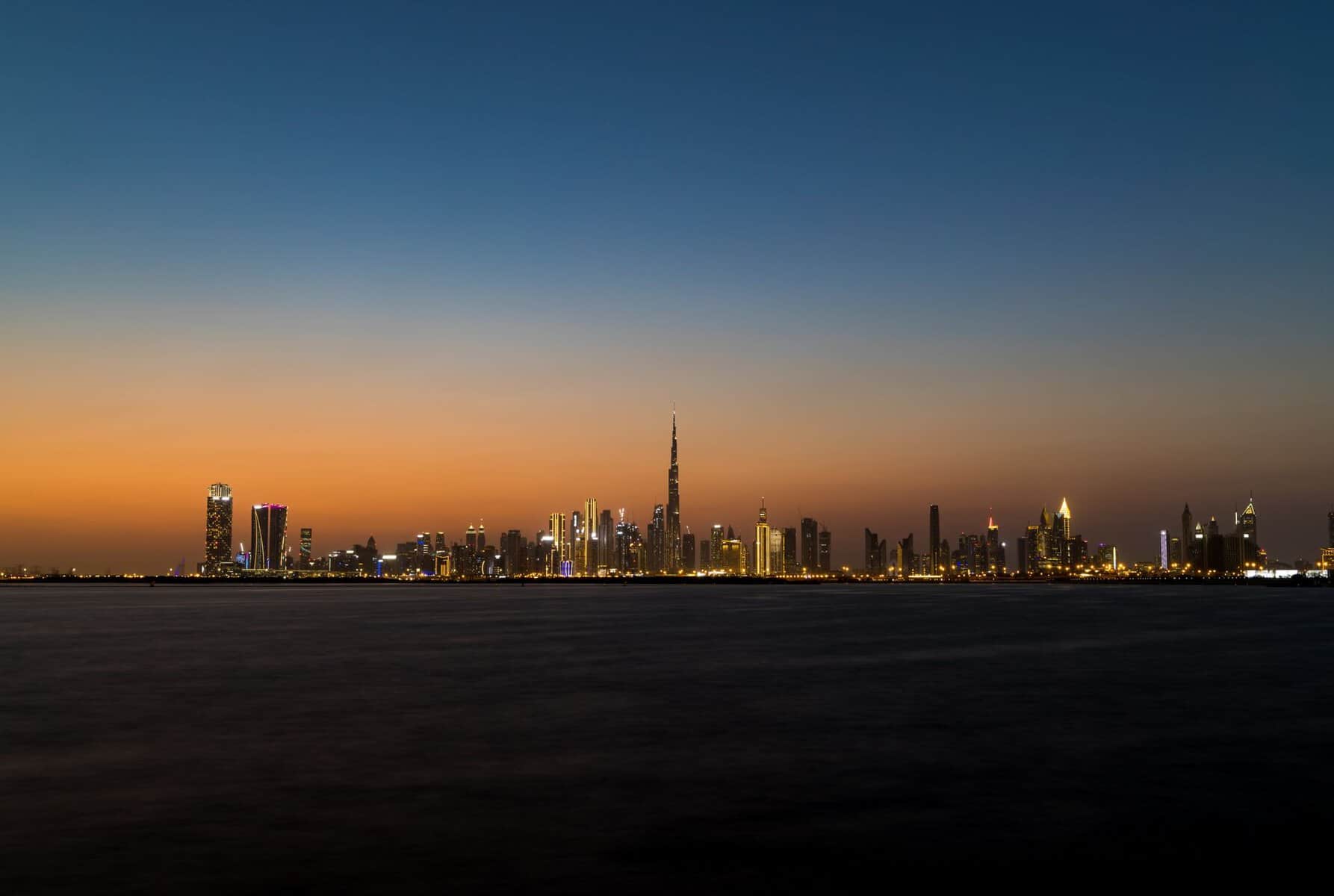
Dubai is the UAE’s biggest and busiest city, and one of the easiest winter-sun escapes from the UK: about 7 hours away, warm and dry from November to March, with beaches, the world’s tallest building and some of its most ambitious architecture. But there is more to it than towers and malls. The old trading quarters along Dubai Creek still have their souks, wind towers and wooden boats, the desert begins less than an hour from the city, and the Hajar mountains around Hatta are an easy day out. This guide covers the best things to do in Dubai, the areas to stay in, the best time to go, day trips and how to combine Dubai with Abu Dhabi or the Indian Ocean.
Things to do in Dubai
The Burj Khalifa and Downtown
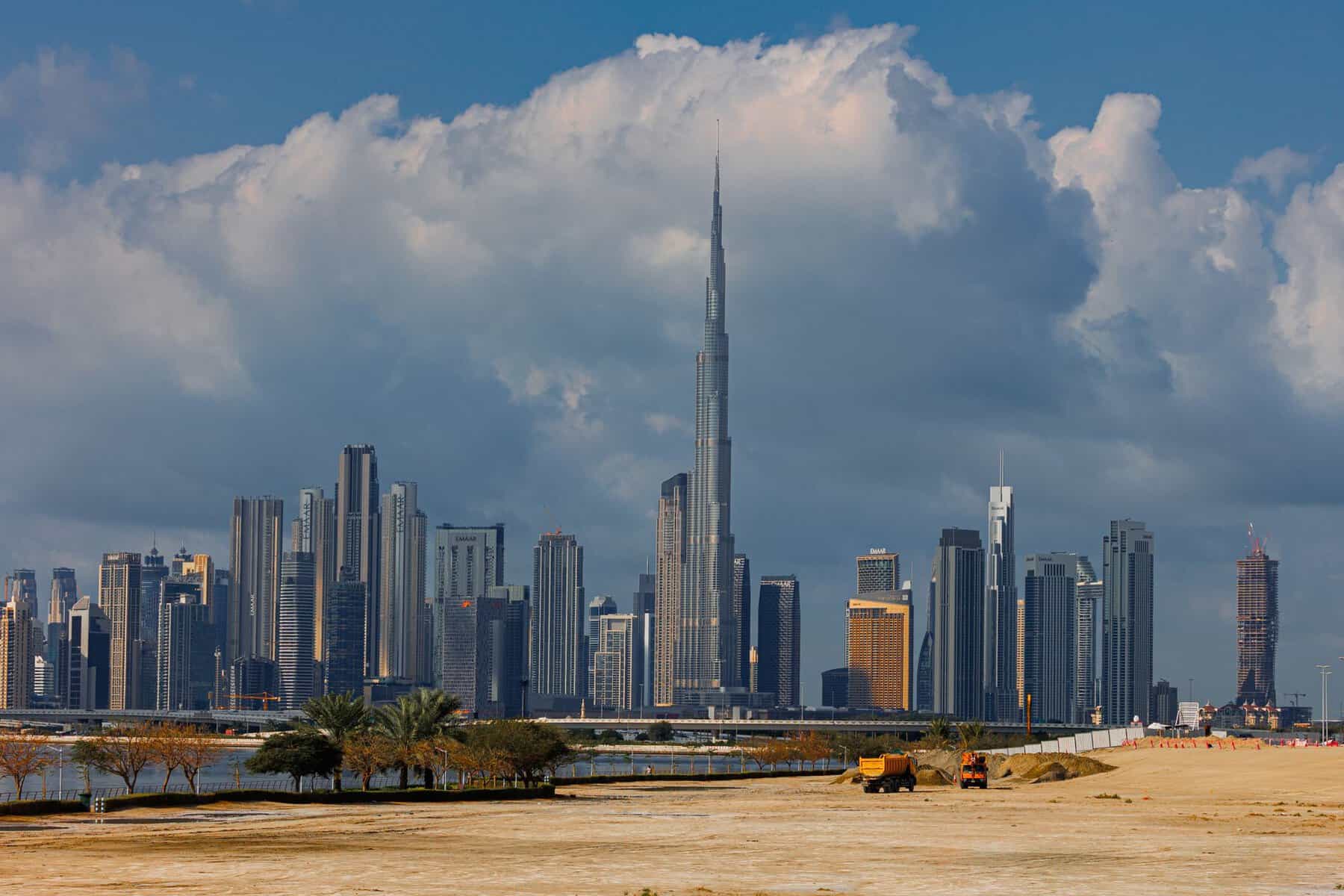
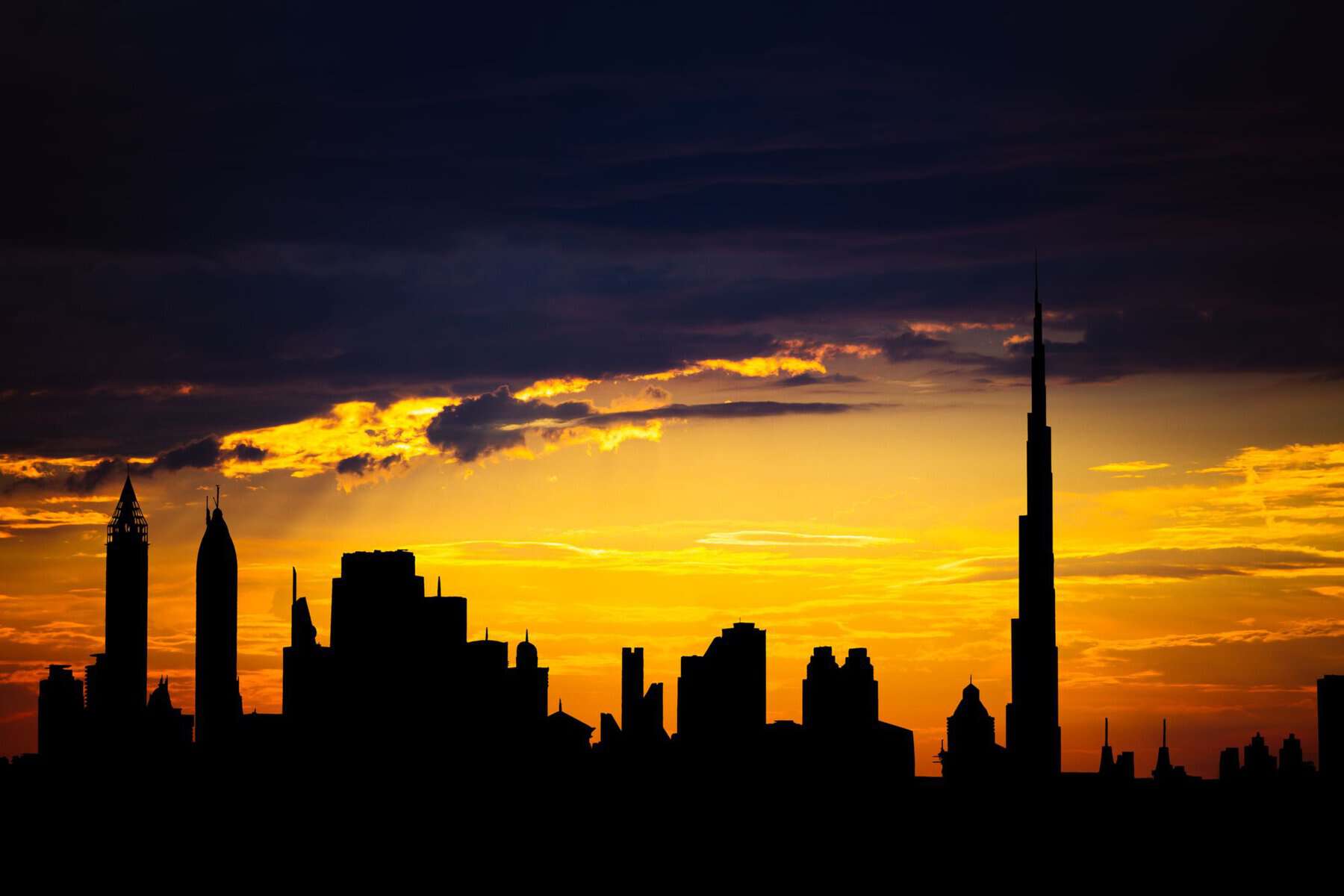
At 828 m, the Burj Khalifa is the tallest building in the world. Its observation decks on levels 124 and 125, and the higher lounge on level 148, look out over the city, the desert and the Gulf. Book a time slot ahead, especially for sunset, which sells out first; early morning is quieter and often clearer.
At its foot, the Dubai Fountain performs every evening on the lake, with jets choreographed to music, and is free to watch from the promenade. The vast mall next door has an aquarium, an ice rink and hundreds of shops. Walk across to the Dubai Opera district for dinner with a fountain view.
Old Dubai: the creek, Al Fahidi and the souks

Dubai grew up around Dubai Creek, and this is still the most atmospheric part of the city. Cross it the old way, on an abra: a wooden water taxi that chugs between Bur Dubai and Deira every few minutes. Wooden dhows still load cargo along the Deira quays.
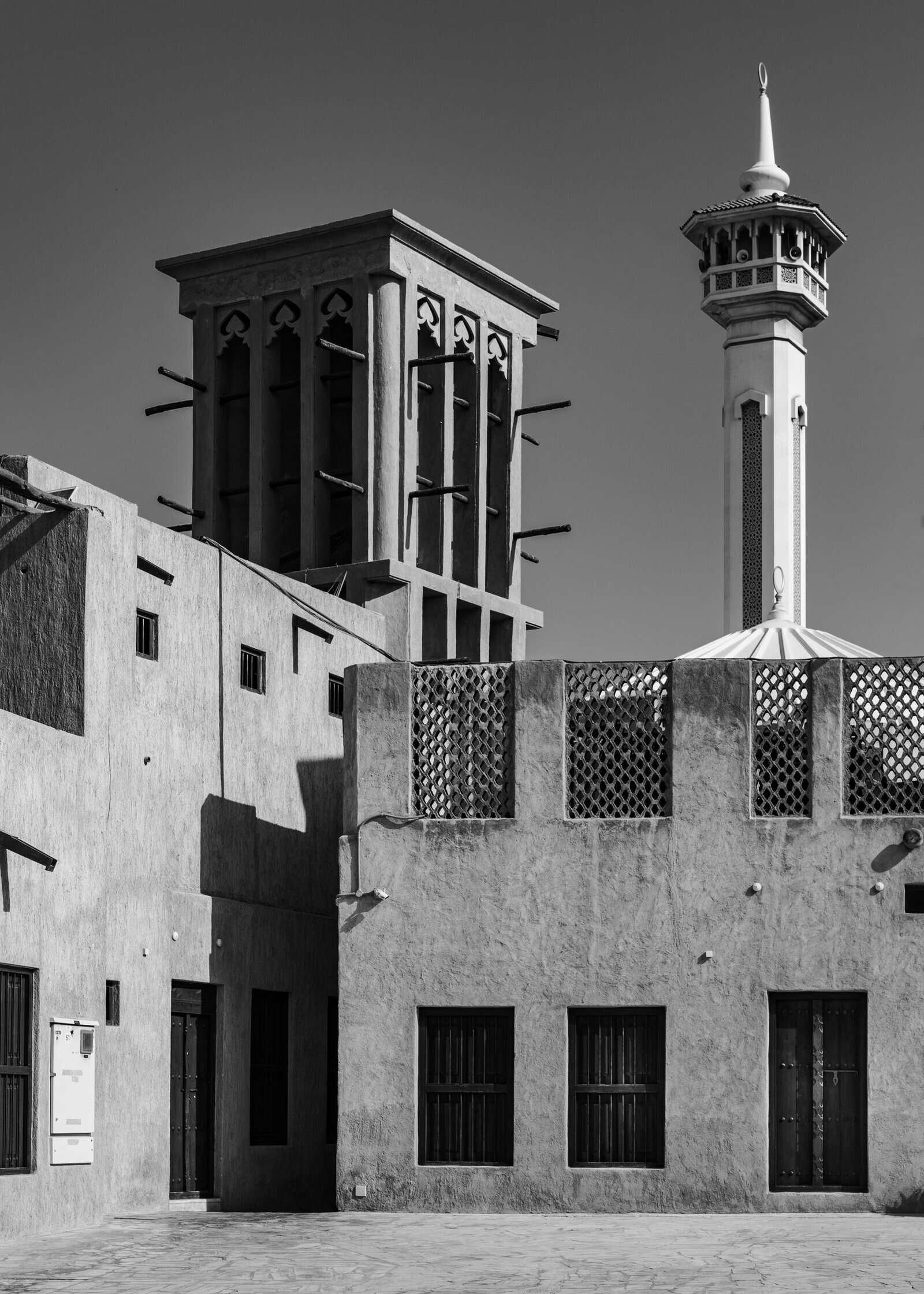
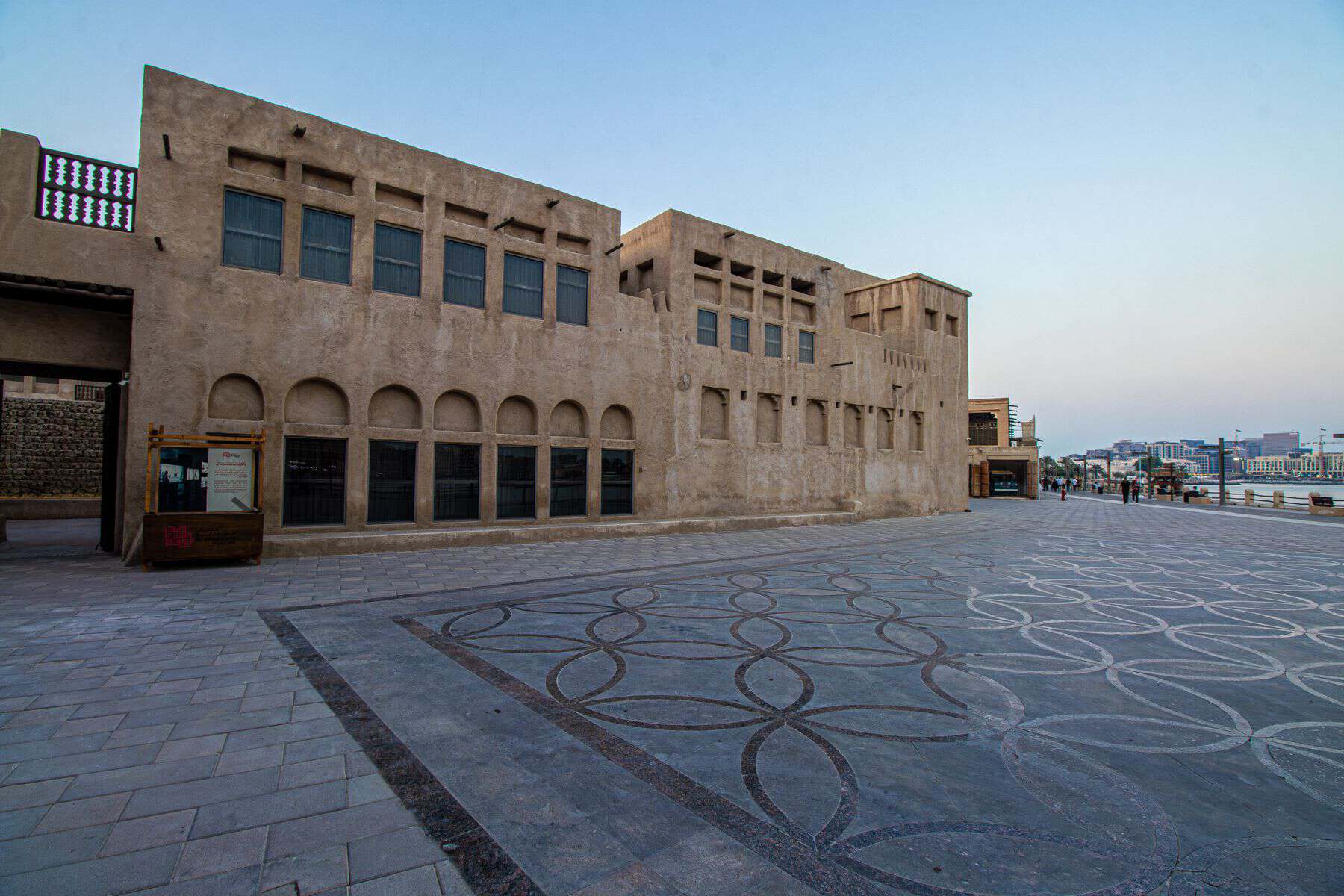
On the Bur Dubai side, the Al Fahidi Historical Neighbourhood is a maze of restored sand-coloured houses and narrow lanes topped with barjeel, the wind towers that cooled homes before air conditioning, now with small museums, galleries and cafes. Nearby, the restored houses of Al Shindagha tell the story of the creek and the city.
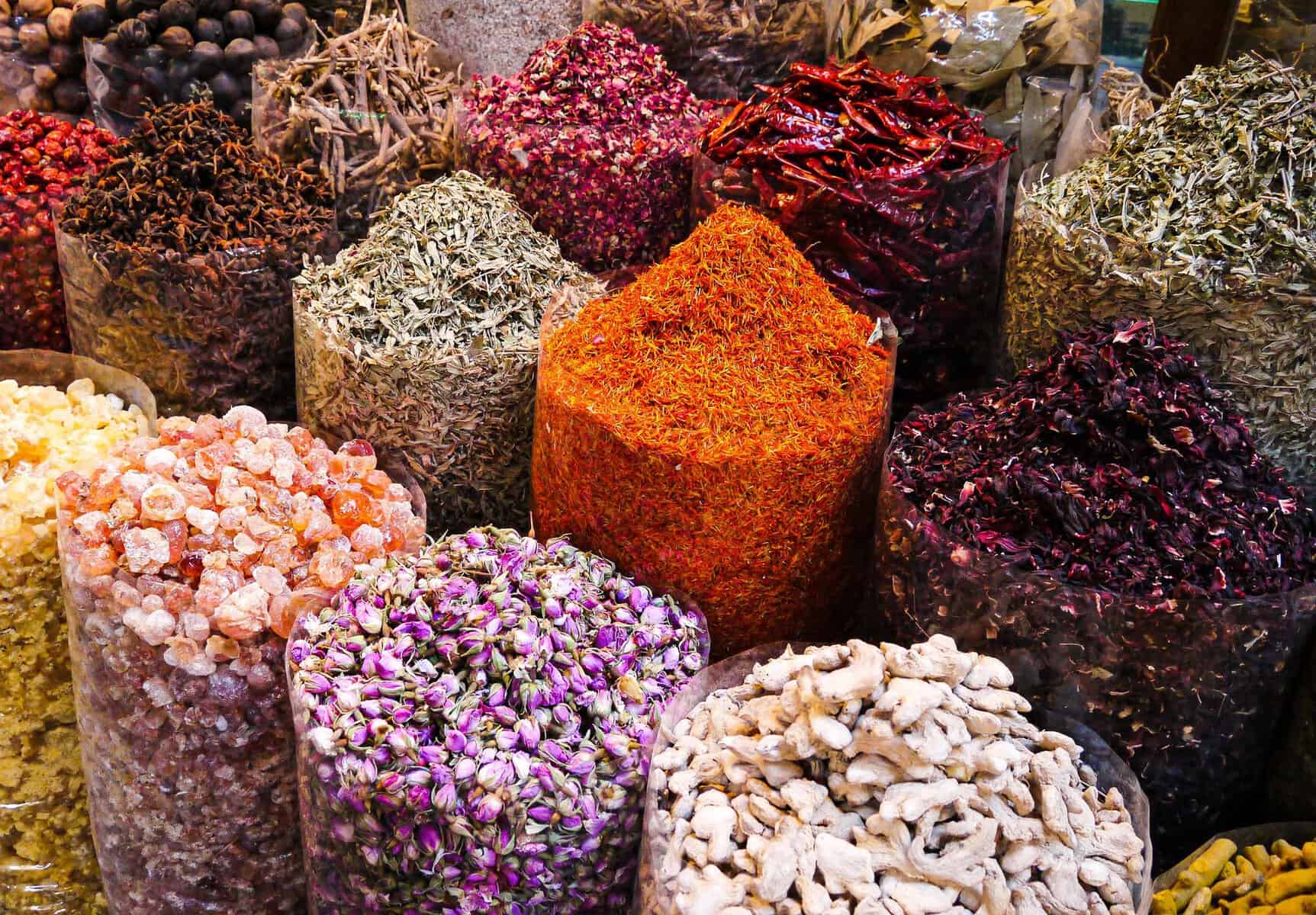
In Deira, the Spice Souk is piled with saffron, frankincense, dried limes and rose petals, and the Gold Souk has hundreds of jewellers. Bargaining is expected.

The Jumeirah Mosque, a white stone mosque in the Jumeirah district, runs guided visits for non-Muslims with time for questions about Emirati culture; check the current times before you go. The Etihad Museum, by the beach at Jumeirah, tells the story of the UAE’s founding in 1971 at the house where the agreement was signed.
The Museum of the Future and the Dubai Frame

The Museum of the Future, opened in 2022 beside Sheikh Zayed Road, is a torus of stainless steel whose windows are Arabic calligraphy quoting the ruler’s poetry about the future. Inside, immersive floors imagine life in space, ecosystems and the next decades of technology. Book timed tickets ahead.
The Dubai Frame in Zabeel Park is exactly what it sounds like: a giant gold picture frame, 150 m high, with a glass-floored bridge across the top. Look one way for the old city by the creek and the other for the towers of new Dubai.

Beaches in Dubai
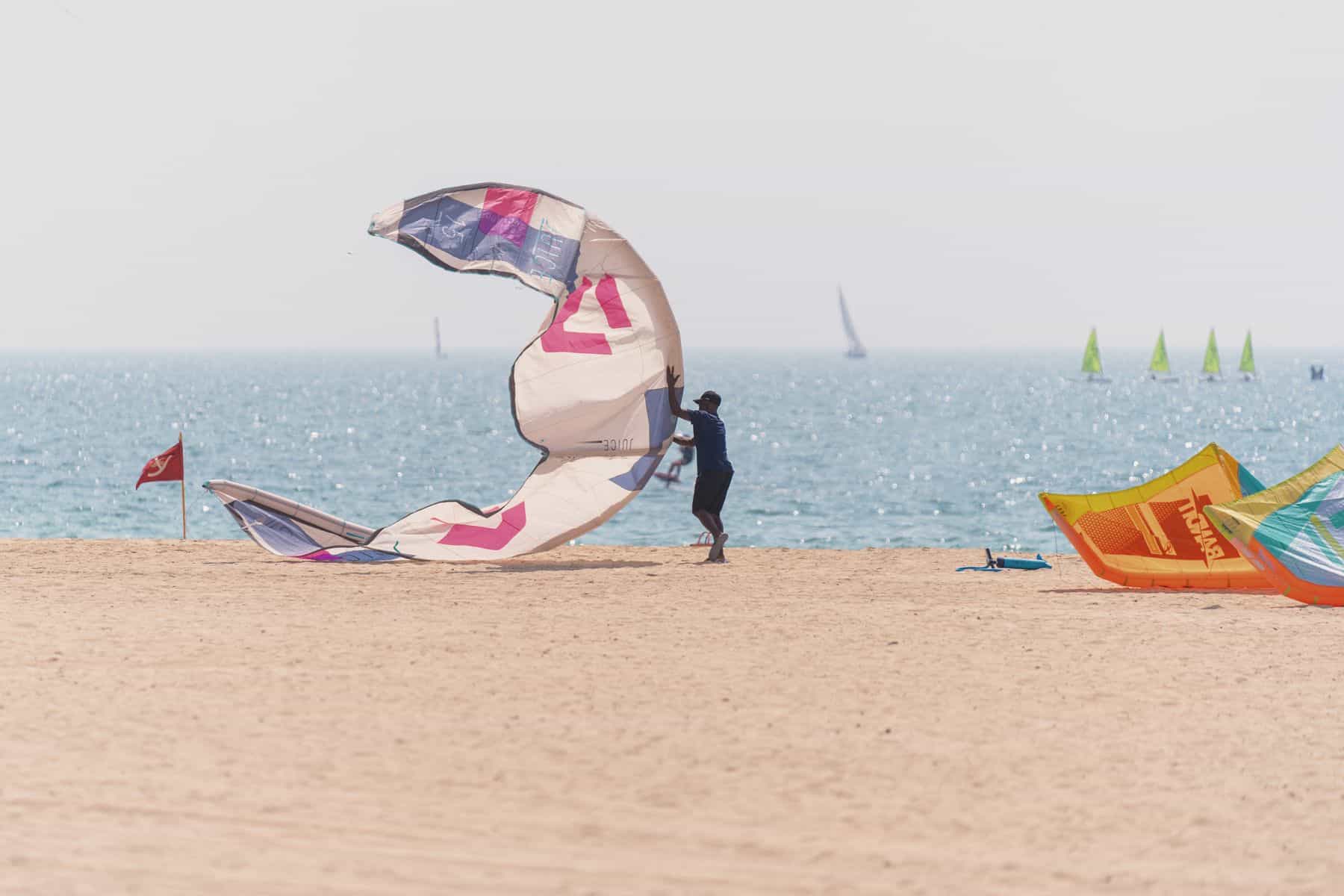
Dubai has a long, sandy coast with calm, warm sea. Jumeirah Beach is the general name for the beaches running south-west from the city, and the public ones are free, clean and have lifeguards in season. Kite Beach has a running track, cafes, watersports and kitesurfing; the beaches at Umm Suqeim are quieter, with views along the coast to the Marina.
Further down, JBR beach at Dubai Marina is lively, with a promenade of restaurants behind it. Many hotels have private beaches, and beach clubs sell day passes. Swim only where there are lifeguards and flags.
The desert and desert safaris
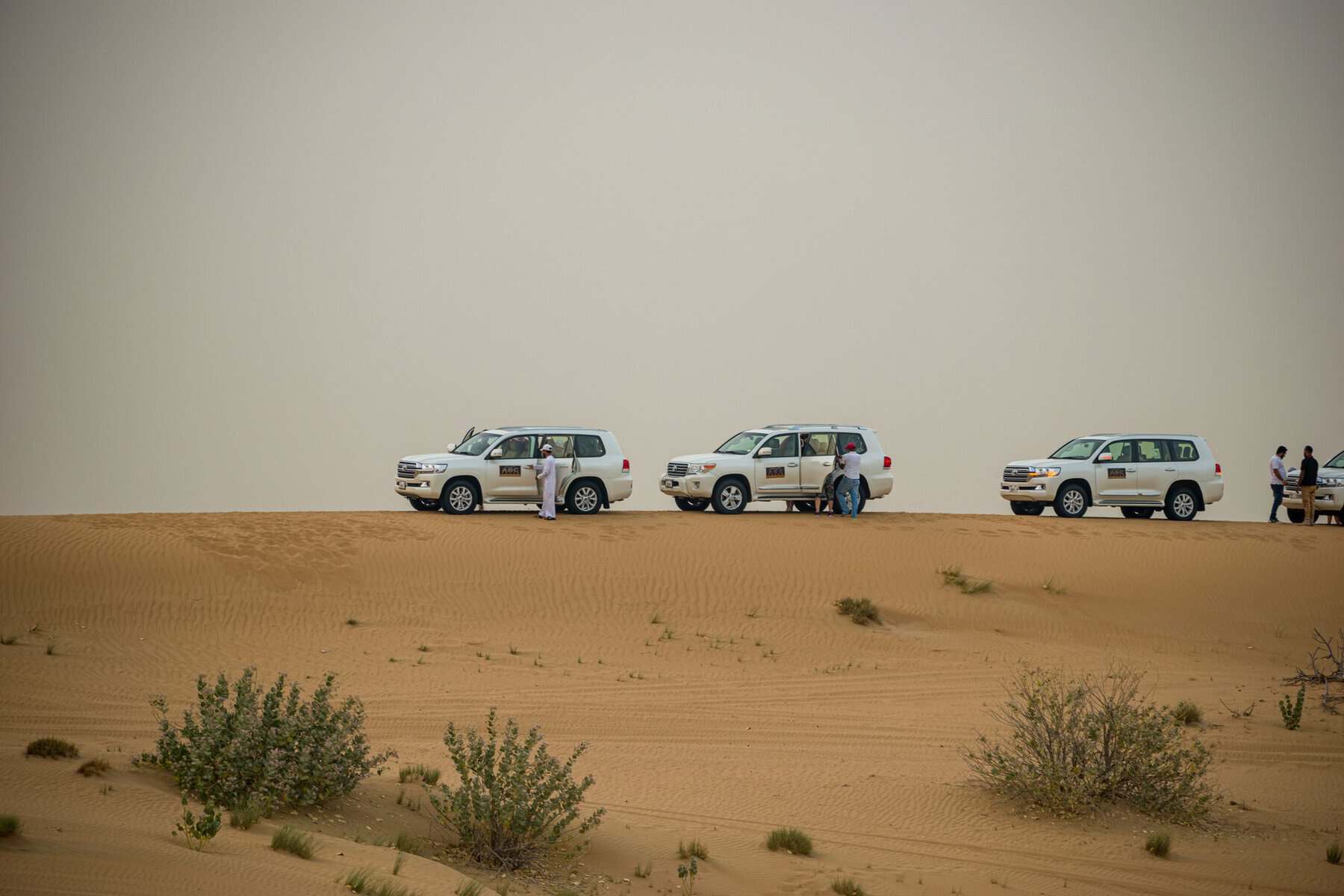
The red dunes start less than an hour inland. The classic Dubai desert safari is an afternoon drive over the dunes in a 4×4, a camel ride and sandboarding, then dinner under the stars at a desert camp. For something quieter, choose a conservation-focused trip into the Dubai Desert Conservation Reserve, where you’ll see Arabian oryx and gazelles, a falconry display, or a drive in a vintage 4×4.
For a real escape, go up in a hot-air balloon at sunrise, or spend a night or two in a desert resort. The desert is best from October to April; in summer, trips run in the evening only.
Where to stay in Dubai: the best areas
Dubai is long and thin, stretching about 50 km along the coast, so where you stay shapes your holiday. These are the main areas:

Downtown Dubai
Around the Burj Khalifa, the fountain and the big mall, with the Opera, Business Bay and the canal next door. Best for a first visit, a short city break and nightlife; the beach is a 20-minute taxi ride.

Dubai Marina and JBR
A canal lined with towers and yachts, with JBR beach and its promenade alongside. Plenty of restaurants and bars, the tram and the metro, and boat trips from the marina. Good for couples and groups who want a beach with buzz.

Palm Jumeirah
The palm-shaped island, with large beach resorts around its outer crescent, villas on the fronds and a boardwalk round the edge. Calm water, big pools and a resort feel, about 30 minutes from Downtown.

Jumeirah and Umm Suqeim
The older beach suburbs between the city and the marina: villas, public beaches, Kite Beach and a cluster of famous beach resorts. Relaxed, with easy access to both Downtown and the old town.
Deira and Bur Dubai
The historic centre on either side of the creek, with the souks, Al Fahidi and the abras. More local and more affordable, with heritage-style boutique stays. Best for culture, not for the beach.
For something different, add one or two nights at a desert resort inland, with dune views, camel treks and falconry. Tell us how you like to travel and we’ll match the right hotel or resort in the right area; see our UAE holidays and Dubai holiday offers.
Best time to go to Dubai
The best time to go to Dubai is November to March, when days are sunny and warm, around 24 to 31°C, nights are mild and the sea is still warm enough to swim. It’s ideal for winter sun from the UK, which is why Christmas, New Year (with fireworks at the Burj Khalifa) and February half-term are the busiest and most expensive weeks. The Dubai Shopping Festival runs from early December to mid-January. Dubai in winter can bring a few showers, mostly in January, and the odd cool evening, so pack a light layer. October and April are hot, around 33 to 35°C, but good for a beach holiday. From May to September it’s extremely hot, around 40°C by day and often humid, with nights barely below 30°C: fine if you mostly want the pool, air-conditioned malls and indoor attractions, and hotel deals are better, but sightseeing on foot is hard work.
| Month | Average high | Average low | Rain | For a holiday |
|---|---|---|---|---|
| Jan | 24°C | 14°C | 25 mm | Ideal, some showers |
| Feb | 25°C | 15°C | 10 mm | Ideal |
| Mar | 29°C | 18°C | 15 mm | Ideal |
| Apr | 33°C | 21°C | 5 mm | Hot but good |
| May | 37°C | 25°C | 0 mm | Very hot |
| Jun | 40°C | 28°C | 0 mm | Extreme heat |
| Jul | 41°C | 30°C | 5 mm | Extreme heat |
| Aug | 41°C | 30°C | 0 mm | Extreme heat |
| Sep | 39°C | 27°C | 0 mm | Very hot |
| Oct | 35°C | 24°C | 0 mm | Hot but good |
| Nov | 31°C | 20°C | 5 mm | Ideal |
| Dec | 26°C | 17°C | 5 mm | Ideal |
Average daily high and low temperature and monthly rainfall in Dubai, 10-year ERA5 data (2014 to 2023).
Ramadan: in 2027 Ramadan is expected to begin around 8 February and last about a month. Dubai stays open, with special evening meals (iftar) and a festive atmosphere after sunset, but don’t eat, drink or smoke in public in daylight. For other ideas, see where to go in December and Christmas and New Year sun.
Day trips from Dubai
Hatta
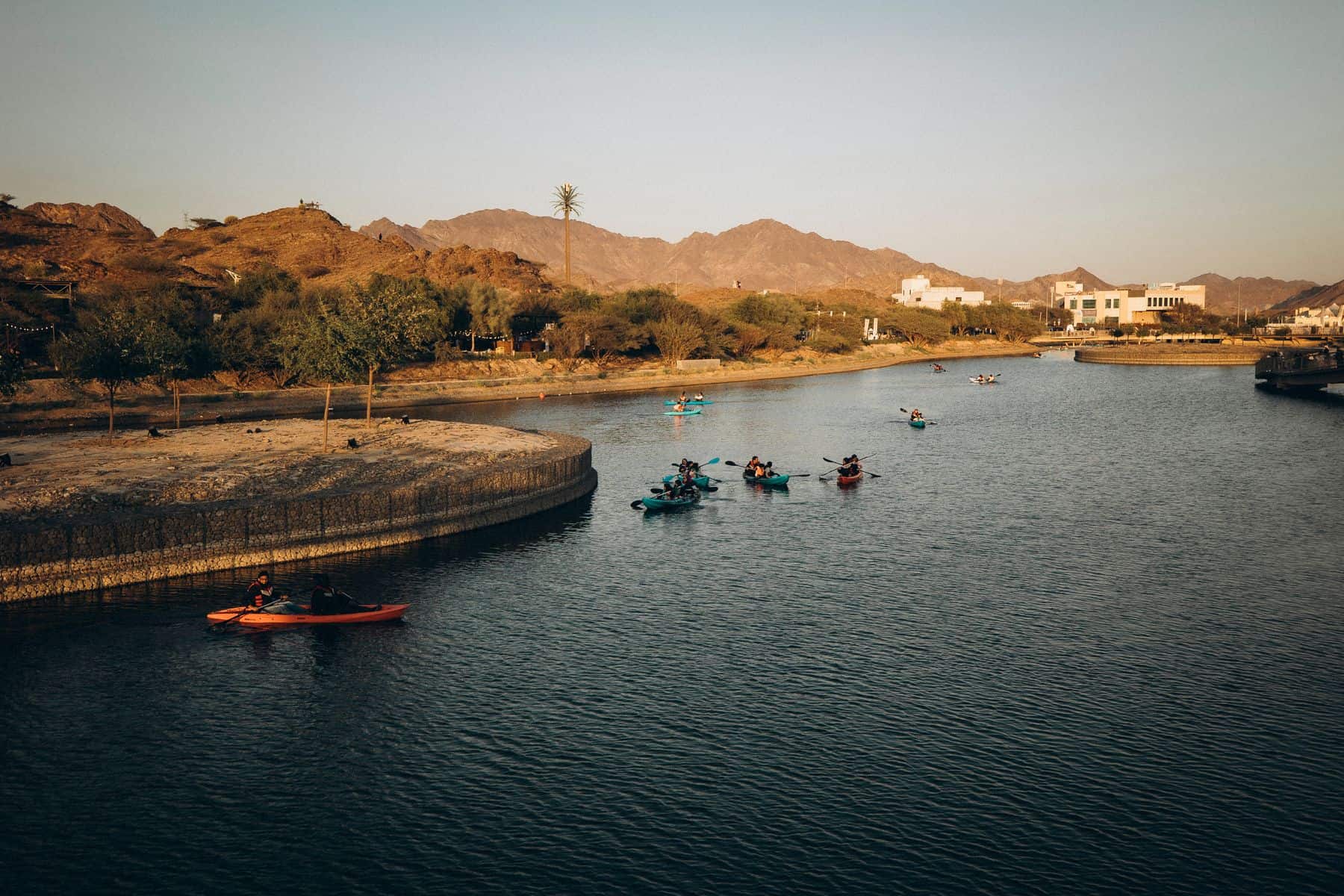
Dubai’s mountain enclave, in the Hajar range near the border with Oman. Kayak or paddleboard on the turquoise lake behind the Hatta Dam, walk or mountain-bike the trails, and visit the restored Hatta Heritage Village. Cooler and greener than the coast in winter.

Abu Dhabi
The UAE’s capital, for the Sheikh Zayed Grand Mosque, Qasr Al Watan and the Louvre Abu Dhabi, plus the beaches of Saadiyat and the theme parks of Yas Island. You can see the mosque and the Louvre in a long day, but two or three nights is better.
Our Abu Dhabi guide →Sharjah, next door, is the UAE’s culture capital, with a restored heritage area and an excellent museum of Islamic civilisation; note that alcohol is illegal there. Ras Al Khaimah, about an hour north, has Jebel Jais, the UAE’s highest mountain, with viewpoints and a zipline. On the east coast, about two hours away on the Gulf of Oman, Fujairah and Khor Fakkan have mountains running down to the sea, quieter beaches and good snorkelling. And Oman’s Musandam peninsula, with its fjords, is a popular trip from the north.
Food and drink in Dubai
Dubai’s food scene is one of the most varied in the world, from street-food shawarma and Indian and Pakistani cafes in Deira and Bur Dubai to fine dining in Downtown and on the Palm. Try Emirati food too: machboos (spiced rice with meat or fish), luqaimat (fried dumplings with date syrup) and Arabic coffee with dates, ideally at a cultural meal in Al Fahidi where hosts explain Emirati customs. A dhow dinner cruise on the creek or around the marina is a classic evening. Weekend brunch is a Dubai institution. Alcohol is served in licensed venues, mainly in hotels.
Dubai or Abu Dhabi?
| Dubai | Abu Dhabi | |
|---|---|---|
| Feel | Big, fast and glamorous | Calmer, greener, more cultural |
| Highlights | Burj Khalifa, the creek and souks, the marina | Grand Mosque, Louvre, Qasr Al Watan |
| Beaches | Jumeirah, the Marina and the Palm | Saadiyat: wide, natural and quiet |
| Best for | First visits, nightlife, shopping, stopovers | Culture, quieter beaches, Yas Island theme parks |
| Flights | More UK airports, more departures | Direct from Heathrow and Manchester |
With only 90 minutes between them, the best answer is often both: three nights in each, or Dubai with a few nights on Saadiyat. Read our Abu Dhabi holiday guide.
Getting to Dubai from the UK
Flights: direct flights to Dubai International take about 7 hours from London, with daily services from Heathrow and Gatwick and from several regional airports, including Manchester, Birmingham, Newcastle, Glasgow and Edinburgh. The airport is only 15 to 20 minutes from Deira and Downtown, and 40 minutes or so from the Marina and the Palm. Dubai is also one of the world’s great hubs, so it’s an easy stopover on the way to the Maldives, the Seychelles, Mauritius, Sri Lanka or Asia.
Time difference: GMT+4 all year: 4 hours ahead of the UK in winter, 3 in summer.
Getting around Dubai
The driverless Dubai Metro is clean, cheap and air-conditioned; the Red Line runs from the airport along Sheikh Zayed Road to Downtown and the Marina, and the Green Line serves the creek and the old town. Buy a rechargeable Nol card, and note that one carriage on each train is for women and children. A tram loops around the Marina and JBR, and abras and water buses cross the creek. Taxis are plentiful and metered; use licensed taxis or recognised ride-hailing apps. Eating, drinking and chewing gum are not allowed on the metro. Driving is fast and fines are strict, so most visitors don’t hire a car in the city.
How many days in Dubai? Sample routes
Three nights covers the Burj Khalifa, the old town and souks, and a desert safari. Five nights adds proper beach time, Hatta or Abu Dhabi.
Dubai city and beach
- Downtown (2 nights)
- Dubai Marina or the Palm (3)
- Burj Khalifa, creek and souks
- Desert safari
Sights first, then the beach. Ideal for winter sun from November to March.
Dubai and Abu Dhabi
- Dubai (4 nights)
- Abu Dhabi, Saadiyat Island (3)
Two cities, two beaches, and the Grand Mosque and the Louvre on the way.
Dubai and the Maldives
- Dubai (3 nights)
- Maldives island resort (7)
The classic twin-centre. See our Dubai and Maldives holidays guide.
We also combine Dubai with Sri Lanka and the Maldives, Mauritius and the Seychelles; see all our multi-centre holidays, or ask for a tailor-made holiday. For the wider country, see our UAE holiday guide.
Practical tips
- Entry: British passport holders get a free visit visa on arrival for up to 90 days in any 180; your passport must be valid for at least 6 months from the date you arrive.
- Travel advice: check the FCDO UAE advice before you go. It warns that the situation in the wider Middle East is unpredictable, that flights may be cancelled or airspace closed at short notice, and that you should follow local instructions, including any advice to take shelter. Sign up for FCDO email alerts and take out good travel insurance.
- Dress: in public places such as malls, cover your shoulders and knees; swimwear is for the beach and pool only. Dress modestly for mosque visits.
- Alcohol: drink only in licensed venues such as hotel bars. Drinking or being drunk in public is illegal, the legal age is 21, alcohol is illegal in Sharjah, and there is zero tolerance of drink-driving.
- Medicines: the UAE has zero tolerance of drugs, including CBD products, and some prescription medicines are controlled. If you take any controlled medication, get approval from the UAE Ministry of Health before you travel.
- Behaviour: public displays of affection, swearing and rude gestures (including online) can lead to arrest. Don’t photograph people without permission.
- Sea: swim at beaches with lifeguards and flags; rip currents can occur.
Frequently asked questions
What is the best time to go to Dubai?
November to March, when days are around 24 to 31°C and sunny. October and April are hot but good for the beach. From May to September it is around 40°C by day and humid.
What are the best things to do in Dubai?
Go up the Burj Khalifa, watch the Dubai Fountain, cross the creek by abra to the Spice and Gold souks, explore Al Fahidi, visit the Museum of the Future and the Dubai Frame, and take a desert safari.
Where is the best area to stay in Dubai?
Downtown for a first visit and the sights, Dubai Marina and JBR for a lively beach, Palm Jumeirah for resorts, Jumeirah for quieter beaches, and Deira or Bur Dubai for the old town and souks.
How many days do you need in Dubai?
Three nights covers the main sights and a desert safari. Five nights adds beach time and a day trip to Hatta or Abu Dhabi.
Is Dubai hot in winter?
Warm rather than hot: from December to February days are around 24 to 26°C and nights about 14 to 17°C, with a few showers, mostly in January.
Do British citizens need a visa for Dubai?
No advance visa is needed. British passport holders get a free visit visa on arrival for up to 90 days in any 180 days, and the passport must be valid for 6 months from arrival.
Is Dubai safe to visit?
The FCDO warns of an unpredictable situation in the wider Middle East and possible flight disruption. Check the current FCDO UAE travel advice before you book and again before you travel.
Keep planning
- Abu Dhabi holiday guide
- UAE holidays
- UAE holiday guide
- Dubai and Maldives holidays
- Dubai holiday offers
- Dubai and the Seychelles
- Dubai and Mauritius
- Oman holiday guide
- Qatar holiday guide
- Tailor-made holidays
Plan your Dubai holiday with a Travel Designer
Tell us when you’d like to go and we’ll plan Dubai, with the right hotel in the right area, the Burj Khalifa, the souks and the desert and, if you like, Abu Dhabi or the Maldives too, in one ATOL-protected booking.
Make an enquiry UAE holidays