Singapore in brief
- Gardens by the Bay, Marina Bay, the Botanic Gardens, Chinatown, Little India and Kampong Glam.
- Sentosa Island has beaches, a cable car and theme parks, 15 minutes from the city.
- Hot all year; driest from February to April, wettest from November to January.
- Stay 3 or 4 nights, or 2 as a stopover, and combine it with Bali, Malaysia, Thailand or the Maldives.

Singapore is a small island city-state at the tip of the Malay Peninsula, and one of the easiest places in Asia to enjoy: safe, spotless, efficient and English-speaking, but also hot, green and full of flavour. In a few days you can see the futuristic Gardens by the Bay, eat at hawker stalls listed in the Michelin guide, wander the temples and shophouses of Chinatown, Little India and Kampong Glam, and spend a day on the beaches of Sentosa Island. It’s also the perfect stopover on the way to Bali, Malaysia, Thailand, Australia or the Maldives. This guide covers the best things to do in Singapore, Sentosa, food, the best time to visit, how to get there from the UK, where to stay and how to combine it with the rest of the region.
Where is Singapore?
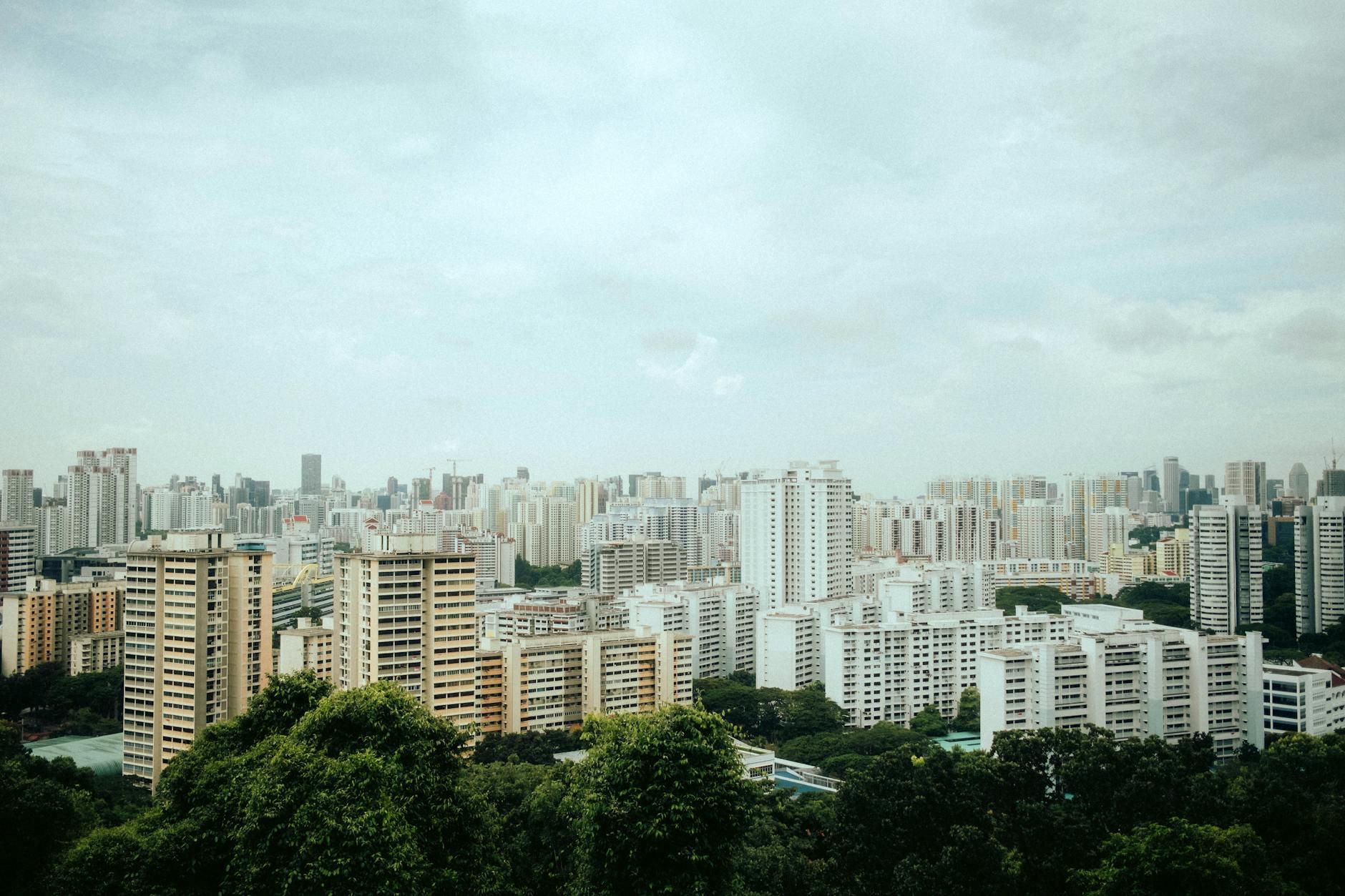
Singapore sits just one degree north of the equator, across a narrow strait from Malaysia and a short ferry ride from the Indonesian islands. The main island is only about 50 km across, with more than 60 smaller islands around it, Sentosa being the best known.
Founded as a British trading post in 1819, it became independent in 1965 and has grown into one of the world’s great ports and financial centres. Its people are mainly of Chinese, Malay and Indian descent, and that mix is what makes the food and the neighbourhoods so interesting.
For all the skyscrapers, it is remarkably green: nearly half the island is covered in parks, nature reserves and tree-lined streets, and rainforest survives in the centre of the island.
Things to do in Singapore

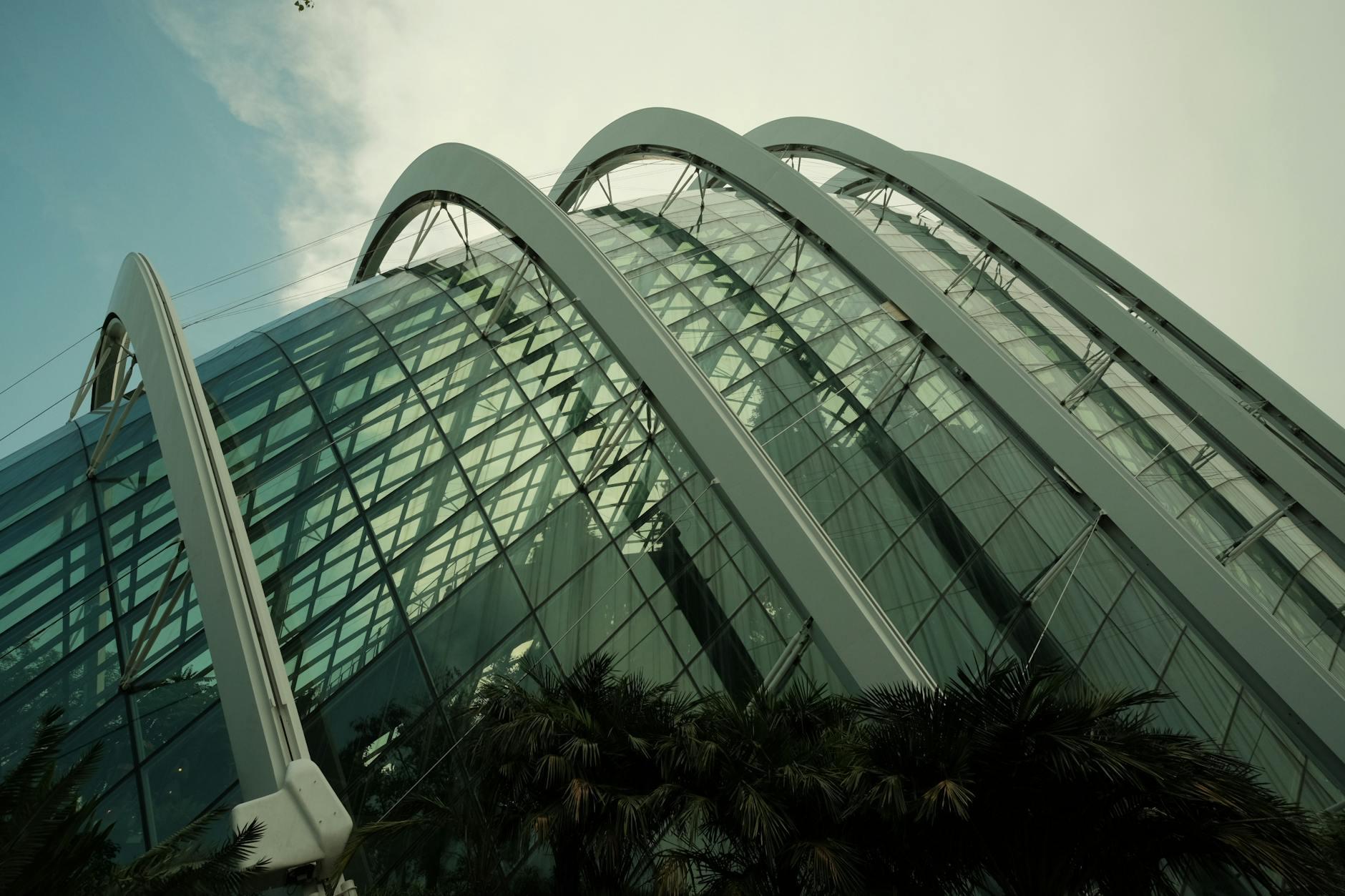
Gardens by the Bay. Singapore’s showpiece: 101 hectares of gardens on reclaimed land beside Marina Bay. The outdoor gardens and the Supertree Grove, tree-like towers up to 50 m tall covered in plants, are free; you pay for the elevated Skyway walk between the Supertrees and for the two cooled conservatories.
The Flower Dome holds plants from Mediterranean climates and changing flower displays; the Cloud Forest is a misty indoor mountain covered in orchids and ferns, with a 35 m indoor waterfall. Come back after dark for Garden Rhapsody, the free light and sound show in the Supertree Grove, usually at 7.45pm and 8.45pm.
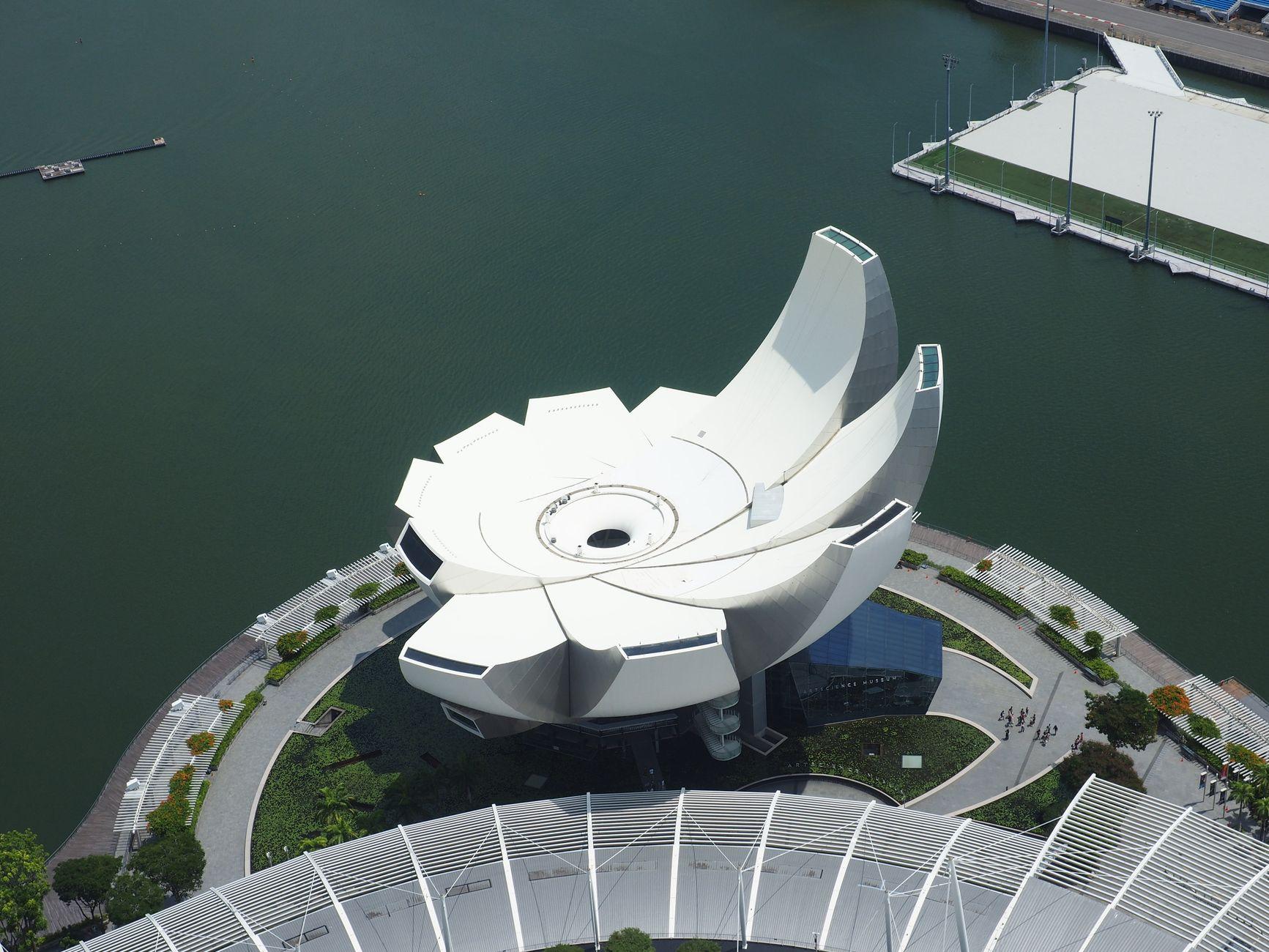
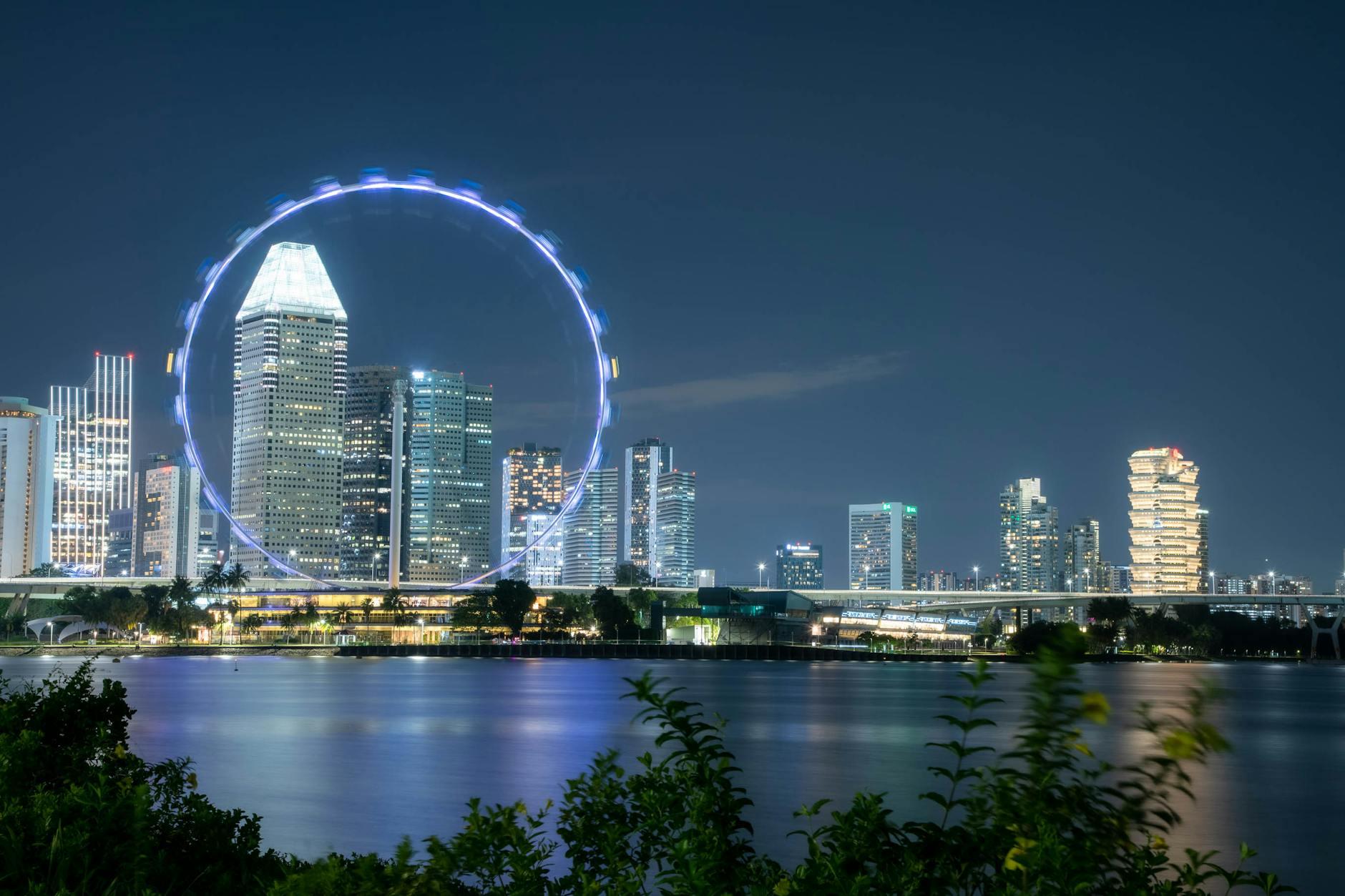
Marina Bay. Walk the waterfront loop past the Merlion, the half-lion, half-fish symbol of the city, the lotus-shaped ArtScience Museum and the Helix Bridge. There’s a free light and water show over the bay most evenings, and the observation deck on top of the triple-towered landmark across the water has the classic view.
The colonial district. Around the Padang, the old cricket ground, are the grand white buildings of British Singapore. The former Supreme Court and City Hall are now the National Gallery Singapore, with the world’s largest public collection of Southeast Asian art, and the National Museum tells the city’s story. Climb Fort Canning Park above it for gardens and wartime history.
The Singapore River. Take a bumboat along the river past Boat Quay’s old shophouses, now restaurants and bars, to Clarke Quay, busiest at night.
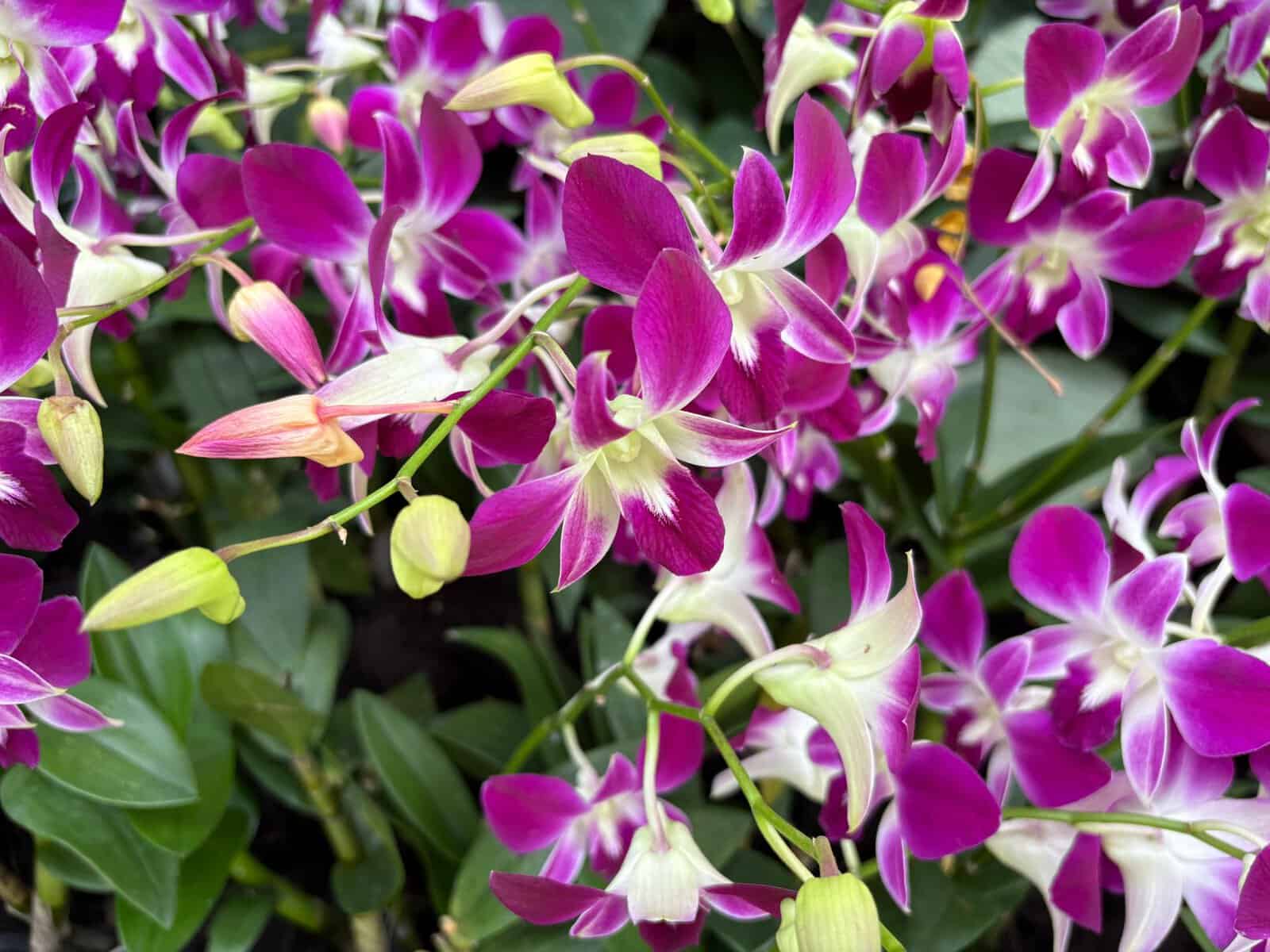
Singapore Botanic Gardens. A UNESCO World Heritage Site and the city’s favourite green space, with lakes, rainforest and the National Orchid Garden, home to more than a thousand species and hybrids. Go early in the morning, when it’s coolest; the main gardens are free.
Wildlife parks. In the north of the island, the Mandai parks include the open-plan Singapore Zoo, the Night Safari (the world’s first night zoo, best on the tram), River Wonders and the huge walk-through aviaries of Bird Paradise.
Nature walks. The Southern Ridges link a chain of hilltop parks on walkways above the forest, including the wave-shaped Henderson Waves bridge. In the Central Catchment, the MacRitchie trails lead to a treetop suspension bridge, and you may see long-tailed macaques.
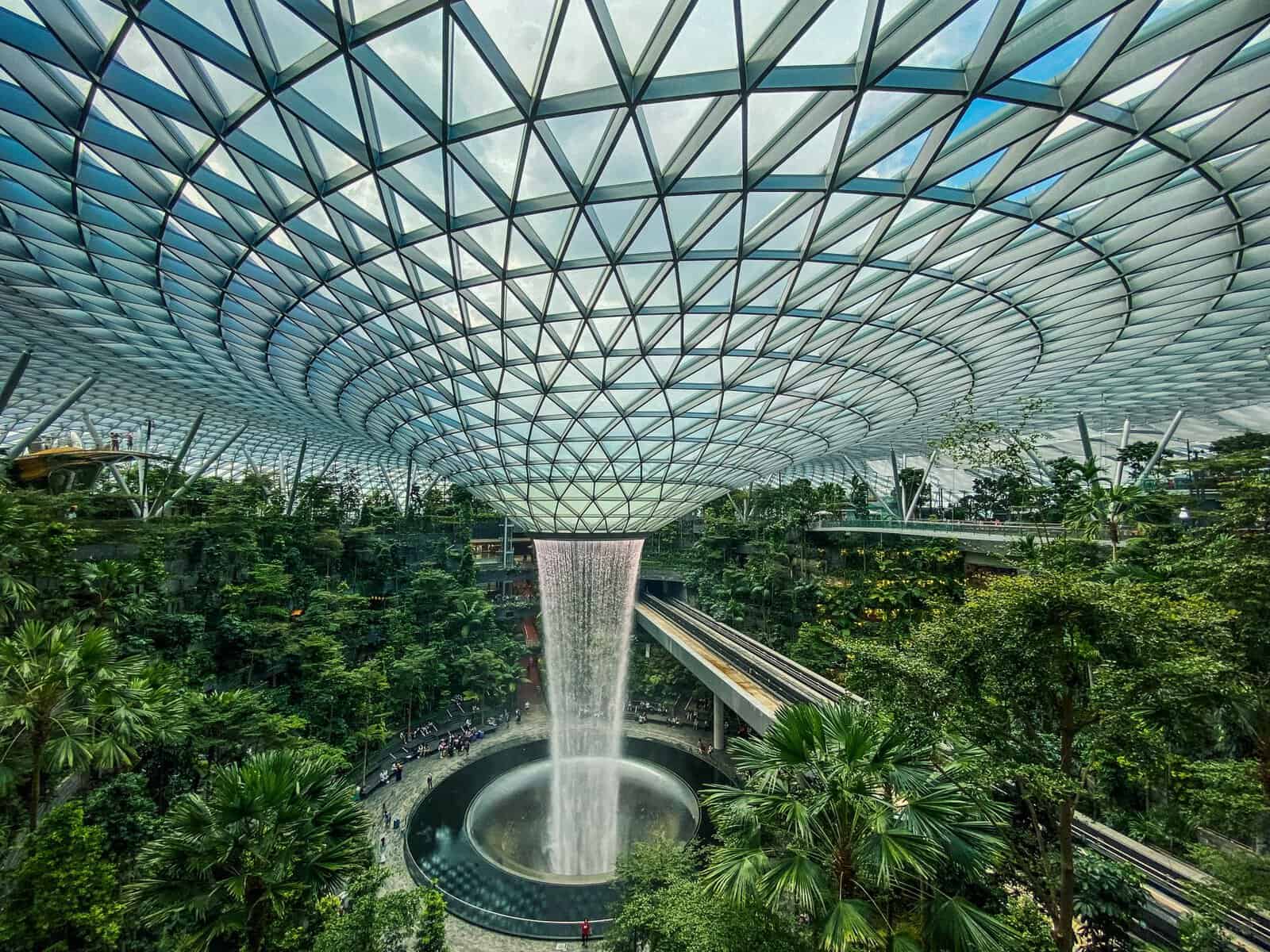
Jewel Changi. Even the airport is an attraction: the Rain Vortex, a 40 m indoor waterfall in a forest valley under a glass dome, is next to Terminal 1. Leave time for it on the way home.
Chinatown, Little India and Kampong Glam

Chinatown
Rows of restored shophouses, the red and gold Buddha Tooth Relic Temple, the ornate tower of Sri Mariamman, Singapore’s oldest Hindu temple, and the Thian Hock Keng temple, built by Hokkien sailors. Eat at the Maxwell or Chinatown Complex hawker centres, then walk to Ann Siang Hill for bars.

Little India
The most vivid part of the city: flower-garland stalls, spice shops, sari sellers and gold merchants along Serangoon Road, the colourful Sri Veeramakaliamman temple and the wet market and food stalls of Tekka Centre. In October or November the streets are lit up for Deepavali.
Kampong Glam
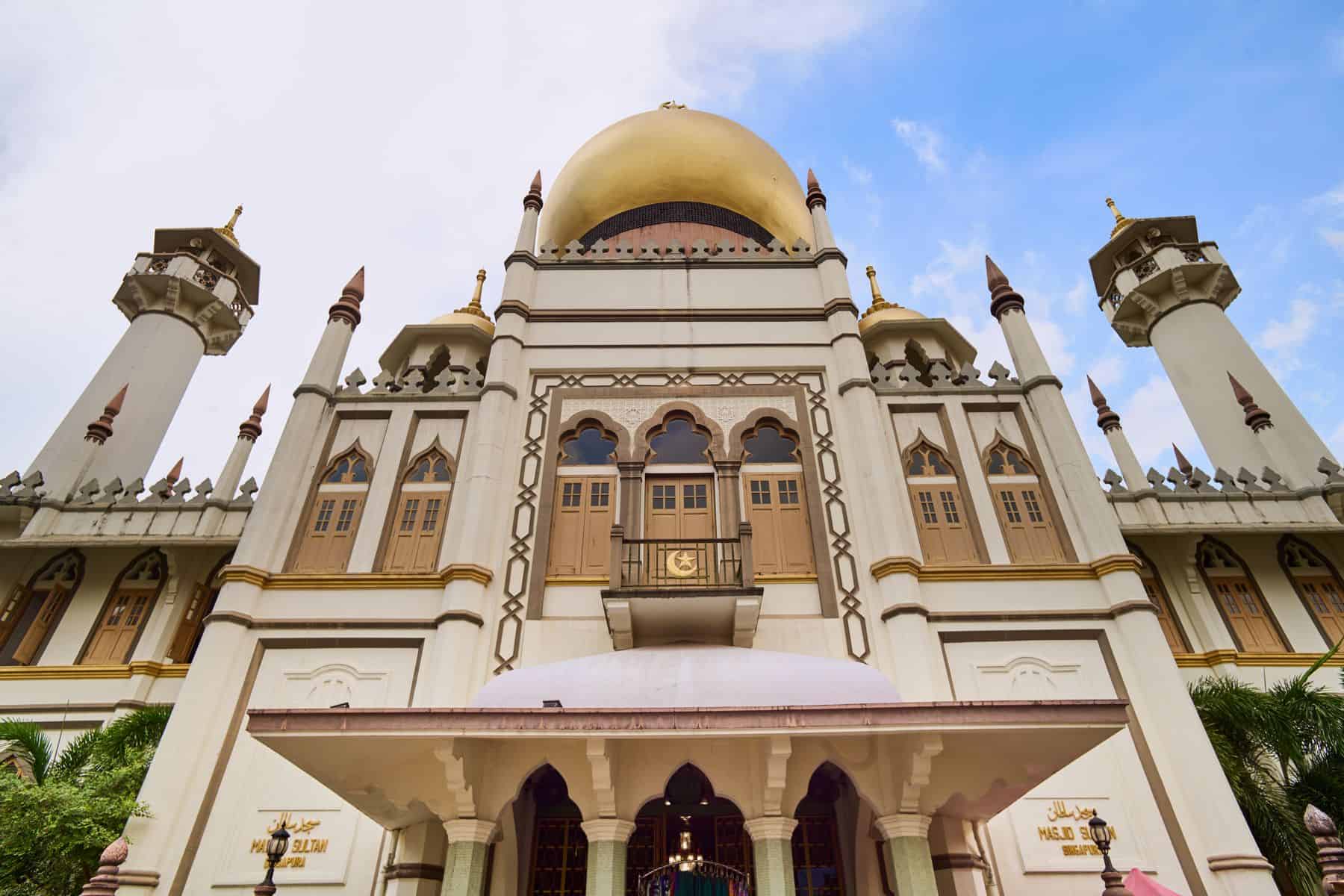
The old Malay and Arab quarter, centred on the golden-domed Sultan Mosque (visitors welcome outside prayer times; cover up). Arab Street has textile and carpet shops, and narrow Haji Lane is lined with street art, independent boutiques and cafés.

Katong and Joo Chiat
East of the centre, the heart of Peranakan (Straits Chinese) culture, with pastel terraced houses decorated with tiles and plasterwork, especially on Koon Seng Road. Come hungry: this is the home of Katong laksa and Nyonya cakes. The Peranakan Museum in the city centre tells the story.
Sentosa Island
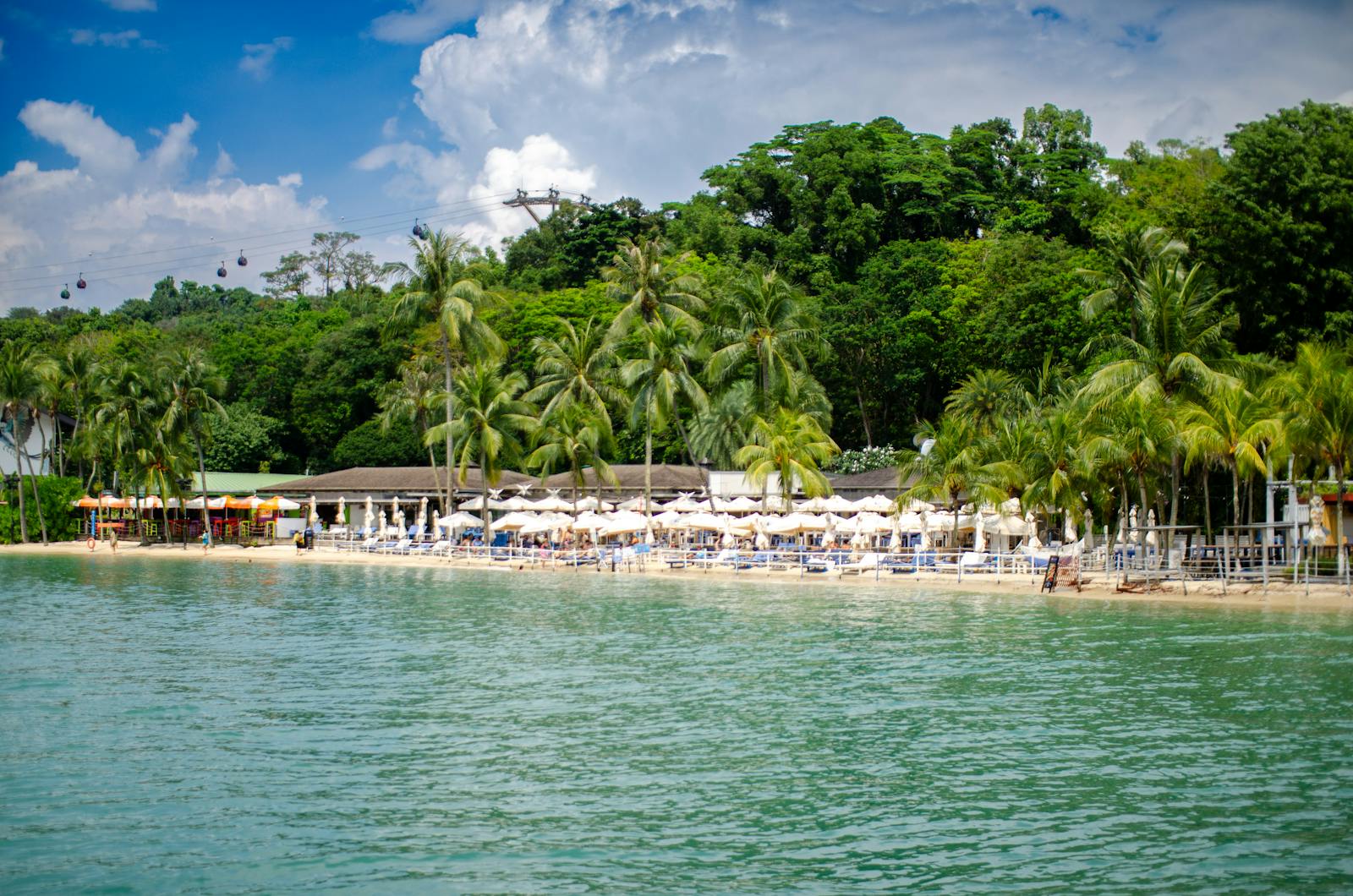
Sentosa is Singapore’s island playground, joined to the main island by a causeway just south of the city. Get there by the cable car from Mount Faber, which has the best views, by the monorail from the HarbourFront area, or simply walk across the boardwalk in about 15 minutes.
The beaches: Siloso is the liveliest, with beach bars and watersports; Palawan is family-friendly, with a rope bridge to a tiny islet that claims to be the southernmost point of continental Asia; and Tanjong is the quietest. The sand is imported and the sea faces a busy shipping lane, so think of them as places to relax rather than tropical beaches like Bali’s.
Attractions: Universal Studios Singapore, the S.E.A. Aquarium, zip lines, the luge, a nature walk along the island’s wooded hills and old forts. Sentosa makes a good full day, or a couple of nights if you’re travelling with children.
Beyond the city: Pulau Ubin
For a glimpse of Singapore as it was in the 1960s, take a 10-minute bumboat from Changi Point to Pulau Ubin, an island of village houses, old quarries and mangroves. Hire a bike and cycle to the Chek Jawa wetlands, where boardwalks cross the mangroves and the shore. Go early, and take water and insect repellent. From Changi, ferries also cross in about an hour to Indonesia’s Bintan island, with its beach resorts.
What to eat in Singapore

Food is Singapore’s national obsession, and the best of it is cheap. Hawker centres, open-air food courts with dozens of stalls, are where locals eat every day; Singapore’s hawker culture is on UNESCO’s list of intangible heritage, and several stalls are listed in the Michelin guide. Find a table, mark it with a packet of tissues as locals do, then order.
What to try: Hainanese chicken rice, the unofficial national dish; chilli crab and black pepper crab; laksa, a spicy coconut noodle soup; char kway teow (fried flat noodles); satay; roti prata with curry; and, for breakfast, kaya toast with soft-boiled eggs and strong local coffee (kopi).
At the other end of the scale, Singapore has some of the best fine dining and rooftop bars in Asia. Tell us what you enjoy and we’ll suggest where to eat.
Best time to visit Singapore
Singapore is hot and humid all year, with highs of about 29 to 31°C and nights rarely below 24°C, so there is no bad time to go. Rain usually comes as short, heavy afternoon or evening thunderstorms rather than all-day downpours. February to April is generally the driest and sunniest spell, and June to August is also relatively dry. November to January is the wettest, with the northeast monsoon bringing longer spells of rain, though Christmas lights on Orchard Road make December a fun time to visit. Smoke haze from fires in Indonesia can occasionally drift over between about August and October.
| Month | Average high | Average low | Rain |
|---|---|---|---|
| Jan | 29°C | 24°C | 220 mm |
| Feb | 30°C | 24°C | 110 mm |
| Mar | 30°C | 24°C | 195 mm |
| Apr | 30°C | 25°C | 280 mm |
| May | 30°C | 25°C | 300 mm |
| Jun | 29°C | 25°C | 275 mm |
| Jul | 29°C | 25°C | 205 mm |
| Aug | 29°C | 25°C | 225 mm |
| Sep | 29°C | 25°C | 195 mm |
| Oct | 29°C | 24°C | 290 mm |
| Nov | 29°C | 24°C | 365 mm |
| Dec | 29°C | 24°C | 335 mm |
Average daily high and low and monthly rainfall, 10-year ERA5 data for Singapore.
Festivals: Chinese New Year (6 February in 2027) fills Chinatown with lanterns and markets; Hari Raya Puasa lights up Kampong Glam at the end of Ramadan; National Day on 9 August brings parades and fireworks; the Formula 1 night race takes over Marina Bay in the autumn; and Deepavali lights up Little India in October or November. Rooms are in short supply and more expensive on race weekend.
Getting there and getting around
From the UK: several airlines fly direct from London Heathrow to Singapore’s Changi Airport, in about 13 hours, and there are also direct flights from Manchester. Many more connect via the Gulf. Changi is about 20 to 30 minutes from the city by taxi.
Entry: British visitors don’t need a visa for a holiday; the officer normally grants a stay of 30 to 90 days. Complete the free electronic SG Arrival Card in the 3 days before you arrive, and make sure your passport is valid for at least 6 months from your arrival date.
Getting around: the MRT metro is fast, cheap and air-conditioned, and you can tap in with a contactless bank card. Taxis and ride-hailing apps are reasonably priced, and walking is easy in the centre, if hot; covered walkways link much of the city.
Where to stay in Singapore
- Marina Bay: the big skyline hotels, with views over the bay and the Gardens. Best for a short stopover and rooftop pools.
- The colonial district and the river: grand heritage hotels and stylish modern ones, walkable to the museums, Boat Quay and Clarke Quay.
- Chinatown and Tanjong Pagar: boutique hotels in restored shophouses, close to hawker centres, bars and the MRT.
- Orchard Road: large hotels on the shopping street, next to the Botanic Gardens.
- Sentosa: resort hotels with pools and beaches, good for families or for a couple of relaxing nights at the end of a trip.
Tell us your style and budget and we’ll match the right hotel; we book stays across Singapore, from heritage hotels to rooftop-pool towers and Sentosa resorts.
How many days in Singapore? Stopovers and sample routes
Two nights is the minimum for a stopover: one day for Marina Bay, Gardens by the Bay and Chinatown, one for the Botanic Gardens, Little India and Kampong Glam. Three or four nights lets you add Sentosa, the wildlife parks and the eastern neighbourhoods at an easy pace. A stopover is also a good way to break the long flight to Australia, New Zealand or Bali and shake off jet lag.
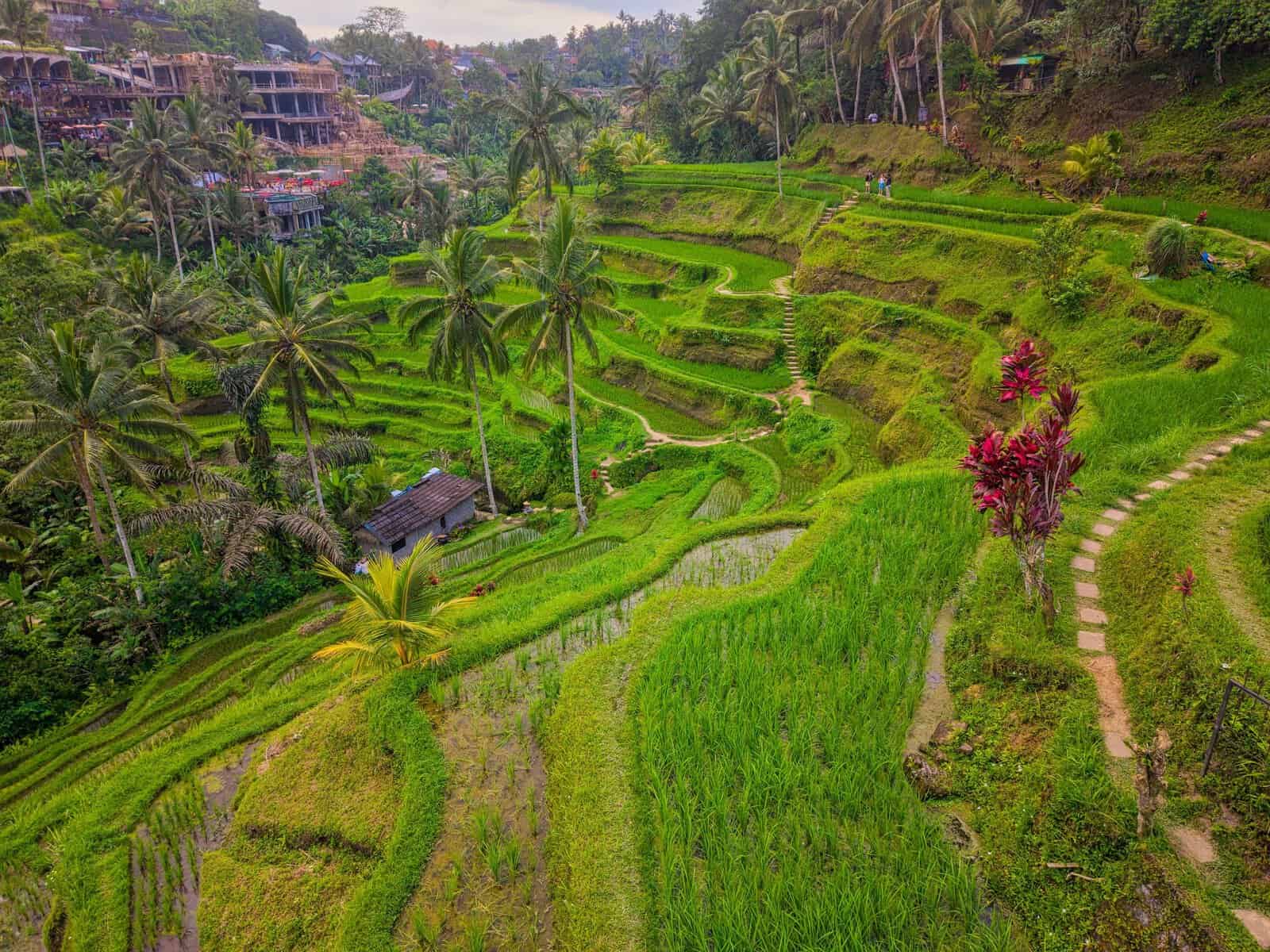
Singapore and Bali
- Singapore (3 nights)
- Ubud (3)
- Bali beach (4)
City, rice terraces and beach. Bali is about 2.5 hours’ flight away. Best from April to October.
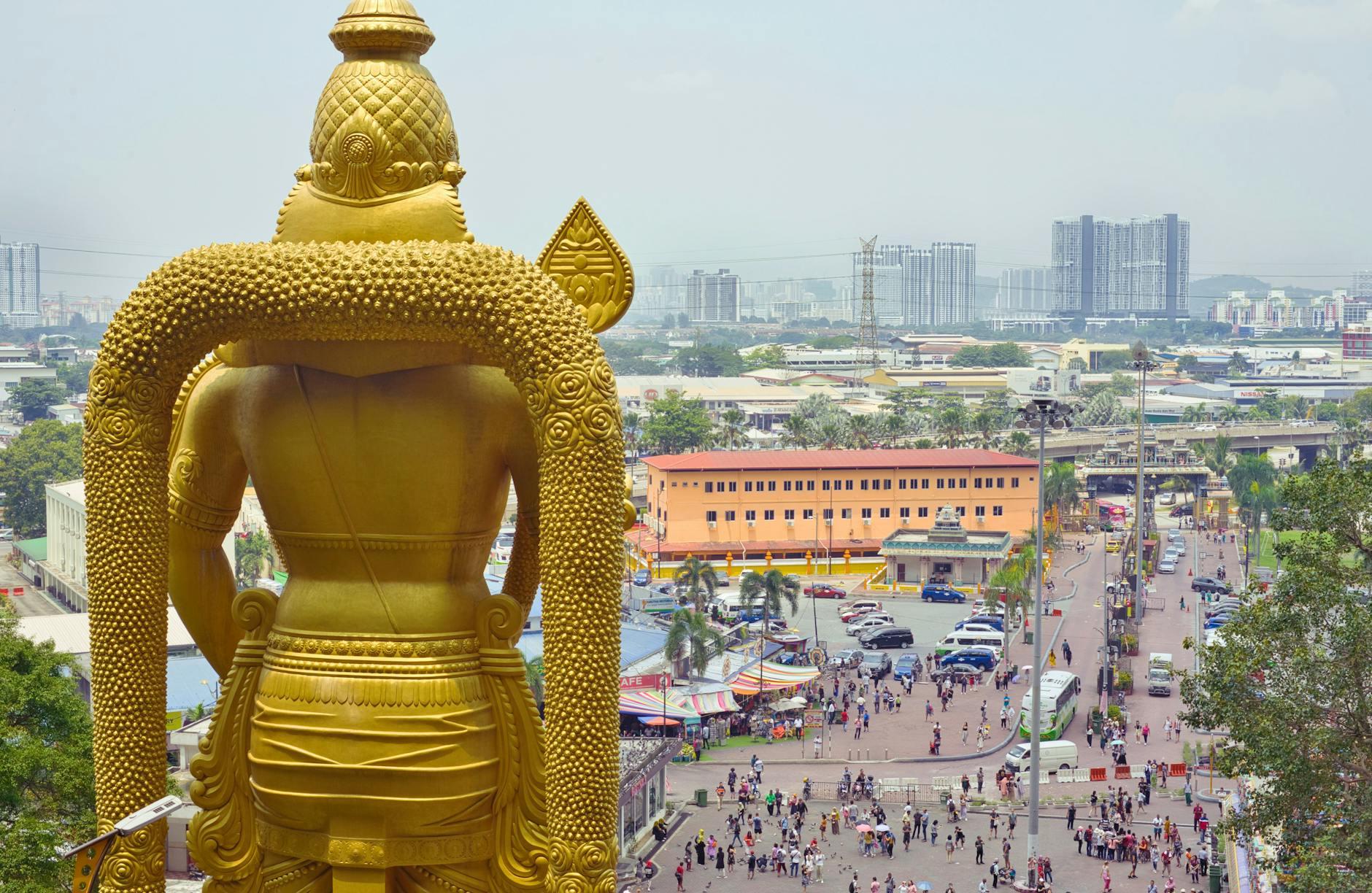
Singapore and Malaysia
- Singapore (3 nights)
- Melaka (2)
- Kuala Lumpur (2)
- Penang (2)
- Langkawi (3)
By road and rail up the peninsula, ending on the beach. Kuala Lumpur is about an hour’s flight from Singapore.
Singapore and the Maldives
- Singapore (3 nights)
- Maldives (8)
A city stopover, then about 4.5 hours’ flight to an island resort.
Singapore also combines easily with Thailand (Bangkok and Phuket are about 2 hours’ flight), Vietnam, Borneo and Australia. Many cruises start and end here too: see cruises from Singapore.
Ways to see Singapore with us


Prefer your own pace? A tailor-made holiday can add a Singapore stopover to any trip to Asia or Australasia, with hotels, transfers and flights in one booking. See also our Singapore holidays and escorted tours of Singapore.
Practical tips
- Laws: Singapore is strict. Drug offences carry very severe penalties, including for drugs detected in your system on arrival; e-cigarettes and vapes are illegal to bring in or use; and there are fines for littering, jaywalking and eating or drinking on the MRT. Chewing gum isn’t sold. Check the FCDO Singapore advice before you go.
- Heat: plan outdoor sightseeing for the early morning and evening, carry water and use the air-conditioned museums and malls in the middle of the day. Bring a light layer for the chilly air-conditioning.
- Money: the Singapore dollar. Cards and contactless payments are accepted almost everywhere, but carry some cash for hawker stalls.
- Tipping: not expected; restaurants usually add a service charge.
- Dress: cover shoulders and knees in temples and mosques, and take off your shoes where asked.
- Plugs: the same three-pin plugs as the UK.
Frequently asked questions
What is the best time to visit Singapore?
Singapore is hot all year, around 30°C. February to April is usually the driest and sunniest time, and June to August is also fairly dry. November to January is the wettest season, but showers are often short.
How many days do you need in Singapore?
Three or four nights is ideal for the main sights, Sentosa and the food. Two nights works as a stopover on the way to Bali, Australia or elsewhere in Asia.
Is Sentosa Island worth visiting?
Yes, for a day or two: it has beaches, a cable car, an aquarium, a theme park and nature walks, and it is very easy to reach from the city. Its beaches are pleasant, but don't expect a tropical island like Bali or the Maldives.
Is Gardens by the Bay free?
The outdoor gardens, the Supertree Grove and the evening Garden Rhapsody light show are free. You pay for the Flower Dome and Cloud Forest conservatories and the elevated Skyway walk.
How long is the flight from the UK to Singapore?
About 13 hours direct from London Heathrow, and there are also direct flights from Manchester. Singapore is 8 hours ahead of GMT.
Do I need a visa for Singapore?
British visitors don't need a visa for a holiday. You must complete the free SG Arrival Card in the 3 days before you arrive, and your passport should be valid for at least 6 months.
Can you combine Singapore with Bali or Malaysia?
Yes, easily. Bali is about 2.5 hours' flight away, Kuala Lumpur about an hour, and you can travel up the Malaysian peninsula by road and rail. Singapore and Bali is one of the most popular two-centre holidays in Asia.
Is Singapore expensive?
Hotels and drinks are expensive, but food in the hawker centres is very good value, and public transport is cheap.
Keep planning
- Singapore holidays
- Escorted tours of Singapore
- Singapore and Bali holidays
- Cruises from Singapore
- Malaysia holiday guide
- Bali holiday guide
- Indonesia holiday guide
- Thailand holiday guide
- Maldives holiday guide
- Tailor-made holidays
- Hong Kong holiday guide
Plan your Singapore holiday with a Travel Designer
Tell us when you’d like to go and we’ll plan Singapore as a stopover or a city break, combined with Bali, Malaysia, Thailand or the Maldives, in one ATOL-protected booking.
Make an enquiry Singapore holidays