Australia in brief
- Christmas in Australia is summer: beaches, barbecues and Sydney’s New Year fireworks.
- Meet the animals of Australia: kangaroos, koalas, wombats, quokkas, devils and the platypus.
- Combine flights with a fly-drive on the Great Ocean Road or in Tasmania.
- When to travel depends on the region: the south in summer, the north in winter.

Australia is a once-in-a-lifetime trip for most of us, and it deserves a plan: it’s about as big as Europe, with tropical rainforest and reef in the north, red desert in the middle, and cities, vineyards and wild coast in the south. It’s also home to animals found nowhere else on Earth. This guide covers spending Christmas in Australia, the animals of Australia and where to see them, how to plan a fly-drive, and when to travel to each region.
Christmas in Australia
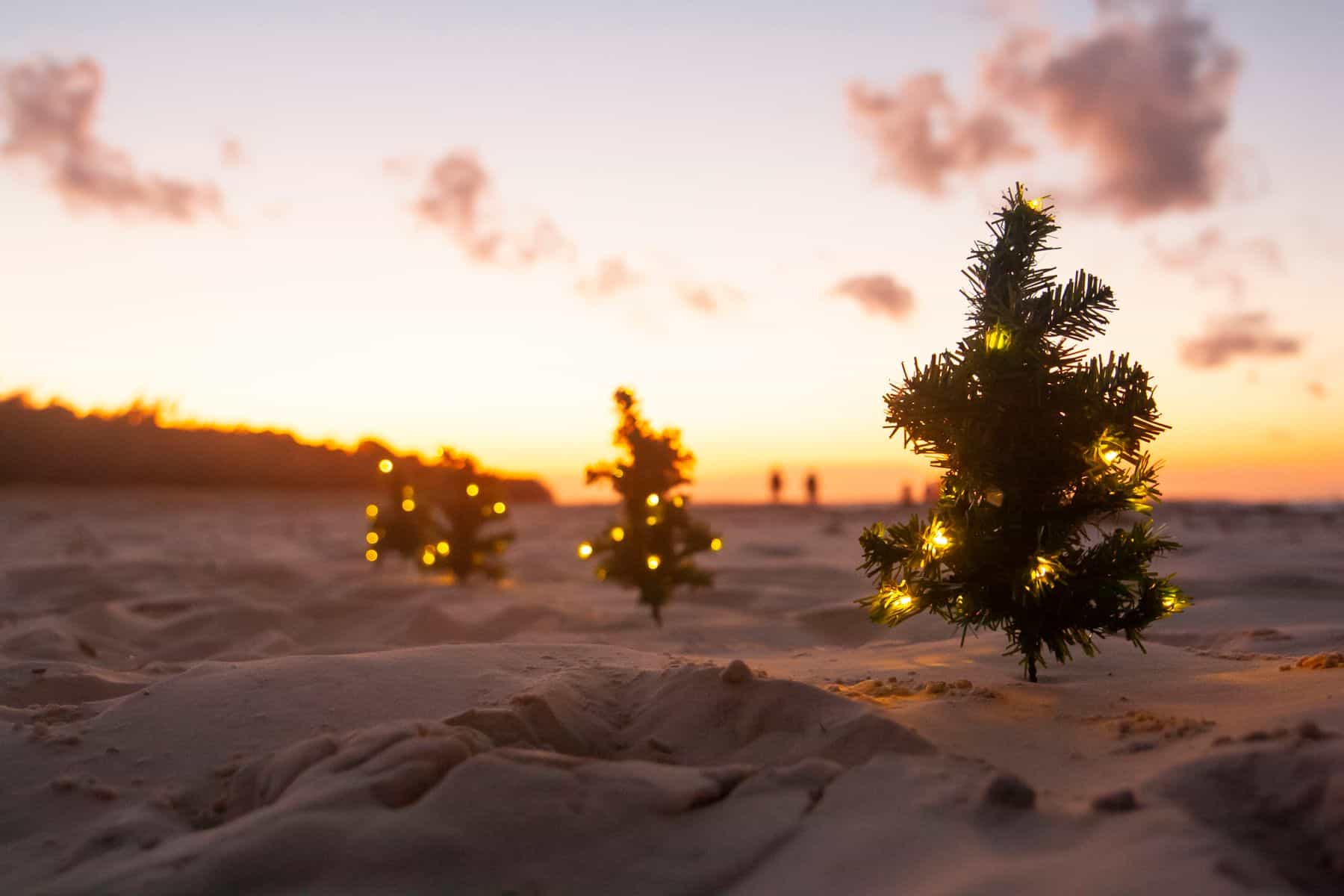
Christmas falls in the Australian summer, so swap the roast and the fire for a barbecue, prawns, pavlova and the beach. It’s one of the most popular times for UK visitors, often combined with visiting family.
Christmas Day: many Australians head to the beach or the park after a seafood lunch; Bondi and Coogee in Sydney are famously busy. Carols by Candlelight concerts are held in Melbourne, Sydney and towns across the country in the run-up.
Boxing Day: the Sydney to Hobart yacht race sets off from Sydney Harbour, and the Boxing Day Test cricket starts at the Melbourne Cricket Ground.
New Year’s Eve: Sydney’s fireworks over the Harbour Bridge and Opera House are among the most famous in the world.
Where to be at Christmas: Sydney, Melbourne, Adelaide, Perth and Tasmania are warm and mostly dry. The tropical north (Cairns, Darwin) is in its hot, humid wet season, with storms and stinger season in the sea, though the reef is still visited. The outback is very hot, often above 35°C. December to January is also the Australian school holiday, so book flights and places to stay well ahead. Bushfire risk is highest in summer: follow local advice.

Animals of Australia
Australia has been an island for millions of years, so most of its mammals, reptiles and frogs live nowhere else. It’s the land of marsupials, which carry their young in a pouch, and of the only egg-laying mammals on Earth. These are the famous animals of Australia and the best places to see them in the wild:

Kangaroos and wallabies
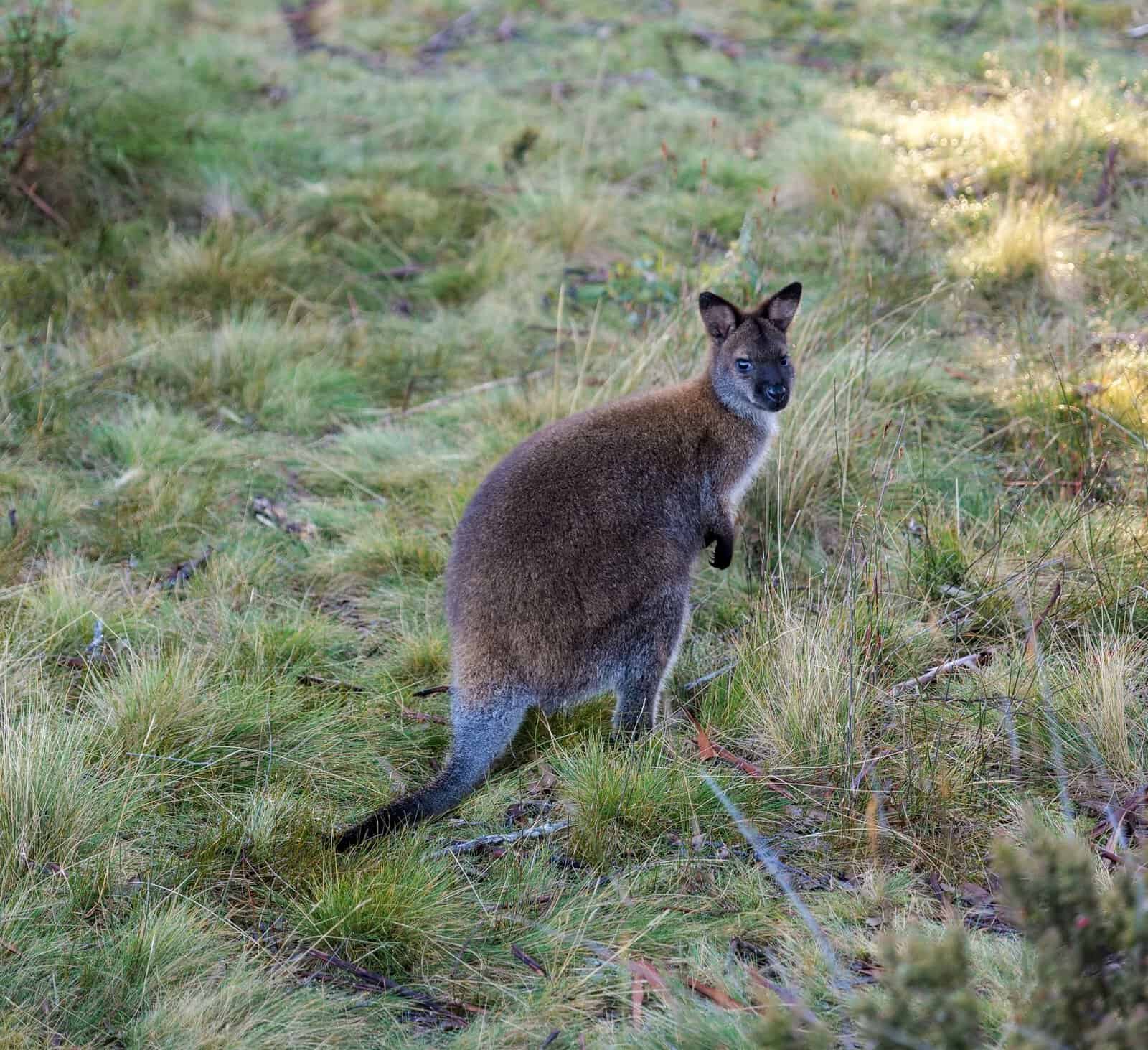
The national symbol. Red kangaroos live in the outback, and grey kangaroos graze in parks and on golf courses near the coast; wallabies are their smaller cousins.
Kangaroo Island, the Grampians and Murramarang beach in New South Wales are good places to see them.
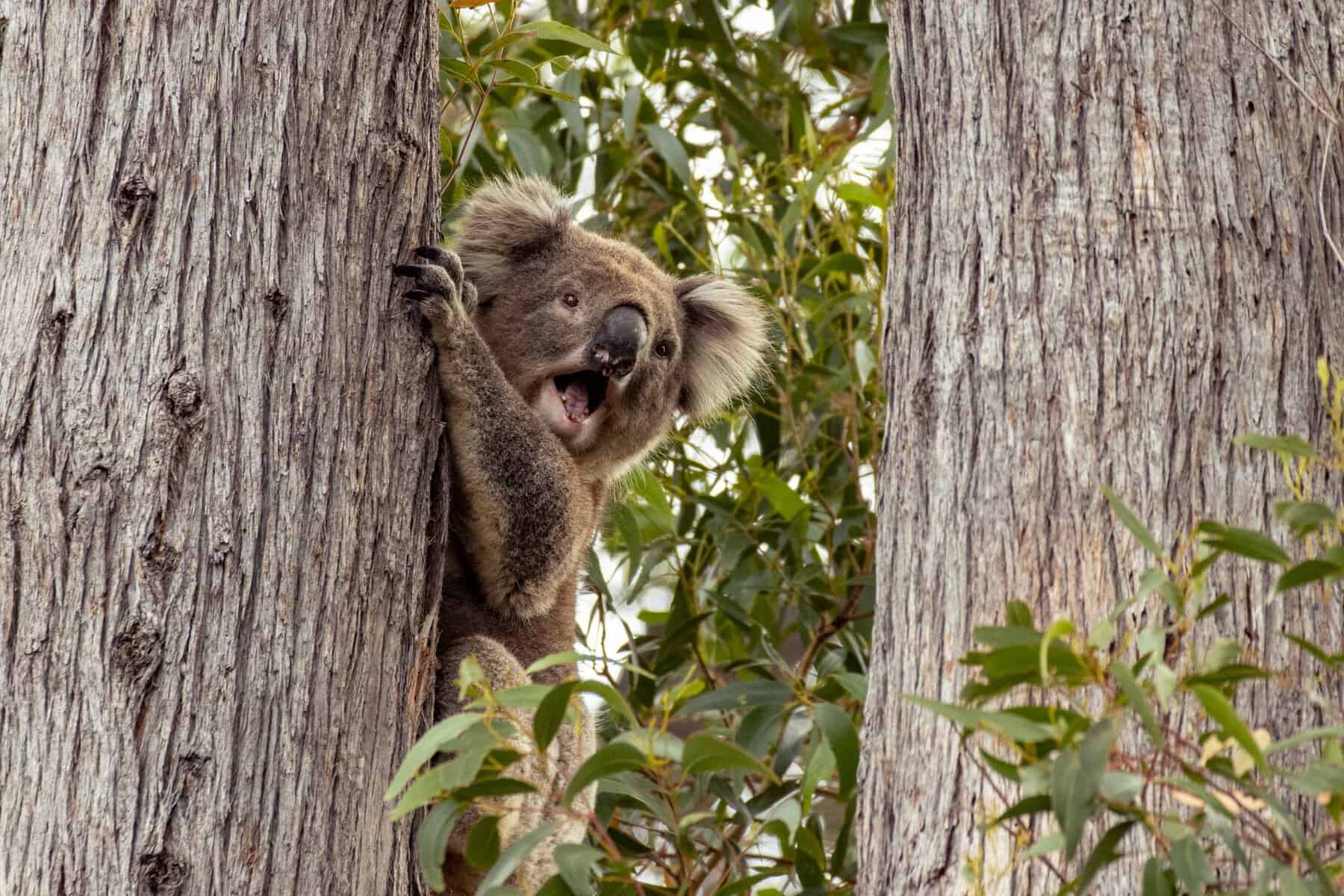
Koalas
Not bears but marsupials, koalas eat only eucalyptus leaves and sleep most of the day. Look up into the trees on the Great Ocean Road, at Magnetic Island and on Kangaroo Island.
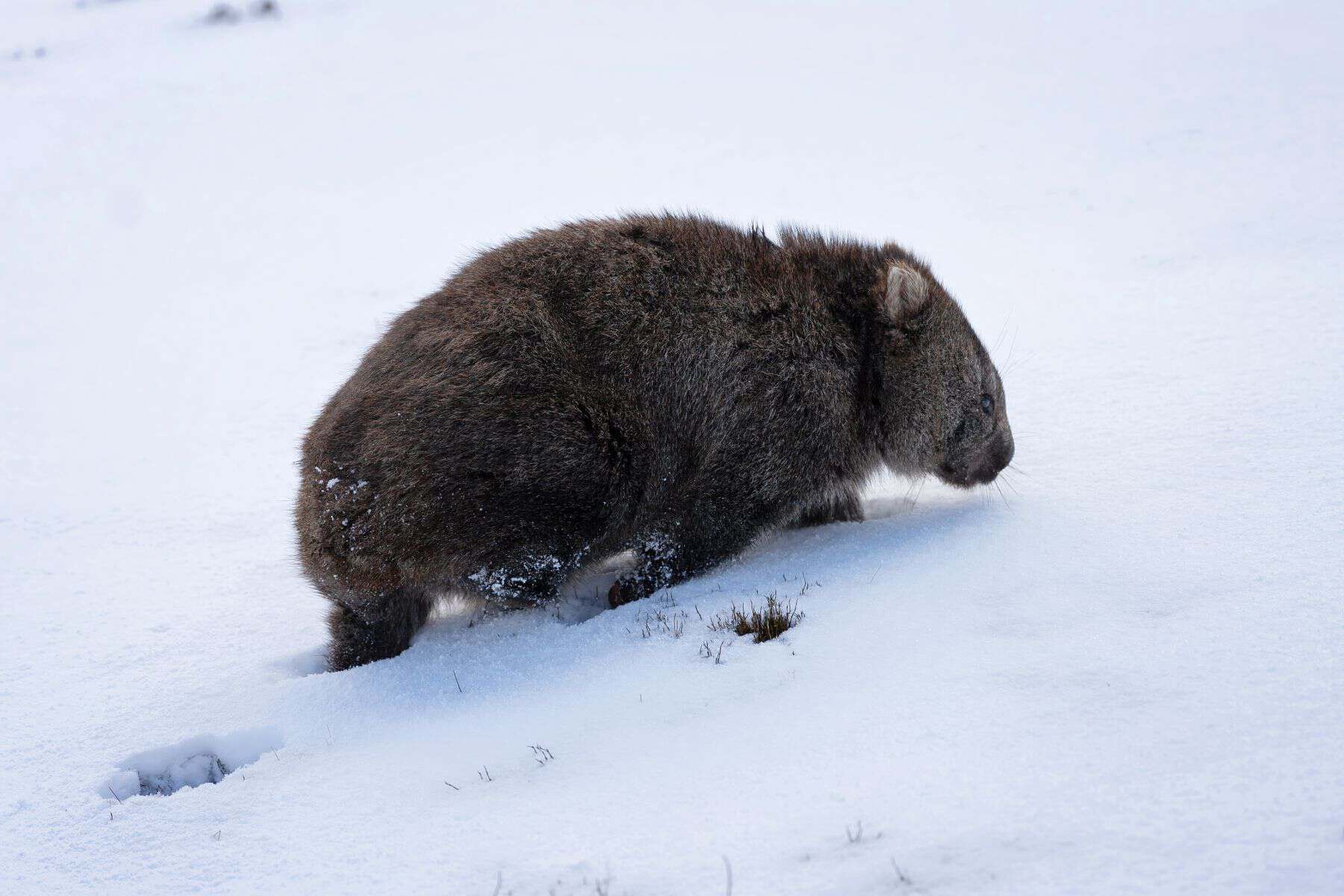
Wombats
Sturdy, burrowing marsupials, easy to see at dusk at Cradle Mountain and on Maria Island in Tasmania, and at Wilsons Promontory in Victoria.
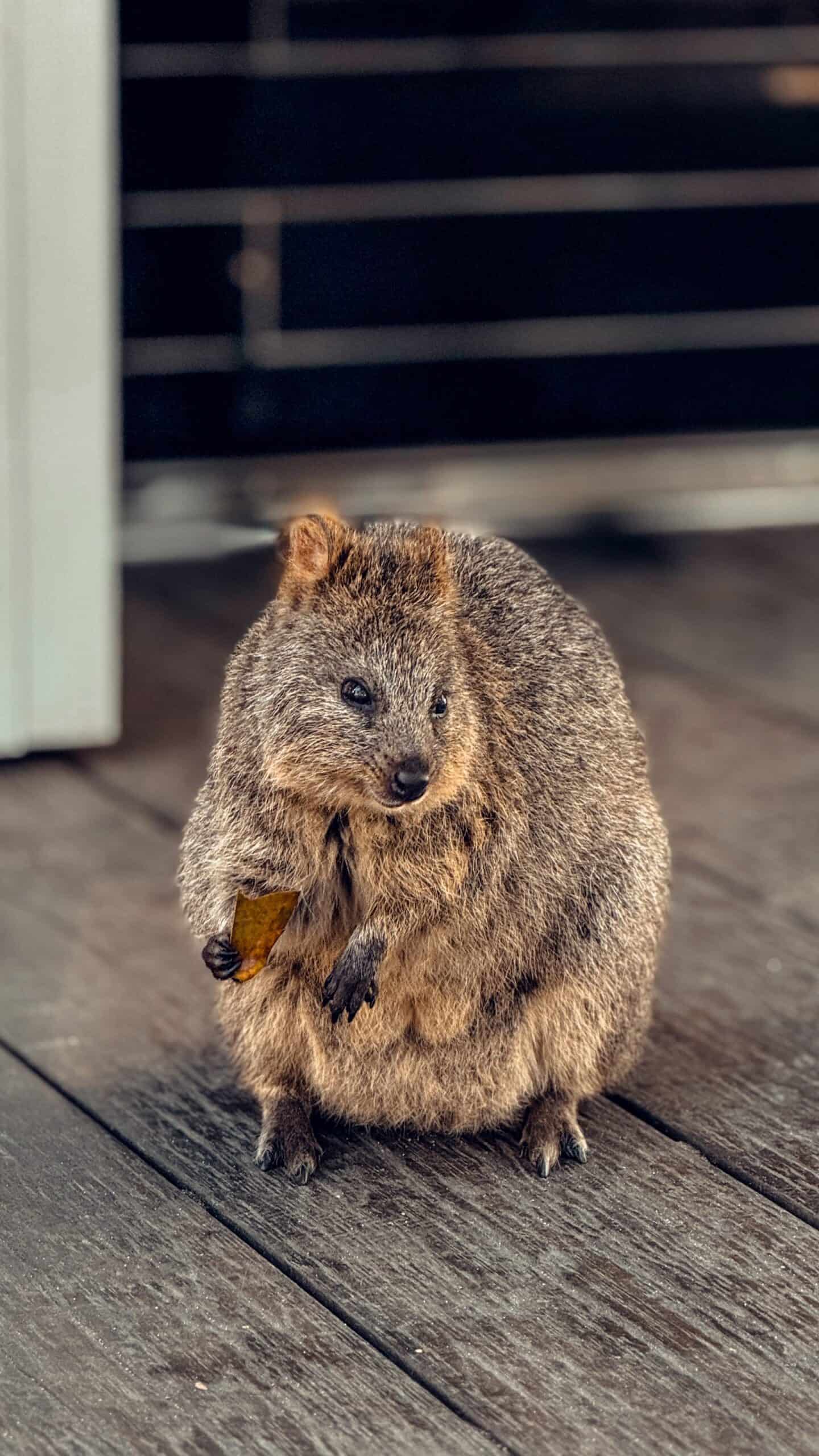
Quokkas
These small, smiling marsupials live on Rottnest Island, a short ferry ride from Perth. Look, but don’t touch or feed them.
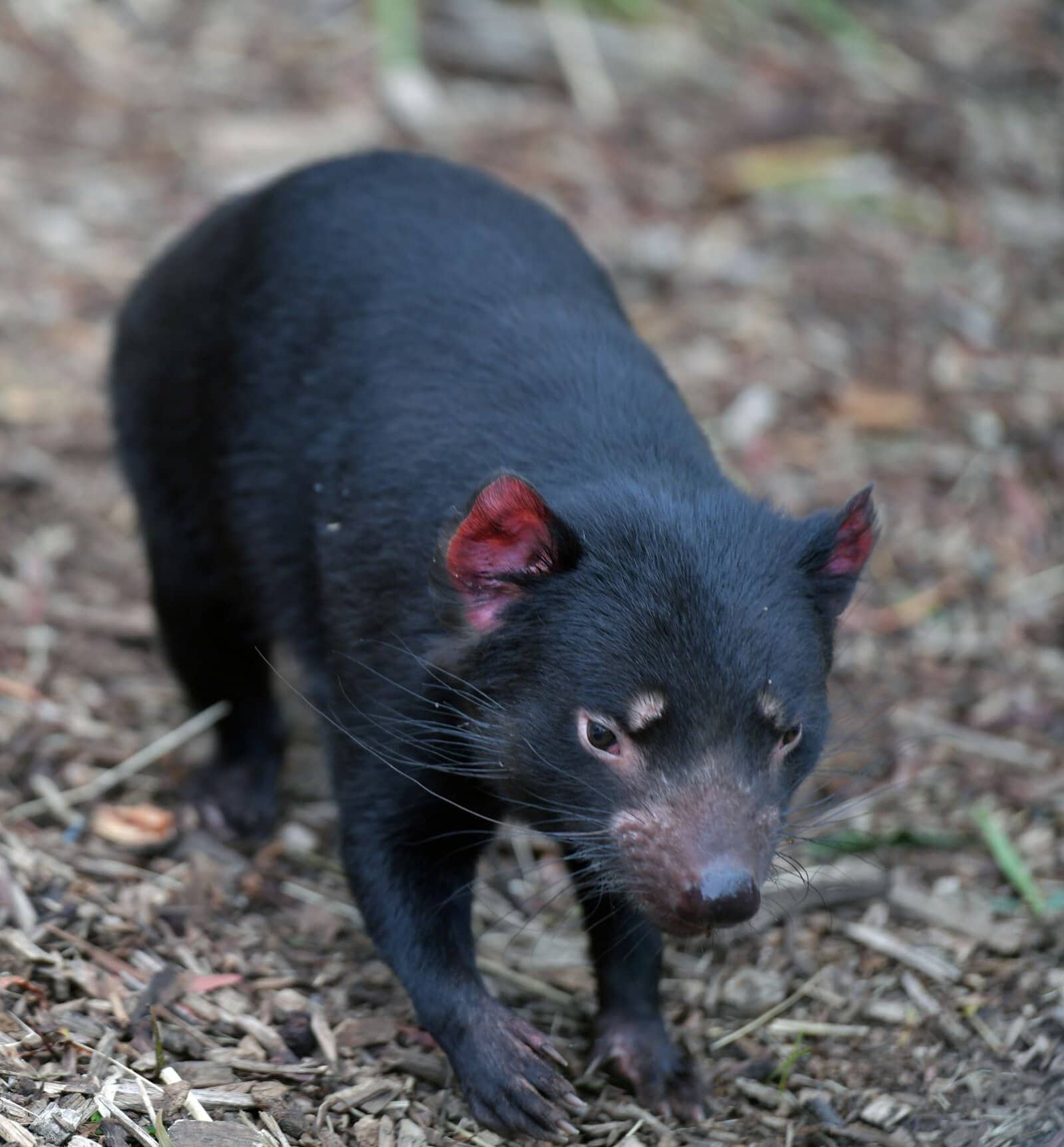
Tasmanian devils
The world’s largest meat-eating marsupial lives wild only in Tasmania. Wildlife sanctuaries help protect them from a disease that has reduced their numbers.
Platypus and echidnas
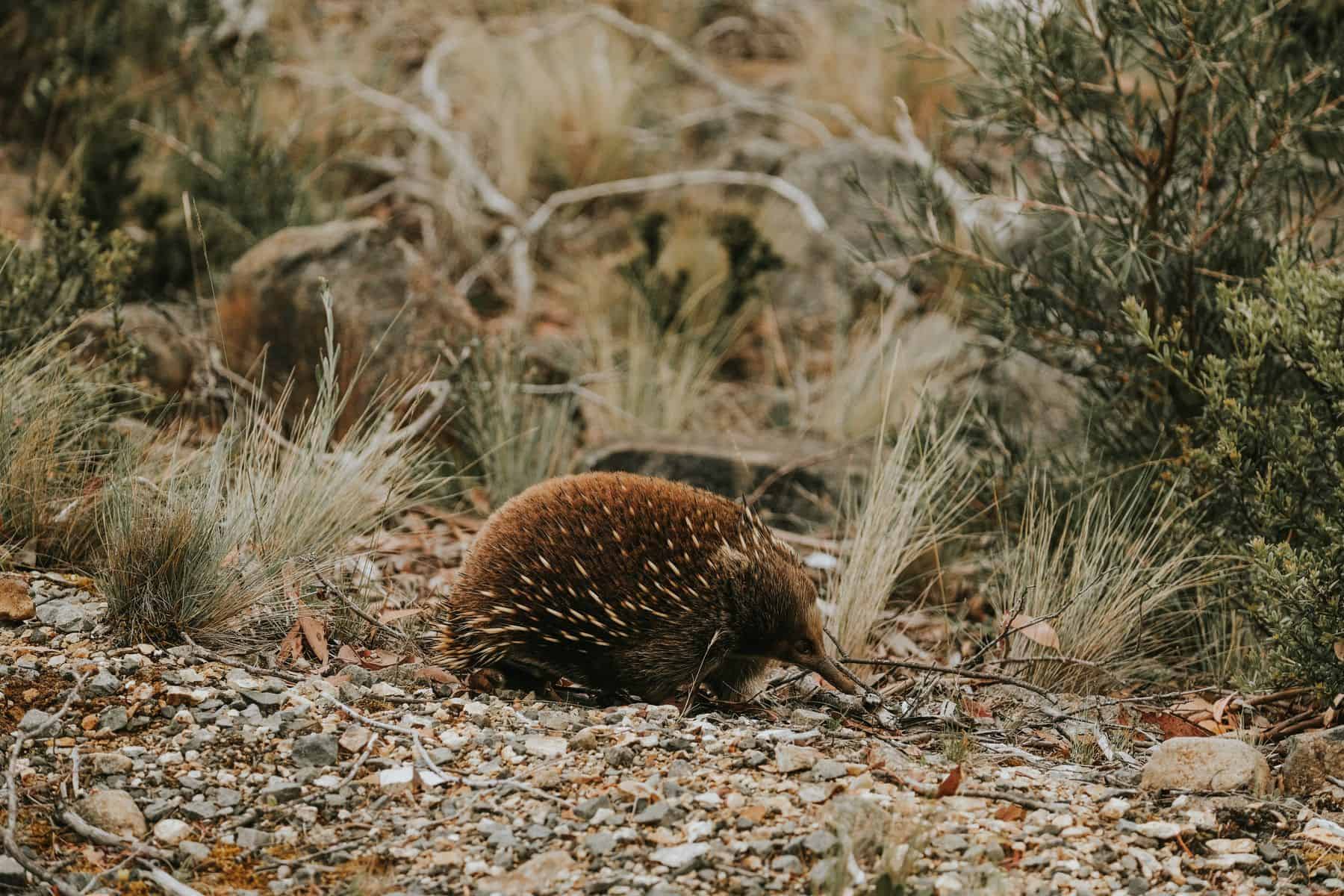
The platypus and the spiny echidna are the only mammals that lay eggs. See platypus at dawn or dusk in Eungella National Park in Queensland and in Tasmania; echidnas wander through the bush almost anywhere.
Birds, reptiles and sea life
- Kookaburras: giant kingfishers whose call sounds like laughter, common in eastern forests and parks.
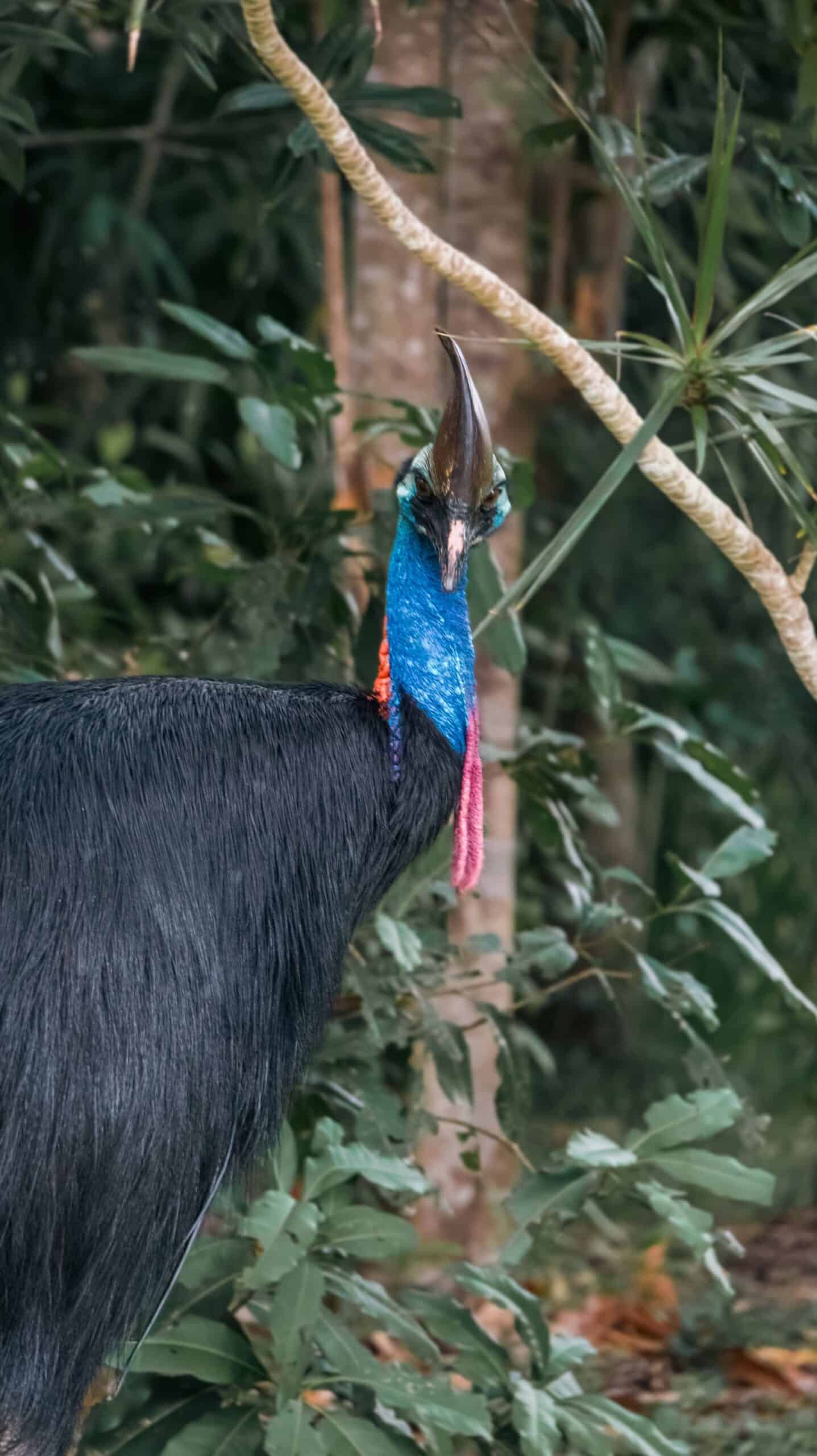
- Emus and cassowaries: big flightless birds; emus roam the outback, and rare cassowaries live in the rainforest around the Daintree and Mission Beach.
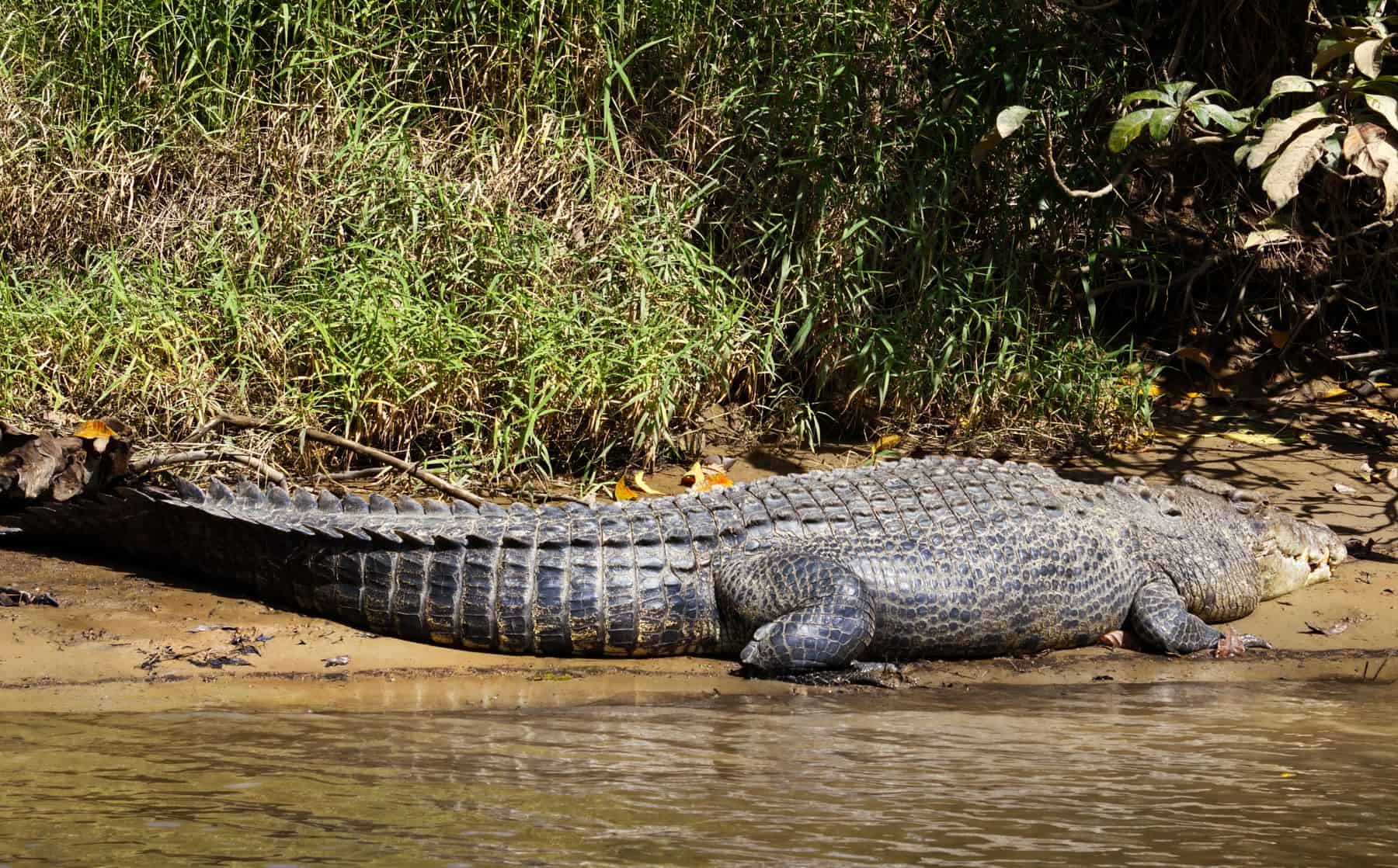
- Saltwater crocodiles: the world’s largest reptile, in the rivers and estuaries of the tropical north, from the Daintree to Kakadu. Take a river cruise and obey the warning signs.
- Sea life: turtles and reef fish on the Great Barrier Reef, whale sharks at Ningaloo from about March to July, humpback whales along the coasts from about June to November, little penguins at Phillip Island and sea lions on Kangaroo Island.



Staying safe: Australia also has crocodiles, jellyfish, sharks, snakes and spiders. Swim only where it’s safe, between the flags on patrolled beaches, and in the north inside stinger nets or in a stinger suit from about November to May. Bites are rare if you watch where you put your hands and feet.
Where to go

Sydney and New South Wales
Take a ferry across the harbour, walk from Bondi to Coogee, climb the Harbour Bridge and see the Blue Mountains on a day trip.

Melbourne and the Great Ocean Road
Australia’s food and coffee capital, with its laneways and sport. Drive the Great Ocean Road to the Twelve Apostles, and see the penguins of Phillip Island.

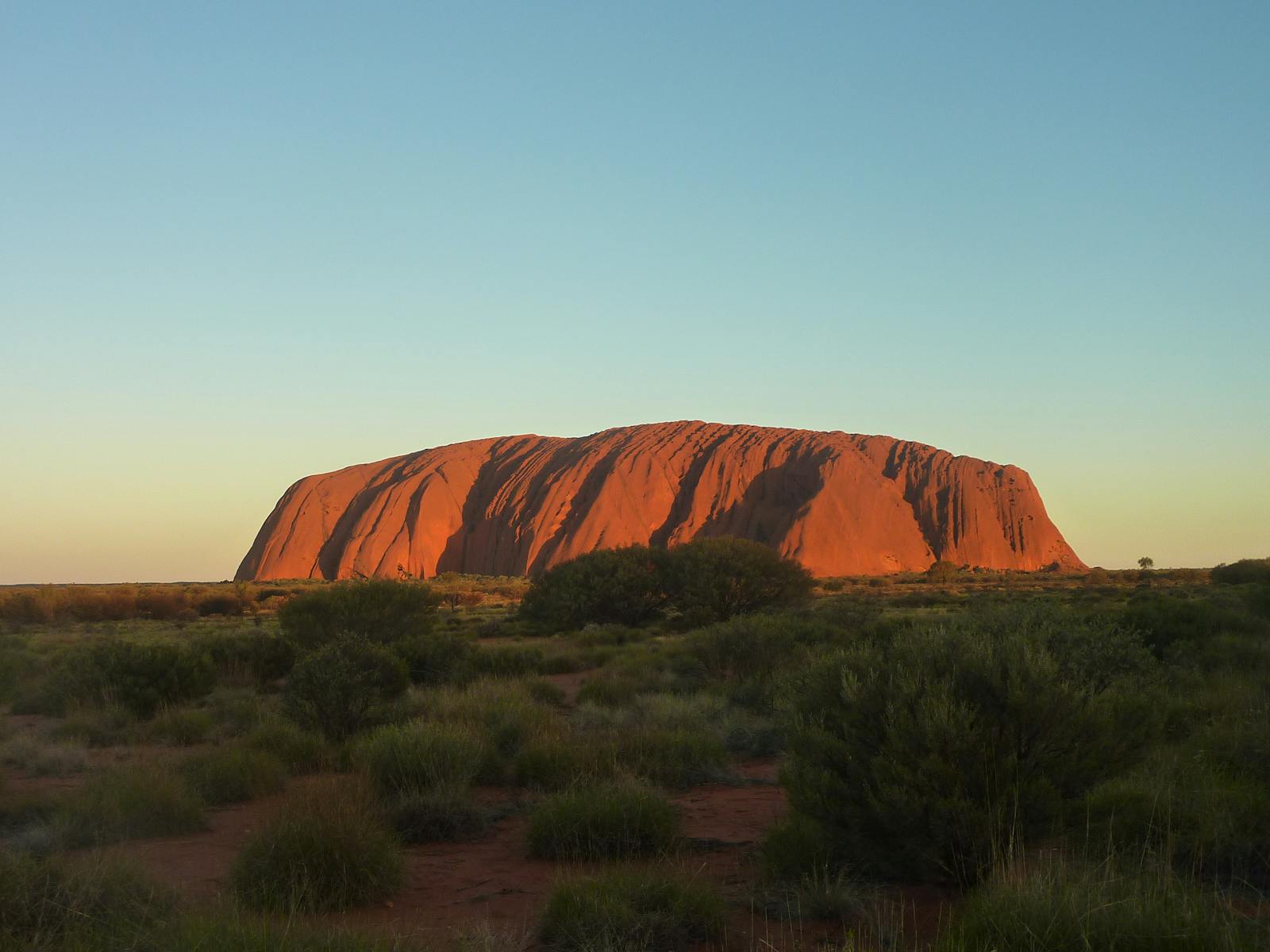
Uluru and the Red Centre
The great red rock of Uluru, sacred to the Anangu people, and the domes of Kata Tjuta. Walk around the base, watch sunset and sunrise, and learn about the culture of its traditional owners.
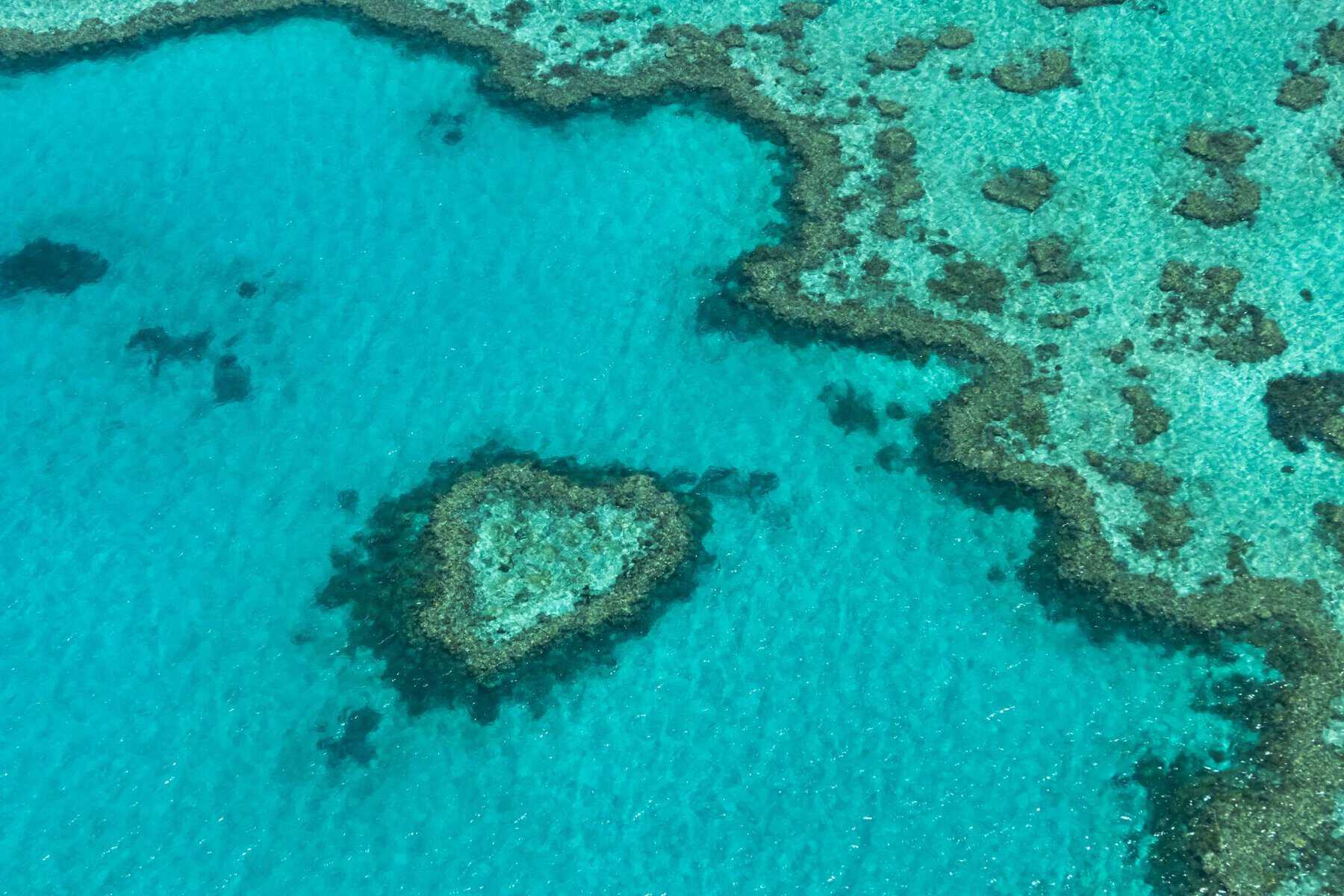
The Great Barrier Reef and tropical north
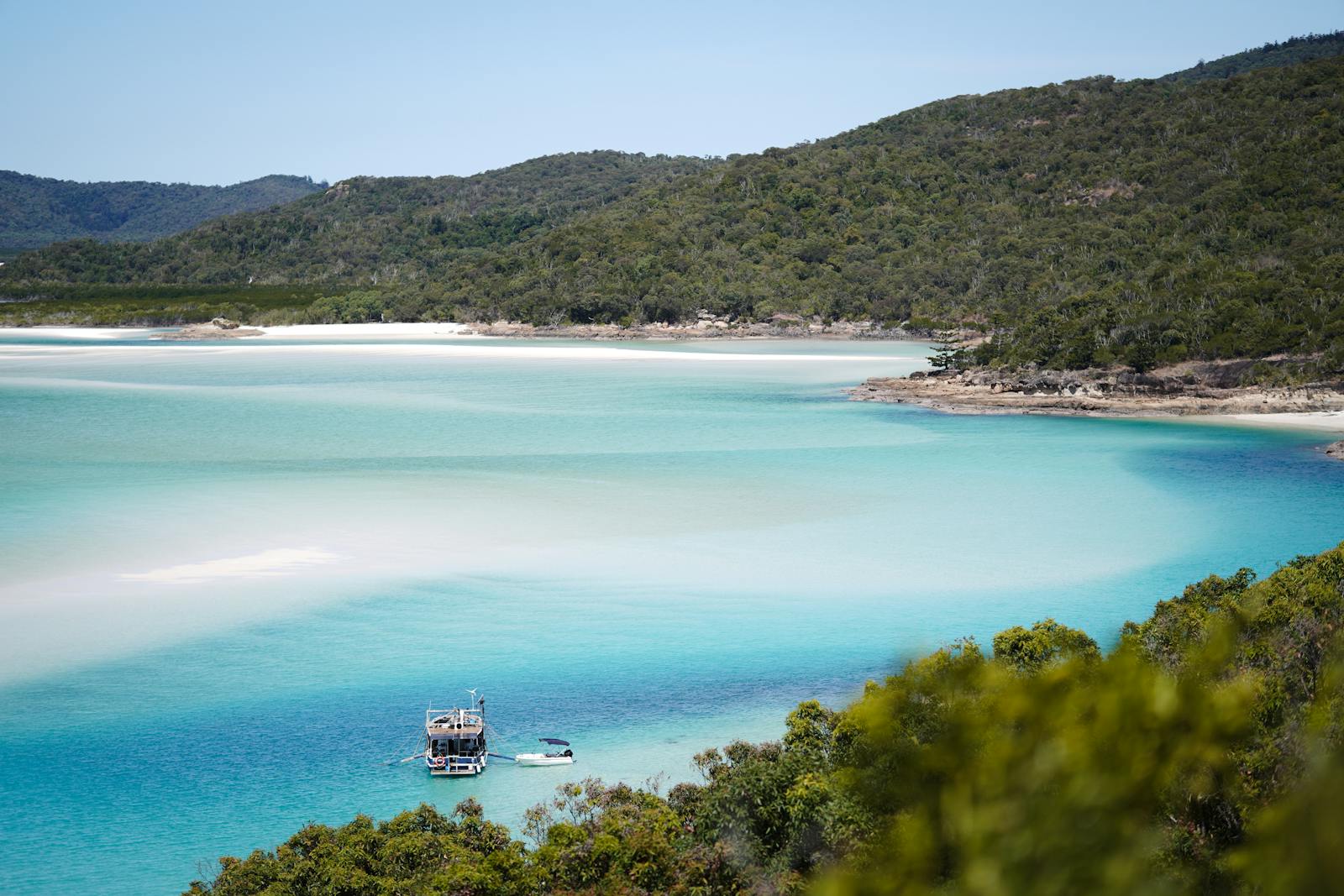
From Cairns or Port Douglas, snorkel or dive the reef and explore the Daintree rainforest. Further south, sail the Whitsunday Islands to the white sand of Whitehaven Beach.
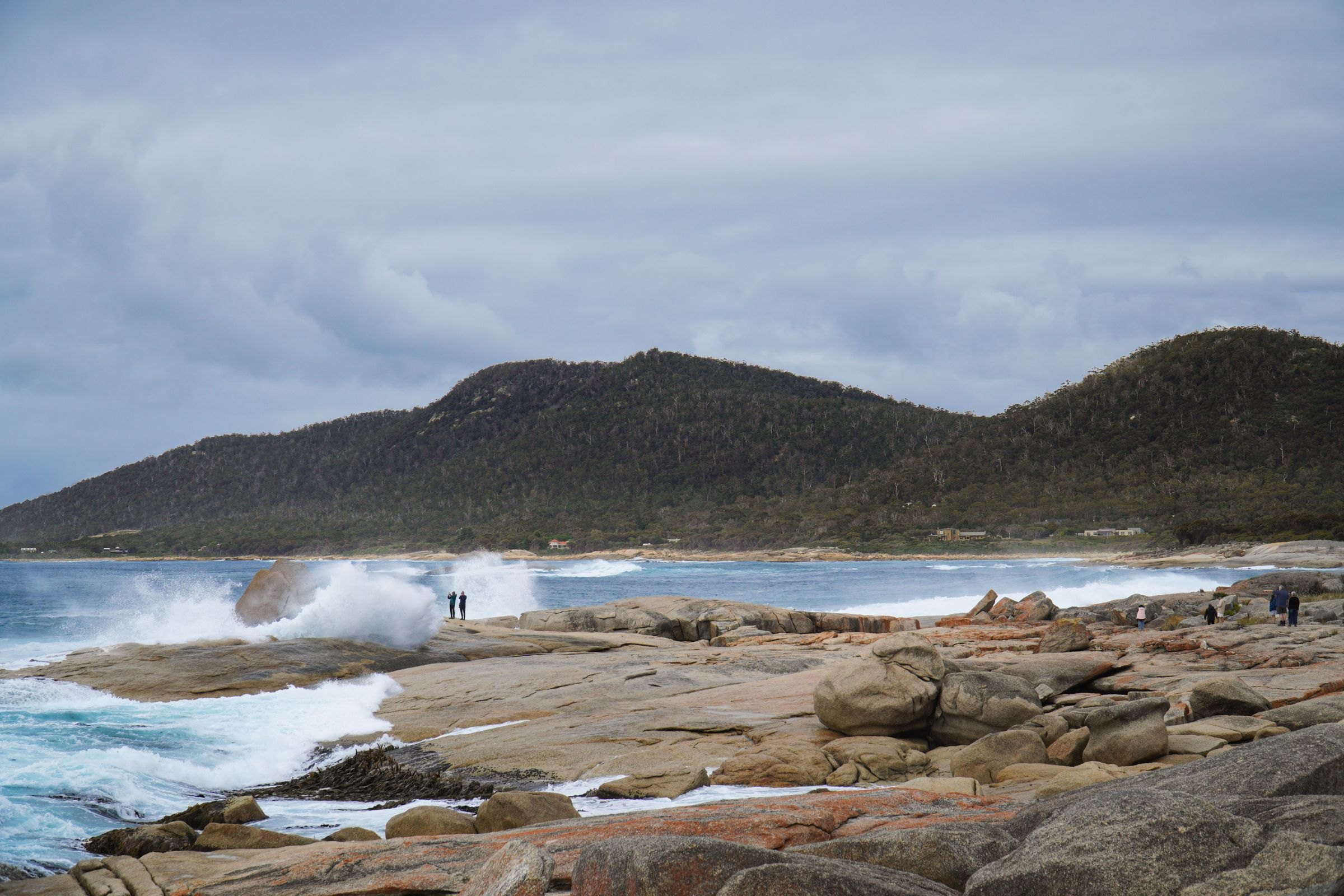
Tasmania
Wild mountains, empty beaches, wombats and devils, great food and wine, and Hobart’s waterfront. Walk at Cradle Mountain and Wineglass Bay.
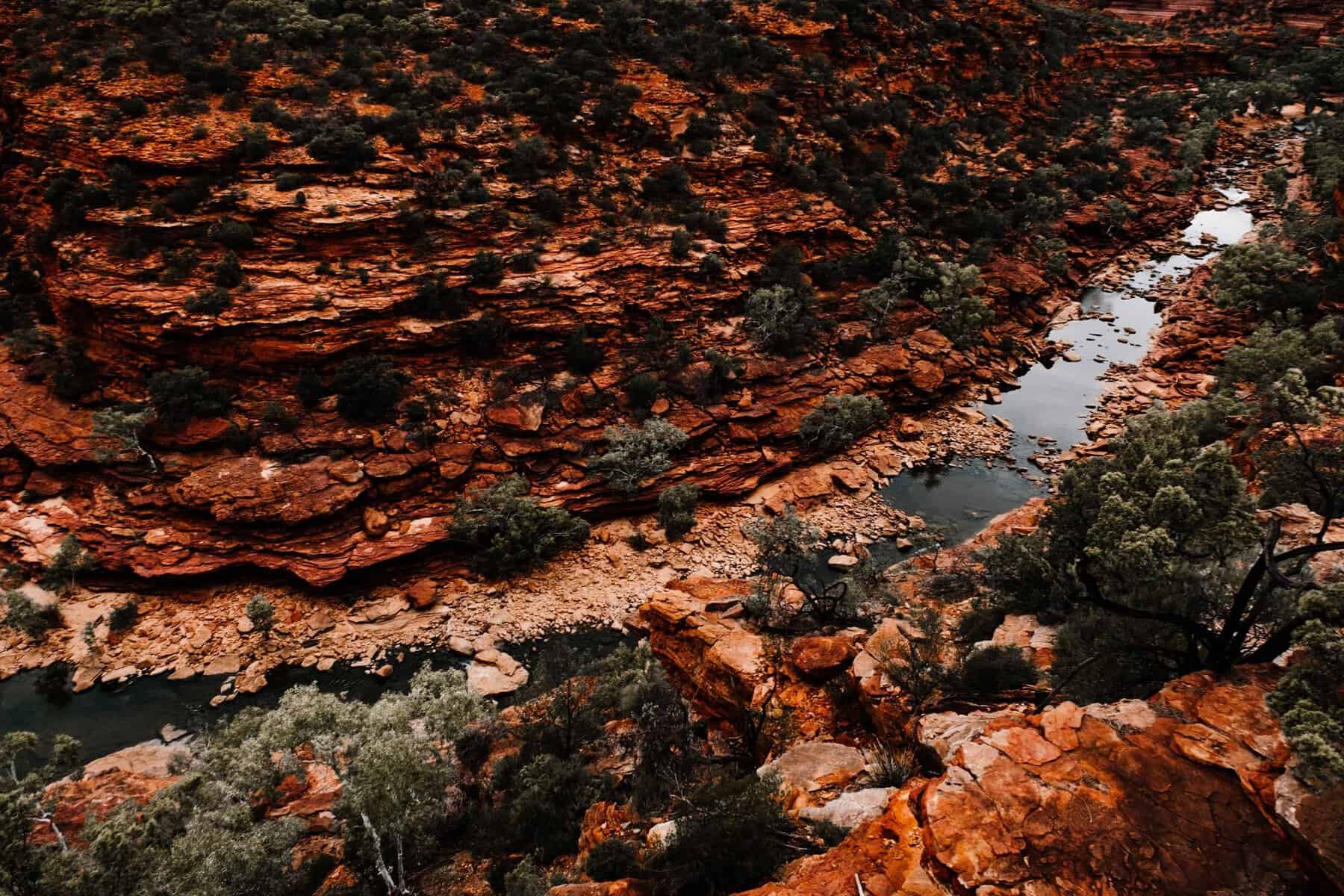
Perth and Western Australia
Perth’s beaches and Rottnest Island, the wineries of Margaret River, Ningaloo Reef and, in the far north, the remote gorges of the Kimberley.
Planning an Australia fly-drive
Australia is huge, so most trips combine domestic flights between regions with a few days of driving in each. A UK licence is accepted for visitors, and Australians drive on the left, as we do. These are the best drives:
| Drive | From / to | Allow | Highlights |
|---|---|---|---|
| Great Ocean Road | Melbourne to Adelaide | 4 to 6 days | Twelve Apostles, koalas, the Grampians |
| East coast | Sydney to Brisbane | 6 to 8 days | Port Stephens, Byron Bay, beaches |
| Tropical north | Cairns, Port Douglas and the Daintree | 4 to 5 days | Reef, rainforest, crocodiles |
| South-west | Perth to Margaret River | 4 to 6 days | Wine, surf, tall forests |
| Tasmania loop | Hobart to Launceston via the east coast | 7 to 10 days | Wineglass Bay, Cradle Mountain |
Tips: don’t try to drive between the big cities; the distances are vast. Avoid driving at dawn and dusk, when kangaroos are on the roads, and fill up whenever you can in the outback. Many hire cars can’t be taken on unsealed roads.
When to travel to Australia
Australia’s seasons are the opposite of ours, and the north and south have different climates. As a rule:
- The south (Sydney, Melbourne, Adelaide, Perth, Tasmania): best from October to April, when it’s warm; winter (June to August) is cool.
- The tropical north (Cairns, the reef, Darwin, Kakadu): best in the dry season, from May to October. November to April is hot, humid and wet.
- The Red Centre: best from April to September, with warm days and cold nights; summer is very hot.
- For a big round trip, September to November and March to May are the best compromise.
| Month | Sydney | Melbourne | Cairns | Darwin | Uluru | Perth | Hobart |
|---|---|---|---|---|---|---|---|
| Jan | 27°C | 27°C | 30°C | 30°C | 36°C | 30°C | 23°C |
| Mar | 25°C | 24°C | 30°C | 31°C | 35°C | 28°C | 20°C |
| May | 20°C | 16°C | 26°C | 31°C | 23°C | 21°C | 14°C |
| Jul | 17°C | 13°C | 24°C | 30°C | 20°C | 17°C | 12°C |
| Sep | 20°C | 17°C | 26°C | 31°C | 28°C | 19°C | 15°C |
| Nov | 24°C | 22°C | 30°C | 33°C | 34°C | 25°C | 19°C |
| Dec | 26°C | 25°C | 30°C | 31°C | 36°C | 28°C | 21°C |
Average daily high, 10-year ERA5 data. Cairns and Darwin get most of their rain from December to March.
Classic routes
Classic Australia
- Sydney (4 nights)
- Uluru (2)
- Cairns and the reef (4)
- Melbourne (3)
- Great Ocean Road (2)
The big four, linked by domestic flights.
Wildlife Australia
- Sydney (3 nights)
- Kangaroo Island (3)
- Tasmania (6)
- Daintree and the reef (5)
- Uluru (2)
Koalas, wombats, devils, cassowaries and the reef.
Christmas and New Year
- Melbourne (4 nights: Christmas)
- Tasmania (3)
- Sydney (5: New Year's Eve)
- Blue Mountains (2)
Summer in the cooler south, with the fireworks to finish.
Ways to see Australia with us


Practical tips
- Entry: you need an eVisitor visa or an Electronic Travel Authority (ETA) before you fly; apply online. Check the FCDO Australia advice.
- Jet lag: a stopover in Singapore, Dubai, Hong Kong or Bangkok on the way out makes the long flight easier.
- Sun: the sun is fierce; wear a hat and sun cream even on cloudy days.
- Customs: rules on food, plants and animal products are very strict; declare anything you’re unsure about.
- Bushfires: the risk is highest from October to February. Follow local alerts.
- Book early: for Christmas, New Year and the Australian school holidays.
Frequently asked questions
What is Christmas like in Australia?
It's summer, so Christmas Day often means a seafood lunch or barbecue and the beach. Boxing Day brings the Sydney to Hobart yacht race and the Boxing Day Test, and New Year's Eve has Sydney's famous fireworks.
Where is the best place to spend Christmas in Australia?
Sydney and Melbourne for the atmosphere, Tasmania for cooler weather and food, or Perth for beaches. The tropical north is hot and wet at Christmas, and the outback is very hot.
What animals live in Australia?
Kangaroos, wallabies, koalas, wombats, quokkas, Tasmanian devils, platypus and echidnas, plus kookaburras, emus, cassowaries, saltwater crocodiles and the sea life of the Great Barrier Reef. Most of its mammals are found nowhere else.
What are the most famous animals of Australia?
The kangaroo and the koala are the best known, followed by the wombat, the platypus, the Tasmanian devil, the quokka, the kookaburra and the emu.
Is a fly-drive a good way to see Australia?
Yes, if you fly between regions and drive within them. The Great Ocean Road, the east coast, the tropical north, the south-west and Tasmania are the best drives.
When is the best time to travel to Australia?
It depends on the region. The south is best from October to April, the tropical north from May to October and the Red Centre from April to September. For a round trip, choose spring or autumn.
Do UK citizens need a visa for Australia?
Yes. British citizens can usually apply online for an eVisitor visa or an Electronic Travel Authority (ETA) before travelling.
How long do you need in Australia?
At least three weeks to see two or three regions without rushing. With two weeks, focus on Sydney, the reef and Uluru.
Keep planning
- Australia holidays
- Escorted tours of Australia
- Indonesia holiday guide
- Malaysia holiday guide
- Thailand holiday guide
- Japan holiday guide
- Vietnam holiday guide
- Tailor-made holidays
Plan your Australia holiday with a Travel Designer
Tell us when you’d like to go and we’ll plan a route that fits the seasons in each region, with flights, stopovers, wildlife and fly-drives, in one ATOL-protected booking.
Make an enquiry Australia holidays