Expedition cruises are a different kind of holiday from a classic cruise. Instead of a fixed timetable of ports, you sail to places with no ports at all: the Antarctic Peninsula, the pack ice around Svalbard, the fjords of East Greenland or the volcanic shores of the Galápagos. Most days you climb into a Zodiac with a naturalist and land on a beach, cruise along an ice cliff or watch whales from a few boat-lengths away.
This guide explains how expedition cruising works, from landings and expedition teams to ship sizes and ice classes, where the ships go and when, and who it suits. If you already know you want to go and are weighing up which company to sail with, our guide to the best expedition cruise lines compares them in detail.
The quick answer
- What it is: a small-ship voyage built around wildlife, landscape and learning, with daily Zodiac landings and a team of expert guides.
- How it differs: no fixed port schedule, few or no formal shows, and a plan that changes with the ice, weather and wildlife.
- Where it goes: Antarctica, the Arctic and Svalbard, Greenland, the Galápagos, Australia’s Kimberley coast, Alaska and more.
- When: each region has a short season, from the southern summer in Antarctica to the northern summer in the Arctic.
- Who it suits: curious travellers who would rather see a penguin colony than a casino, and who are steady enough on their feet to step into a small boat.
What is an expedition cruise?
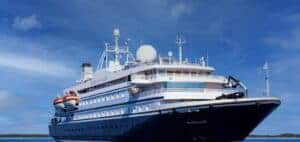
An expedition cruise is a voyage to remote places where the destination itself, rather than the ship, is the point of the trip. The ships are small, usually carrying somewhere between about a hundred and a few hundred guests, and they carry a fleet of inflatable boats, usually called Zodiacs, so that everyone can get ashore where there is no pier or harbour.
Each ship also carries an expedition team: naturalists, marine biologists, geologists, historians and photographers who lead the landings and give talks on board. The itinerary is a plan rather than a promise. The expedition leader and captain decide each day where to go based on the weather, sea conditions, ice and any wildlife sightings, which is why the best moments are often the unplanned ones.
Comfort levels vary from simple and practical to balcony suites and fine dining, but the focus is the same: days are built around time outside.
Expedition cruise vs classic cruise
| Feature | Expedition cruise | Classic cruise |
|---|---|---|
| Ship size | Small, often under about 300 guests | Medium to very large, often thousands of guests |
| Getting ashore | Zodiac landings on beaches, ice and rocky shores | Docking in ports or tendering to a pier |
| Itinerary | Flexible, decided day by day | Fixed ports and timings |
| Activities | Guided walks, Zodiac cruises, kayaking, snorkelling, lectures | Shore excursions, shows, casinos, pools |
| Staff | A dedicated team of naturalists and scientists | Entertainment and excursion staff |
| Dress code | Casual and practical | Varies, often with formal nights |
| Excursions | Landings and most activities usually included | Often booked and paid for separately |
A day on board: Zodiacs and landings
A typical day starts with an announcement from the expedition leader, often at breakfast, setting out the plan. Guests are split into groups and called to the “mudroom”, where you pull on boots and a life jacket and step down a gangway into a Zodiac. The crew hold your arm with a firm sailor’s grip, so you never step in unaided.
Landings come in two kinds. A dry landing means stepping out onto a rock or jetty. A wet landing means swinging your legs over the side into shallow water and wading a few steps to the beach, which is why waterproof boots matter. Ashore, guides mark out a route and stay with the group, explaining what you are looking at.
When a landing isn’t possible, the Zodiacs go cruising instead: along glacier fronts, among icebergs or beside seabird cliffs. Many ships also offer sea kayaking, and some have snorkelling in warmer regions. Evenings bring a “recap”, where the team talks through the day’s sightings and the plan for tomorrow, before dinner.
There are rules to protect wildlife and habitats. In Antarctica, operators who belong to IAATO (the International Association of Antarctica Tour Operators) follow guidelines that include keeping at least five metres from penguins and seals, and before every landing you clean your boots and check your clothing for seeds and dirt, so that nothing foreign is carried ashore.
The expedition team
The expedition team is what turns a beautiful voyage into an expedition. On a well-run ship you might have a marine biologist who can tell a minke from a humpback by its blow, an ornithologist, a glaciologist, a polar historian and a professional photographer. They drive the Zodiacs, lead the walks, give lectures between landings and are usually happy to talk over dinner.
The ratio of guides to guests matters. In Antarctica, IAATO operators keep a ratio of at least one staff member to every 20 visitors ashore. In the Galápagos, national park rules allow no more than 16 visitors per naturalist guide, and you cannot go ashore without one.
Expedition cruise ships: sizes and ice classes
On an expedition cruise, ship size has a direct effect on your time ashore, because many regions limit how many people can land at once:
- Antarctica: under IAATO rules, ships carrying more than 500 passengers cannot make landings, no more than 100 people can be ashore at one site at a time, and only one ship can visit a site at once. On a larger ship, landings are shared out in rotation, so a ship with fewer than 200 guests usually gives everyone more time ashore.
- Svalbard: since 1 January 2025, Norwegian rules have limited ships in Svalbard’s protected areas, which cover much of the archipelago, to 200 passengers.
- The Galápagos: national park rules cap vessels at 100 passengers, and many ships carry far fewer.
Polar ships also carry an ice class. Polar Class ratings run from PC1, the strongest, to PC7. Most polar expedition ships are built for summer conditions, which is when the voyages run, while a handful are much stronger: Ponant’s Le Commandant Charcot is rated PC2 and has taken guests to the geographic North Pole. An ice-strengthened hull doesn’t make a ship an icebreaker, and most expedition ships work around heavy ice rather than through it.
Our guide to the best expedition cruise lines lists guest numbers ship by ship.
Where expedition cruises go, and when
Every region has a short, defined season, and getting the timing right is the single biggest decision after choosing where to go.
| Region | Season | Highlights |
|---|---|---|
| Antarctica | Southern summer, mainly November to March | Penguin colonies, whales, icebergs, the Antarctic Peninsula |
| Svalbard and the Arctic | Northern summer, roughly June to August | Polar bears, walrus, pack ice, midnight sun |
| Greenland | Summer, mainly July to September | Icefjords, Inuit settlements, vast glaciers |
| Galápagos | Year-round | Fearless wildlife, snorkelling, volcanic islands |
| The Kimberley, Australia | Dry season, roughly April to September | Waterfalls, gorges, ancient rock art |
| Alaska | Summer, roughly May to September | Glaciers, bears, humpback whales, Inside Passage |
Antarctica
Antarctica is the classic expedition voyage. Most departures leave from Ushuaia, at the tip of Argentina, and cross the Drake Passage to the Antarctic Peninsula, which usually takes around two days each way and can be rough. Fly-cruise options from Punta Arenas in Chile land you on King George Island and skip the crossing. Longer voyages add the Falkland Islands and South Georgia, with its huge king penguin colonies. IAATO describes a season that now stretches from October to April, with most voyages in the core months of November to March. Our full guide to Antarctica cruises covers routes, ships and timing in depth, and you can browse Antarctica cruise departures on our cruise pages.
Arctic cruises: Svalbard (Spitsbergen)
Svalbard, the Norwegian archipelago far north of mainland Norway, is one of the most accessible places in the Arctic to look for polar bears. Voyages usually start and end in Longyearbyen and circle the islands in the northern summer, when the midnight sun means it never gets dark. Walrus haul-outs, bird cliffs, glaciers and drifting sea ice fill the days. A Svalbard cruise is the most popular first Arctic cruise, and you can compare Arctic cruises, including Svalbard and Greenland departures, on our cruise pages. Longer Arctic voyages head through the Northwest Passage or to the North Pole; see our guide to Arctic and Northwest Passage cruises.
Greenland cruises
Greenland is all about ice on an enormous scale. On the west coast, the Ilulissat Icefjord, a UNESCO World Heritage Site, produces icebergs the size of buildings, and Disko Bay is good for whales. The east coast is wilder and more remote. Visit Greenland describes a peak season from June to October, and most expedition voyages sail between July and September, when the sea ice has cleared. Our guide to Greenland and Svalbard expedition cruises compares the routes, and Greenland voyages are listed with our Arctic cruise departures.
Galápagos cruises
The Galápagos Islands, part of Ecuador, are the warm-water expedition classic. The wildlife has so little fear of people that you walk past sea lions, marine iguanas and nesting boobies on marked trails, and snorkel with turtles and sea lions. Ships sail year-round, and the water is generally warmest from December to May. Many landings here are wet landings onto sand. A Galápagos cruise is often paired with a few days in Quito or the Ecuadorian Andes; see our Galápagos holidays.
The Kimberley
The Kimberley coast of north-west Australia, between Broome and Darwin, is one of the world’s most remote coastlines. Small ships explore red-rock gorges, waterfalls that are at their fullest early in the season, the tidal Horizontal Falls and ancient Aboriginal rock art. Voyages run in the dry season, roughly April to September.
Alaska and beyond
In Alaska, small expedition ships slip into narrow inlets of the Inside Passage that large ships cannot reach, with chances to see bears, whales and tidewater glaciers. Expedition voyages also explore Iceland, Scotland’s islands and the South Pacific, and on an Amazon river cruise small ships and skiffs take you up the tributaries of the rainforest.
Search Arctic expedition cruises
Fares and cabins change daily, so the live search below shows current availability for Arctic voyages, including Svalbard and Greenland, across our cruise partners. For other regions, see all expedition cruises.
Who an expedition cruise suits
- Wildlife lovers and photographers. You spend hours each day close to animals and landscapes, with experts on hand.
- Curious, active travellers. The talks, walks and conversations with the team are a large part of the pleasure.
- Solo travellers. Small ships are sociable, and you quickly get to know fellow guests on the Zodiacs and at dinner.
- Families with older children. Teenagers who love nature often find an expedition far more exciting than a resort, though minimum ages vary by line and region.
- Experienced cruisers who want something completely different from a classic cruise.
It suits you less if you want nightlife, a packed entertainment programme or a fixed schedule. If you are a nervous sailor, choose a route with sheltered waters, such as the Galápagos, the Kimberley or Alaska’s Inside Passage, or a fly-cruise to Antarctica.
How fit do you need to be?
You don’t need to be athletic, but you do need to be reasonably steady on your feet. Getting in and out of a Zodiac involves a step down from the gangway and swinging your legs over the side, with the crew helping you. Ashore, walks are usually short and gentle, but the ground can be uneven, rocky, icy or muddy, and wet landings mean stepping into shallow water.
Most landings offer a choice of a short stroll or a longer hike, and you can always stay on the Zodiac or on board. Expedition ships usually carry a doctor, but you are a long way from a hospital, so some lines ask for a medical form before polar voyages. Make sure your travel insurance includes cover for medical evacuation from remote areas, and if you use a walking aid or have mobility concerns, talk to us early so we can match you to the right ship and route.
What to pack
- Layers: thermal base layers, a fleece or warm mid-layer and a windproof, waterproof outer jacket.
- Waterproof trousers: essential for Zodiac rides, where spray is common.
- Warm hat, gloves and a neck warmer for polar regions, plus a spare pair of gloves.
- Sunglasses and high-factor sun cream: the glare from snow and ice is intense.
- Binoculars and a camera with spare batteries and memory cards, and a dry bag to keep them safe in the boats.
- Seasickness remedies, if you are prone to it; ask your GP or pharmacist for advice before you travel.
Many lines lend waterproof boots for landings and some provide an expedition parka, so check what is included before you buy. For the Galápagos and the Kimberley, pack light, breathable clothing, a sun hat, swimwear and walking sandals or shoes that can get wet.
Choosing a line
Expedition lines range from science-led specialists to all-suite luxury ships. These are the lines we book most often for expedition cruises, each with its own style:
Polar pioneerHurtigruten Expeditions
Polar specialistQuark Expeditions
Culture and natureSwan Hellenic
Science-ledLindblad–National Geographic
French stylePonant
Silversea, Seabourn and Aurora Expeditions also sail in polar waters. Our guide to the best expedition cruise lines compares ships, guest numbers and what each does best, side by side.
Frequently asked questions
What is the difference between an expedition cruise and a normal cruise?
An expedition cruise uses a small ship to reach remote places without ports, landing guests by Zodiac with a team of naturalists and scientists. The itinerary is flexible and changes with the weather, ice and wildlife, whereas a classic cruise follows a fixed schedule of ports.
Do you need to be fit to go on an expedition cruise?
You need to be reasonably steady on your feet, as getting into a Zodiac and walking on uneven, rocky or icy ground is part of most days. The crew help you in and out of the boats, walks are usually gentle, and you can choose how much you do.
When is the best time for an expedition cruise to Antarctica?
Antarctic voyages run in the southern summer, with most departures between November and March. Earlier in the season brings pristine snow and courting penguins; later brings chicks and more whales.
How many people are on an expedition cruise ship?
Most expedition ships carry from around a hundred to a few hundred guests. In Antarctica, ships with more than 500 passengers cannot land guests at all, and no more than 100 people can be ashore at one site at a time, so smaller ships usually mean more time ashore.
Are excursions included on an expedition cruise?
Usually, yes. Zodiac landings, guided walks and lectures are normally part of the fare, and many lines include kayaking or snorkelling too, although some charge extra for activities such as kayaking or camping. Inclusions vary by line.
What should I wear on an expedition cruise?
For polar voyages, wear layers: thermal base layers, a warm mid-layer and a waterproof jacket and trousers, with a hat and gloves. Many lines lend waterproof boots and some provide a parka. In the Galápagos, light clothing, a sun hat and swimwear are the essentials.
Plan your trip with us
Our Travel Designers will help you choose the right region, season and ship for the expedition you have in mind, from a fly-cruise to Antarctica to a summer voyage around Svalbard or a Galápagos island-hopping cruise, and arrange flights and hotel stays either side.
Keep planning
- Antarctica cruises: the full guide
- The best expedition cruise lines, compared
- Greenland and Svalbard expedition cruises
- Arctic and Northwest Passage cruises
- Browse expedition cruises
- Browse Arctic cruises
Updated November 2026. Rules for Antarctica, Svalbard and the Galápagos are summarised from IAATO, the Governor of Svalbard and published Galápagos National Park requirements, and can change. Seasons describe typical patterns; your Travel Designer will confirm the details for your voyage.
{“@context”: “https://schema.org”, “@type”: “FAQPage”, “mainEntity”: [{“@type”: “Question”, “name”: “What is the difference between an expedition cruise and a normal cruise?”, “acceptedAnswer”: {“@type”: “Answer”, “text”: “An expedition cruise uses a small ship to reach remote places without ports, landing guests by Zodiac with a team of naturalists and scientists. The itinerary is flexible and changes with the weather, ice and wildlife, whereas a classic cruise follows a fixed schedule of ports.”}}, {“@type”: “Question”, “name”: “Do you need to be fit to go on an expedition cruise?”, “acceptedAnswer”: {“@type”: “Answer”, “text”: “You need to be reasonably steady on your feet, as getting into a Zodiac and walking on uneven, rocky or icy ground is part of most days. The crew help you in and out of the boats, walks are usually gentle, and you can choose how much you do.”}}, {“@type”: “Question”, “name”: “When is the best time for an expedition cruise to Antarctica?”, “acceptedAnswer”: {“@type”: “Answer”, “text”: “Antarctic voyages run in the southern summer, with most departures between November and March. Earlier in the season brings pristine snow and courting penguins; later brings chicks and more whales.”}}, {“@type”: “Question”, “name”: “How many people are on an expedition cruise ship?”, “acceptedAnswer”: {“@type”: “Answer”, “text”: “Most expedition ships carry from around a hundred to a few hundred guests. In Antarctica, ships with more than 500 passengers cannot land guests at all, and no more than 100 people can be ashore at one site at a time, so smaller ships usually mean more time ashore.”}}, {“@type”: “Question”, “name”: “Are excursions included on an expedition cruise?”, “acceptedAnswer”: {“@type”: “Answer”, “text”: “Usually, yes. Zodiac landings, guided walks and lectures are normally part of the fare, and many lines include kayaking or snorkelling too, although some charge extra for activities such as kayaking or camping. Inclusions vary by line.”}}, {“@type”: “Question”, “name”: “What should I wear on an expedition cruise?”, “acceptedAnswer”: {“@type”: “Answer”, “text”: “For polar voyages, wear layers: thermal base layers, a warm mid-layer and a waterproof jacket and trousers, with a hat and gloves. Many lines lend waterproof boots and some provide a parka. In the Galápagos, light clothing, a sun hat and swimwear are the essentials.”}}]}