Panama in brief
- The Panama Canal at Miraflores, and Casco Viejo, the UNESCO-listed old quarter.
- Caribbean islands: Bocas del Toro and the Guna-run San Blas islands.
- Boquete for coffee, cloud forest and Volcán Barú; rainforest and whales on the Pacific side.
- Best from mid-December to April; one stop from the UK.
Panama is the narrow strip of land that joins Central and South America, and it fits a remarkable amount into a small country: one of the great engineering wonders of the world, a buzzing capital with a beautifully restored colonial quarter, rainforest within half an hour of the skyscrapers, the coral-fringed islands of Bocas del Toro and San Blas on the Caribbean, cool coffee-growing highlands and Pacific islands where humpback whales come to breed. This guide covers where Panama is, the regions, the best things to do, wildlife, food, the best time to go to Panama with a month-by-month weather table, how to get there from the UK, getting around, where to stay and sample routes.
Where is Panama?
Panama is the southernmost country in Central America, an S-shaped isthmus running roughly east to west between Costa Rica and Colombia, with the Caribbean Sea on its north coast and the Pacific Ocean on its south. At its narrowest it is only about 50 km wide, which is why the canal was built here. A spine of mountains runs down the middle, rising to 3,474 m at Volcán Barú in the west.
Most of the 4.5 million or so people live in and around Panama City on the Pacific side of the canal. To the west are the beaches and farmland of the Pacific coast and the Azuero Peninsula, the highlands of Chiriquí and the Bocas del Toro islands; to the east the semi-autonomous Guna Yala region (San Blas) and the roadless rainforest of the Darién.
Regions of Panama
Panama City and the canal
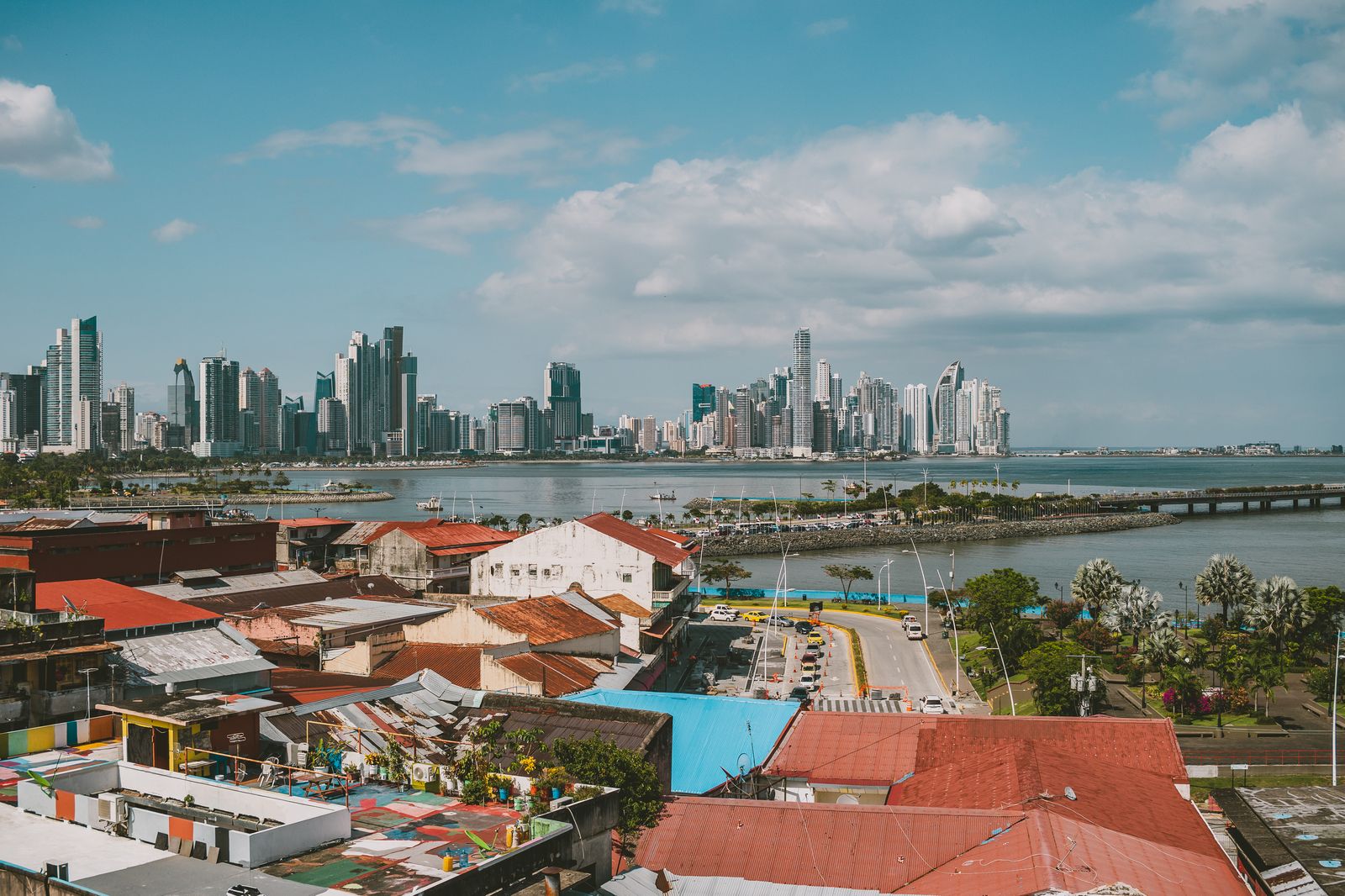
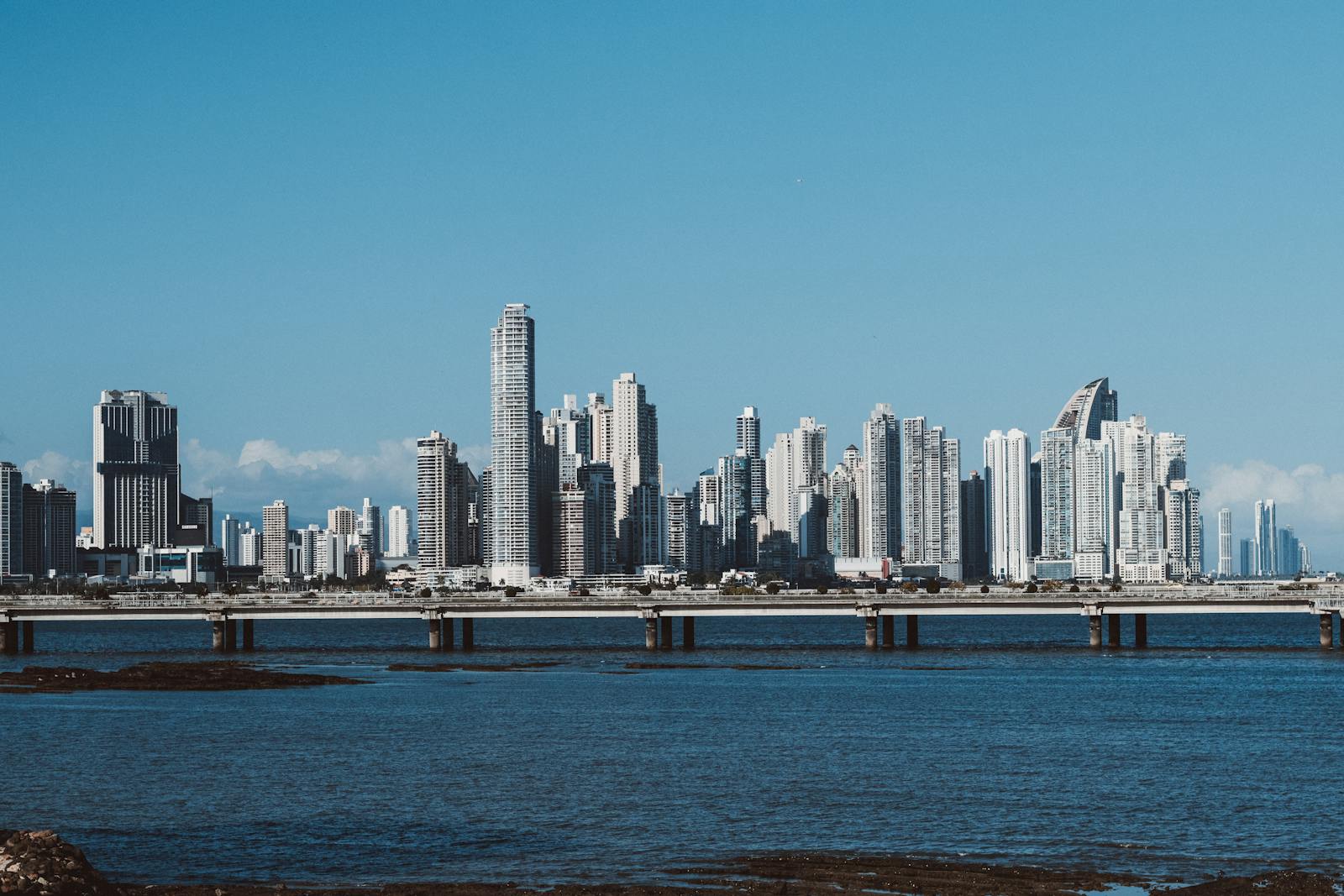
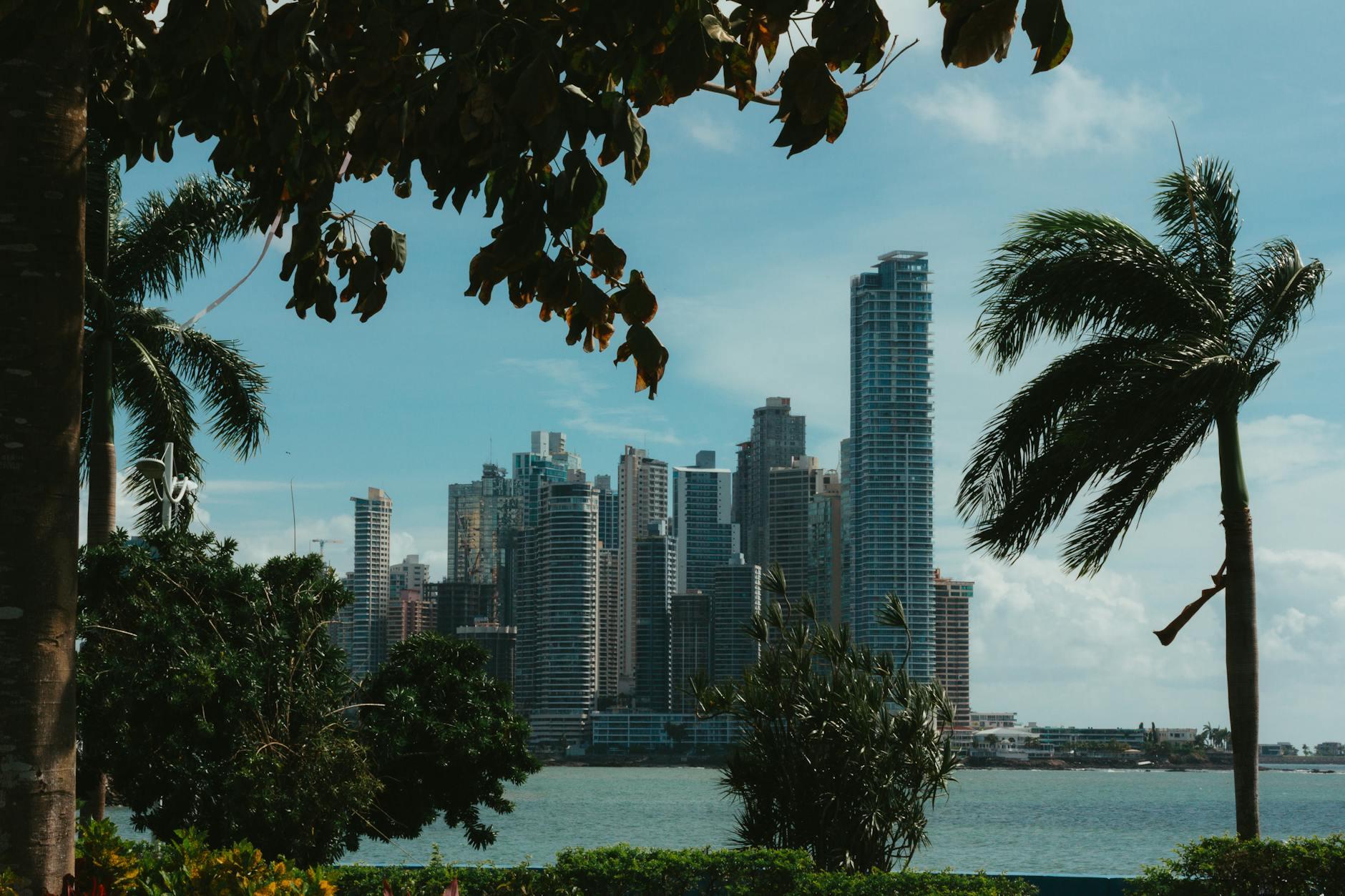
A Latin American capital of glass towers, a UNESCO-listed old quarter and the ruins of the first city, with the canal on its doorstep and rainforest national parks less than an hour away.

Bocas del Toro
An archipelago off the north-west Caribbean coast near the Costa Rican border, with a laid-back, colourful main town, mangroves, reefs, jungle-backed beaches and over-water stays.
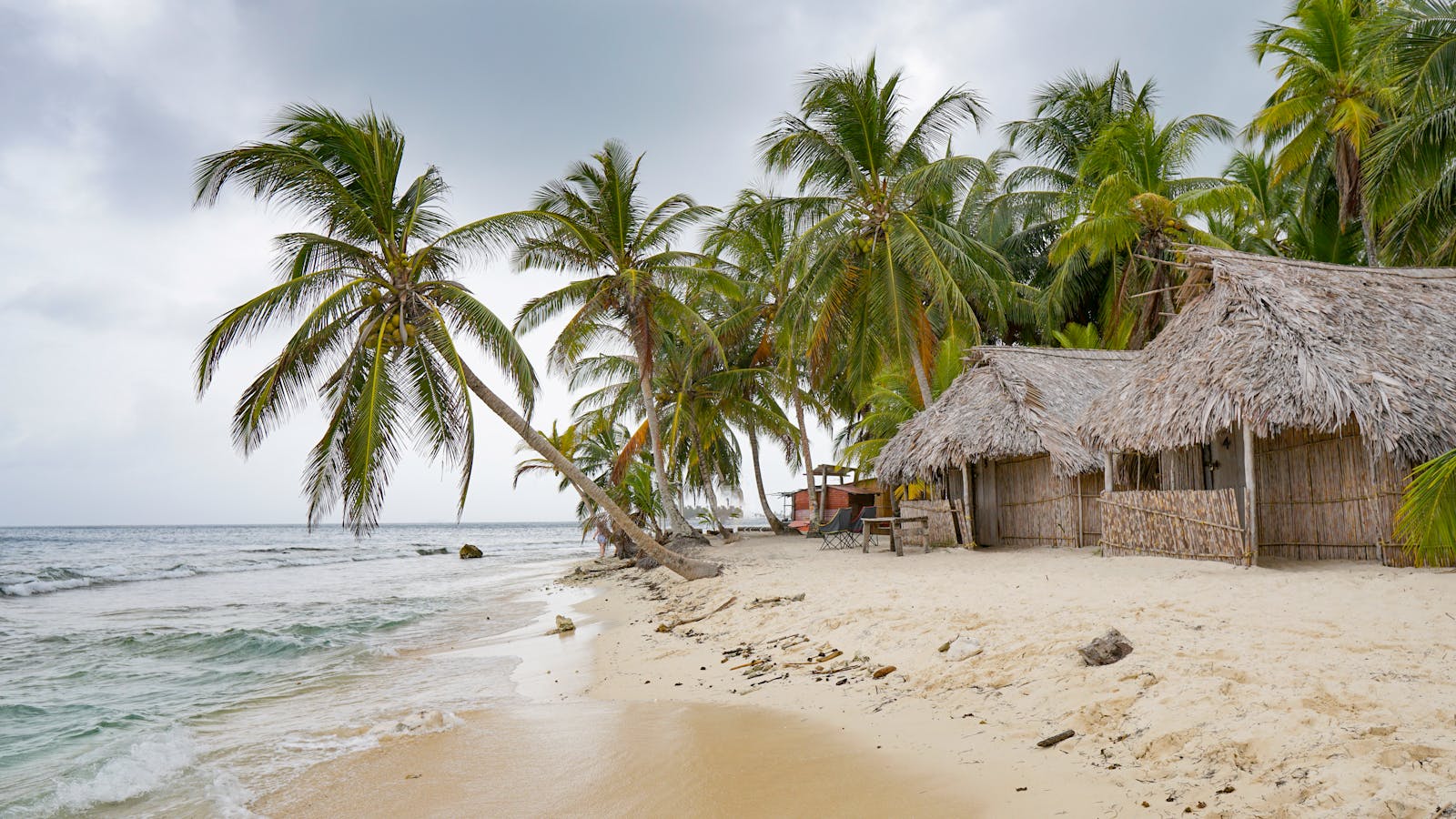
San Blas (Guna Yala)
A long chain of tiny palm-covered islands along the Caribbean coast, governed by the indigenous Guna people. Simple island stays, clear water and a very different way of life.
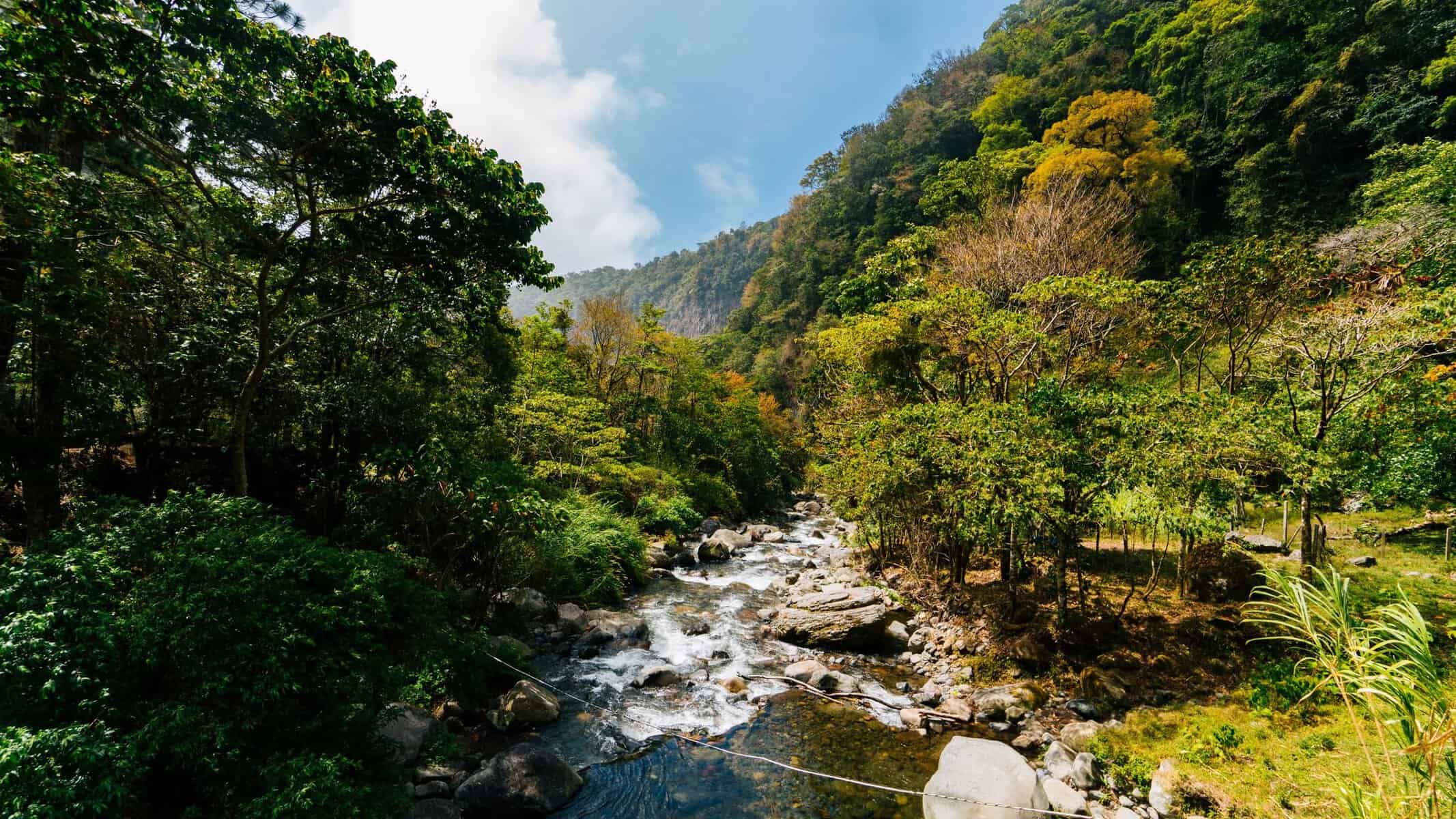
Boquete and the Chiriquí highlands
Cool mountain valleys around the town of Boquete at about 1,200 m, with coffee farms, hiking trails, hot springs and Volcán Barú, the highest point in the country.
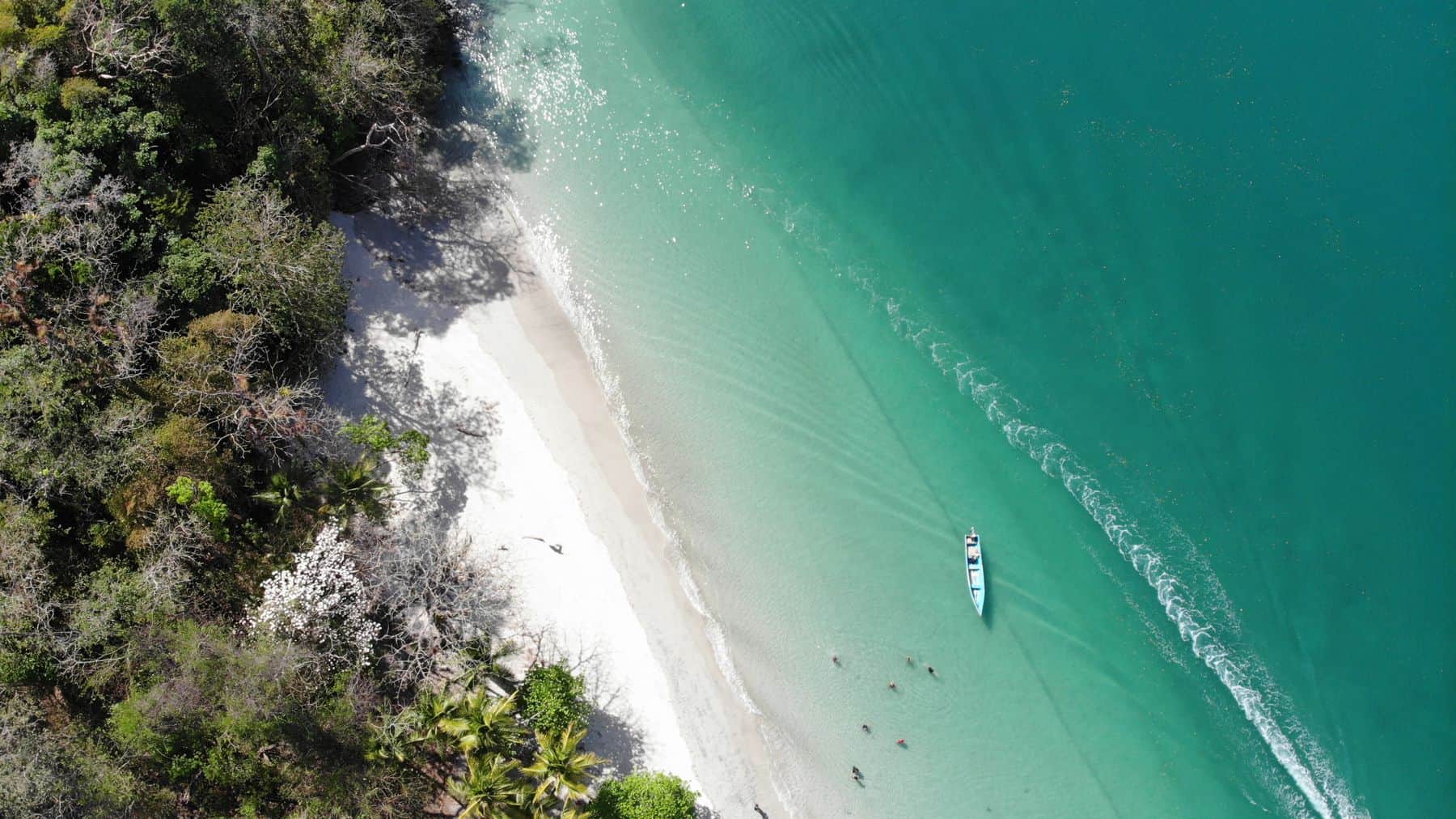
The Pacific islands and coast
The Pearl Islands in the Gulf of Panama, the islands of the Gulf of Chiriquí and Coiba National Park, a UNESCO site with some of the best diving in the eastern Pacific.
Best things to do in Panama
See the Panama Canal

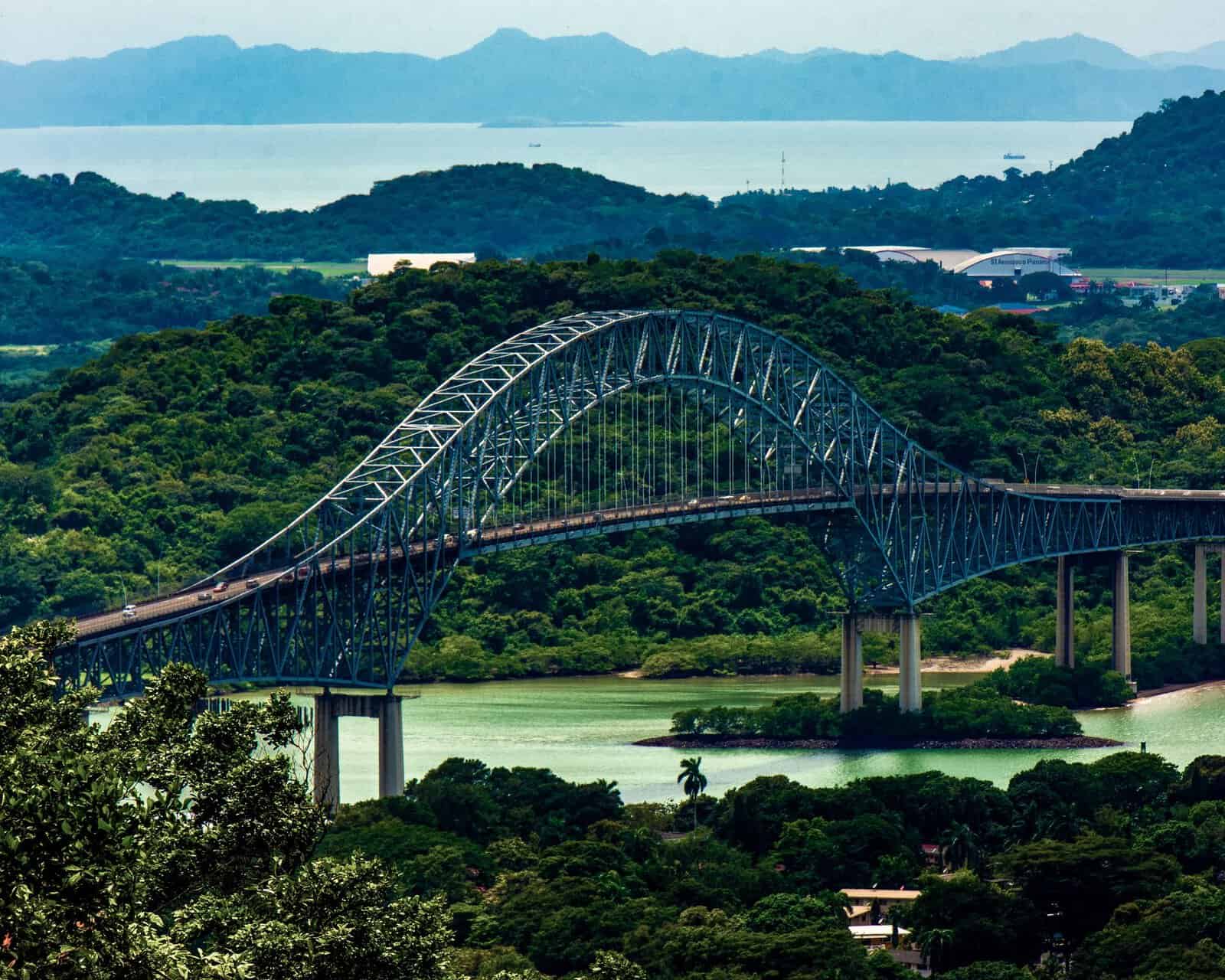
The Panama Canal opened in 1914 and runs for about 80 km between the Atlantic and Pacific. Ships are lifted by three sets of locks to Gatun Lake, 26 m above sea level, and lowered again on the other side; a transit takes around 8 to 10 hours. The United States ran the canal until it was handed to Panama at the end of 1999, and a third, larger set of locks opened in 2016.
The easiest place to watch is the Miraflores Locks visitor centre, 20 minutes from the city, with viewing terraces right beside the lock chambers and a museum. On the Caribbean side, the Agua Clara visitor centre overlooks the newer, bigger locks.
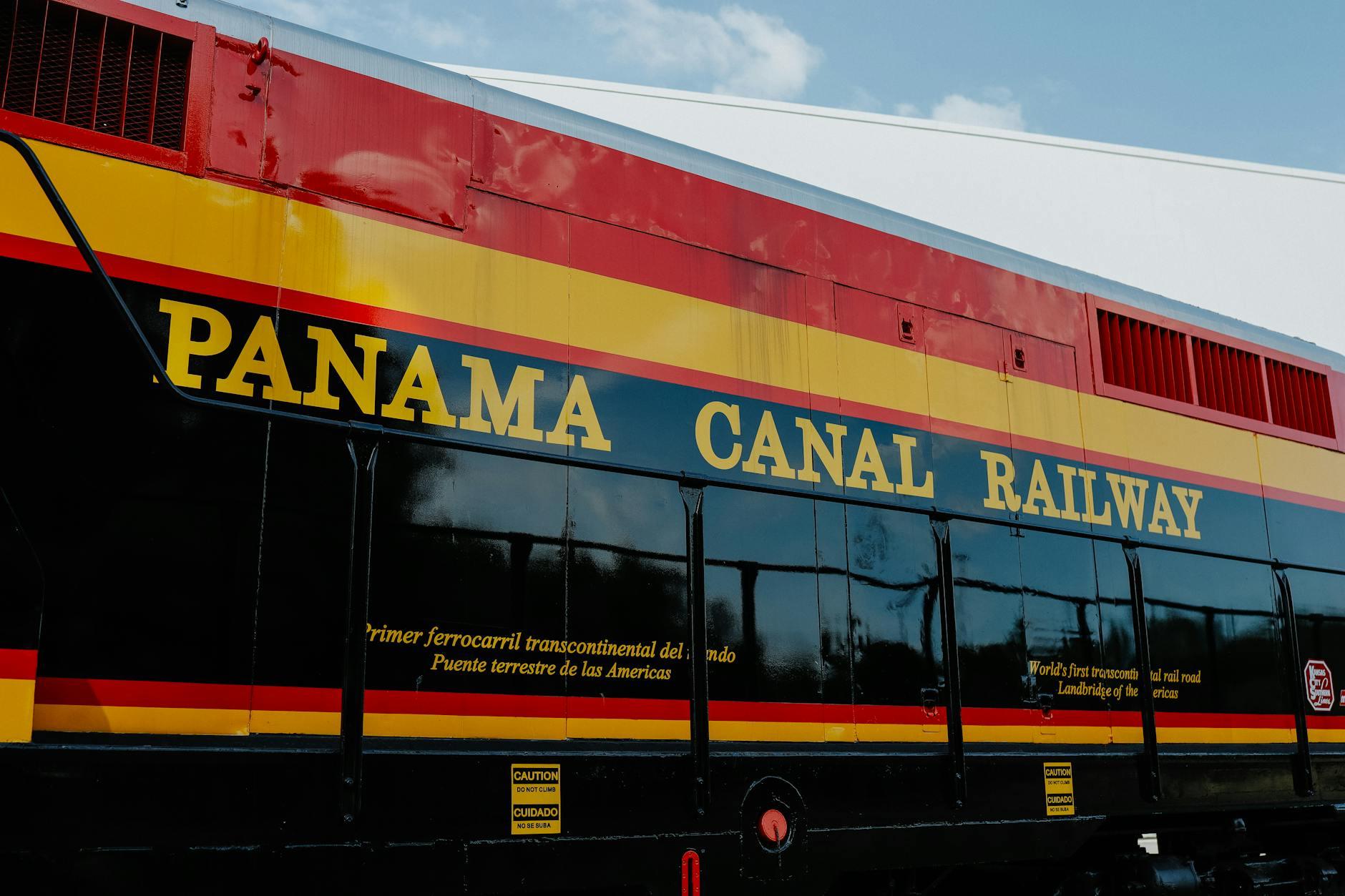
For more, take a partial transit by boat through some of the locks, a boat trip on Gatun Lake past forested islands with monkeys, or the historic Panama Canal Railway, which runs alongside the canal between Panama City and Colón (passenger trains have run on weekday mornings; check the current timetable). If you’d rather sail the whole canal, see our Panama Canal cruises.
Casco Viejo and Panama City

Casco Viejo (also called Casco Antiguo), the old quarter founded in 1673 on a small peninsula, is a grid of restored colonial houses, churches and plazas with wrought-iron balconies, rooftop bars and some of the city’s best restaurants. With the ruins of the first city, it is a UNESCO World Heritage Site.
Panamá Viejo, founded in 1519 and destroyed when the pirate Henry Morgan attacked it in 1671, is a park of stone ruins with a climbable cathedral tower. The Amador Causeway runs out to small islands at the Pacific entrance to the canal, past the colourful Biomuseo, designed by Frank Gehry, which tells the story of how the isthmus changed the planet.
San Blas islands (Guna Yala)

The San Blas islands, officially the comarca of Guna Yala, are a chain of several hundred small coral islands along the Caribbean coast, often said to number 365, only a few dozen of them inhabited. The region is governed by the Guna people, who keep strict control over tourism: visitors pay community fees, stay in simple Guna-run cabins on small islands, and eat what the fishermen bring in. The women’s brightly sewn mola panels are the region’s famous craft. Most visitors come by 4×4 road from Panama City to the coast at Cartí (around two and a half to three hours), then by boat; small planes also fly to island airstrips. Facilities are basic: two or three nights is plenty. The islands most visitors go to are in the west of Guna Yala; the FCDO advises travelling only in organised groups in the far east of the region near the Colombian border, which we don’t include.
Bocas del Toro
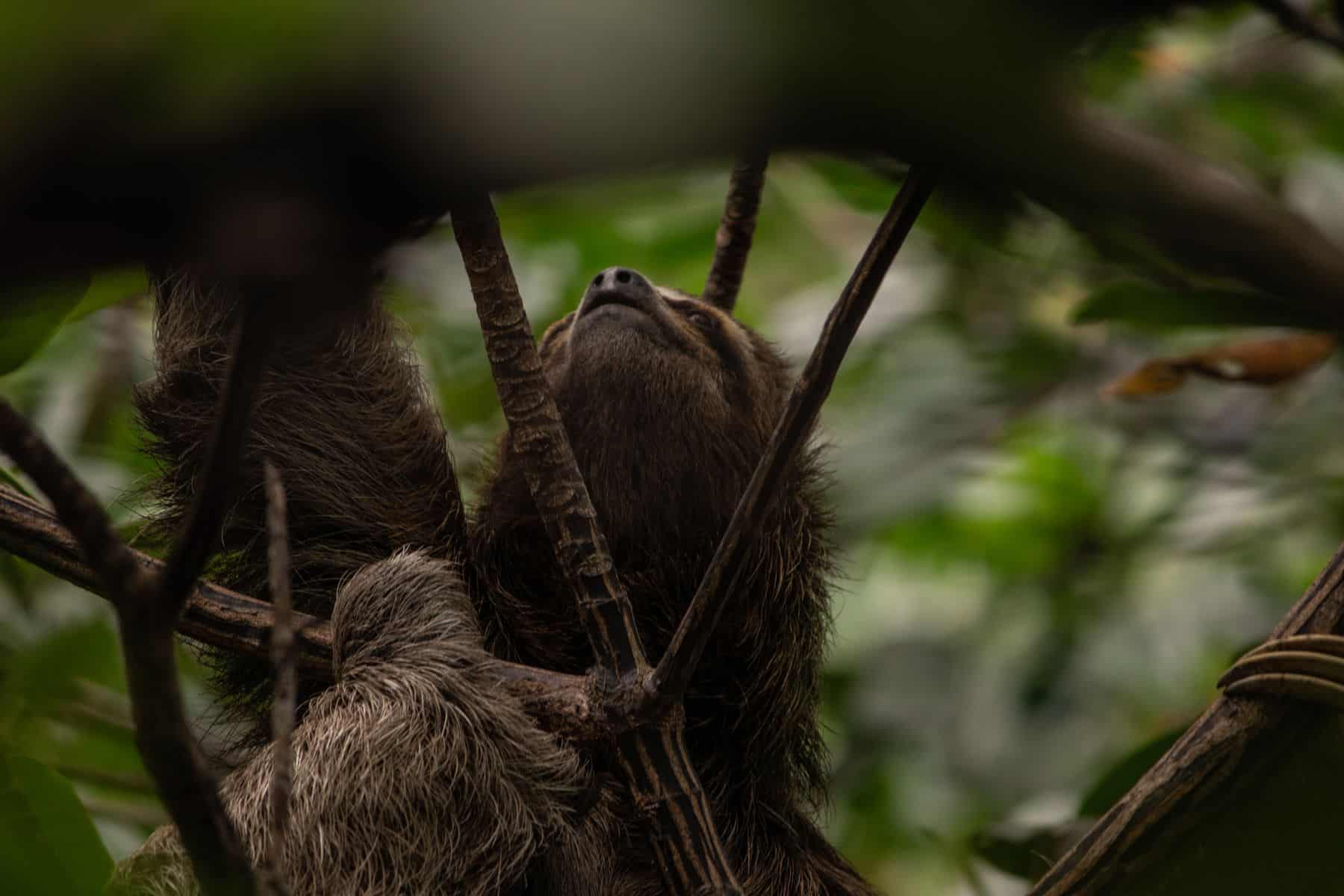
Panama’s Bocas del Toro archipelago is the country’s favourite Caribbean escape. Life centres on Bocas Town on Isla Colón, with wooden houses, waterfront bars and water taxis to everywhere else.
Isla Bastimentos has Panama’s first marine national park, with the tiny red poison-dart frogs the islands are known for, and the surf beach of Red Frog Beach. Boat trips go to Dolphin Bay, the snorkelling around the Cayos Zapatilla and Starfish Beach on Isla Colón. Look out for sloths in the trees, and turtles nest on the outer beaches from spring to summer.
Bocas is about an hour’s flight from Panama City, and close to the Costa Rican border at Sixaola, so it links well with Costa Rica’s Caribbean coast. It’s wetter than the Pacific side, but the rain usually comes in short bursts.
Boquete and the highlands
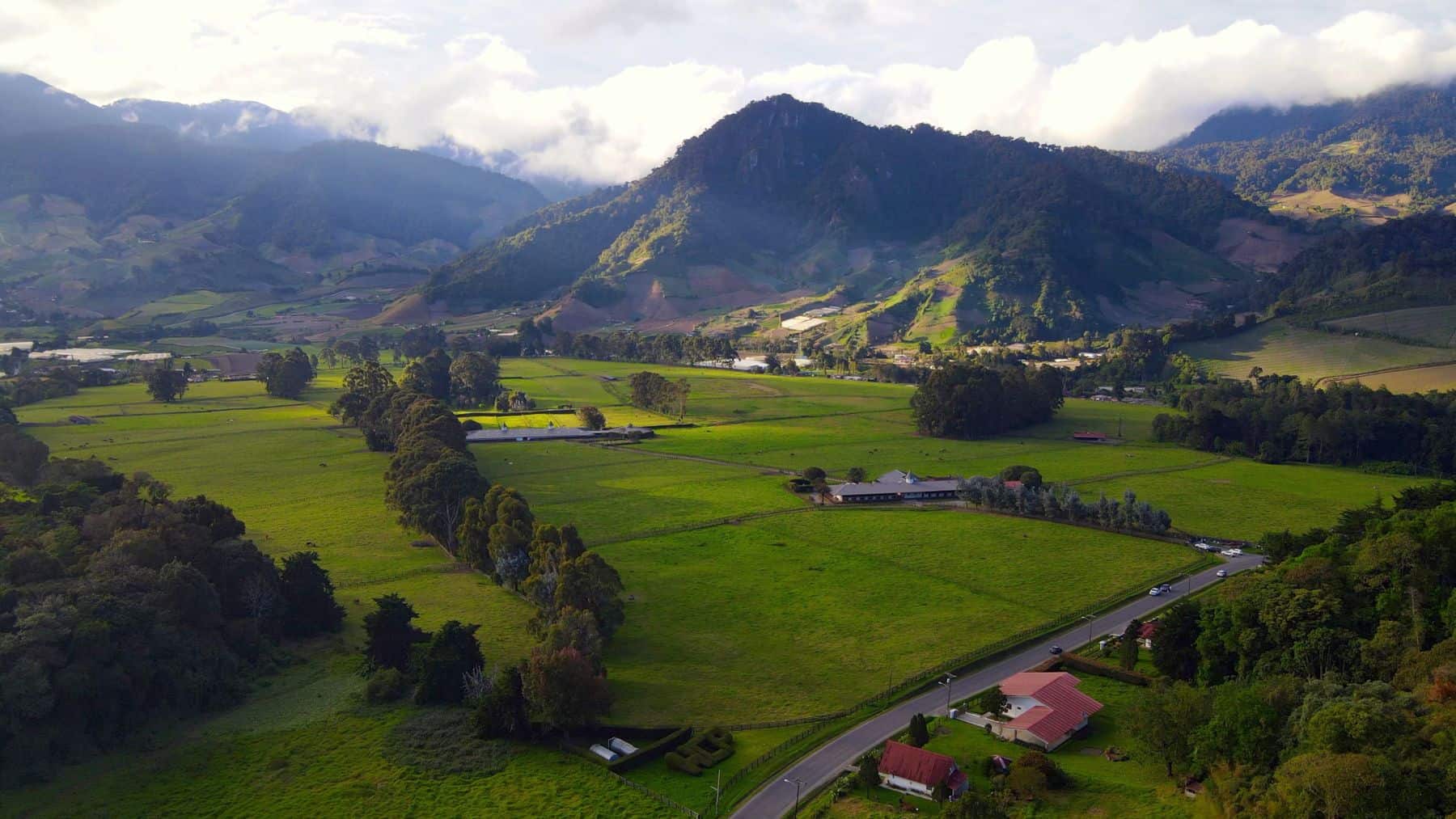
Boquete is a pretty highland town in a valley on the slopes of Volcán Barú, with fresh air and spring-like days. It is famous for coffee, including the prized Geisha variety, and farm tours show you everything from picking to roasting. Hike the Quetzal Trail through cloud forest, where the resplendent quetzal lives, walk to waterfalls, cross hanging bridges in the canopy or raft the Chiriquí rivers. Fit walkers can climb Volcán Barú (3,474 m) overnight for sunrise, when on a clear morning you can see both the Pacific and the Caribbean. The FCDO recommends hiking with an experienced guide, as trails can be poorly marked and visitors have got lost. Below the highlands, the islands of the Gulf of Chiriquí are lovely for a few nights of beach and snorkelling.
Rainforest, wildlife and the Pacific
Panama has more bird species than the US and Canada combined, and its rainforest is unusually easy to reach. In Soberanía National Park, beside the canal, Pipeline Road is one of the most famous birding trails in the world, with toucans, trogons, motmots and antbirds. Howler monkeys, capuchins, sloths and coatis are everyday sights. You can also visit an Emberá community in Chagres National Park by dugout canoe. On the Pacific side, humpback whales gather around the Pearl Islands and the Gulf of Chiriquí from about July to October, and Coiba National Park, reached from the surf village of Santa Catalina, has sharks, rays and turtles on its reefs.
Food in Panama
The national dish is sancocho, a chicken soup with yam and coriander. Expect plenty of ceviche (try it at the fish market near Casco Viejo), patacones (twice-fried green plantain), arroz con pollo and fried hojaldras at breakfast. On the Caribbean coast, Afro-Caribbean cooking brings rice and beans cooked in coconut milk and spicy fish stews.
Best time to go to Panama
The best time to visit Panama is the dry season, from mid-December to April, on the Pacific side: sunny days, little rain in Panama City and the Pacific islands, and the best conditions for Boquete’s trails. January to March are the driest months. The rainy season runs from May to November, with short, heavy afternoon storms and lush green forest; October and November are the wettest. The rains don’t stop travel, and it’s quieter, but plan outdoor trips for the mornings.
The Caribbean side (Bocas del Toro and San Blas) has its own pattern, with rain possible at any time of year. In Bocas, September and October and February to March are usually the driest spells, so they suit a Caribbean finish. Panama lies south of the main hurricane belt. Temperatures barely change: about 29°C to 32°C on the coast all year and mid-20s in Boquete.
| Month | Panama City | Bocas del Toro | Boquete |
|---|---|---|---|
| Jan | 30°C / 24°C · 35 mm | 27°C / 23°C · 205 mm | 24°C / 17°C · 65 mm |
| Feb | 31°C / 24°C · 10 mm | 27°C / 23°C · 105 mm | 24°C / 18°C · 40 mm |
| Mar | 32°C / 24°C · 25 mm | 28°C / 24°C · 115 mm | 25°C / 18°C · 45 mm |
| Apr | 31°C / 25°C · 100 mm | 28°C / 24°C · 165 mm | 25°C / 18°C · 155 mm |
| May | 30°C / 25°C · 265 mm | 28°C / 25°C · 305 mm | 24°C / 19°C · 380 mm |
| Jun | 29°C / 24°C · 285 mm | 28°C / 25°C · 365 mm | 24°C / 19°C · 280 mm |
| Jul | 29°C / 24°C · 330 mm | 28°C / 24°C · 515 mm | 24°C / 19°C · 270 mm |
| Aug | 29°C / 24°C · 290 mm | 28°C / 25°C · 300 mm | 24°C / 18°C · 295 mm |
| Sep | 29°C / 24°C · 300 mm | 28°C / 25°C · 235 mm | 24°C / 18°C · 300 mm |
| Oct | 29°C / 24°C · 300 mm | 28°C / 25°C · 315 mm | 24°C / 18°C · 490 mm |
| Nov | 29°C / 24°C · 320 mm | 28°C / 24°C · 420 mm | 23°C / 18°C · 415 mm |
| Dec | 30°C / 24°C · 100 mm | 27°C / 24°C · 320 mm | 24°C / 18°C · 170 mm |
Average daily high / low and monthly rainfall, 10-year ERA5 data. The sea is warm all year, at around 27°C to 29°C.
Panama weather in December: the rains ease through the month on the Pacific side and the dry season usually sets in by Christmas, though Bocas can still be wet. January: one of the best months, dry and sunny in Panama City, breezy in Boquete. March: the driest, hottest month in the capital and a good time for the Pacific islands. October: one of the wettest months on the Pacific side, but one of the better months in Bocas del Toro.
How to get to Panama from the UK
There are no direct flights from the UK to Panama. The usual routes connect through a European hub such as Madrid, Amsterdam, Paris or Frankfurt, or through the United States (which needs a US ESTA even if you only change planes), to Tocumen International Airport, about 30 minutes east of Panama City. Expect around 13 to 16 hours door to door. Panama is also a major regional hub, so it’s easy to combine with Costa Rica, Colombia or Guatemala.
Getting around Panama
- Domestic flights: from Panama City’s Albrook airport to Bocas del Toro and David (for Boquete) in about an hour each, and small planes to Guna Yala island airstrips.
- Private driver: the best way to reach the canal, Gamboa, El Valle and the Pacific beaches, and the road and boat transfer to San Blas.
- Boats: water taxis link the Bocas islands, and ferries run from Panama City to the Pearl Islands in under two hours.
- Overland to Costa Rica: border crossings near Bocas del Toro (Guabito–Sixaola) and on the Pan-American Highway (Paso Canoas). The FCDO notes protests sometimes block roads to Paso Canoas.
- In the city: use ride-hailing apps or hotel-arranged cars rather than street taxis, as the FCDO advises.
Where to stay in Panama
- Panama City: boutique hotels in restored colonial buildings in Casco Viejo for atmosphere, or high-rise hotels in the modern districts along the bay for views and pools.
- Gamboa: a rainforest lodge on the canal, 40 minutes from the city, for birding and early-morning walks.
- Bocas del Toro: waterfront guesthouses in Bocas Town, or quieter eco-lodges and over-water cabins on the outer islands, reached by boat.
- San Blas: simple Guna-run island cabins with shared facilities and meals included.
- Boquete: boutique hotels and lodges on coffee farms in the hills around town.
Tell us your style and budget and we’ll match the right place at each stop.
Sample routes
City, canal and islands
- Panama City (3 nights)
- San Blas island (2)
- Bocas del Toro (4)
Casco Viejo and the Miraflores Locks, a Guna island stay, then reefs, beaches and sloths.
The best of Panama
- Panama City (3 nights)
- Boquete (3)
- Bocas del Toro (4)
- Pearl Islands (2)
The canal and the rainforest, coffee and cloud forest, the Caribbean and the Pacific. Best December to April.
Costa Rica and Panama
- San José and Arenal, Costa Rica (5 nights)
- Caribbean coast, Costa Rica (2)
- Bocas del Toro (3)
- Boquete (2)
- Panama City (3)
Volcanoes and hot springs in Costa Rica, across the border near Bocas, ending at the canal.
Combining countries? See our Costa Rica holiday guide, Colombia holiday guide and Belize holiday guide.
Panama tours with us
See all our escorted tours of Panama, or ask about a tailor-made Panama holiday built around your dates, with flights, island stays, guides and transfers arranged for you.
Practical tips
- Entry: British visitors can stay up to three months without a visa if arriving by air or land. Your passport must be valid for at least six months after you leave Panama, with a blank page, and you may be asked for an onward ticket and proof of funds. Check the FCDO Panama advice before you travel.
- Safety: our trips stay within Panama City and the canal, Bocas del Toro, San Blas, the Chiriquí highlands and the Pacific islands and coast. In Panama City, watch for muggers in Casco Viejo and Panamá Viejo, and avoid neighbouring districts such as El Chorrillo and Santa Ana, especially after dark.
- Earthquake: a strong earthquake struck near Tonosí on the Azuero Peninsula on 9 October 2026; tsunami warnings were lifted, but check the FCDO page for the latest.
- Swimming: beaches on both coasts can have strong currents, often without warning signs, and the FCDO says not to swim in the Bay of Panama, which is polluted.
- Health: use insect repellent and check TravelHealthPro for vaccinations, including yellow fever advice for some regions.
Frequently asked questions
When is the best time to go to Panama?
Mid-December to April, the dry season on the Pacific side, with January to March the driest months. The Caribbean coast is wetter all year; in Bocas del Toro, September, October, February and March are usually the driest.
What is the weather like in Panama in December and January?
December is the changeover: the rains ease and the dry season usually starts around Christmas on the Pacific side. January is dry, sunny and hot in Panama City, at around 30°C, and breezy in the highlands.
Is Bocas del Toro worth visiting?
Yes. Panama's Bocas del Toro islands have a lively main town, reefs, beaches, sloths and red frogs, and it's an hour's flight from Panama City or an easy hop over the border from Costa Rica's Caribbean coast.
How do you get to the San Blas islands?
Most people go by 4×4 from Panama City to the coast at Cartí, around two and a half to three hours, then by boat to the islands. Small planes also fly to island airstrips. Stays are in simple Guna-run cabins.
Can you visit the Panama Canal?
Yes. The Miraflores Locks visitor centre near Panama City has viewing terraces beside the locks, and you can also take a partial transit by boat, a boat trip on Gatun Lake or the canal railway to Colón.
How do you get to Panama from the UK?
There are no direct flights. Fly with one stop via a European hub or the US (which needs an ESTA) to Tocumen International Airport, around 13 to 16 hours in total.
Is Panama safe for tourists?
Take normal care in Panama City and use ride-hailing apps or hotel transport. Check the current FCDO Panama travel advice before you book and again before you travel.
Can you combine Panama and Costa Rica?
Easily. Bocas del Toro is close to the Costa Rican border on the Caribbean side, and there are short flights between San José and Panama City, so a two-week trip can cover the highlights of both.
Keep planning
- Panama holidays
- Escorted tours of Panama
- Panama Canal cruises
- Costa Rica holiday guide
- Colombia holiday guide
- Belize holiday guide
- Guatemala holiday guide
- Tailor-made holidays
Plan your Panama holiday with a Travel Designer
Tell us when you’d like to go and we’ll plan Panama City and the canal, the islands and the highlands, with flights, transfers and guides arranged, in one ATOL-protected booking.
Make an enquiry Panama holidays